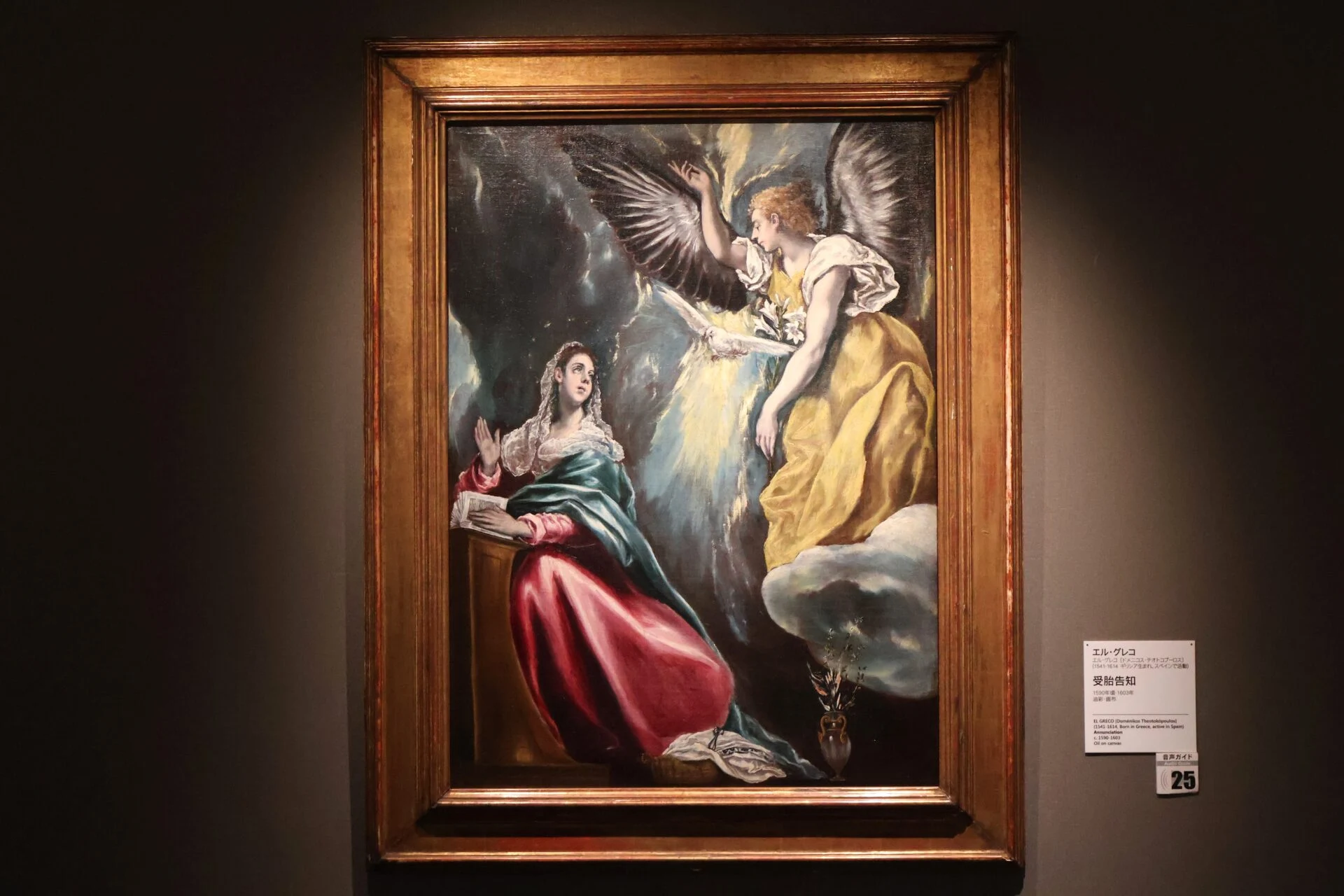
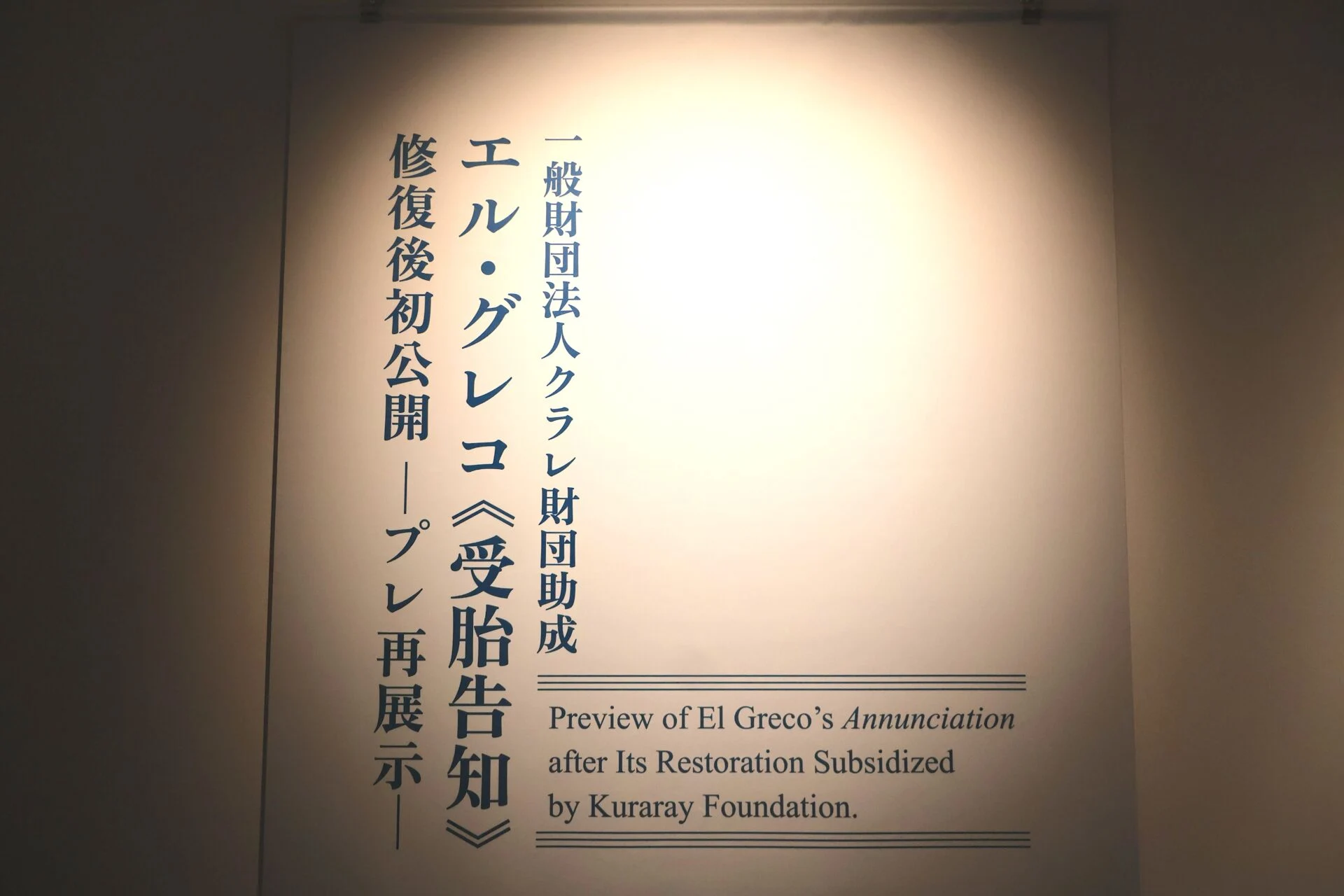
Ohara Museum of Art, a public interest incorporated foundation, has completed the restoration of the representative masterpiece, El Greco's "Annunciation," after 66 years.
From October 21, 2025, the first pre-exhibition after restoration will begin (the full public opening will be after April 2026), and many people have been stopping to appreciate the painting since the first day.
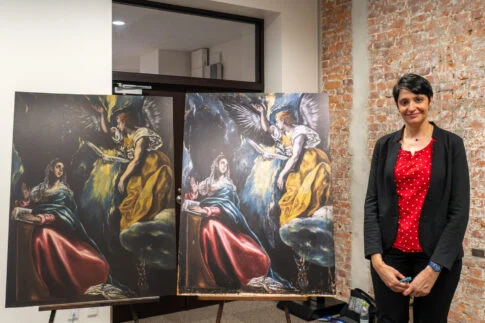
This restoration was a project conducted by inviting painting restorer Eva Martinez from the Prado Museum in Spain. The main objective was to carefully remove the yellowed layers of old varnish and surface dirt due to aging, and to restore the original colors that El Greco painted as much as possible.
This article introduces the state of the pre-exhibition, findings from the restoration process, and a Q&A with researchers.
Colors Revived by Restoration and New Discoveries
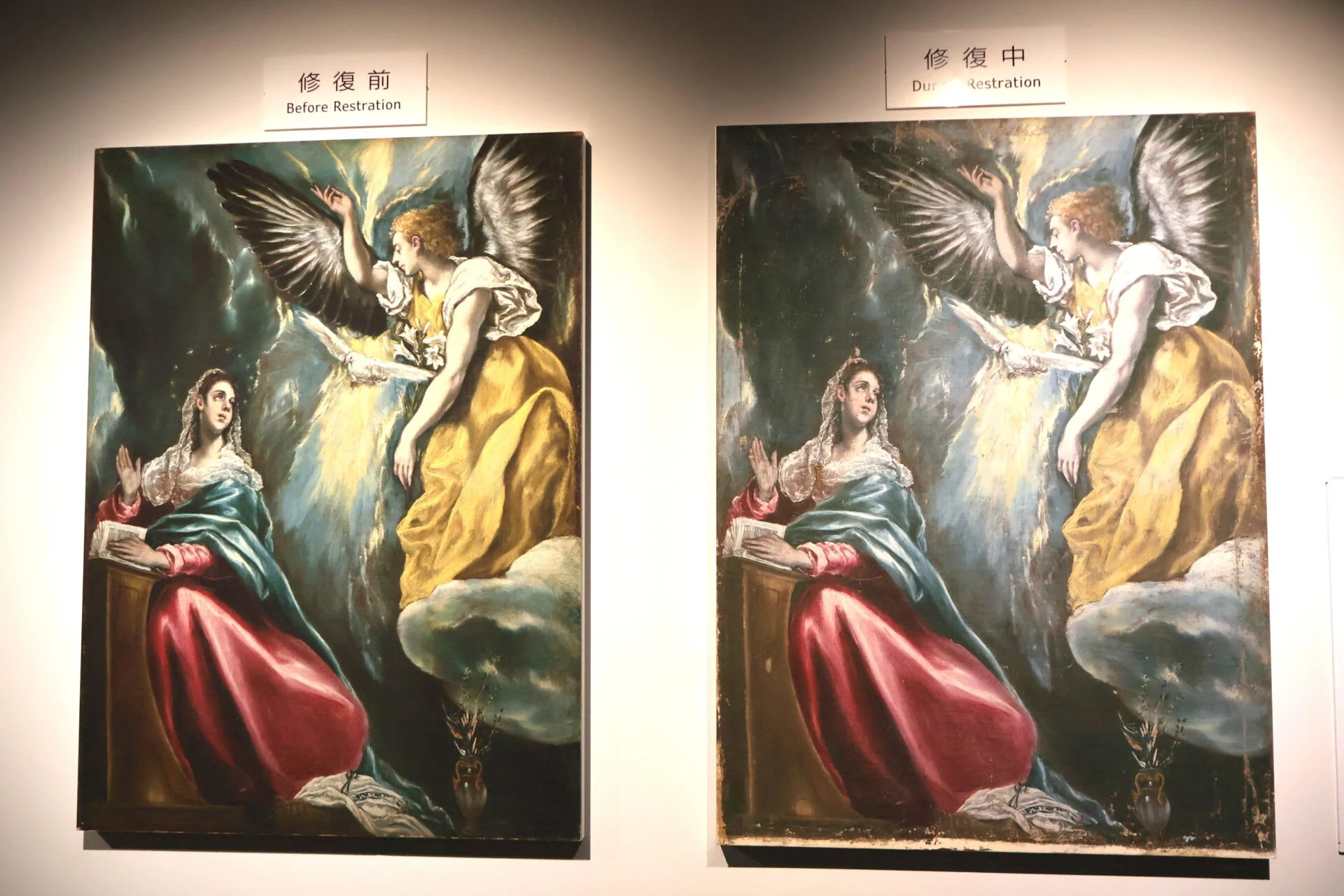
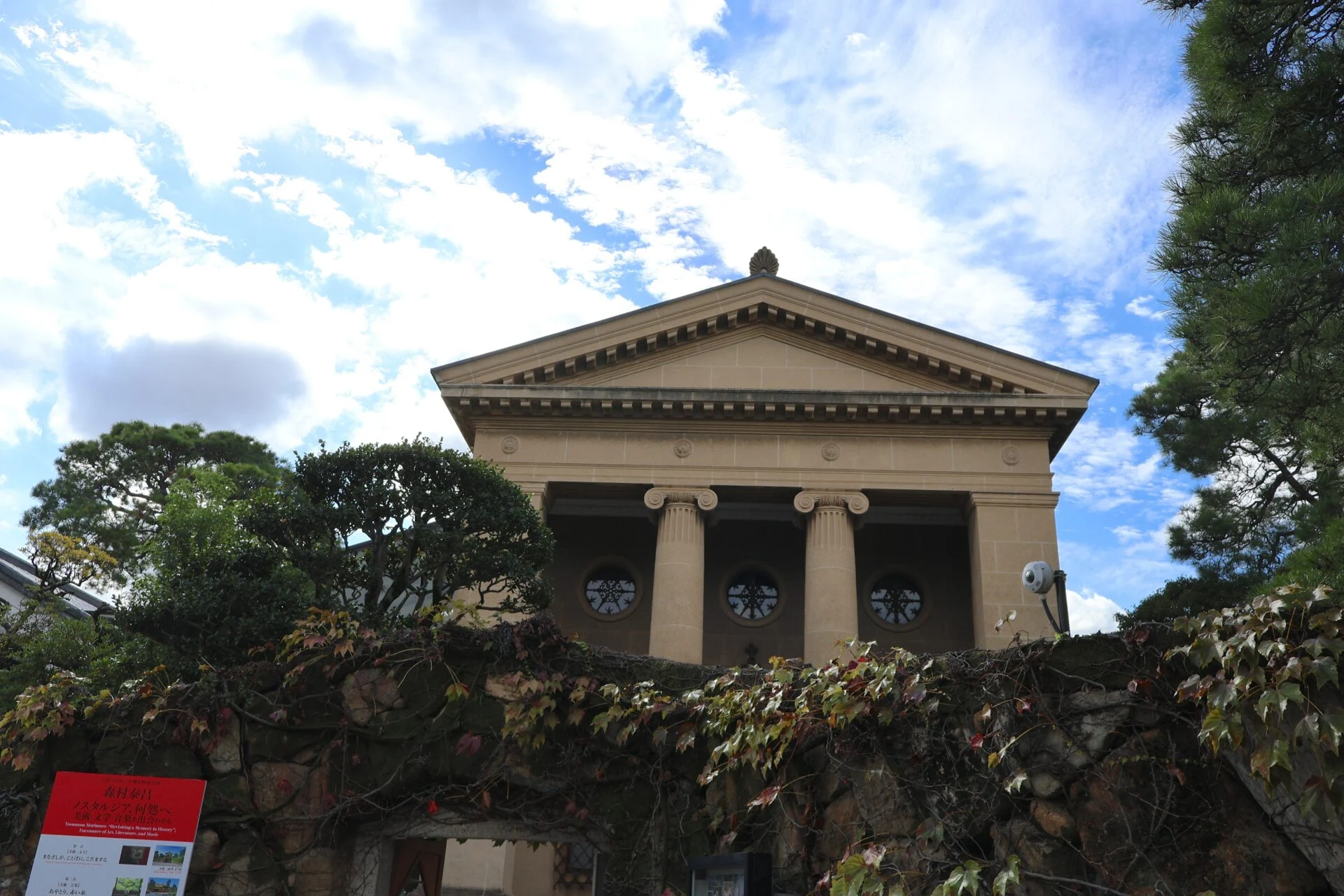
"Annunciation" has been a beloved work in Kurashiki for about 100 years since it was purchased in Paris in 1922 by the painter Kojima Torajiro with the support of Ohara Magosaburo.
During the restoration process, scientific investigations such as ultraviolet analysis were also conducted.
As a result, it was discovered that the large flowing cloth from the basket at the feet of the Virgin Mary had been repainted during past restorations.
Additionally, there was a discussion on how to handle the crown of twelve stars on the head of the Virgin Mary during the restoration, which is explained on a panel.
This pre-exhibition will be displayed until December 21, 2025, and after that, it will be exhibited at the Nakanoshima Kosetsu Museum of Art in Osaka (from January 3 to March 29, 2026).
Furthermore, Ohara Museum of Art will enter a long-term closure (from February 9 to April 24, 2026), so the full reopening is expected to be after that. During the full public opening, they are considering enhancing the exhibition with more materials related to the restoration so that those who come to Ohara Museum of Art again can enjoy it more deeply.
Completion of the Restoration of "Annunciation" and Thoughts on Its Public Display
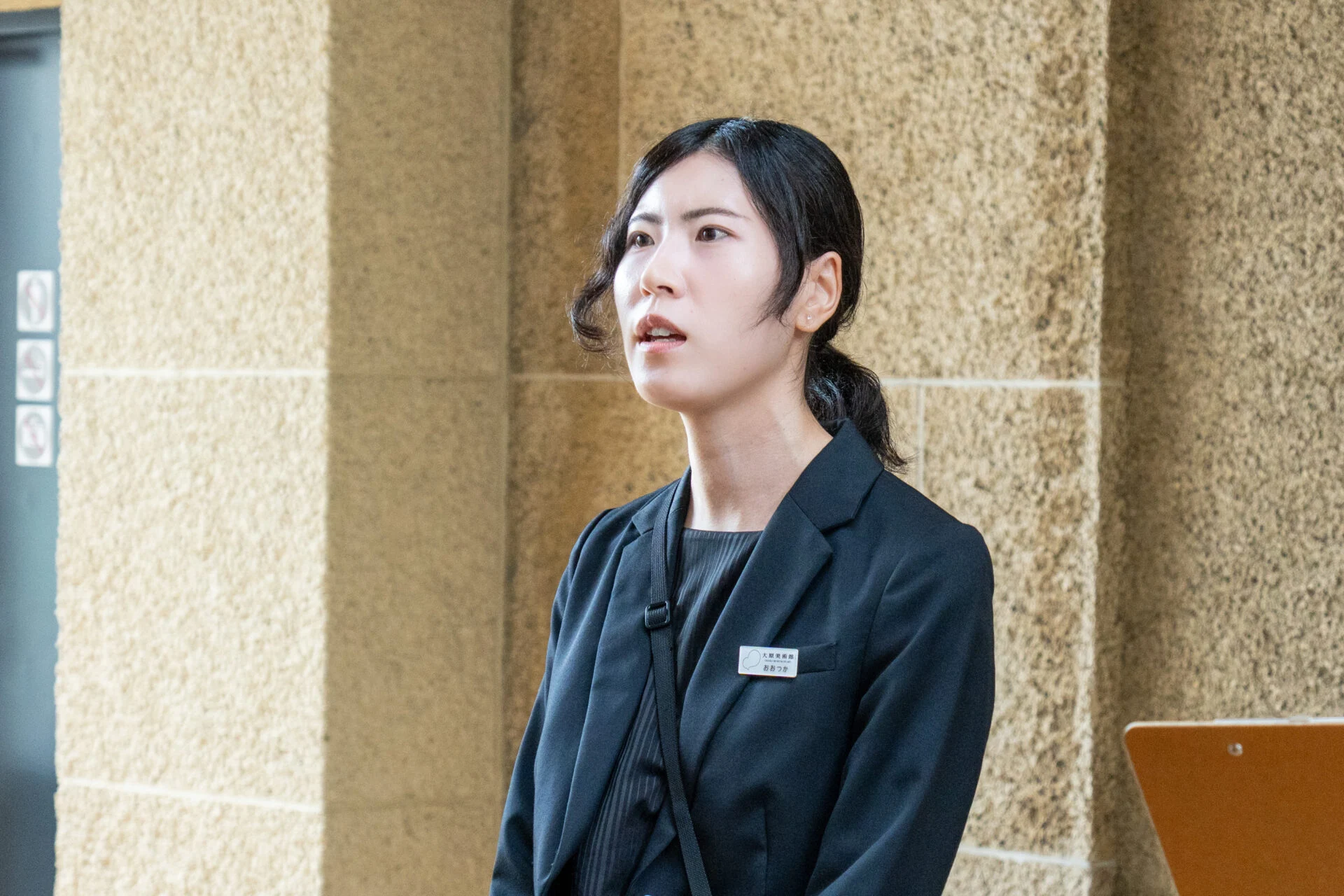
Regarding the vividly revived El Greco "Annunciation," I spoke with Yumi Otsuka, a researcher at Ohara Museum of Art, about her thoughts after the restoration and the changes before and after the restoration.
As the day of the pre-publication arrives, how do you feel now?
Otsuka (no honorifics)
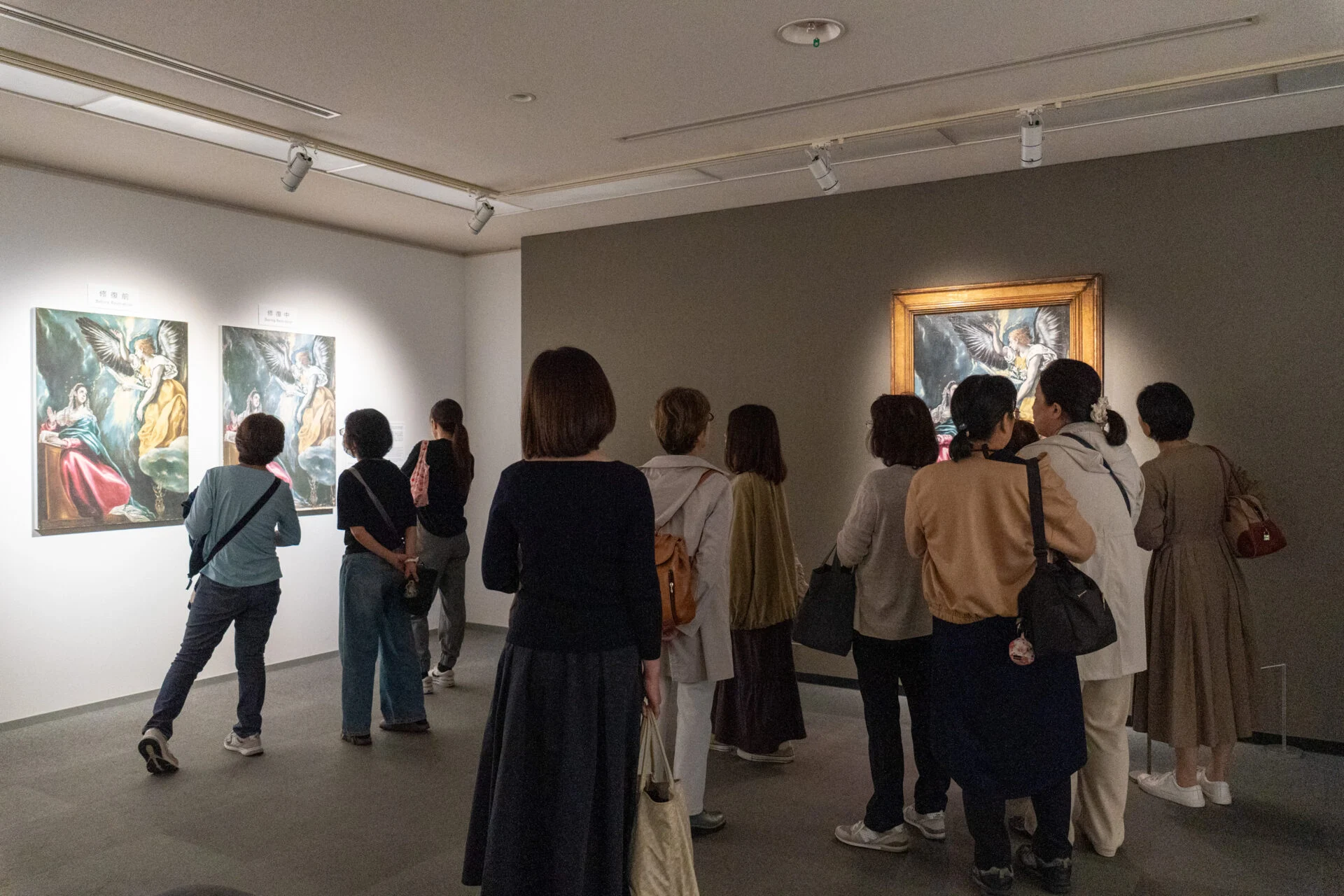
I am very happy that everyone can see the restored El Greco "Annunciation." There will also be displays of high-resolution replicas from before and during the restoration, so we are working to allow visitors to enjoy comparing them.
Since the restoration after 66 years has changed the colors, I hope you will pay attention to that.
What specific places have changed compared to before the restoration?
Otsuka
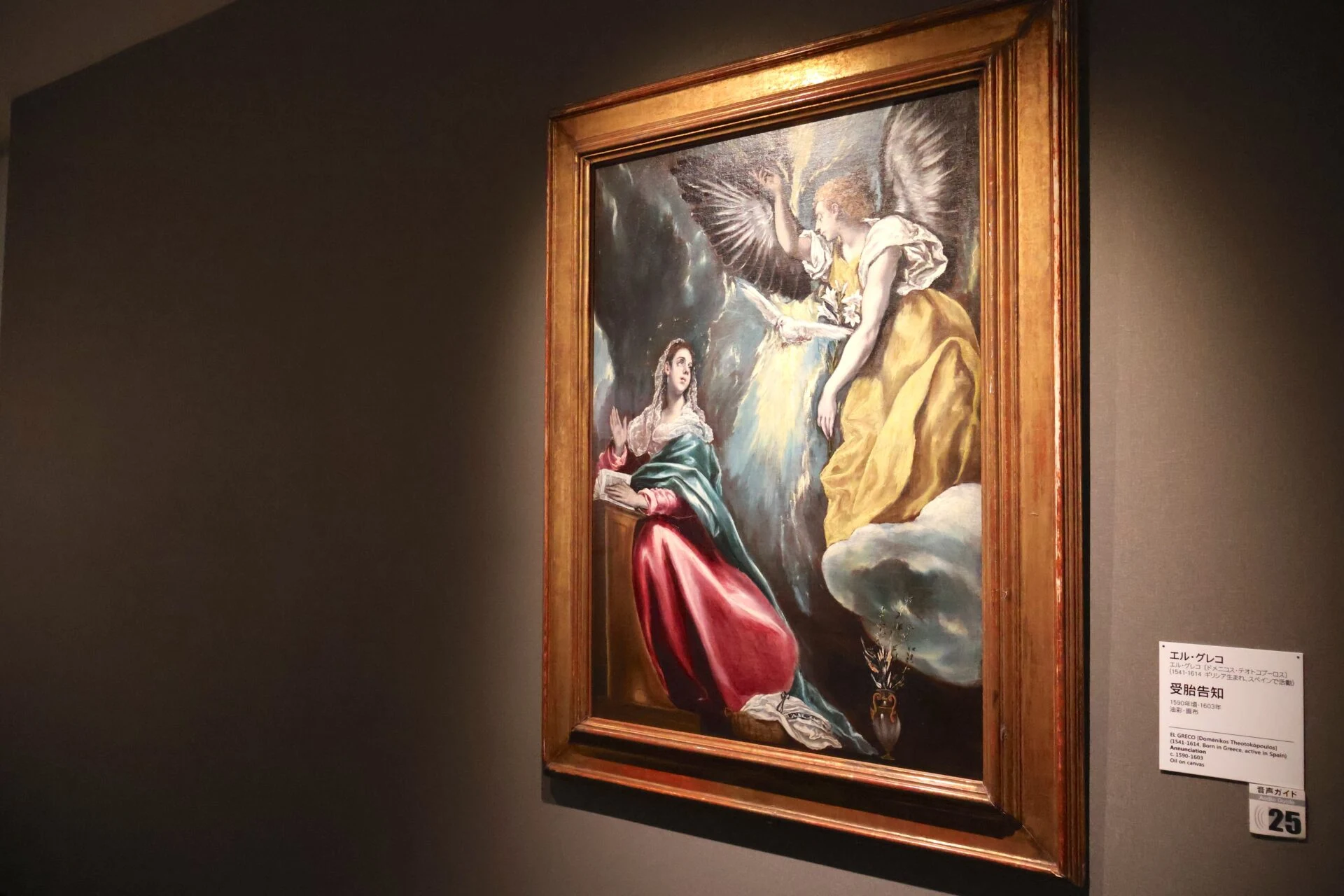
The part of the cloth on the basket at the feet of the Virgin Mary.
It was discovered through scientific investigation that the part of the cloth flowing downward was painted with pigments that only existed after the 19th century.
Restorer Eva used other works by El Greco as references and carefully adjusted the shape of the cloth to ensure it did not look unnatural.
Did you learn anything about El Greco's technique through the restoration?
Otsuka
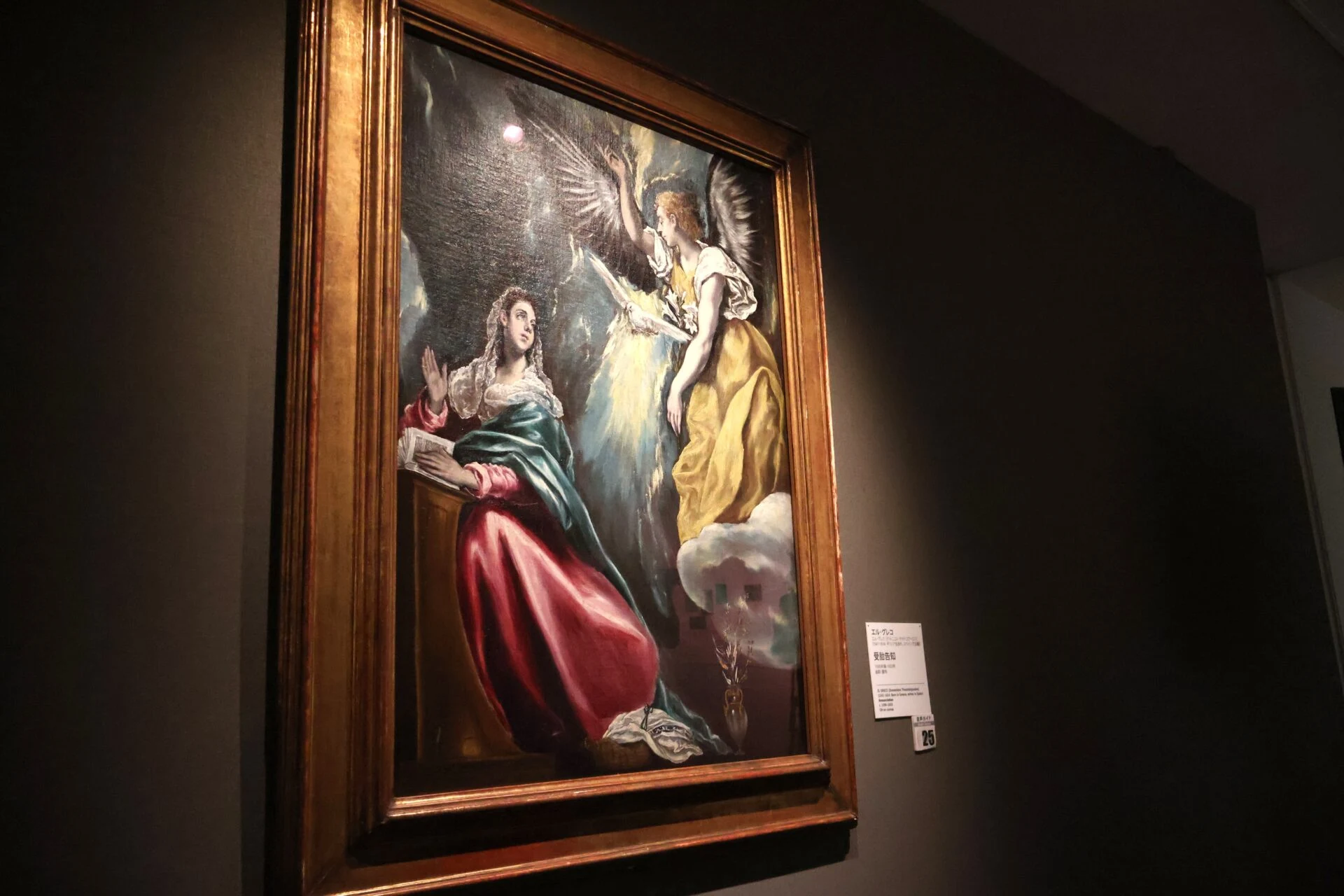
El Greco is skilled in a unique technique of showing the underlayer, using transparent layers of paint over the underlayer to create a sense of depth and texture.
The underlayer is reddish-brown. Specifically, it can be seen in the wings of the Archangel Gabriel, the clouds at the feet, and the background space.
In past restorations, this unique technique of showing the underlayer by El Greco was misunderstood as deterioration and was likely painted over. In this restoration, those additions were carefully removed, reviving the expression that El Greco intended by utilizing the underlayer.
What was particularly challenging about this restoration?
Otsuka
I heard from restorer Eva that she was very careful not to interfere with the original areas painted by El Greco while filling in the missing parts with " retouching."
Until when was the restoration carried out?
Otsuka
The work itself was completed in mid-August.
After that, there was a period to stabilize and fix the artwork, and it became possible to be in a state for public viewing at this time.
If El Greco himself were to see the restored work, how do you think he would feel?
Otsuka
We aimed to restore it as close as possible to the appearance when El Greco painted it. Therefore, I imagine that El Greco would be pleased.
Thinking about it, I feel that the fact that many people can appreciate his work here in Japan, far from Spain where he thrived, is a significant achievement of cultural exchange.
What did Eva say after the restoration was completed?
Otsuka
Regarding this restoration, she mentioned that she felt it went very well as a job she undertook. She also said that being able to restore an important painting in Japan was a wonderful and valuable experience.
What was your impression when you saw the restored work?
Otsuka
The vibrancy of the colors has increased.
I also feel that the shadows have become more natural. Before the restoration, some areas appeared to have dark shadows, but I think they have become softer in color.
The sense of depth has also become apparent, and I felt a new charm of El Greco's painting.
The Preciousness of "Annunciation" Felt Through Its Beauty at the Time It Was Painted
I finally got to see the restored "Annunciation."
When I saw the painting back in the place where it was exhibited, I simply thought, "It's beautiful." It is so bright and lively that it is hard to believe it was painted over 400 years ago.
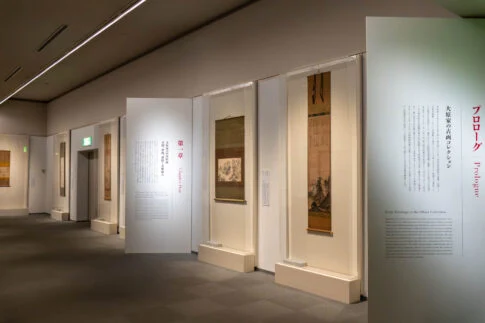
The wings of the Archangel Gabriel, the white of the clouds and the dove of the Holy Spirit, the shadows in the background, and the basket at the feet of the Virgin Mary are all elements I hope you will compare with the replicas from before and during the restoration. Additionally, through the panels explaining the restoration process, I learned about the behind-the-scenes work that is usually not known. Reading this explanation will enhance your enjoyment.
This pre-exhibition will be until December 21, 2025.
After the exhibition in Osaka, the full exhibition will be after the long-term closure of Ohara Museum of Art.
For more details, please check the Ohara Museum of Art website.
Articles About Ohara Museum of Art
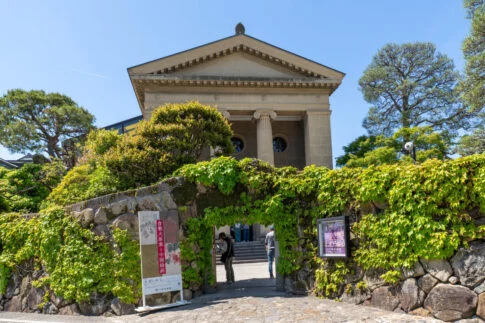
Data of Ohara Museum of Art
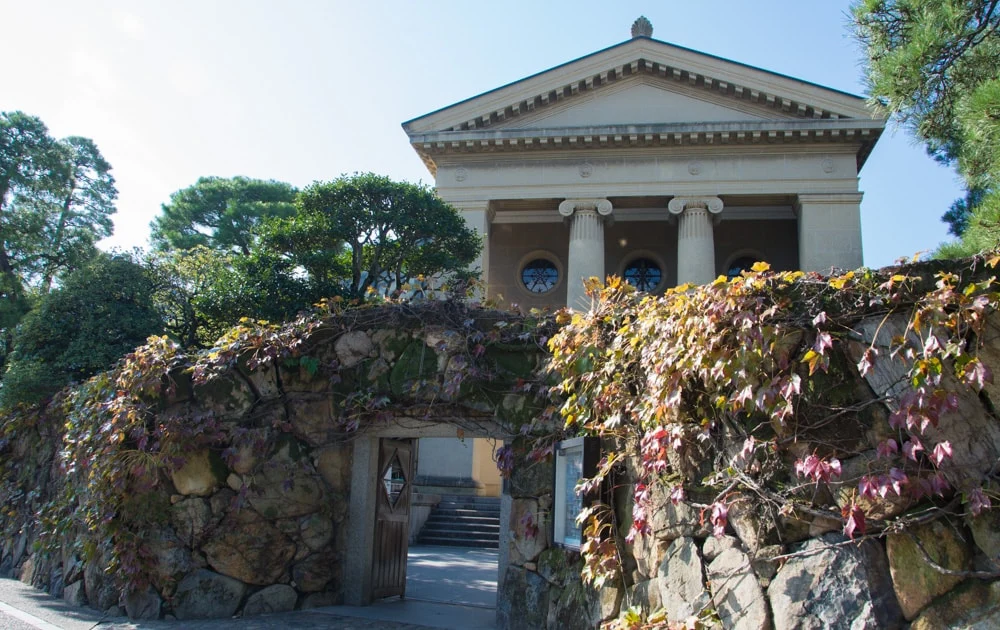
| Name | Ohara Museum of Art |
|---|---|
| Location | 1-1-15 Chuo, Kurashiki City, Okayama Prefecture |
| Contact | 086-422-0005 |
| Parking | None |
| Opening Hours | 【December to February】 9:00 AM - 3:00 PM (Last admission: 2:30 PM) 【March to November】 9:00 AM - 5:00 PM (Last admission: 4:30 PM) |
| Closed Days | Monday Open on public holidays and substitute holidays if they coincide Winter closure and temporary closures may occur |
| Admission Fee (including tax) | 【General】 Adults: 2,000 yen High school, junior high, and elementary school students (under 18 years old): 500 yen |
| Payment Methods |
|
| Reservations | Available No reservation required for individuals |
| Smoking | Completely non-smoking |
| Restrooms | Western-style toilets, barrier-free toilets |
| Childcare | Nursing room, diaper changing table, stroller rental The nursing room is located in the Craft Museum Diaper changing tables are available on the 2nd floor of the main building and in the Craft Museum |
| Barrier-free | Wheelchair rental, ramps, barrier-free toilets, elevators |
| Website | Official website of Ohara Museum of Art |