Interview with Okazaki Shota
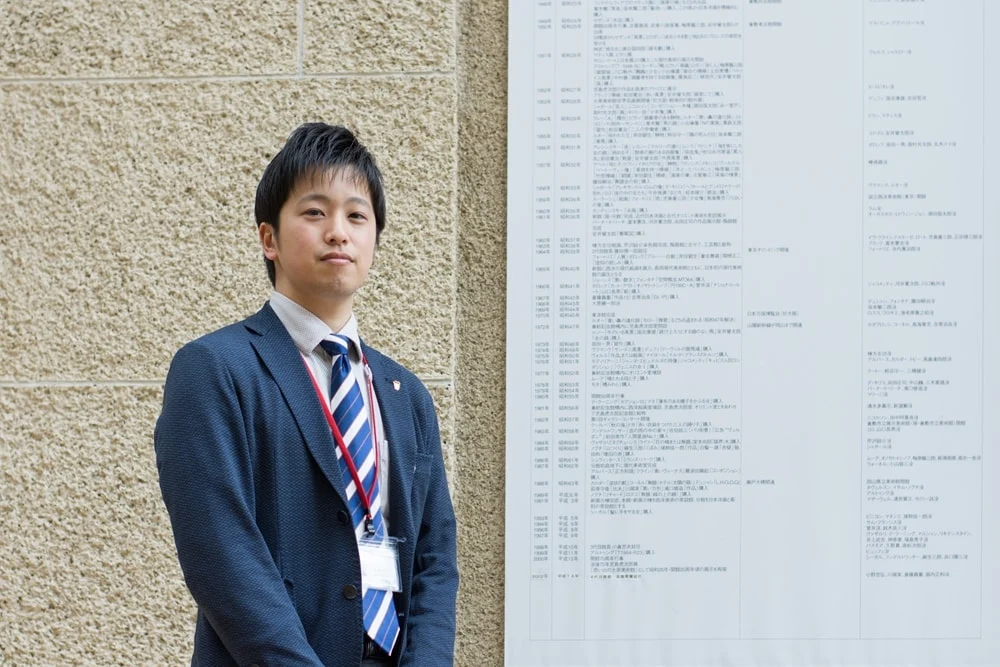
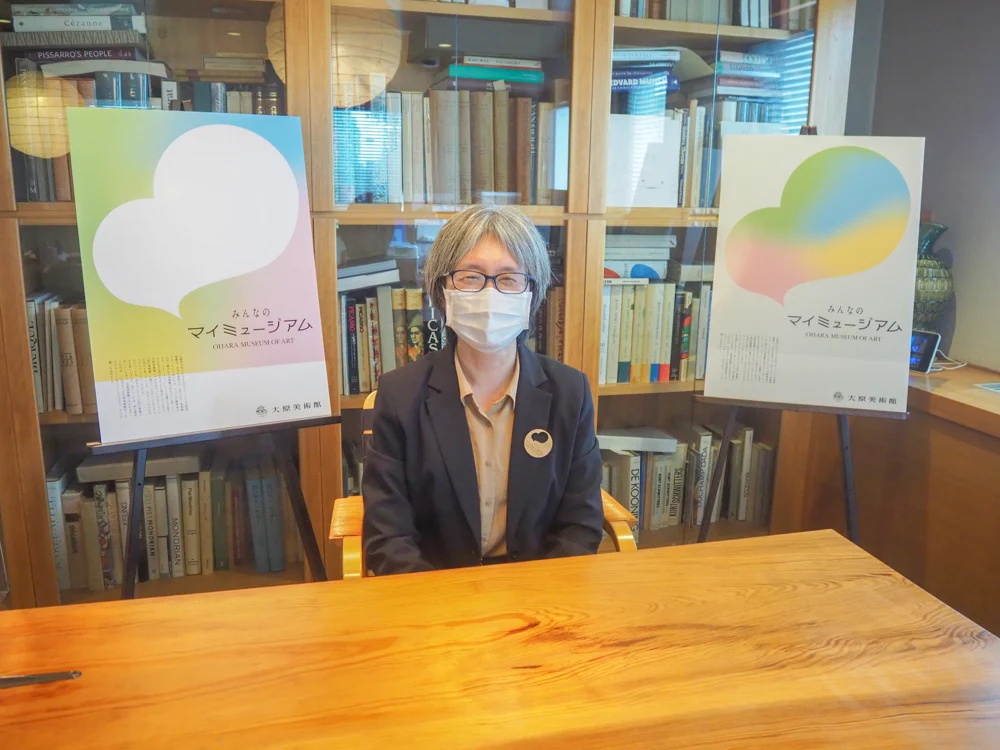
We interviewed Okazaki Shota, a staff member of Ohara Museum of Art.
This interview is based on the content from the initial interview conducted in March 2019.
A museum should not be a stagnant display area. The philosophy of Ohara Museum of Art
Please tell us about the goals and philosophy of Ohara Museum of Art.
Okazaki (honorifics omitted)
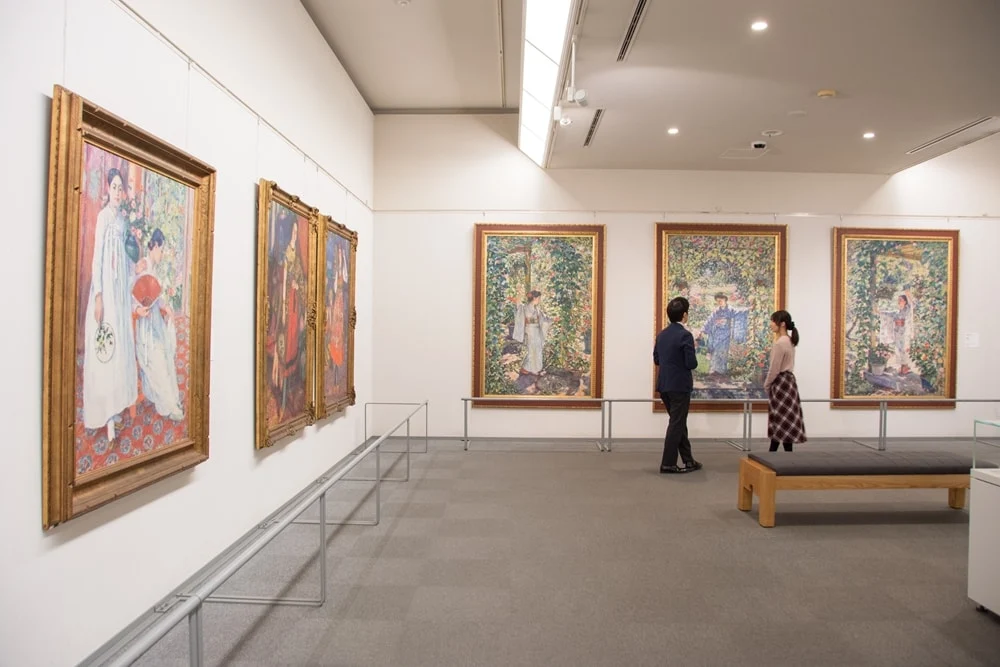
Ohara Soichiro, the eldest son who succeeded Magosaburo, said, “A museum should not be a stagnant display area like a warehouse; it must always be alive and growing.”
In 2019, it has been 89 years since its establishment, but the will of Magosaburo and Soichiro is still alive, and the staff shares the philosophy and mission of what a museum should be.
What does the mission entail?
Okazaki
One aspect is the mission towards art and artists.
From today's perspective, artists like Monet and Renoir are considered "popular artists of the past," but at the time of collection, they were "contemporary art" by living artists.
Ohara Museum of Art has always dealt with "contemporary art." It has not simply acquired works from past artists whose evaluations have been established.
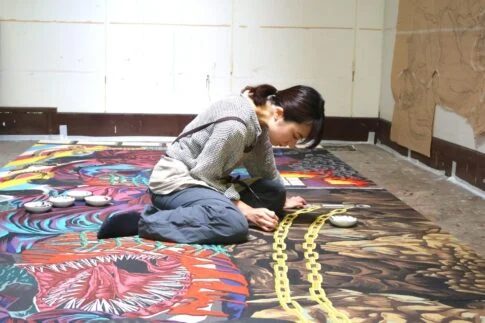
Even now, we support living artists through production assistance, planning exhibitions, and purchasing works.
Next, there is the mission towards the viewers.
It is to create a space where all viewers, regardless of who they are, can engage with art.
In particular, the outreach activities aimed at familiarizing children with art are among the most extensive in Japanese museums.
The new exhibition hall features works that bring art closer to the audience
Within the main building, what is your personal favorite area, Okazaki-san?
Okazaki
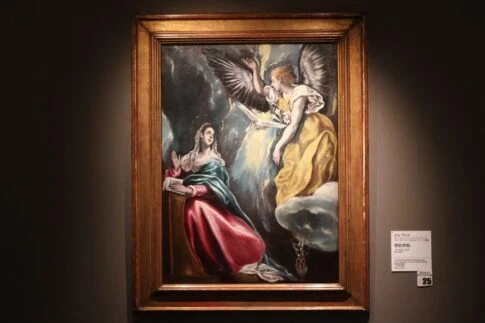
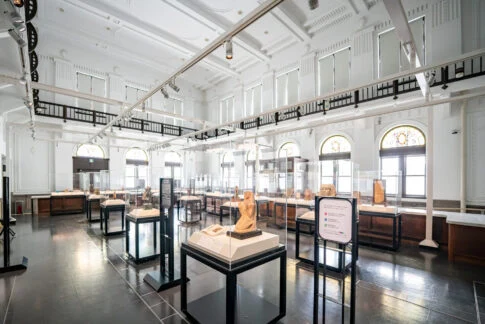
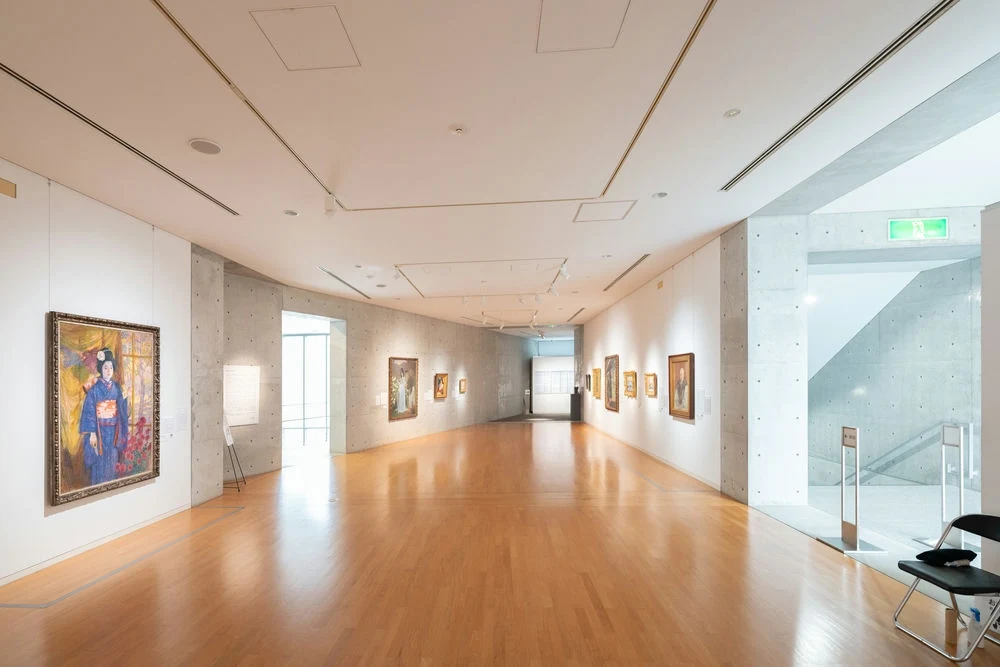
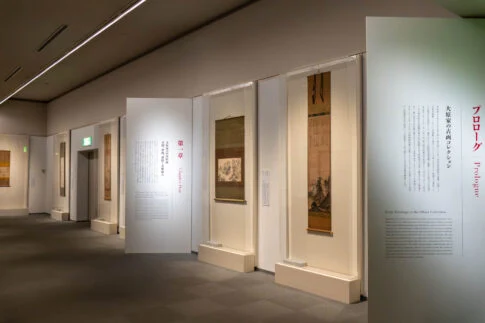
It's difficult to choose. There are many, but if I had to pick, it would be the new exhibition hall located beyond El Greco's "Annunciation" on the second floor. The current exhibition features an area rich in abstract paintings.
I think that if you only focus on "what is depicted" in abstract works, you will find nothing to see. Instead, there are works that allow you to reflect on yourself through how they are painted and how they make you feel.
You can enjoy encounters with the unknown and feel art closer to you.
When art becomes interesting, everything becomes interesting
Have you been deeply involved with art since a young age, Okazaki-san?
Okazaki
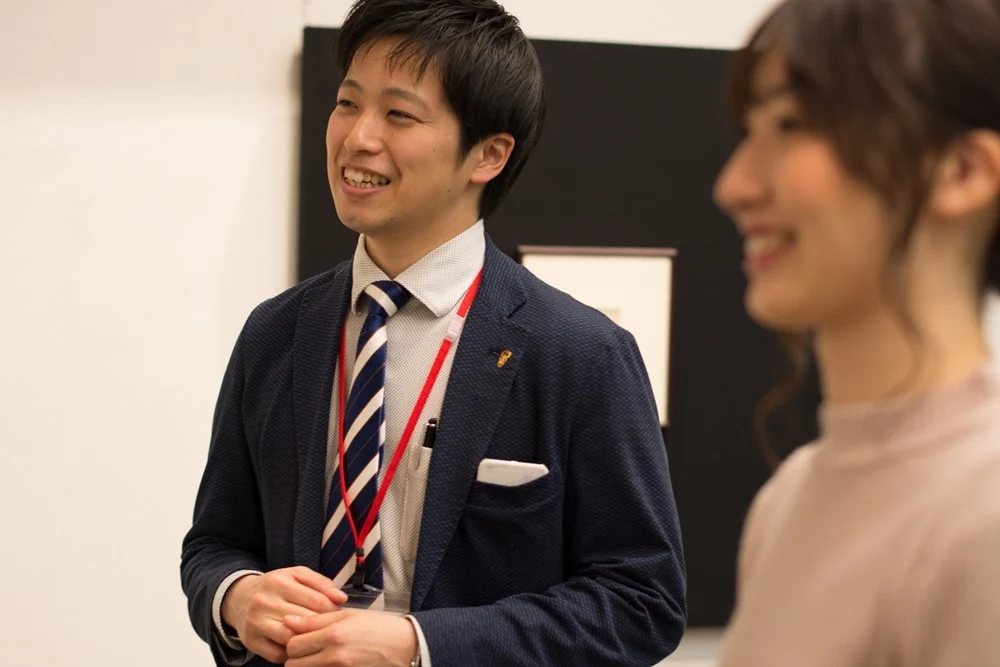
Actually, no. Rather, until I started this job, I had unconsciously built walls against art.
However, I learned how to distance myself from paintings, and I realized that you don't need much knowledge to appreciate art; you can simply start with a dialogue with the work, which I found interesting.
I've come to genuinely believe that art is interesting, and everything has become interesting to me.
I've started to observe various things more closely, not just paintings, and it has been beneficial for me.
When are you happiest at work?
Okazaki
When I can share a sense of connection with the customers. I feel happy when I sense that the distance between the customers and art has shortened.
Impressions of the viewing and concluding the interview
Isako's impressions
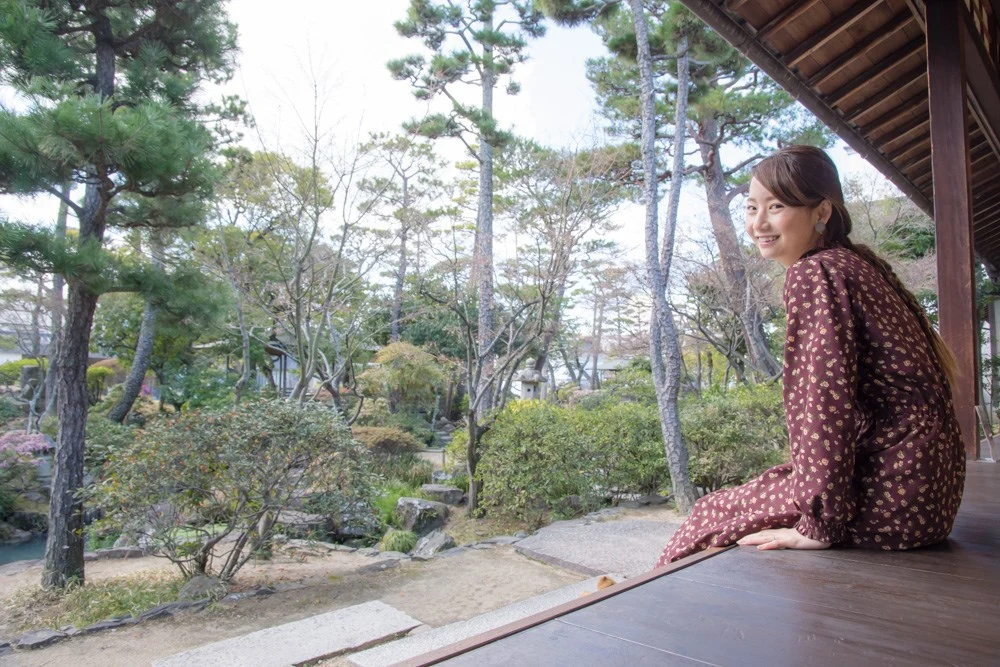
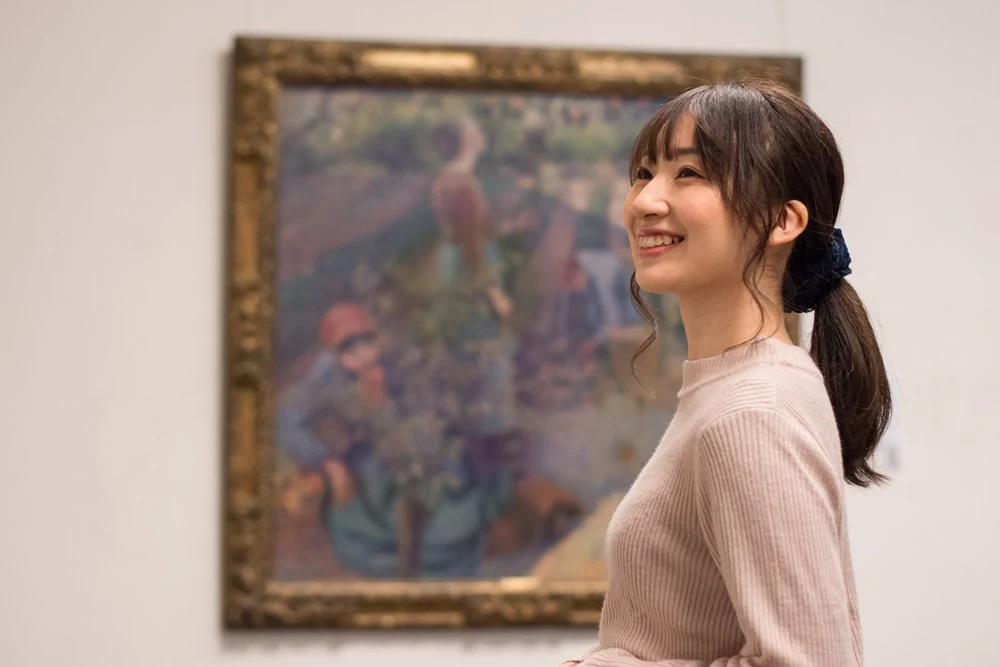
Honestly, I don't usually look at art pieces much, but I enjoyed it. It was deep and interesting.
I would like to come back again slowly.
Concluding the interview
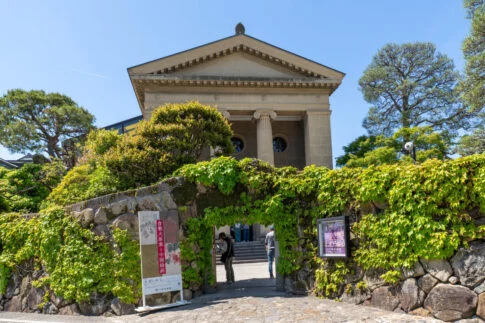
The Ohara Museum of Art, born from the passion of Magosaburo and Torajiro for "Japanese art," still embodies that philosophy today.
I felt that it is a space filled with the passionate thoughts and power of many people: those who create the works, those who collect them, and those who strive to make them accessible while preserving them.
The time spent slowly gazing at wonderful art is surely a sublime moment!
It is not just about seeing world-renowned masterpieces. You can search for your favorites and curiosities, or enjoy the architecture and scenery. You are sure to encounter something "interesting."
Please do step into Ohara Museum of Art.
Articles about Ohara Museum of Art
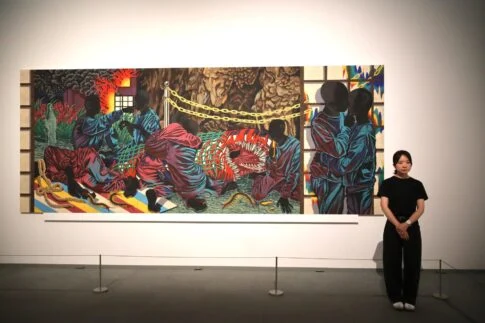
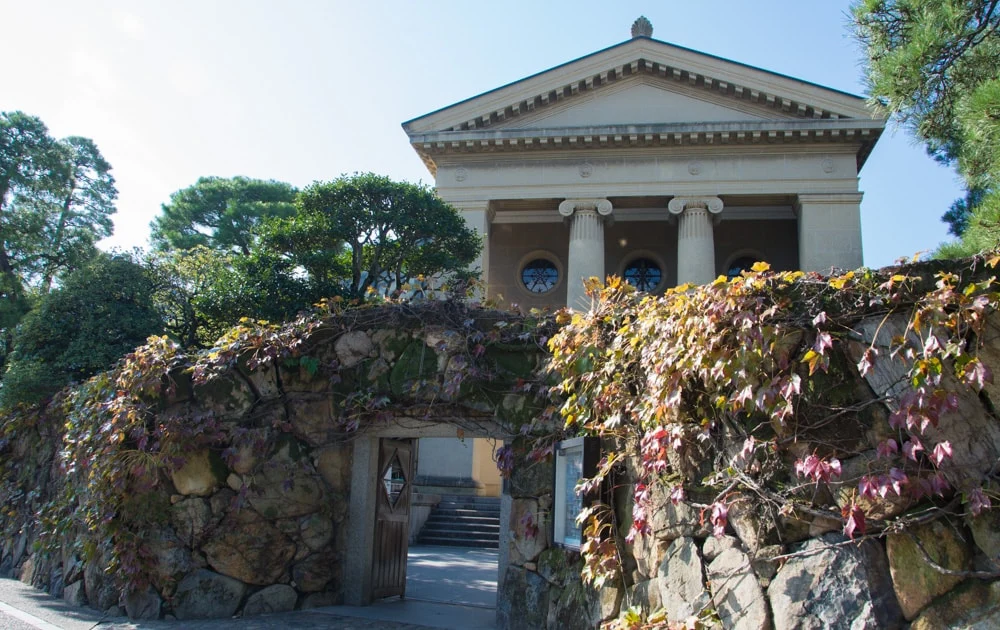
Ohara Museum of Art Data
| Name | Ohara Museum of Art |
|---|---|
| Location | 1-1-15 Chuo, Kurashiki City, Okayama Prefecture |
| Contact | 086-422-0005 |
| Parking | None |
| Opening Hours | 【December to February】 9:00 AM - 3:00 PM (Last Admission: 2:30 PM) 【March to November】 9:00 AM - 5:00 PM (Last Admission: 4:30 PM) |
| Closed Days | Monday Open on public holidays and substitute holidays if they coincide Winter closure and temporary closures may occur |
| Admission Fee (Tax Included) | 【General】 Adults: 2,000 yen High School, Middle School, and Elementary School Students (under 18 years old): 500 yen |
| Payment Methods |
|
| Reservations | Available No reservation required for individuals |
| Smoking | Completely Non-Smoking |
| Restrooms | Western-style toilets, Barrier-free toilets |
| Childcare | Nursing room, Diaper changing station, Stroller rental Nursing room is located in the Craft Museum Diaper changing stations are available on the 2nd floor of the main building and in the Craft Museum |
| Barrier-Free | Wheelchair rental, Ramps, Barrier-free toilets, Elevators |
| Website | Official Website of Ohara Museum of Art |