Woodworkers, leather and fabric product makers, hat manufacturers, and Japanese painters…
In the Oshima-naka area of Kasaoka City, Okayama Prefecture, there is a Share Atelier Umi no Kosha (hereafter, Umi no Kosha), where a variety of unique creators from different genres gather.
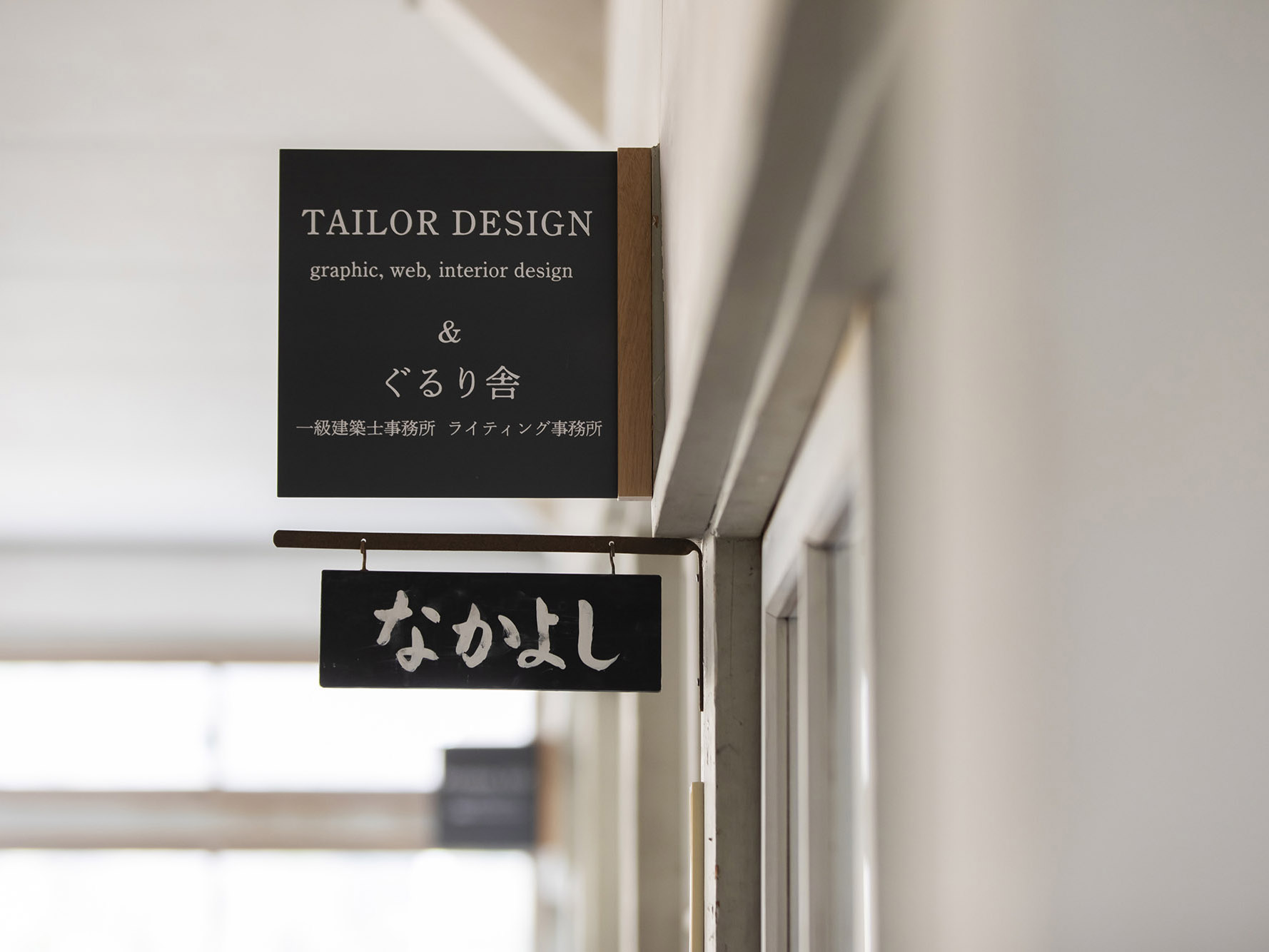
One of these creators is Sugimoto Kazutoshi, who runs the TAILORDESIGN OFFICE (hereafter, TAILORDESIGN), drawn to this creative space overlooking the magnificent Seto Inland Sea.
The design industry, while familiar, is actually quite difficult to visualize.
I would like to touch upon the philosophy of TAILORDESIGN and take a step into the profound world of design.
The information provided is based on the article published in September 2023. Please note that it may differ from current information.
Encounters between Tokyo and Kasaoka weave creativity
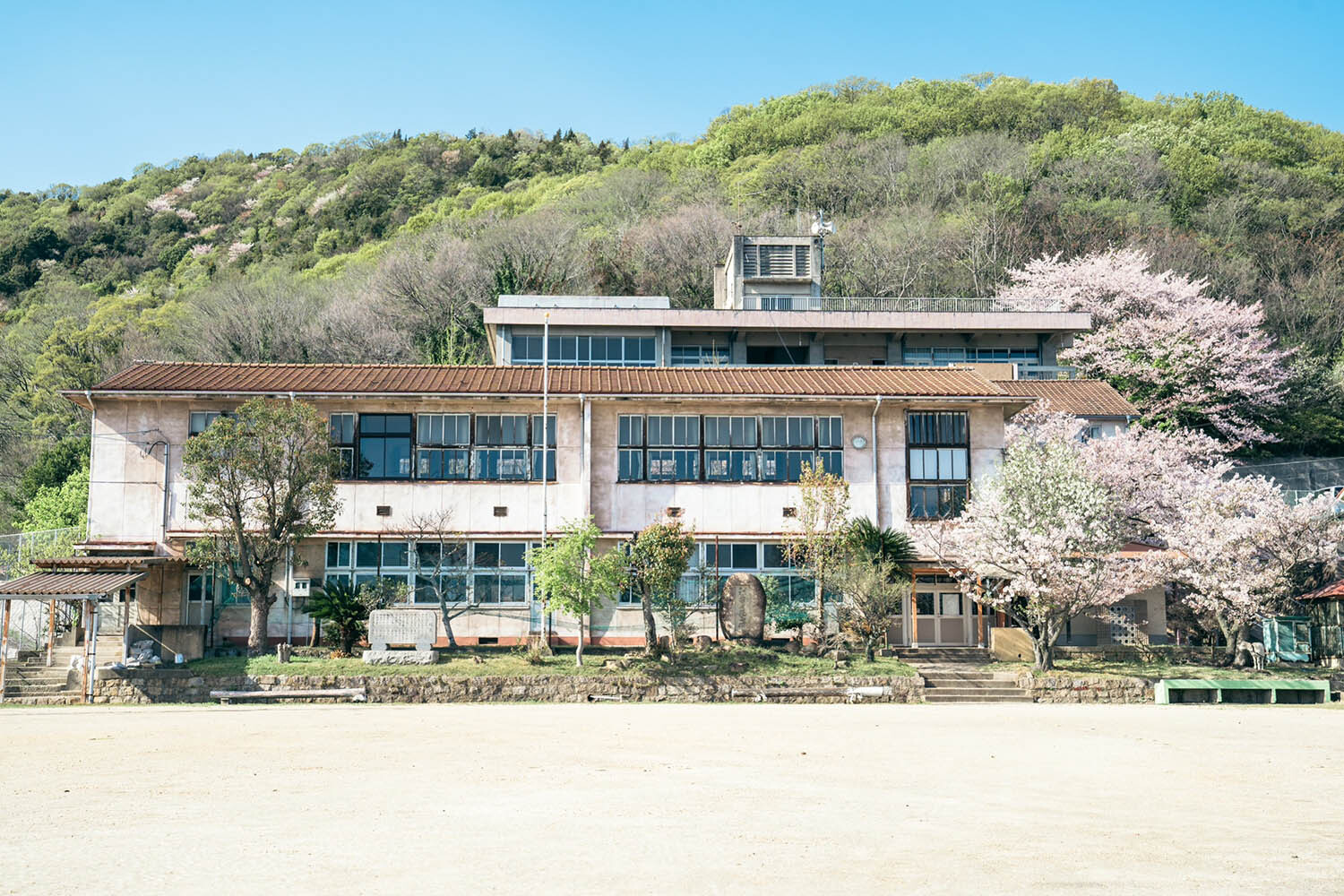
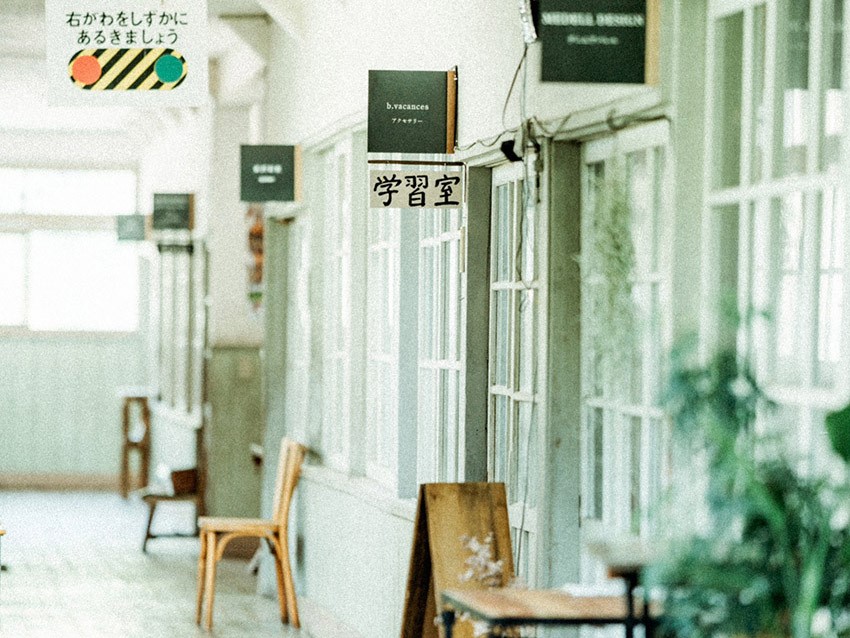
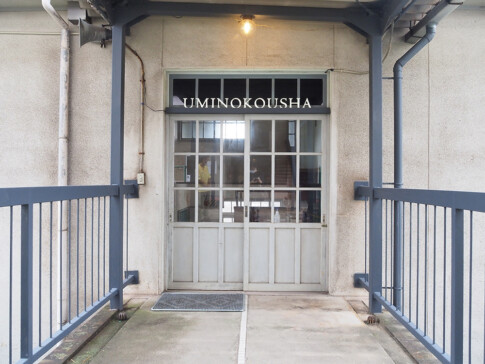
Umi no Kosha, where TAILORDESIGN is located.
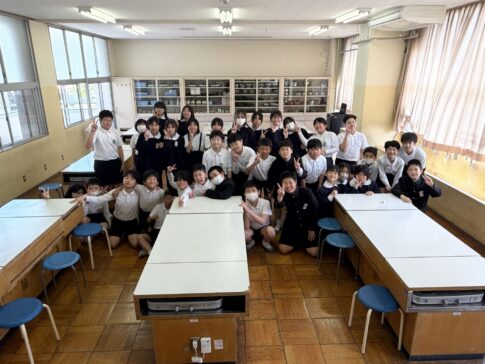
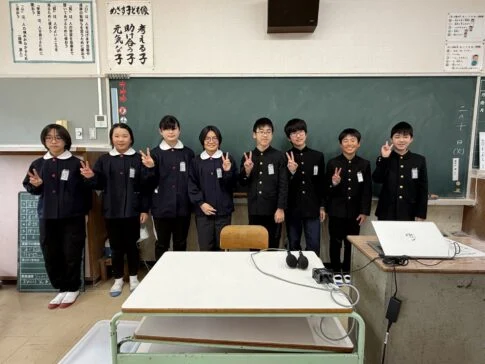
It utilizes the former Oshima Higashi Elementary School, which closed in 2018.
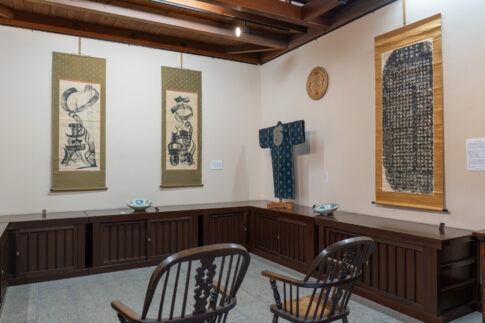
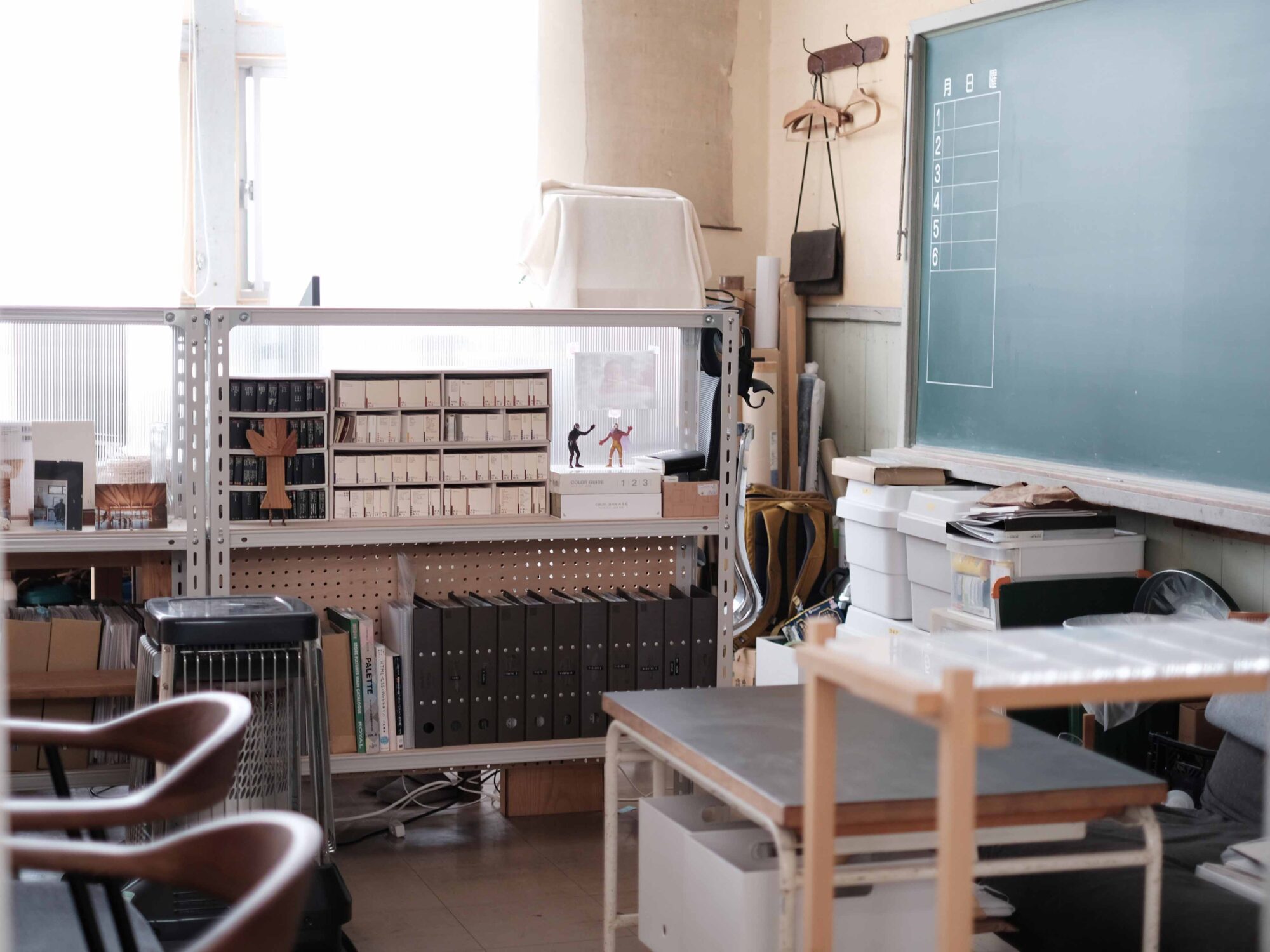
The nostalgic wooden school building, classrooms that retain the atmosphere of the time, and the warm works of Sugimoto create a space that evokes an indescribable sense of nostalgia.
It is a cozy and heartwarming space that leaves a lasting impression.
Sugimoto, a founding member of Umi no Kosha and a director of the operating body, the NPO "Umi no Kosha Oshima Higashi Elementary," is dedicated to this project.
He works as a designer and serves as the representative of TAILORDESIGN as a sole proprietor.
He handles a wide range of tasks, from graphic design to web design, interior design, and product planning, making him a jack-of-all-trades in the design world.
At the beginning of TAILORDESIGN, the focus of work was in Tokyo.
Sugimoto says that the catalyst for starting a so-called dual-base life in Kasaoka was the various connections with people.
He returned to his hometown of Kasaoka several times a month.
"The relationships formed through work are what will sustain the connection with my hometown in the future," he believes.
With this mindset, he consciously began to communicate regularly while being in Kasaoka.
Perhaps due to this awareness and action, he encountered many people, including seniors from his student days and staff from Kasaoka City Hall, leading to an increase in activities in his hometown.
As the style of traveling back and forth between Tokyo and Kasaoka began to take root, two encounters became a significant turning point for Sugimoto.
He met Minami Tomoyuki, a woodworker who runs Southern Tree, and Fujimoto Shinji, who manufactures and sells leather and fabric products under the name SIRUHA (hereafter, SIRUHA).
This was the moment when a light of creativity began to shine in the declining population area of Kasaoka.
It was a fateful "encounter" among the creators of Umi no Kosha.
Eventually, Sugimoto shifted the focus of his life, including work, to the Oshima-naka area where Umi no Kosha is located.
Of course, he does not forget his connections to Tokyo.
The creativity of TAILORDESIGN, woven from various "encounters" with people, is taking shape.
The identity of "Designer Sugimoto Kazutoshi" is firmly rooted in both Tokyo and Kasaoka.
The philosophy of TAILORDESIGN OFFICE

Urban and rural.
In two bases where the environment, culture, and even the flow of time differ, TAILORDESIGN continues to create innovative designs daily.
What does "design" mean to Sugimoto?
The keyword is "multiskilled worker."
Thoughts on "Design"
"Multiskilled worker"…
It is an unfamiliar term.
According to the dictionary, it refers to a skilled worker who can handle various jobs, not limited to a specific profession.
When explaining his attitude and concept towards design, Sugimoto often refers to this term "multiskilled worker."
In the design industry, there is a tendency to favor highly specialized designers.
For example, a graphic designer specializes in graphic design, while a web designer focuses on web design, making them a kind of craftsman specialized in one skill.
On the other hand, TAILORDESIGN is committed to "integrated design."
They plan and develop branding comprehensively, from paper-based designs like logos, flyers, and packaging to web-based designs like websites and spatial designs like store layouts.
Consistency is a priority.
Just like a "multiskilled worker," Sugimoto's identity is that of a designer with a diverse skill set.
Because he is a "multiskilled worker," he can work closely with clients, engaging in dialogue while progressing with low costs and a sense of speed.
Especially since he often works with "local" clients, Sugimoto believes it is more important to align with the client's pace rather than rushing towards the latest design he finds most appealing.
This aligns with the ideals of regional revitalization and community development.
Through this collaborative journey with clients, a subtle sense of camaraderie develops, leading to a lasting trust relationship.
Rather than mastering a single skill, Sugimoto aims to broaden his skills and create a low-threshold design office that clients can easily consult.
What is "Design"?
Sugimoto believes that the position of design in a project is fundamentally downstream.
The main focus is always on the content itself.
The superficial role of design is to "shape and beautify."
This is the minimum function that a designer should perform.
However, Sugimoto also states.
Design has the function of discovering and verifying what is lacking, what problems are hidden, and what direction should be taken.
It serves as a tool to identify issues, such as when a producer's claims are too strong or conversely, too obscure, and to lead to the correct solutions.
From this solid philosophy, Sugimoto has come to want to engage with "design" from all angles.
By being involved in products from the ground up as a "multiskilled worker," he can experiment and gain new insights.
The possibilities of "design" are endless.
Aiming for designs that bring out nature and smiles
What Sugimoto seeks in design is "familiarity."
He introduces several warm designs that evoke gentle feelings just by looking at them.
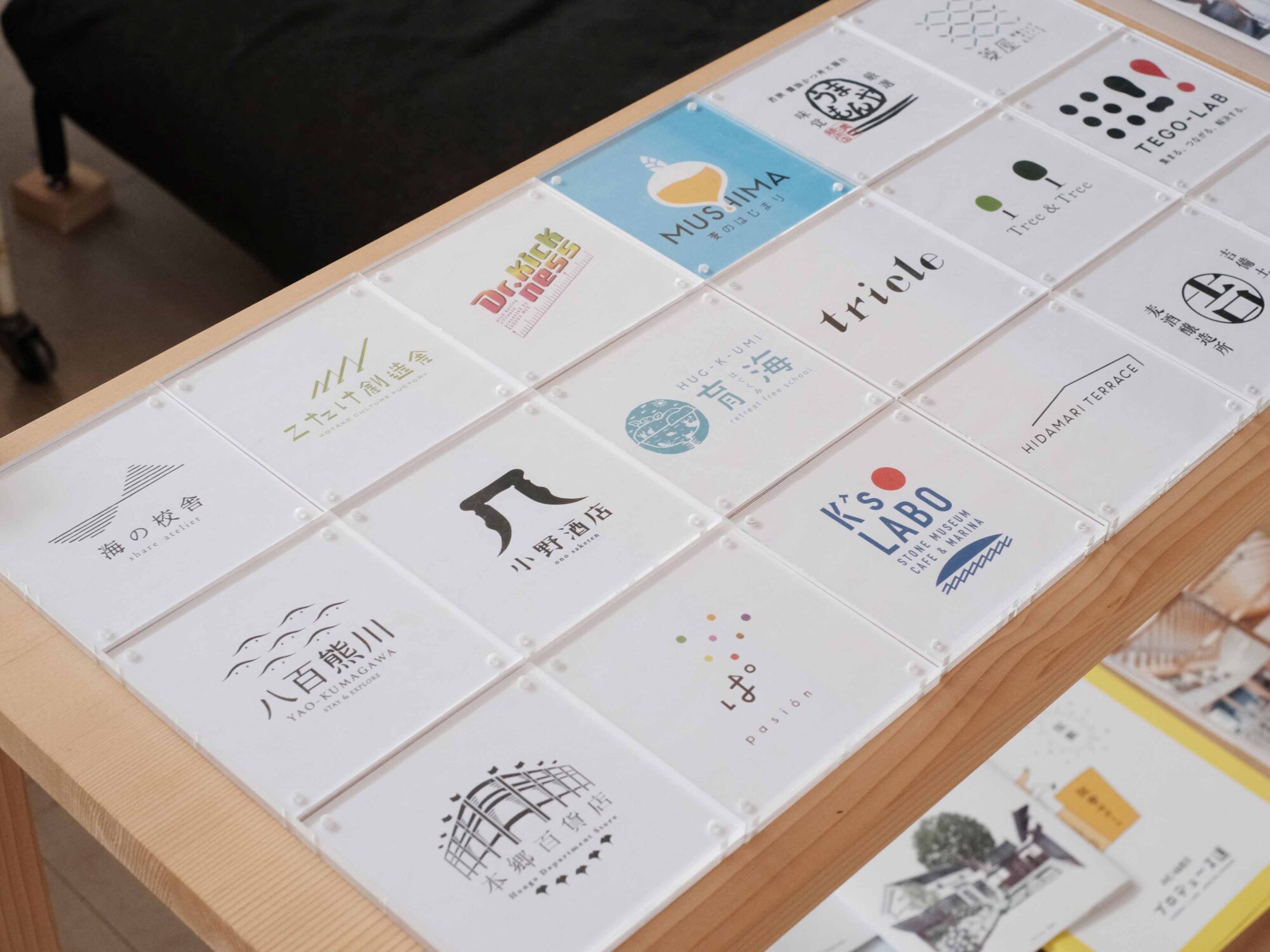
Hongō Department Store
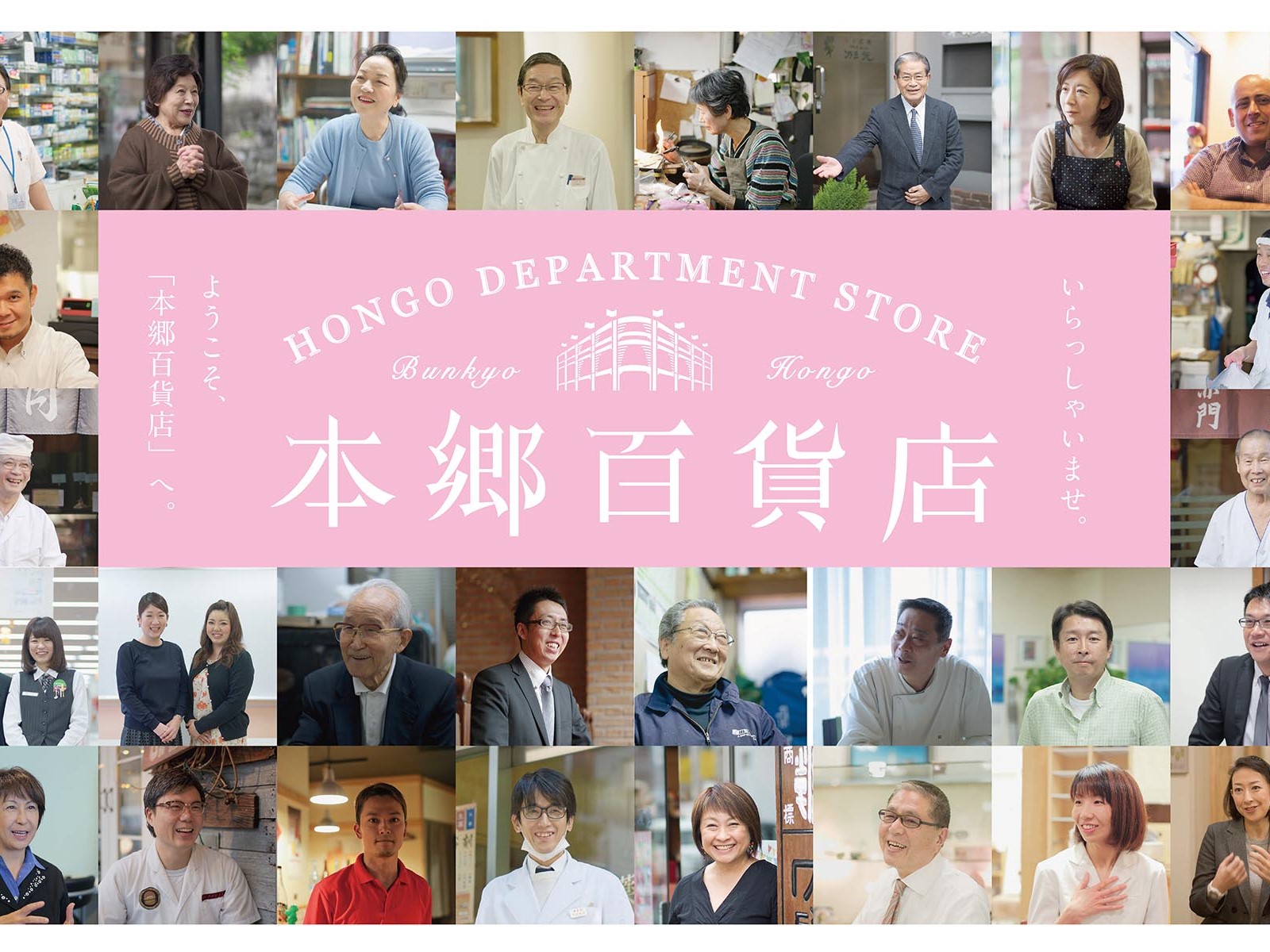
Hongo Shopping District located in Bunkyo-ku, Tokyo.
Under the banner of "a department store featuring a variety of unique shop owners," a shopping street promotion campaign event titled Hongo Department Store was held for three months.
This took place in 2015.
Mr. Sugimoto was responsible for the overall planning and direction as a core member of the project.
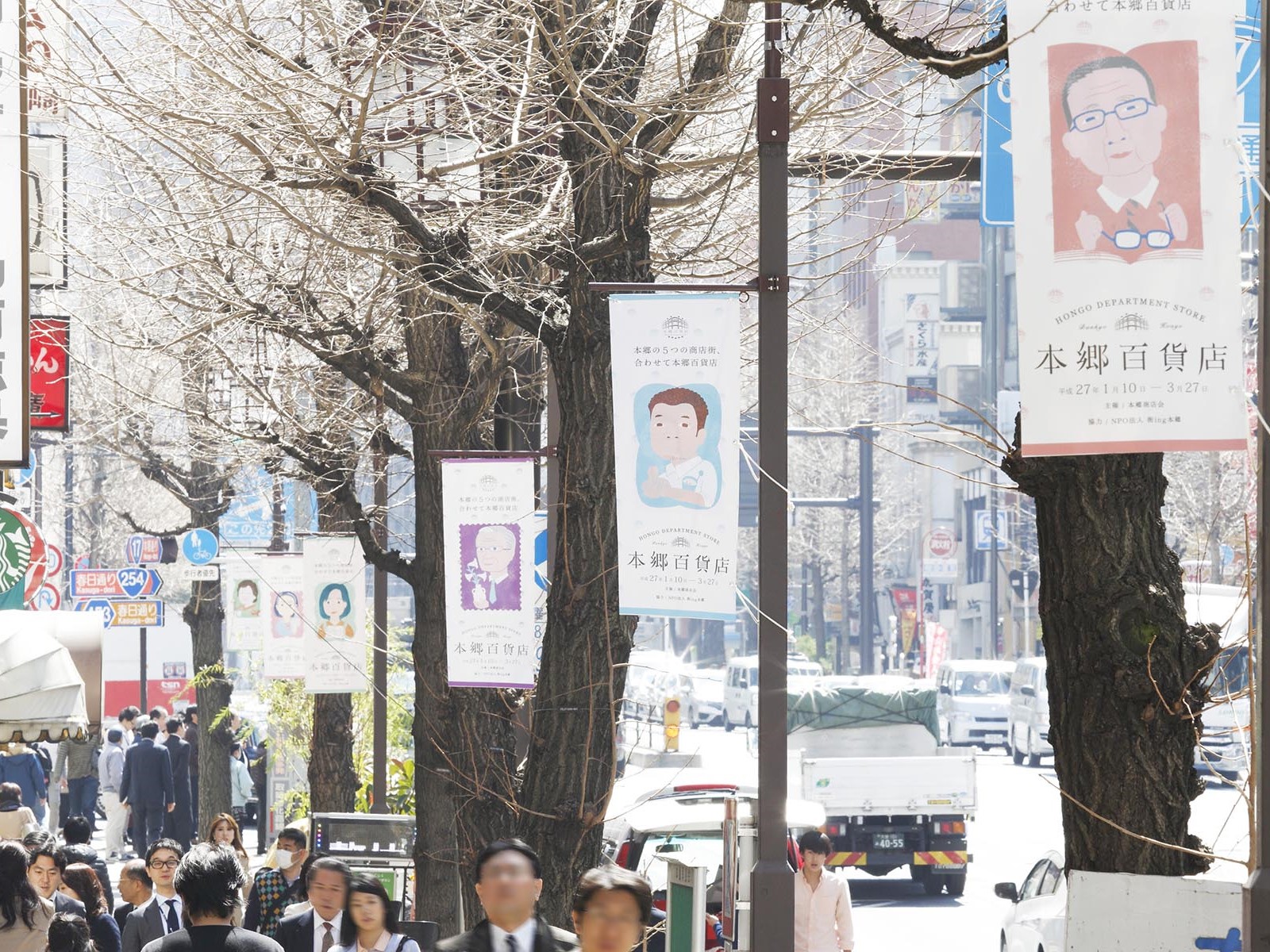
Collaborating with other designers, photographers, and writers, they produced free papers, posters, shopping bags, wrapping paper, and streetlight flags featuring caricatures of the shop owners.
Notably, instead of introducing products and services, the project highlights the "strong appeal of the people" through interviews with the shop owners.
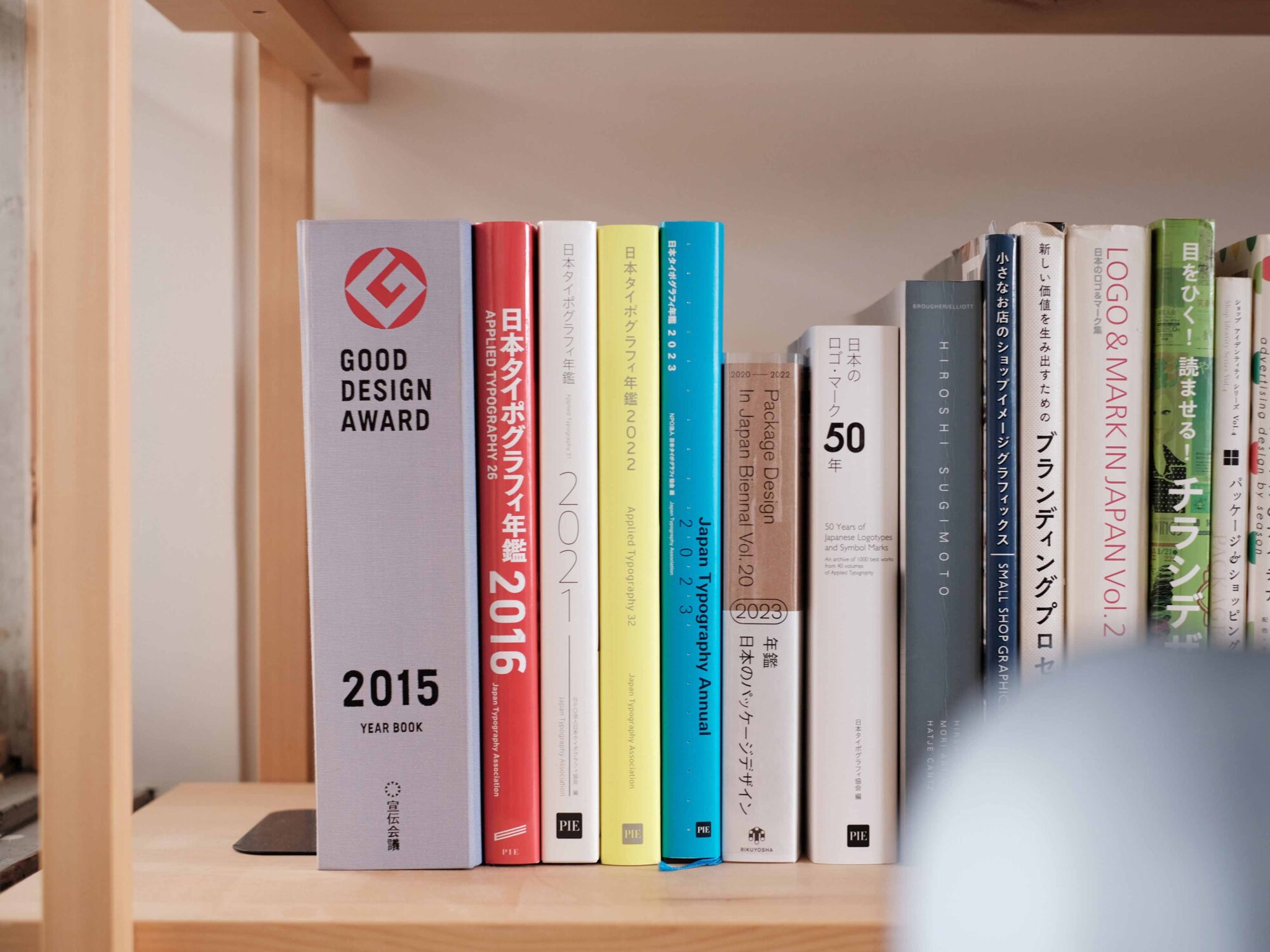
It won the Good Design Award in 2015 and was selected for the Japan Typography Yearbook in 2016.
The impactful logo resembling a local department store catches the eye.
Share Atelier Umi no Kosha
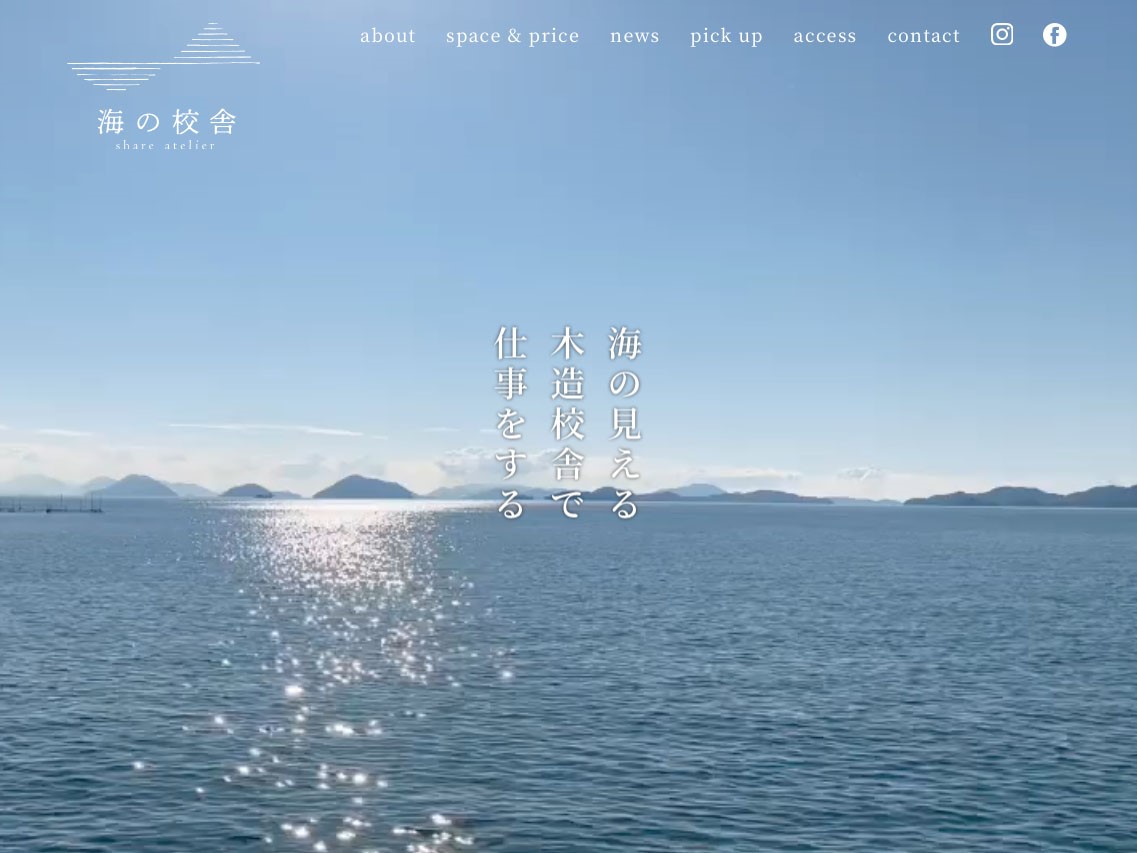
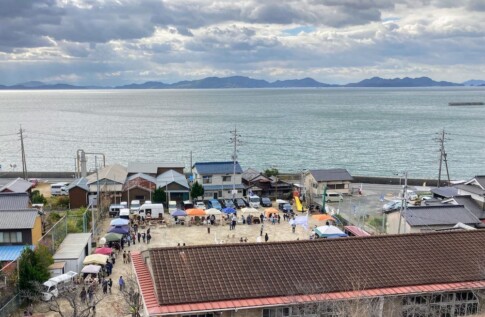
About three years after the closure of Oshima Higashi Elementary School in 2021, a small learning space on the outskirts of Kasaoka was once again illuminated with life.
Umi no Kosha was born.
Mr. Sugimoto, one of the five operators, took charge of the total design of the share atelier nestled between the sea and the mountains.
The majestic Seto Inland Sea spreads out below, alongside a wooden school building over 60 years old that evokes nostalgia.
The logo, designed to gently connect both elements with a horizontal line, eloquently conveys the "breath of creativity" in a simple yet expressive manner.
Similar to Hongo Department Store, it was also selected for the Japan Typography Yearbook in 2022.
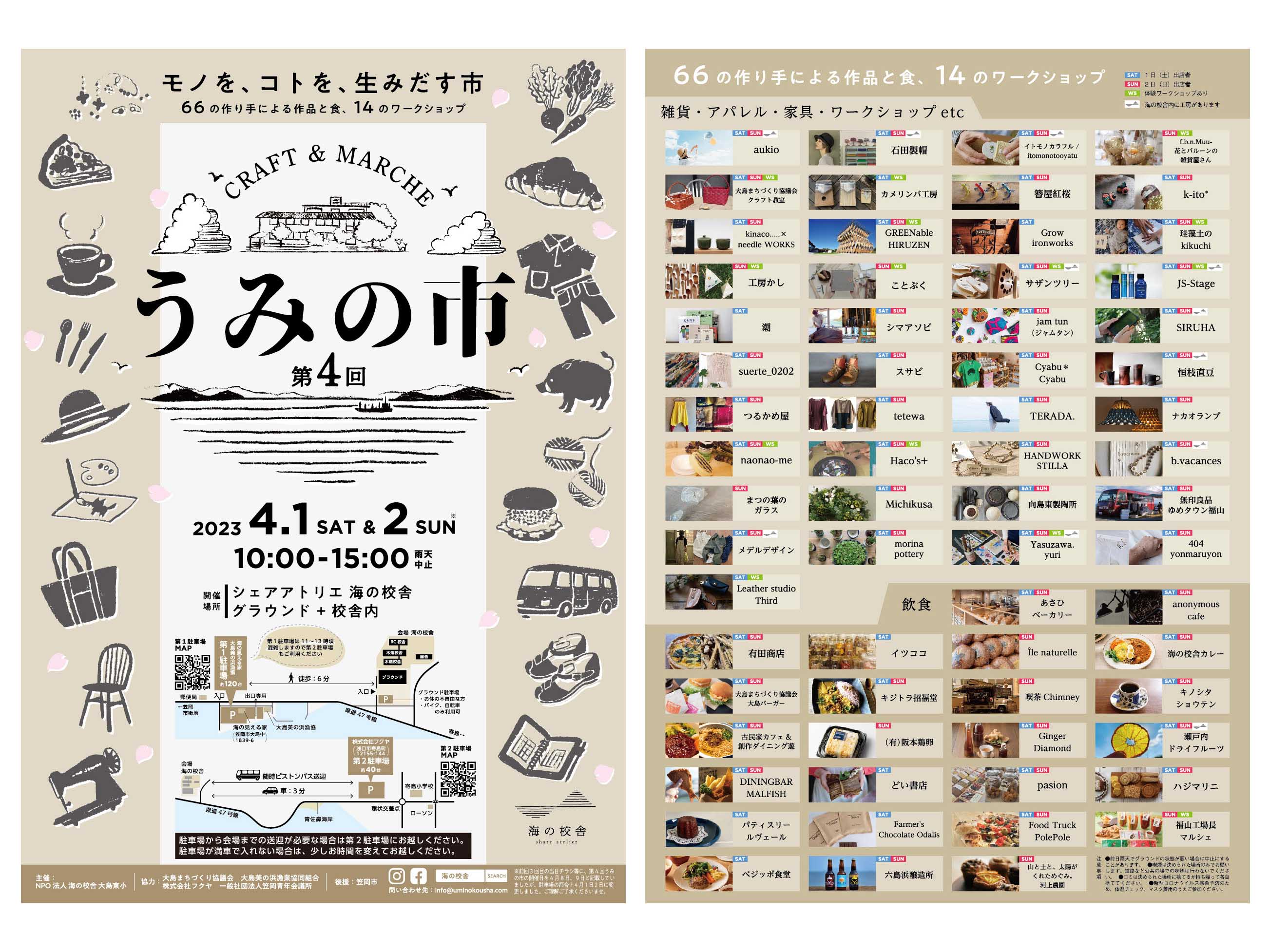
Additionally, he is involved in the design related to the craft market "Umi no Ichi" organized by Umi no Kosha.
Ono Sake Store
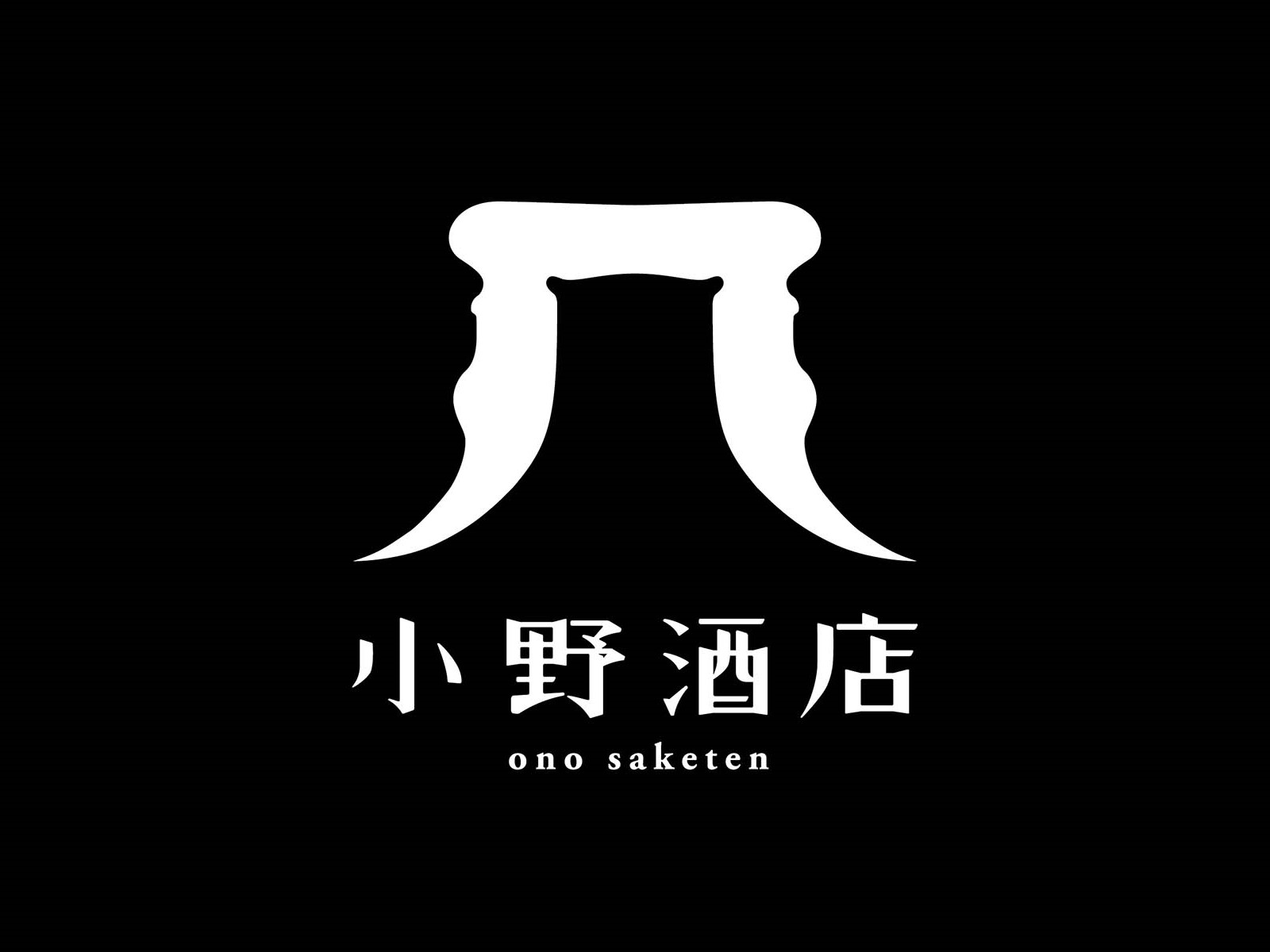
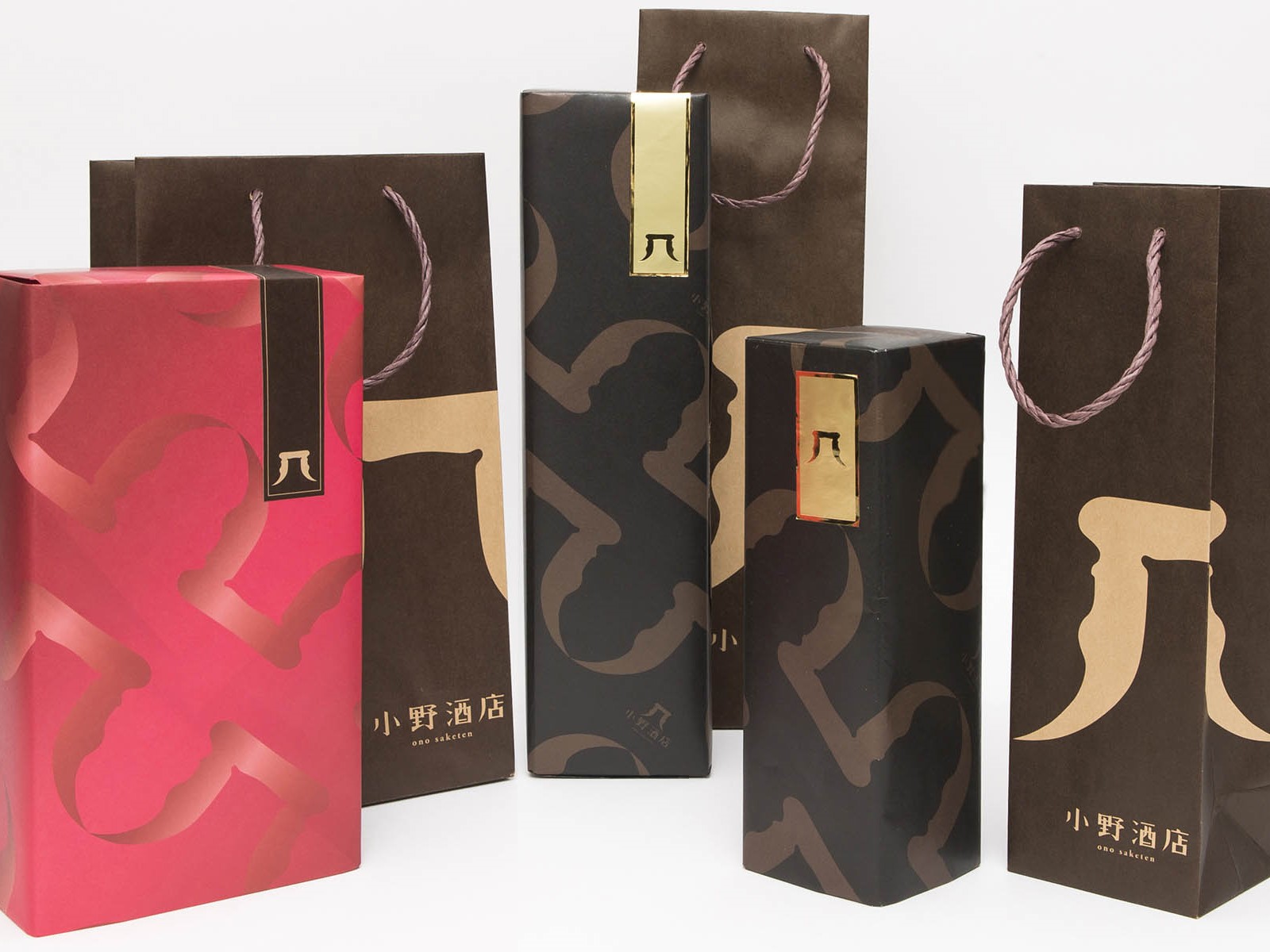
Due to the renewal of the building by an architectural office that is an acquaintance of Sugimoto, Ono Sake Store in Tsukuba City, Ibaraki Prefecture, became involved in branding, including catchphrases and logo design.
With the theme of "Simply, without reservation", it is a sake shop that offers a wide variety of hard-to-obtain famous Japanese sake.
The logo emphasizes the pouring spout of the sake bottle, expressing a duality of modern Japanese impression and the character of a long-established store.
The design was created to reflect the attitude of Ono Sake Store, which spares no effort in everything it does.
Yao Kumagawa
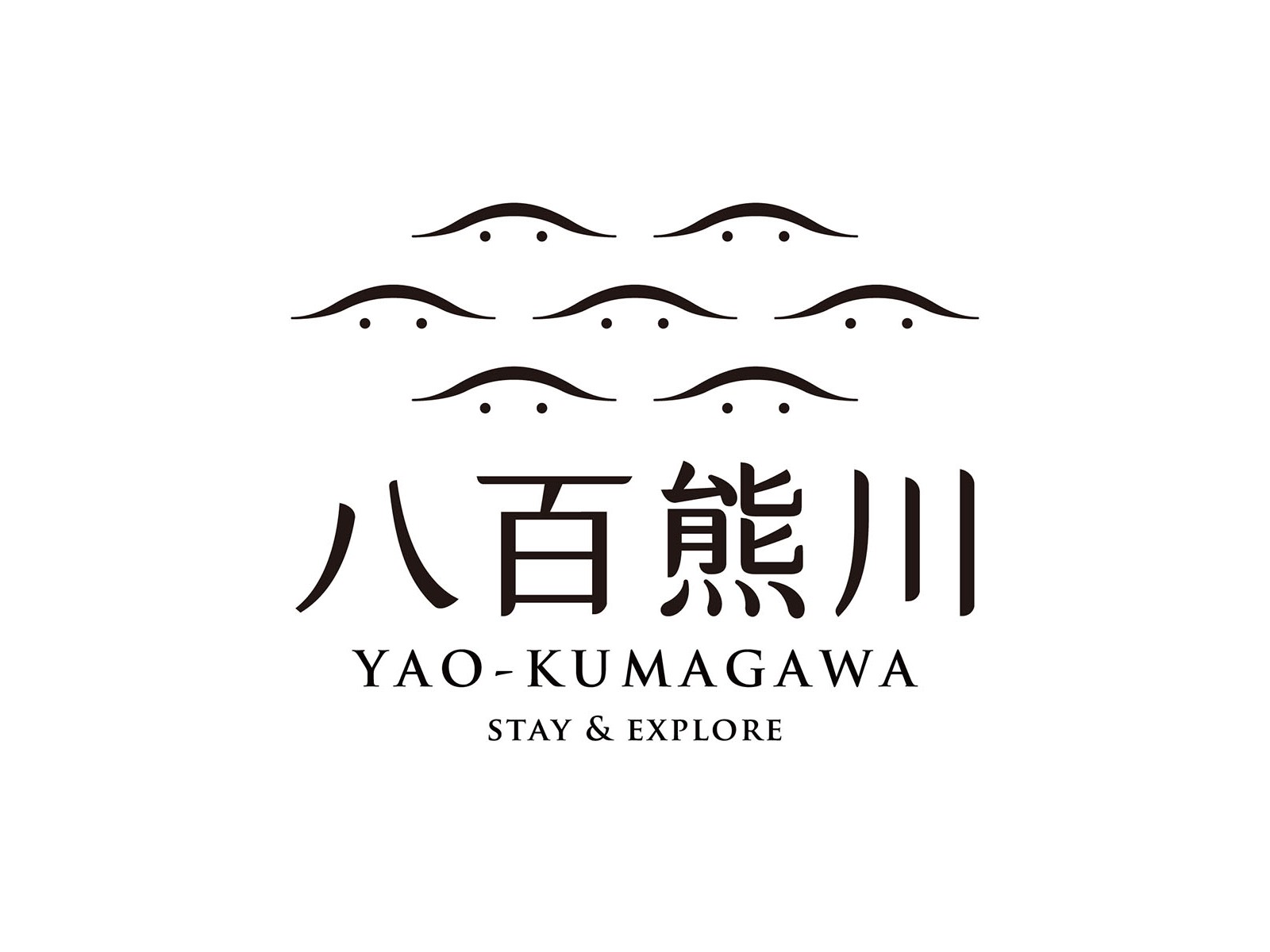
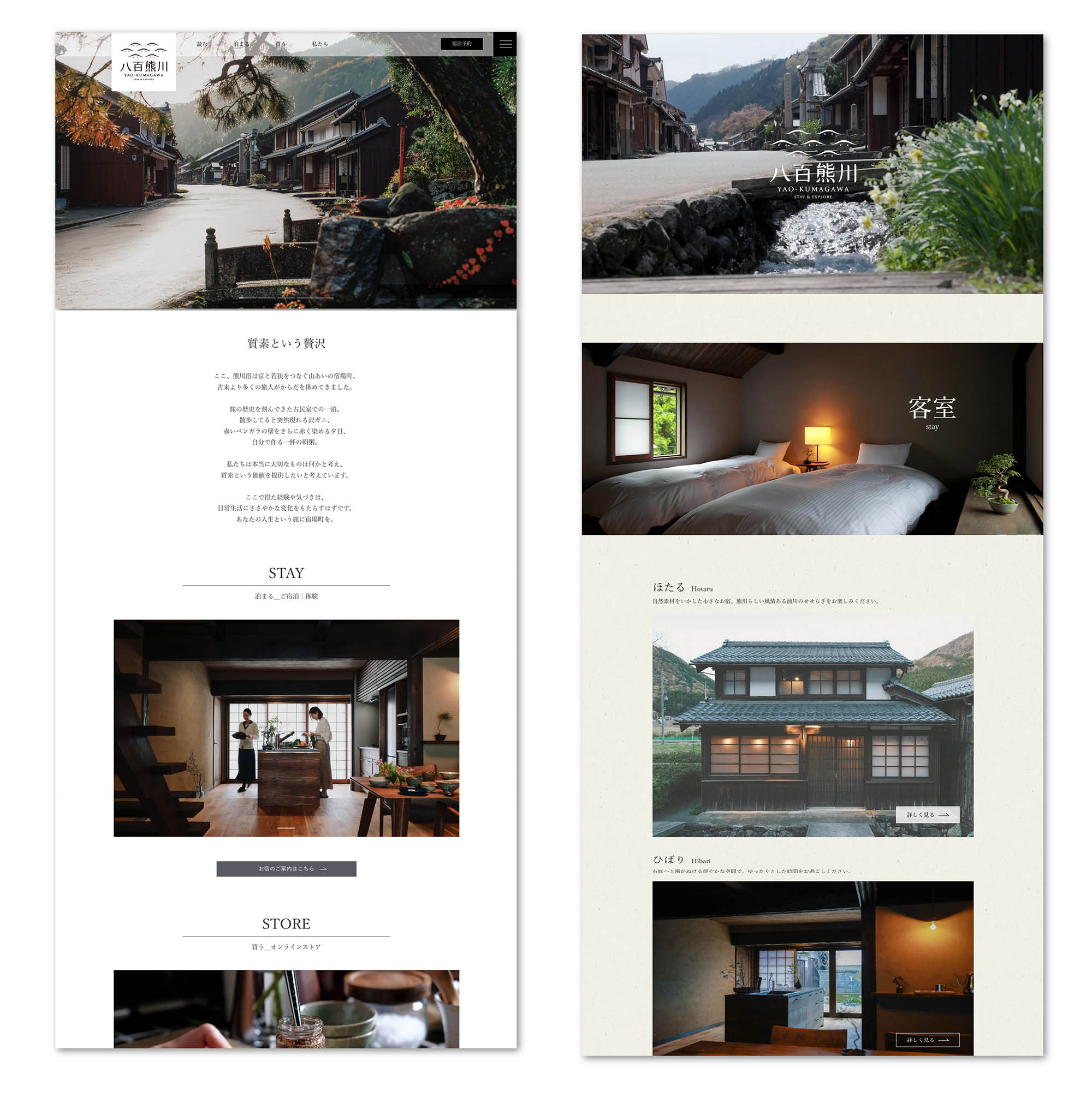
Kumagawa-juku, a post town on the Saba Kaido in the Wakasa region of Fukui Prefecture, is designated as an Important Traditional Building Preservation District (Judenken) and as a Japan Heritage site.
The accommodation facility renovated from an old folk house is Yao Kumagawa.
A senior of Sugimoto's from his student days returned to his hometown of Fukui Prefecture and renovated a house in Kumagawa-juku into an office and inn.
At that time, Taira Design was commissioned to create the logo and website.
The sentiment of Yao Kumagawa is, "I want you to feel the blessings of the region created by the eight million gods, including shrines, nature, and food culture."
"Yao" means "many," and "Yao Kumagawa" is based on the concept of being a place filled with many attractions in Kumagawa-juku.
The design, which seems to invite you in with the gods hidden in the land peeking out and looking at you, is both mysterious and somewhat cute.
Sugimoto continues to create numerous attractive designs.
We had a conversation with him.
TAILORDESIGN OFFICE Information
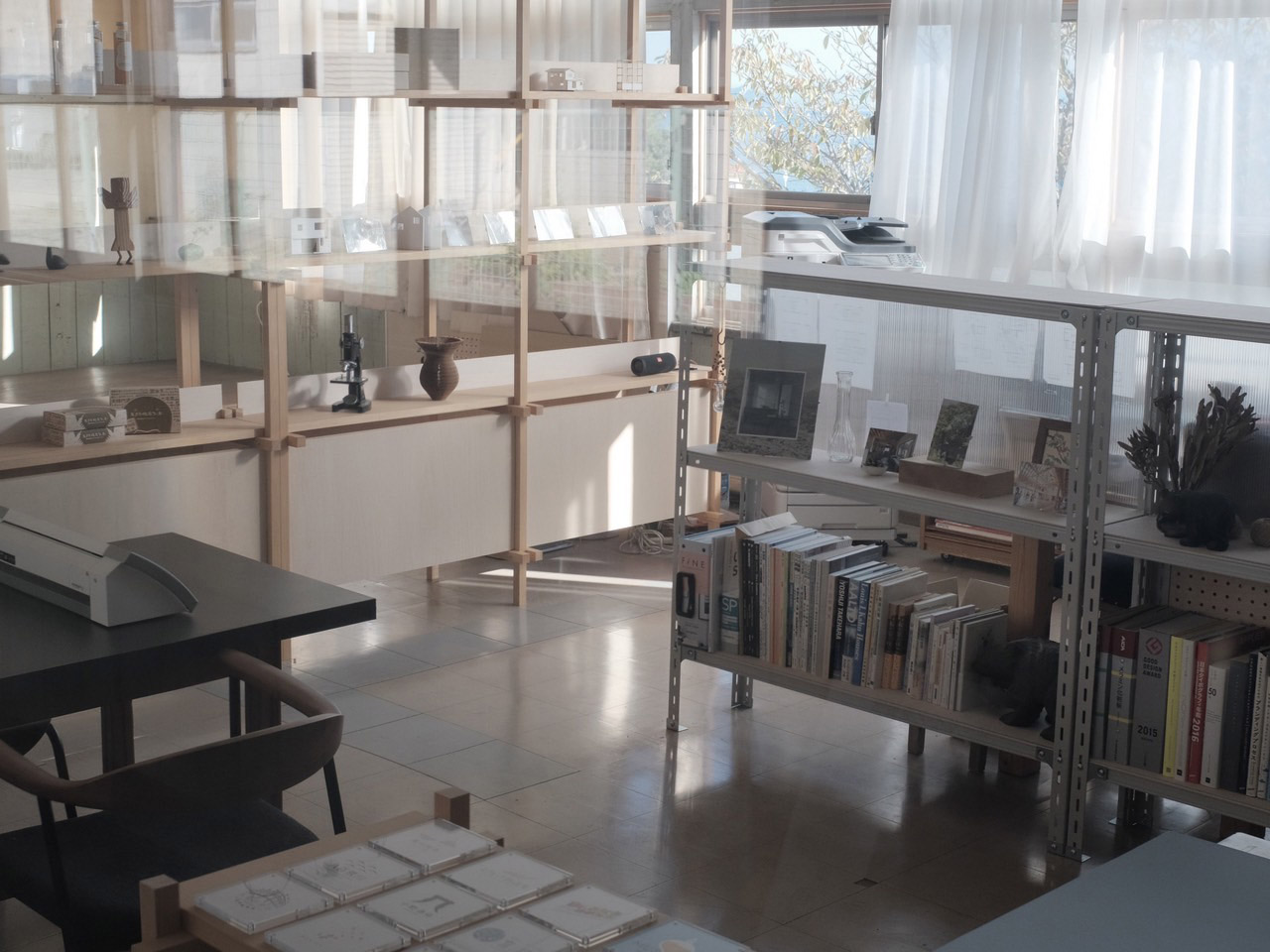
| Name | TAILORDESIGN OFFICE |
|---|---|
| Location | 2553 Oshima Naka, Kasaoka City, Okayama Prefecture, Share Atelier Umi no Kosha (Kasaoka Office) |
| Parking | Available |
| Smoking | Non-smoking (smoking allowed only in designated areas) |
| Toilet | Western-style toilet |
| Website | TAILORDESIGN OFFICE |

What do you want to know about Kurashiki?
Enter a word to search articles from this site