Interview with editorial team members Terada and Ikeda
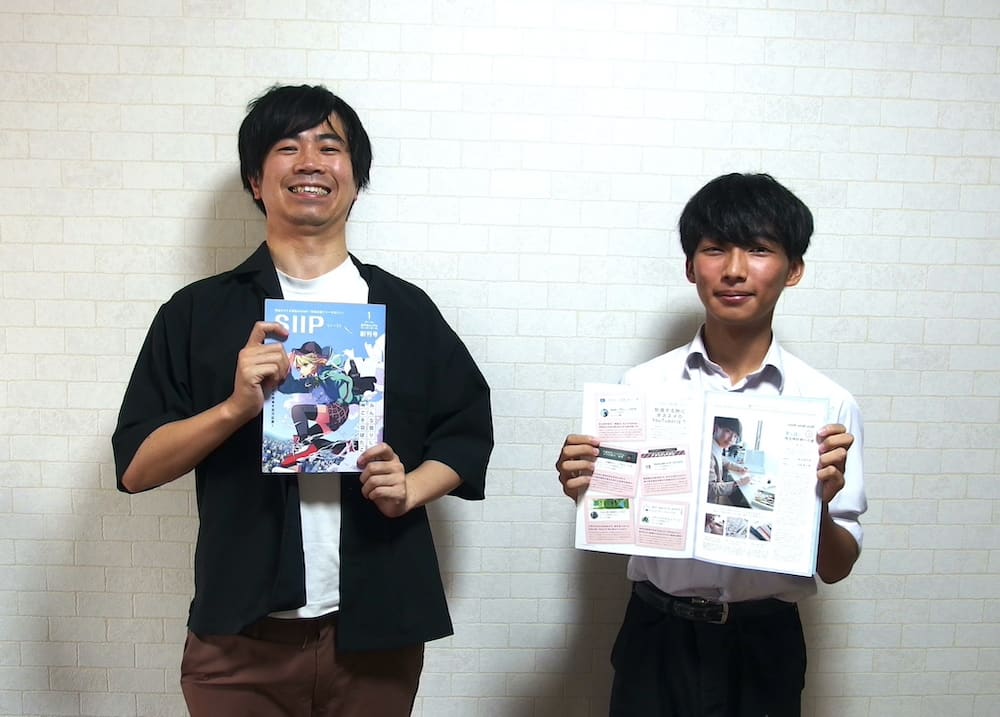
We interviewed Terada, representative of Minna no Jishushitsu Hakushi, and Soichiro Ikeda, a third-year student at Okayama Prefectural Kurashiki Amaki Senior High School.
The birthplace of SIIP: up to the establishment of Minna no Jishushitsu Hakushi
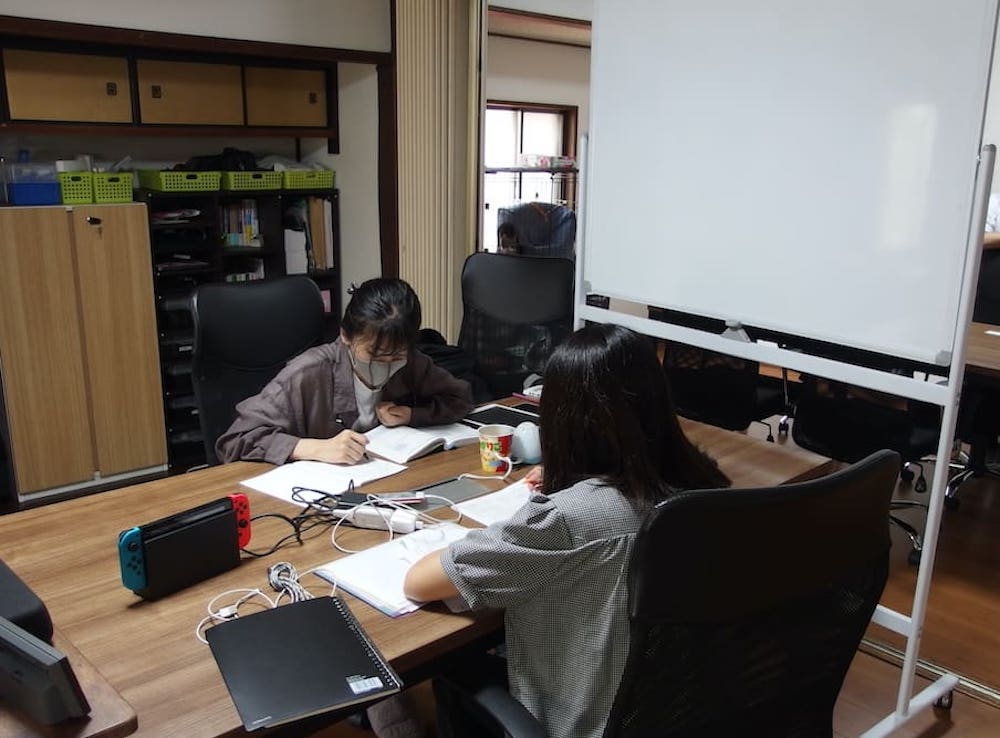
What led you to take a leave of absence from Kyoto University Graduate School and join the Kasaoka City Community Revitalization Cooperator program?
Terada (surname only)
Originally, I had two dreams for my future: staying at university to teach, or starting a business related to education in a rural area.
At first, I was pursuing the path of staying at university to teach, but I happened to see a TV program about Community Revitalization Cooperators, and thought, “Oh, there’s this option, too.”
I had just finished writing a paper, so I thought that if I took a leave of absence, I could start an education-related business while working as a Community Revitalization Cooperator.
I then researched Community Revitalization Cooperator programs in various municipalities, and ultimately decided to work as a Community Revitalization Cooperator for Kasaoka City, so I came to Kasaoka.
Also, this has nothing to do with starting a business, but I really love fish.
Kyoto, where my university is, is inland and has no sea, so on weekends I used to go to markets in Osaka and Maizuru (laughs).
I also joined the Kasaoka City Community Revitalization Cooperator program because I wanted to try working in both education and fisheries in an environment with the sea and markets close by.
What do you think of Kasaoka?
Terada
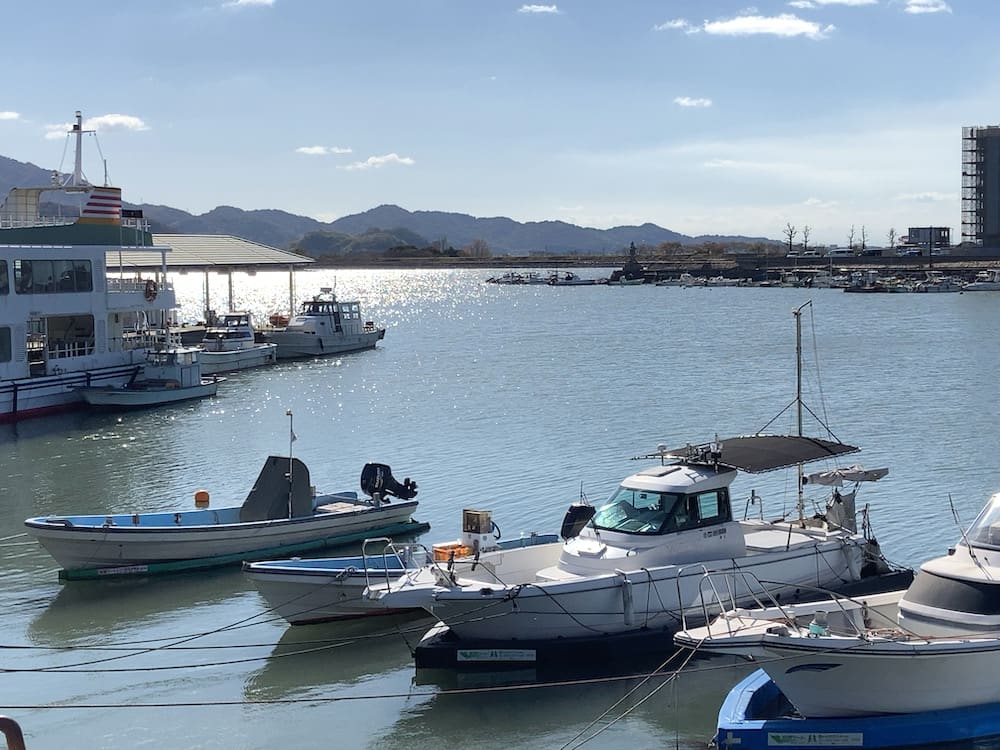
2021 is my third year since coming to Kasaoka, and I think it’s a good place to take on challenges.
It may not be particularly active, but when we take the initiative, people understand and support us, so I think it’s a place where it’s easy to take on challenges.
How was Minna no Jishushitsu Hakushi established?
Terada
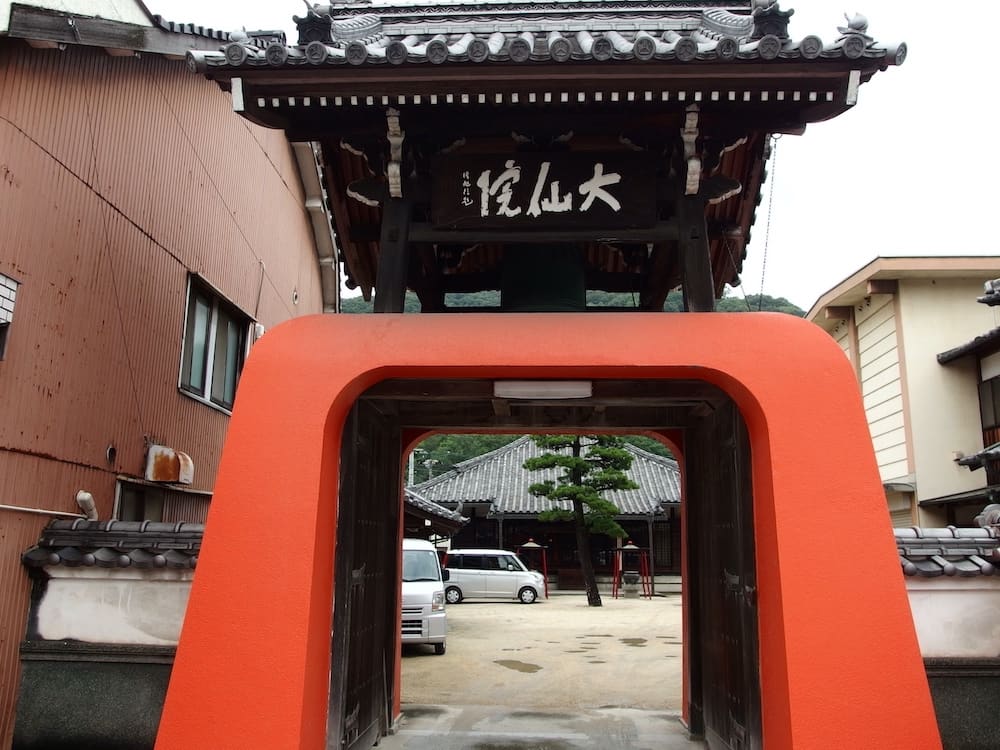
Creating an environment where students can study what they want was included among the activities of the Community Revitalization Cooperator program.
I went on to Kyoto University, but I wasn’t a particularly good student when I was in middle school.
But I started going to a cram school, where my dream was acknowledged. That motivated me to study hard, and I was able to get into Kyoto University.
Teaching is important for a cram school, but I thought it was more important to recognize students’ dreams and create an environment where they can devote themselves to pursuing them. So I decided to run the cram school in a self-study format.
I chose the self-study room format rather than holding classes because I thought I could explain things, share ways of thinking, and offer advice whenever students wanted to know something.
The moment students want to know something is when they learn the most.
With classes, you have to follow a curriculum, but with a self-study format, there’s no need to teach everyone at once, and answering questions becomes the main focus.
What students want to know right now might be something they’re studying at school, or it might have nothing to do with school at all.
I think being able to ask about what they want to know at that moment, and then understand it through the explanations and advice they receive, is essential to deepening their thinking and comprehension.
Ikeda (surname only)
At other study rooms, I can’t do what I’m doing because it isn’t schoolwork.
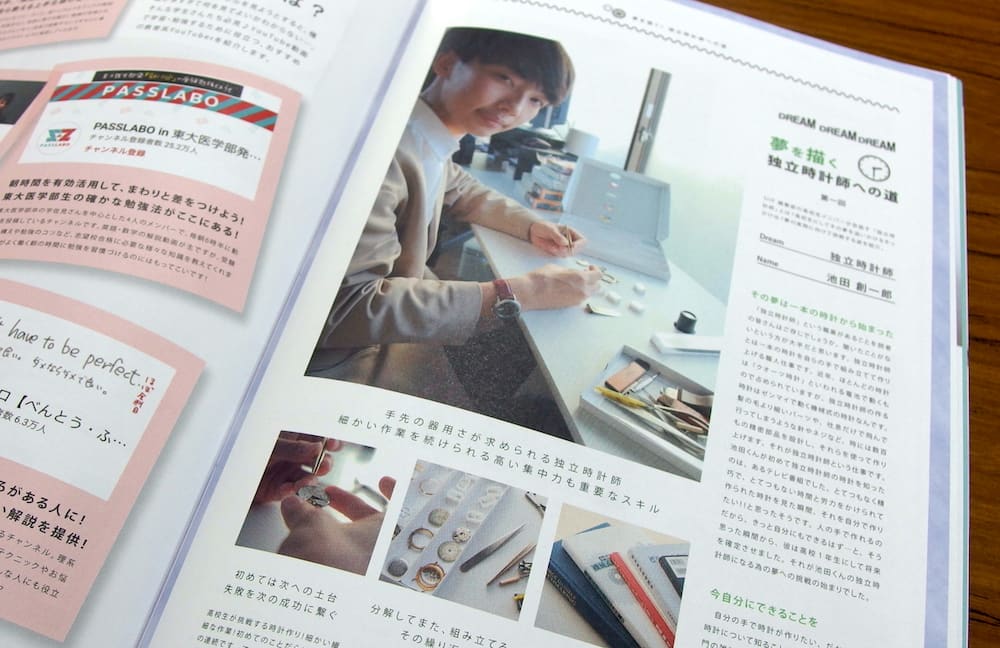
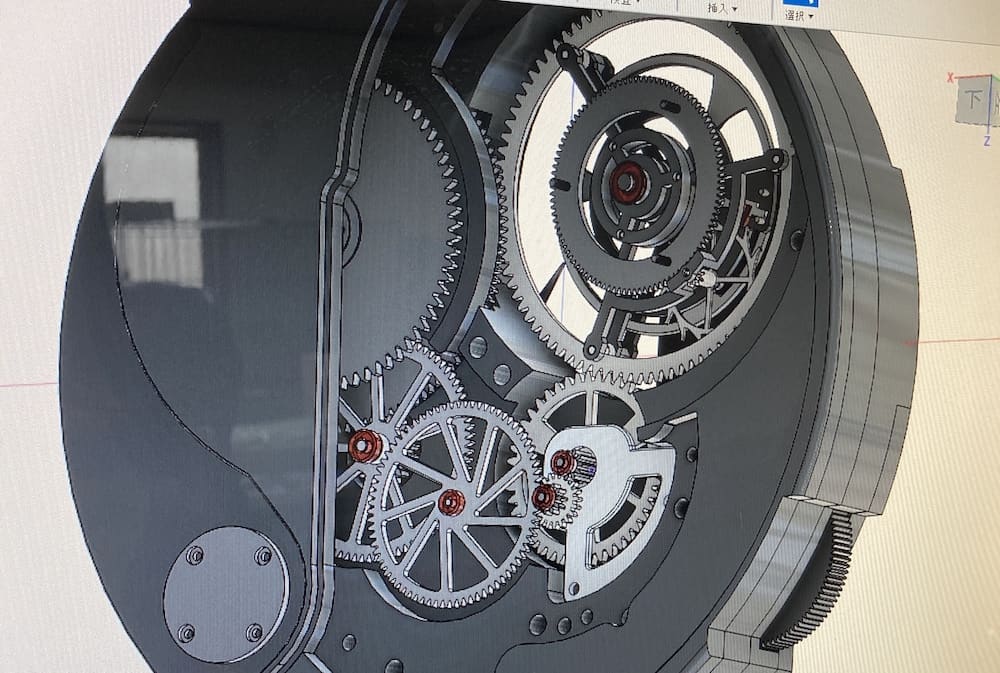
Here, I can freely study 3D CAD and design for becoming an independent watchmaker, and I can ask for advice, which is a great help.
SIIP was launched at the suggestion of a student
What led you to create SIIP?
Terada
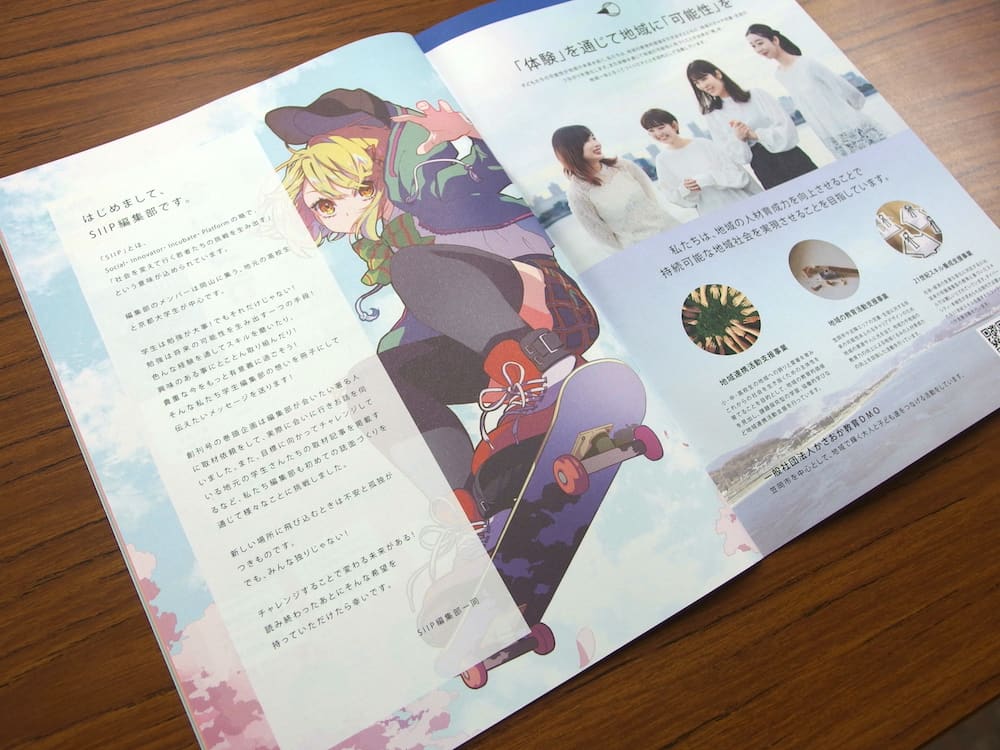
Launching SIIP wasn’t my idea. The idea came from one of the students.
When people’s aspirations are recognized, they can work hard! I want to share that message, and create a magazine to do it! That’s what Yaemoto, who later became a member of the editorial team, said.
That idea also aligned with my own philosophy—it was exactly what I was looking for.
So we decided to give it a try, and work on the magazine began in November 2020.
How did you become involved in launching SIIP, Ikeda?
Ikeda
I was already attending Minna no Jishushitsu Hakushi and doing what I wanted to do. The SIIP project to support students taking on challenges aligned with my own philosophy and what I was doing, so I decided to join.
A series of firsts leading up to the publication of SIIP
What steps did you take from preparing the first issue of SIIP to publishing it?
Ikeda
We started with a meeting and decided what we needed to do.
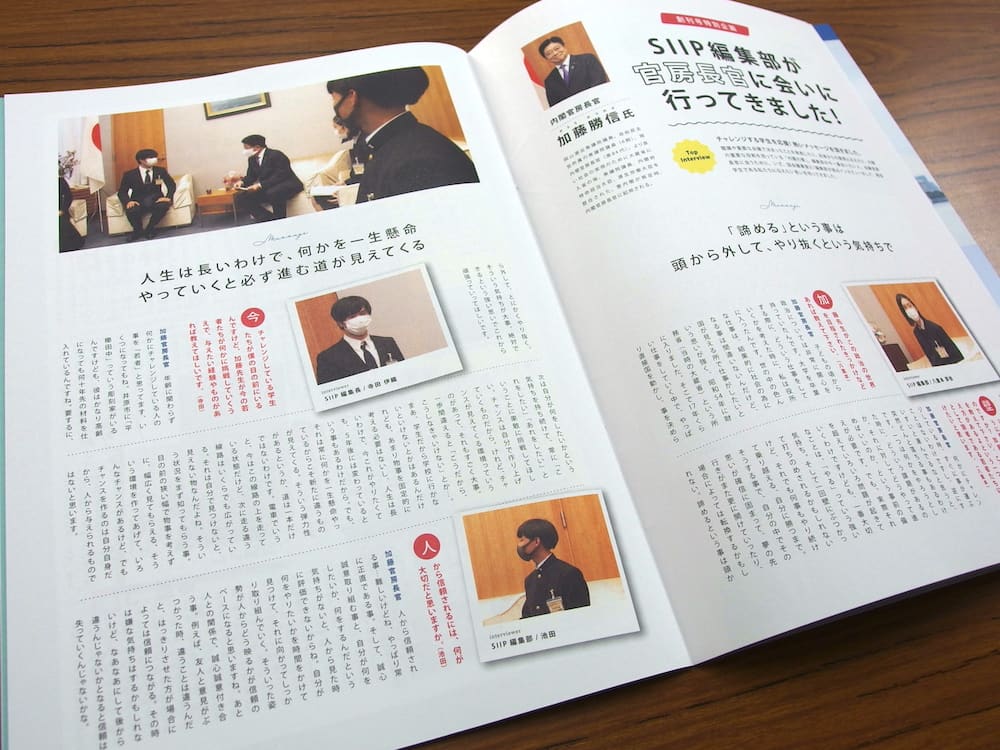
The first topic was “Who do we want to meet?” Someone suggested, “I want to meet the Chief Cabinet Secretary!” so we decided to pursue that first.
After that, we kept deciding on the next things to do.
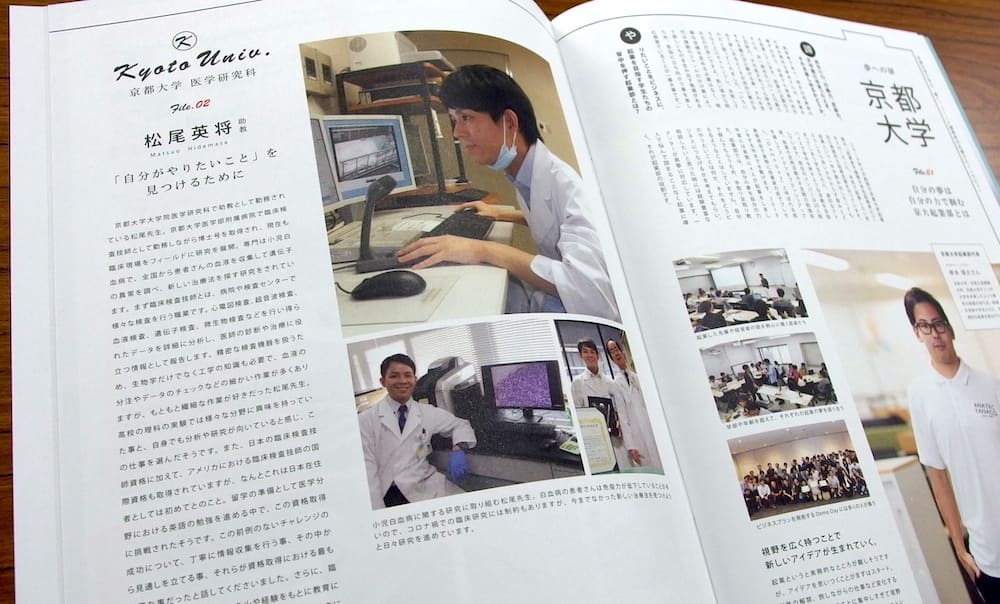
Since the magazine is primarily for students, we chose content that would be useful to them as they pursue their dreams or would spark their interest.
Then we conducted the interviews one by one and started writing the articles.
In my case, I had never used Adobe Illustrator before, so I worked on the interviews while practicing with Illustrator.
We also transcribed the interviews, turned them into articles, and laid them out. Finally, we proofread everything and completed the magazine.
Did all the editorial team members work on it?
Terada
We divided up the work to some extent, but this time the high school students took the lead.
Ikeda and Yaemoto worked incredibly hard.
What did you find difficult before publishing SIIP?
Terada
Can I give a really specific example? (laughs)
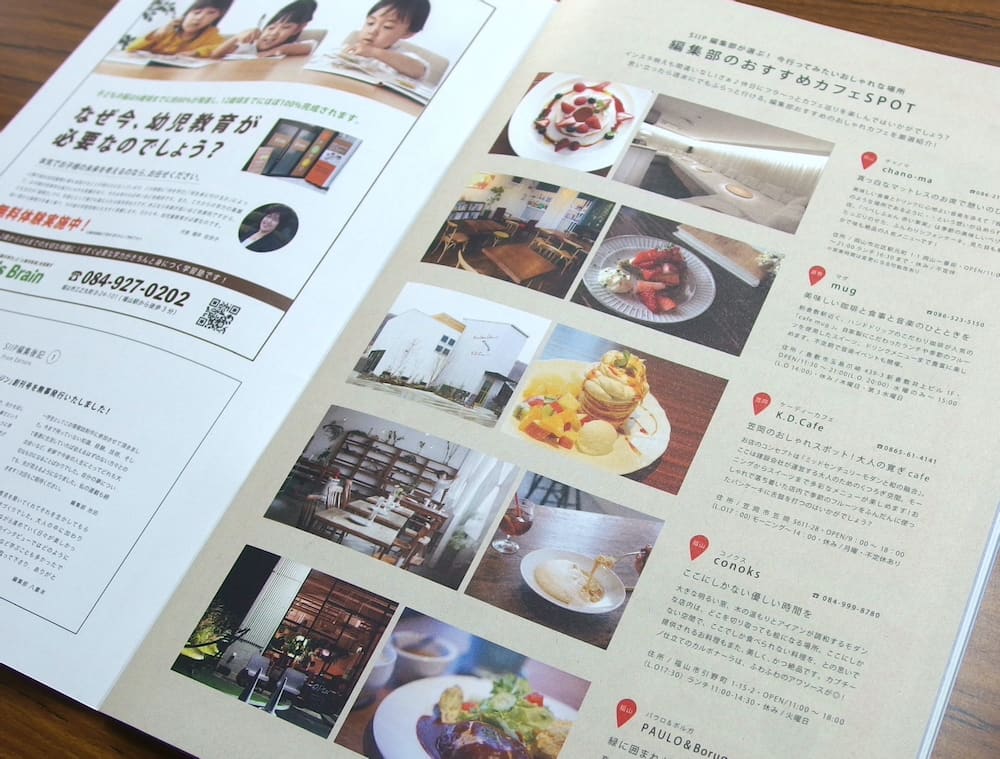
The final café page was difficult.
It was our first time conducting interviews, so we weren’t well organized, and we were working on a tight schedule. It was a struggle to put the café page together.
We had to plan the interview schedule around the opening hours of the businesses we were visiting, but it was our first time doing that, too, so we didn’t know how.
We also decided to include advertisements, but we had no know-how at all about what kind of ads to run, so that was difficult.
Ikeda
Everything was difficult… or maybe I should say all of it (laughs).
I had never used Illustrator either, so it was hard learning from scratch as I went.
Terada
No, Ikeda was amazing.
He had never used Illustrator before, but he learned it in a short time and even became able to do page layout (arranging text, photos, and other elements).
He started out not even knowing what a path was, and learned while getting lots of corrections from the designer. He was able to produce work like this.
Ikeda
Illustrator really was difficult (laughs).
I had done a little photography as a hobby, so that part was easy, but I struggled with cutting out and editing photos.
I didn’t know how to arrange text, either.
For the café interviews, sometimes we couldn’t do them because the opening hours overlapped with school hours.
It was my first time conducting interviews, too, so it was hard to come up with questions.
I also struggled with how to respond during the interviews.
The world that opened up through publishing SIIP
What was good about publishing SIIP?
Terada
When we published SIIP, I couldn’t predict how people would respond or how many people would be pleased with it.
But it turned out to be a topic of conversation in places beyond my reach, and we even received calls saying, “We’d like to place an ad in the next issue.”
We received a lot of positive responses that we hadn’t expected, so in that sense, I’m glad we did it.
Ikeda
Creating SIIP meant I had to do many things I’d never done before. Going through that gave me experience, and I think I gained new skills.
A lot of people read SIIP and told me, “It was great”… That made me happy.
Terada
It seems it was being talked about at school, too.
Ikeda
A lot of teachers spoke to me about SIIP.
Do you plan to publish more issues of SIIP?
Terada
For now, we’re thinking of publishing it twice a year.
We have more high school and university student members now, and having gone through the publication process once, we understand how it works.
That said, high school students can’t work during the day or during exam periods, so I think publishing twice a year will take a lot of effort.
SIIP’s philosophy: We want to take on challenges together with high school students who share our vision
Tell us about your goals for the future.
Terada
My goal is to work without being tied to a particular place or schedule.
Through SIIP’s activities, we’ve created a way to make use of Kyoto’s resources in Kasaoka, and I’d like to expand that into a business, including different ways of working.
I’m getting more outsourcing work now, and Kyoto University students are handling it using their resources. I’d like to bring that to Kasaoka, too.
The idea is to expand outsourcing work with Kyoto University students online, and have high school students join in as well.
Since this involves wages, there are issues that need to be resolved for high school students, but it would be great if connecting high school and Kyoto University students could broaden the high school students’ horizons.
Another goal is to rethink lifestyles.
Working for a company, starting a business, or becoming a freelancer aren’t the only ways to live. I’d like to create a system that shows people they can build a new way of life by combining different options.
Ikeda
My dream is to become an independent watchmaker, and my goal is to make that dream a reality.
As for SIIP itself, I hope more people will learn about the magazine.
If more people know about SIIP than they do now, we can support people like me who are working hard toward their dreams, and readers may feel inspired to take on challenges themselves.
To make that happen, I’d like to get the word out to even more people.
Also, in the next issue, I’d like to feature students who are working hard and taking on challenges right now.
Terada
This time, Ikeda was the only one who was still working toward something; the others had already achieved results.
Ikeda
So I’d be happy if we could feature people who are working hard.
From the Writer

We want to support young people who take on challenges—and help more of them do so! The free magazine SIIP was filled with this wish.
SIIP wove the message “There are many people in the community who take on challenges and achieve results, so you can do it too” throughout its pages. It printed 10,000 copies and distributed them to high schools and other locations in Kasaoka City.
With hardly any time to rest, Terada, Ikeda, and the other editorial team members are probably already brainstorming for the next issue in Project SIIP’s co-creative room.
Project SIIP’s work to further unleash the boundless energy of high school students, with Kyoto University students acting as catalysts, has only just begun.
In today’s world, where many different ways of life exist, what does it mean to take on a challenge? I think part of the answer can be found on page 3, in the words, “Taking on challenges can change the future!”
Ikeda’s eyes shone as he took on challenges in earnest.
To help more eyes shine, the SIIP editorial team will surely take on the challenges that keep arising.
I’m looking forward to seeing which students taking on challenges will be featured in SIIP’s second issue!
SIIP, the “Student Support Free Magazine” made by students for students Information

| Name | SIIP, the “Student Support Free Magazine” made by students for students |
|---|---|
| Location | Published by: Minna no Jishushitsu Hakushi |
| Website | Minna no Jishushitsu Hakushi |


What would you like to know about Kurashiki?
Enter a word to search articles on this site