We spoke with Flower Art Director Yoshiyuki Manki
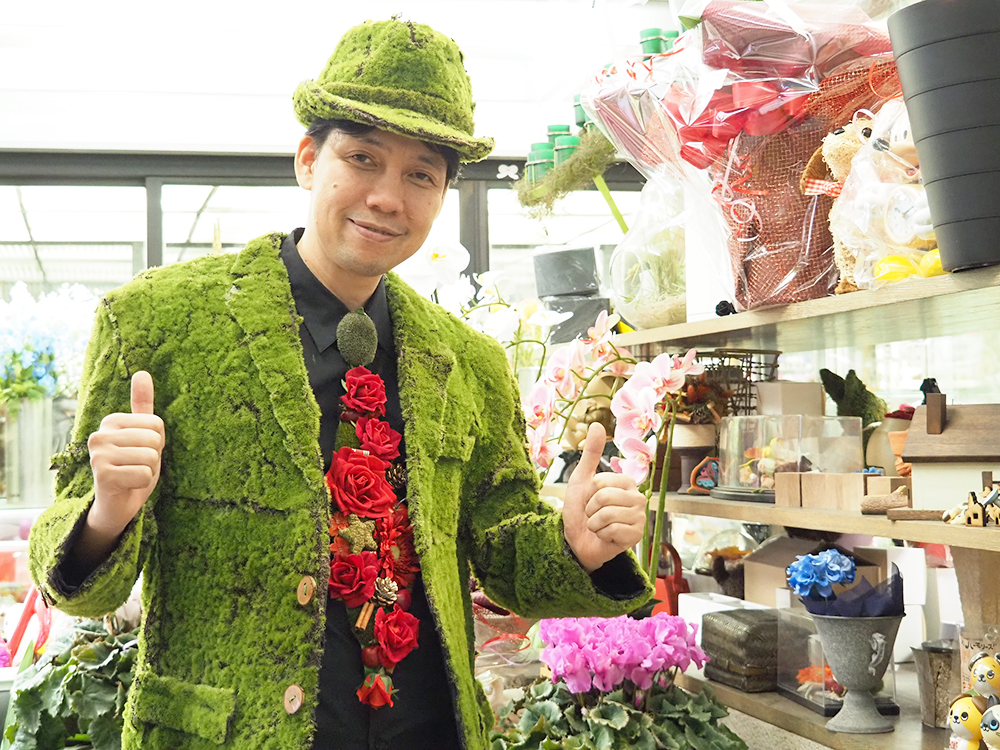
We spoke with Flower Art Director Yoshiyuki Manki, who provides flowers at the locally rooted flower shop "Florist Man" while creating various works.
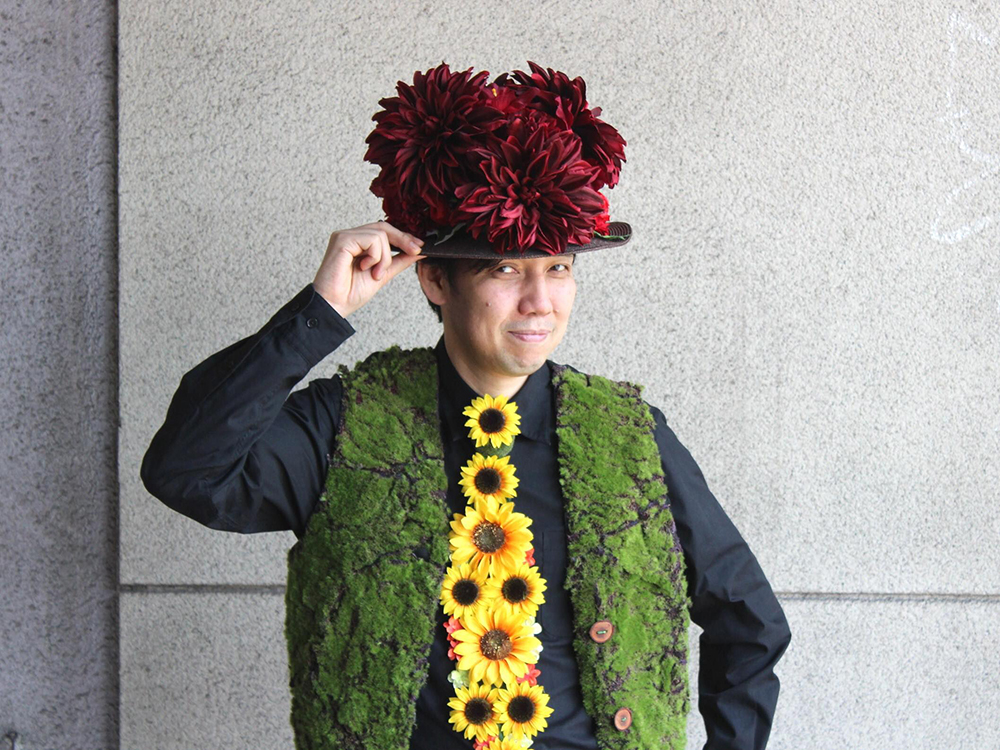
From "I want to get better" to "I want to make people laugh"
Please tell us about your journey to becoming a Flower Art Director.
Manki (honorific omitted)
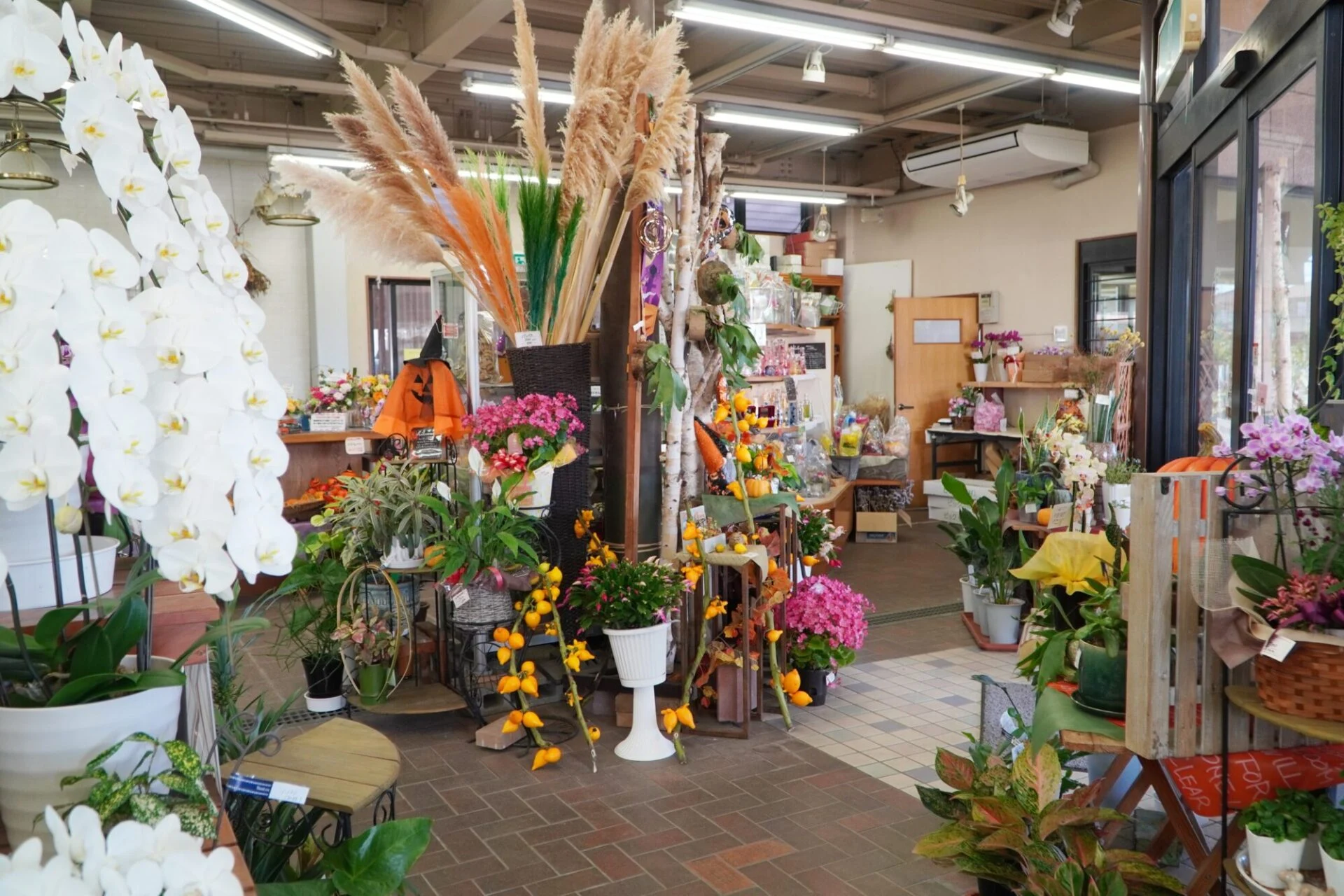
Florist Man is a flower shop that has been passed down from my great-grandmother, grandfather, and father.
When you think of a "flower shop," it has a feminine image, and I felt a bit embarrassed as a child, but I am the eldest son. I always had it in my mind that I would eventually take over.
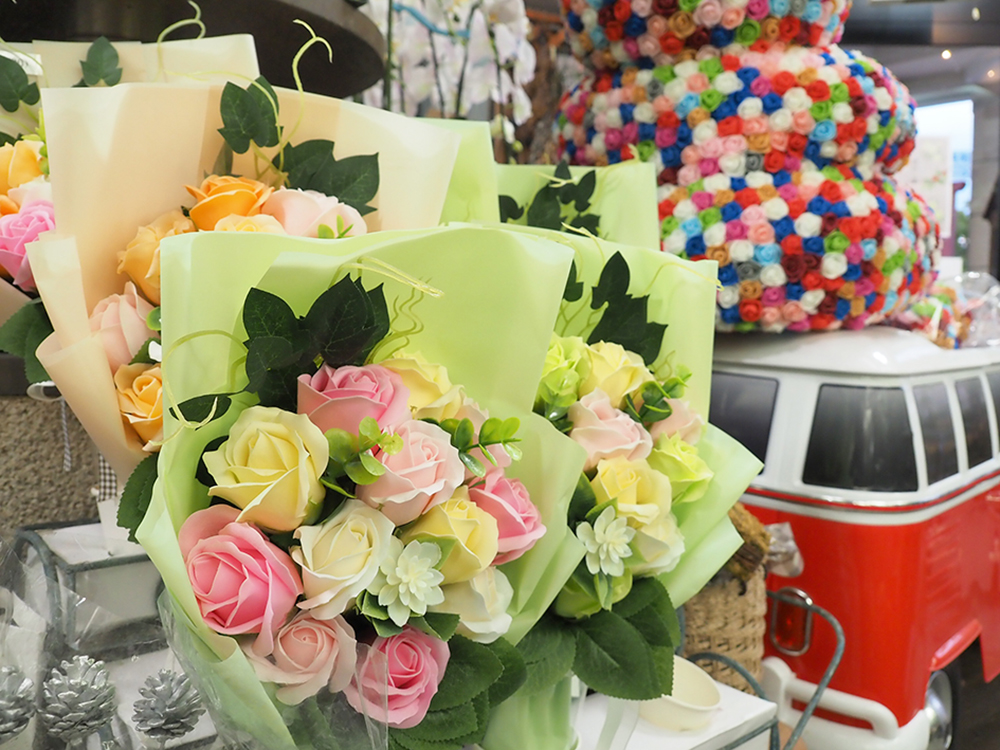
After graduating from a university with no relation to flowers, I enrolled in the JFTD Academy Japan Flower College in Tokyo. I studied flower design and Ikebana.
Perhaps because I originally liked creating things, I became fascinated, thinking, "The world of flowers is so deep and interesting." I learned techniques rapidly.
By chance, I was approached by a flower shop in Sweden and was able to take charge of the design department in 1997.
In Japan's flower industry, it took a long time to get into the field. I had no hesitation in going to Sweden, thinking I could gain various experiences in Europe.
While working for six months, I traveled on my days off to France, England, the Netherlands, Germany, and Denmark, learning local flower design.
In Europe, the culture of giving bouquets is more prevalent than in Japan. It was a great experience.
After returning to Japan, I went back to Florist Man. While making bouquets and delivering them, I participated in various contests for flower arrangements and objects, receiving many awards.
Since 1998, I have been creating bouquets for medalists at international figure skating competitions.
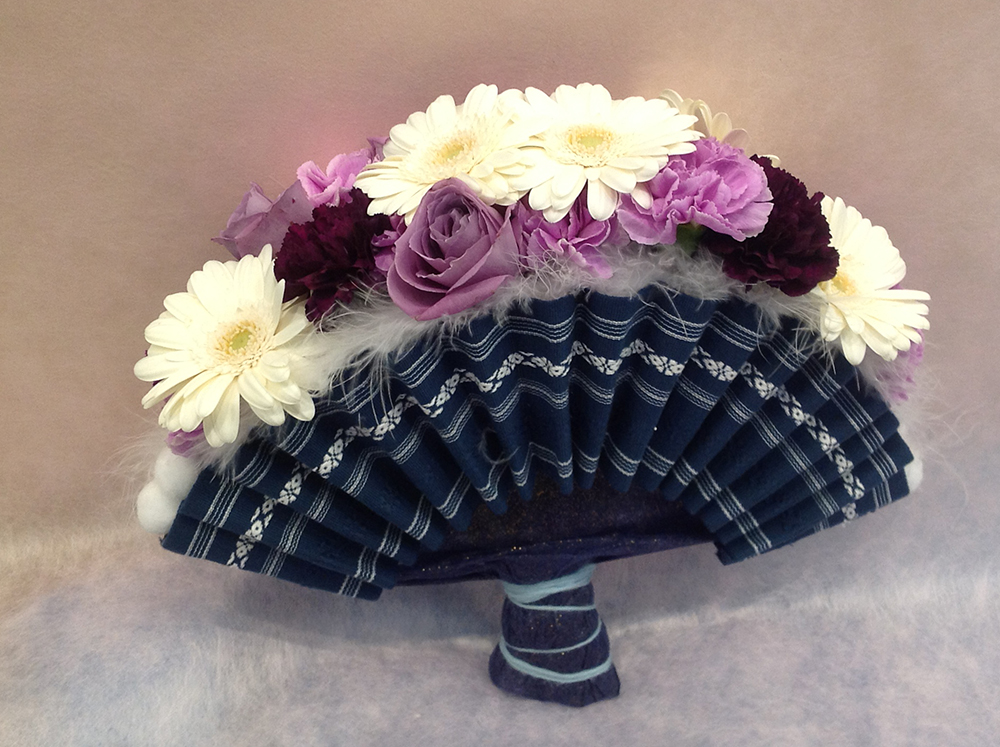
Seeing the athletes proudly holding the bouquets with big smiles or sniffing the bouquets made with macarons brings me joy.
I am happy to receive any reaction. The athletes' reactions are also delightful for the audience.
Whether it's "Hey! A moss car" or a flower post, I am active with the theme of "making people laugh with plants."
Using puns a lot is also for that reason.
There are many works that truly make people laugh. How did the concept of "making people laugh with plants" come about?
Manki
After the Great East Japan Earthquake in 2011, I wanted to be of help, so I launched the "Sunflower Reconstruction Support Project."
In this project, we put sunflower seeds into ping pong balls painted by children from Fukushima Prefecture, transported them to Nevada in the United States, and then released the seeds into the stratosphere with a balloon to scatter them on the land of Fukushima to bloom flowers.
While driving towards the American desert, a photographer from Fukushima who was riding with me suddenly said this.
"I might lose my sight due to illness."
If he loses his sight, he won't be able to work as a photographer. It was shocking.
But he kept saying until the end, "I want to continue taking bright photos of children's smiles," which resonated deeply with me.
I thought about what I could do and told him right there, "Then I will make people laugh with plants."
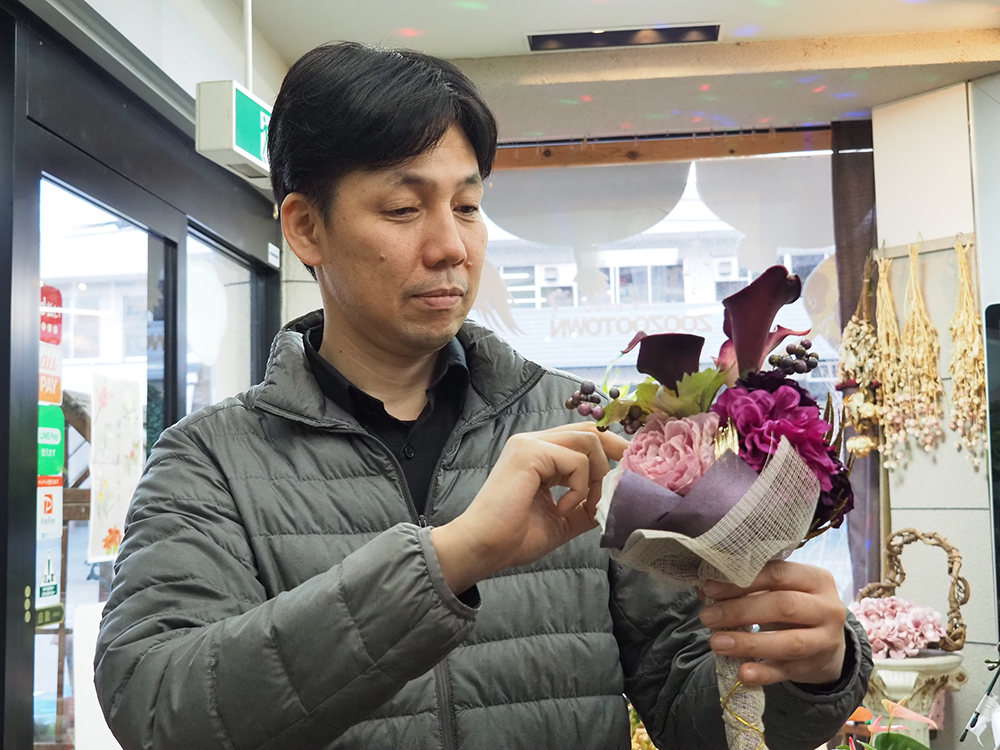
Additionally, while participating in various study sessions in Okayama Prefecture, I was impressed by the words of an instructor who said, "Flowers move people emotionally."
Until then, my focus in creation was on winning contests or making what I wanted to make, but encounters like this made me want to create works that make people who see them smile.
I thought, "So how can I make them laugh?" and I create things that have an element of surprise or use puns.
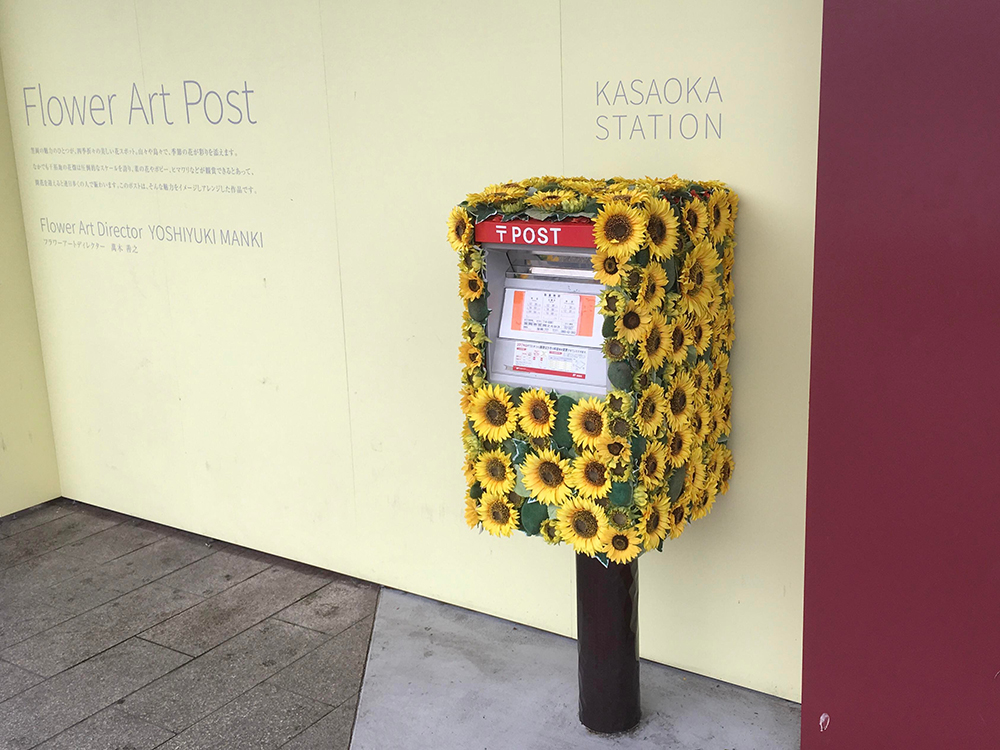
The power hidden in plants
How do you come up with such unique ideas?
Manki
It's like an occupational hazard; I keep thinking about it (laughs).
I think about it in my daily life, and talking with people from different industries also brings new insights.
When you combine different things, new ideas emerge that have never existed before.
The collaboration with Ishida Seibo is exactly that.
By displaying plants on hats, they become removable, allowing for transformation. People really want to transform, don't they?
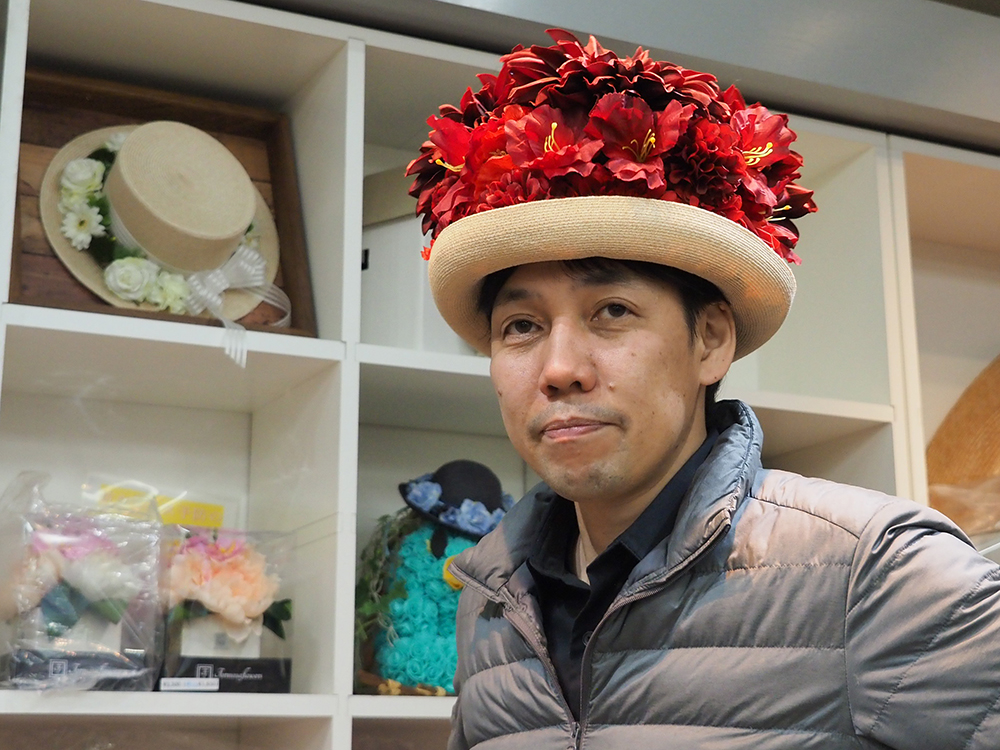
The fact that this can be captured in photos has also been well received.
Conversations with customers in the shop can also provide hints.
If anyone has ideas for what kind of work they would like me to create, I hope they will come to Florist Man.
Are there any challenges you would like to take on in the future?
Manki
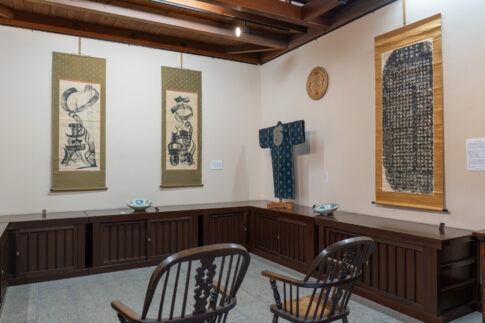
There is a large cold storage room in the back of the shop, but since it has not been used much, I am planning to turn it into an exhibition space next year (2022).
I hope it will become a tourist spot that people will come to visit from afar while being a local flower shop.
Also, through activities that make people laugh with plants, I learned that laughter is connected to stress management and healthcare.
For example, research results show that laughing can boost immunity and reduce stress and pain.
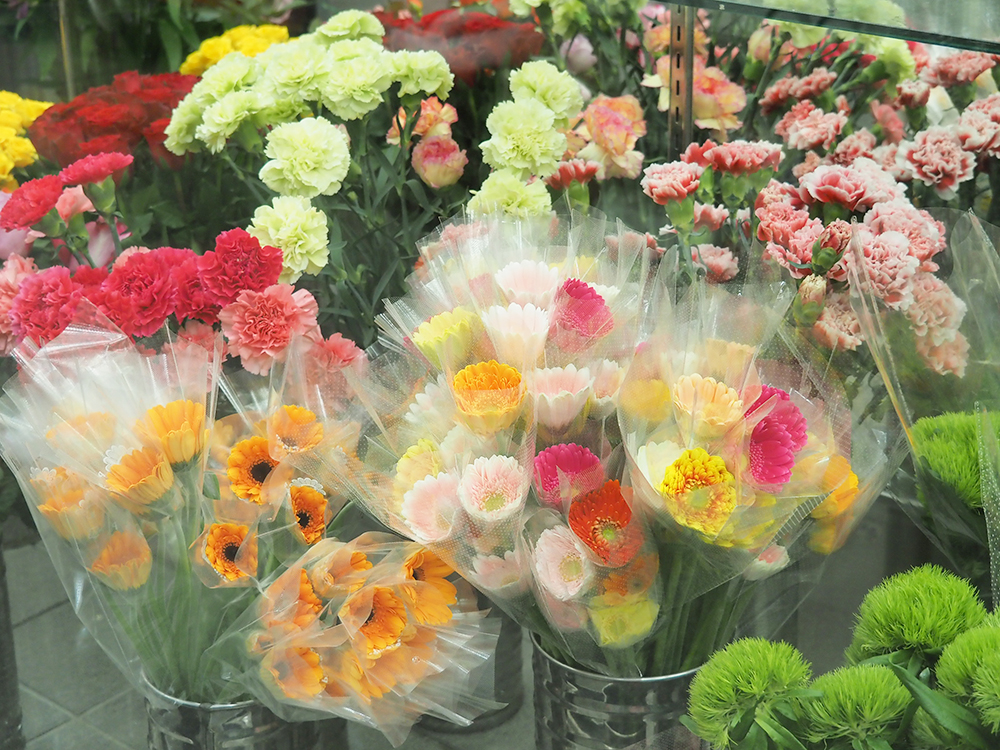
Some people may feel healed by having plants at home.
It has been made clear through many studies that plants can reduce stress.
Seasonal flowers and plants, scents, and textures. Plants can be enjoyed through senses other than just sight.
I want to continue to take on interesting challenges with various people, beyond the boundaries of being a flower shop.
From the Writer
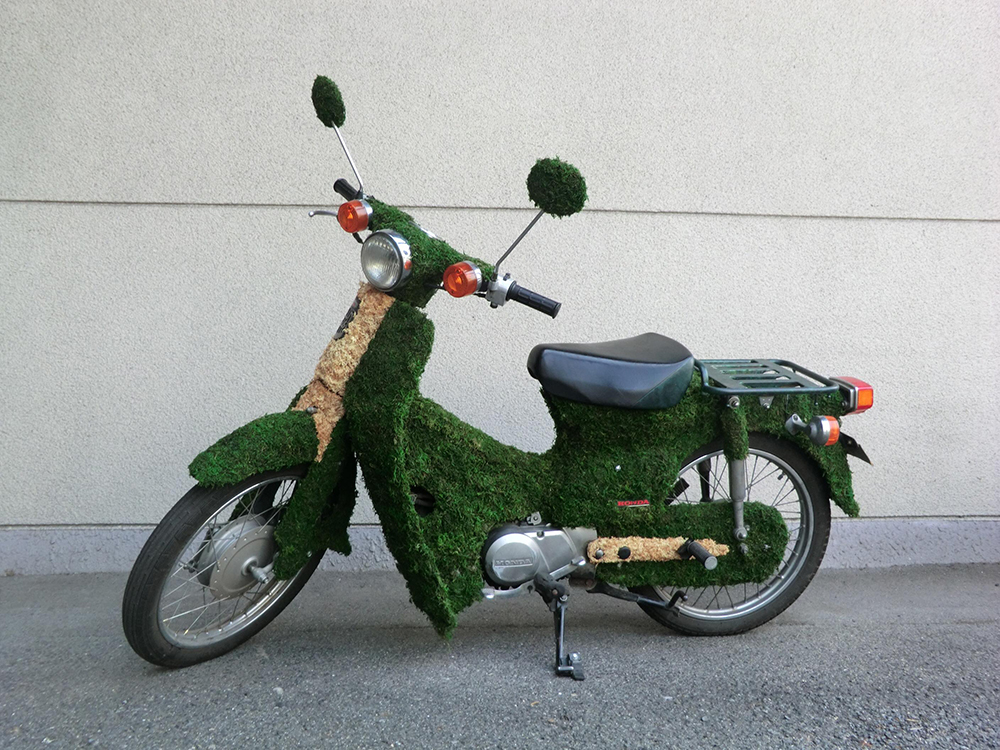
An interview with Manki filled with puns.
I found myself laughing as well, but while listening to the conversation, I felt that Manki's desire to "make people laugh" is also a form of love for those around him.
I was made aware of the potential that plants hold.
I am very much looking forward to seeing what kind of place Florist Man will become and what kind of collaborations will be born in the future.
Florist Man Information
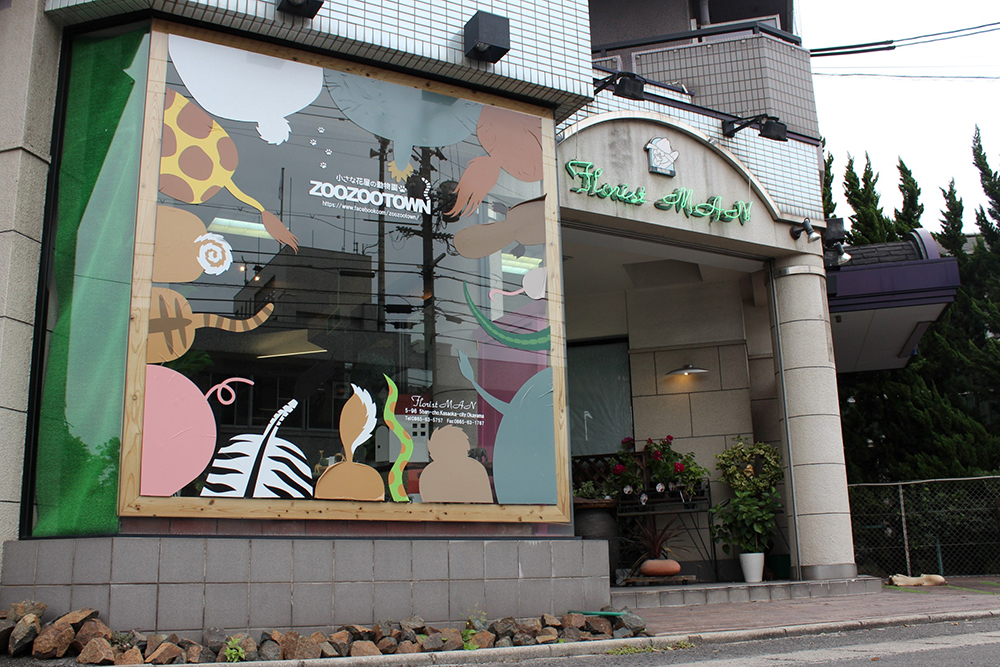
| Name | Florist Man |
|---|---|
| Address | 5-96 Goban-cho, Kasaoka City, Okayama Prefecture |
| Contact | 0865-63-5757 |
| Parking | Available 4 cars |
| Business Hours | 9:30 AM - 7:00 PM |
| Regular Holidays | Irregular holidays |
| Payment Methods |
|
| Website | Florist Man |


What do you want to know about Kurashiki?
By entering words, you can search articles from this site