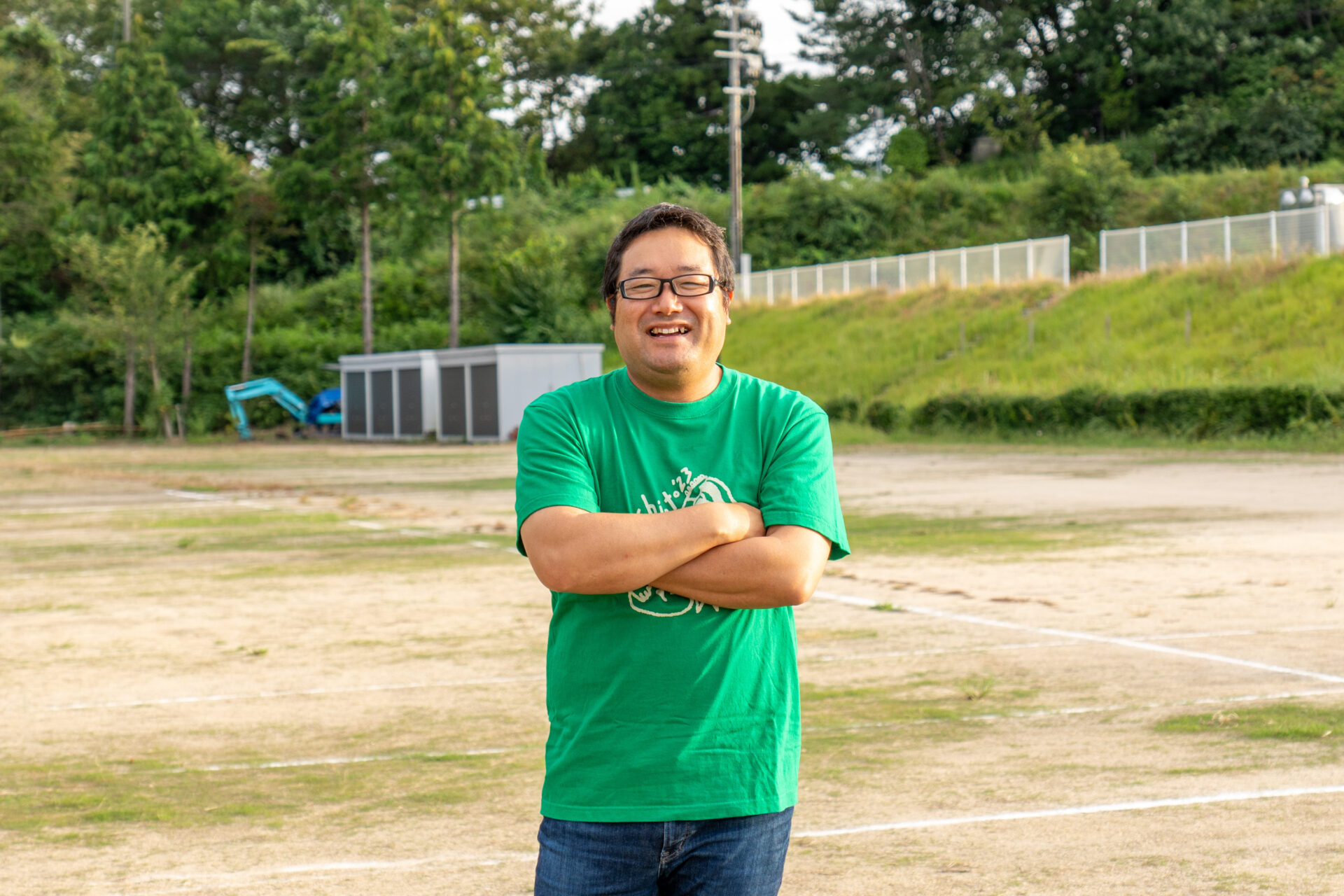
Interview with Yuji Fujii, representative of “hoshioto”
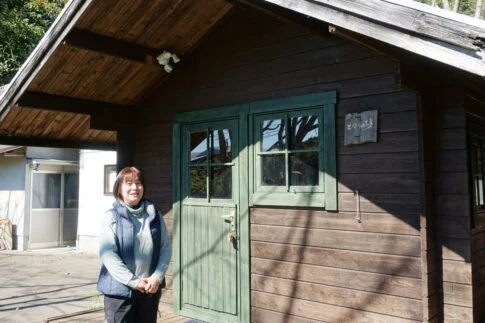
We spoke with him at Budo Roman-kan, the festival venue, about how “hoshioto” got started and how he feels about it now, 12 years after its first event.
Tell us how “hoshioto” got started.
Fujii (honorific omitted)
There were various things that led to it, but it started when I went to Fuji Rock in 2001 and was blown away. I thought, “It would be great if we could do this in my hometown.”
I went away to university outside the prefecture and then came back, and was working for a company in my hometown of Ibara. I was thinking, “If I’m going to keep living here, is there something interesting I could do?”
Around 2010, I started looking for a venue. An acquaintance who had just started managing a campground in Bisei Town happened to ask me to put together some kind of event.
I went to check it out right away with some friends, and we thought, “Couldn’t we use this as a venue?” From there, various opportunities and connections came together, eventually leading to the first event in 2012.
Though he knew nothing about how to do it, somehow he could picture it working
The founding members of the organizing committee, including you, weren’t music-industry professionals in your day jobs, right?
Fujii
At first, we really had no idea what we were doing. How do you build a stage? How do you sell tickets? What about the layout? The sound system?
I’d been in a band, so I was familiar with stages, but I’d never planned an event from scratch. I didn’t know how to book artists, either, and for a while I was constantly searching online.
Even if an ordinary person thinks, “I want to put on an outdoor music festival!”, I don’t think many people actually do it. I’m amazed by your drive.
Fujii
It’s not that I knew how to do it, but I’d helped out at an outdoor concert held in Ibara City, so I had this vague, inexplicable confidence that we could probably pull it off.
One artist’s manager even told me, “I don’t really know why, but Fujii, you had this mysterious confidence back then.”
Looking back, it’s strange, but somehow I could really picture it working.
How did the first event turn out?
Fujii
Back then, we couldn’t automate ticket sales. We had to email customers and ask them to transfer the money to our bank account, which was a huge hassle, so we didn’t sell many advance tickets.
On the other hand, we sold about twice as many tickets at the door as we’d expected.
When we saw the audience lining up in front of the venue, the staff were like, “Whoa!”
In that sense, I think it was a success, though there were plenty of things we needed to improve about the event itself.
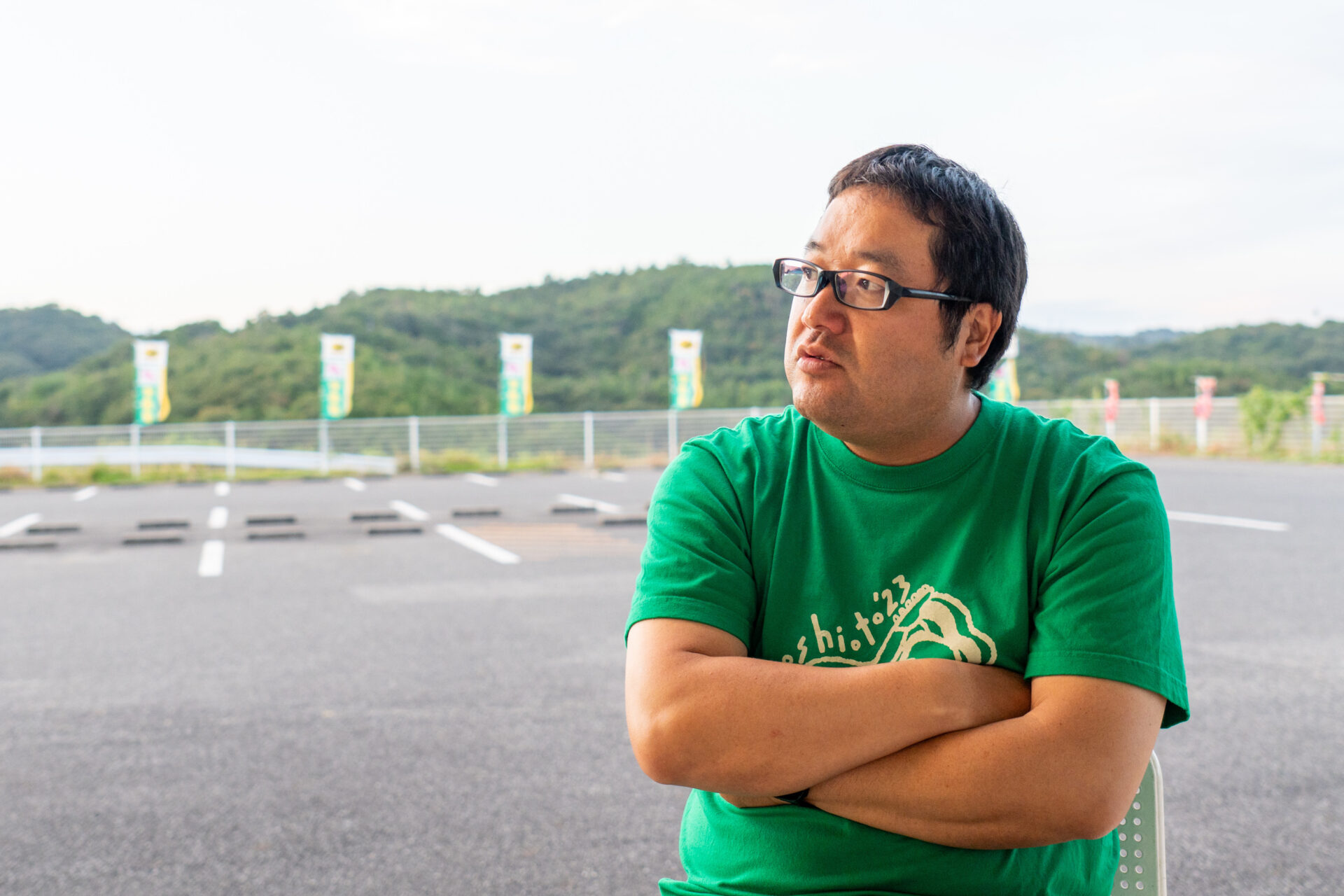
For the first five years, we had no choice but to do as much as we could ourselves
What kind of response did you get when you first launched the event?
Fujii
In 2012, the word “festival” still wasn’t widely understood in rural areas.
People didn’t understand why some guy was putting on rock or music outdoors, and there was an atmosphere of “What’s he doing?”
It was frustrating, but it’s hard to ask people to support something when you have no track record and they don’t know who you are.
We decided that we had no choice but to do as much as we could ourselves, and to keep at it for five years.
And you’ve kept it going for 12 years now.
Fujii
When we reached our five-year goal, I briefly thought about quitting for real.
In 2017, our sixth year, we moved the venue to Budo Roman-kan (Aono-cho, Ibara City), and ended up with a huge deficit. I thought, “This is bad. We’ve done five years already, so maybe I should quit,” and watched the live performances intending to call it quits.
But the next day, one of the artists who had performed that day emailed me: “I forgot to tell you, but it’s been decided that I’ll be performing at Fuji Rock. But hoshioto was the first festival I ever performed at. I’ll do my best.”
I was like, “Seriously…?”
That artist has become incredibly popular now.
I realized there were people who were really paying attention, and decided to keep going a little longer.
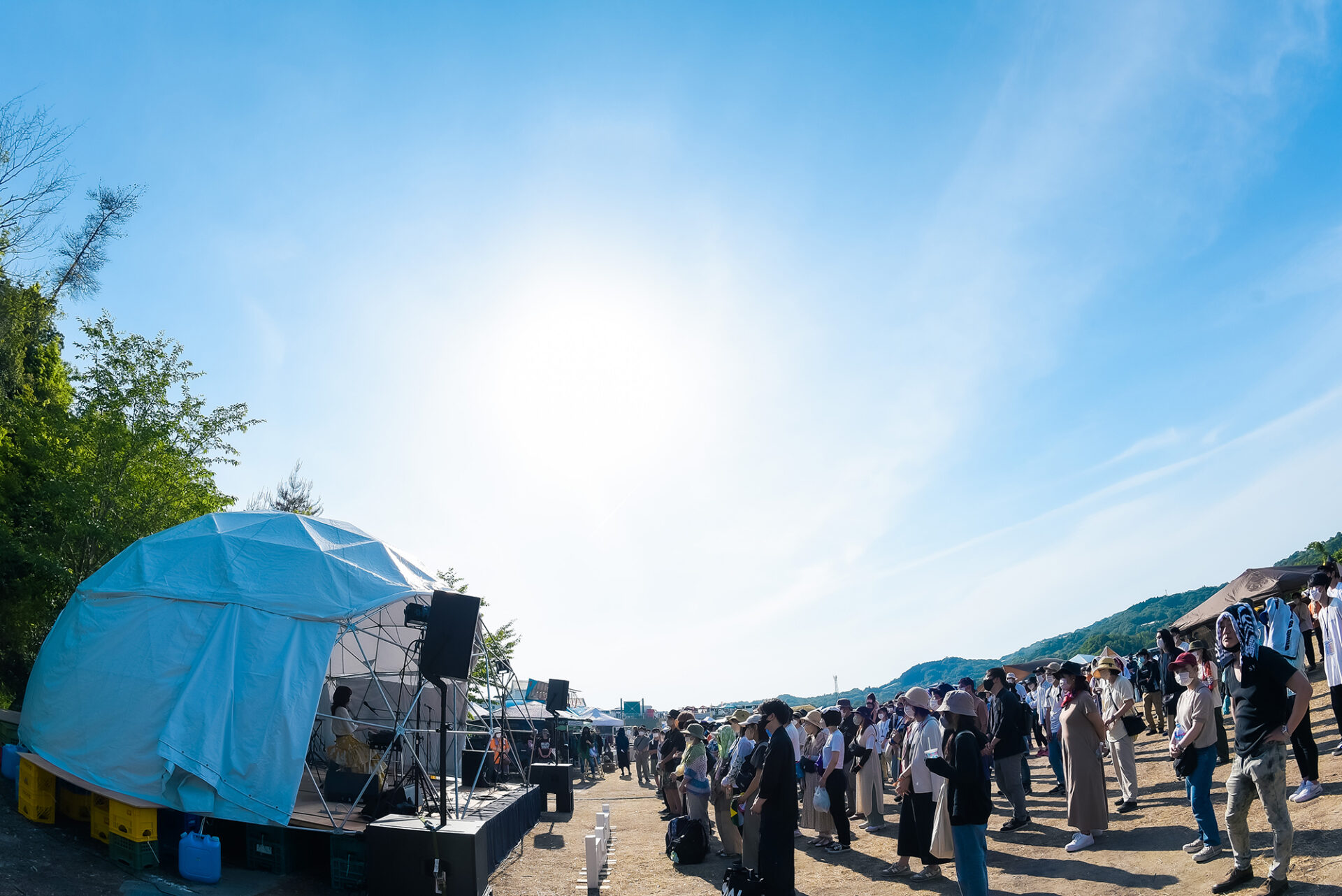
Hearing from artists like that must be encouraging.
Fujii
We also have a lot of supportive audience members.
We’ve kept going by the skin of our teeth, and when we announced that we’d be in the red again in 2023, lots of people came up to encourage us on the day.
We also get emails saying, “I’d like to help if there’s anything I can do.”
Encouraged by those words, we decided to give crowdfunding a try as a last-ditch effort, and were amazed by how much we raised.
We didn’t reach our goal, but somehow we managed to hold this year’s “hoshioto Camp.”
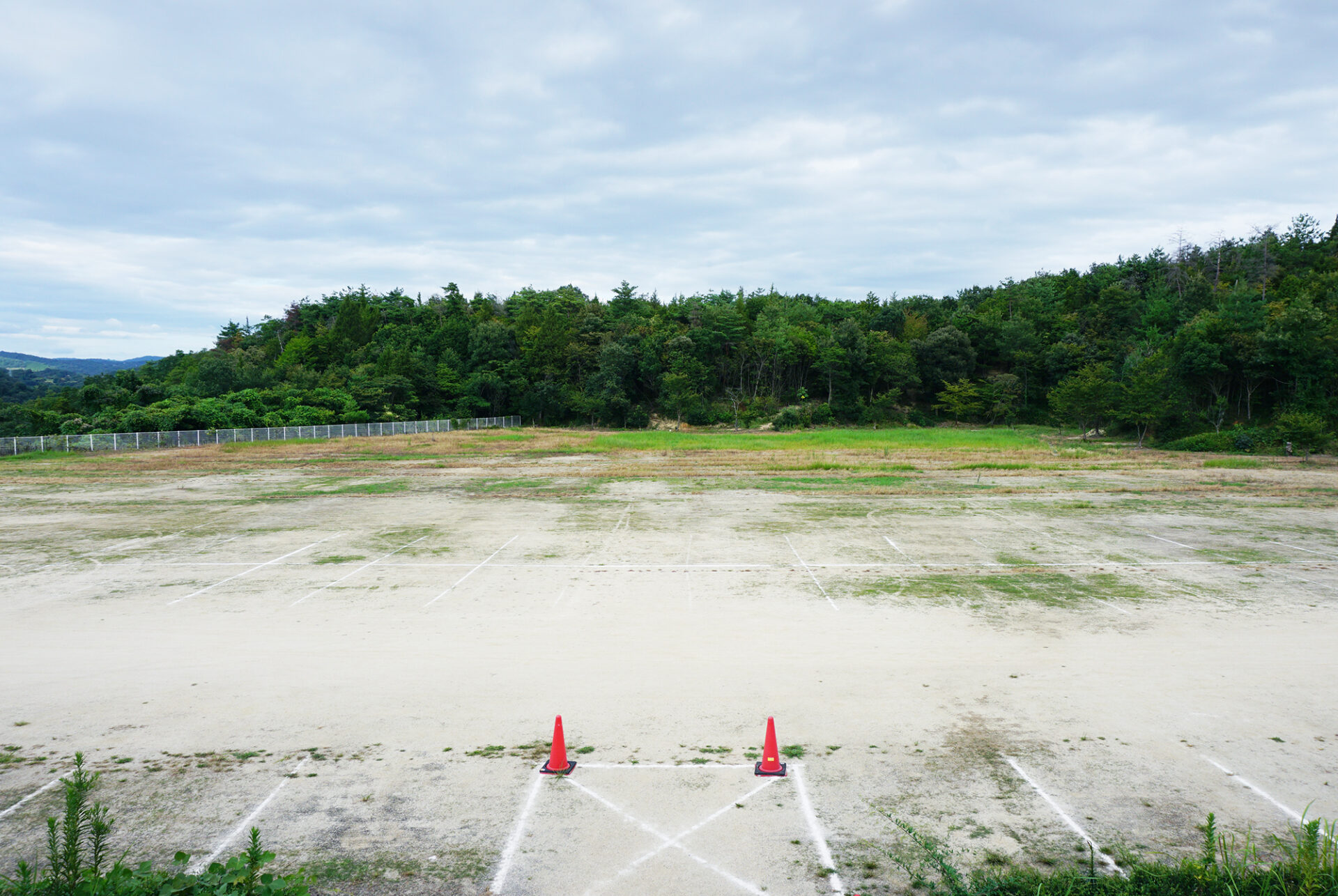
We want to give back to the audience, artists, and staff
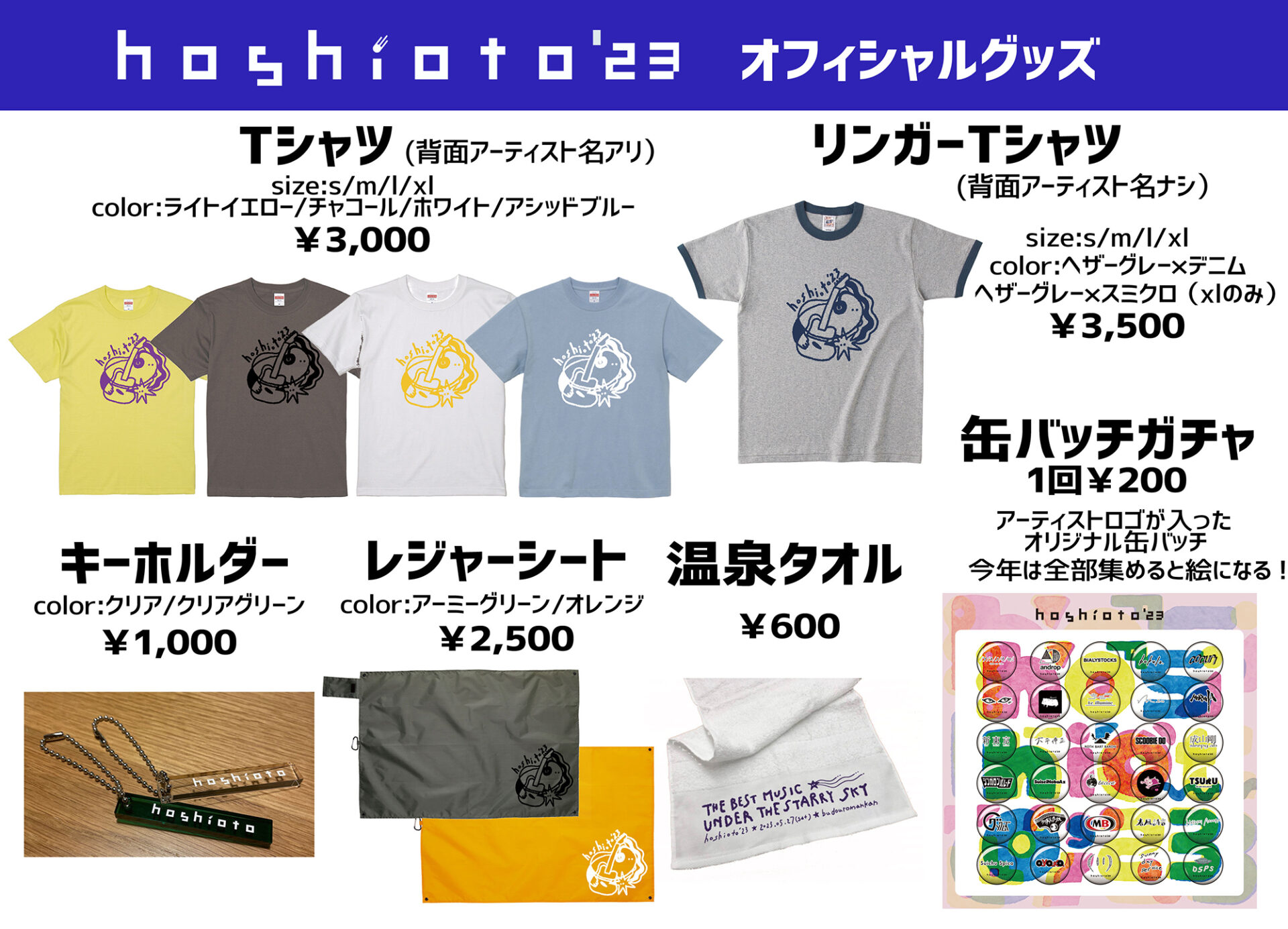
The event itself is high quality, and the website and aftermovie are great, too. The graphic design on the merchandise is cute as well.
Fujii
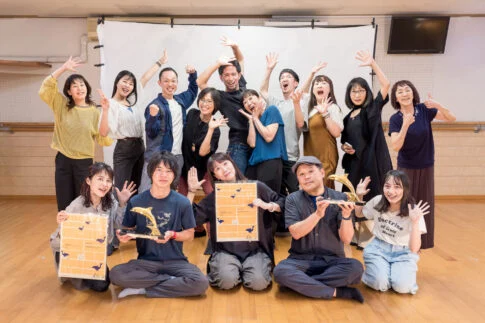
Everyone who makes those things was originally a member of the “hoshioto” staff.
One person joined hoping to be a photographer, but also does design. Their work was so good that we asked them to design the flyers.
A designer who was planning to go independent offered to take on the website, saying they really wanted to do it.
There’s also someone who does illustration and designed the T-shirts. We tell them, “It’s yours,” and keep giving opportunities to young people with a good eye.
Are there strengths or advantages to having a day job as a company employee and not being in the music industry?
Fujii
First, people are surprised, and it gets the conversation going.
Quite a few people from the music industry come to the event, and they support us because we’re working hard to make it ourselves.
Some artists also perform because they like handmade events like this.
I think people may trust me more because I’m not someone whose day-to-day work is a mystery.
I’m always thinking about how we can give something back to the audience and artists—and, of course, the staff, too.
“Beyond the festival”—making the local community even more exciting
Now that 12 years have passed since the first event, tell us how you feel about “hoshioto” and what you hope to do in the future.
Fujii
Every year, I’ve given it everything, thinking that it would be okay if this were the last year.
It’s certainly great just to put on an event and have fun, but now I’m thinking about what lies beyond the festival.
I’ve started constantly thinking about whether “hoshioto” can bring about change, what we can change, and what kind of impact we can have.
After doing this for 10 years, I sometimes hear that “hoshioto” has helped people feel proud of their hometown.
The local government has also become more receptive, and I feel like we’re gradually having some kind of impact on the community.
Before I knew it, people were saying to me, “You’re contributing to regional revitalization, aren’t you, Fujii?”
But I don’t think it’s enough to hold “hoshioto” just once a year. My ambition—or theme—for the future is to make the local community even more exciting.
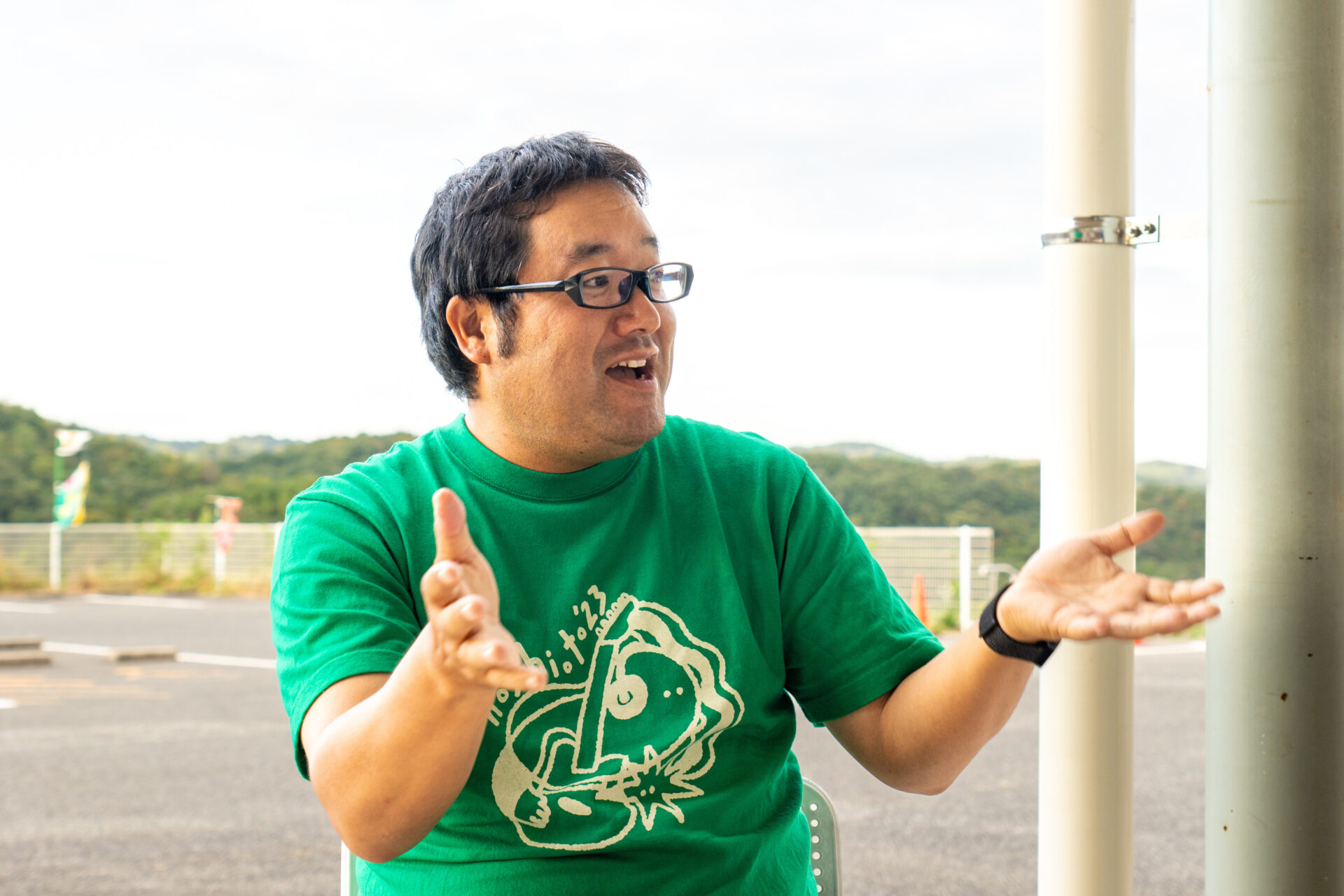
You were still working as a company employee, and then you established a company in 2023?
Fujii
I’ll continue putting on “hoshioto,” but when I thought about “beyond the festival”—making the town where I live more interesting—I felt it might be easier with a proper organization behind it.
I still don’t know what the answer is, but I felt the time was right, so I started the company.
Thank you for such an uplifting story. Finally, could you share a message for people who are about to take on something new, and for younger generations?
Fujii
If there’s something you really want to do, even if that changes as you go along, in the end it all connects.
I played baseball all the way through university, and because I loved music, I started working part-time at a CD shop. Then I started a band of my own and worked as staff for my friends’ band.
I went to lots of live shows and met all kinds of people. All those experiences have been a plus when it comes to organizing events.
Ten or 20 years later, you’ll definitely have a moment when you think, “Oh, that’s what that was back then!”
You gain so much by taking action yourself, and I don’t think anything happens if you just wait for someone else to do something.
That’s why it’s important to try things you’re interested in when you’re young. I think it’s okay to fail or struggle along the way.
Honestly, I still don’t know what success is, but I think it’s perfectly fine if I can feel that the path I chose wasn’t the wrong one.
So you can look back and never think, “I should have done that differently,” just go all out and do what you love.
After the interview
I learned about Fujii through the wonderful experiences I had at “hoshioto,” and had wanted to meet him for a long time.
You can already find interviews with Fujii about “hoshioto” in various online publications, but I think we’ve been able to introduce him from a slightly different angle.
He had the rare drive to go from “I want to put on a music festival like Fuji Rock!” to actually doing it.
I was also able to get a glimpse of his personality: unconventional, principled, and warm.
As autumn deepens, be sure to experience the best music under the most beautiful starry sky at “hoshioto Camp ’23”.
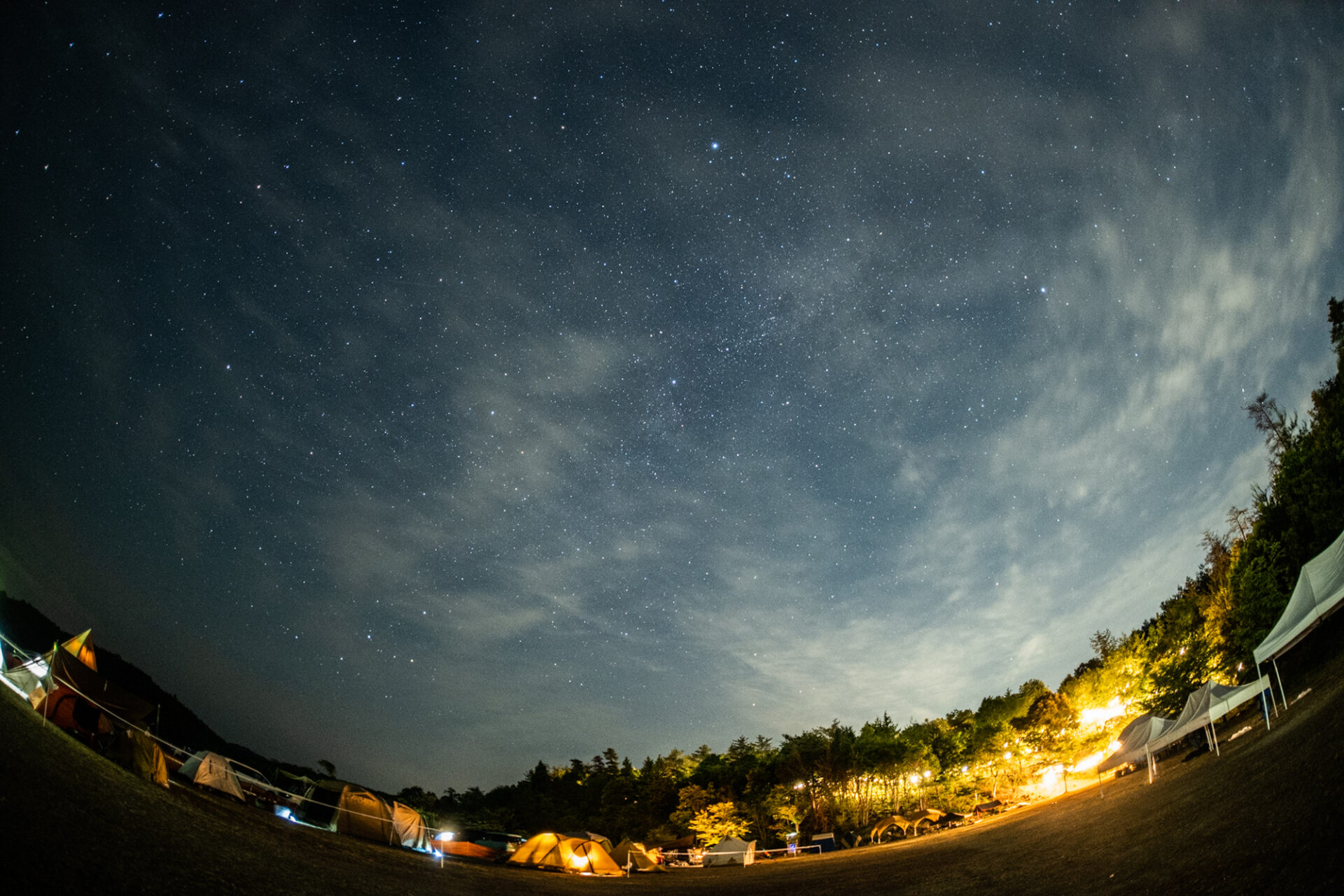
hoshioto Camp '23 Information
| Name | hoshioto Camp '23 |
|---|---|
| Date | Saturday, October 28, 2023, gates open at 9:30 a.m. / event ends at 9:00 p.m. |
| Location | 3535-3 Aono-cho, Ibara City, Okayama Prefecture (venue: Grape Ai Land Budo Roman-kan) |
| Admission (tax included) | Advance ticket: ¥7,500 Student discount (high school students): ¥2,500 Advance ticket with on-site parking: ¥12,000 (limited quantity) Camping ticket (per tent): ¥5,500 ※Free for children of junior high school age and younger when accompanied by a parent or guardian ※There are currently no advance tickets with off-site parking or free parking. JR Fukuyama Station ↔ venue shuttle bus (reservation required): ¥3,800 Ibara Railway Ibara Station ↔ venue shuttle bus (no reservation required): ¥500 one way Check the website for the latest parking information. Tickets are available through e+ and Ticket Pia. |
| Website | hoshioto Camp '23 |



What would you like to know about Kurashiki?
Enter a word to search articles on this site