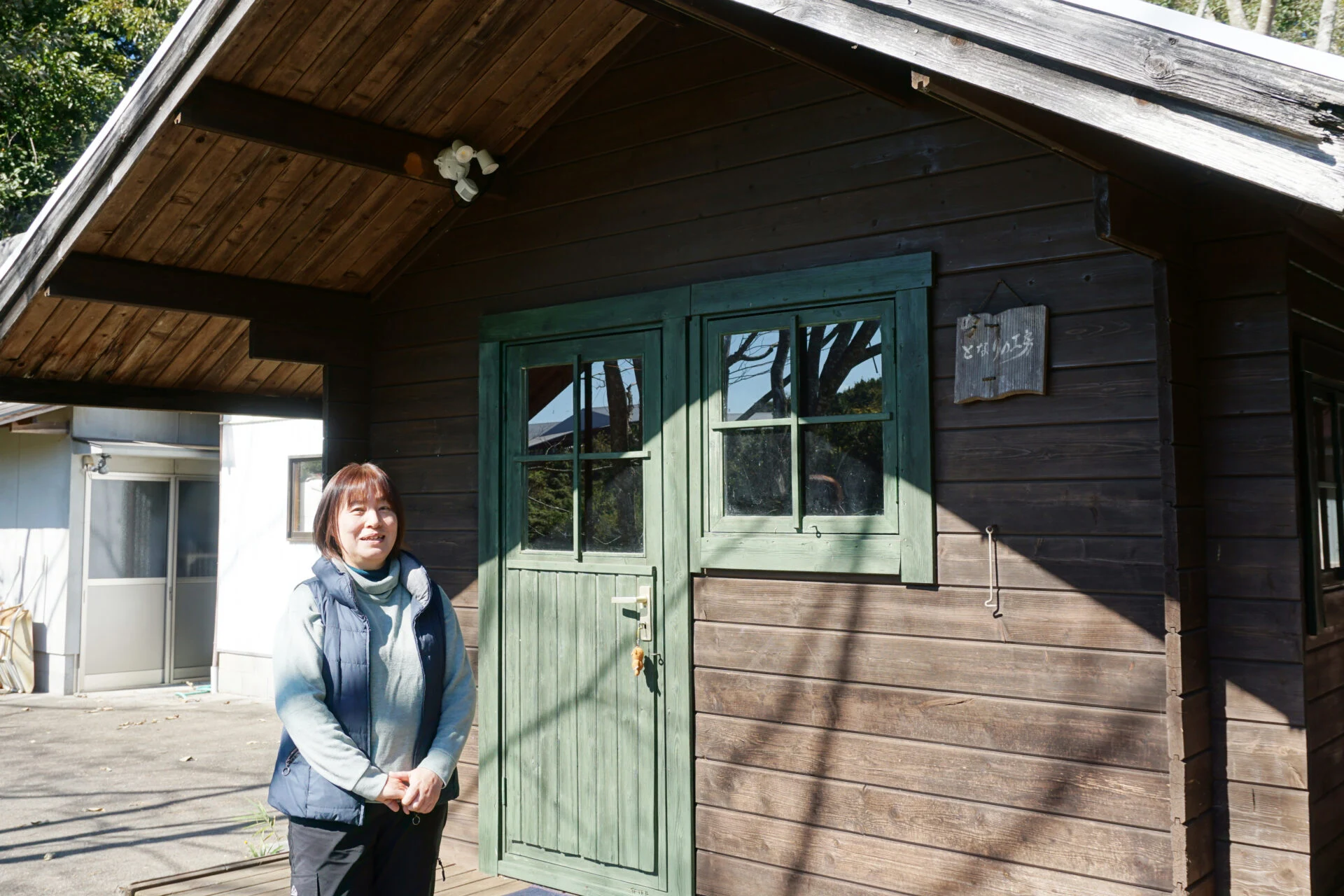
Three years ago, in 2022, I had the opportunity to interview a company that manufactures wheelchairs called Tonari no Kobo.
The warm personality of the representative and their sincere approach to manufacturing left a lasting impression on me, and I had hoped to meet them again someday.
When you think of a “wheelchair,” it may seem like a highly specialized field with a limited number of people in need. However, by letting more people know about the products created here and the company's initiatives, it might help someone.
With that thought in mind, I decided to request another interview.
Tonari no Kobo
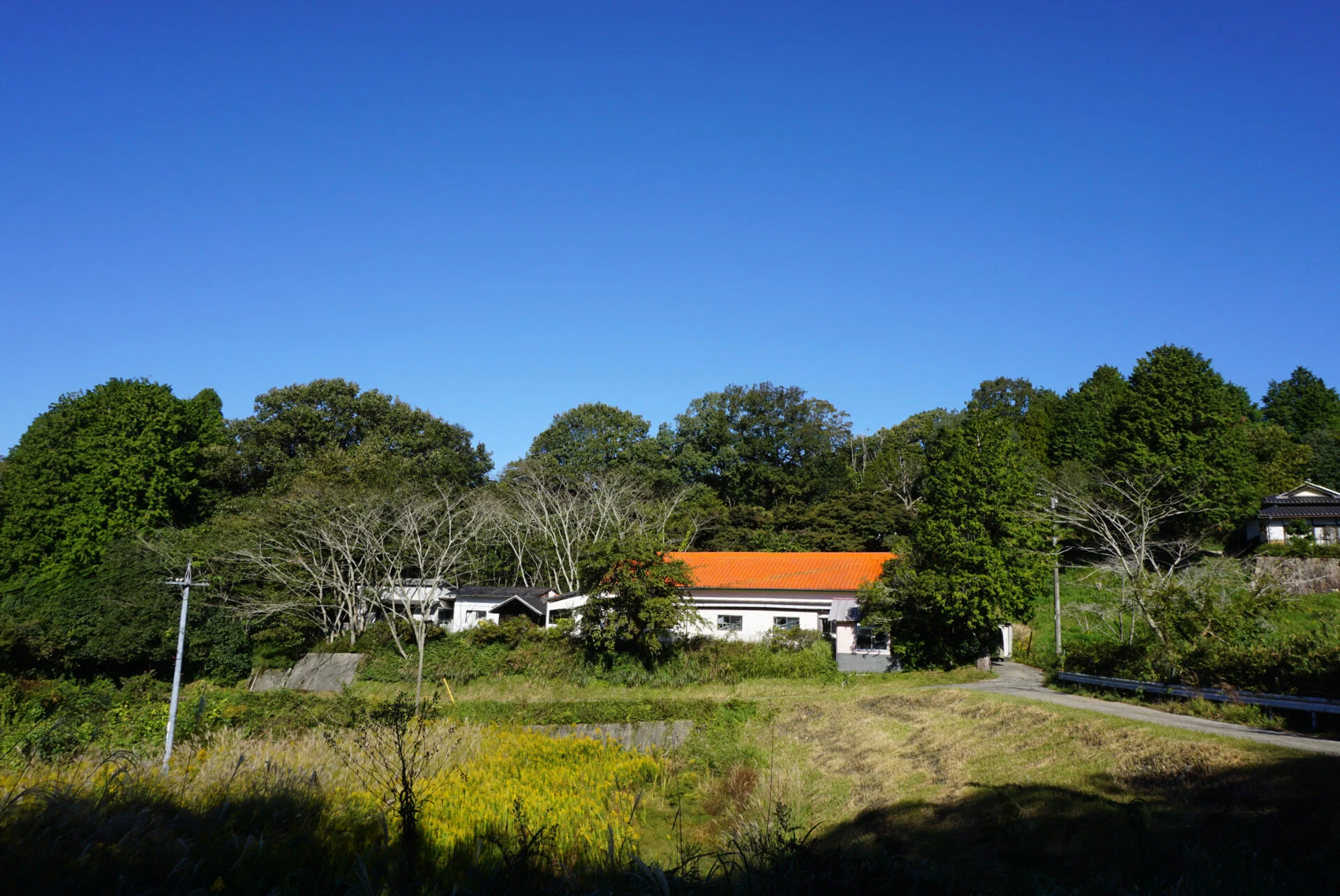
Located in Bisei-cho, Ibara City, in the southwestern part of Okayama Prefecture.
In this town known for its beautiful starry skies, “Tonari no Kobo” is a small workshop that specializes in custom-made wheelchairs for ages 0 to 18.
Although it is “small,” it is equipped with all the necessary skills and facilities for wheelchair manufacturing, including sewing, woodworking, assembly, and molding, and everything is produced in-house.
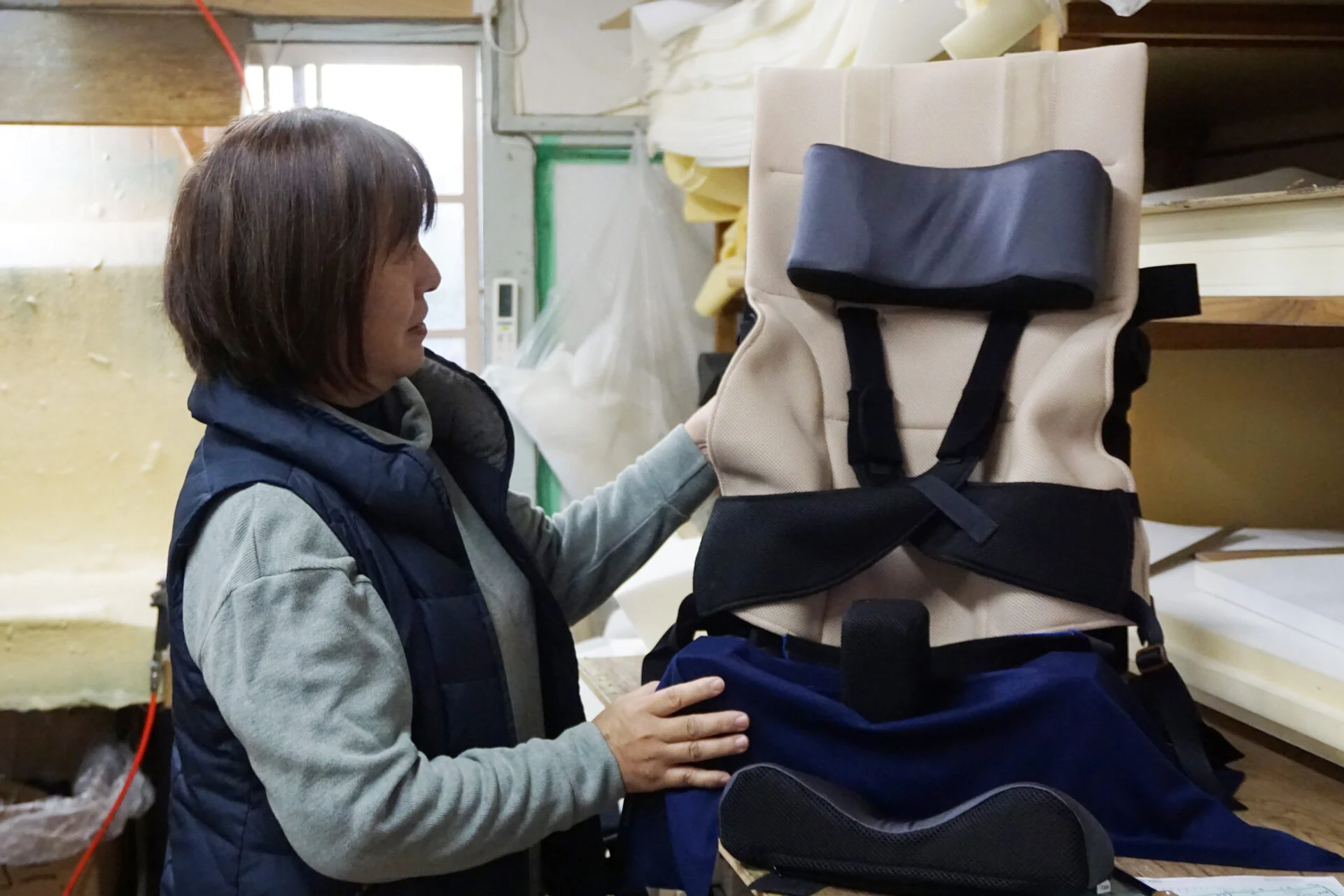
The representative, Okita Chinami, is from Osaka.
After studying woodworking at a vocational training school in Gifu Prefecture, she gained experience at a wooden furniture manufacturing company and joined “Noi Kobo,” which creates tools for people with disabilities, in 1990.
After that, she continued her activities in Toyama and Fukuoka, and in 1992, she moved to Bisei-cho, Ibara City, Okayama Prefecture, by chance.
She established “Tonari no Kobo” as an independent entity from her previous workplace. It started as a sole proprietorship and became a corporation three years later. For the past 30 years, she has been guided by the idea of “manufacturing that accompanies the user's life.”
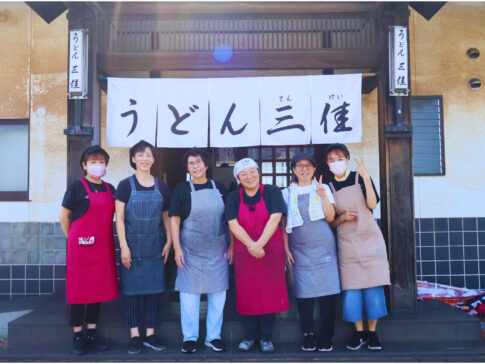
Currently, she works with seven staff members, including her partner, to create wheelchairs that cater to each individual's lifestyle.
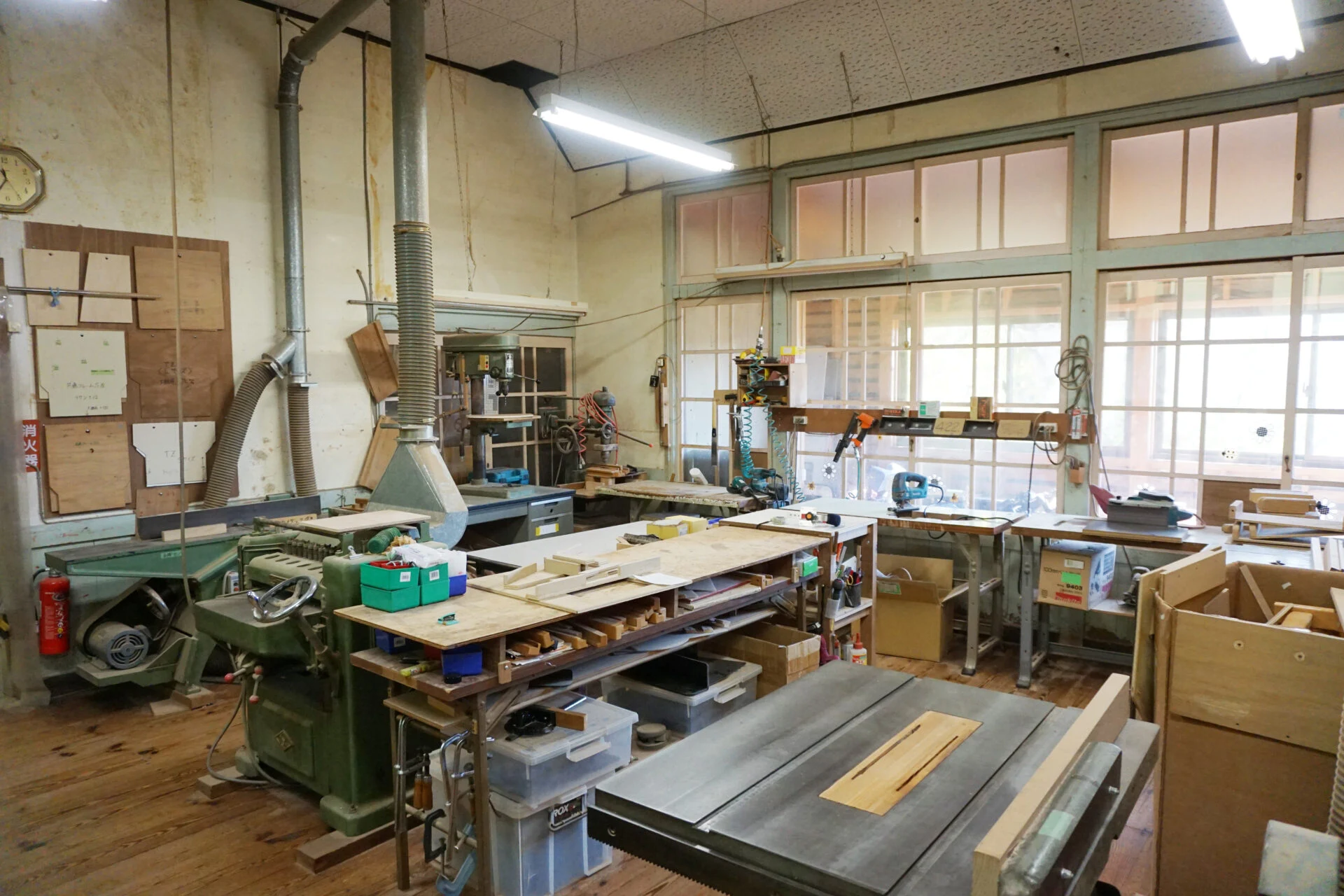
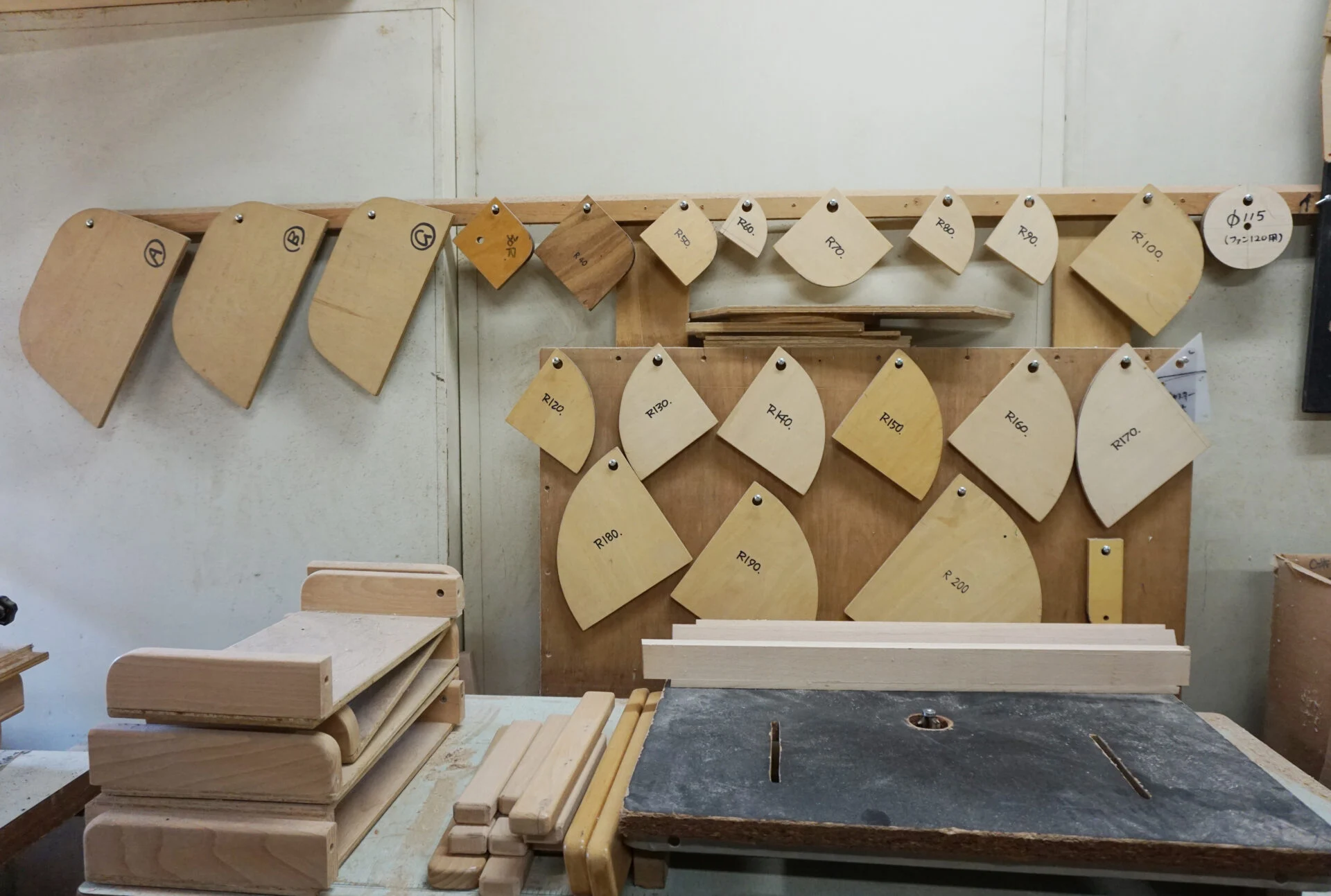
Products Handled
The main products handled are original wheelchairs and buggies.
In addition, they also manufacture indoor assistive devices (such as shower chairs and car seats) that support daily living, as well as items that enhance comfort for wheelchair users.
For example, they offer sunshades and tables that can be attached to buggies, as well as cushions to stabilize seating, providing helpful items not only for wheelchair users but also for caregivers and supporters.

Manufacturing Process
All wheelchairs and buggies from Tonari no Kobo are custom-made.
Orders for wheelchairs come through hospitals and rehabilitation facilities, starting with detailed interviews at the hospital regarding the child's body type, condition, and lifestyle. Based on that information, a specification sheet is created, and each unit is handcrafted in the workshop.
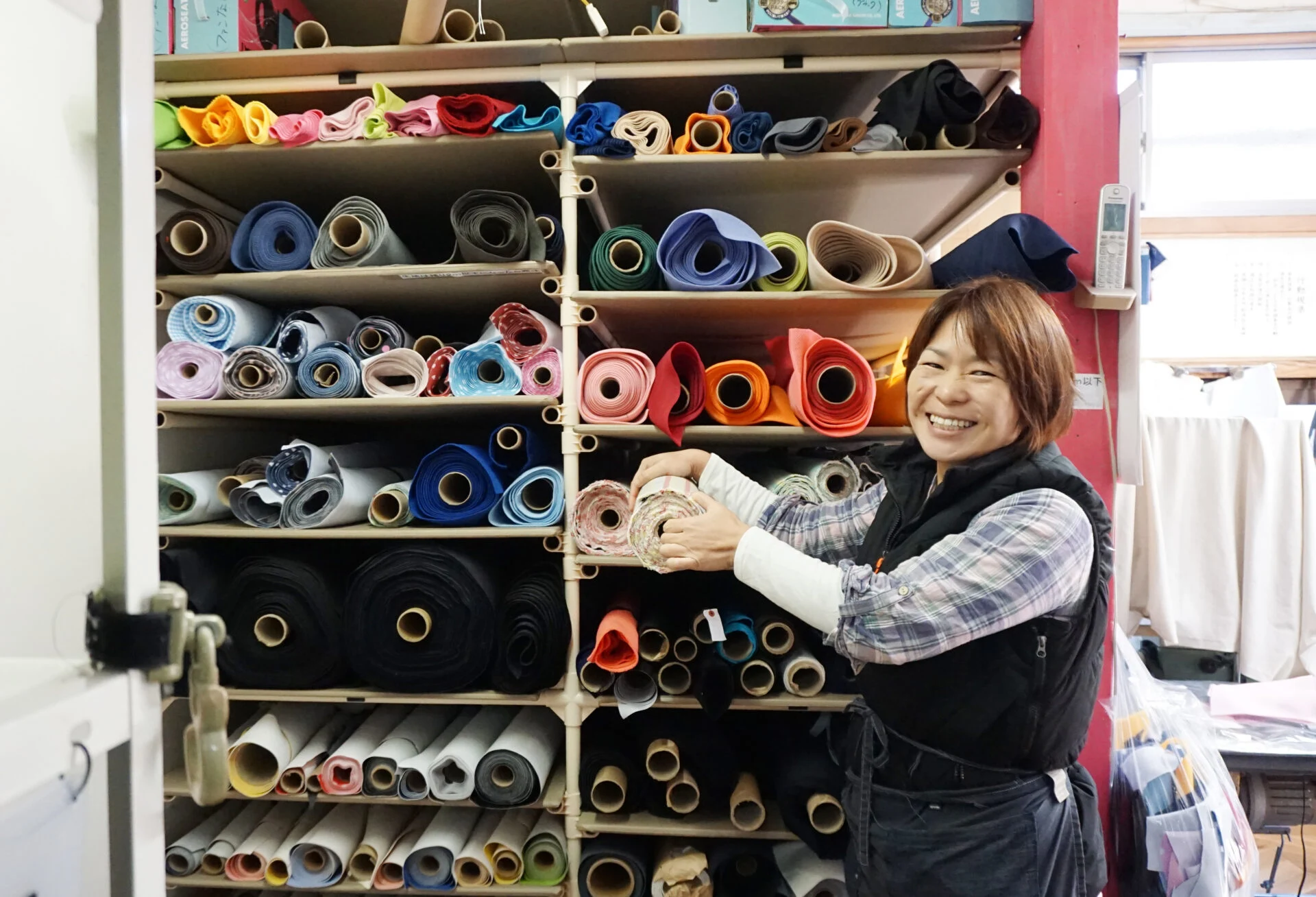
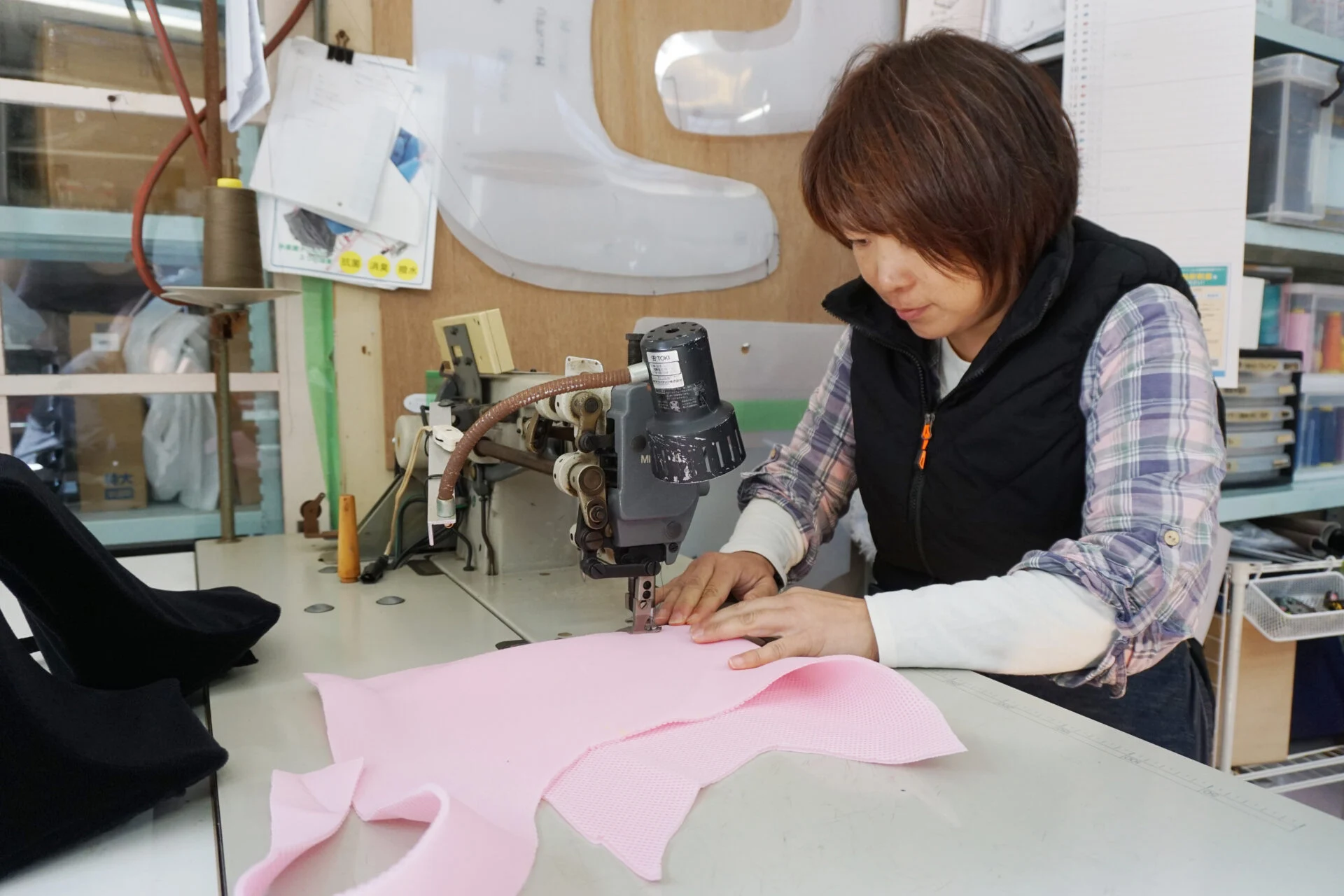
Strength in “Coordination Ability” to Think Together About the Future
One of the major features of Tonari no Kobo is the “dedicated staff system.”
The staff who receive orders are responsible for everything from measurement to manufacturing, fitting, and delivery. After delivery, the same staff member continues to support the user, which they consider very important.
The reason is that, as Okita-san says, “long-term coordination work is greatly needed,” because wheelchairs are meant to be used for a long time while being repaired.
The target users range from 0 years old, and as they grow and their living environments change, necessary adjustments and replacements arise for each individual.
For families using a wheelchair for the first time, it is common to feel anxious about “what is needed at first” and “what life will be like after discharge.” During such times, it is also an important role of Tonari no Kobo to think together about what is needed now, what can wait, and what to prepare for the future.
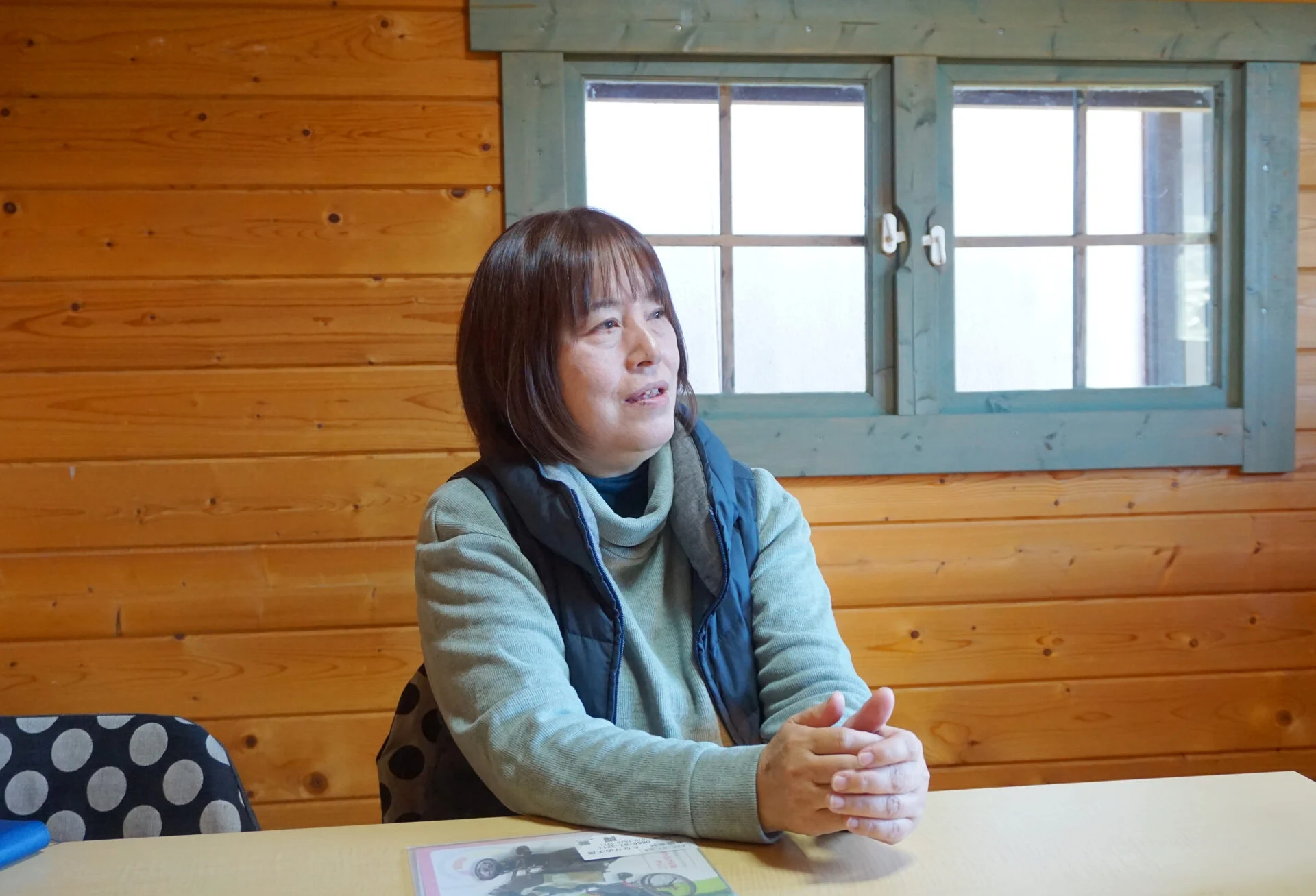
“For a mother of a 3-year-old child, it is natural not to know what kind of wheelchair will be needed when they enter elementary school. However, for things that are not urgent, I can say, ‘A buggy is sufficient for now,’ or suggest, ‘Let’s prepare this for the future.’ That is what is needed,” says Okita-san.
Hearing such stories makes the phrase “supporting while being close to the user” on the Tonari no Kobo website resonate with authenticity rather than just a pose.
Developing Products Based on User Feedback
Three years have passed since the interview in 2022.
During that time, Tonari no Kobo has been working on new product development. Here, I will introduce two of those products.
“Butterfly Table” - A Side Table That Didn't Exist Before
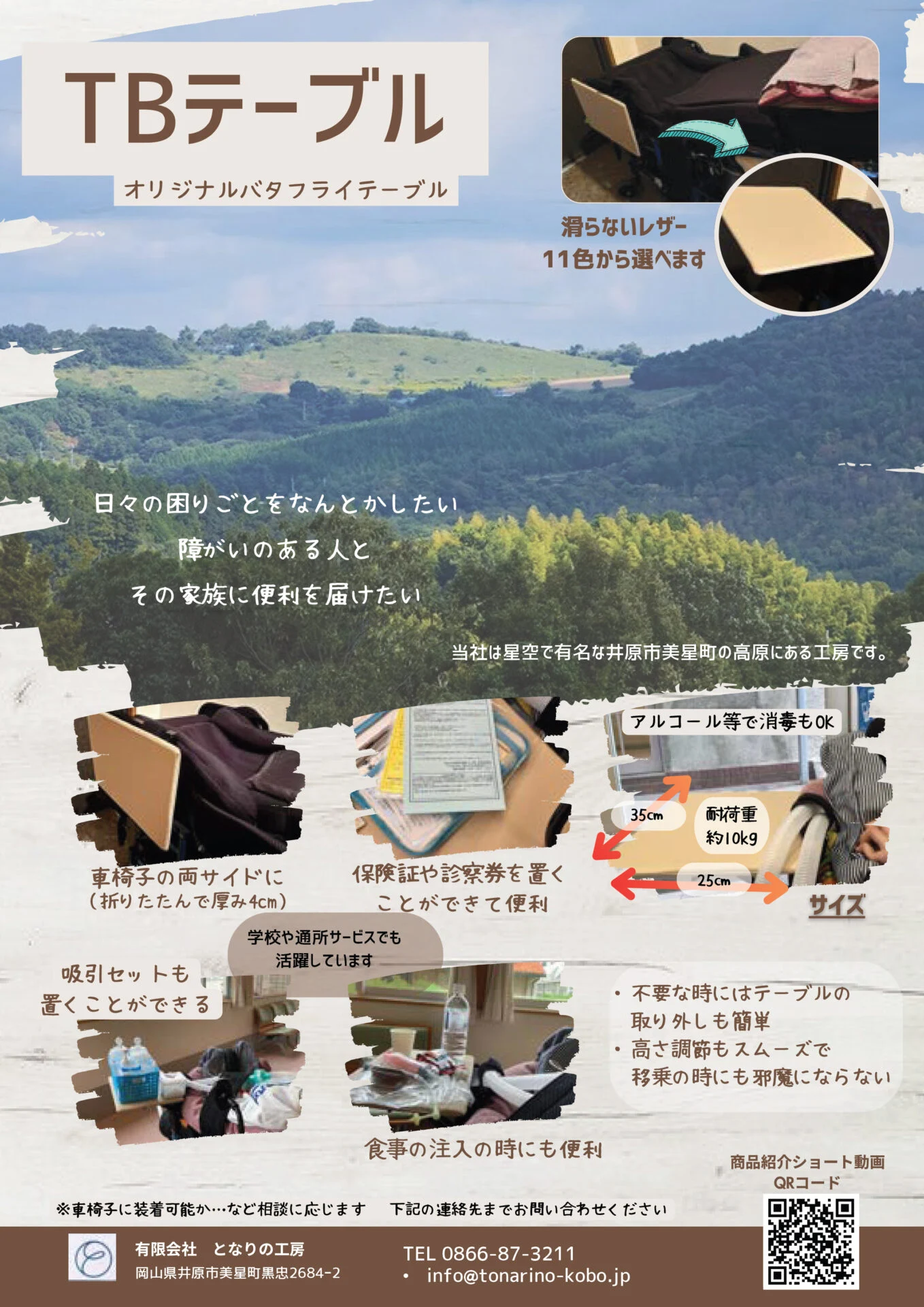
The first is the side table.
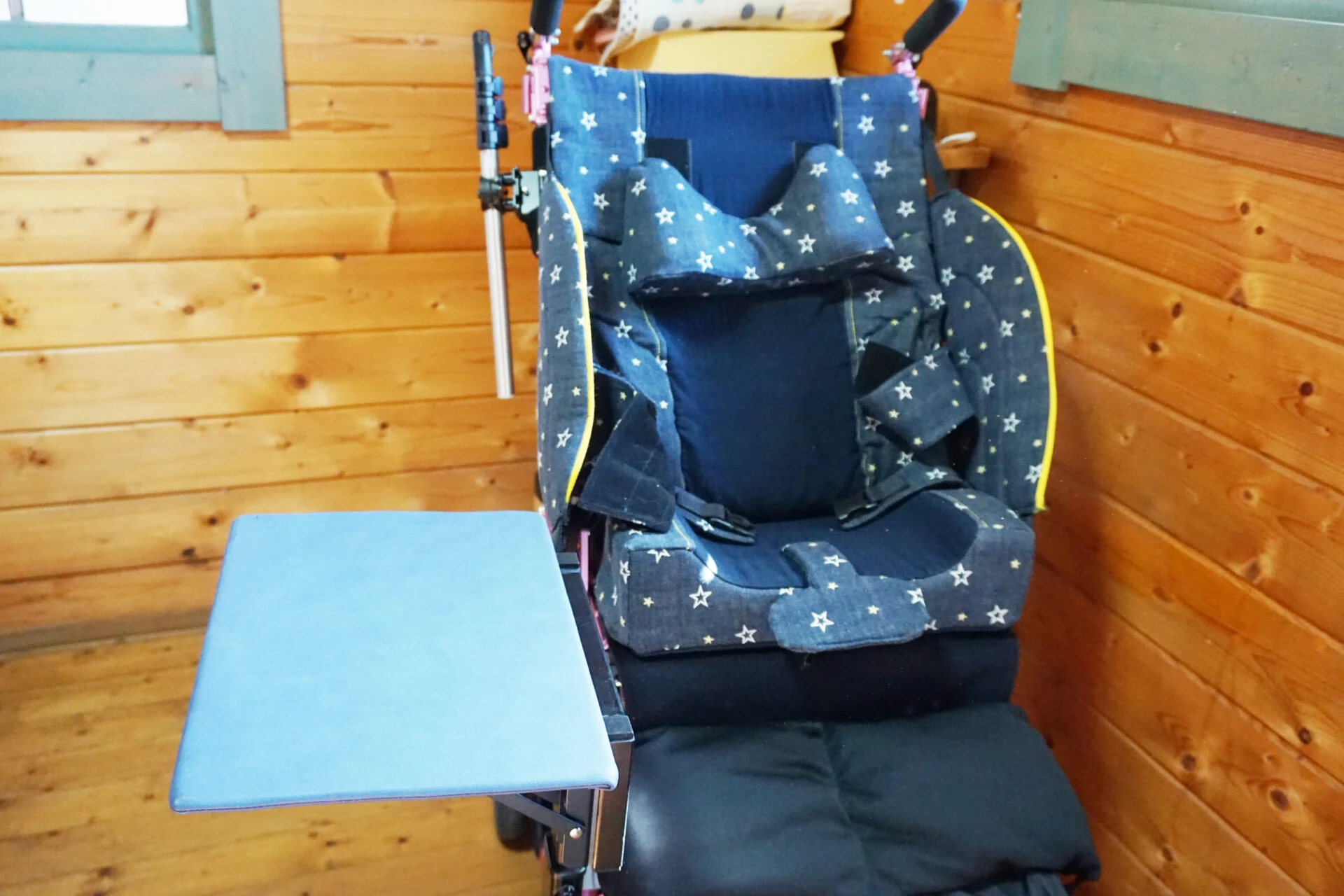
In many households, there is often no place to put equipment or nutritional supplements during suction or gastrostomy, and it is not uncommon for tasks to be done on the child's lap.
“Even if there are chairs in the hospital, there often isn't a place to put them. While I knew it was necessary, I couldn't get started on it, but I finally managed to bring it to shape,” says Okita-san.
This side table is different from the typical table that attaches to the front of a wheelchair; it has a structure that does not tilt even when the seat angle is changed and inserts from the side, which is significant.
It can be used stably even in dynamic situations, and it is designed to be attachable on either the right or left side, which many users have responded to with “This is it!”
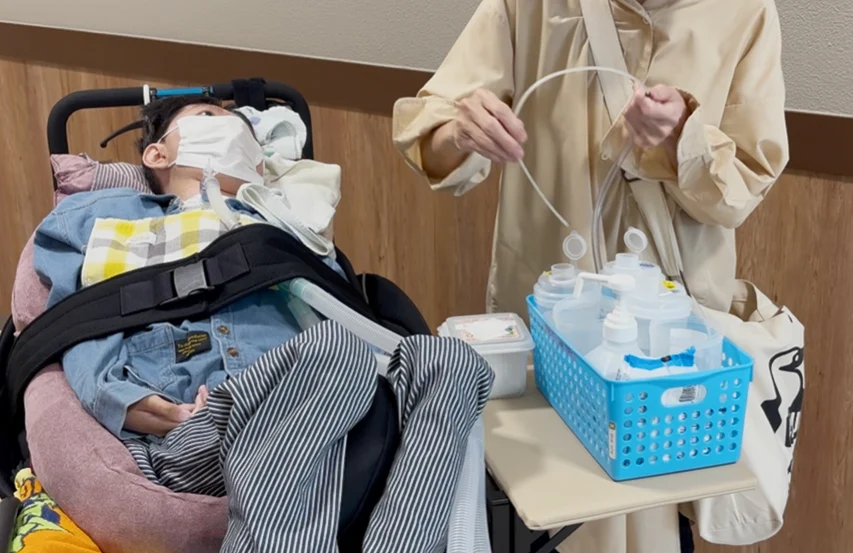
Once it started being used, the response was beyond expectations, especially from users who perform medical care such as nutritional adjustments and suction on a daily basis. Feedback has also come from nurses stationed at support schools saying, “This is helpful.”
Interestingly, after completion, Okita-san shares the mechanism at study sessions with peers in the same industry.
“I can't handle all the sites myself, so I hope others will imitate and create it,” says Okita-san. Her attitude of wishing for it to reach those in need is very impressive.
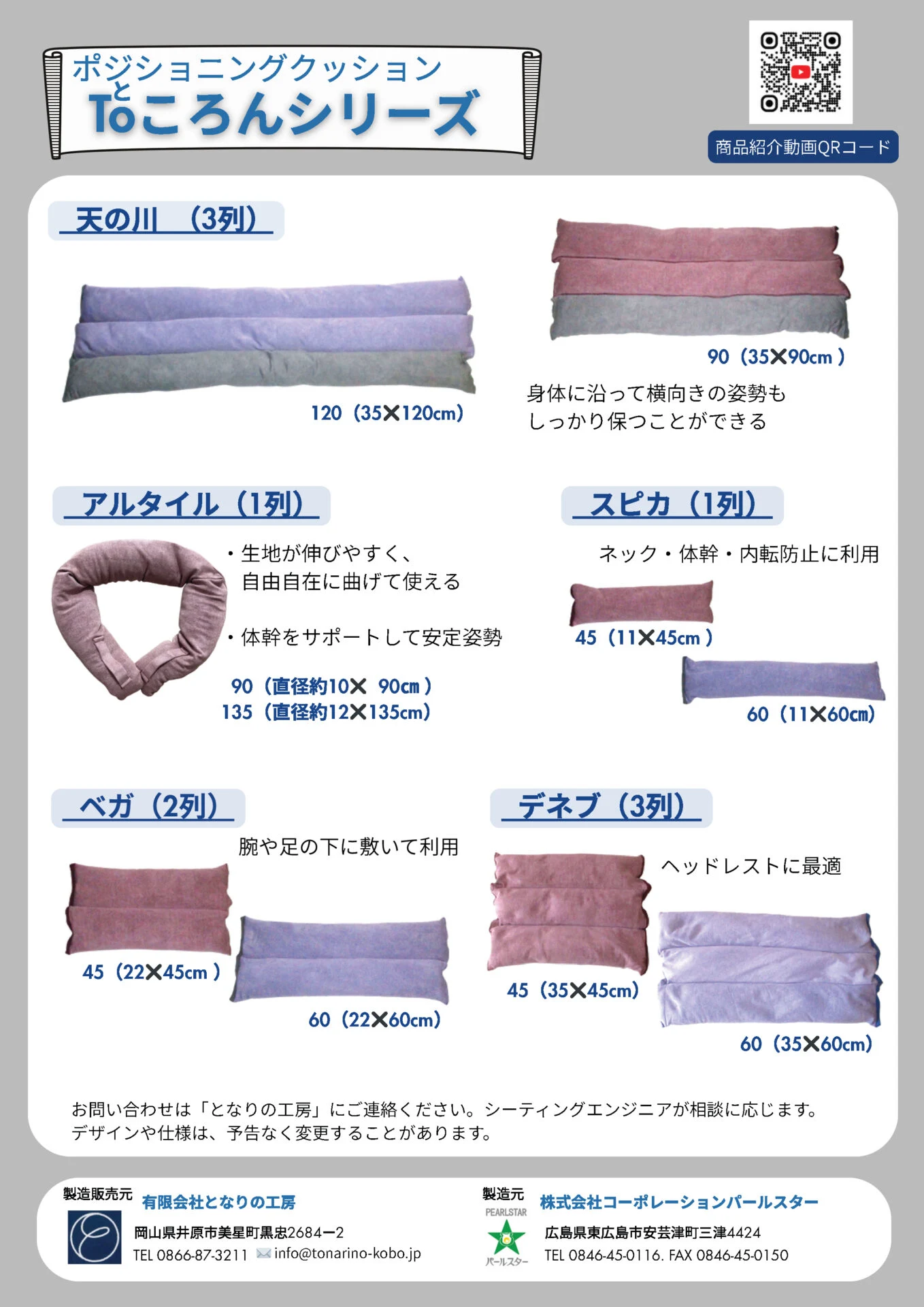
“To-koron Series” - Non-slip Cushion to Support the Body
The second is the cushion.
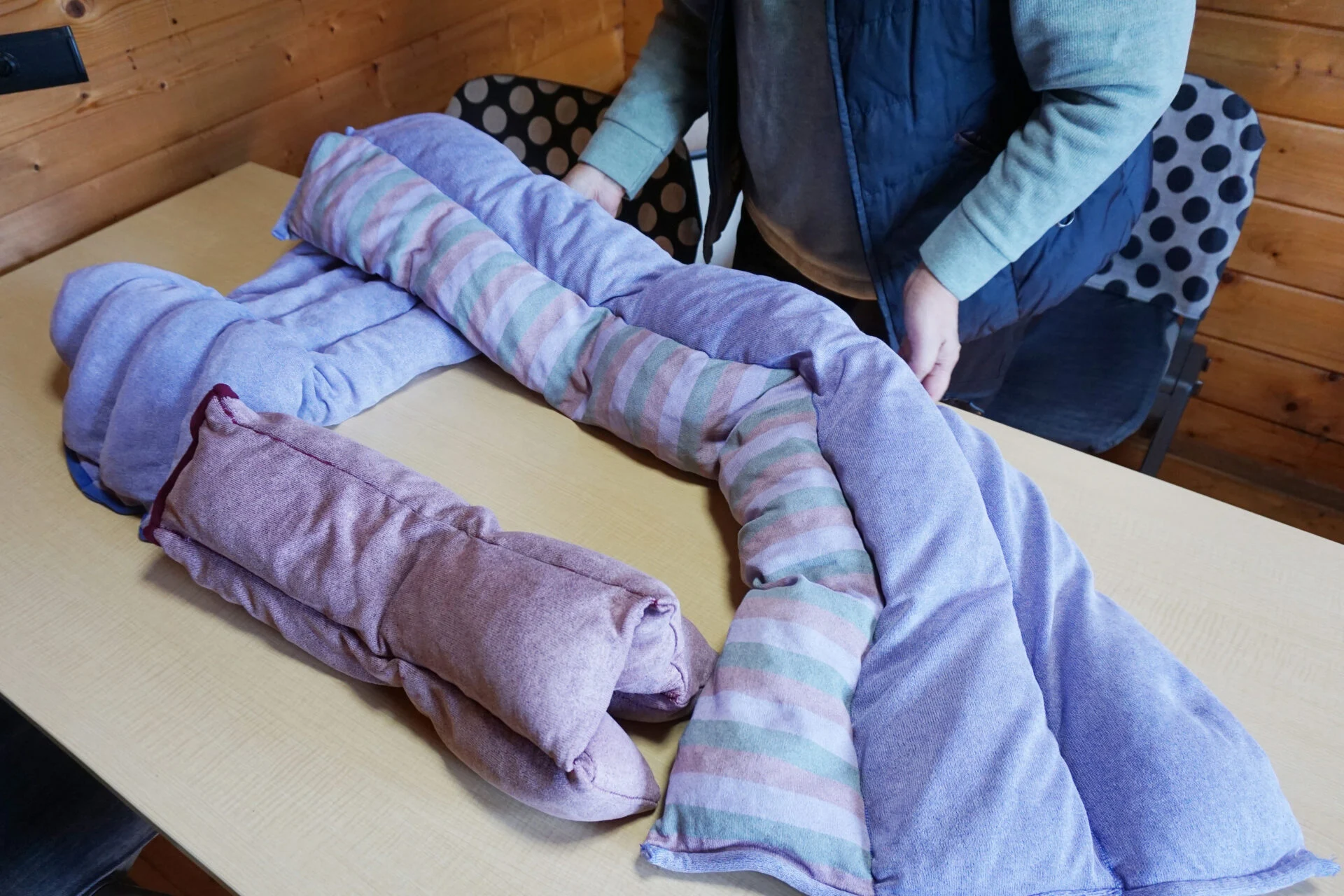
This product was born from the voice of a user.
When the body grows so large that it becomes difficult to hold, it seems that during times when there are no helpers, the child often spent time unable to move from the bed.
If the bed is slightly raised, they can eat, but due to severe conditions, their body tends to fall over easily and does not stabilize as desired. If they cannot sit up, they will have to receive nutrition through a gastrostomy. For that child, who loves to eat, just not being able to "eat" became a significant source of stress.
So, Ms. Oki tried using a cushion made of “non-slip fabric.”
By placing it on both sides of the body, it can support the body while preventing dangerous falls. It seems they were delighted that they could now raise the bed even on days when there were no helpers.
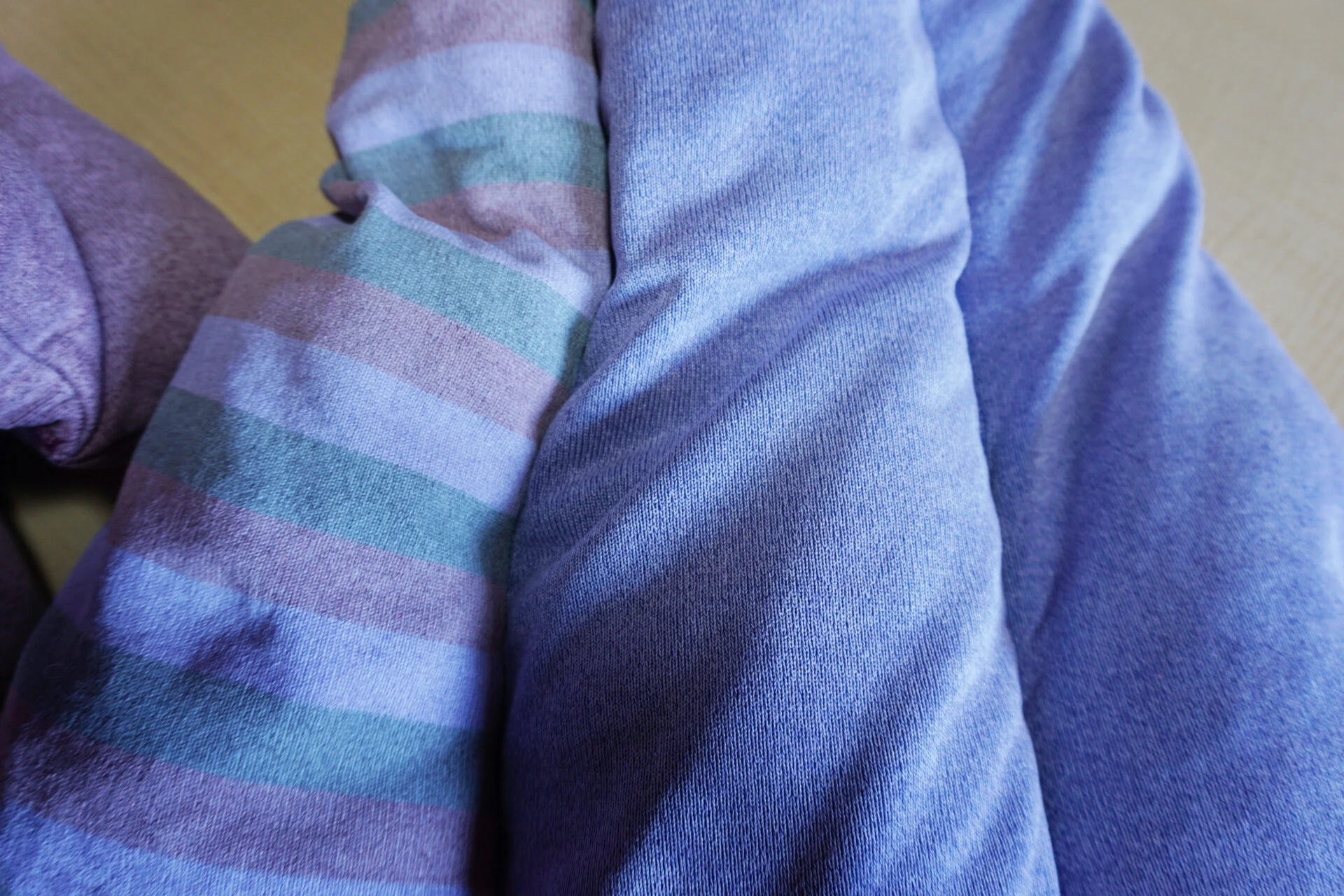
Many commercially available cushions have slippery surfaces, and even if you try to support the body, they tend to shift. However, if the shape is fixed or too hard, it becomes difficult to conform to the body. Amid such challenges, Ms. Oki happened to come across “non-slip fabric” that is also used for cushions for the elderly.
“I had a hunch that this could be applied to cushions that support the user's body.”
While having users actually use it, she continues to repeat prototyping and adjustments, carefully exploring what shapes are useful in which situations.
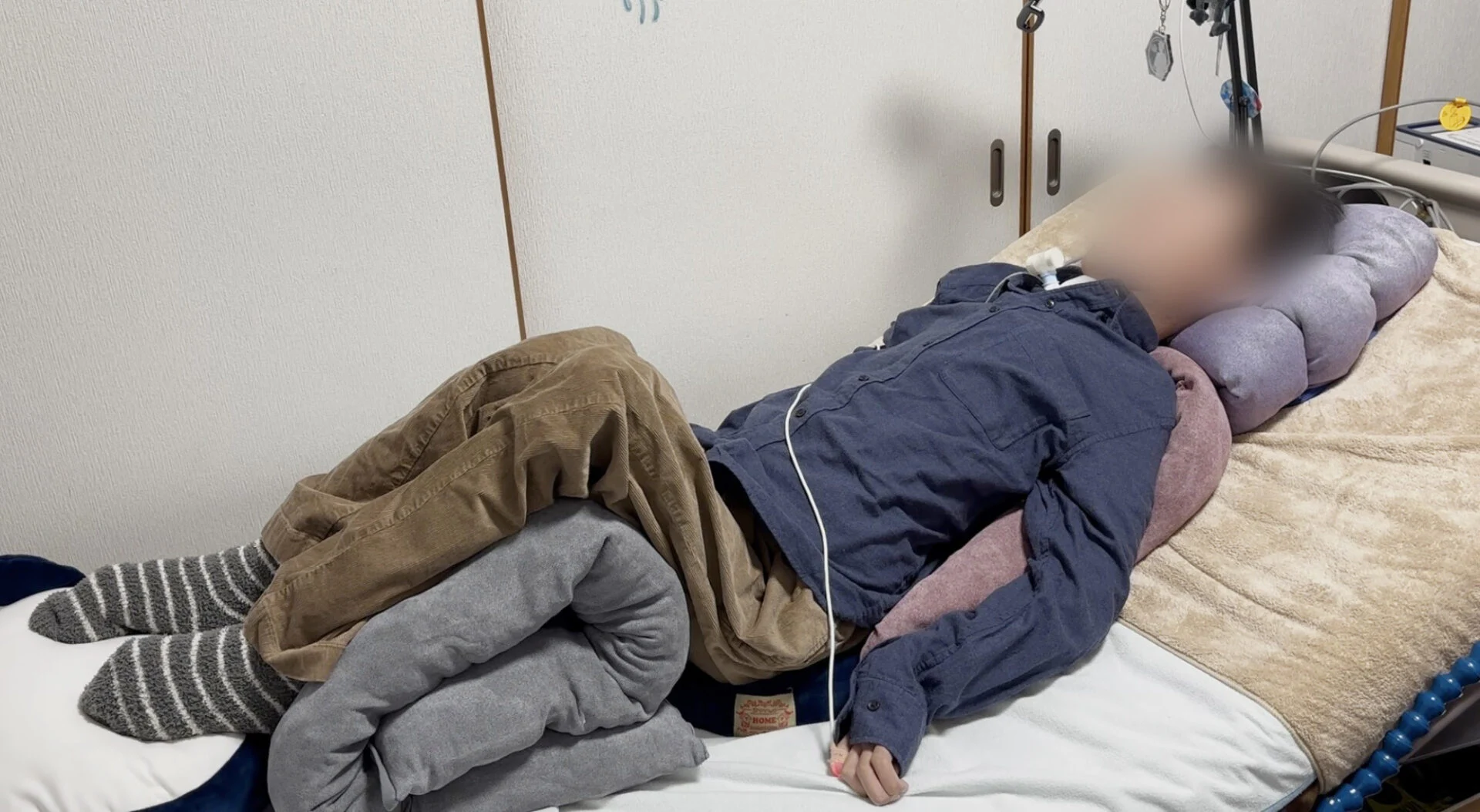
Not limited to cushions, feedback from users such as “I use it like this” and “this part was difficult to use” becomes new ideas for Ms. Oki and leads to product improvements. Ms. Oki says that such relationships with users are “truly appreciated.”