Through Technical Support Activities Abroad
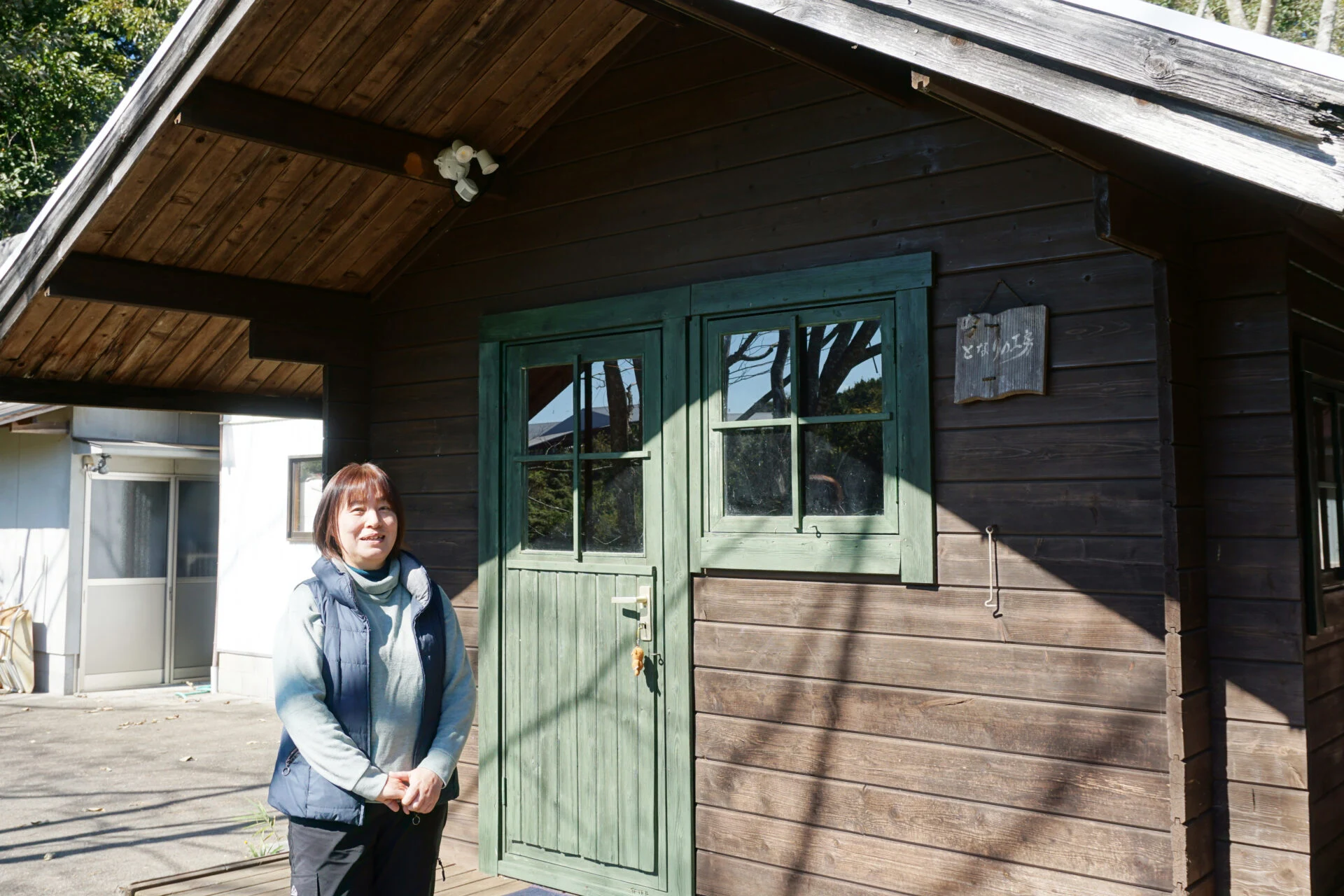
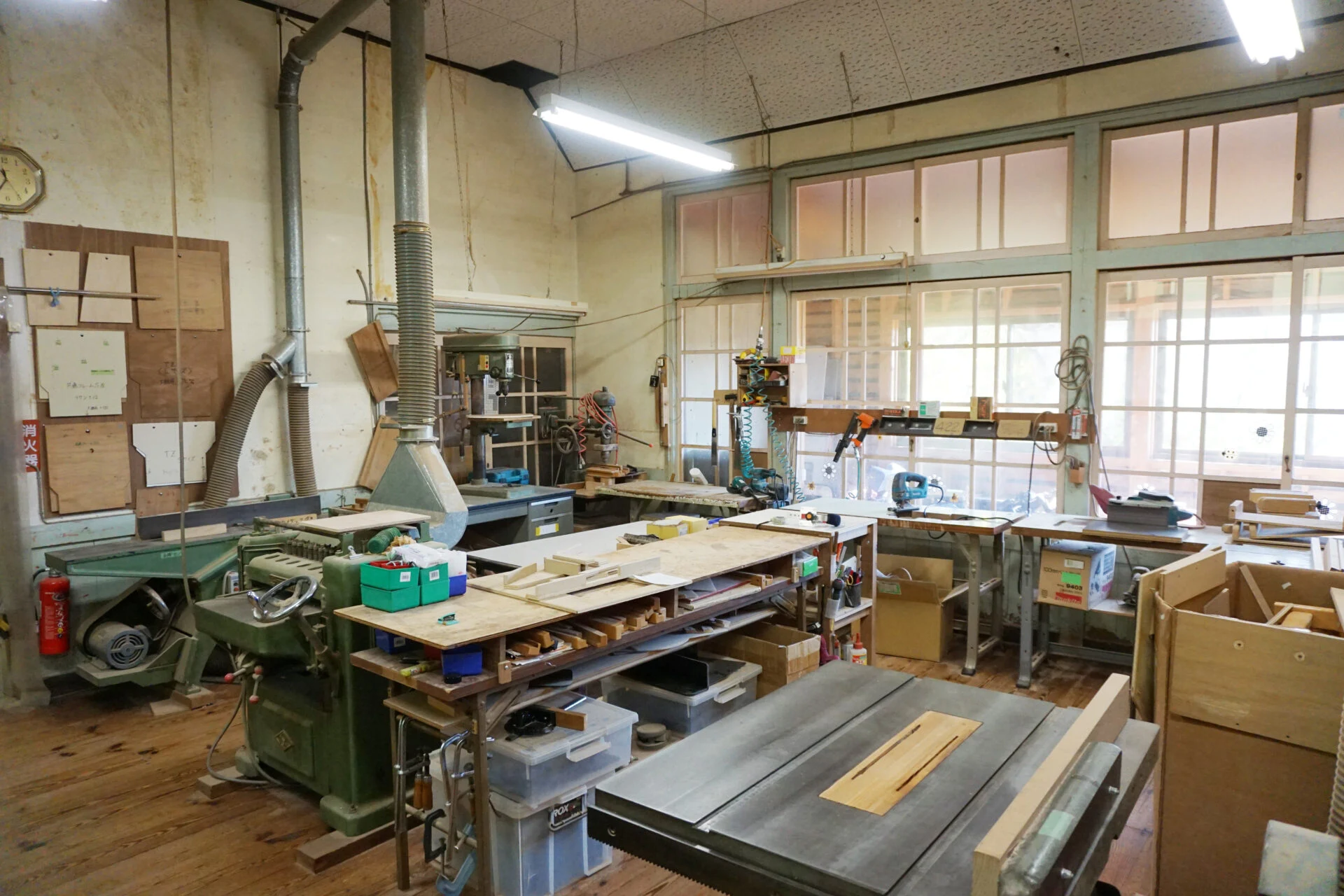
The neighboring workshop has been engaged in technical support activities abroad since 2015.
The opportunity arose when a colleague asked, "Would you like to help with activities in Thailand?"
Delivering Wheelchairs Tailored to Each Individual's Body
The focus of the technical support activities abroad is in Thailand, and it has since expanded to Laos and Cambodia.
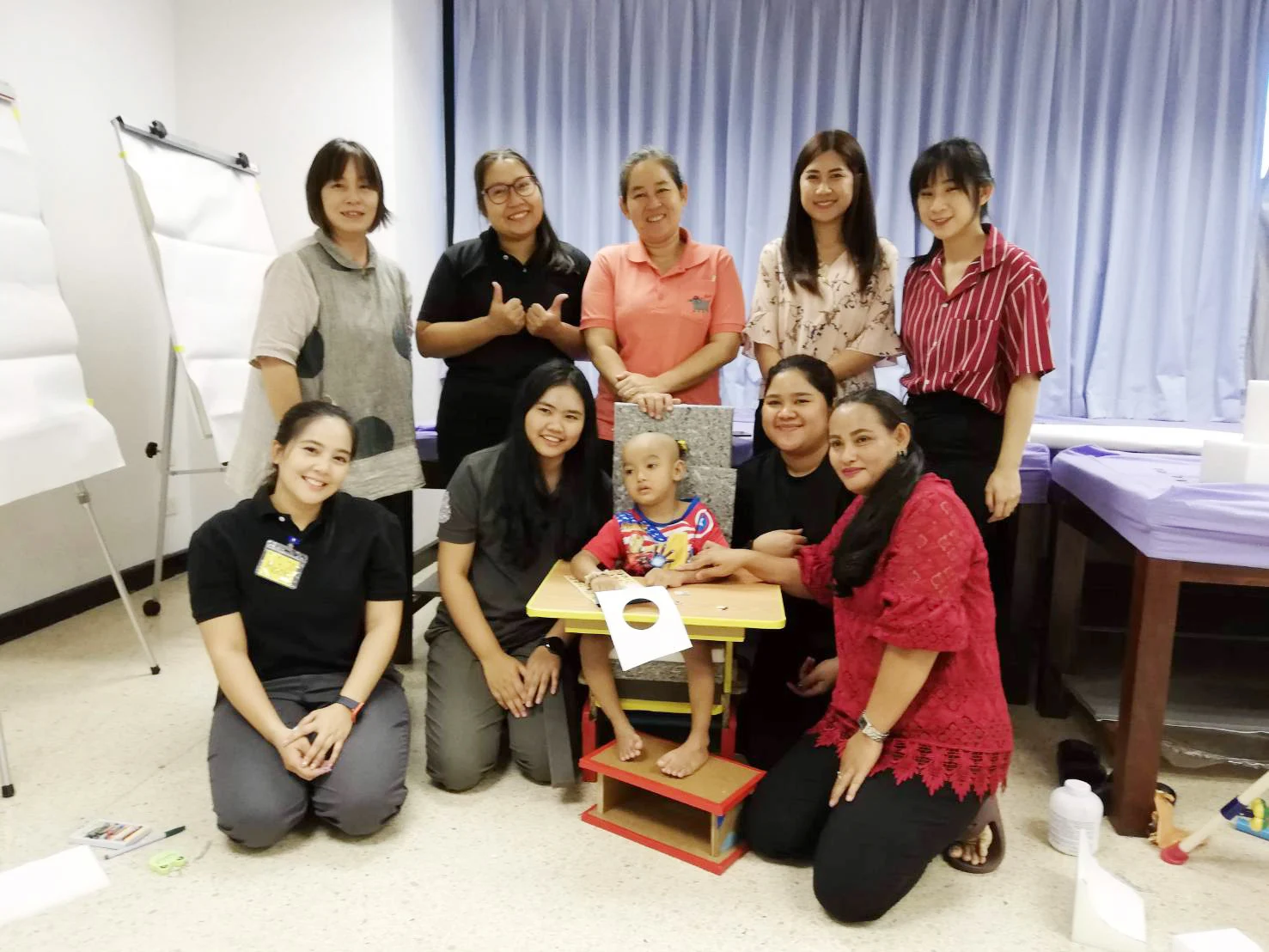
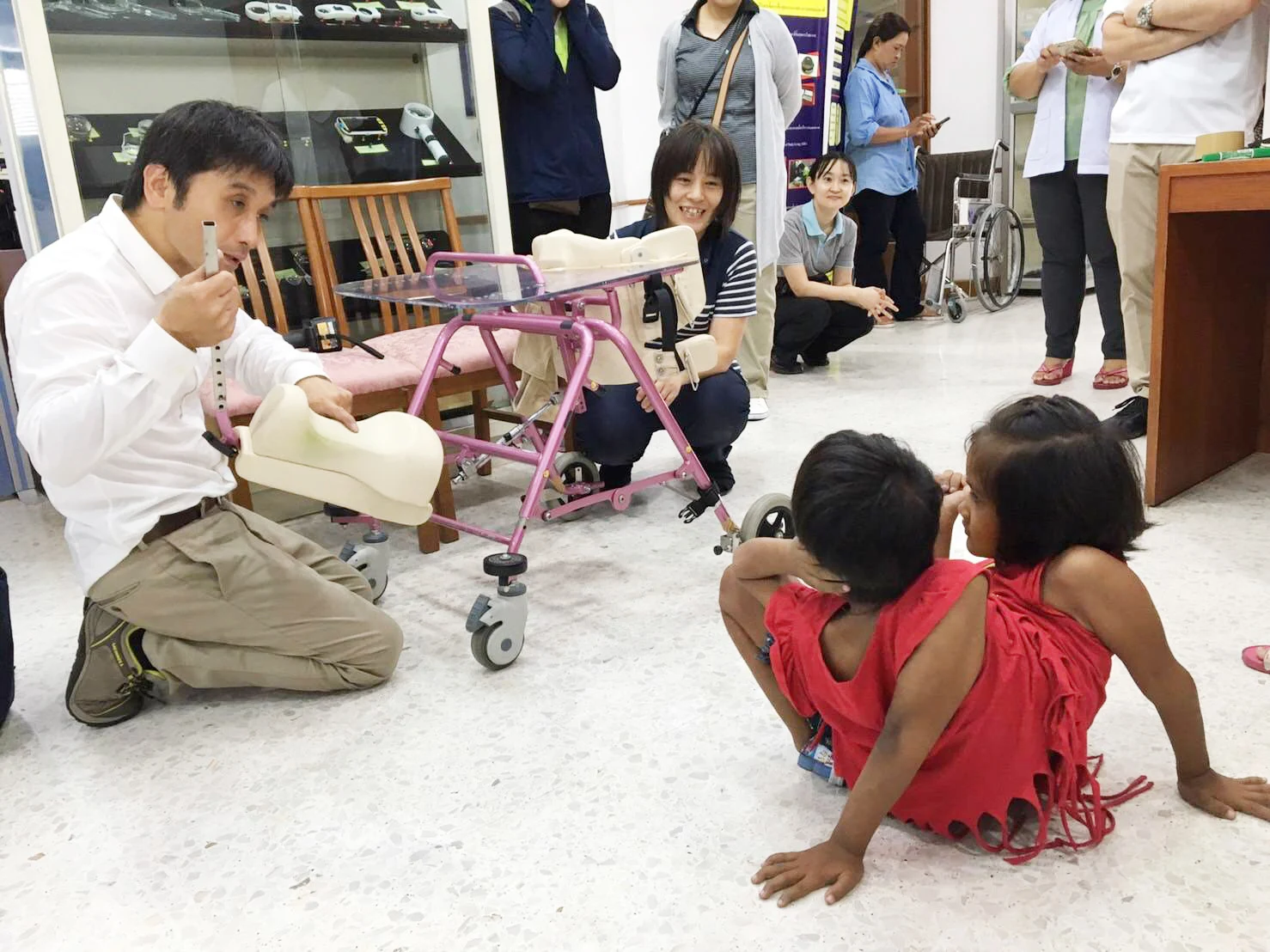
In these regions, wheelchairs donated from around the world are often given as they are, leading to many cases where they do not fit the children's bodies. Wheelchairs that do not fit can lead to postural issues and pain.
Therefore, what Mr. Oki and his team are doing is teaching local staff the technique of "fitting" to adjust donated wheelchairs to the children's bodies. Furthermore, in case a wheelchair is not available, they also teach how to make "cardboard chairs" that can provide seating support using materials available locally.
These efforts have eventually led to connections with people involved in support at local children's hospitals in Laos. Creating an environment for children to "get up from being bedridden" is something they are working on together. Such activities continue.
Obtaining Appropriate Wheelchairs is a Human Right
While listening to discussions about activities abroad, what stood out was the difference in the "positioning of wheelchairs" between Japan and overseas.
In Japan, the provision of wheelchairs is treated as part of welfare policy, but overseas guidelines position it as related to "human rights".
"Obtaining appropriate wheelchairs is a human right"
Mr. Oki says that this phrase strongly resonated with him.
"It was the moment I realized, 'This is why I do this work,'" says Mr. Oki.
For children with disabilities to have tools that fit them is not a special support but a necessary right to live. This idea is deeply connected to the attitude of "being close to each individual's life," which the neighboring workshop has cherished.
Furthermore, the goal of the support that Mr. Oki and his team are providing is "independence," and for the support system to function within that country. What is needed is for local people to be able to create, adjust, and support things that fit each individual with their own hands.
There is a positive will among the locals to "support with our own strength," and this attitude has become a major driving force for collaboration. "If we were just hoping for donations or to be given things, we wouldn't have been able to work together this far," says Mr. Oki.
With the Resolve to Watch Over That Child's Future
Mr. Oki felt a connection to the philosophy recorded in the materials of the local children's hospital, which stated, "See all children as your own."
This attitude resonated with the words he learned from his mentor: "It's not just about the wheelchair," "Accept the whole person, and be prepared to engage with the resolve to watch over that child's future."
It's not enough to just make and hand over a wheelchair; one must consider the life that follows.
Mr. Oki's long-held values that form the foundation of his work naturally connect to the support activities abroad. He shared this realization with a sense of having grasped something significant.
Things I Want You to Know About Wheelchair Users
"Since this is an interview with Kurashiki Tocotoco, I hope you can hear this," Mr. Oki began discussing disaster prevention.
The Challenges of Evacuation Highlighted by Heavy Rain Disasters
The trigger for this discussion was an event that actually occurred during the July 2018 heavy rain disaster.
At that time, among users who required medical care, there were families who had to evacuate to their homes because it was difficult to find acceptance at evacuation sites. General evacuation centers often lacked power supply or had many steps, making it difficult to create a calm environment, and for those with severe disabilities, the act of evacuation itself becomes a significant burden.
"Clearly, they are 'difficult to evacuate,'" says Mr. Oki.
If information such as "This house has a child attending a support school" is shared within the community, it could lead to help such as "offering a voice, carrying luggage, or transporting wheelchairs" in times of need, he mentioned.
Some parents feel that "when the time comes, we have no choice but to stay at home," giving up on evacuation from the start. Carrying medical equipment and necessary tools outside is already a significant burden during regular hospital visits. Especially during disasters, the time required for preparation and the difficulty of movement make it a reality that evacuation is not an option.
"The community is really what can help," says Mr. Oki. He strongly feels the importance of this when thinking about those who were left behind during the heavy rain disaster.
To encourage families in need of support to think, "Let's not give up on evacuation. There are definitely people who will help us," he felt that understanding and mutual support at the community level is essential.
These thoughts are connected to current efforts. What happens during disasters, what are the anxieties, and how can we create options for evacuation? Opportunities to think about these issues together with users, supporters, and the government have been gradually accumulated.
One of the initiatives stemming from this is an event to introduce welfare equipment.
Event: "Children's Welfare Equipment FESTIVAL - Expanding 'Can Do', the Future of Welfare -"
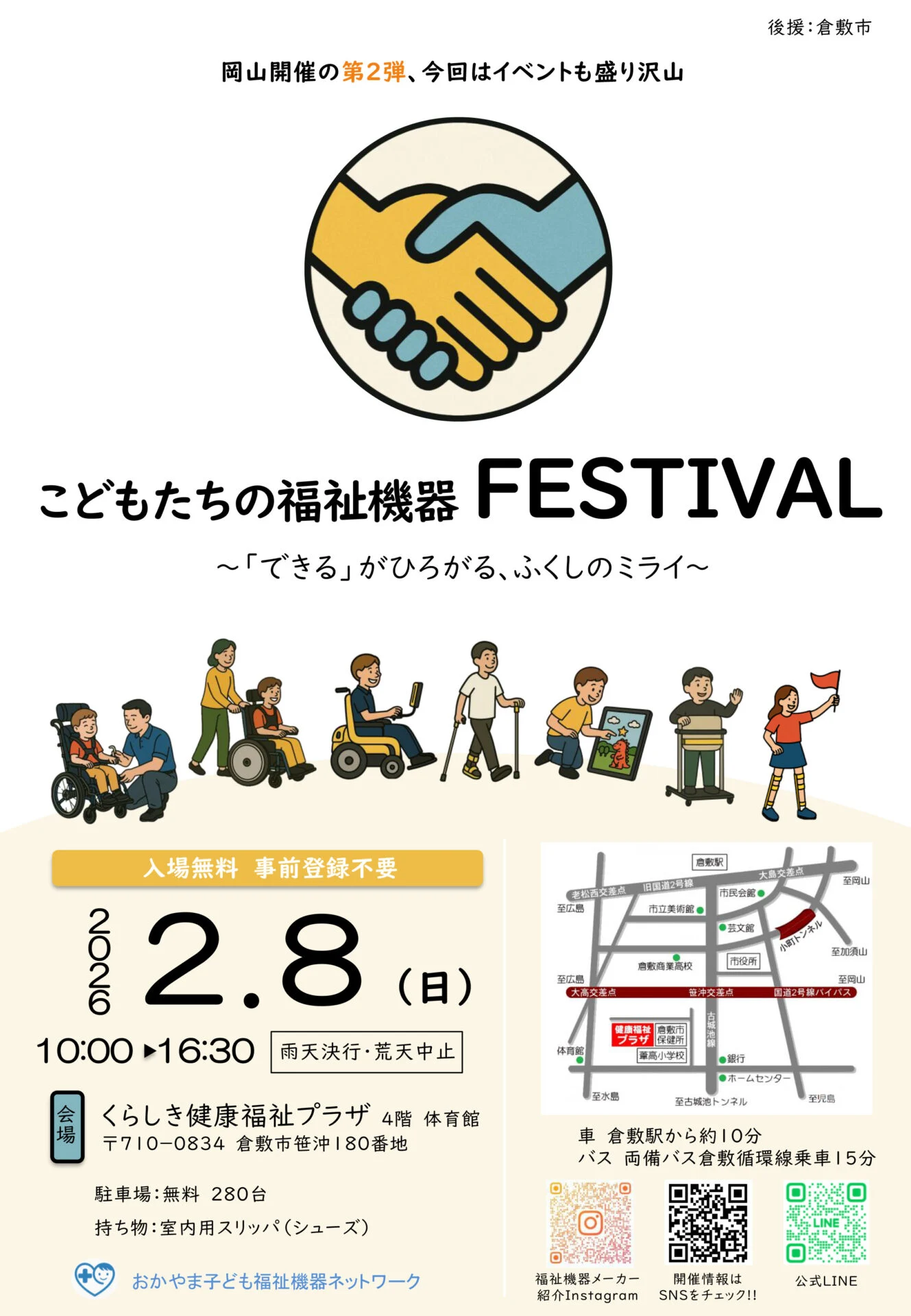
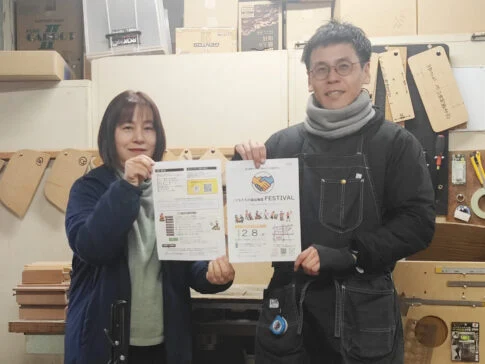
The "Okayama Children's Welfare Equipment Network," in which the neighboring workshop participates, will hold a welfare equipment introduction event on February 8, 2026, at Kurashiki Health and Welfare Plaza, marking the first event in Kurashiki in two years.
This event aims to improve the quality of life (QOL) of children who require medical care and developmental support by collaborating with pediatric medical and welfare equipment experts to disseminate information and conduct awareness activities regarding welfare equipment.
Quoted from the flyer
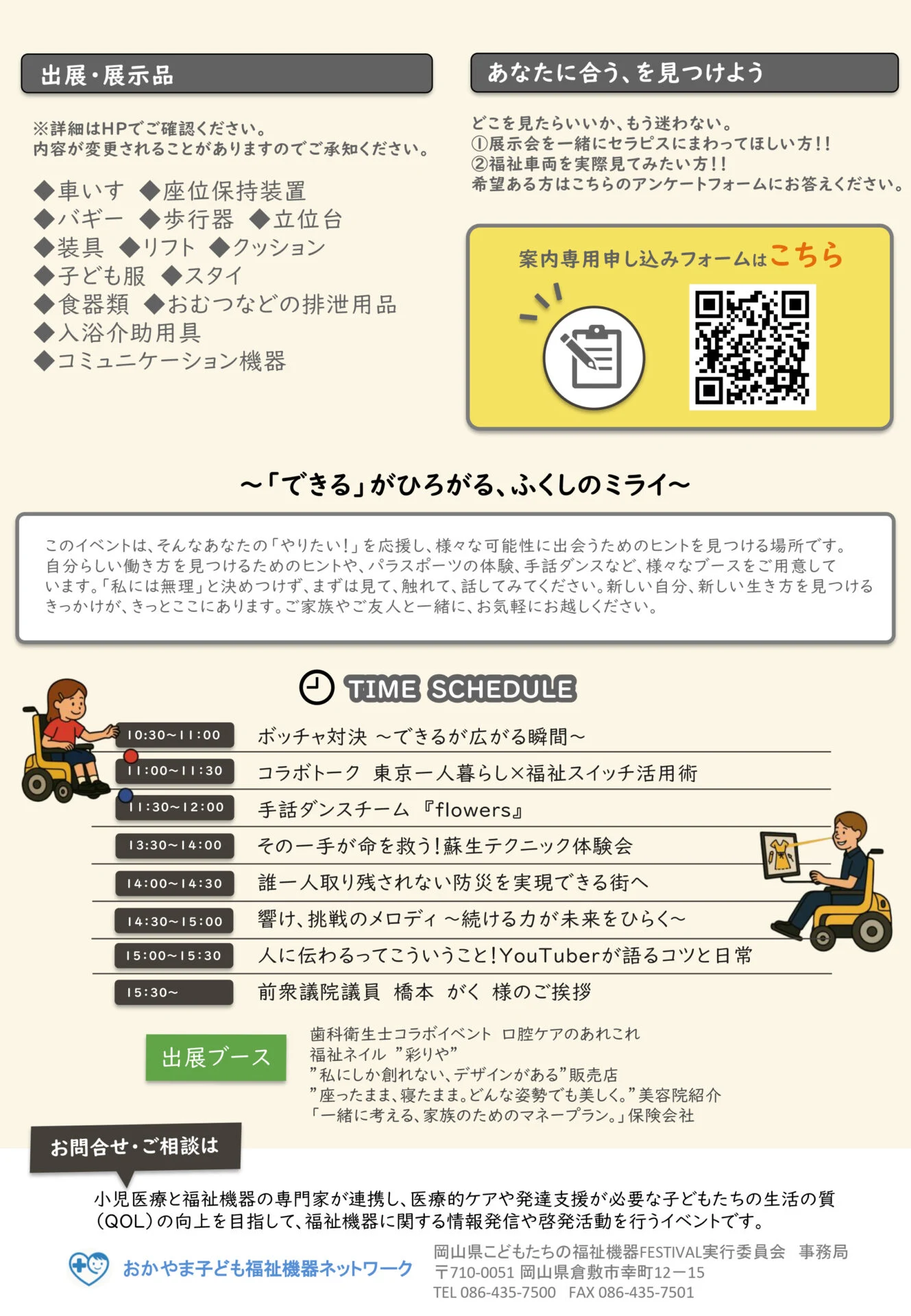
This time, a new section themed around "disaster prevention" is planned to be established.
Following the experience of the July 2018 heavy rain disaster, efforts have continued, led by local stakeholders and supporters, to share the challenges of evacuation.
Securing power for medical equipment, preparations for flooding and power outages, and means of transportation when elevators in apartments are not usable are among the various concerns individuals have.
To create a "no one left behind evacuation plan," preparations are being made collaboratively by stakeholders, supporters, and the government, including organizing individual evacuation plans, considering necessary items to take, and gathering information on portable power supplies.
This exhibition will introduce these initiatives while creating a space for the entire community to consider the first steps toward safe evacuation.
For the latest information, please check Instagram and the website.
Post-Interview Notes - Hoping This Will Reach Even One Person
As I mentioned at the beginning, I had previously interviewed the neighboring workshop for another job, and it was through that connection that I was able to conduct this interview again.
I first requested the interview in June.
Mr. Oki kindly replied, "From July to August, we will be busy with technical support and exhibitions abroad, so if it's after that, please do come."
During the conversation, I learned that an event (exhibition) is scheduled for February 2026. Moreover, it will be held for the first time in Kurashiki. I thought, "I hope this interview will be helpful to someone," and it unexpectedly coincided with a "timing when it is needed," making me feel a sense of destiny in some way.
While it could be seen as mere coincidence, the convergence of several coincidences leading to this timing might have been inevitable. With that thought, I hope this article serves as a catalyst to reach even one person who needs it.
Data on the Neighboring Workshop
| Organization Name | Neighboring Workshop |
|---|---|
| Industry | Manufacturing and selling custom-made wheelchairs, seating support devices, and welfare equipment for children with disabilities, persons with disabilities, and the elderly. |
| Representative Name | Oki Chinami |
| Year Established | 1992 |
| Address | 2684-2 Kurotada, Biseicho, Ibara City, Okayama Prefecture |
| Contact | 0866-87-3211 |
| Website | Neighboring Workshop |