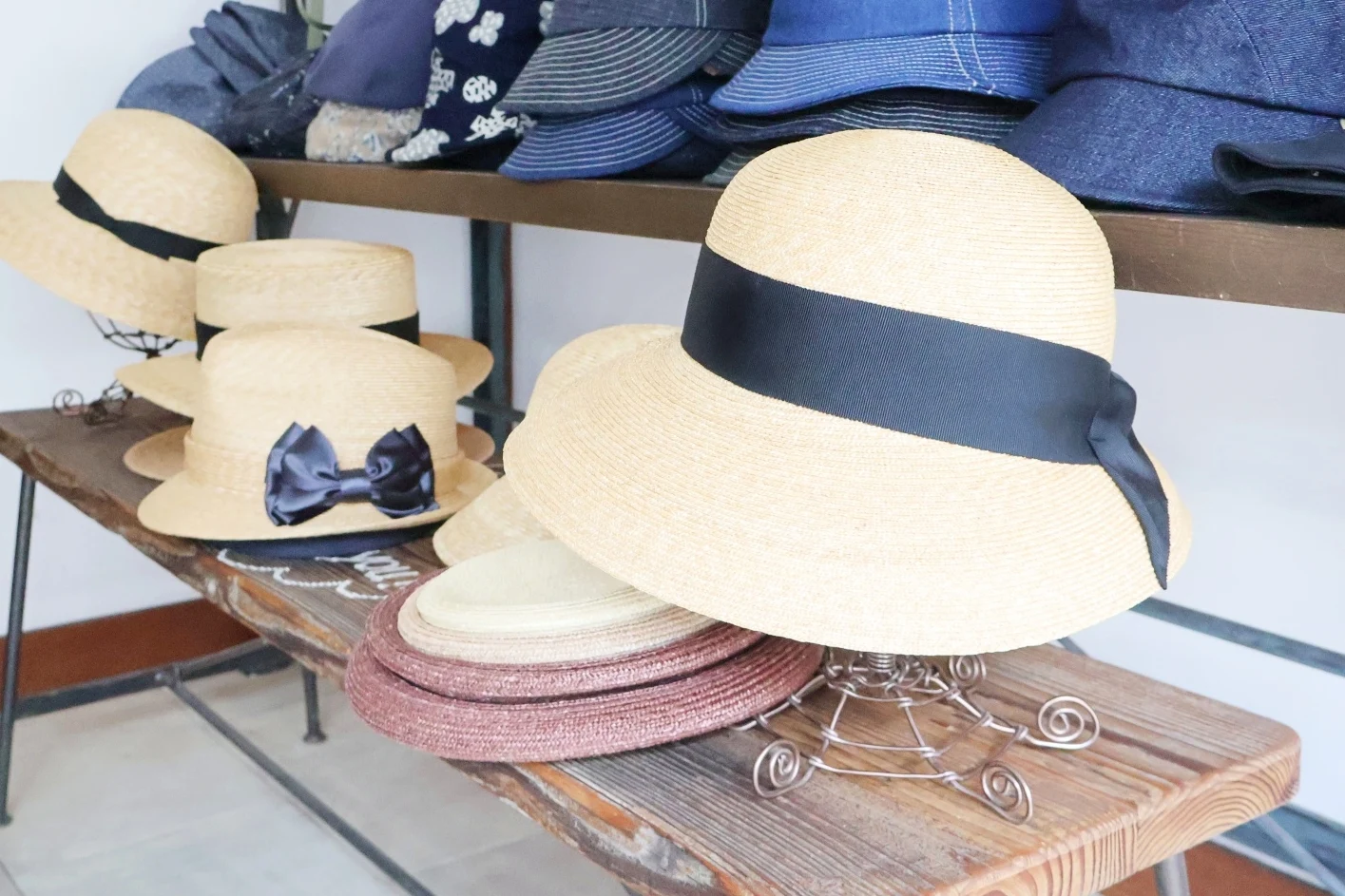
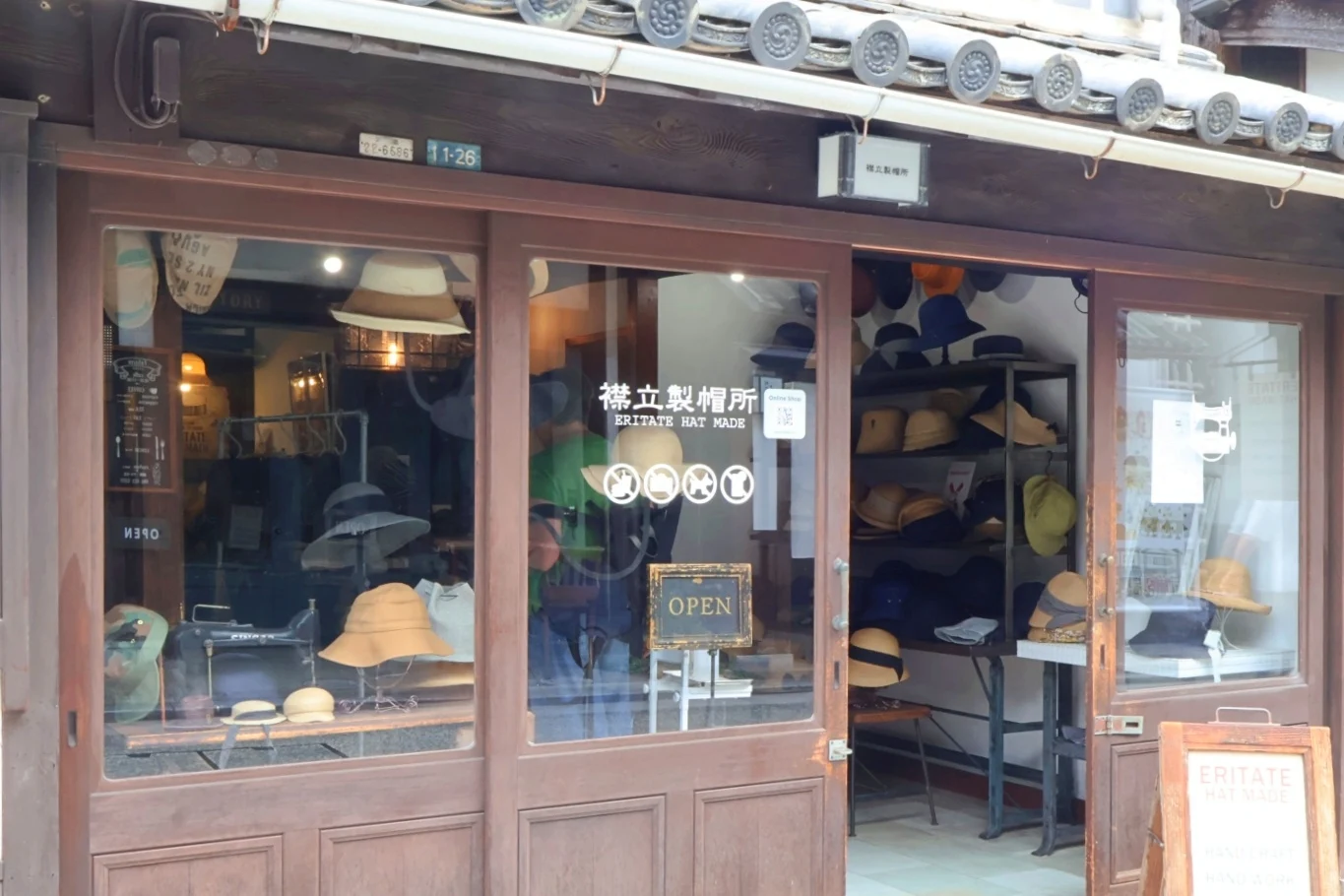
On Honmachi Street in the Bikan Historical Area, there is the Eritate Hat Factory Kurashiki Honmachi Store, which handles 400 types of hats throughout the year, reflecting the seasons.
All hats made in factories within Okayama Prefecture are original products. The hats, born from a pursuit of design and comfort, are supported by hat-making techniques that have continued since 1960.
We interviewed about their passion for hat-making.
Eritate Hat Factory Kurashiki Honmachi Store on Honmachi Street
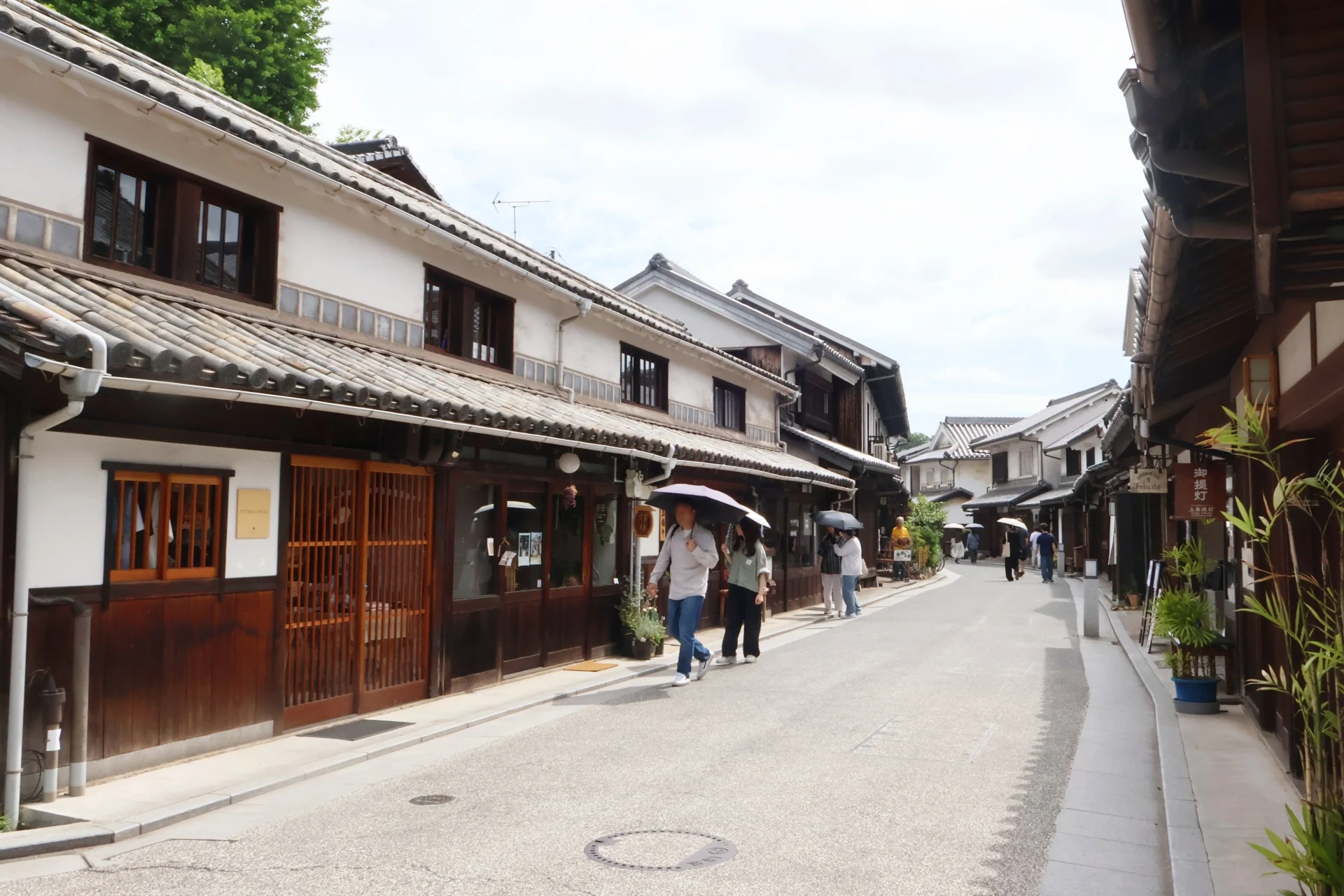
When you think of the Bikan Historical Area, you imagine the willows lining the Kurashiki River and the white-walled streets.
However, if you go one block north from the Kurashiki River, you will find Honmachi Street, where the traditional townscape remains.
As you walk past renovated townhouses that house Kurashiki canvas bag shops and jazz cafes, you will see a store with hats displayed through glass doors. This is the Eritate Hat Factory Kurashiki Honmachi Store.
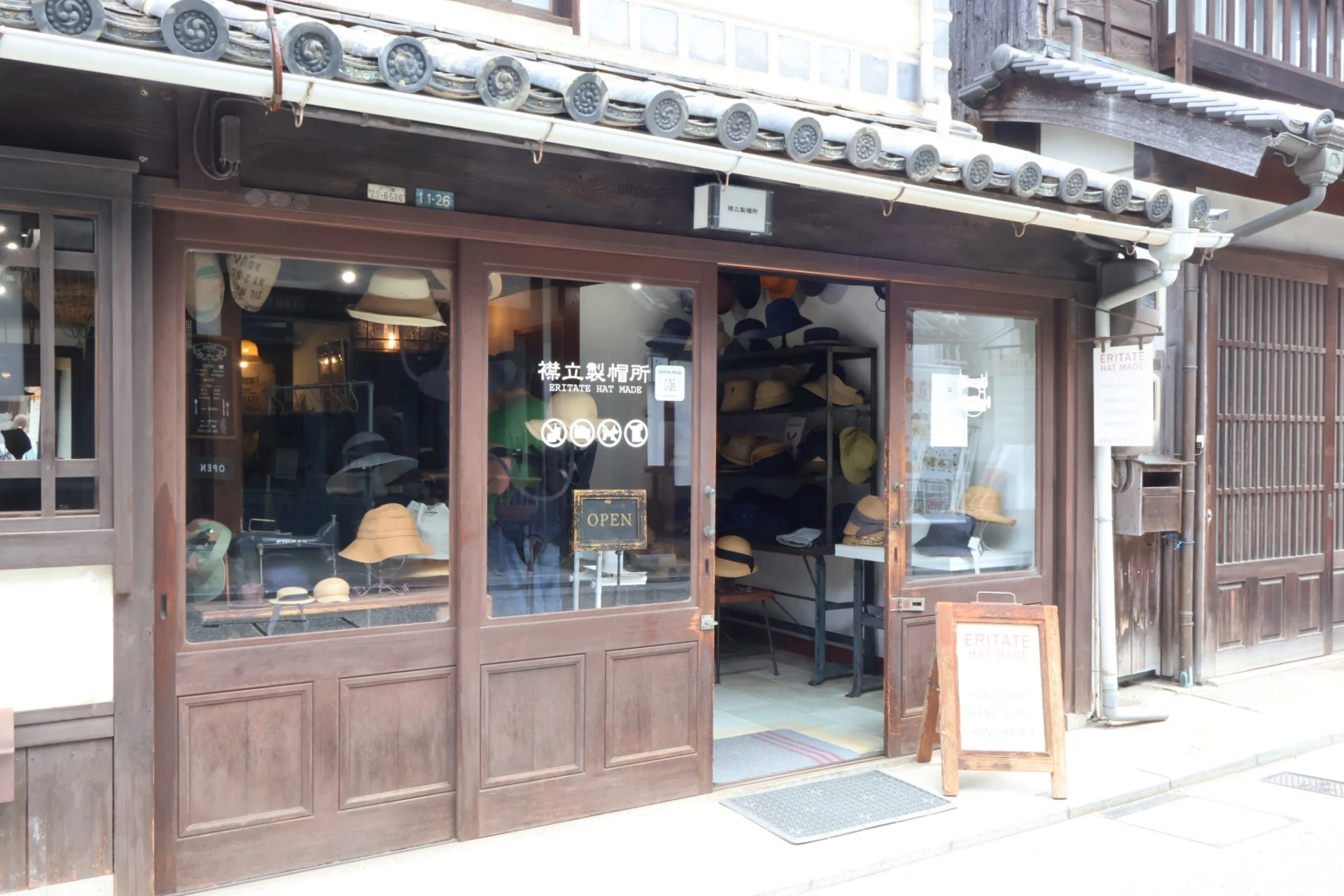
Eritate Hat Factory started producing straw hats in 1960 and now manufactures and sells its own original hats.
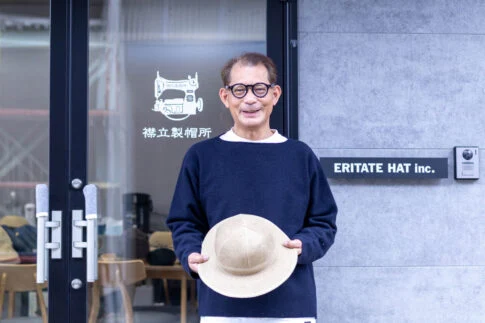
A store full of hats
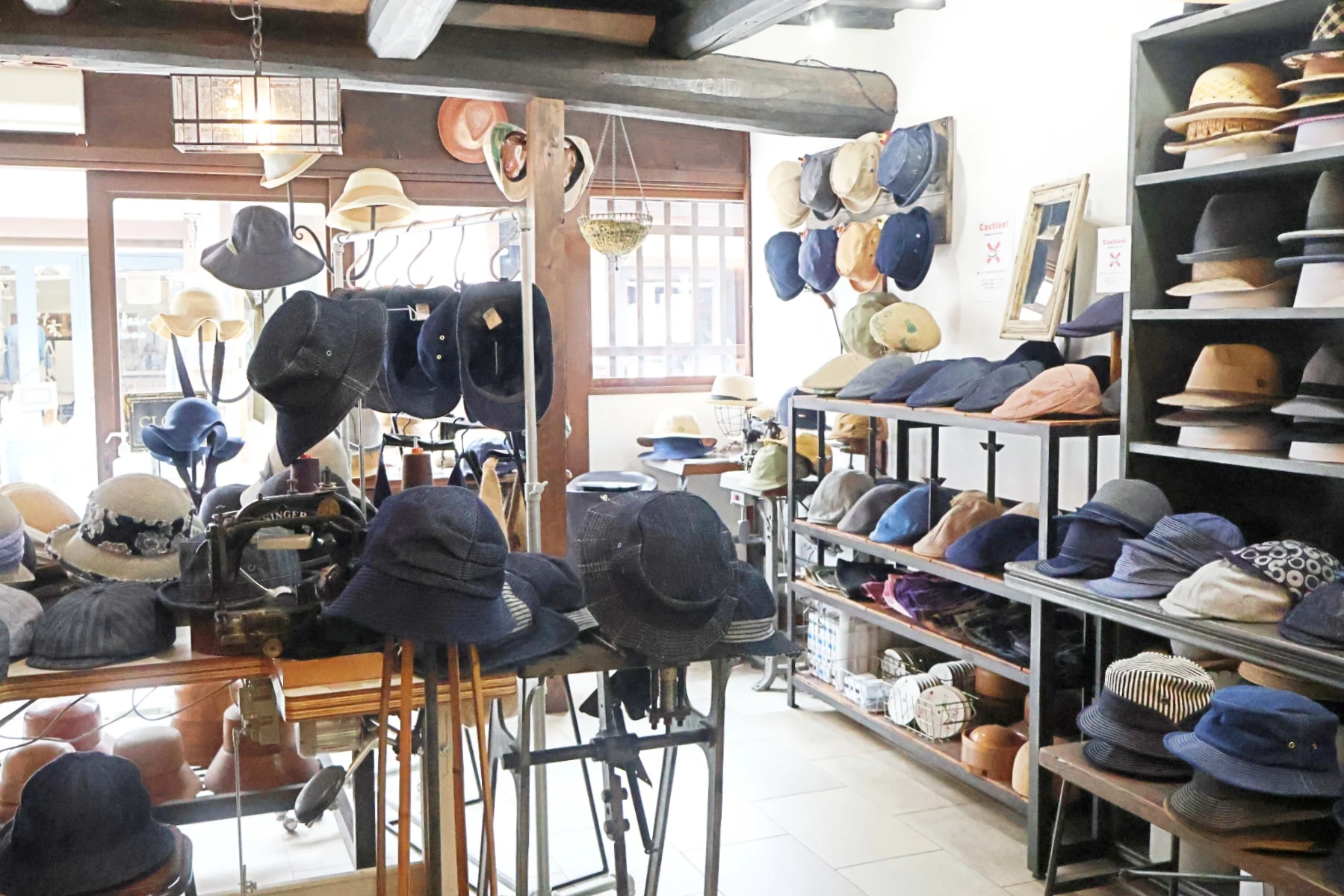
Once inside, you see hats everywhere... Hats, hats, hats...
Hats made by technical staff using sewing machines are lined up closely in the store. Hearing that they have over 400 types of hats, I am amazed by the variety.
Upon closer inspection, I notice hat designs that I don't see in other stores.
Eritate Hat Factory operates under the belief that design advances technology. First, designers create ideas, and then they think about how to make them. Even hats that look ordinary at first glance have details like wavy brims or pleats that show their commitment to craftsmanship.
It seems you can find special hats that you can only encounter here.
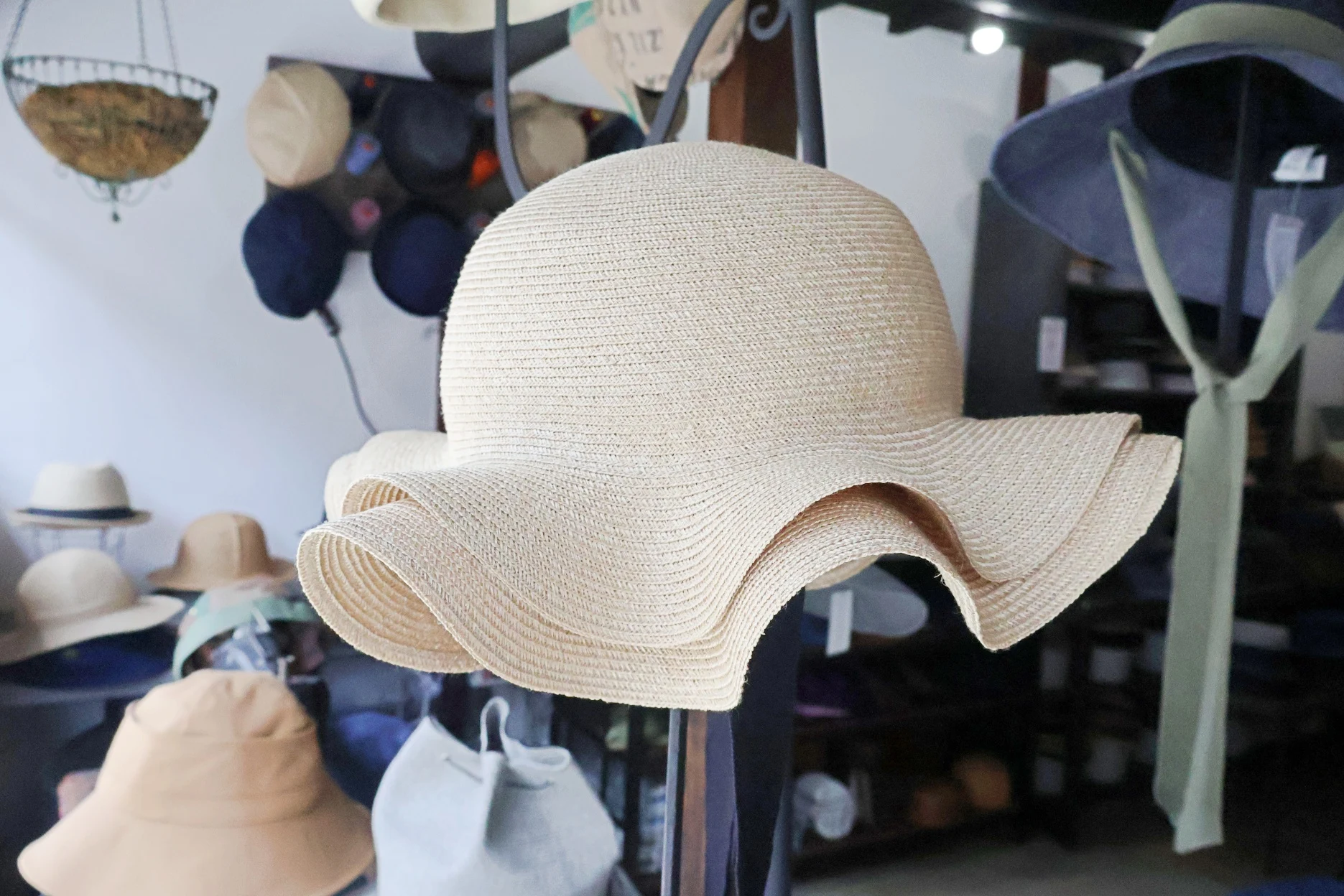
Introducing unique hats
At Eritate Hat Factory, many hats are lined up. Here are some of the lineup.
A braid hat that can be stored in a bag
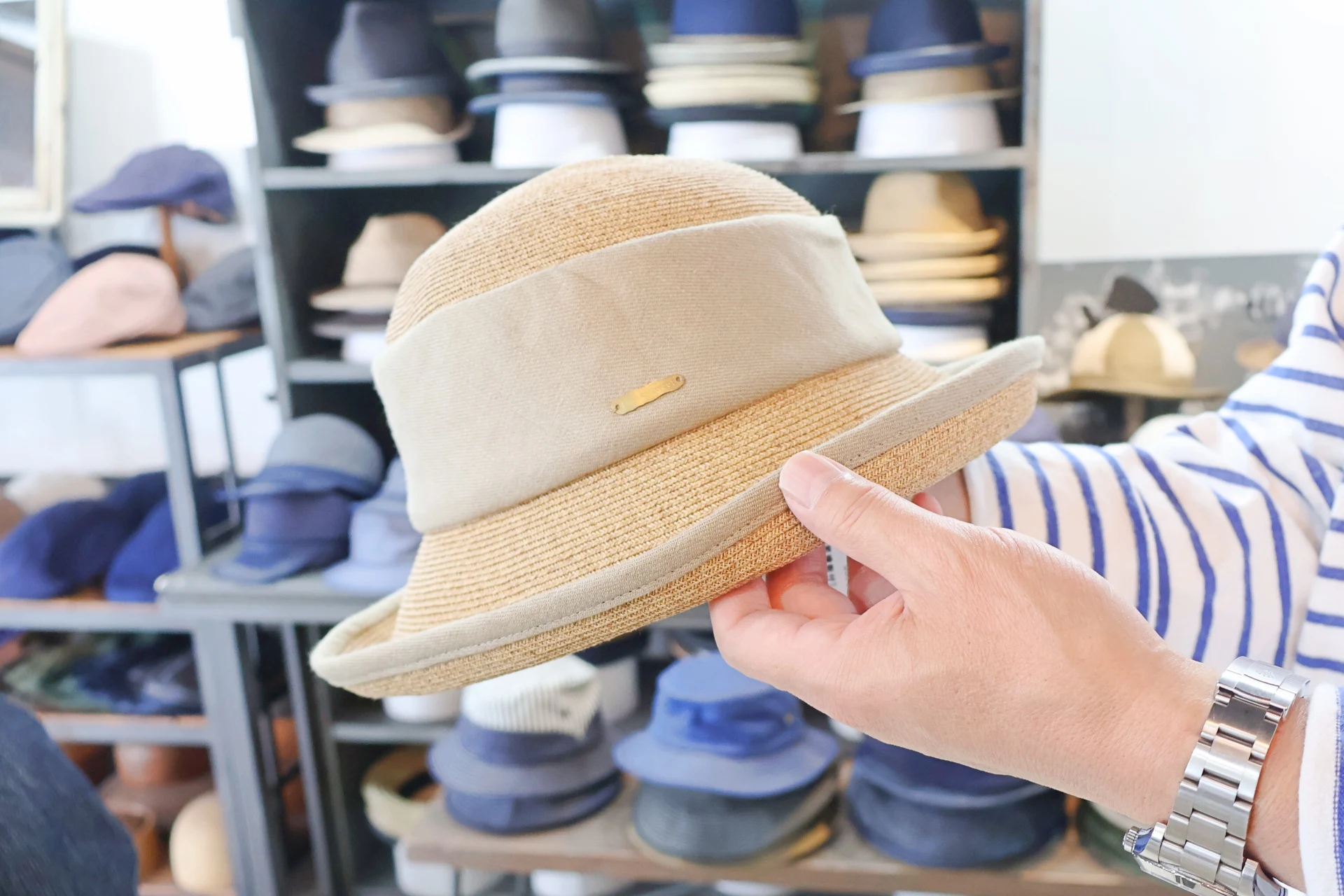
First, let's look at the classic braid hat.
Braid refers to materials made by weaving fibers like hemp into a cord-like shape. A braid hat is made by sewing tape-like braids together into a hat shape.
A straw hat made with braid is called a straw hat, and Okayama Prefecture was once a production area for straw hats. In Kamogata (present-day Kamogata-cho, Asakuchi City), known for its production of somen and udon noodles, wheat has been cultivated for a long time, and hats were also produced using that wheat.
What makes the "braid hat that can be stored in a bag" unique is the fabric switch at the head part. Instead of just sticking fabric onto the hat, it is sewn together. This method requires skill and is unique to Eritate Hat Factory, which makes hats by hand.
Additionally, the main part uses a softer paper material than traditional wheat, allowing it to be folded. It's convenient to be able to store it in a bag after taking off the hat indoors.
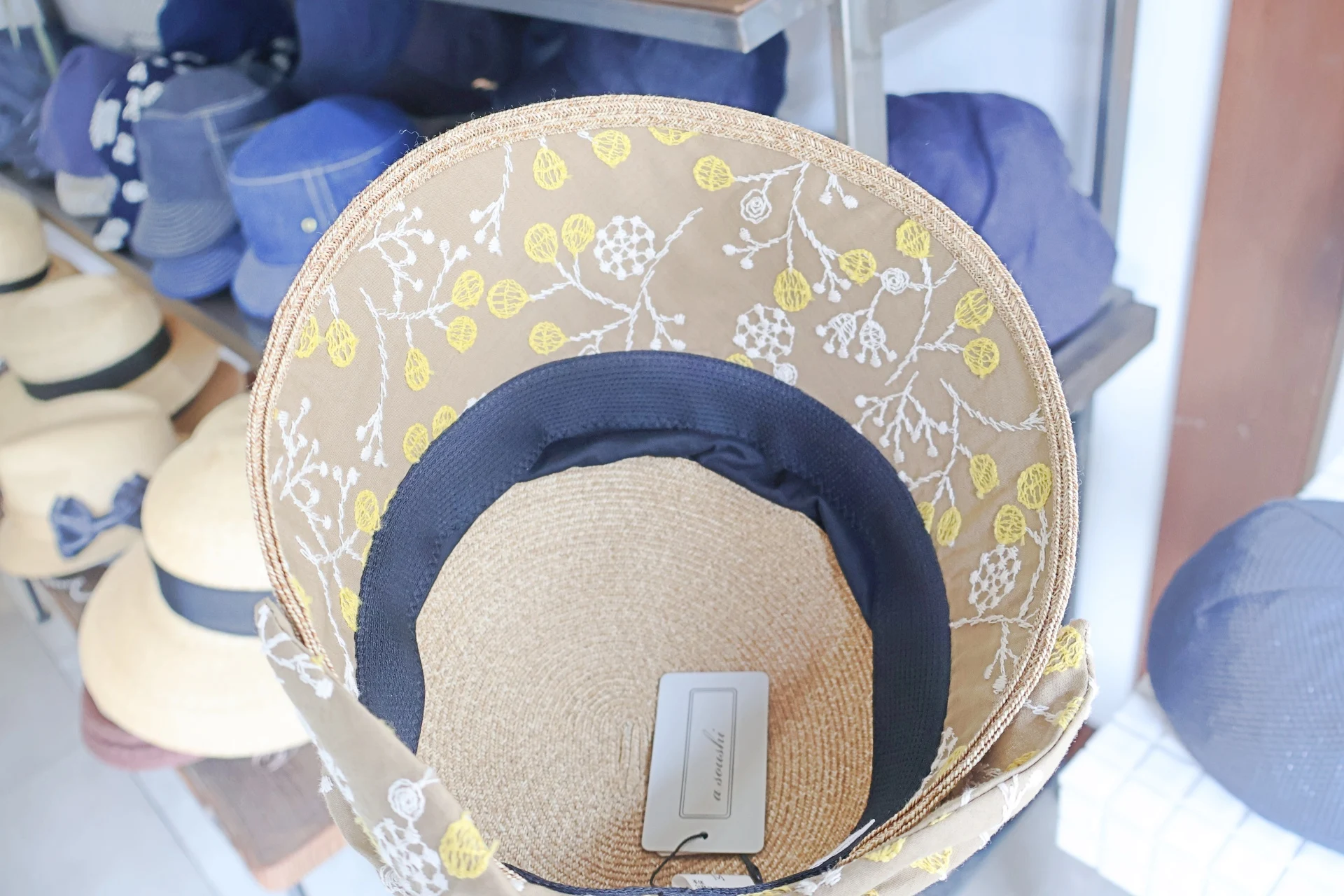
A stylish braid hat with a patterned underside
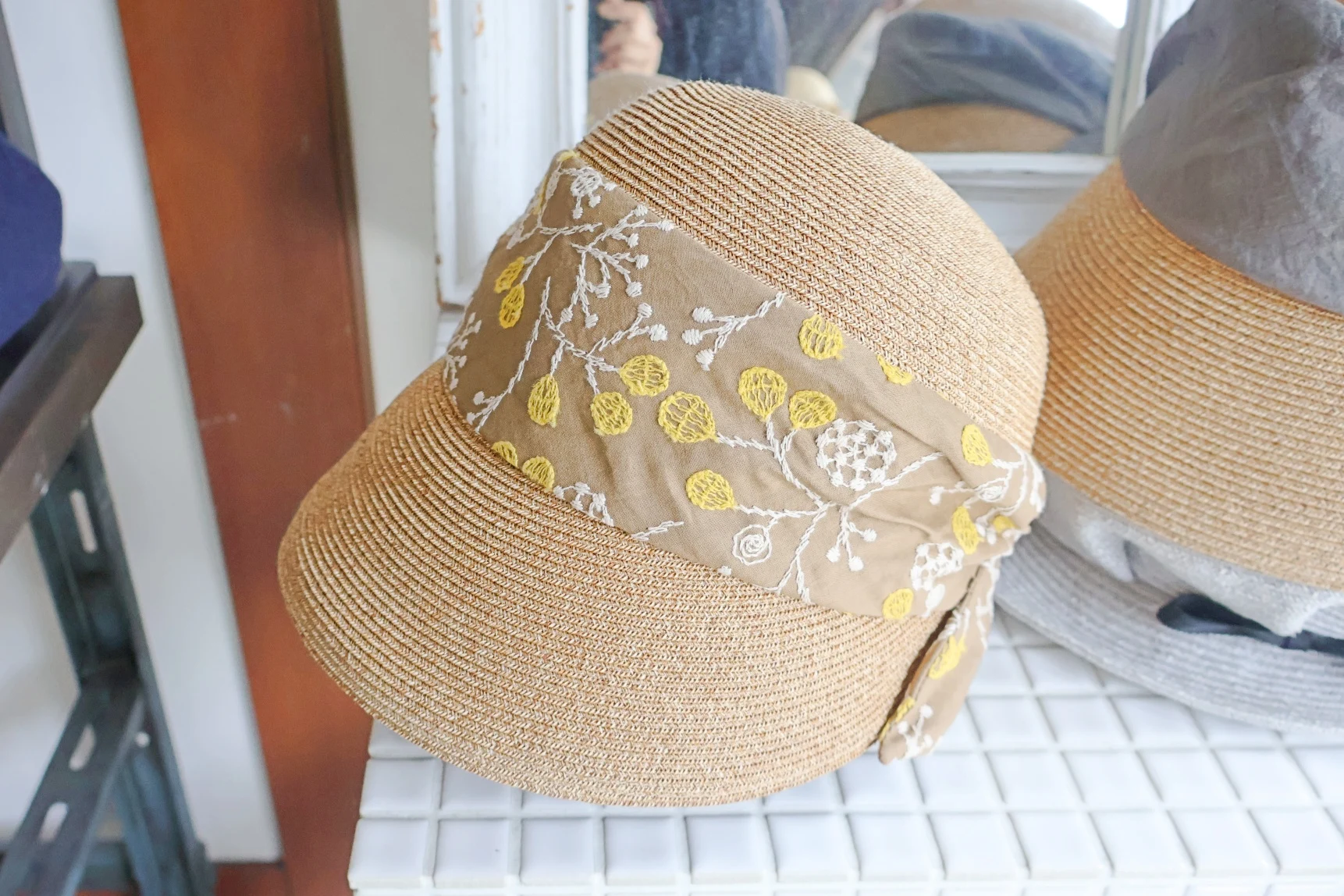
This hat has fabric sewn on the underside of the brim.
Hats with fabric on the inside are not commonly seen.
It is recommended to wear it by folding the tip of the brim to reveal the pattern. Additionally, having fabric helps block sunlight, making it a good option for sun protection. It seems to match well with a light, natural dress.
A rich selection of men's hats
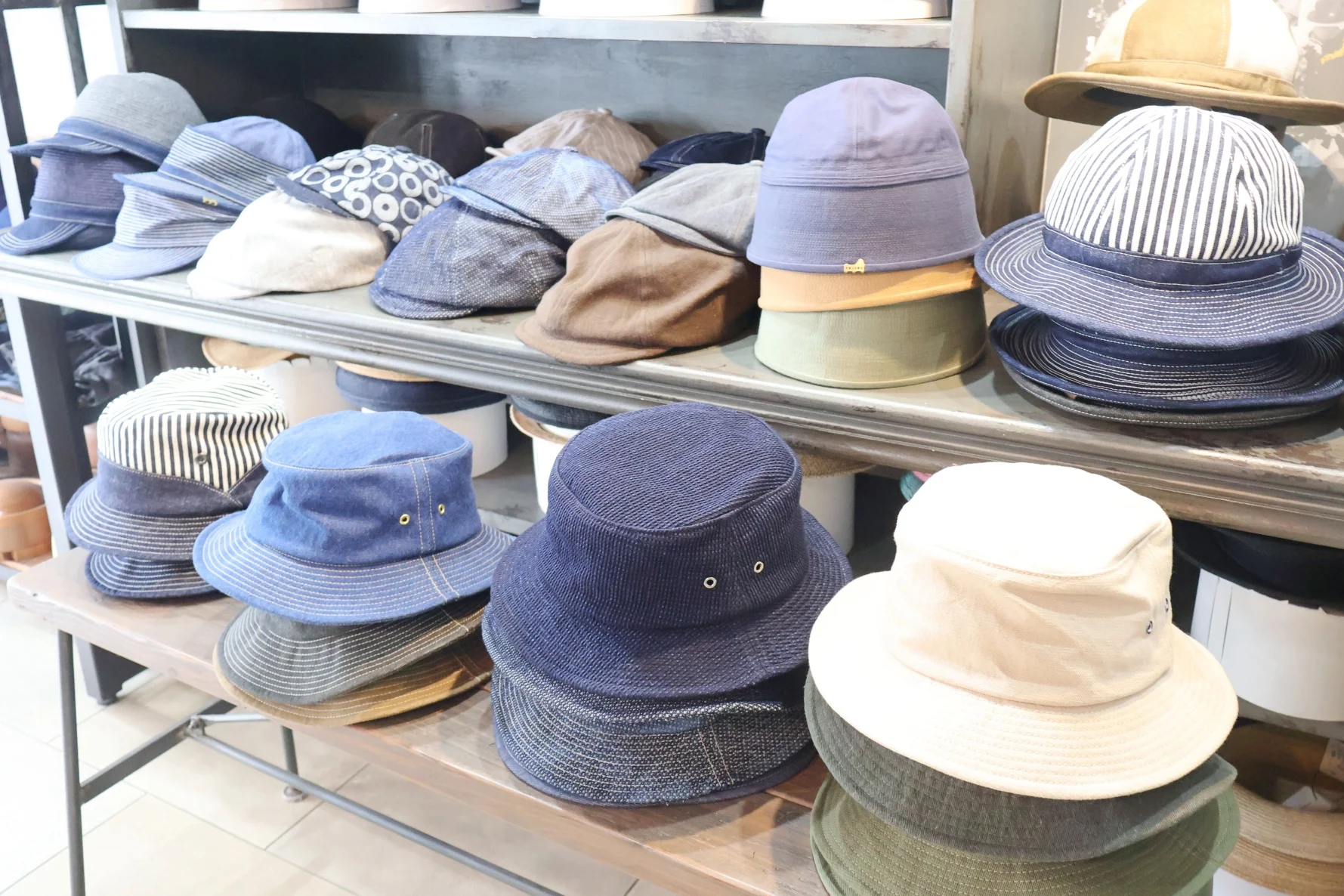
At Eritate Hat Factory, there is a rich selection of men's hats as well as women's.
What surprises me about men's hats is the variety of fabrics. Even the same bucket hat shape can look completely different with different materials.
With a wide variety for both men and women, it seems that couples often visit the store together to make purchases.
The bucket hat, popular among men, is part of the ROUBOU series.
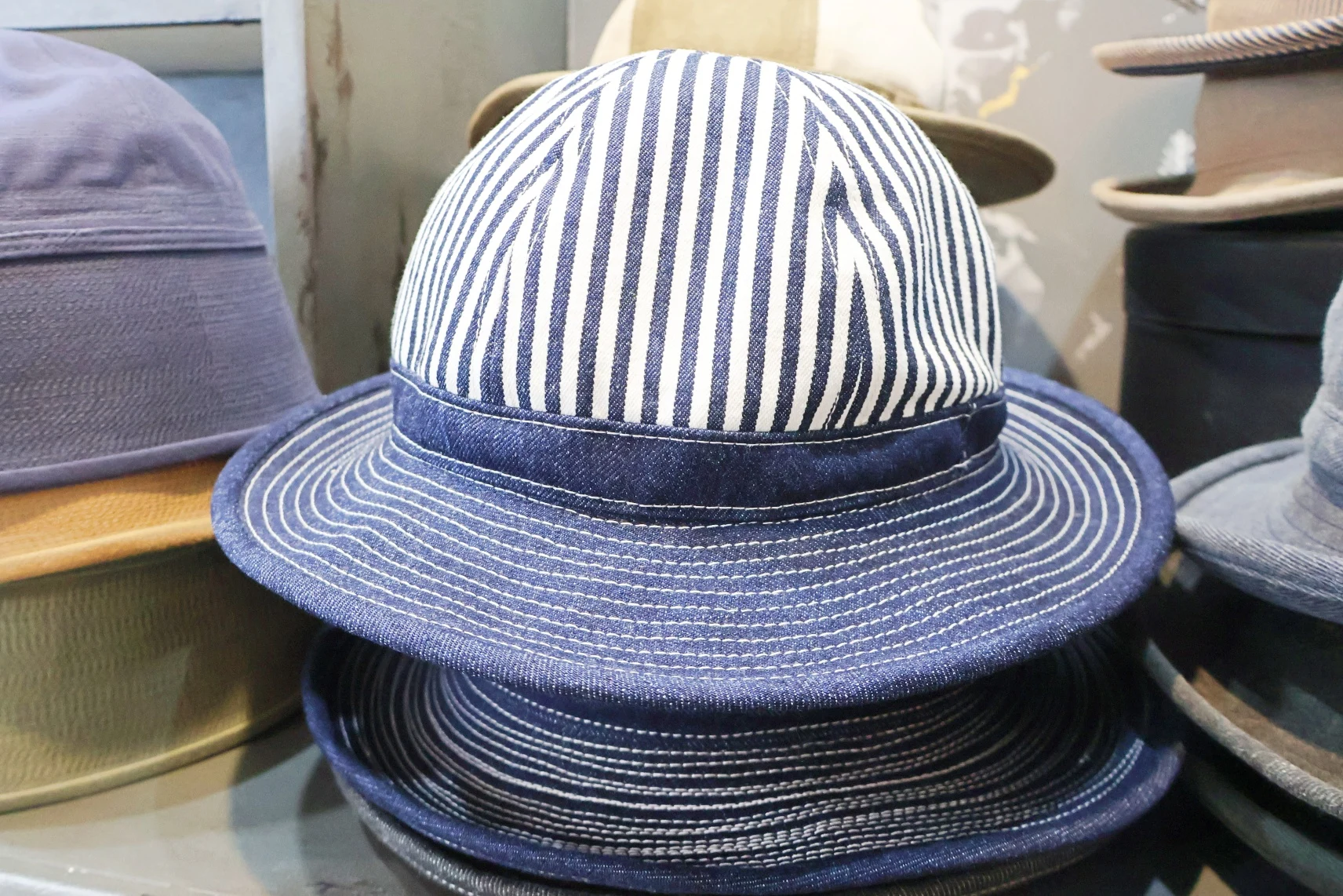
In Okayama, straw hats were once referred to as "roubou," which means "worker's hat." The ROUBOU series is named after this term. They offer hats made from denim fabric from Ibara City and other materials that can be used for a long time.
Buying a unique hat from here as a travel memory is also a wonderful idea.
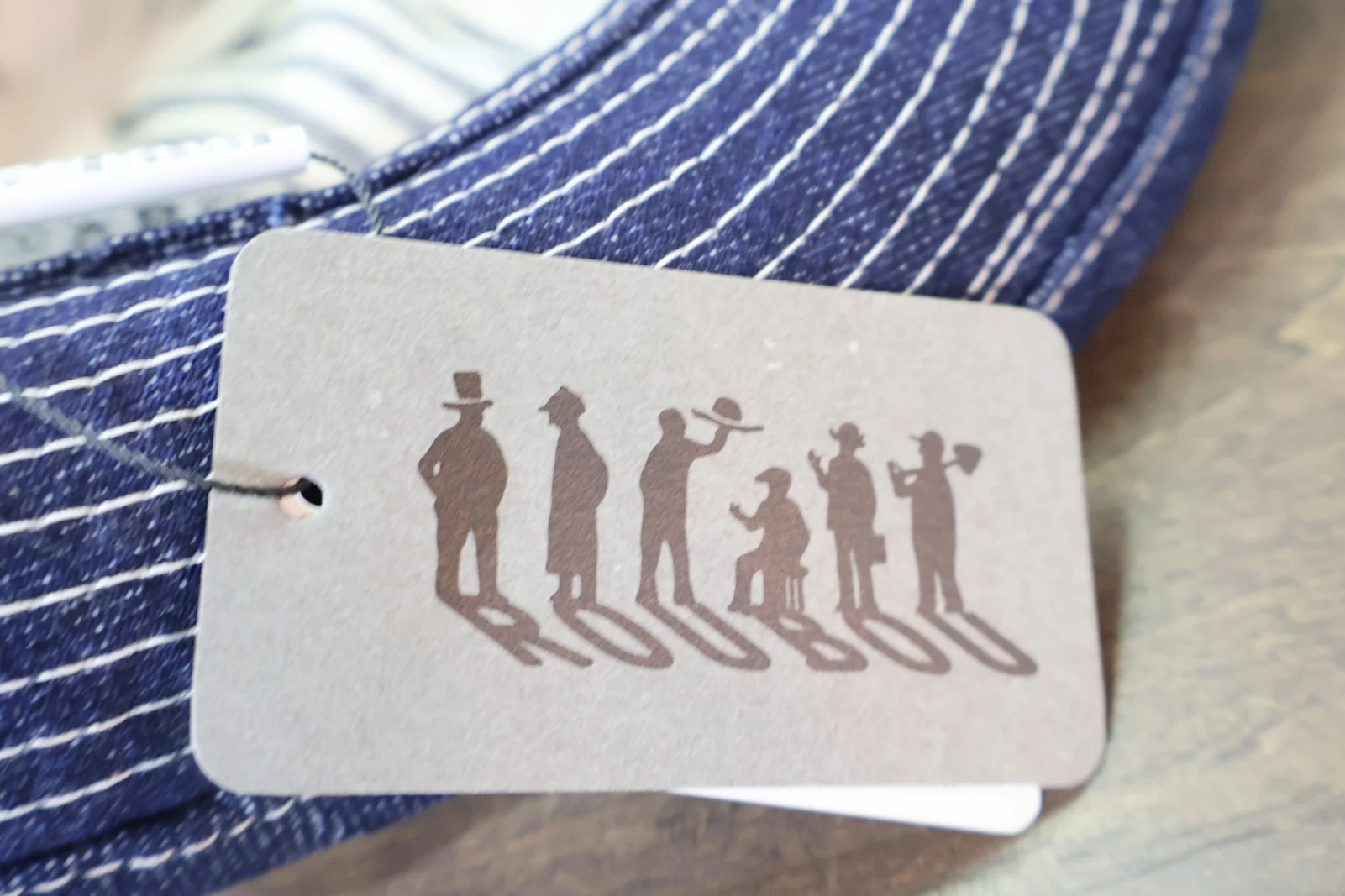
At Eritate Hat Factory, where unique hats are lined up, there is a strong passion from CEO Eritate Shigeki behind the hat-making process. We interviewed him about that passion.
Data on Eritate Hat Factory Kurashiki Honmachi Store
| Name | Eritate Hat Factory Kurashiki Honmachi Store |
|---|---|
| Address | 11-26 Honmachi, Kurashiki City, Okayama Prefecture |
| Contact | 086-422-6544 |
| Parking | None |
| Business Hours | Weekdays: 10:00 AM - 5:00 PM Weekends and Holidays: 10:00 AM - 6:00 PM |
| Closed | Tuesday, Wednesday |
| Payment Methods |
|
| Website | Eritate Hat Factory |