Interview with Nakano Atsushi
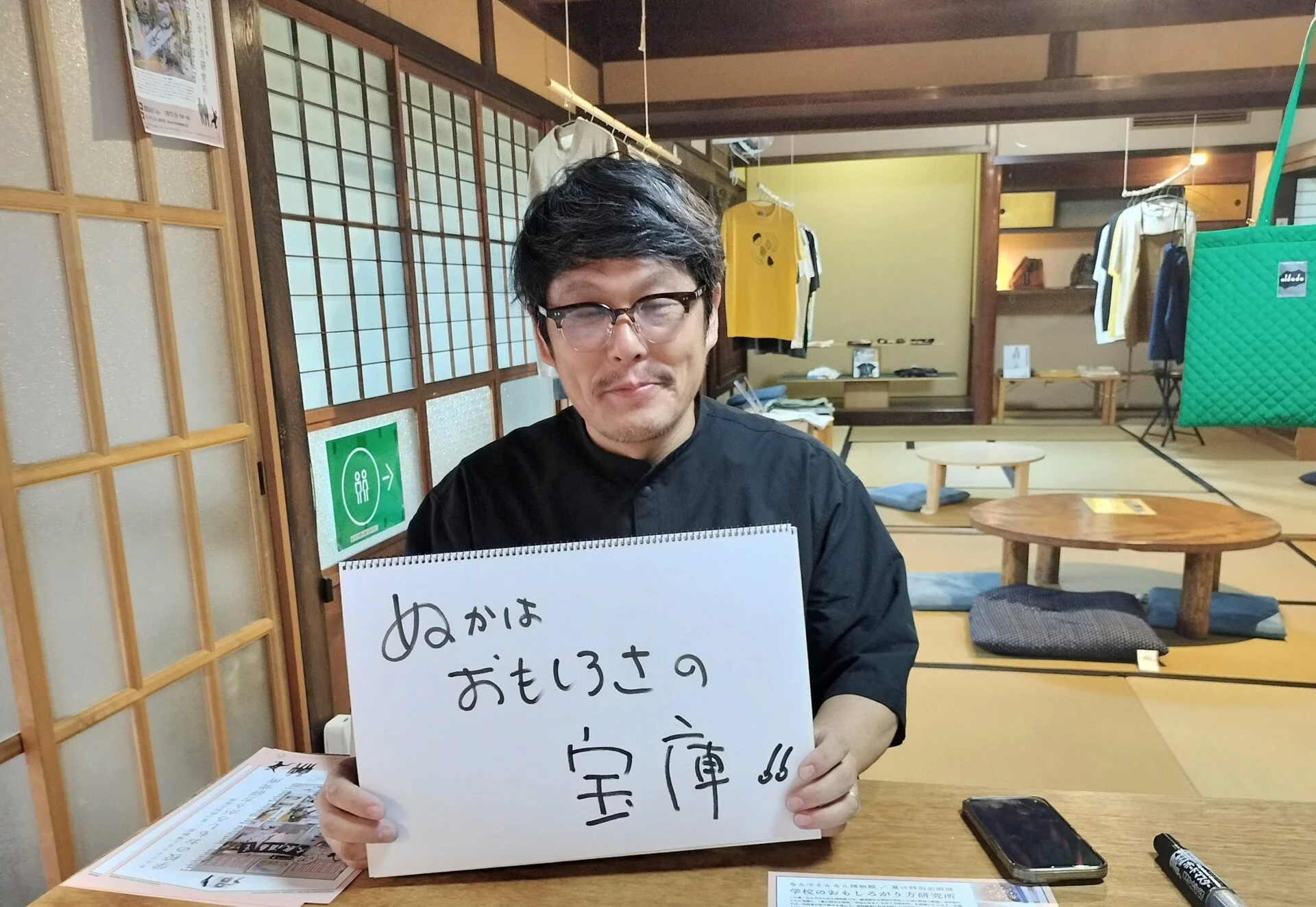
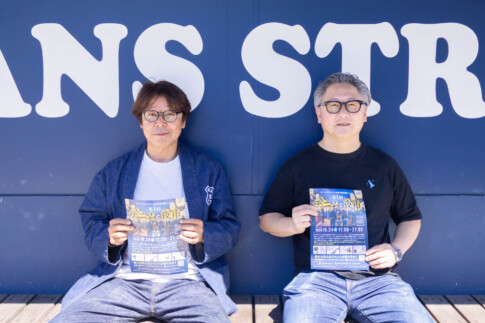
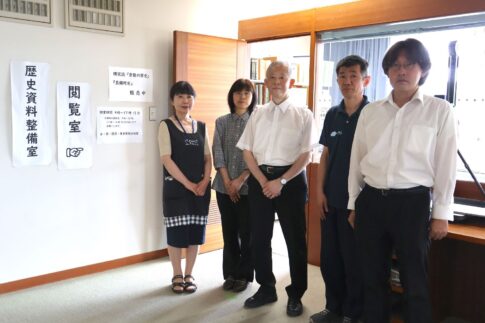
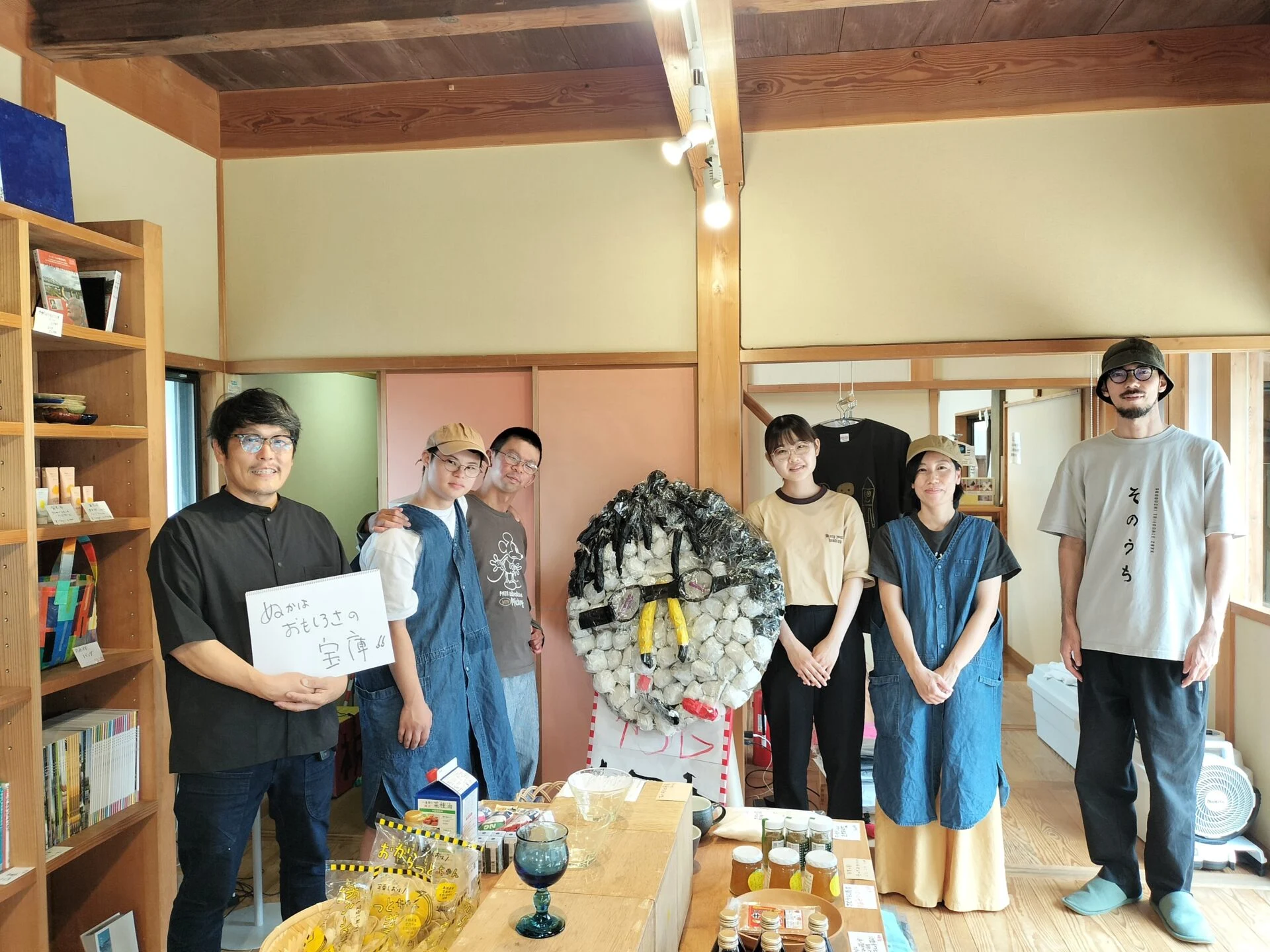
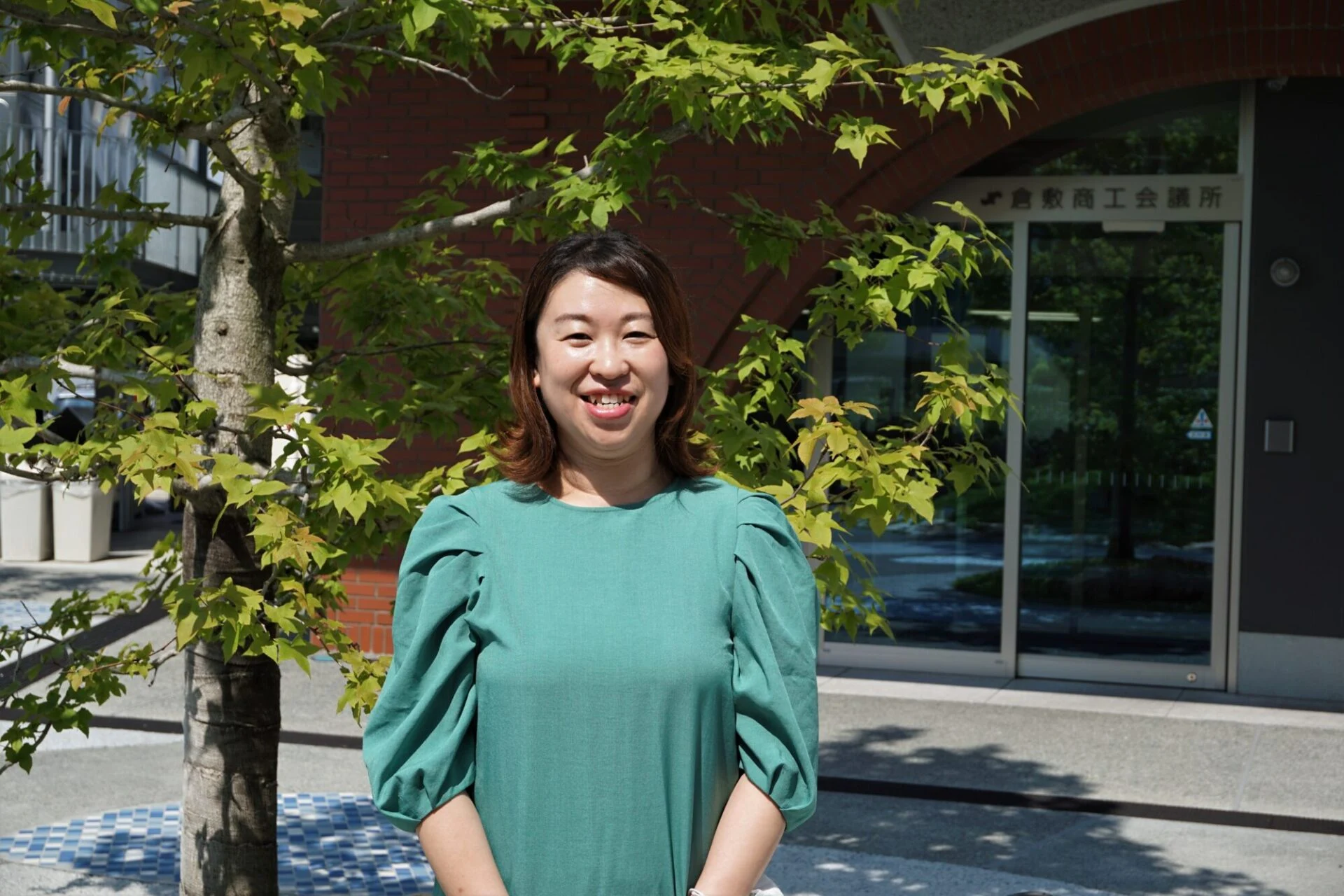
We spoke with Nakano Atsushi, representative of Nuka Co., Ltd.
What inspired you to start the business?
Nakano (surname only)
I’m from Yamaguchi Prefecture, and came to Okayama to attend university.
I studied social welfare at university, then worked in the field for about 14 and a half years. I often encountered the users’ expressions and activities there, and was deeply moved by their free and powerful forms of expression.
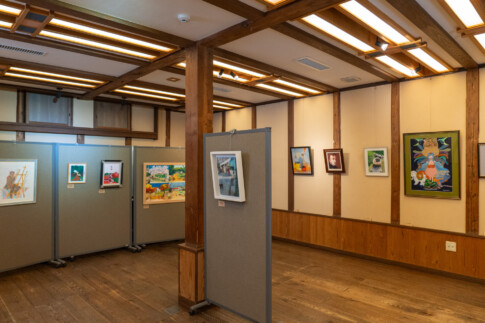
I thought, “I’d like people to see their work in a better place,” and even held an exhibition with my colleagues. These experiences led me to start the Nuka daily care service in 2013.
After that, I also established Atelier Nukagokko and the Chinu consultation support office. We now operate four offices.
What do you think makes Nuka special?
Nakano
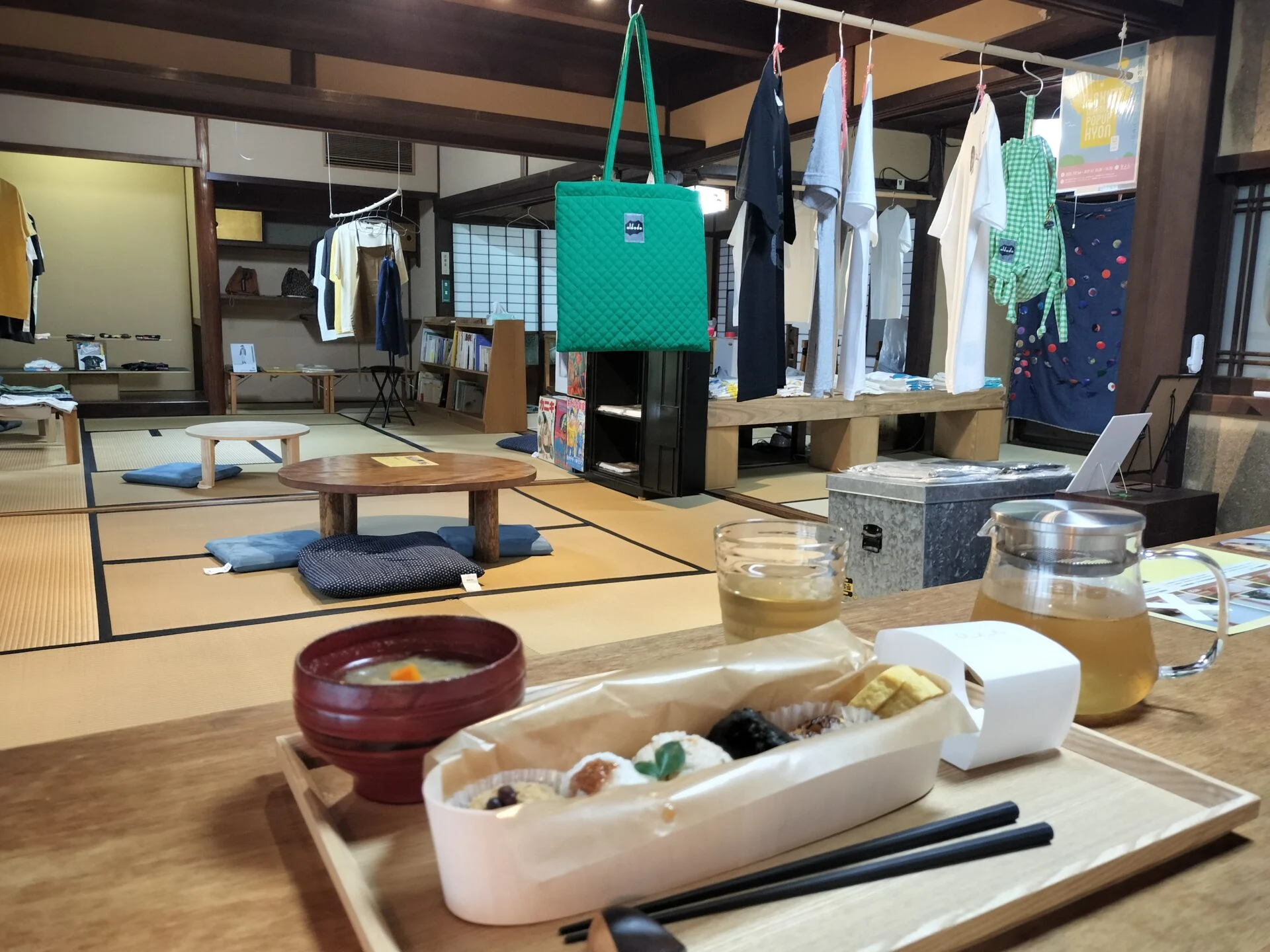
What’s good about Nuka is that we can accept each user’s individuality and unique qualities just as they are.
In welfare settings, efficiency and safety tend to take priority, but here we value “room to breathe” and “playfulness,” so unique and creative activities naturally flourish. This atmosphere wasn’t created by me alone; all the staff who share this outlook have nurtured it together.
We have staff who love design and creative expression, and connecting with people who become interested in our activities through social media has also been a great source of support. I believe that “fun” and “discovery,” which can be overlooked when pursuing only efficiency and results, are actually found in this kind of breathing room and open space.
Why do you focus on art activities?
Nakano
Actually, I wasn’t particularly committed to art myself. What matters to me is bringing out what each user “wants to do” and what they find “interesting.”
For example, in workshops such as “Let’s Stack Them,” where participants keep stacking blocks, and “Koike’s Pond,” where they enjoy tearing up newspapers, we encourage them to enjoy forms of expression that are uniquely their own.
We value the process and the story more than the finished work. By enjoying “making things” together with the users, a variety of forms of expression emerge naturally.
A distinctive feature of Nuka is how creative work grows out of these everyday activities and connections.
How did the “Why Is It Like That? Project” get started?
Nakano
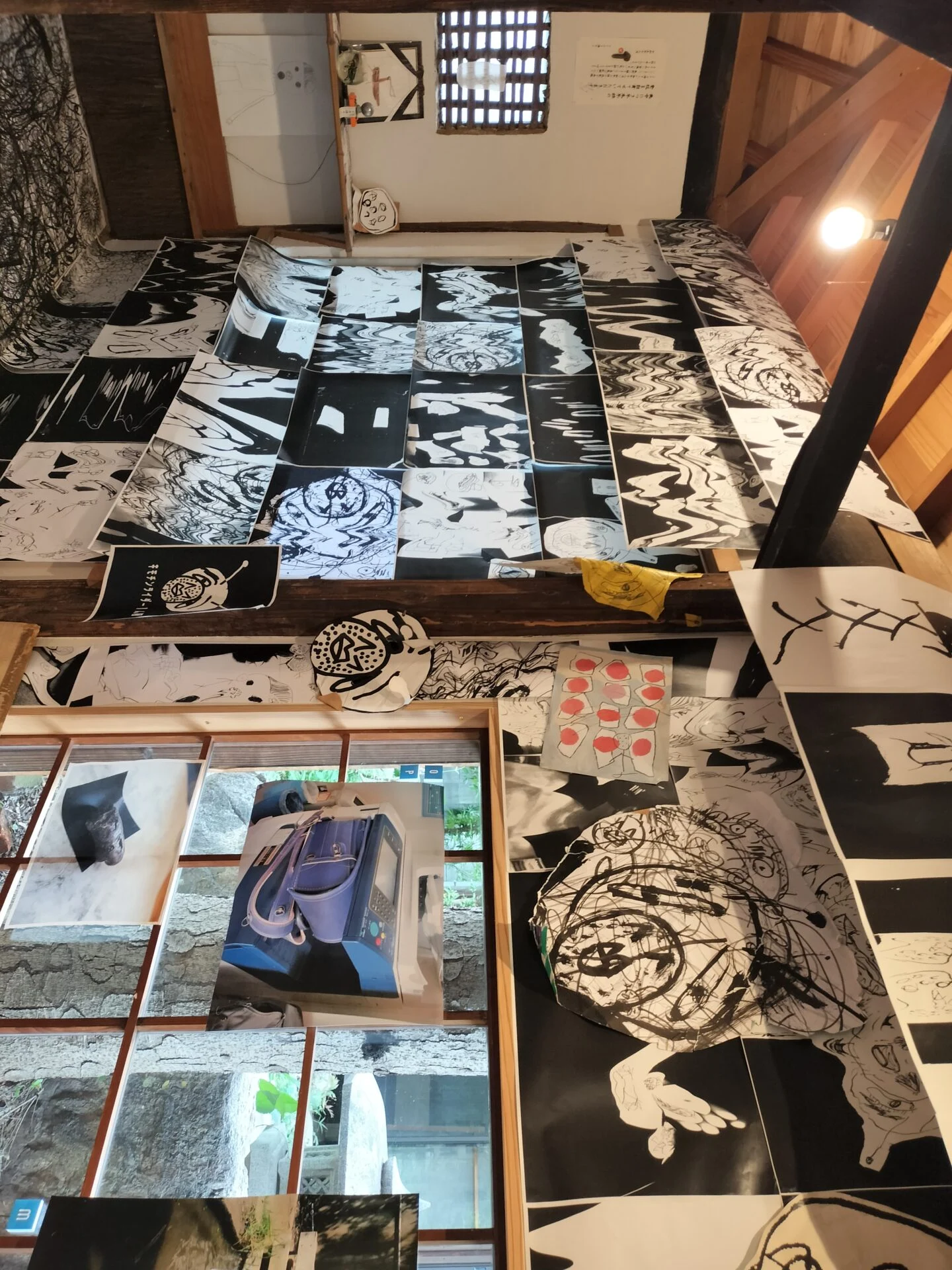
We started it in 2020.
It began with an unjuried “independent exhibition” open to everyone. The project’s name came from a play on words combining “independent exhibition” and “Why Is It Like That?”
Independent exhibition
An art exhibition based on the principles of no judging, no prizes, and open submissions. The first was held in Paris, France, in 1884, and it influenced exhibitions in other countries as well.
In welfare settings, users’ “quirks” and “fixations” are often overlooked, but we wanted to value them and see them anew as something interesting.
We’ve expanded the project to include collecting stories, holding study sessions to broaden perspectives, and staging exhibitions in the form of expositions. It has gradually been adopted in educational settings, too, spreading a way of seeing quirks and fixations as something to enjoy.
I’ve heard that it’s difficult for this kind of welfare business to balance social contribution and business. How is it run in practice, and how do you value your relationships with staff and users?
Nakano
Yes, finding the balance is difficult. We make good use of government payments and subsidies while striving to create a place where both staff and users feel, “I enjoy coming here.”
We ask staff to value the attitude of “never appearing flustered, staying calm and getting the job done in public, while working hard behind the scenes” (at Nuka, we call this the “Swan Principle”). At the same time, it’s essential to create an atmosphere that respects individuality and allows free expression. We interact with users on an equal footing, calling one another by nicknames and chatting with them naturally.
I think that these accumulated interactions create a workplace that both staff and users enjoy, ultimately leading to high-quality support.
What do you think has enabled you to continue these activities?
Nakano
I didn’t have a plan or vision from the start. If anything, I’ve acted while “figuring things out as I go.”
But the connections with people and events I encounter in the field have been a great source of strength. I enjoy taking in the ideas and inspiration that arise in the moment and bringing them to life together with my colleagues.
I’ve been able to keep going because I can even find unexpected things and unforeseen events “interesting.”
Finally, do you have a message for our readers?
Nakano
First of all, I hope you’ll feel free to come visit us.
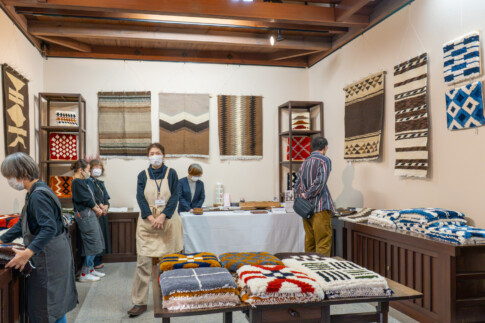
I think you can get a sense of our activities and way of thinking just by talking with us or trying out crafts or the museum.
At Hyun, we create a place where people naturally come together, regardless of whether they have a disability. We value new discoveries and understanding that emerge as people from diverse backgrounds move and experience things freely, without being bound by rules or formalities.
If even a few readers think, “That sounds interesting” or “I’d like to go,” I feel that alone brings us one step closer to what we’re aiming for.
From the Writer
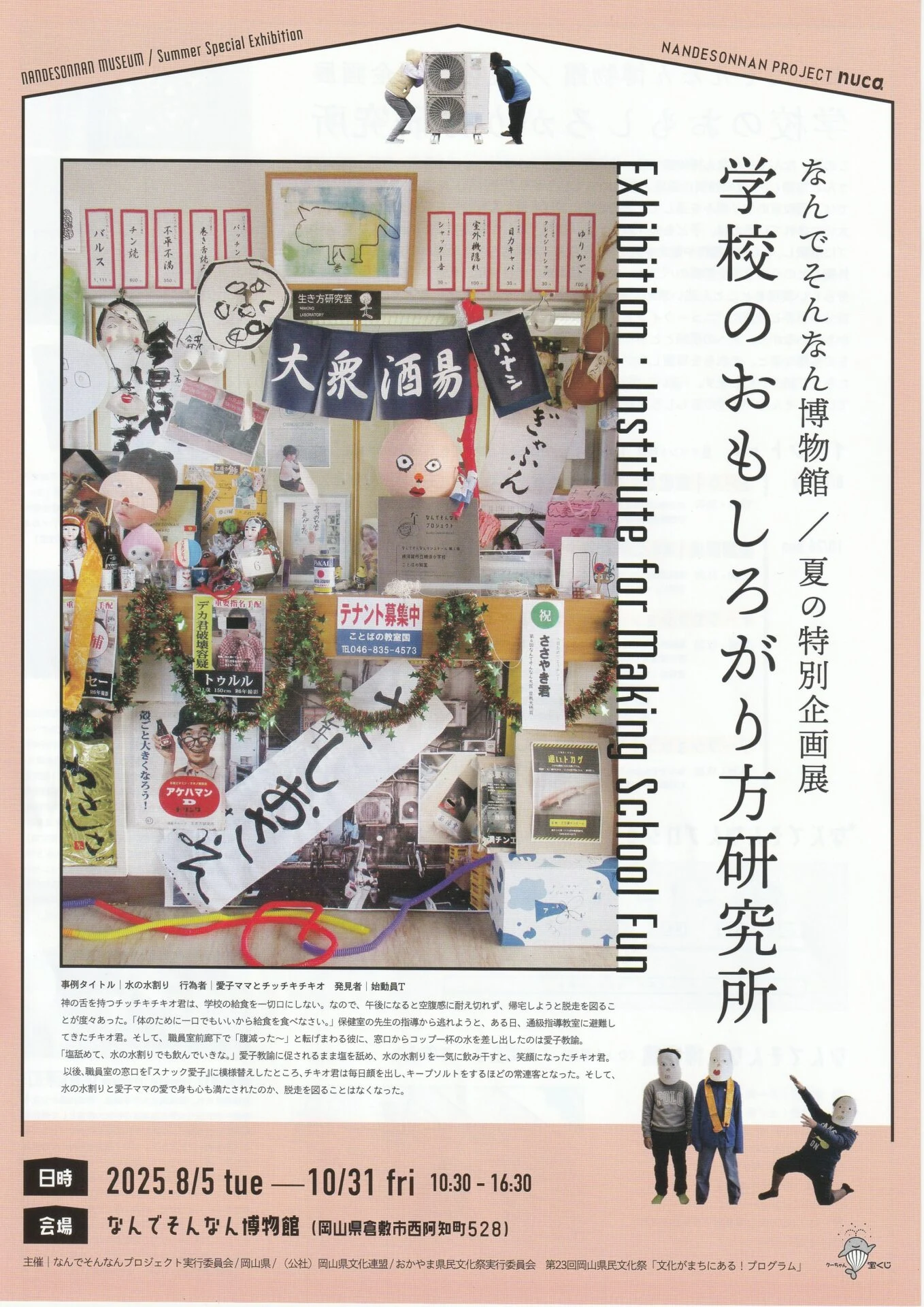
Nakano’s way of thinking was very simple and powerful.
He believes it is important to create a “mixed-up society” that accepts how differences arise among people through their relationships with society and their surroundings, rather than treating those differences as something special, and where people from diverse backgrounds naturally mingle.
Through the interview, I felt that my own perspective on people and individuality had broadened a little. If you’re interested, please visit Hyun and experience for yourself that “Nuka is a treasure trove of fun!”
Like a bed of nukazuke bran, where “chance encounters” slowly ferment over time, why not come by and see and experience it for yourself? New discoveries and encounters are surely waiting for you.
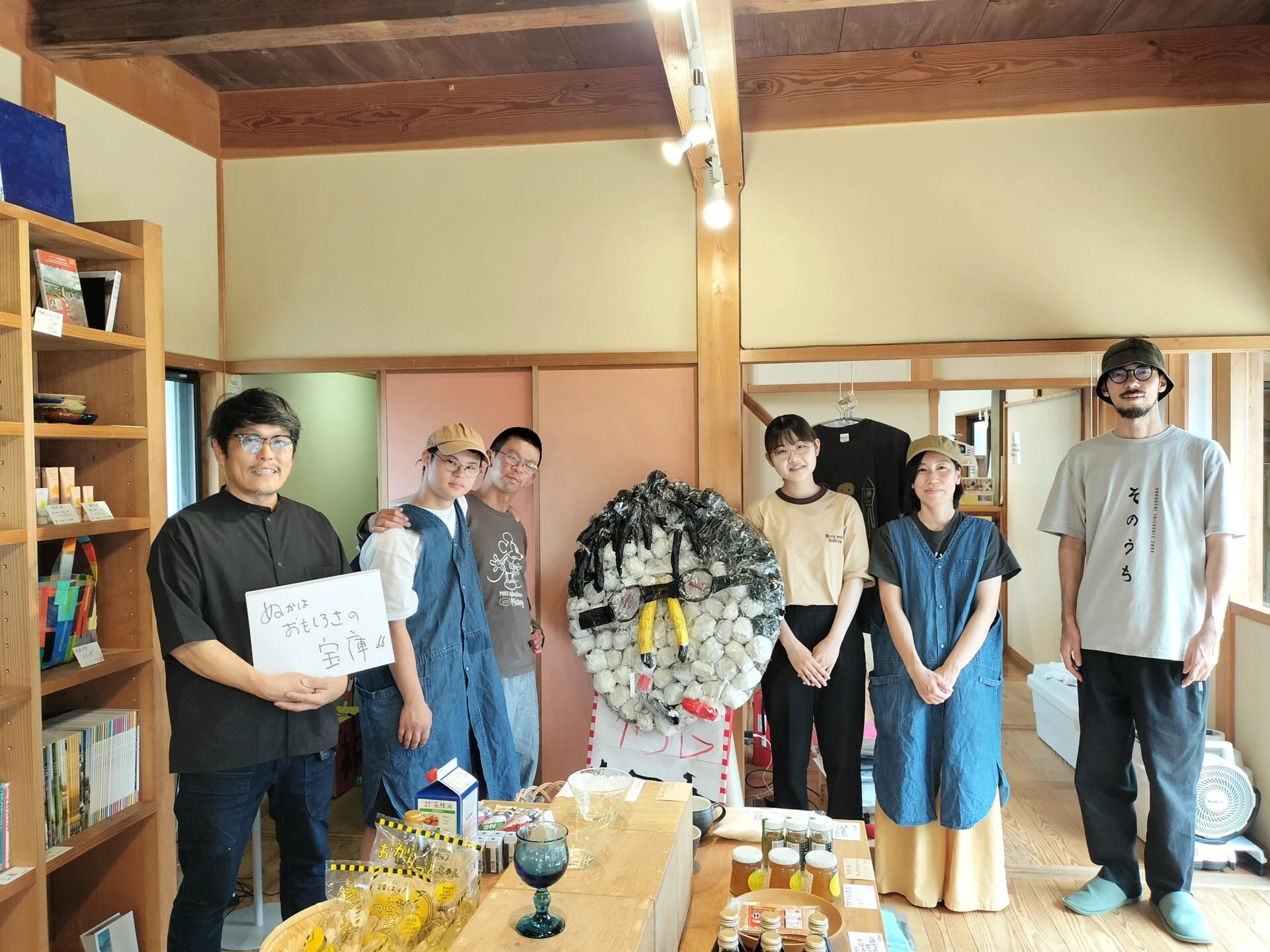
Nuka Co., Ltd. — Hyun Type B Continuous Employment Support Office Information
| Name | Nuka Co., Ltd. — Hyun Type B Continuous Employment Support Office |
|---|---|
| Address | 528 Nishi-Achi-cho, Kurashiki City, Okayama Prefecture |
| Contact | 086-697-6609 |
| Parking | Available |
| Hours | Monday–Friday / First Saturday of each month 10:30 a.m.–4:00 p.m. |
| Closed | Saturday, Sunday, and irregular days First Monday of each month |
| Payment methods |
|
| Website | Hyun |

What would you like to know about Kurashiki?
Enter a search term to find articles on this site