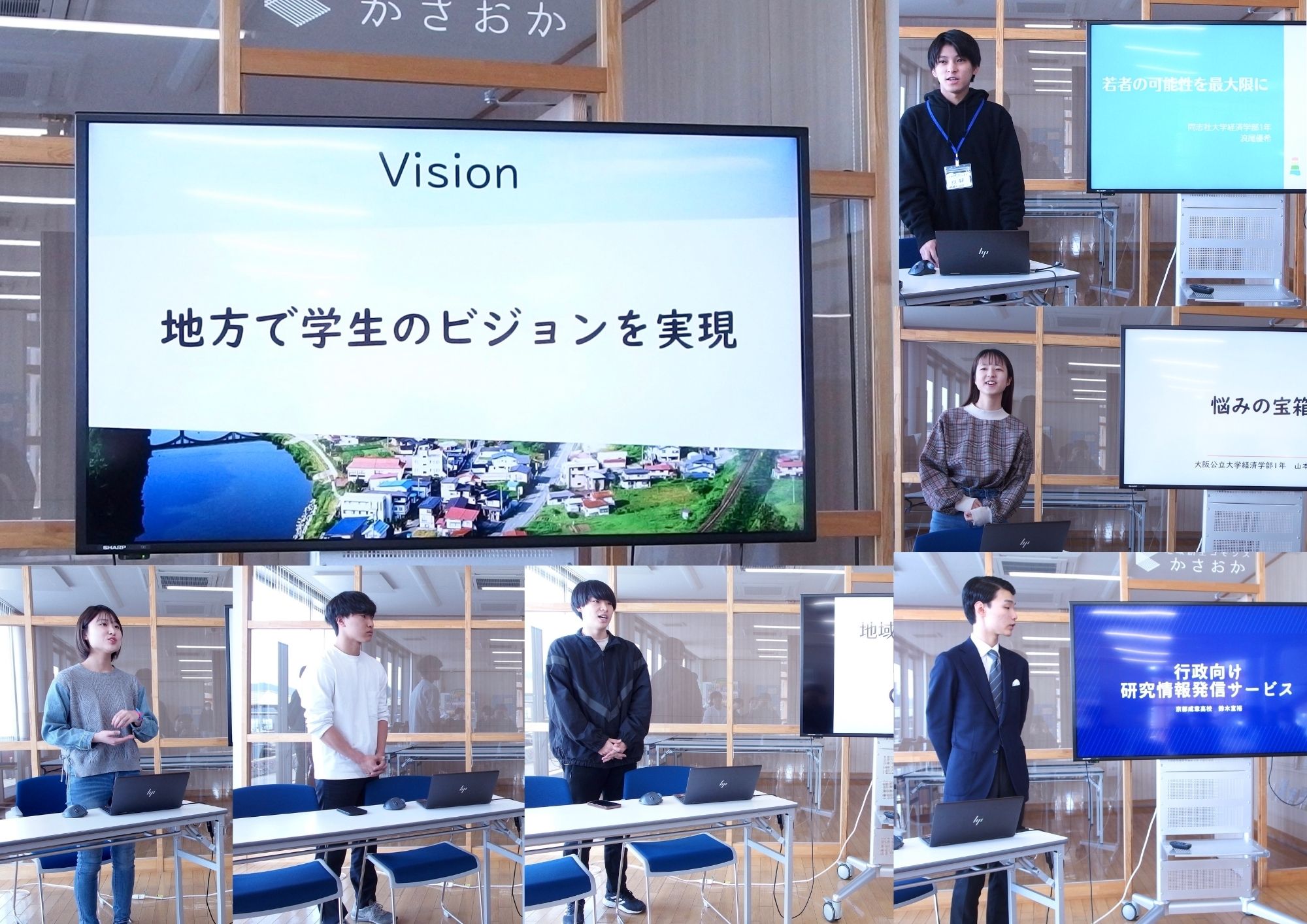
Because there are no universities in Kasaoka City, Okayama Prefecture, you rarely see university students around in everyday life.
As a result, there are few events centered on university students. Even student business contests, which are common in major metropolitan areas such as Kanto and Kansai, are quite rare in Kasaoka City.
From Thursday, March 16 to Sunday, March 19, 2023, an event was held in Kasaoka City that not only hosted a business contest for students, but also packaged it with a retreat to develop ideas for the contest.
It was a first for Kasaoka City.
It was “Rockathon Retreat @ Okayama.”
What kinds of plans would they come up with?
To find out, we covered the four-day, three-night Rockathon Retreat @ Okayama every day.
Here is a report on four days that showed just how serious the students were.
The information presented was current when this article was published in April 2023. Please note that it may differ from current information.
What is Rockathon Retreat @ Okayama?
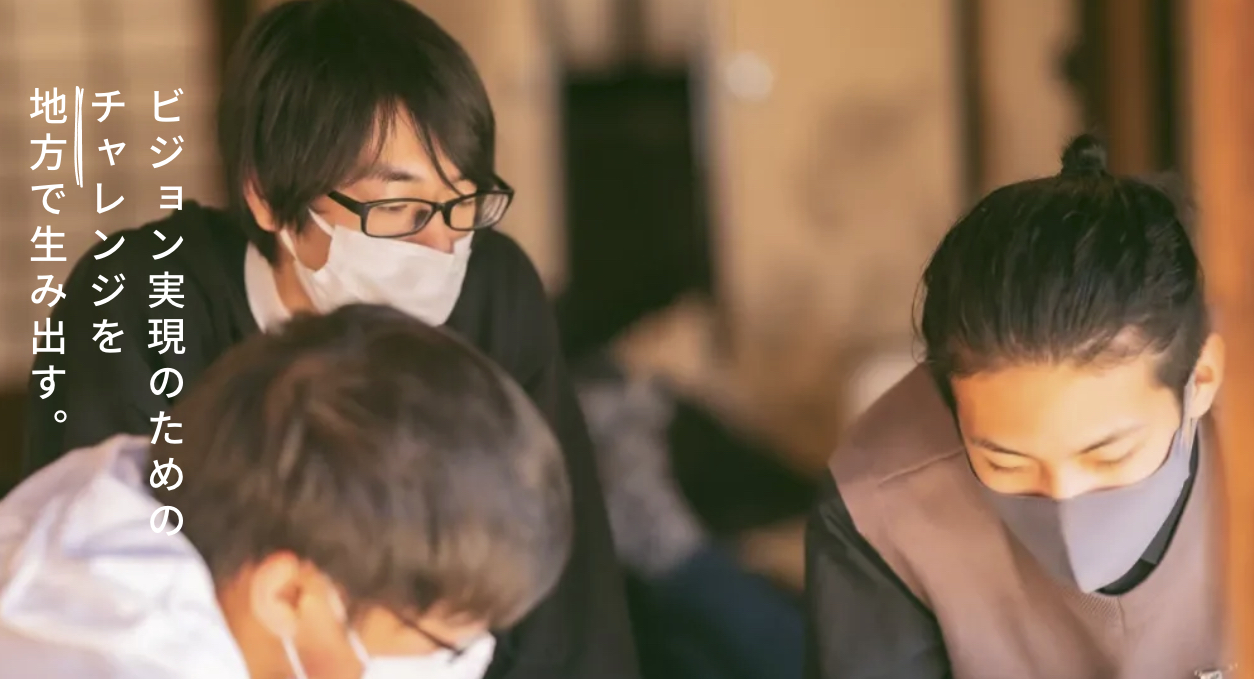
Rockathon Retreat @ Okayama is organized by the Student Activities Support Consortium StBASE (pronounced “ST Base”).
StBASE is a joint venture made up of companies that provide student support services.
It offers hands-on programs for students interested in entrepreneurship and regional revitalization.
Rockathon Retreat @ Okayama is planned and run by KakeruX Co., Ltd. and Ligula Co., Ltd., members of the StBASE consortium.
Rockathon is a coined term combining “local” and “ideathon.”
- “I want to try doing something, but I don’t know what to do.”
- “I want to change my life, but I don’t have friends or an environment to support me.”
- “I can’t put my vision into words.”
University and graduate students with concerns like these are eligible to participate.
Rockathon Retreat @ Okayama is an event where students develop their visions and ideas about how they want to live through conversations with other participants and entrepreneurs who serve as advisers.
Day 1: Arriving in Kasaoka and exploring the city, centered around Minato Kobanashi
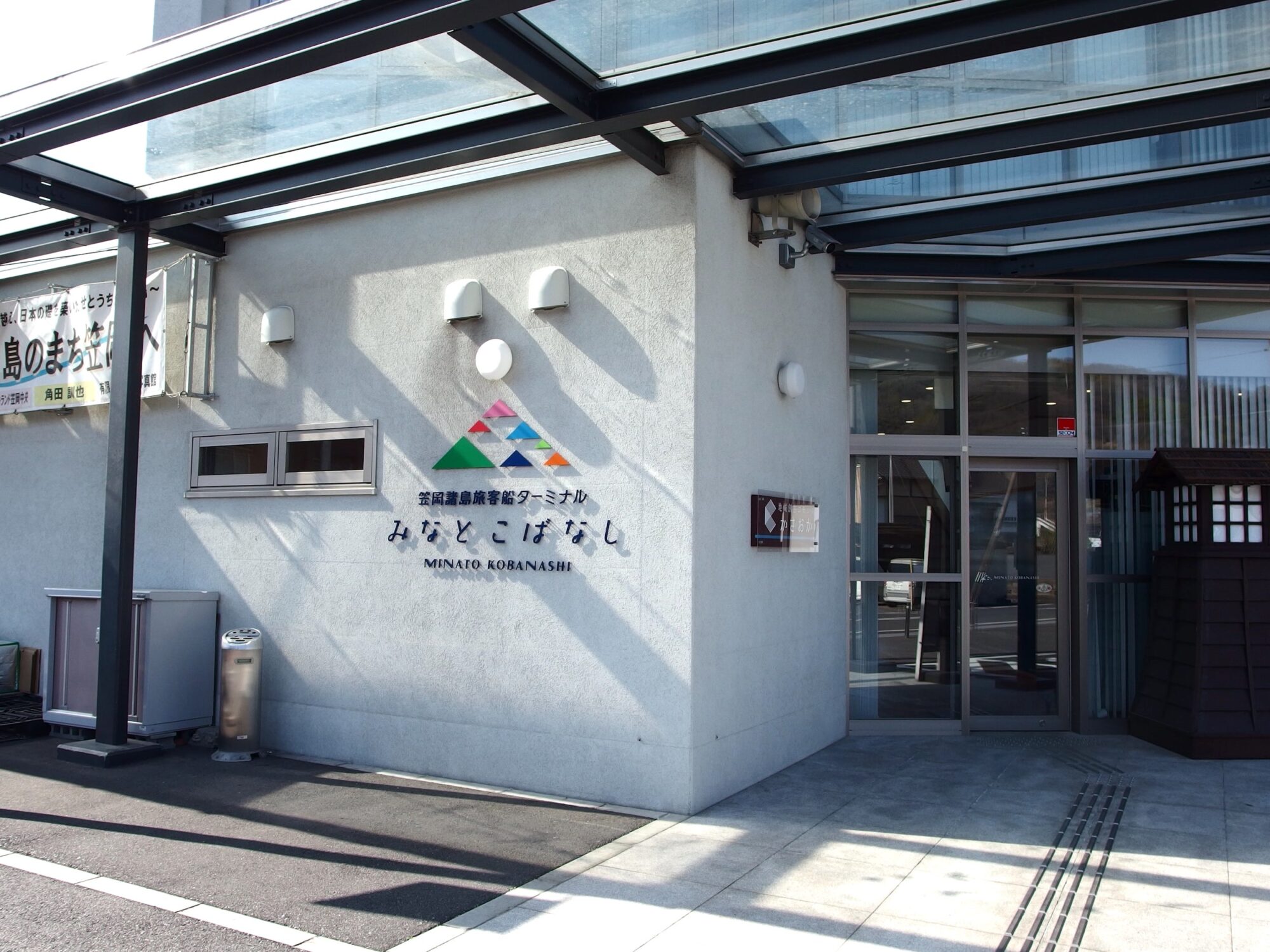
The students participating in Rockathon Retreat @ Okayama gathered at Kasaoka Station on the JR West JR Sanyo Line.
They met at 1 p.m.
After the opening at the Kasaoka Islands Exchange Center (the “Minato Kobanashi” Kasaoka Port Passenger Terminal), the schedule called for a walk around the area in front of Kasaoka Station.
From the shopping street to I tokuji Temple
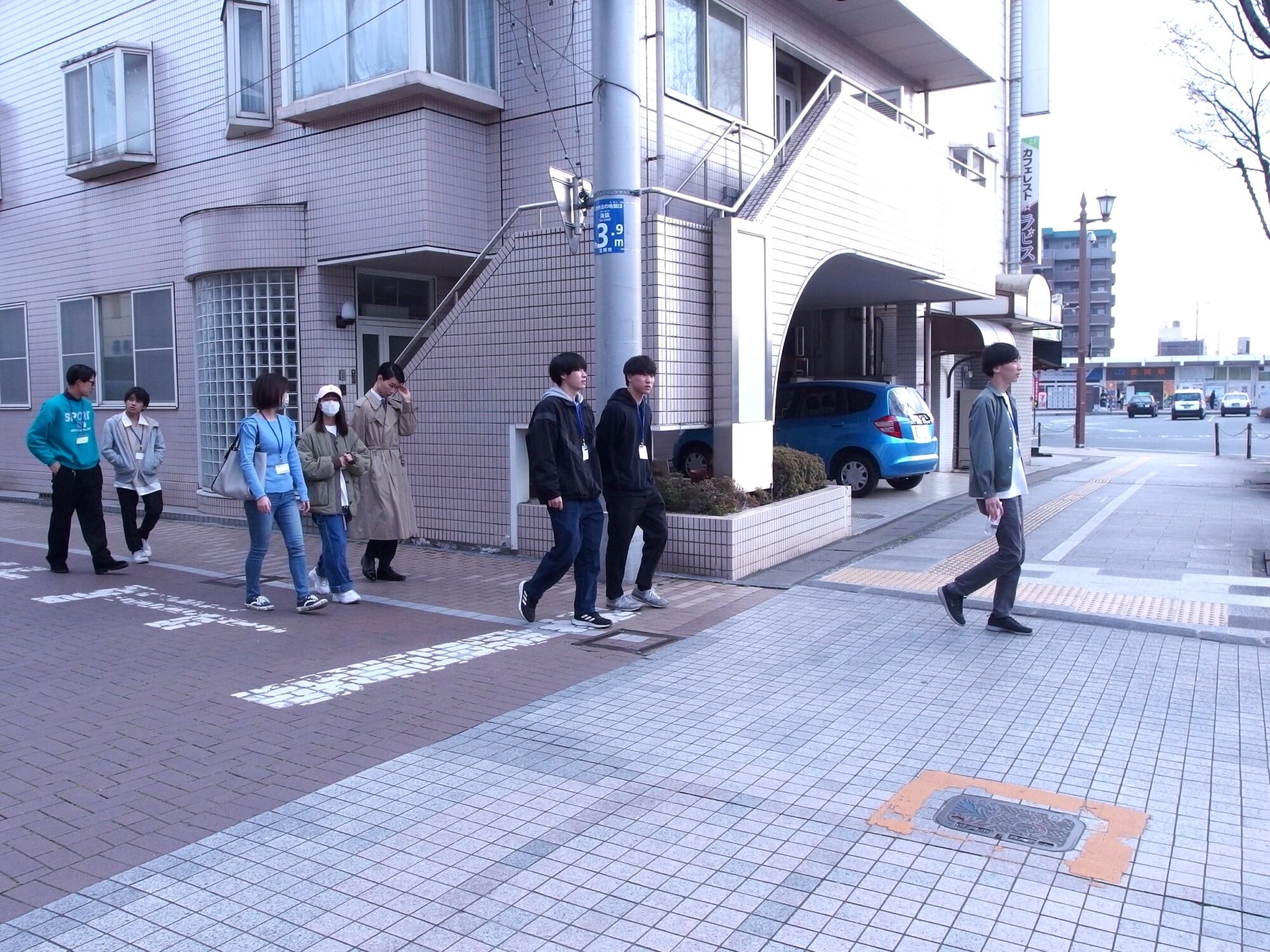
The walk around the area in front of Kasaoka Station was an opportunity to experience Kasaoka while strolling along the shopping street closest to the station.
Many of the students had come from the Kansai region. What impression did the unfamiliar place of Kasaoka make on them?
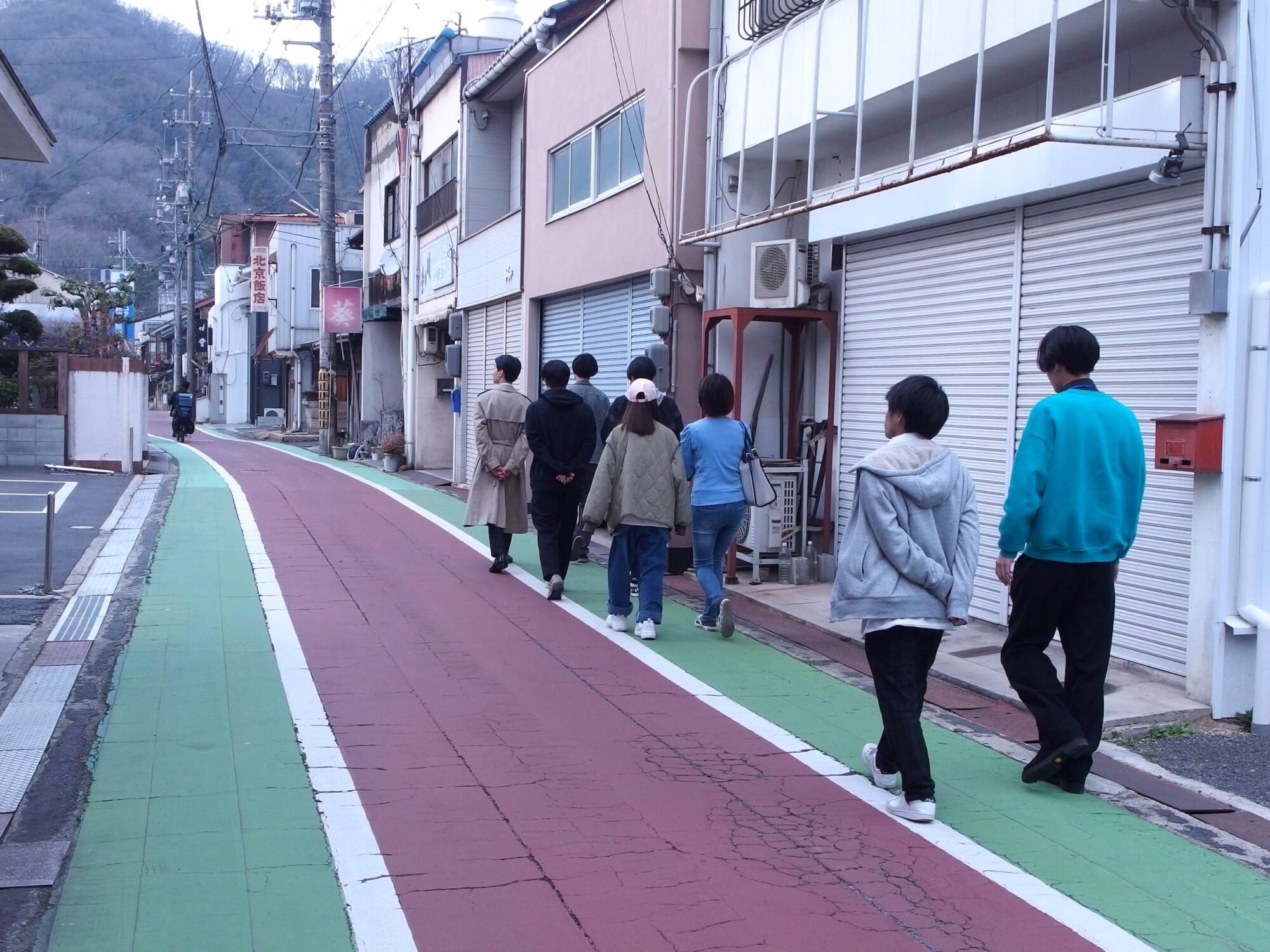
With limited time and no opportunity to venture very far, they decided to head for Ryukozan Itokuji Temple.
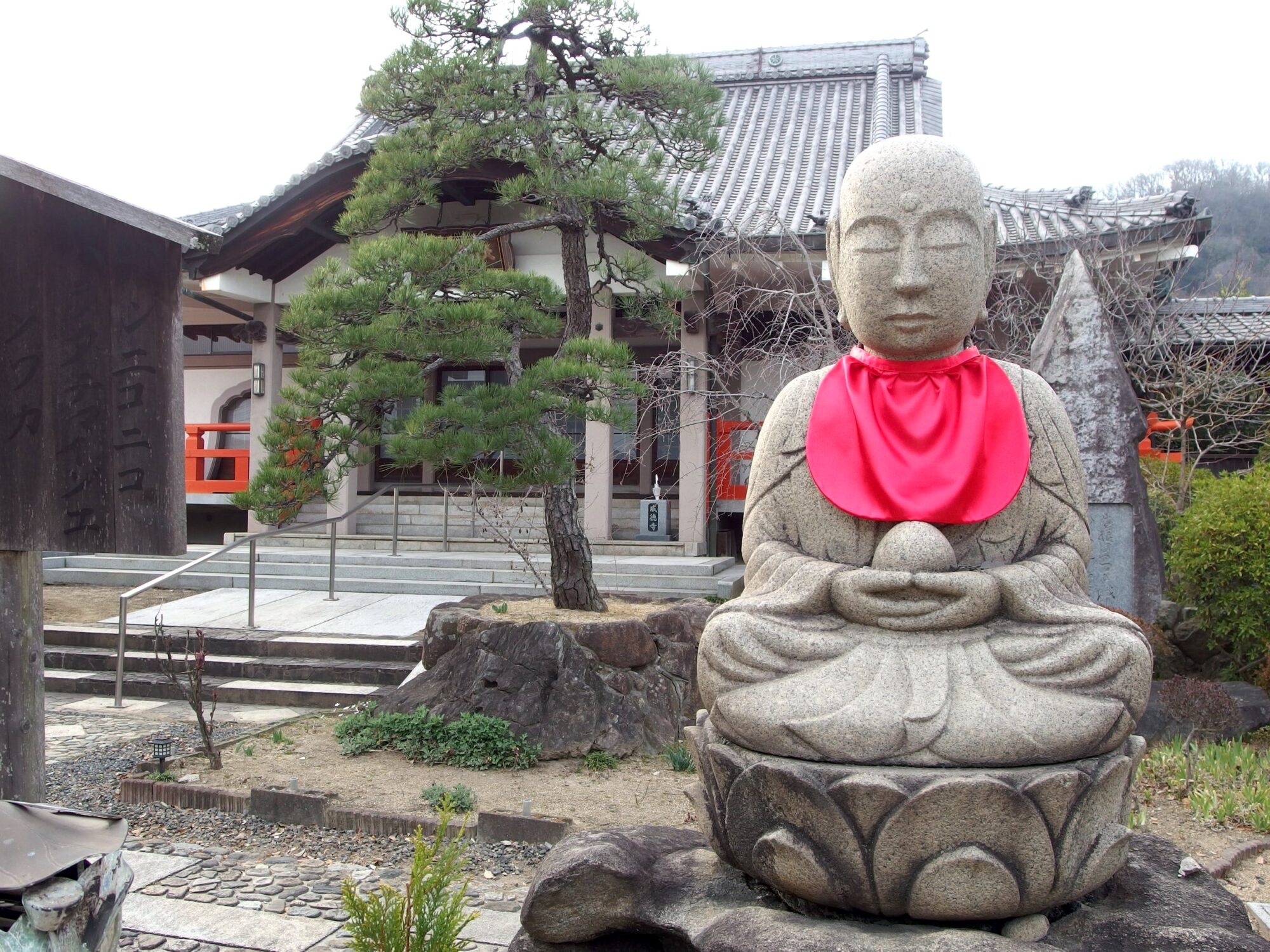
After visiting Itokuji Temple, they returned to Kasaoka Station and took a bus to their lodging, “Shoya Yashiki Tokura.”
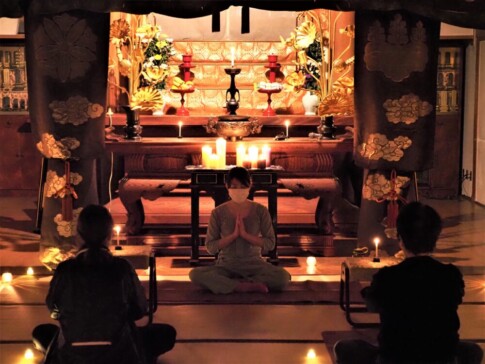
Recharge at the lodging, Shoya Yashiki Tokura
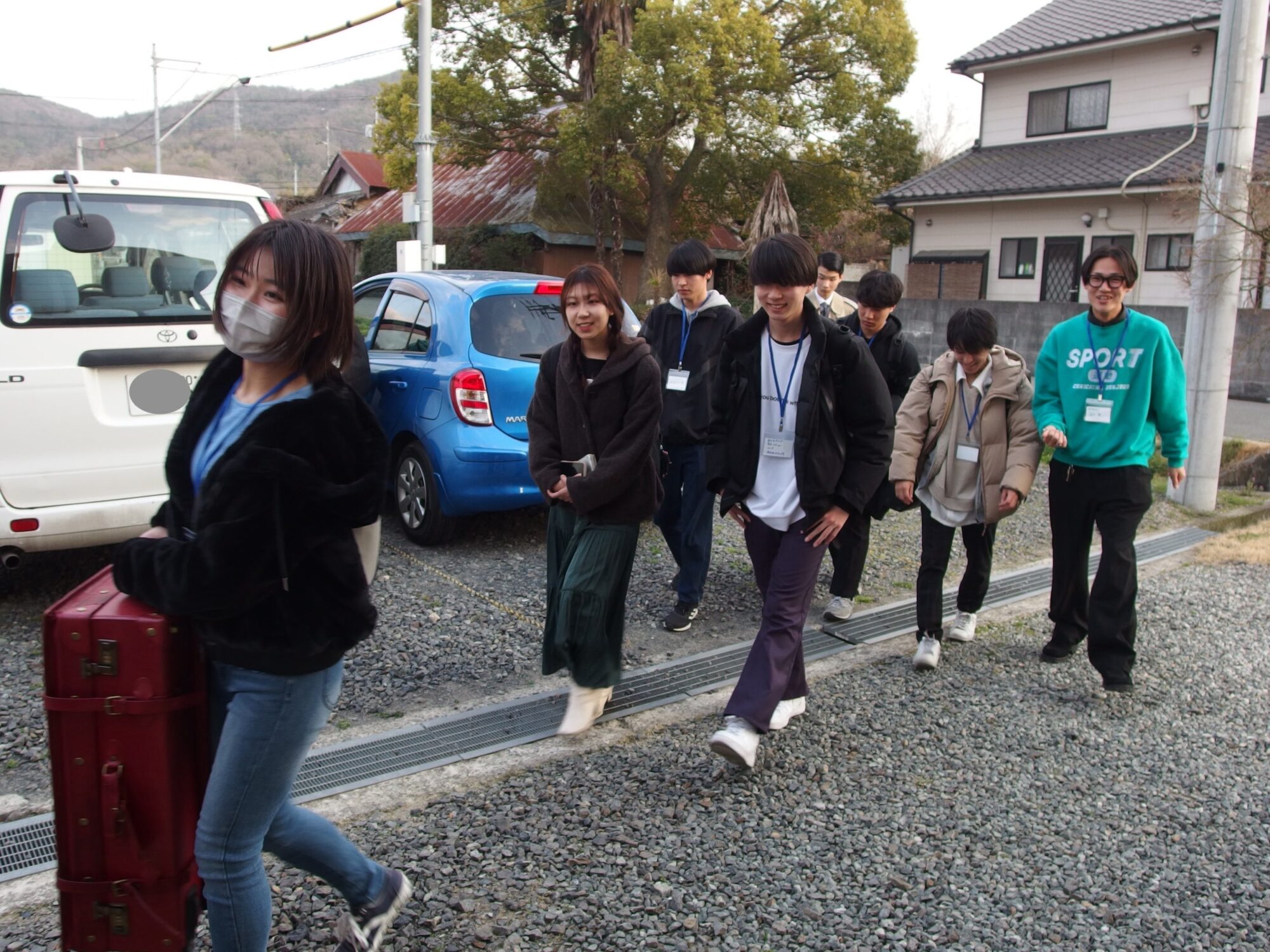
Half of the students participating in Rockathon Retreat @ Okayama stayed at Shoya Yashiki Tokura in Yamaguchi, Kasaoka City.
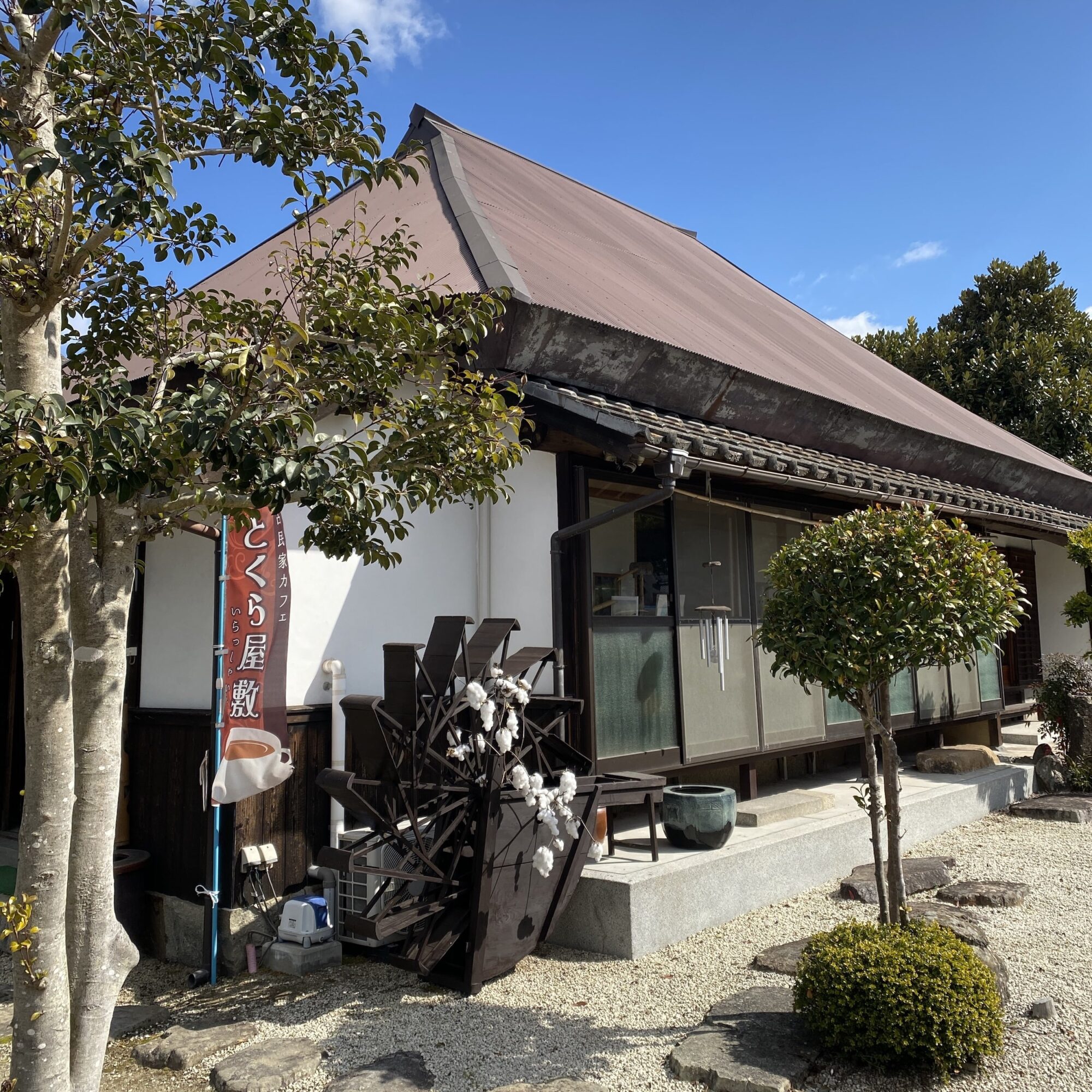
Shoya Yashiki Tokura had only recently reopened in 2022, with the Shoya Yashiki Tokura Association at its center, as a community revitalization hub operated and used by local residents.
The shoya residence has rental event space and a cafe, and hosts events.
It can also accommodate overnight guests, so it was arranged as lodging for the participants.
At the end of Day 1, they enjoyed delicious food at Shoya Yashiki Tokura and recharged for Day 2!
Day 2: Workshop at Share Atelier Umi no Kosha
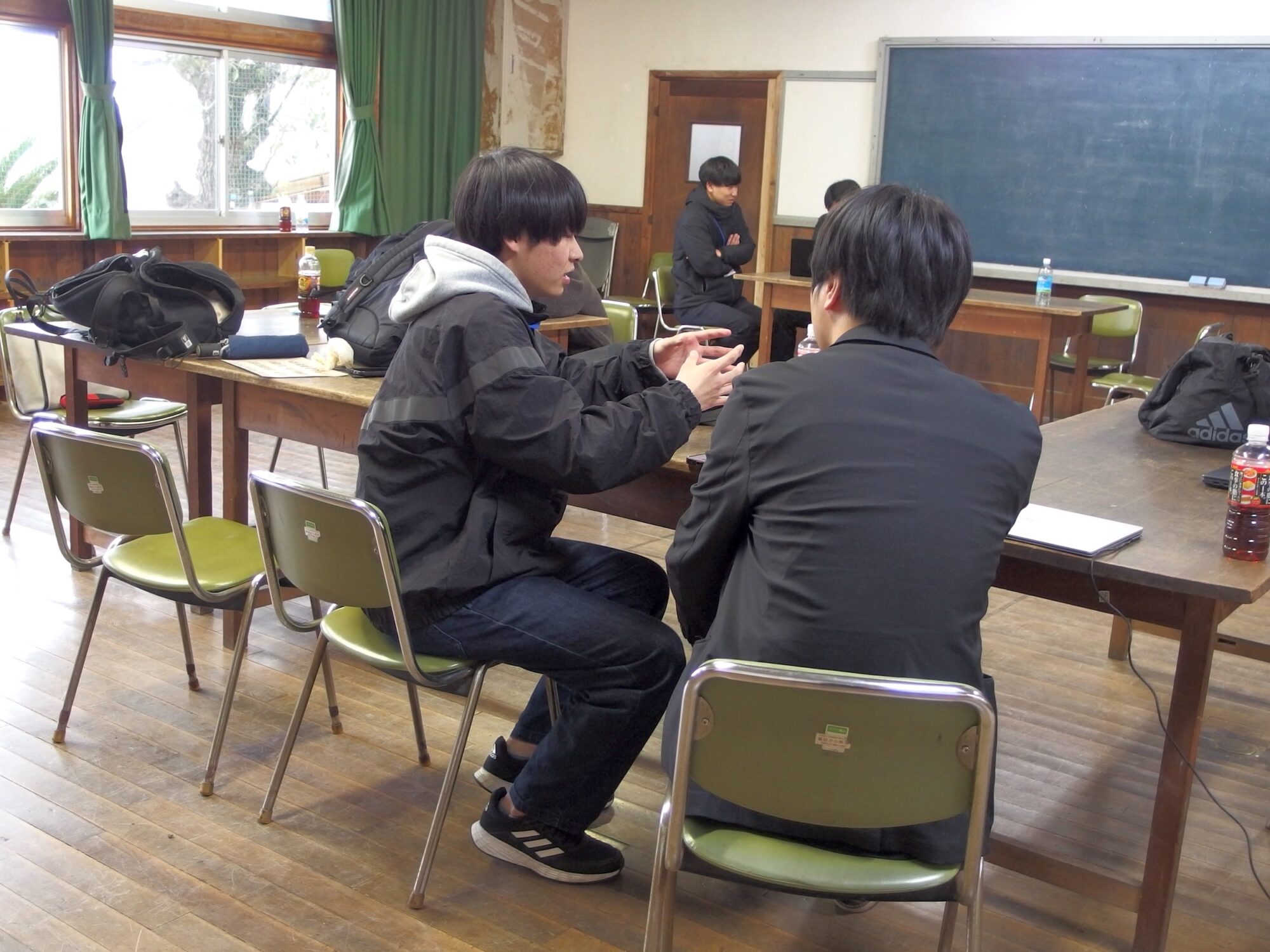
On their second day in Kasaoka City, they listened to a representative from the Kasaoka City Hall Policy Department’s Settlement Promotion Center, then explored the Oshima area of Kasaoka City.
In the evening, they held a workshop in the library at Share Atelier Umi no Kosha.
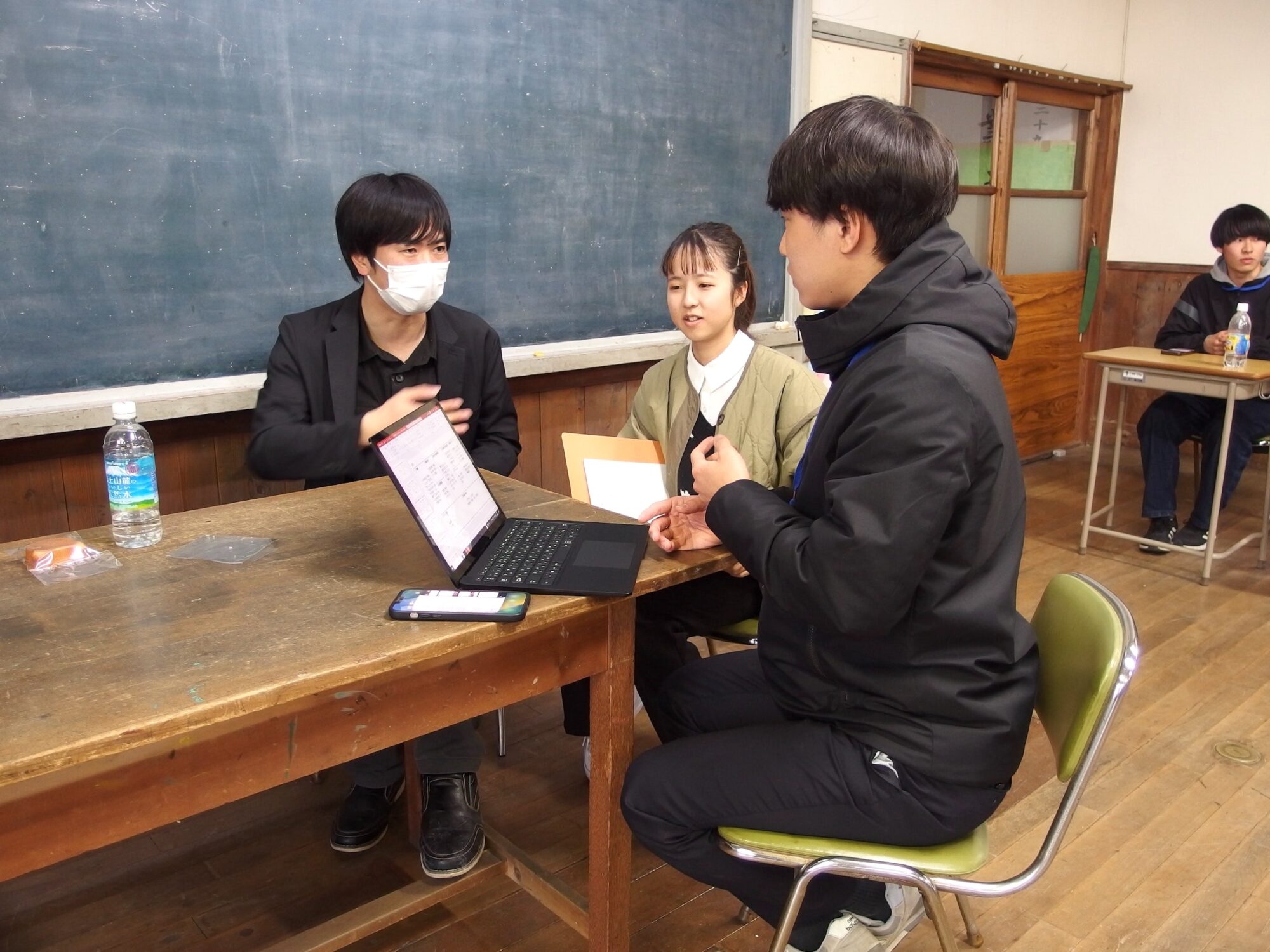
At the workshop, participants discussed their plans with mentors (advisers on their plans).
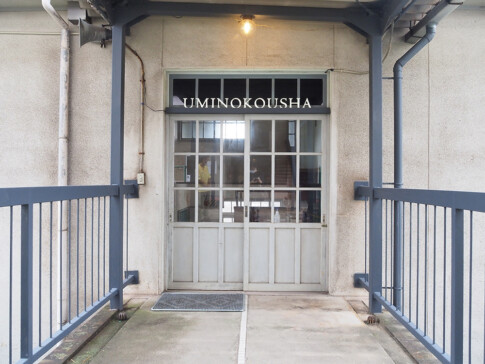
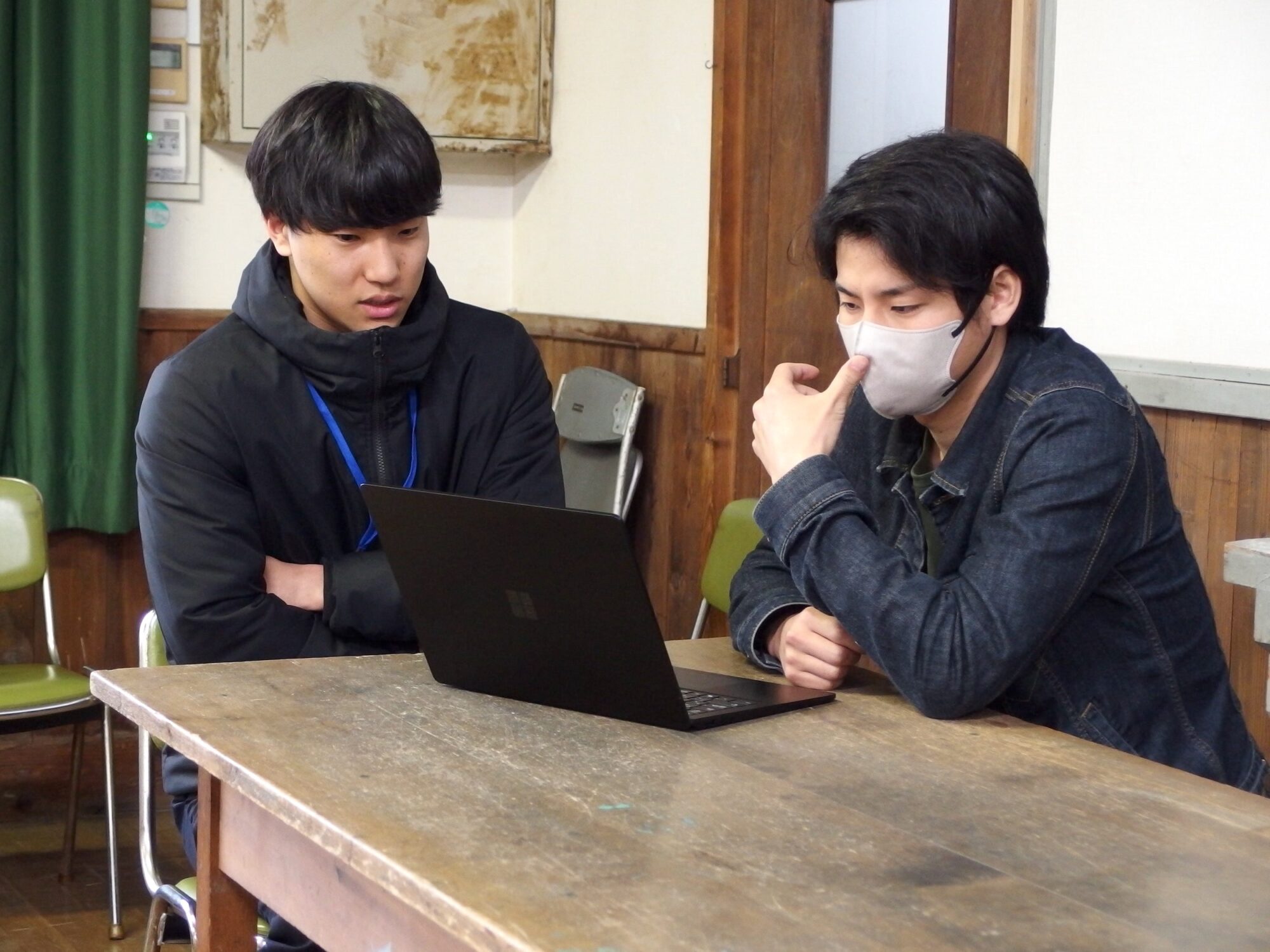
At the desk in front of the blackboard, mentor and Kasaoka City Community Revitalization Cooperator Takamura Hayate listened intently to the participants’ thoughts about their plans.
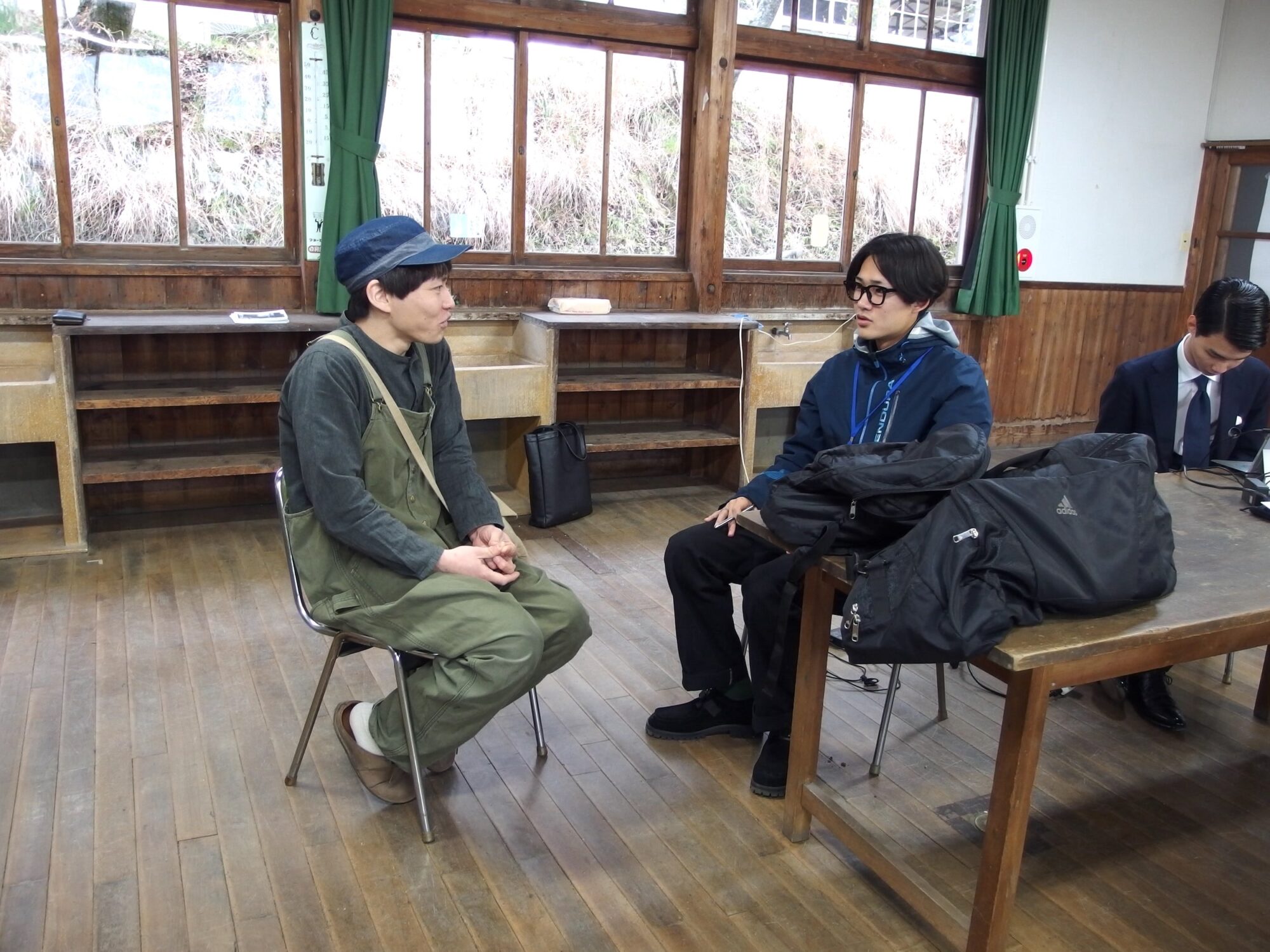
The advice from Terada Iori, a Community Revitalization Cooperator in Kasaoka City and president and CEO of kakeruX Inc., was also thoroughly serious.
While pointing out areas of the plan that needed further development, he offered specific advice.
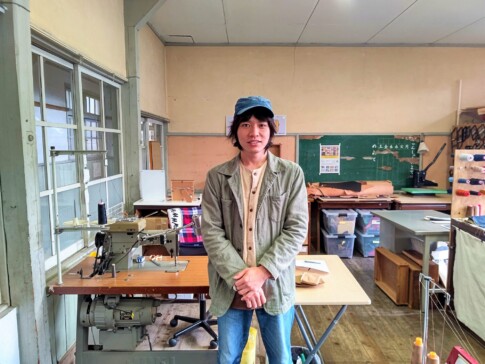
Fujimoto Shinji, representative of SIRUHA, which has a workshop at Share Atelier Umi no Kosha, also paused his work to take part in the workshop as a mentor.
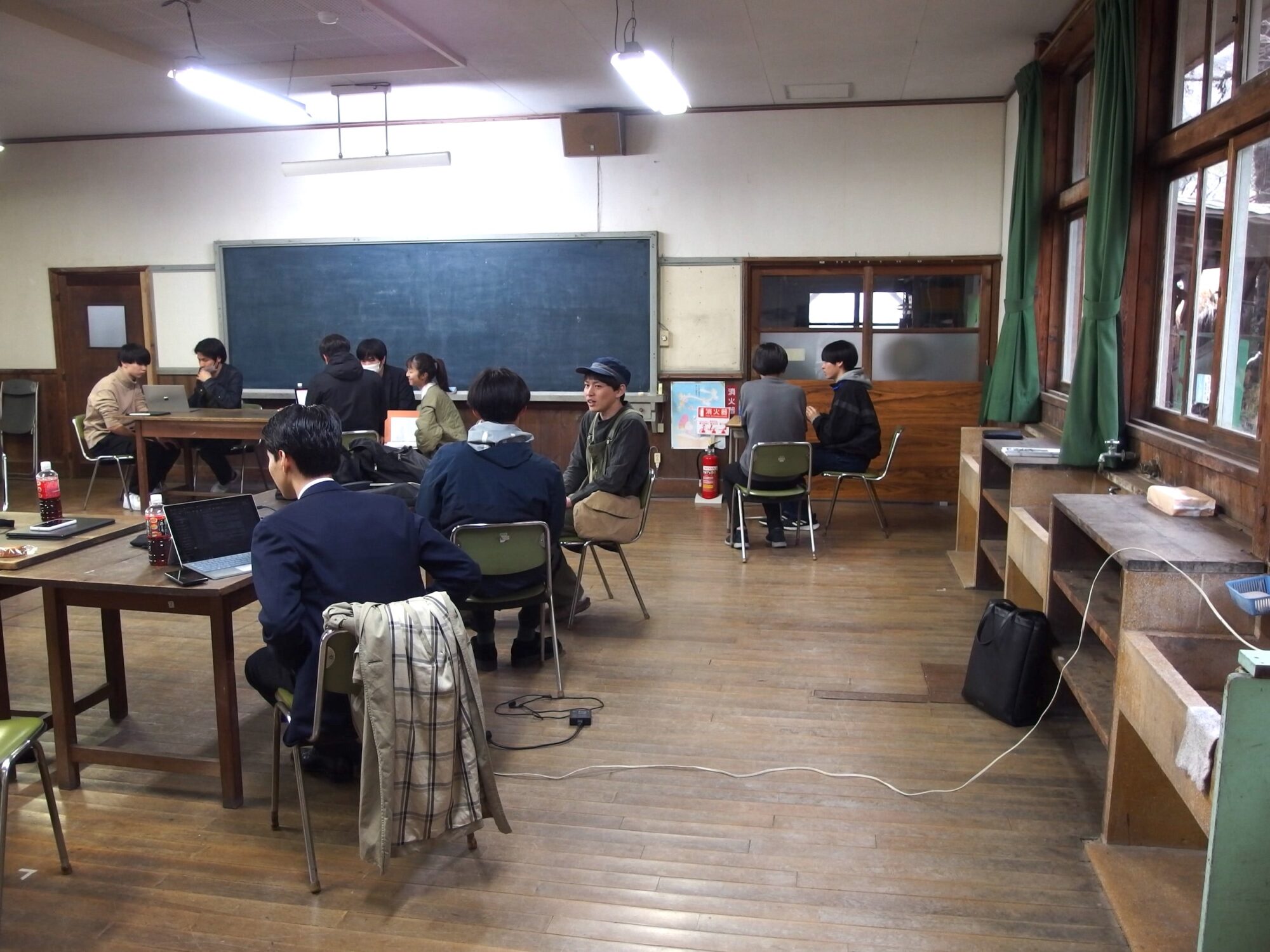
The library at Umi no Kosha, usually quiet, had discussions taking place all around it and had transformed into a lively space before anyone knew it.
Day 3: Free time to refine their plans
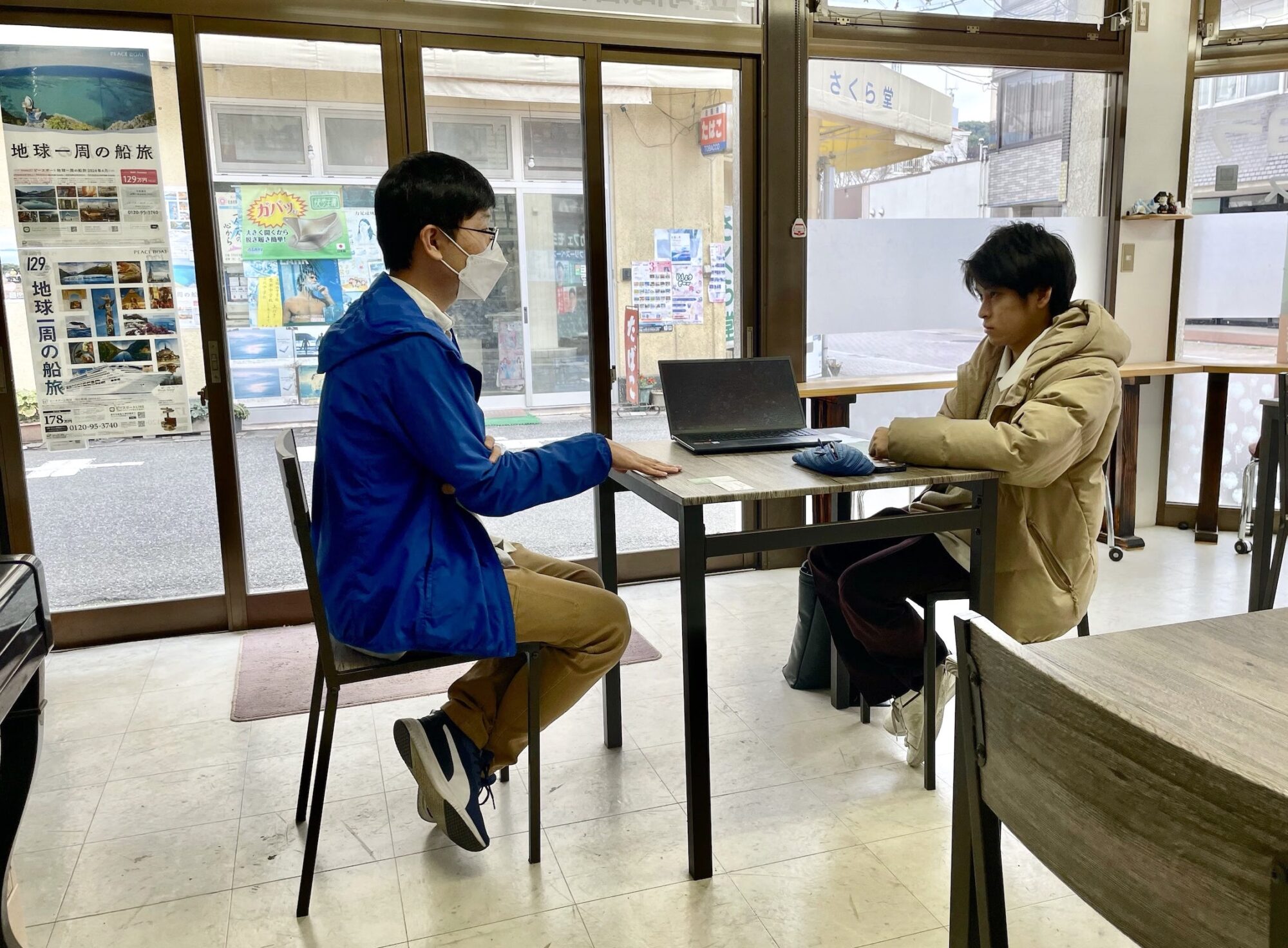
Day 3 was a free day.
Participants could spend the time refining their plans, or visit various places to conduct interviews and gather evidence to support their plans.
They made good use of this valuable free day, talking with Kim Jinho, who runs Cafe Moyora and Moyora Korean Language School, and interviewing people working at Marunaka Kasaoka, a supermarket near Kasaoka Station.
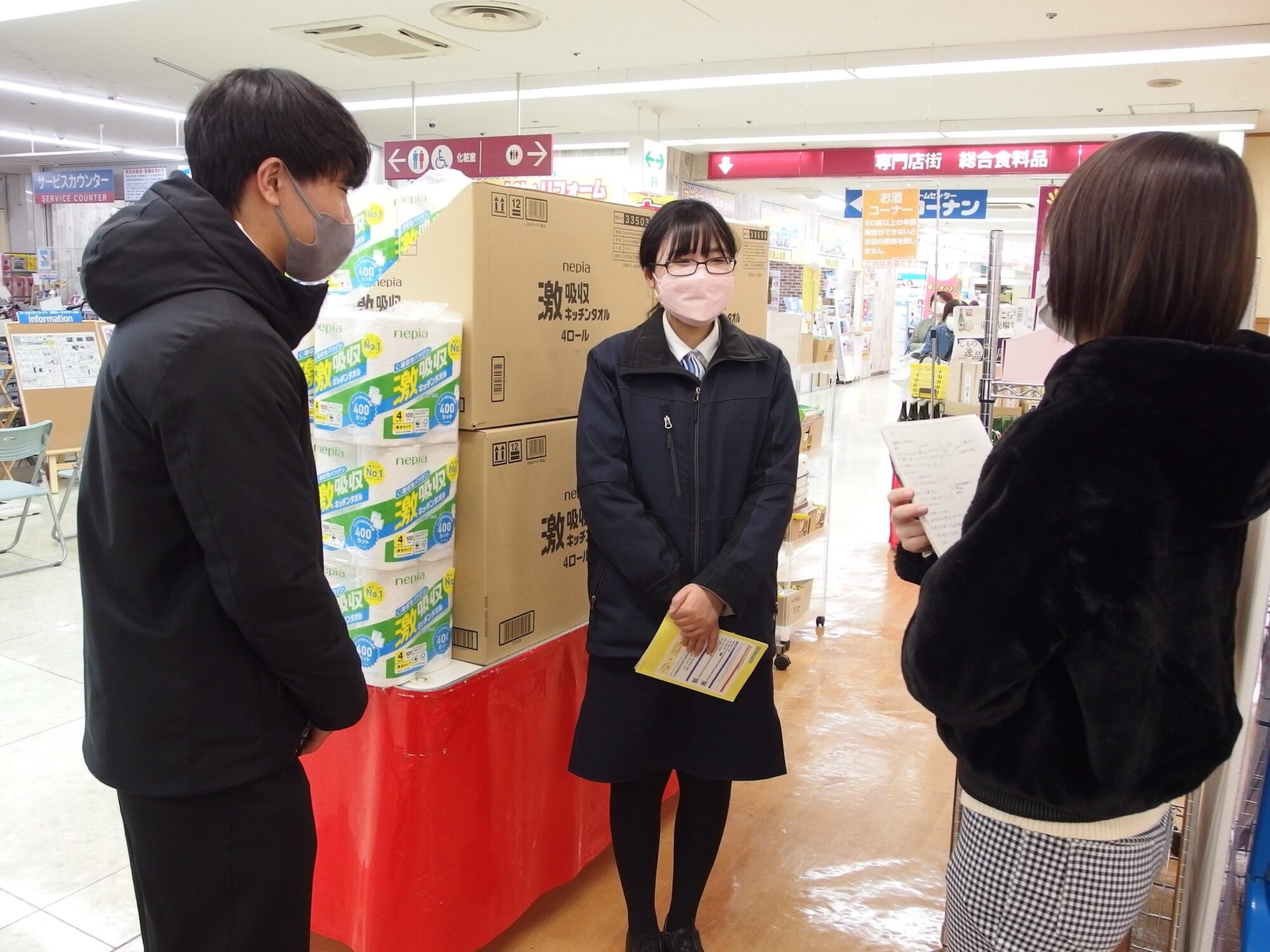
On the final day, Day 4, participants presented their plans at Minato Kobanas hi
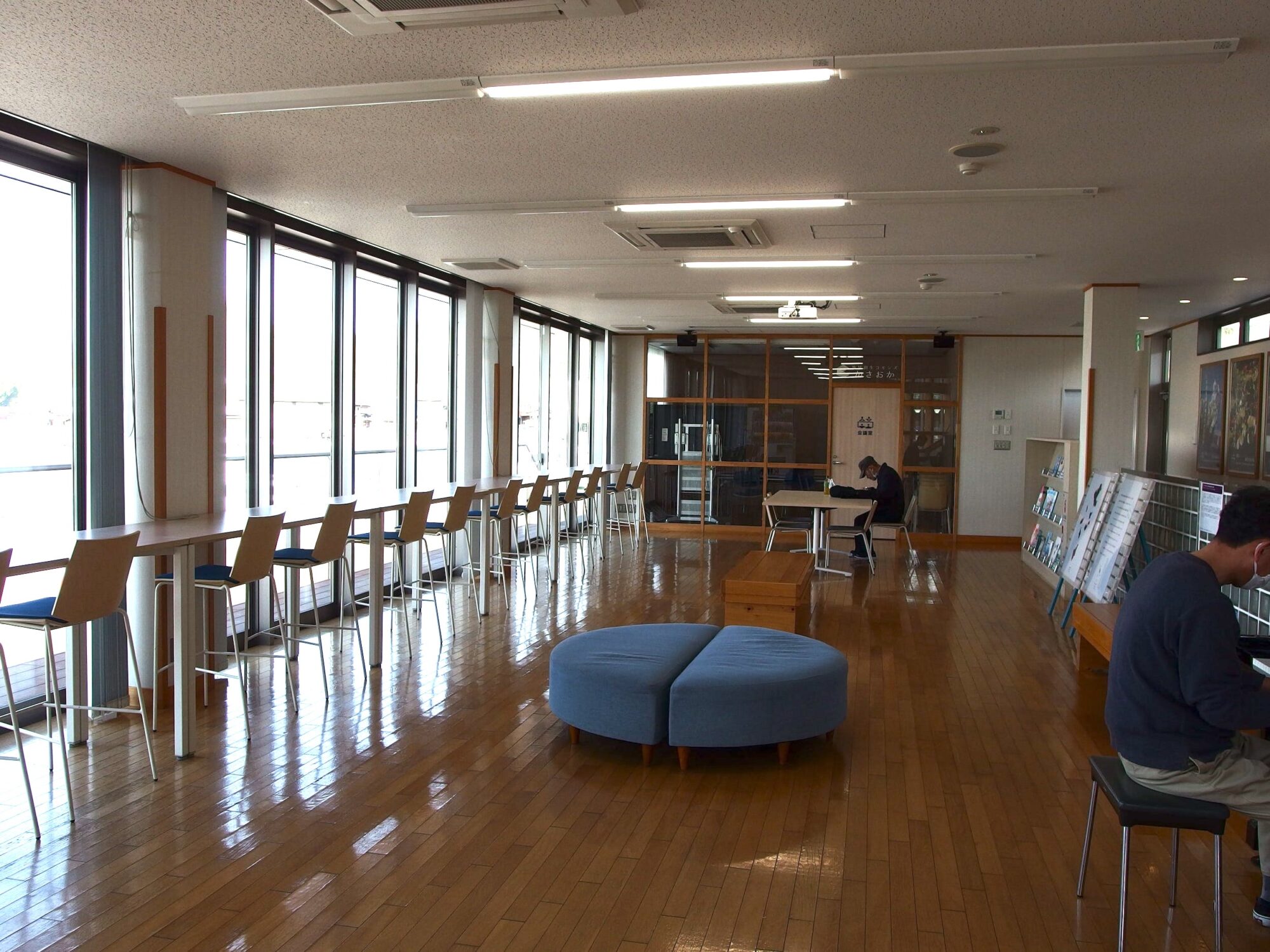
On the final day, Sunday, March 19, a presentation session was held from 10 a.m. in the multipurpose space at the Kasaoka Islands Exchange Center (Minato Kobanas hi).
Six participants presented their carefully developed plans in person.
Two gave presentations by video.
A total of eight participants delivered passionate presentations.
MVP prize and judges
Since the presentation session was also a business contest, an MVP was selected by the judges.
The MVP received the following prizes.
- Special entry to the practical Rockathon program
- Entry to the Local Idea Contest finals
The Local Idea Contest is a hybrid contest connecting Kasaoka City, Nara City in Nara Prefecture, and Fujinomiya City in Shizuoka Prefecture via live broadcast.
The winner earns the right to compete in the finals.
The judges who selected the MVP were:
- Representative of TAILORDESIGN OFFICE, Sugimoto Kazutoshi
- Kasaoka City Policy Department Director Osuga Toshiki
I also took part as a judge on behalf of Haretoco General Incorporated Association.
Participants had five minutes for their presentation, followed by five minutes for questions and answers, for a total of ten minutes.
Judging criteria
The judges scored the participants out of 100 points across the following four categories, and the student with the highest score was awarded MVP.
- Social contribution (30 points): Does the idea have a positive impact on the local community or society?
- Feasibility (30 points): Is the idea likely to be put into practice?
- Profitability and sustainability (20 points): If implemented, has the participant considered how the business will generate enough revenue to continue, and what systems will support its continuation?
- Presentation skills (20 points): How well was the presentation delivered, and did the presenter’s passion come across?
The judges received scoring sheets, and the presentation session was about to begin!
The nerve-racking presentations begin
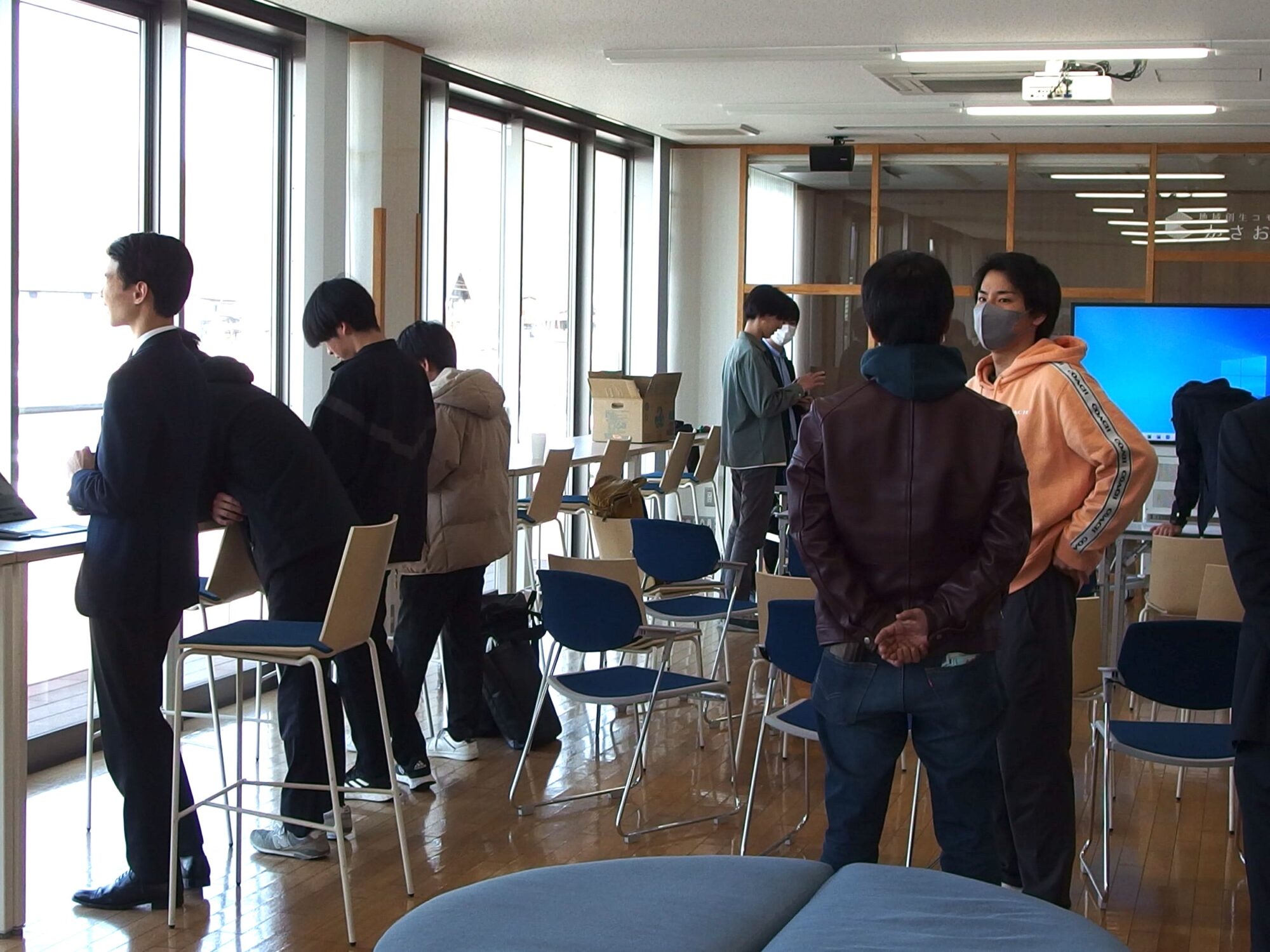
Ahead of the 10 a.m. presentation session, participants were making their final checks.
There was a palpable tension, especially by the windows…
Some students apparently came to the presentation session having had almost no sleep after working to refine their materials.
The culmination of three days. They were serious.
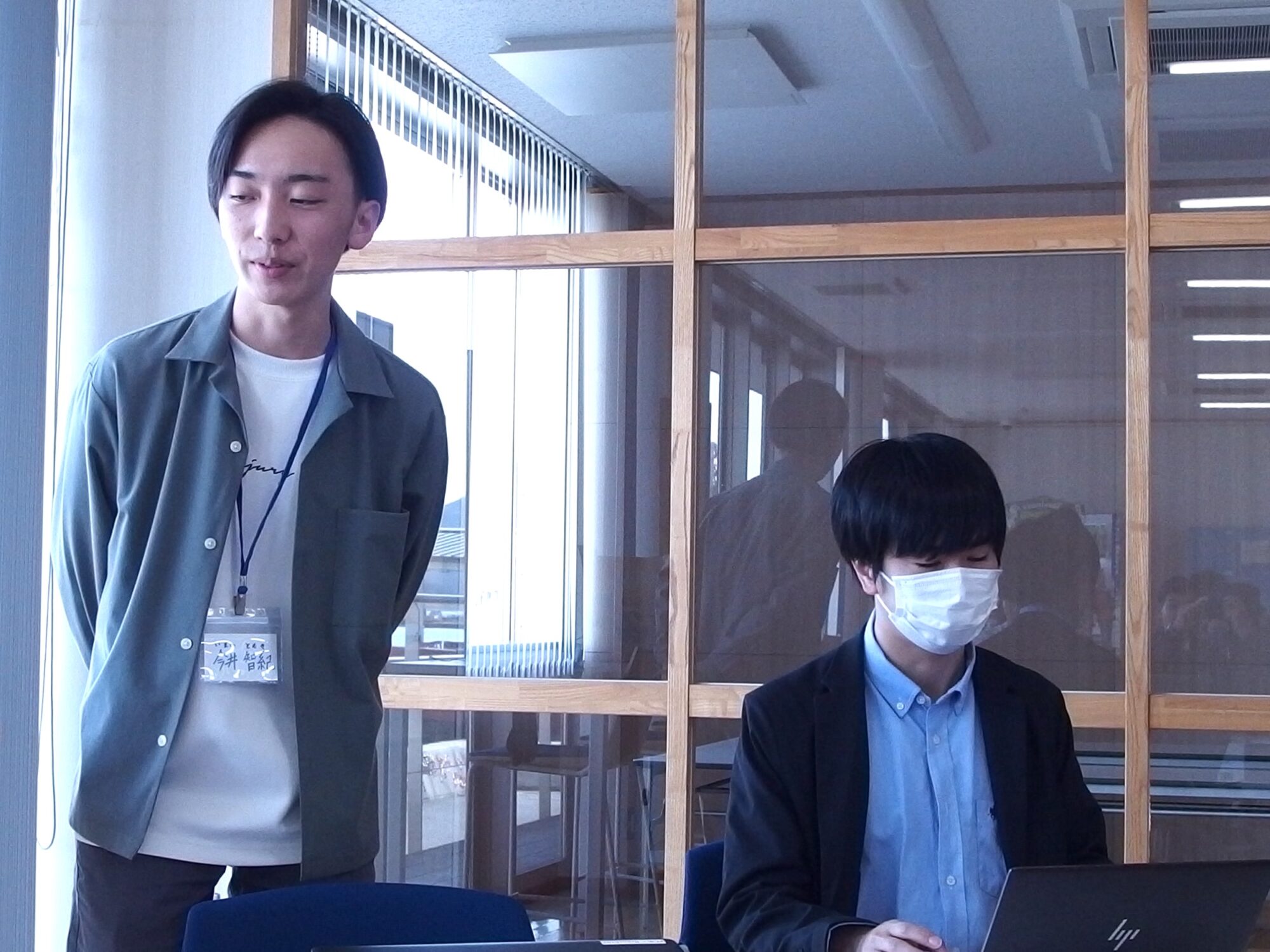
At 10 o’clock, the presentation session began.
The host was Imai Tomoki, president, CEO, and representative director of Ligula Inc., who had worked in Kasaoka as a Kasaoka City Community Revitalization Cooperator intern from September to November 2022.
As part of the organizing team for Rockathon Camp @ Okayama, Imai has been working tirelessly behind the scenes.
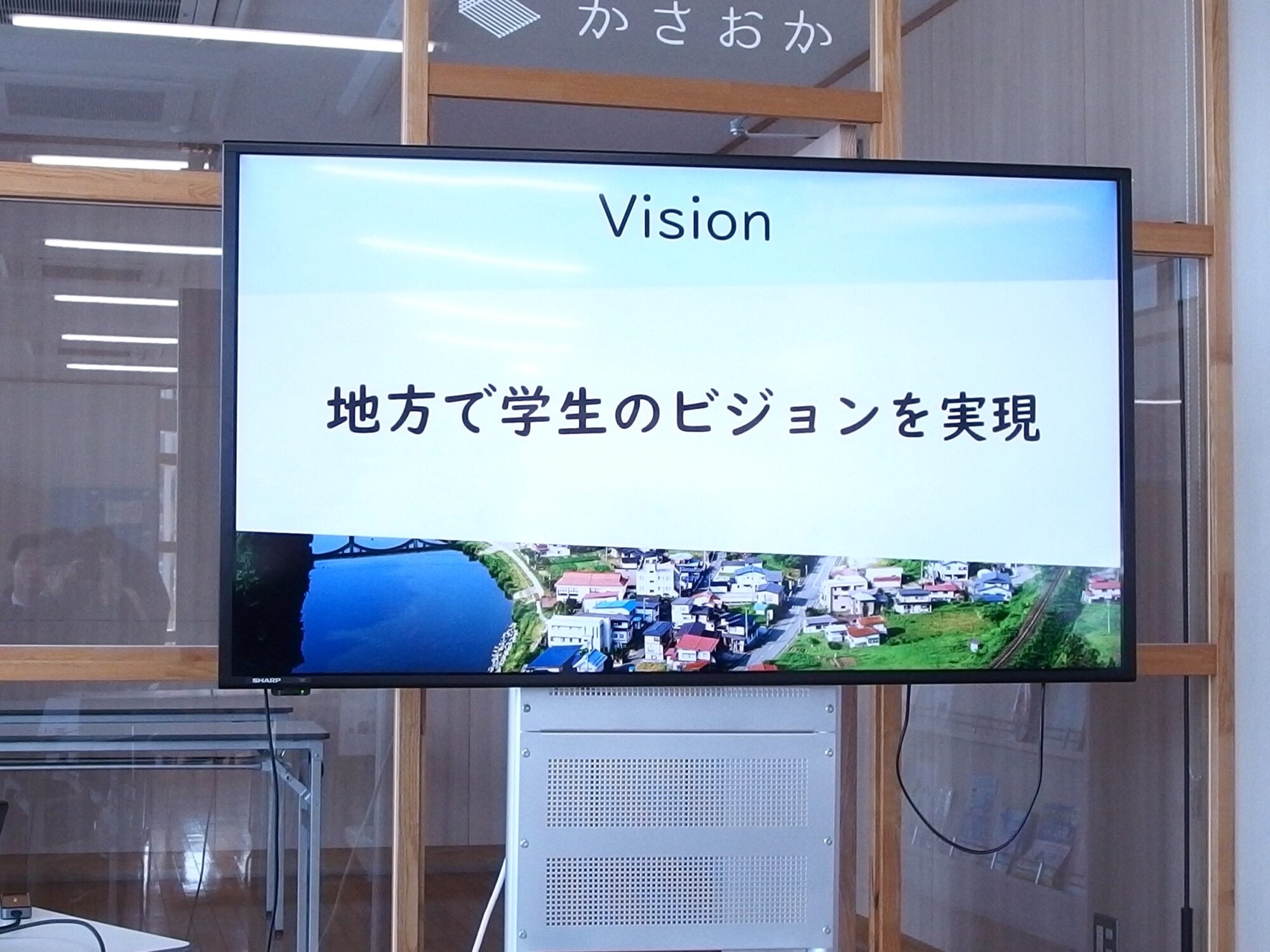
Explaining the concept of Rockathon Camp @ Okayama was Terada Iori, a Community Revitalization Cooperator in Kasaoka City and president and CEO of kakeruX Inc.
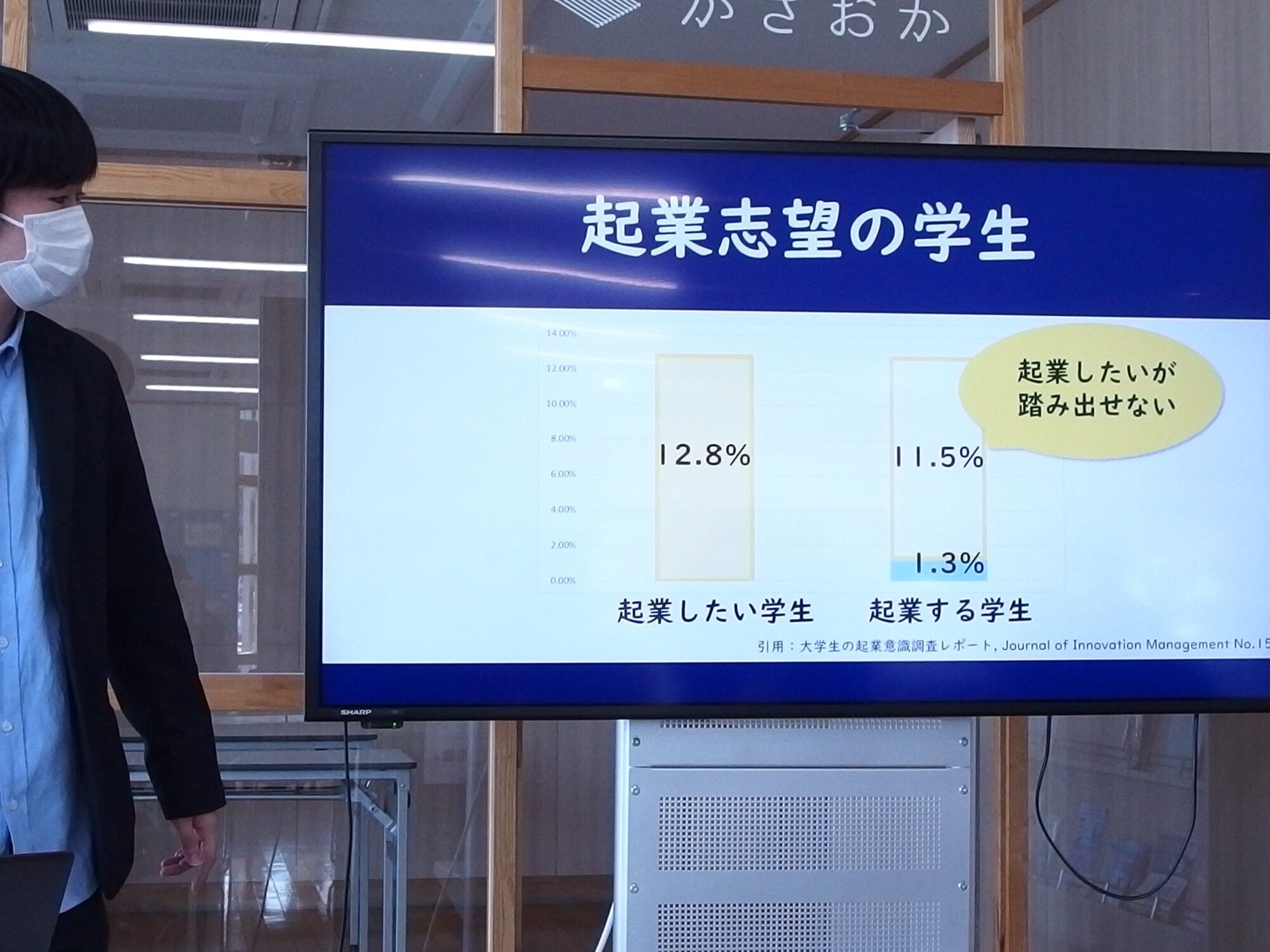
The event aims to draw out the visions of students who have vague thoughts such as “I’d like to start a business” or “I’m interested in entrepreneurship,” and help them develop original ideas for revitalizing regional areas while learning the basics of business based on those visions.
The three days were spent in Kasaoka, a regional city, developing their ideas and refining them to a level where they could be put into practice.
So, what kinds of ideas would they come up with?
Six participants present in person in the first half
The presentations at Minato Kobanas hi began.
Namio Yuki’s presentation
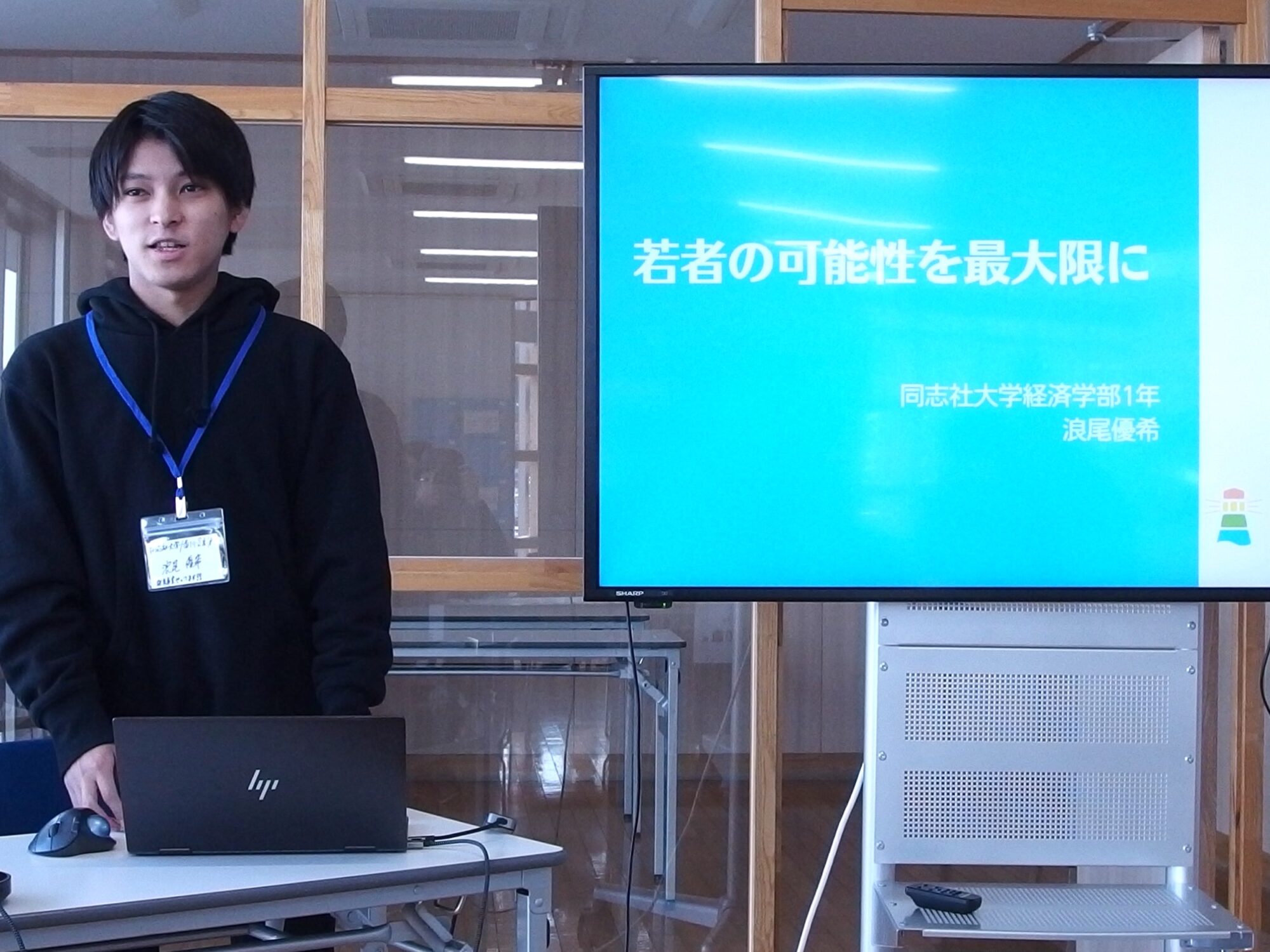
Six participants presented in person.
The first presenter was Namio Yuki of Doshisha University.
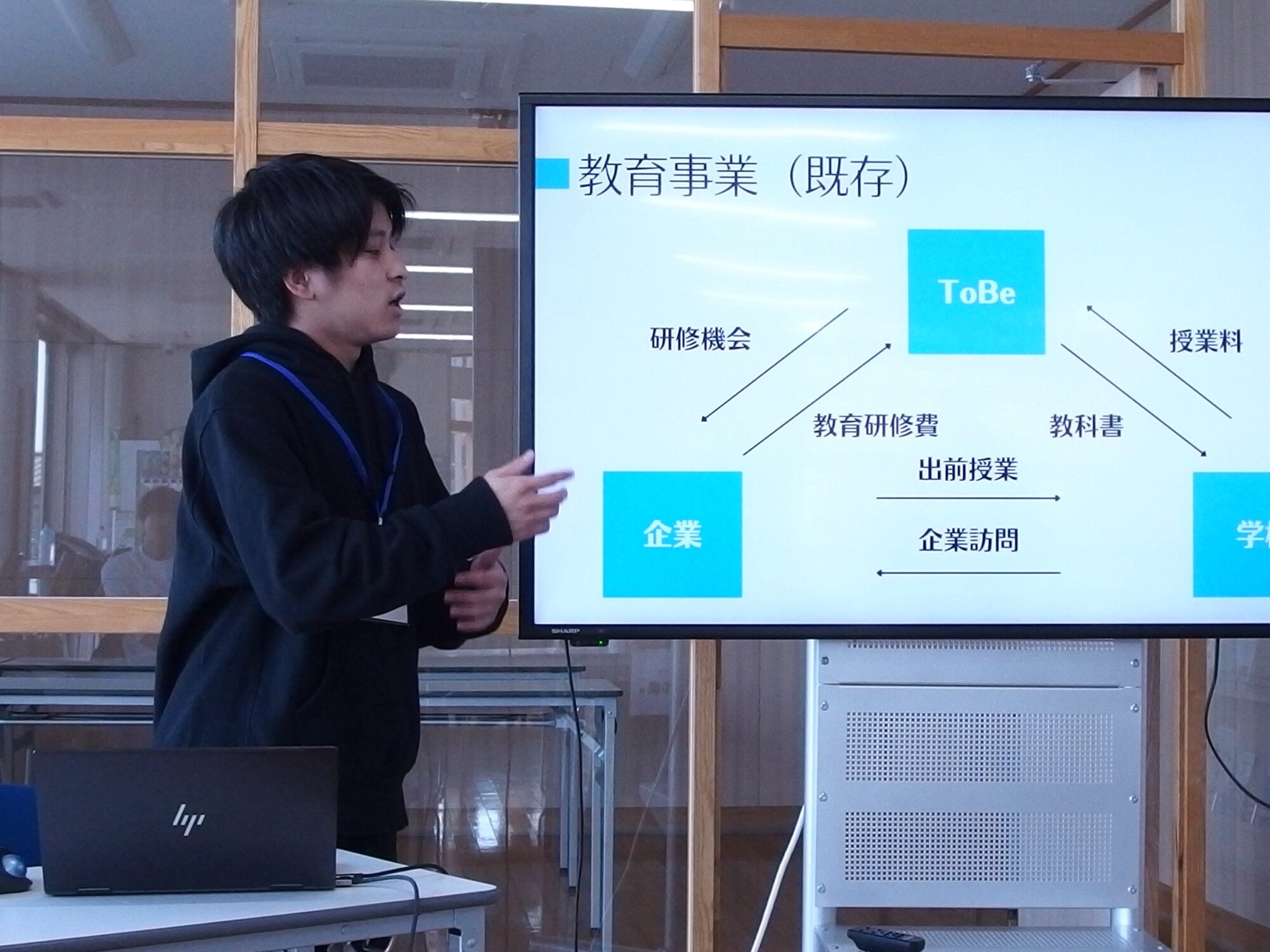
Namio noticed that while university students and companies do connect, there are few opportunities for high school students, companies, and local government to connect. She thought that bringing them together could help solve a range of issues.
She presented an idea for how to do this.
As the first presenter, Namio seemed a little nervous, but she answered the judges’ questions confidently.
Yamamoto Fuka’s presentation
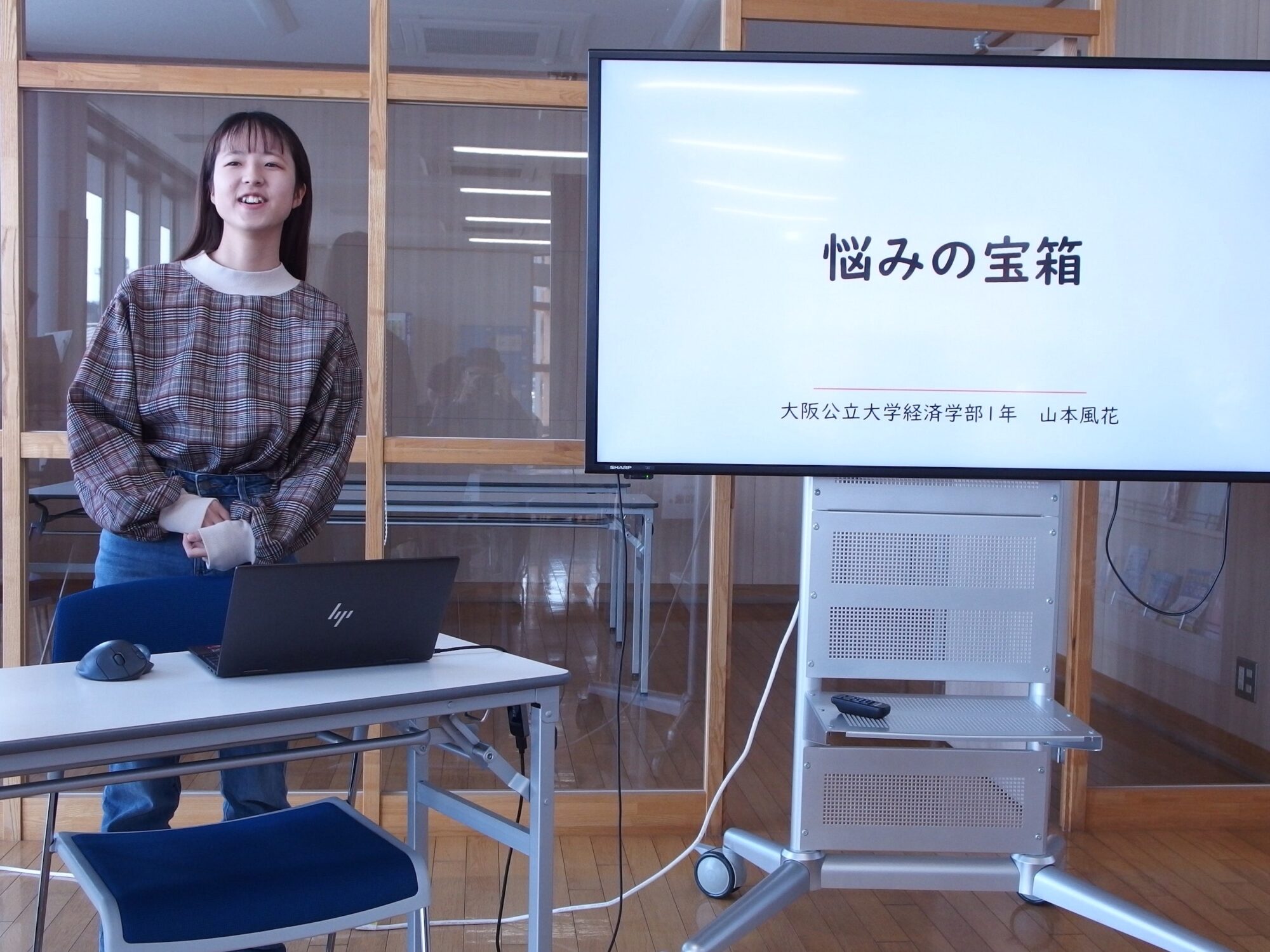
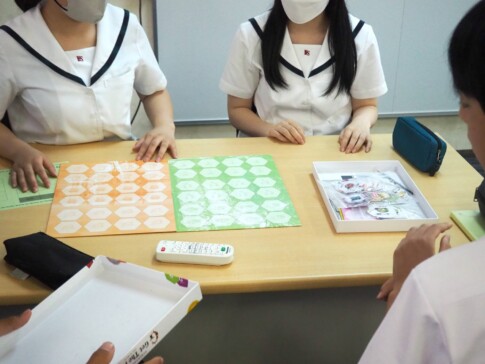
The presentation by Yamamoto Fuka of Osaka Metropolitan University proposed a “Treasure Box of Worries.”
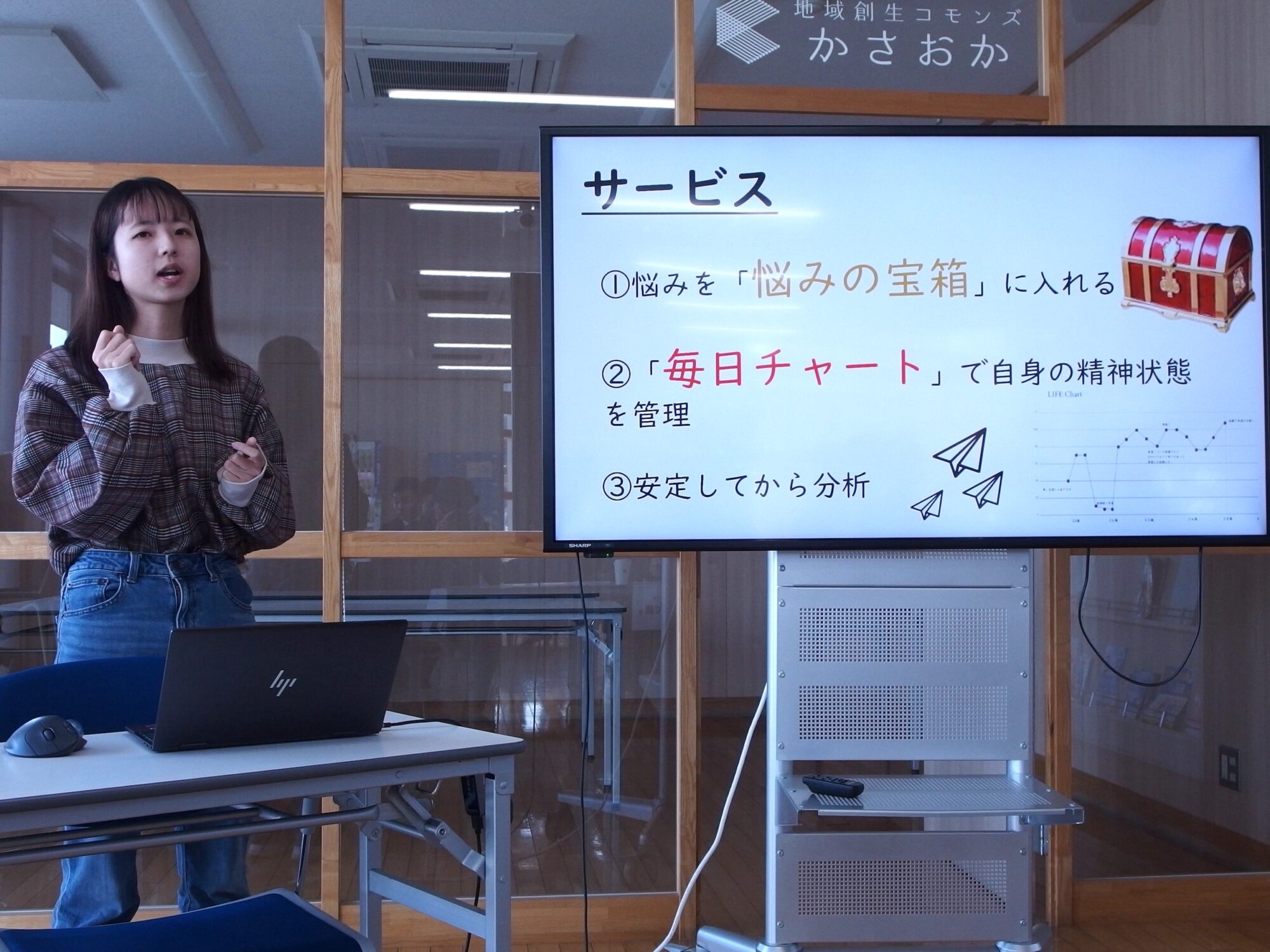
The “Treasure Box of Worries” is a tool for people who cannot find a goal they would enjoy pursuing throughout their lives to use for self-analysis.
The idea took both analog and digital approaches to analyzing the sources of one’s worries and finding a goal.
Suzuki Yoshihiro’s presentation
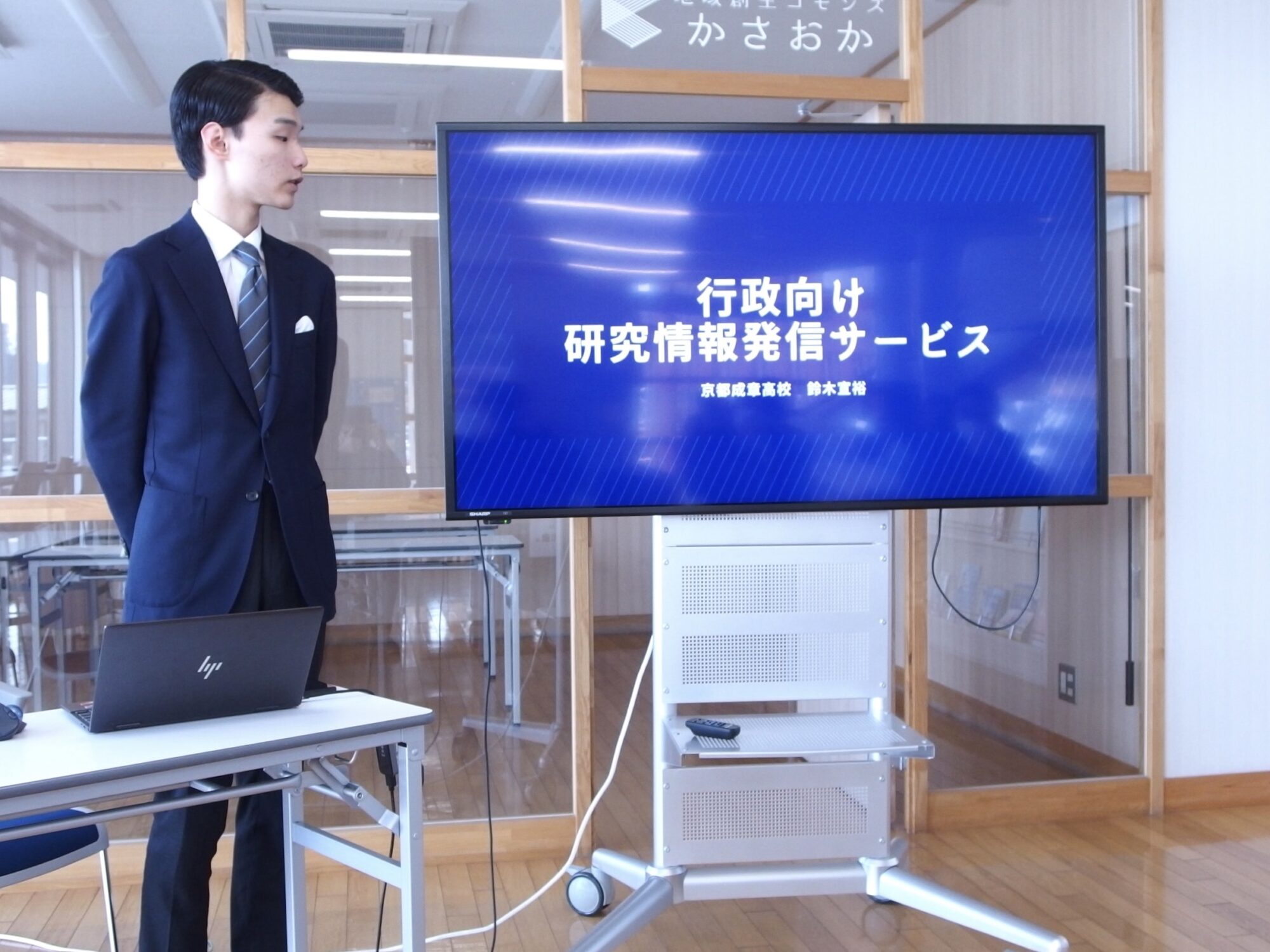
Suzuki Yoshihiro is a current student at Kyoto Seisho High School.
He was the youngest participant. Despite being a first-year high school student, he gave a confident presentation.
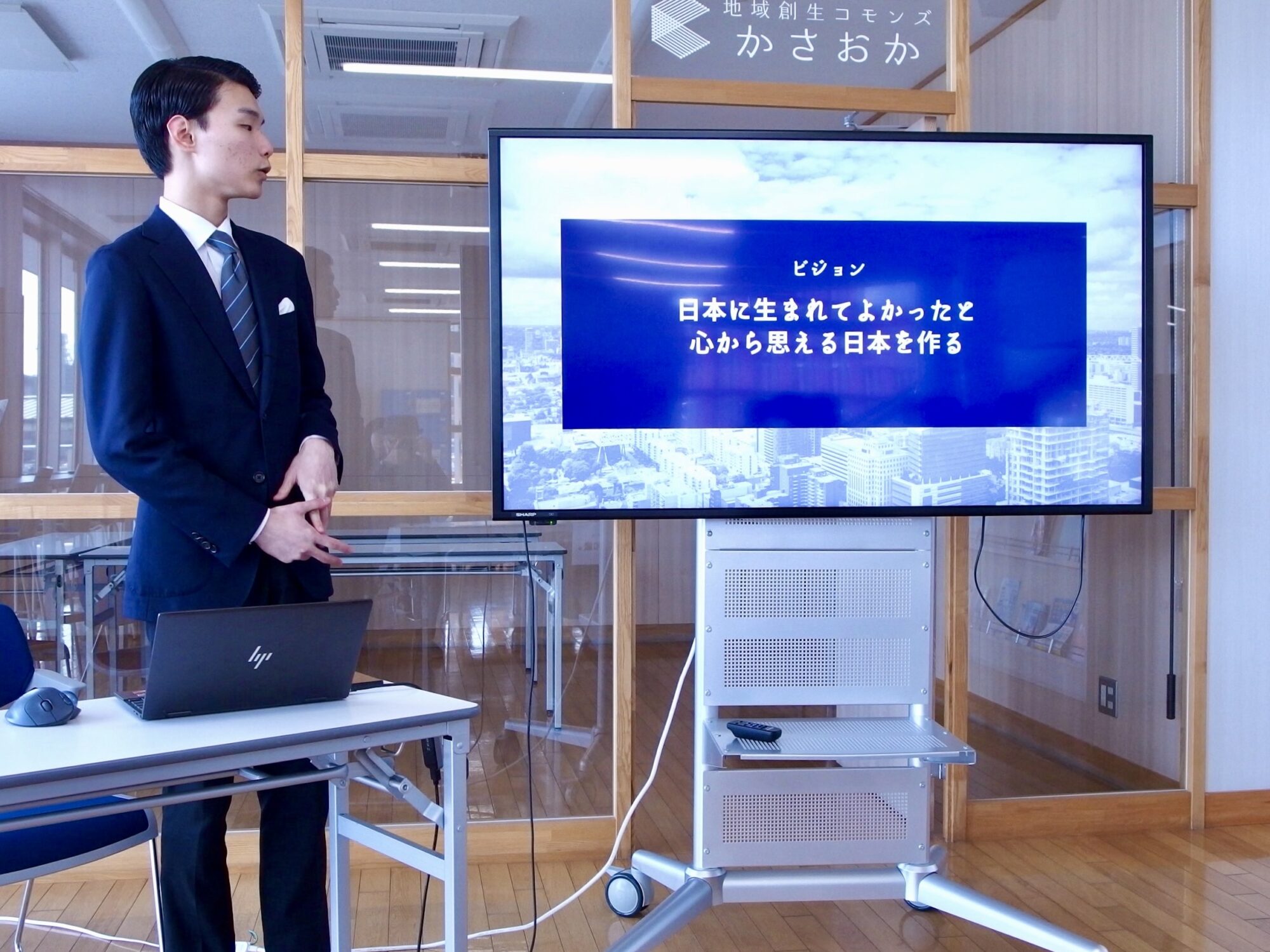
Suzuki’s presentation was about a “Researcher Information Service for Local Governments.”
He proposed a service that would enable local governments to actively adopt technologies developed by researchers.
Suzuki believes that developing the economy is essential to preserving Japanese culture and creating a Japan where people are glad to have been born. With this in mind, he focused on technologies currently being developed by Japanese researchers.
Muramoto Saaya’s presentation
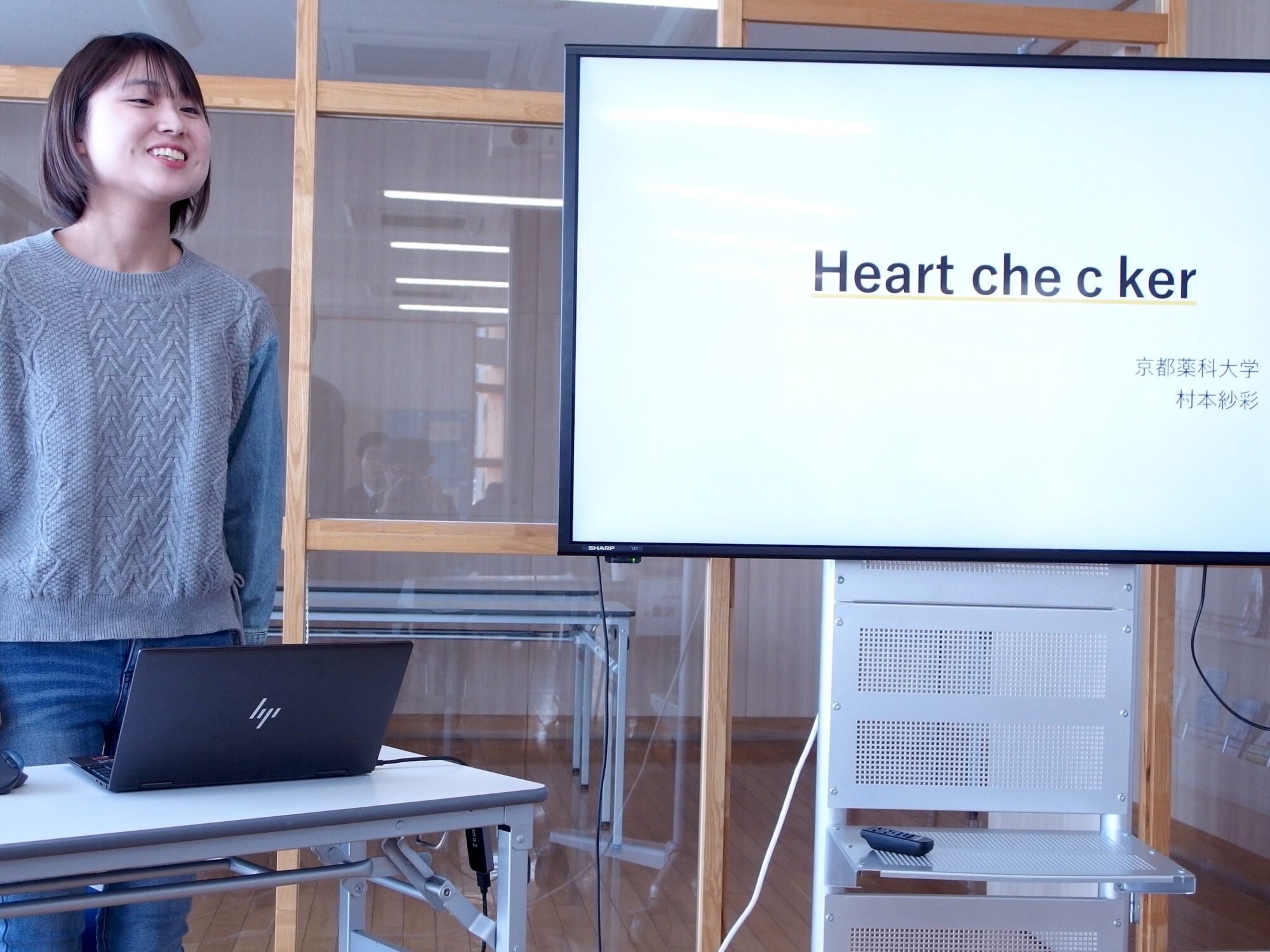
This was a presentation by Muramoto Saaya of Kyoto Pharmaceutical University.
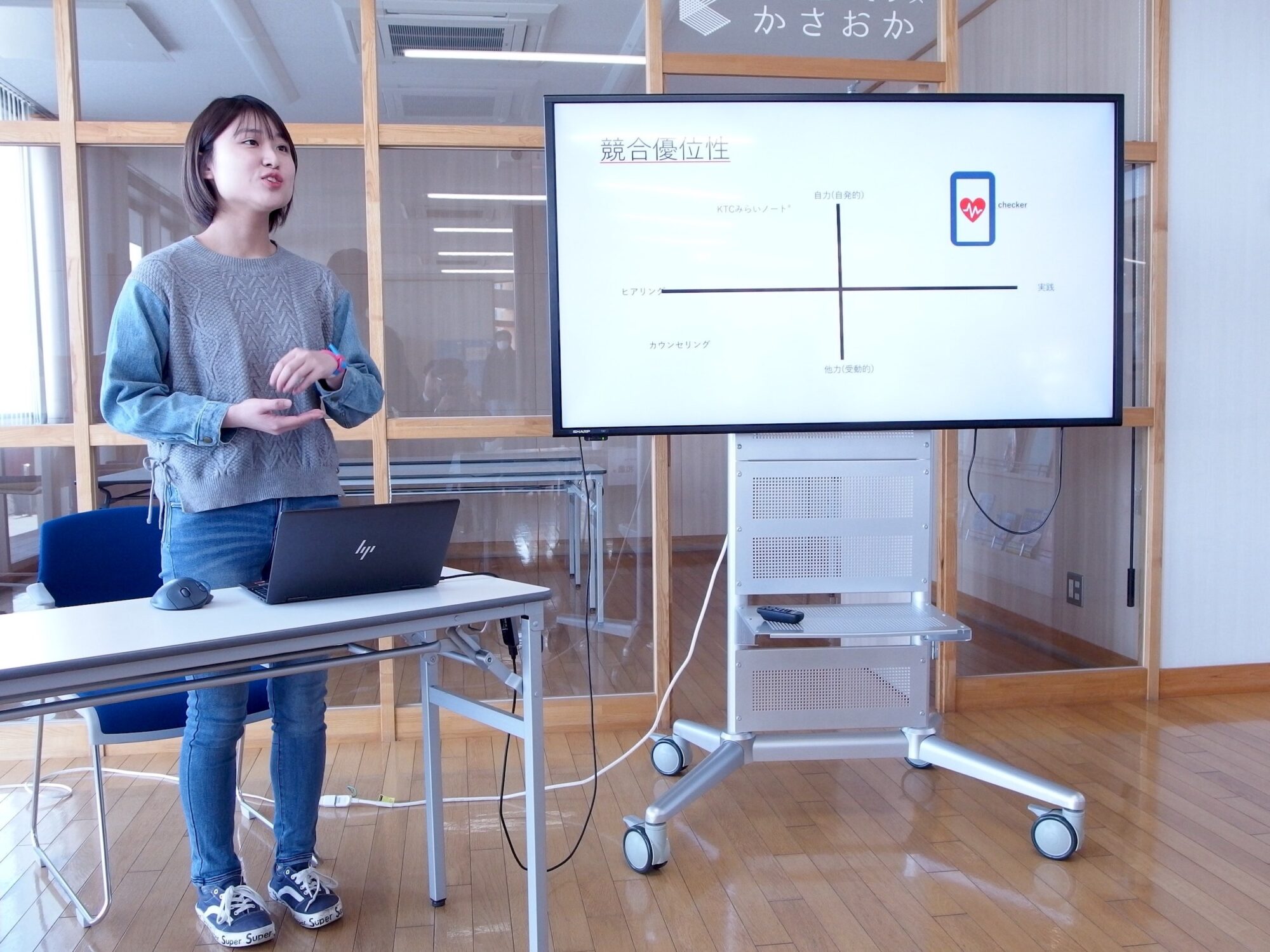
Her presentation was about developing an app to help students who are not attending school and feel anxious about the future reflect on themselves and take their first step forward.
The plan incorporated workplace experience to help participants gain practical experiences of success and receive feedback.
Iwaida Tomoya’s presentation
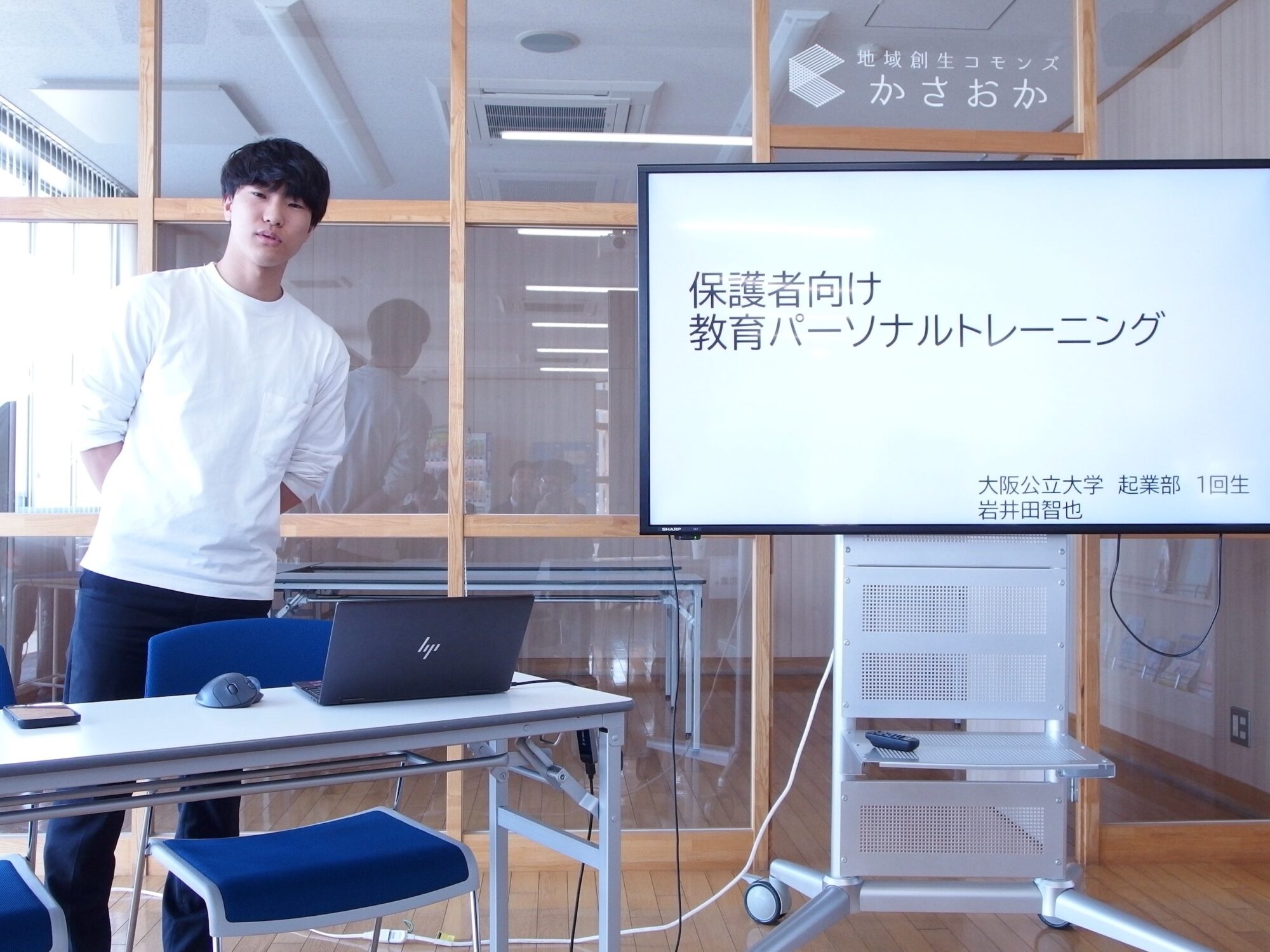
The education-focused plan was developed by Iwaida Tomoya of Osaka Metropolitan University.
His presentation was about “Personalized Education Training for Parents.”
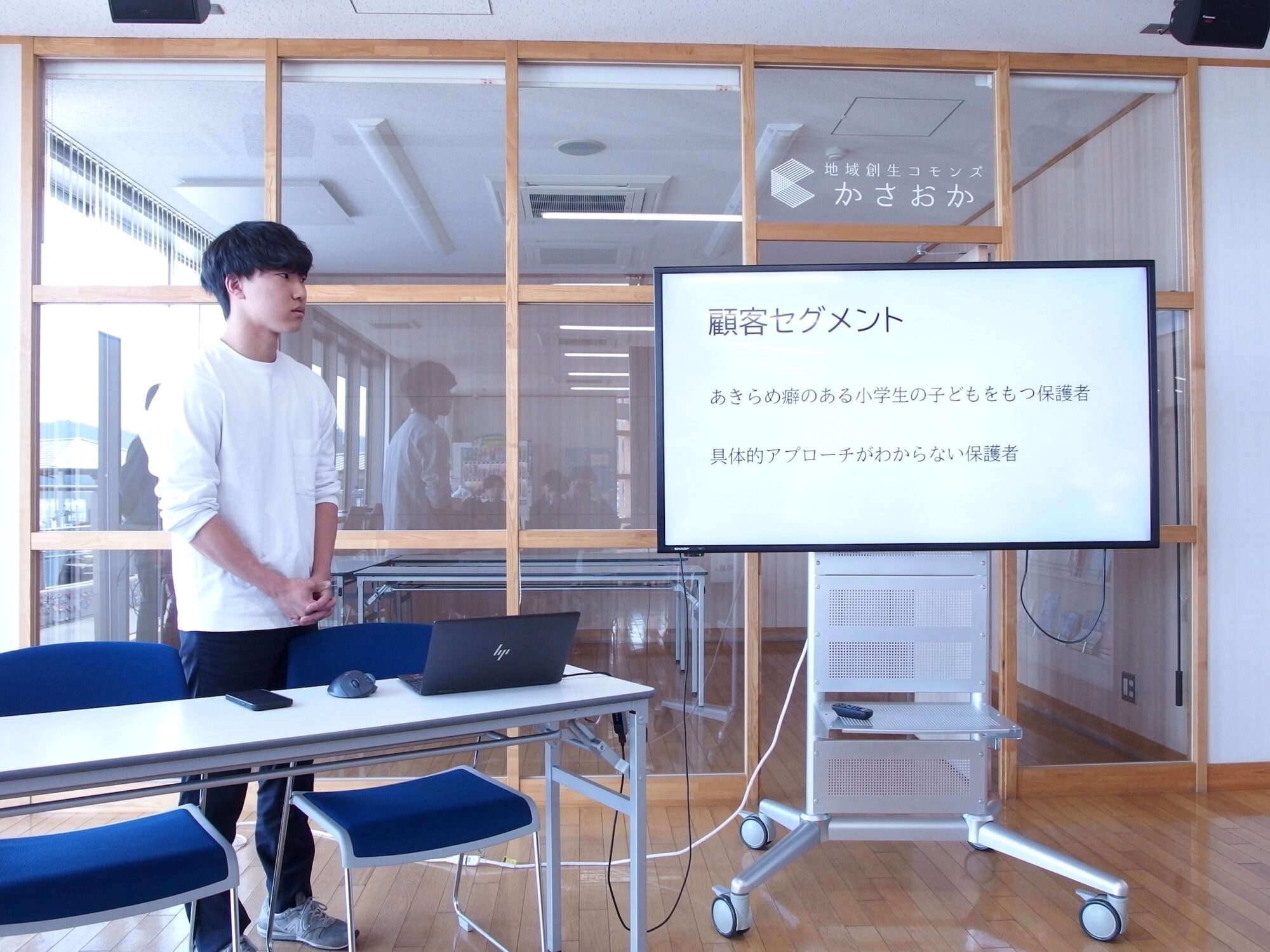
After analyzing the child’s circumstances, the state of education, and the child’s surroundings, Iwaida concluded that education at home is important. He devised a training plan for parents to undertake alongside instruction for students.
Sumina Hakuto’s presentation
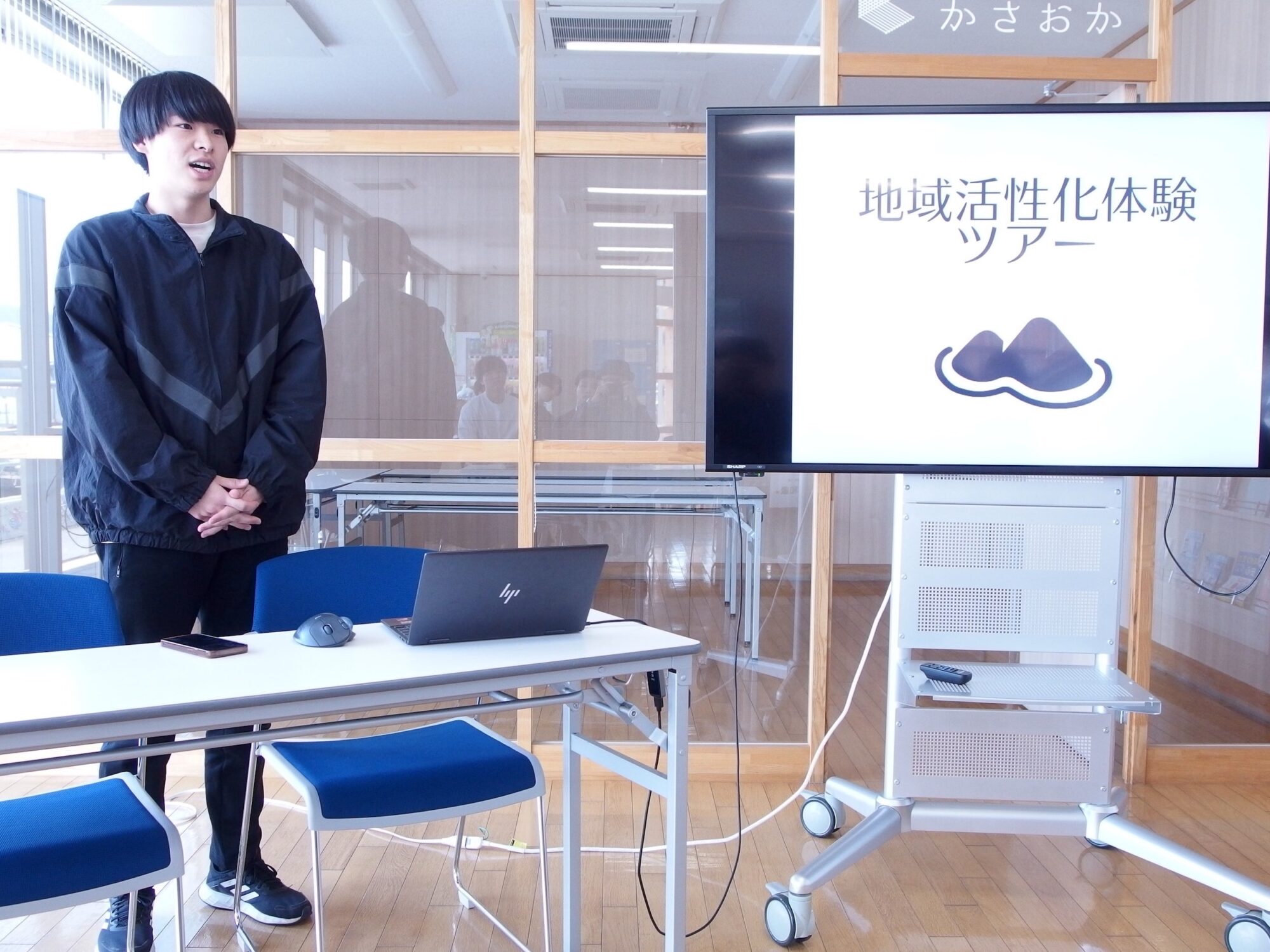
The presentation by Sumina Hakuto of Doshisha University proposed a “Regional Revitalization Experience Tour.”
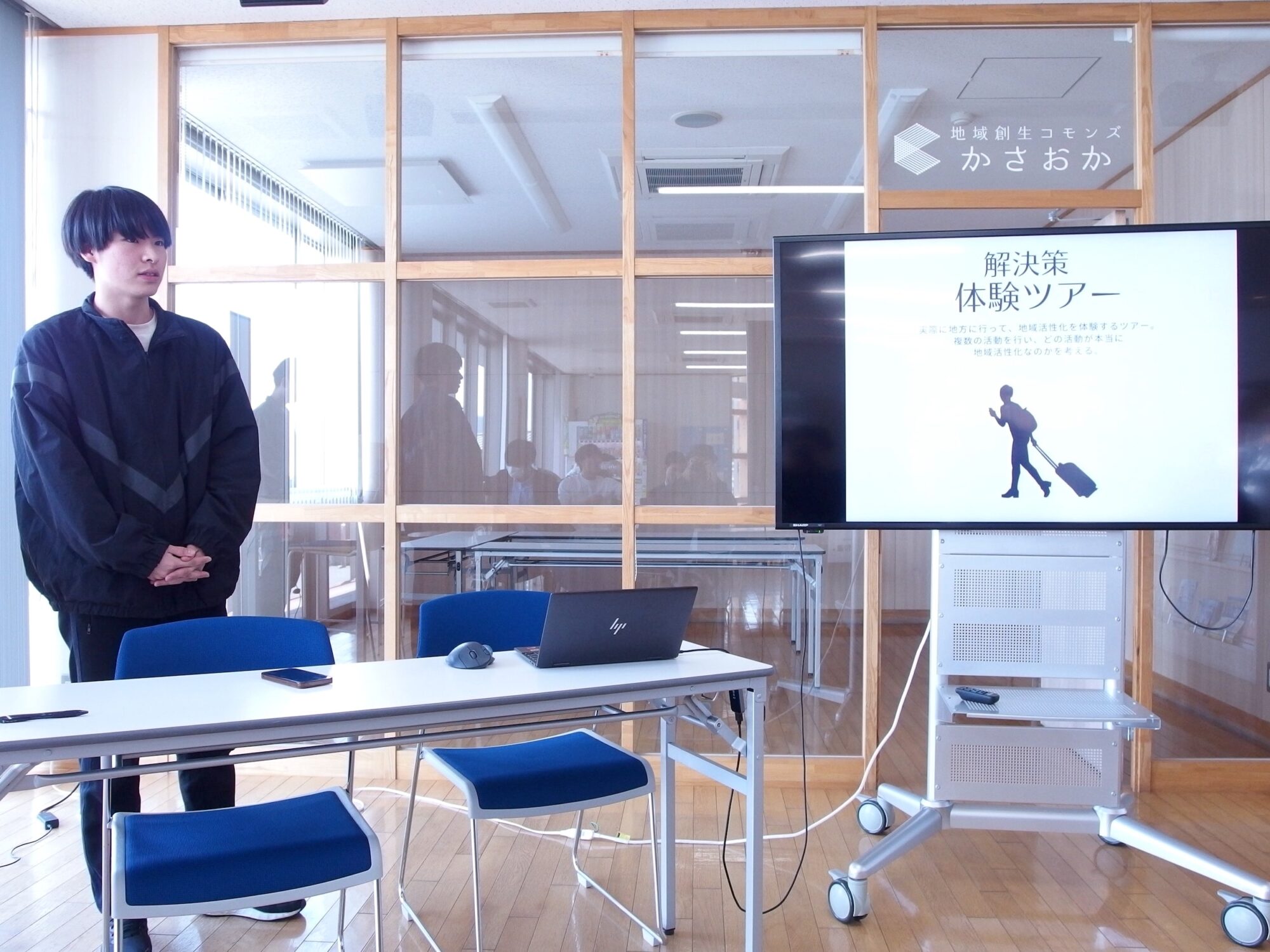
Participants would study in advance before taking part in regional revitalization activities, experiencing the passion of the people working in the area as they joined in.
Sumina said it was important to experience several activities and consider, “What do rural areas really need?”
Scoring the first half during the break
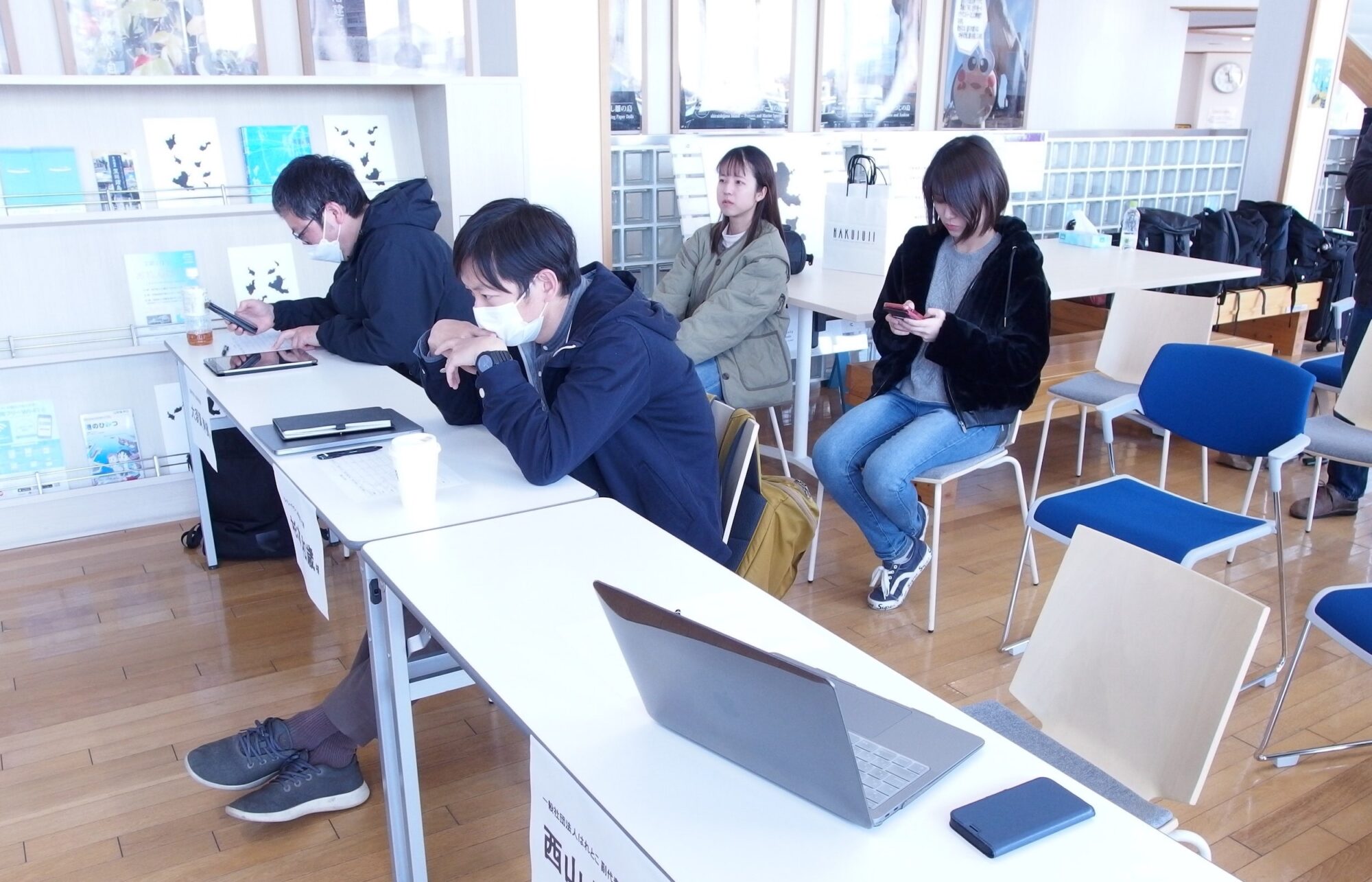
The first half ended, and it was time for a break.
During the break, the judges began scoring the six participants who had finished their presentations.
I found it difficult to score them.
It was clear how much passion every student had put into developing and presenting their plans.
Online presentations in the second half
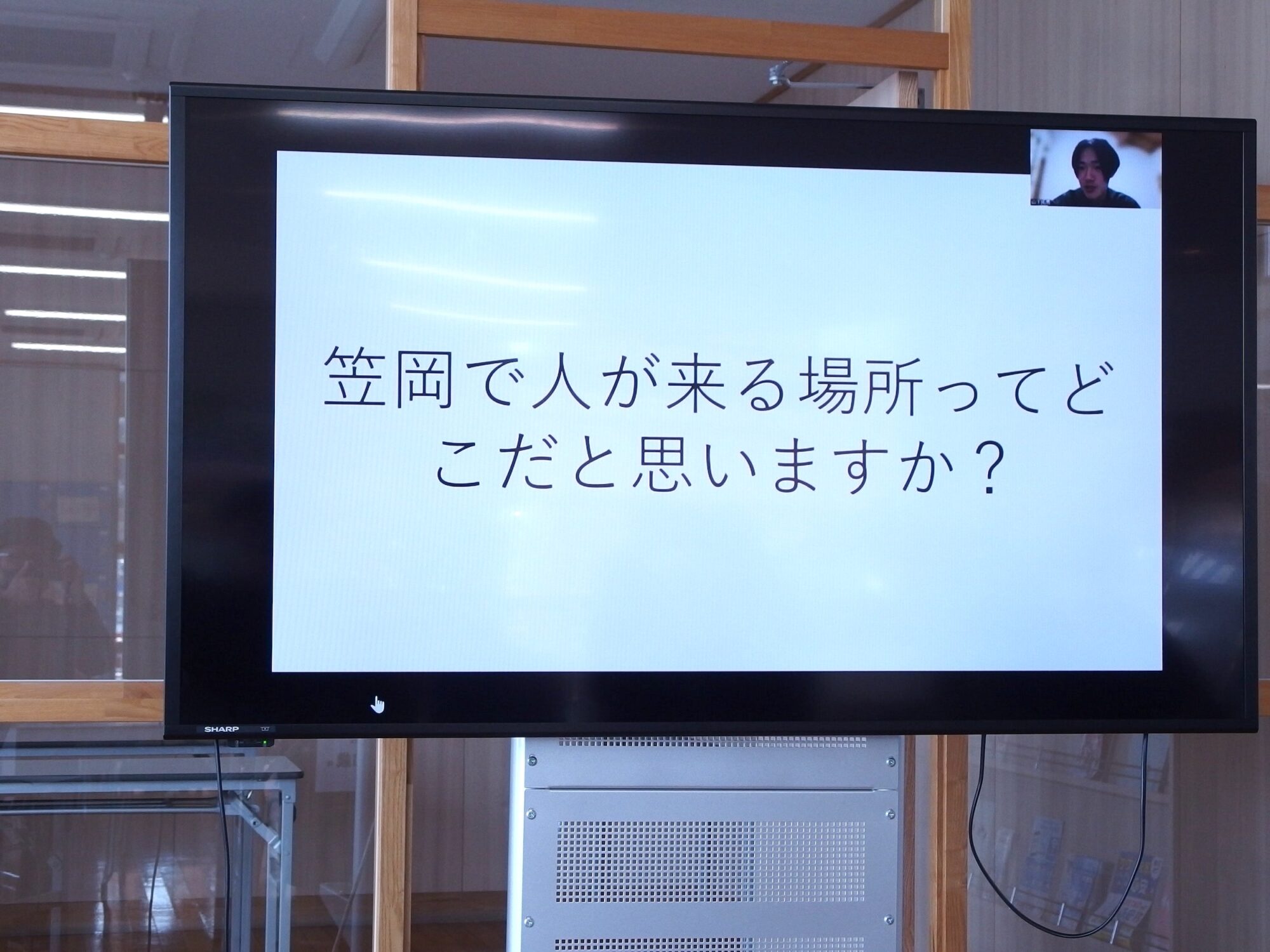
The second half consisted of presentations in videos recorded in advance.
Because the presentations were prerecorded, there was no time for questions and answers; only the presentations were shown.
The second half began with a presentation by Yamashita Takuma of Okayama University.
His event plan, themed around “sunflowers,” would use Kasaoka Bay Farm Roadside Station Kasaoka Bay Farm, which attracts tourists in Kasaoka City, as well as Kasaoka General Sports Park and Kasaoka Fureai Airport.
He considered how to move tourists gathered at Kasaoka Bay Farm to the city centre and the Kasaoka Islands.
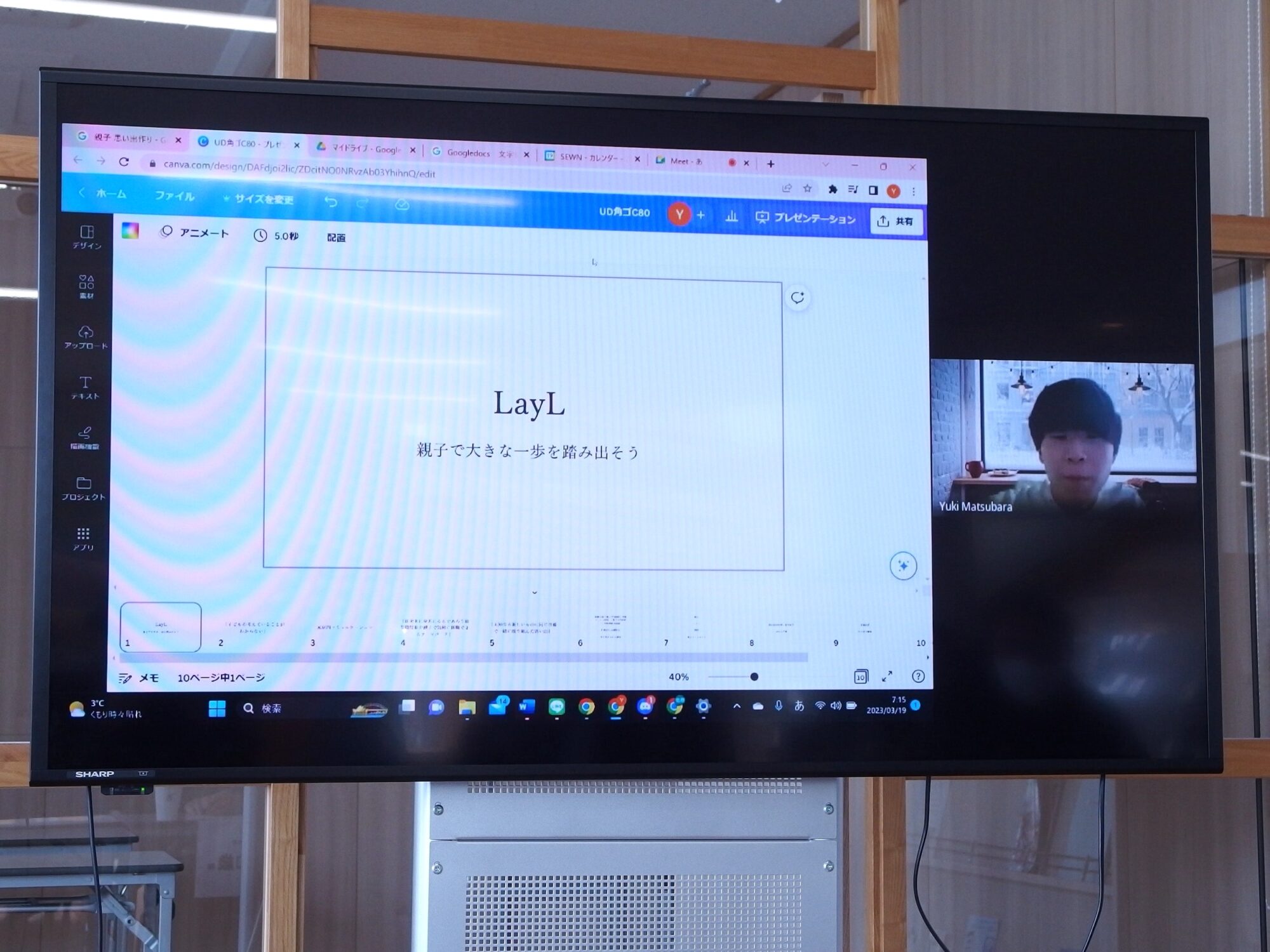
The presentation by Matsubara Yuki of Kyoto University was titled “LayL: Let’s Take a Big Step Forward Together, Parents and Children.”
Since March 2023, Matsubara has been living in Kasaoka as an intern with the Kasaoka City Community Revitalization Cooperator program, thinking every day about ways to solve local issues.
Shared experiences between parents and children become a lasting asset.
He presented a plan to create a platform where parents and children can share experiences.
The experiences would be based on the latest IT technologies.
He proposed creating a theme-park-like place where parents and children can experience innovative technologies together.
MVP announcement
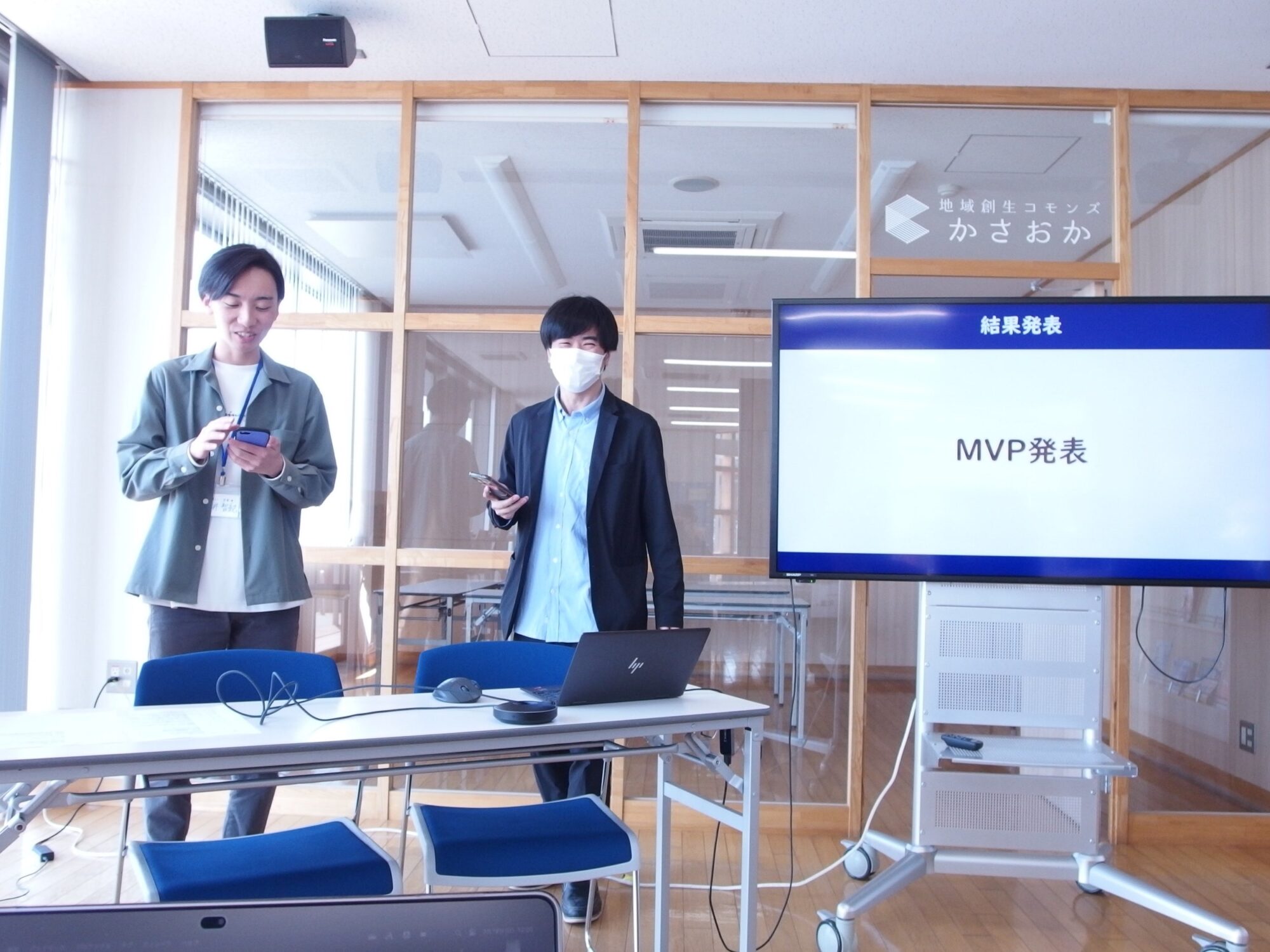
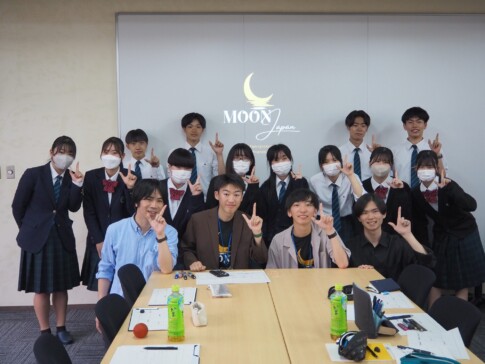
The presentations by all eight participants have concluded, and now it is time to announce the judging results.
The student with the highest score will be named MVP!
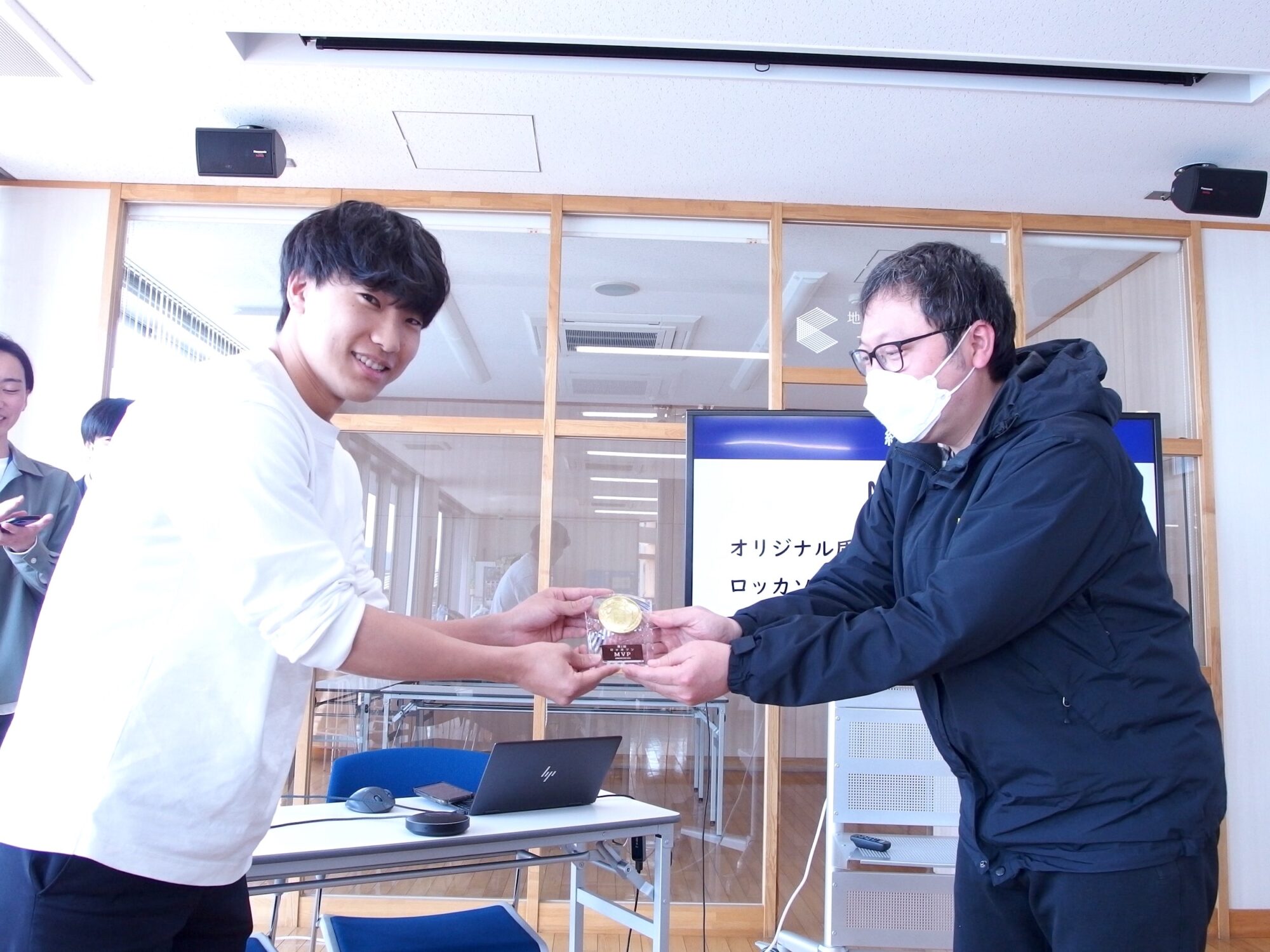
The MVP is… Iwaida Tomoya, who presented on “Personalized Educational Training for Parents”!
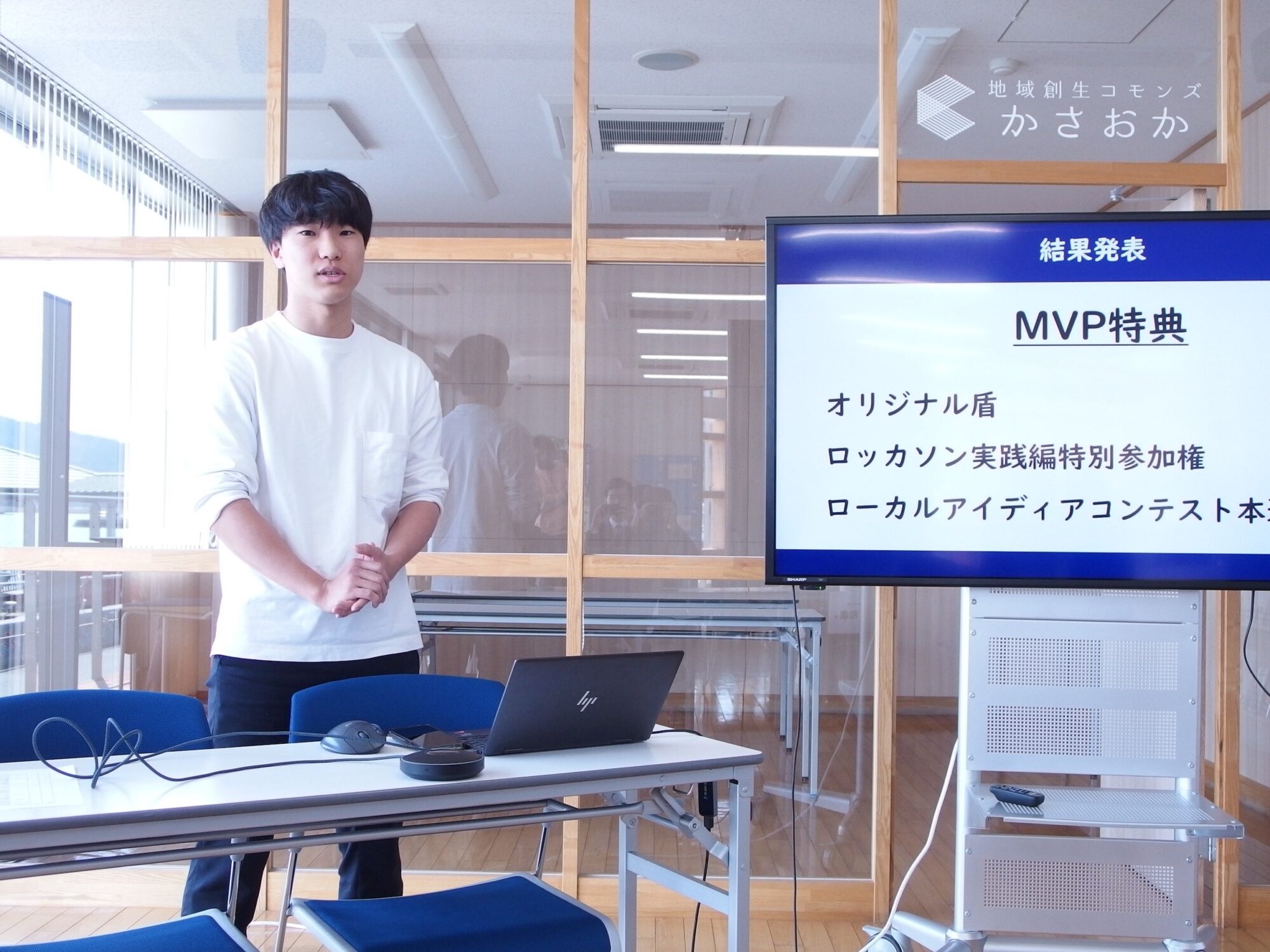
Iwaida shares his thoughts on receiving the award.
“By taking part in the Rockathon Camp @ Okayama and refining my ideas and business vision, I had quite a few things to think through, but ultimately receiving the MVP gave me a lot of confidence.
I don’t want to stop here. I’d like to keep refining it toward putting it into practice and make it something truly meaningful and valuable.”
Although I felt that the plan Iwaida presented this time still needs some refinement in how to approach parents and in terms of revenue, I believe it has a very high chance of being realized.
I look forward to seeing the plan develop further ahead of the Local Idea Contest finals.
Local Idea Contest to be held in June 2023
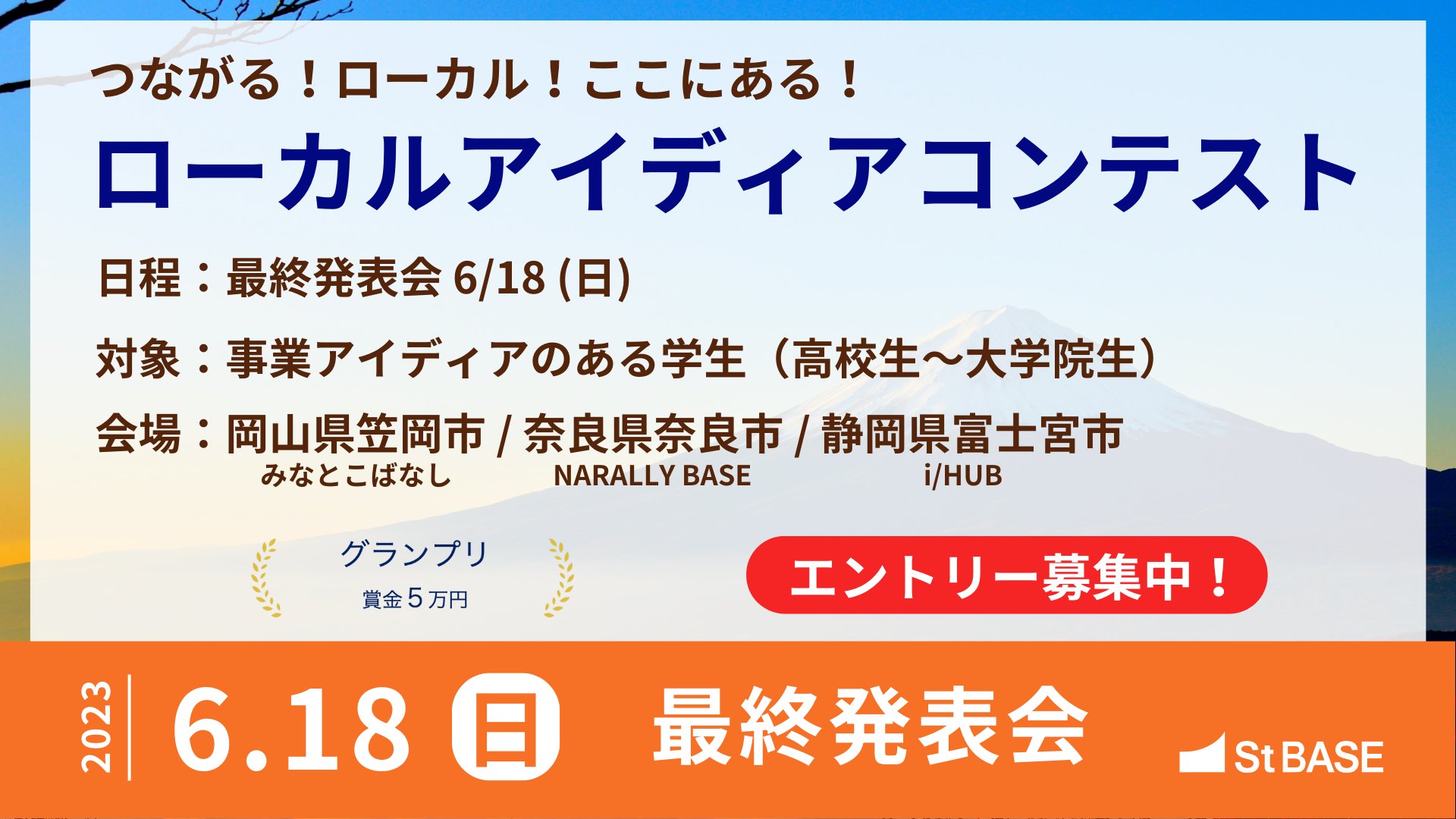
Terada explained the schedule following the conclusion of Rockathon Camp @ Okayama.
After the practical Rockathon program, the “Local Idea Contest” is scheduled to be held on Sunday, June 18, 2023, connecting three regional cities: Kasaoka City, Okayama Prefecture; Nara City, Nara Prefecture; and Fujinomiya City, Shizuoka Prefecture.
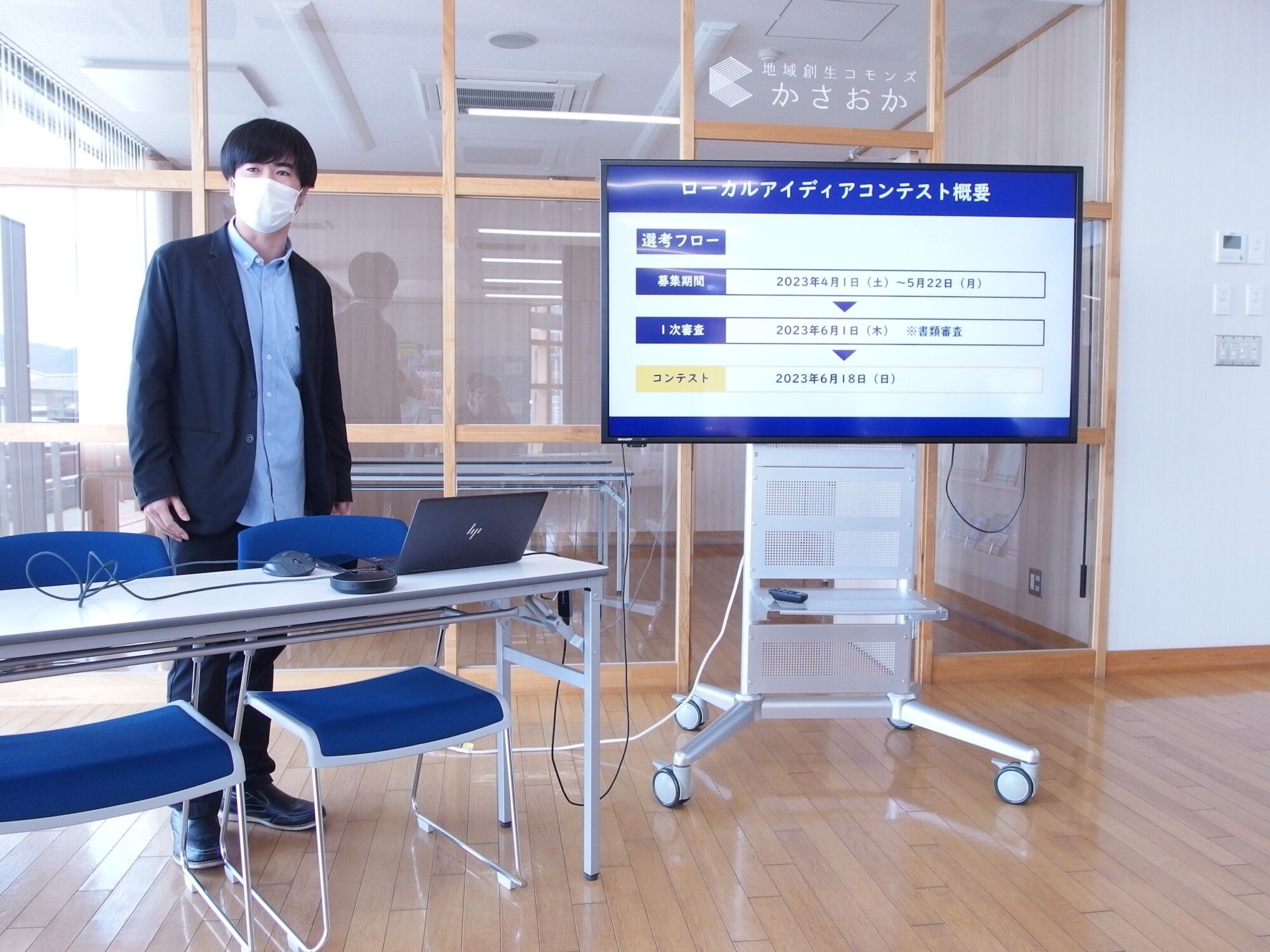
Applications opened on Saturday, April 1, 2023.
The contest will also continue to be held in Kasaoka, and I look forward to it.
Kasaoka, a city where students aspiring to become entrepreneurs gather
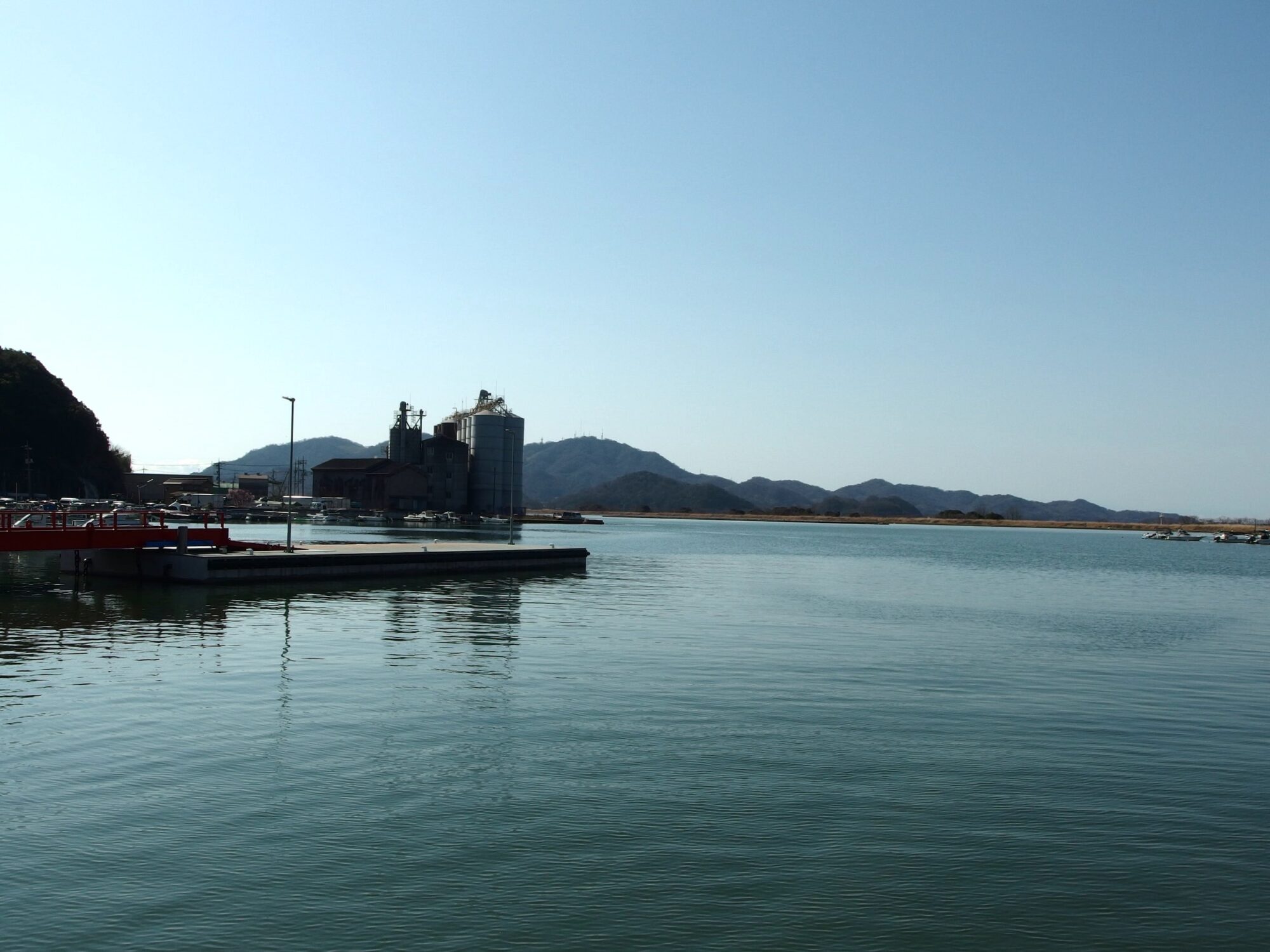
Terada, a member of the planning and operations team, had previously told me that he wanted to bring university students to Kasaoka City.
Rockathon Camp @ Okayama is one initiative that has made that a reality.
Why was Rockathon Camp @ Okayama held in Kasaoka City?
In response to this question, Imai of Ligula said, “Costs are relatively low compared with urban areas, so it’s easy to start small when you want to try something.”
Kasaoka City has a population of about 45,000.
Although the municipality is small, Kasaoka’s small scale is an advantage, allowing it to be nimble in many ways.
If Kasaoka can make the most of this advantage and become a city where it is easy to take on new challenges, it will surely attract even more attention from students and entrepreneurs with diverse perspectives and ideas.
I believe that holding Rockathon Camp @ Okayama in Kasaoka City was a significant step toward that goal.
Rockathon has begun, inspiring us to imagine a near future in which a culture of supporting young entrepreneurs takes root throughout Kasaoka City, and many students go on to thrive in various fields across Kasaoka.
Next up is June 18, 2023.
Rockathon Camp @ Okayama Information
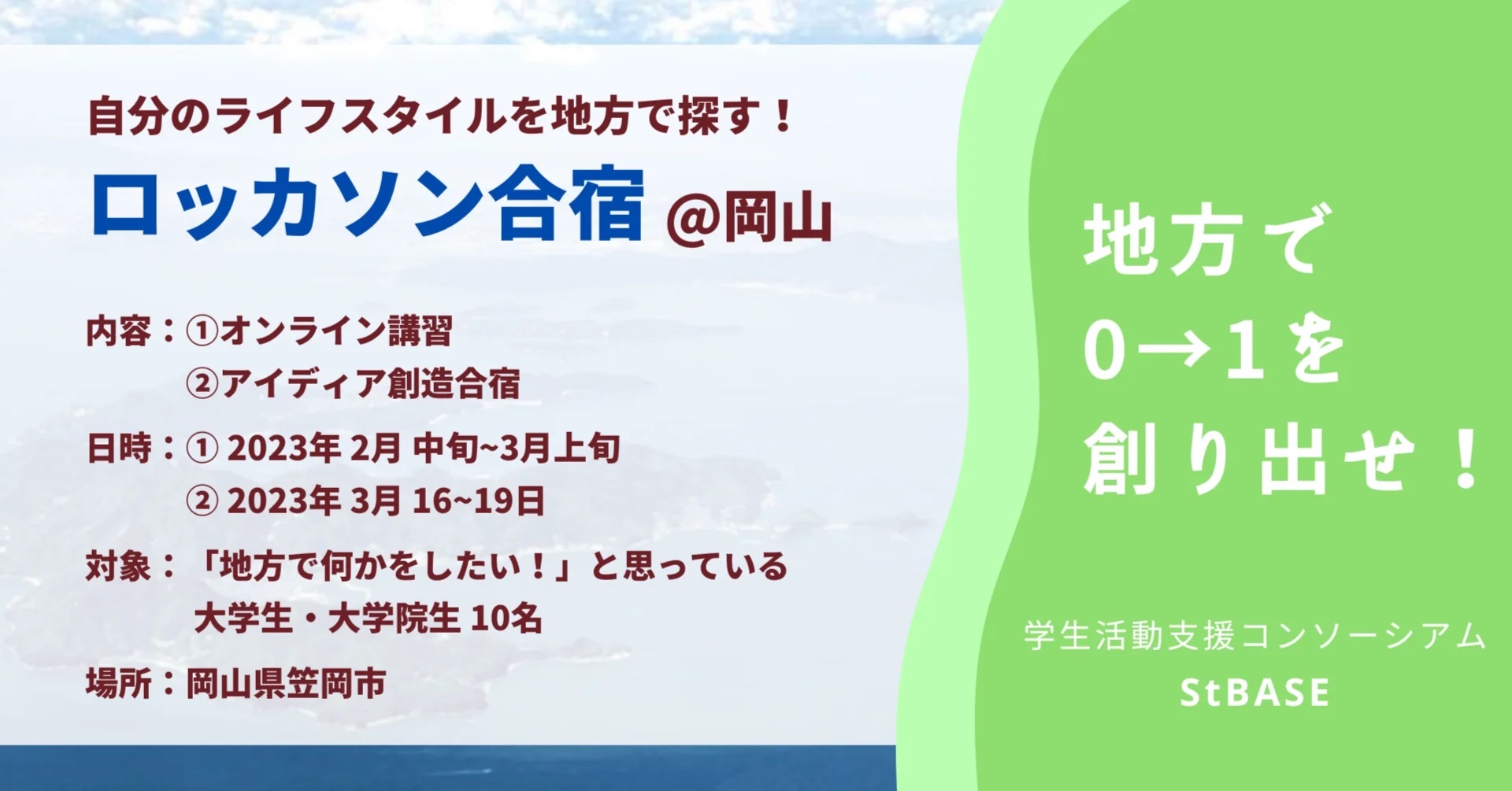
| Name | Rockathon Camp @ Okayama |
|---|---|
| Date | March 16 (Thursday) to March 19 (Sunday), 2023 |
| Location | Kasaoka City, Okayama Prefecture |
| Participation fee (tax included) | ¥20,000 per person, including accommodation (transportation and meals are at each participant’s own expense) |
| Website | Rockathon Camp @ Okayama is being held! |

What would you like to know about Kurashiki?
Enter a search term to find articles on this site