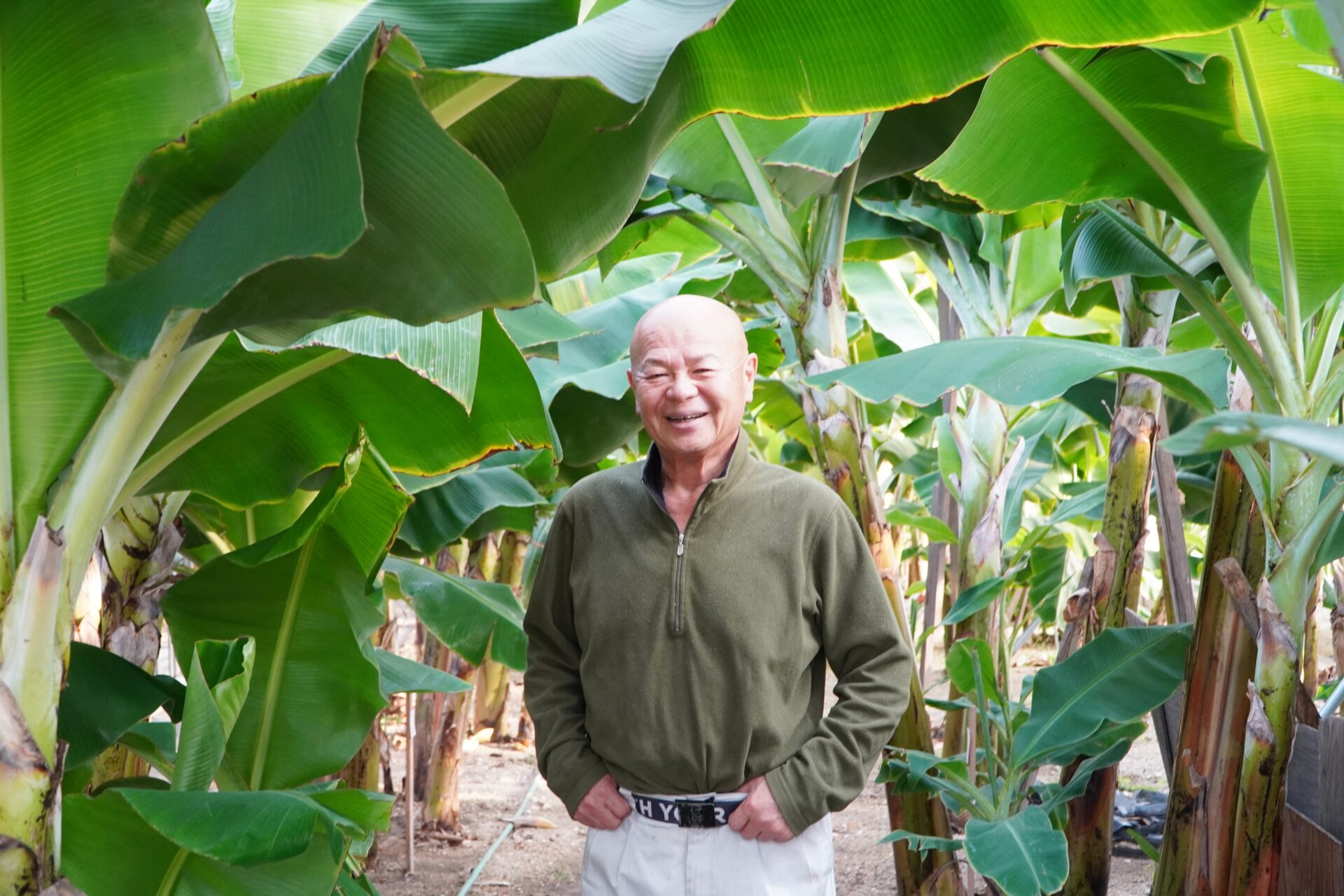
A planter for cultivating and selling bananas and papayas in Kasaoka City.
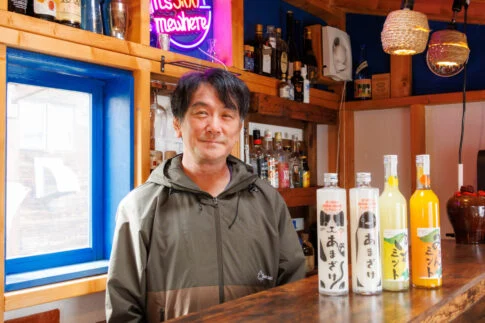
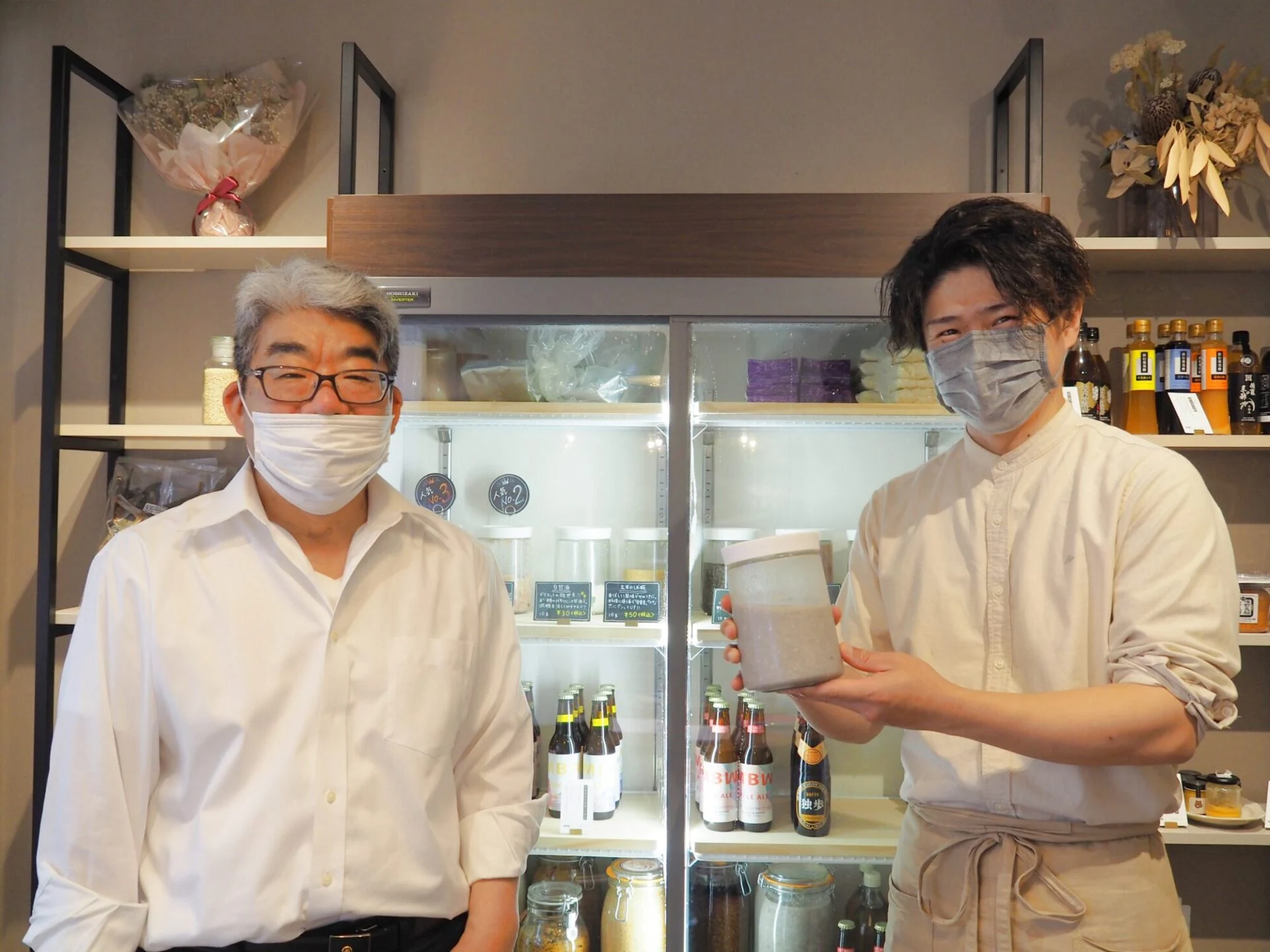
We spoke with the representative director, Kobori Hideo, and Noguchi Momo.
Reasons for Challenging Banana Cultivation
Why did you start cultivating bananas in Kasaoka?
Kobori
Before starting the banana farm, I bought this land and was doing home gardening.
I grew various things like potatoes without using pesticides.
I served them to customers at events and construction company exhibitions.
Just when I was thinking about turning this home garden into a business, a friend suggested, "If you have land, why not try growing papayas?"
Through that acquaintance, I connected with the Momotaro Papaya Research Institute.
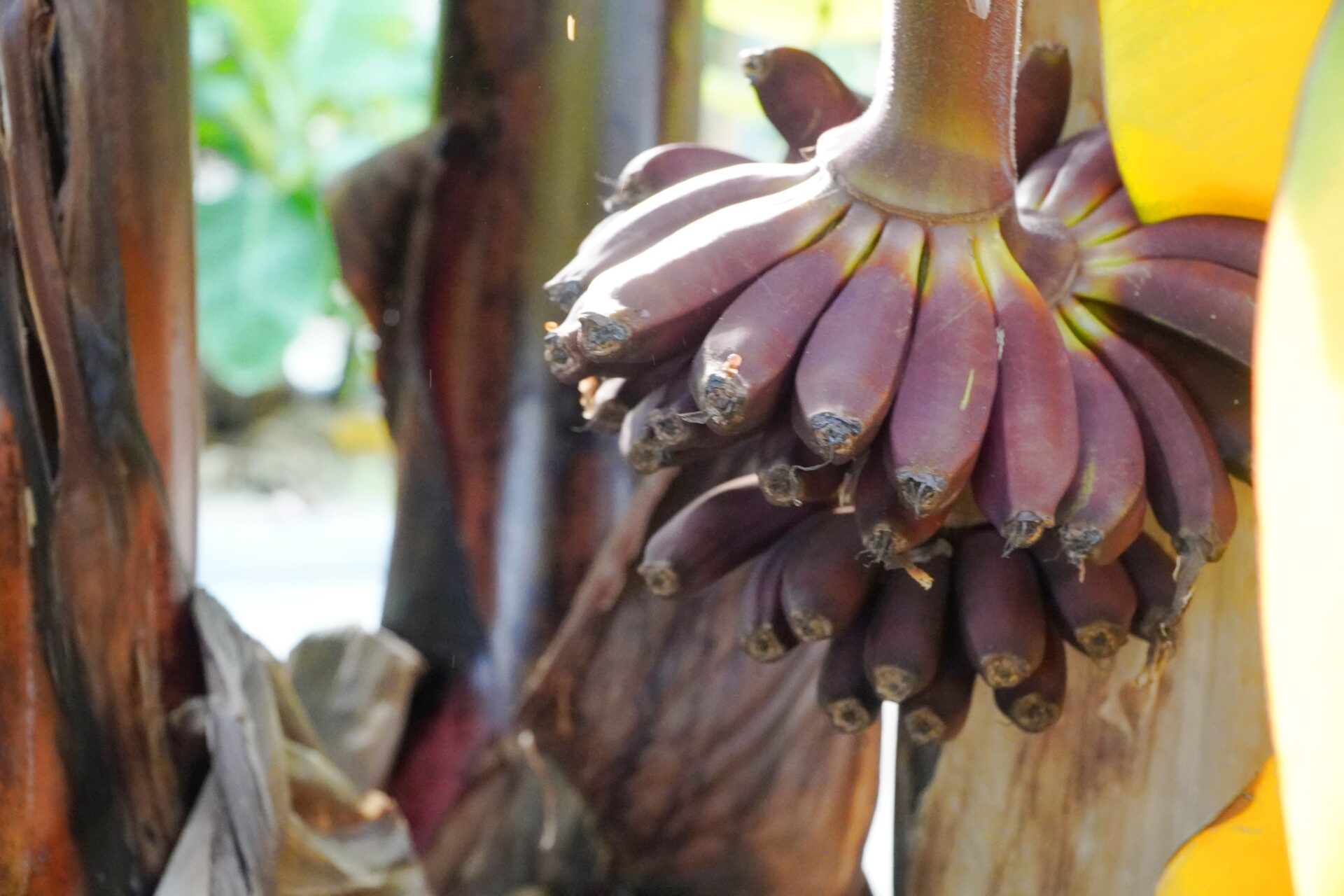
This institute also handles seedlings of Okayama-grown bananas called "Monge Banana."
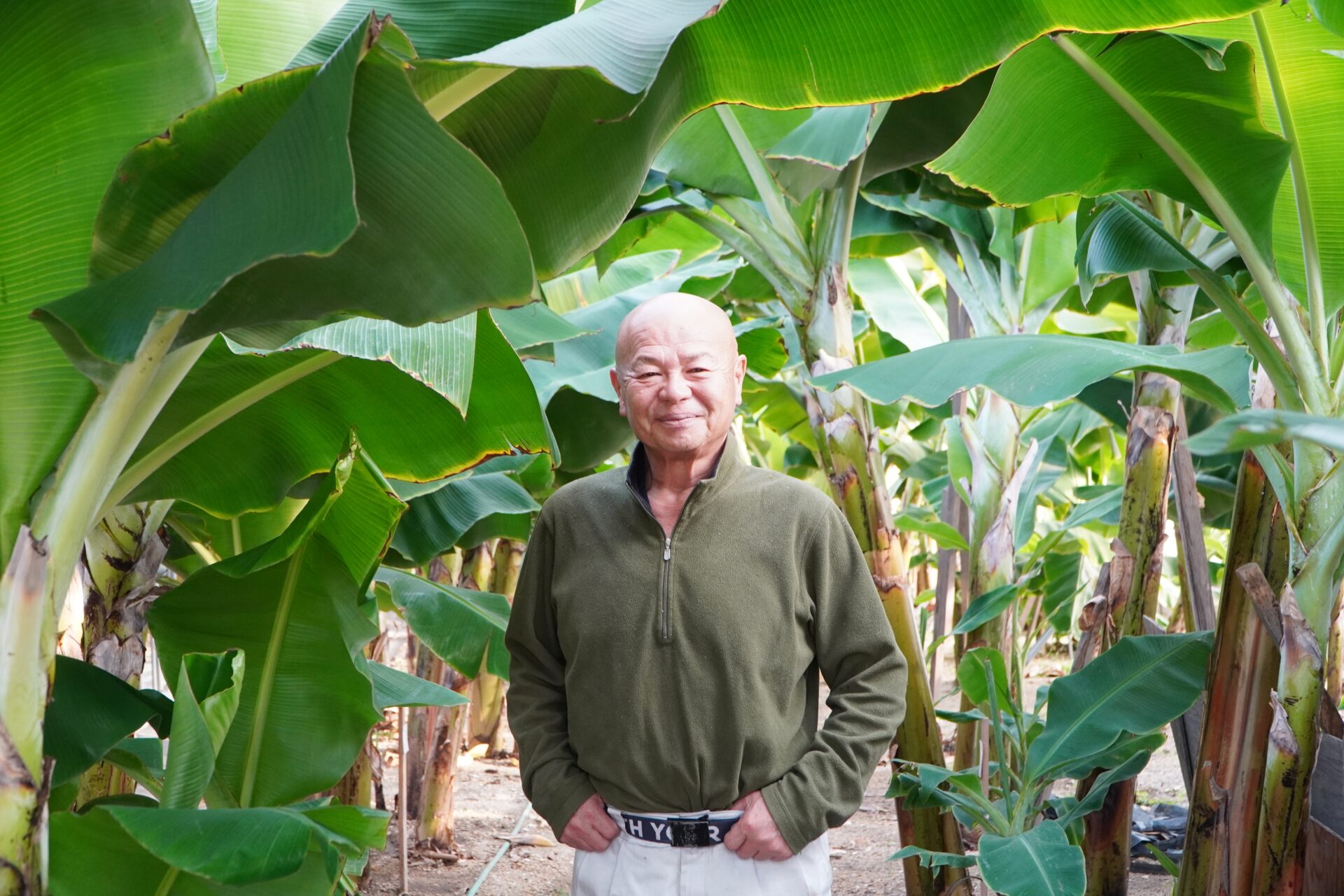
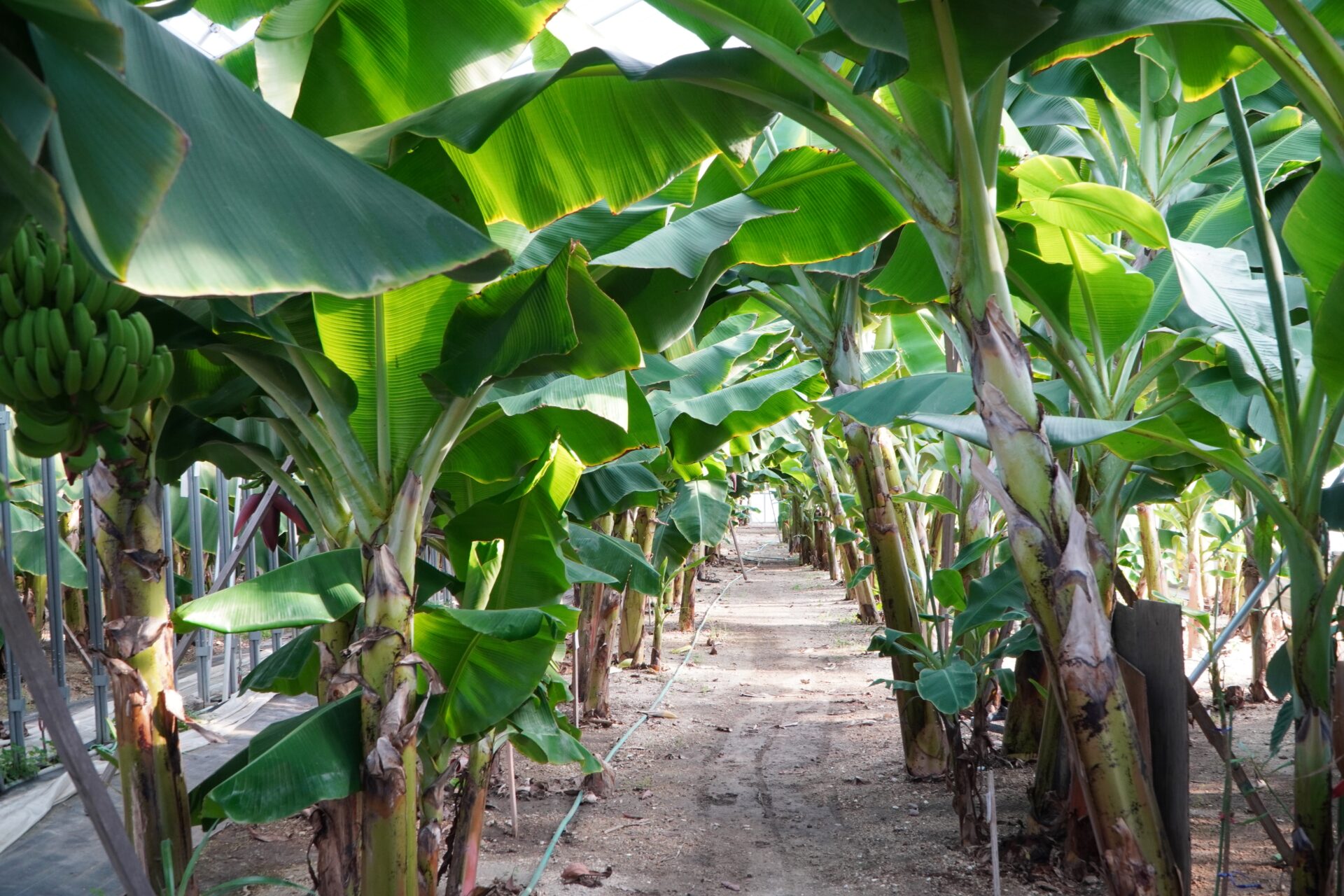
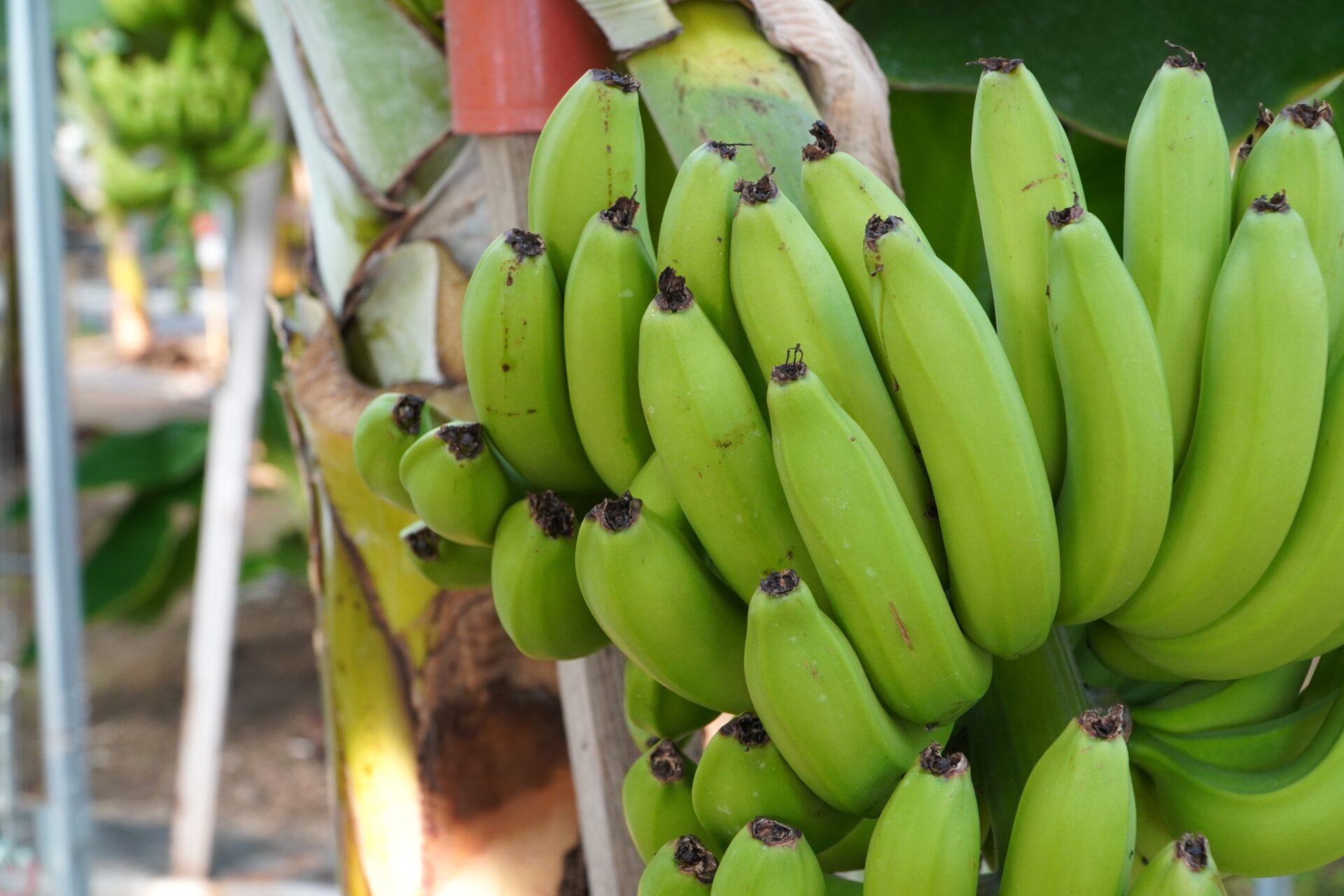
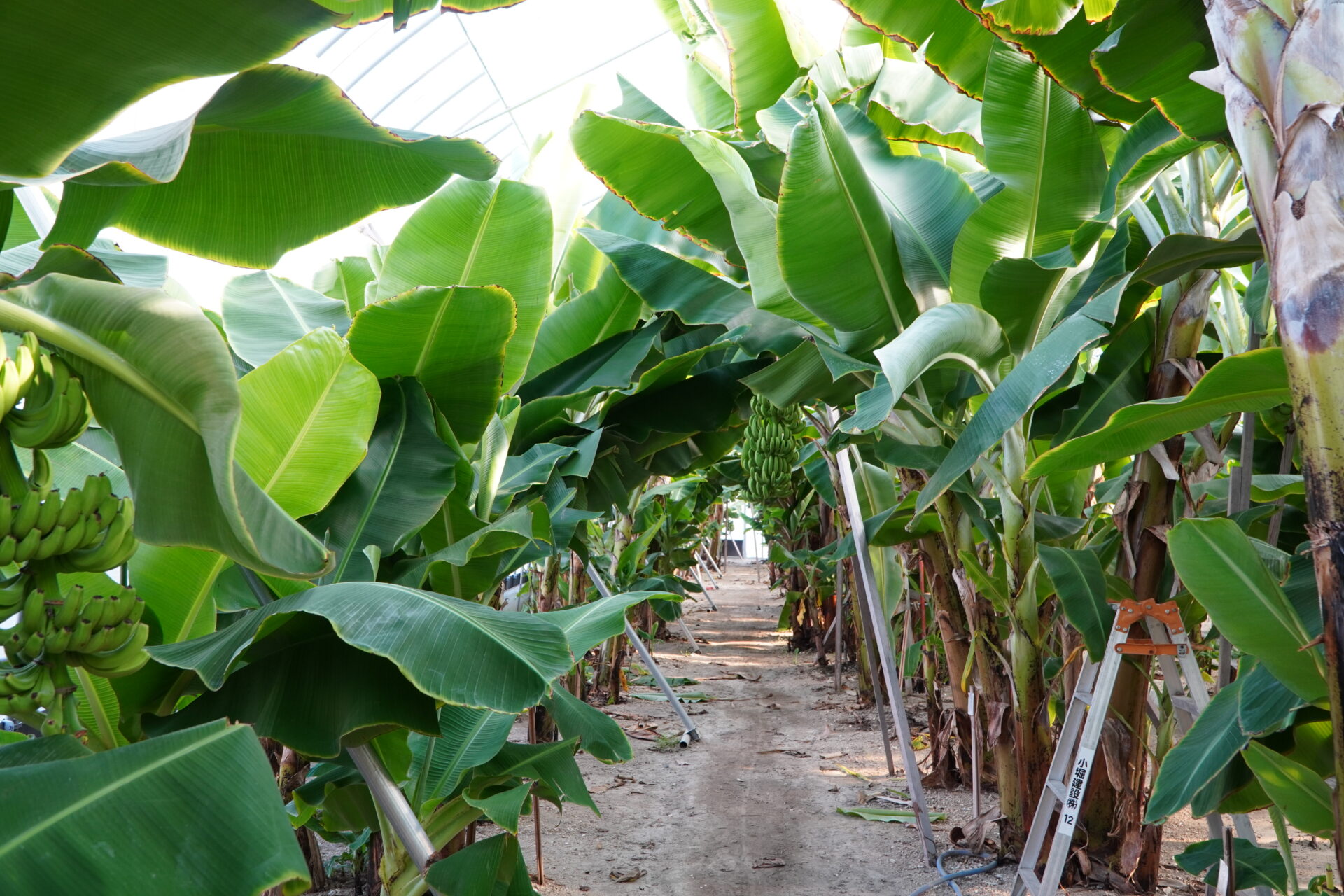
I started with papayas in 2015 and began cultivating Setouchi bananas while leaving a few trees.
Initially, I used seedlings from the Momotaro Papaya Research Institute for the Setouchi bananas as well.
In 2015, when I started, Monge Banana had not yet been born, and no one was cultivating either papayas or bananas.
When I started farming, I noticed that there were farmers around the fields growing broccoli and other crops, and I thought I shouldn't disturb the seniors.
I wanted to think of something that wouldn't be a second or third attempt, wouldn't disturb those around me, and could be grown without pesticides, something that no one else was handling yet.
Papayas contain a lot of enzymes, so they can be grown without pesticides as insects do not attach to them.

There are insects that attach to bananas, but those pests are not present in Japan's temperate zone, only in the tropical regions.
Okayama is known as the land of sunshine with long hours of sunlight, and especially Kasaoka has many sunny days, providing a good environment for cultivation.
Since it is reclaimed land, the soil contains minerals, which is also good for plants.
To promote growth, I crush oyster shells harvested in Kasaoka and spread them in the soil to provide calcium to the trees.
What prompted you to focus on pesticide-free agriculture?
Kobori
My main business is construction, and I believe I need to build houses that extend healthy lifespans.
Many people die from heat shock every year, so we must create homes that protect lives.
Heat shock: A health risk caused by rapid temperature changes that can lead to significant fluctuations in blood pressure, resulting in heart attacks or strokes. It can occur in places with large temperature differences, such as changing rooms and toilets.
To extend healthy lifespans, diet is also important.
Since food builds the body, I thought I should grow crops without using pesticides.
Difficulties Faced
I think it's quite challenging to handle papayas and bananas, which are rare even in Japan. What difficulties did you face?
Kobori
This is the first attempt in Okayama, so there is no one to teach us.
I consulted with the government, but they said there are no detailed Japanese documents available.
Every year, I am exploring what to do and what will happen.
I am growing them while making predictions.
Thoughts Behind Developing MUSA
Can you tell us what prompted you to develop MUSA?
Noguchi
The trigger was thinking about how to effectively utilize the Setouchi bananas that my father carefully cultivated.
There were bananas that couldn't be shipped due to their bad shape, even though their taste was no different from those for sale, and they were being thrown away right in front of me.
That was very sad.
I had been living in Tokyo since I was twenty, and I returned to Kasaoka last year (2022).
When I was home, I saw the banana fields and thought, "They're doing something amazing."
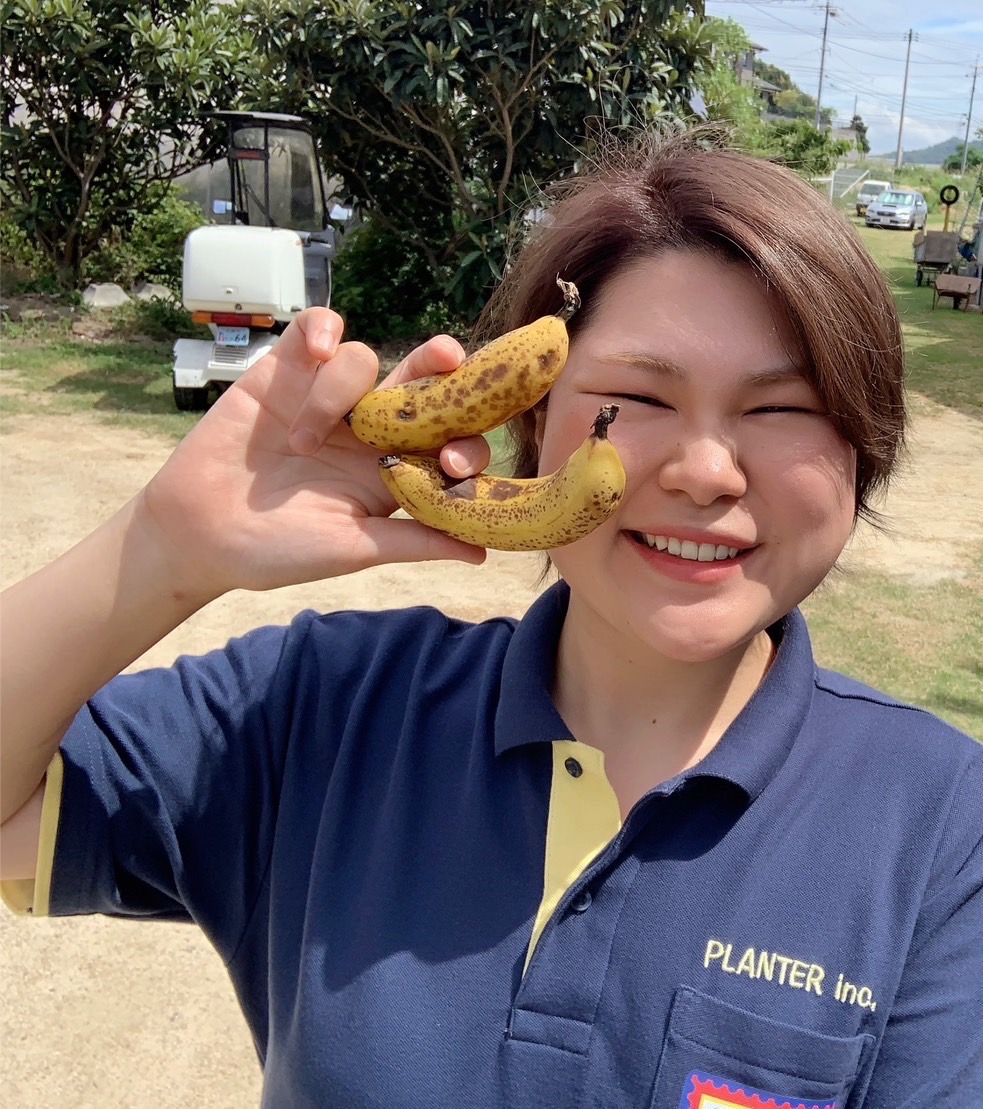
Until I met my father's Setouchi bananas, I actually wasn't familiar with bananas.
I couldn't eat them because I didn't like the smell.
But Setouchi bananas have a nice aroma, are refreshingly sweet, and taste delicious.
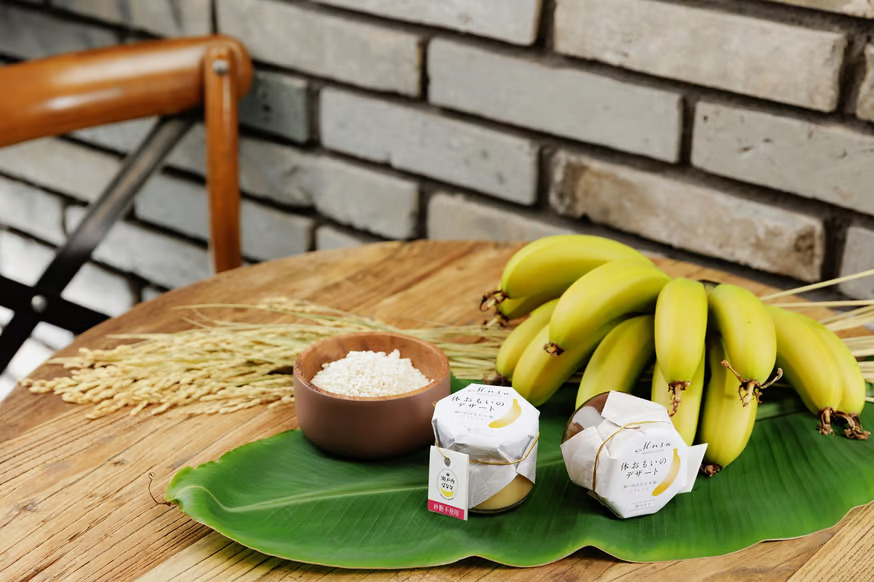
To deliver the bananas that moved me, which are delicious and good for the body, to many people, I created MUSA.
Do you have any recommended ways to eat it?
Noguchi
All flavors pair well with butter.
For example, the koji plain is recommended to spread on croissants.
You can also use it as a substitute for chutney in curry.
The fruity sweetness of the banana adds to the curry spices and matches well.
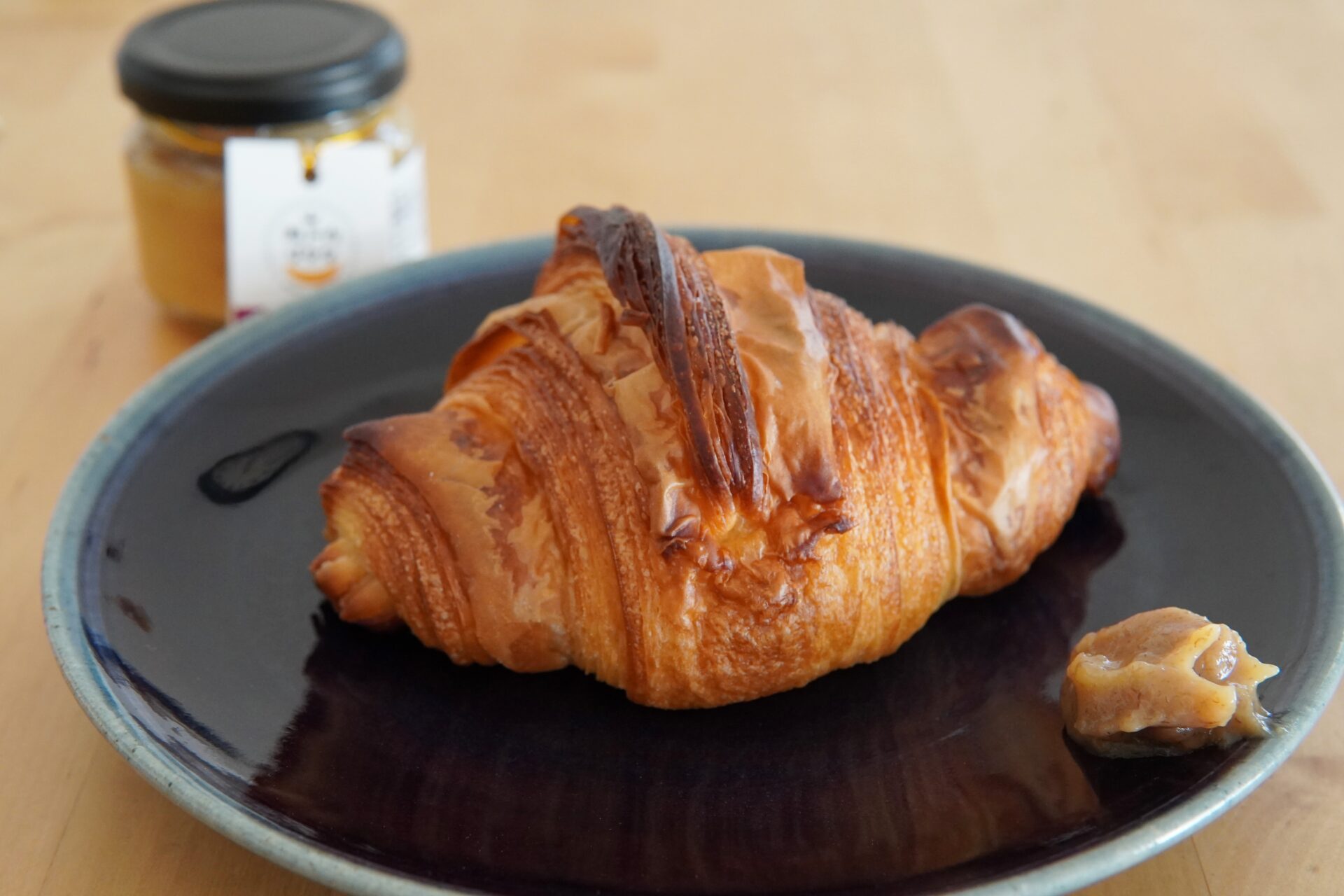
Cacao goes well with bread.
Matcha can also be paired with shiratama (rice dumplings).
If you like alcohol, it’s also good as a snack with shochu or wine.
MUSA has a fine paste-like texture, so it feels good on the tongue and is smooth.
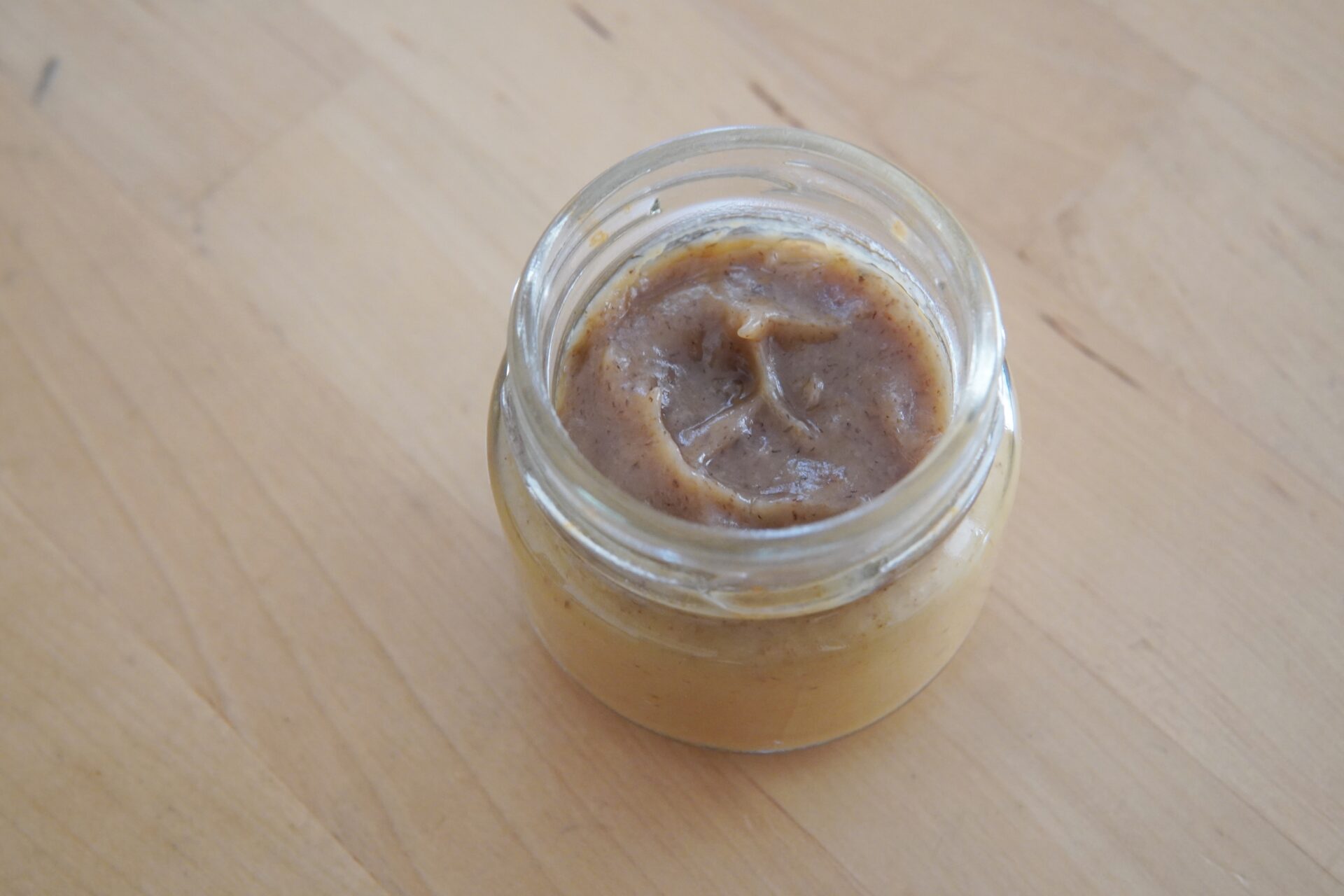
The moment you open the lid, you smell the koji, and then the banana comes later.
The sweetness is strong, but it has a refreshing taste that is not heavy.
The flavor changes rapidly in your mouth, and there are differences between the first and second bites.
You can easily eat bananas, which secrete serotonin, the happiness hormone, and with koji, you can also promote gut health, making it a product that serves two or three purposes.
From the Writer
Kobori-san, who challenged a new field without a model.
Handling everything unknown and exploratory requires considerable effort and determination.
I couldn't help but be moved by Kobori-san, who spoke with a smile without showing any signs of struggle.
From Noguchi-san, who wishes to use the carefully cultivated Setouchi bananas to the fullest and deliver them to many people, I felt a strong conviction.
I can imagine that returning to Kasaoka from Tokyo and challenging agriculture while supporting her father, Kobori-san, also required determination.
I can't take my eyes off the future of Planter, which is pioneering new food in Okayama and developing.
Agricultural Production Corporation Planter Information
| Name | Agricultural Production Corporation Planter |
|---|---|
| Address | 5-15 Niban-cho, Kasaoka City, Okayama Prefecture |
| Contact | 0865-63-5077 |
| Parking | None |
| Business Hours | 9:00 AM – 3:30 PM |
| Regular Holiday | Saturday |
| Website | Planter Corporation |



What do you want to know about Kurashiki?
By entering words, you can search articles from this site