
“Weekly Kurashiki Happy Radio” airs every Friday from 3:00 p.m. to 7:00 p.m.
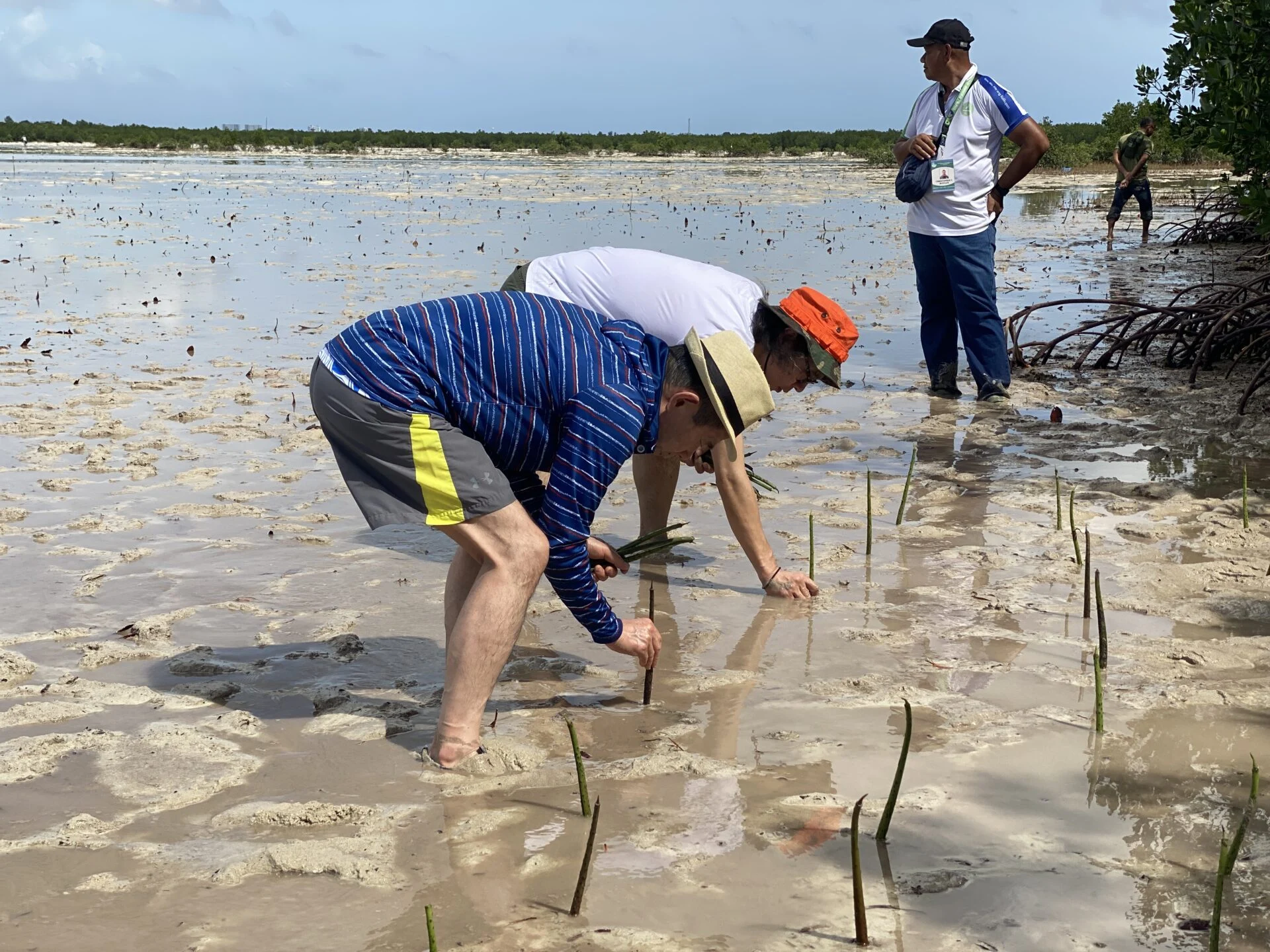
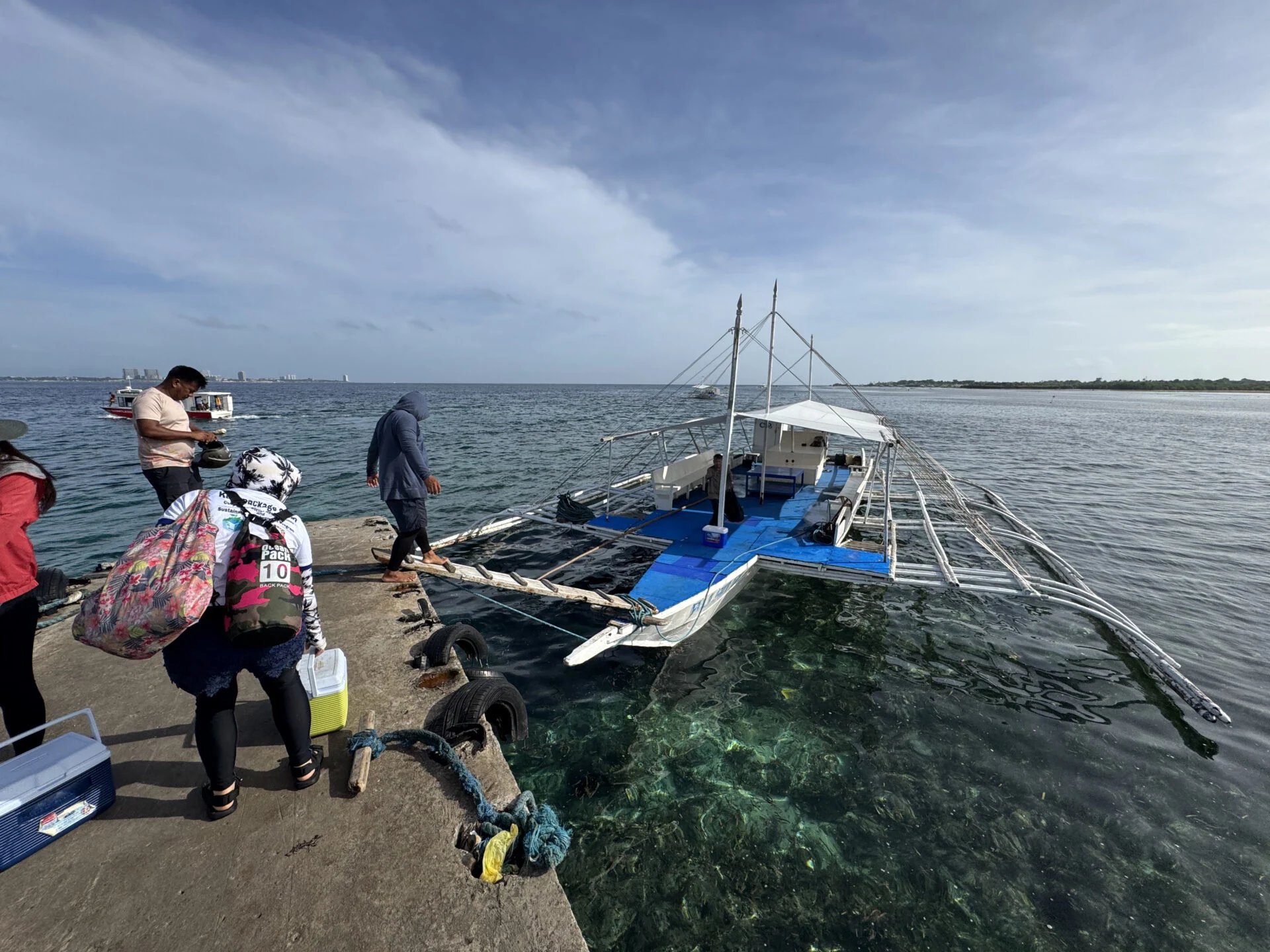
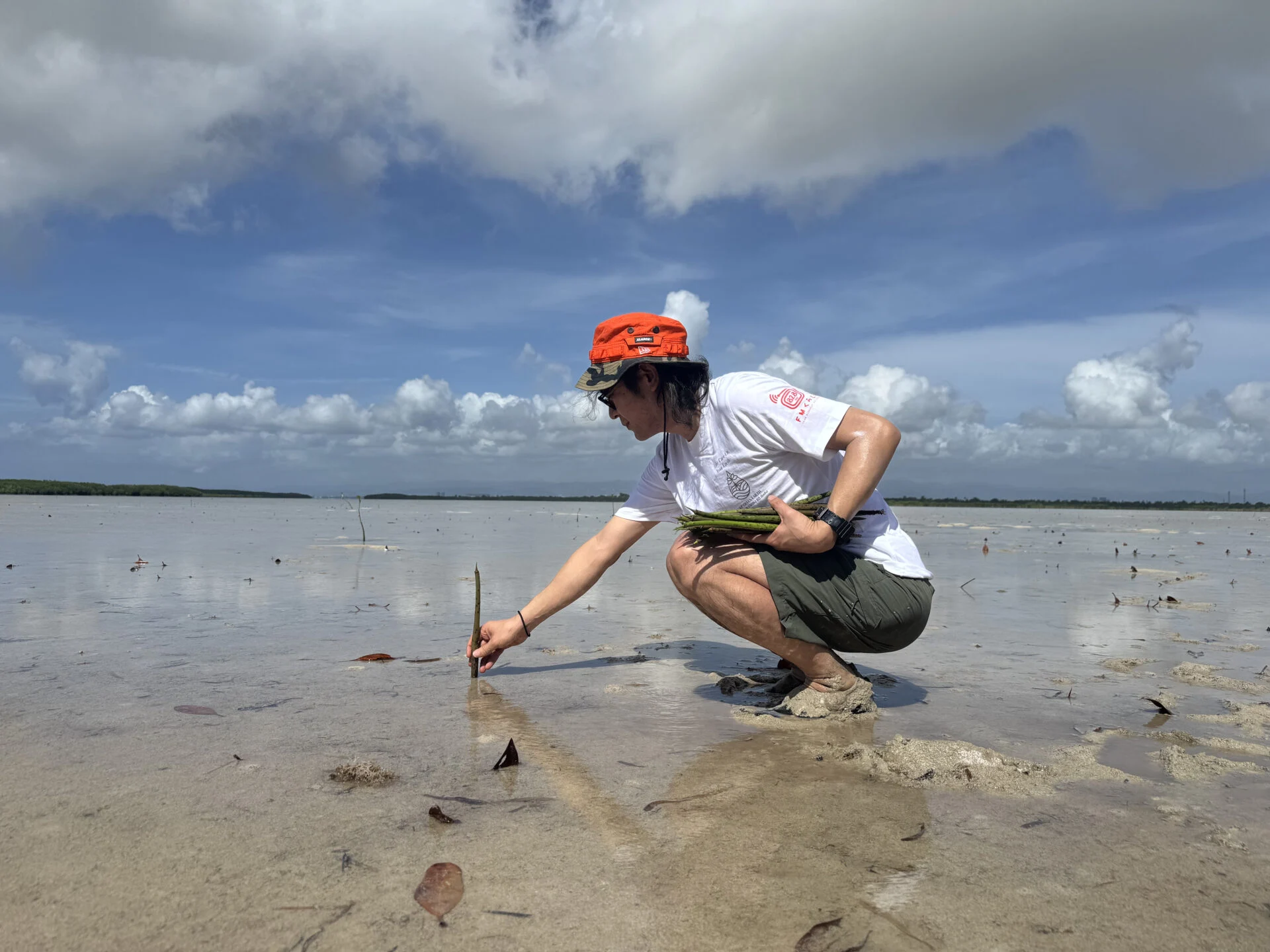
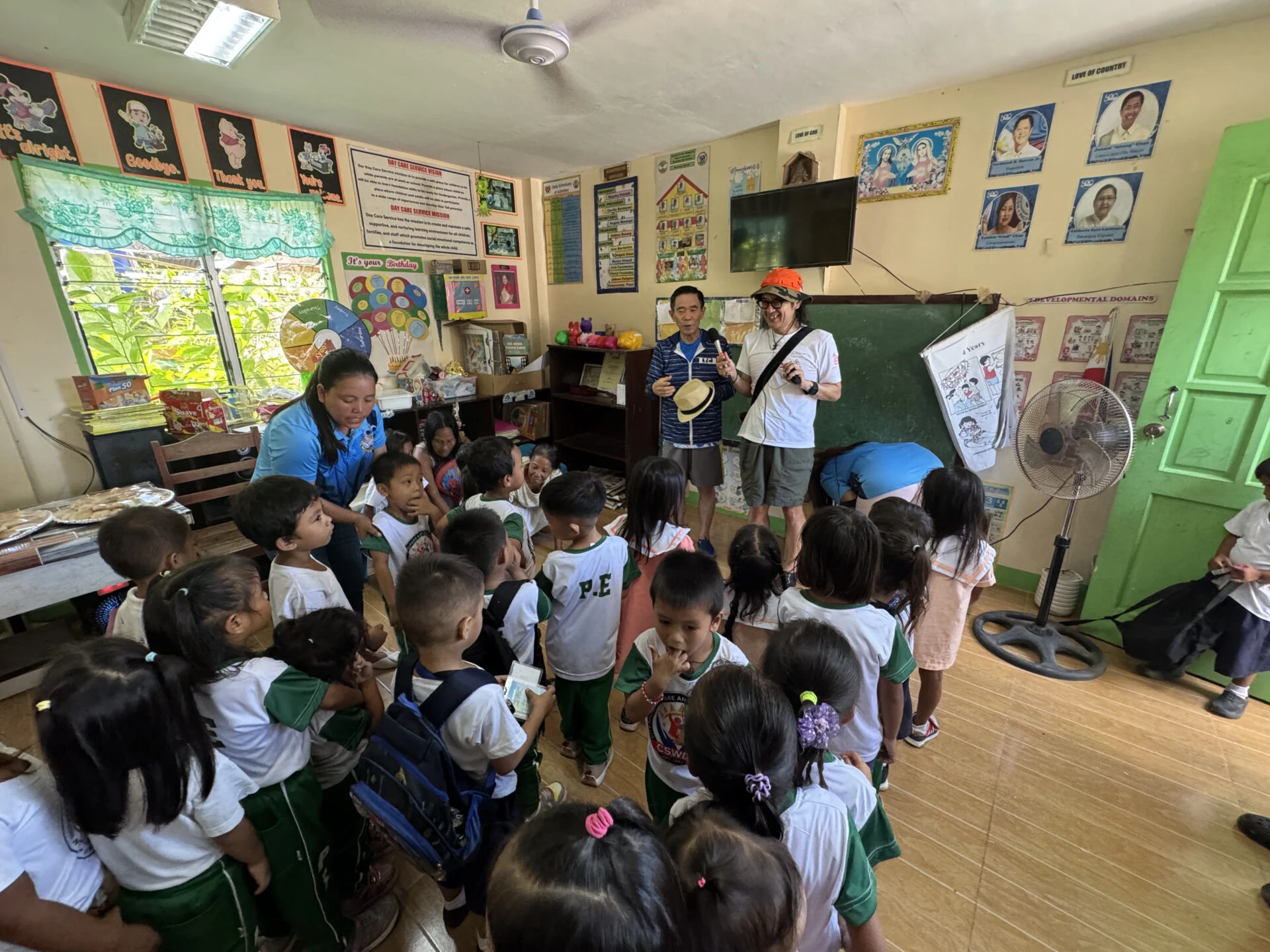
In the “Mangrove Planting Project” segment, the program’s MC, Charlie Otani, travels to the Philippines to report on the mangroves there and the planting efforts.
With the support of kanepackage Inc., and under the guidance of the Philippine Department of Environment and Natural Resources, FM Kurashiki has launched an initiative to plant mangroves!
Here is a look at the fourth Mangrove Planting Project, broadcast on February 28, 2025.

This article was contributed by FM Kurashiki Co., Ltd. It was edited and published by the Haretoco General Incorporated Association editorial team.
The information in this article was current when it was published in June 2025. Please note that it may differ from current information.
Mangrove Planting Project
FM Kurashiki’s Mangrove Planting Project.
To help prevent the decline of mangroves, which play an important role in protecting coastlines and maintaining ecosystems, the project works in partnership with kanepackage Inc..
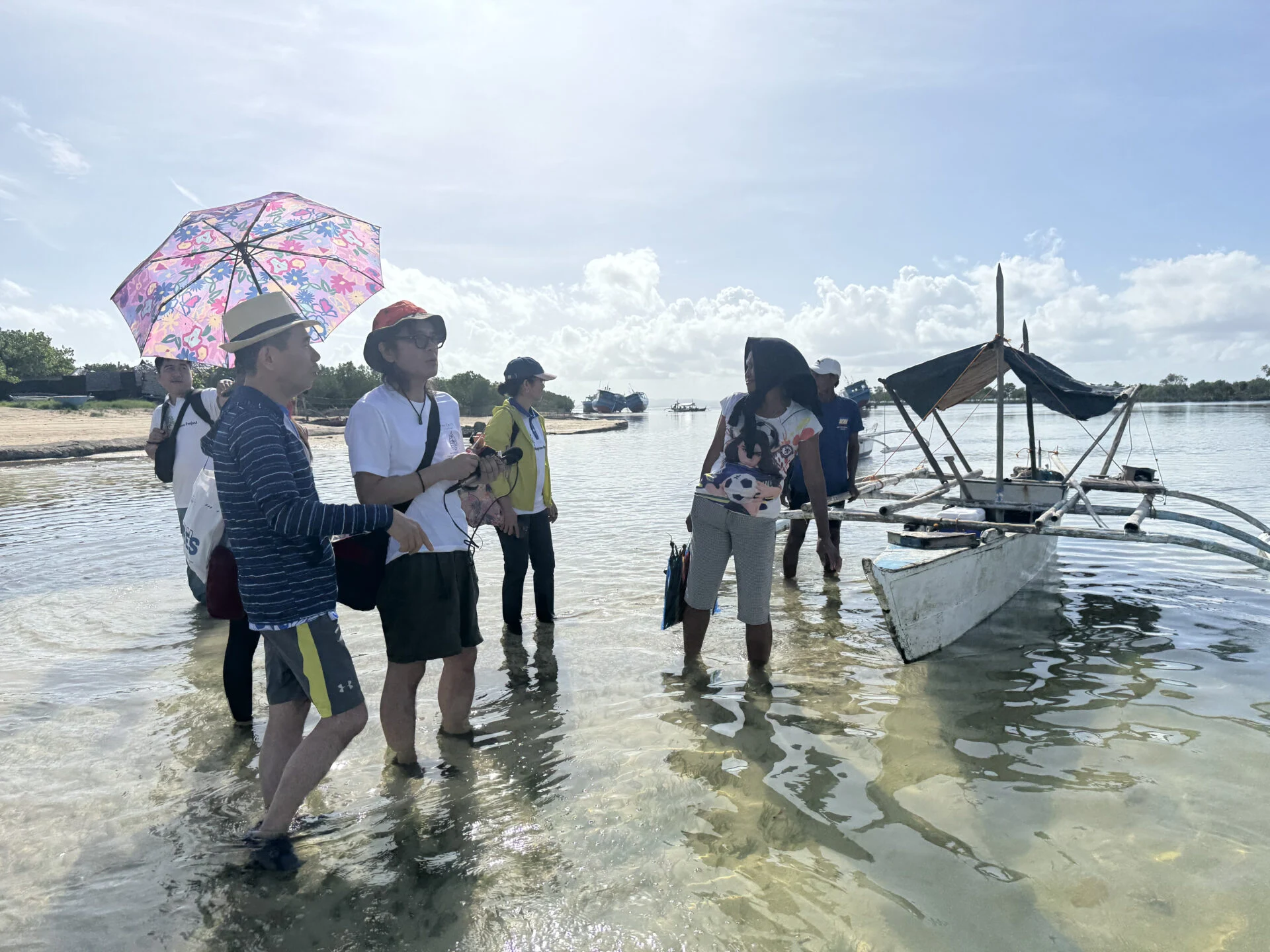
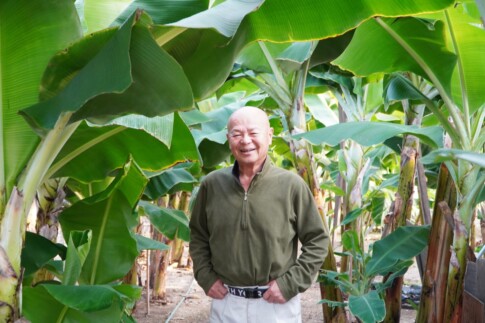
We interviewed Abner, a mangrove expert who researches mangroves in the vast mangrove forest on Olango Island in the Philippines.
With the help of translation from Onodera, a Japanese staff member, we heard Abner’s account and learned about mangroves’ little-known ecology and the benefits they bring us.

How much stress do mangroves experience from the ebb and flow of the tides?
Abner previously studied mangroves at Saitama University. He said that his research topic as a university student was “the relationship between mangroves and environmental stress.”
Abner was particularly interested in “how much stress mangroves experience from the ebb and flow of the tides.”

Abner (translated by Onodera)
There are different kinds of mangroves, and in Cebu, the “Rhizophora” variety is especially common. When we studied this variety, we found that leaving mangroves submerged for a long time causes severe stress. Rhizophora are particularly sensitive to salt water, and if they remain submerged for more than eight hours, they die where they were planted.
Based on these research findings, it is very important to choose a location where mangroves will not remain submerged for long periods. Mangroves planted in a suitable location with a good balance of tides have a higher survival rate and grow into ten-year-old trees.
The benefits of planting mangroves, according to a mangrove expert
We asked Abner, who has studied mangroves for many years, about the benefits of planting them. He told us there are three major benefits.
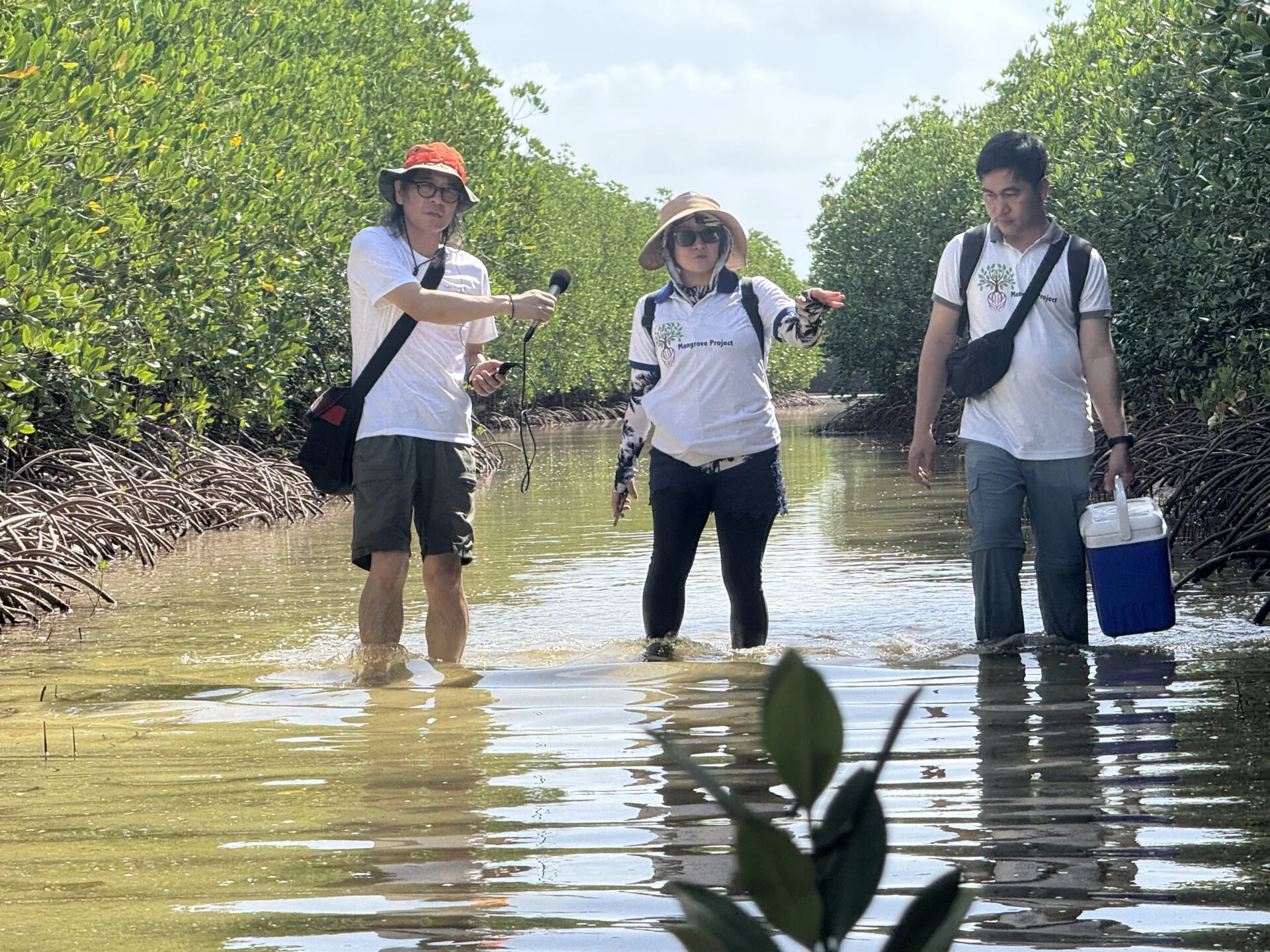
Abner (translated by Onodera)
First, mangroves protect against strong winds, such as those from typhoons. In typhoon-prone areas like the Philippines, dense mangrove forests help prevent damage from disasters.
Second, mangrove roots provide a safe place for small marine creatures. Beneath the roots is the only place where small fish, crabs, and shrimp can hide from predators. Without mangroves, small creatures have a lower chance of survival, so mangroves are essential to sustaining abundant marine life.
Furthermore, recent research has found that mangroves absorb up to five times more carbon dioxide than other trees. Planting mangroves is expected to help purify the air.
Onodera also told us, “Although it is rare nowadays, there are apparently some regions where mangrove roots are used as medicine.”

For local people, mangroves are closely connected to everyday life.
Next, we’re heading to the place where mangroves were first planted on Olango Island!
From the Writer
FM Kurashiki participates in the United Nations’ SDG Media Compact, and works to promote the Sustainable Development Goals by clarifying the connections between its programs and the 17 SDGs.
The Mangrove Planting Project is also part of a program based on the SDG Media Compact, and is still ongoing.
For every guest on “Weekly Kurashiki Happy Radio” who arrives by car, one tree is planted per car.
Also, for every 500-yen button badge purchased, one tree is planted. As of February 2025, 80 badges had been purchased!
We will continue to provide information that is useful to everyone in the community.
Previous Mangrove Planting Project articles
FM Kurashiki “Mangrove Planting Project” Information

| Name | FM Kurashiki “Mangrove Planting Project” |
|---|---|
| Address | 520-28 Hakurakucho, Kurashiki City, Okayama Prefecture |
| Contact | 086-430-0828 |




What would you like to know about Kurashiki?
Enter a search term to find articles on this site
































You can also listen to the “Mangrove Planting Project” on Spotify.
FM Kurashiki ★ Weekly Kurashiki Happy Radio | Podcast on Spotify