
"Weekly Kurashiki Happy Radio" airs every Friday from 3 PM to 7 PM.
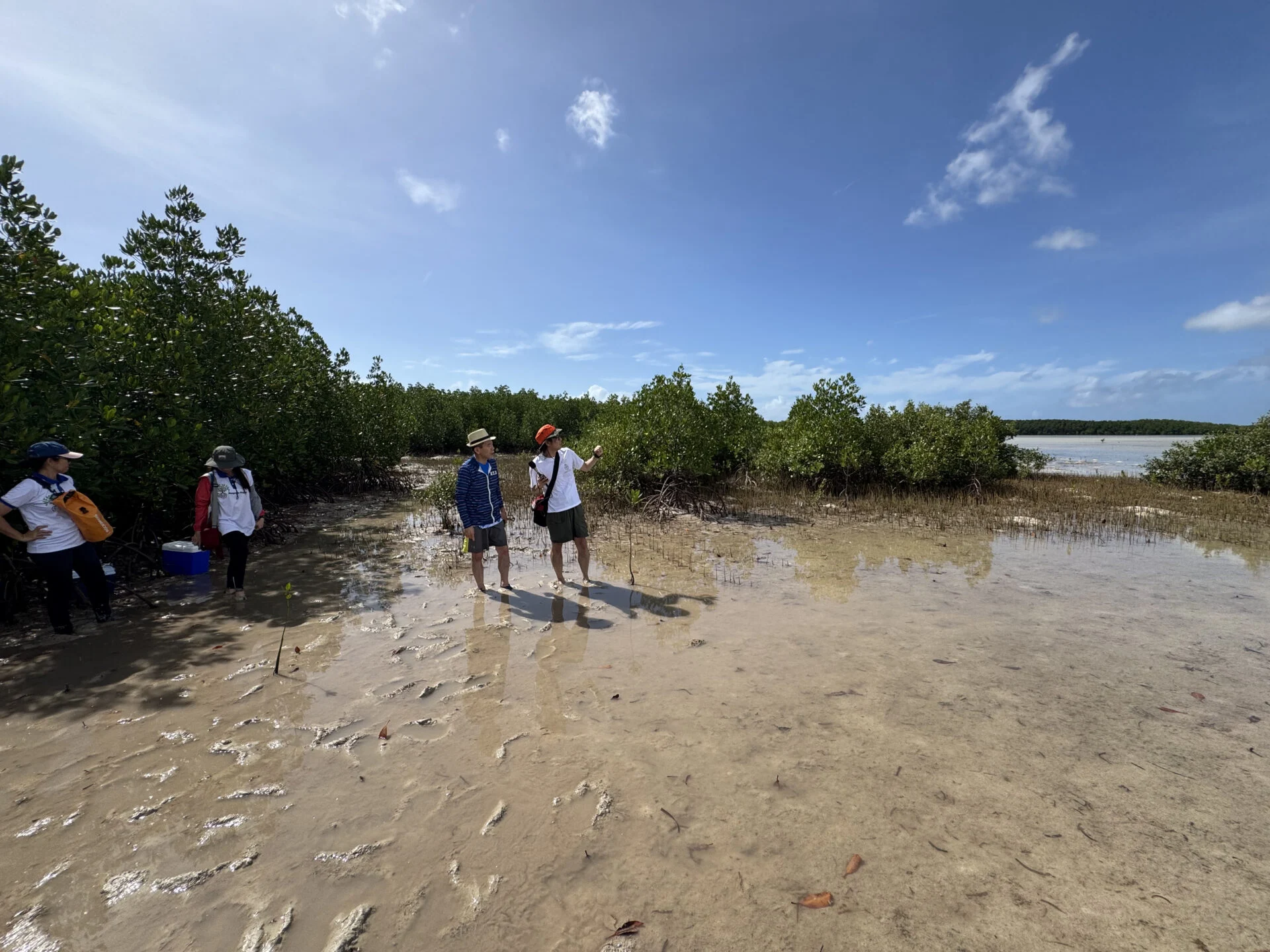
In the segment called "Mangrove Afforestation Project," the program's MC, Charlie Otani, actually travels to the Philippines to report on the local mangroves and the afforestation efforts.
kanepackage Inc. cooperates with us. Under the guidance of the Philippine Department of Environment and Natural Resources, FM Kurashiki has started activities to plant mangroves!
We will introduce the 7th Mangrove Afforestation Project broadcast on July 18, 2025.
This article is a contributed piece by FM Kurashiki. It has been edited and published by the Haretoco General Incorporated Association editorial team.
Mangrove Afforestation Project
The Mangrove Afforestation Project that FM Kurashiki is working on.
To prevent the decrease of mangroves, which play an important role in protecting coastlines and maintaining ecosystems, we are working in collaboration with kanepackage Inc. (hereinafter referred to as "kanepackage").
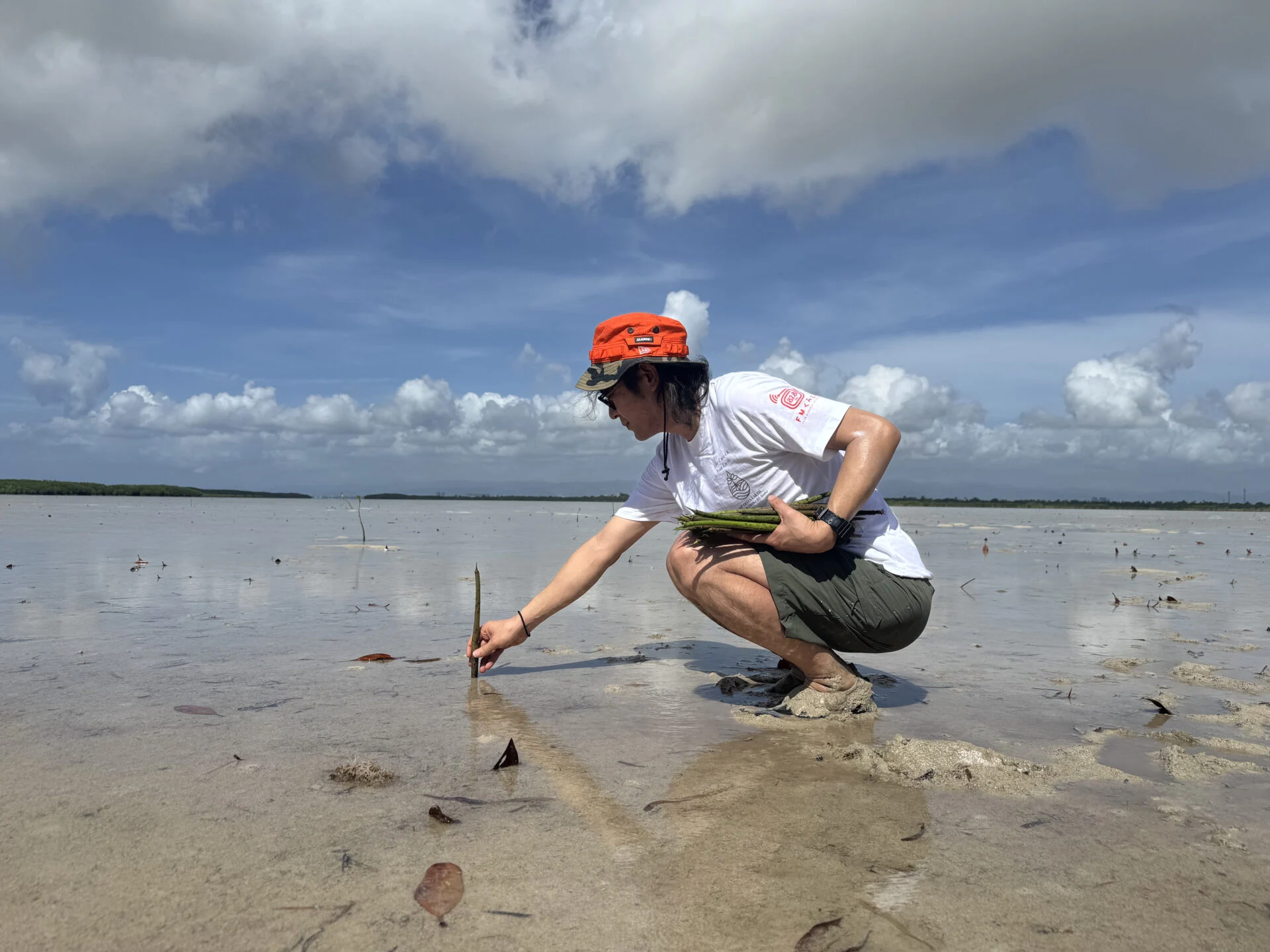
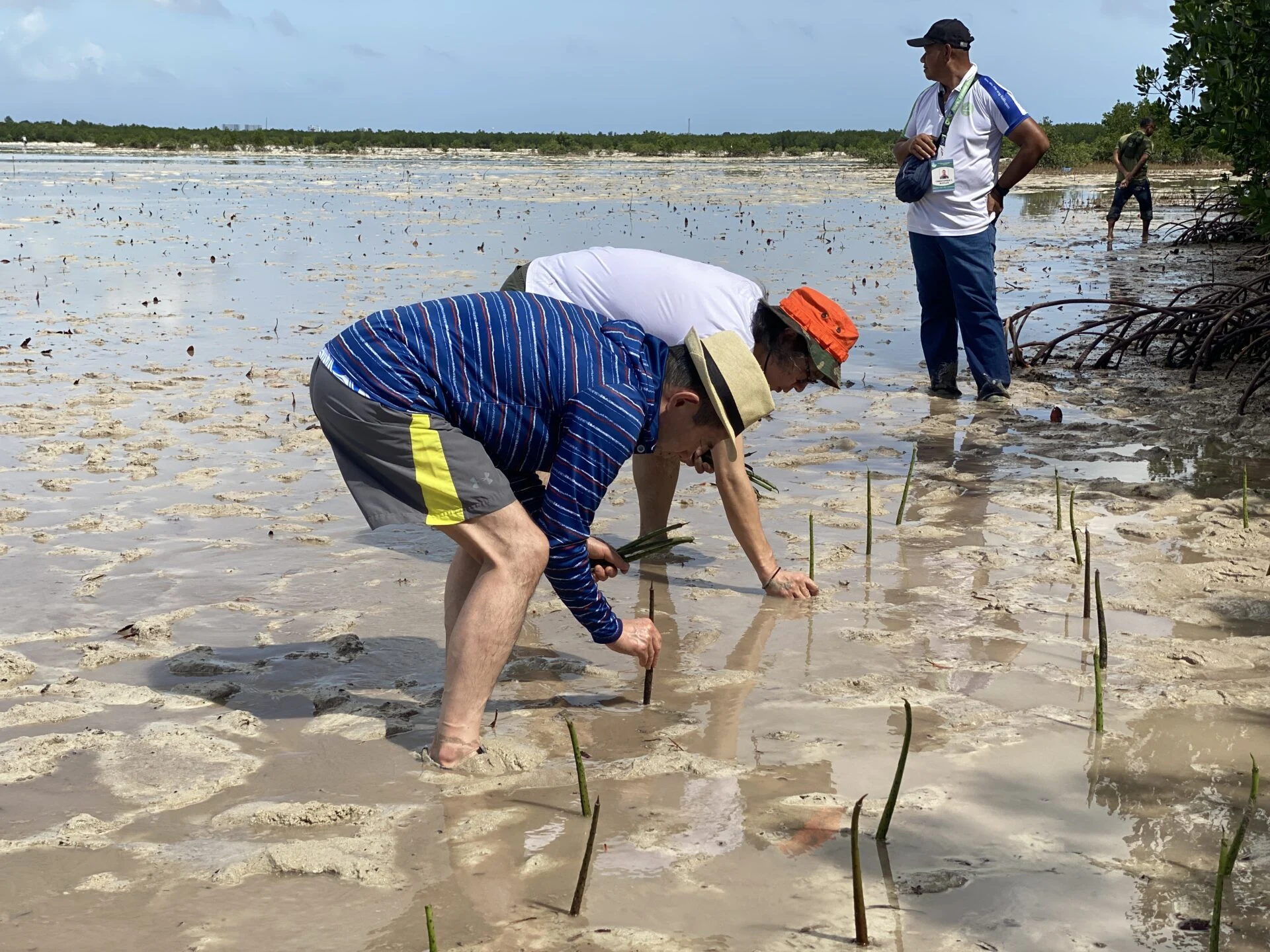
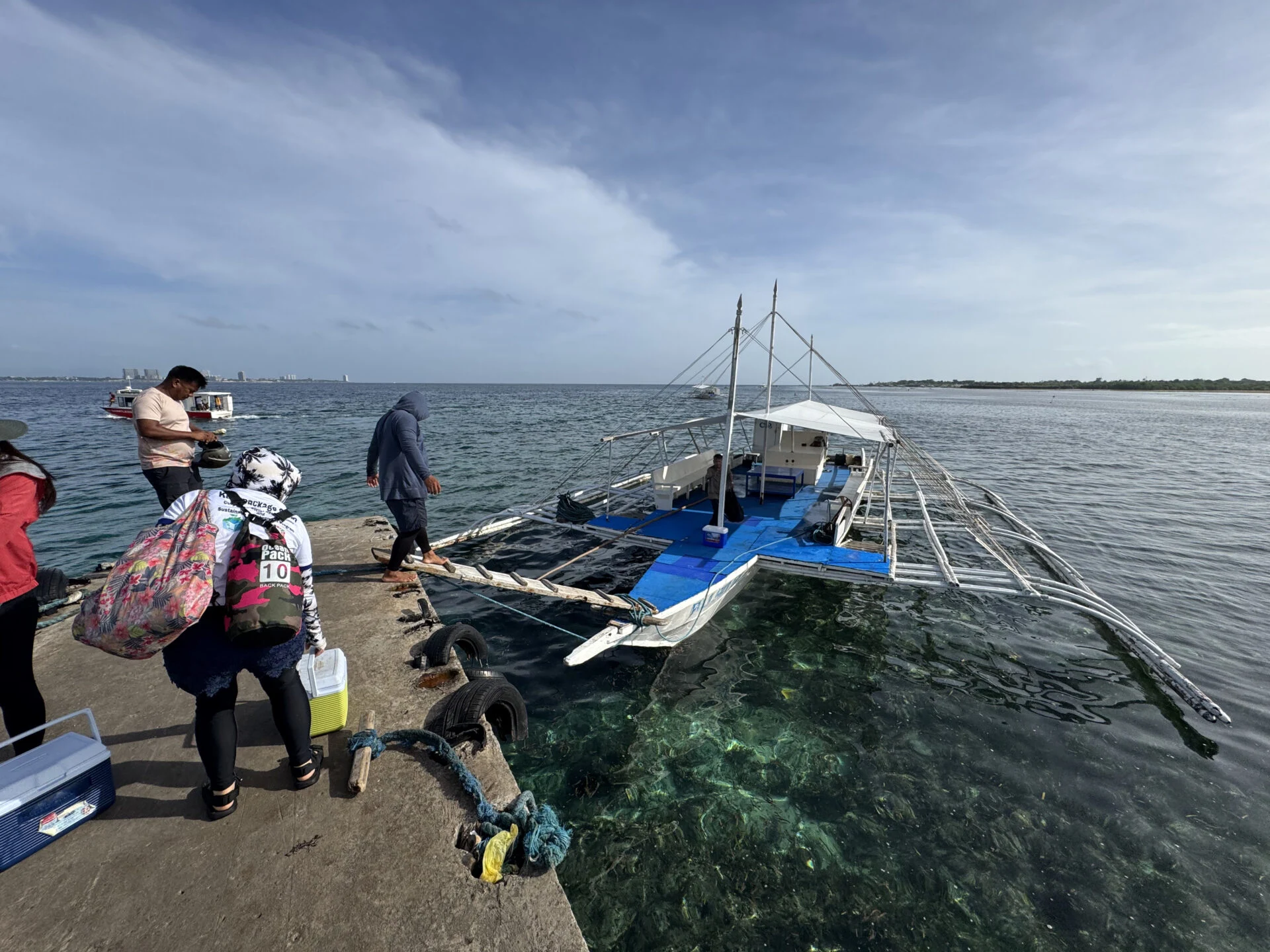
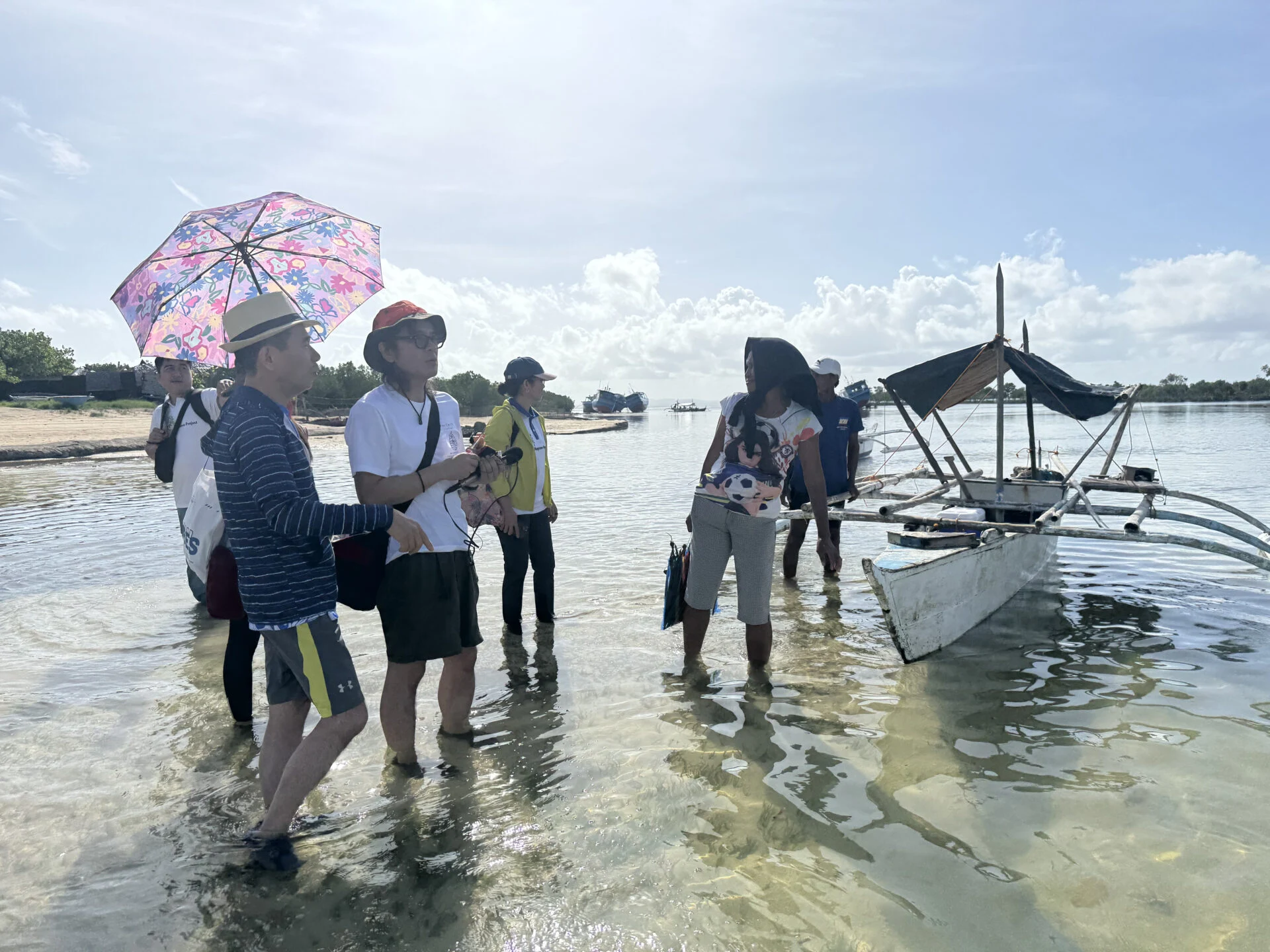
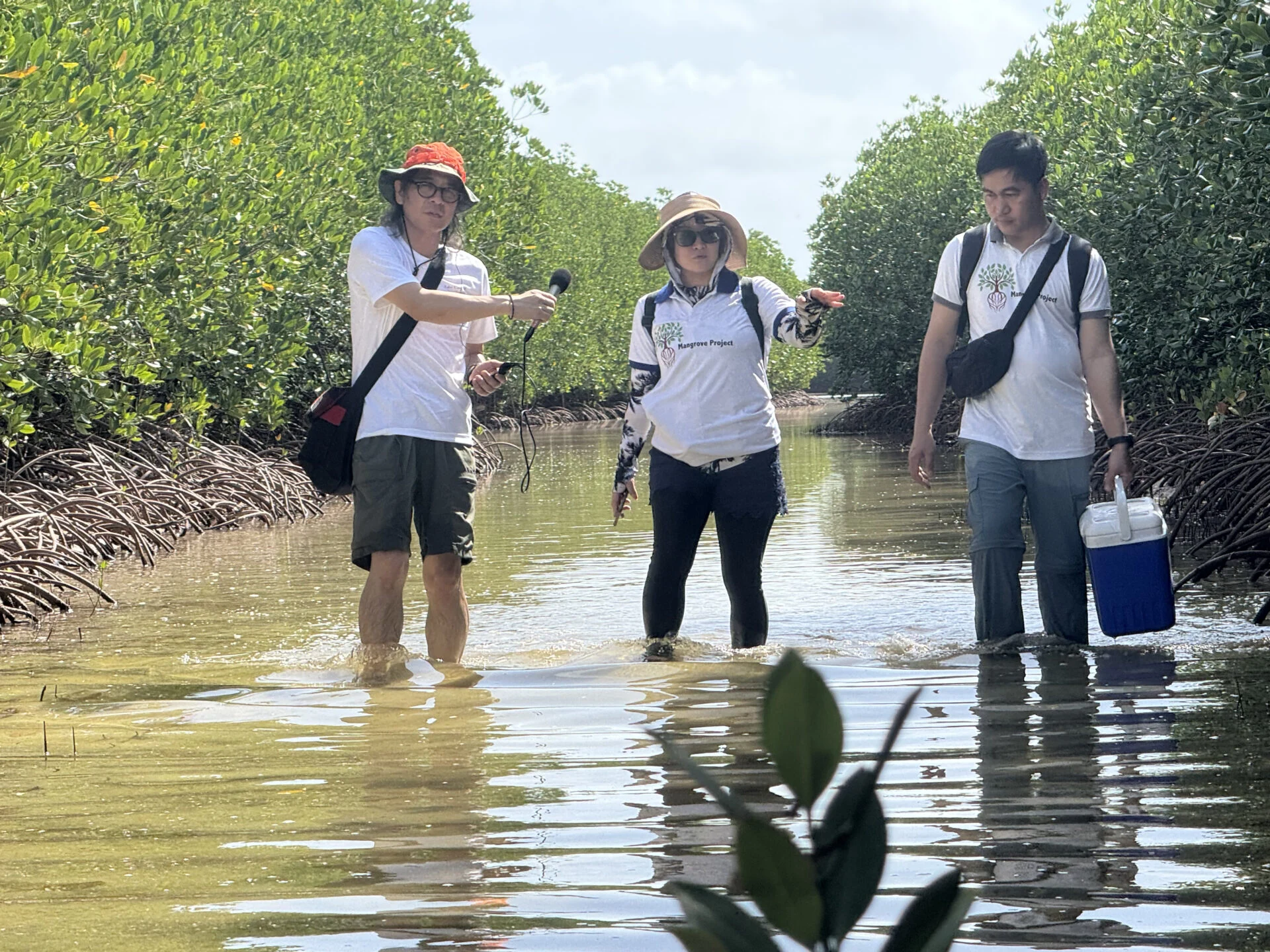
On Olango Island in the Philippines, approximately 15 million mangroves have been planted (as of 2025).
We also experienced mangrove planting and returned to Cebu after completing our coverage on Olango Island.
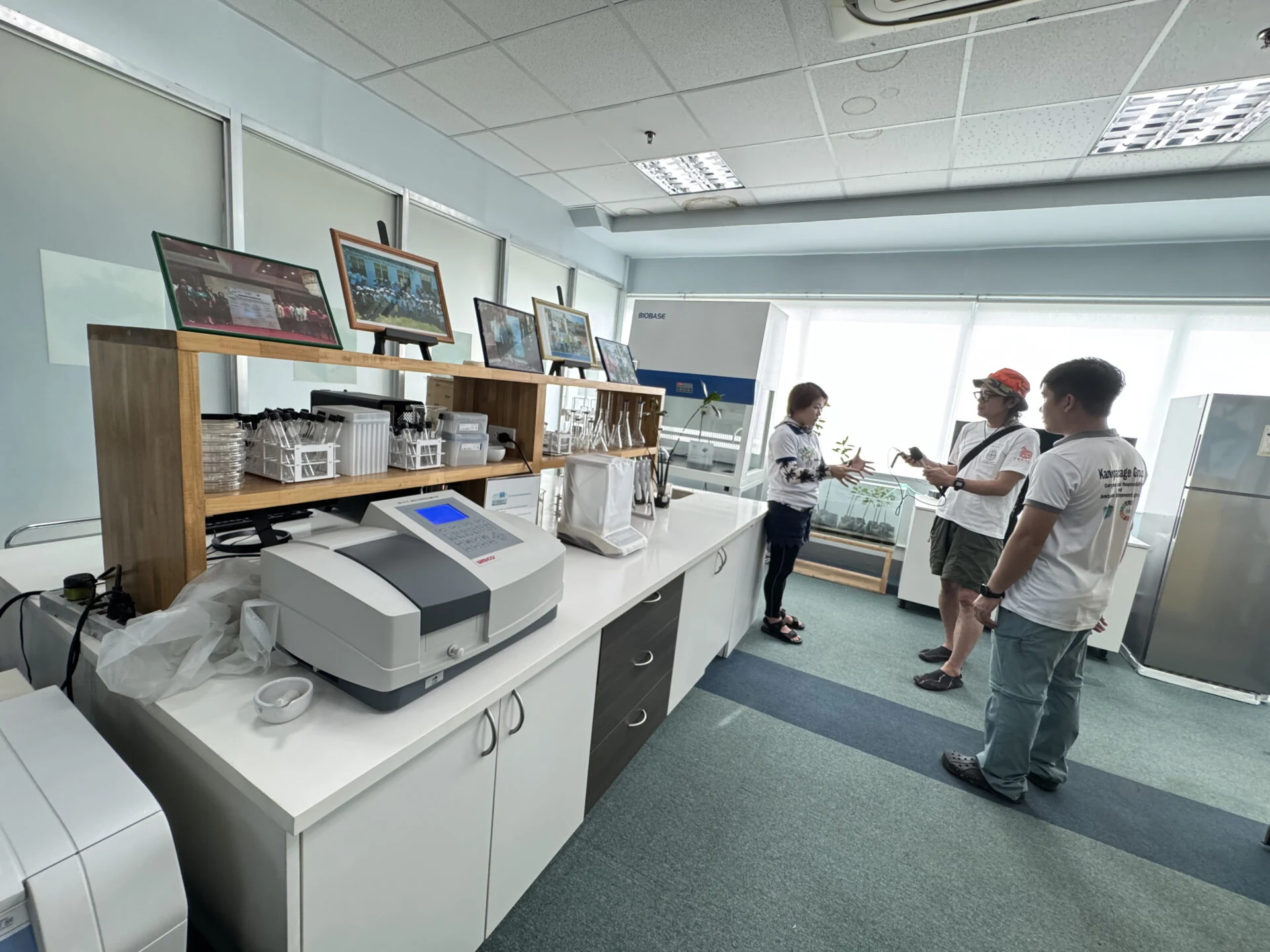
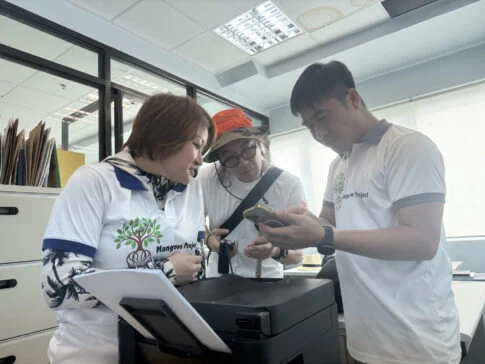
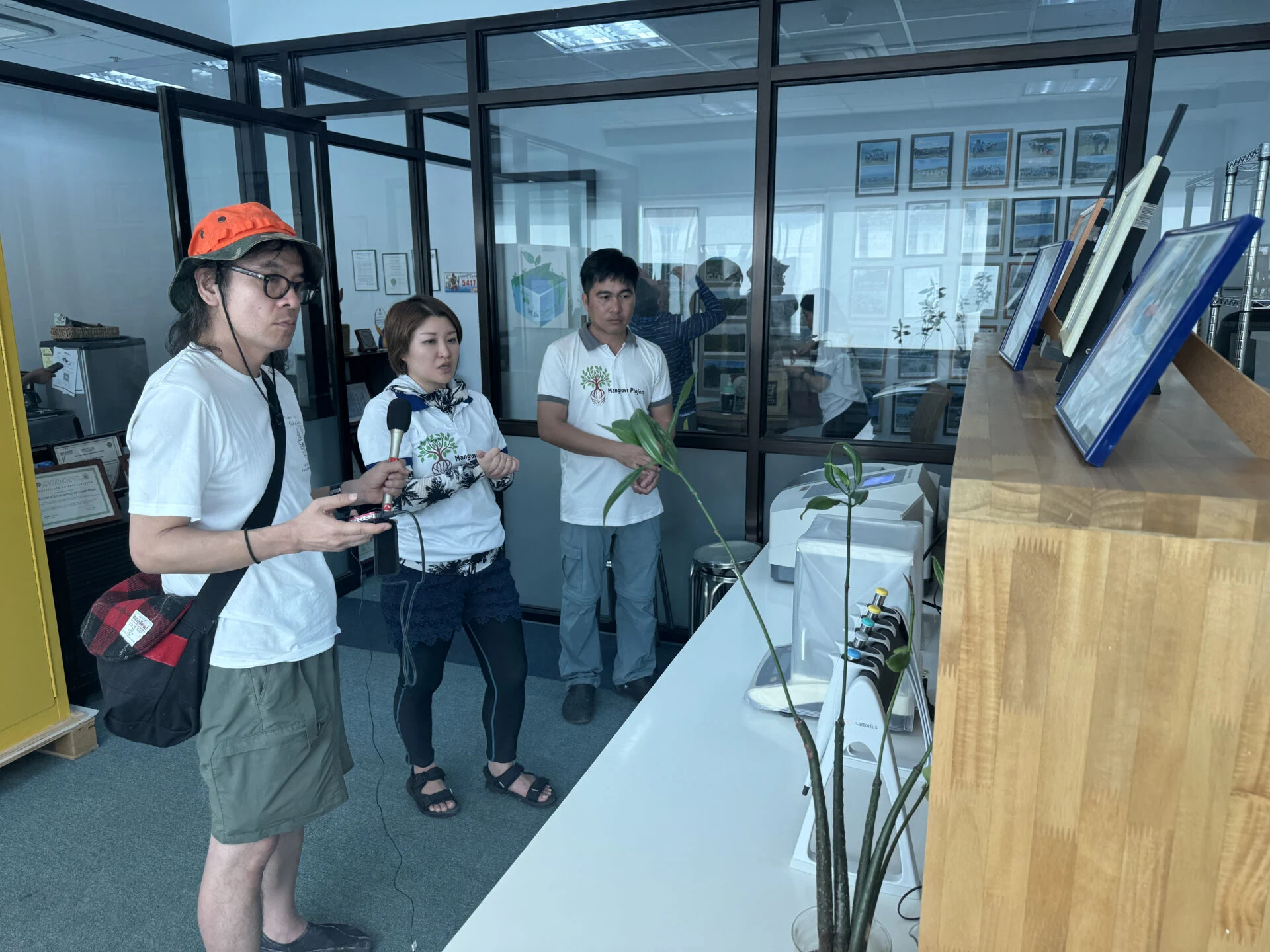
The first place we visited in Cebu was a mangrove research laboratory set up in a corner of an office building. This laboratory is said to be a groundbreaking facility that allows for the immediate testing of collected mangrove samples while they are still fresh.
Let's find out what kind of research is being conducted here.
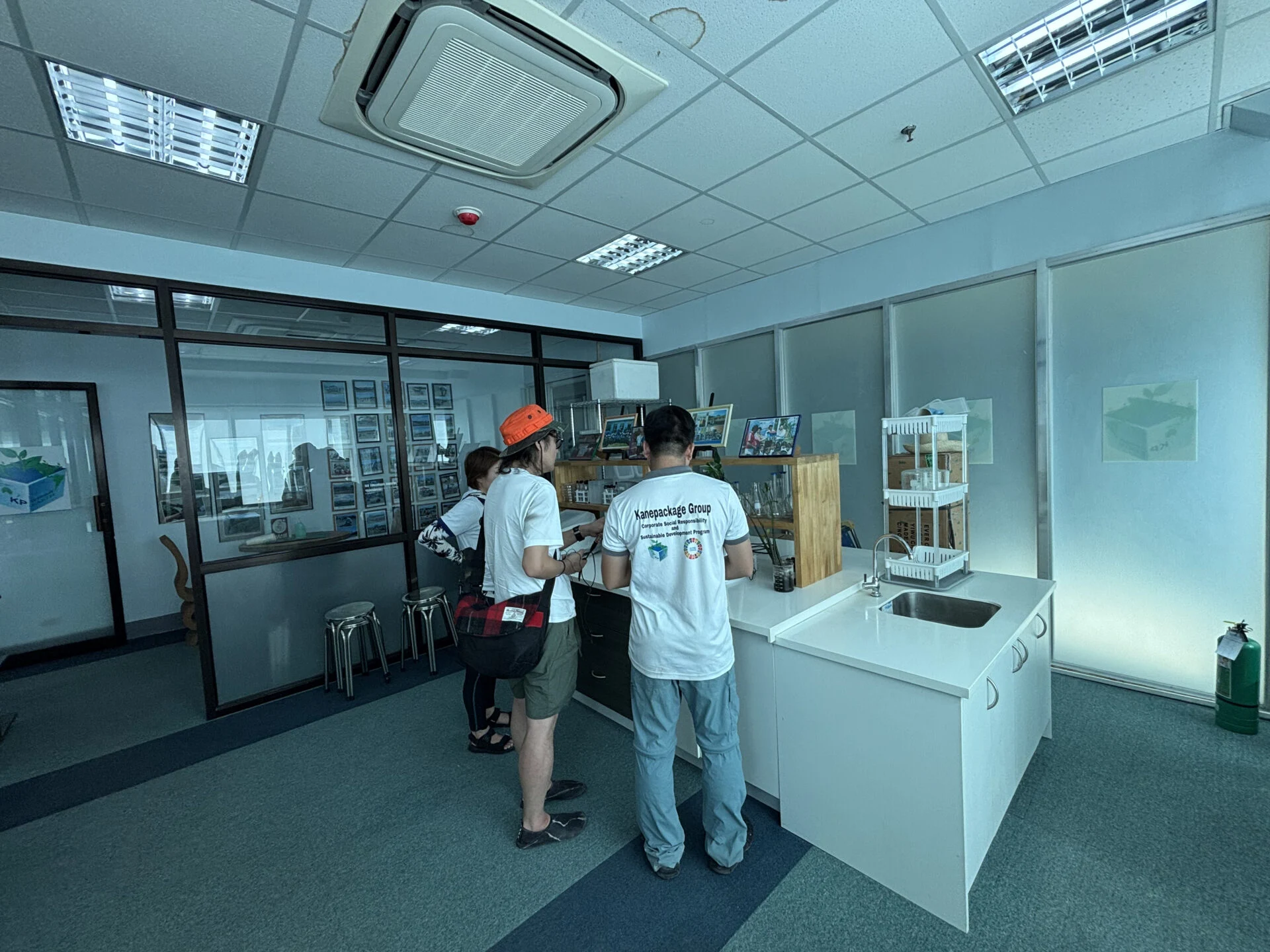
A new base for research with fresh samples in Cebu
We visited KPG Laboratory.
Before this laboratory was established, facilities for studying mangrove leaves and stems were limited to Singapore and Japan in the vicinity of the Philippines. However, when it comes to overseas research, it took about one week to one month to bring samples in due to quarantine, making it very difficult to maintain the freshness of the samples.
Tessei
Since the establishment of this laboratory in the Philippines, a system has been put in place to conduct tests within about one hour of sample collection. The fresher the samples are, the more accurate data can be obtained, and the data collected here is planned to be provided outside the Philippines.
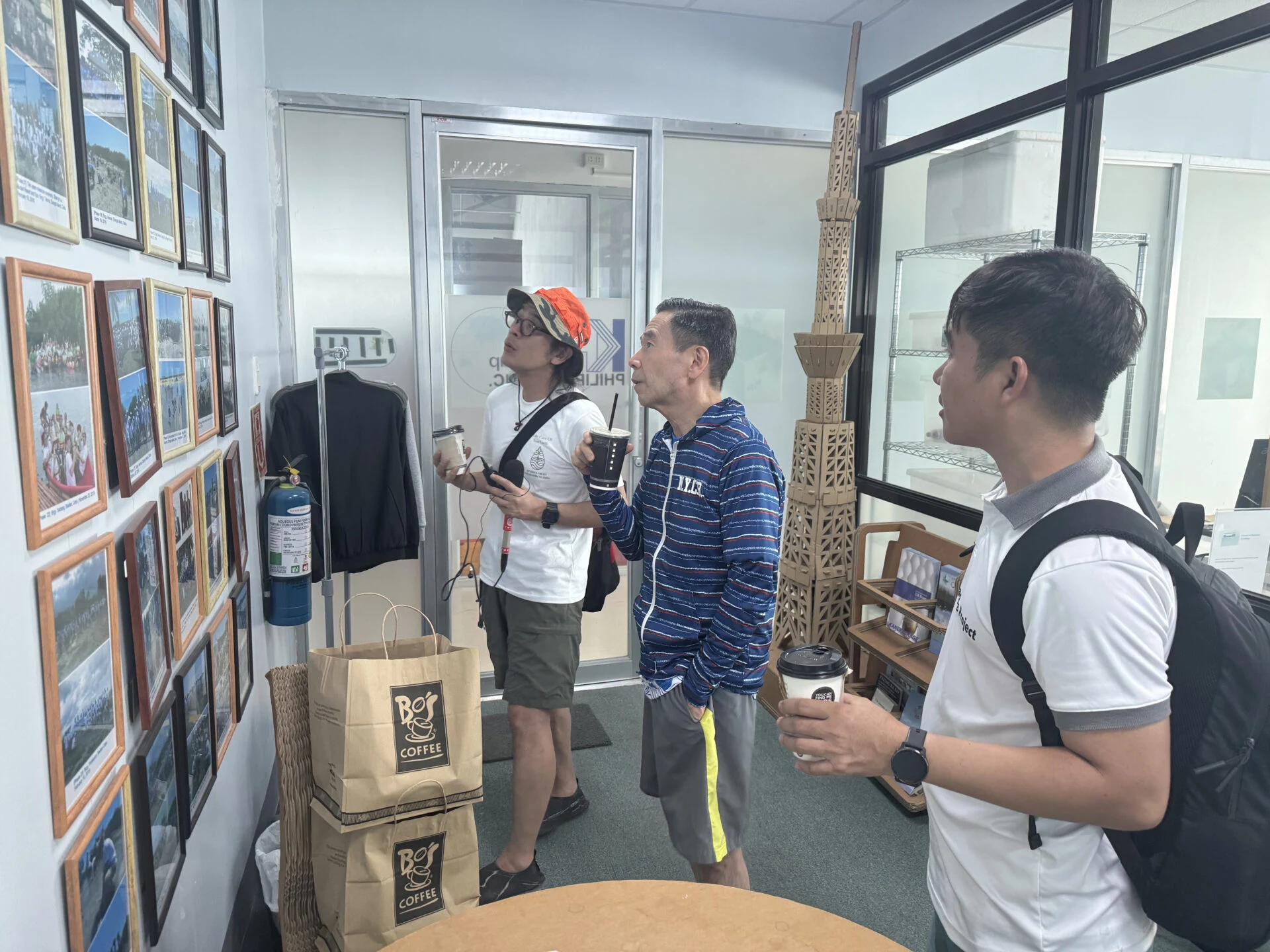
The initial goal of the laboratory was to deepen the understanding of mangrove ecology by researching "what kind of environment is conducive to mangrove survival."
Like mangroves, plants produce hydrogen peroxide when they are stressed. By measuring the amount of hydrogen peroxide, it is possible to determine the stress on the plant and consider measures to alleviate that stress... in other words, to think about creating a more favorable environment for reproduction.
I spoke with mangrove researcher Abner, who obtained a doctorate through research on measuring this stress.
New mangrove research established in the Philippines
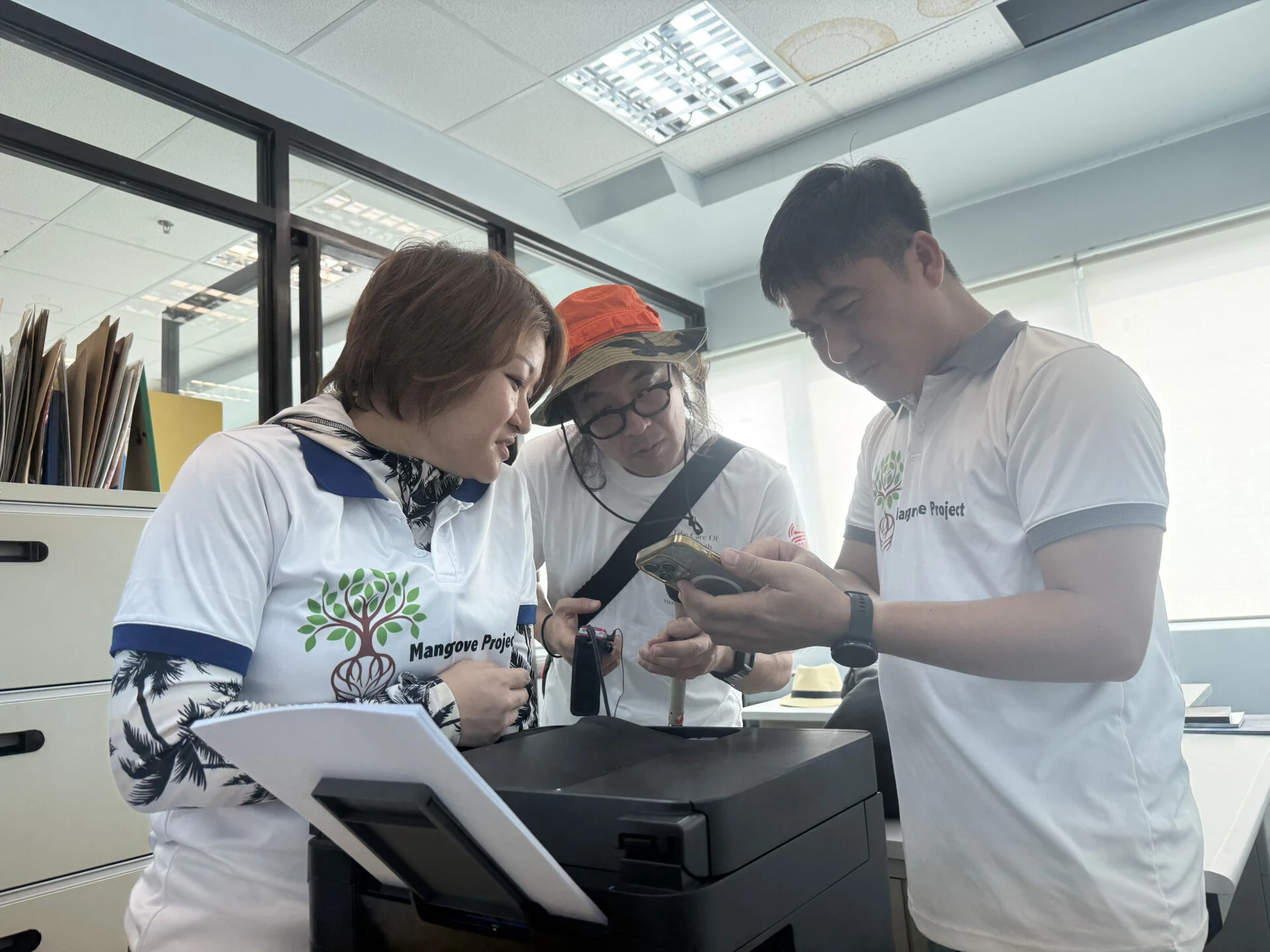
Abner is working on research to unravel environmental stress on mangroves and to investigate the carbon dioxide (CO2) absorption capacity of mangroves at this laboratory.
I asked Abner how he specifically studies the stress on mangroves.
First, he prepares fresh mangrove leaves that have been collected. After grinding the leaves, he puts them in a test tube and separates the liquid from the solid using centrifugal force. By shining light on them, he analyzes the chemical components contained in the leaves and scientifically identifies the main causes of external stress.
Studying the causes of stress is very important for ensuring that mangroves can reproduce without stress.
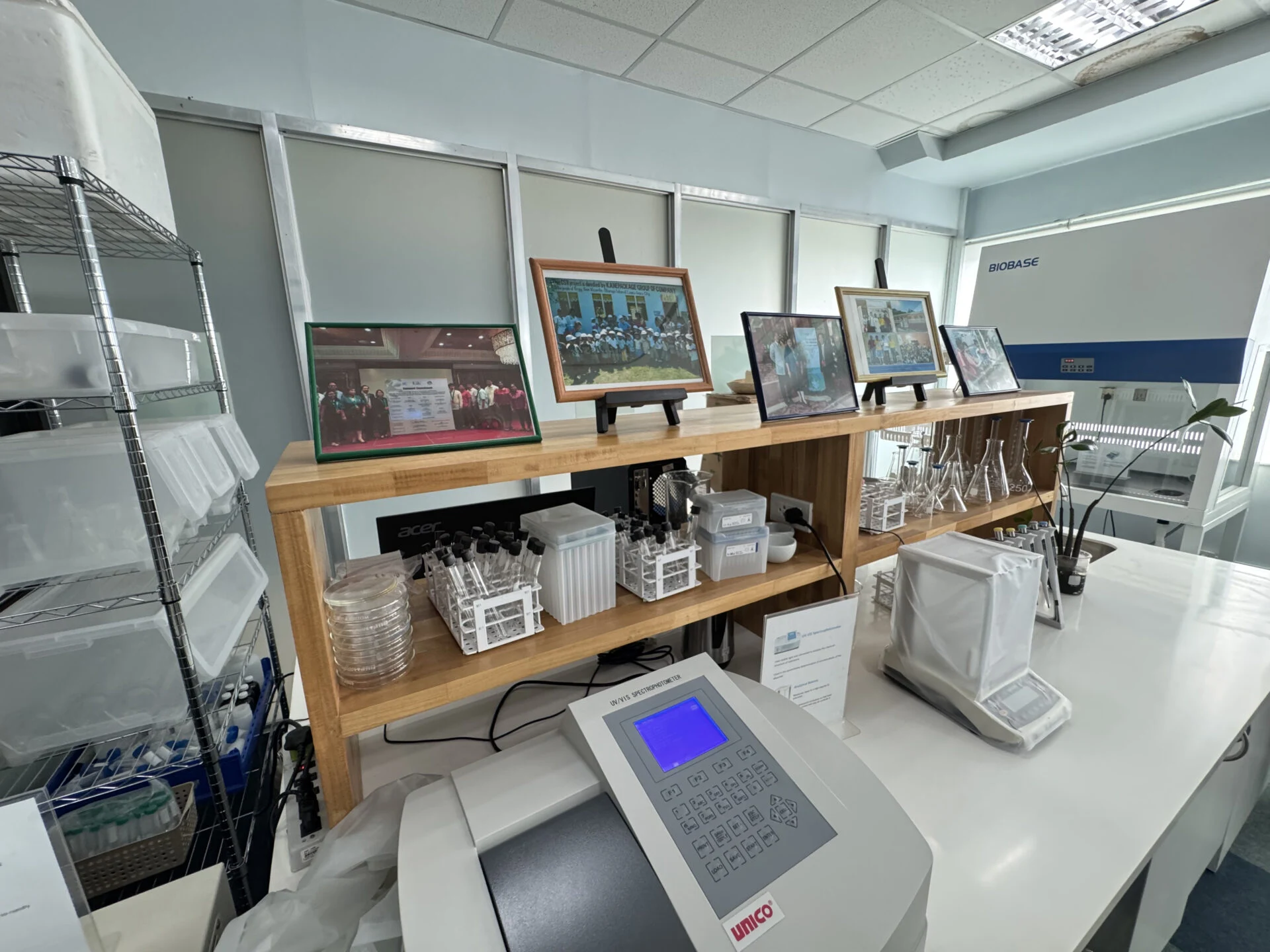
Additionally, the research being conducted throughout the laboratory on "the carbon dioxide absorption capacity of planted mangroves" is said to be a world-first initiative.
While the carbon dioxide absorption capacity of mangroves has been studied in various countries, this is the first time that mangroves planted by human hands are the subject of research, making it a unique study by KPG Laboratory.
Furthermore, investigating the carbon dioxide absorption capacity of the roots of mangroves is also unique to KPG Laboratory.
Mangroves absorb approximately five times more carbon dioxide compared to other plants.
So far, 15 million mangroves have been planted in the Philippines. It is important to find out how much carbon dioxide they are absorbing and how they are helping to clean the Earth. KPG Laboratory is a place where the potential for natural restoration can be discovered.
Perhaps new discoveries that could change the world will emerge from this small laboratory. The Mangrove Afforestation Project is a grand project that continues to protect the future of the community and the Earth.
Conclusion
FM Kurashiki participates in the United Nations' policy "SDG Media Compact," clarifying the connections between the programs it broadcasts and the 17 goals outlined in the Sustainable Development Goals, and is committed to promoting sustainable development goals.
The Mangrove Afforestation Project is also a program based on the SDG Media Compact and is currently ongoing.
If there are guests who come by car to "Weekly Kurashiki Happy Radio," we plant one tree for each car.
Additionally, if you purchase a can badge for 500 yen each, we plant one tree for each badge purchased. As of February 2025, 80 badges have been purchased!
We will continue to deliver useful information to the local community.
Back issues of the Mangrove Afforestation Project

FM Kurashiki "Mangrove Afforestation Project" Data
| Name | FM Kurashiki "Mangrove Afforestation Project" |
|---|---|
| Address | 520-28 Shirakuratown, Kurashiki City, Okayama Prefecture |
| Contact | 086-430-0828 |



































The "Mangrove Afforestation Project" can also be listened to on Spotify.
FM Kurashiki ★ Weekly Kurashiki Happy Radio | Podcast on Spotify