
"Weekly Kurashiki Happy Radio" airs every Friday from 3 PM to 7 PM.
In the segment called "Mangrove Planting Project", the program's MC, Charlie Otani, actually travels to the Philippines to report on the local mangroves and the planting efforts.
With the cooperation of kanepackage Inc., FM Kurashiki has started activities to plant mangroves under the guidance of the Philippine Department of Environment and Natural Resources!
This article introduces the 5th Mangrove Planting Project broadcast on March 7, 2025.
This article is a contributed piece by FM Kurashiki. It has been edited and published by the Haretoco General Incorporated Association editorial team.
Mangrove Planting Project
The Mangrove Planting Project that FM Kurashiki is working on.
To prevent the decrease of mangroves, which play an important role in protecting coastlines and maintaining ecosystems, we are working in collaboration with kanepackage Inc. (hereinafter referred to as "kanepackage").
On Olango Island in the Philippines, approximately 15 million mangroves have been planted (as of 2025).
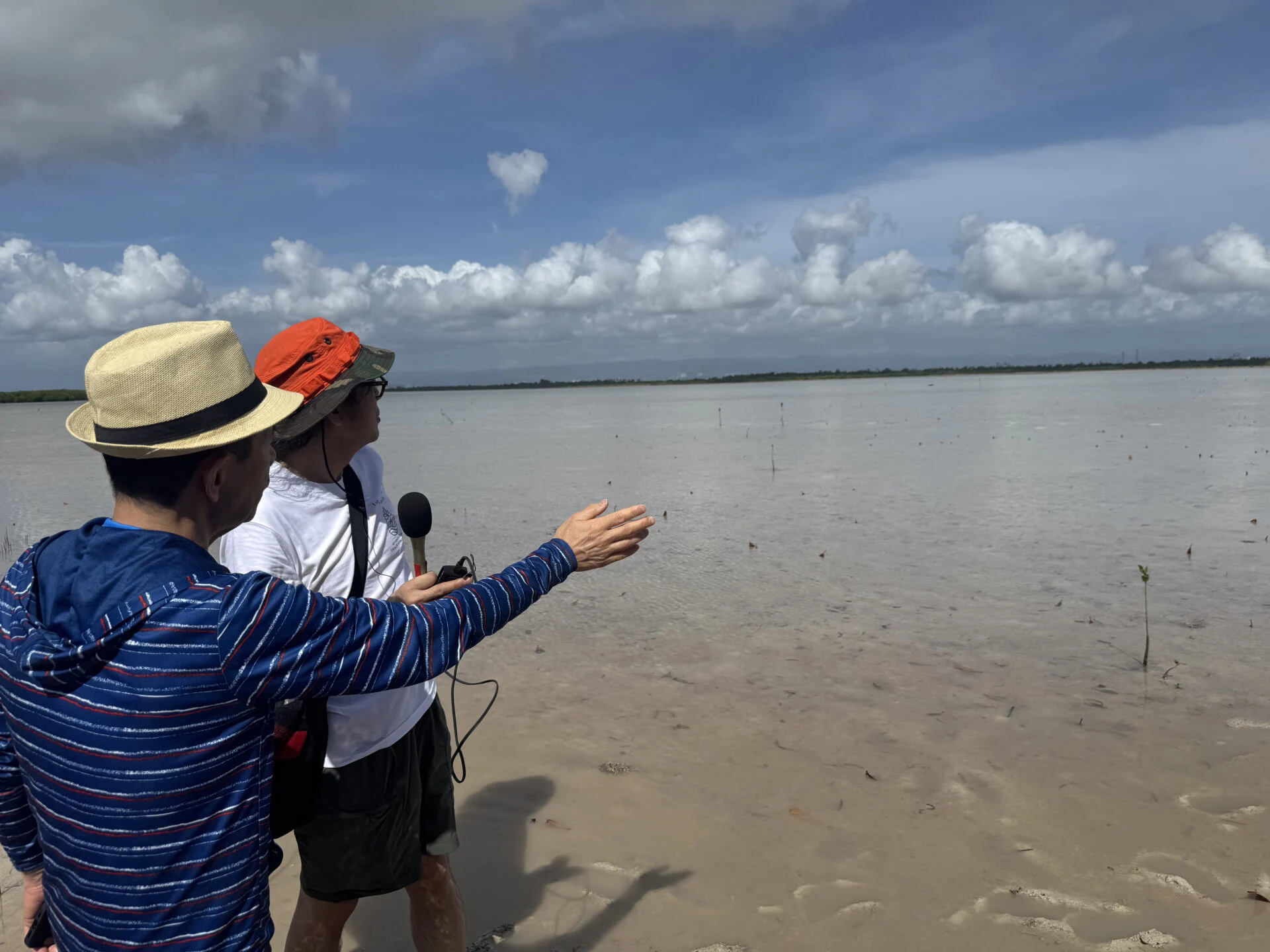
We have come to the place where the first mangroves were planted on Olango Island. While talking to the local people involved in this project, we will delve into the future of the island revealed through the mangrove planting project.
From One Seedling to 15 Million Trees
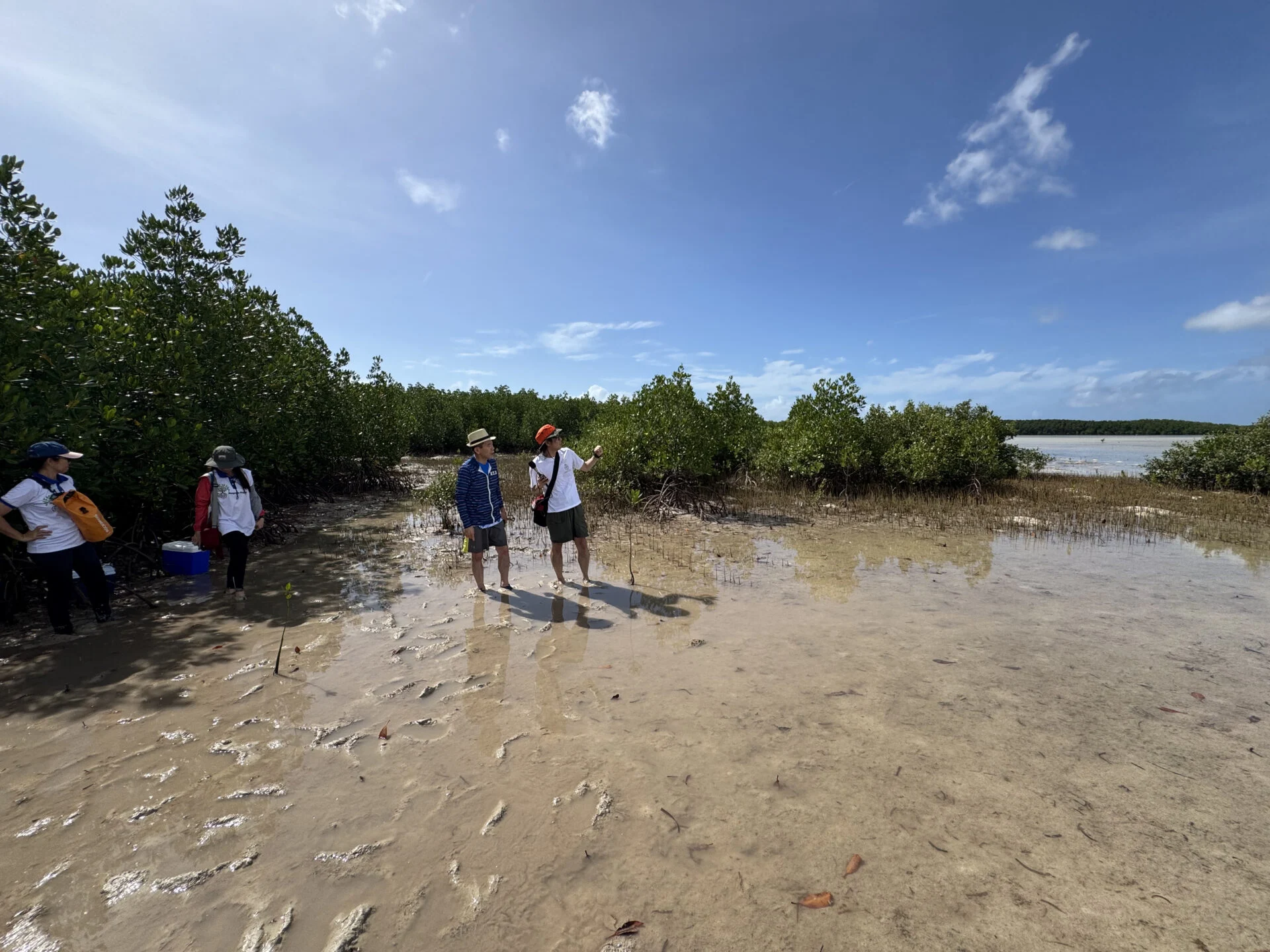
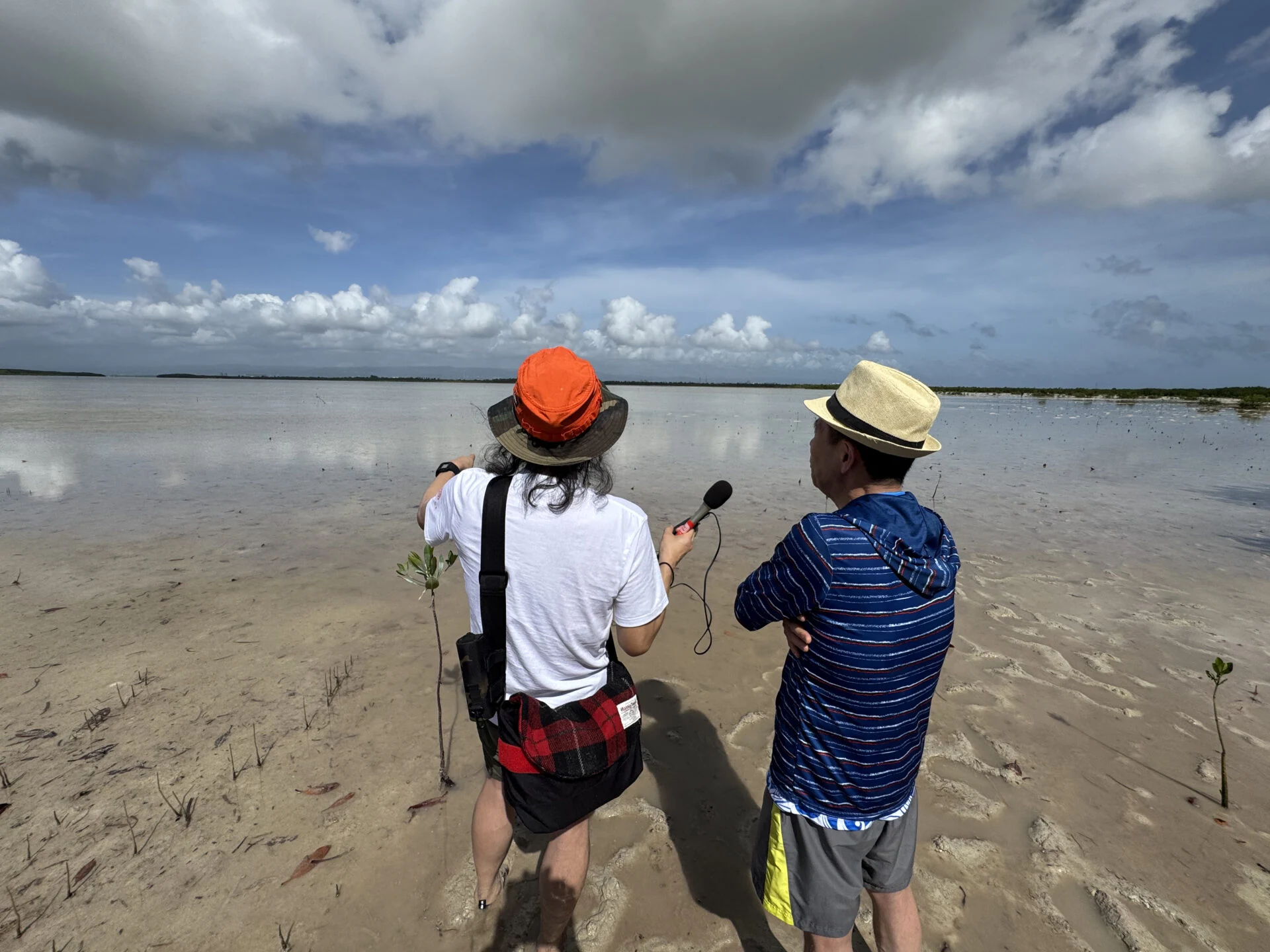
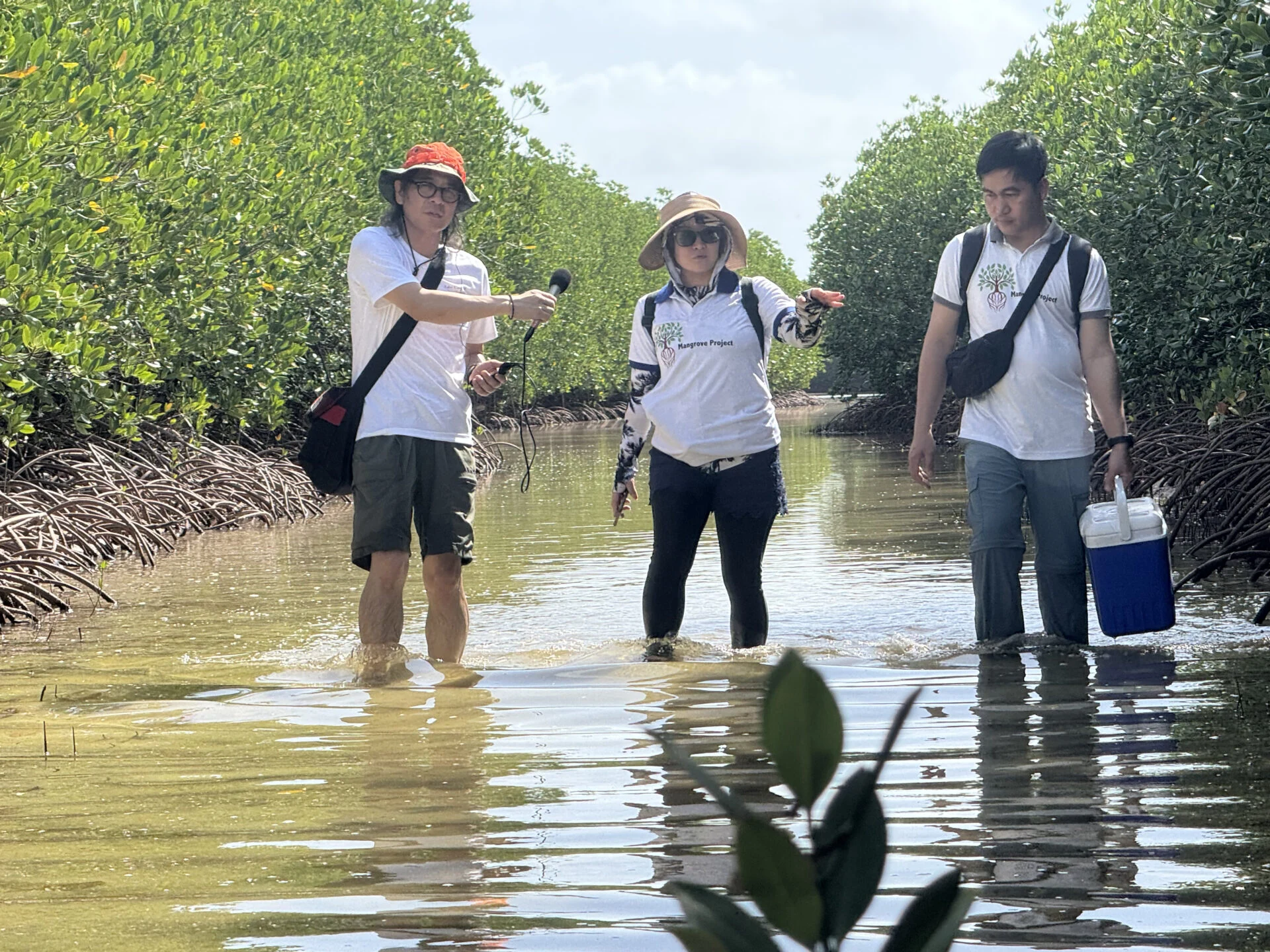
We visited a lagoon surrounded by mangroves on both sides.
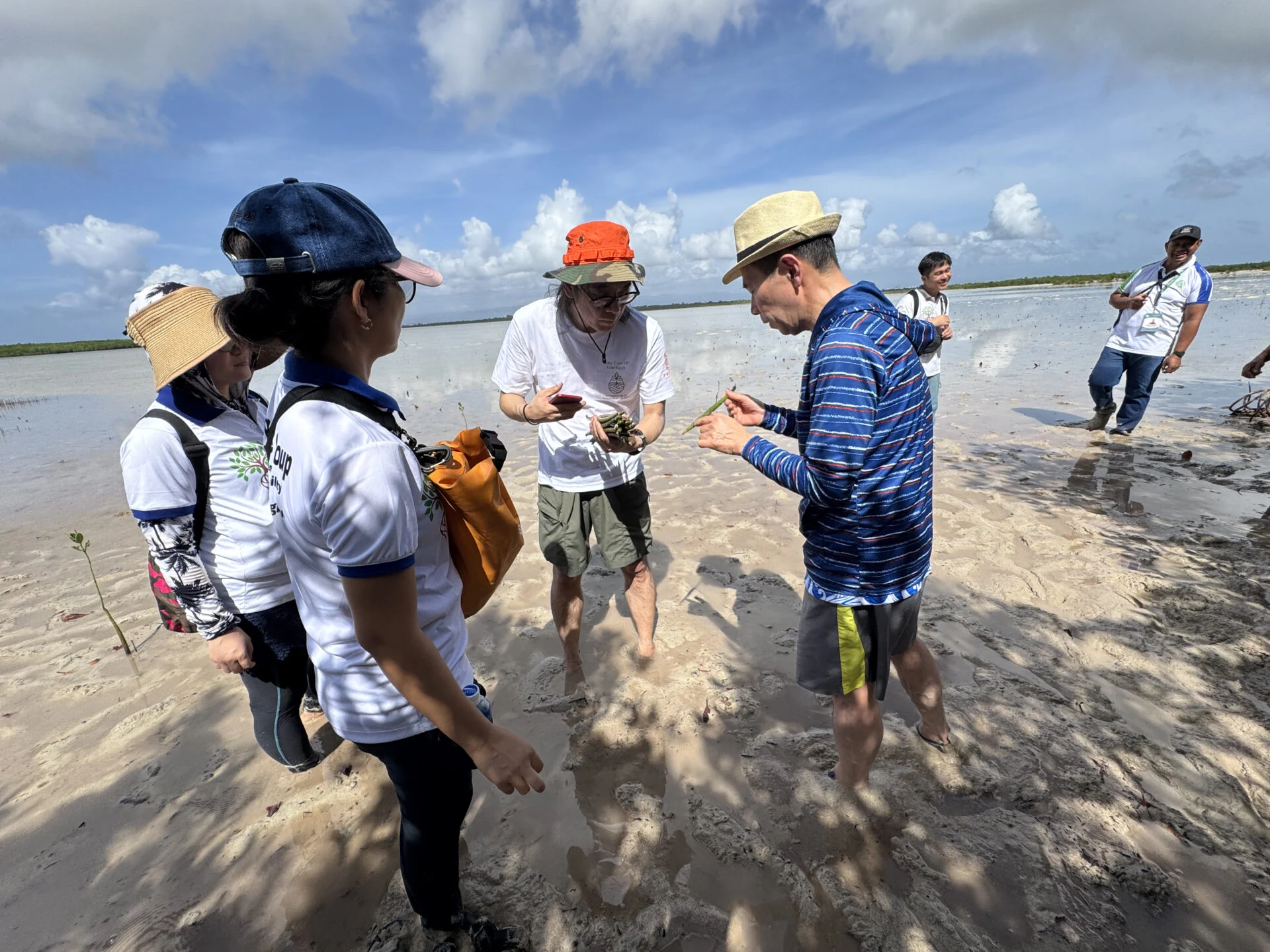
Every mangrove is growing splendidly, and Tessei says, "I think the first planting was around there..."
Planting mangroves seems to start with planting small seeds.
Tessei
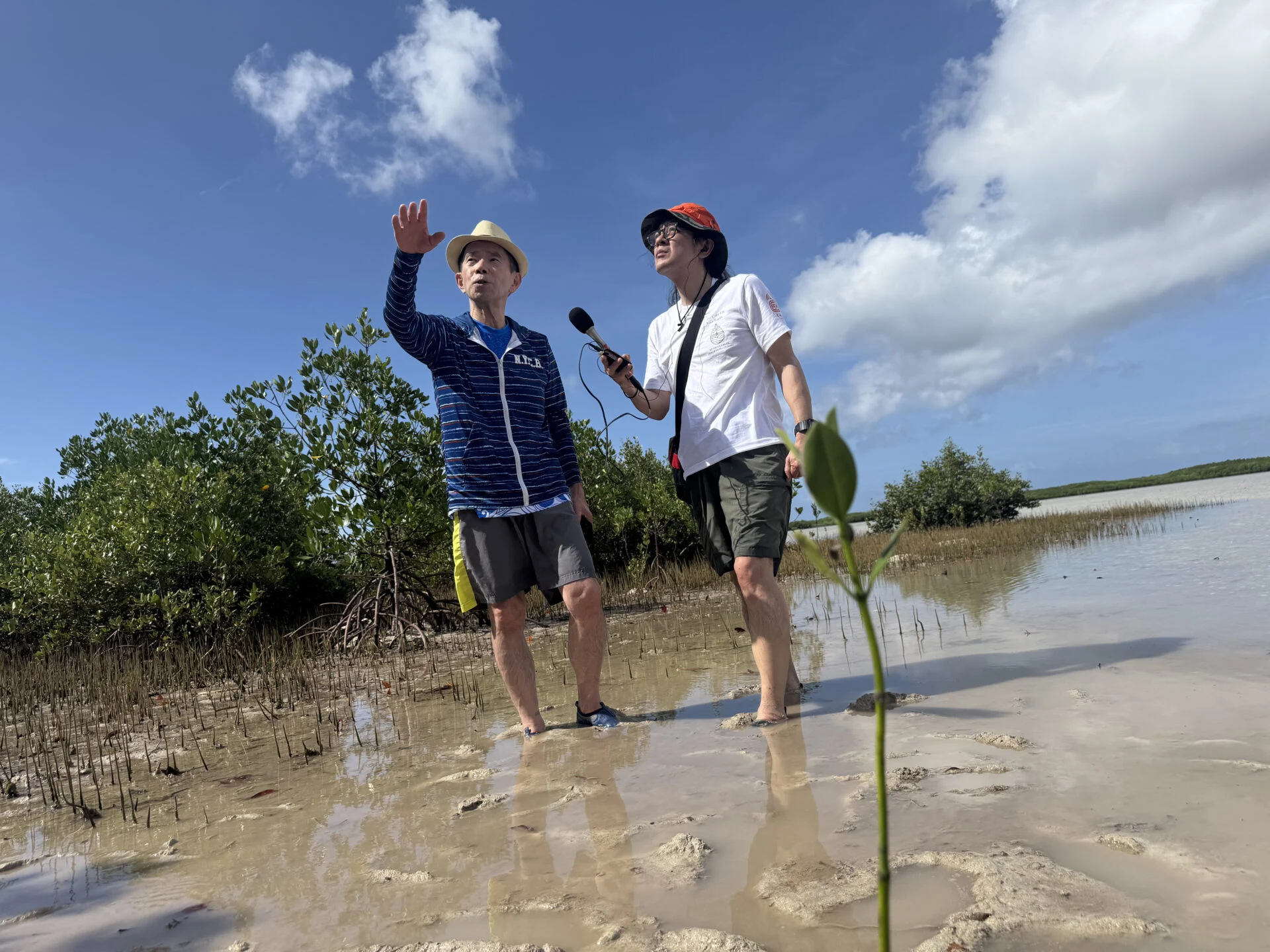
A single small seed can grow to about 60 cm in one year, and in 2 to 3 years, it can reach 1.2 m, and now it has become a mature tree of 3 to 4 m. It's amazing how it has connected from that first tree to the current 15 million trees.
This lagoon we are in is just shallow enough with the right water level, making it easy to plant mangroves. However, we are careful not to plant in every location.
This is because it is also a place where migratory birds feed, and if we plant too many, it will reduce their space and disrupt the local ecosystem and natural environment. Planting mangroves while maintaining balance is what we must do for the "improvement of the natural environment."
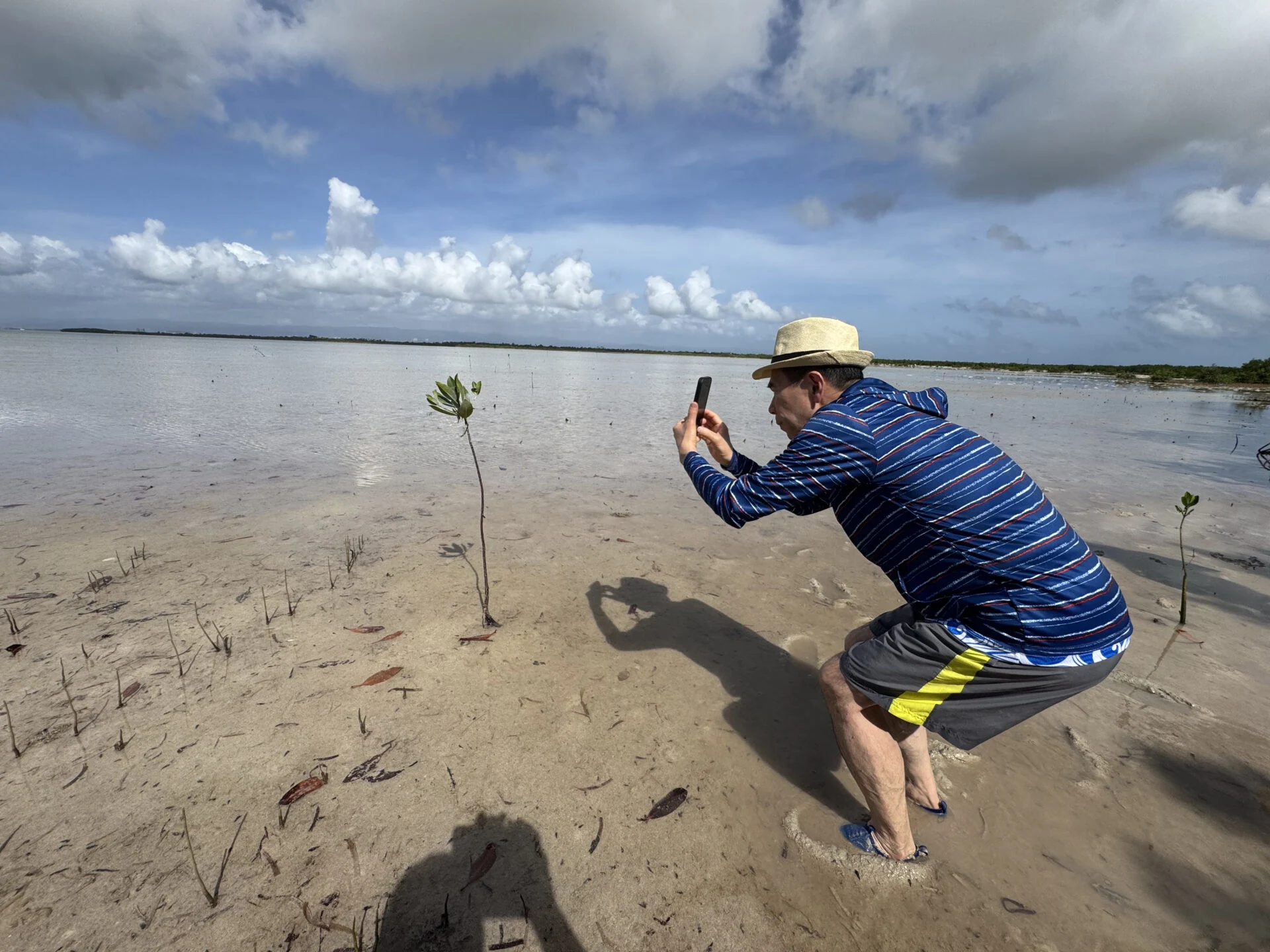
As Tessei mentioned before, the mangrove planting project cannot protect the local nature simply by increasing the number of mangroves. By planting while protecting the natural environment, we also protect the ecosystems of the animals.
Growing Mangrove Forests through Community Collaboration
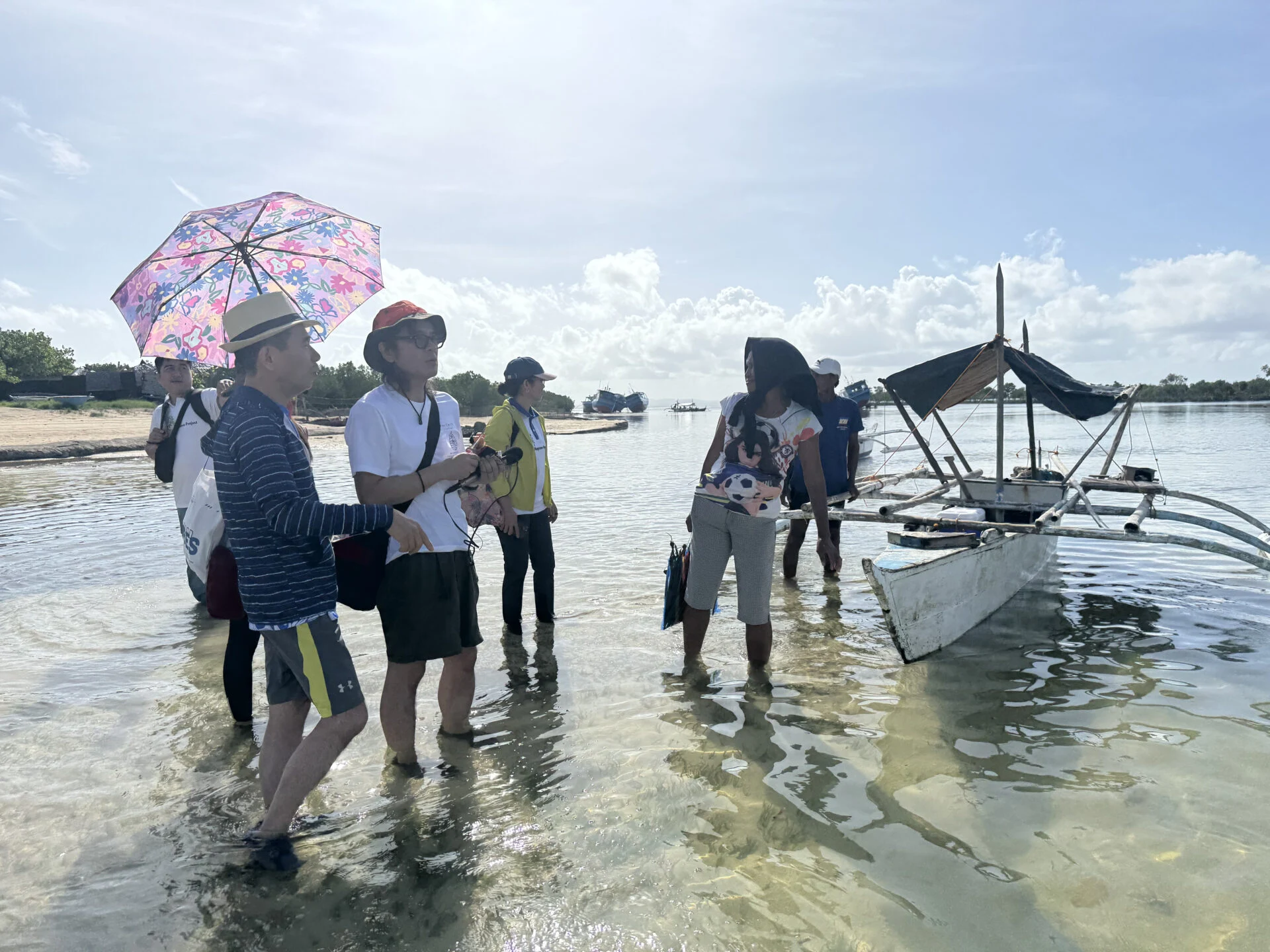
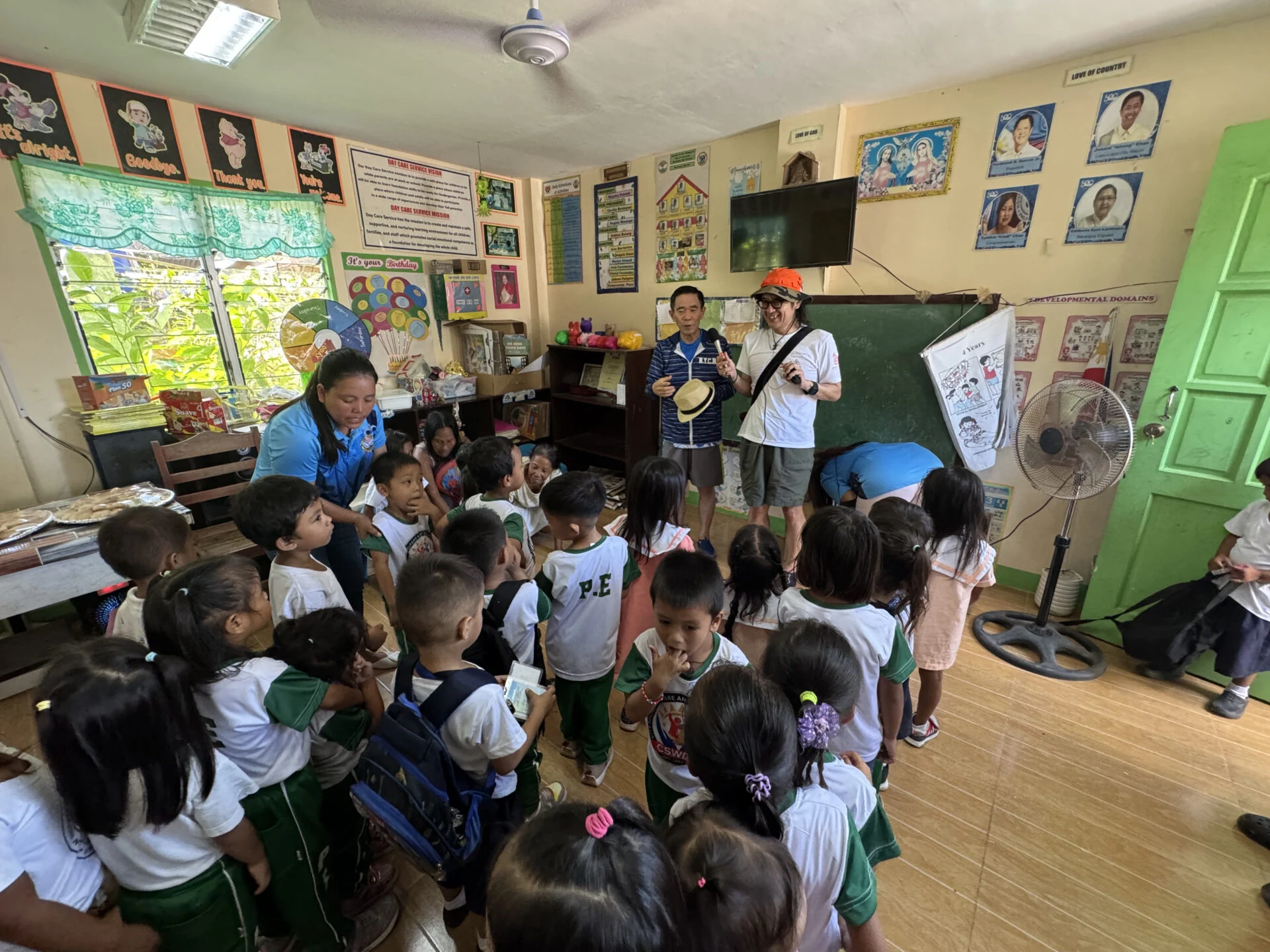
The mangrove planting project cannot succeed without the cooperation of the local people. Among many involved, two individuals who play particularly important roles came to the interview.
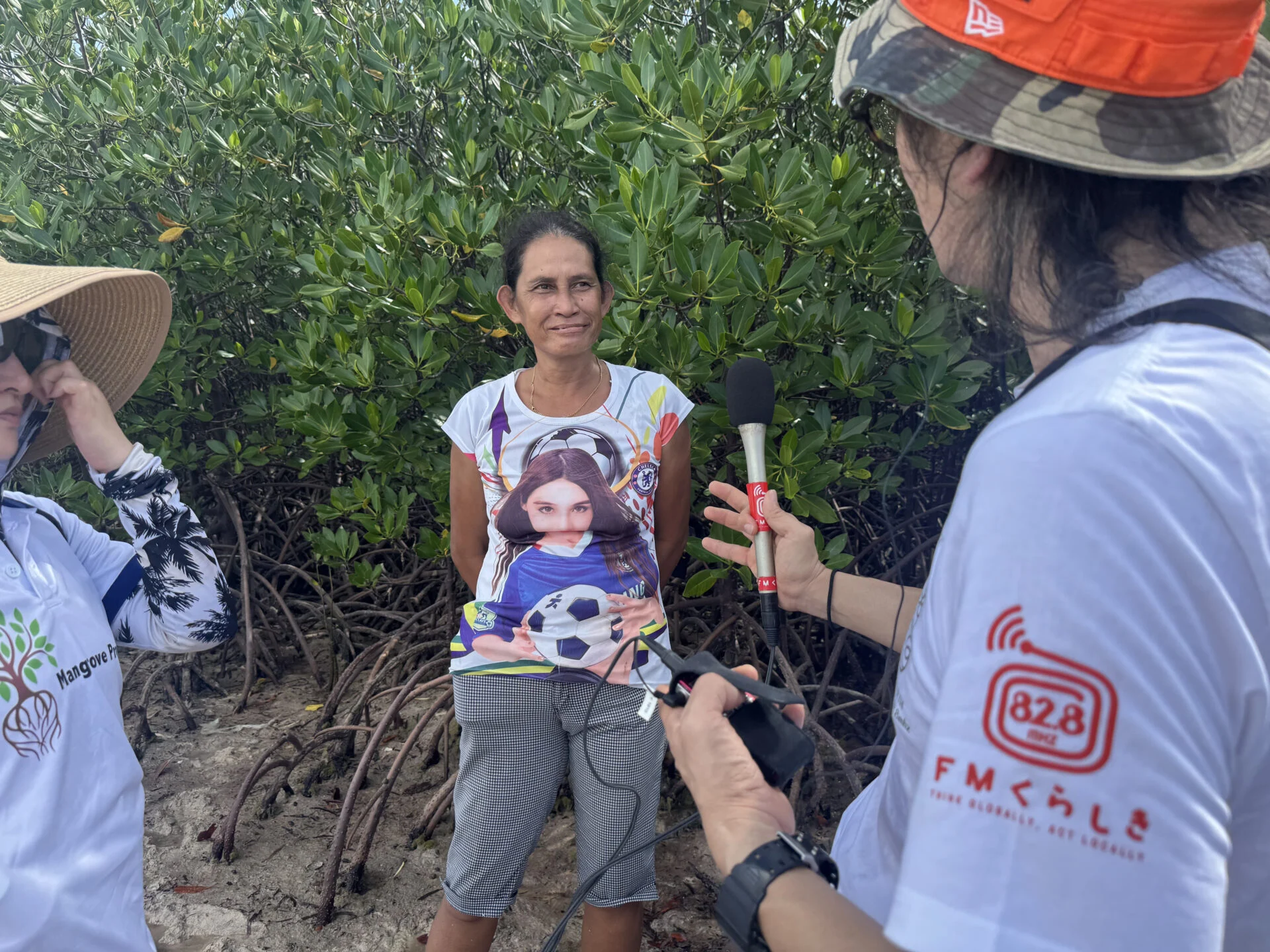
Stella is the representative of the people's organization that first cooperated when the mangrove planting started. She has been involved in the project since 2009.
The organization Stella belongs to picks up trash along the road to the planting site twice a week, and the project converts that into funds. Indeed, the road to the site was clean, and the surrounding environment was well-maintained. I asked Stella about her feelings when she first heard about the mangrove planting project.
Stella (translated by Onodera)
When I first heard about the project, I was very happy. Back in 2009, mangroves were decreasing, and there were many damages from typhoons, so by planting mangroves, there was joy in knowing that "our lives would be protected by the trees again, and we could live with peace of mind."
Another person who responded to the interview was Christopher. Christopher is an environmental ranger dispatched from the Philippine Department of Environment and Natural Resources. He is mainly responsible for environmental projects on Olango Island.
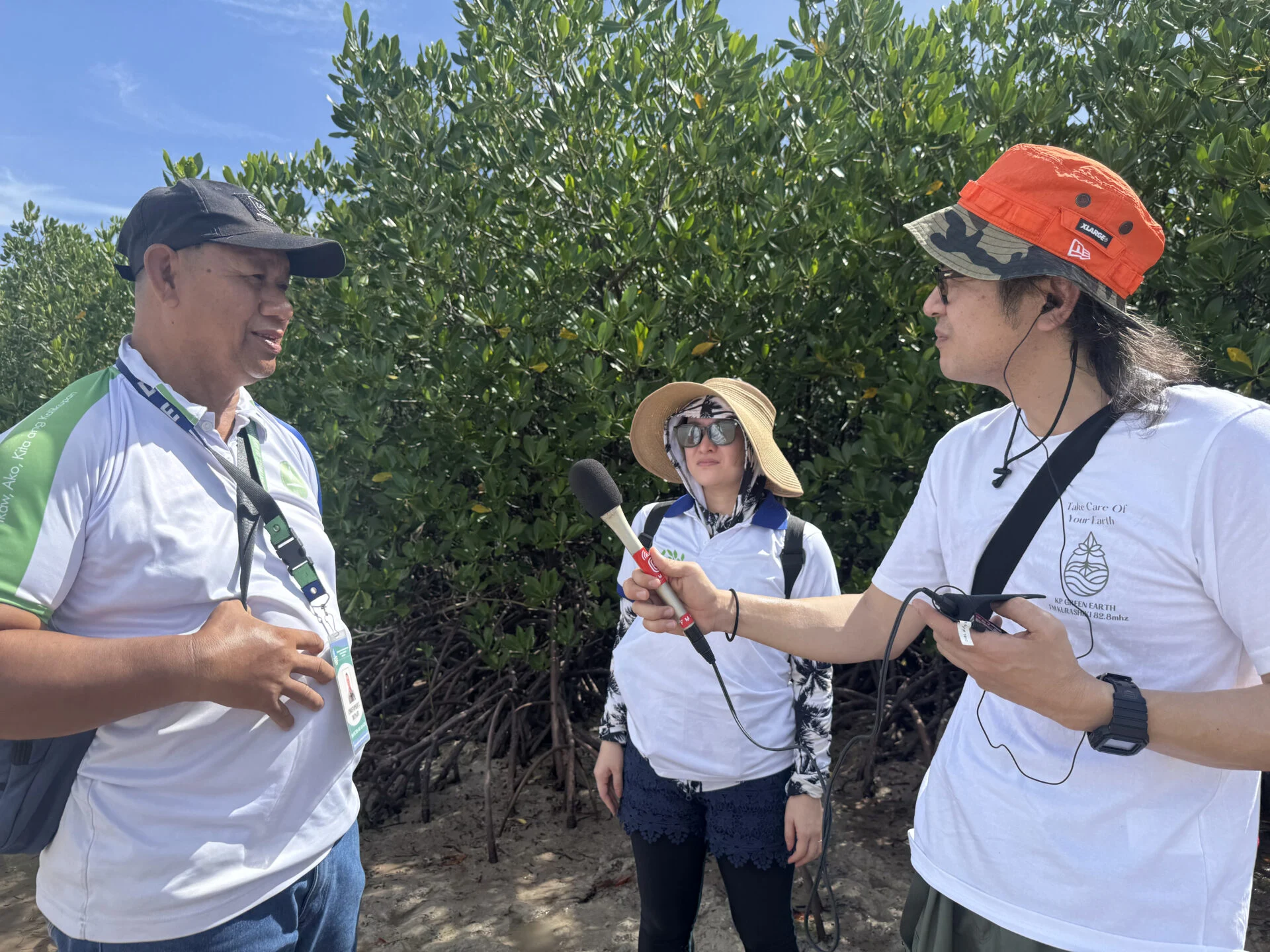
Christopher has been involved in activities to protect the local natural environment for over five years. He even works on various islands in the Philippines on his days off. I asked him how he feels about this project.
Christopher (translated by Onodera)
I think this mangrove planting project is a very good initiative for protecting the local natural environment. As Stella mentioned earlier, the disasters caused by typhoons have decreased a bit, and the natural environment is improving. I believe it is gradually contributing to climate change mitigation.
Olango Island has already succeeded in mangrove planting to the extent that there are limited places left to plant. I believe the collaboration and cooperation with the local people who have been involved for many years is the key to this success. I hope to continue to watch their activities in the future.
The Hope for the Future Connected by the Mangrove Planting Project
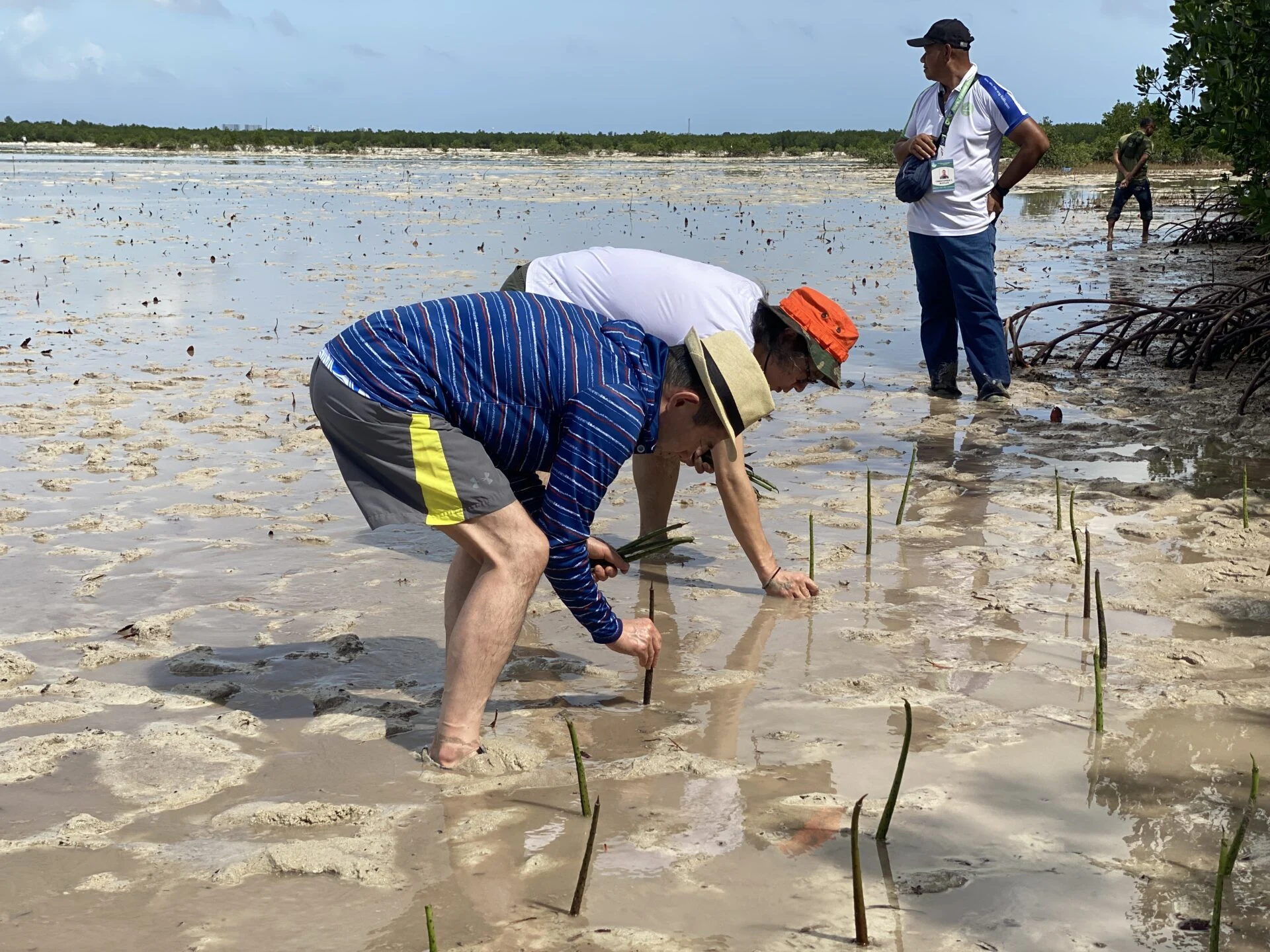
After the interview, we finally experienced planting mangroves.
The seedlings have sticky notes with the names of the listeners who cooperated with the project attached to them.
The sticky notes will be removed after the photo shoot.
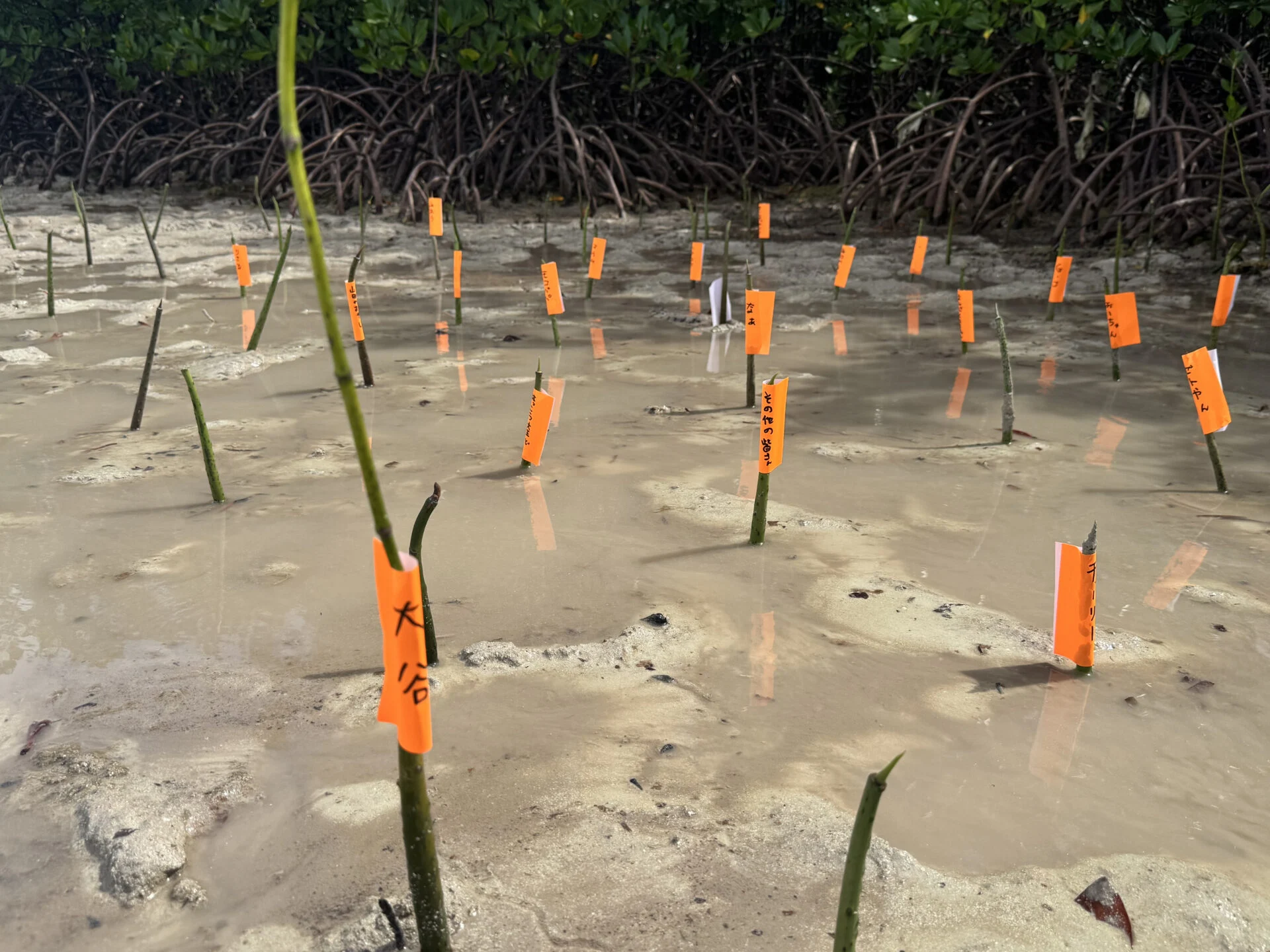
Tessei also expressed joy, saying, "I am happy to see so many familiar names of listeners. Thank you for your interest."
The sight of everyone's small actions connecting to the conservation activities on the island in the Philippines is deeply moving.
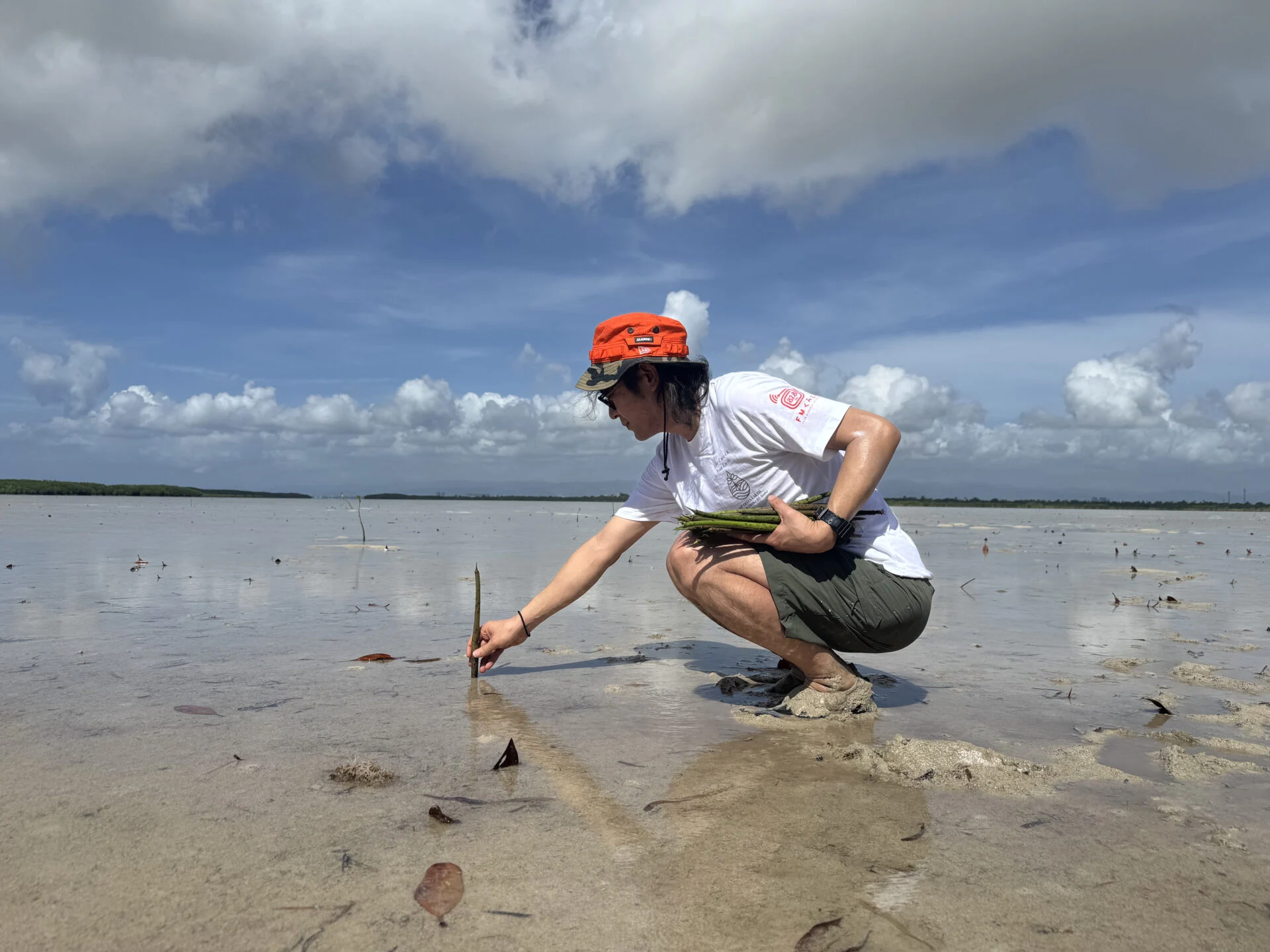
Tessei
Being surrounded by beautiful nature is mysterious because it cleans our hearts and feelings. I feel this is also the energy that allows us to continue conservation activities.
Such projects are not only about protecting nature but also ultimately connecting people's feelings. For example, those who help with the project will pass on the importance of nature to their children. From children to adults, the unity of the local residents will make such initiatives even better.
One day, I would like to invite the listeners of FM Kurashiki to participate in a mangrove planting experience tour. Just experiencing nature once may change how we use soap and water.
As the connections between people strengthen, the future of beautiful nature becomes clearer. Thank you to all the listeners who joined the project!
Conclusion
FM Kurashiki participates in the United Nations' policy "SDG Media Compact", clarifying the connections between the programs it broadcasts and the 17 goals set by the SDGs, and is committed to promoting sustainable development goals.
The Mangrove Planting Project is also a program based on the SDG Media Compact and is still ongoing.
If there are guests who come by car to "Weekly Kurashiki Happy Radio", we plant one tree for each car.
Additionally, if you purchase a can badge for 500 yen, we plant one tree for each badge sold. As of February 2025, 80 badges have been purchased!
We will continue to deliver useful information to the local community.
Back Issues of the Mangrove Planting Project
FM Kurashiki "Mangrove Afforestation Project" Data
| Name | FM Kurashiki "Mangrove Afforestation Project" |
|---|---|
| Address | 520-28 Shirakuratown, Kurashiki City, Okayama Prefecture |
| Contact | 086-430-0828 |












The "Mangrove Afforestation Project" can also be listened to on Spotify.
FM Kurashiki ★ Weekly Kurashiki Happy Radio | Podcast on Spotify