
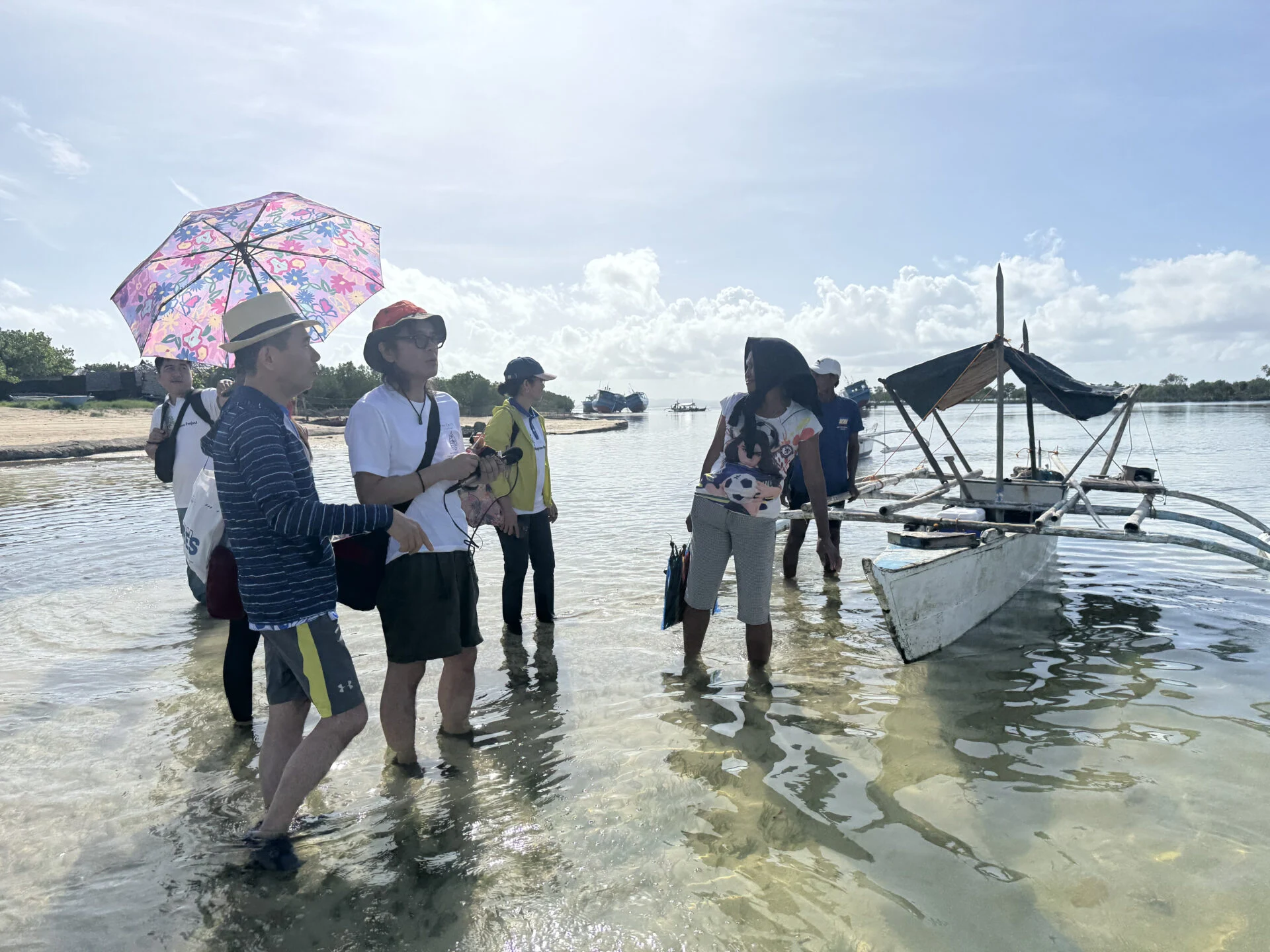
“Weekly Kurashiki Happy Radio” airs every Friday from 3:00 p.m. to 7:00 p.m.
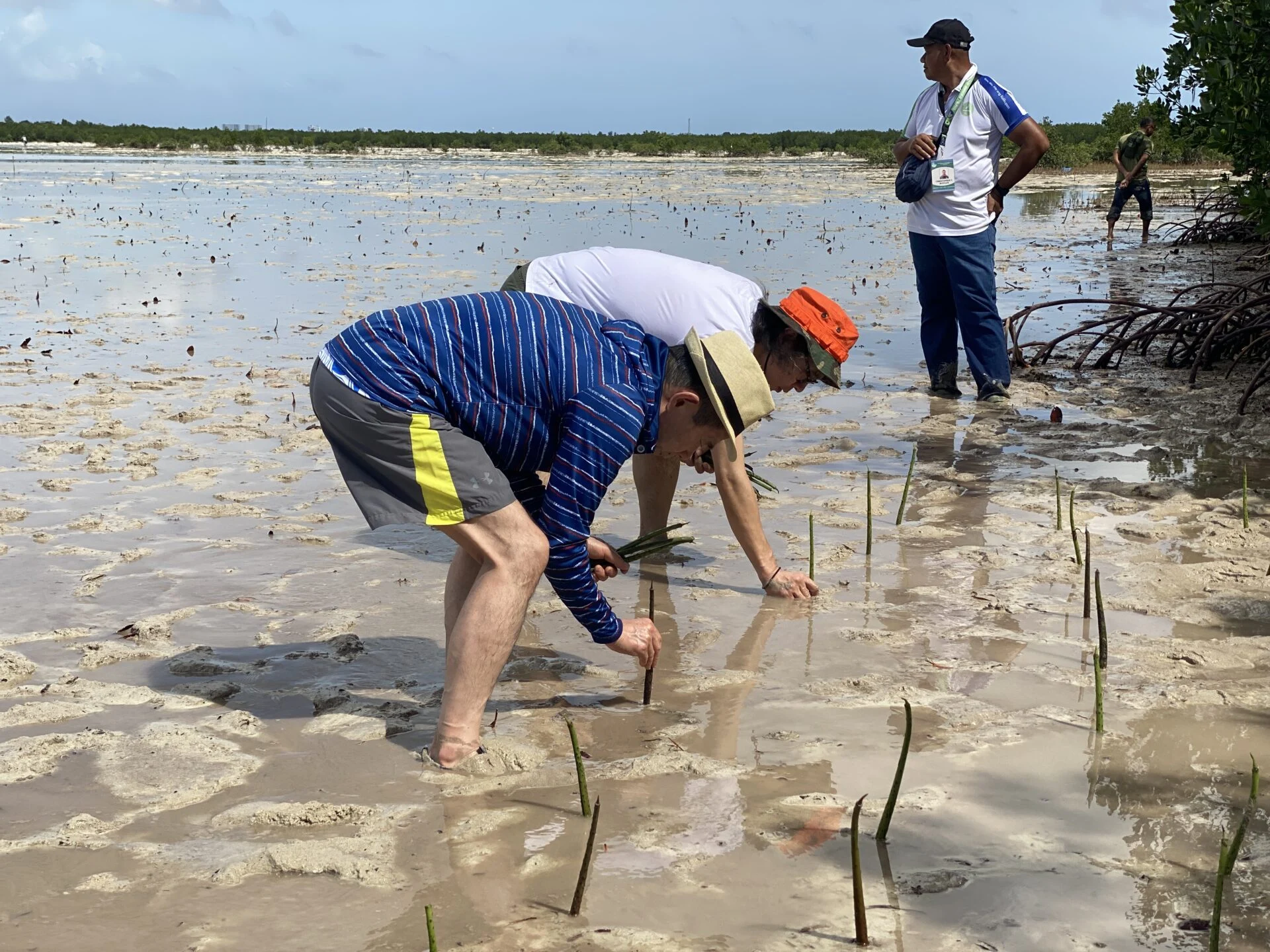
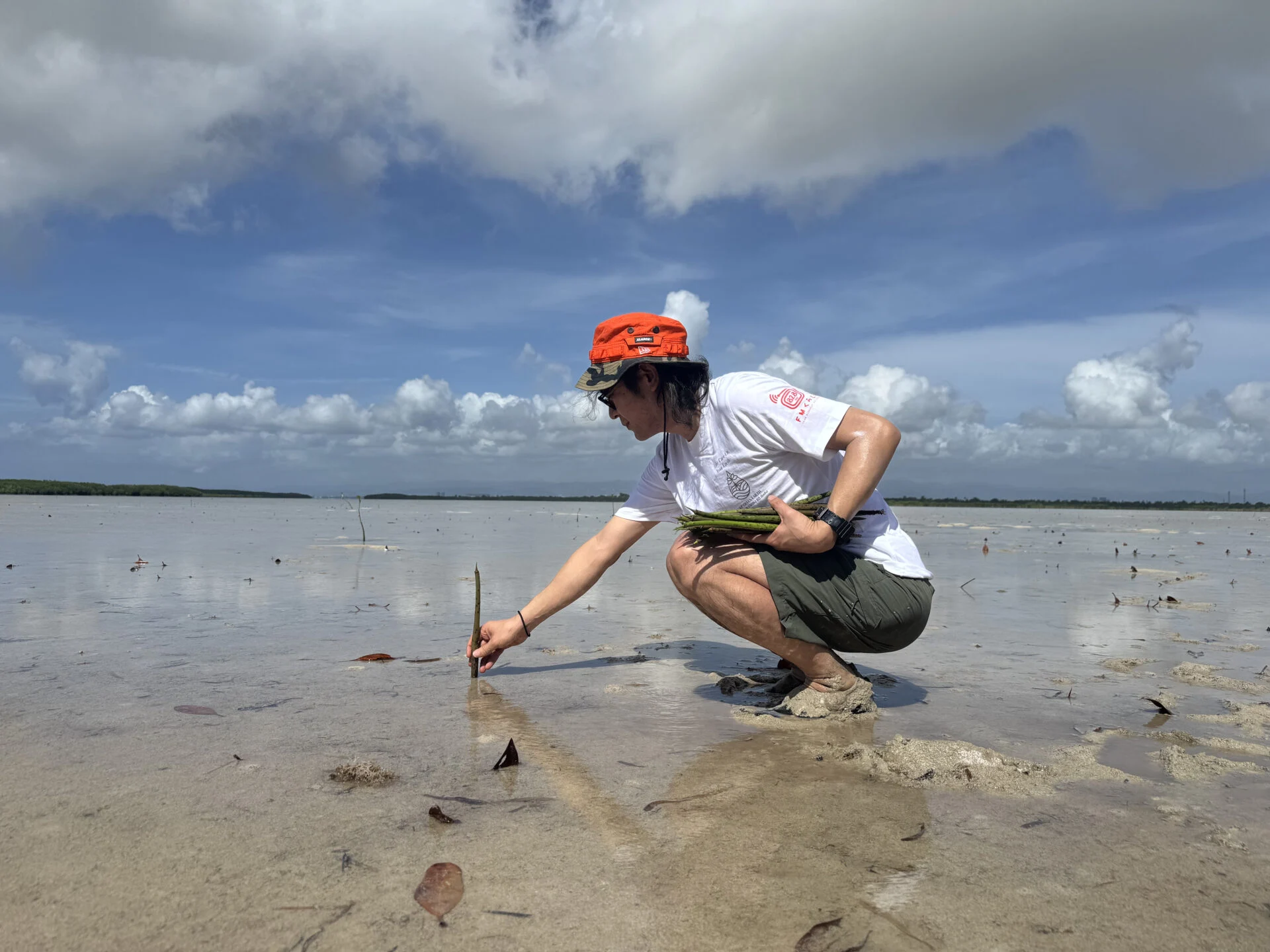
In the “Mangrove Planting Project” segment, the program’s MC, Charlie Otani, travels to the Philippines to report on the local mangroves and planting activities.
With the support of kanepackage Inc., and under the guidance of the Philippine Department of Environment and Natural Resources, FM Kurashiki has launched a mangrove planting initiative!
Here is a look at the third Mangrove Planting Project, broadcast on February 21, 2025.

This article was contributed by FM Kurashiki Co., Ltd. The editorial team at Haretoco General Incorporated Association edited and published it.
The information in this article is current as of its publication in May 2025. Please note that it may differ from current information.
Mangrove Planting Project
FM Kurashiki’s Mangrove Planting Project.
To prevent the decline of mangroves, which play an important role in protecting coastlines and maintaining ecosystems, the project works in partnership with kanepackage Inc..
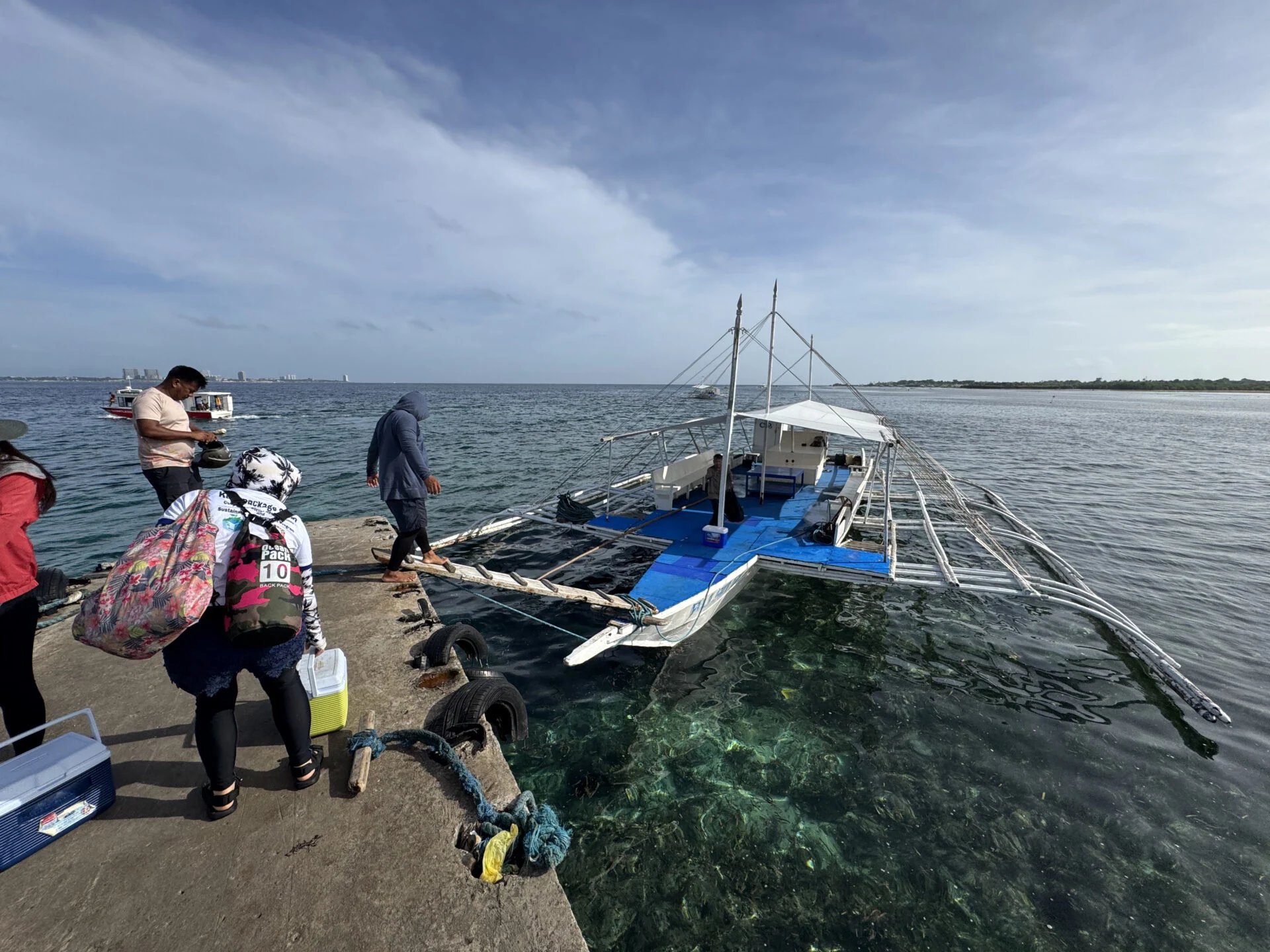
After changing vehicles several times, we finally arrived at a vast mangrove forest on Olango Island in the Philippines.
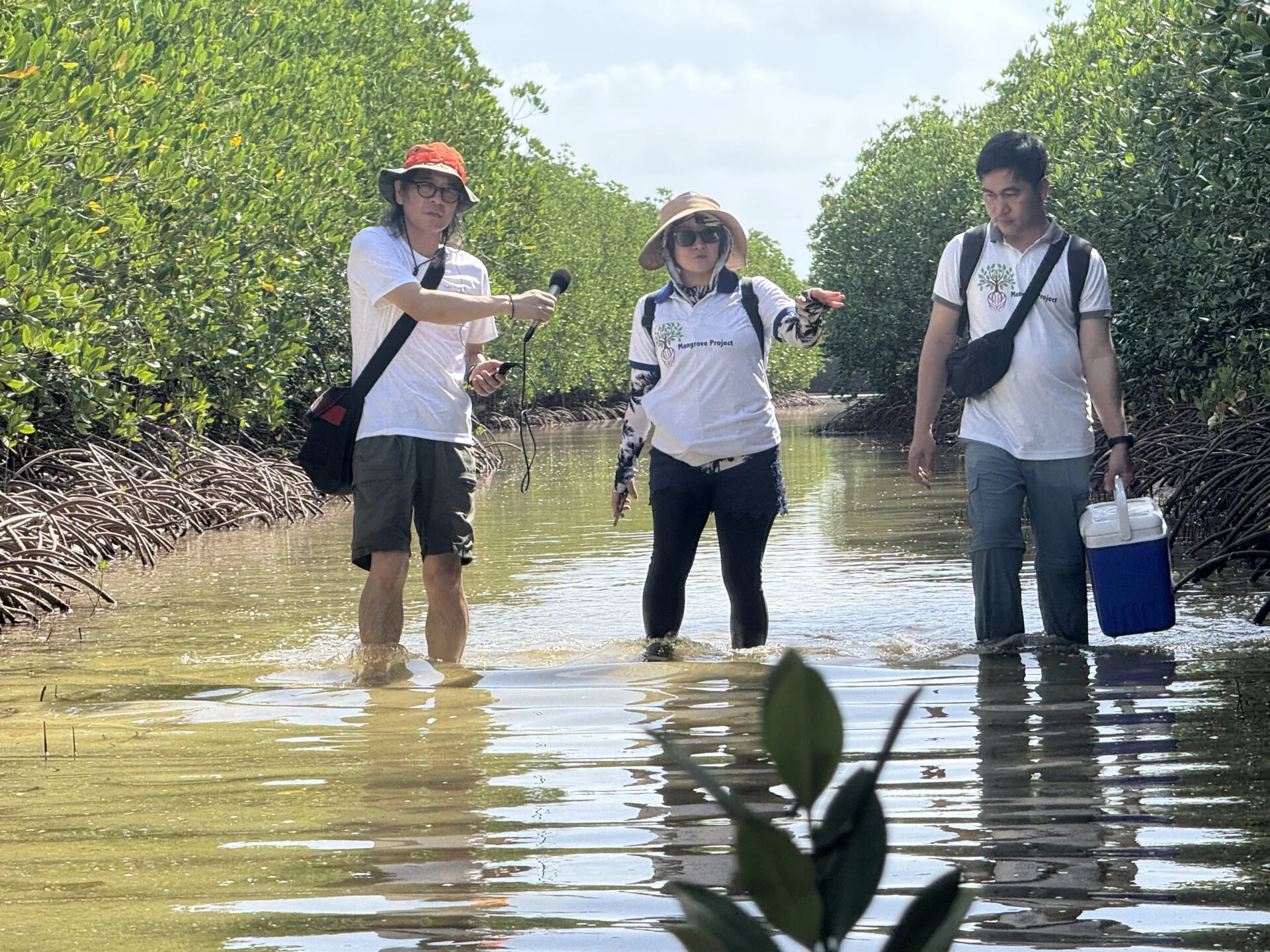
A waterway between towering mangroves runs like a passageway.
The waterway was as shallow as ankle-deep in some places, but reached waist-deep in others. Surrounded by the salty scent of seawater, we walked through, making waves.

The Mangroves’ Astonishing Growth
The first thing that surprised us when we saw real mangroves was their size.
I had imagined they would be about eye-level, but the mangroves in front of us were an astonishing approximately 4 meters tall.

Tessei looked back on his many years of experience and told us about how quickly the mangroves grow.
Tessei
When I first started planting mangroves, they weren’t this tall. They were only about as tall as an adult standing up straight.
A little over 10 years later, they’ve grown so tall that we have to look up at them.
The mangroves have shown astonishing growth over 10 years. Their ability to grow is what created the vast forest we see today.
The base of the mangroves is also covered with distinctive, densely packed, thick, gnarled roots. These roots do more than simply support the trees; they also play an important role in “breathing and purifying the water.”
A New Measurement Method Using Drones and AI
As planting progresses and the mangrove forest grows, it becomes increasingly dense. The mangrove forest, with its complex network of roots, eventually becomes impossible to enter.

To accurately count the number of mangroves in a forest too dense for people to enter, they use drones.
Tessei
To count how many have been planted, we film from above using drones. The drones are programmed to fly autonomously and capture accurate footage of the entire forest.
The footage is analyzed using AI (artificial intelligence), allowing us to accurately count how many mangroves have been planted.
So drones and AI are also being put to work at mangrove planting sites.
Cooperation with Local Residents: The Key to the Project’s Success
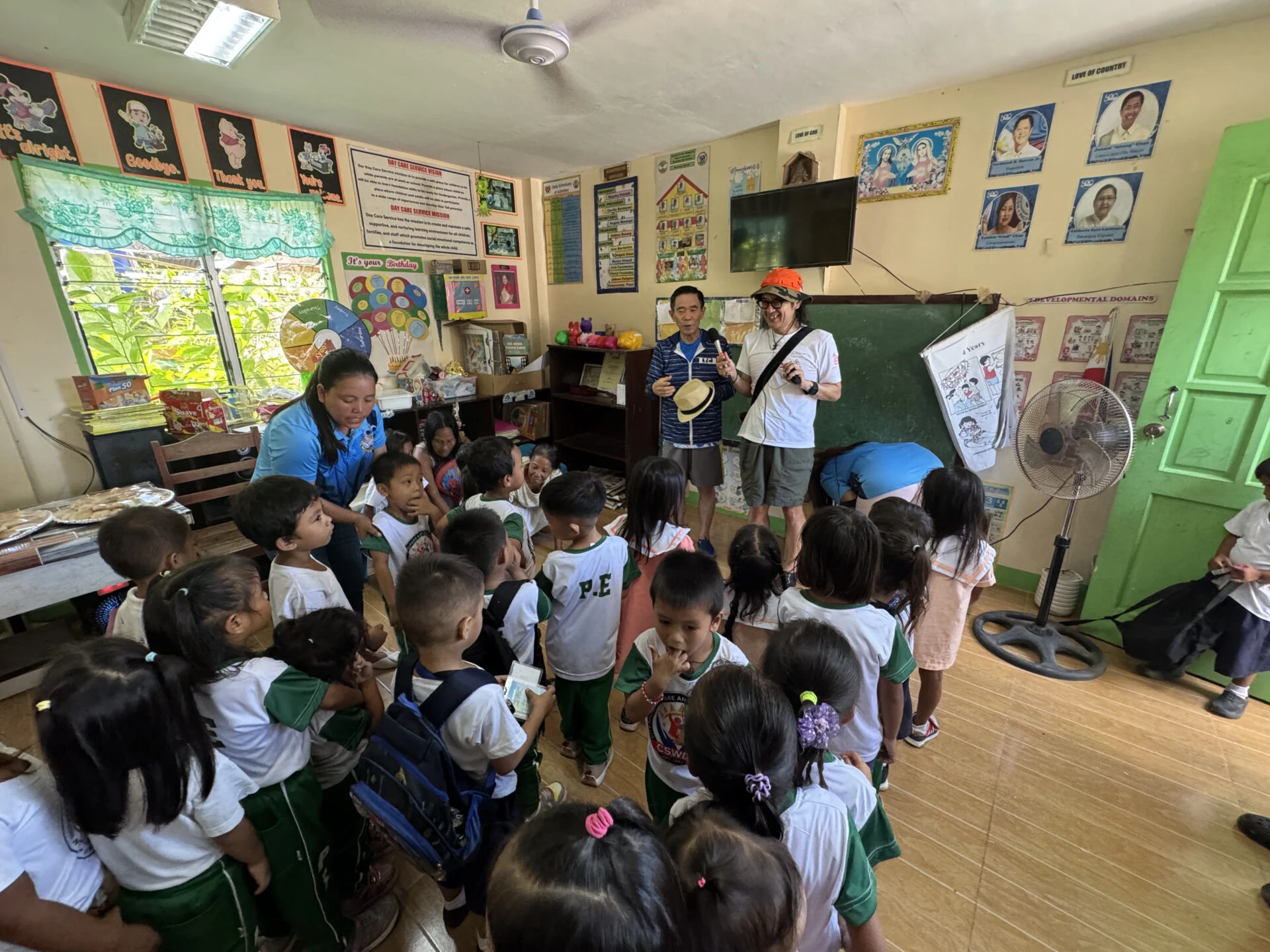
Tessei says, “We can’t sustain large-scale mangrove planting without the continued cooperation of local people.”
Tessei
Some local people oppose mangrove planting, and some even cut down the mangroves after they’ve been planted. If this situation continues, we won’t be able to keep planting, and all this work will end up being for nothing.
The project’s continuation depends on maintaining good relationships with the local community. We’ve been able to keep it going thanks to the cooperation of local residents.
He also says that working with the government, including the Department of Environment and Natural Resources, is essential to moving the project forward.
The Mangrove Planting Project is supported by local residents because it not only protects the natural environment, but also creates jobs and contributes to the community. Tessei says, “It’s creating a positive cycle across the whole island.”

As of 2025, 15 million mangroves have been planted. Its success is supported not only by technology, but also by cooperation built on trust with local residents and the government.
Next, I’d like to meet the mangrove expert, who earned a doctorate in mangroves.
From the Writer
FM Kurashiki participates in the United Nations’ “SDG Media Compact,” and works to promote the Sustainable Development Goals by clarifying the connections between its programs and the 17 SDGs.
The Mangrove Planting Project is also part of a program based on the SDG Media Compact, and is still underway.
For every guest on “Weekly Kurashiki Happy Radio” who arrives by car, we plant one tree per car.
We also plant one tree for every 500-yen button badge purchased. As of February 2025, 80 badges had been purchased!
We will continue to provide information that is useful to everyone in the community.
Previous Articles on the Mangrove Planting Project
FM Kurashiki “Mangrove Planting Project” Information
| Name | FM Kurashiki “Mangrove Planting Project” |
|---|---|
| Address | 520-28 Hakurakucho, Kurashiki City, Okayama Prefecture |
| Contact | 086-430-0828 |




What would you like to know about Kurashiki?
Enter a search term to find articles on this site



































You can also listen to the “Mangrove Planting Project” on Spotify.
FM Kurashiki ★ Weekly Kurashiki Happy Radio | Podcast on Spotify