What kind of impression do you have when you hear the word "research institute"?
A place where researchers engage in daily research and confront the unknowns of humanity. Some may have a somewhat mysterious impression of that atmosphere.
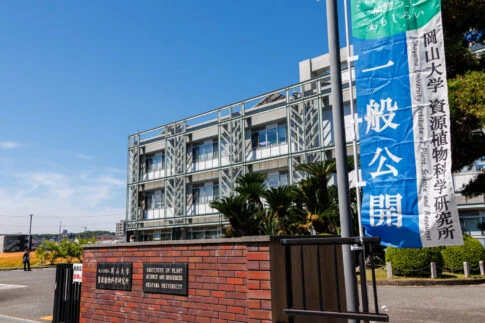
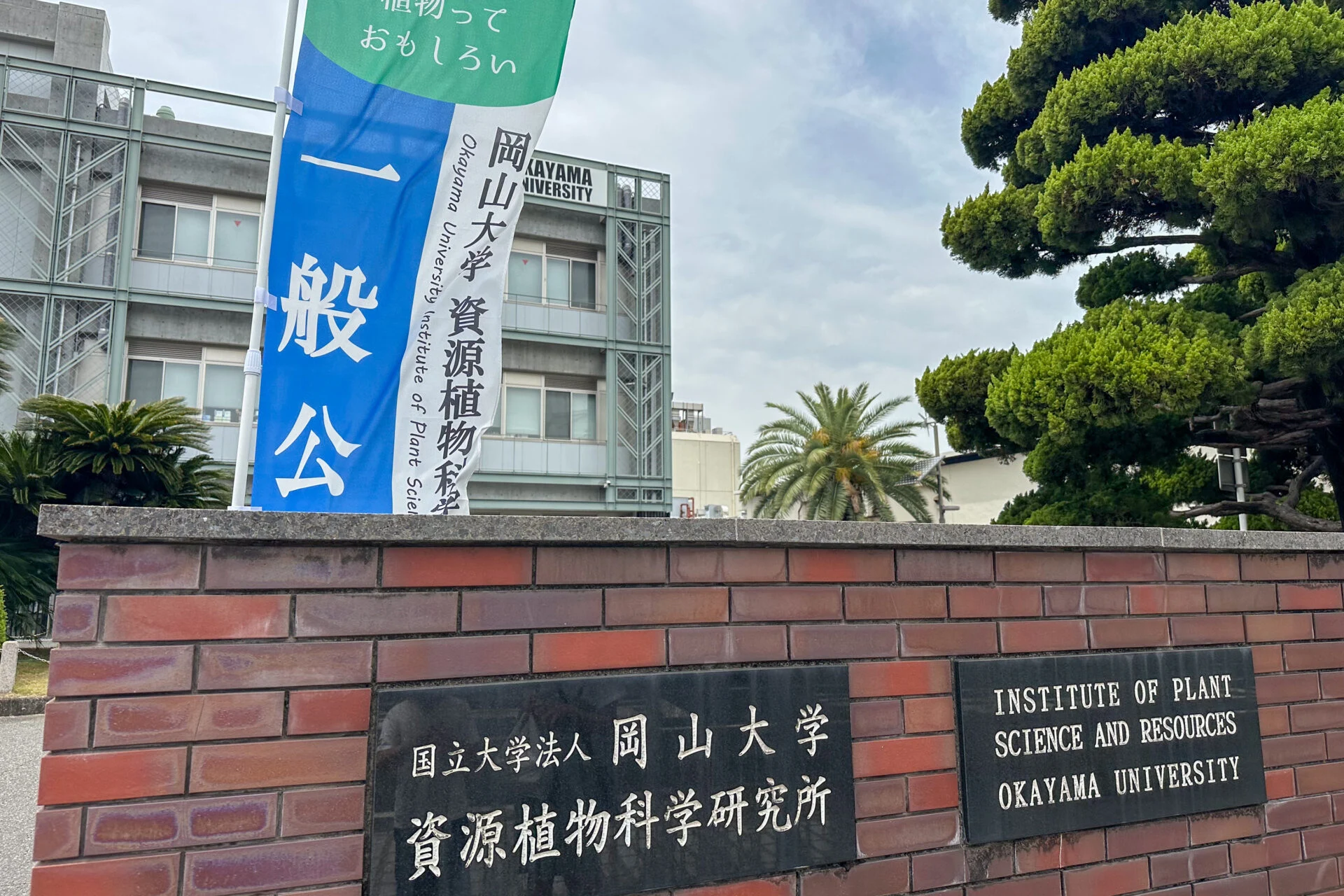
The agricultural research institute "Okayama University Institute of Plant Resource Science" is located very close to the Bikan Historical Area. I had the opportunity to visit during its annual open house.
I will report on the contents of the research institute that are not usually seen and the various exhibits and experiments that pique intellectual curiosity.
About the Open House of Okayama University Institute of Plant Resource Science
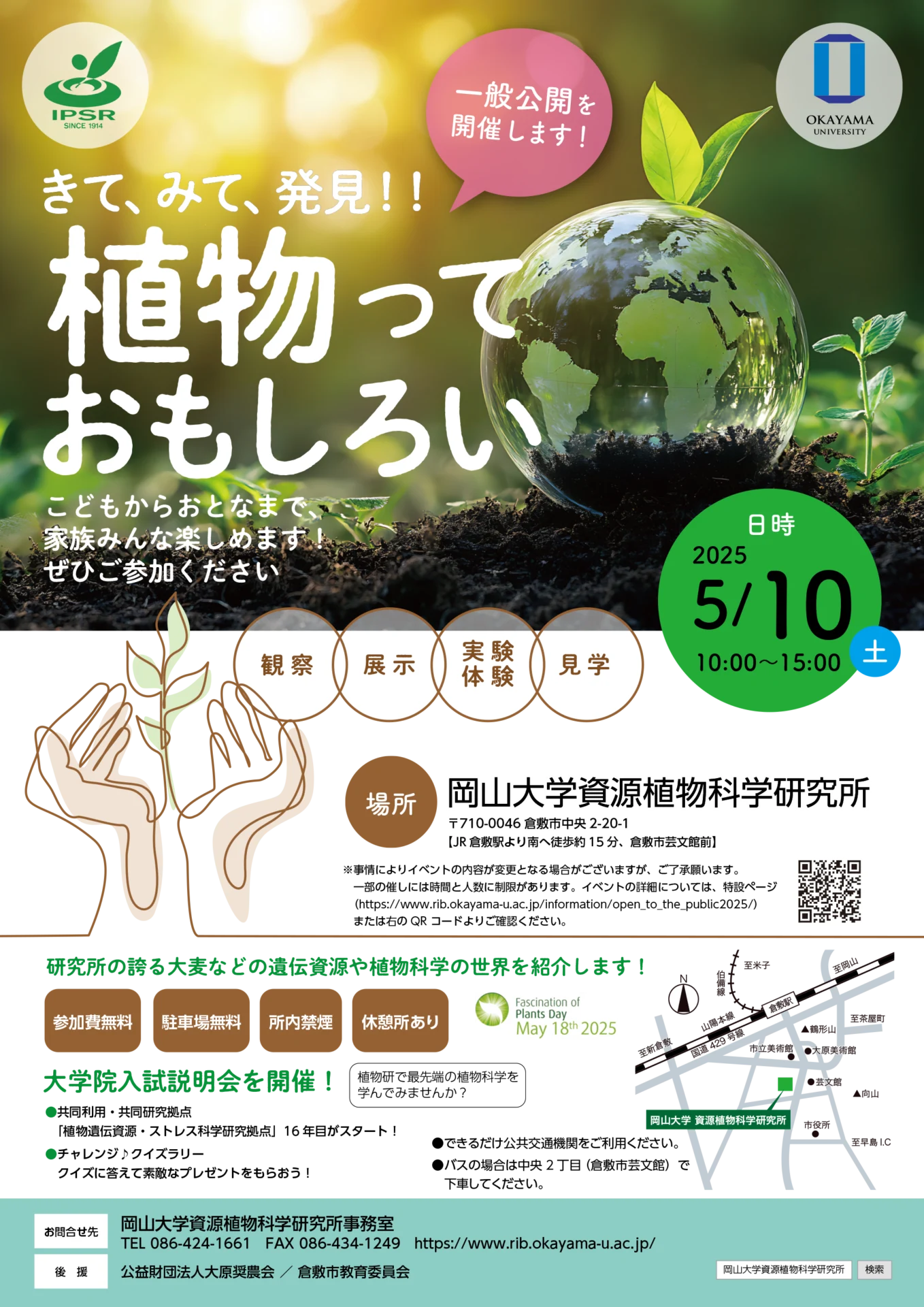
The open house was held on Saturday, May 10, 2025.
On that day, under the theme of "The Wonders of Plants", there were many activities that could be enjoyed by both adults and children, including presentations of research results, experiments on familiar plants, and tours of the institute's fields.
Field
A place for cultivating crops. Here, it refers to rice paddies and fields.
Introduction to the Research Institute
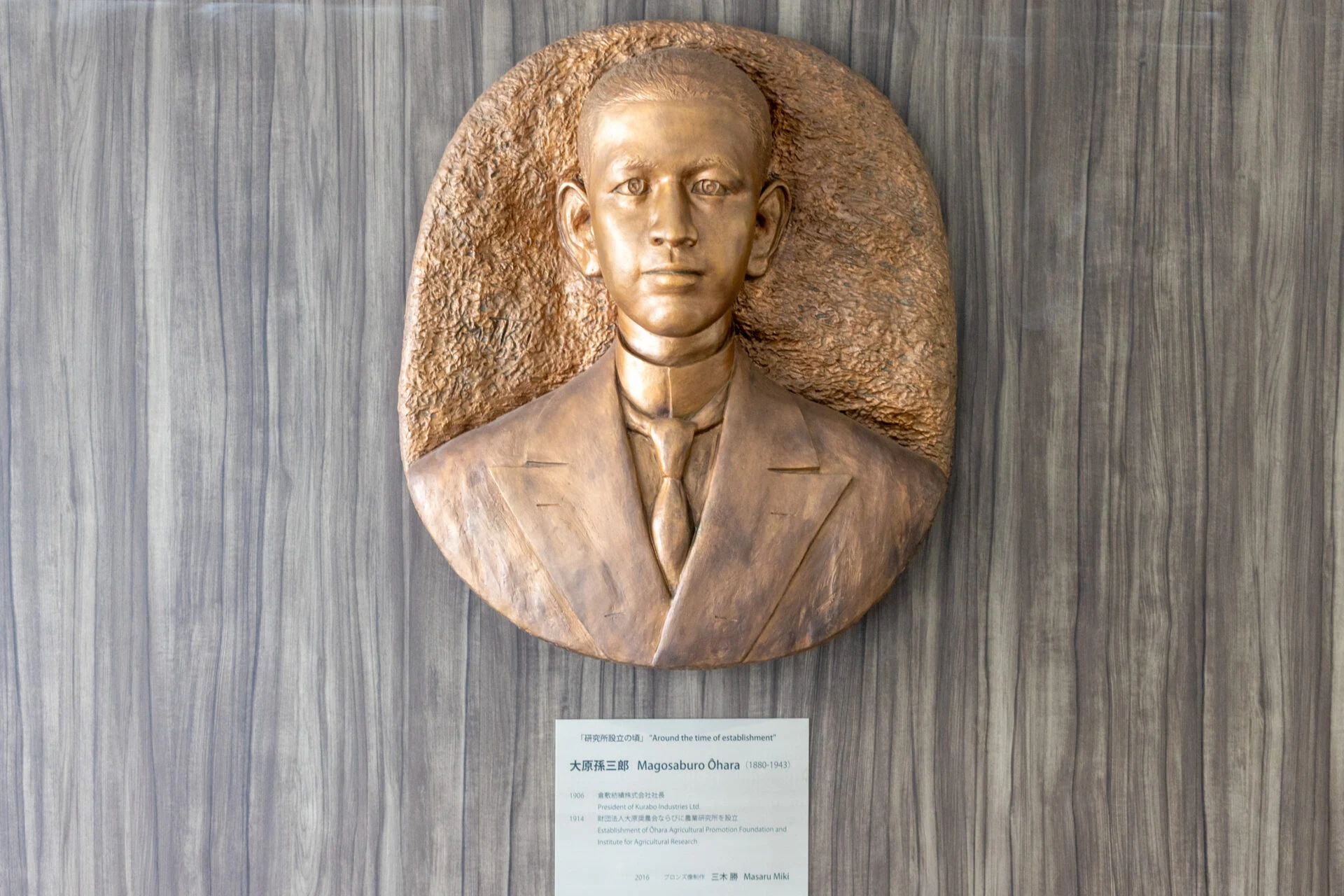
The predecessor of the Okayama University Institute of Plant Resource Science, the "Ohara Agricultural Research Institute," was established in 1914 as a private agricultural research institute by Ohara Magosaburo, who also created the Ohara Museum of Art and Kurashiki Silk Textile Co., Ltd. (now Kuraray).
The Ohara family was a prominent landowner in Kurashiki. They believed that an agricultural research institute was necessary to improve the welfare of the farmers working in their rice paddies, which led to the establishment of this research institute.
After the war, due to the Agricultural Land Reform Act, their assets were halved, so in 1952, they donated the assets necessary for research to Okayama University, and it was reestablished as a national university-affiliated research institute.
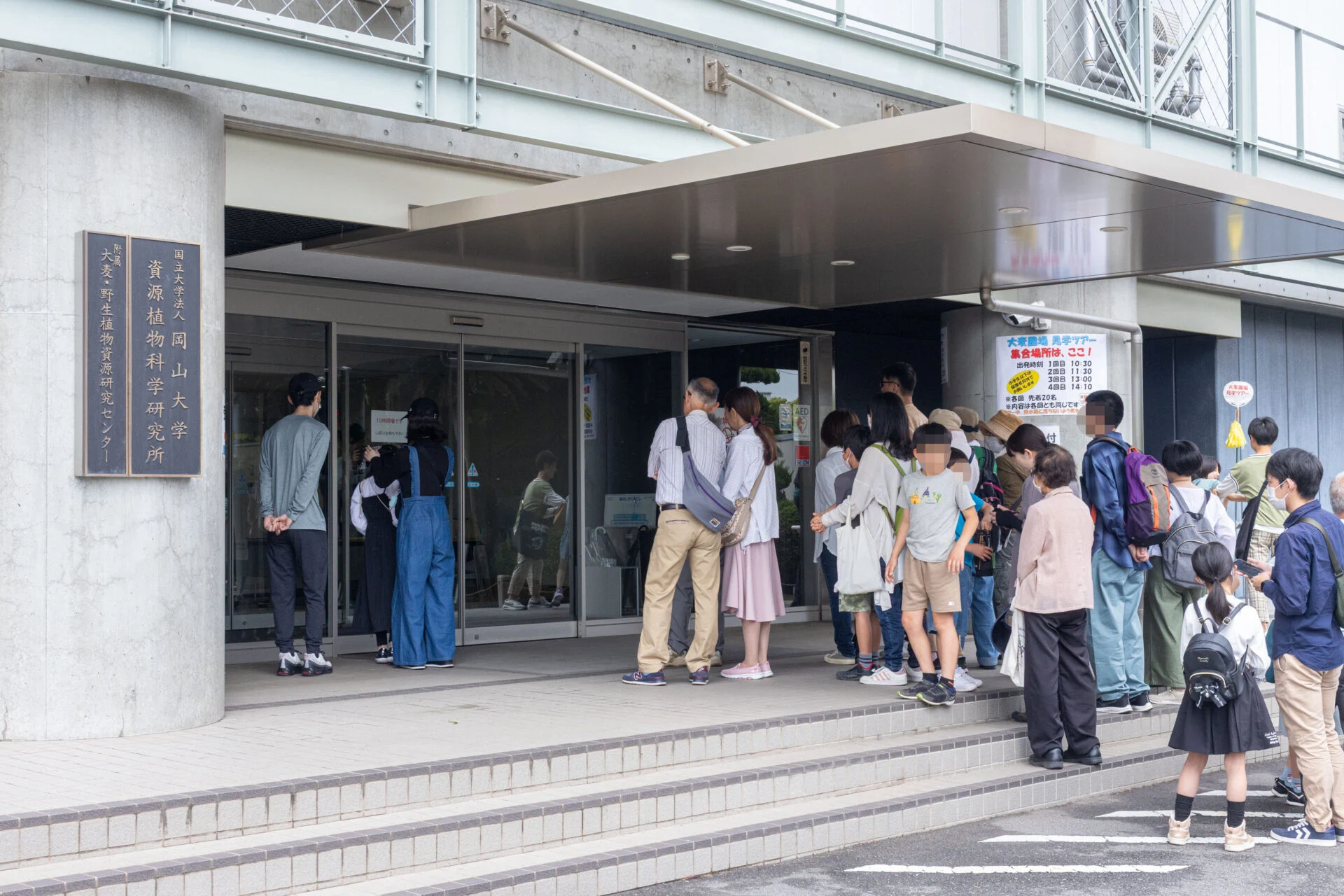
Currently, as indicated by the name of the Institute of Plant Resource Science, they conduct basic research on staple grains and crops such as barley and rice.
Events of the Day
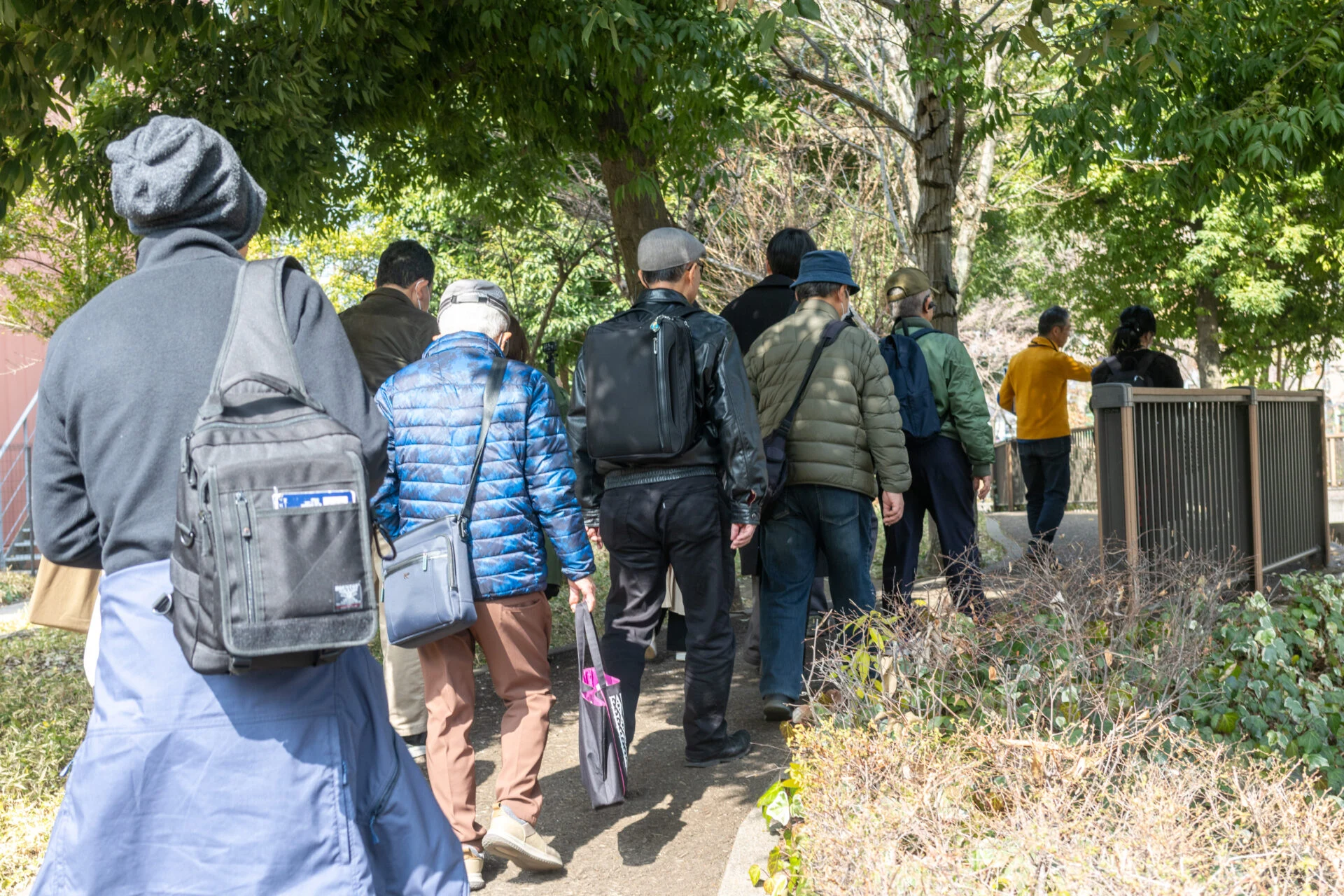
On that day, various presentations on research results and various tours were held throughout the institute.
Here are some highlights.
Research on the Impact of Soil on Crop Growth
Have you ever heard the phrase "Rice cultivation starts with soil preparation"?
The impact of soil on the growth of crops, including rice, is very significant and has been a research topic for a long time.
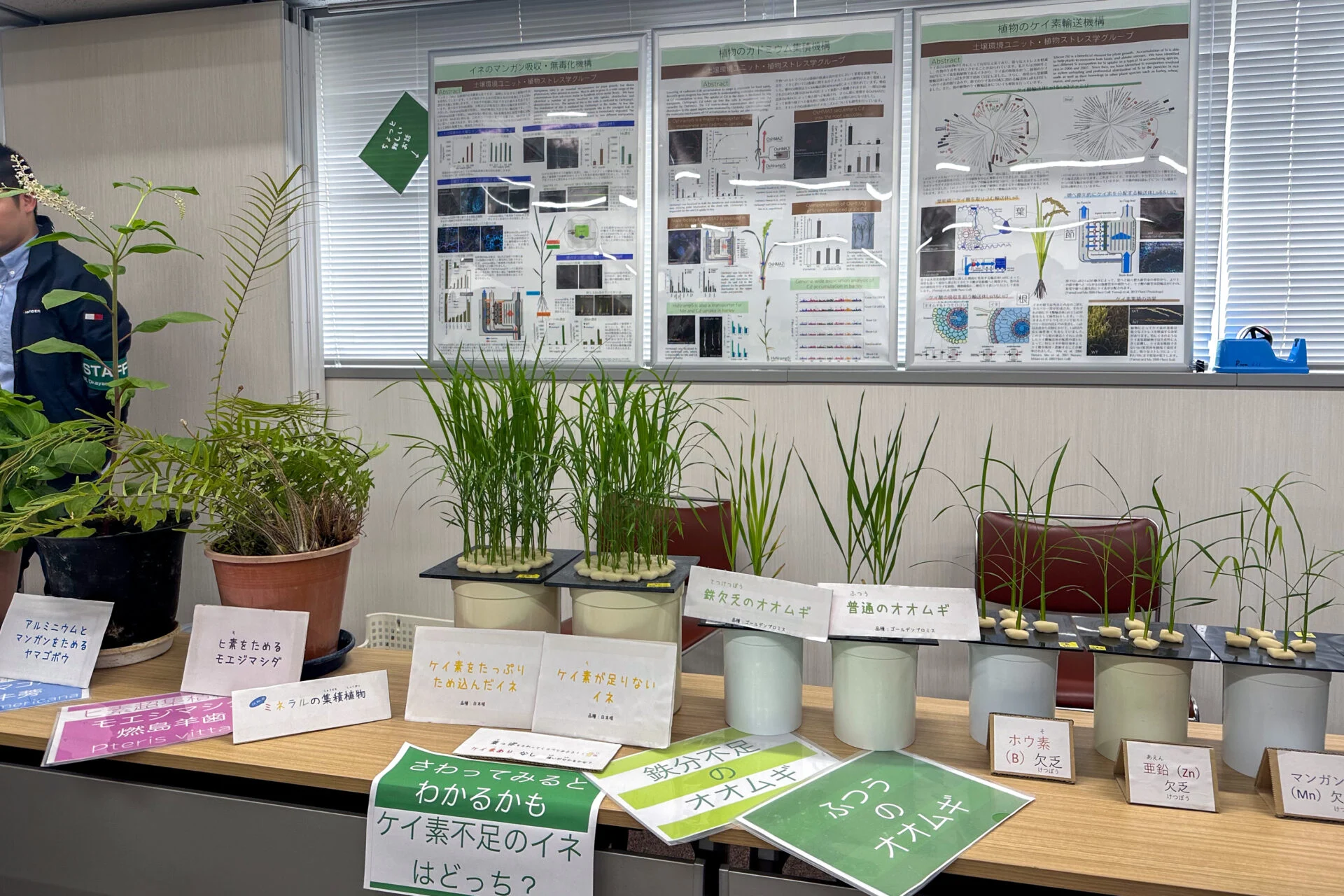
Here, they introduced research results on how adjusting the nutrient components of the soil affects the growth of rice and barley.
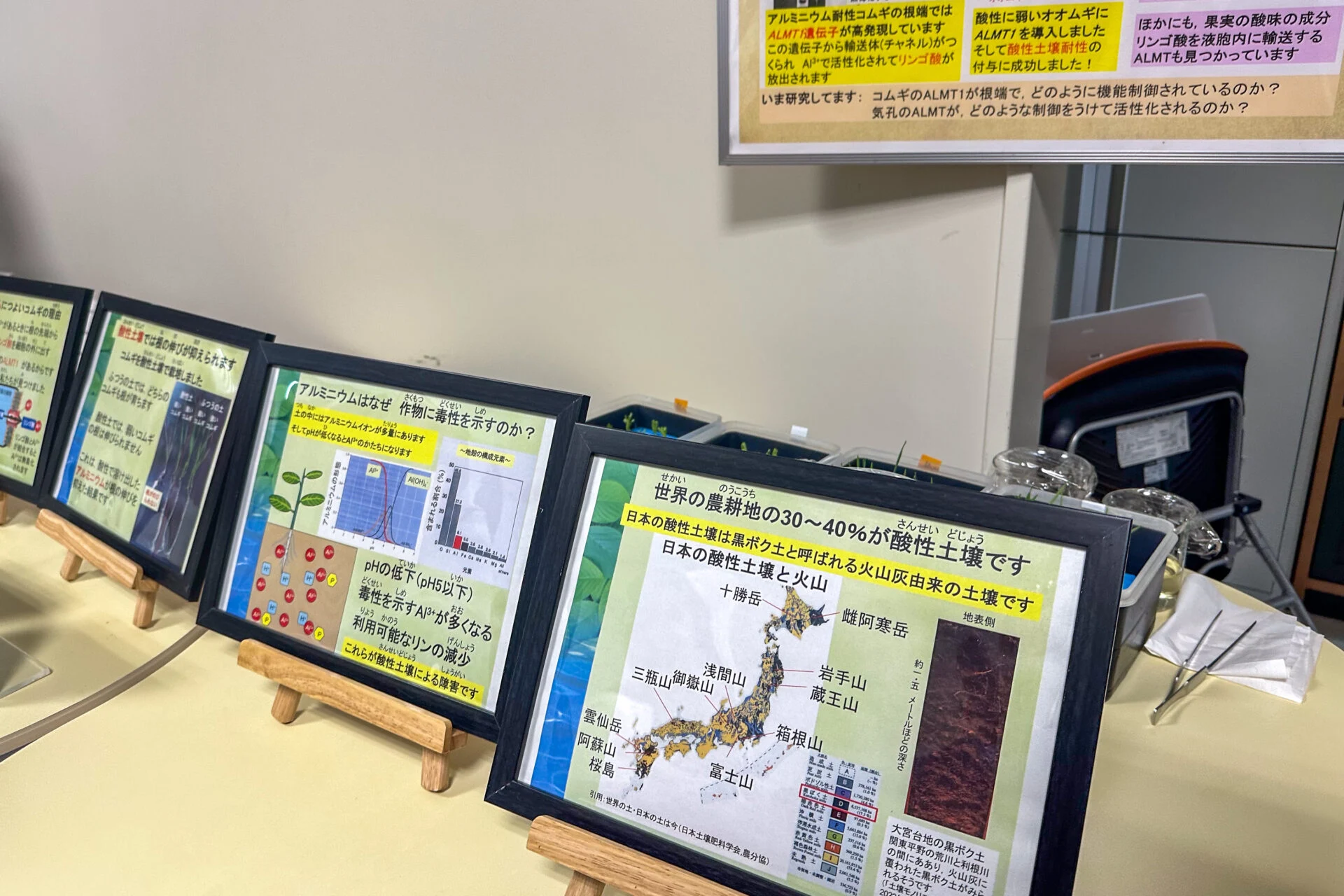
In another corner, there was an introduction to research on how to give plants resistance to acidic soil at the genetic level. It is said that 30-40% of the world's arable land is acidic soil, and producing crops that grow under such conditions could lead to improvements in food security.
Scanning Electron Microscope (SEM) Observation Tour
The research institute has many expensive experimental devices that are not usually seen.
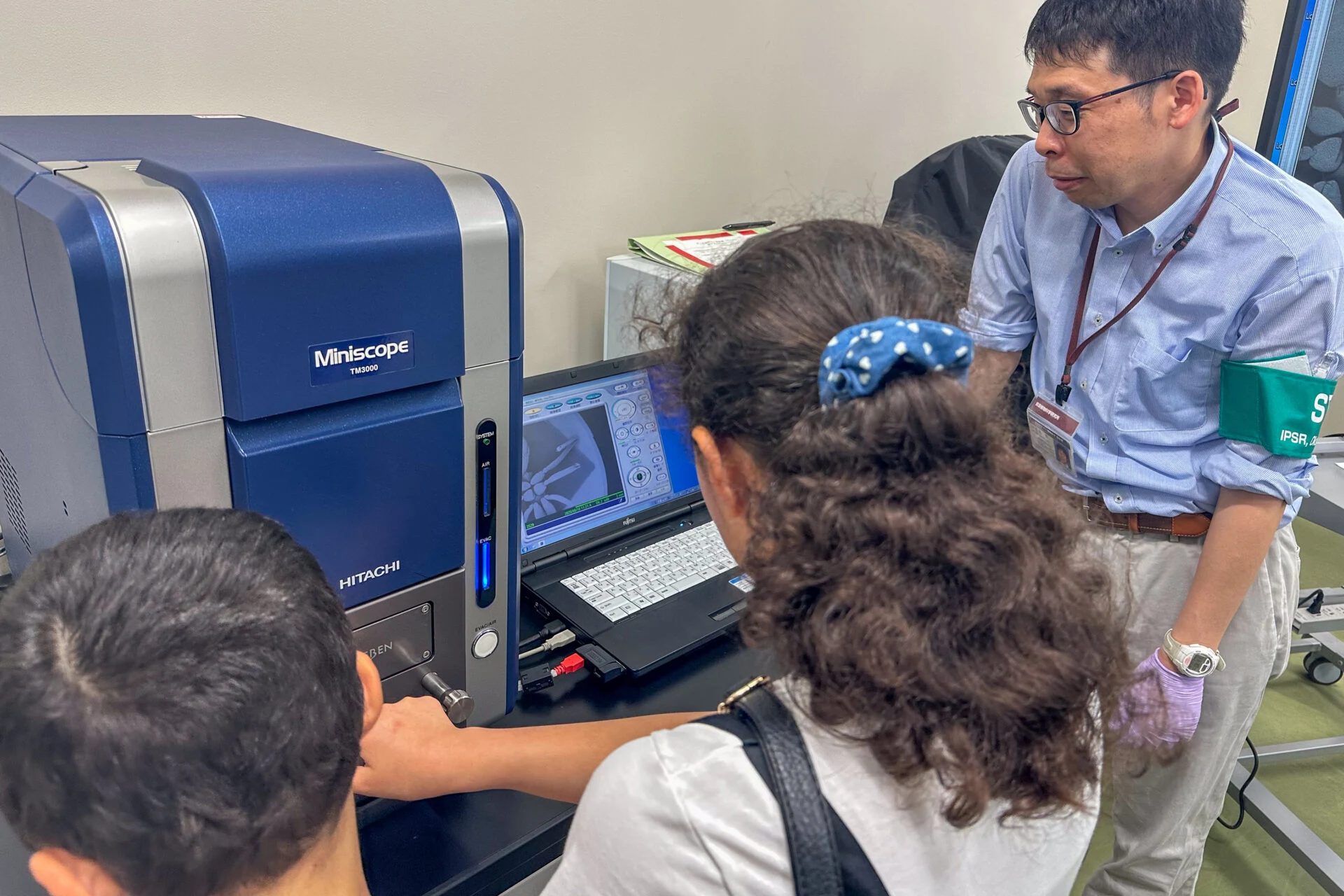
Scanning Electron Microscope (SEM) is one of them, allowing observation of the microscopic world that cannot be seen with an optical microscope.
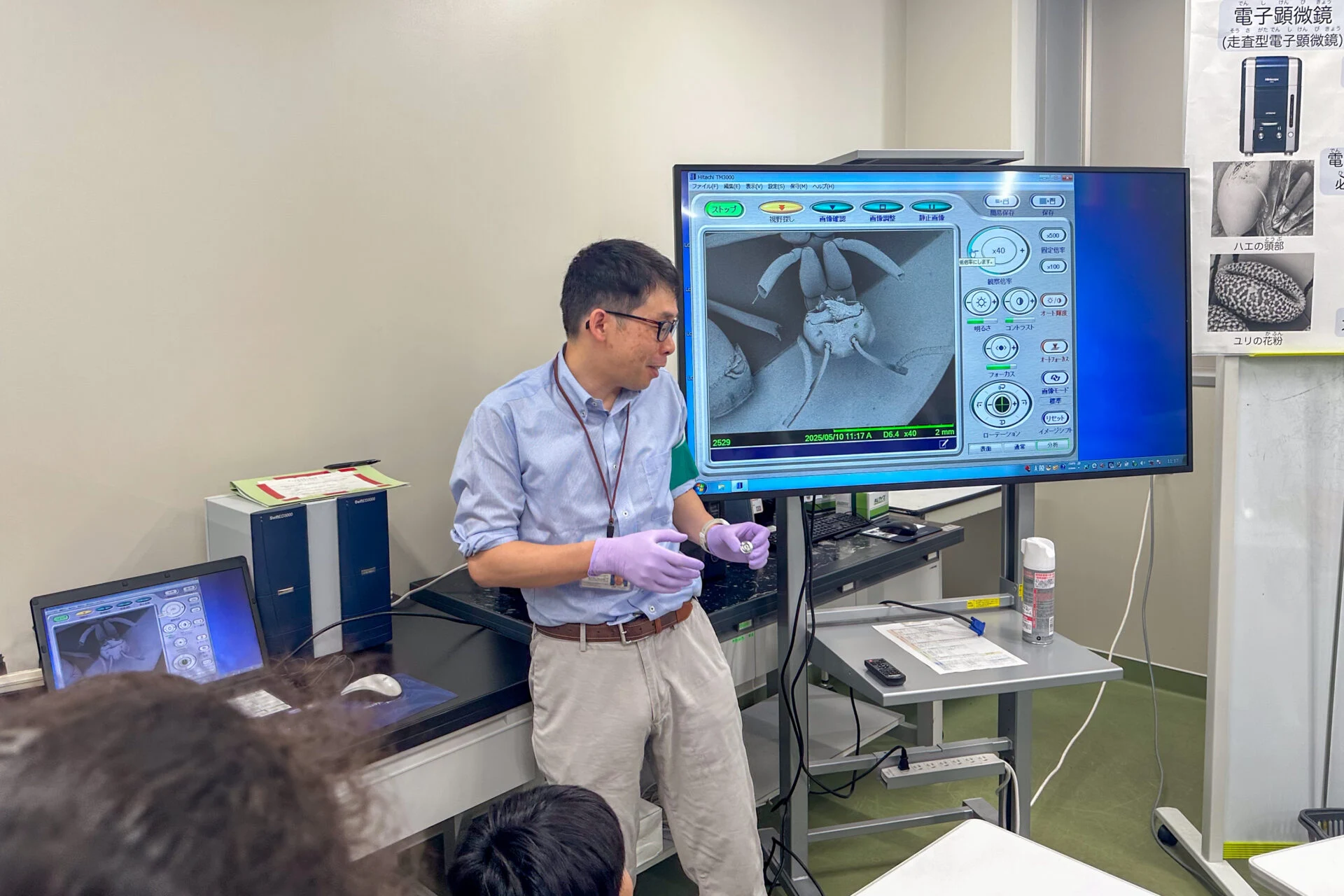
This time, we observed the surface of ants. It is interesting to see how it looks completely different when viewed with a microscopic eye.
Scanning Electron Microscope (SEM)
Unlike a regular optical microscope that captures light directly, this microscope uses electron beams instead of light and detects reflections from the object to create images. It can observe the fine structures and shapes of the surface of objects with high resolution. It is not only used for observing plants but is also adept at examining surfaces of metals and other materials.
Free Tasting of Barley Tea Made from Barley Grown at the Institute
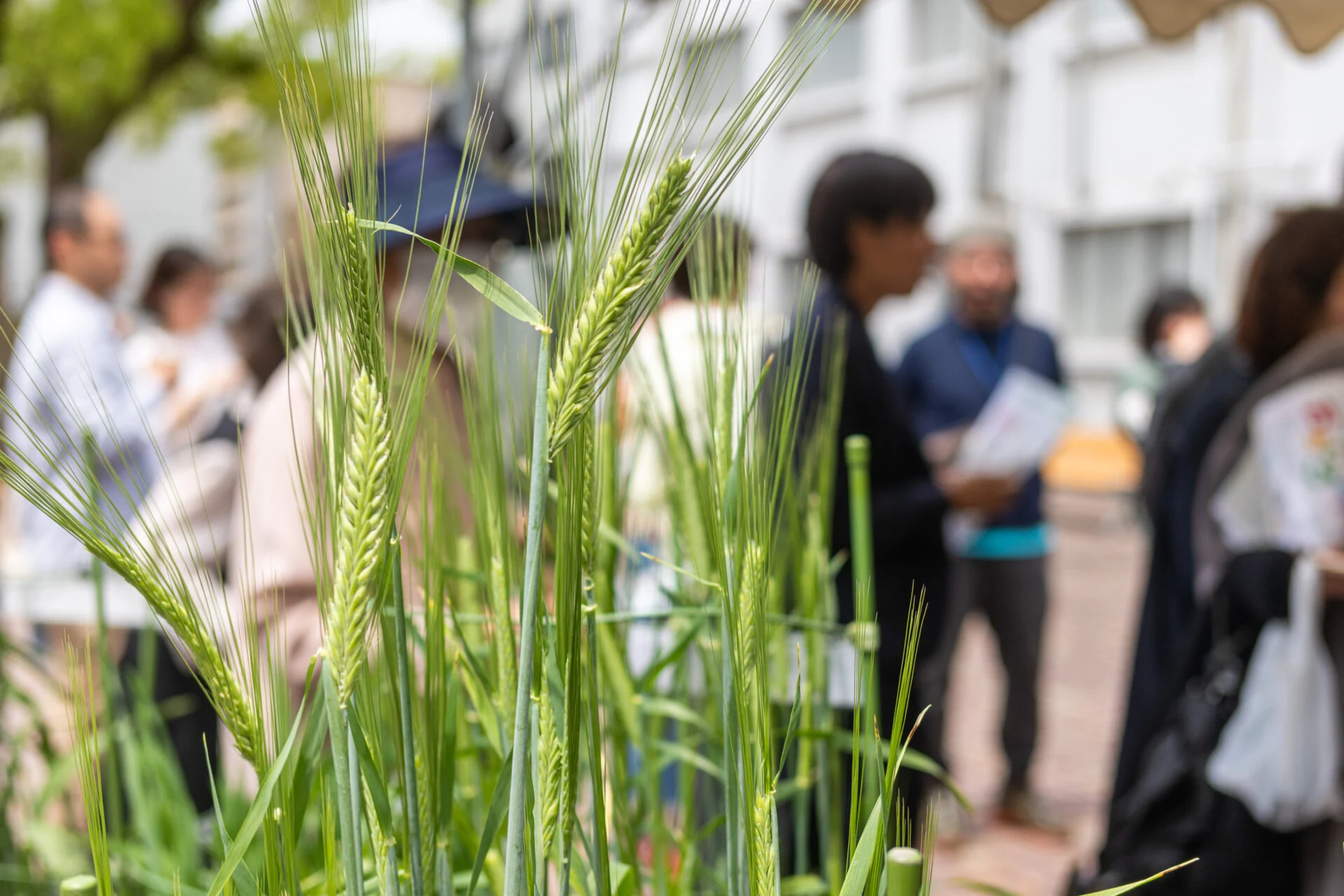
In the courtyard, there was a corner for free tasting of barley tea made from barley grown at the institute.
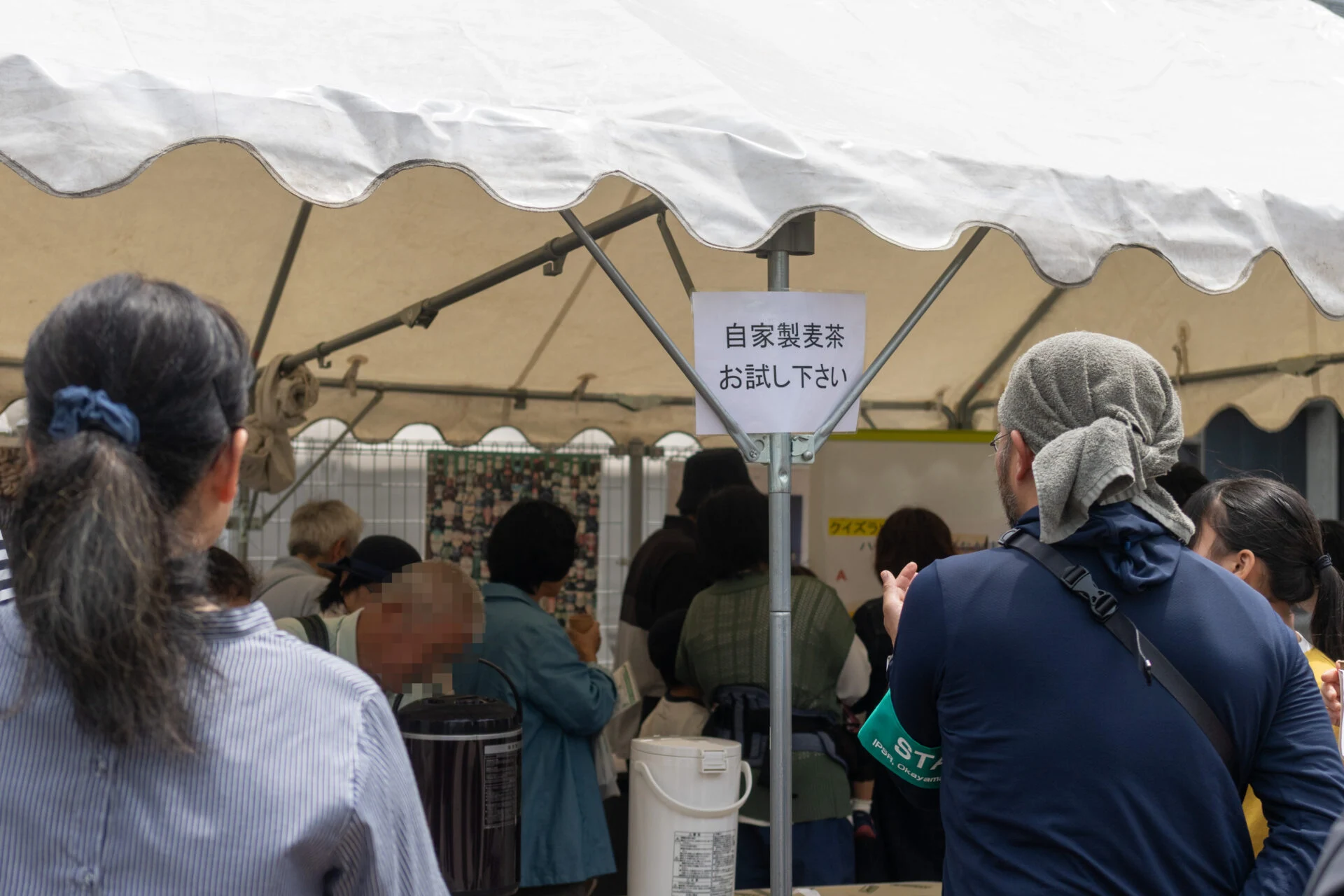
Additionally, various varieties of barley were displayed around the courtyard.
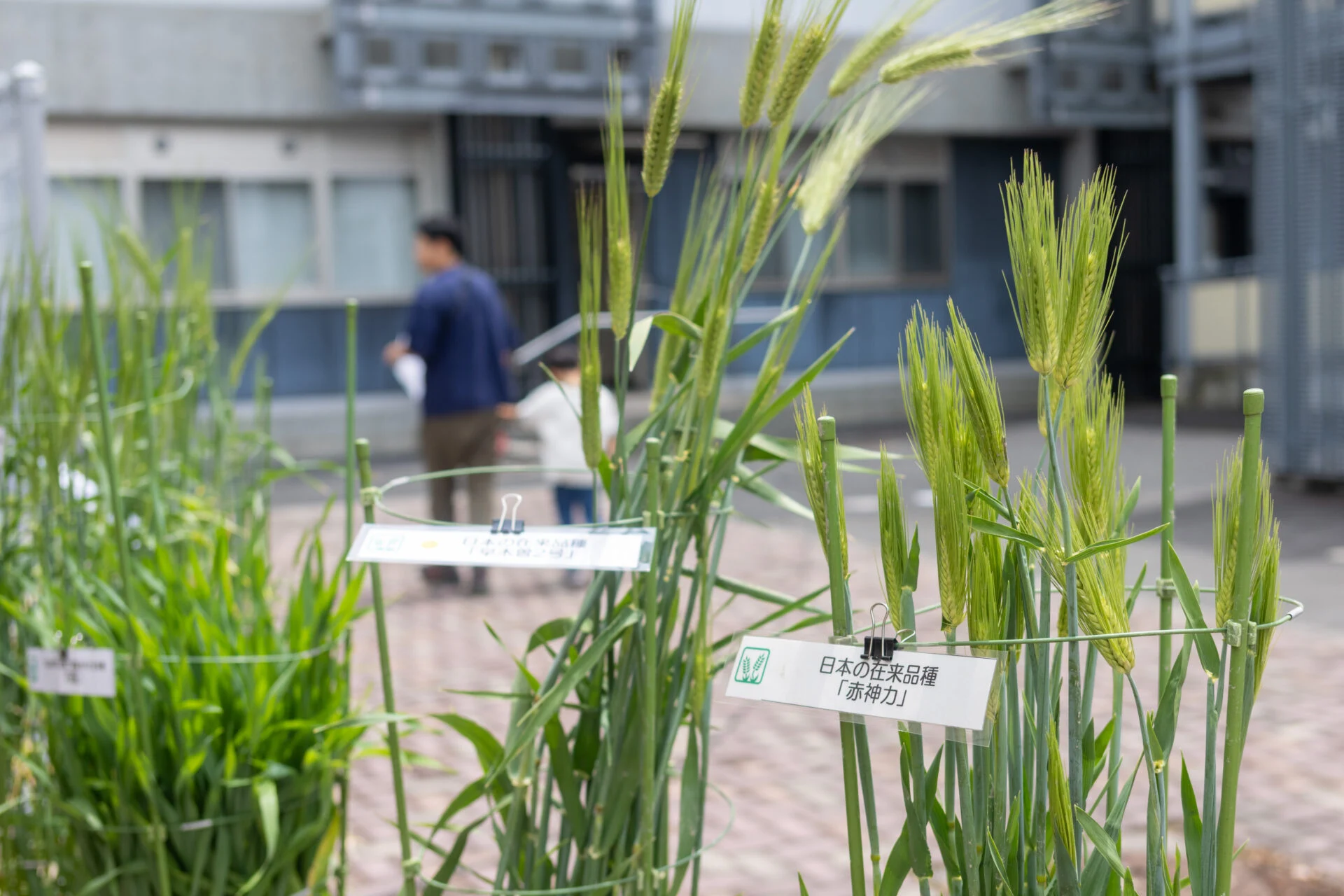
When comparing the original varieties with the improved ones, you can notice that the size of the ears has increased due to breeding.
Additionally, this allows for a larger harvest of barley.
Quiz Rally
Inside the building, a quiz rally was also held, where participants solved questions placed in various locations.
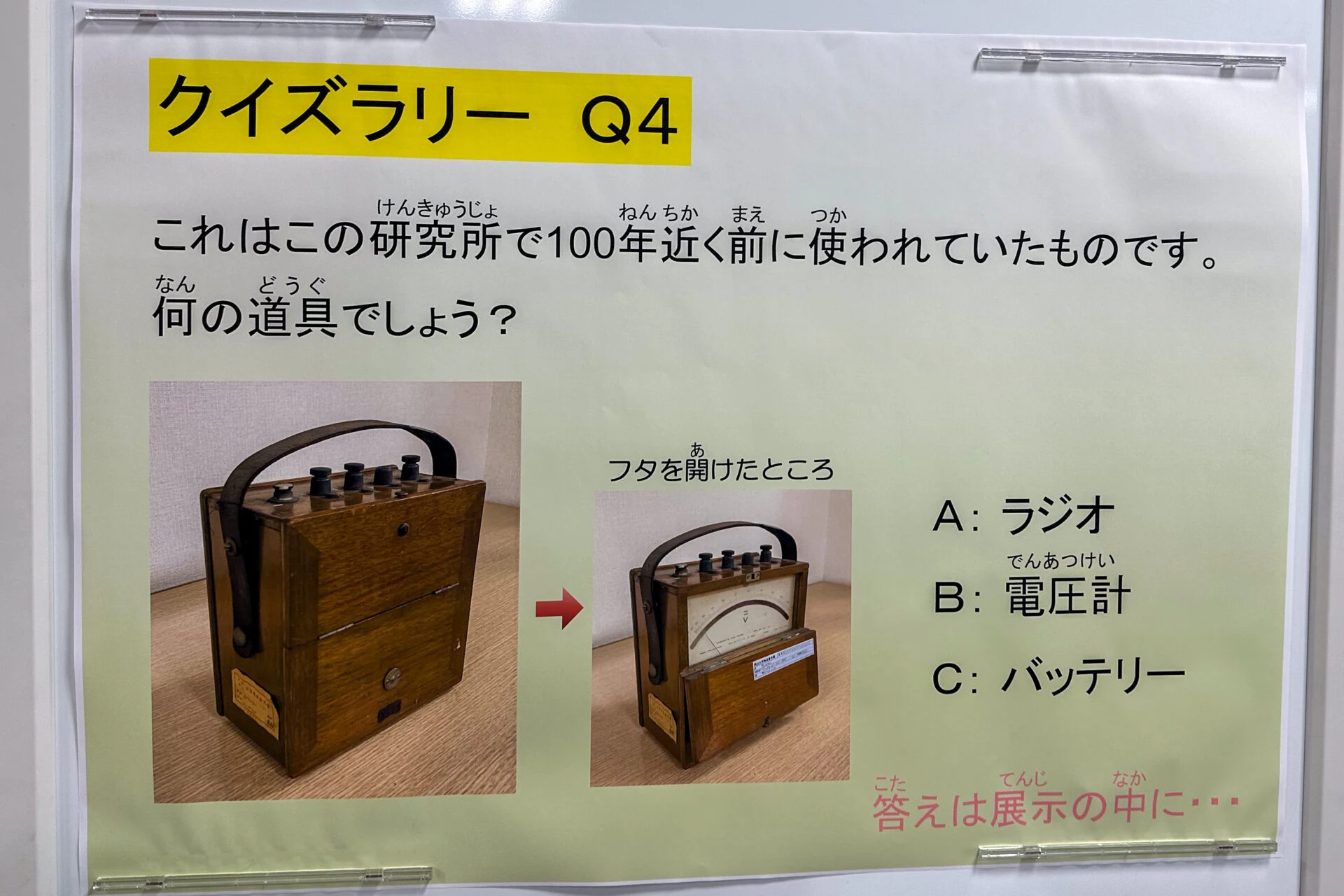
If you look closely at the exhibits, you will find the answers. It is a project that deepens knowledge while having fun.
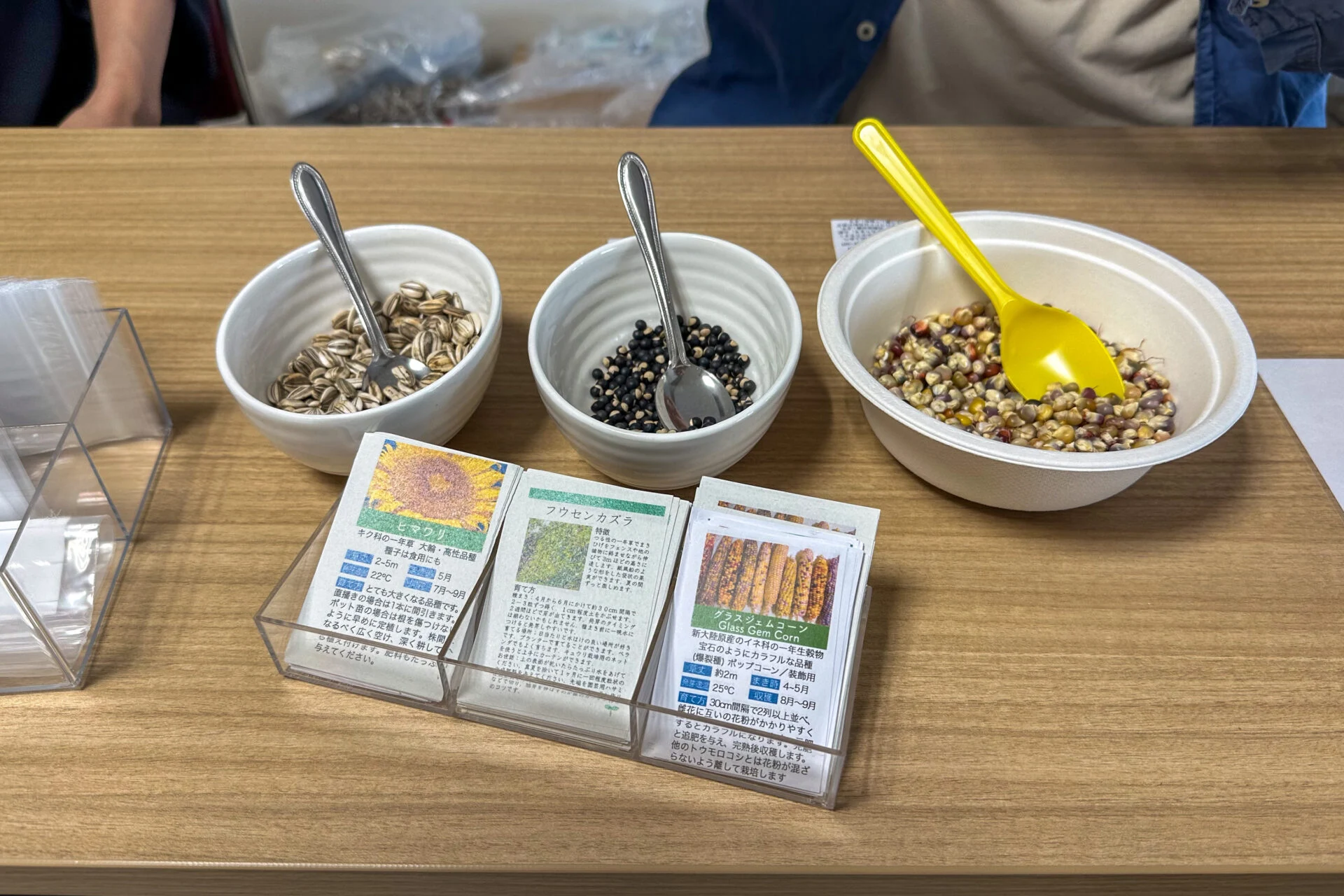
By clearing the quiz rally, you can receive seeds of plants (either sunflower, balloon vine, or glass gem corn).
Museum
At the museum located on the premises, a special exhibition titled "Records of Ohara Agricultural Research" - Inheriting the Will - is being held in conjunction with this public opening.
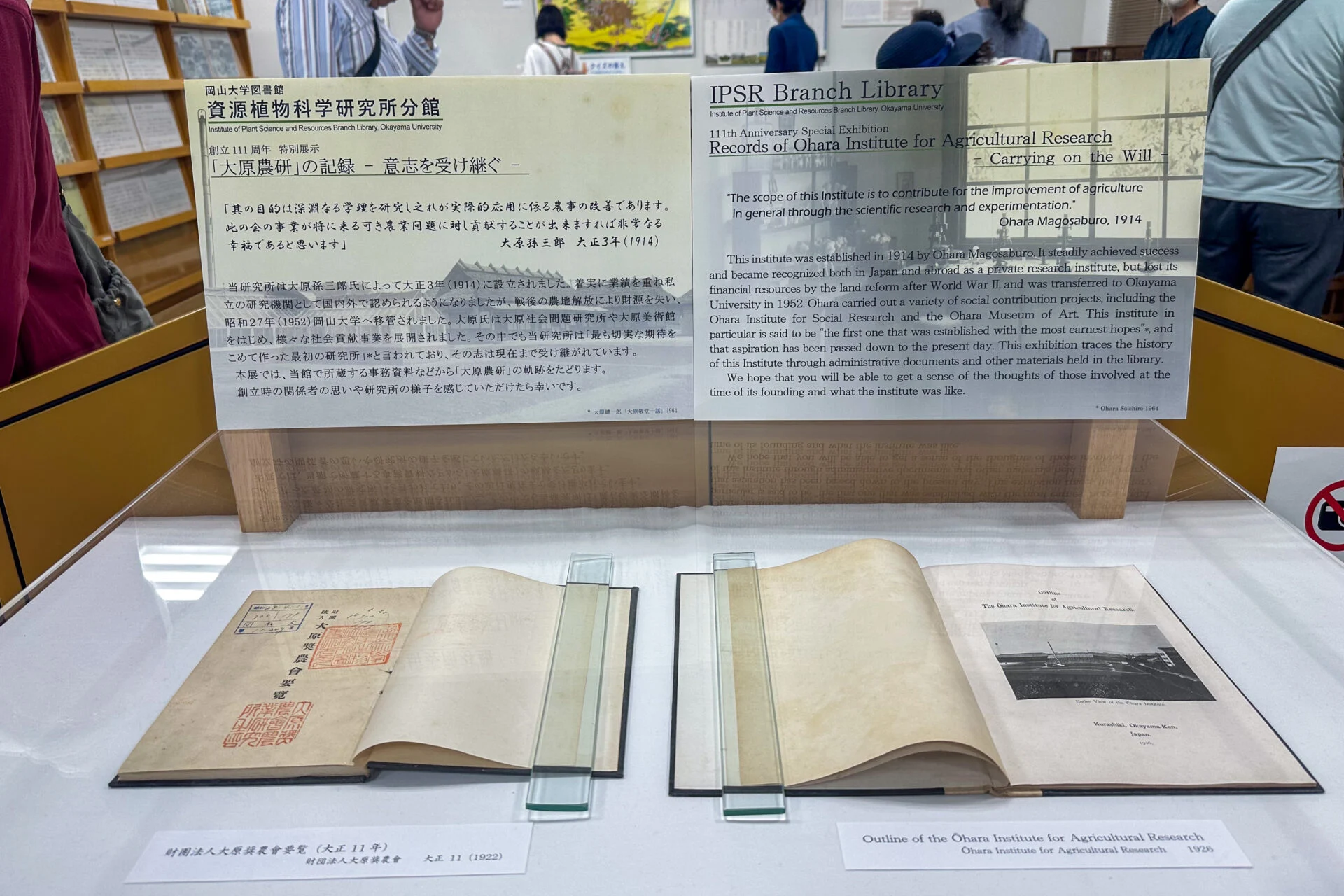
Exhibition items included valuable materials such as experimental equipment like cameras and microscopes used when the research institute was established, as well as letters addressed to Ohara Magosaburo.
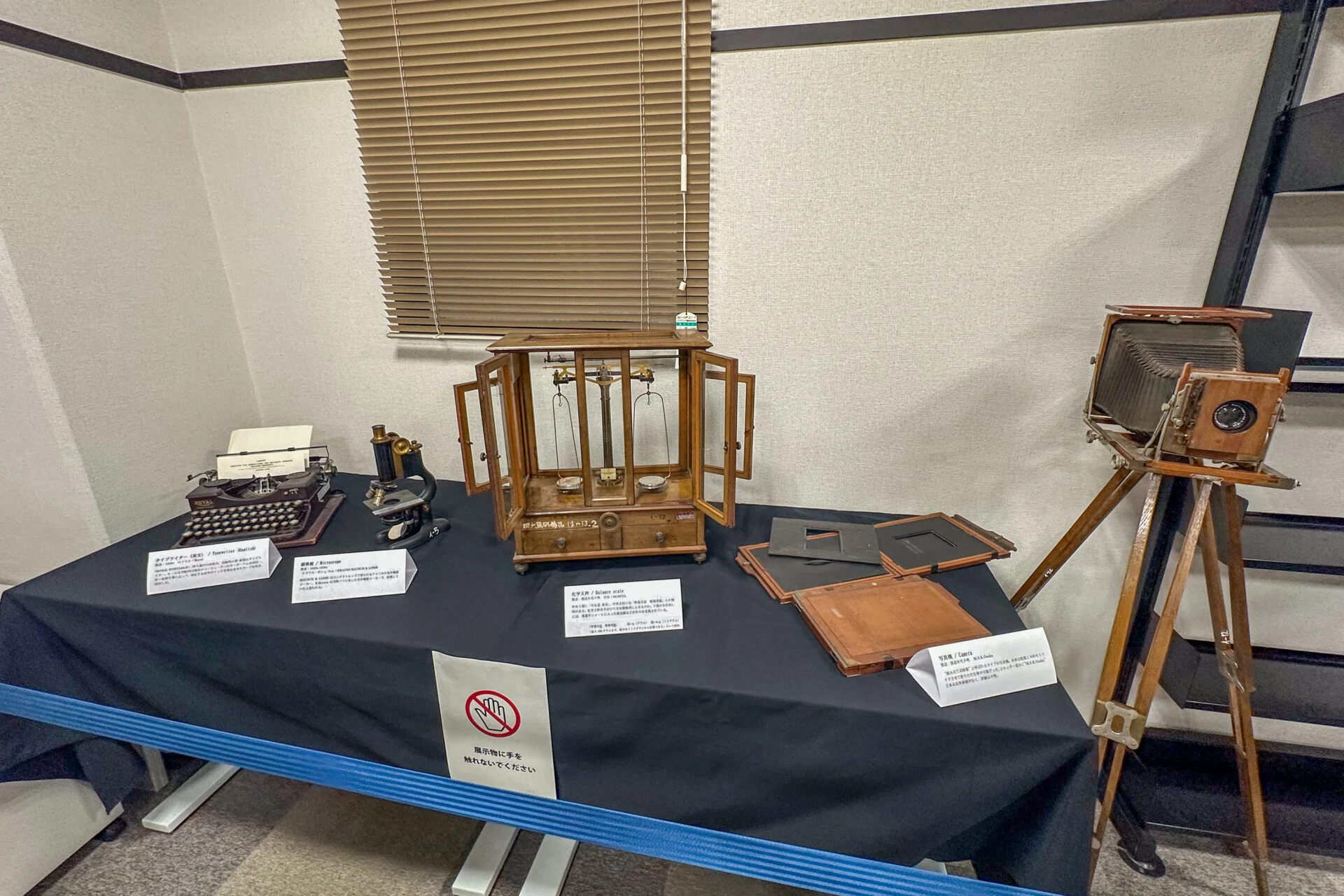
I was able to understand how dedicated the founder, Ohara Magosaburo, was to this research institute.
Conclusion
Although I often pass by the research institute, I had never entered it until now, making it a facility that is close yet distant.
I deepened my understanding of the research being conducted, which is related to the recent surge in rice prices and aims to improve food conditions, and it was presented in a way that is easy for children and the general public to understand.
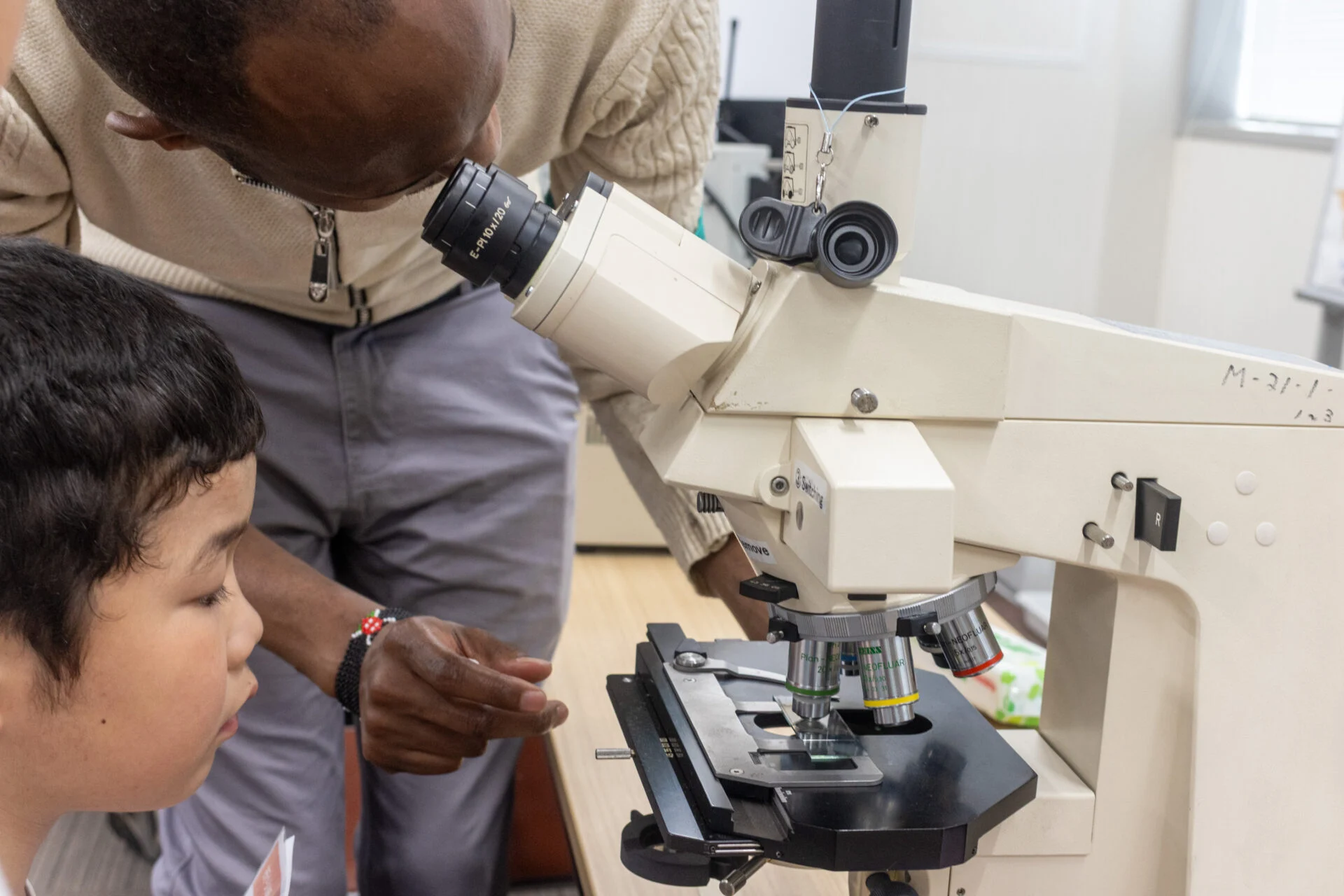
Additionally, it left a strong impression that the researchers are multinational, with a particularly high number of individuals from African backgrounds.
Thinking about how they will contribute to improving food conditions in their home countries after returning, I feel a surge of emotion.
The endless challenges of researchers continue from Kurashiki, aiming to enrich people's lives through agricultural innovation.
2025 Okayama University Resource Plant Science Institute Public Opening Data
| Name | 2025 Okayama University Resource Plant Science Institute Public Opening |
|---|---|
| Date | May 10, 2025 (Saturday) 10:00 AM - 3:00 PM |
| Location | 2-20-1 Chuo, Kurashiki City, Okayama Prefecture |
| Participation Fee (including tax) | Free of charge |