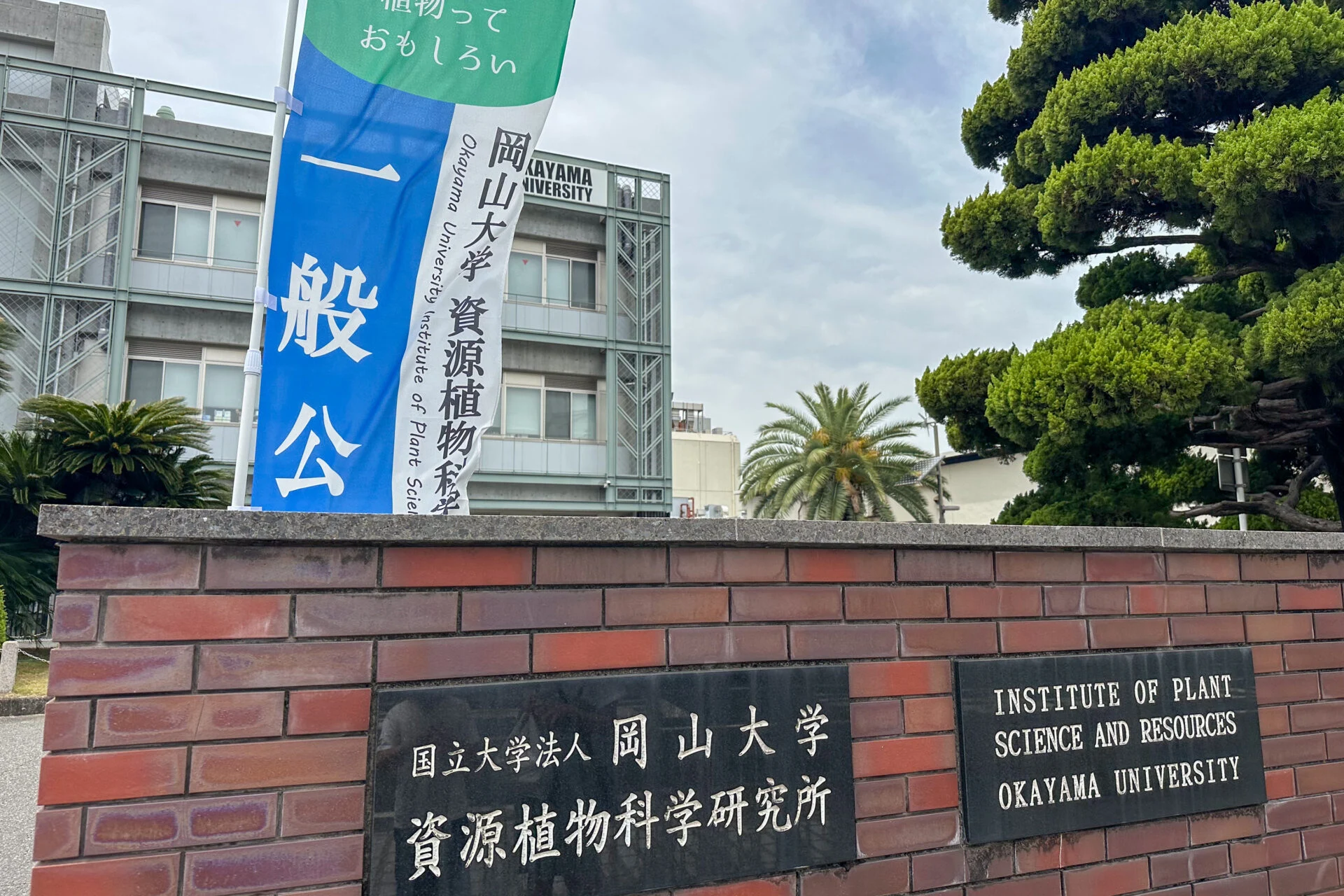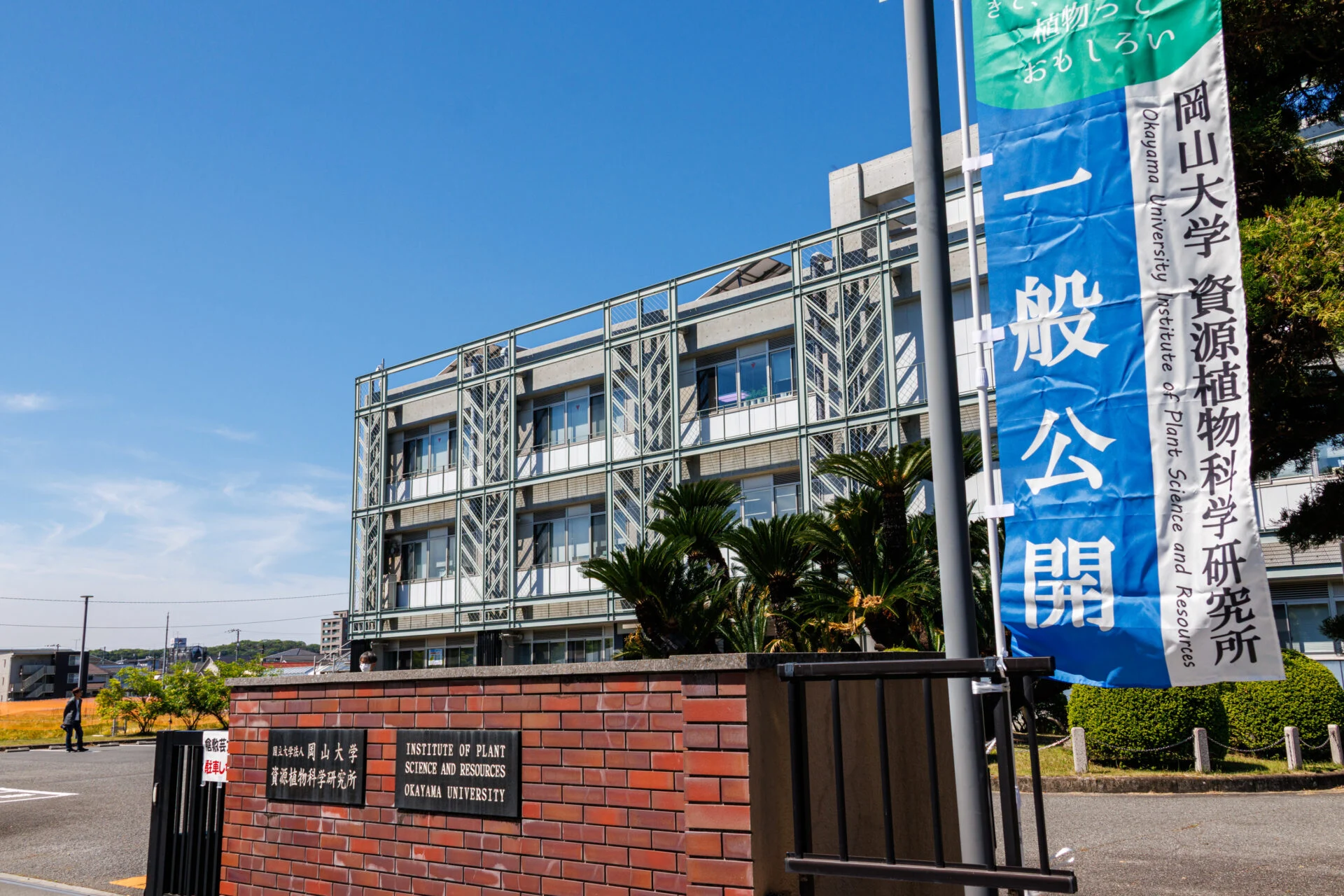
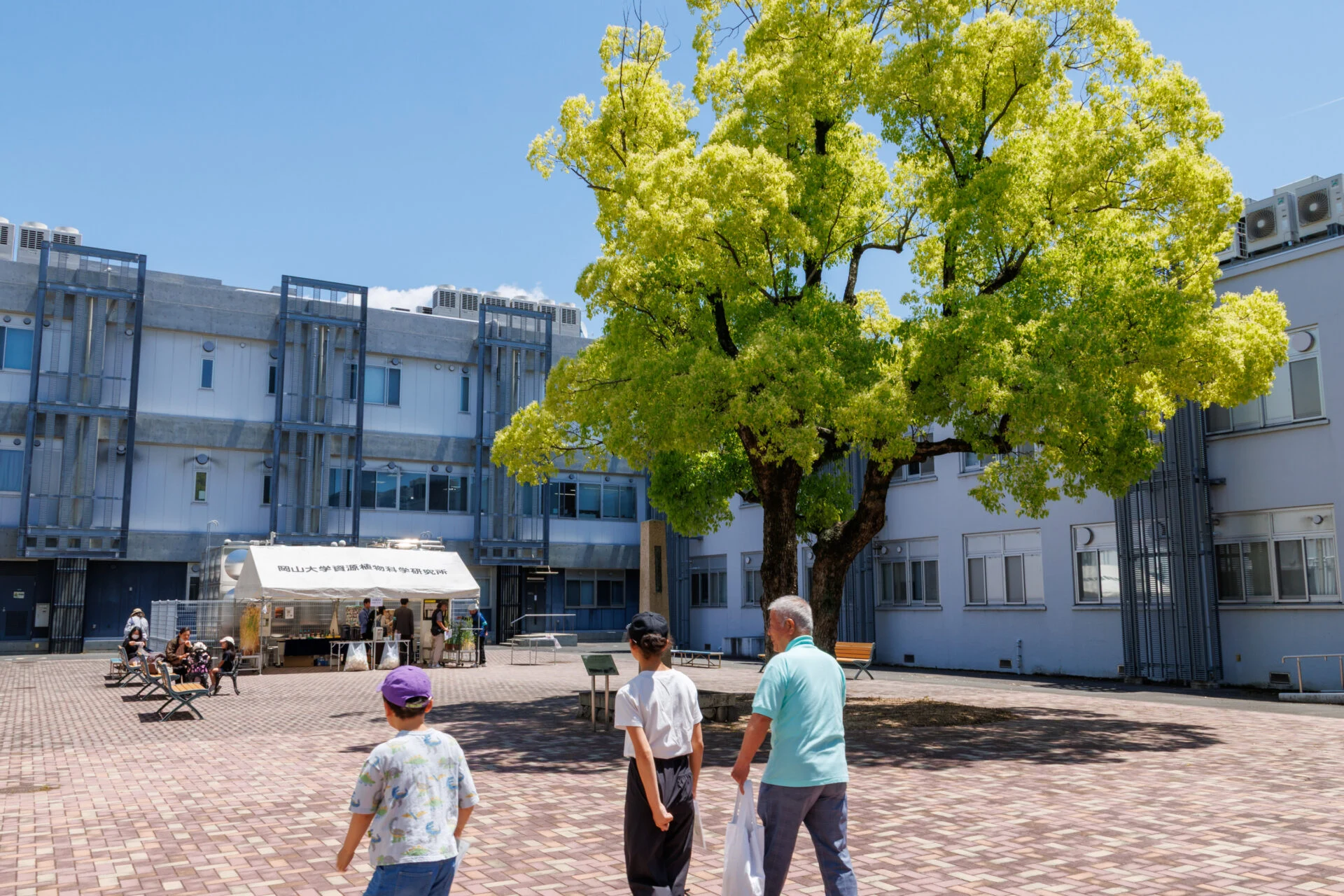
Located not far from the Bikan Historical Area, across from Geibunkan Hall in Kurashiki City, is the Okayama University Institute of Plant Science and Resources. Established in 1914 as the predecessor "Ohara Agricultural Research Institute," it is a historic agricultural research institute that has been conducting research activities for over 110 years.
On May 9, 2026 (Saturday), the annual public open day was held.
It featured presentations of research results, exhibitions of valuable materials not usually seen, and tours of the barley fields on the premises, attracting many visitors.
Here is a report on the day's events.
What is the Okayama University Institute of Plant Science and Resources Open Day?
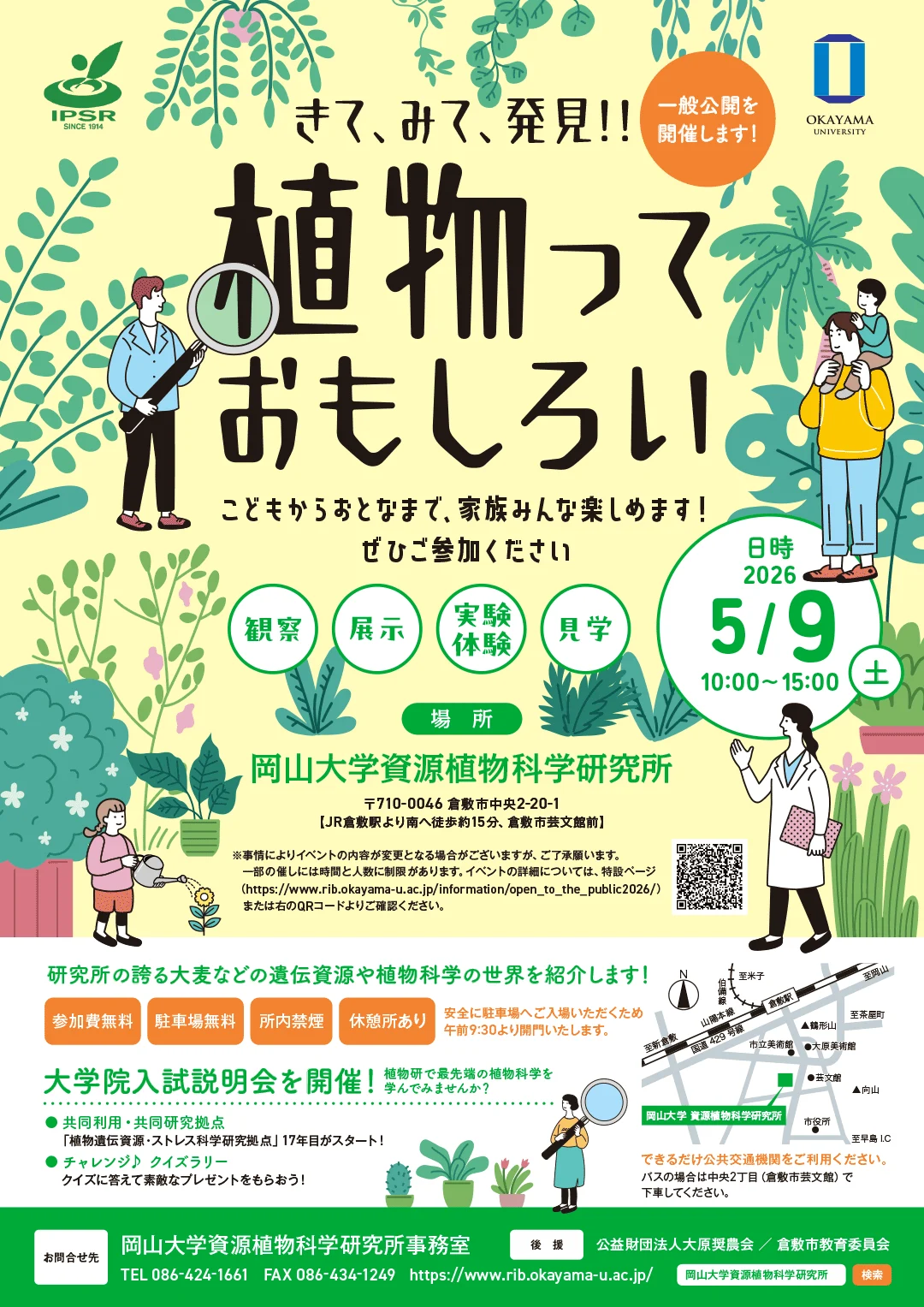
The Okayama University Institute of Plant Science and Resources holds an annual open day to widely share research results and foster familiarity with local plants. In 2026, it was held on May 9 (Saturday).
This year's theme was "Come, See, Discover!! Plants are Interesting."
On the day, there were presentations of research results, experiments and observations related to local plants, and many visitors of all ages enjoyed the event.
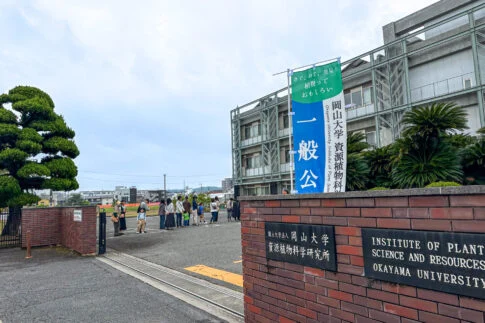
Overview of the Day
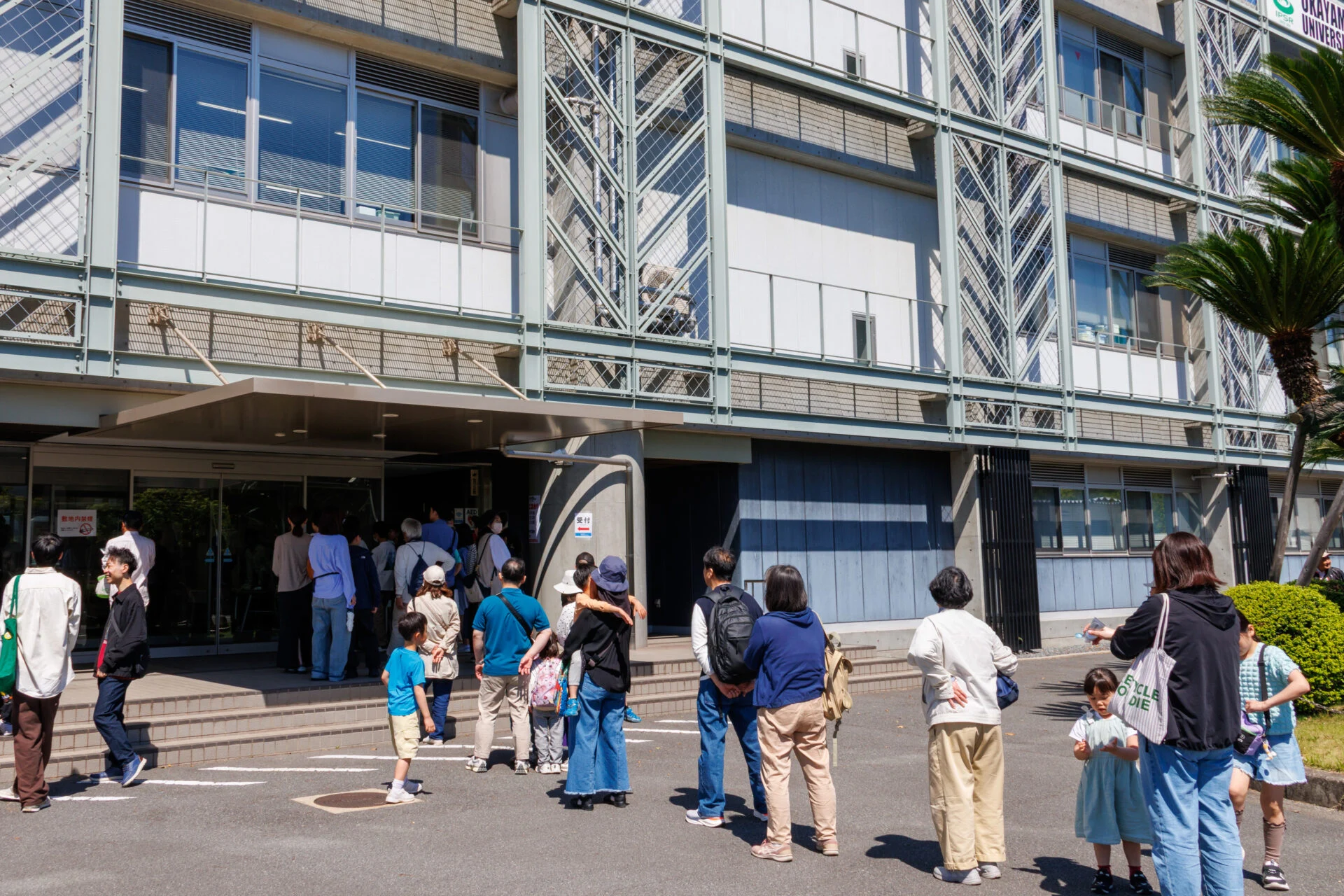
Before the opening at 10 AM, there was already a line at the entrance. Visitors received a map of the facility and answer sheets for the quiz rally before entering the institute.
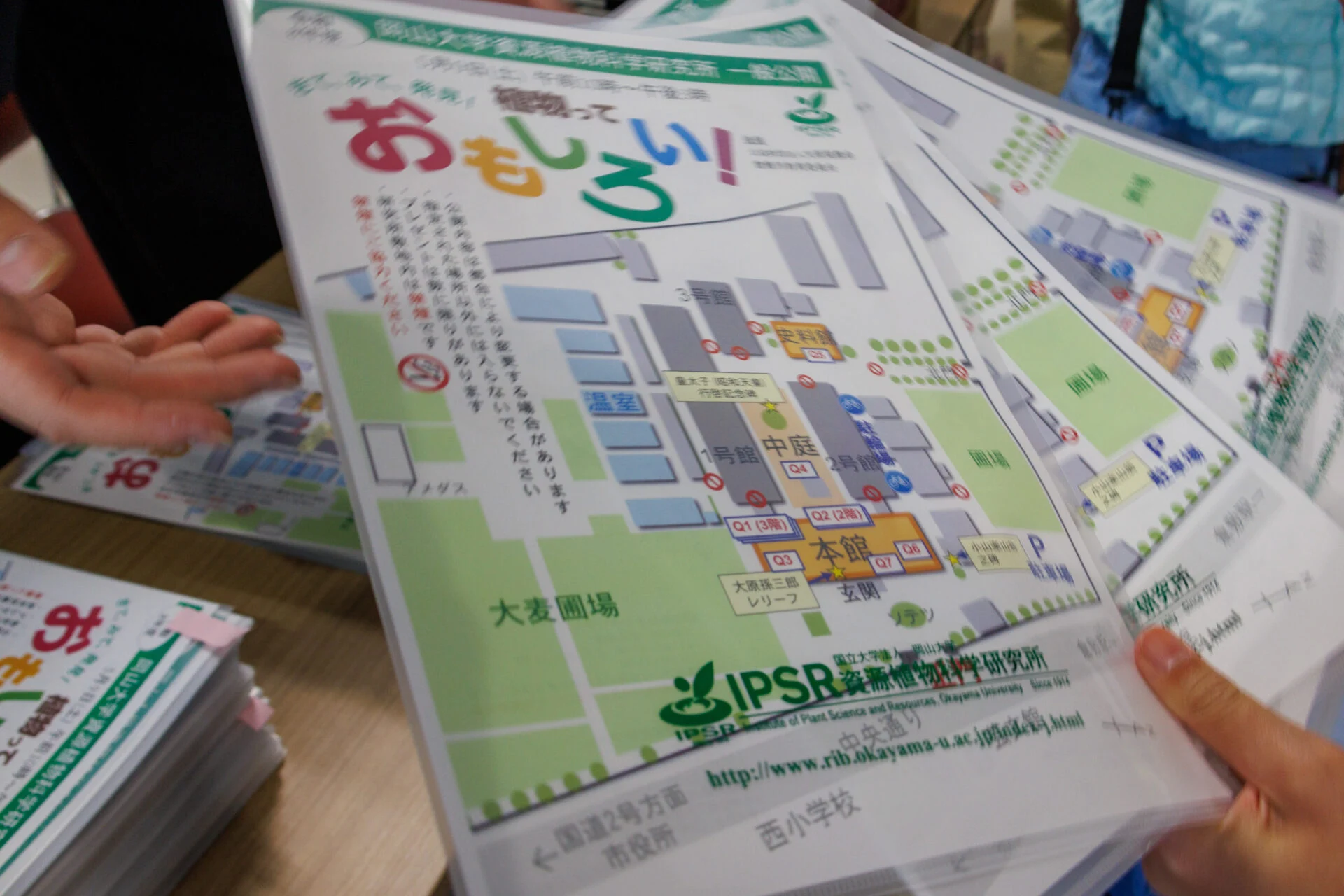
Inside the institute, various creative events and exhibitions were taking place. Below, I will introduce the experiences I had.
Barley Field Tour
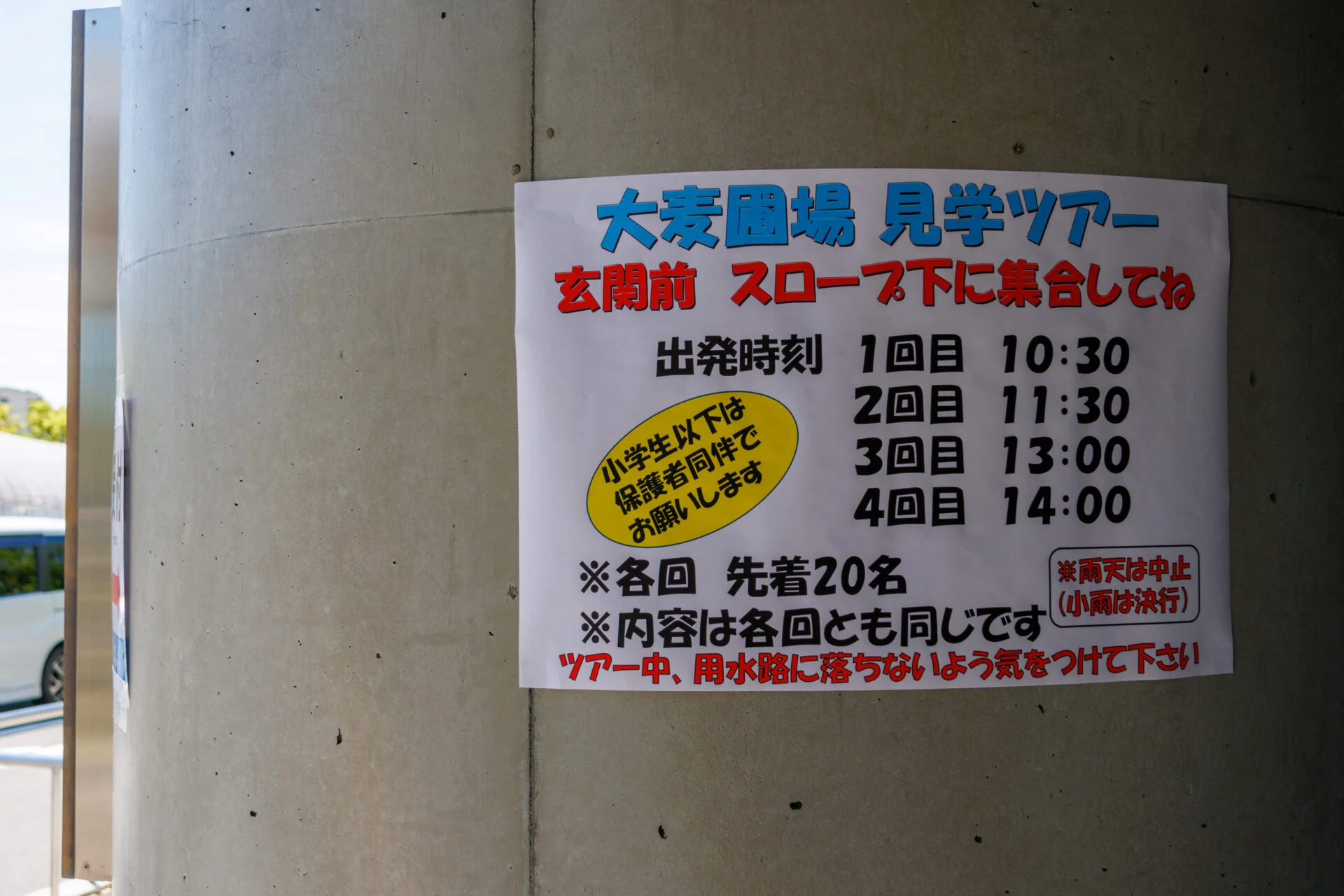
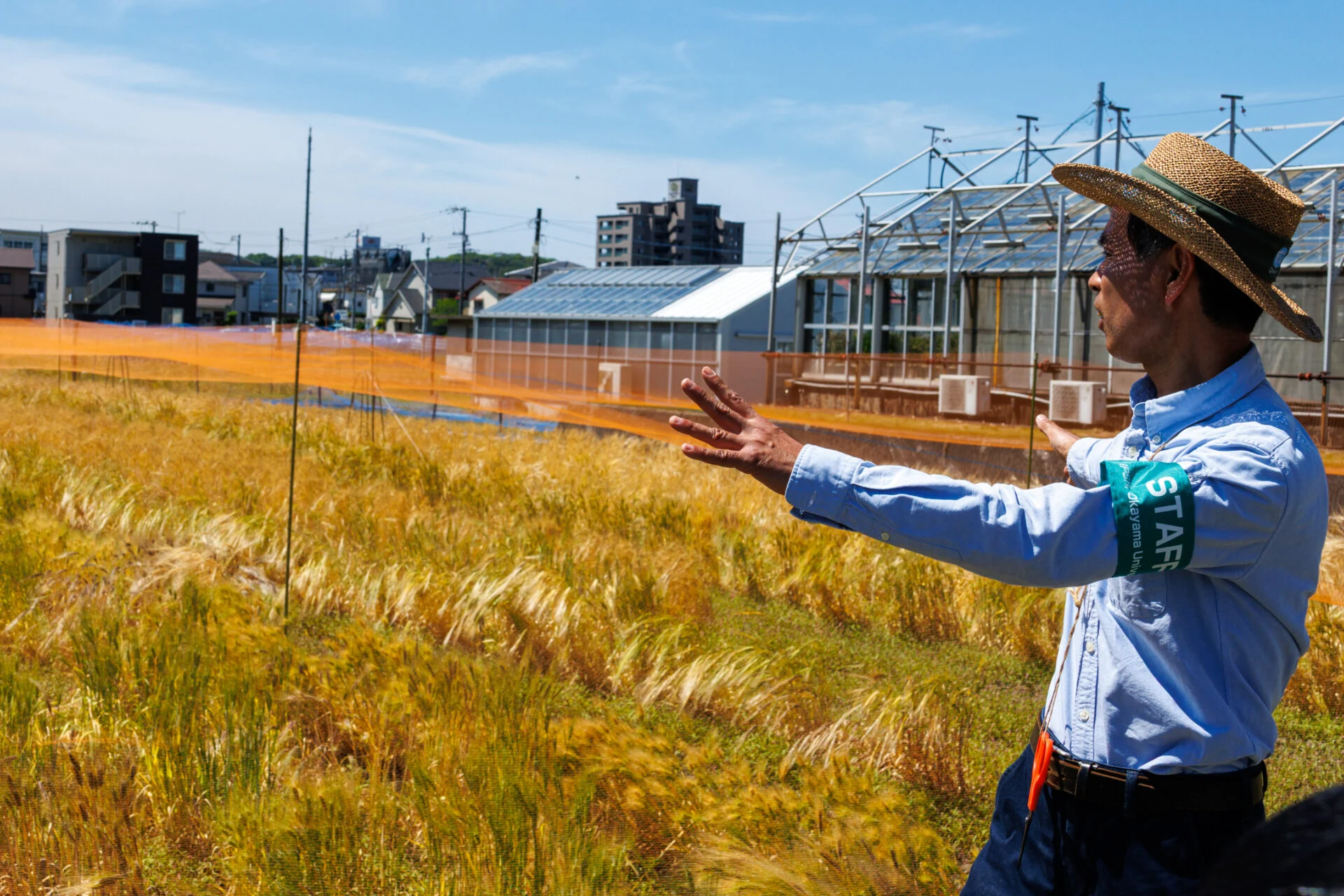
The "Barley Field Tour" is a popular event held every year, where visitors tour the barley (barley) fields located to the south of the institute, guided by staff members.
Field (ほじょう)
A place for cultivating crops. Here, it refers to rice paddies and fields.
At the main entrance, many people gathered before the 10:30 AM departure. Soon, it was time to start the field tour.
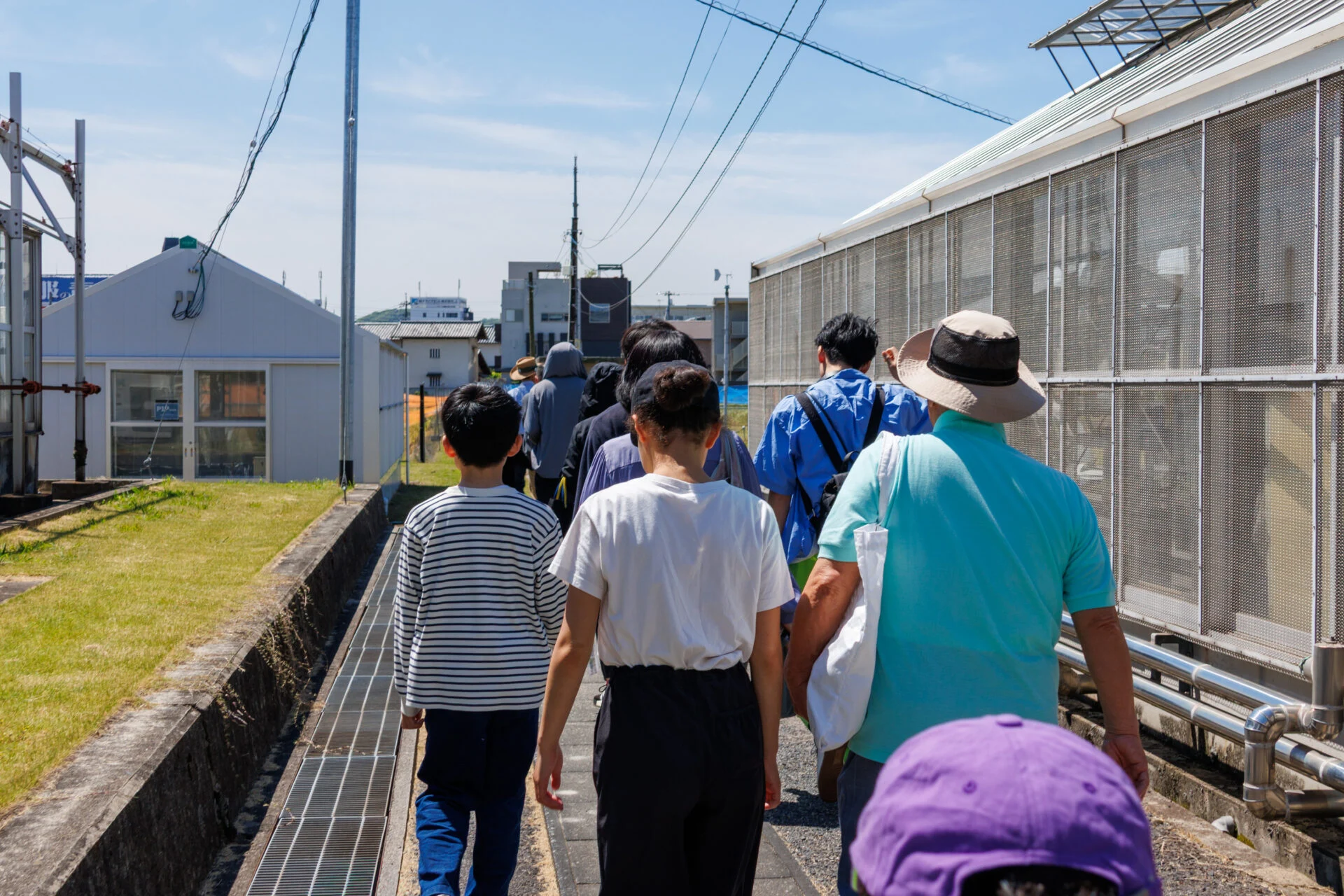
What is the Origin of Barley?
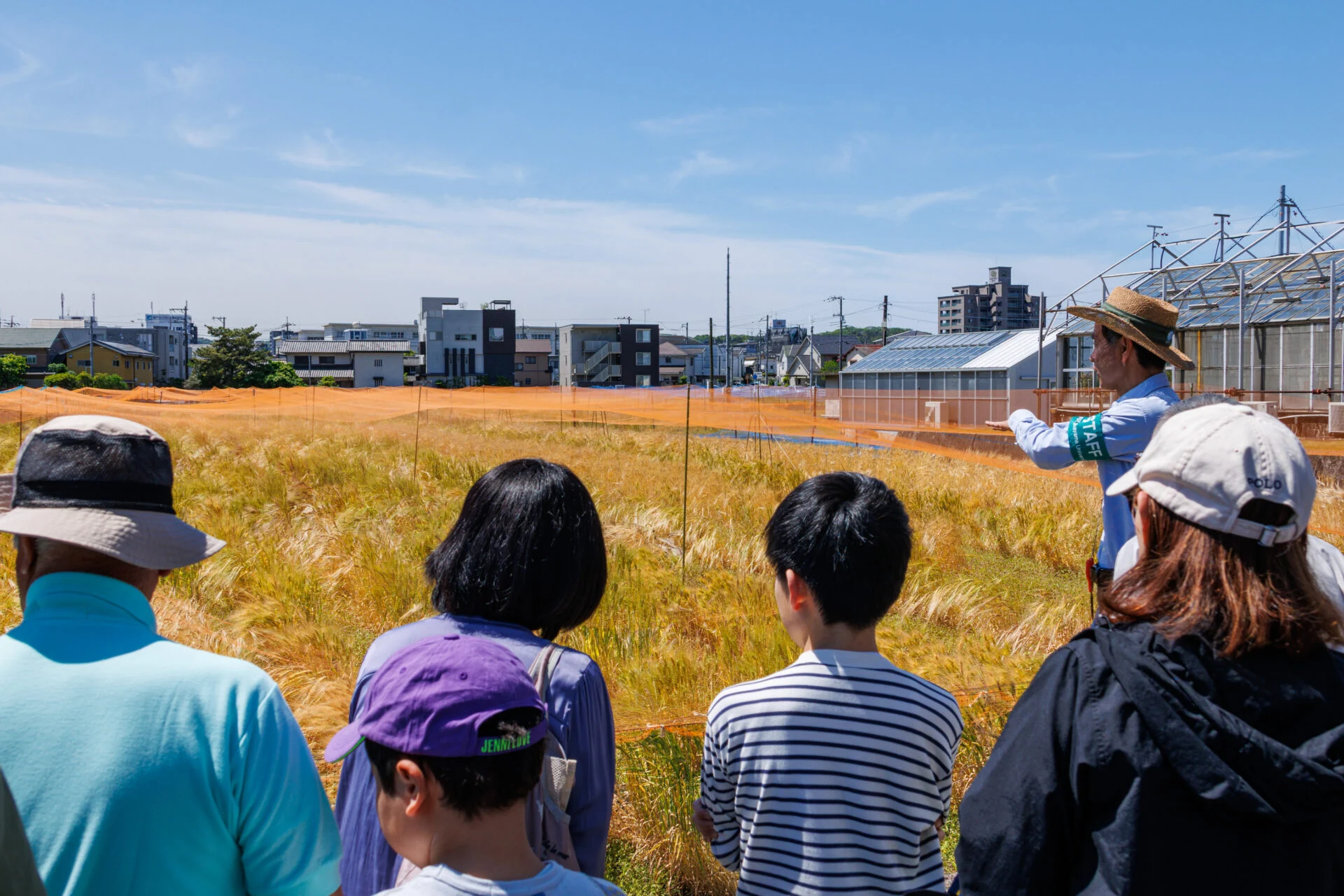
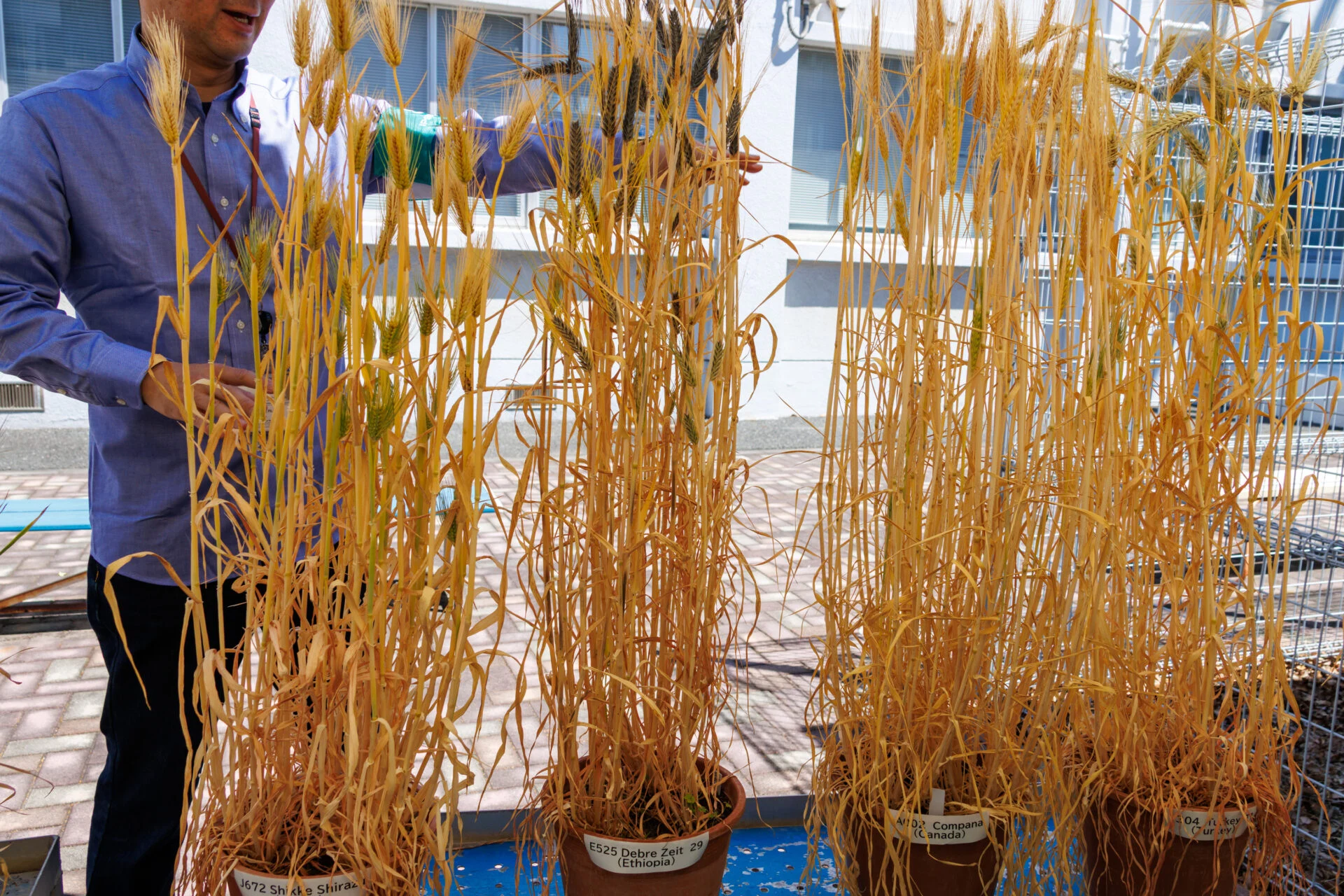
In the field, various types of barley are cultivated. Here, the staff provided an explanation about the origin of barley.
The cultivation of barley is believed to have begun about 10,000 years ago in the region known as the Fertile Crescent located in the present-day Middle East.
Fertile Crescent
Refers to the area around present-day Iraq, Syria, Lebanon, Israel, and Palestine, where the Mesopotamian civilization flourished along the Tigris and Euphrates rivers, a region that has thrived since ancient times.
Since then, people around the world have evolved barley into its current form through thousands of years of breeding.
In the field, many unusual varieties are also cultivated.
For example, this variety is called "Scythe-free" because its stems can be easily broken by hand.
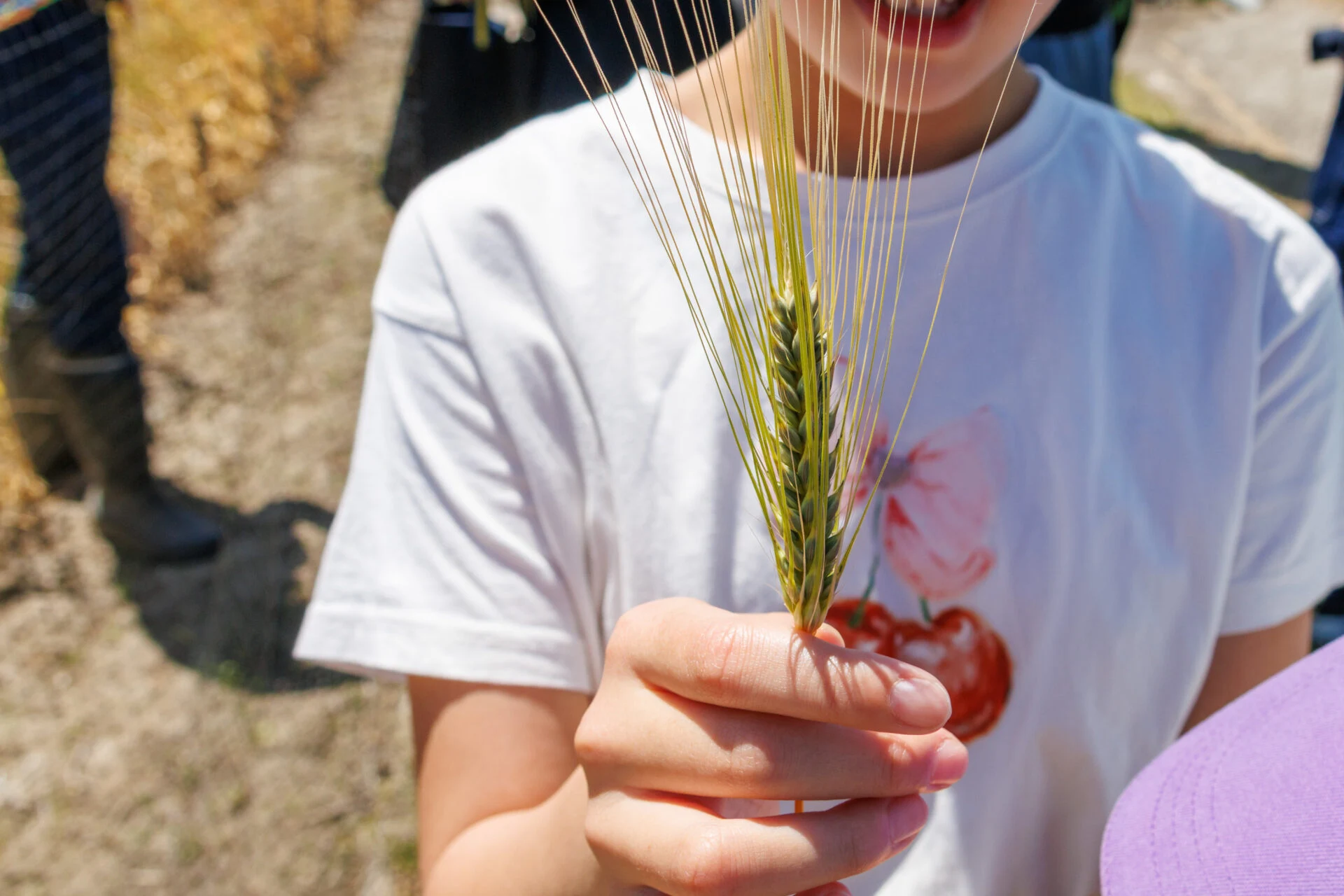
This variety was bred for easy harvesting, but in reality, even a gust of wind can break the stems and cause the ears to fall off, making it unsuitable for practical agricultural use.
Creating Varieties Adaptable to Harsh Environments
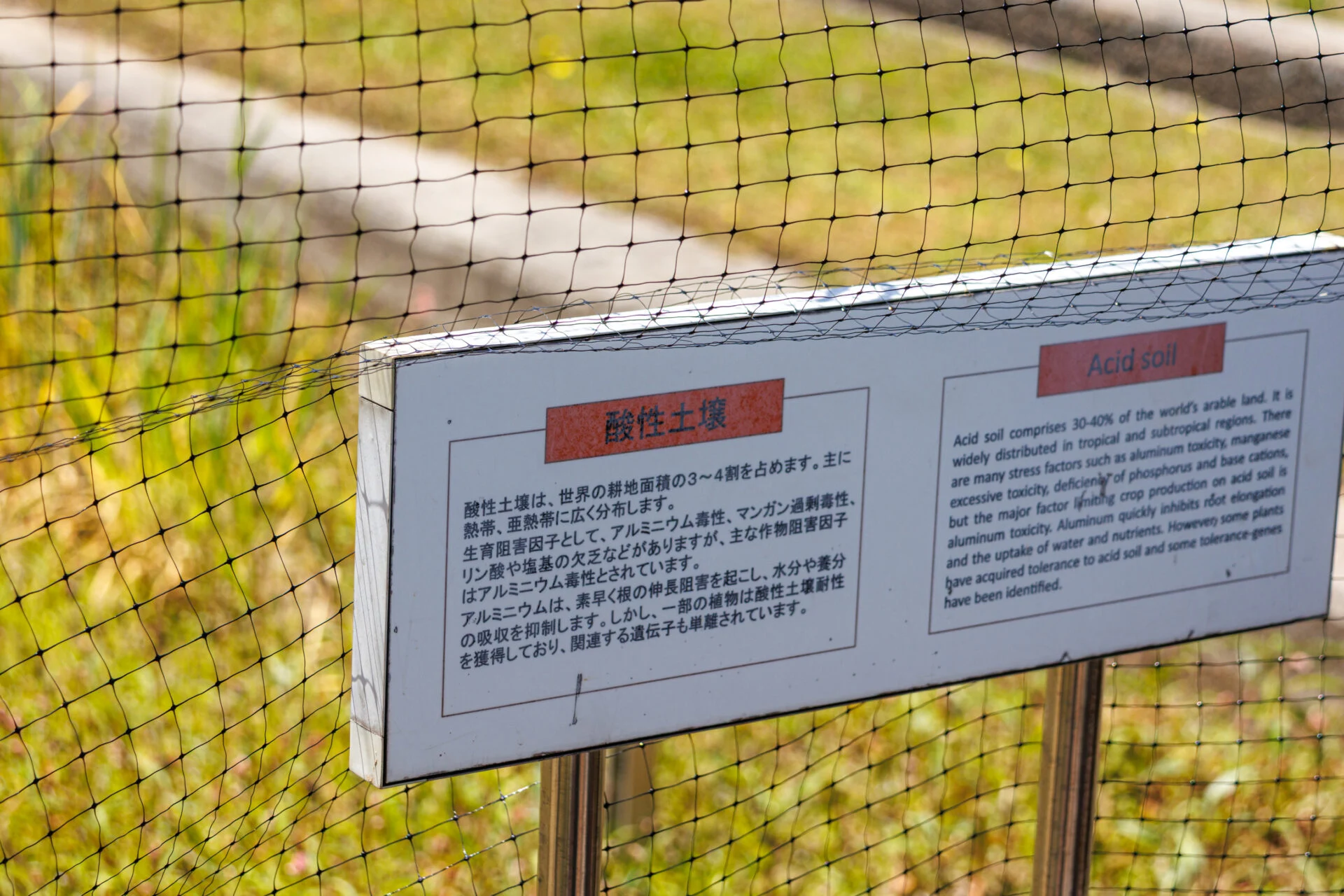
Within the field, there was a section simulating "acidic soil" with a pH of 4.0 to 4.5.
Acidic soil is a typical problematic soil that makes growth difficult for many plants, accounting for about 30-40% of the world's arable land.
As a result of years of research, specific genes that are resistant to acidic soil have been discovered. Among the barley planted in this section, those that are growing well are varieties that possess resistance to acidic soil.
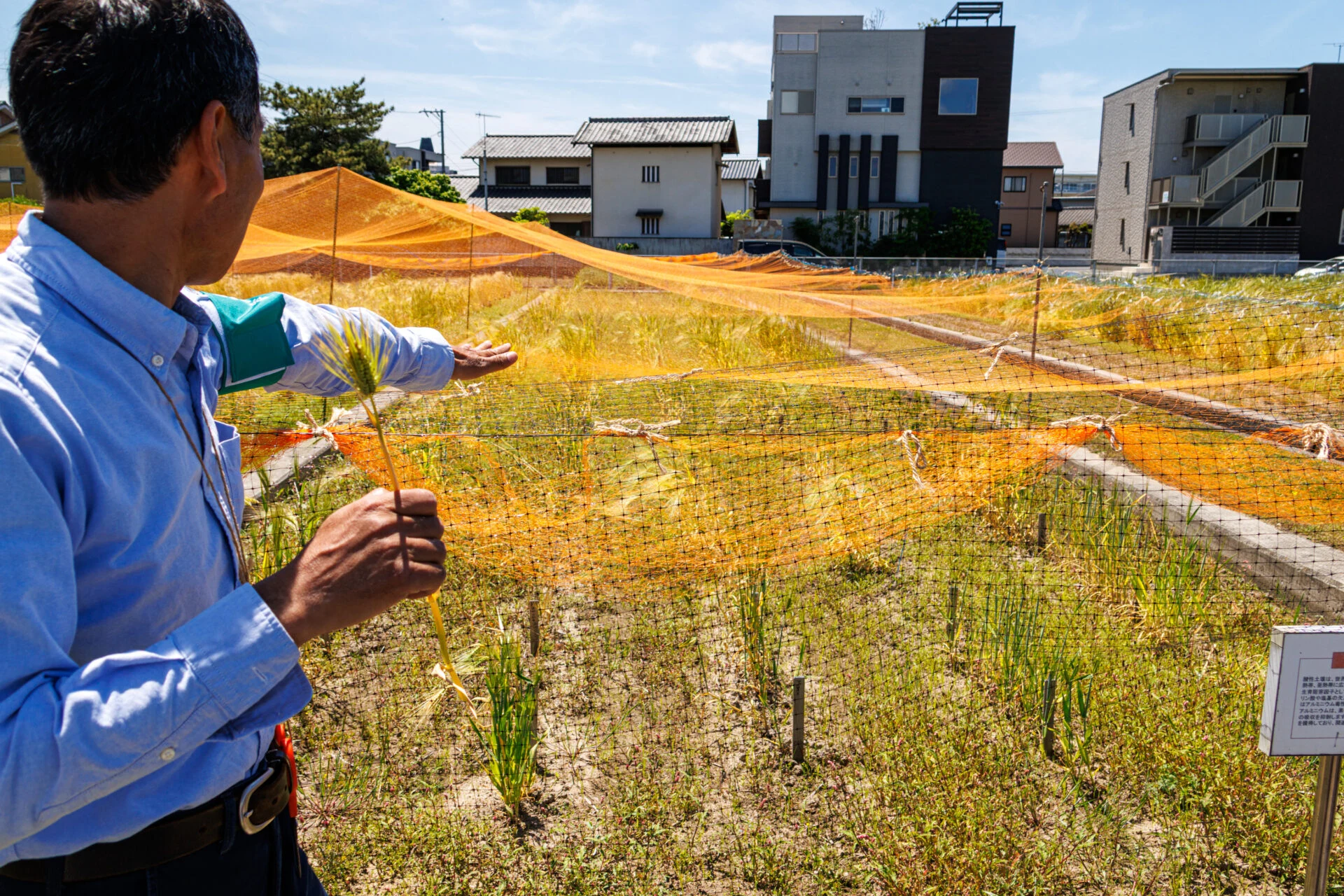
By elucidating the genetic power of plants and utilizing it, research is being advanced as part of efforts to address global food issues.
An Important Place for Local Weather Observation
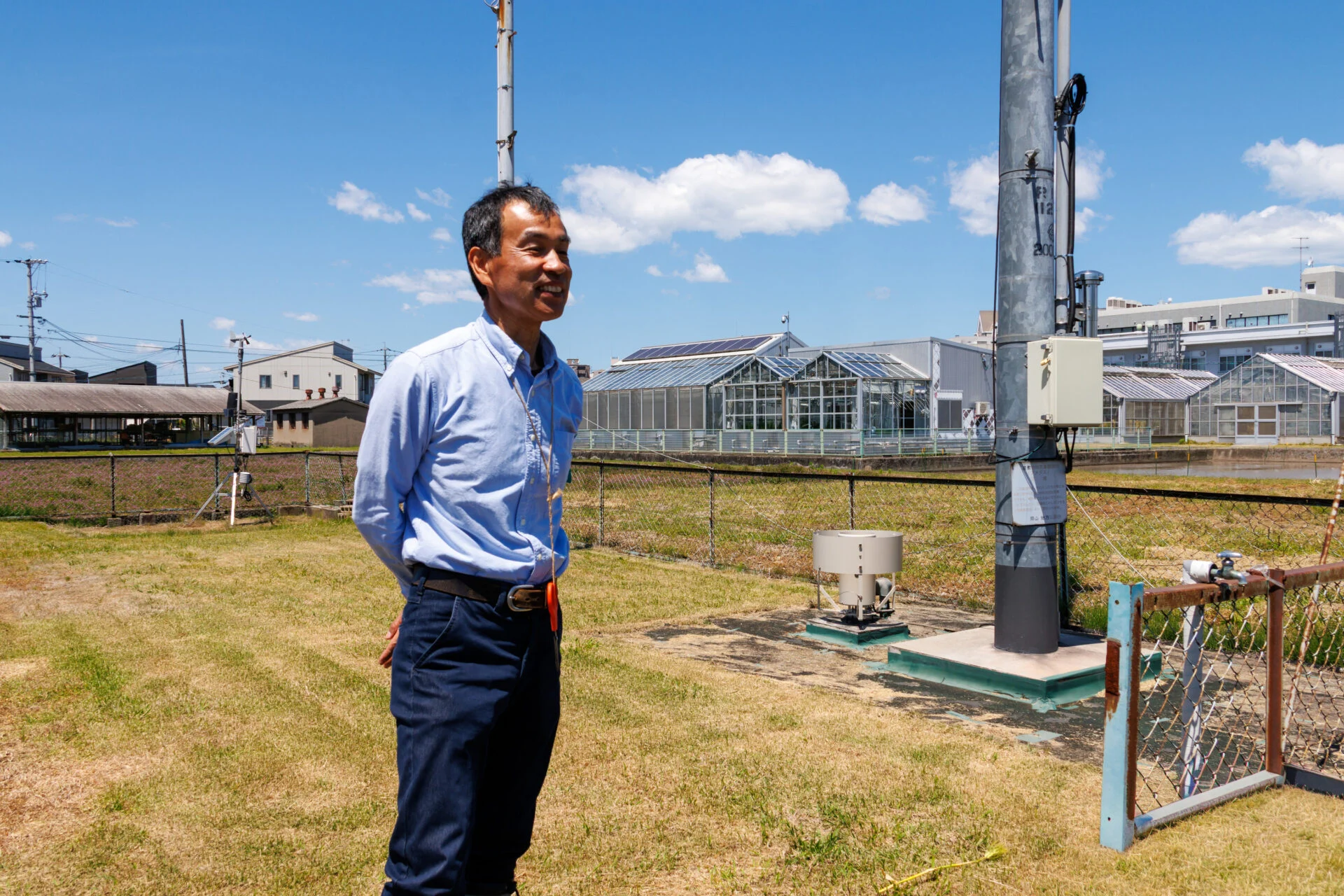
Within the field, there was an area covered with grass.
This area is home to the Okayama Local Meteorological Observatory's AMEDAS (Automated Meteorological Data Acquisition System), serving as an official weather observation point in Kurashiki.
There was also an explanation about the equipment used to measure precipitation.
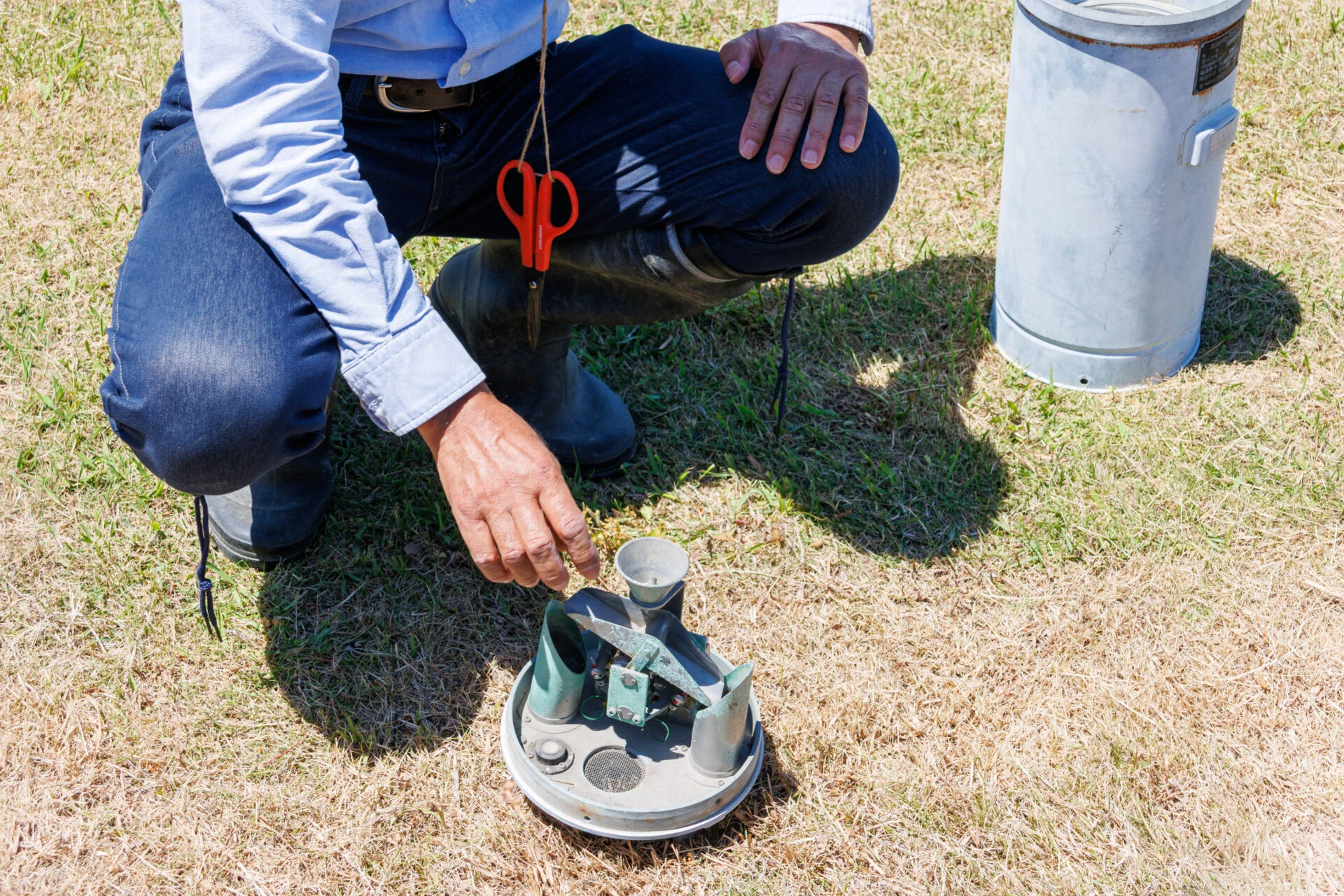
Free Barley Tea Service in the Courtyard
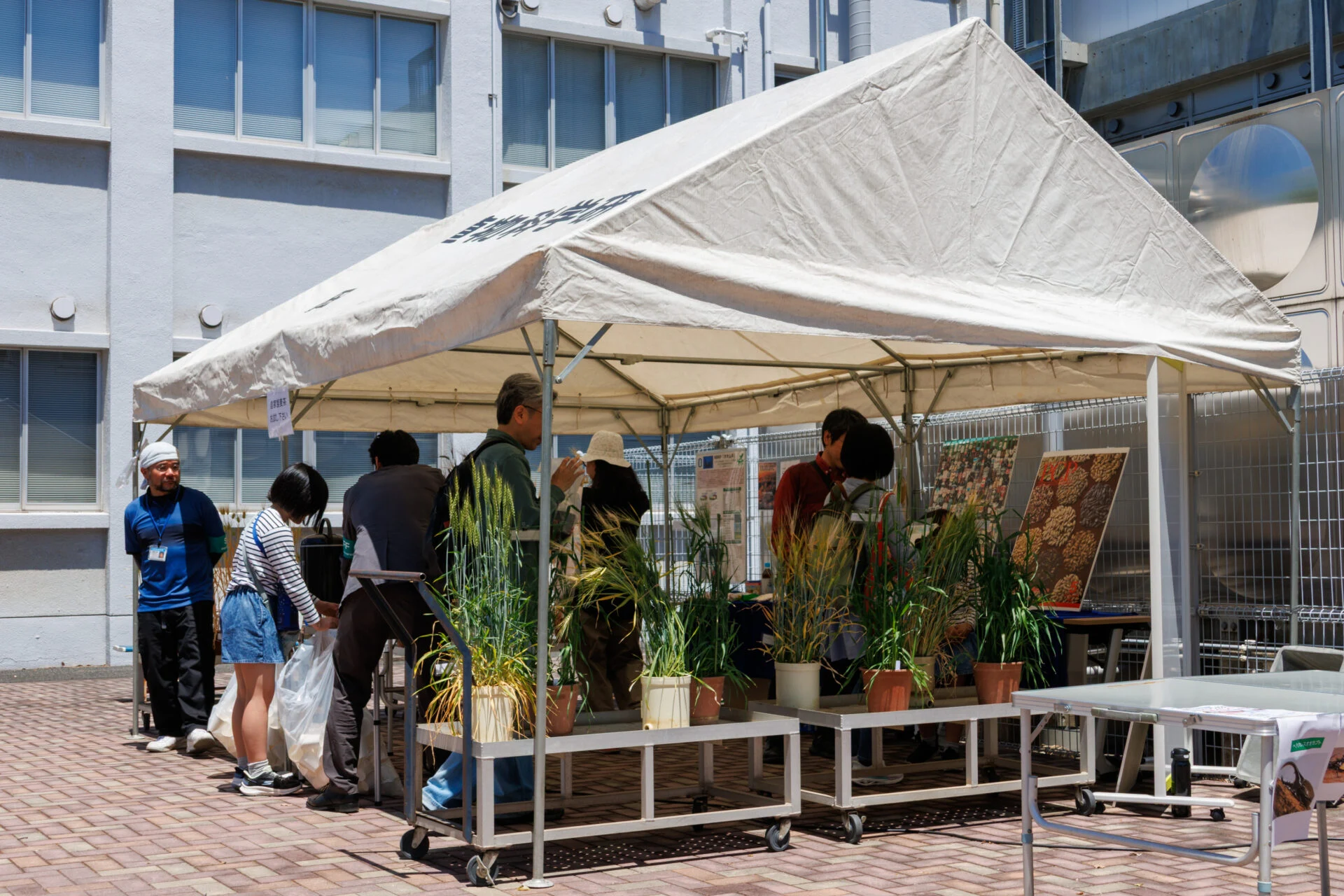
In the tent in the courtyard, there was an exhibition titled "Welcome to the Oomugi Museum".
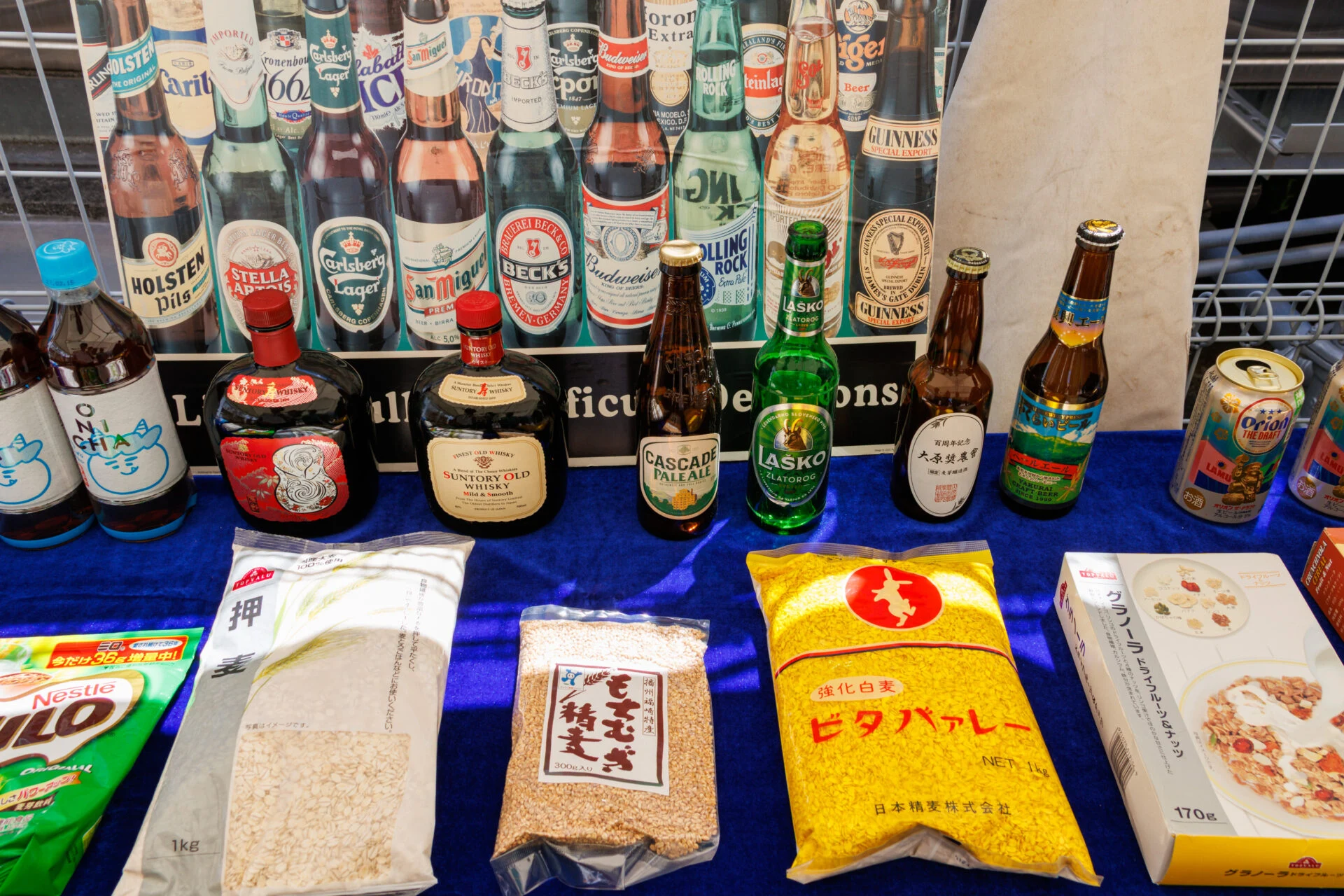
Here, various varieties of barley were on display, along with various products made from barley that are familiar to us. Malt, which is essential for making whiskey and beer, is obtained by germinating barley.
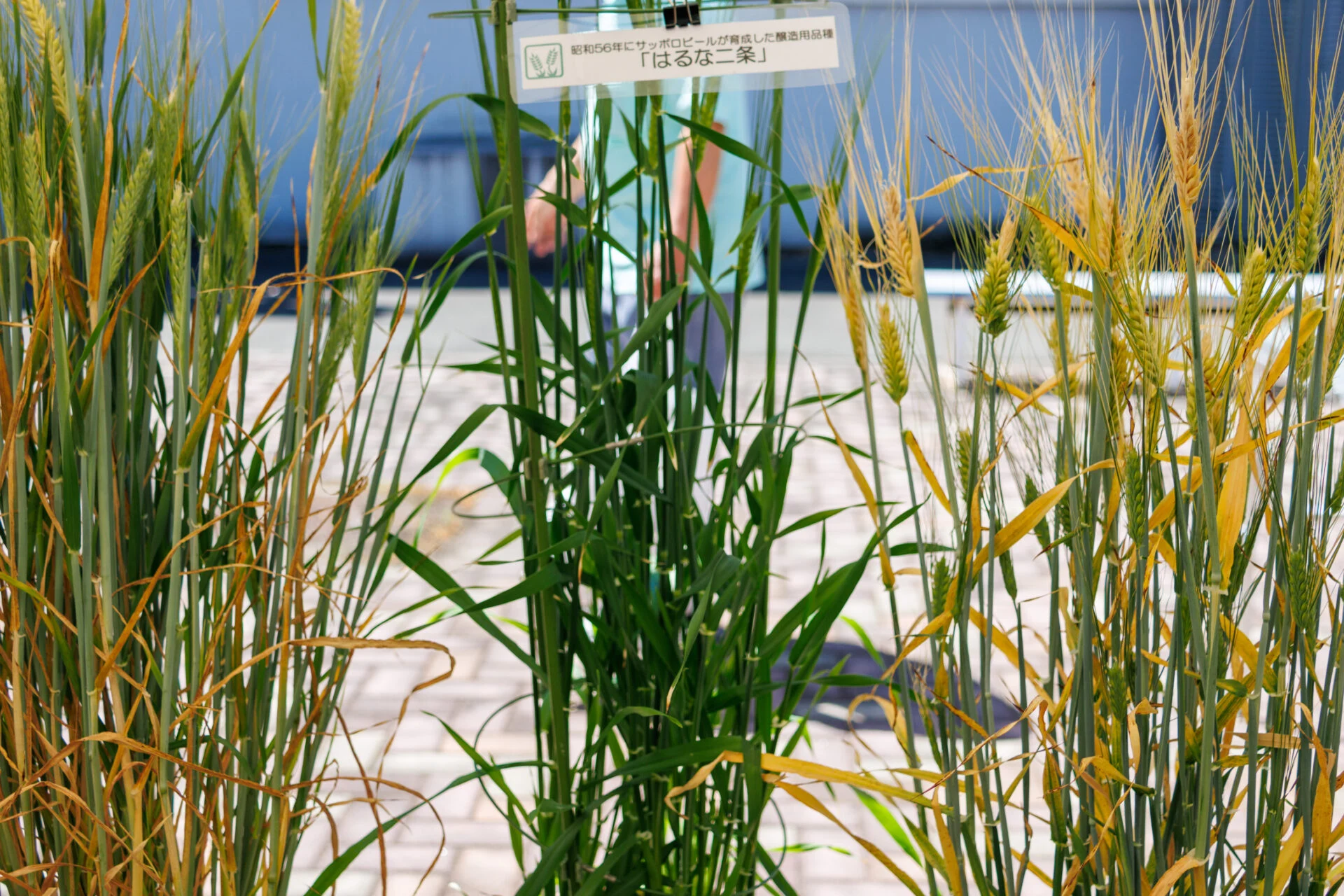
Additionally, the staff explained the differences between six-row barley and two-row barley, which we often hear about in product names for barley tea.
Six-row barley
It is called "six-row" because three grains grow in one place, arranged in six rows on both sides.
Two-row barley
It is called "two-row" because the grains are arranged in two rows. In fact, two-row barley also has small parts that are "traces" of other rows, and it is the six-row barley that has evolved to bear those.
In Japan, until the Meiji Restoration, the cultivation of six-row barley, which was used for barley rice and other dishes, was predominant, while two-row barley was introduced from Europe and America as a raw material for beer after the Meiji period. Since then, breeding has been improved to suit Japan's hot and humid climate up to the present day.
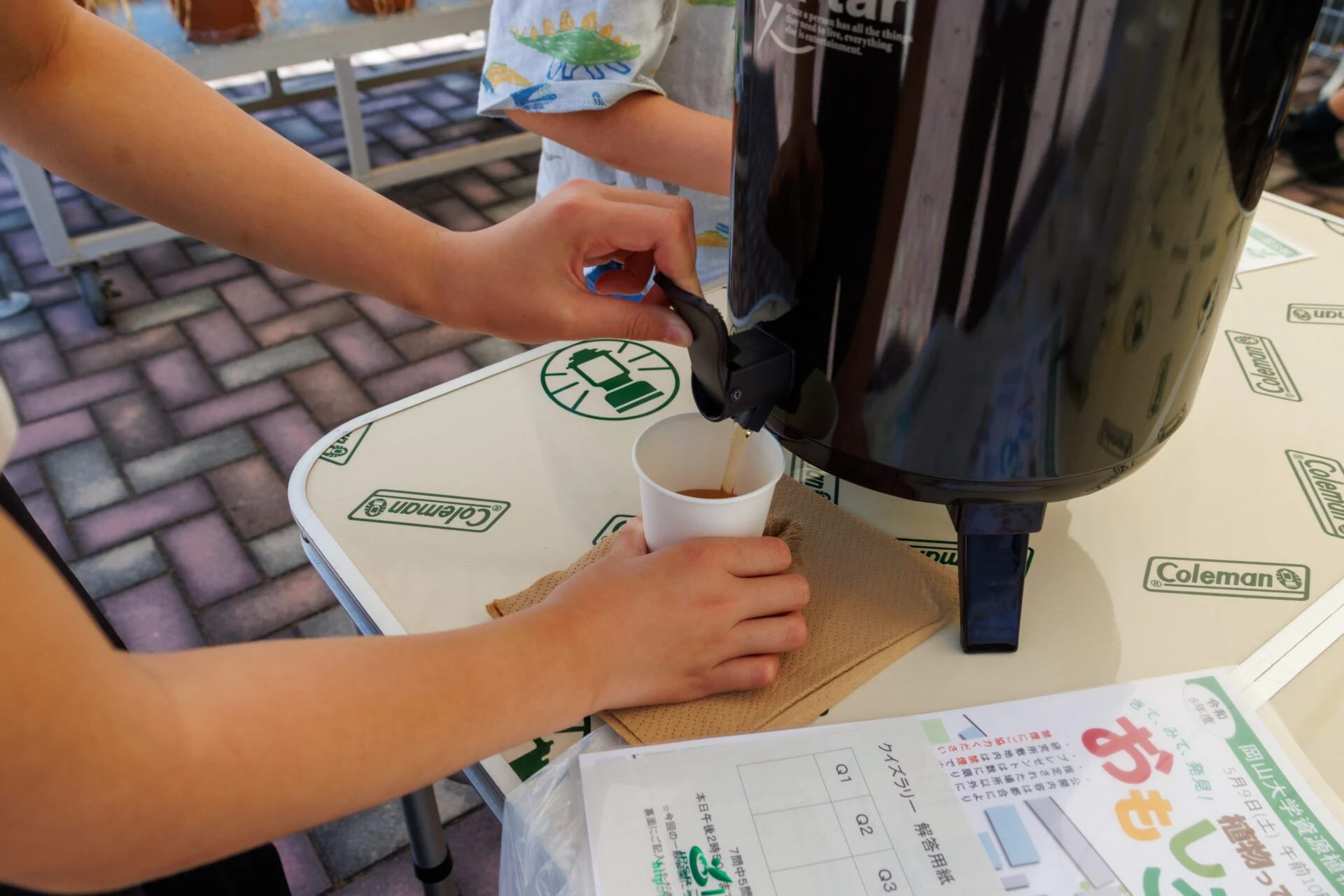
A popular feature among visitors was the free service of homemade barley tea. Both hot and cold versions were available, and it was delightful to be able to compare the two.
Exhibition corner of precious plant specimens
On the third floor of the research institute, there was an exhibition of precious plant seed specimens collected by Dr. Kondo Mantaro, the first director of the institute.
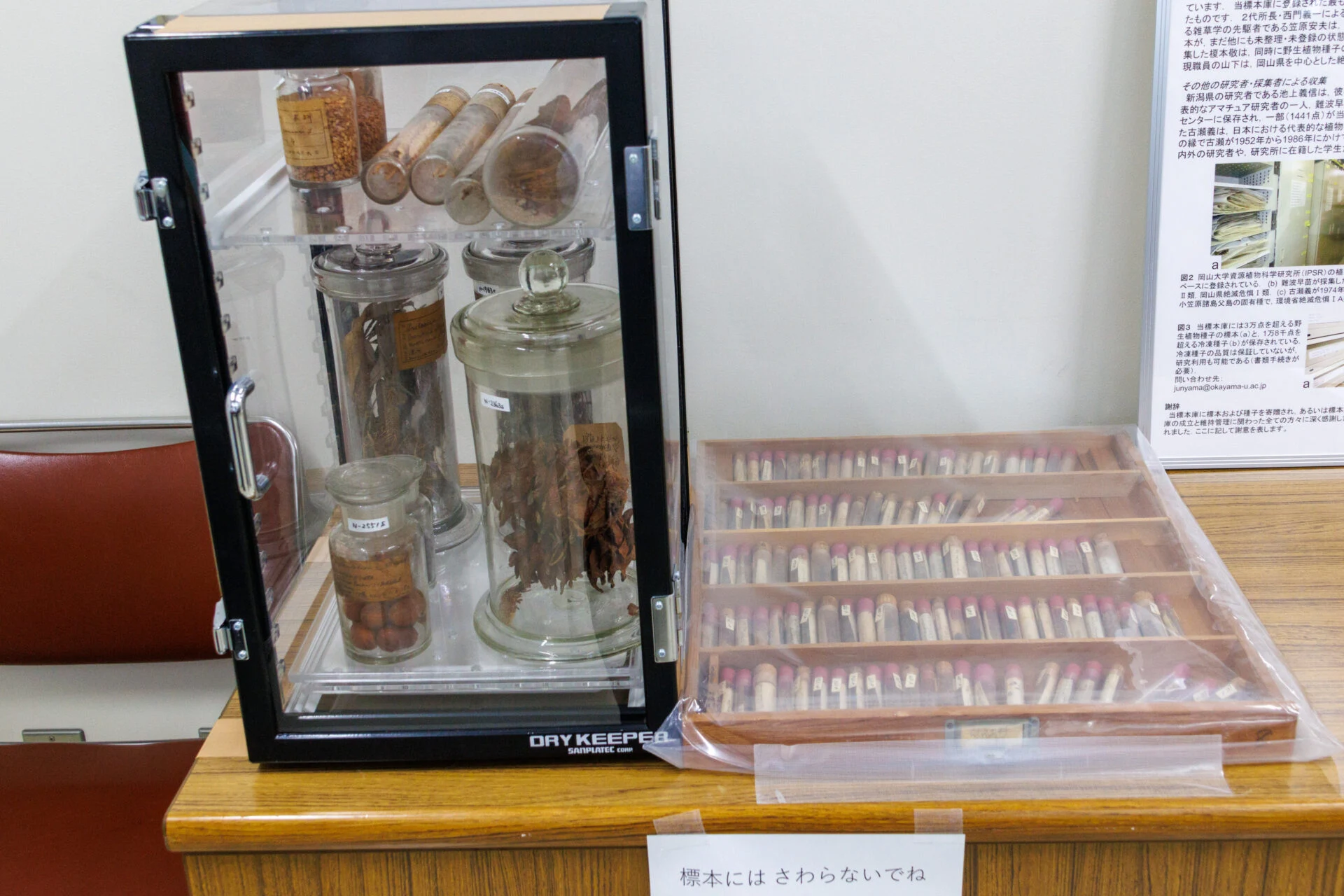
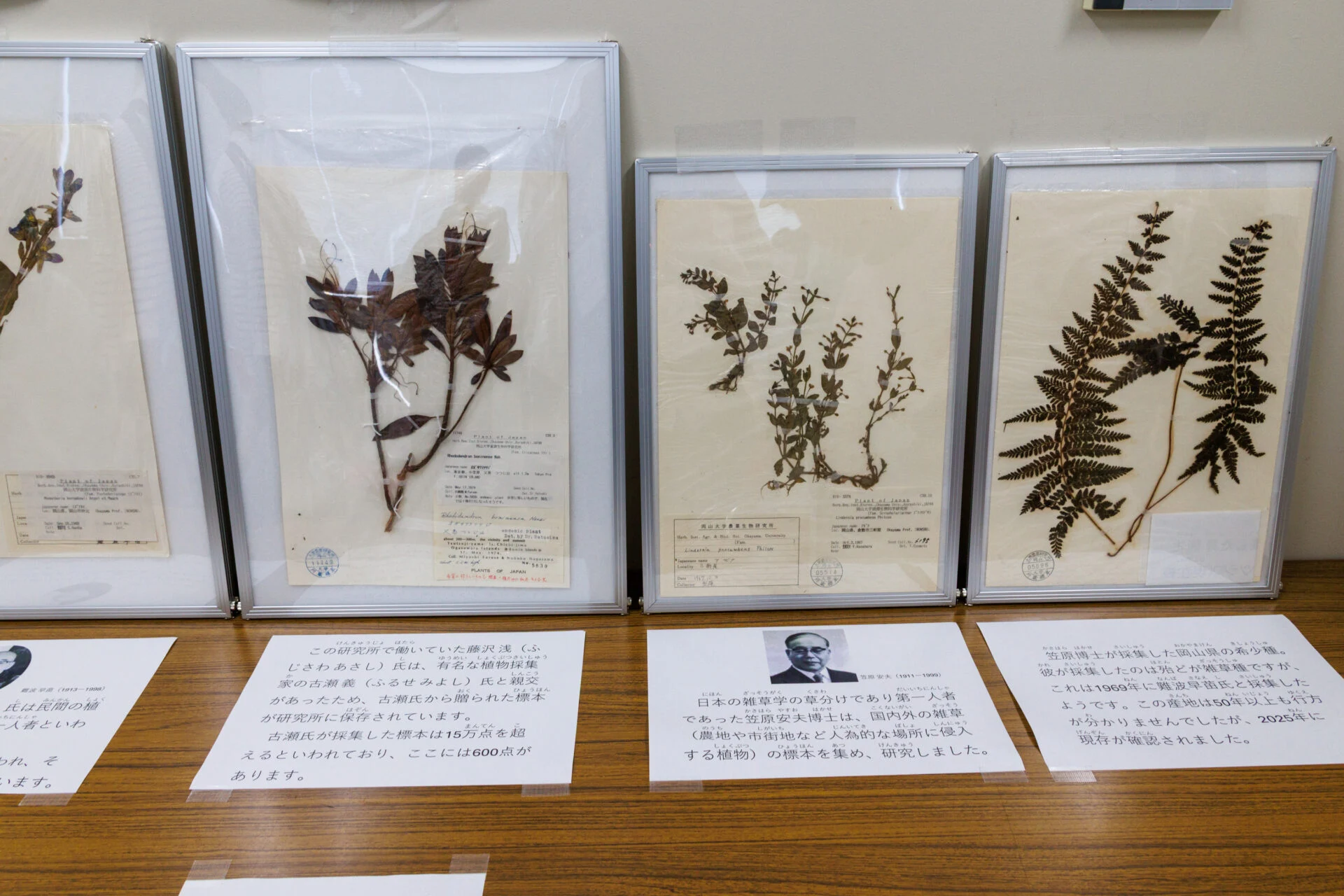
In addition to Dr. Kondo's collection, a part of the pressed leaf specimens, which are said to number around 80,000 held by the institute, was also on display.
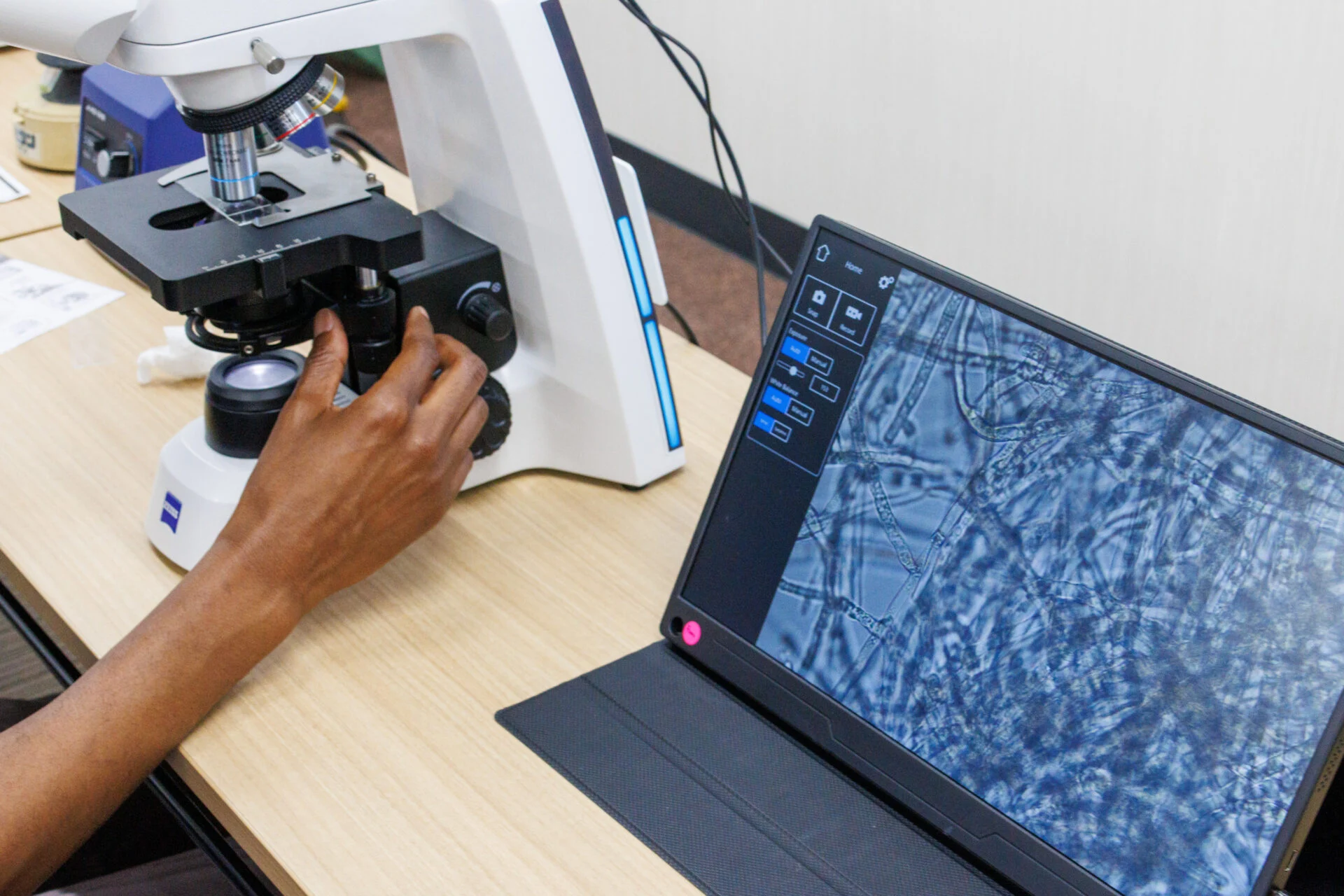
Let's observe mold under a microscope
In the corner for observing the familiar microorganism mold under a microscope, participants could actually prepare slides and view the mold's structure. It brought back memories of science experiments from middle school.
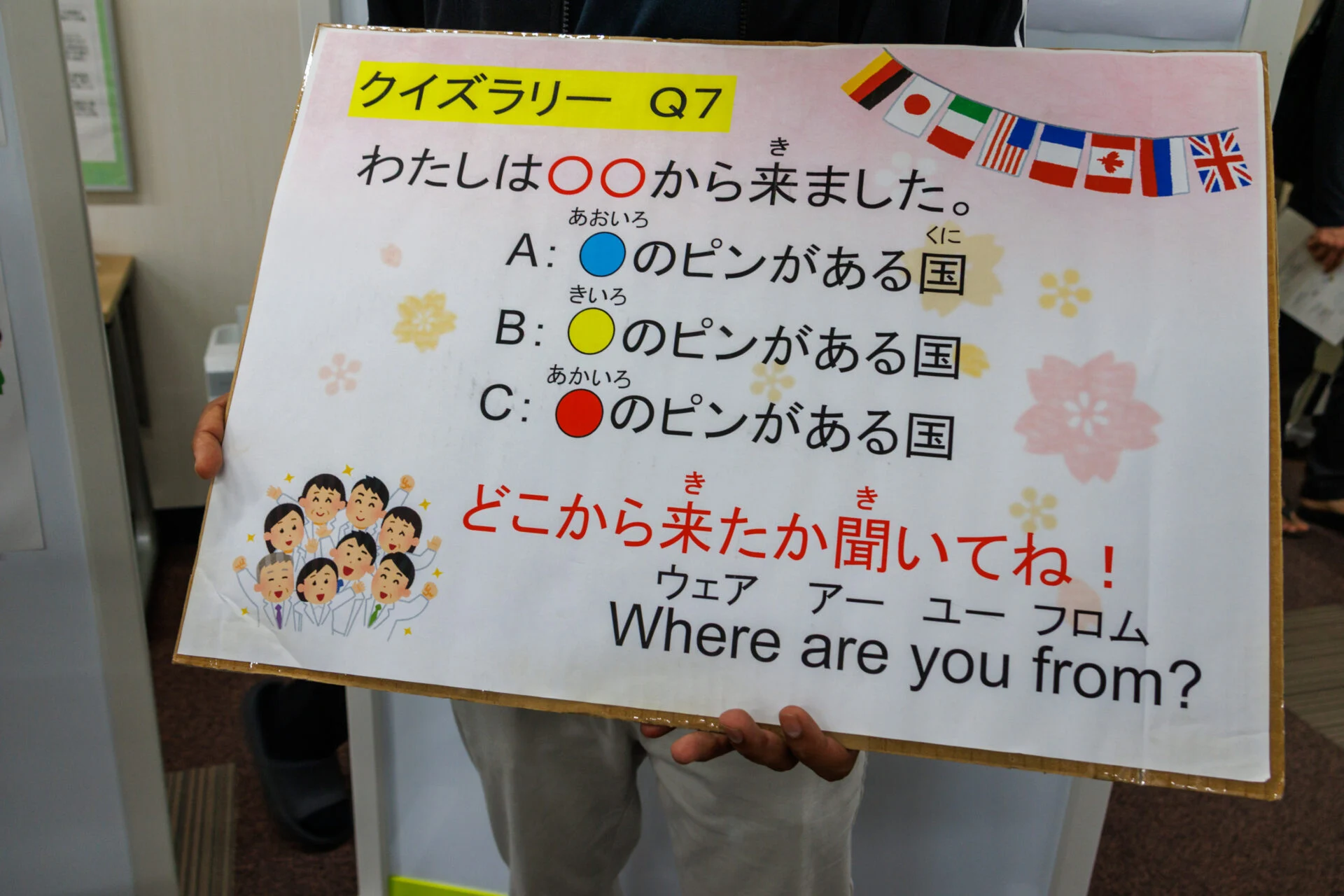
Challenge ♪ Quiz Rally
This popular event involves answering quizzes located throughout the research institute. The answers can be found within the exhibits, so if you take your time to look around the booths, you'll find them.
A board held by an international student visiting from abroad featured such questions, making it a place for familiar international exchange.
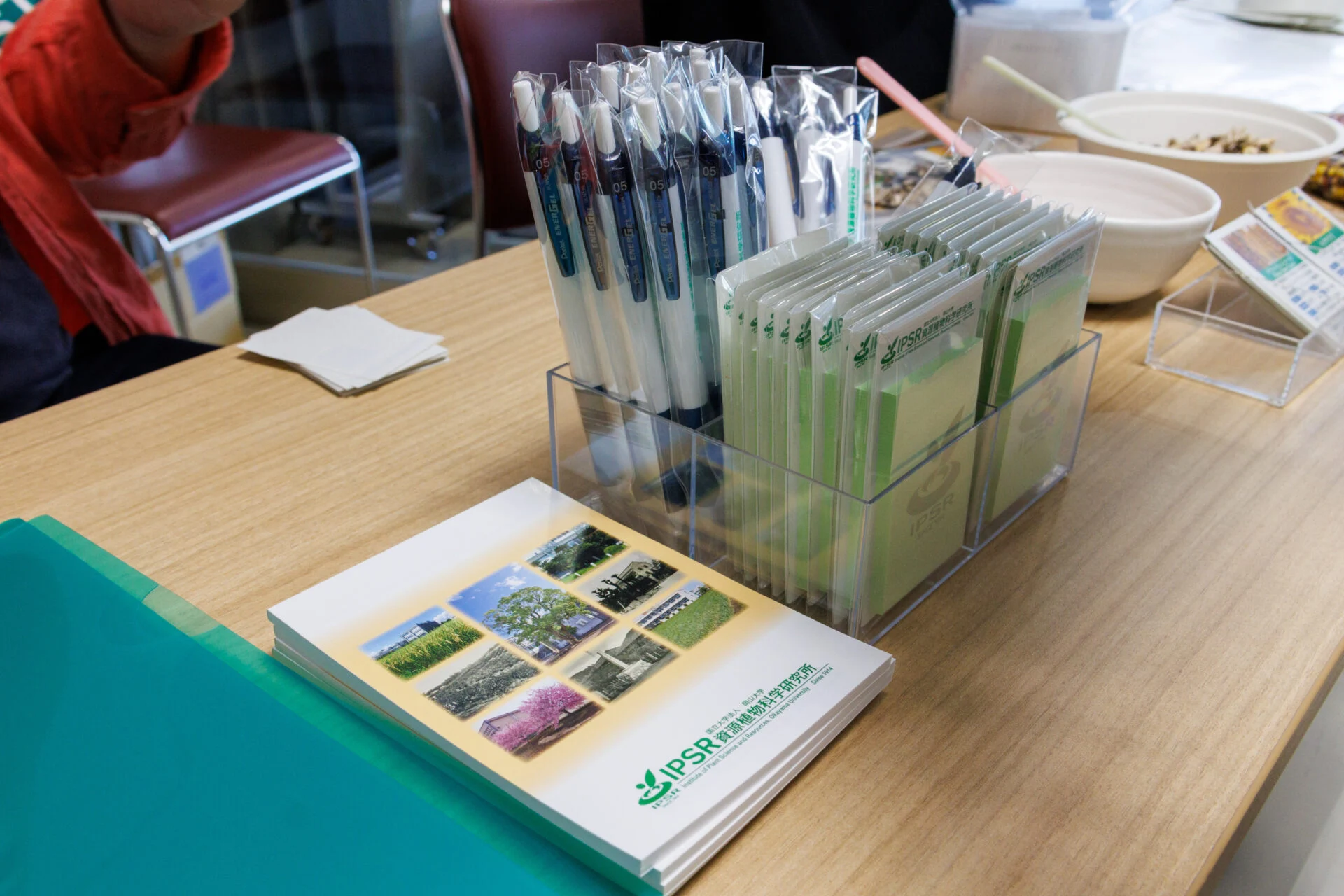
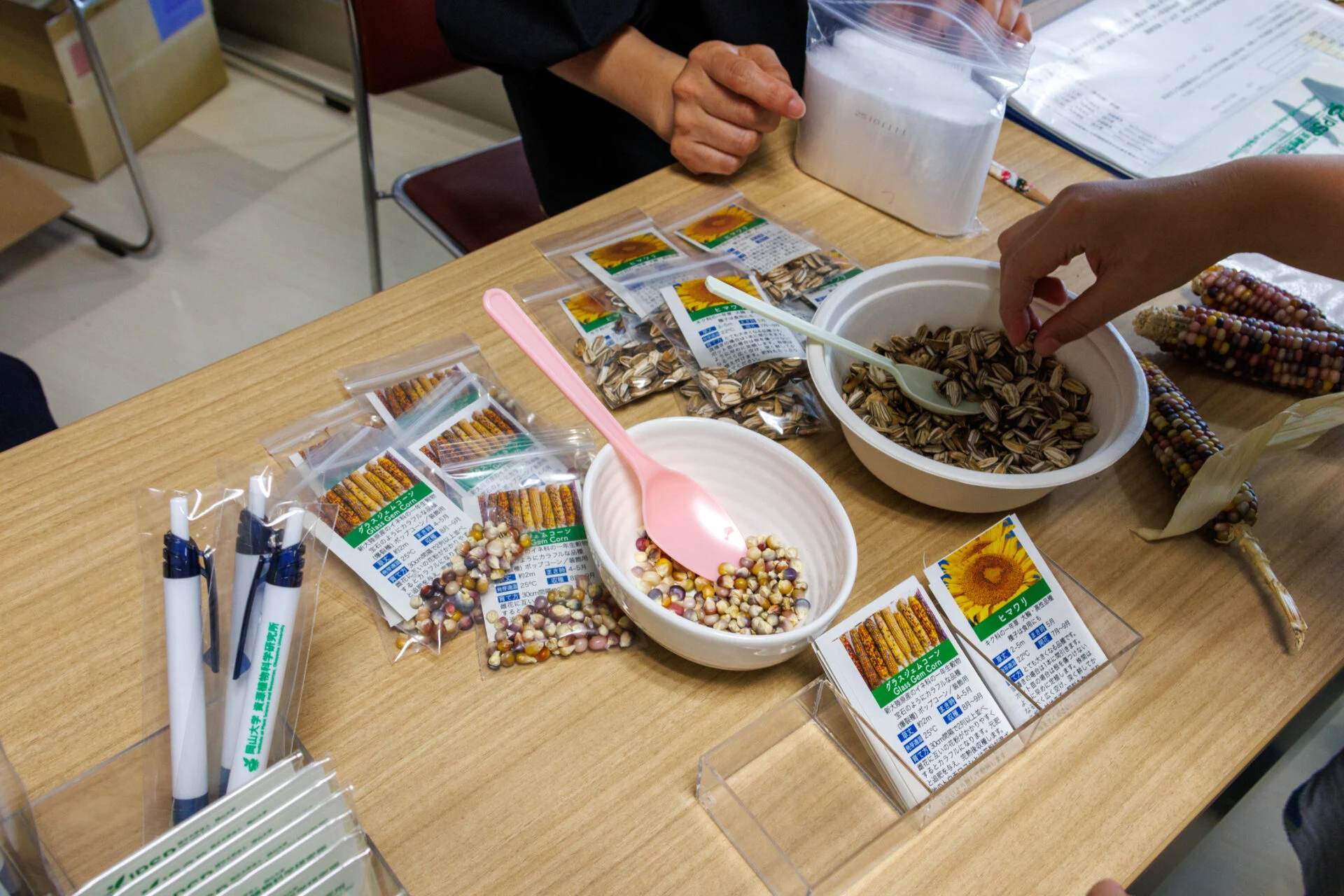
Upon completion, participants receive original goods from the research institute (such as pens, clear files, and notepads) or plant seeds (such as sunflowers and corn).
Conclusion
Following last year's event, this was the second public opening.
Through the Oomugi field tour and various interesting exhibits related to agricultural products closely connected to people's lives, we were able to easily understand the research content.
Moreover, I learned that agricultural products, including barley, have undergone various breeding improvements over the years to adapt to cultivation environments, and I felt the richness we have today is built upon the hard work of our predecessors.
2026 Okayama University Resource Plant Science Institute Public Opening Data
| Name | 2026 Okayama University Resource Plant Science Institute Public Opening |
|---|---|
| Date | May 9, 2026 (Saturday) 10:00 AM - 3:00 PM (Gates open at 9:30 AM) |
| Location | 2-20-1 Chuo, Kurashiki City, Okayama Prefecture |
| Participation Fee (Tax Included) | Free |
| Homepage | Okayama University Resource Plant Science Institute |