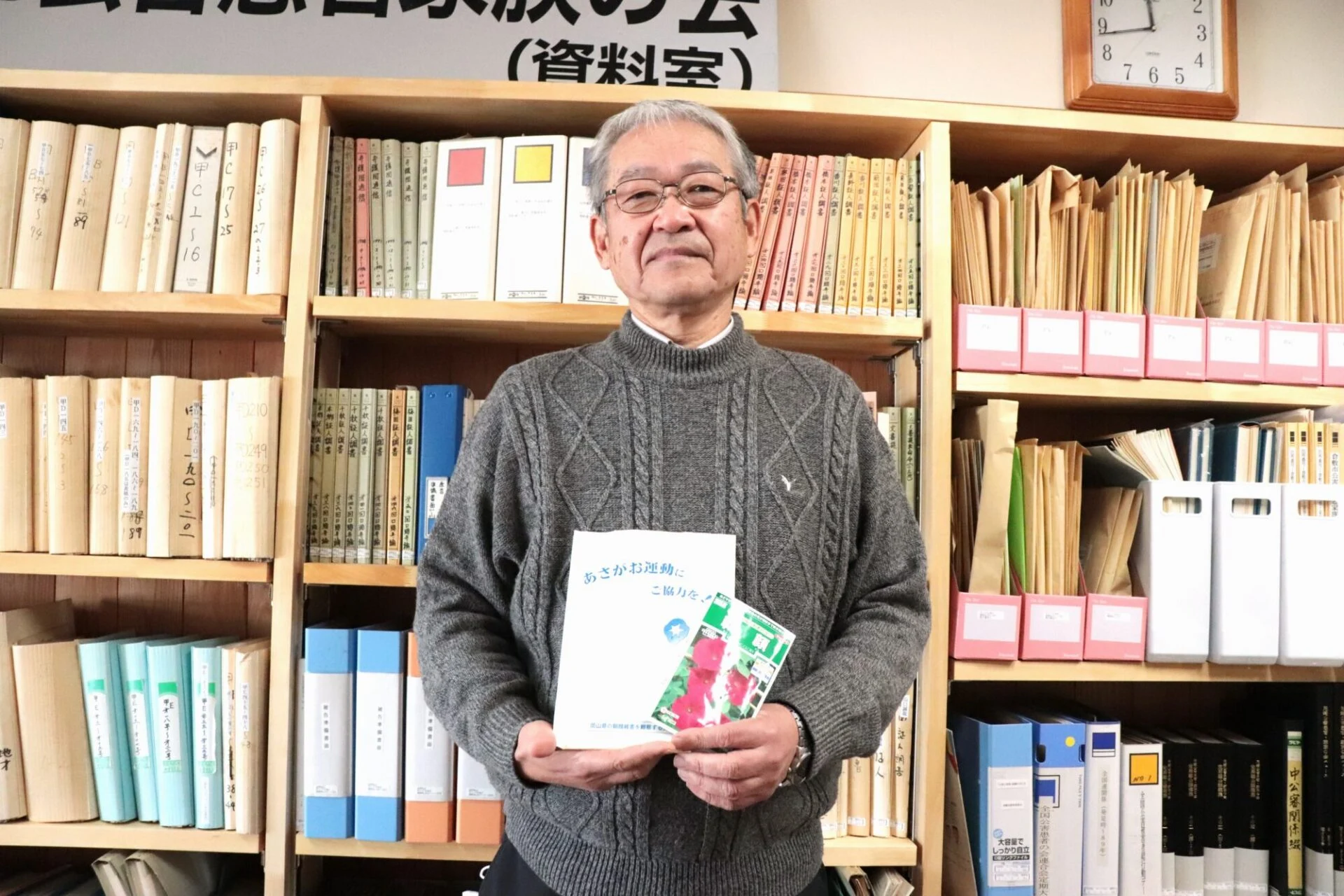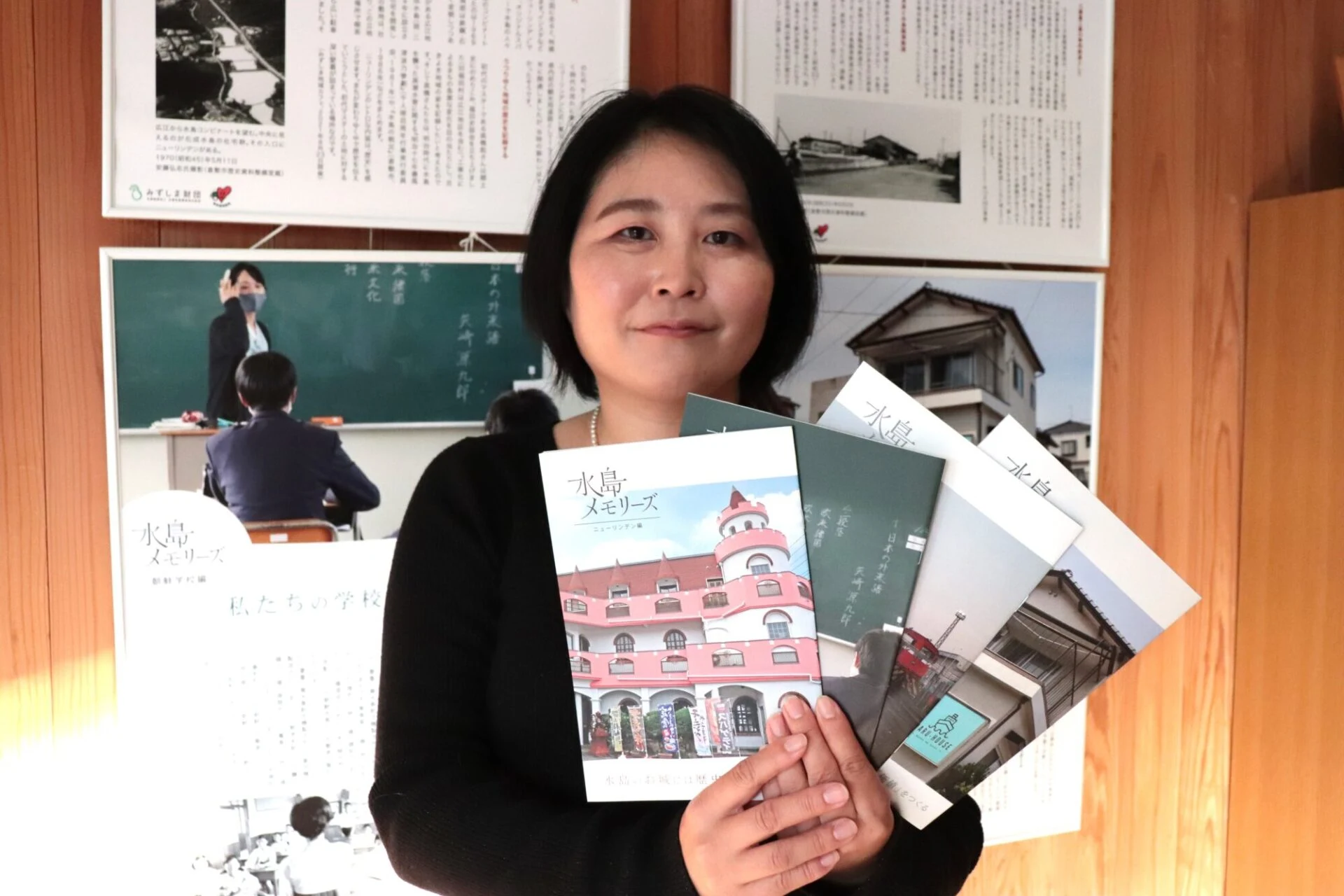
In Mizushima, Kurashiki City, there is the Mizushima Regional Environmental Restoration Foundation (commonly known as Mizushima Foundation).
The Mizushima Foundation, established in March 2000, serves as a base for environmental conservation and community development in the Mizushima area.
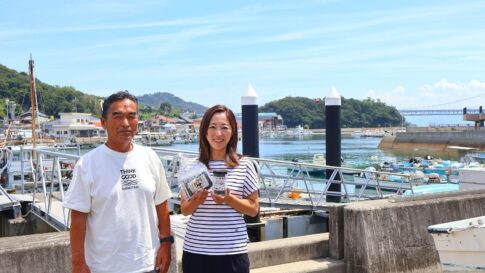
Since 2021, it has been producing a booklet titled Mizushima Memories, focusing on facilities in the Mizushima area.
We spoke with Miho Hayashi, a creator from the Mizushima Foundation, about her thoughts on Mizushima Memories and future prospects.
About Mizushima Memories
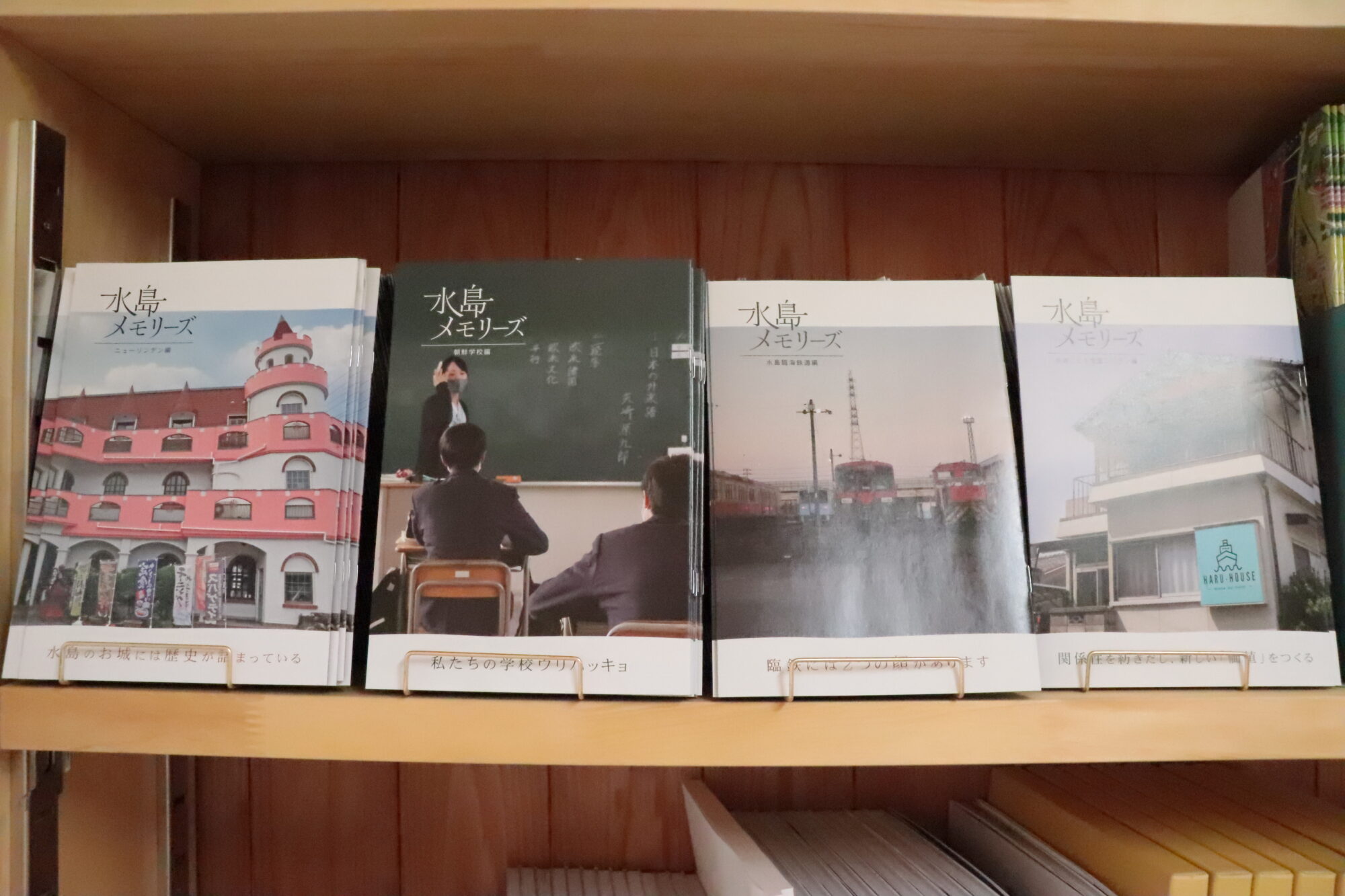
Mizushima Memories is published as part of a project titled "Collaborative Efforts Aimed at Achieving SDGs in the Industrial Complex Area - Towards the Establishment of an Air Pollution Museum," which was adopted as a project of the Japan Environmental Restoration and Conservation Agency's Global Environment Fund.
It is distributed at social education facilities such as art museums and museums in Kurashiki City, as well as at various branches of Mizushima Shinkin Bank.
As of January 2023, the following five editions are being distributed:
- New Linden Edition (November 2021)
- Korean School Edition (February 2022)
- Mizushima Rinkai Railway Edition (March 2022)
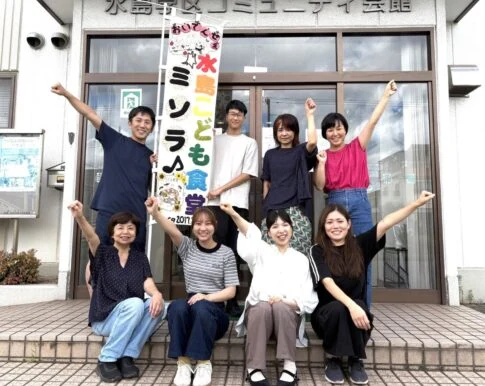
- Mizushima Children's Cafeteria Misora♪ Edition (July 2022)
- Mizushima Gas Edition (November 2022)
To produce Mizushima Memories, an event called Mizushima Community Cafe is first held.
At the Mizushima Community Cafe, participants discuss points they find interesting about the Mizushima area, and the魅力 of Mizushima that emerges from these discussions is compiled into Mizushima Memories.
I participated in the New Linden edition of the Mizushima Community Cafe held in August 2021, and I remember it being an interesting meeting where I learned about a side of a café I had not known before.
Content of Mizushima Memories
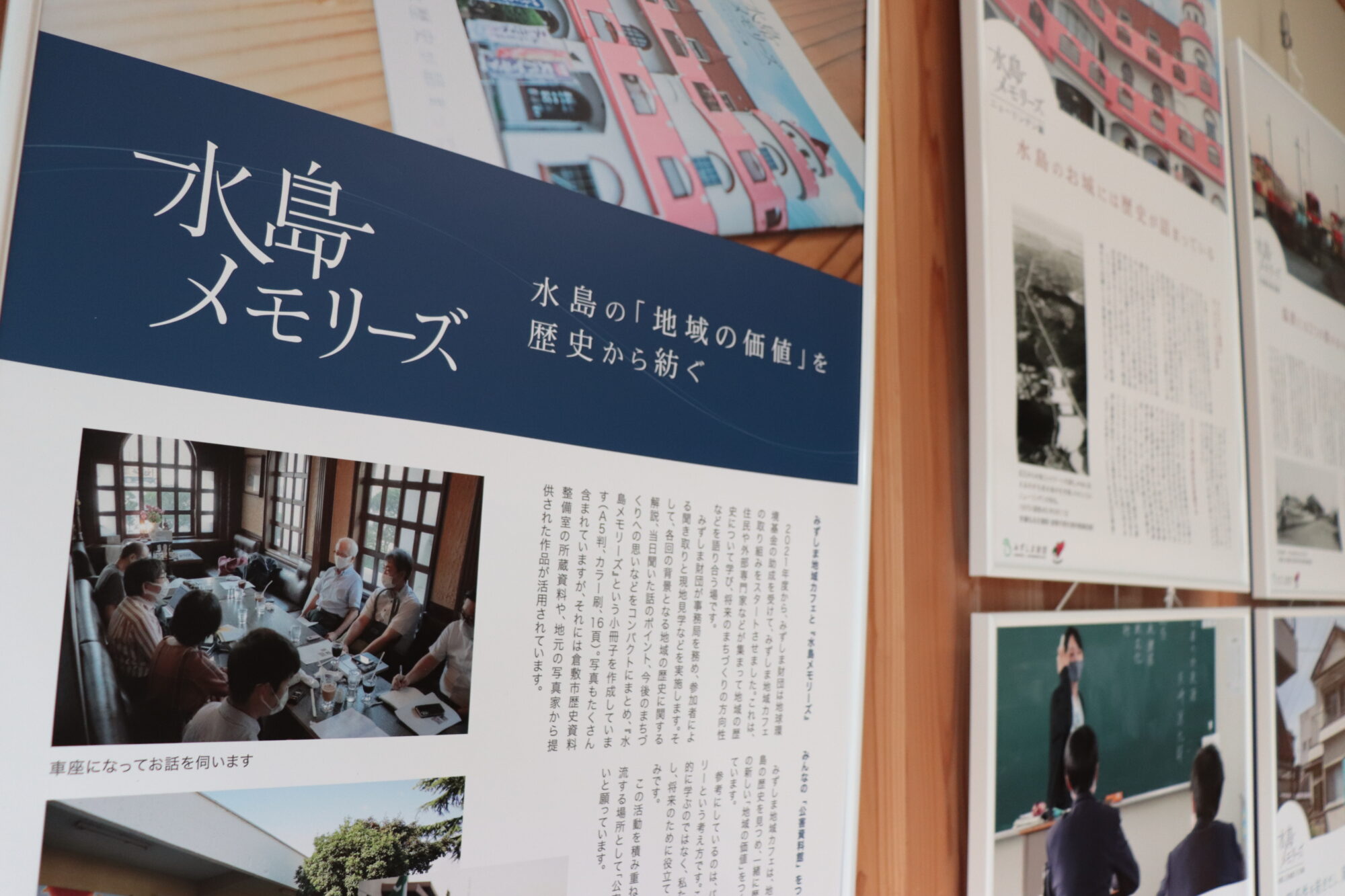
Mizushima Memories weaves history while touching on the past, present, and future of the places and things it covers, making it enjoyable as reading material.
In the New Linden edition, it covered the early days of New Linden, a café familiar to the people of Mizushima.
On the other hand, the Mizushima Rinkai Railway edition discusses the future of transportation in Mizushima, as considered through the Mizushima Community Cafe.
However, Mizushima Memories does not only cover bright histories.
It also touches on pollution, which has significantly impacted people's lives as the town has developed.
Additionally, Mizushima Memories features photographs that occupy about the same amount of space as the text.
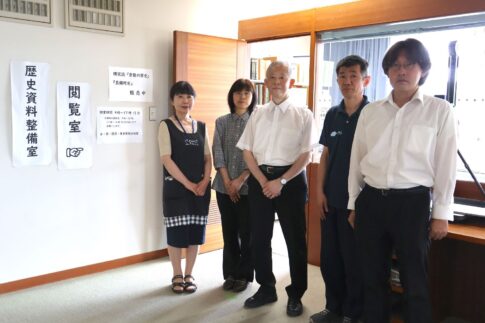
The photographs in the booklet include not only those taken at the Mizushima Community Cafe but also those held by the Kurashiki City Historical Materials Office and previously taken by individuals, visually summarizing the past and present of Mizushima.
Interview with Miho Hayashi
How was Mizushima Memories created?
I received detailed information from Miho Hayashi, the creator.
Trigger for Production
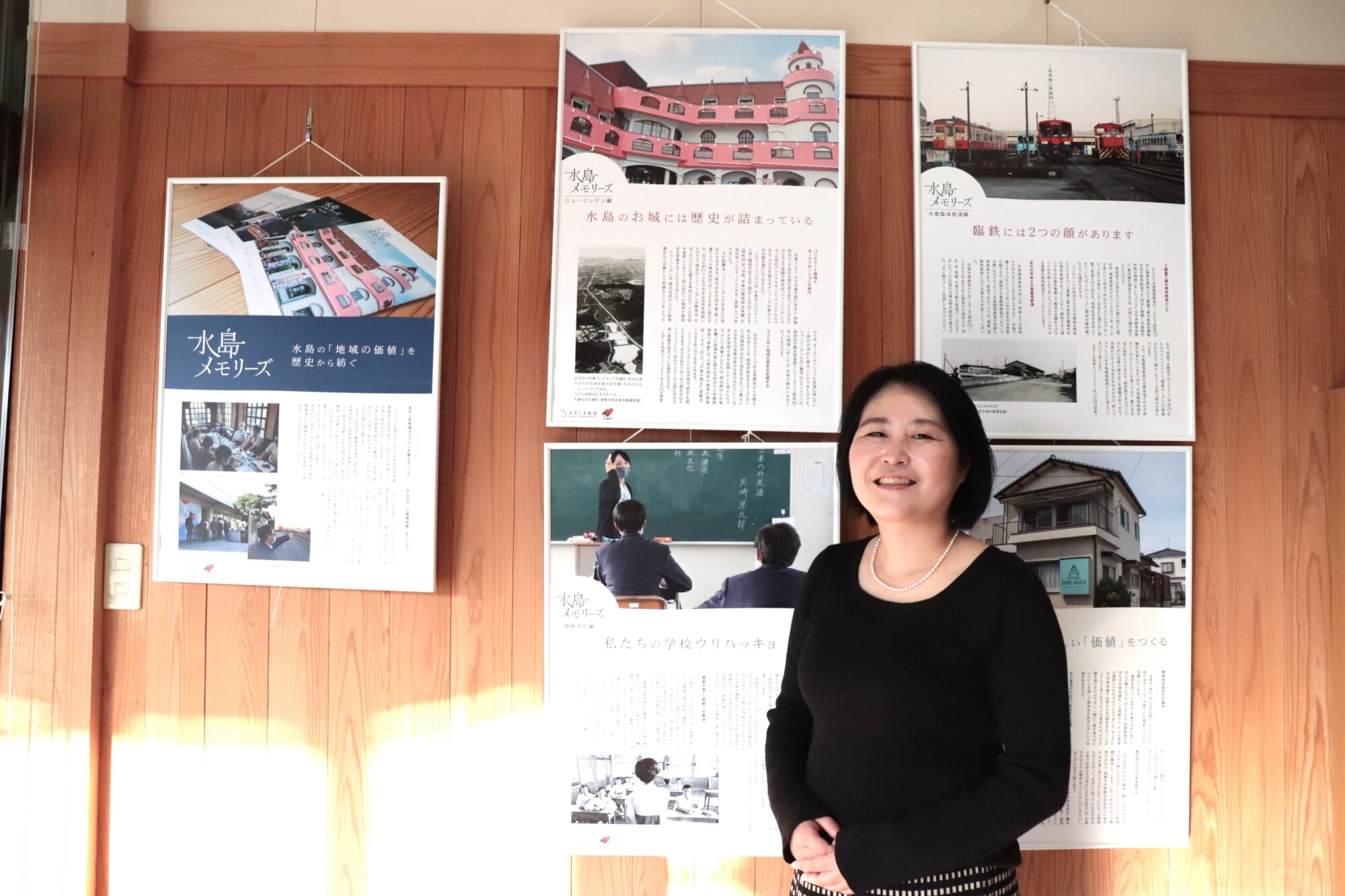
Please tell us about the trigger for the production of Mizushima Memories.
Hayashi (no honorific)
The trigger was a pollution museum collaboration forum held at Kawasaki University of Medical Welfare in 2019.
After learning about the state of pollution museums across the country through the 2019 forum, there was a movement to create a museum building in Mizushima.
Until then, the Mizushima Foundation had been conducting tours of various locations in the Mizushima area as a field museum, based on the idea of making the entire region a museum.
When it came to creating a pollution museum, I, who had been involved in the operation of a pollution museum in Osaka, joined the Mizushima Foundation to participate in the museum's creation.
What is the relationship between creating a pollution museum and Mizushima Memories?
Hayashi
Even when we say pollution, various people such as residents, companies, and government are involved, and multifaceted perspectives are necessary when learning.
Moreover, pollution is often a topic that residents do not want to touch, but if we are to create a pollution museum, it must be accepted by the local people.
To become a museum that is accepted by the local people, we had to do things we had not previously ventured into.
That was weaving the history of Mizushima.
I believe it is important not only to make different perspectives visible but also to combine each perspective into a single story, so we are producing Mizushima Memories as a friendly reading material for the local people.
Mizushima Memories aims not only to accurately convey the history of Mizushima but also to make it clear that multiple perspectives are involved.
About the Production of Mizushima Memories
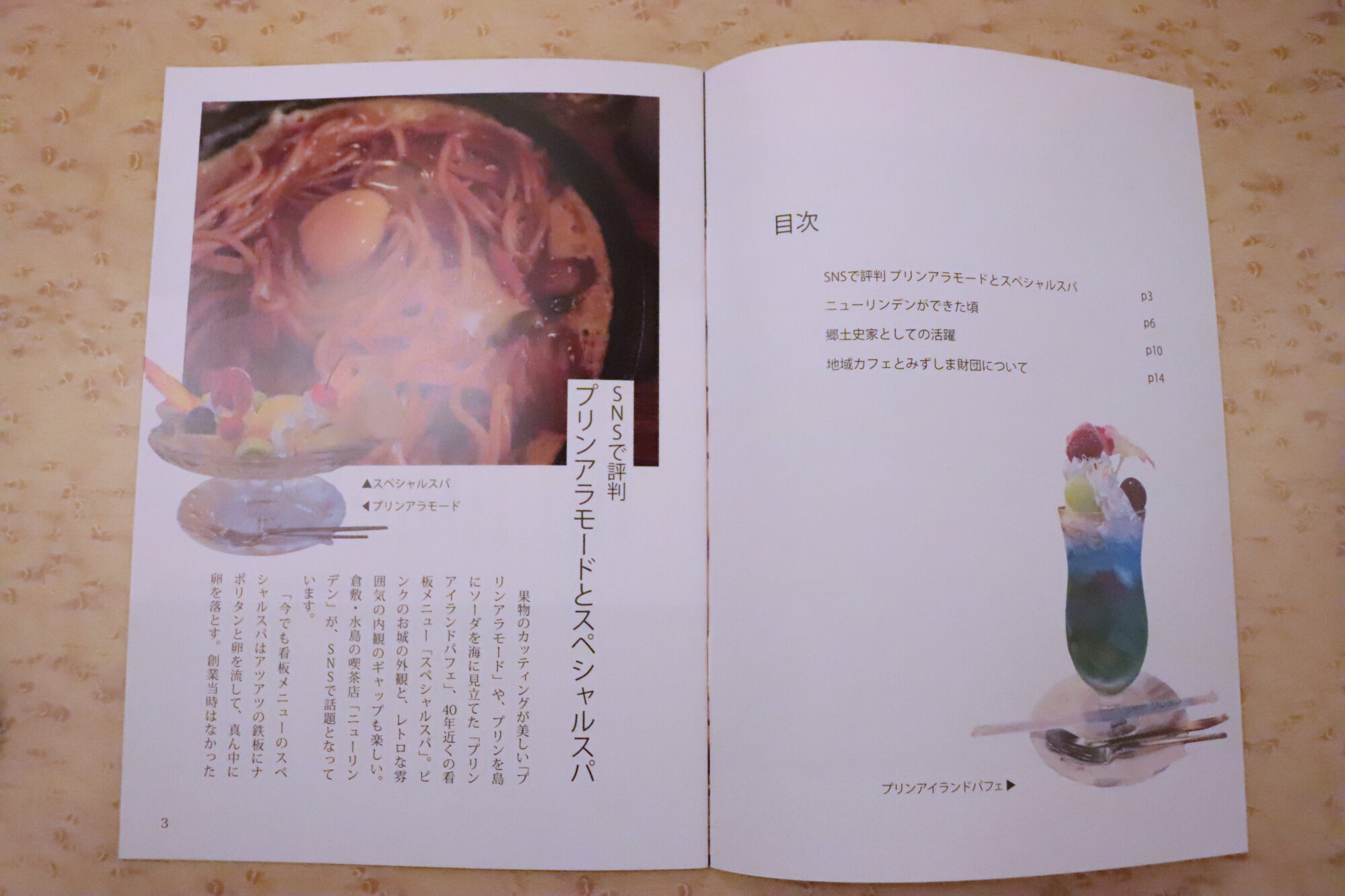
What is the structure of Mizushima Memories?
Hayashi
The structure is the same for all editions, progressing the story in the order of present, past, future.
Starting from the present makes it easy for readers to understand the structure.
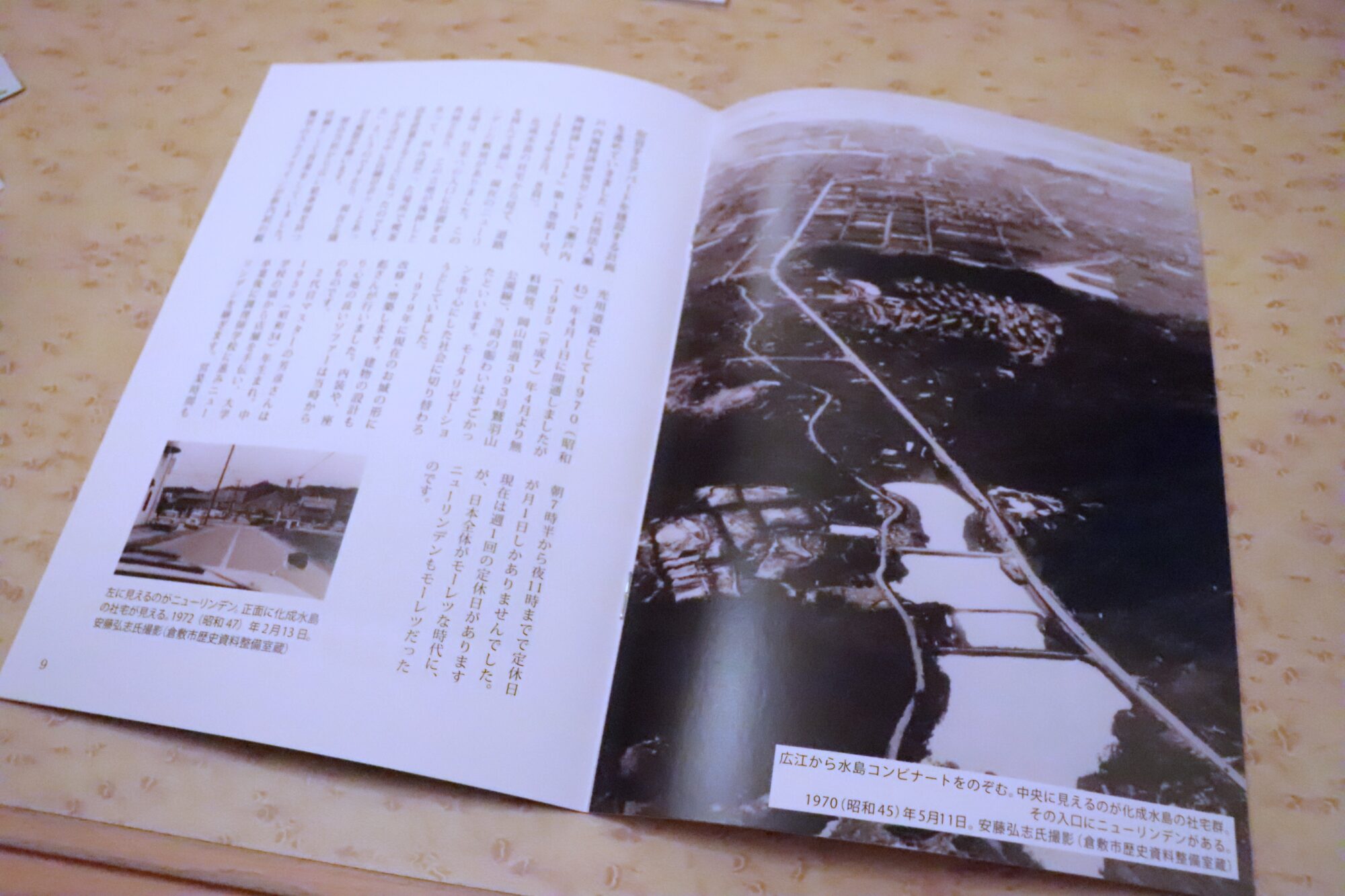
Additionally, half of the pages are filled with photographs, which is also a characteristic.
Indeed, there are many photographs. Why did you decide to make half of the pages photographs?
Hayashi
By including many photographs, we aim to "unfreeze" memories.
Looking at photographs can evoke memories and facilitate conversations with various people.
When readers hold the booklet, they can read it while overlaying their own knowledge.
For example, they might say, "My house is here," or "I know about this too," which can lead to broader discussions, and they can use Mizushima Memories to explain to others in their own way.
Are there any particular points you are especially careful about in the structure?
Hayashi
I try to incorporate discussions about pollution into the text.
If the entire text is about pollution from start to finish, it would be a heavy topic for readers, and they might find it burdensome.
Therefore, I first cover facilities in the region and people active in Mizushima, to show that pollution and development are also involved, making it easier to engage with both topics.
For example, in the Mizushima Children's Cafeteria Misora♪ edition, during the community cafe, Inoue, who currently runs a children's cafeteria in Mizushima, shared that in the past, his father supported children who developed asthma due to pollution.
It is more interesting to see the connections between topics rather than just focusing on development or pollution alone.
However, I think it is fine if readers enjoy it without knowing the creator's intentions, so I aim to create content that conveys the interesting aspects of the Mizushima area.
Future of Mizushima Memories
How will Mizushima Memories develop from here?
Hayashi
The project related to the publication of Mizushima Memories is a three-year project under the Global Environment Fund.
Due to the impact of the COVID-19 pandemic, we could not conduct interviews easily, resulting in the publication of three editions in 2021, but we plan to publish four editions per year until 2023.
As of 2022, due to issues such as photo rights, Mizushima Memories can only be viewed by picking up the distributed copies, but eventually, I would like to distribute digital data as well.
There are still many places and things I want to cover.
Let's Read Mizushima Memories
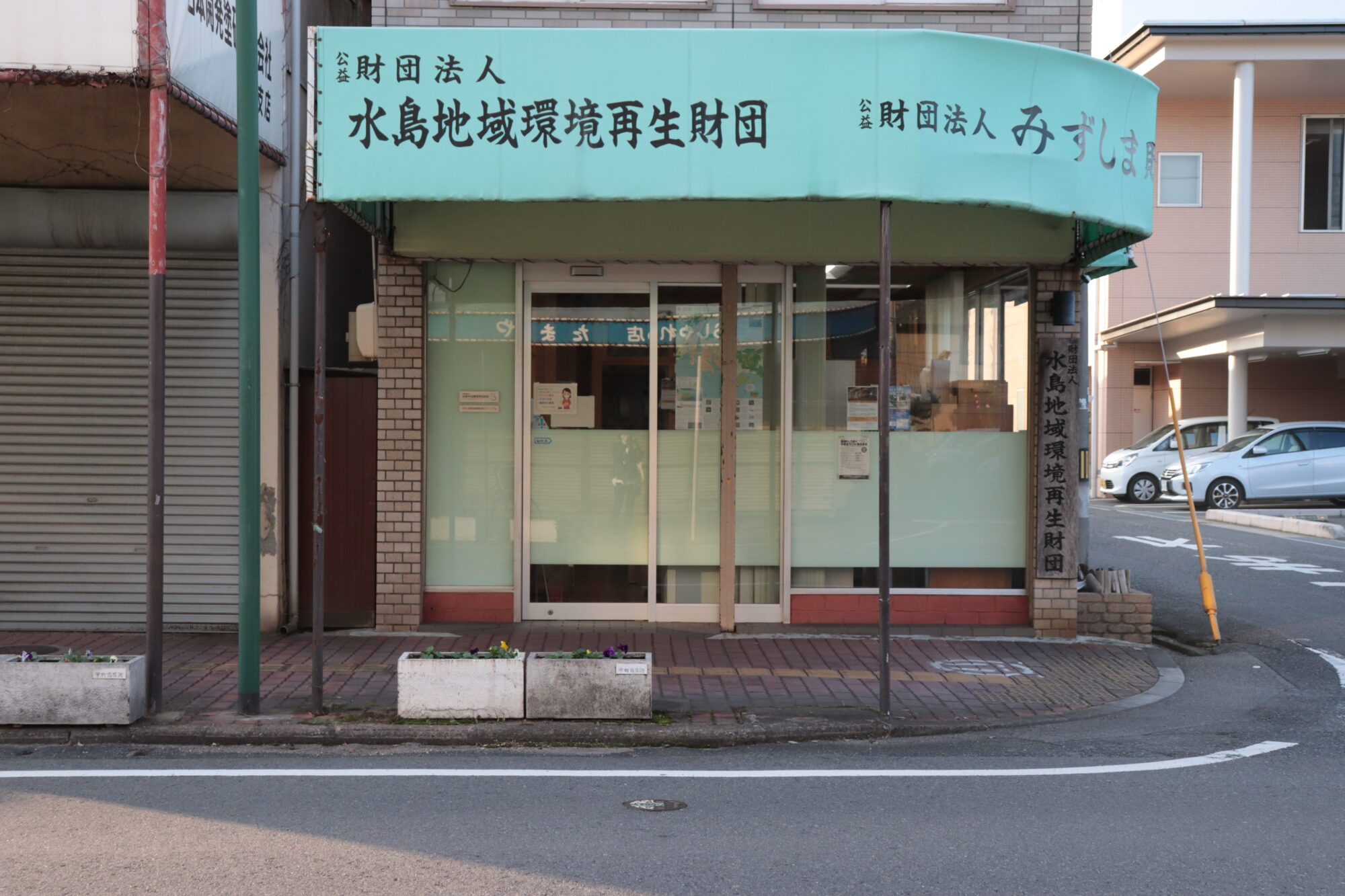
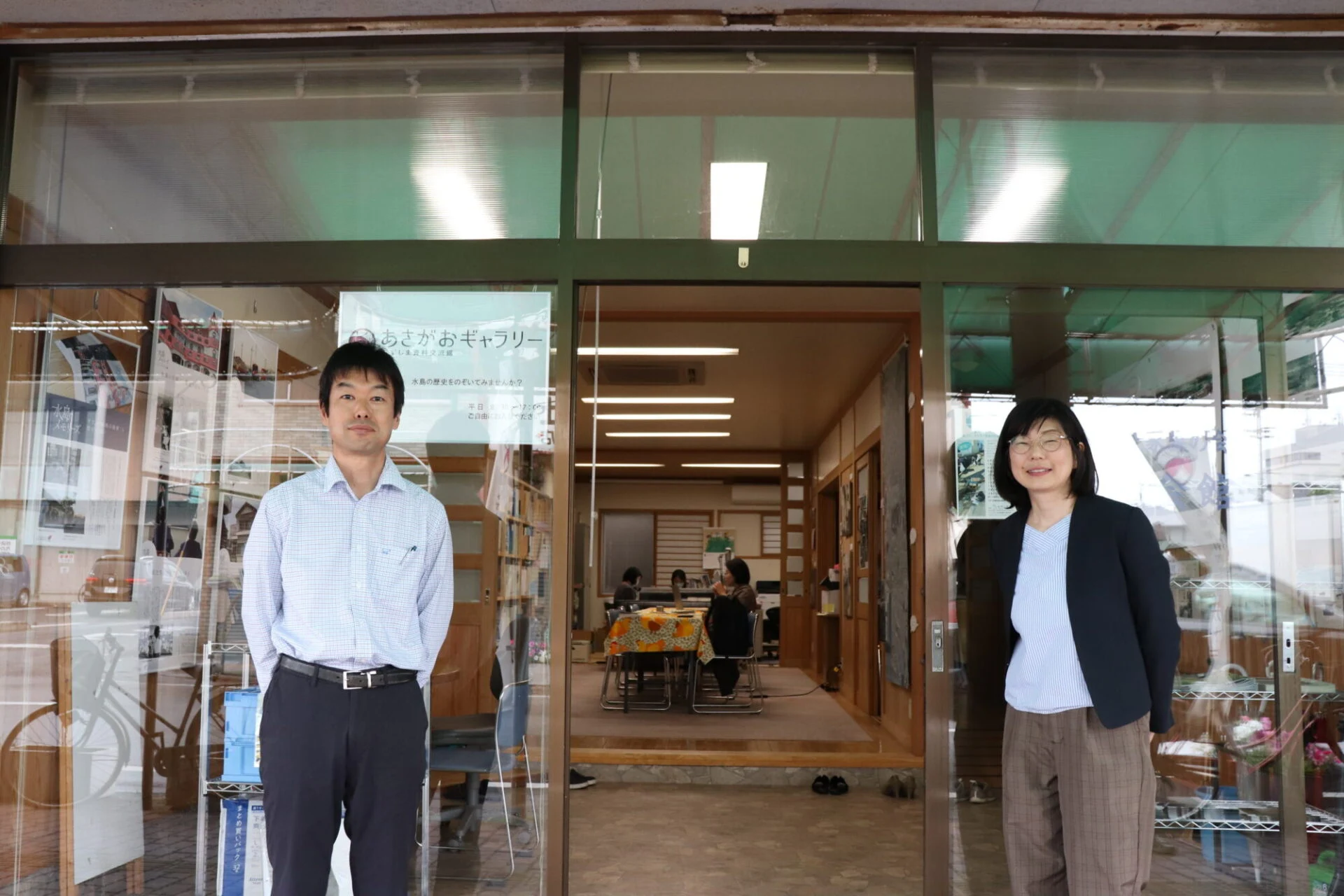
Mizushima Memories, filled with Hayashi's thoughts and the hidden charms of Mizushima, is distributed at Mizushima Materials Exchange Center Asagao Gallery (11-12 Toei-cho, Mizushima, Kurashiki City, Okayama Prefecture), libraries and community centers in Kurashiki City, social education facilities in the Bikan Historical Area, and various branches of Mizushima Shinkin Bank.
Additionally, if you contact the Mizushima Foundation, they can send back issues and the latest edition by mail with the shipping cost covered by the requester.
If you see it in the streets of Kurashiki, please take a moment to pick it up and experience the charm and interest of the Mizushima area.
And why not actually visit and discover the still undiscovered charms of the current Mizushima town?