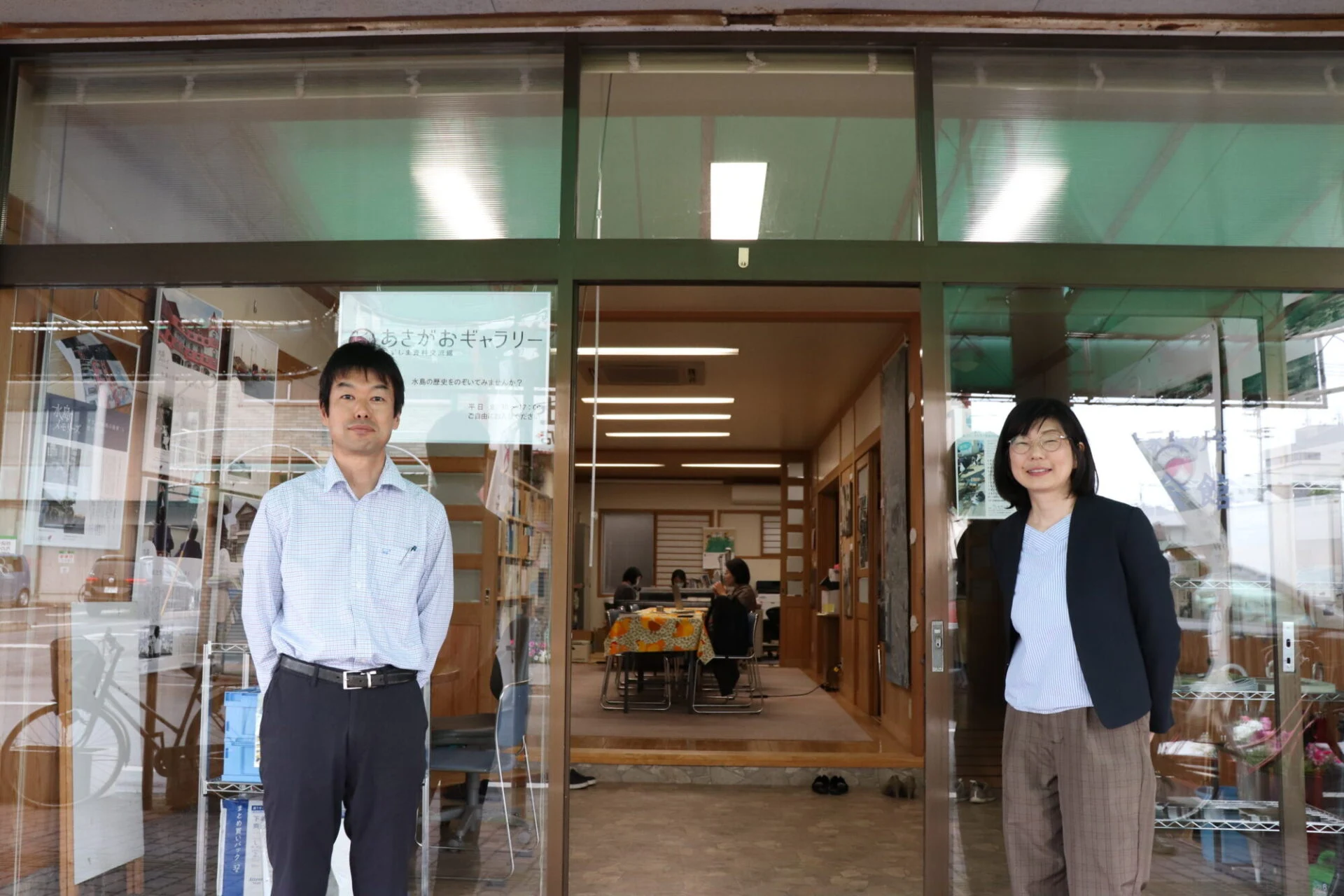
In the Mizushima area, air pollution caused by the industrial complex led to pollution-related health problems in the 1960s, and lawsuits were brought between patients certified as pollution victims and companies in the complex.
As a result, a settlement was reached in 1996. One of its provisions reportedly stated that “part of the settlement money may be used for environmental restoration.”
In March 2003, the Public Interest Incorporated Foundation for Environmental Rehabilitation and Redevelopment of Mizushima (commonly known as the Mizushima Foundation) was established. As of 2023, it continues to serve as a hub for environmental restoration and community development in the Mizushima area.
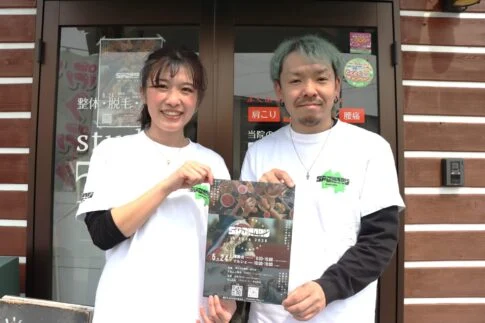
We spoke with Mizushima Foundation members Shiwaku Toshifumi and Fujiwara Sonoko about the foundation’s activities and the ideas behind them.
The information presented was current when this article was published in August 2023. Please note that it may differ from current information.
Current activities of the Mizushima Foundation
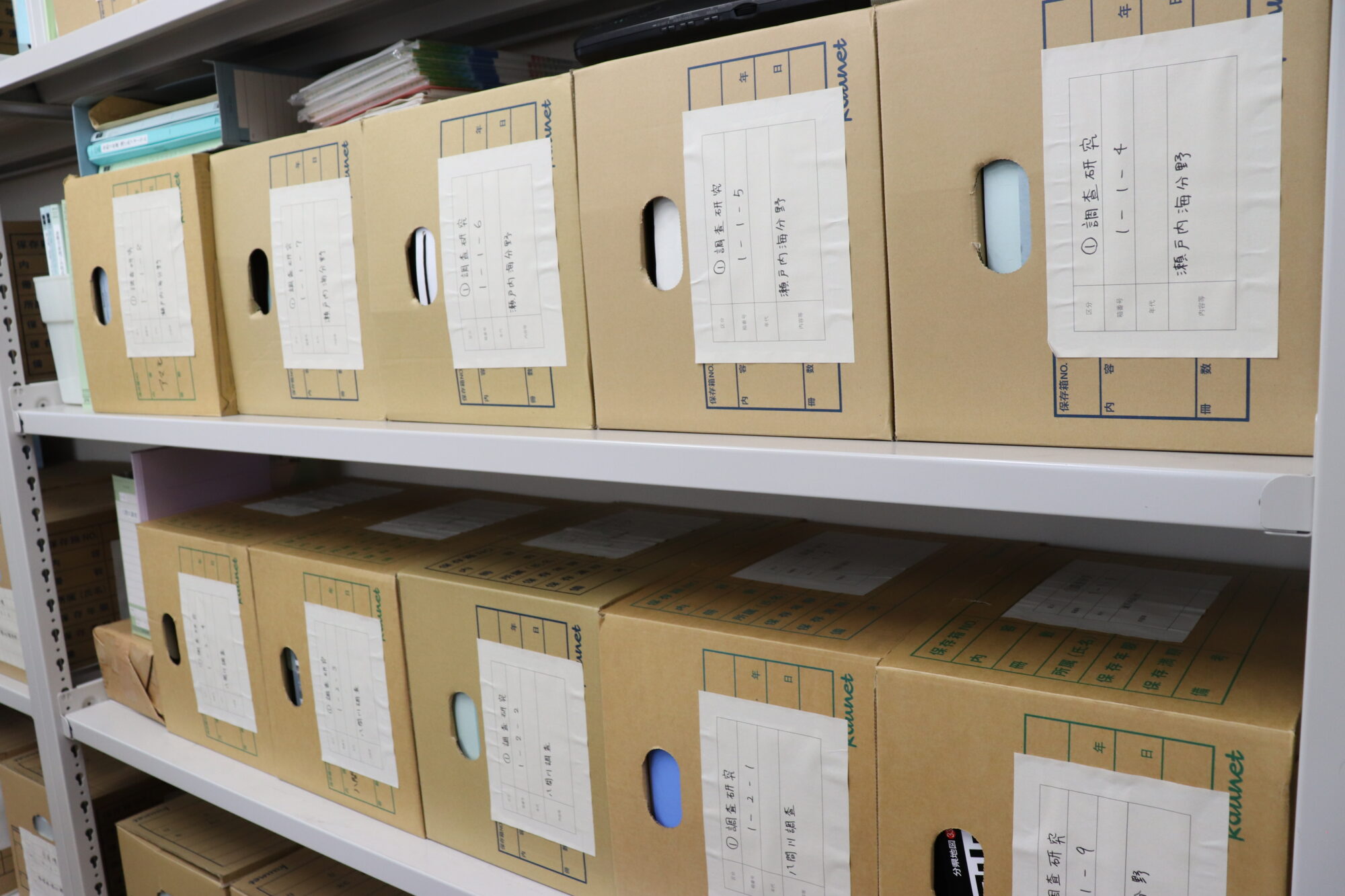
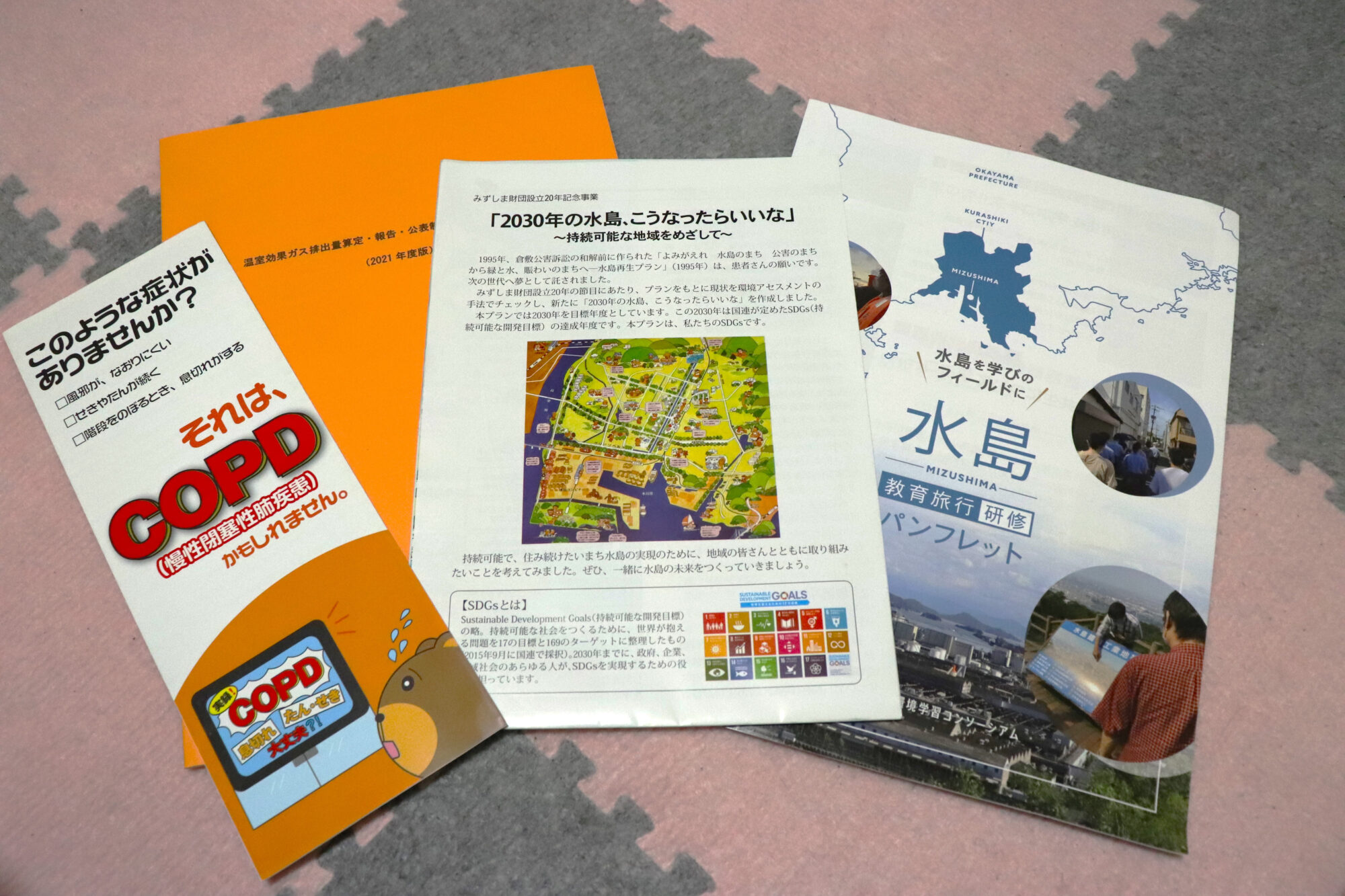
The Mizushima Foundation works to create a better local environment through community development in Mizushima, working in partnership with people in the community, businesses, government, and others from a range of backgrounds.
The foundation also conducts environmental surveys and research to identify what is needed for environmental restoration, helping to bring more people together to improve the community.
The Mizushima Foundation conducts the following surveys:
- Hachiken River survey
- Marine litter survey
- Survey of CO2 absorption by trees
- Survey on measures to address global warming
These are just a few examples; the foundation also conducts other environmental surveys.
It also carries out activities in the field of environmental health.
In particular, it works to promote awareness of respiratory rehabilitation, an area overseen at the Mizushima Foundation by Fujiwara.
There are local specialists in respiratory illnesses and respiratory rehabilitation, but few systems for connecting them with people in the community.
The foundation serves as a bridge between local people and specialists not only in the environmental field, but also in public health.
It also runs the Mizushima Residential Environmental Learning Consortium, which hosts hands-on, participatory environmental learning programs and conducts outreach activities. The Mizushima Foundation’s work spans a wide range of areas.
How the Mizushima Foundation was established
The Mizushima Foundation was established using part of the settlement money from a lawsuit concerning pollution in the Mizushima area, which ran from 1983 to 1996.
The condition that “part of the settlement money could be used for environmental restoration” is said to have helped bring about a settlement between the plaintiffs, patients certified as pollution victims, and the defendant companies.
Fujiwara explained.
The Mizushima Foundation was created to carry forward the wishes of pollution victims, who hoped to make Mizushima a better place to live and leave a healthy environment for their children and grandchildren.
“During the preparations to establish the foundation, we were going to call it the ‘Mizushima Community Development Foundation,’” Fujiwara said.
However, in the hope that the Mizushima area would recover from pollution, it was given its current name: the Foundation for Environmental Rehabilitation and Redevelopment of Mizushima.
The care taken over the organization’s name is also reflected in its English name.
The English translation of the Mizushima Foundation’s name is The foundation for Environmental Rehabilitation and Redevelopment of Mizushima.
This can be translated as “the foundation for environmental rehabilitation and redevelopment in Mizushima.”
There are many words that mean “restoration,” but the foundation’s first chairperson said, “I want to use the word ‘Rehabilitation’ to translate the idea of restoration,” which is why the current English name was chosen.
Mizushima’s future as depicted in “Bring Mizushima Back to Life”
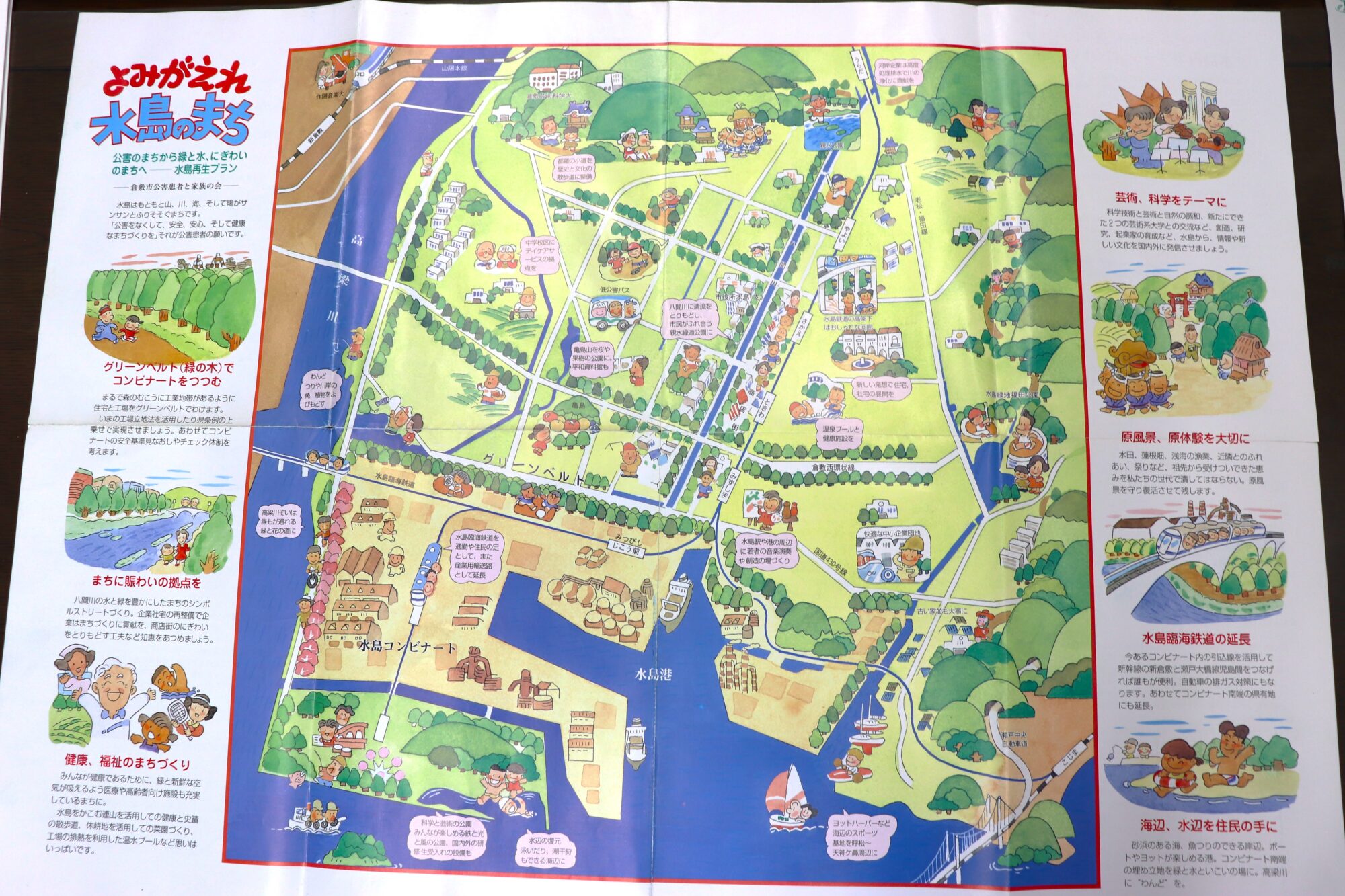
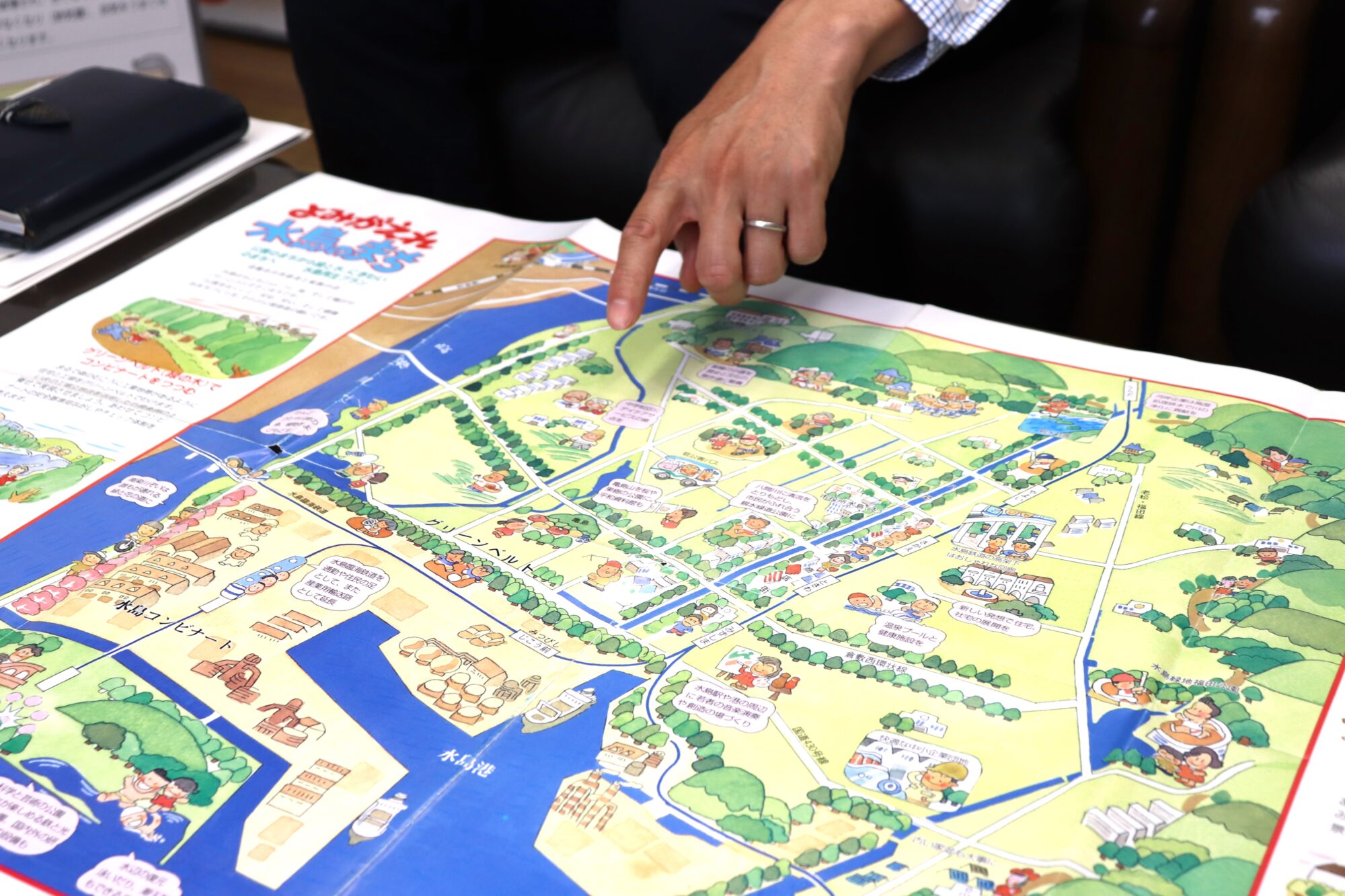
There is a vision of Mizushima’s future called “Bring Mizushima Back to Life,” drawn by patients in 1995.
The vision depicts an industrial complex in Mizushima.
This shows that the patients did not want to get rid of the industrial complex in Mizushima. Rather, they envisioned a future in which people and the industrial complex could coexist in Mizushima while protecting a healthy environment.
When the vision “Bring Mizushima Back to Life” was shown to someone who had once worked for a company in the industrial complex, they reportedly said first of all, “The industrial complex is still there.”
As of 2023, businesses and government agencies in Mizushima are working together on initiatives to protect the environment.
The Kurashiki City Environmental Monitoring Center, located in Kurashiki City Environmental Exchange Square (also known as Mizushima Ai-ai Salon), uses a telemetry system to monitor the environment around the clock and has established a system for immediately reporting any unusual changes.
Businesses, government agencies, and local residents are working together to establish a monitoring system and restore and maintain the environment in the Mizushima area.
The Mizushima Foundation and the SDGs
By the time the Mizushima Foundation was established, the pollution lawsuit had ended, and society’s attention had shifted to new environmental issues such as global warming.
The map in “Bring Mizushima Back to Life” was created in 1995, but looking at it again, they realized that what the patients had envisioned was precisely in line with the SDGs.
“The SDGs have given theoretical support to what the patients had been thinking,” Shiwaku said.
“As an organization that has been active since before the SDGs had a name, we’re very glad to see that society as a whole is now taking an interest in environmental issues,” Fujiwara said.
Elementary and middle schools now teach the SDGs, and some schools reportedly visit Mizushima as a place to learn.
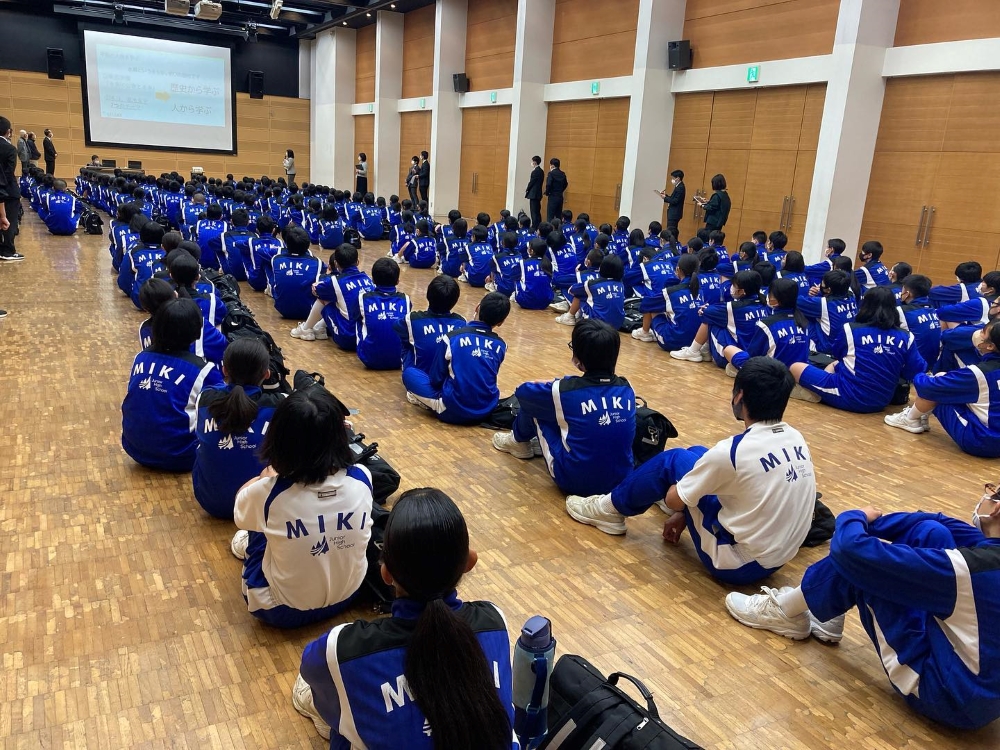
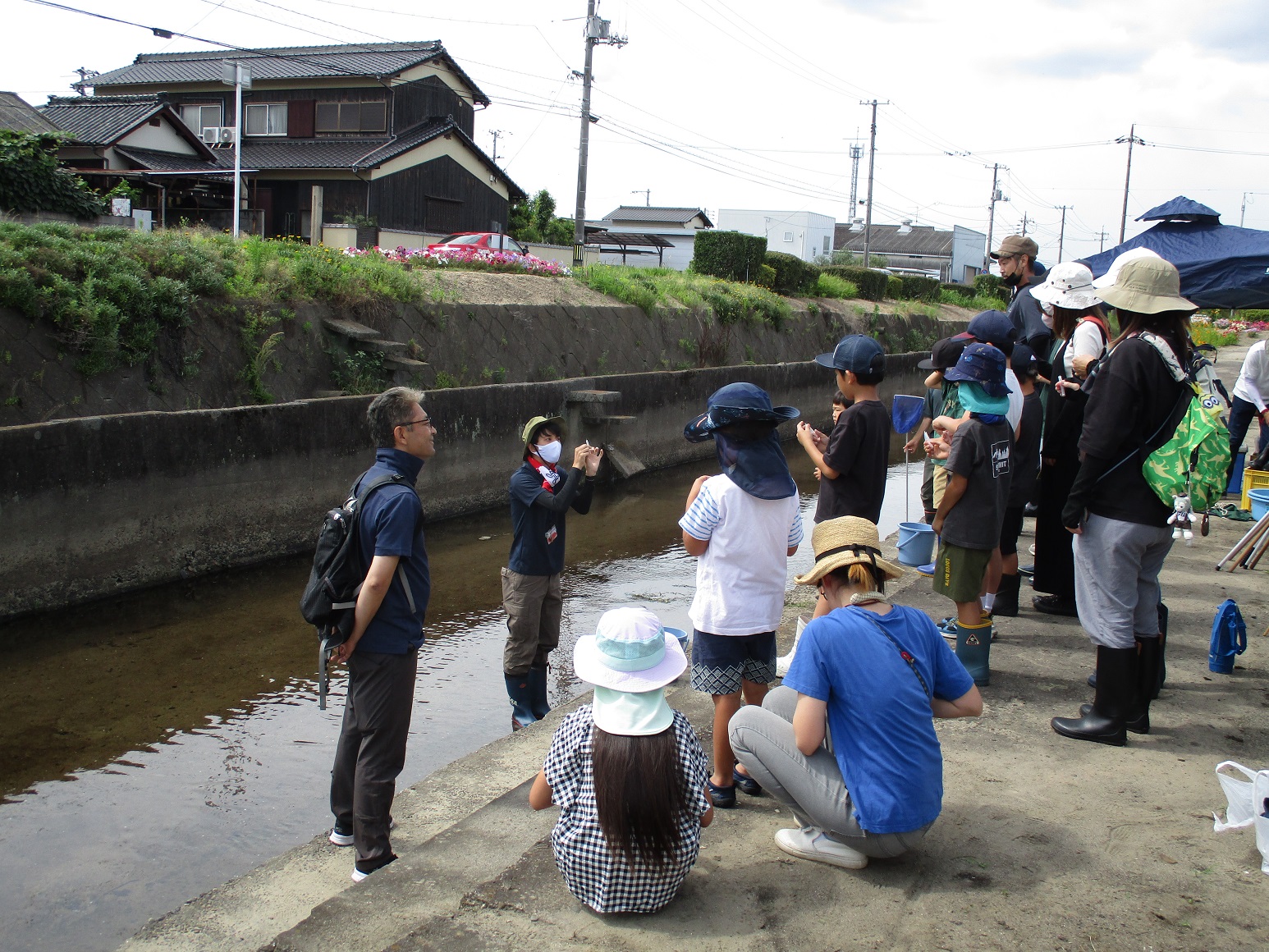
In 2022, the Mizushima Residential Environmental Learning Consortium, whose secretariat is run by the Mizushima Foundation, hosted 540 people from 11 organizations for environmental learning programs.
Learning about Mizushima leads people to think about their own communities and what they want to learn.
“Some people may feel that they don’t really understand the SDGs, but we hope to learn together,” they told us.
The SDGs’ principle of “leaving no one behind” is difficult to put into practice.
However, Mizushima has a history of putting “leaving no one behind” into practice: when people were suffering from respiratory illnesses caused by air pollution, the community worked together to ensure that patients were not left behind.
Rather than looking at things from just one position or perspective, it provides a place where people can reflect on the community’s history and share their ideas through discussions that bring together a range of perspectives.
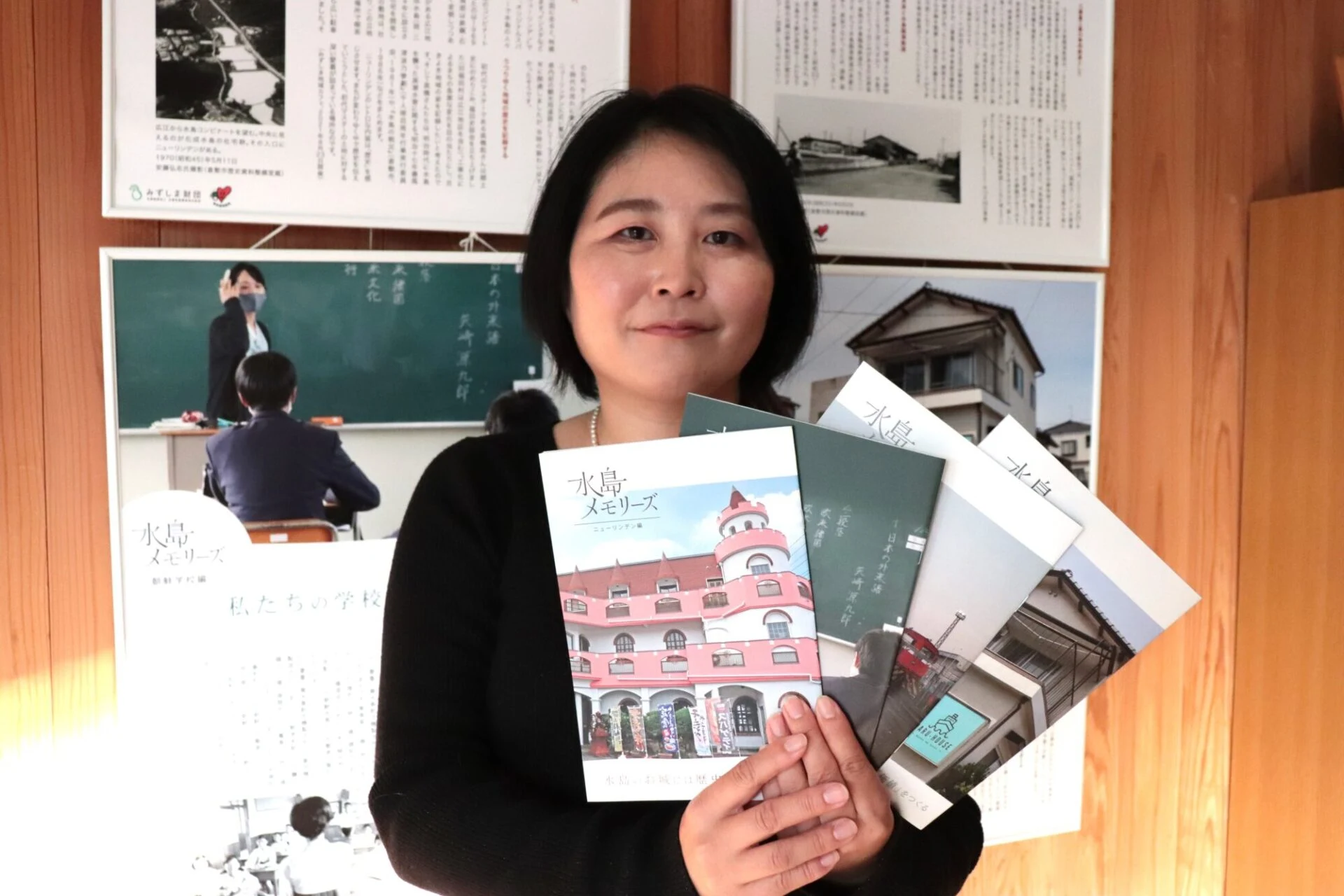
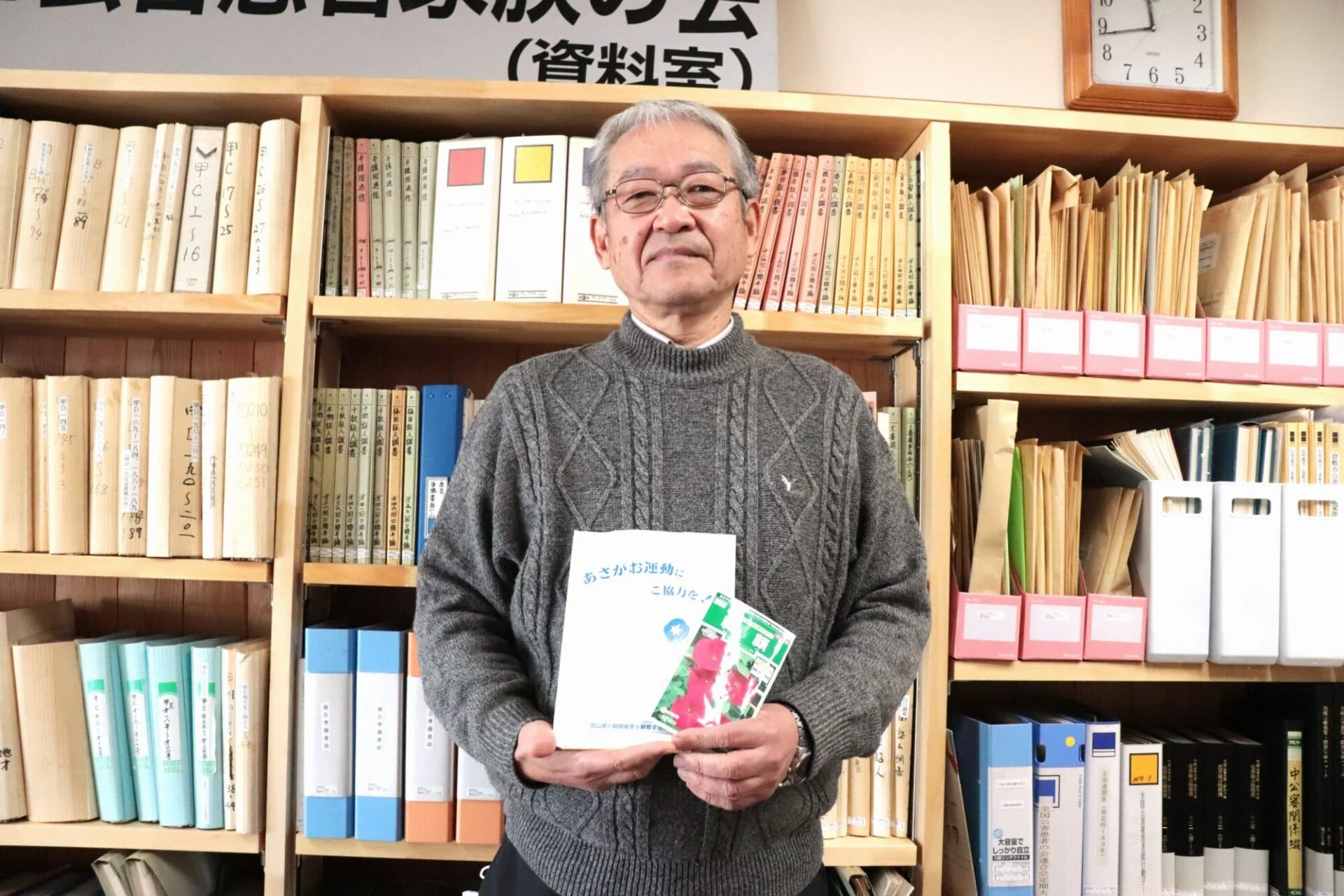
The Mizushima Foundation told us that “Mizushima Memories,” which it publishes, and the “Mizushima Shiryo Koryukan Asagao Gallery,” which opened in October 2022, have become important places for people to connect.
The future of the Mizushima Foundation
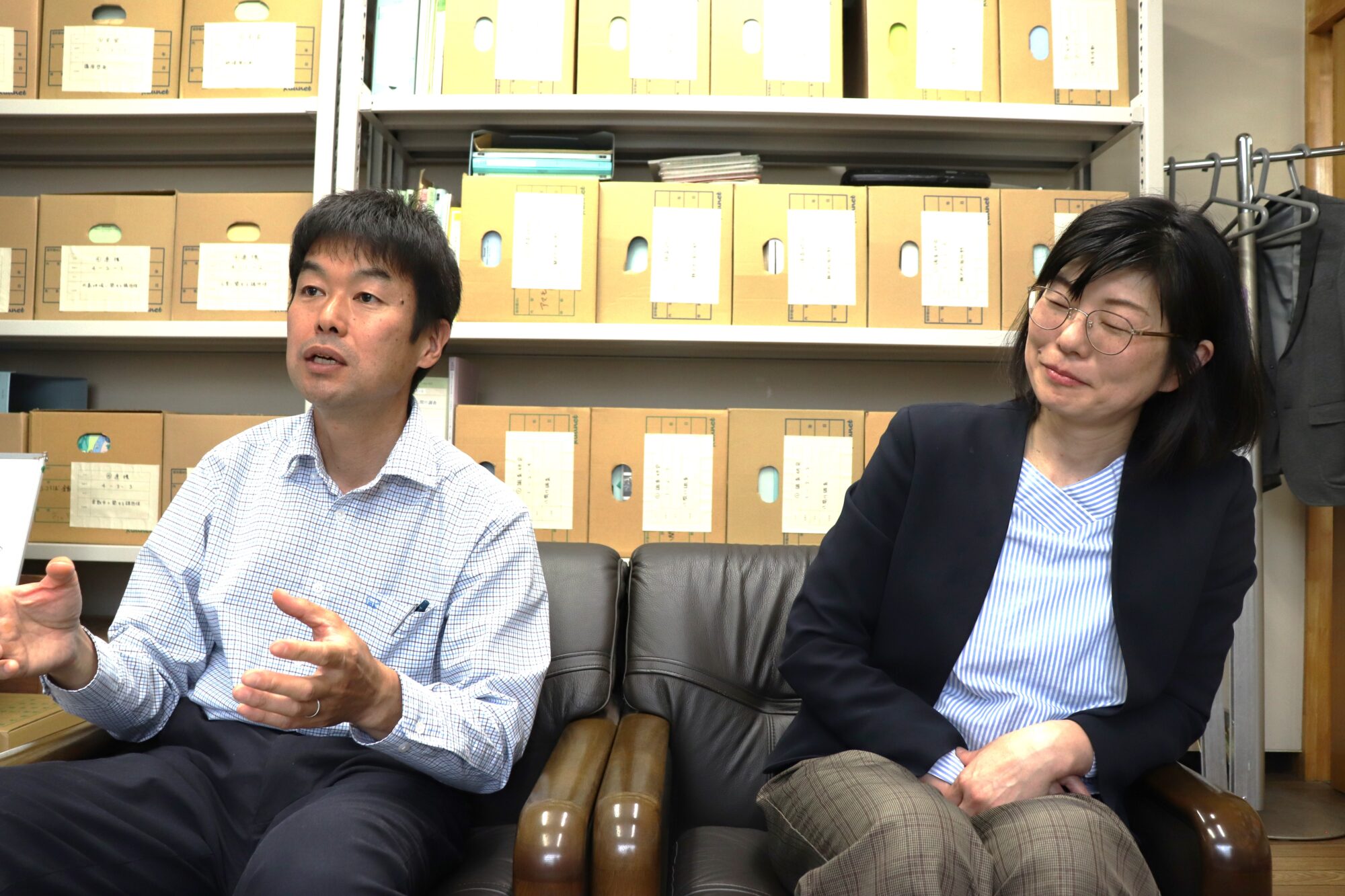
When asked about the future of the Mizushima Foundation, Shiwaku and Fujiwara said they hope it will be an organization that “continues its work as a hub for partnerships, bringing more people on board.”
The SDGs are goals for 2030, but the foundation sees them not as an end in themselves, but as a stepping stone toward creating a sustainable society.
The Mizushima Foundation’s commitment to fulfilling the wishes of pollution victims will not change.
“The more you study environmental and social issues, the less you may understand them, and the more you learn, the more you may despair about society. But I hope people won’t lose hope,” Fujiwara said.
Even if it is difficult to solve every problem in the world we live in, society may change if we start by taking action on things we can do close to home.
“There’s only so much the Mizushima Foundation can do on its own, but as we build relationships with more and more people, I believe we can move in a better direction,” Shiwaku told us.
From the Writer
The Mizushima Foundation was born out of the history of pollution in the Mizushima area.
Mizushima as it is today exists because the community overcame a difficult past.
The Mizushima Foundation works with people in the community, businesses, and others from a range of backgrounds to make Mizushima an even better place to live and society a better place for everyone.
Thinking about the environment and society may be difficult, but working together with others can make a difference.
We hope that learning about the Mizushima Foundation will inspire people to think about their local environment and take action, and that as many people as possible will join them.
Mizushima Regional Environmental Regeneration Foundation (Mizushima Foundation) Information

| Organization Name | Mizushima Regional Environmental Regeneration Foundation (Mizushima Foundation) |
|---|---|
| Industry | Public Interest Incorporated Foundation |
| Representative | Chairperson Masaya Ishida |
| Established | March 14, 2000 |
| Address | 11-12 Mizushima Higashisakaemachi, Kurashiki City, Okayama Prefecture |
| Contact | 086-440-0121 |
| Website | Mizushima Foundation - Mizushima Regional Environmental Regeneration Foundation |

What would you like to know about Kurashiki?
Enter a keyword and we'll search the articles on this site