There are now more than 10,000 “children’s cafeterias” across Japan.
Their forms and purposes vary somewhat from one community to another, but each is a place born from the desire to do something for someone.
In Mizushima, Kurashiki City, Mizushima Kodomo Shokudo Misora began eight years ago.
It is a place where local residents and children can drop in and spend time feeling at ease.
What is the role it plays as a place to belong, which Mizushima Kodomo Shokudo Misora values, and what kind of warm connections grow from it?
The author, who volunteered there, shares what they experienced on site.
The information presented was accurate when this article was published in August 2025. Please note that it may differ from current information.
What Is Mizushima Kodomo Shokudo Misora?
Mizushima Kodomo Shokudo Misora (hereafter “Misora”) began in August 2017.
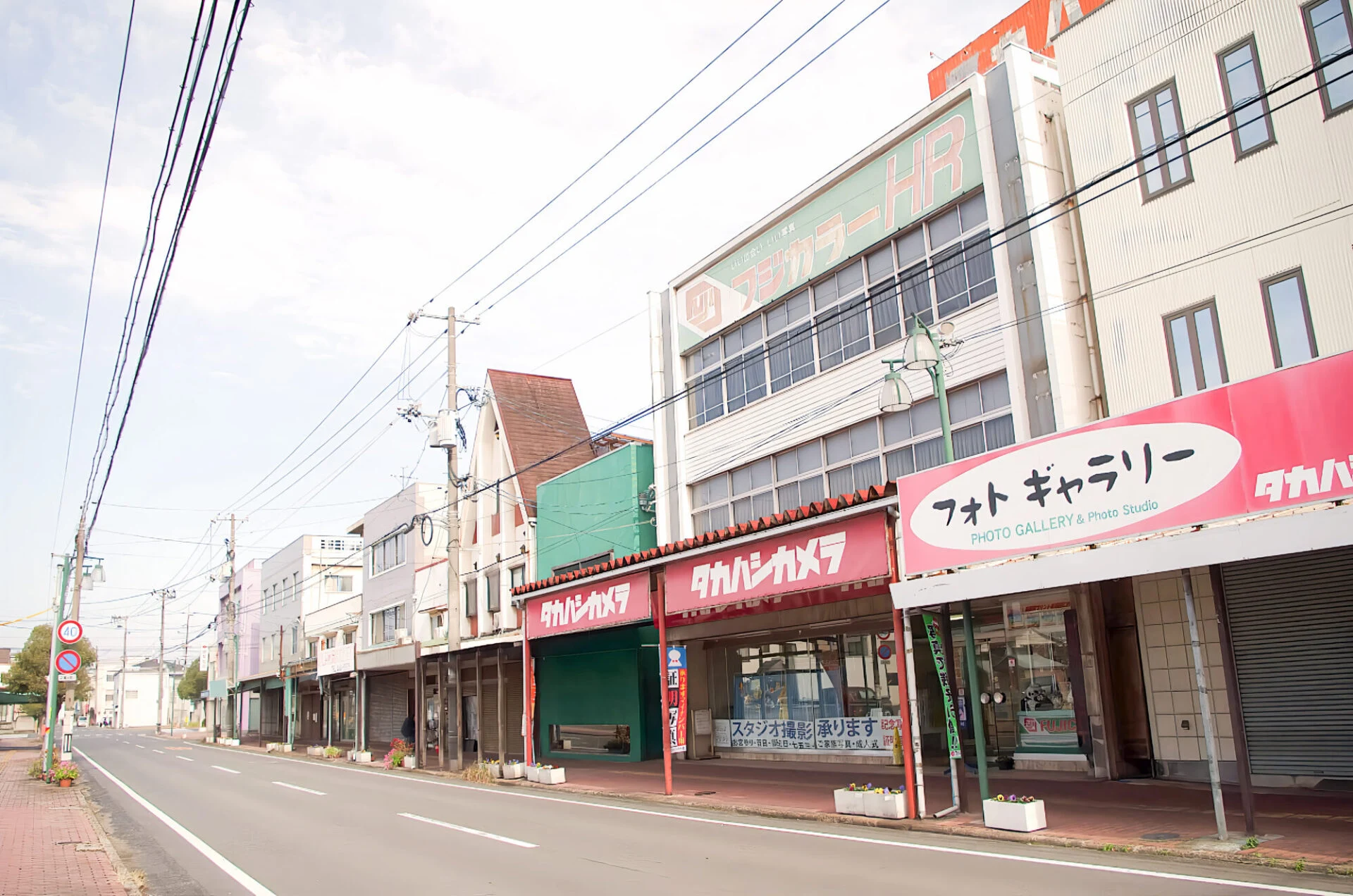
The person involved in its launch was Minna no Ouchi Haru House representative Inoue Masaki. Since it began, it has been cherished in the shopping district of Mizushima as a place where local residents and children living nearby can drop in and share a meal with peace of mind.

However, in March 2020, events where everyone ate together were temporarily suspended due to the spread of COVID-19. During that time, Inoue helped people in need through food-sharing events, delivering food donated by individuals and companies to households facing hardship.
After takeout handoffs began at Minna no Ouchi Haru House, Misora gradually changed its format, and in June 2023, it finally resumed serving meals for everyone to eat together.

A Day at Mizushima Kodomo Shokudo Misora
Mizushima Kodomo Shokudo Misora is held on the third Saturday of every month at the Mizushima School District Community Hall.

The author attended Misora on July 19, 2025, and would like to share what it was like.
How Are You Feeling Today? Misora’s Regular Morning Meeting
At 9:20 a.m., staff and volunteers began arriving one after another, and the meeting got underway.

At Misora, everyone starts by introducing themselves. A regular part of the meeting is sharing “how many points” they would give their current mood and physical condition. Even the high school and university students attending for the first time, who were a little nervous, soon relaxed during this exchange.
That day, some people had come to help with their children, creating a friendly atmosphere.

After the staff explained the menu, everyone confirmed their roles and headed to their stations.
At last, the day at Misora was getting underway.
Connections at Misora Begin with the Preparations
Today’s menu was pork rice bowls loaded with vegetables, clear soup with egg and wakame seaweed, and castella cake sandwiches with ice cream.

Some people cut vegetables, others cracked eggs, and others seasoned the pork.
Everyone naturally gravitated toward the tasks they wanted to try.

Before long, children began arriving one after another and joined in the preparations.
Even children who rarely helped with cooking at home were praised by the staff with comments like “You’re good at this!” and “Amazing!” and smiled happily.

Their hands gripping the knives were a little tense, but they were completely focused.
Everyone Smiles and Says “Itadakimasu”
As lunchtime approached, the delicious aroma of meat filled the venue.
Staff, volunteers, and children worked together to carry the finished dishes to the tables.

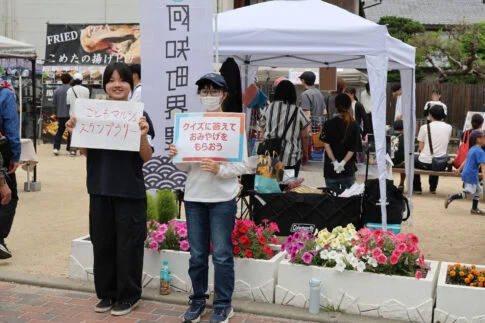
There were 50 participants that day.
People of all ages gathered, from older adults to a three-month-old baby. The warm atmosphere felt as if a large extended family had come together.
“Itadakimasu!”
The delicious meal began at the cue of an energetic elementary school student.

Since summer vacation had just begun, there seemed to be more children than usual. Some got help with their homework from a high school boy, while others got caught up in board games.

The venue was filled with lively chatter.
A Welcoming Warmth That Reaches First-Time Visitors
After the meal, everyone had free time.
The children played as they pleased, while parents chatted or talked with staff; everyone spent the time in their own way.

A mother who was visiting Misora♪ for the first time that day had brought her two-year-old and fifth-grade child. “I didn’t know there was a place like this nearby. I’m so grateful,” she told us with a slightly relieved smile.
As they leave, visitors are also given food and gifts donated by supporting businesses and individuals.

Adults receive rice and daily necessities, while children are given snacks. Some look into their bags happily, surprised, and ask, “Can we really get this much?”

Amid all the “thank yous” and smiles, you can feel that this place is more than just a meal gathering—it has become a reassuring place where someone is there for you.
We spoke with the staff who run Misora♪ to learn how it began and what inspires them to keep it going.
Mizushima Kodomo Shokudo Misora Information
| Name | Mizushima Kodomo Shokudo Misora |
|---|---|
| Held | Third Saturday of every month, 10:00 a.m.–2:00 p.m. |
| Location | 8 Mizushima Kitakasuga-cho, Kurashiki City, Okayama Prefecture |
| Participation fee (tax included) | Adults: ¥300; children: free |
| Website | Mizushima Kodomo Shokudo Misora Instagram |




What would you like to know about Kurashiki?
Enter a keyword and we'll search the articles on this site