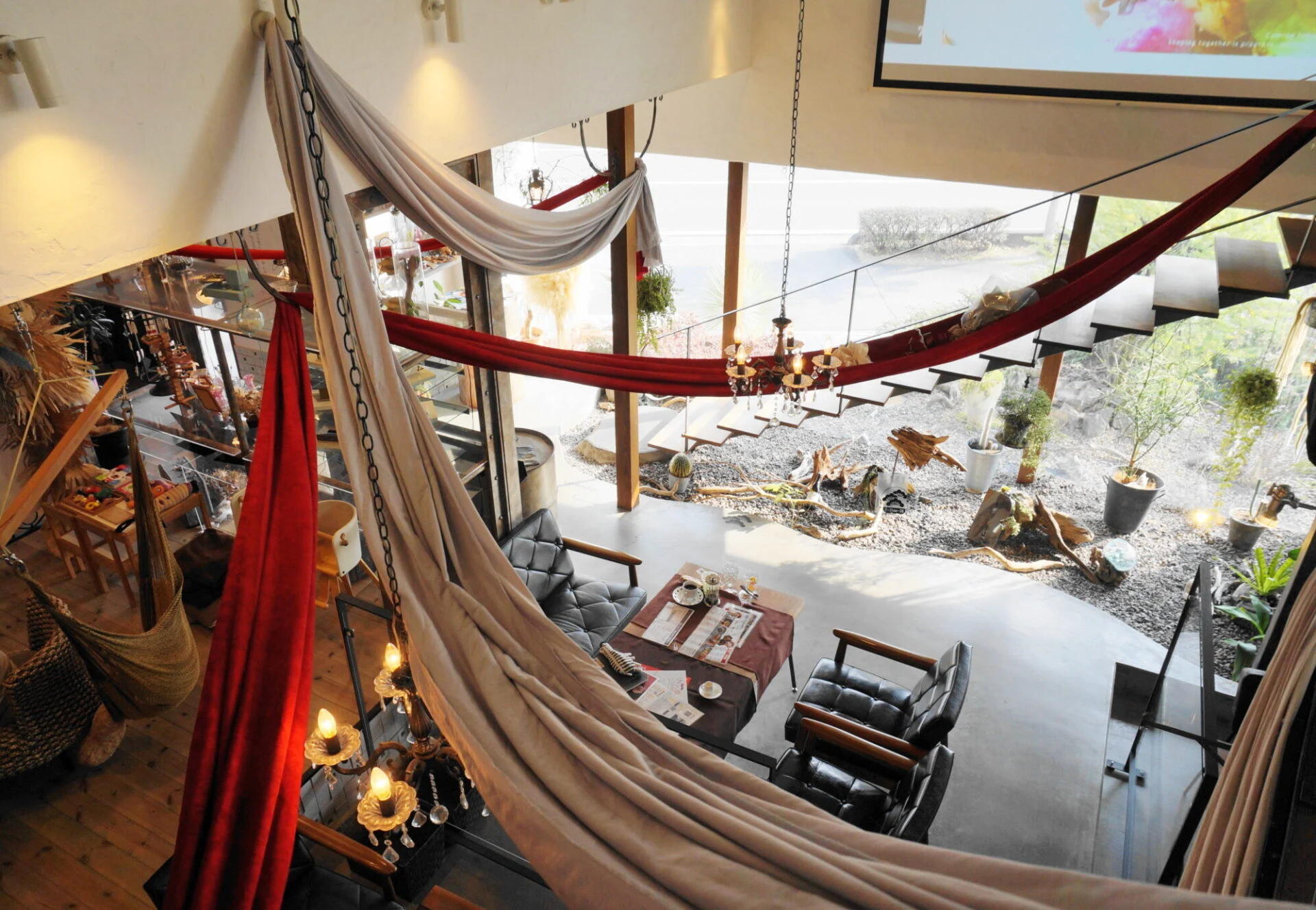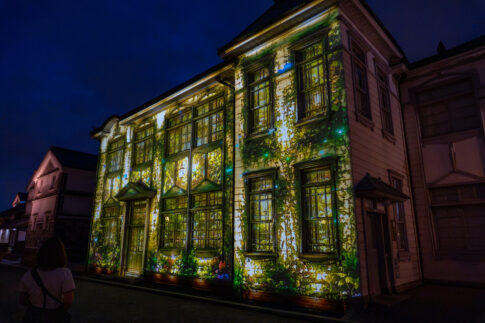
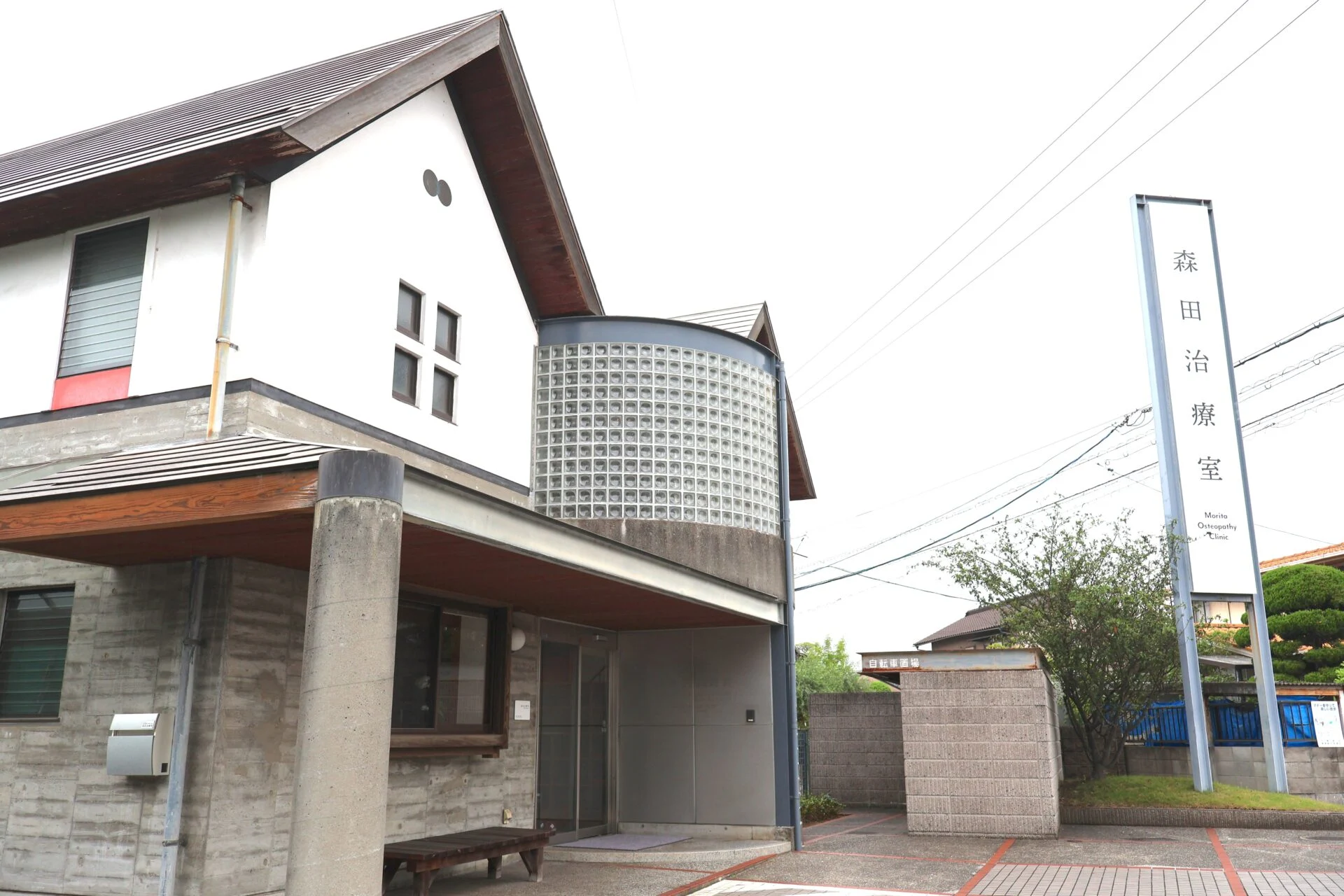
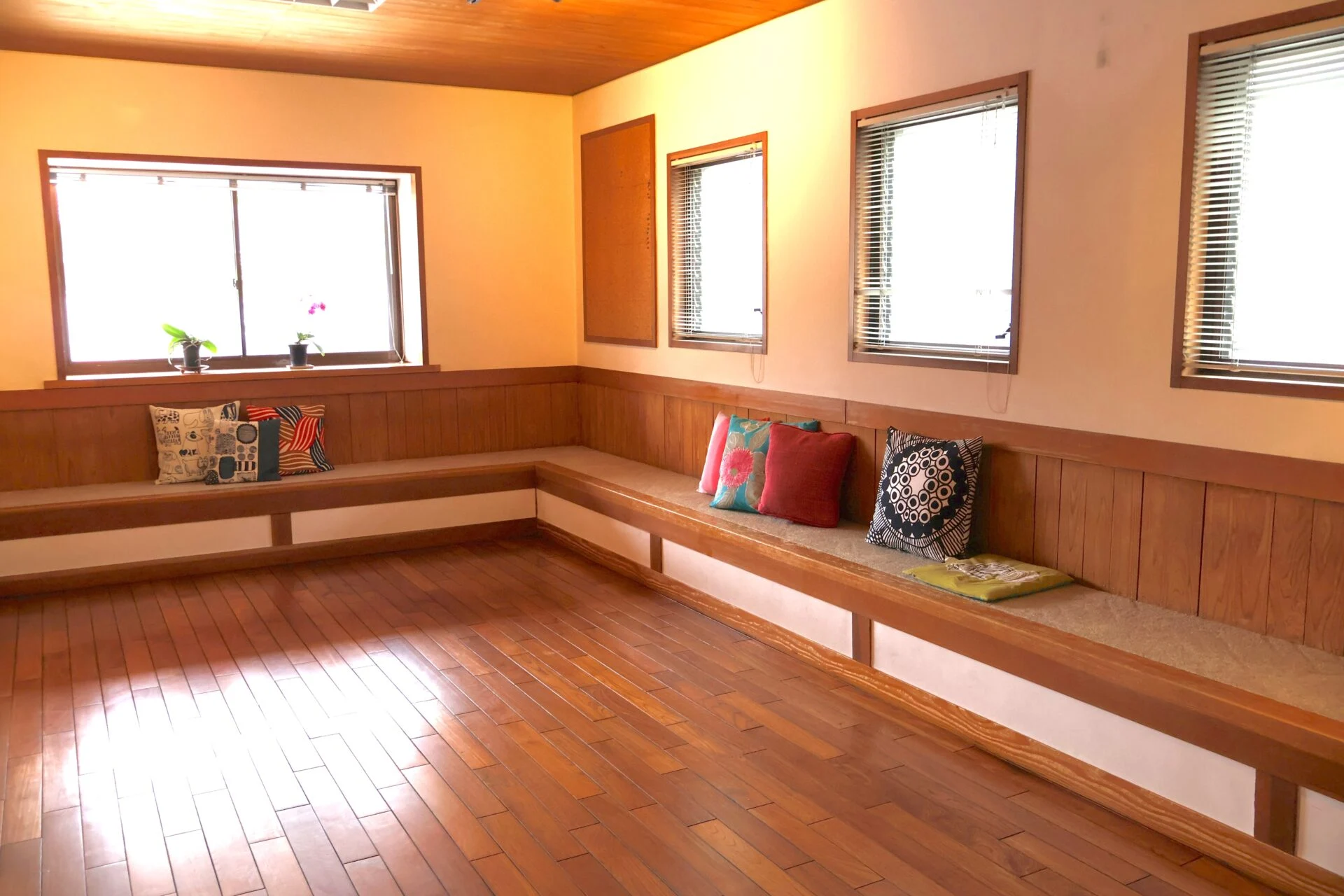
Morita Treatment Room is located in a stylish building that was originally a clinic in Hamanochaya, Kurashiki City. The waiting room and treatment rooms on the first and second floors are open and calming spaces.
Morita Tomofumi D.O. (Diploma of Osteopathy), who was involved in rehabilitation as a physical therapist, opened Morita Treatment Room specializing in osteopathy in 2020. He is currently working with Dr. Kondo Kenshin.
Osteopathy is characterized by its approach of viewing not just parts of the body, but the whole body as a connected entity.
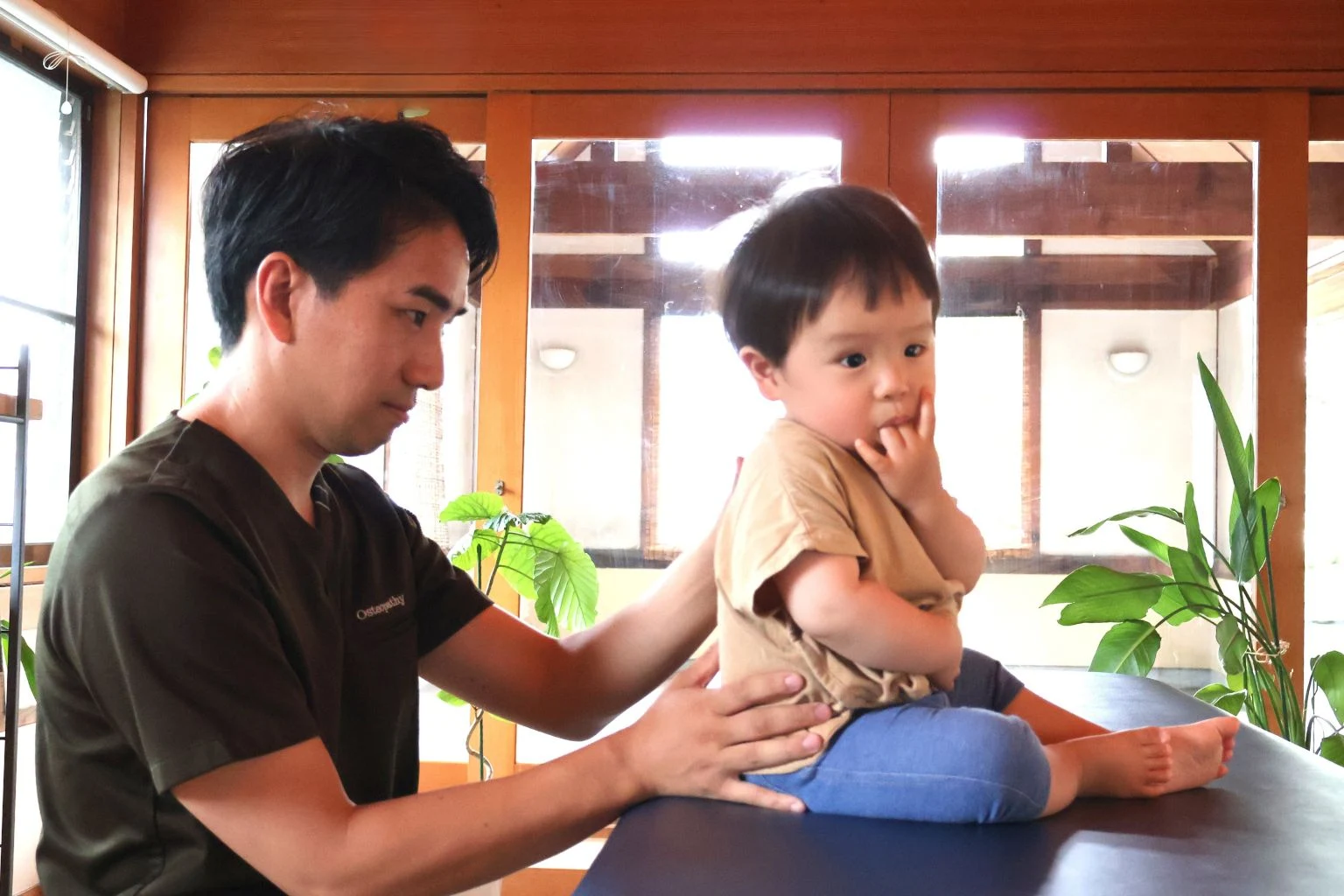
“I hope to help people regain their daily lives and improve their quality of life by drawing out their inherent recovery power and vitality,” says Morita D.O. We asked him what kind of place Morita Treatment Room is.
What kind of people visit?
About 70-80% of the visitors to Morita Treatment Room are women, primarily in their 20s to 50s. Additionally, about 10% of the total are children under 18, including infants as young as 0 years old.
The complaints vary widely.
They include palpitations, headaches, shortness of breath, abdominal pain, and chronic fatigue due to autonomic nervous system disturbances. Many people who have been told that there is nothing particularly wrong but feel unwell and have difficulties in daily life research their symptoms and consider visiting Morita Treatment Room.
They also receive consultations regarding children's development, such as children who experience anxiety or panic symptoms and cannot go to school, as well as consultations about plagiocephaly and scoliosis.
For this reason, Morita Treatment Room holds a “Child Development Support” session on the first Sunday of every month. Since a child's physical condition is deeply connected to their family interactions and environment, they emphasize the importance of examining the family as a whole.
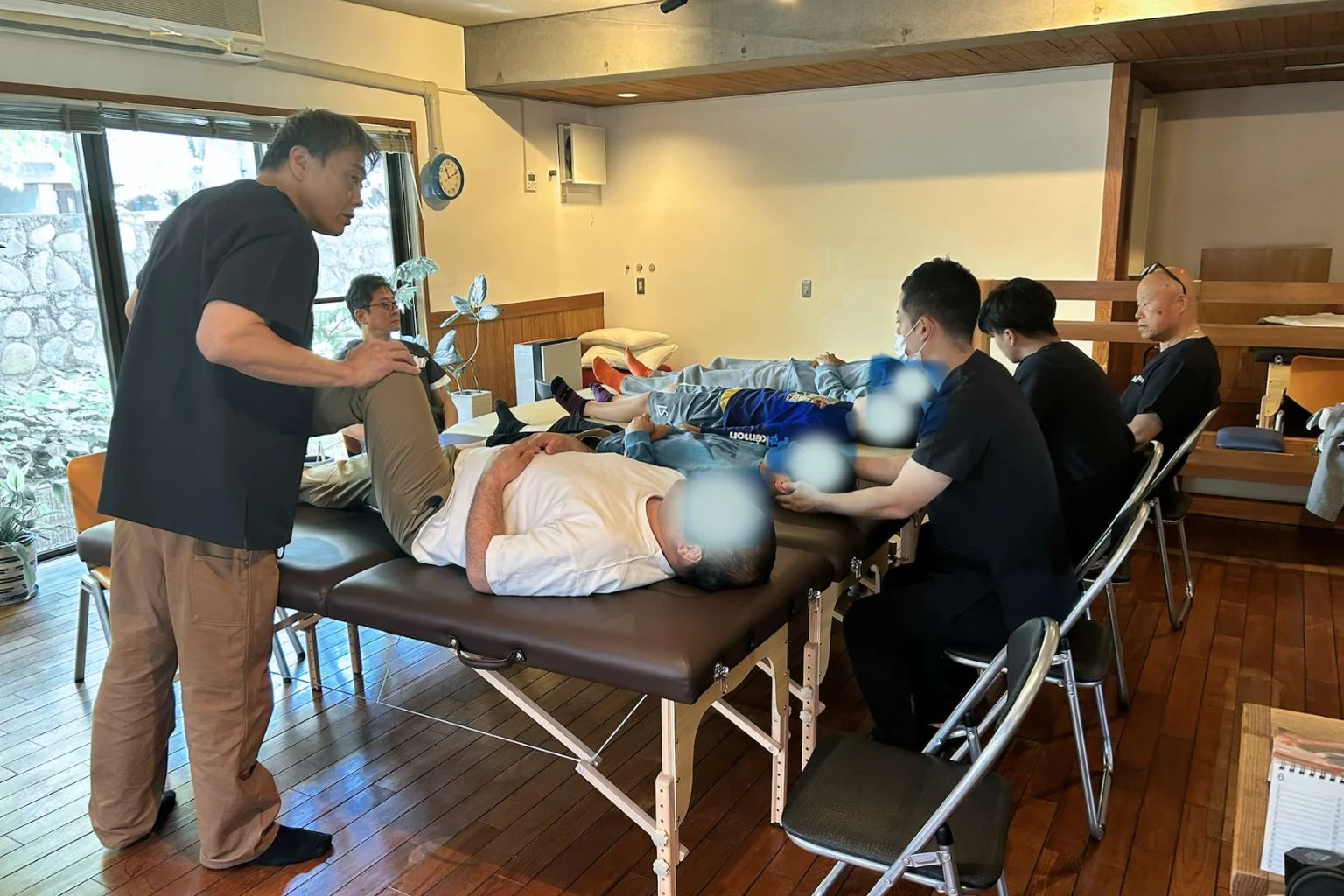
What is osteopathy?
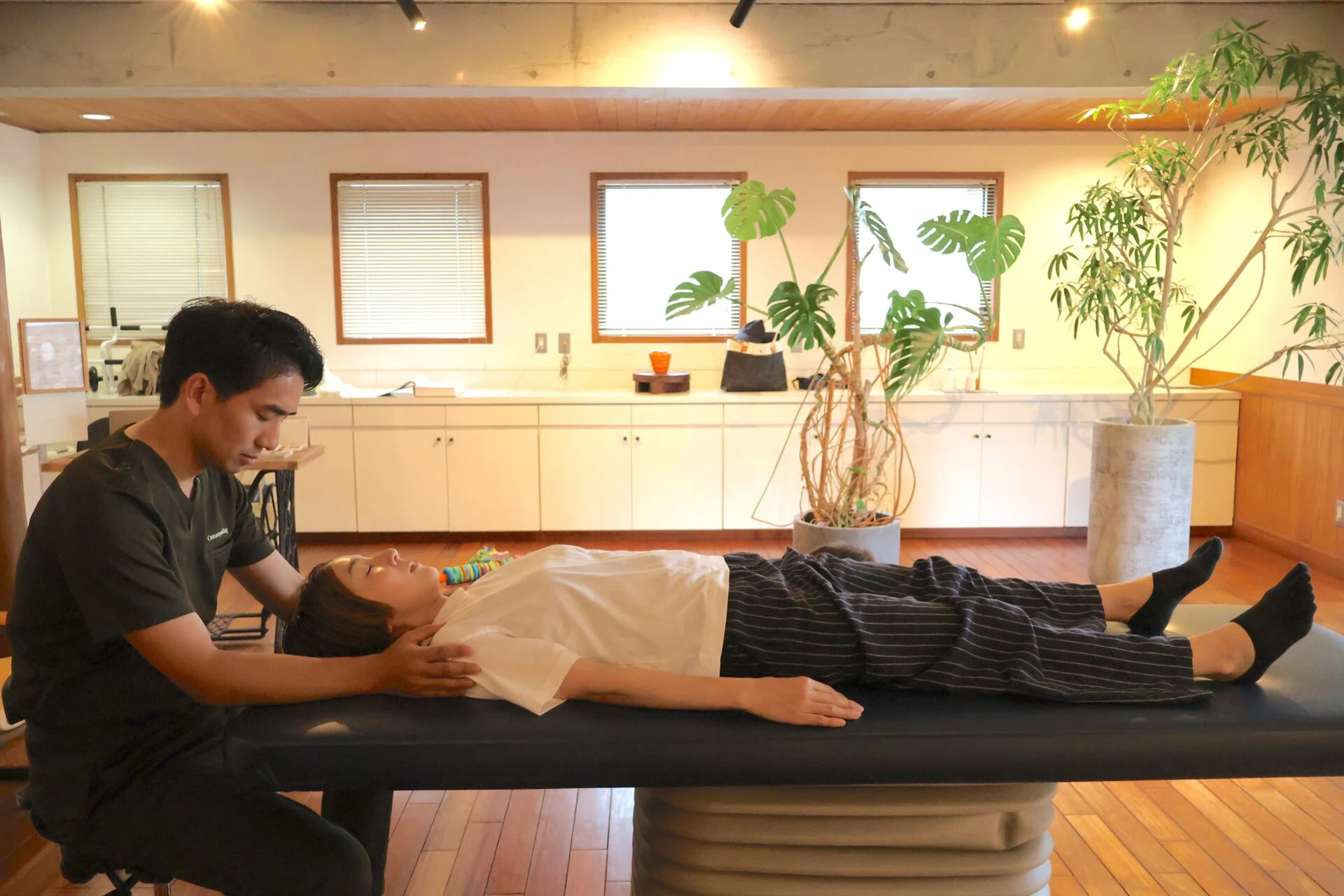
Osteopathy is a form of medicine systematized by American physician Andrew Taylor Still in 1874.
Osteopathy focuses on drawing out the recovery power that people inherently possess. The treatment targets a wide range of issues, including common shoulder and back pain, autonomic nervous system disturbances, chronic fatigue, headaches, and insomnia, tracing the causes from the body's overall connections, even for conditions that are difficult to detect through examinations.
Many countries in America and Europe recognize it as a national qualification.
The World Health Organization (WHO) has also established educational standards. It is considered one of the medical practices that has accumulated achievements globally.
From consultation to palpation, examining the whole body
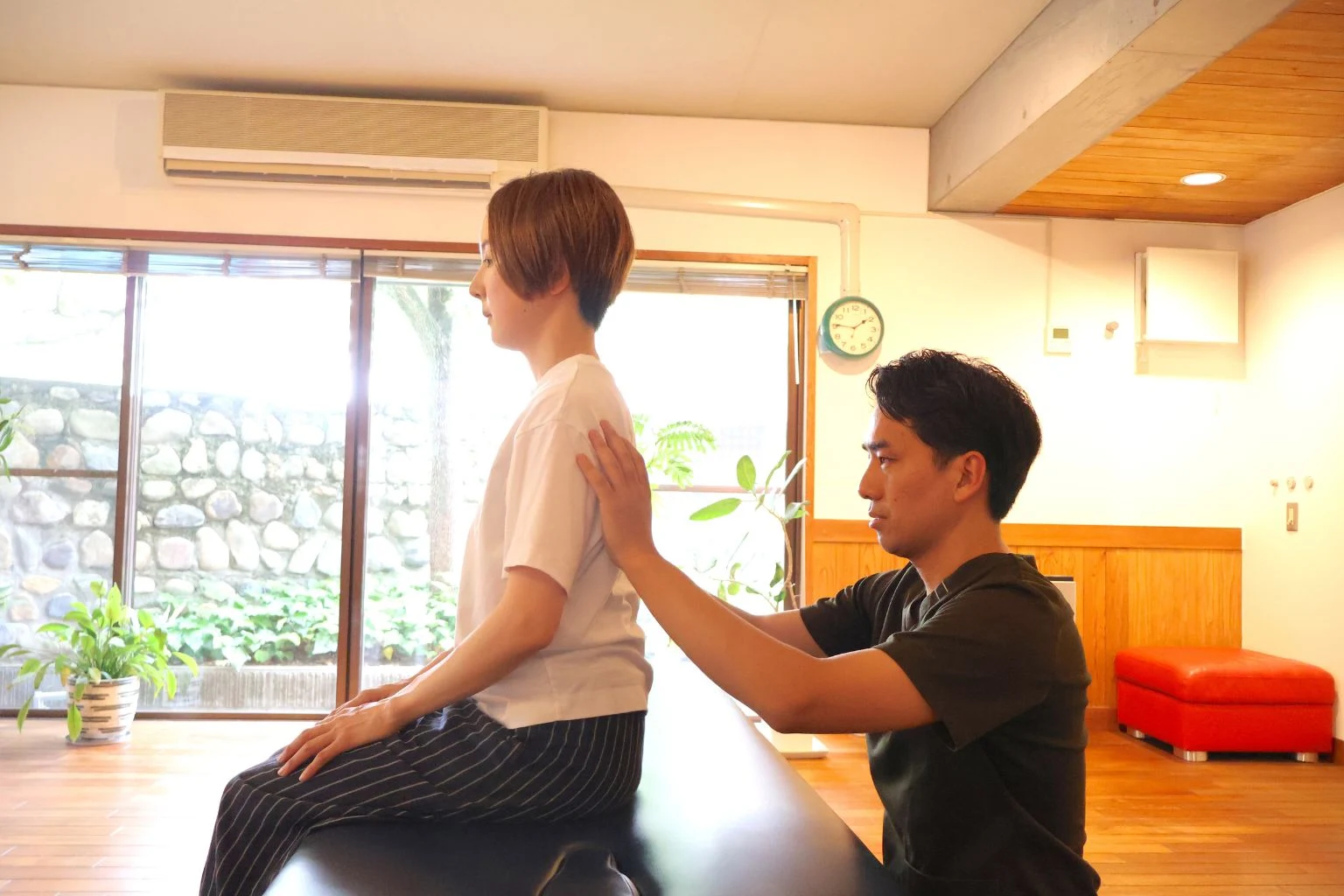
The process begins with taking a medical history. They inquire not only about the current symptoms but also about past injuries and lifestyle habits during the consultation.
After forming a hypothesis about the cause, they proceed to palpation while checking movements. They carefully examine not only muscles and bones but also the tension of internal organs and nerve nodes through palpation.
“I’m not doing anything mysterious. I’m applying what is done in Western medicine,” says Morita D.O.
Changes after treatment
Some people feel changes in their bodies immediately after treatment, but many report feeling “better,” “easier to breathe,” or “able to sleep” after 2-3 days.
At the core of Morita D.O.'s philosophy is not “to improve the body through treatment,” but rather to “create a state where the body's inherent recovery power can work more easily.” Based on medical foundations such as anatomy, physiology, neurology, and embryology, they proceed with treatment while observing the body's responses.
They also treat animals such as dogs and cats, but “what we do is fundamentally the same as for humans. The anatomy is different, but the approach does not change,” says Morita D.O. Children and animals tend to respond well and recover quickly because “their vitality is pure.”
We spoke with Morita D.O., who opened a treatment room specializing in osteopathy in Kurashiki, about what led him to this path and his future plans.
Data on Morita Treatment Room
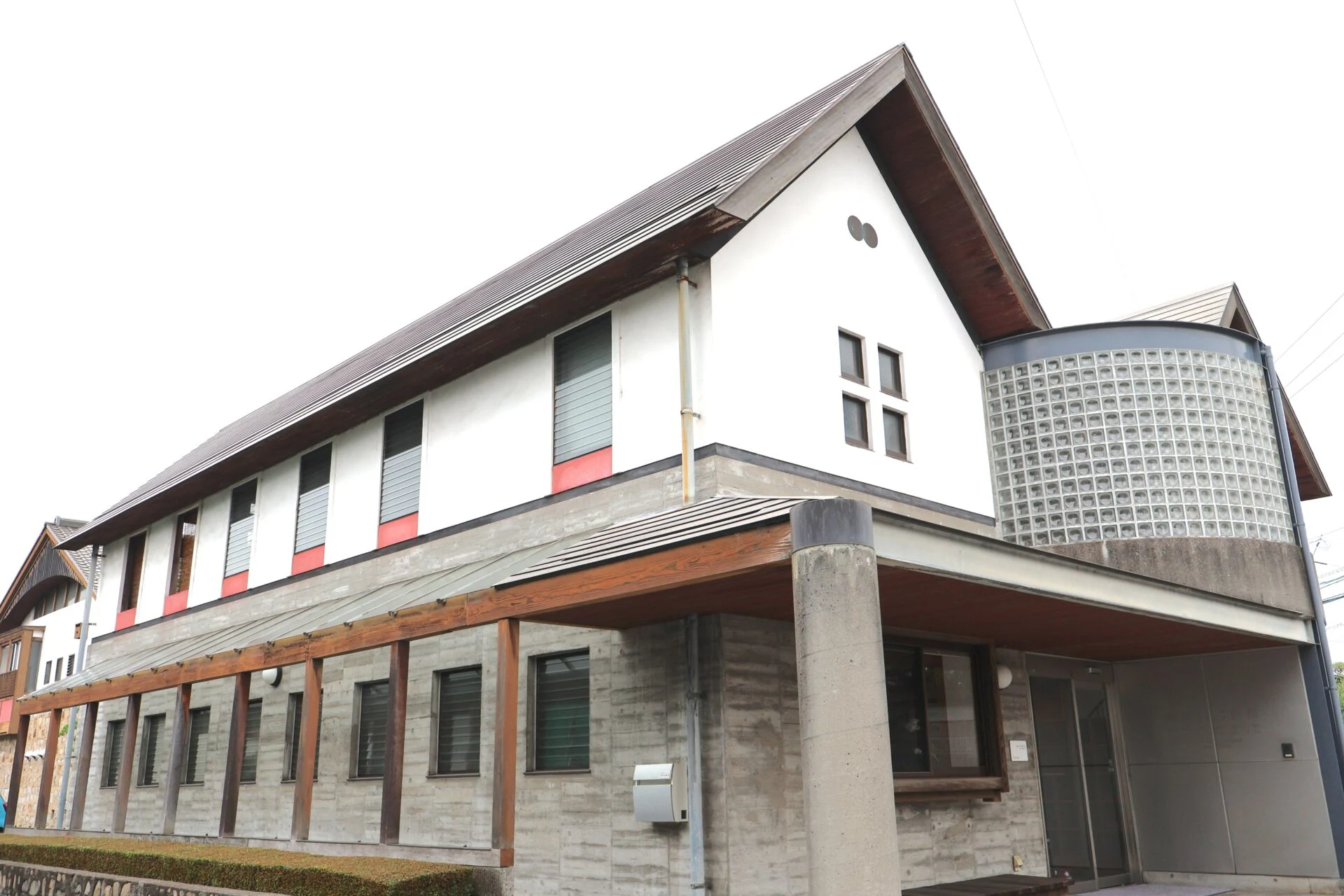
| Name | Morita Treatment Room |
|---|---|
| Address | 1-162 Hamanochaya, Kurashiki City, Okayama Prefecture |
| Contact | Phone: 070-4465-1598 |
| Parking | Available Parking is in spots 1-6 behind the clinic For those who have difficulty walking, parking is allowed in front of the entrance |
| Business Hours | 9:00 AM - 3:00 PM 4:20 PM - 8:00 PM |
| Regular Holidays | Irregular holidays |
| Payment Methods |
|
| Website | Morita Treatment Room |