
What comes to mind when you think of Kasaoka?
The local ramen of Kasaoka, "Kasaoka Ramen," is famous, isn't it?
However, Kasaoka has been a port town for a long time.
Of course, you want to enjoy the seafood as well.
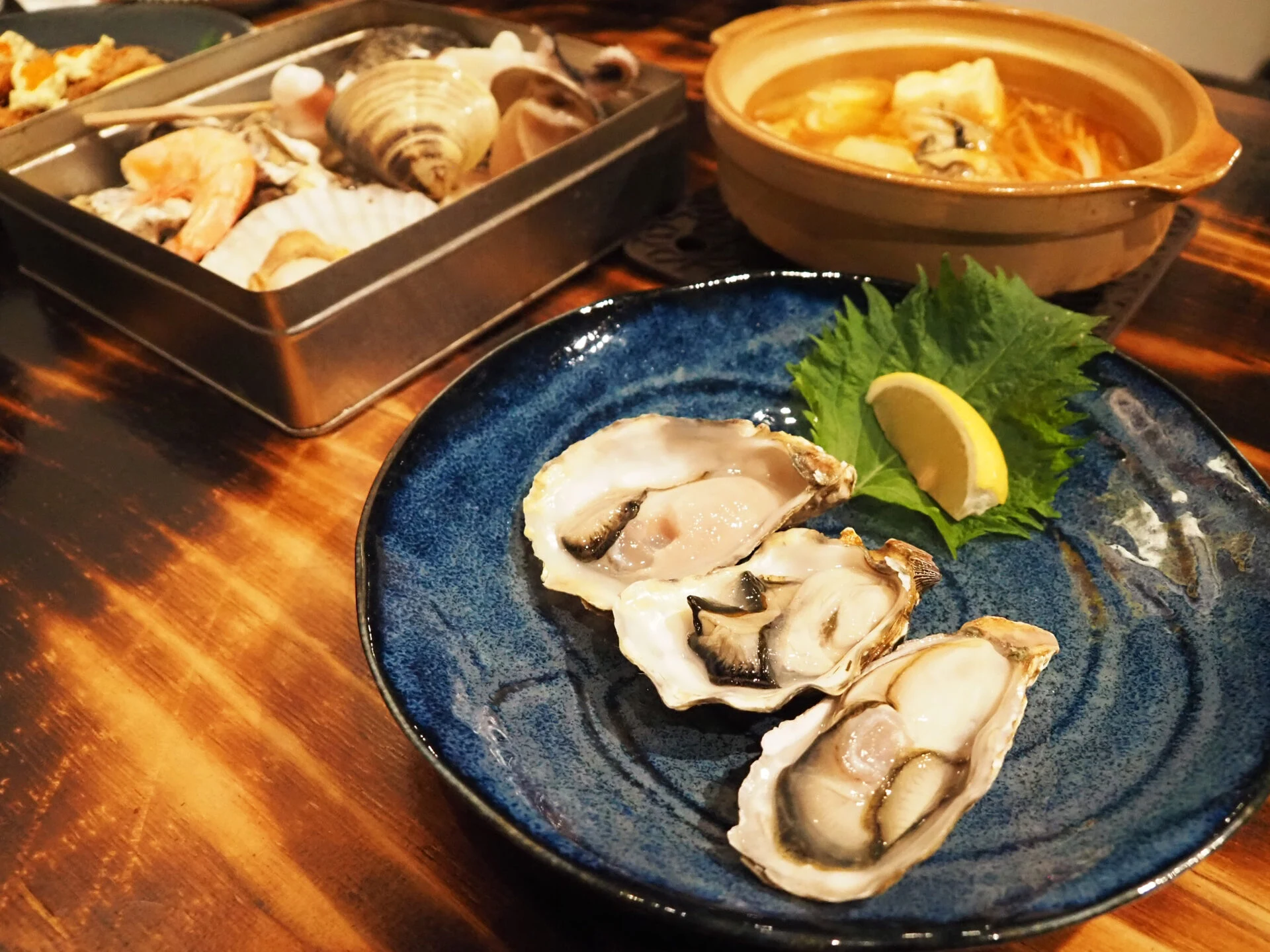
There is a restaurant where you can enjoy seasonal seafood from Kasaoka.
That is 'Aji-dokoro Eiseimaru (Eiseimaru, hereafter referred to as Eiseimaru).'
It is located in front of Kasaoka Station and has a long history.
At Eiseimaru, the menu changes every month, allowing you to enjoy dishes made with seasonal seafood centered around Kasaoka that the restaurant recommends.
Another highlight of Eiseimaru is the sake.
You can enjoy carefully selected brands chosen by the owner from all over the country.
Let's delve into the charm of Eiseimaru, where you can enjoy local seasonal seafood and carefully selected sake.
The information provided is based on data from the article published in December 2020. Please note that it may differ from current information.
Eiseimaru is a long-established seafood izakaya in front of Kasaoka Station
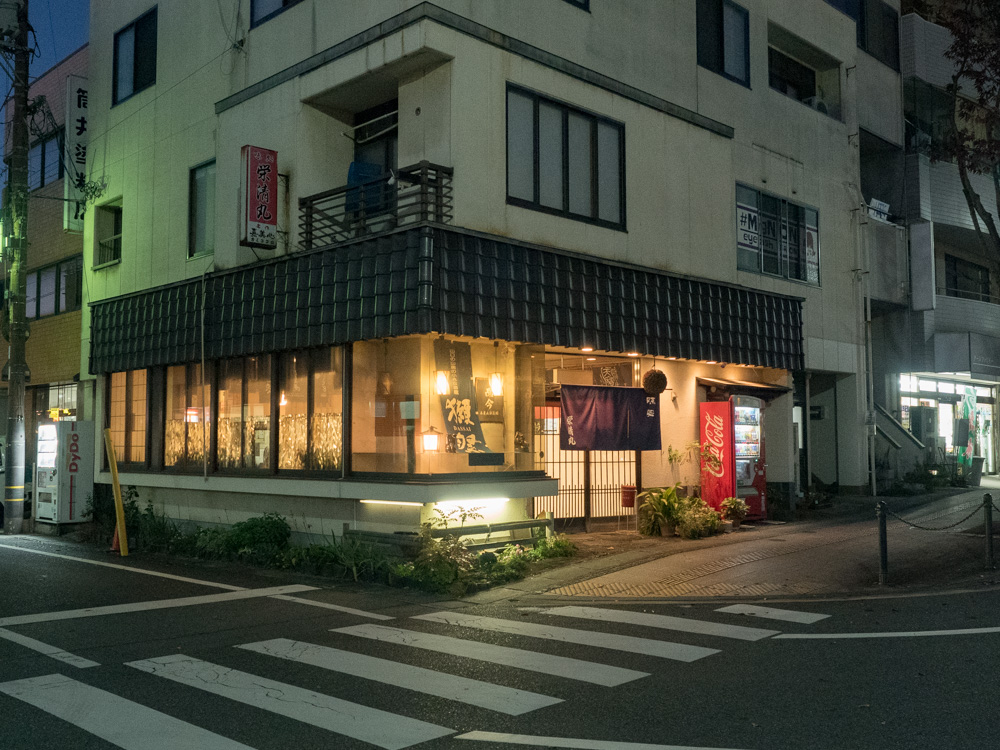
Eiseimaru is an izakaya located on the west side of the north exit rotary of JR Kasaoka Station.
One of its attractions is that you can enjoy a variety of dishes centered around seafood caught in the local waters of Kasaoka.
Additionally, they are very particular about sake, and the carefully selected brands by the owner are a delight for sake lovers.
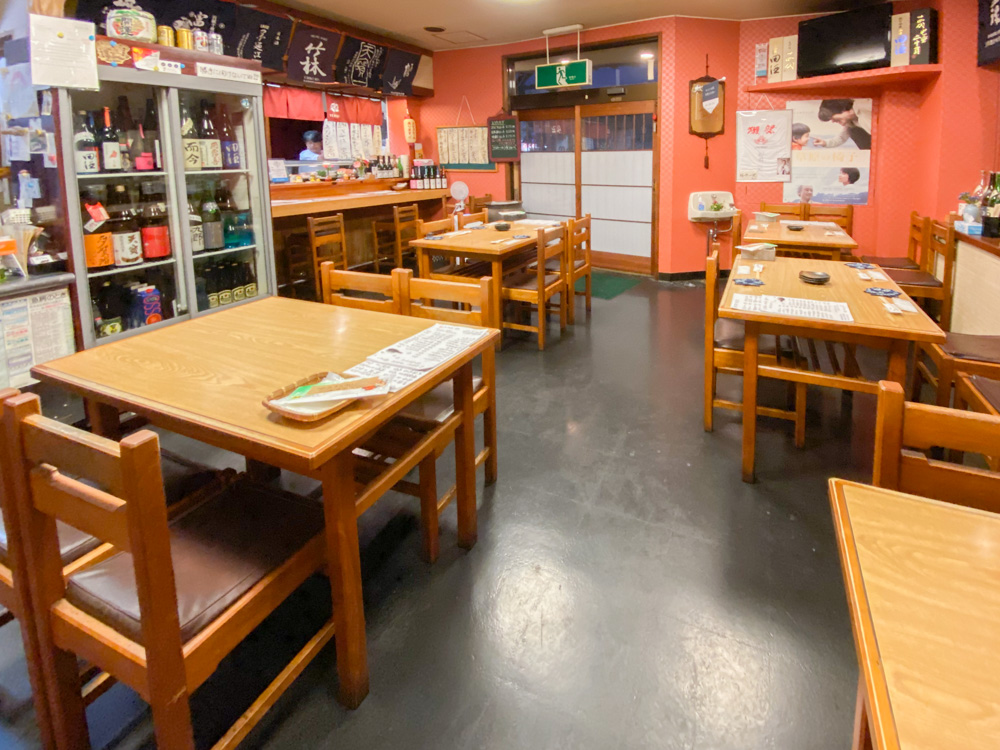
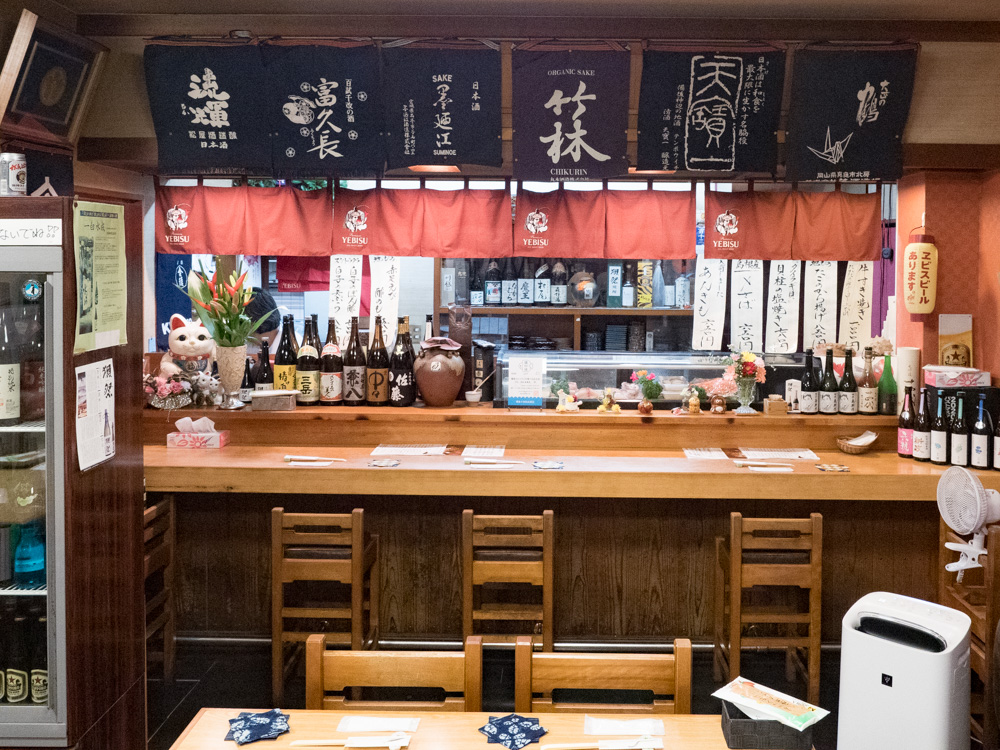
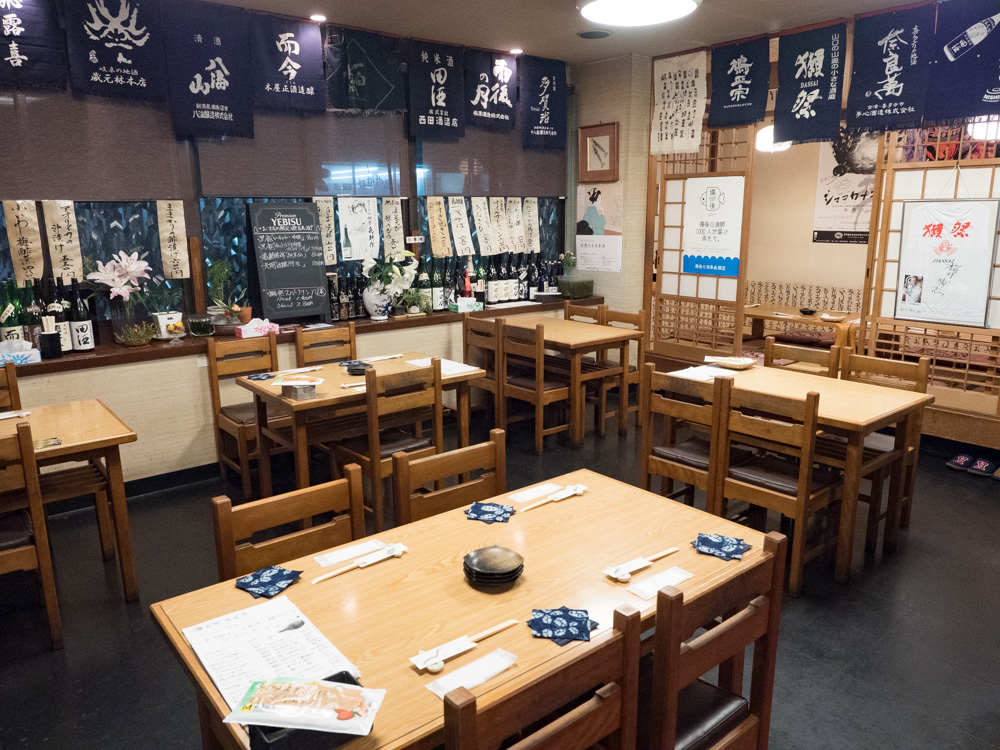
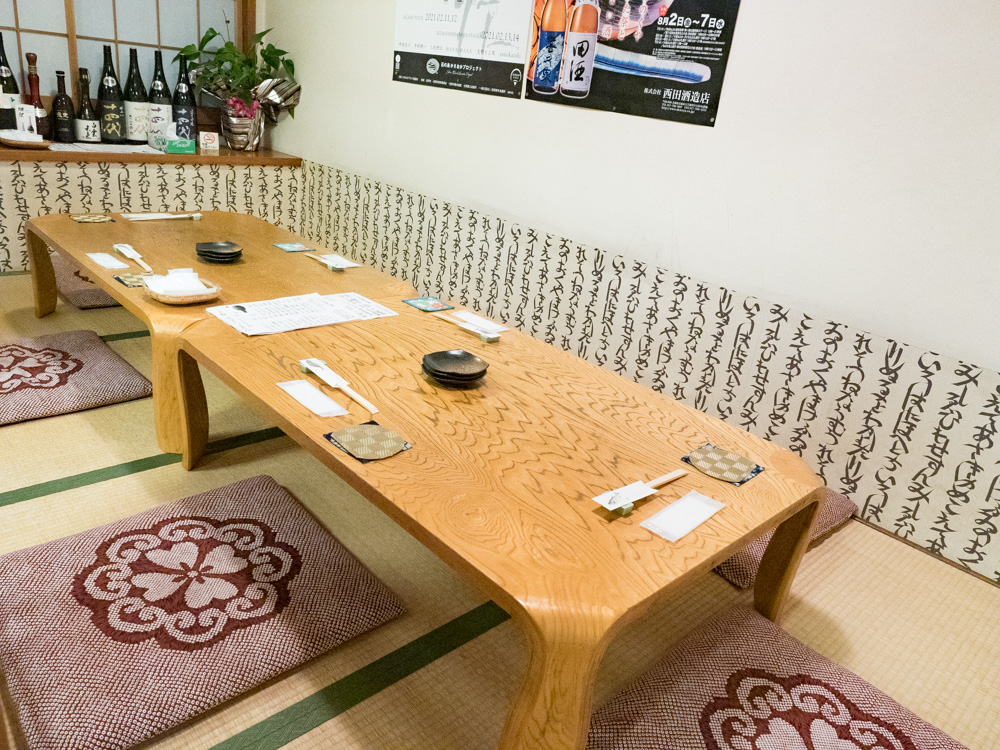
In fact, Eiseimaru has a very long history.
The business type has changed over the years, but it is said to have been established for more than 100 years.
Eiseimaru's Menu
Information as of November 2020 (Reiwa 2). Prices do not include consumption tax.
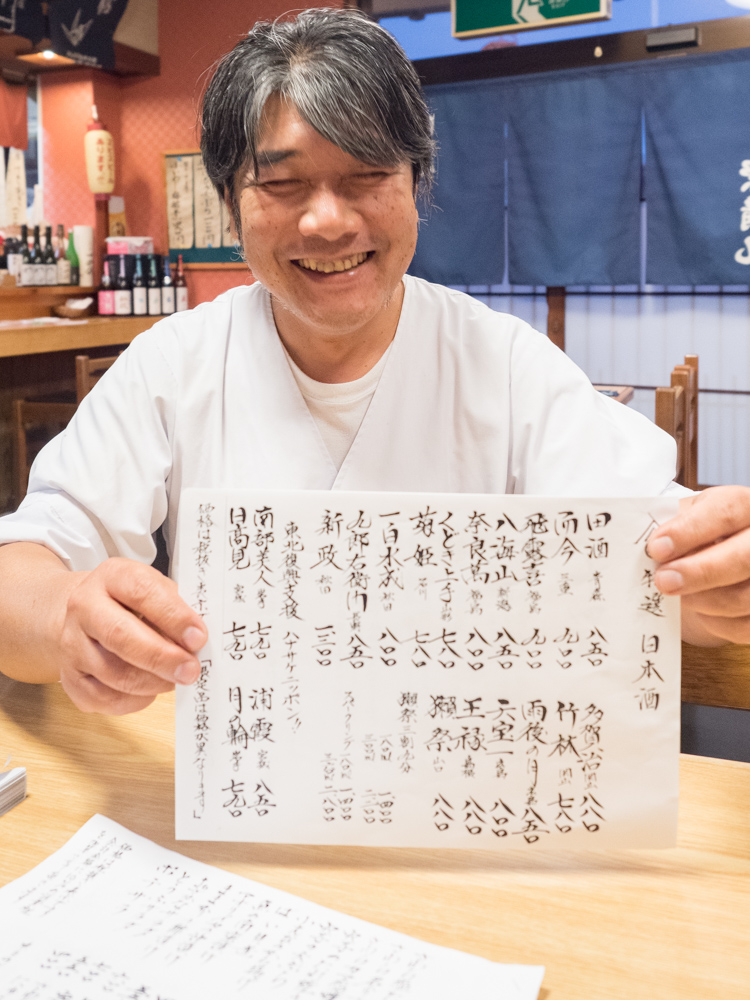
Eiseimaru's menu is broadly divided into two categories: Monthly Menu and Year-Round Menu.
Every month, you can enjoy dishes made with seasonal ingredients centered around seafood that can be caught during that time.
Moreover, the ingredients are mainly sourced from the local waters of Kasaoka.
You can enjoy seafood unique to Kasaoka.
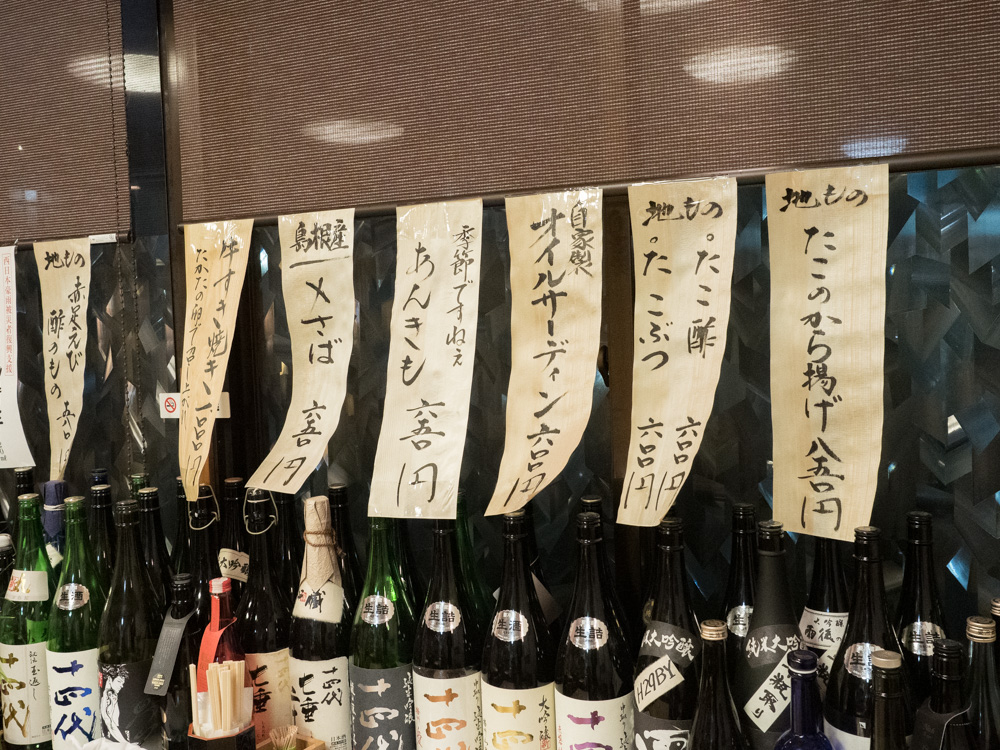
While about 70-80% of Eiseimaru's seafood comes from the local waters of Kasaoka, depending on the ingredients and the season, they may also source from other areas such as the Seto Inland Sea or Genkai-nada.
Recommended Dishes at Eiseimaru
At Eiseimaru, you can enjoy a variety of dishes.
Here, I will introduce some of the recommended dishes from Eiseimaru, as suggested by the owner, Mr. Ohashi.
The seasonal recommended ingredients and dishes are discussed by Mr. Ohashi in the latter part of the interview, so please take a look.
Recommended Dishes in November
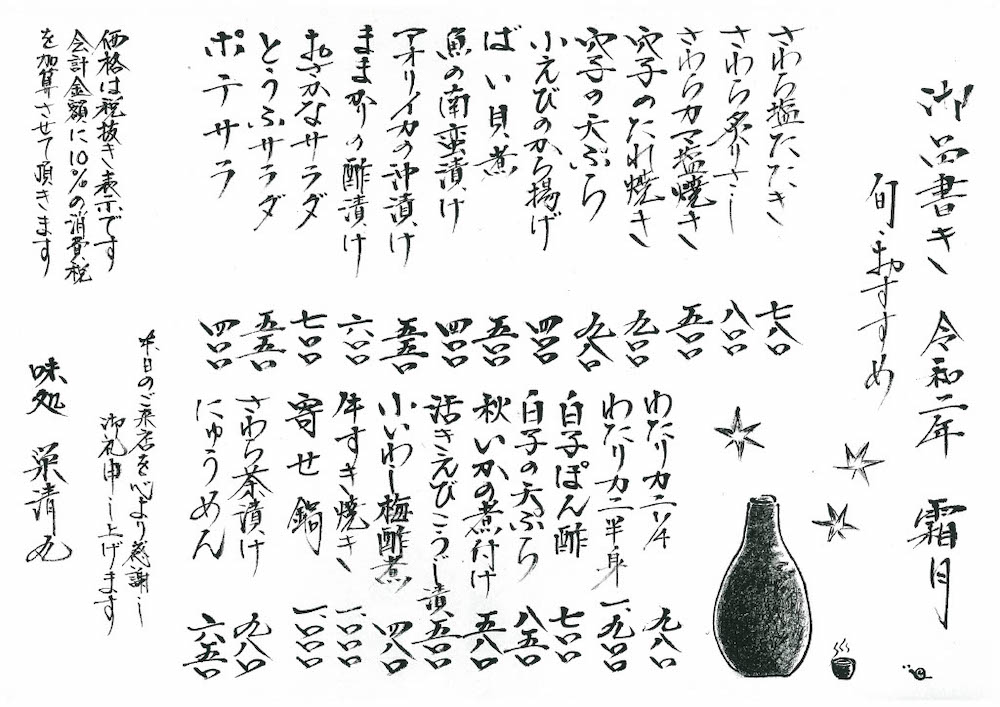
Here are some recommendations from the menu during the interview in November 2020 (Reiwa 2).
By the way, all the writing and illustrations on the menu are done by the owner, Mr. Ohashi.
Every month, Mr. Ohashi writes them by hand as the menu changes.
His handwriting is very beautiful and has a unique charm, which is surprising.
Additionally, the illustrations are cute and add a touch of elegance.
Please note that even in the same November, the content may change from year to year.
When you think of Okayama fish, think of Sawara! "Salt Tataki of Sawara" is delicious winter Sawara
When it comes to fish commonly eaten in Okayama Prefecture, Sawara (鰆) is famous.
As the kanji "鰆" suggests, Sawara is most abundant in spring.
However, the best time to eat Sawara is during the cold season!
Around November is when the cold season Sawara, known as "Kan-Sawara," starts to appear.
On the menu, there are "Salt Tataki" (780 yen), "Aburi Sashimi" (800 yen), and "Grilled Kama" (500 yen).
Mr. Ohashi's recommendation is the Salt Tataki.
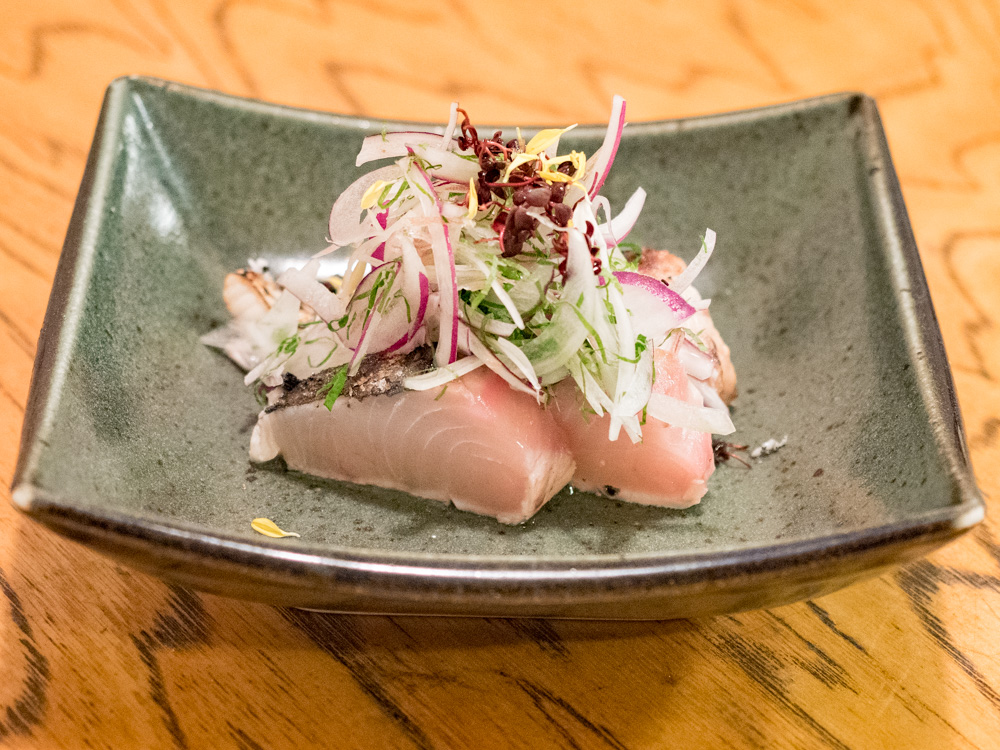
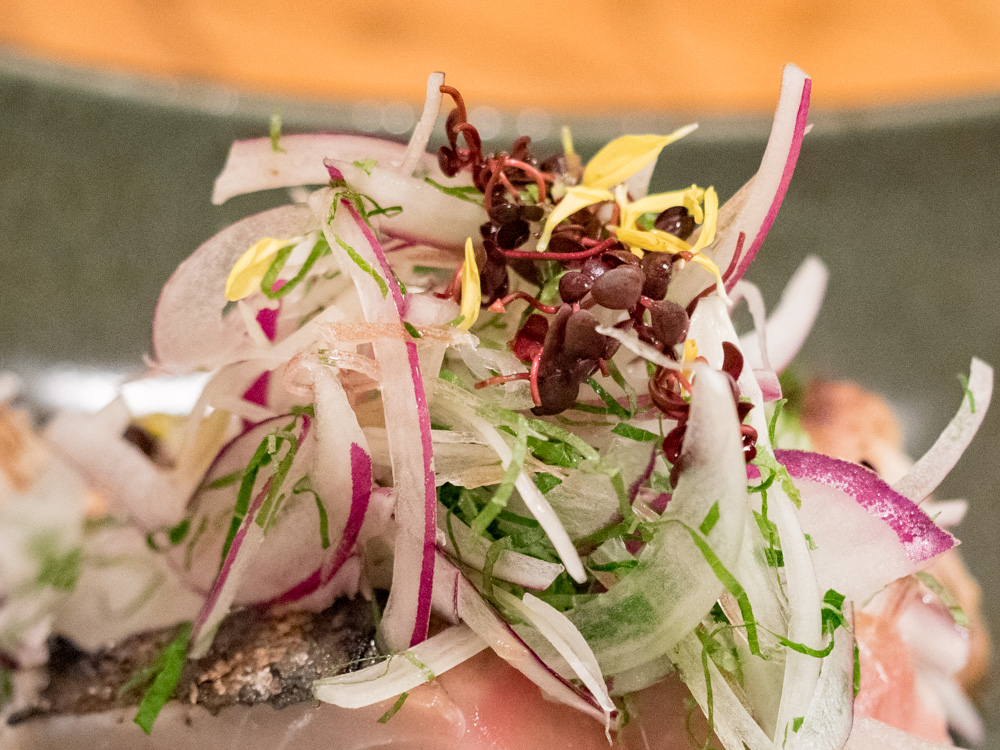
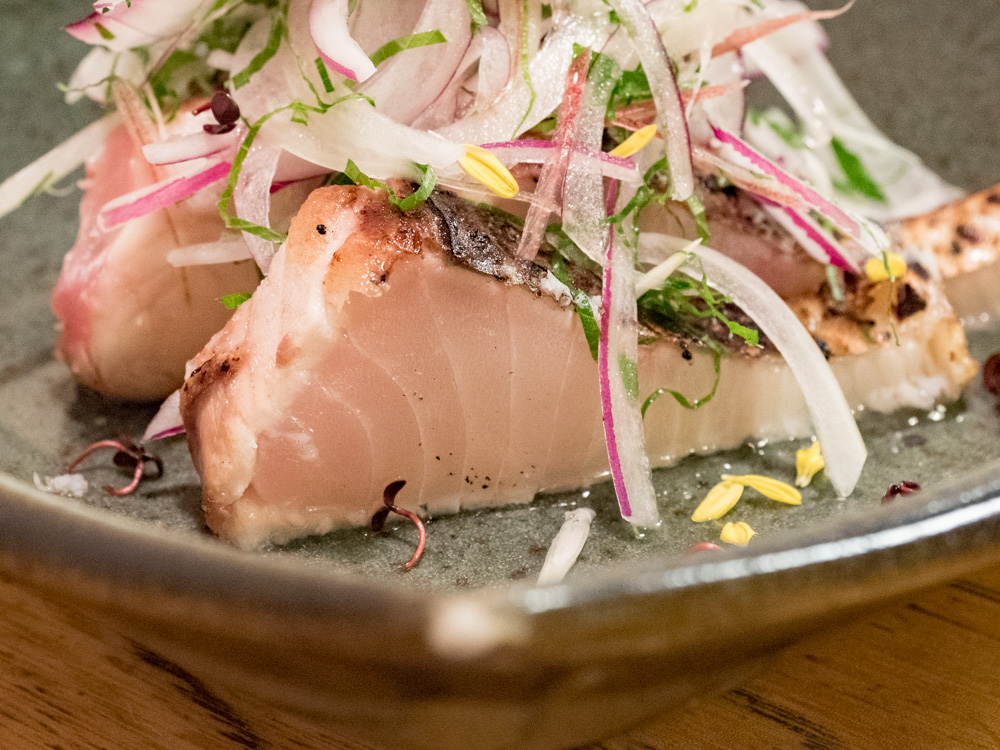
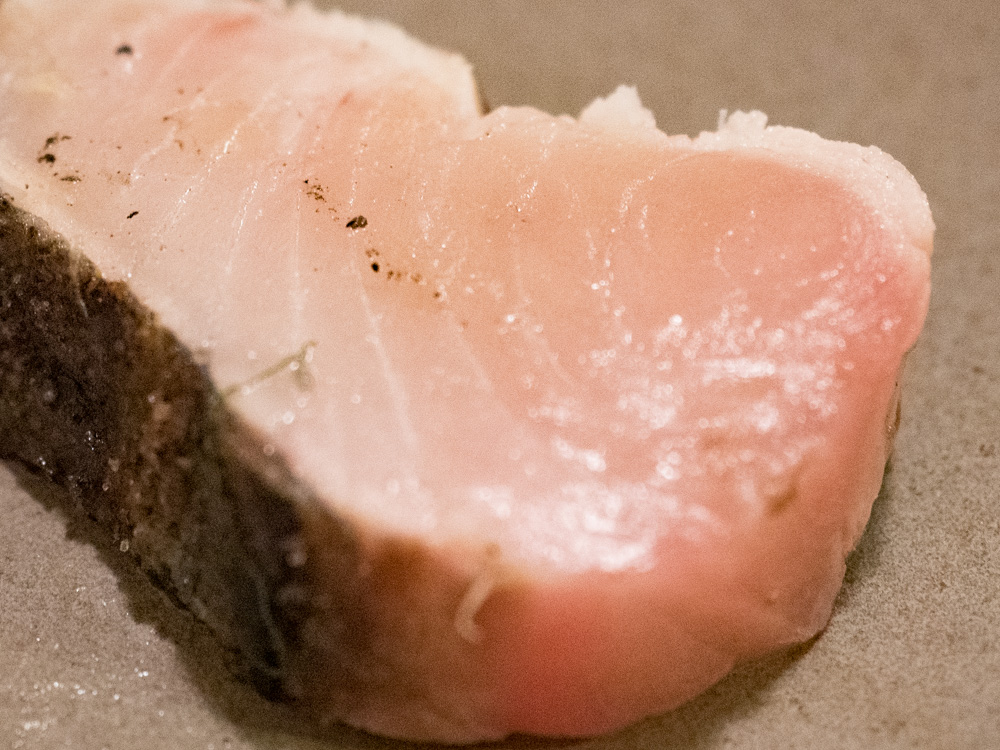
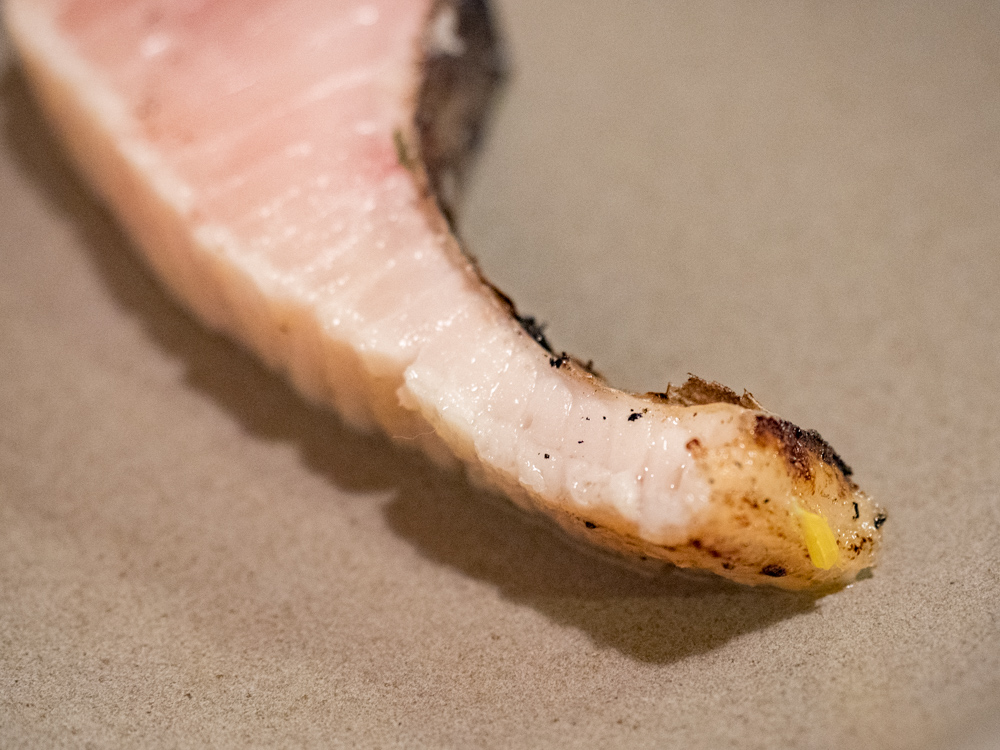
When you eat the Salt Tataki, the bouncy texture of the Sawara spreads in your mouth along with its gentle and elegant sweetness and umami.
The aroma of the grilled skin also enhances the deliciousness.
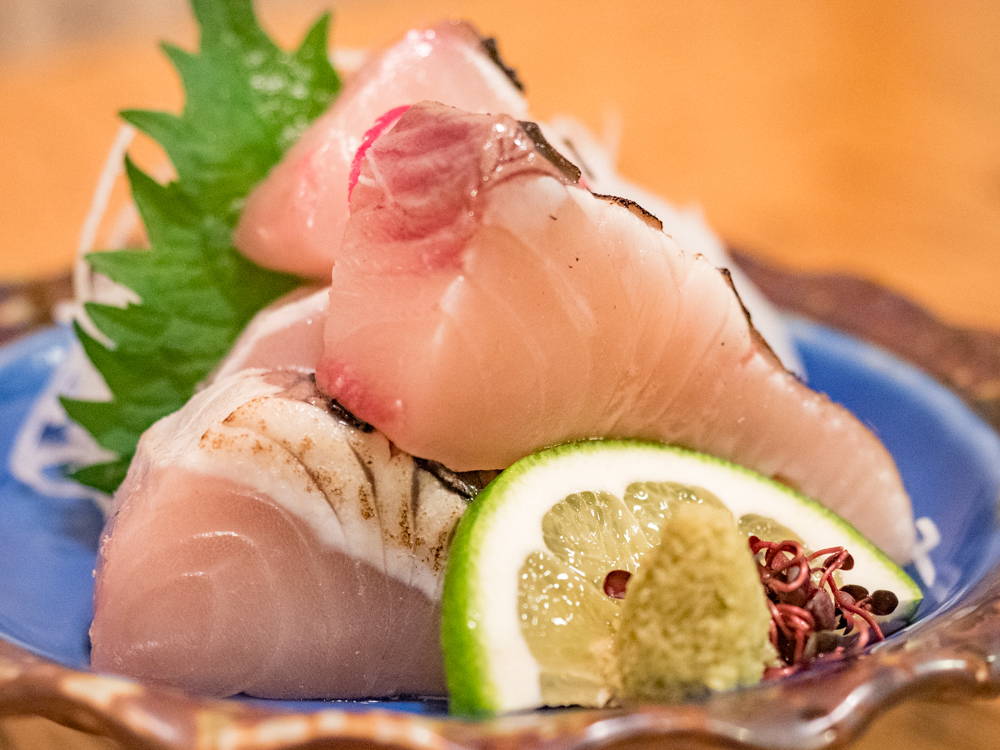
The Aburi Sashimi has a firmer texture compared to the Salt Tataki, and it was also delicious.
Please note that Sawara may be sourced from areas other than the local waters of Kasaoka depending on the season.
The Sawara during the interview was from Awaji.
As spring approaches, Sawara from the local waters of Kasaoka is expected to come in.
"Watarigani" is a winter delicacy unique to Kasaoka
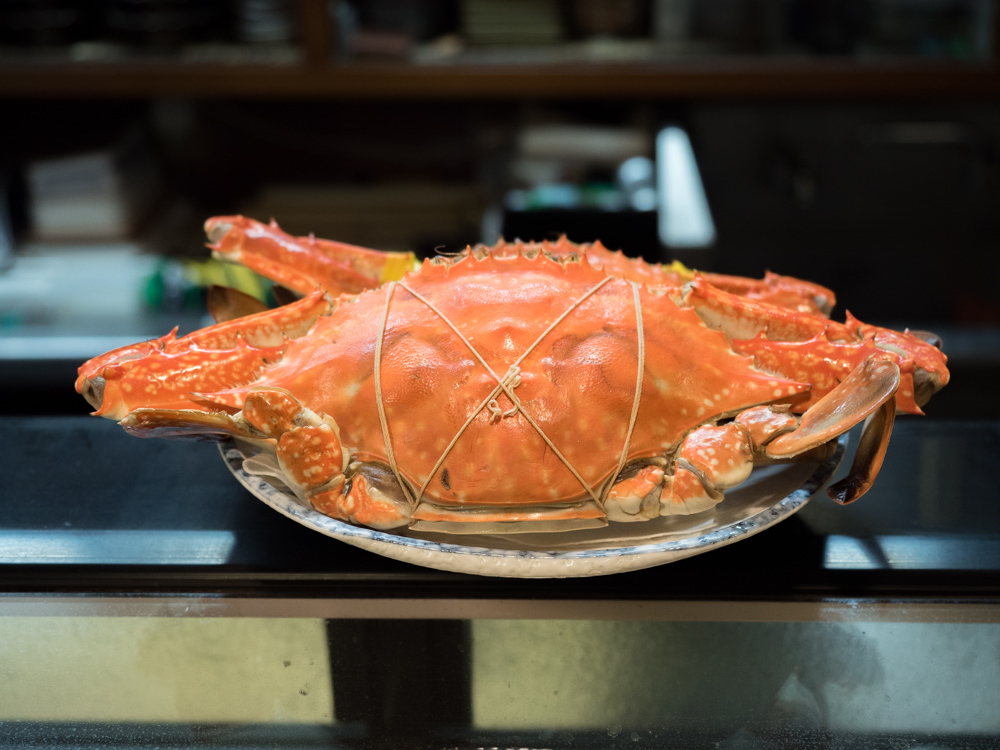
Watarigani (渡蟹) is caught in Kasaoka and the neighboring Yorishima.
In winter, females are caught.
During other seasons, males are mainly caught.
The females, which carry many eggs, have become a winter tradition in Kasaoka.
In November during the interview, it was male Watarigani.
It was just the last season for males to come in.
While the females are attractive for their eggs, the males are large and packed with meat!
Therefore, promoting the males is Eiseimaru's selling point (laughs).
Watarigani is available as half (1,900 yen) and a quarter (980 yen).
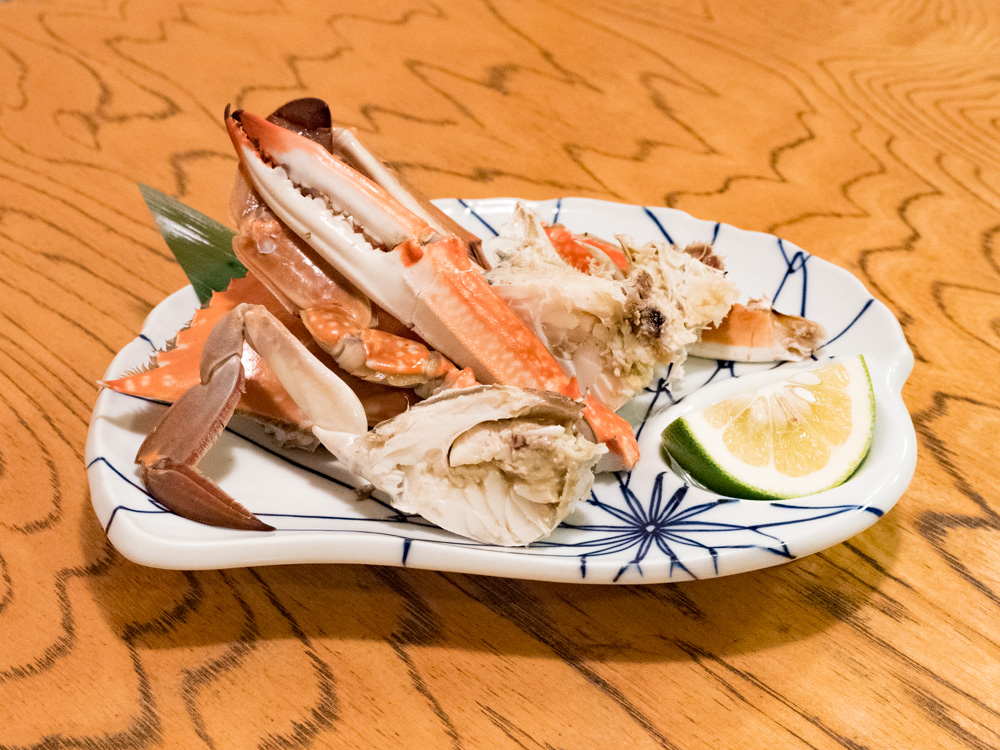
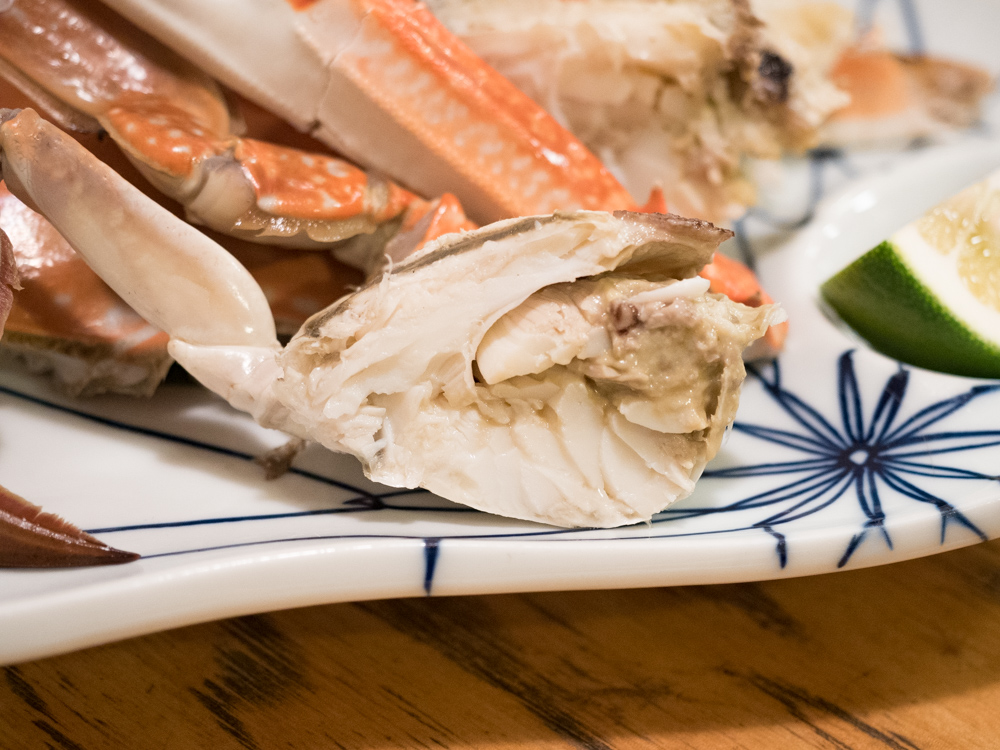
The meat of Watarigani is very rich in flavor and has a sweetness to it.
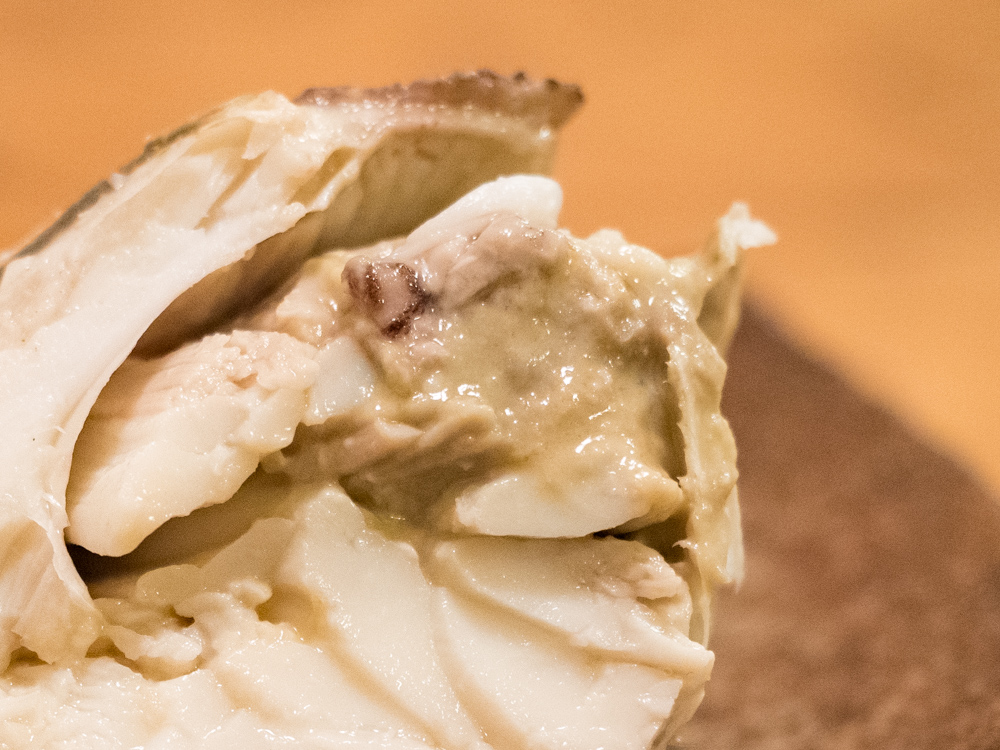
The rich "miso" has a unique and intense flavor.
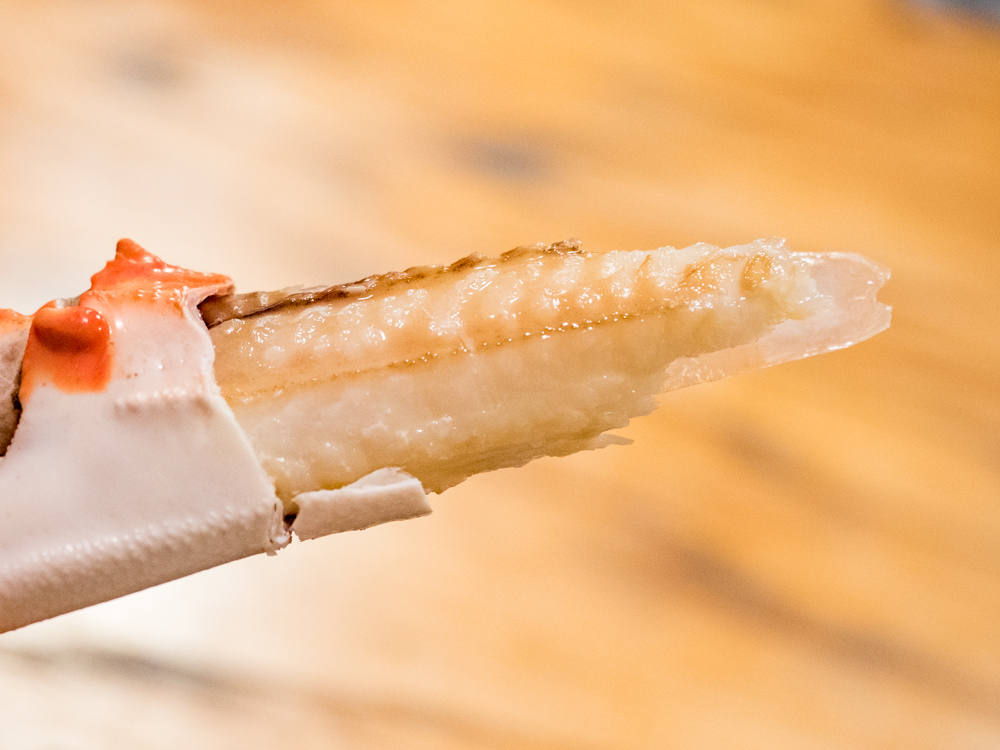
I found myself silently engrossed in picking the meat from the crab.
"Kouji-marinated Live Shrimp" is one of the signature dishes passed down since the owner's grandfather
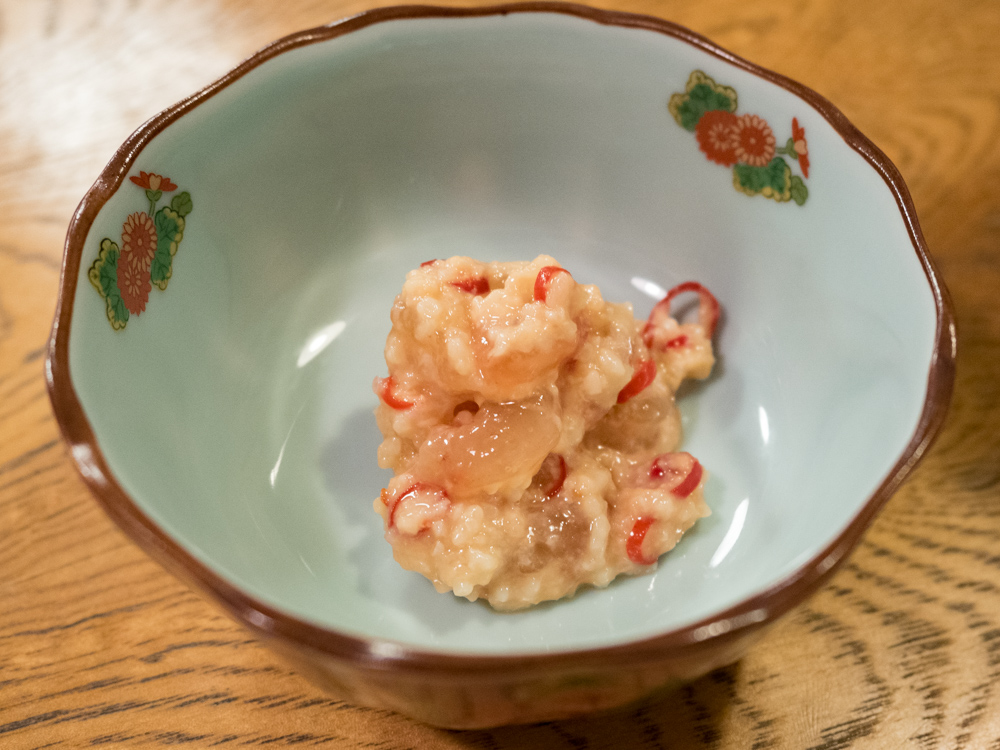
"Kouji-marinated Live Shrimp" (500 yen) is a traditional signature dish of Eiseimaru that has been passed down since the owner's grandfather's time.
Live shrimp caught in Kasaoka are peeled, salted, and then marinated in koji for about 10 days.
Kouji-marinated live shrimp is treated as a seasonal menu item, but we strive to offer it year-round as much as possible.
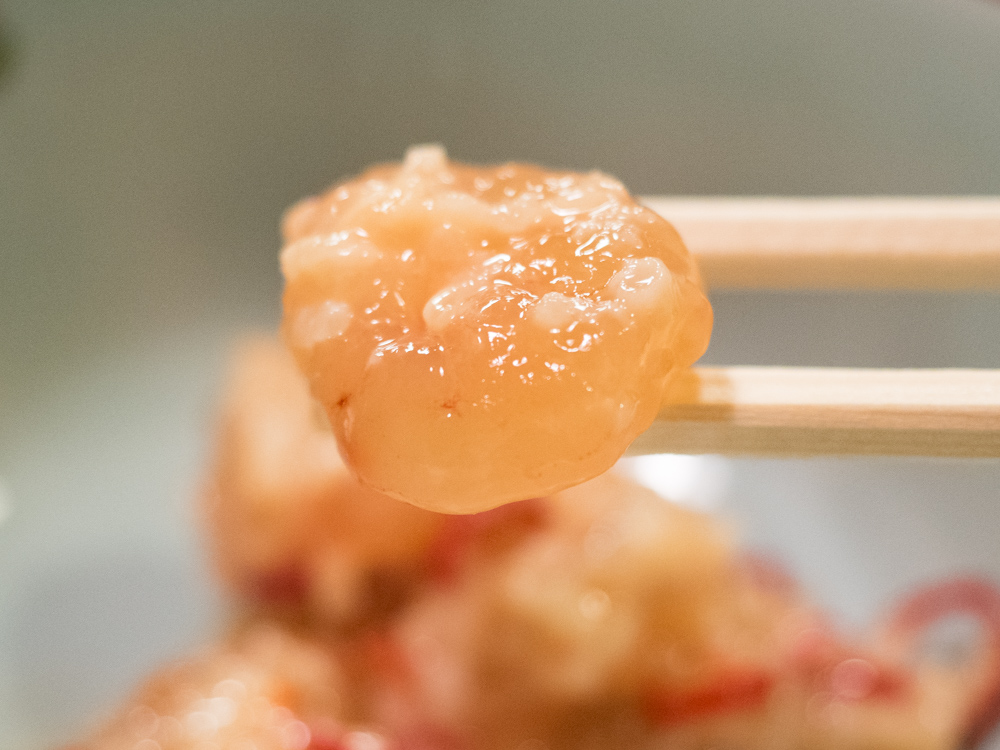
The sweet and salty flavor is complemented by the gentle aroma of koji.
At the same time, the sake is sipped slowly.
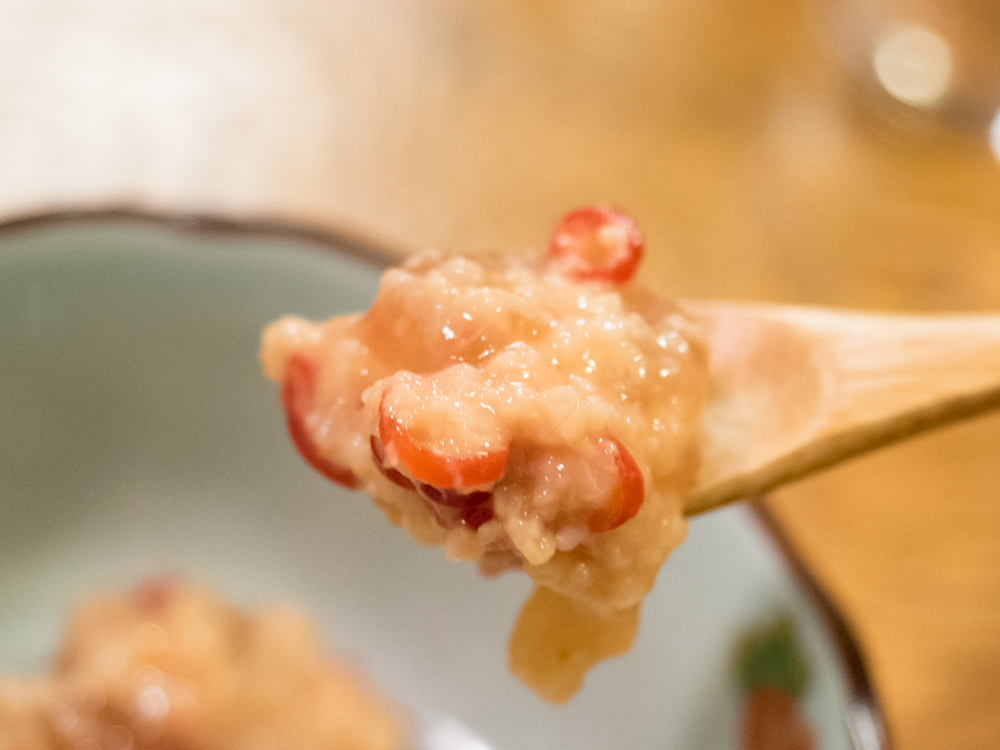
Marinated live shrimp with koji is perfect as a snack with sake.
Moreover, it seems to pair well with rice as well.
Additionally, marinated live shrimp with koji is available for takeout.
One plate is 500 yen, and one jar is 1,500 yen.
Recommended Year-Round Menu
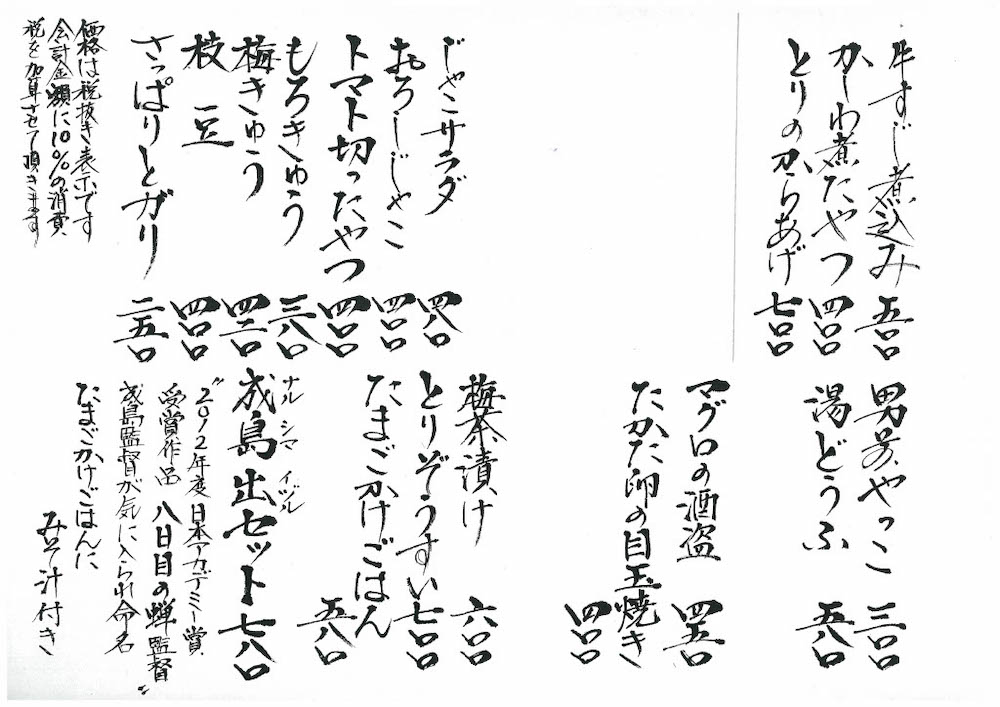
The year-round menu features a variety of delicious dishes.
Notable items include "Kashiwa Nita Yatsu" (400 yen) and the "Narushima Izuru Set" (780 yen).
Kashiwa Nita Yatsu is the same chicken meat that is served on top of Kasaoka ramen.
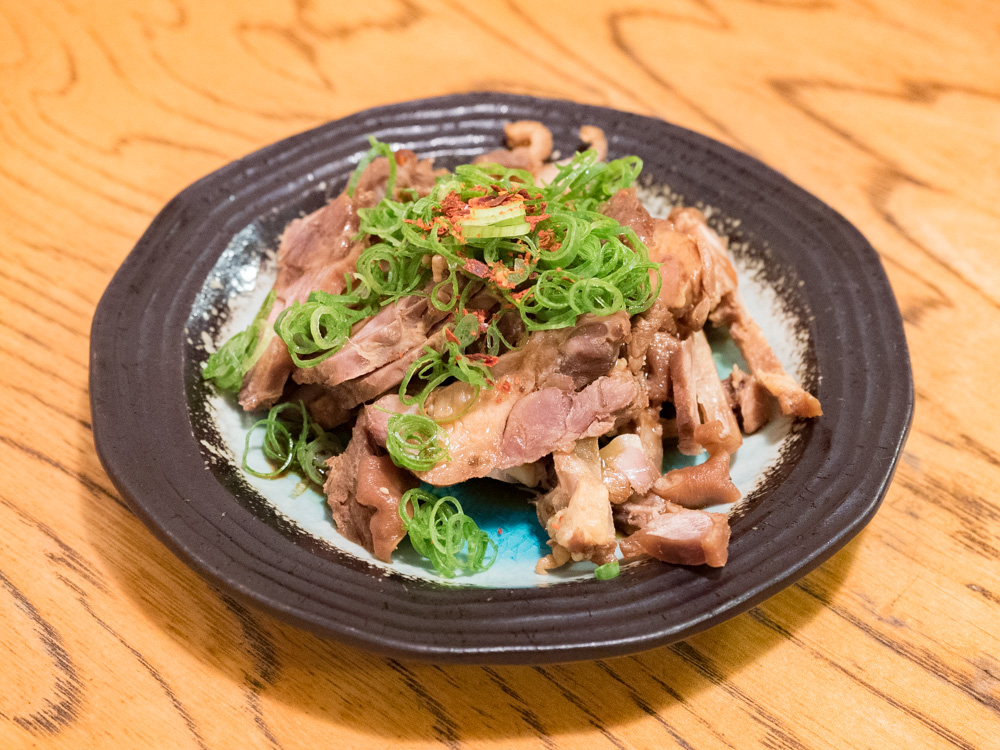
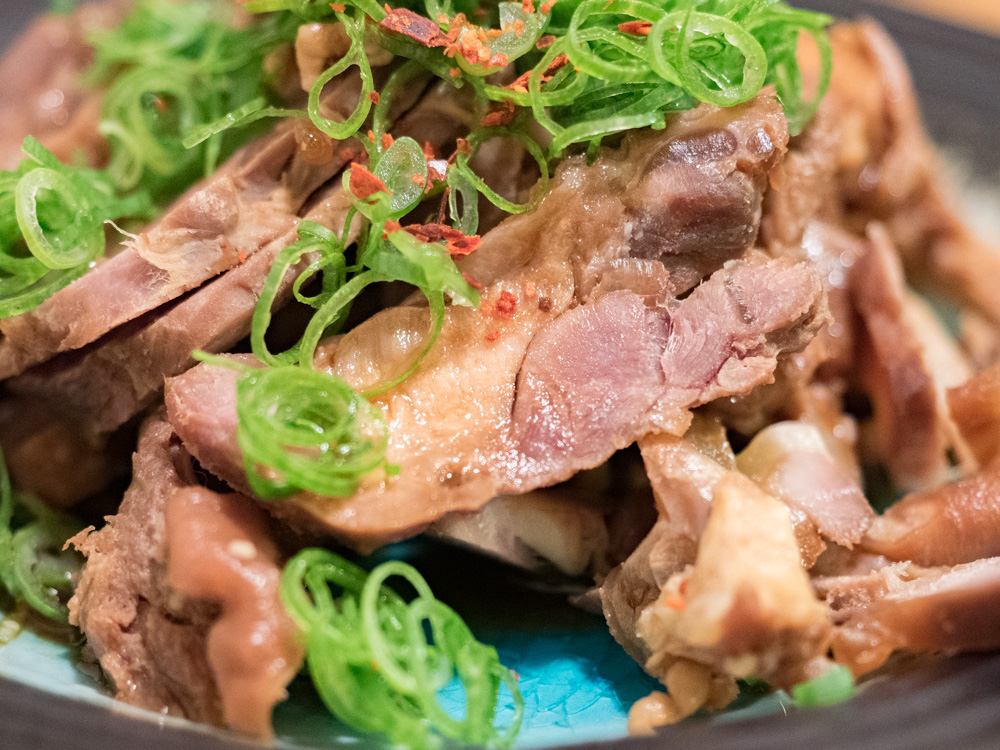
The "Narushima Izuru Set" was created after the film director Narushima Izuru visited the restaurant, ordered it, and liked it, so it was added to the menu with his consent.
It includes rice topped with eggs from Takada Egg Farm in Kasaoka and a bowl of miso soup.
By the way, Director Narushima's film "Chair on the Prairie" was filmed in locations around Kasaoka, including the Kasaoka Islands.
During that time, Eiseimaru was also used as a filming location.
"Chuka Soba (Kasaoka Ramen)" is Eiseimaru's Popular "Secret Menu"
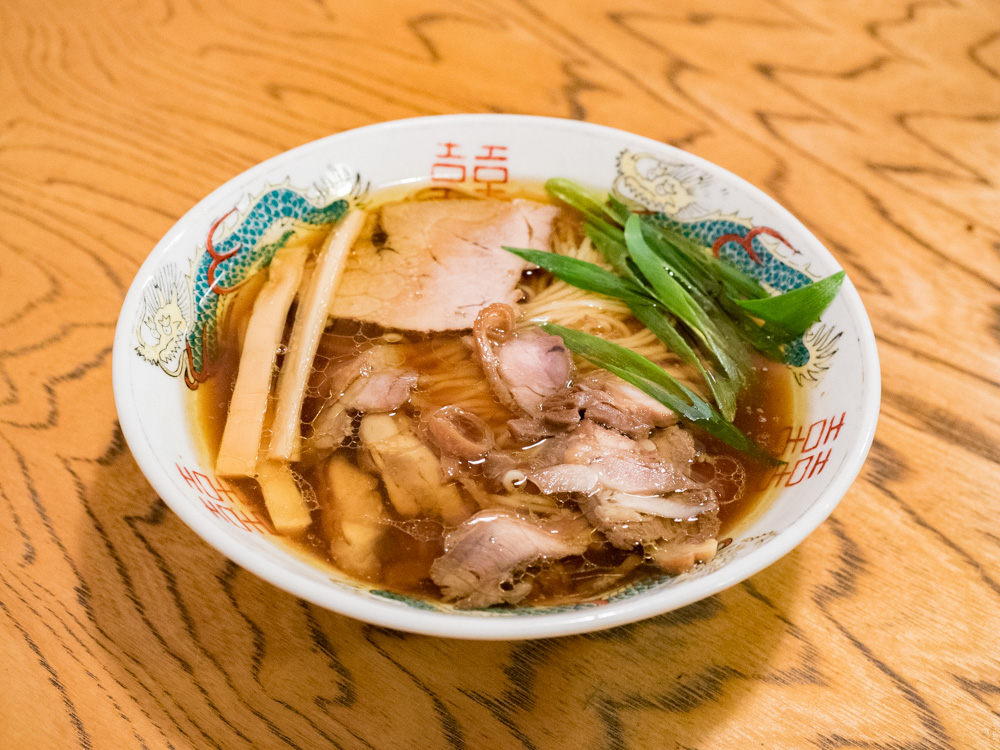
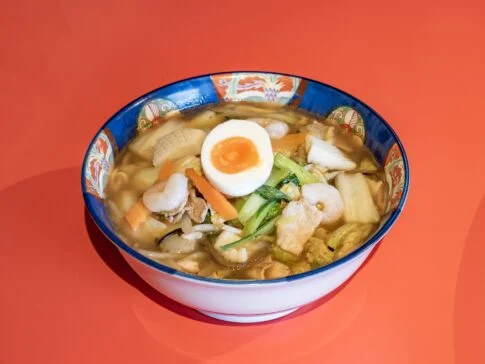
Although it is not listed on the menu, Eiseimaru has a popular dish called "Chuka Soba" (650 yen).
It is the so-called "Kasaoka Ramen," a local specialty.
It has unique twists that make it comparable to ramen specialty shops in terms of flavor.
We will do our best to accommodate orders for Chuka Soba (ramen) alone, but since it is not on the menu, it may take some time.
Before becoming an izakaya, Eiseimaru was a public dining hall that also served ramen.
That's why the ramen is delicious.
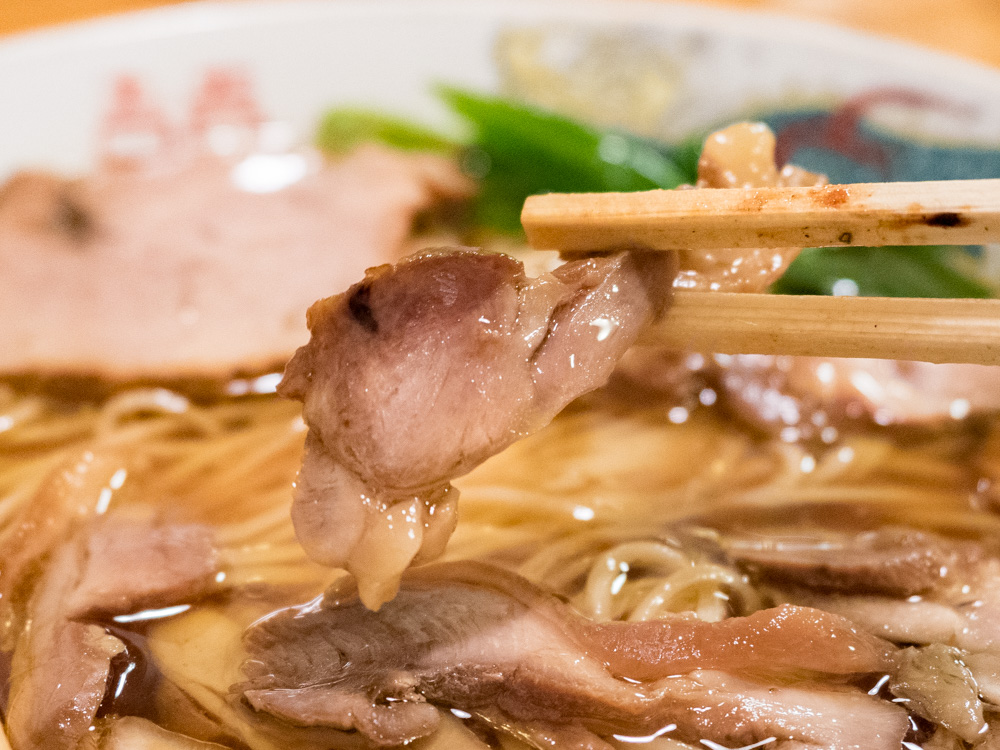
The sweet and spicy boiled chicken releases its flavor with every bite, making it rich in taste.
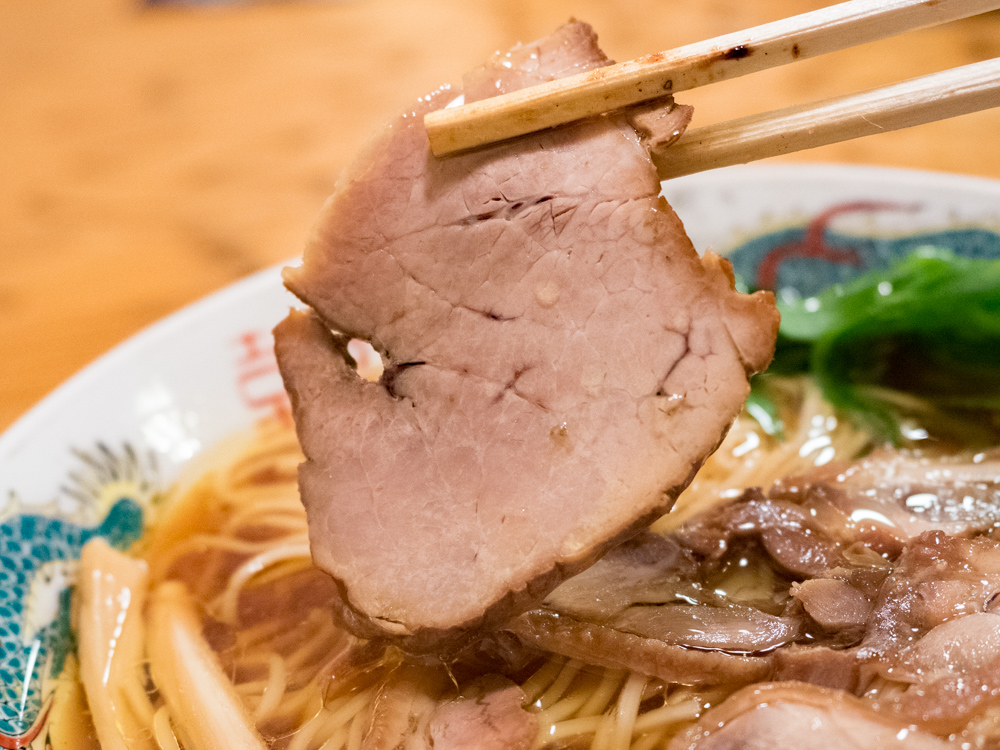
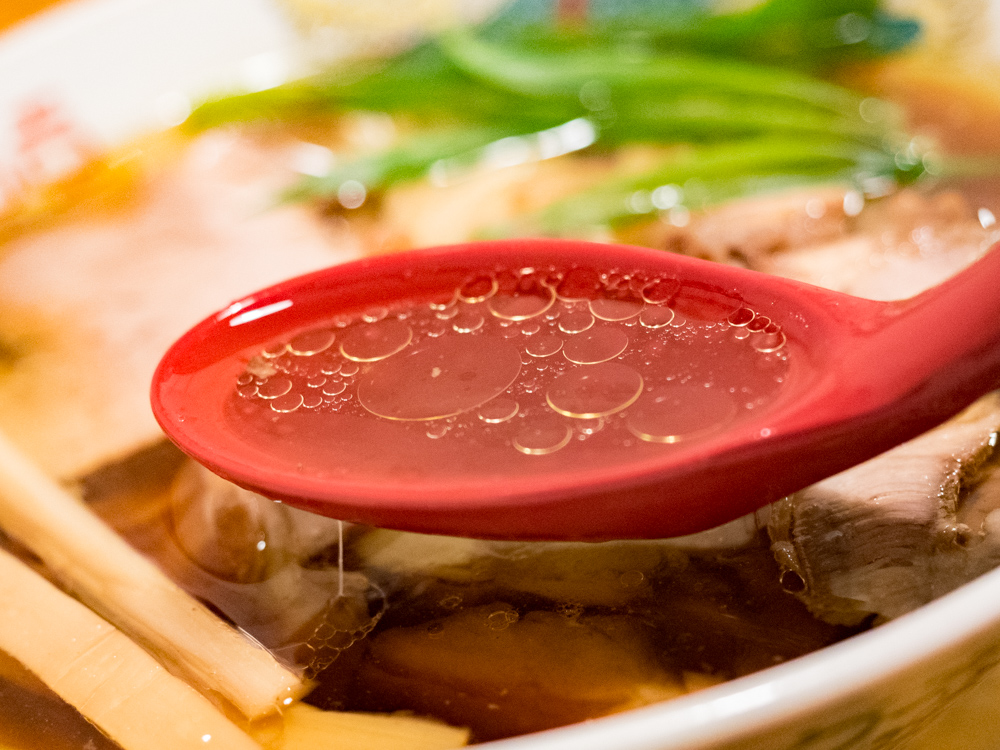
The soup is on the sweeter side. With the first sip, the sweet and spicy flavor and the taste of the broth spread out.
Then, a faint sweet aroma of ginger wafts through.
The flavor of ginger is rare and seems addictive.
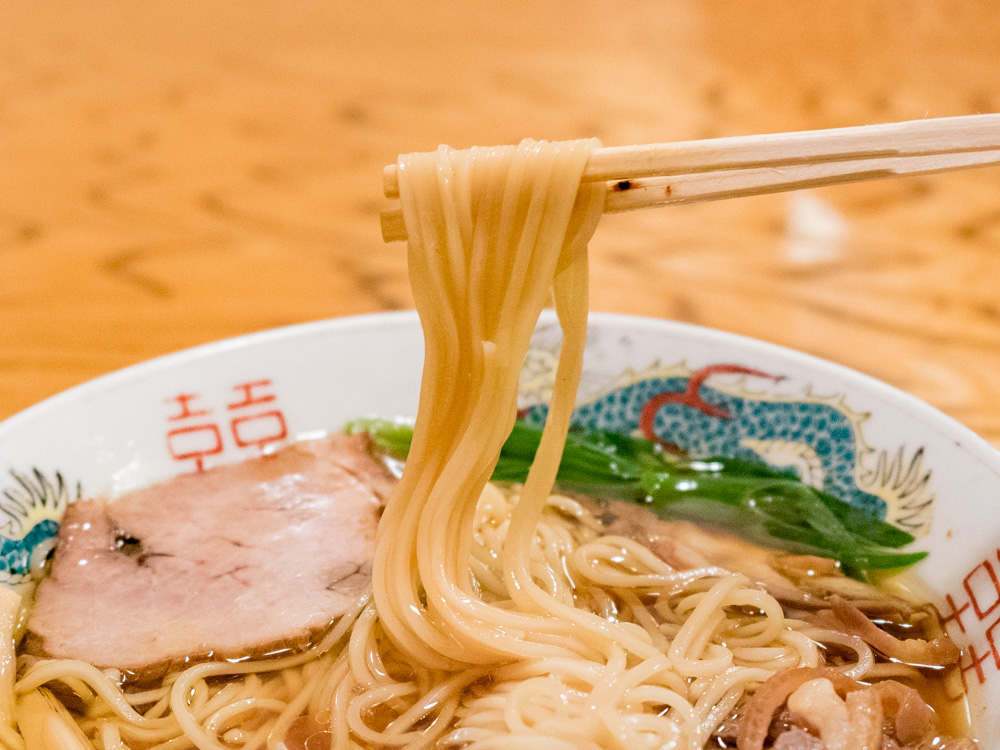
Overall, it was a refreshing tasting Chuka Soba.
It is indeed perfect for a finishing dish.
It might also be good to eat it first to fill your stomach.
A Focus on Sake!
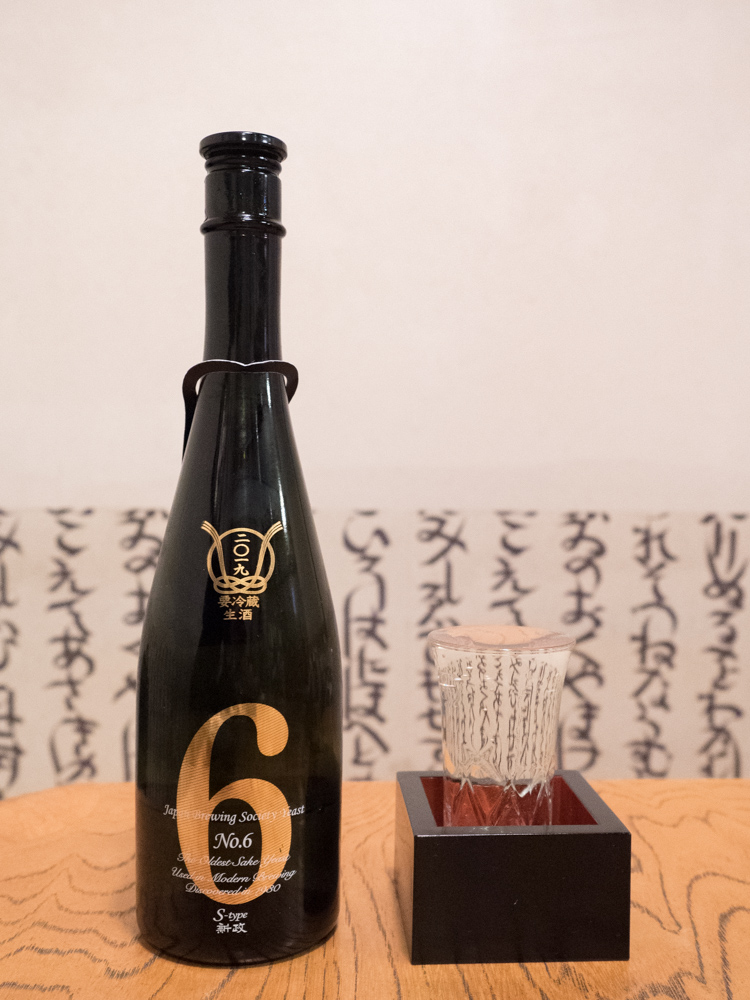
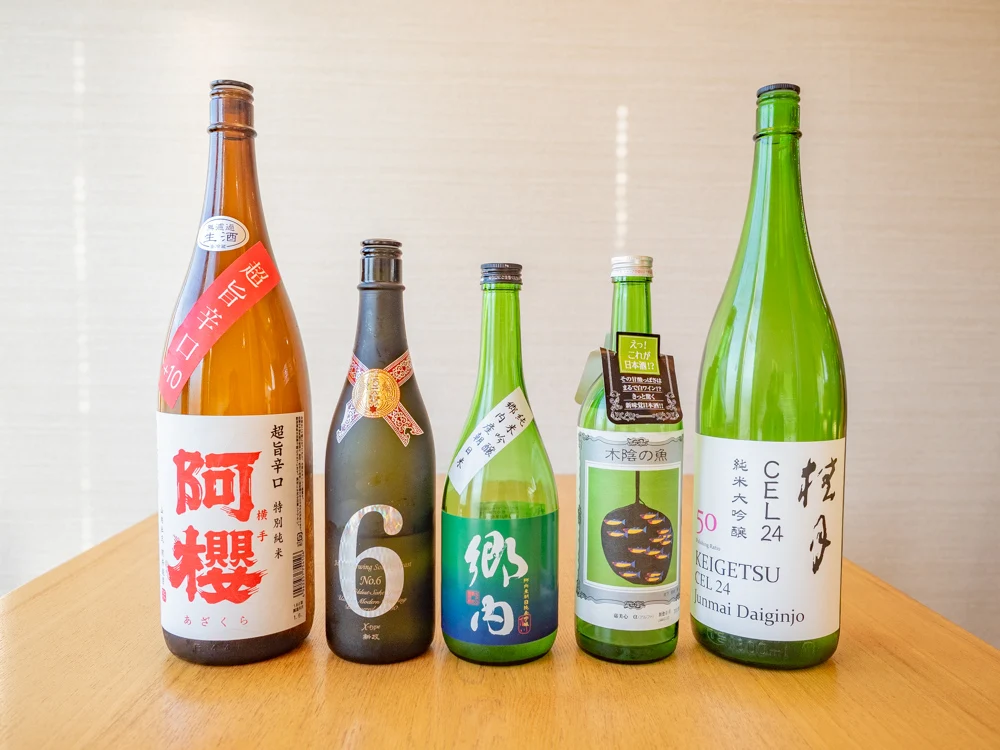
Eiseimaru is particular about sake, offering a selection of carefully chosen brands by the owner.
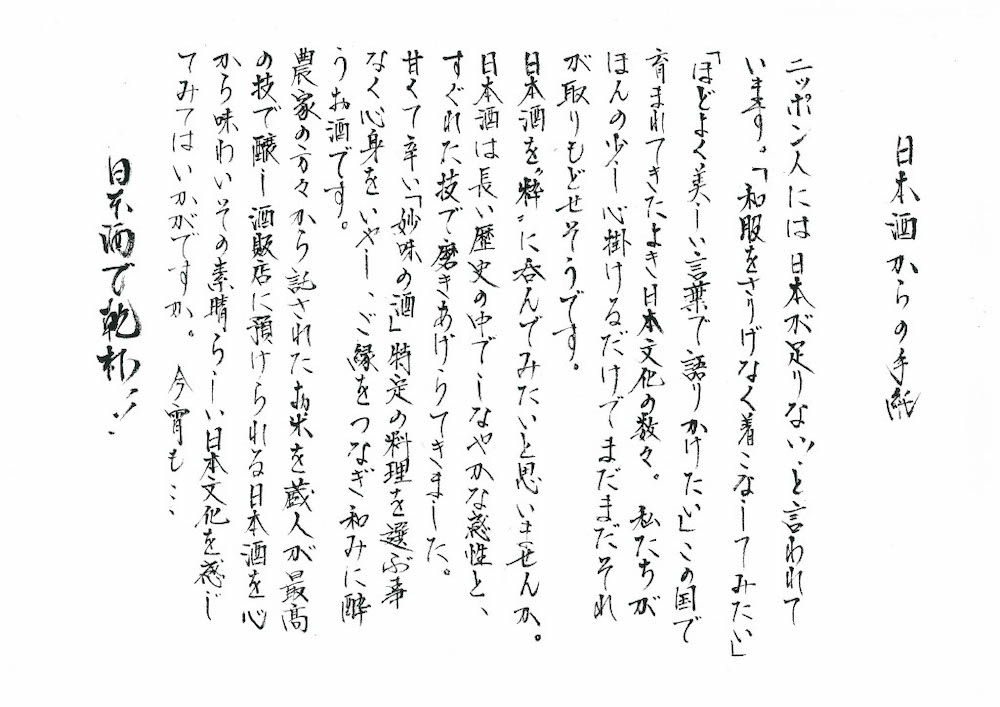
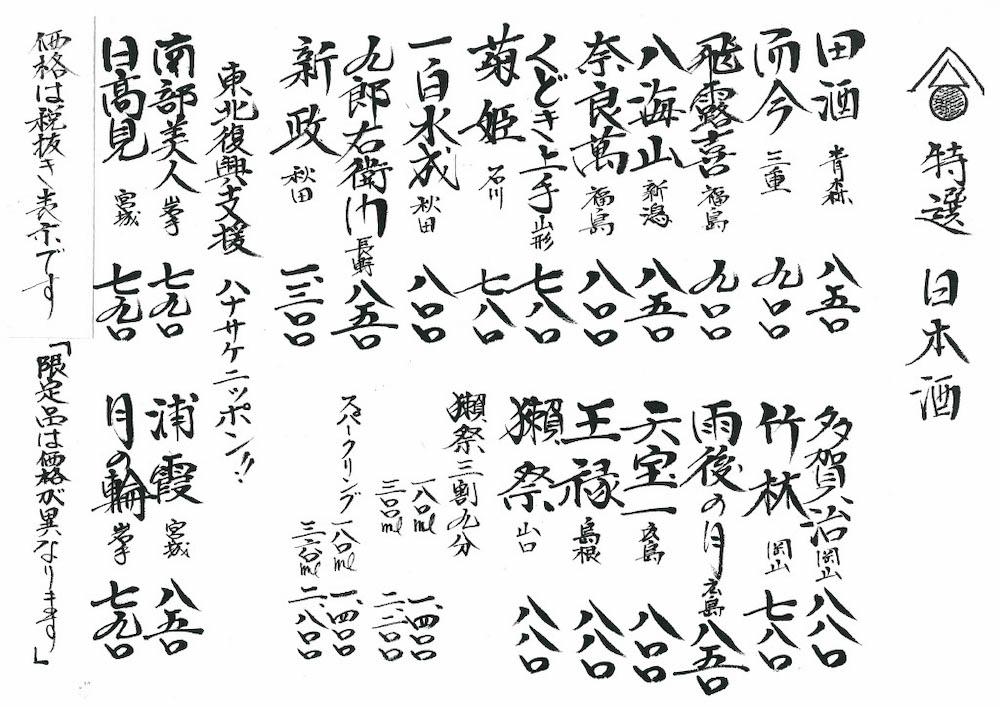
Please note that the types of brands available may change depending on the season and stock status.
Also, limited editions may have different prices, so please ask the staff.
Mr. Ohashi's recommendations are as follows.
- Juyondai (Yamagata Prefecture)
- Jikon (Mie Prefecture)
- Naramon (Fukushima Prefecture)
- Aramasa (Akita Prefecture)
- Hidakami (Miyagi Prefecture)
- Tagaji (Okayama Prefecture, Kurashiki City)
- Tenpoichi (Hiroshima Prefecture, Fukuyama City)
- Dassai (Yamaguchi Prefecture, Iwakuni City)
Among them, Eiseimaru's top recommendation is "Juyondai".
Juyondai is a rare brand from Yamagata that is difficult to obtain.
Due to its rarity, Juyondai is limited to one cup per person.
Please refrain from ordering in large quantities.
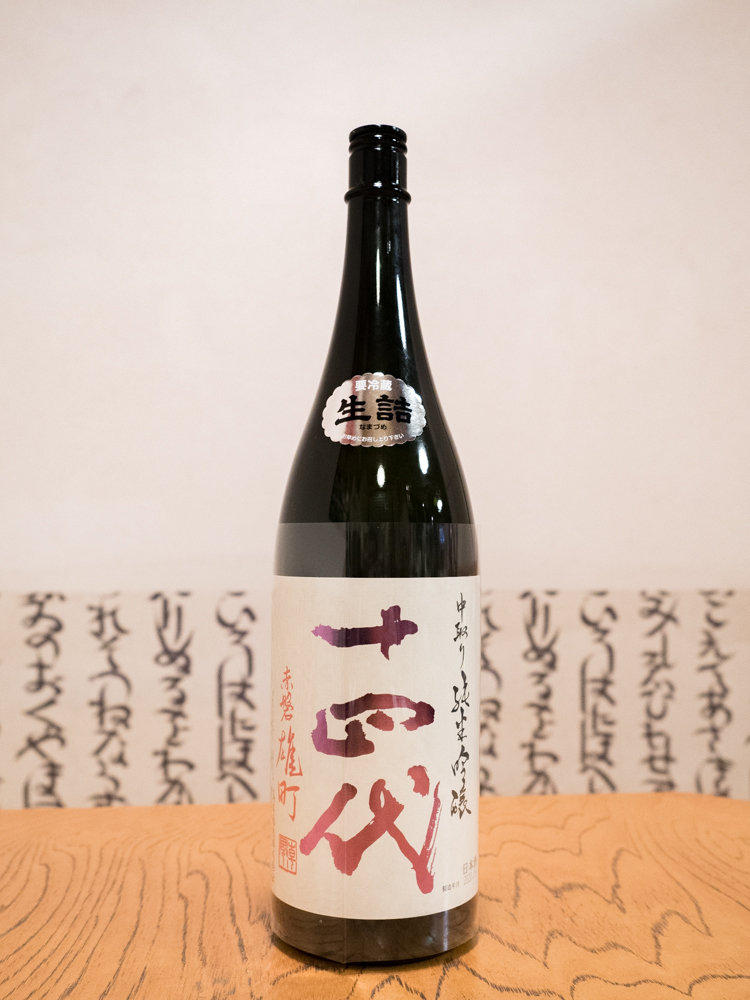
Juyondai Chudori Junmai Ginjo Akaiwa Omachi uses rice from Akaiwa City, which is a sake rice called "Omachi" born in Okayama City.
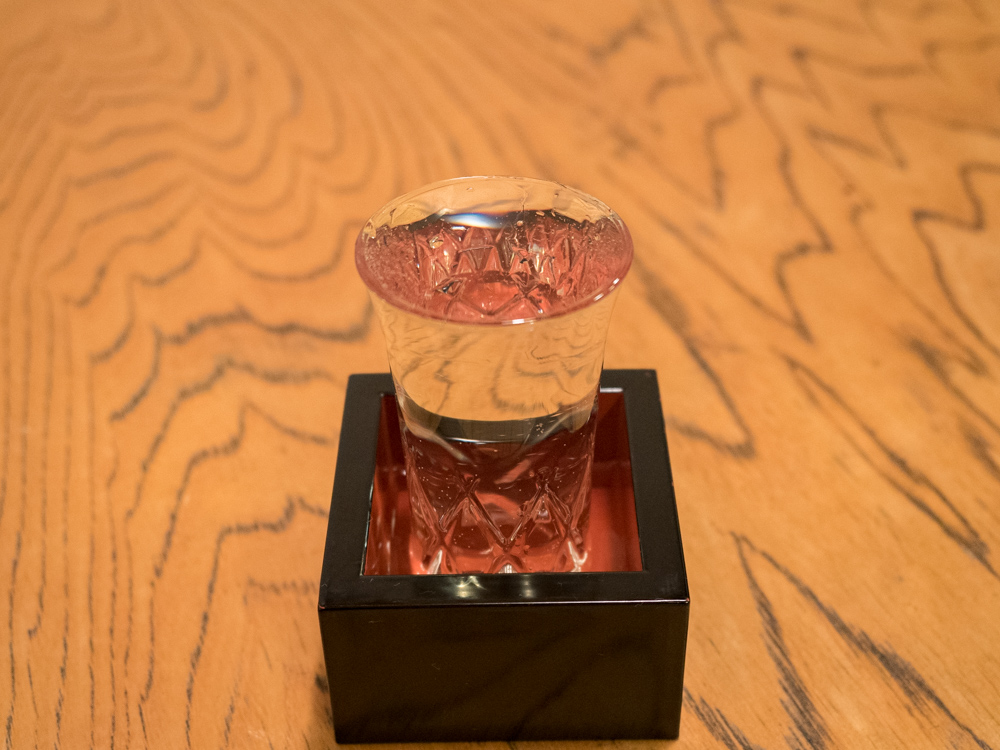
As a highly popular brand, it was a very delicious sake.
Next, we have the famous sake from Nabari City, Mie, called "Jikon".
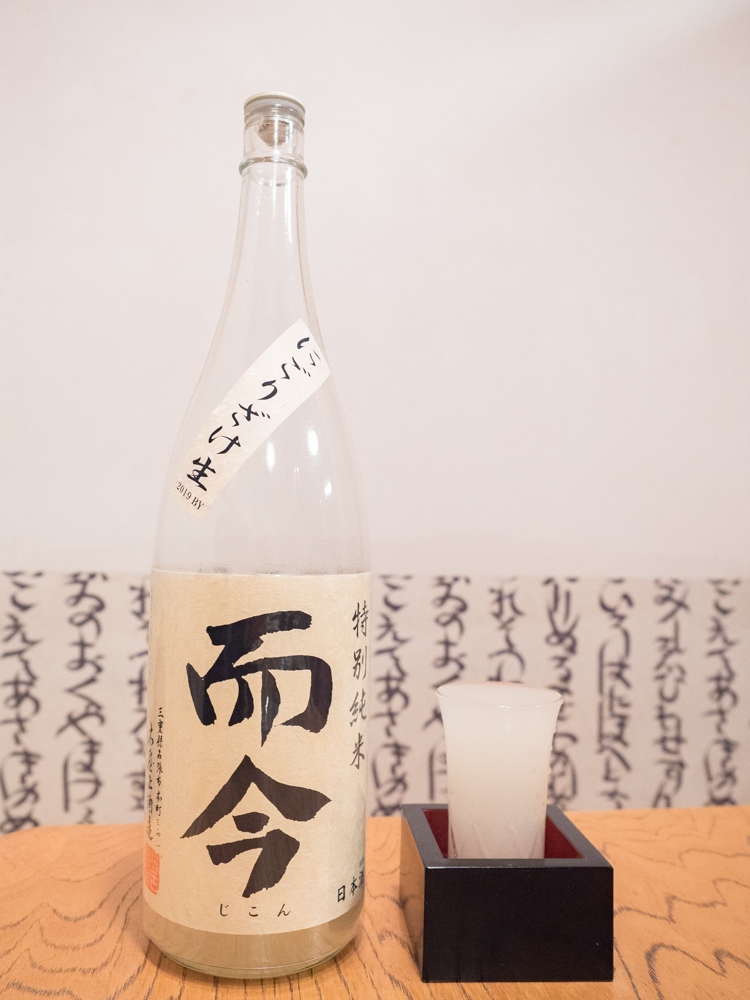
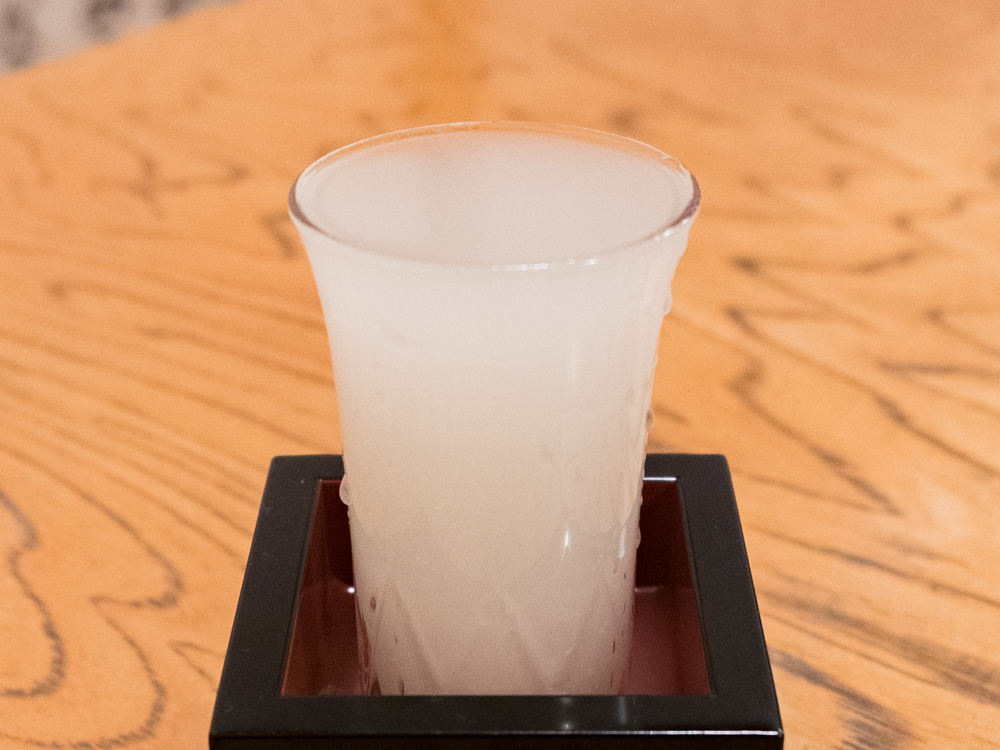
It has a refreshing mouthfeel with a rich sweetness.
And it has a taste reminiscent of a slight carbonation.
It leaves a very refreshing impression.
Local sake from Okayama and Bingo is also recommended!
Local sake includes "Tagaji" from Juhachisakagura in Kojima, Kurashiki City.
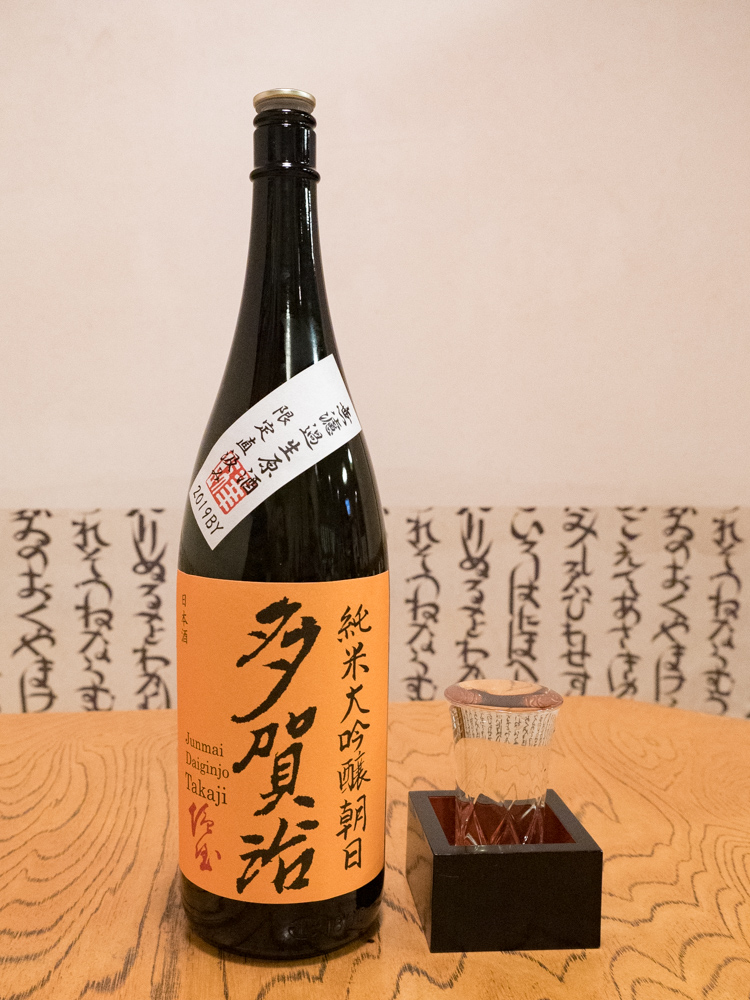
Tagaji Junmai Daiginjo Asahi Unfiltered Nama Genshu uses the representative rice of Okayama, "Asahi".
It has a rich flavor and a gentle mouthfeel.
Another local sake is "Tenpoichi," a brand from Fukuyama, located next to Kasaoka.
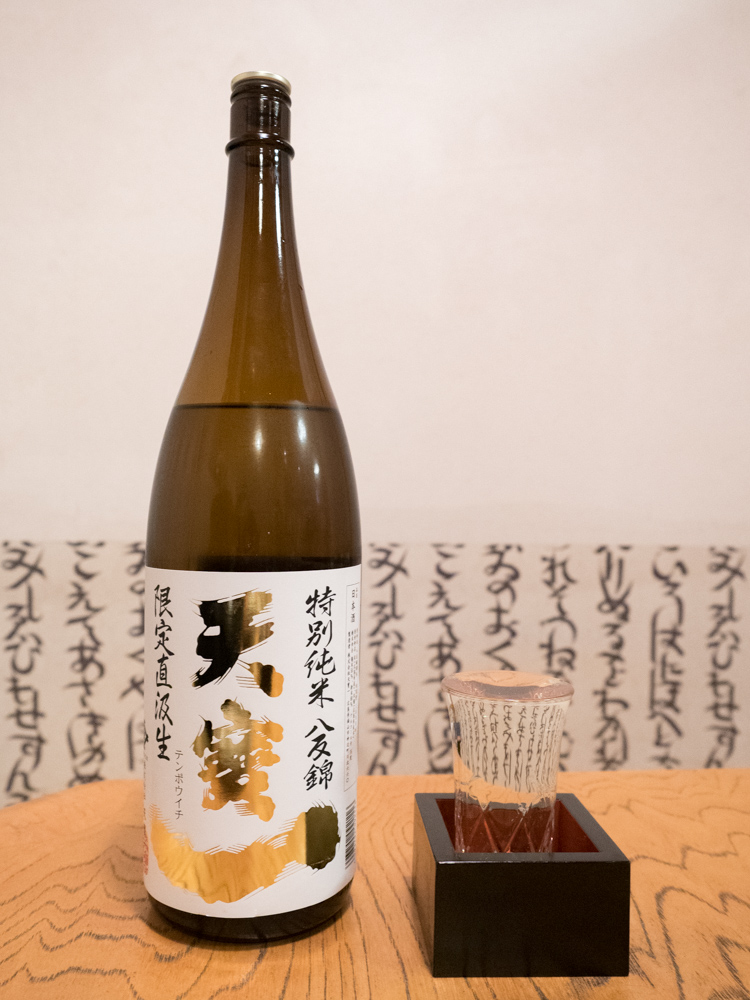
Tenpoichi's Tokubetsu Junmai Hattan Nishiki Limited Direct Fill Nama has a very fresh taste.
It has a refreshing flavor with a crisp aftertaste.
Additionally, when you're unsure which sake to choose, I recommend the "Sake Tasting".
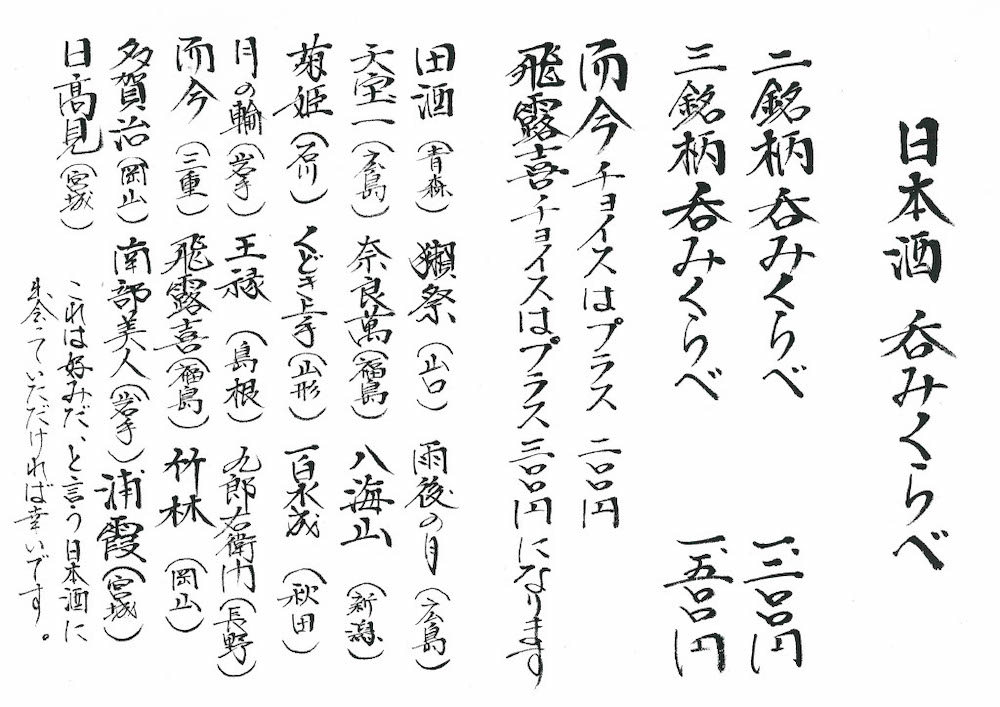
With many selectable brands, it's perfect for sake lovers.
Also, don't miss the cheese from "Il Ricottaro" that pairs well with sake.
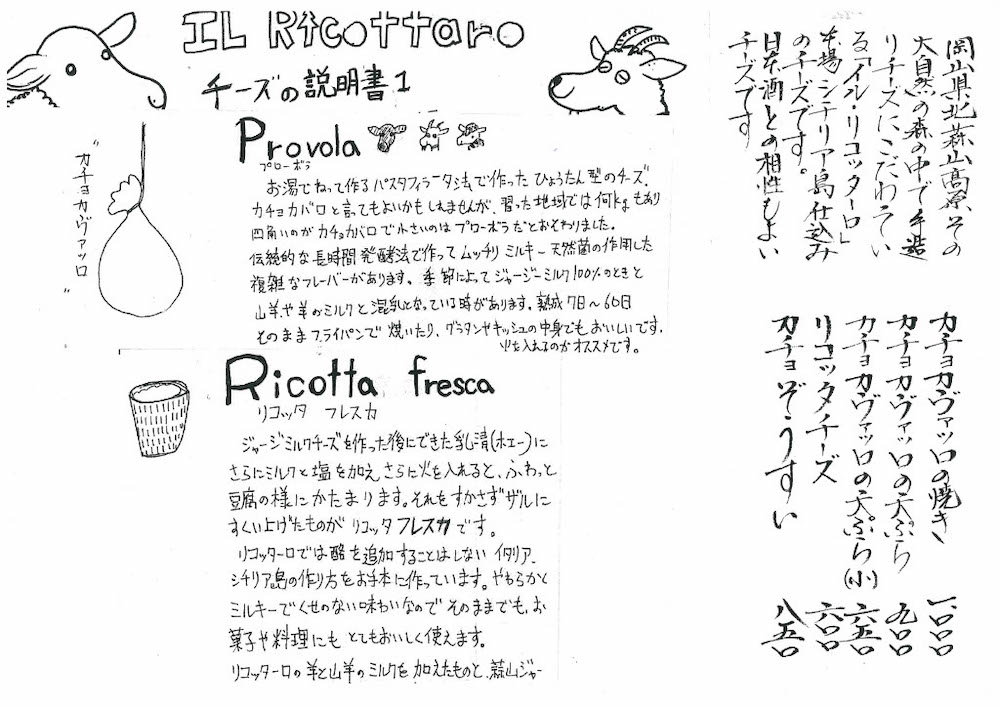
In addition to sake, there are also shochu (sweet potato, rice, barley), umeshu, and beer available.
Eiseimaru offers seasonal "local flavors" from Kasaoka.
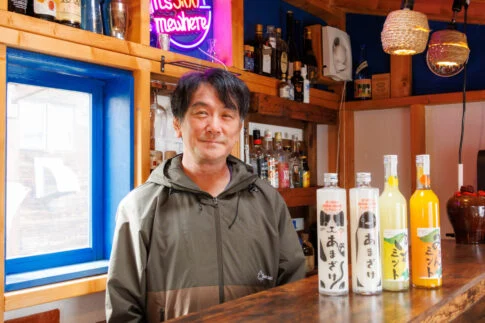
I interviewed the owner, Ohashi Hisashi.
Ajidokoro Eiseimaru Information
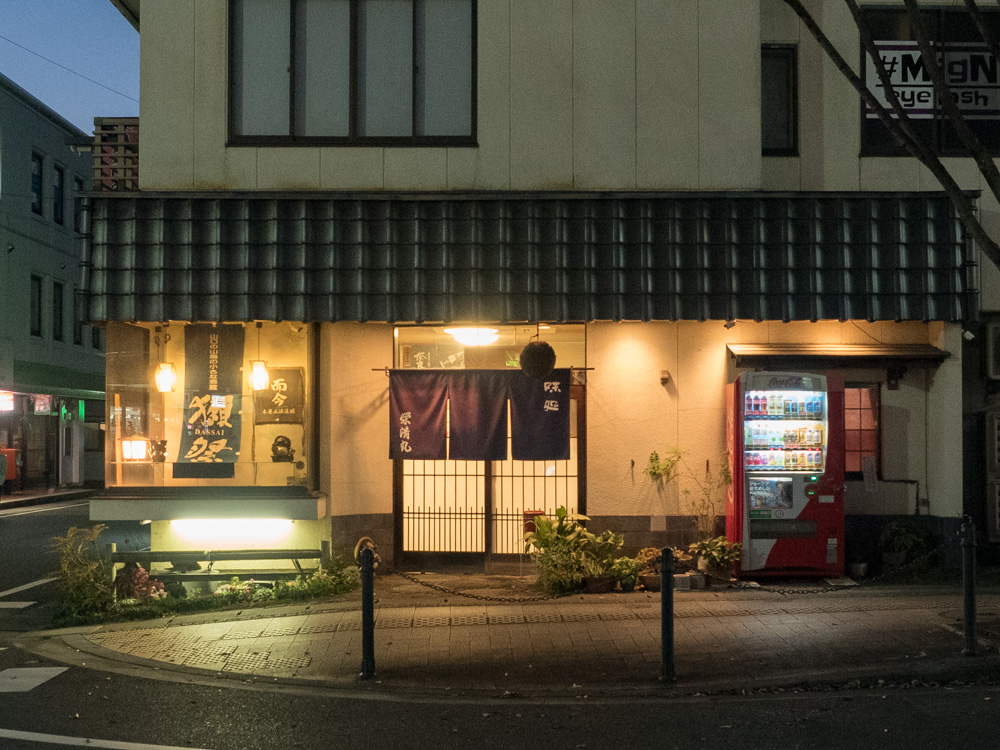
| Name | Ajidokoro Eiseimaru |
|---|---|
| Address | 33-4 Chuo-cho, Kasaoka City, Okayama Prefecture |
| Contact | 0865-62-2763 |
| Parking | None |
| Business Hours | 5:30 PM - 10:00 PM |
| Regular Holiday | Sunday |
| Payment Method |
|
| Reservation Availability | Available |
| Seating | Total 35 seats ・Counter: 5 seats ・Table seats for 6: 1 table ・Table seats for 4: 4 tables ・Tatami seating for 4: 2 tables 【During COVID-19 measures, the following】 Total 27 seats ・Counter: 3 seats ・Table seats for 3: 2 tables ・Table seats for 4: 3 tables ・Tatami seating for 3: 2 tables |
| Smoking | Completely non-smoking |
| Toilet | Western-style toilet |
| Childcare | Generally, entry for children under elementary school age is not allowed |
| Barrier-Free | ・Wheelchair accessible ・Toilet is not wheelchair accessible |

What do you want to know about Kurashiki?
By entering words, you can search articles from this site




























Sawara during the cold season is rich in fat and becomes very thick and delicious.
The thickness of the belly meat can be about 2 centimeters!