Just as people whose native language is Japanese take "writer courses" to improve their writing skills, those who use sign language in their daily lives may also participate in "sign language study sessions" to refine their sign language expressions.
That said, there are only about 1 in 400 people with hearing disabilities, and opportunities to meet peers who regularly use sign language are rare.
Since moving to Kurashiki from the Kanto region in December 2023, I have gradually had more opportunities to meet older individuals with hearing disabilities, but opportunities to meet peers in their 20s and 30s have been quite limited.
In such a context, I learned about the existence of the Okayama Prefecture Association for the Welfare of the Hearing Impaired Youth Division and participated in a sign language study session.
Overview of the Sign Language Study Session
The sign language study session was held on Saturday, June 22, 2024, from 1:30 PM to 4:30 PM in the conference room of the Okayama Prefecture Hearing Impaired Center in Okayama City.
This study session is a joint project of the Okayama Prefecture Association for the Welfare of the Hearing Impaired Youth Division and the Okayama Prefecture Sign Language Interpreter Issues Research Group's Next Generation Activities Committee (hereinafter referred to as "N-Action Okayama").
The Okayama Prefecture Association for the Welfare of the Hearing Impaired, a public interest incorporated association, engages in creating spaces for individuals, promoting sign language, and dispatching sign language interpreters. The Youth Division primarily provides opportunities for individuals up to their 30s to build connections and offer lifelong learning.
Although the Okayama Prefecture Association for the Welfare of the Hearing Impaired is an organization in Okayama Prefecture, similar organizations exist in all 47 prefectures across the country, and youth divisions are active in each of those prefectures.
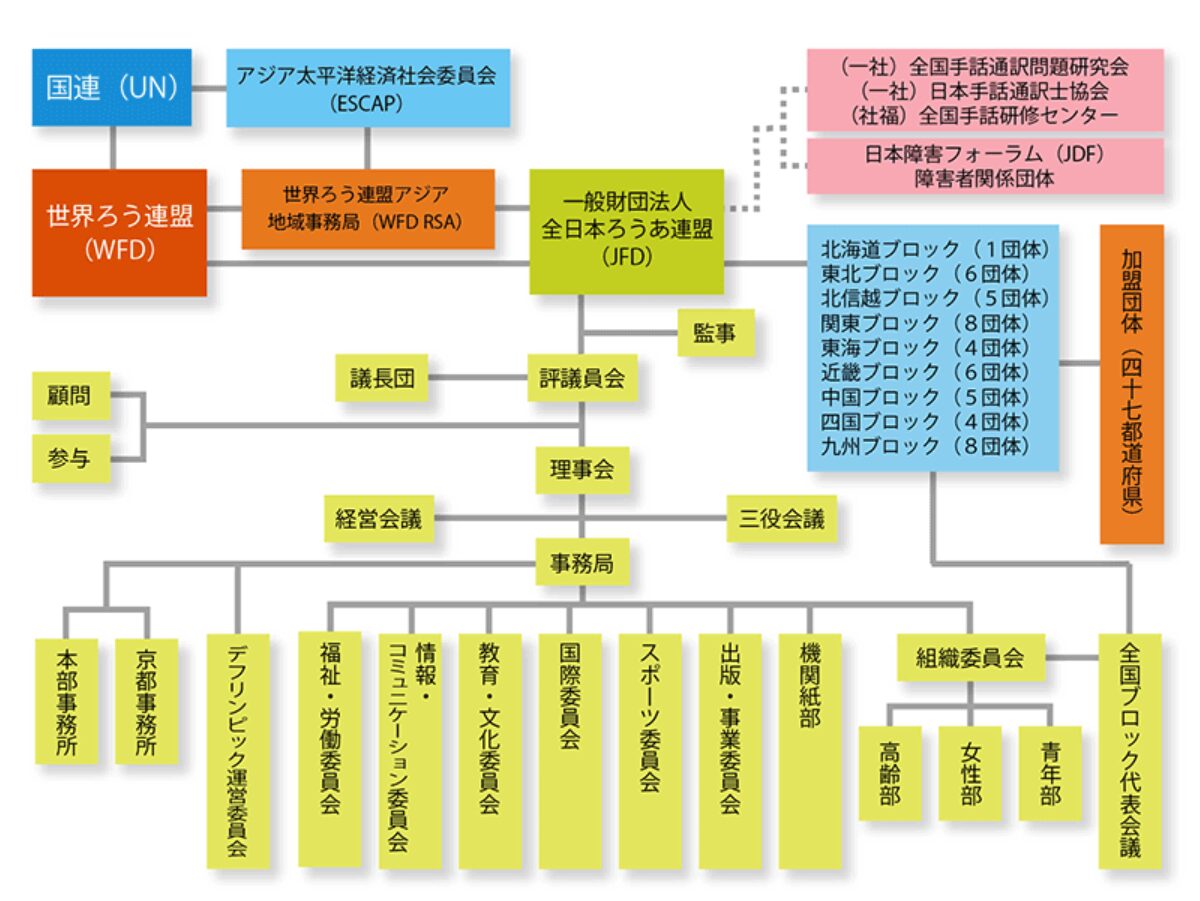
N-Action Okayama is an organization composed mainly of members of the Sign Language Interpreter Issues Research Group who are generally in their 40s. The age range is similar to that of the Youth Division.
This time, the session was held to promote interaction between peers who use sign language in Okayama Prefecture and those learning sign language, aiming to improve sign language skills together.
The Day's Events
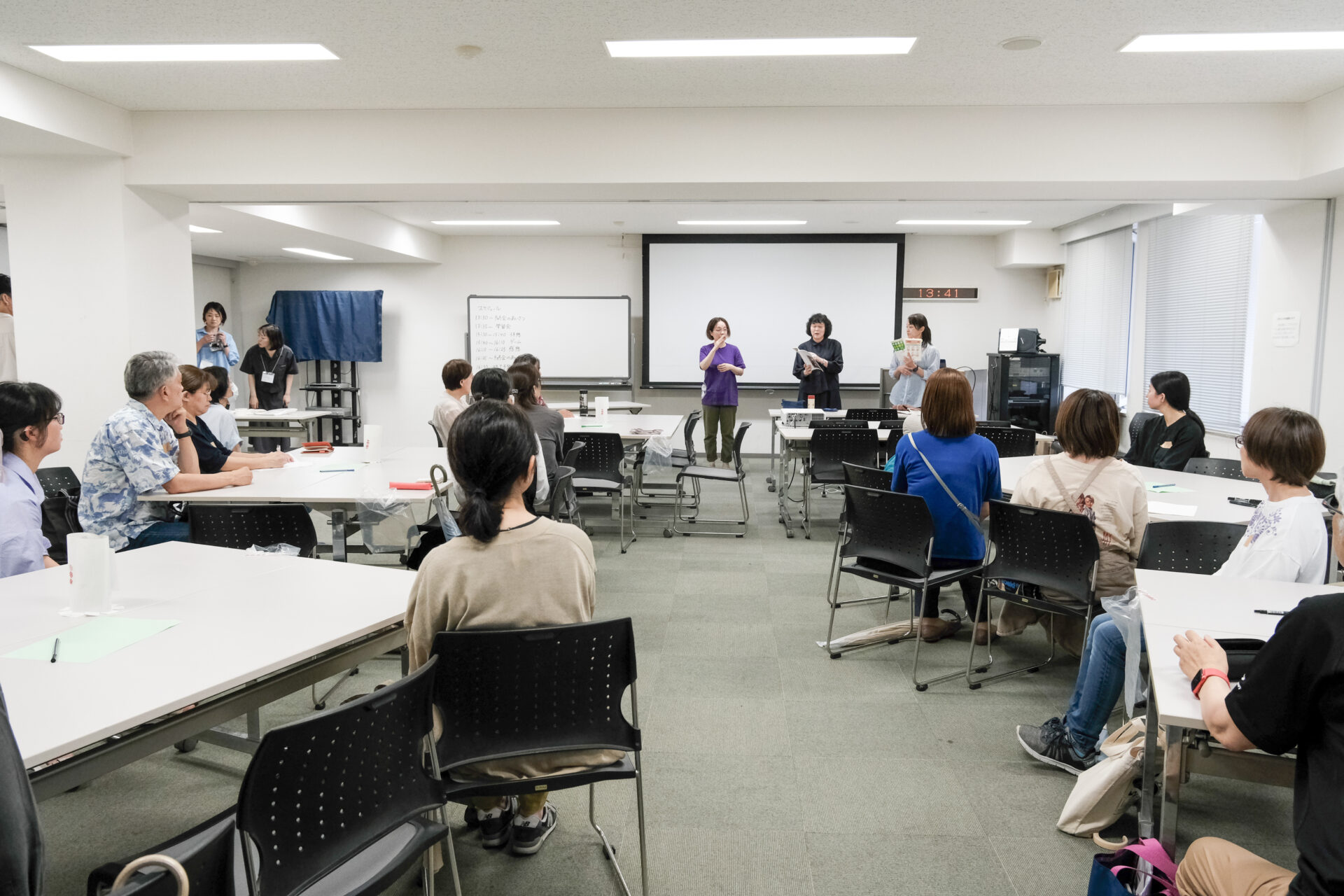
When I arrived at the Okayama Prefecture Hearing Impaired Center conference room just after 1 PM, I noticed not only adults but also children.
Since both the Youth Division of the Okayama Prefecture Association for the Welfare of the Hearing Impaired (hereinafter referred to as "Youth Division") and N-Action Okayama target individuals in their 30s, many participants are also parents. The announcement for participation included "Children are welcome," and it is wonderful that communication with peers using sign language is ensured even with children present.
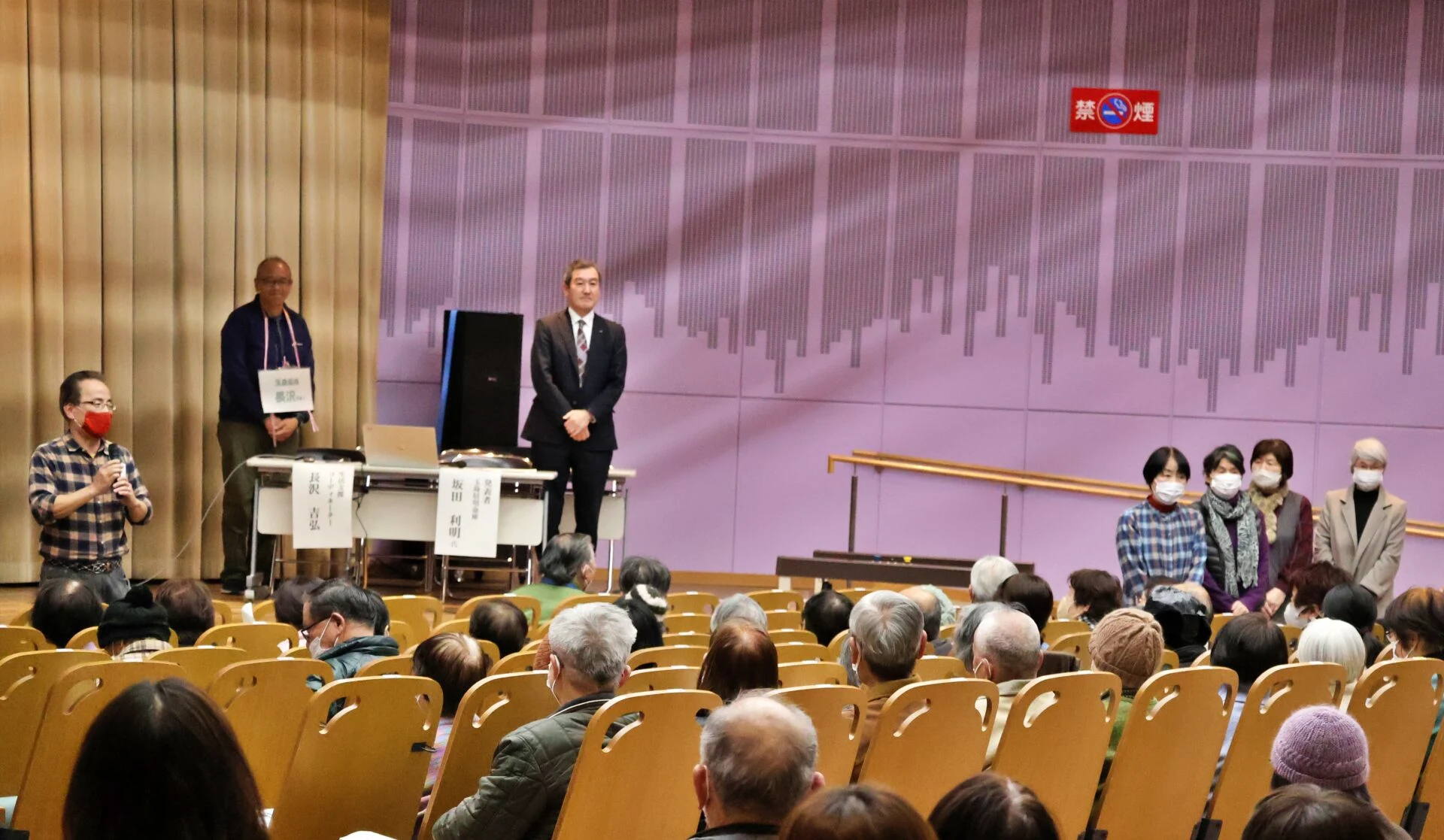
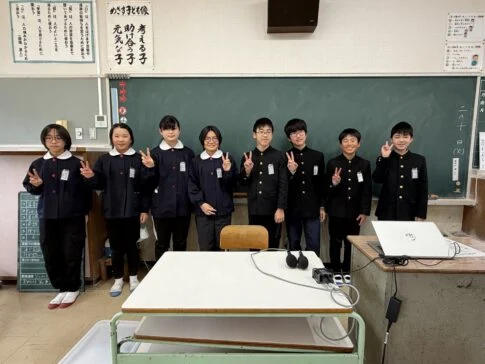
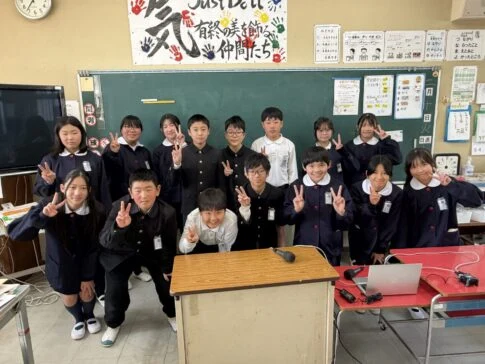
Although the venue was in Okayama City, there seemed to be many participants from outside Okayama City, including Kurashiki City. About 30 people gathered under the keyword "sign language," including individuals who use sign language in their daily lives, those active in sign language interpreting, and those currently learning sign language.
Understanding Meaning and Using Sign Language
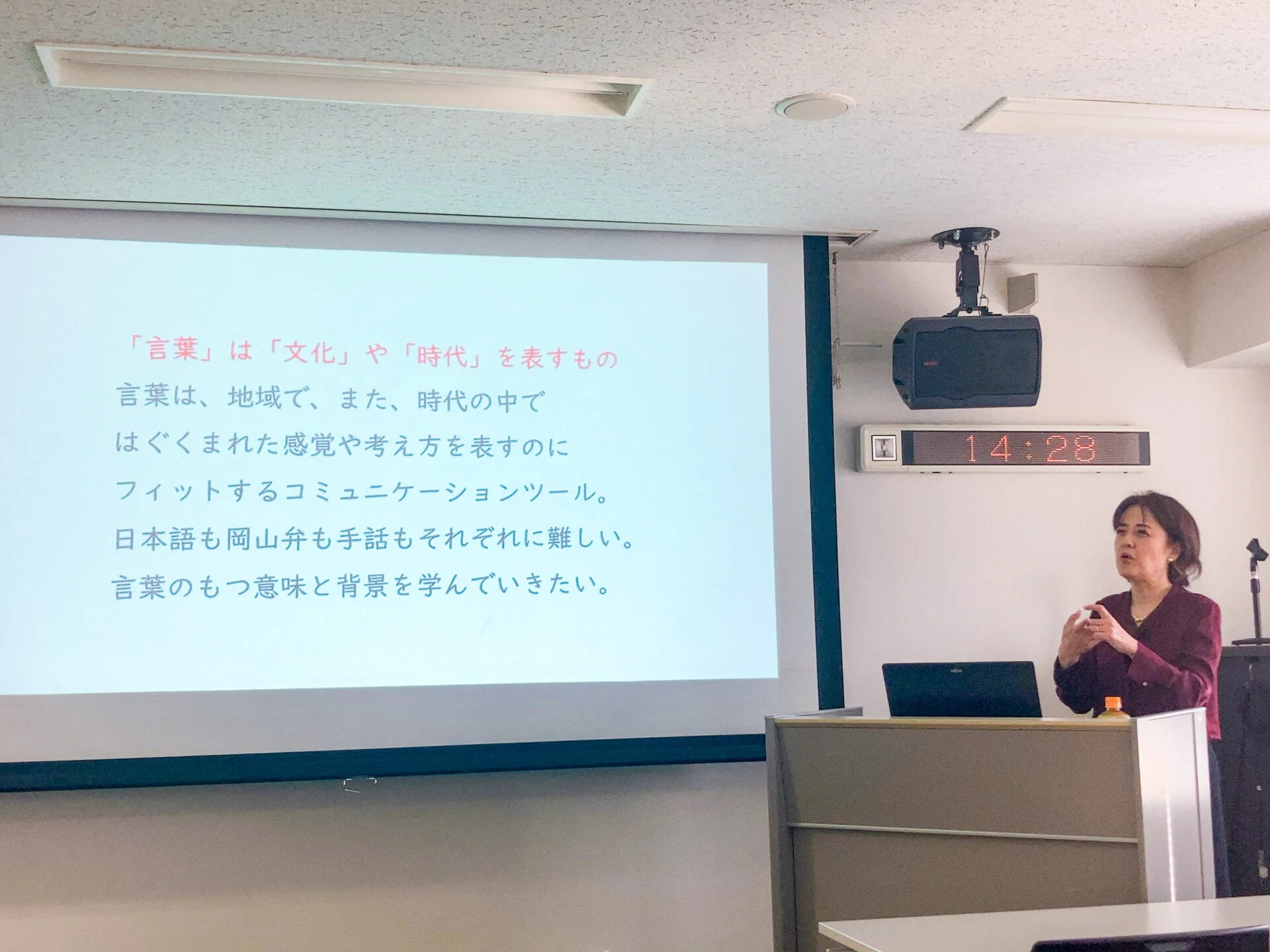
As the name "sign language study session" suggests, the meeting began with sign language learning. The instructor was from the Okayama Prefecture Sign Language Interpreter Issues Research Group.
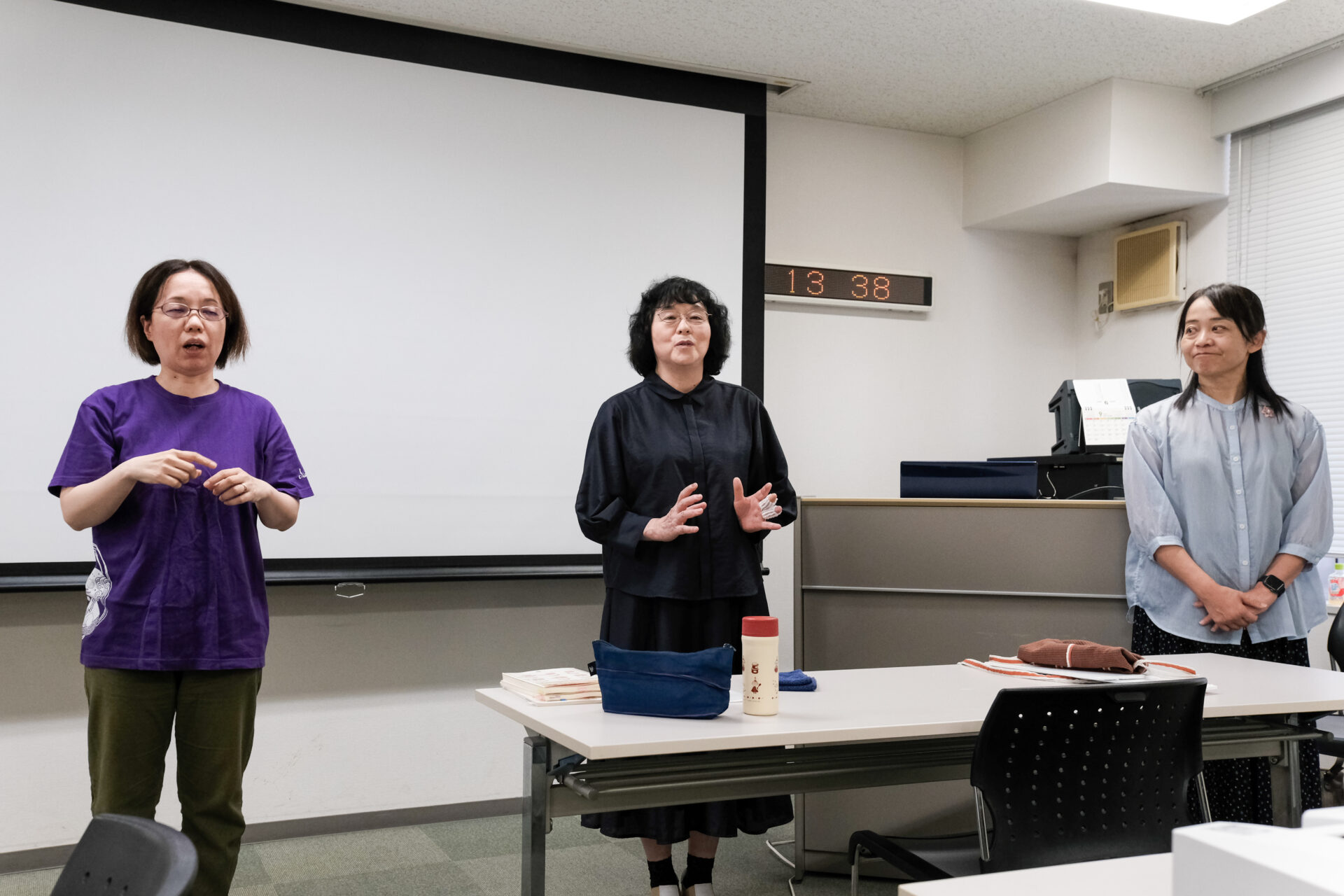
When translating "laptop" from Japanese to English, one might mistakenly express it as "note," but this would not be understood by English speakers. In English, a laptop is referred to as "laptop."
Similarly, since Japanese and sign language are different languages, expressing something in Japanese during translation may not convey the intended meaning to individuals with hearing disabilities. In this study session, we considered the translation from Japanese to sign language based on two examples of Japanese sentences.
Are You Okay?
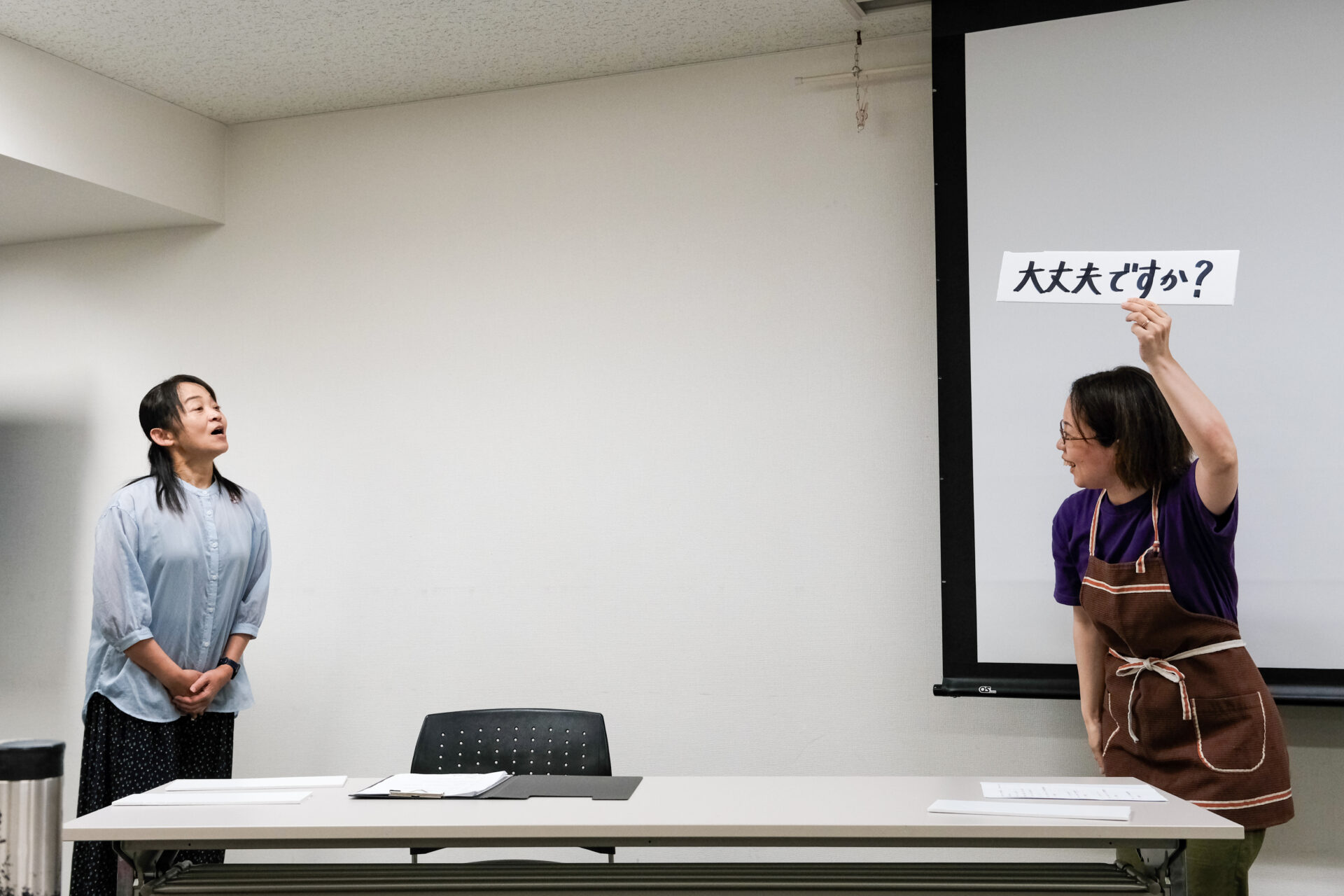
The Japanese phrase "Are you okay?" can have various meanings, such as:
- Is this seat okay?
- Is coffee okay after the meal?
The former "Are you okay?" means "Is this seat good?" and is expressed in sign language as a gesture of placing the pinky on the chin, which means "no problem." The latter "okay" means "Do you need coffee?" and is expressed in sign language as "necessary/unnecessary?"
In sign language, there is also an expression for "okay" where the tips of the fingers of a slightly bent right hand are placed on the left chest and then on the right chest, but this is used to mean "can." Therefore, it is not used in the context mentioned earlier.
Excuse Me
In Japanese culture, there is a tendency to say "excuse me" immediately, but this is not very common in sign language.
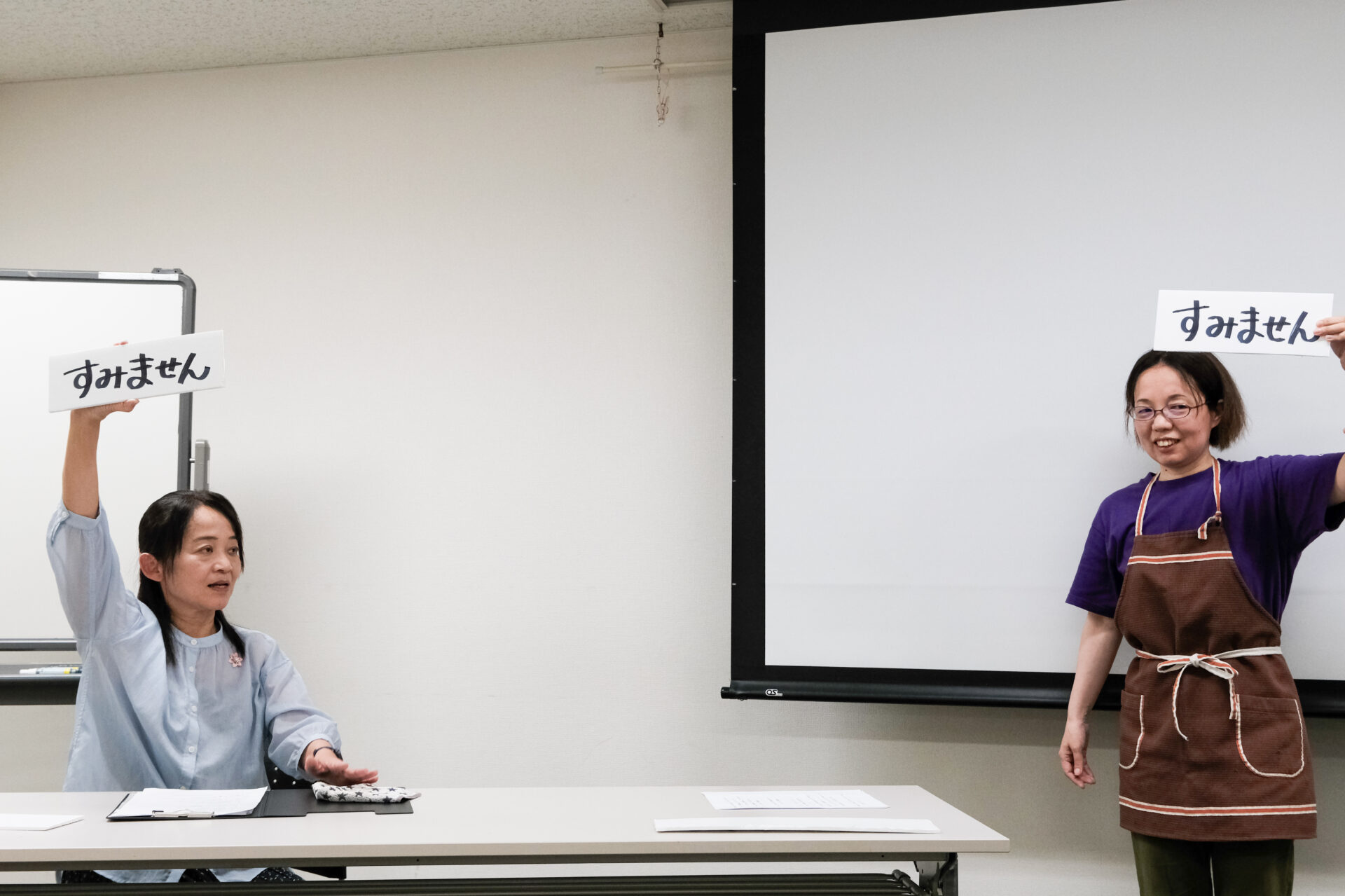
In sign language, "excuse me" is used only for apologies, while "thank you" is expressed as "thank you," and when getting someone's attention, expressions like [tapping the shoulder] or [waving hands in front of the face to prompt attention] are commonly used.
In this way, while there is a single word in Japanese, there are other words that become different words when translated into sign language.
In the latter half of the study session, groups discussed how they might express given words in sign language, asking, "How would we express this in sign language?"
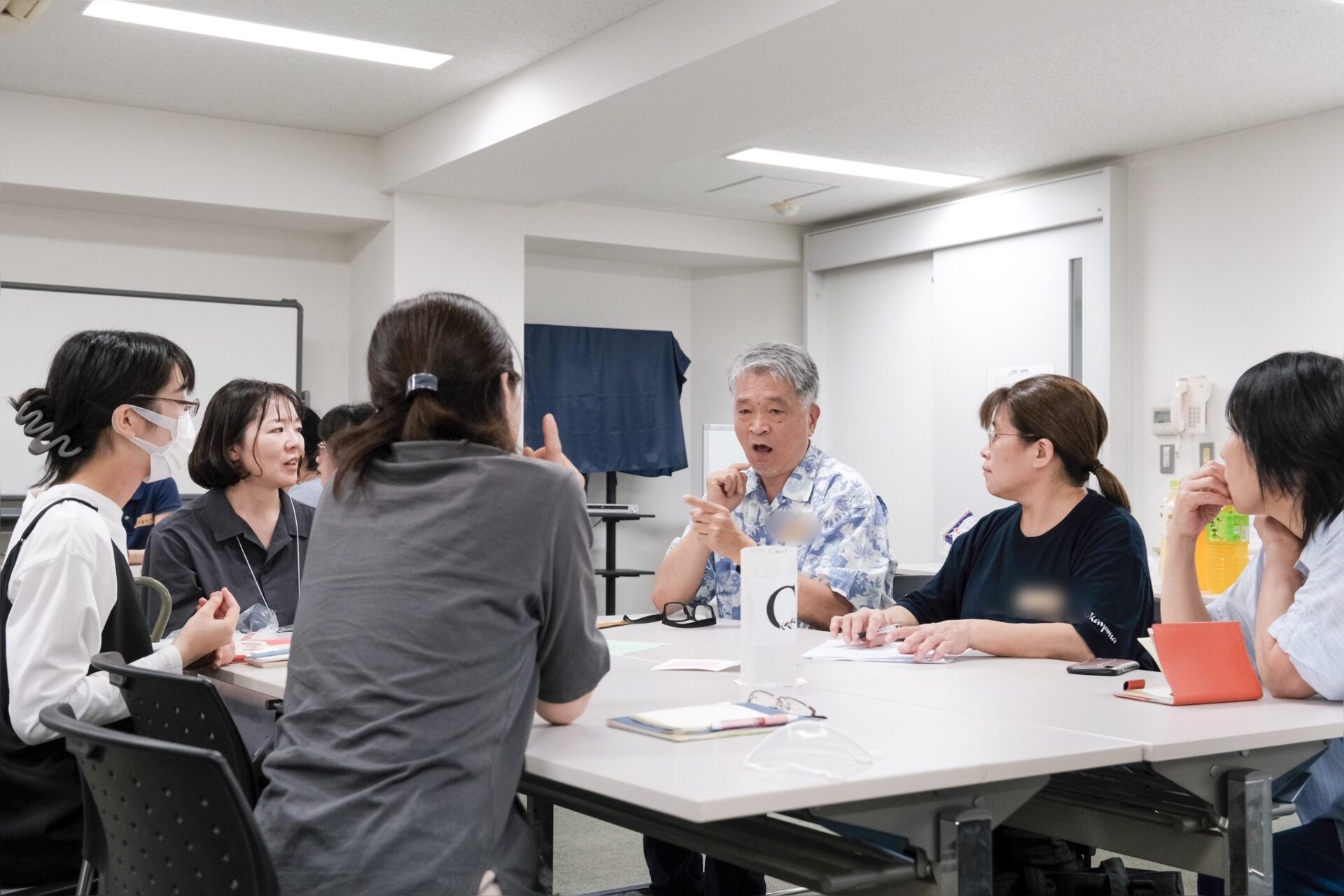
The topic my group received was "to take."
We discussed various usages of "to take," such as "to take a photo, then perhaps the expression would be to press the shutter," or "to take off glasses, then perhaps the expression would be to remove the glasses."
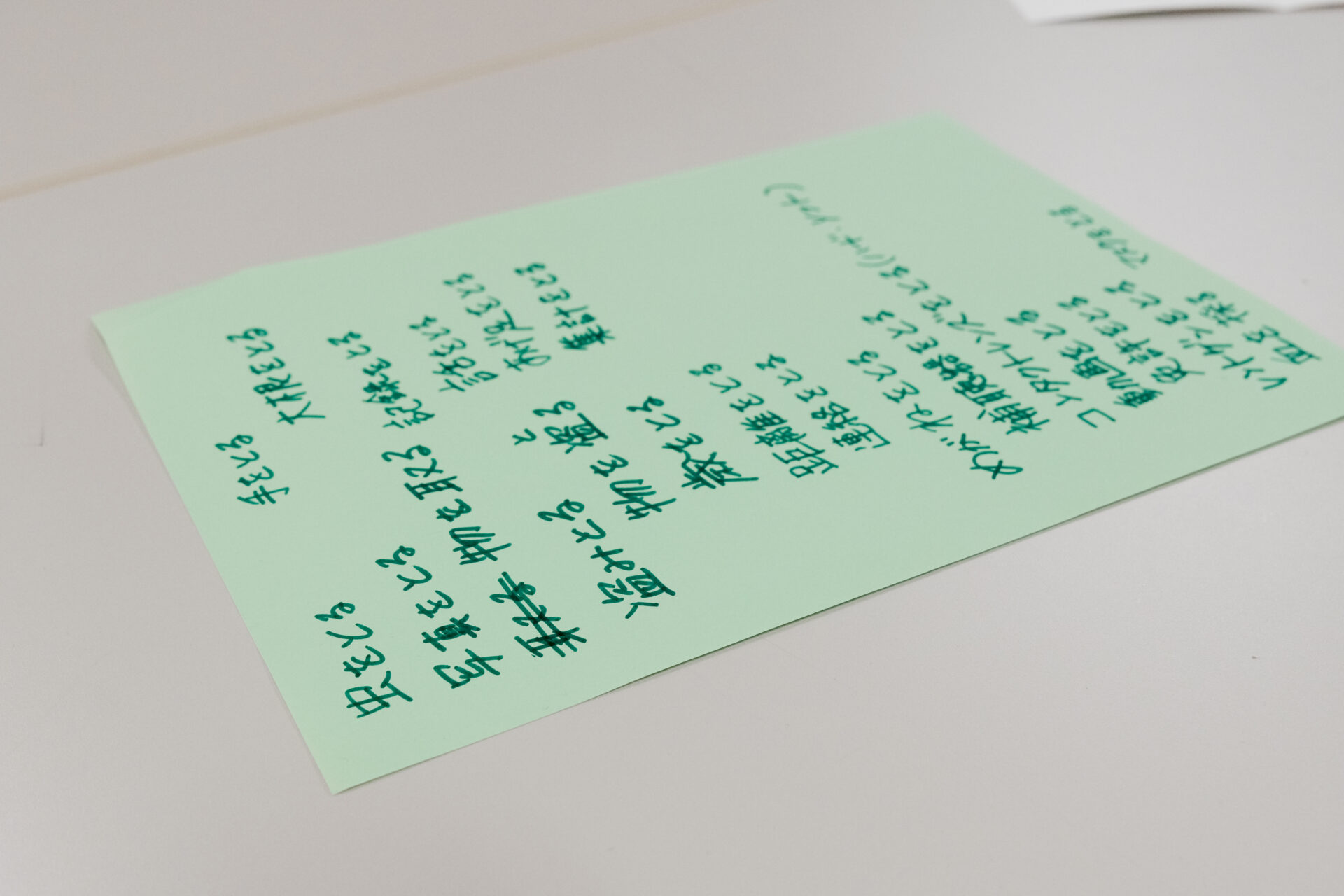
I also find myself influenced by Japanese expressions when signing while speaking. Especially when translating from Japanese to sign language, I want to consider the meaning of the words being used.
Let's Use Sign Language with Sign Language Karuta
After using our heads to learn, we engaged in games for interaction.
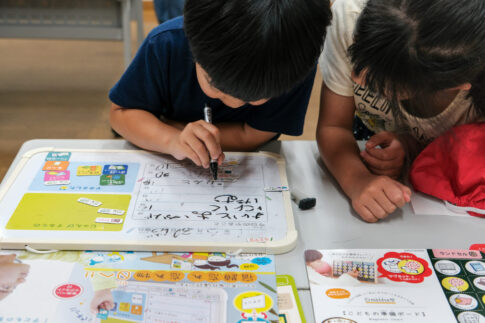
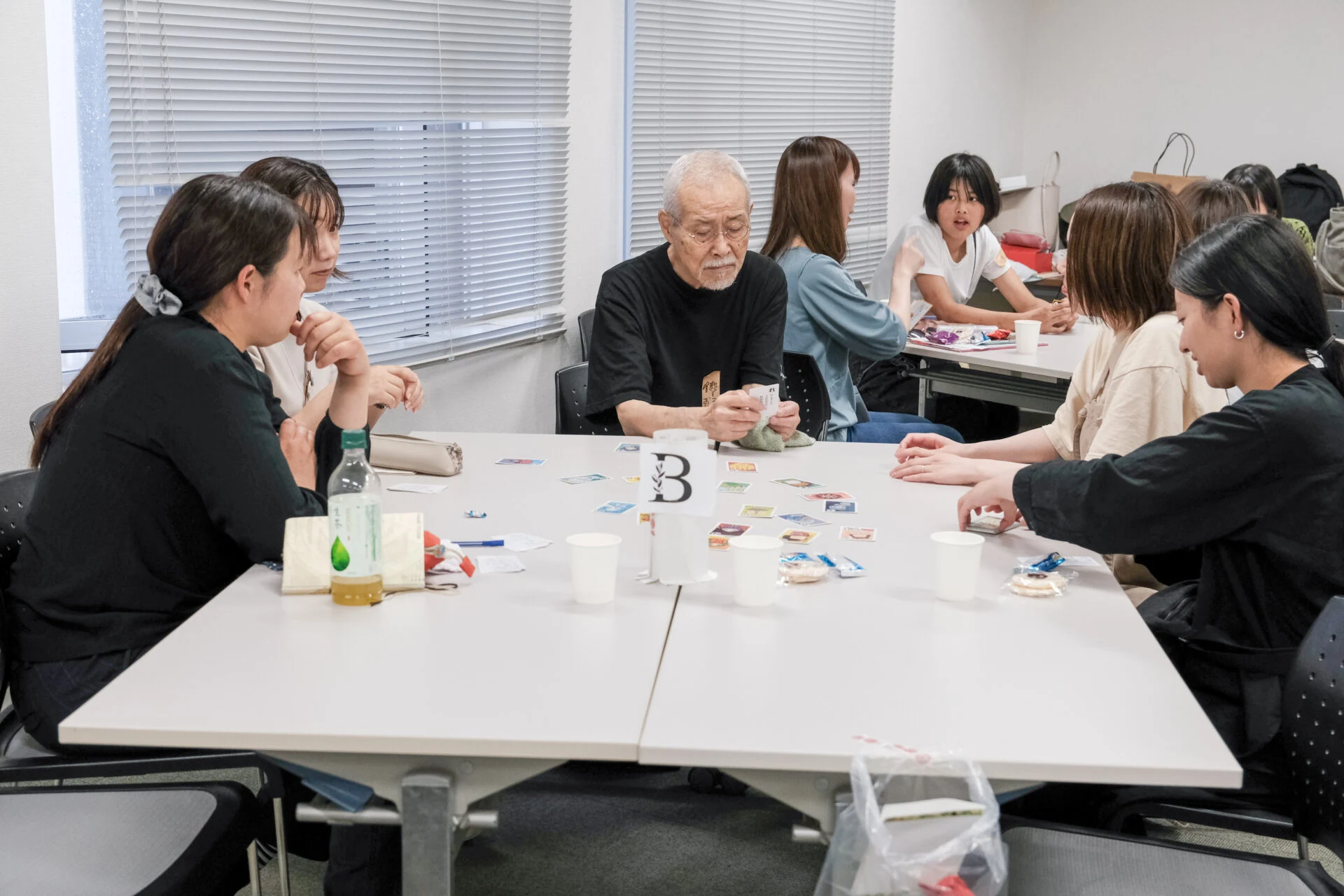
On this day, the Youth Division suggested, "Let's play karuta in sign language," and each group that had discussed during the learning time played karuta.
In my group, there were two individuals with hearing disabilities, including myself, so the individuals read the cards while the participants learning sign language and the children competed to grab the cards.
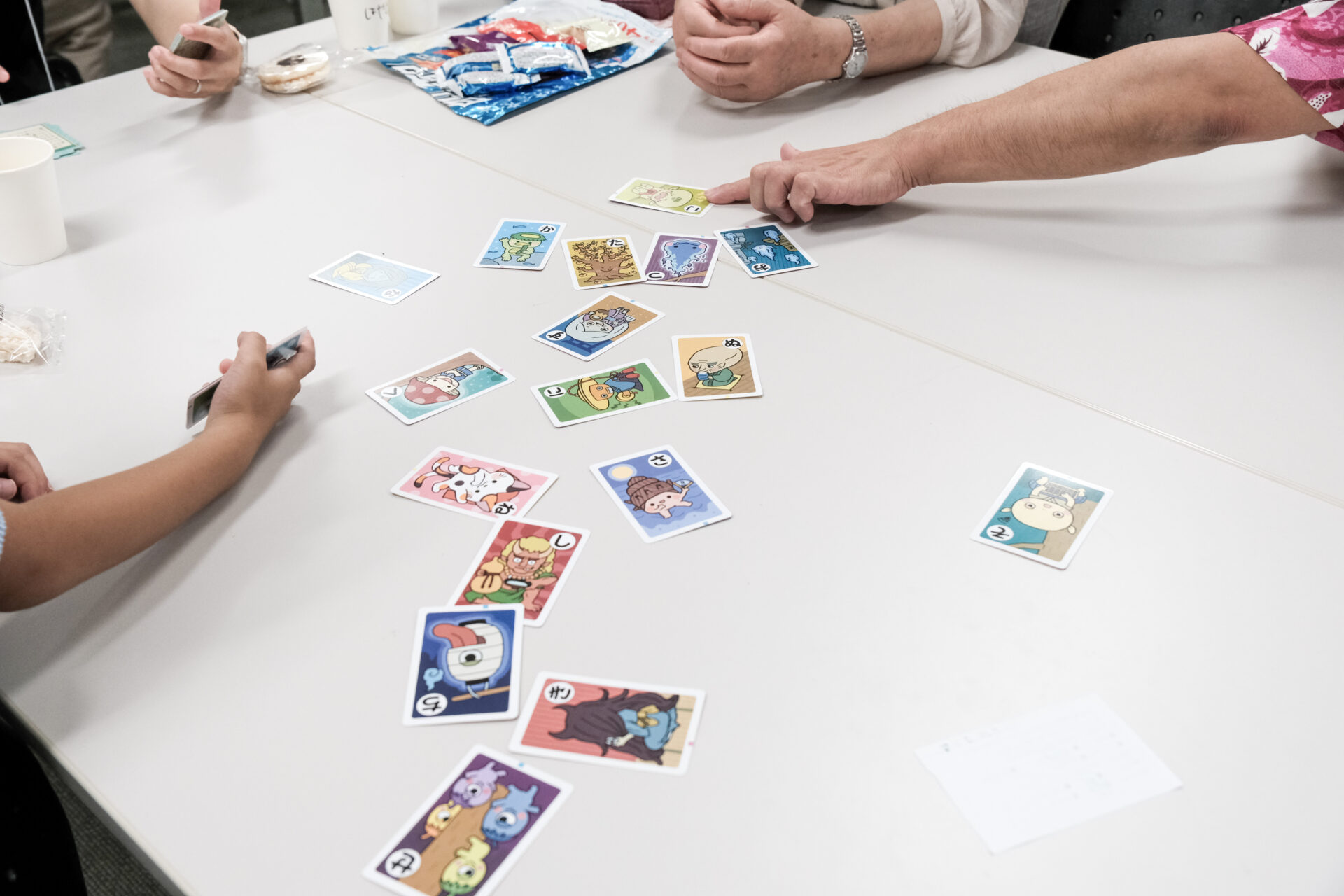
Karuta includes many Japanese expressions that do not come up in daily life, and I pondered how to express them in sign language. However, thanks to the kind team members who understood my feelings, I managed to finish the game.
It seems that other groups were also excited, discussing, "Would this expression fit this Japanese phrase?"
Talk with Individuals and Understand the World of Hearing Impaired People
What stood out to me during this sign language study session was the instructor's words: "The purpose of sign language learners interacting with individuals with hearing disabilities should not be solely for the purpose of improving sign language skills."
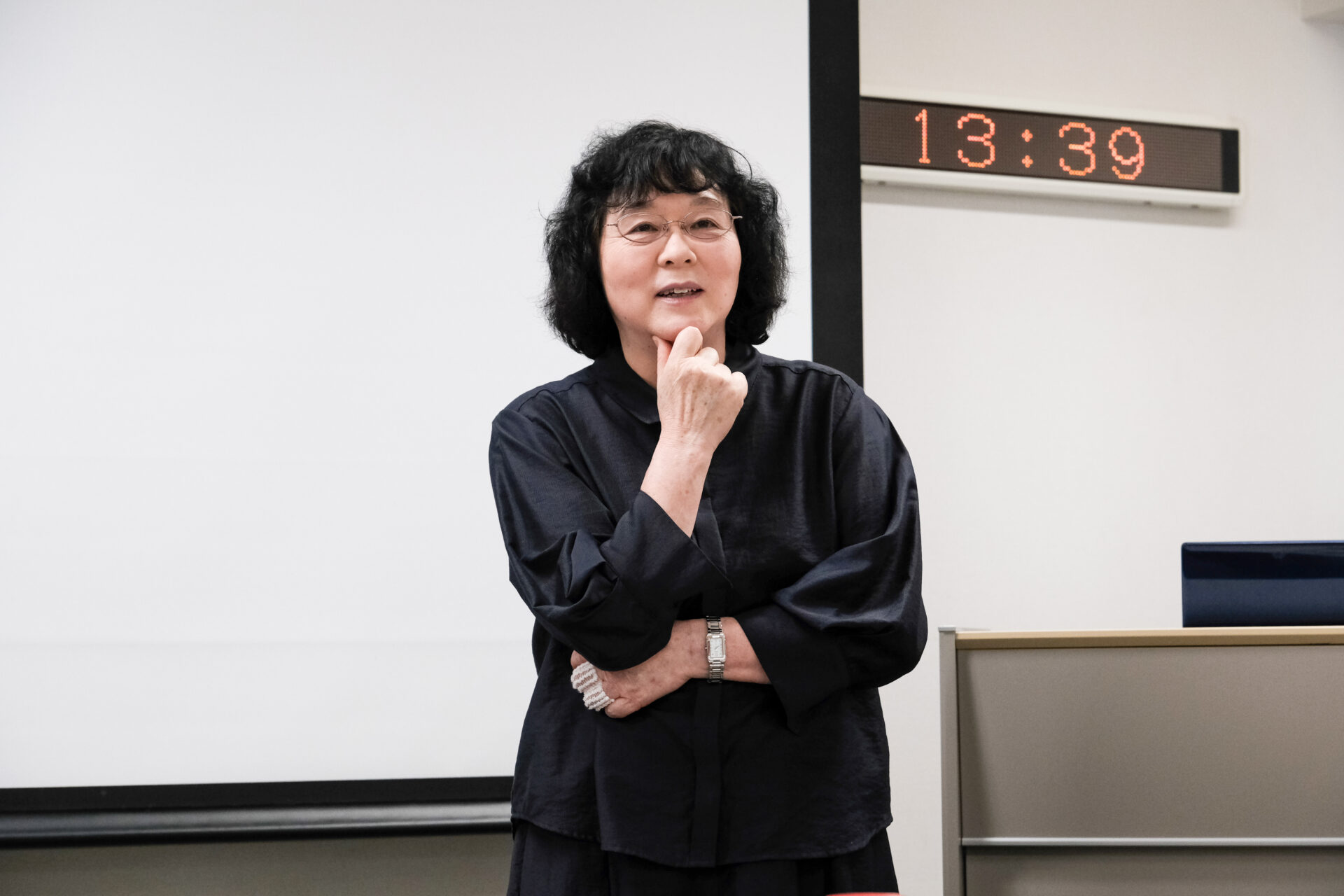
While the vocabulary of sign language can be learned at home or in one's local area, the world that individuals with hearing disabilities see, including what they wish to be interpreted in actual interpreting situations and what difficulties they face, can only be understood through interaction with those individuals.
Because opportunities for individuals, interpreters, and sign language learners to gather are limited, it is necessary to have one's own purpose when participating in such interactions.
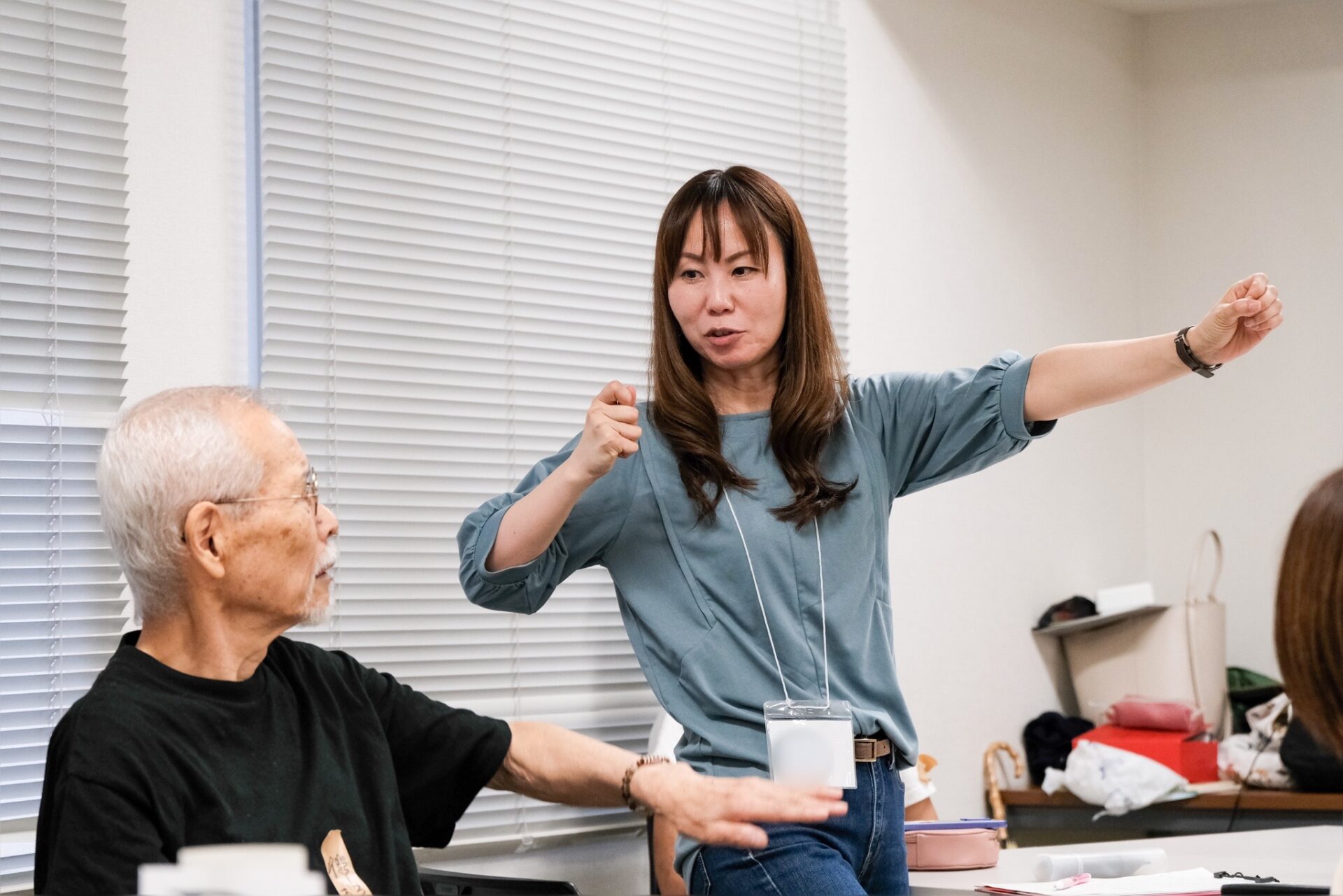
As a person with hearing impairment, I have opportunities to speak in front of others, but I realize that what is normal for me is not necessarily normal for hearing people. I felt that it is important to casually discuss what we feel in interpreting situations and to create higher quality sign language interpreting scenarios together.
Conclusion
Before moving to Kurashiki, I lived in the Kanto region, where there were many people involved in sign language in proportion to the population, making it easier to find peers to communicate with in sign language through social media.
On the other hand, Okayama Prefecture is a regional city, so there are not many people who use sign language. However, because there are fewer people involved in sign language, there are many opportunities for those involved in sign language to see each other's faces.
As a result, in interpreting situations, it is often the case that interpreters I have personally interacted with come to assist, which makes me feel more at ease receiving interpretation. Just as there are "youth words" in Japanese, there are also "youth expressions" in sign language, so I believe that opportunities for peers who use sign language to gather, like this one, will make it easier to find companions.
This collaboration project between the Youth Division and N-Action Okayama is the first of its kind. I look forward to more opportunities for the same generation using sign language to enjoy themselves together in the future.
Sign Language Learning Session Data
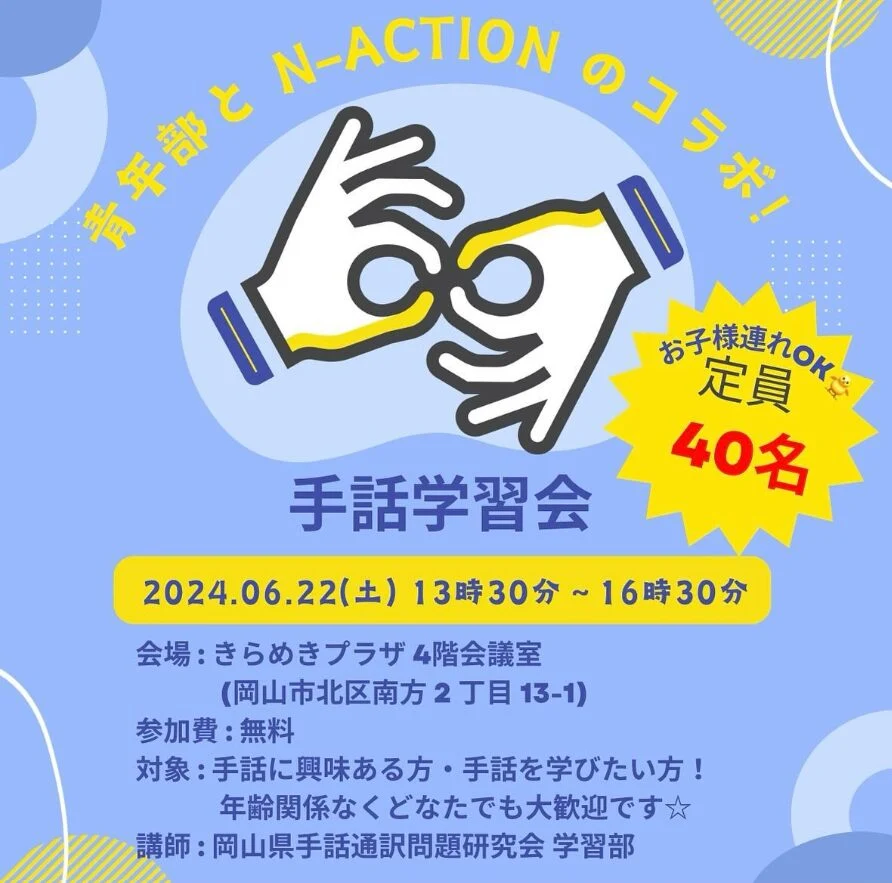
| Name | Sign Language Learning Session |
|---|---|
| Date | June 22, 2024, 1:30 PM - 4:30 PM |
| Location | 2-13-1 Minamigata, Kita-ku, Okayama City, Okayama Prefecture |
| Participation Fee (including tax) | Free |
| Website | Okayama Prefecture Association for the Welfare of the Hearing Impaired Youth Division Instagram |