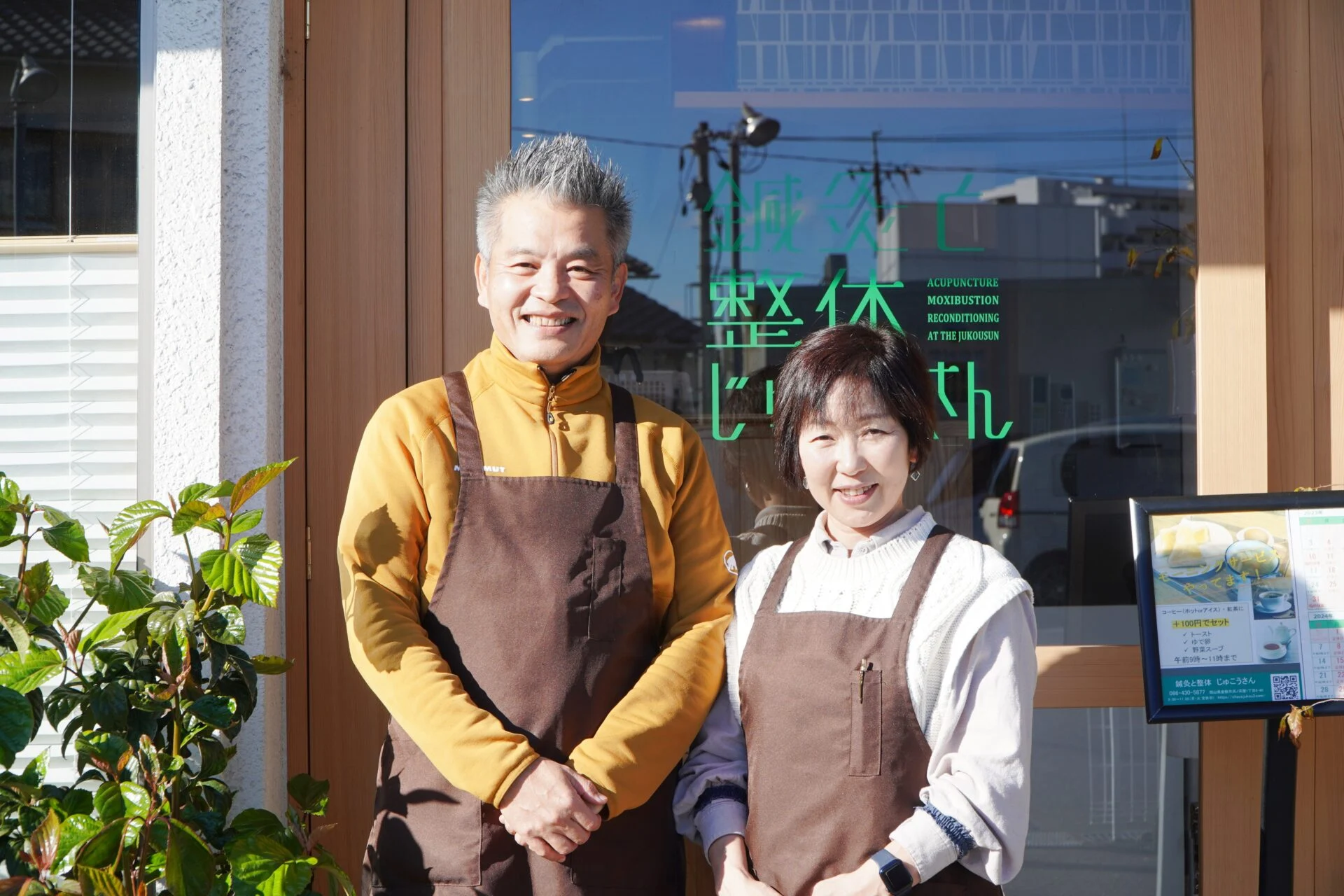
Kinoshita Tomoko, director of the clinic, and her husband, Kinoshita Hiroshi, deputy director, run Jukosan together.
We asked them about what led them to open the business and what they hope to achieve.
What led them to start Jukosan
You run Juko Orthopedic Clinic. What made you start Jukosan as well?
Kinoshita Hiroshi (hereafter, Kinoshita)
At Juko Orthopedic Clinic, health insurance can be used for injuries.
People eligible for insurance come to the orthopedic clinic, while Jukosan serves a different clientele.
Our patients include people who fall through the cracks of conventional medicine and those who feel that other treatments have not been enough.
Chronic conditions such as persistent lower back pain, headaches, and stiff shoulders are not covered by insurance, so people with those issues come here too.
It feels like Jukosan fills the gaps that the orthopedic clinic cannot cover.
We do not use medication; treatment is basically done by hand.
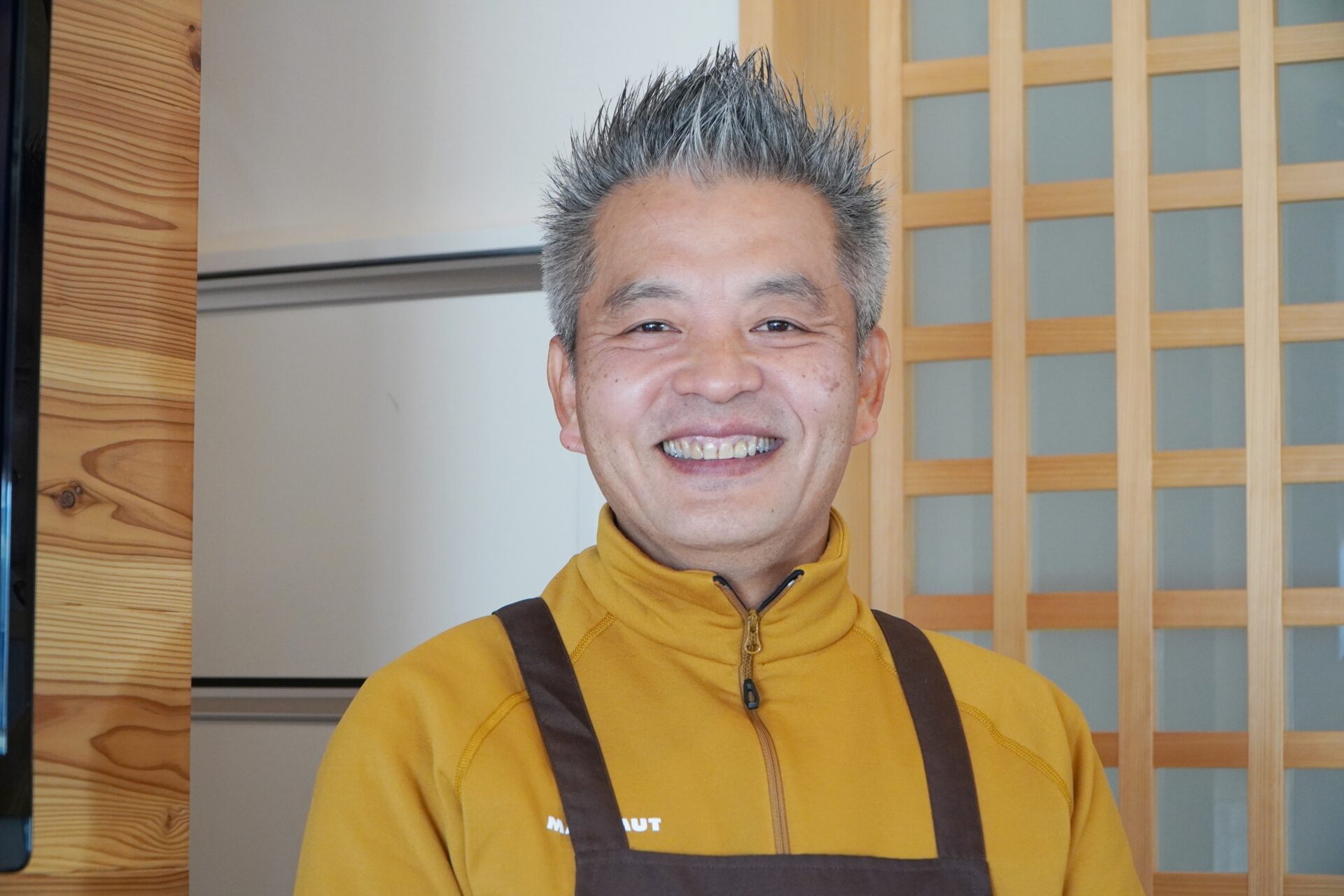
My wife, the clinic director, has trained since long ago in Eastern medicine so she can understand the flow of energy in the body and the meridians.
Meridians are pathways through which qi and blood flow, running throughout the body.
Understanding the flow of energy makes it possible to treat depression and regulate the autonomic nervous system.
For example, Western medicine might say, “Your back hurts, so we’ll take an X-ray,” or “We’ll prescribe medication.”
Eastern medicine, on the other hand, does not simply examine the part that hurts. It also considers other factors, such as whether work-related fatigue has disrupted the autonomic nervous system and caused the pain.
Symptoms cannot be alleviated without properly regulating the autonomic nervous system.
No matter how many painkillers you take, the pain may subside for a while, but it soon comes back.
We treat the body as a whole.
Did you originally want to pursue Eastern medicine?
Kinoshita Hiroshi
Our parents were in the same professions: my mother was an acupuncturist, and my wife’s father was a judo therapist.
By the time I was going to high school, I naturally thought, “I’ll probably pursue a career in Eastern medicine.”
Kinoshita Tomoko (hereafter, Kinoshita)
My father was originally a police officer, but he qualified as a judo therapist and opened an orthopedic clinic.
I grew up in an environment where I was exposed to Eastern medicine, so I had been interested in this field since then.
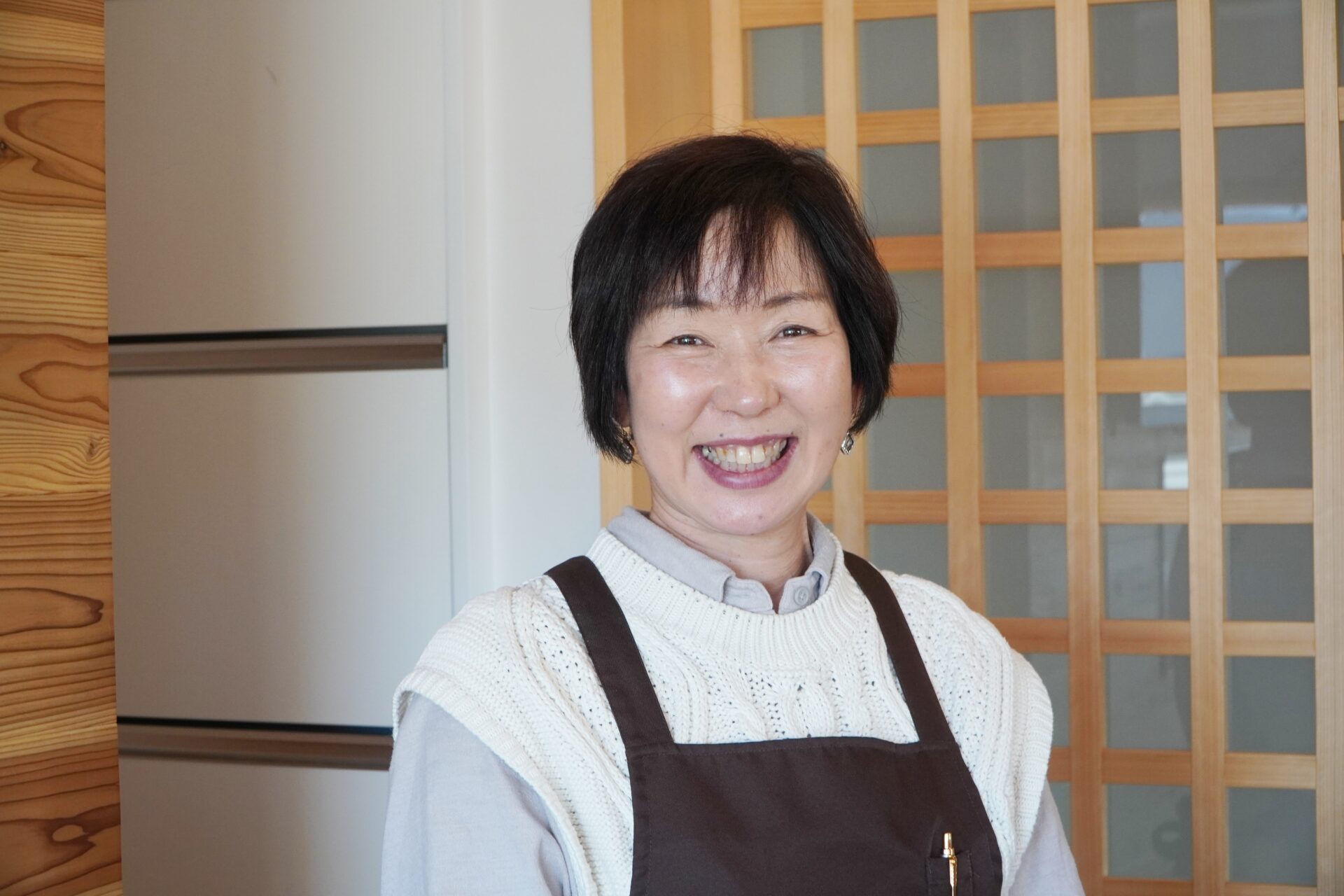
Kinoshita Hiroshi
However, we are not in a position to deny or criticize Western medicine.
In the past, I trained in an orthopedic surgery department for about four years and gained experience with Western medical care.
If we think one of our patients needs Western medicine, we refer them right away.
Kinoshita Hiroshi, deputy director, whose quest for knowledge never ends
Your blog says, “100 things I want to do before I die.” Are there really 100?
Kinoshita Hiroshi
There are 100, though I may have more than that.
Kinoshita Tomoko
He keeps coming up with new things he wants to do.
He also loves books and piles them by his bedside until they’re practically an avalanche.
As he reads, new interests emerge, and it seems his world keeps expanding.
Kinoshita Hiroshi
For every one thing I cross off, about ten more come up, so I’ll probably always have 100.
One of those 100 things was to study in the evening program at Okayama University’s Faculty of Economics.
I started when I was 50.
While attending university, I went to the United States for an eight-month language study program, then continued my studies after graduating.
After that, I went on to graduate school and graduated in March this year (2023).
I also wrote a master’s thesis.
I studied at Okayama University to learn about social security.
Health insurance can be used at orthopedic clinics, but fraudulent claims have become a nationwide problem.
From the perspective of someone running an orthopedic clinic, I was confident that using health insurance was beneficial and that we were giving back to society.
I thought we were providing medical care at a low cost, but the existence of fraudulent claims made me lose confidence in that view.
I decided to study social security so I could reassess the value of what we do.
What Jukosan aims to achieve
How would you like people to use Jukosan?
Kinoshita Hiroshi
Some people come in almost every day.
I started this place because I wanted to create somewhere where all kinds of people from the neighborhood could gather.
In the past, shopping streets and places like that had spots where local people could gather and chat.
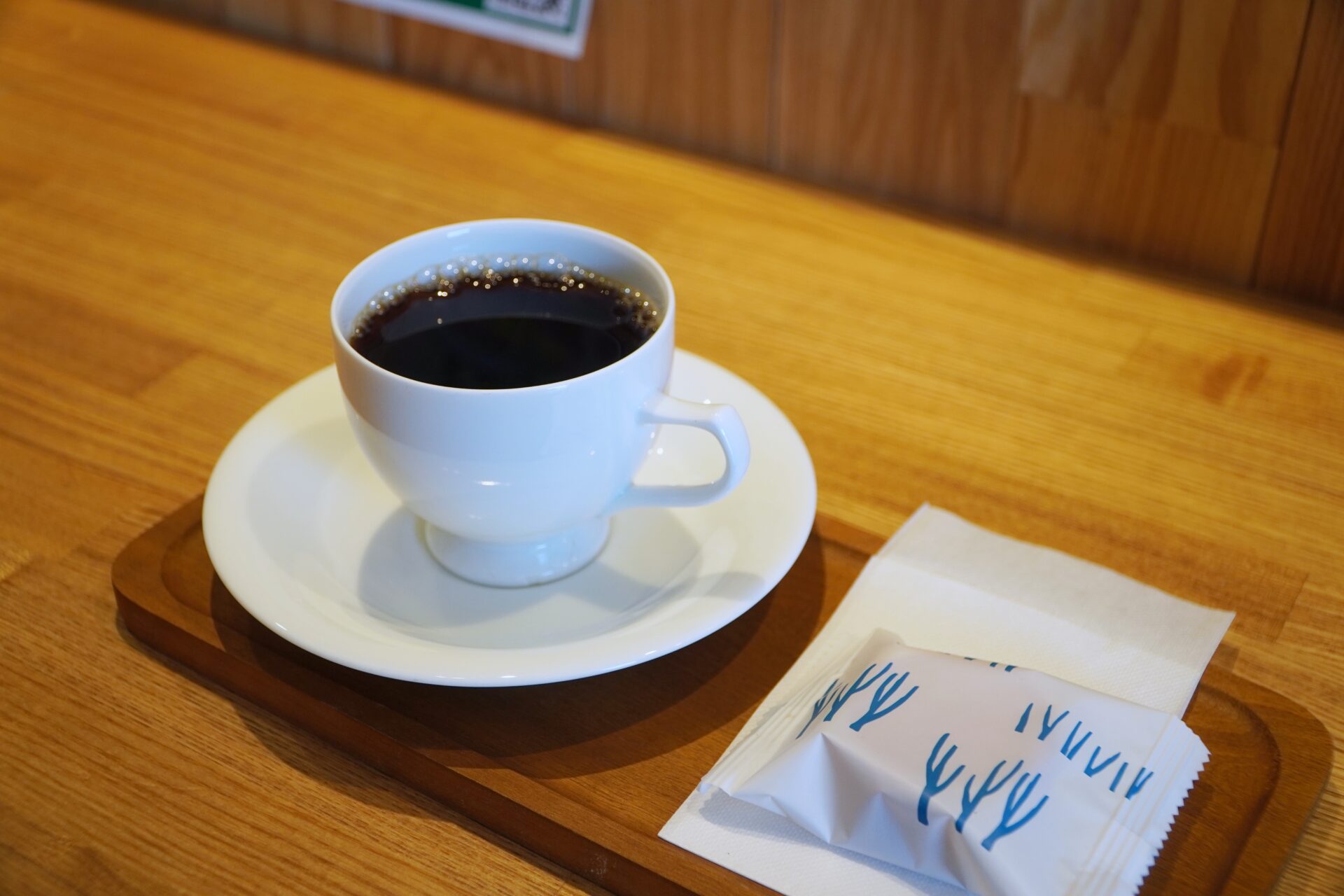
While having breakfast or coffee, a customer might say, “My back hurts.”
It was a muscle-strength issue, so I had them do about 30 squats right there. They kept it up every day, and it got better.
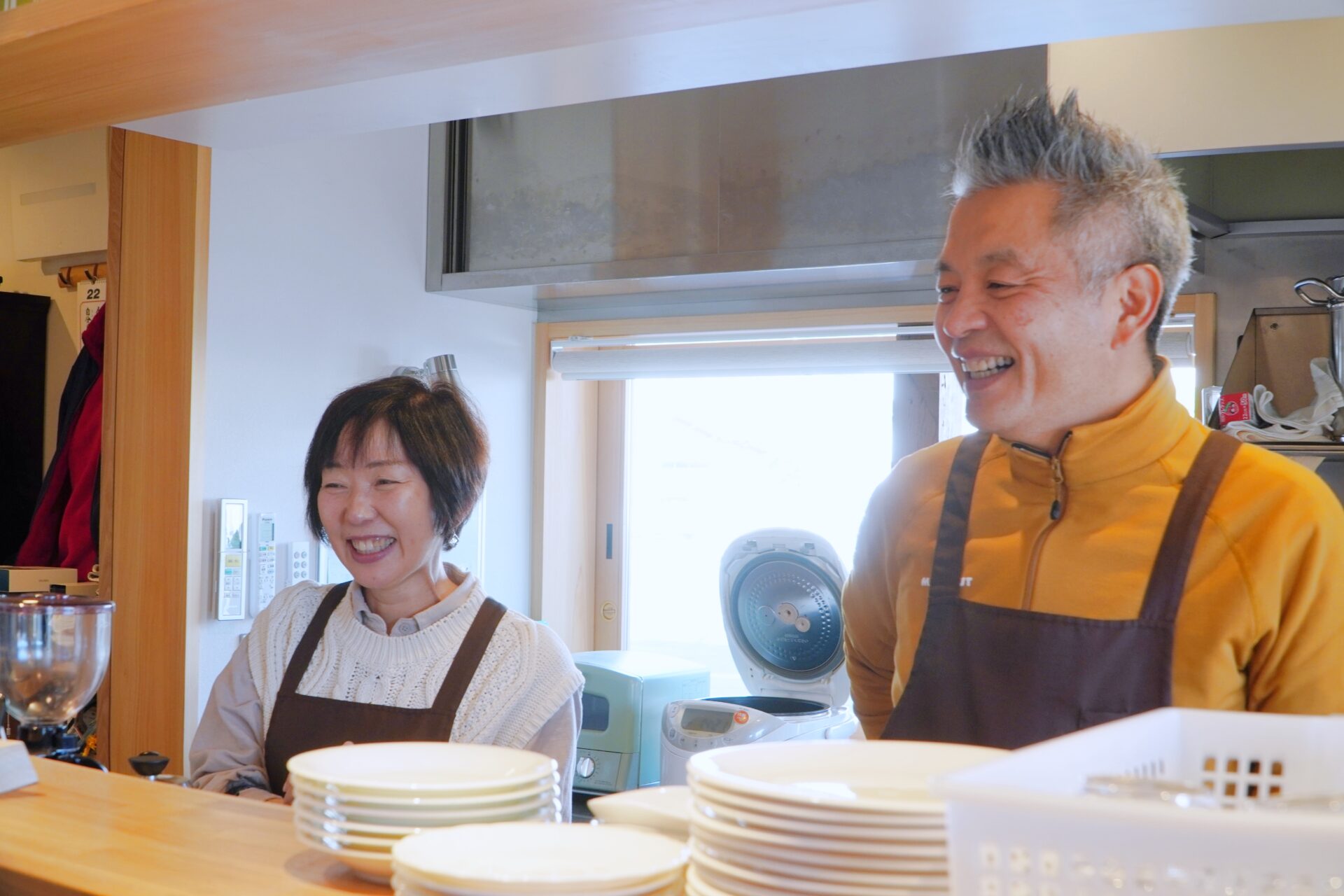
I had the idea for this cafe space from the very beginning, when I started Jukosan.
At the acupuncture clinic my mother ran, she was close to her patients and would say things like, “You look better. Have a rice ball before you go home,” after treatment.
Watching my mother treat patients, I thought it would be nice to create a space where we could care for people in a more personal way, and where they could also have something to eat or drink.
I’d be happy if Jukosan could become a place for people to connect.
I want to connect with people myself and make this a welcoming place for those looking for somewhere like this.
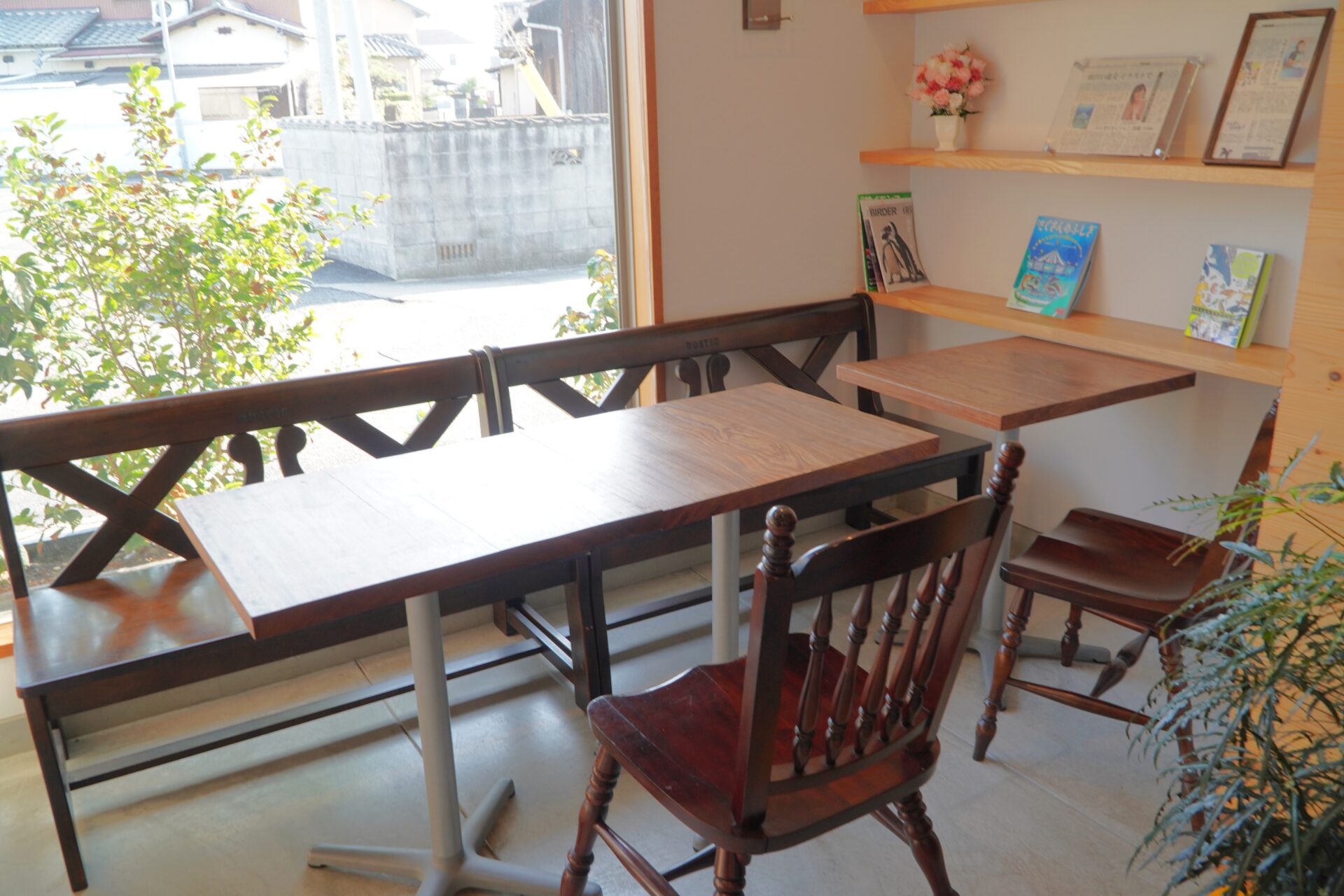
Kinoshita Tomoko
For me, the reward of seeing patients say, “I feel better after the treatment” or “I feel relieved” is more important than money.
Seeing patients happy gives me energy too.
I work thinking that I’m happy if the support I provide can help someone.
From the Writer
Before visiting Jukosan, I thought that people only went to treatment clinics to receive treatment.
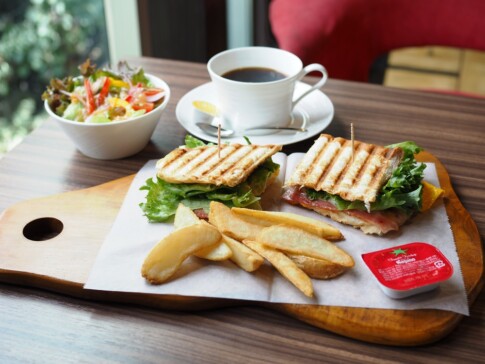
However, Jukosan also has a cafe space where people who are not patients can drop in.
They also sometimes get asked for advice about work and relationships.
It seems to serve as a place for people to connect and find emotional support.
After the interview, we chatted, and they listened to me with big smiles then, too.
Just having someone listen to you can make you feel better and happier.
During the interview, regular customers were also chatting happily with the Kinoshitas, smiling all the while.
I’m sure many people keep coming back, thinking, “I’ll go talk to the Kinoshitas again.”
Why not drop by Jukosan, where treatment and conversation can help lift your spirits?
Acupuncture and Bodywork Jukosan details

| Name | Acupuncture and Bodywork Jukosan |
|---|---|
| Address | 1-8-40 Hamanochaya, Kurashiki City, Okayama Prefecture |
| Contact | 086-430-5877 |
| Parking | Available 3 spaces If full, you may use the parking lot at Juko Orthopedic Clinic’s Hamanochaya Main Clinic |
| Hours | 9:00 a.m.–5:00 p.m. (Wednesday–Saturday) 9:00 a.m.–2:00 p.m. (Sunday) |
| Closed | Monday, Tuesday |
| Payment methods |
|
| Reservations | Accepted |
| Smoking | Entirely non-smoking |
| Restroom | Western-style toilet |
| Website | Acupuncture and Bodywork Jukosan |


What would you like to know about Kurashiki?
Enter a word to search articles on this site