The "children's cafeterias" are rapidly increasing across the country.
Currently, there are over 10,000 locations nationwide, and in Okayama Prefecture, it has expanded to over 120 locations, becoming a safe place not only for children but also for adults, and an indispensable presence in the community.
However, while the number is increasing, the reality of operational challenges and the burden on supporters is also growing. In such a situation, the role of the network that connects and supports children's cafeterias is gaining renewed attention.
Okayama Children's Cafeteria Support Center has started initiatives for intermediate support as a connecting role for children's cafeterias. One of these initiatives is the "Launch Meeting & Exchange Meeting of the Children's Cafeteria Regional Area Network."
Participants from various positions, including those interested in children's cafeterias and those already active but facing challenges, gathered to learn and discuss. This report covers the event.
Launch of the Children's Cafeteria Regional Network
The "Launch Meeting & Exchange Meeting of the Children's Cafeteria Regional Network" started in the fiscal year 2025.
The organizer is the Okayama Children's Cafeteria Support Center, which supports children's cafeterias in Okayama Prefecture. This is being implemented as a commissioned project from the Okayama Prefectural Children's and Family Division.
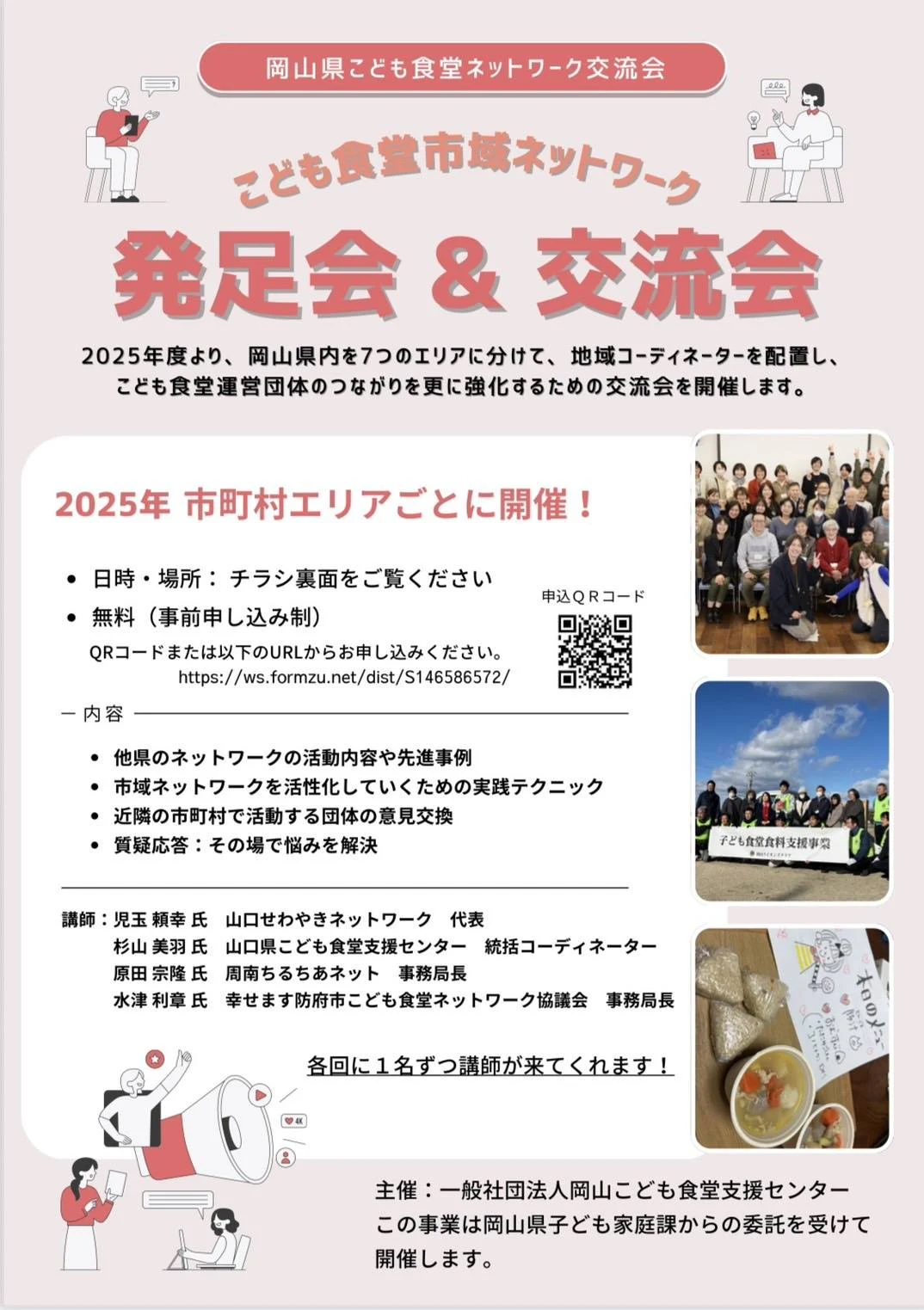
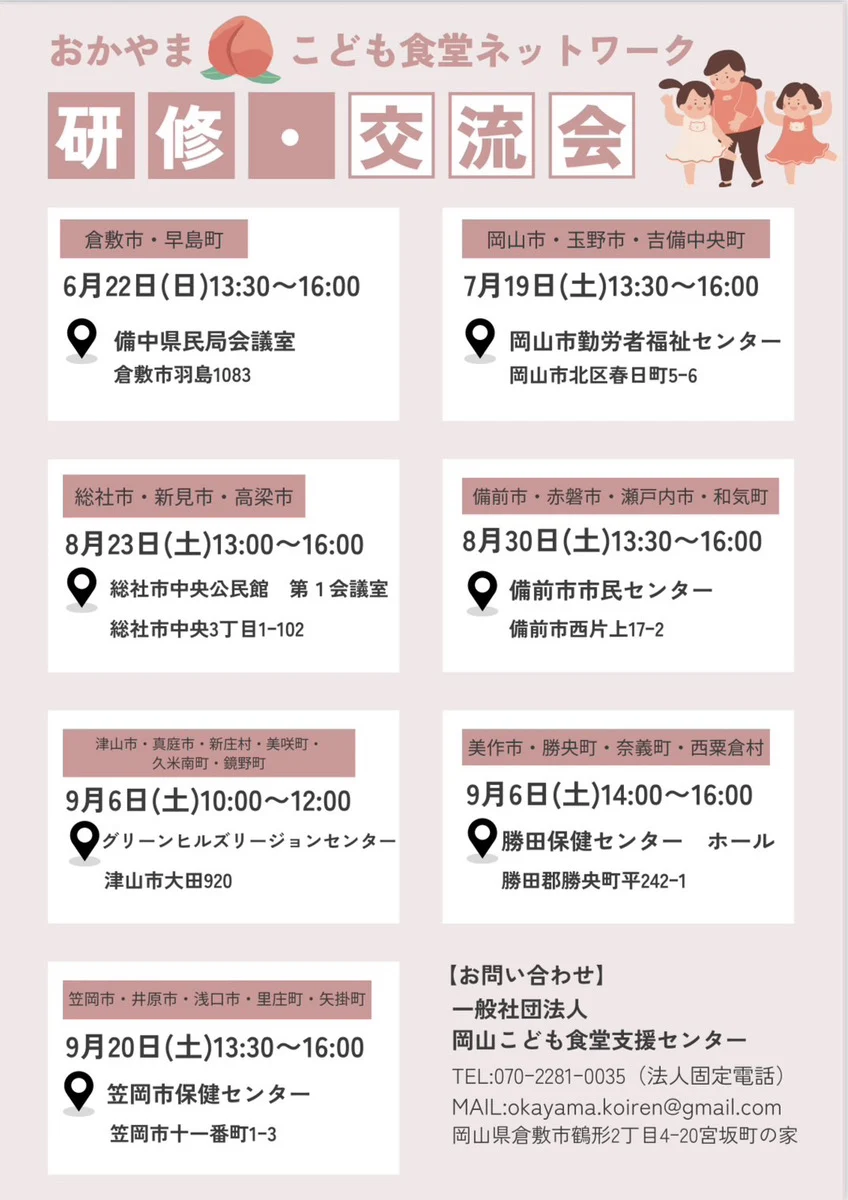
This exchange meeting will be held sequentially in various locations divided into seven areas in Okayama Prefecture. It is planned as a place for those operating children's cafeterias in the prefecture to connect and learn from each other.
At the meeting, examples of networks in other prefectures, operational innovations, and ideas to activate the networks in each area were introduced, and there was also time for participants to exchange opinions and ask questions.
Additionally, each time, a lecturer involved in child support is invited to give a lecture, providing ideas that can be applied in the field and messages that lighten the heart.
The three cities of Soja, Niimi, and Takahashi gather for the launch meeting & exchange meeting
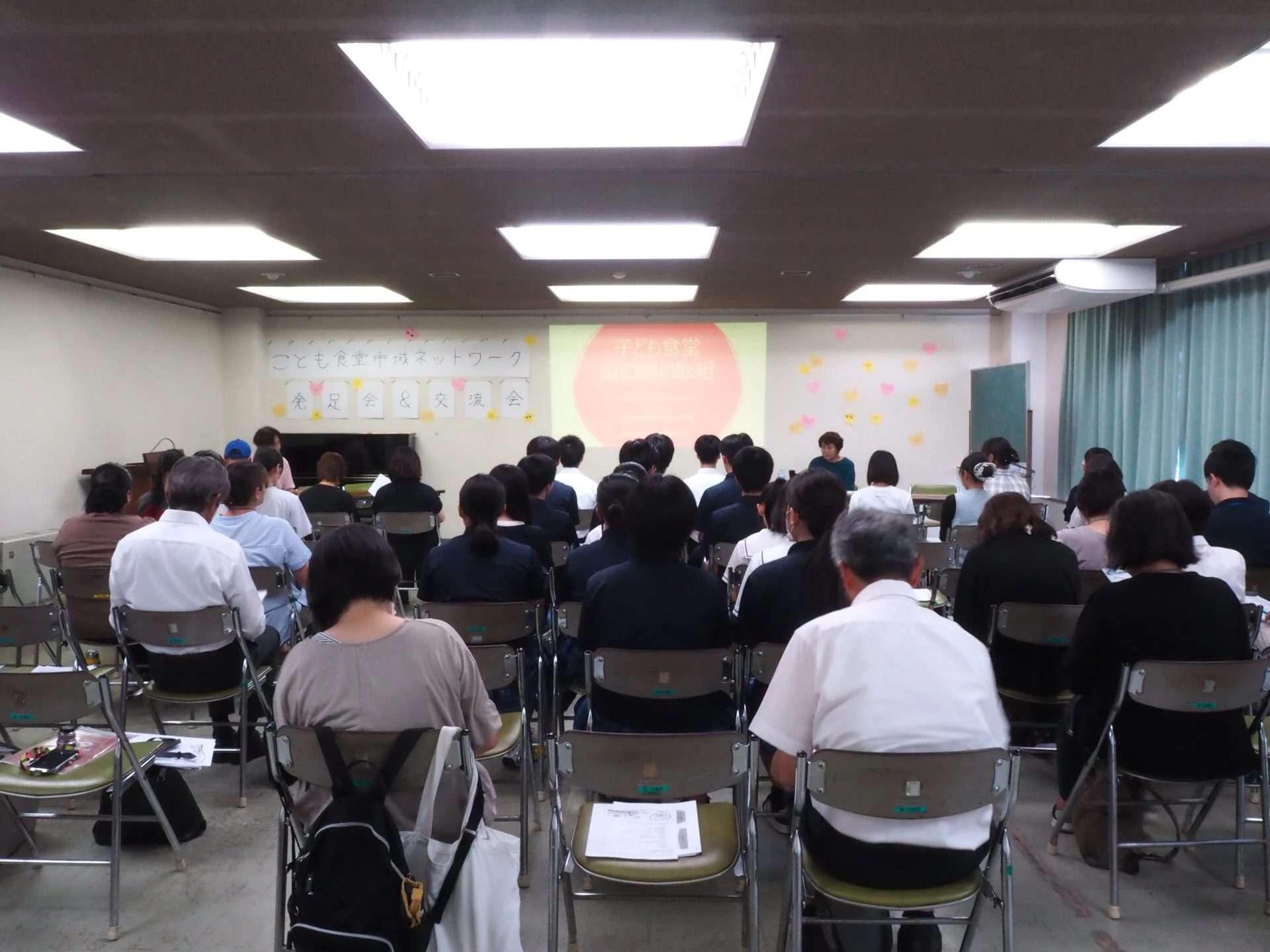
On August 23, 2025 (Saturday), the third launch meeting & exchange meeting of the Children's Cafeteria Regional Area Network was held jointly by the three cities of Soja, Niimi, and Takahashi at the first conference room of Soja City Central Community Center.
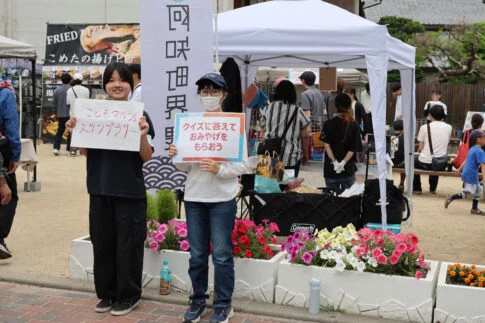
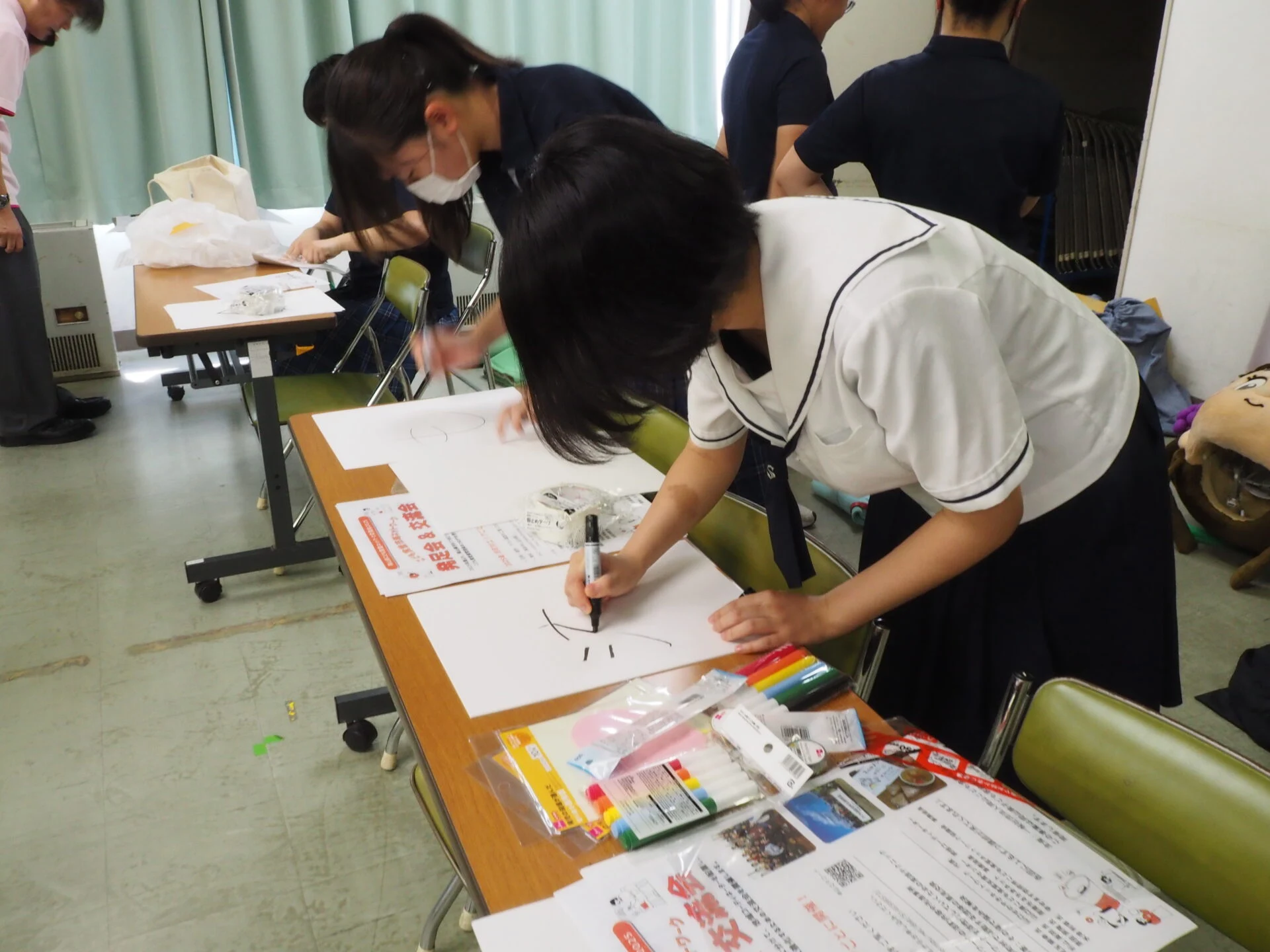
About 20 students from Soja High School and Soja Minami High School participated as volunteers in setting up the venue.
From 11:30 AM, they helped with decorations and table arrangements, and preparations progressed in a youthful atmosphere.
Around 12:30 PM, participants began to arrive one after another, and with about 60 participants, the venue was nearly full.
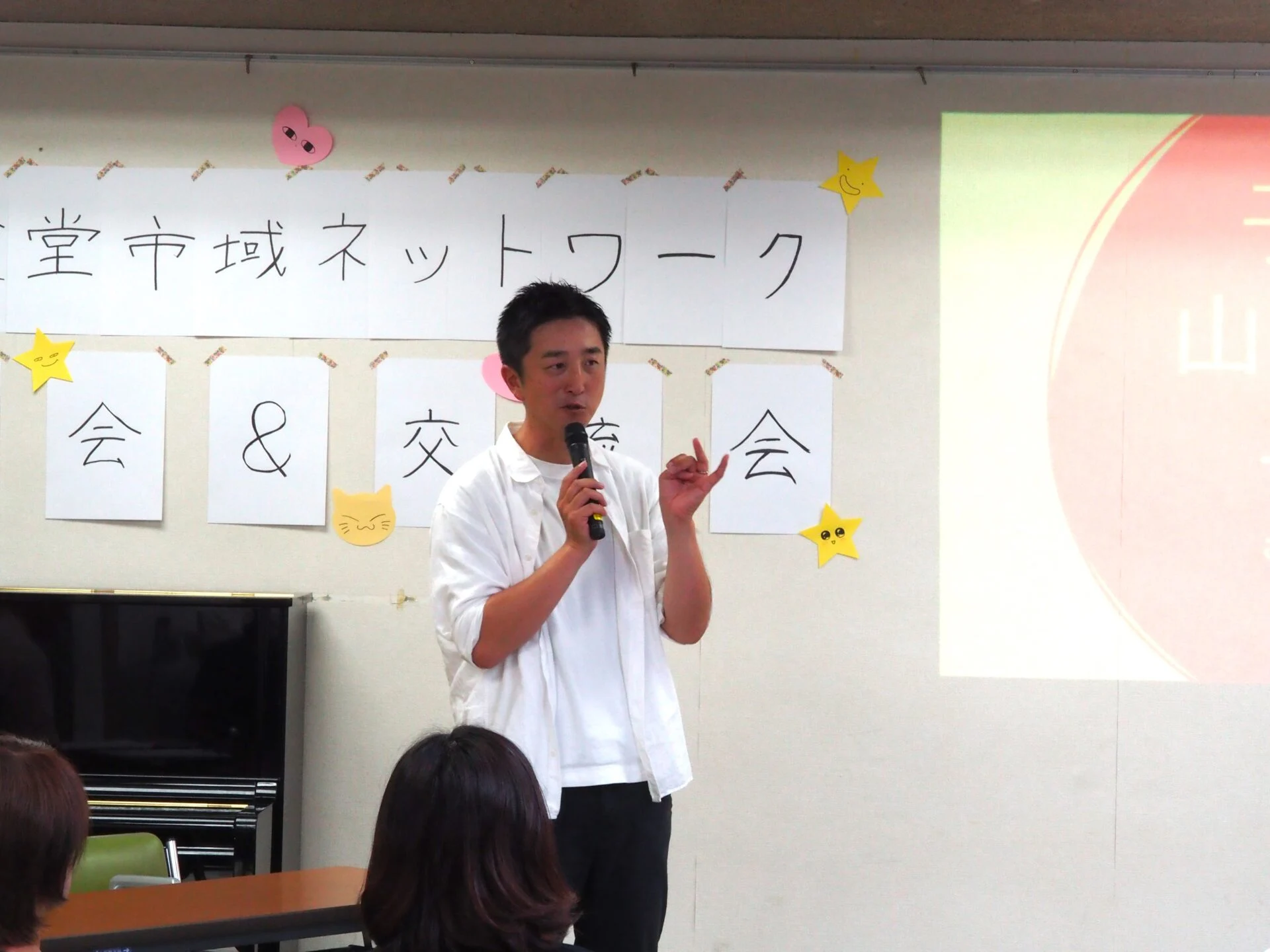
At the opening, there was a greeting from Katsuki Naoshima, the representative of the Okayama Children's Cafeteria Support Center.
In his speech, he introduced that the Okayama Children's Cafeteria Support Center provides material support and operational assistance to ensure that the activities of children's cafeterias take root in the community and continue sustainably, calling out, "I hope we can expand this as a place where connections across generations can be created in a fun way."
Lecture: "Children's Cafeteria Initiatives in Yamaguchi Prefecture"
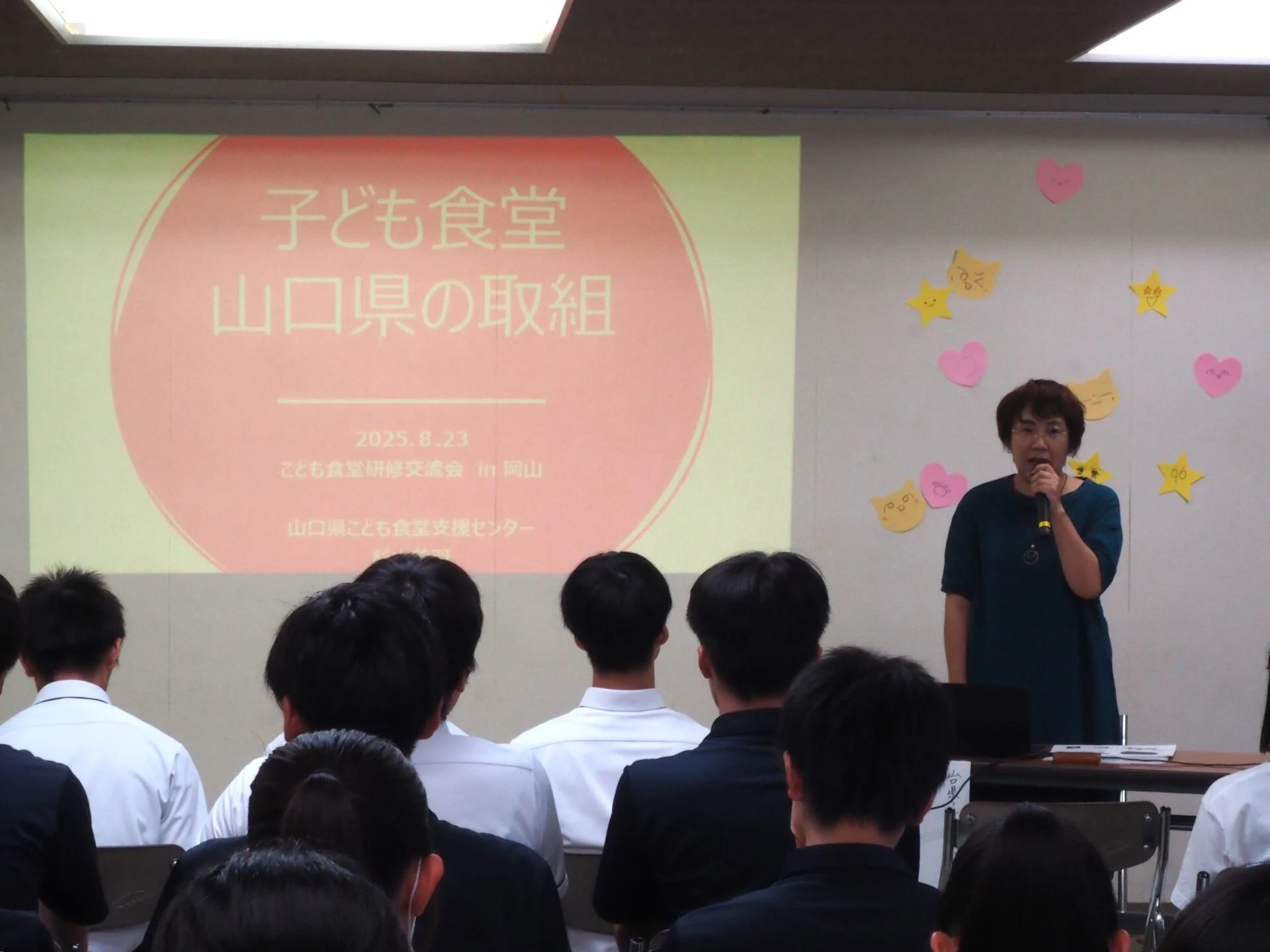
First, we have a lecture by Miwa Sugiyama, the chief coordinator of the Yamaguchi Prefectural Children's Cafeteria Support Center, titled "Children's Cafeteria Initiatives in Yamaguchi Prefecture."
She conveyed the current situation of children's cafeterias, which have spread to over 200 locations in Yamaguchi Prefecture, and the thoughts behind this development in an easy-to-understand manner.
Reasons for the increase of children's cafeterias in Yamaguchi Prefecture
Yamaguchi Prefecture has a population of 1.33 million, which is less than Okayama Prefecture (approximately 1.87 million).
In such a Yamaguchi Prefecture, the rapid expansion from just four children's cafeterias was triggered by the then governor of Yamaguchi Prefecture issuing a Children's Cafeteria Support Declaration in 2019.
It is said that this declaration influenced the initiatives to spread throughout Yamaguchi Prefecture.
Children's cafeterias as a place where children can come safely
Ms. Sugiyama introduced the definition of children's cafeterias as a place where children can come alone with peace of mind. There are no strict rules, and their forms vary by region.
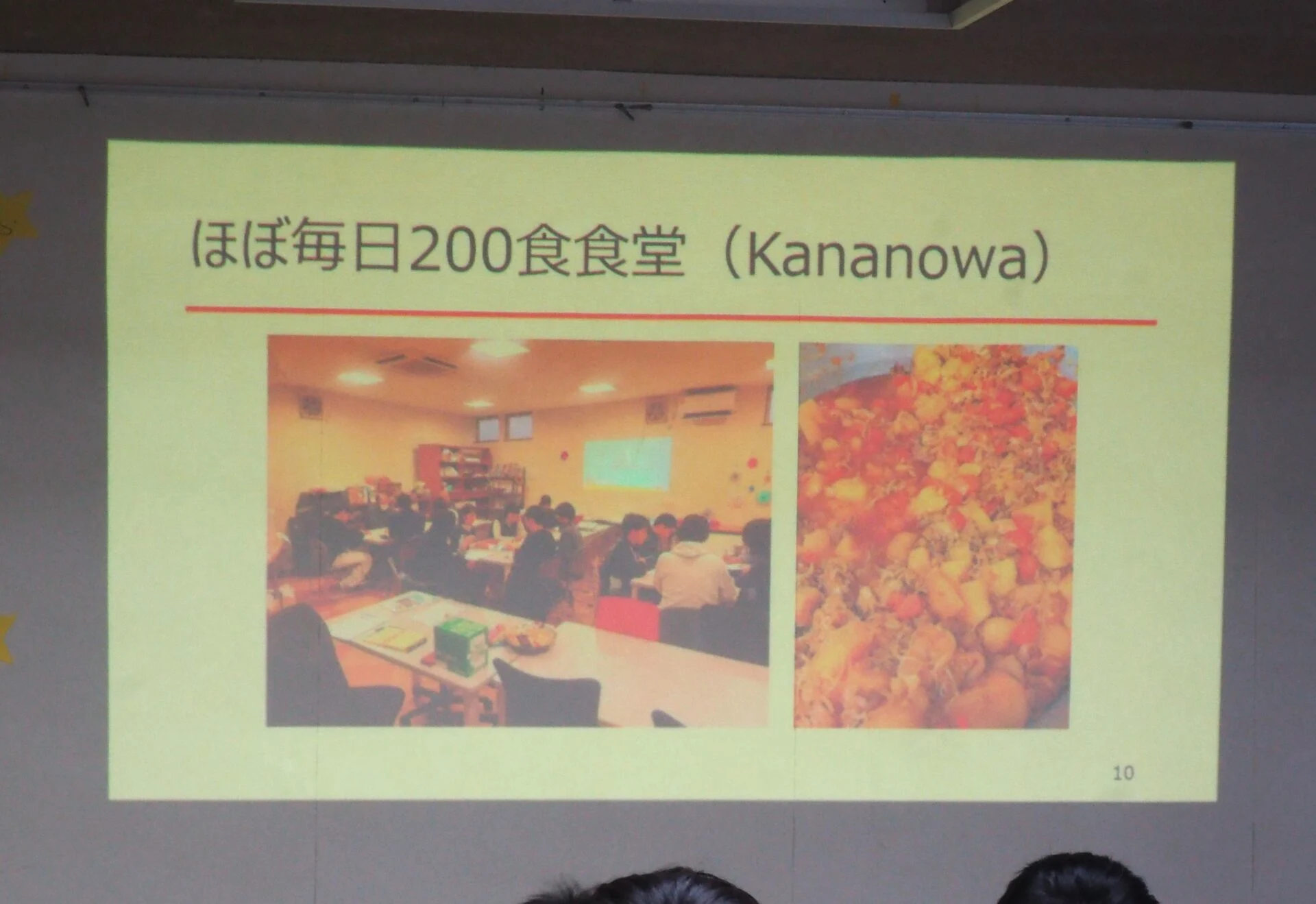
As examples, she introduced diverse practices such as "Kananowa," which provides 200 meals daily, and "Aozora Gohan," which distributes breakfast on the street before school.
On the other hand, there was also a story about a long-standing children's cafeteria "Best Friends" that closed due to the COVID-19 pandemic. It was said that switching to faceless food delivery led to a loss of motivation for the operators.
"To continue support, having a sense of purpose is also important," says Ms. Sugiyama.
In Yamaguchi Prefecture, there are currently nine coordinators assigned to support the establishment and operation of children's cafeterias, and they are establishing systems to support operations through maps, support books, crowdfunding, and fundraising through partnerships with companies.
The "Children's Support Bento," sold in collaboration with local companies, has a system where 10 yen is donated for each meal, leading to over 1.5 million yen in support annually.
A place that respects children's voices
In the latter half of the lecture, the idea that "whether it becomes a place depends on the children themselves" was introduced as a fundamental premise for children's places, emphasizing the need for a posture that respects children's voices without imposing adult ideals.
She also touched on the current difficulties in resuming communal meals and securing funding as activities expand, concluding with the message that "bringing together small strengths leads to the power to continue supporting."
Case presentations (Soja City, Niimi City, Takahashi City)
After the lecture, case presentations from Soja City, Niimi City, and Takahashi City will follow.
1. Soja City: "Current situation of children's cafeterias and Soja City"
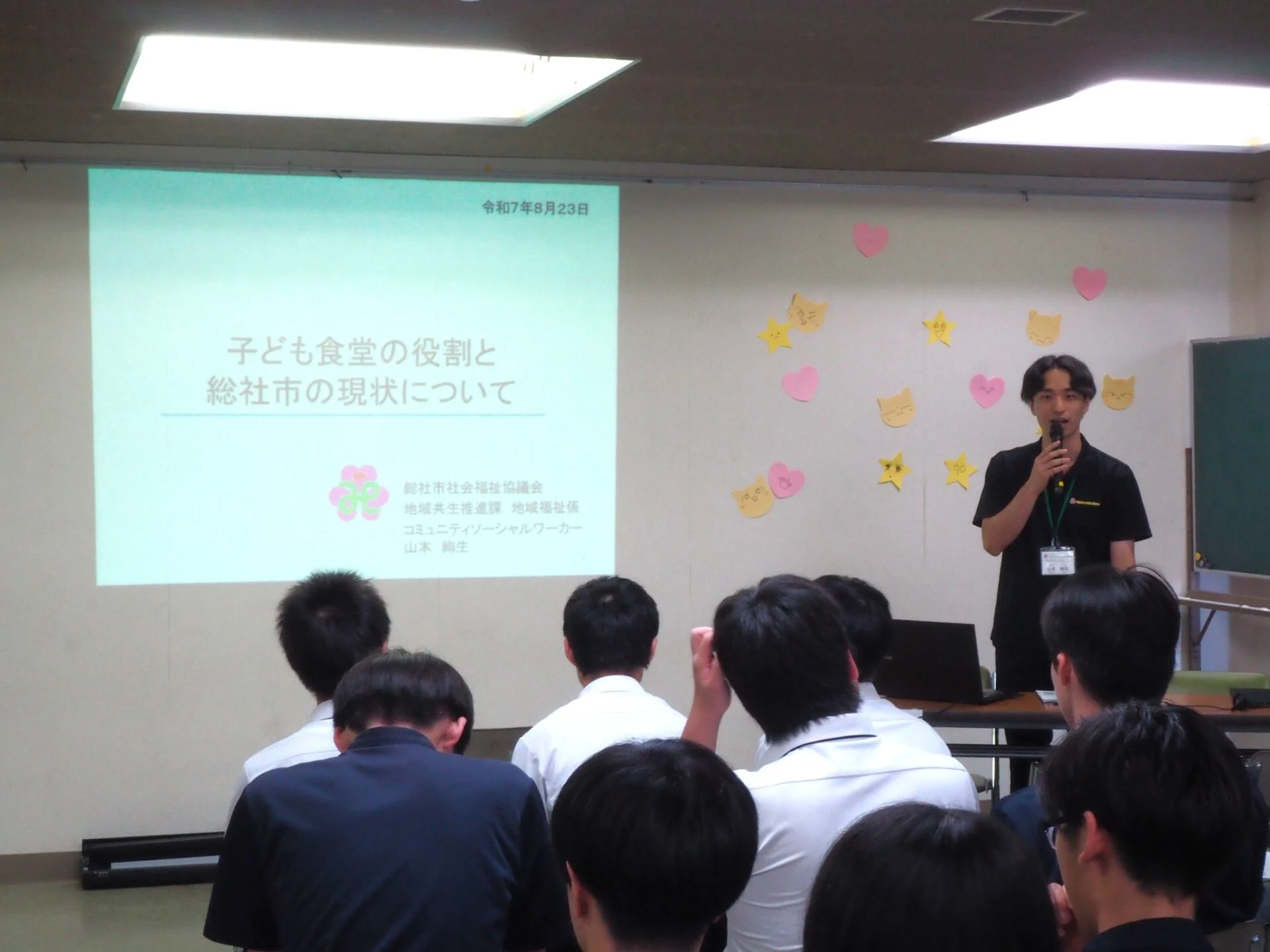
In Soja City, Kensei Yamamoto, from the Soja City Social Welfare Council, presented.
Currently, there are nine children's cafeterias operated by local residents in Soja City. The operating costs are mainly covered by donations from local businesses, and each cafeteria plays a role as a place for children.
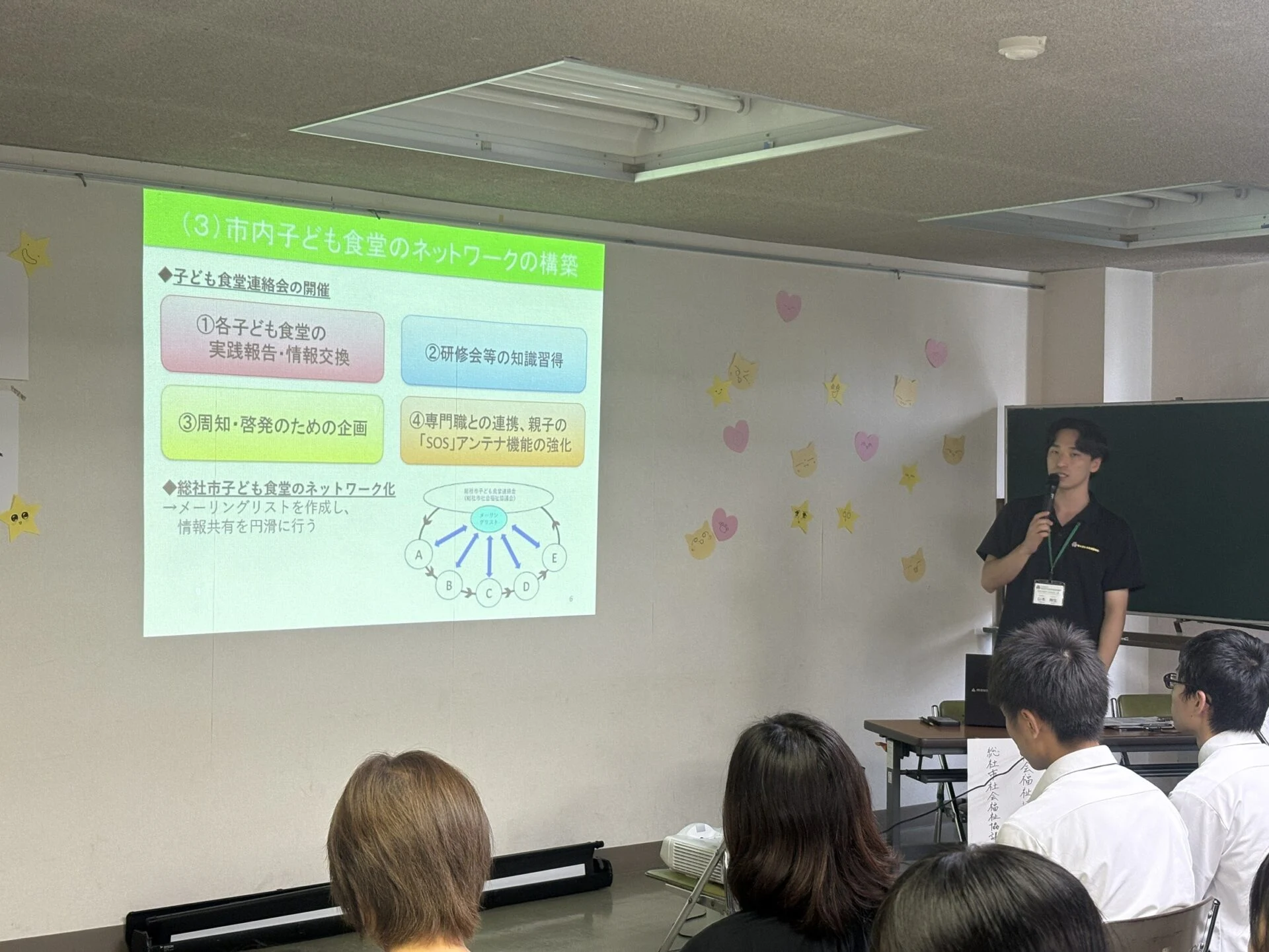
In Soja City, a "Children's Cafeteria Liaison Meeting" is held regularly to share and improve practical issues such as food hygiene, staff recruitment, and how to deliver information to families in need.
Additionally, an annual seminar involving schools and businesses promotes awareness raising and innovations created by stakeholders.
Children have expressed that it is "fun" and "delicious," and those operating the cafeterias are encouraged by words of gratitude from the community.
Additionally, there are cases of collaboration with the hikikomori support center and instances where children who are not attending school are able to come to the children's cafeteria, expanding its role beyond just a place for meals to a place for community monitoring.
Challenges include methods of communication to younger generations and securing sustainable funding.
I felt the warm power of the community in the words, "I want to continue activities while valuing the community's feelings."
2. Niimi City: "Starting Niu☆Kamukuru Cafeteria"
Next is the presentation from Niimi City.
Members of the circle "Tapepro," established by students from Niimi Public University, Department of Community Welfare, took the stage. It started in the spring of 2023 and now has 45 members.
The circle's name carries the meaning of "activities that leave a lasting impression" and "being able to challenge without being limited to a specific place."
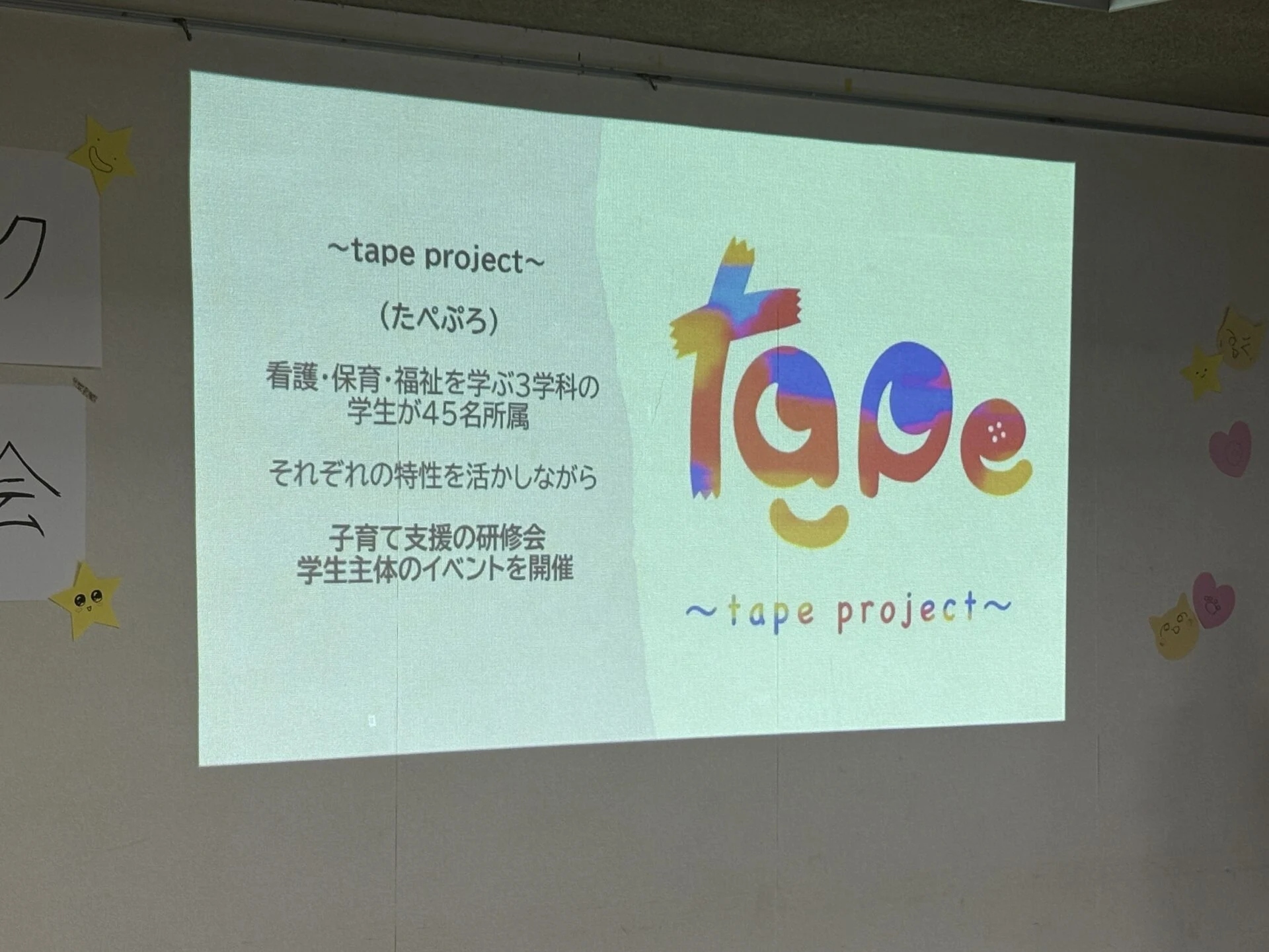
The following activities were introduced as examples:
- Summer festival project enjoyed in yukata
- Cooking experience "Mochi Mochi Mochi Meeting"
- Study session on child-rearing support
- Exhibition of a children's booth at the university festival
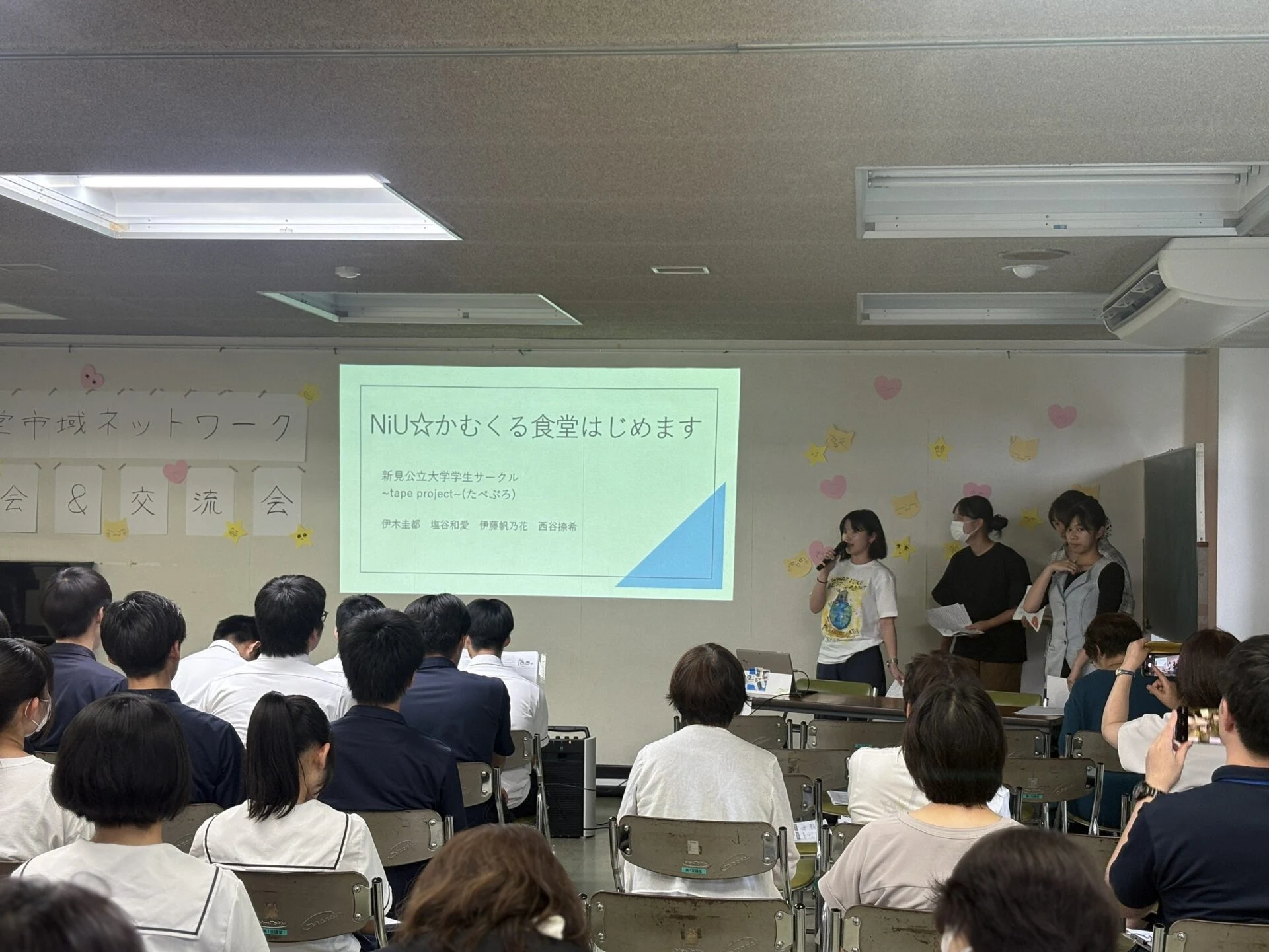
And currently, the focus is on the children's cafeteria "Kamukuru Shokudo," which the students are tackling for the first time. They are steadily preparing for the inaugural event through discussions and preparations with local residents.
Although this activity has just begun, I felt a warm possibility for the future of the community from the students who have started to move, believing that "there is something we can do."
3. Takahashi City "Creating a Place for Children in the Community: Everyone's Cafeteria Tamari-ba"
Finally, from Takahashi City, we have a presentation by Kouhei Awamura, a consultation support specialist from the Development Support Network Tsumugi.
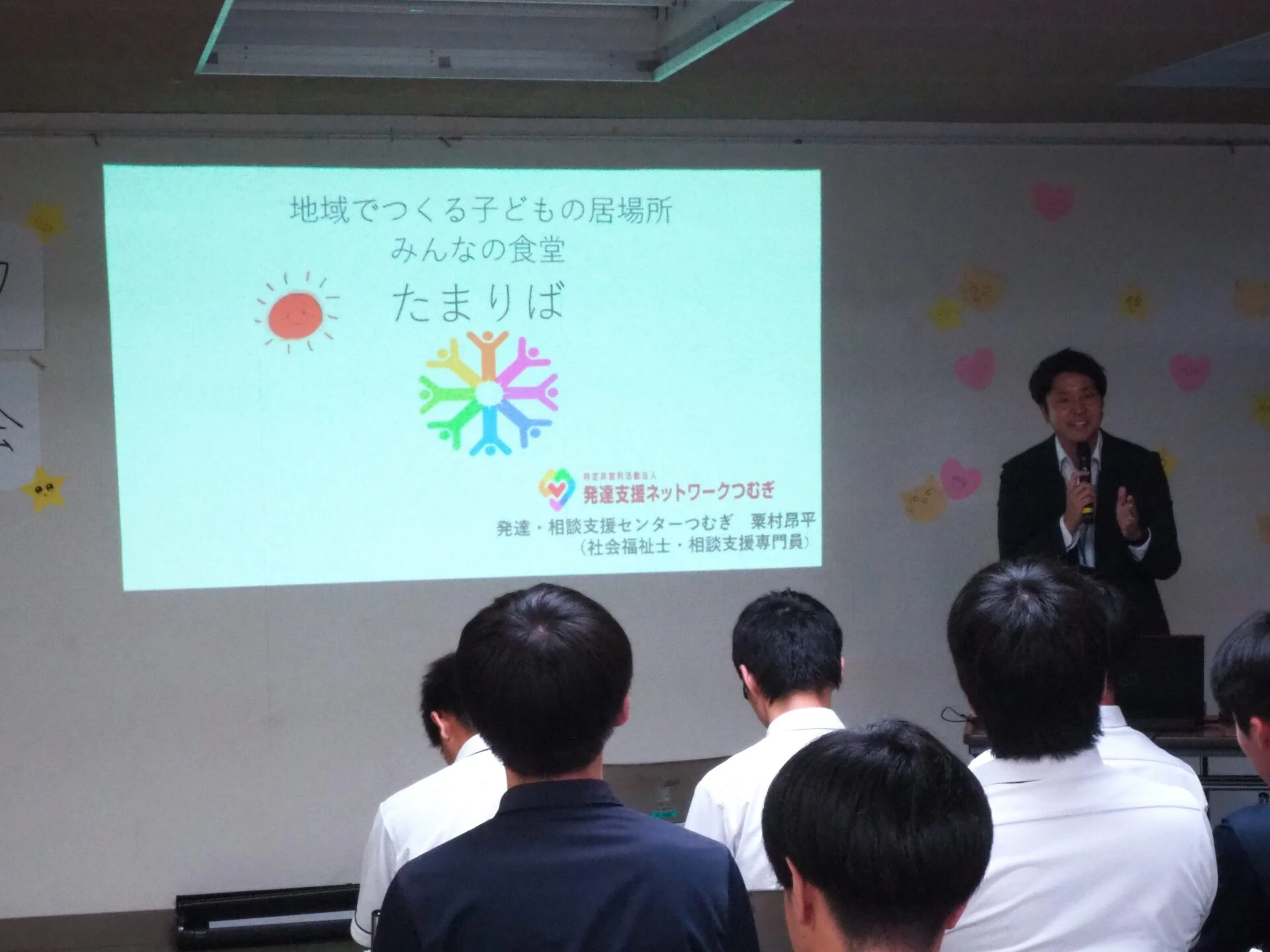
While introducing the activities of the welfare organization engaged in developmental support and family support, he shared episodes on how to face the troubles that exist in the "gaps of the system."
Starting in 2024, they launched a children's cafeteria as a place to gently support daily worries that cannot be fully addressed by the system, such as parenting, economic anxiety, and lack of places for children.
It is held on the third Saturday of every month as an "inclusive space" where anyone from the community can participate.
Inclusive
A concept where anyone can be accepted and spend time together, regardless of age, disability, nationality, or gender.
In addition to providing meals, it has become a place for play, homework support, and a space for parents to take a breather, with around 40 participants now. The take-home corner funded by donations from the community is also well-received.
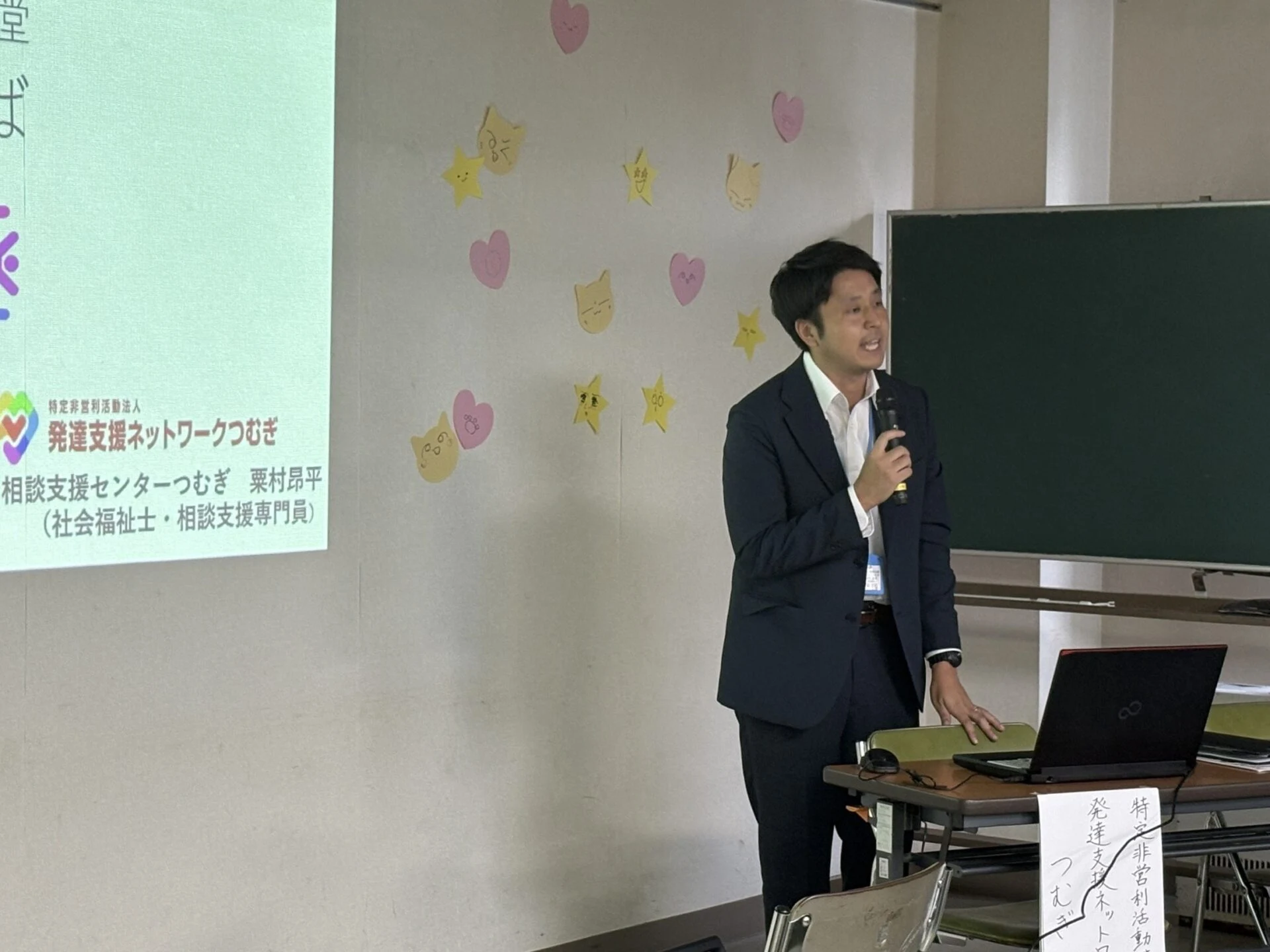
The challenges that have become apparent through these activities include "families that find it difficult to connect with support," "the weakening of community connections," and "the necessity for diverse support collaboration." He spoke passionately about wanting to create warm connections that fill the gaps in daily life.
Exchange Meeting Overview
Towards the end of the inaugural meeting, Katsuki Naoshima, the representative of the Okayama Children's Cafeteria Support Center, appeared again. He explained that the initiatives of children's cafeterias in Okayama Prefecture are modeled after activities in Yamaguchi Prefecture, and that is why they invited a regional coordinator from Yamaguchi Prefecture for this lecture.
Learning from good examples and incorporating them to fit the community
I felt that such an attitude forms the foundation of this network.
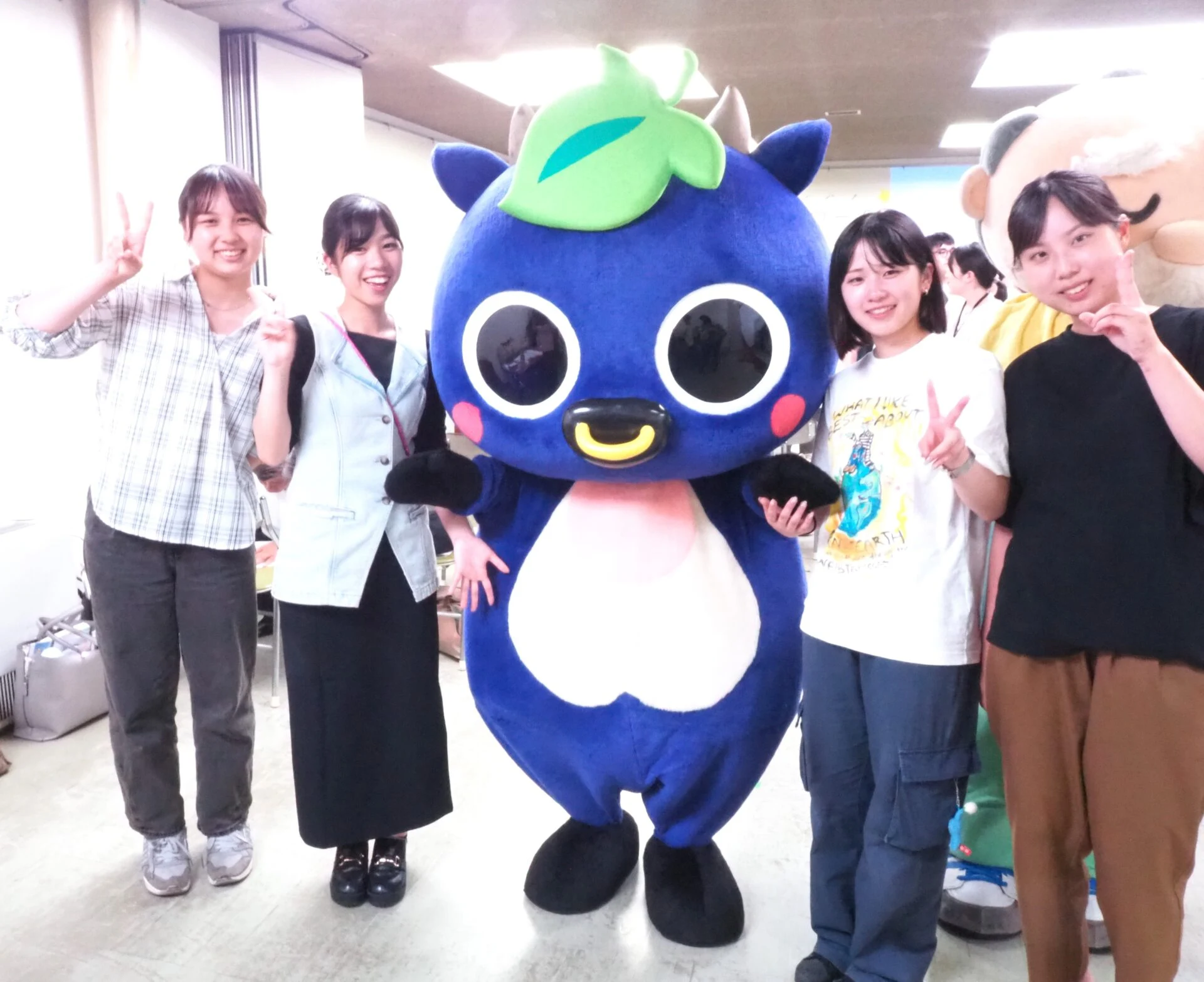
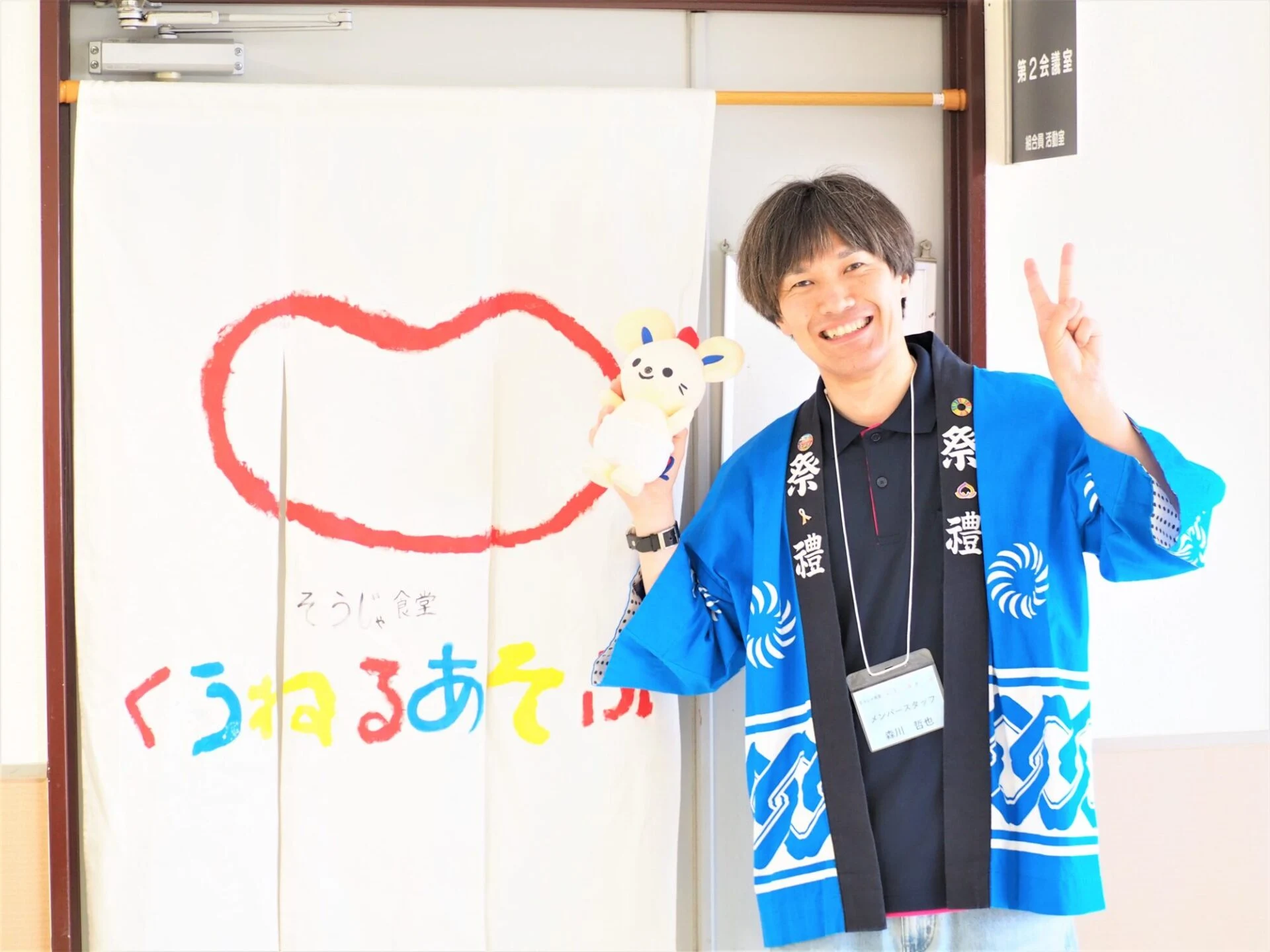
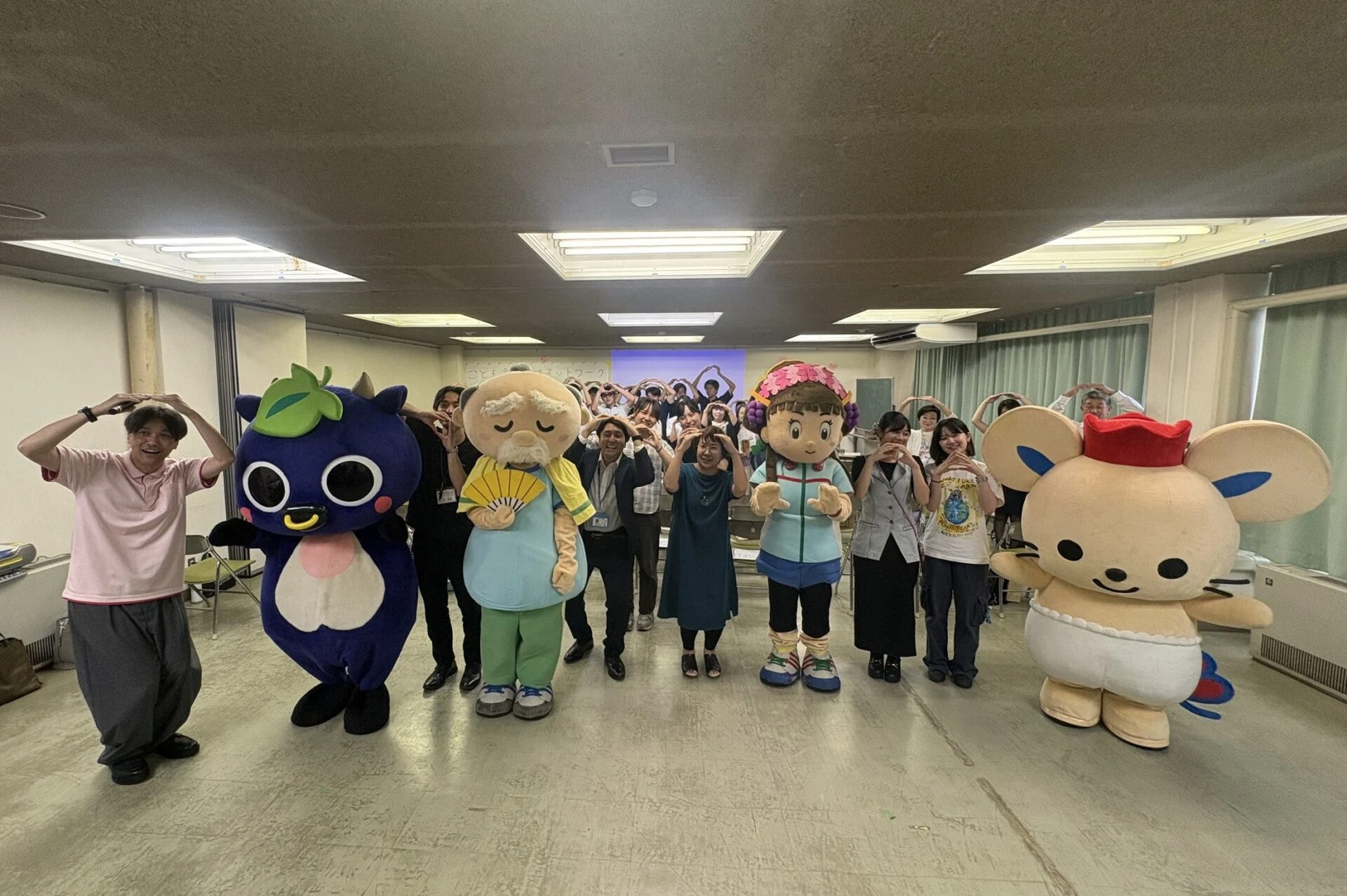
After that, the mascots from Soja City, Niimi City, and Takahashi City also appeared, and everyone took a commemorative photo together.
High school and university students also took pictures and discussed children's cafeterias with each other, creating a friendly atmosphere, and the inaugural meeting and exchange meeting came to a close in a relaxed conversation.
I spoke with Katsuki Naoshima, the representative of the Okayama Children's Cafeteria Support Center, which organized this inaugural meeting and exchange meeting.
Data on the Inaugural Meeting and Exchange Meeting of the Children's Cafeteria Regional Area Network
| Name | Inaugural Meeting and Exchange Meeting of the Children's Cafeteria Regional Area Network |
|---|---|
| Date | August 23, 2025 (Saturday) |
| Location | 3-1-102 Chuo, Soja City, Soja Central Community Center, Room 1 |
| Participation Fee (including tax) | Free |