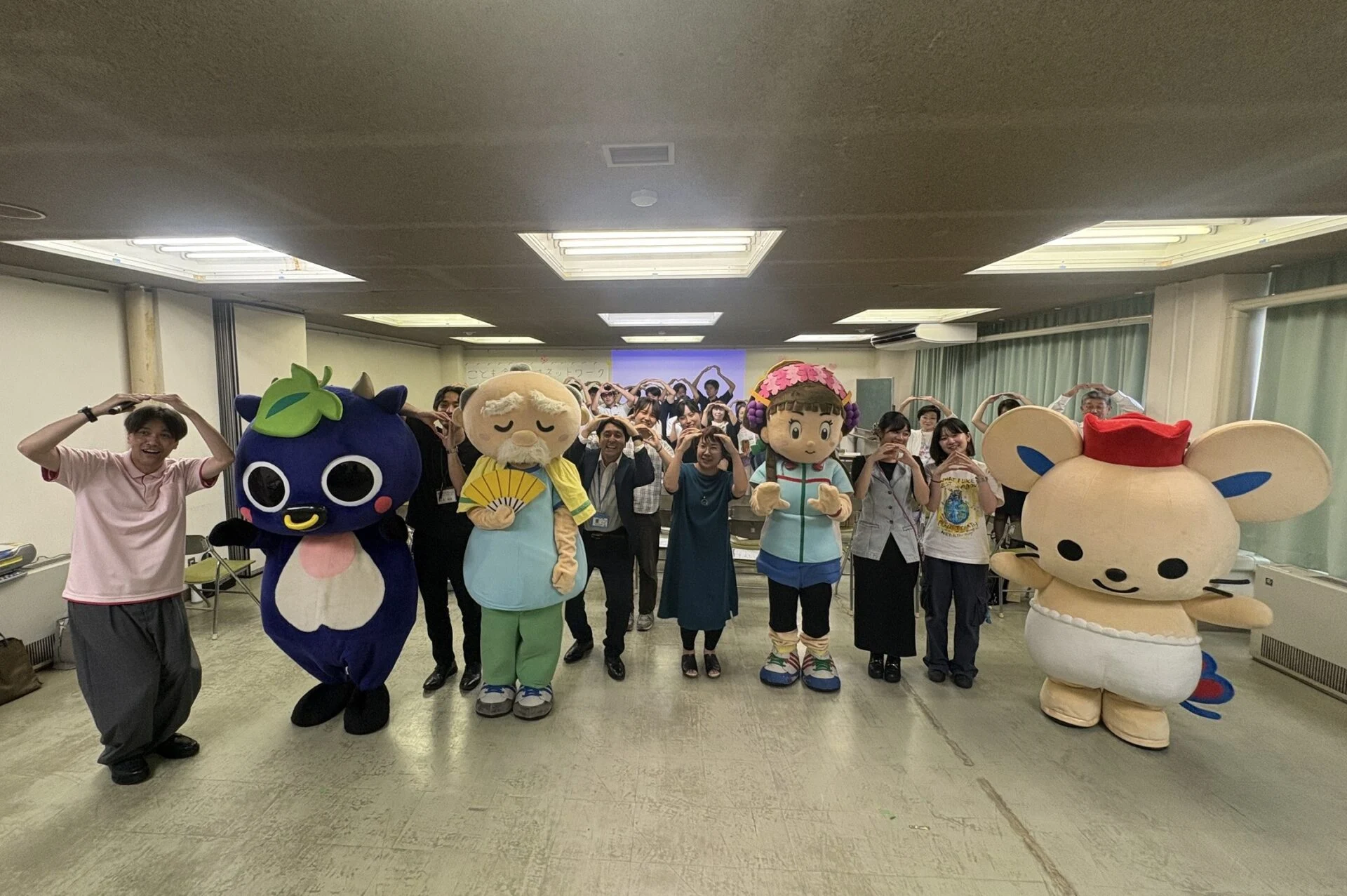
Interview with Naoshima, representative of the Okayama Children’s Cafeteria Support Center
We spoke with Katsuki Naoshima, representative of the Okayama Children’s Cafeteria Support Center, about what prompted the network initiative and the current state of children’s cafeterias.

Building a network rooted in the community
What prompted you to launch a city-wide network?
Naoshima (honorific omitted)
We had already launched a network covering all of Okayama Prefecture in 2017, and from fiscal 2022, I was involved in building networks at the prefectural bureau level.
However, Okayama Prefecture is large, and we decided that we needed more face-to-face relationships and an environment where people could easily seek advice. Taking initiatives in Yamaguchi Prefecture as a reference, we went on to launch networks in each city area.
The growing number of children’s cafeterias and emerging challenges
What challenges do you see in the current state of children’s cafeterias in Okayama Prefecture?
Naoshima
The number of children’s cafeterias is growing, but measured by coverage in each elementary school district, there are still far too few.
At the same time, activities are thriving in every area, and connections are forming across generations and social positions. This is a very significant change. I feel that children’s cafeterias are beginning to become social infrastructure in the community and a force for driving the community forward.

On the other hand, for children’s cafeterias to continue to exist in their communities, I believe even more coordination across institutional boundaries is needed with schools and other organizations that engage with a greater number of children.
Also, as children’s cafeterias become more widely known, they are often expected to do more than their original purpose. They are, above all, voluntary, community-led private initiatives, so it is necessary to draw a line between their role and matters that should be the responsibility of public institutions.
Children’s cafeterias can serve as a gateway to connecting with the community, but we need to be careful about “excessive expectations” that they alone can solve the community’s problems.
A familiar support system everyone can take part in
What is the most important thing you want to communicate through the network?
Naoshima
The most important thing I want to communicate through the network is that “children’s cafeterias are nearby, familiar initiatives in the community.”
I also hope people will use it as a place where they can easily seek advice when they think, “I want to do something for children or the community.”
I would be happy if the network could help children and community members feel that “there are people who care about us.”
Do you have a message for people who would like to get involved with a children’s cafeteria in their community?
Naoshima
When I look at the activities of each children’s cafeteria, I see people who are all working with children and the community in mind.
Businesses and local government are also joining in, and I feel these cafeterias have become a shared asset for the whole community. This shared asset is called the “commons,” and it is indispensable to the community of the future.
Commons
A shared asset within a community or society that does not belong to any one person, but is supported, protected, and nurtured by everyone
Let’s work together to create places where connections with society arise naturally as more people, including children, get involved, and systems that ensure the voices of children and the community are properly heard by society.
Attending the children’s cafeteria network launch and networking event

Those working in the field of children’s cafeterias still face many challenges, including operational difficulties and funding issues.
However, at this launch and networking event, as people met face to face, talked, and gradually connected with one another, I felt that a sense of “trust and reassurance” was slowly taking shape.
I hope that systems which can be sustained over the long term without placing undue burdens on communities will continue to spread.
children’s cafeteria city-area network launch and networking event Information
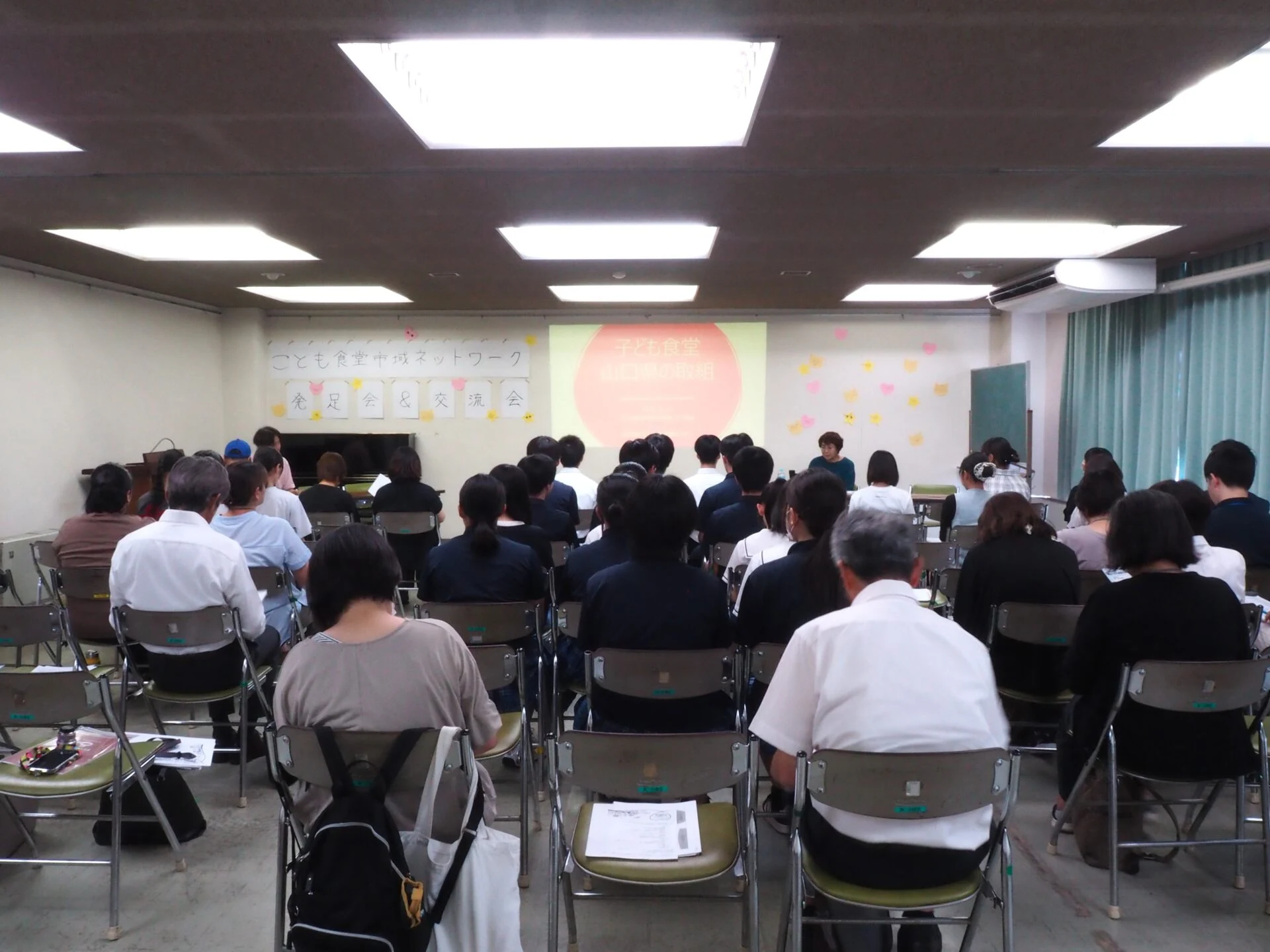
| Name | Children’s Cafeteria City-Area Network Launch and Networking Event |
|---|---|
| Date | Saturday, August 23, 2025 |
| Location | 3-1-102 Chuo, Soja City Soja Central Community Center, Meeting Room 1 |
| Participation fee (tax included) | Free |




What would you like to know about Kurashiki?
Enter a word to search articles on this site