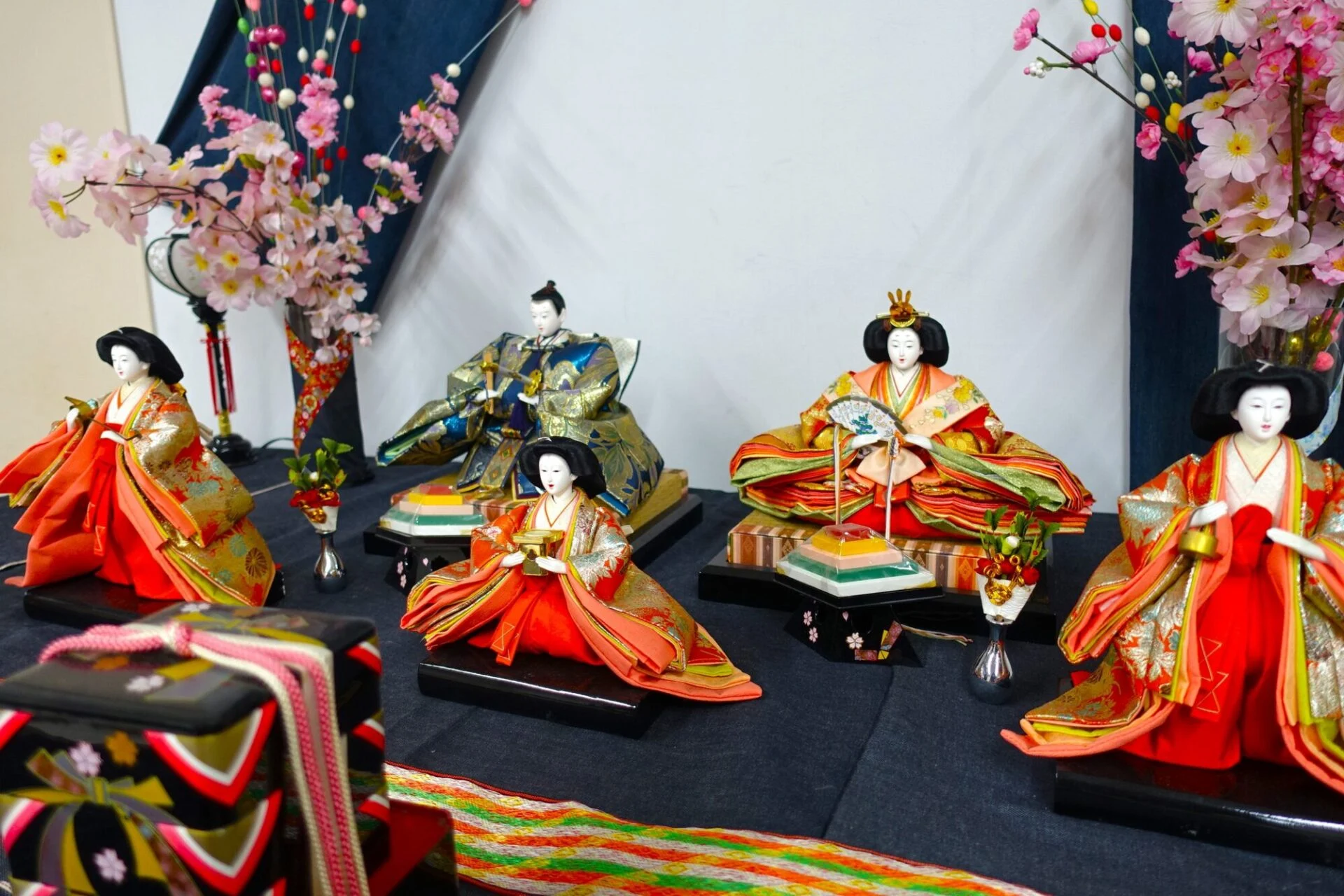
The Kojima Hina Meguri is an event that revolves around the display of hina dolls at various tourist facilities, public facilities, and shops throughout Kojima.
This was my first time participating in the Hina Meguri.
Speaking of Kojima's Hina Meguri, the hina dolls displayed in the large hall with a hundred tatami mats are famous.
I had been wanting to go at least once, so this time I decided to stroll around the area near Kojima Station.
It was a warm and sunny day, so I set off by train.
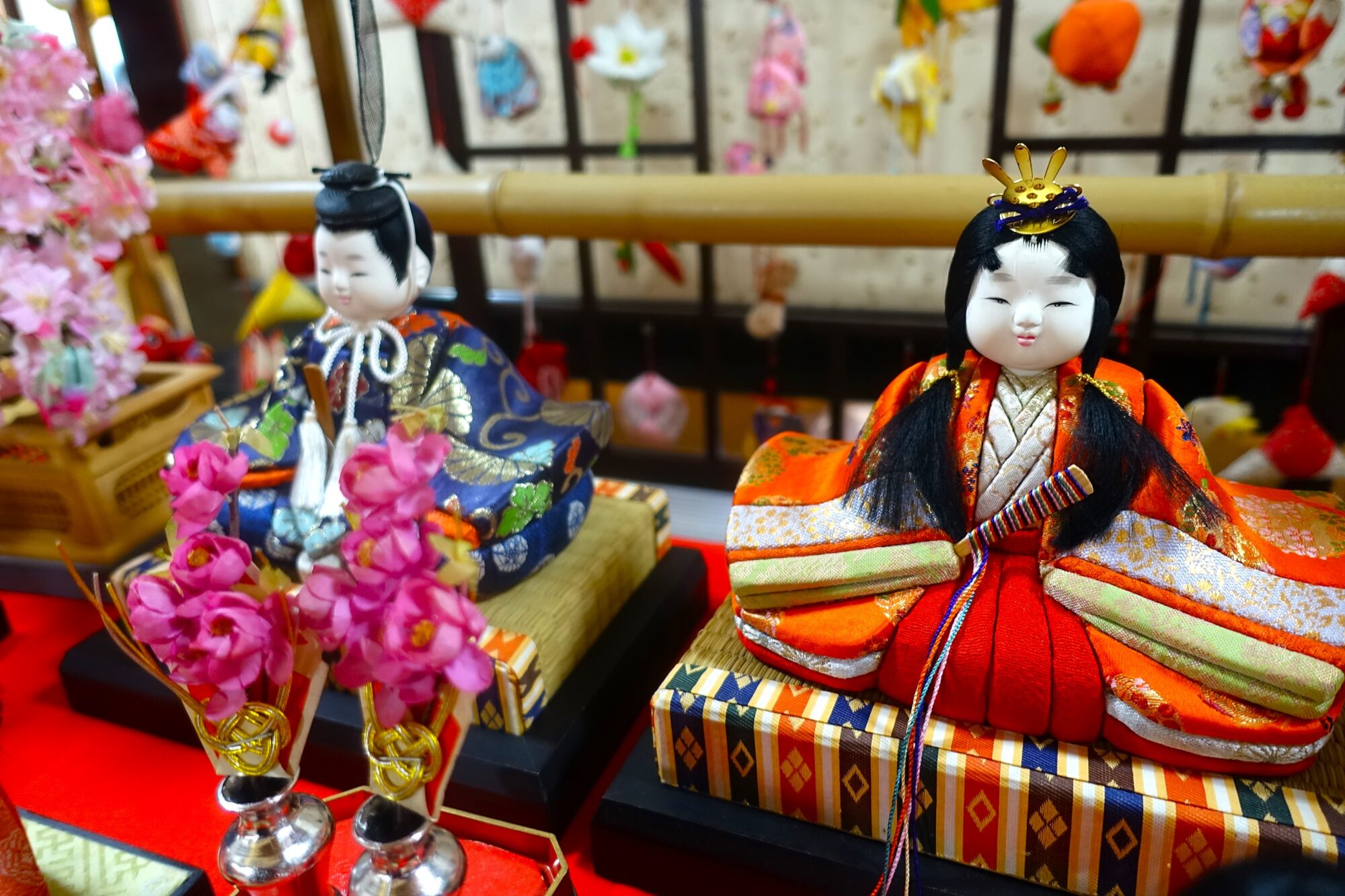
What is Kojima Hina Meguri
The Kojima Hina Meguri was held from February 25 (Saturday) to March 12 (Sunday) at various locations in Kojima.
The event was divided into five main areas A to E, where hina dolls reflecting the characteristics of the region were displayed.
- A: Kojima Jeans Street, Kojima Station area
- B: Jeans Museum area
- C: Shimotsui and Washuzan Hill area
- D: Karakoto and Tatami Edge area
- E: Canvas area
In addition to the displays, various events and workshops were also held.
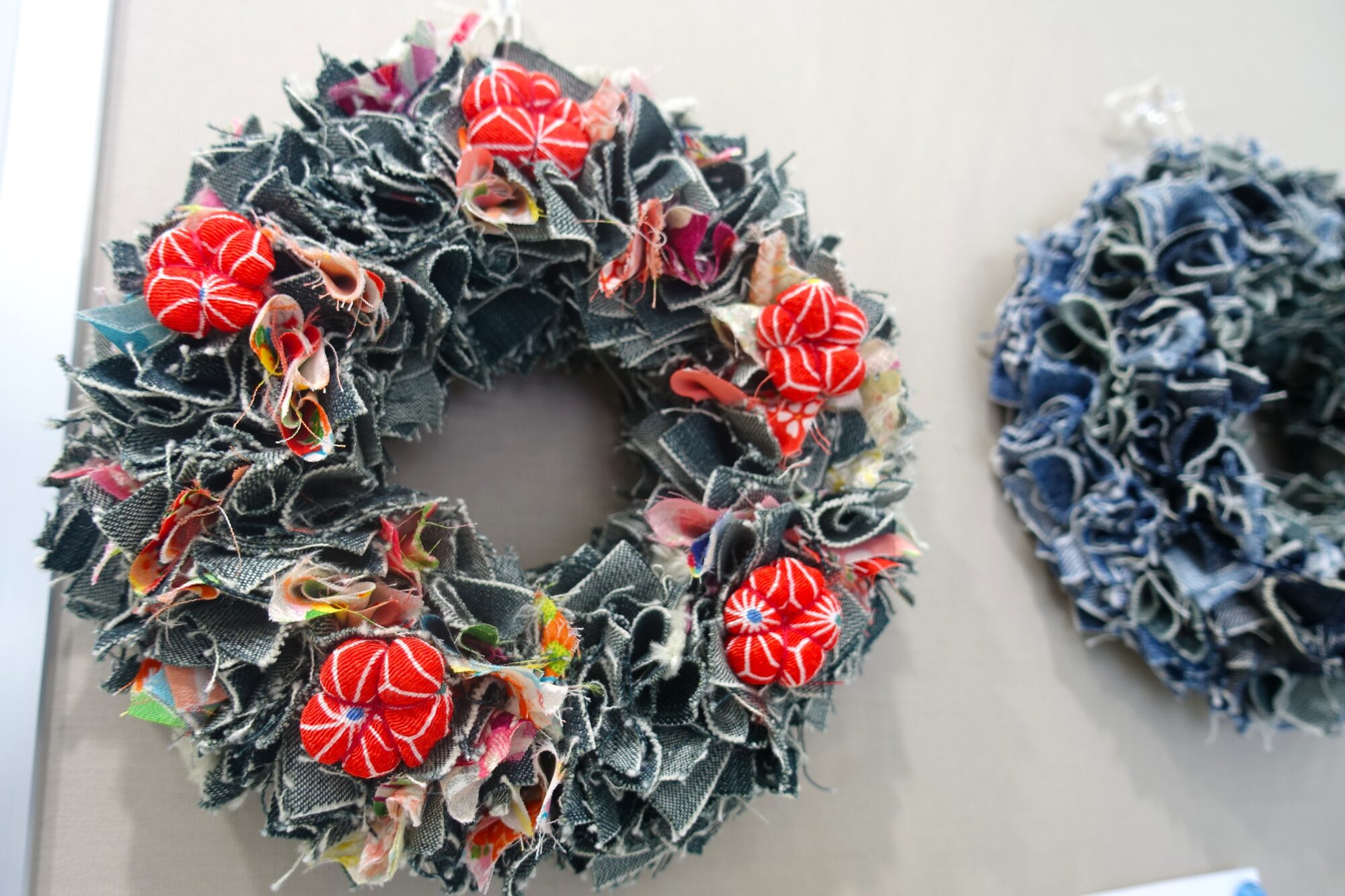
It seems that workshops are held every year.
If you're going all the way there, you want to participate in the events as well, right?
I also want to try making wreaths and hina crafts next year.
Kojima Station
I was really looking forward to the Hina Meguri.
As I was excited to meet the wonderful hina dolls, I quickly arrived at Kojima Station.
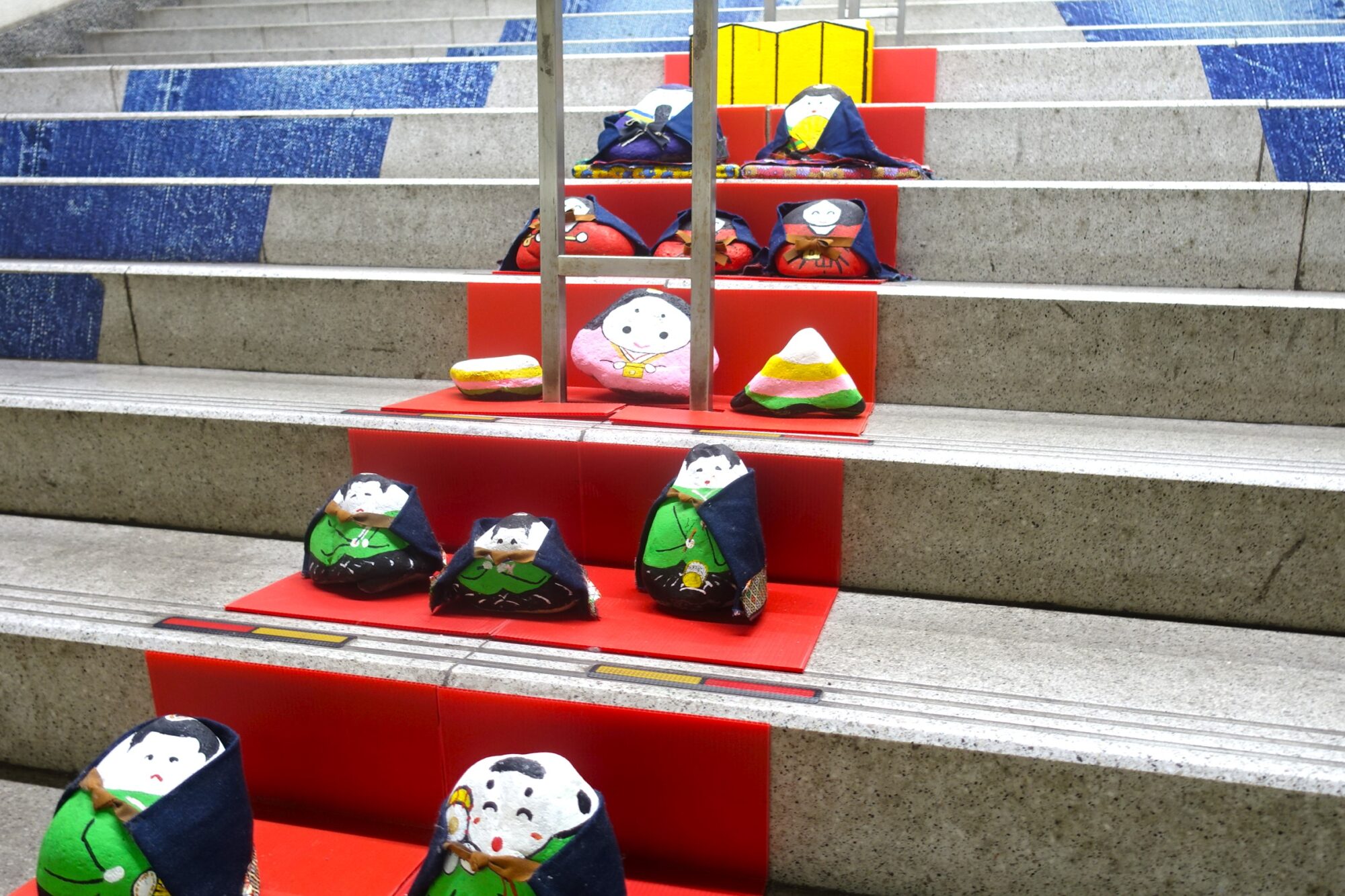
After getting off the train and going down the stairs to the platform, I was soon greeted by cute hina dolls.
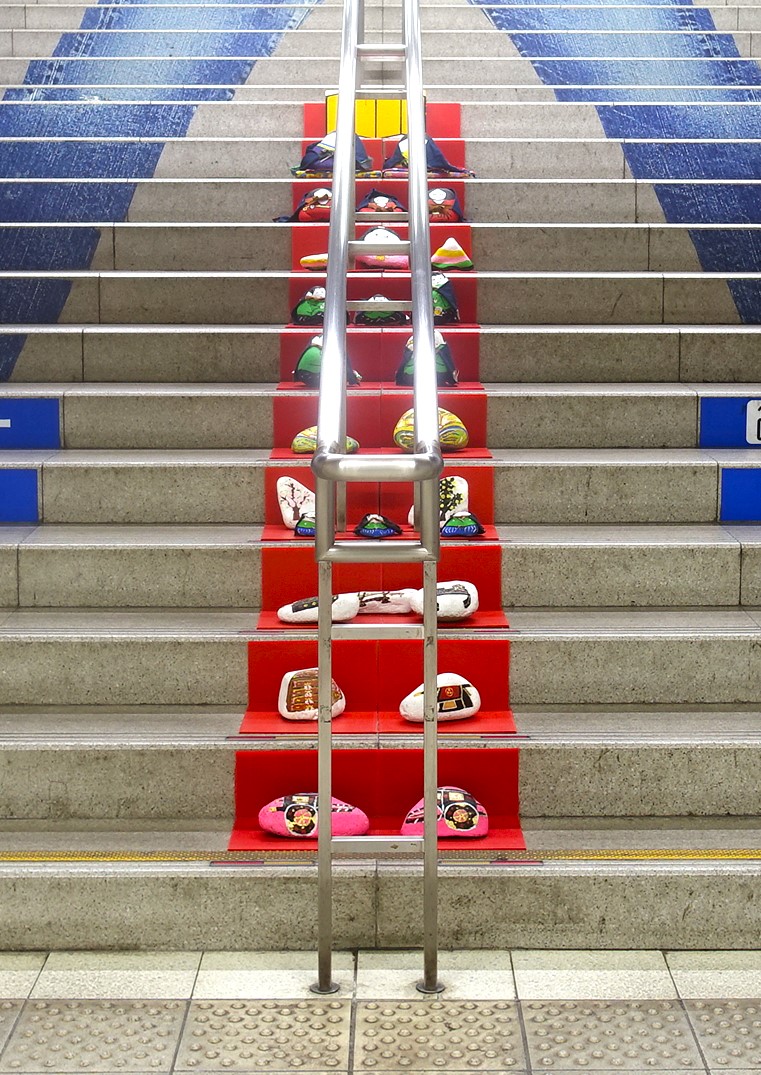
It was the stair hina display.
The stairs leading up to the platform inside the ticket gate were arranged to resemble a hina stand, with hina dolls lined up.
I was pleasantly surprised by the cute welcome that I hadn't expected.
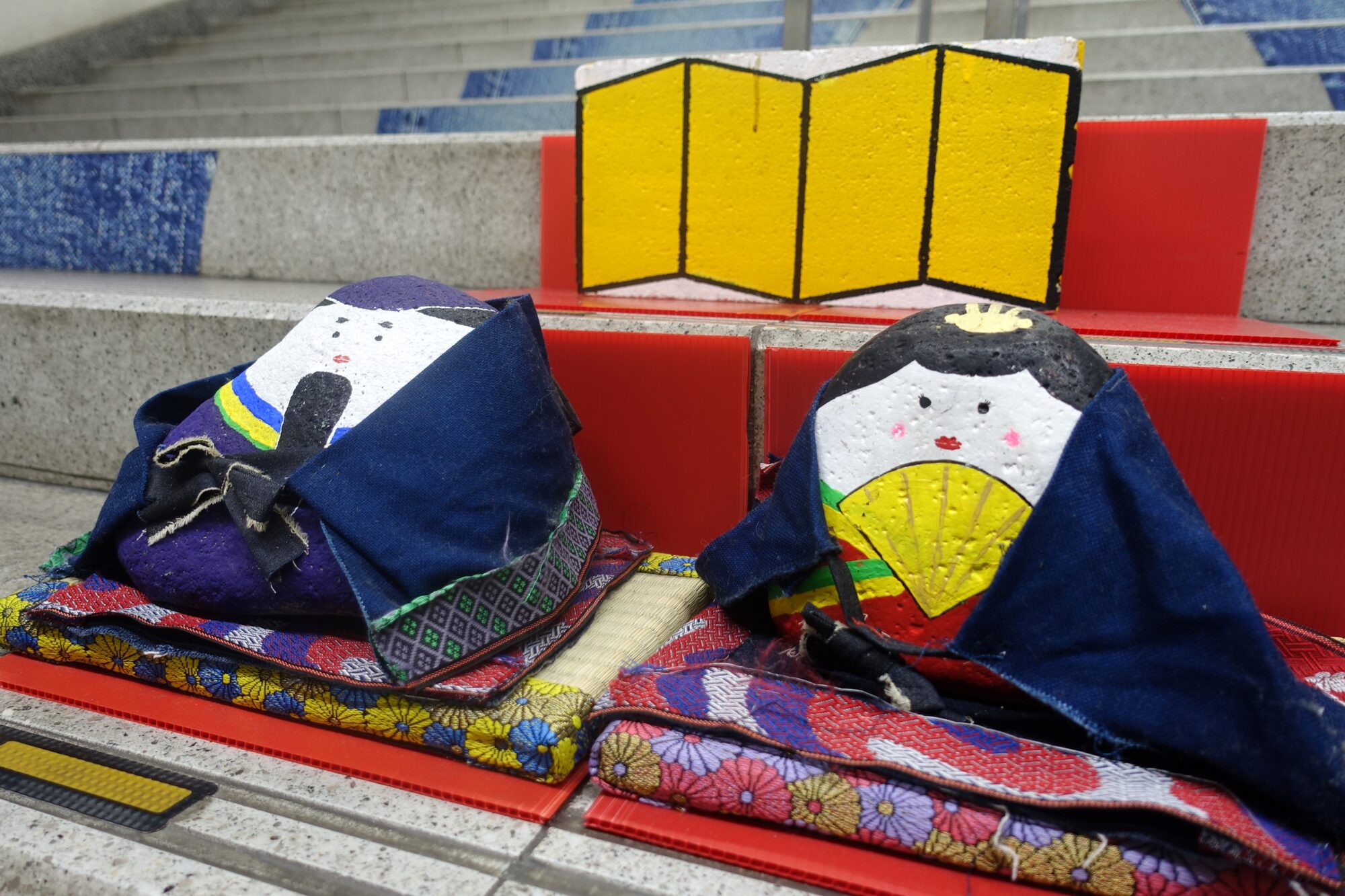
Upon closer inspection, they are actually made of stone.
It seems they were made by collecting stones from the riverbed.
I felt warm seeing the cute faces of the hina dolls, beautifully colored.
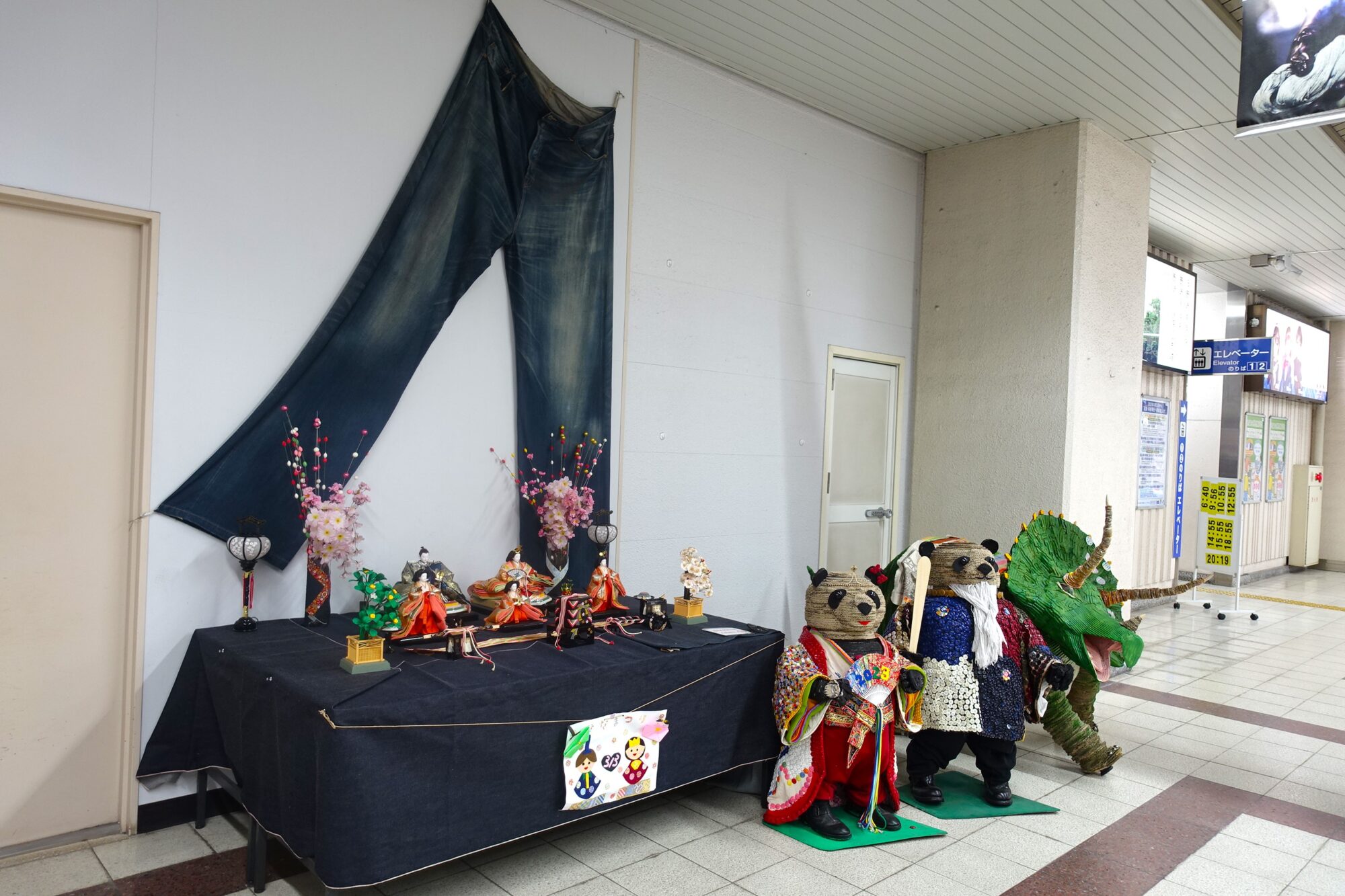
I wonder what kind of hina dolls I will encounter next.
I left the ticket gate with excitement.
Kojima Community Center
The first place I headed to was the Kojima Community Center.
The Kojima Community Center has a交流棟 and a library and hall building.
The hina dolls are displayed in the交流棟.
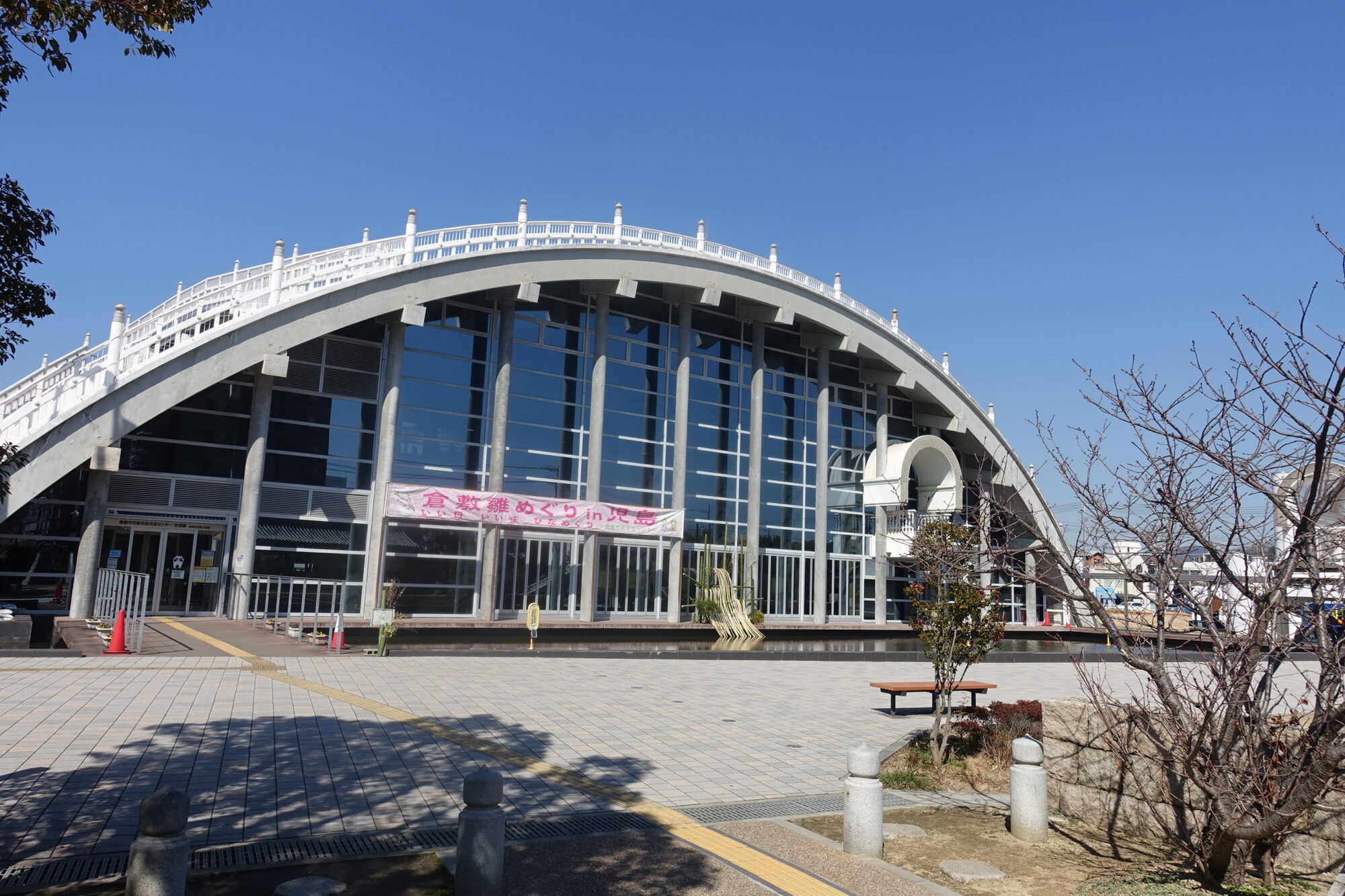
The交流棟 is a unique building with a dome-shaped roof.
It was built to resemble a taiko bridge and is quite rare in Japan.
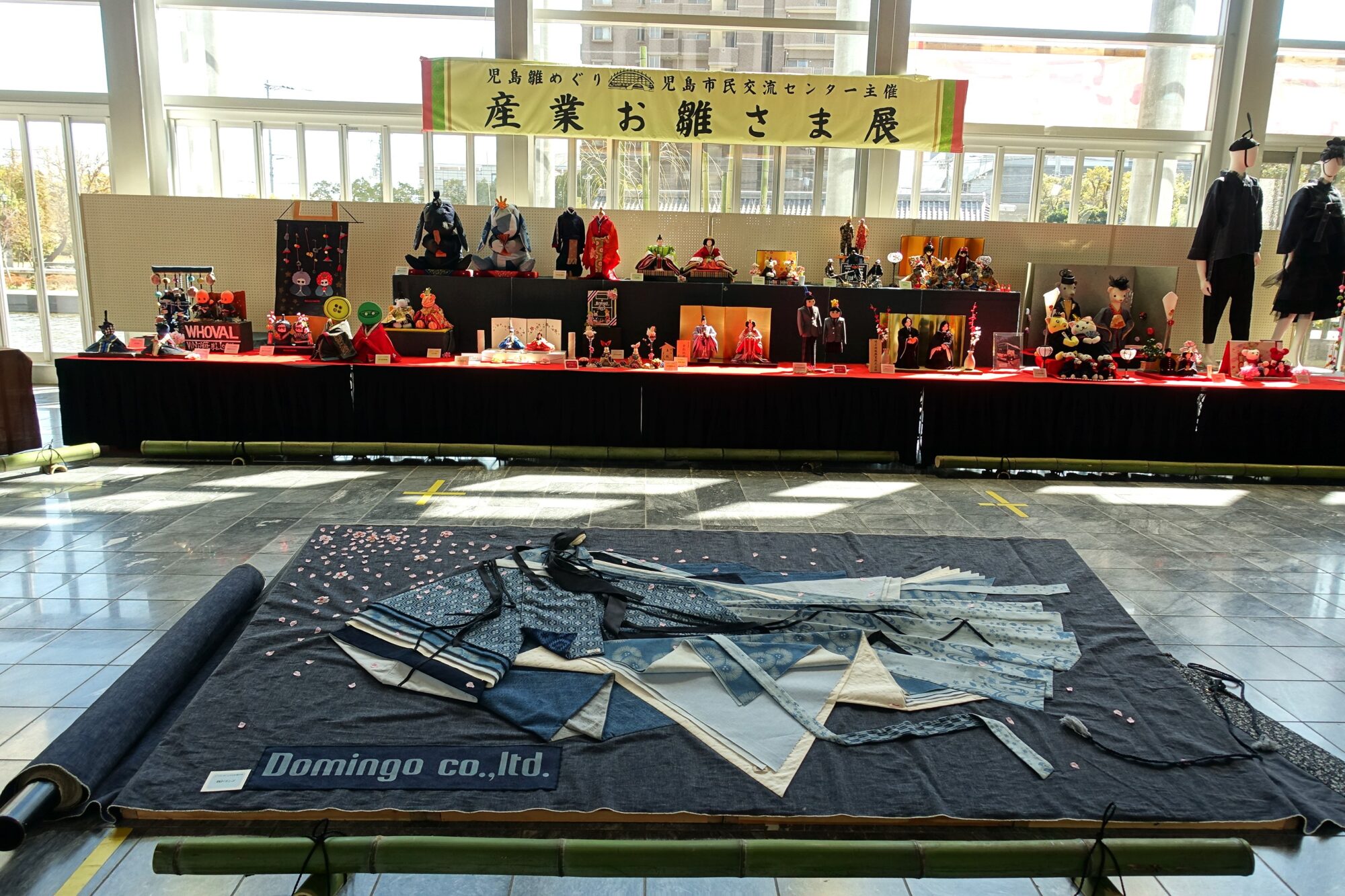
Upon entering the交流棟, I found many hina dolls on display.
Twenty-four local companies and five schools each created hina dolls reflecting their unique characteristics.
From familiar traditional hina dolls to modern hina dolls that I had never seen before, there was a truly diverse range.
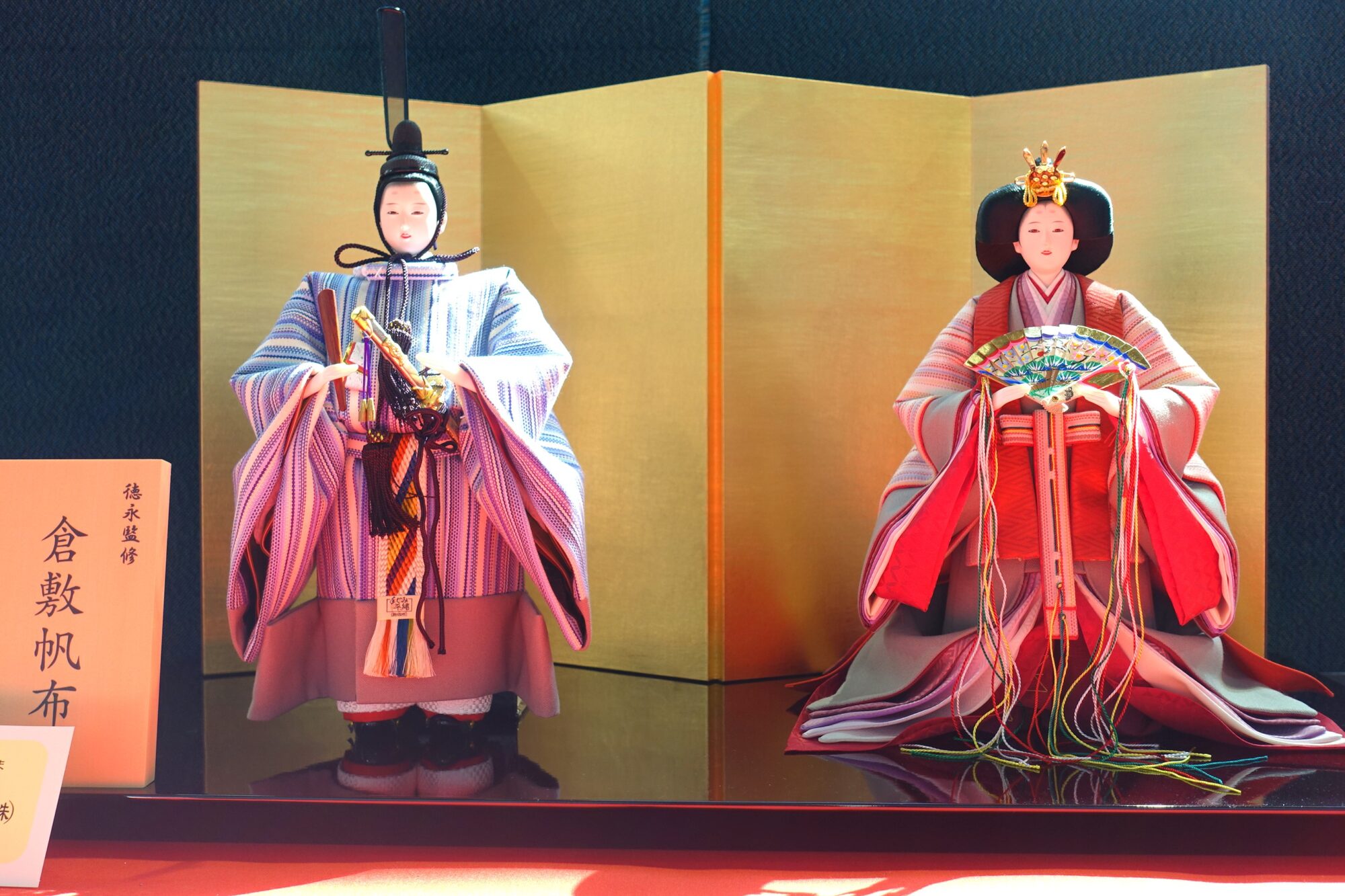
A hina doll dressed in a canvas outfit.
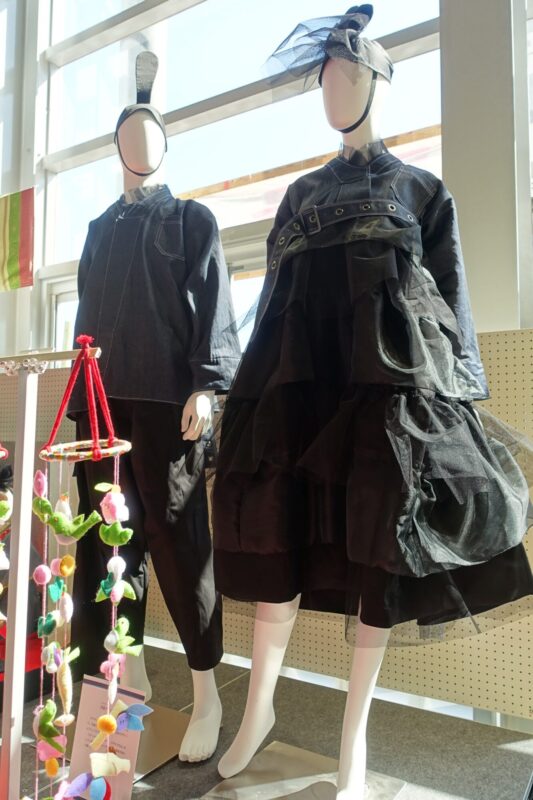
A hina doll dressed in denim fabric.
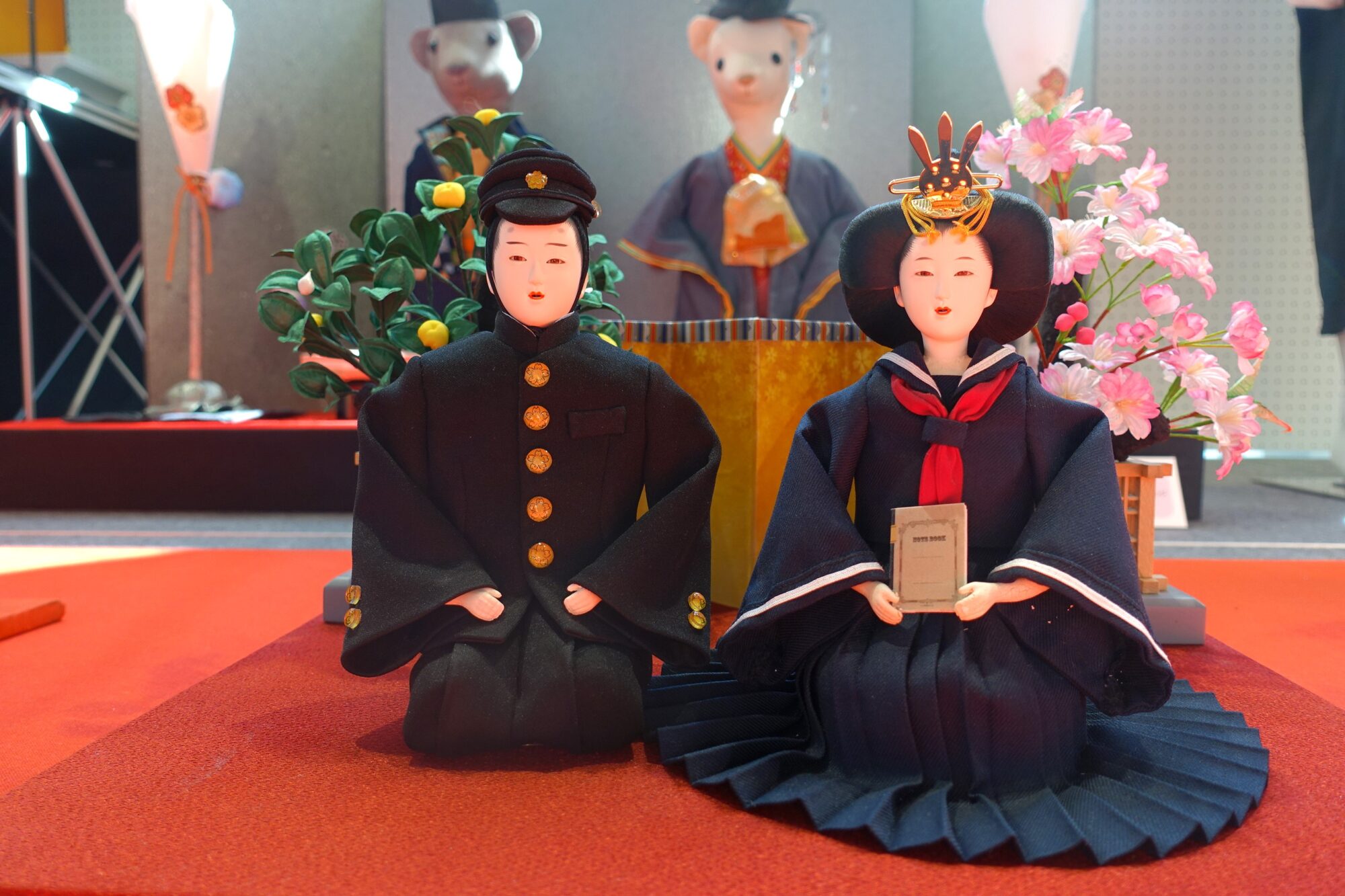
A hina doll dressed in a school uniform.
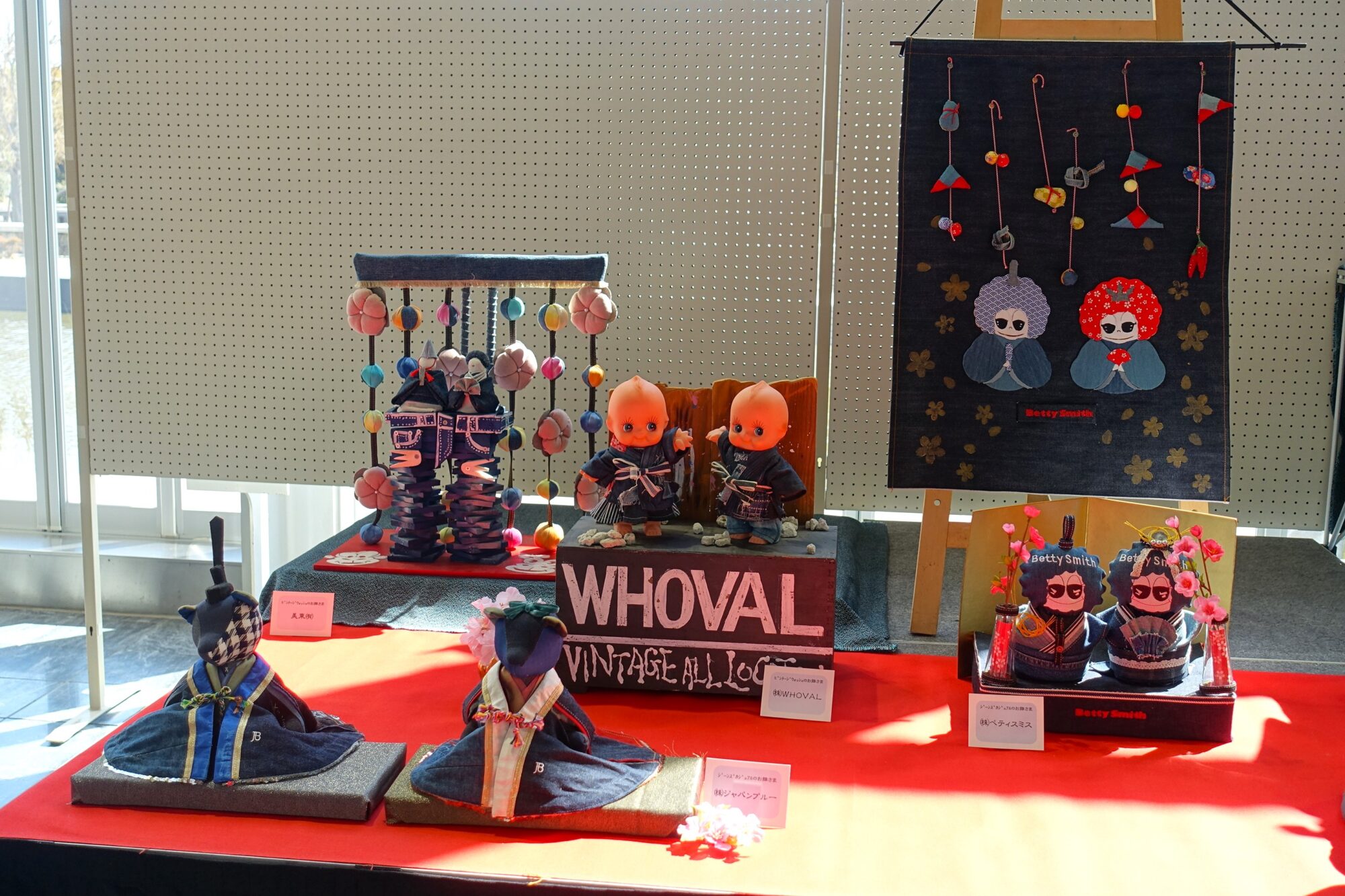
Betty Smith's Betty-chan is also a Hina doll.
In addition, there are dolls made from materials representing Kojima's typical industries, such as tatami edging and Sanada cord.
You can feel the uniqueness of Kojima, the "town of textiles," in many of the works.
There are many Hina dolls that can only be seen here, and you won't get bored even if you look at them for a long time.
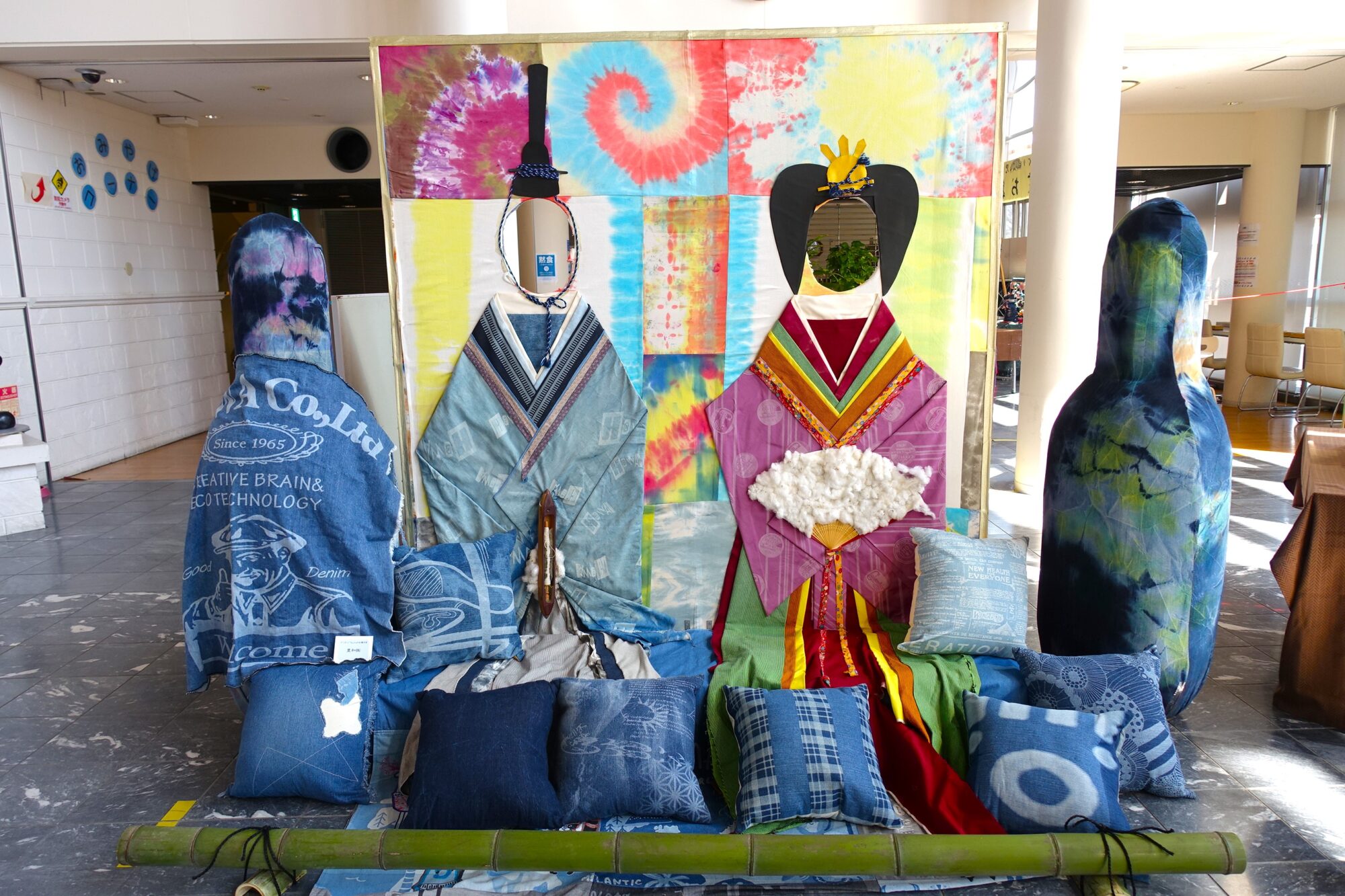
There was also a face panel of Hina dolls.
Children are likely to enjoy it.
Local kindergarten children were visiting, and they were peeking out from the panel with smiles.
Next to the panel, there was a line of children saying, "I wonder when it will be my turn?"
Both adults and children seem to be able to have a fun time.
Kojima Kindergarten Art Exhibition
I heard that works by children from four public kindergartens in the Kojima area are displayed on the second floor, so I went to check it out.
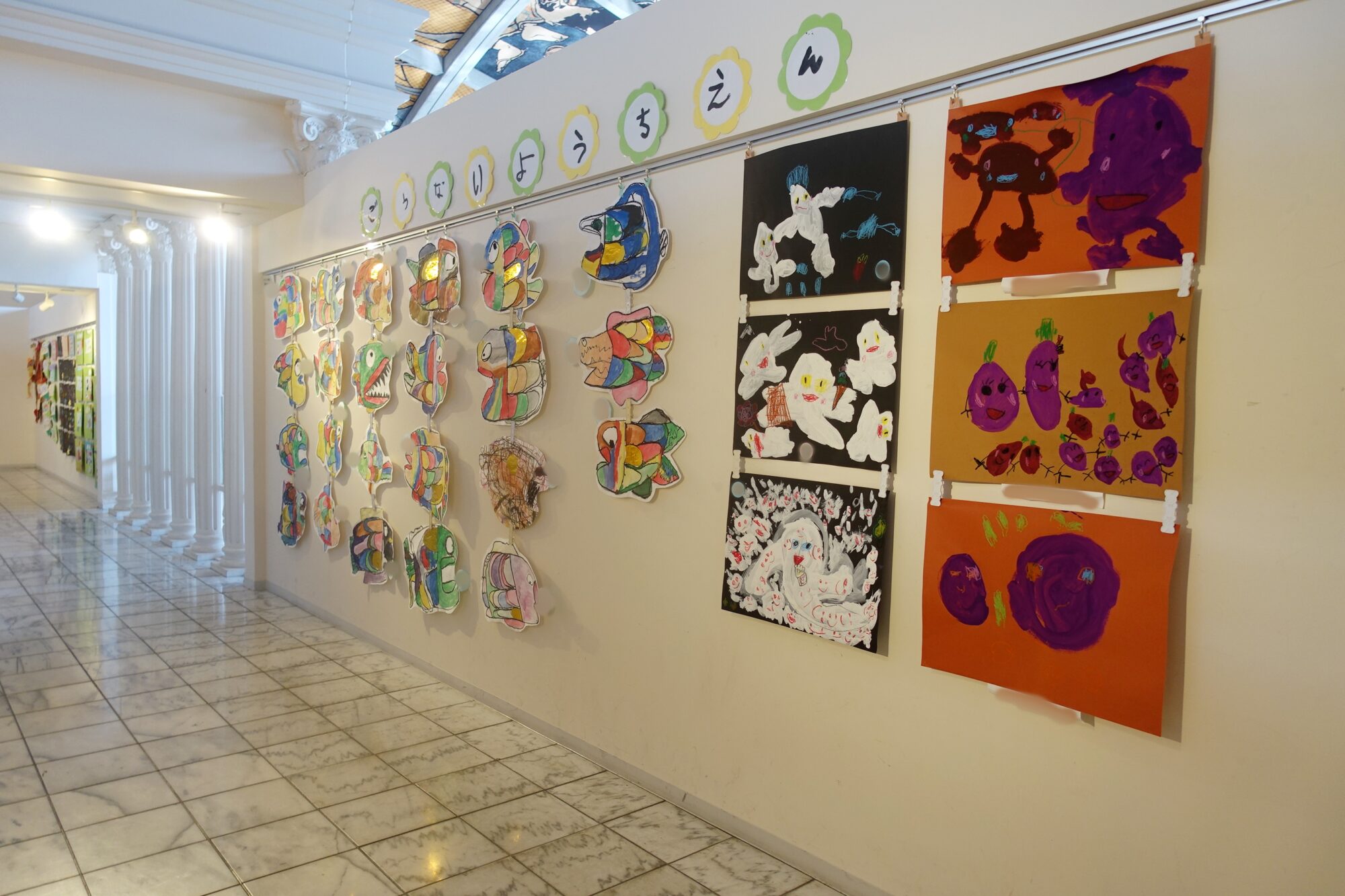
Upon entering the gallery, there were many drawings and crafts reflecting the seasons, such as sweet potato digging, Setsubun, and Hina dolls.
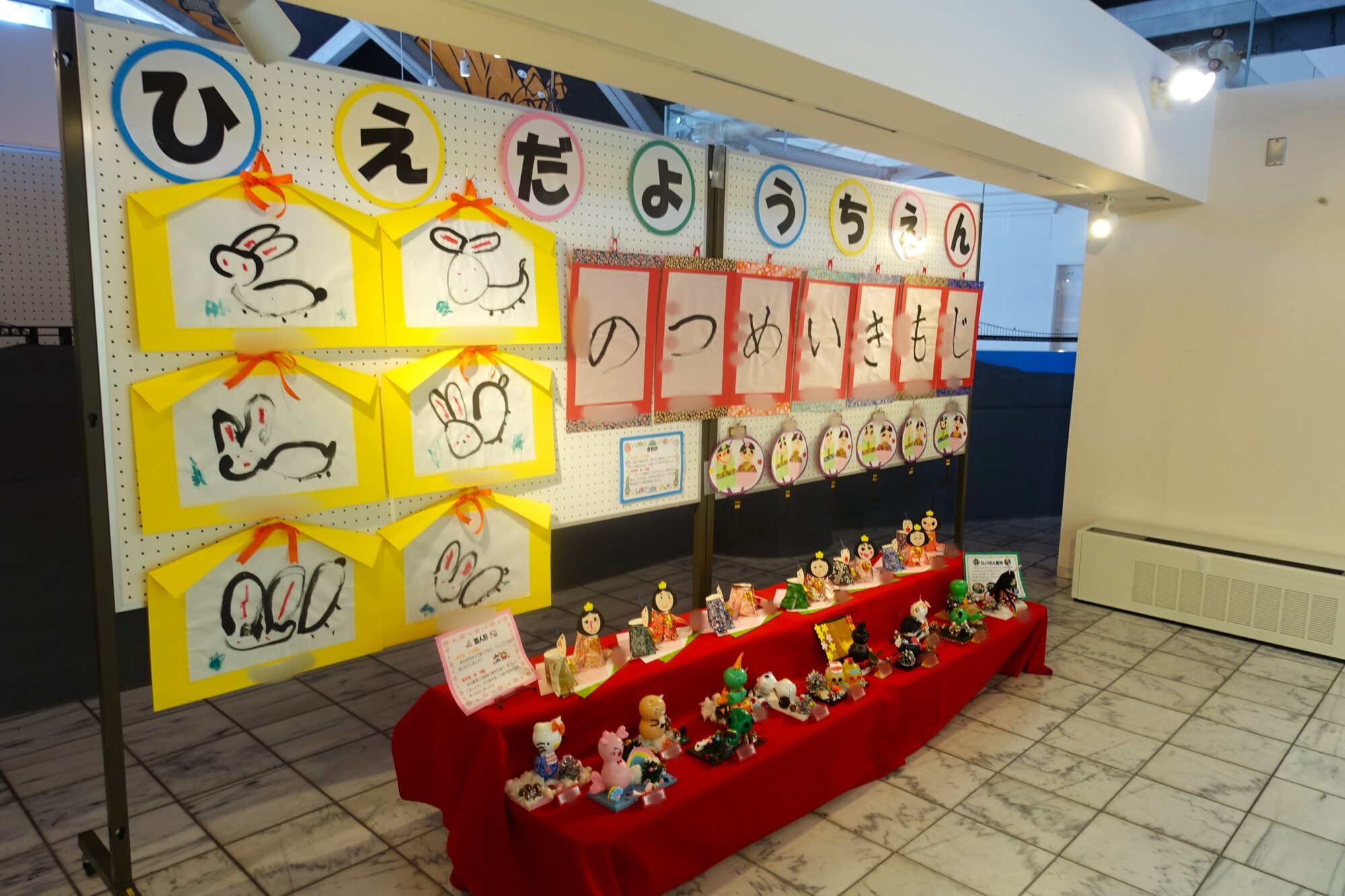
As I carefully looked at each piece, I could feel that they were made with great effort by the children's small hands.
The freely and joyfully created works and the cute pieces warm the heart.
Nationally Designated Important Cultural Property: Nozaki's Historical Residence and Taikado
Next, I headed to Nozaki's Historical Residence.
It was a bit of a distance, but the weather was nice, so I walked there.
Walking along the Oda River, I could see the sparkling surface of the water.
Banners for the Hina Doll Tour were placed along the shopping streets and roads, making the town lively.
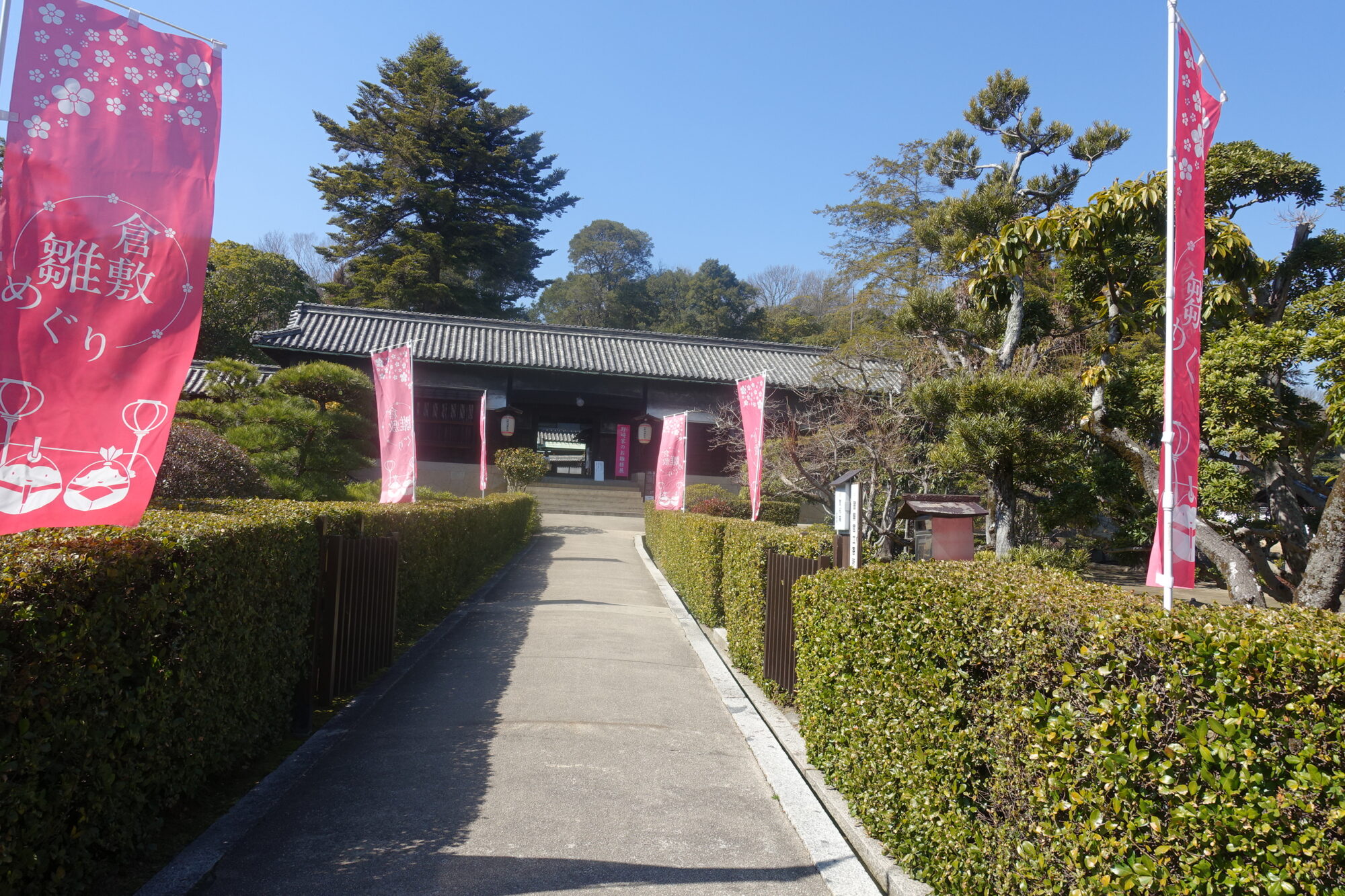
Nozaki's Historical Residence is the residence of Nozaki Busaemon, who established a large salt field in the late Edo period and built the "Salt Kingdom," accumulating wealth.
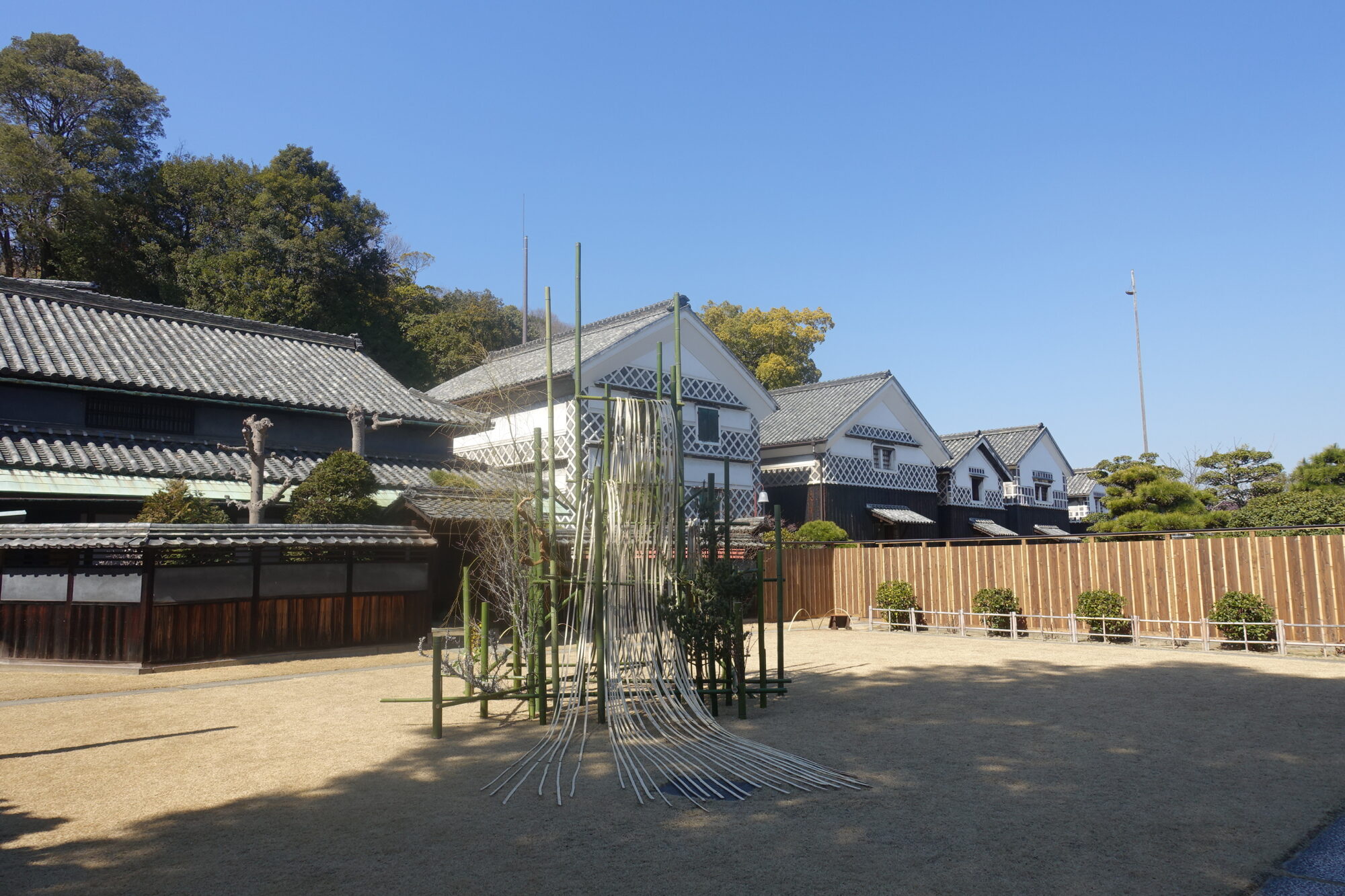
The site area is about 3,000 tsubo.
In addition to the main house, there are six storehouses.
The storehouses are said to be "the castle of merchants," and their number reflects the prosperity of the time.
Passing through the Nagaya gate and through the entrance, the main house comes into view.
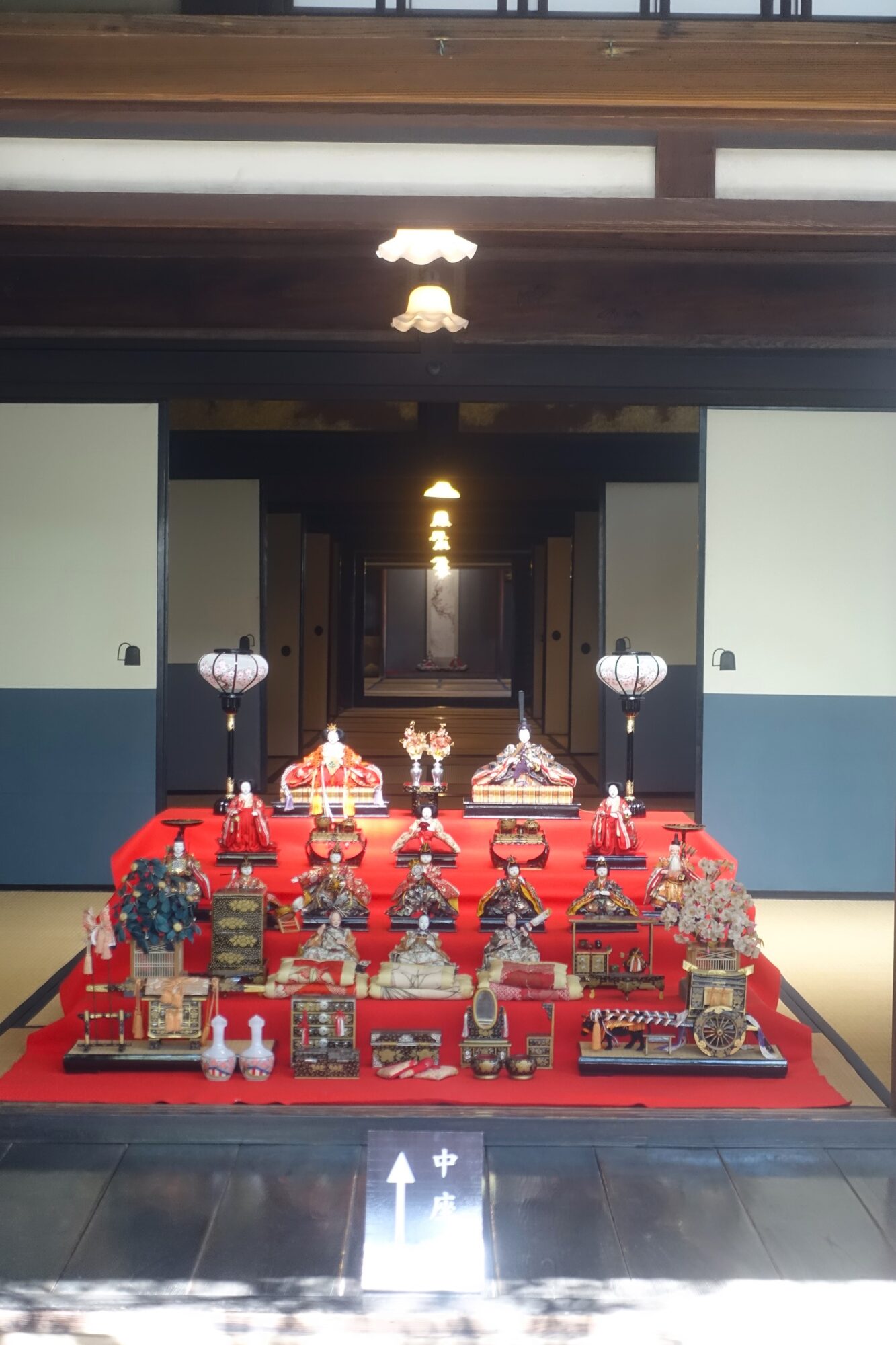
There are 42 meters from the middle room to the facing room, with nine rooms connected.
The use of space I have never seen before is breathtakingly beautiful.
Two of the storehouses are open to the public as exhibition halls.
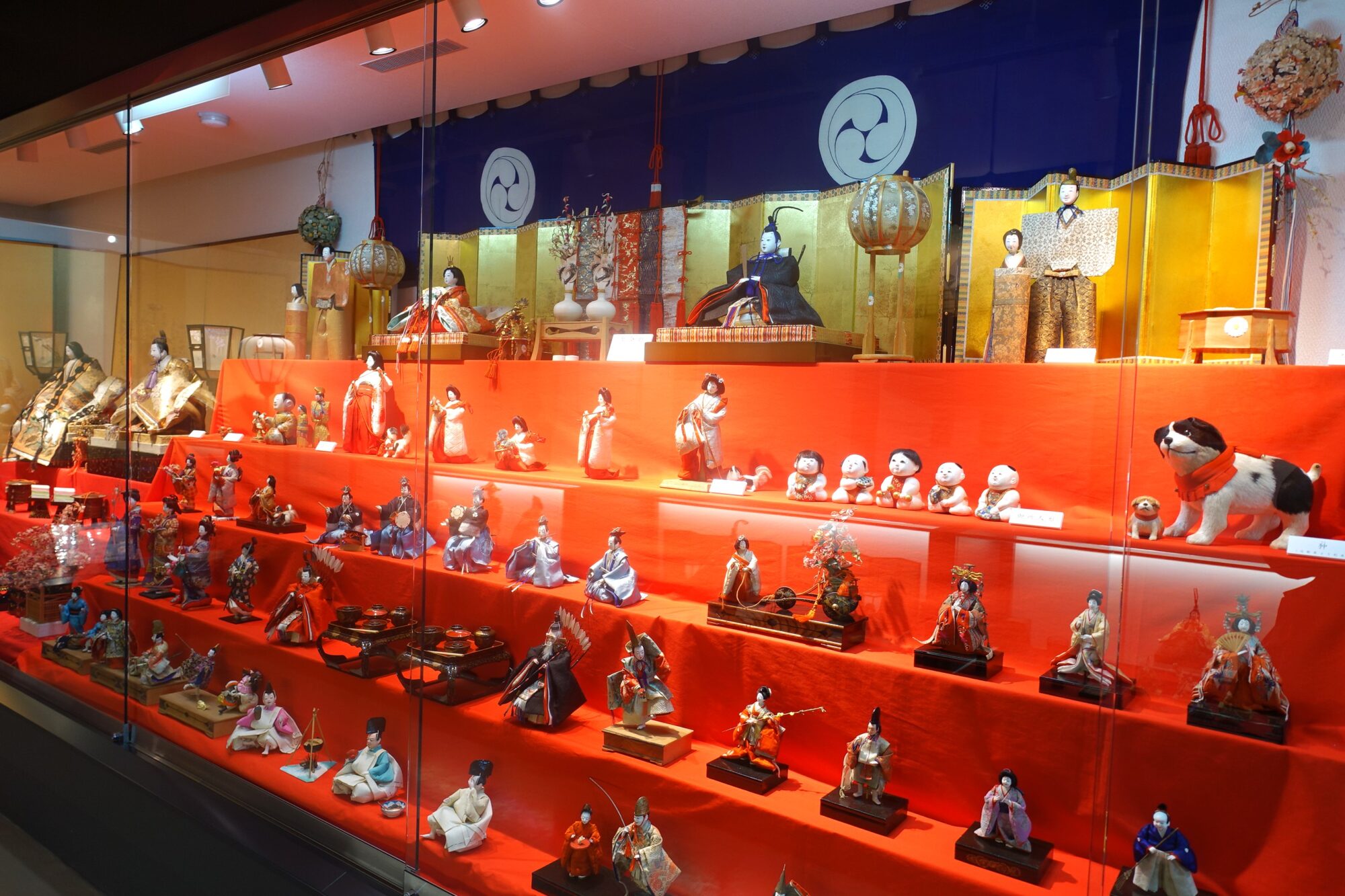
There were valuable furnishings and household items from the Edo period, as well as various Hina dolls on display.
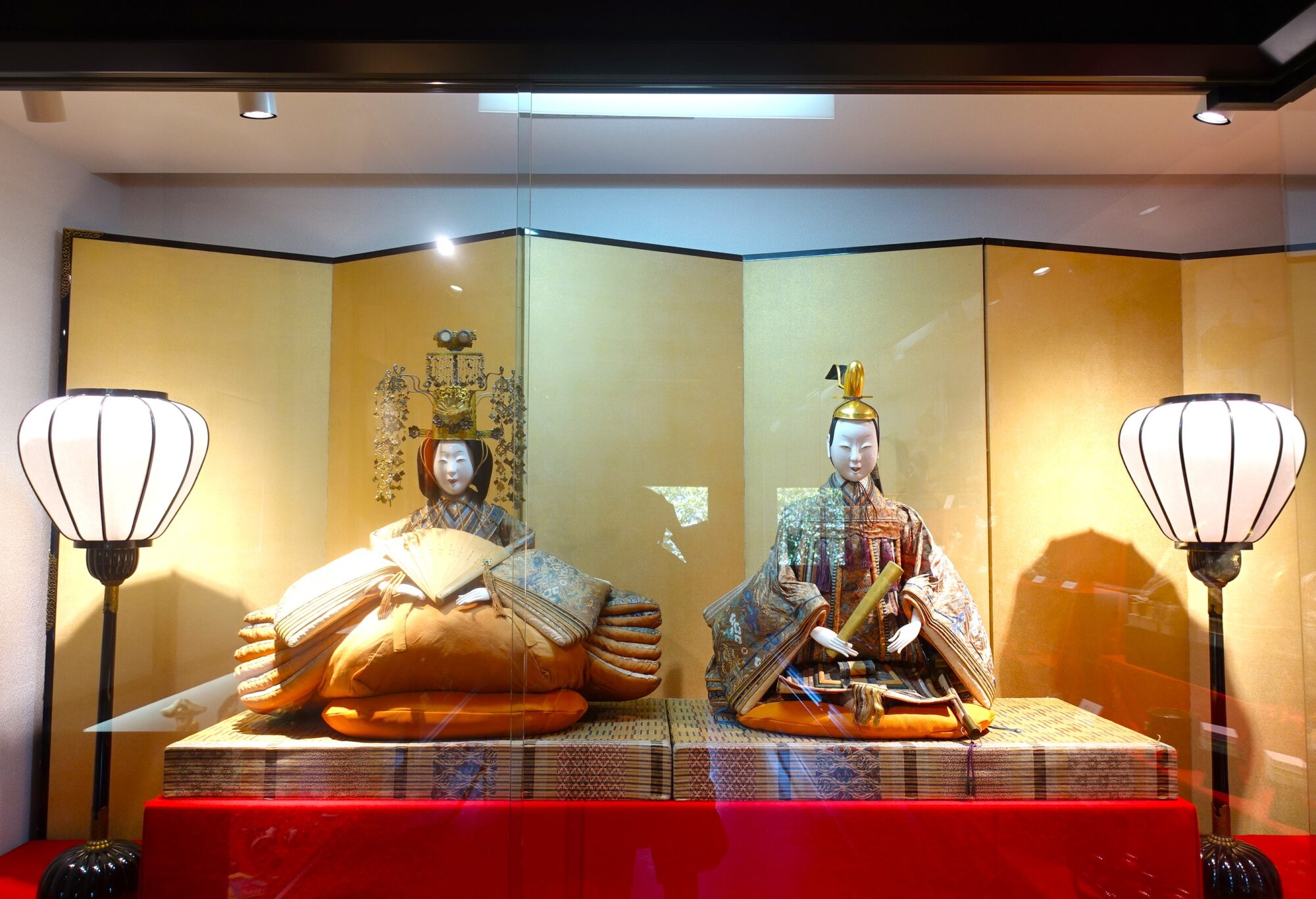
The "Kyoho Hina," received from the lord of Okayama Domain, is 80 cm tall and is the largest Hina doll in Japan.
It is said that when you look up at the Hina doll from below, it smiles back at you.
If you're curious, be sure to visit during the next event and take a look up at it.
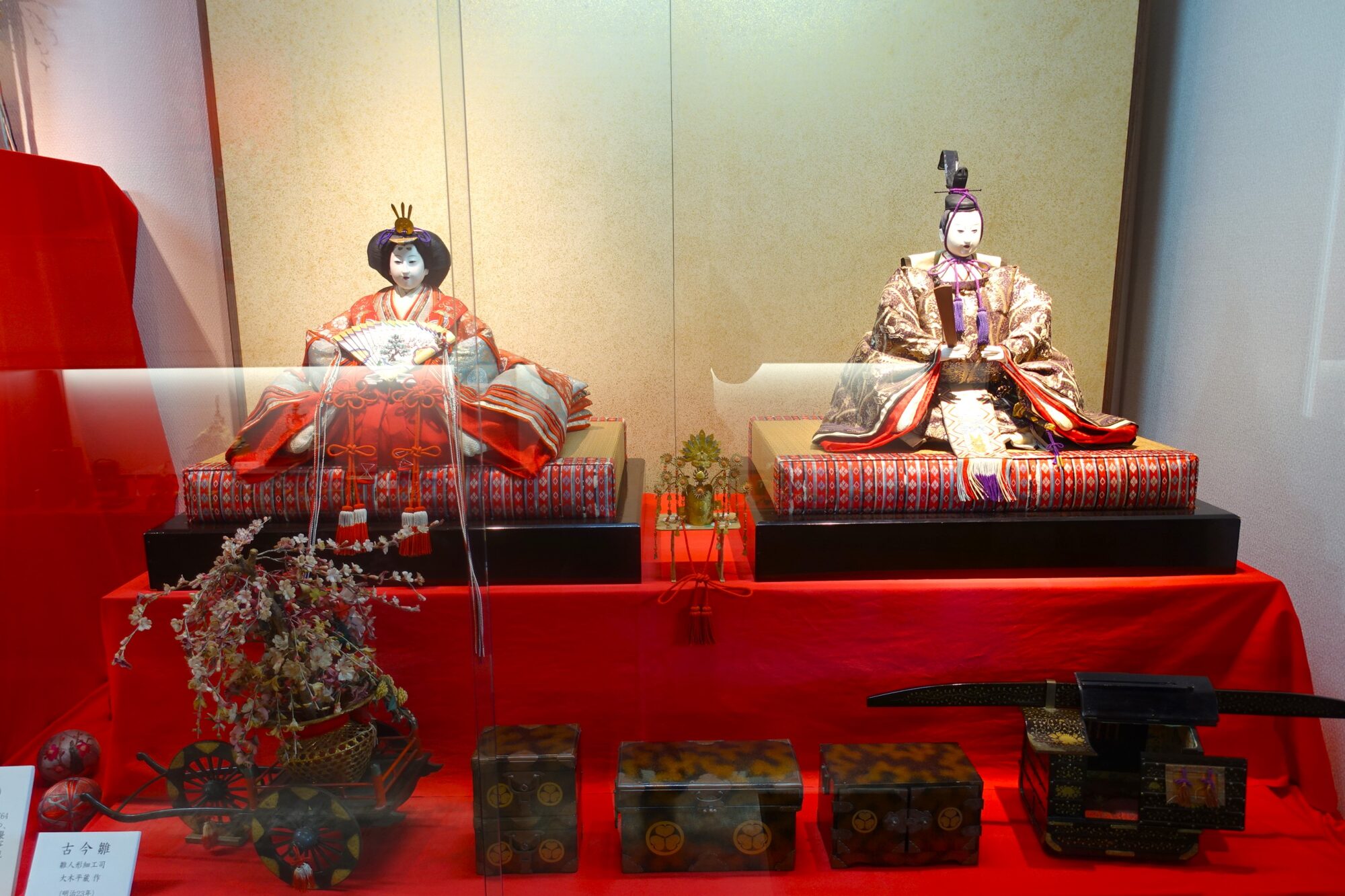
In addition, there are over 200 items on display, including Hina dolls and Hina tools made by the "Master Craftsman of Kyoto," Heizo Oki, and the Meiji Emperor's Hina dolls.
Each one is a precious item.
You are overwhelmed by the historically significant Hina dolls that have been cherished through generations.
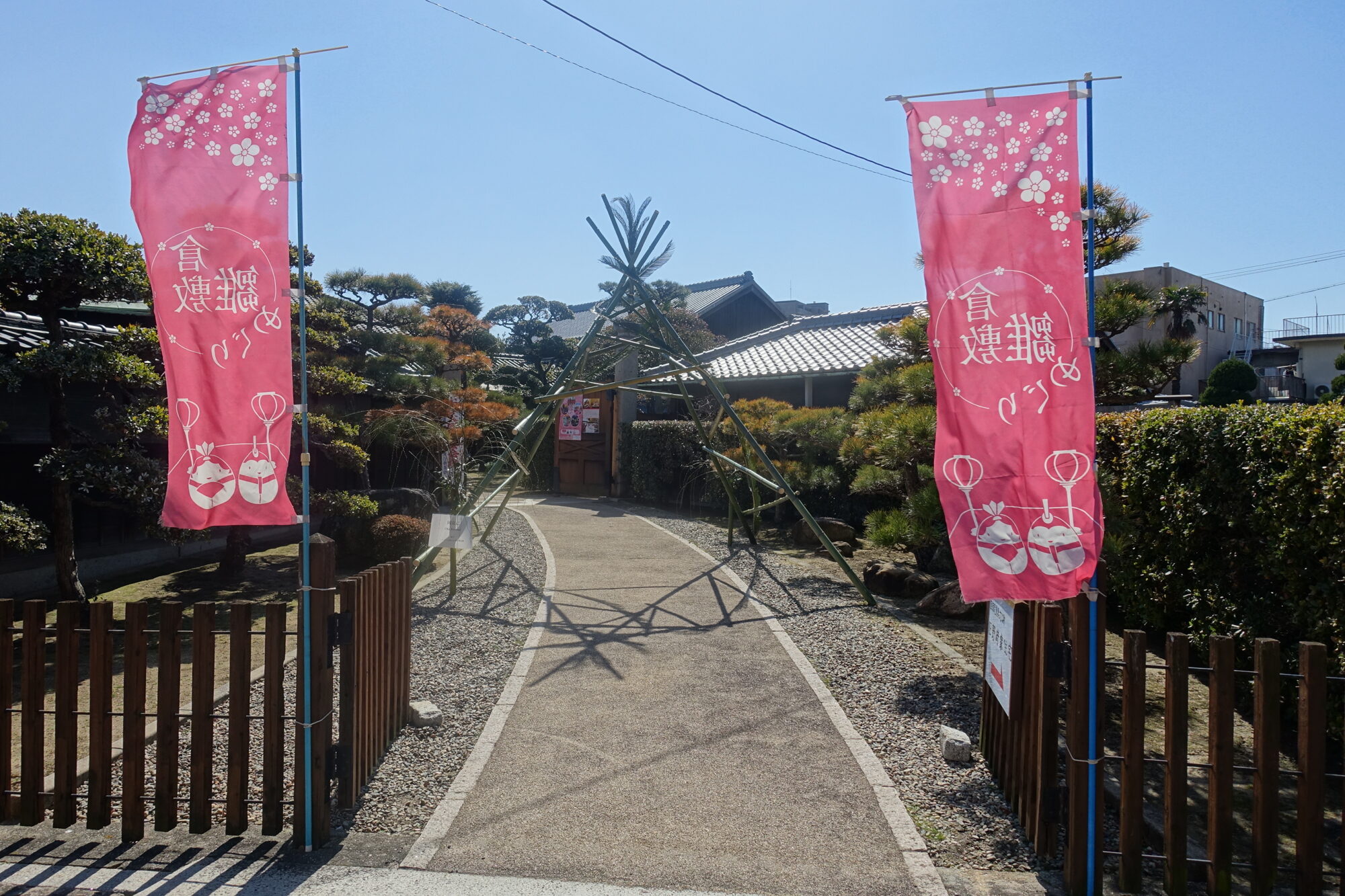
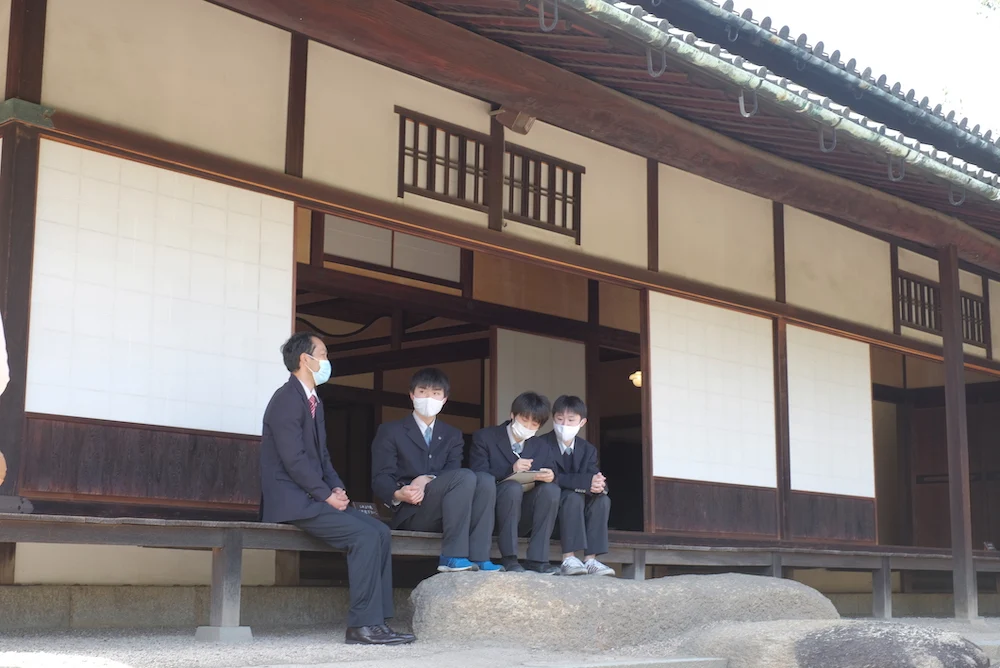
Right next to Nozaki's Historical Residence is the Taikado.
It was built as a guesthouse and is not usually open to the public.
However, during the Hina Doll Tour period, a special event called "Hina Alumni Association" is held, and it is open to the public.
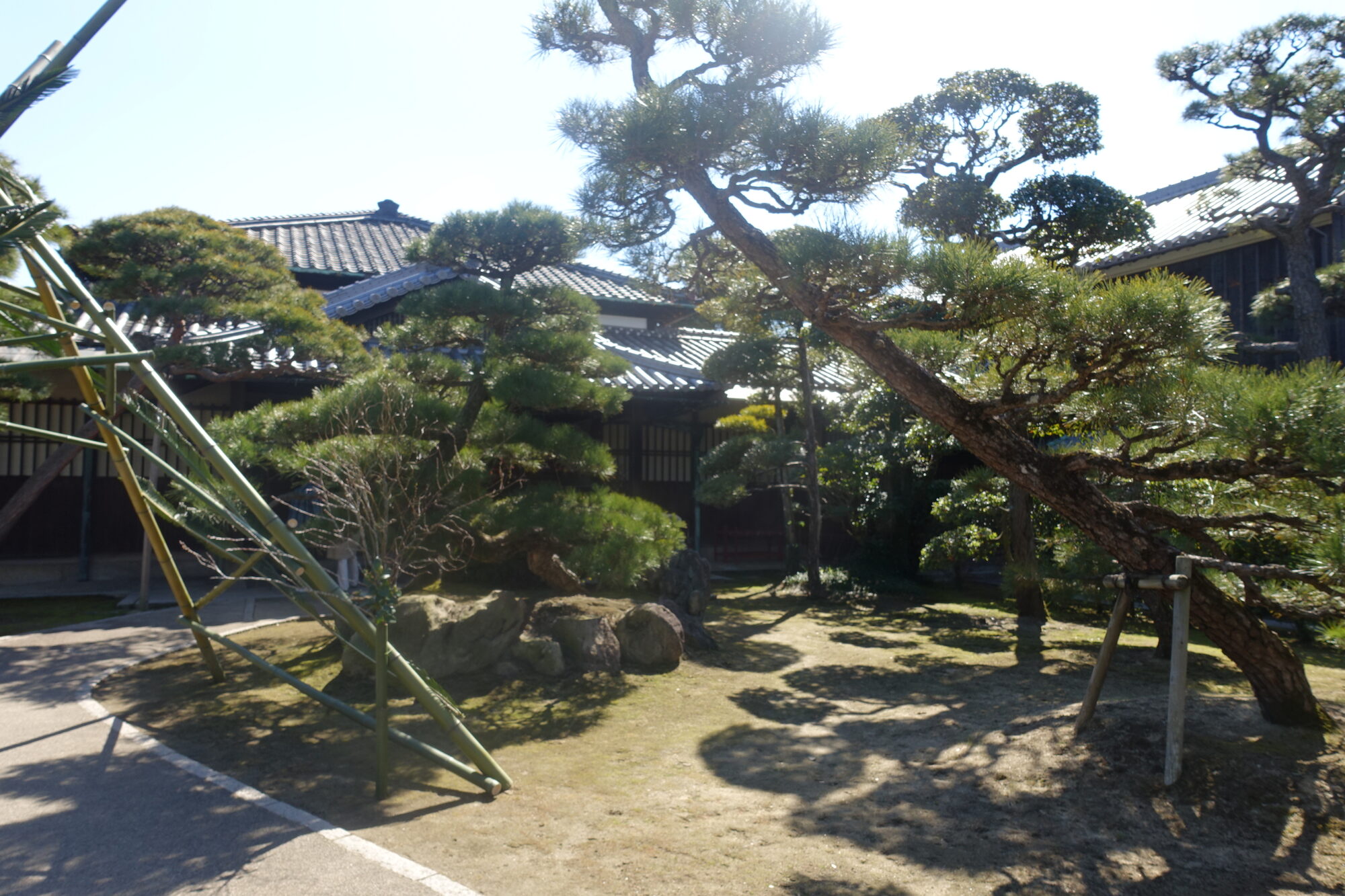
It is a very rare opportunity to visit a residence that is usually not accessible.
I also want to go for sure! With excitement, I headed towards Taikado.
The admission ticket is shared with Nozaki's Historical Residence.
As I walked through the beautifully maintained garden, I could see the colorful hanging Hina dolls.
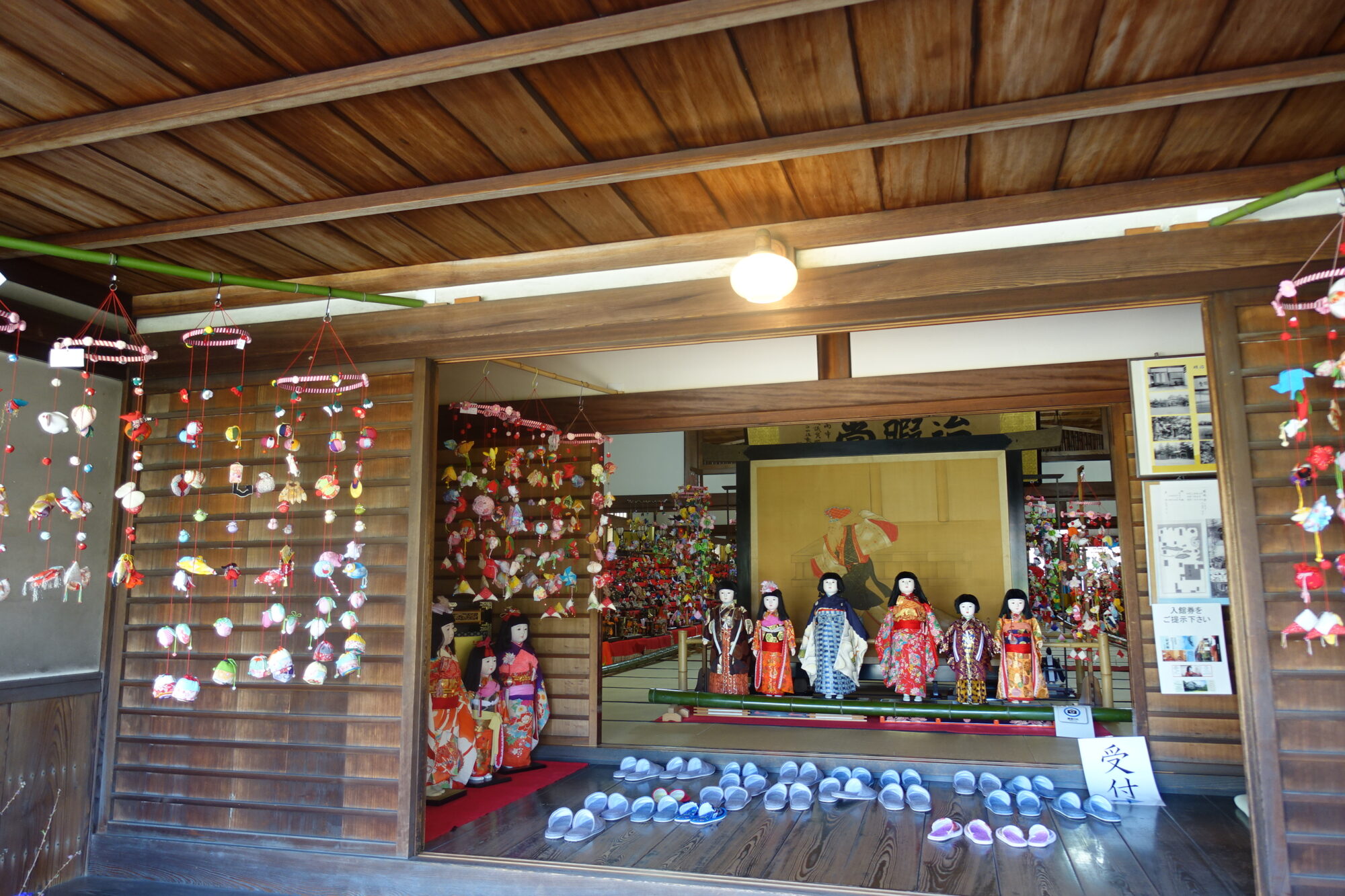
Hanging decorations are displayed with the wish for the healthy growth of children.
The colorful hanging decorations, displayed in abundance, are truly captivating.
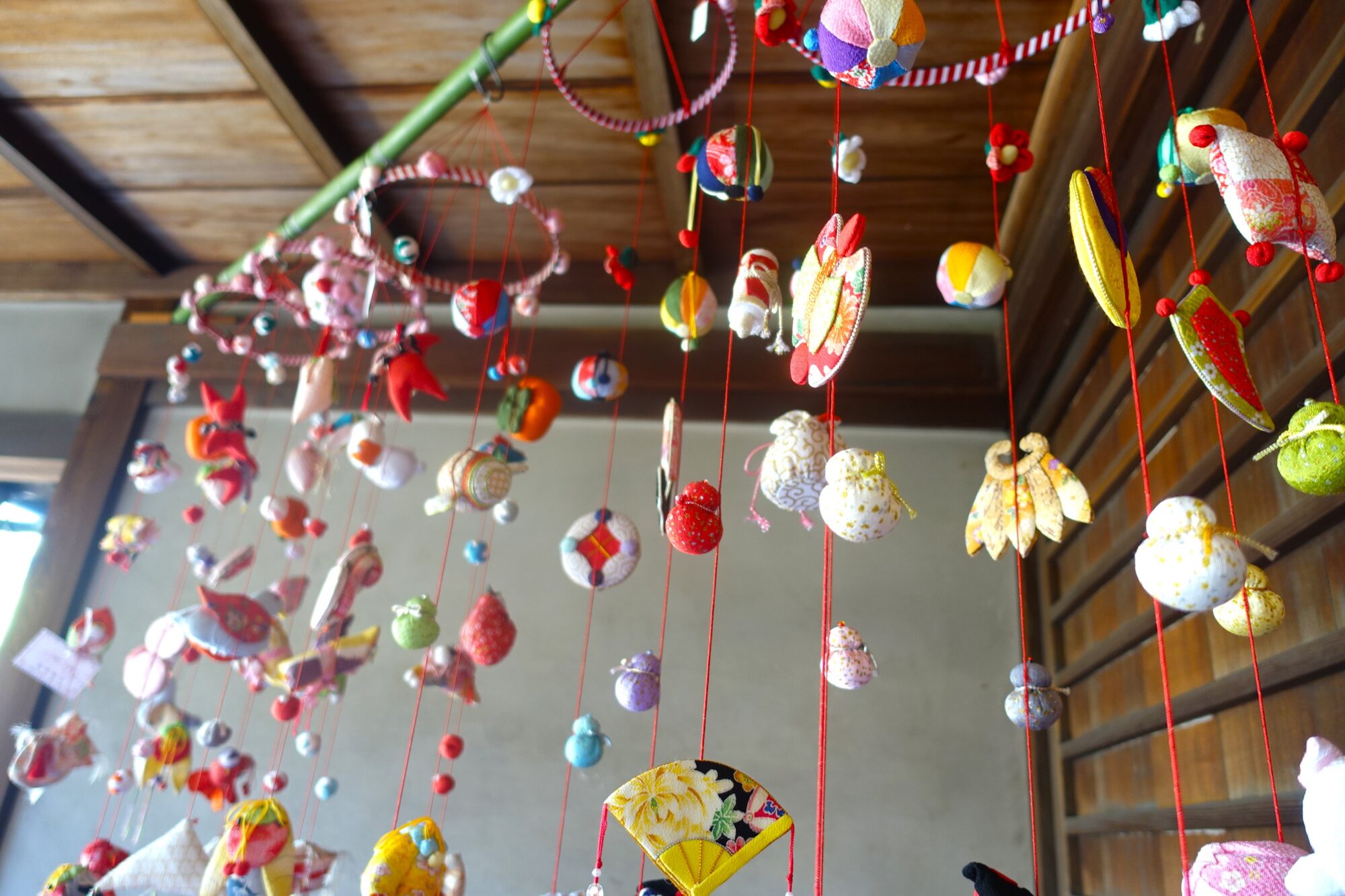
Upon closer inspection of the hanging decorations, you can see that each one is carefully sewn.
Thinking about how much time and effort must have been spent makes the adorable hanging decorations even more endearing.
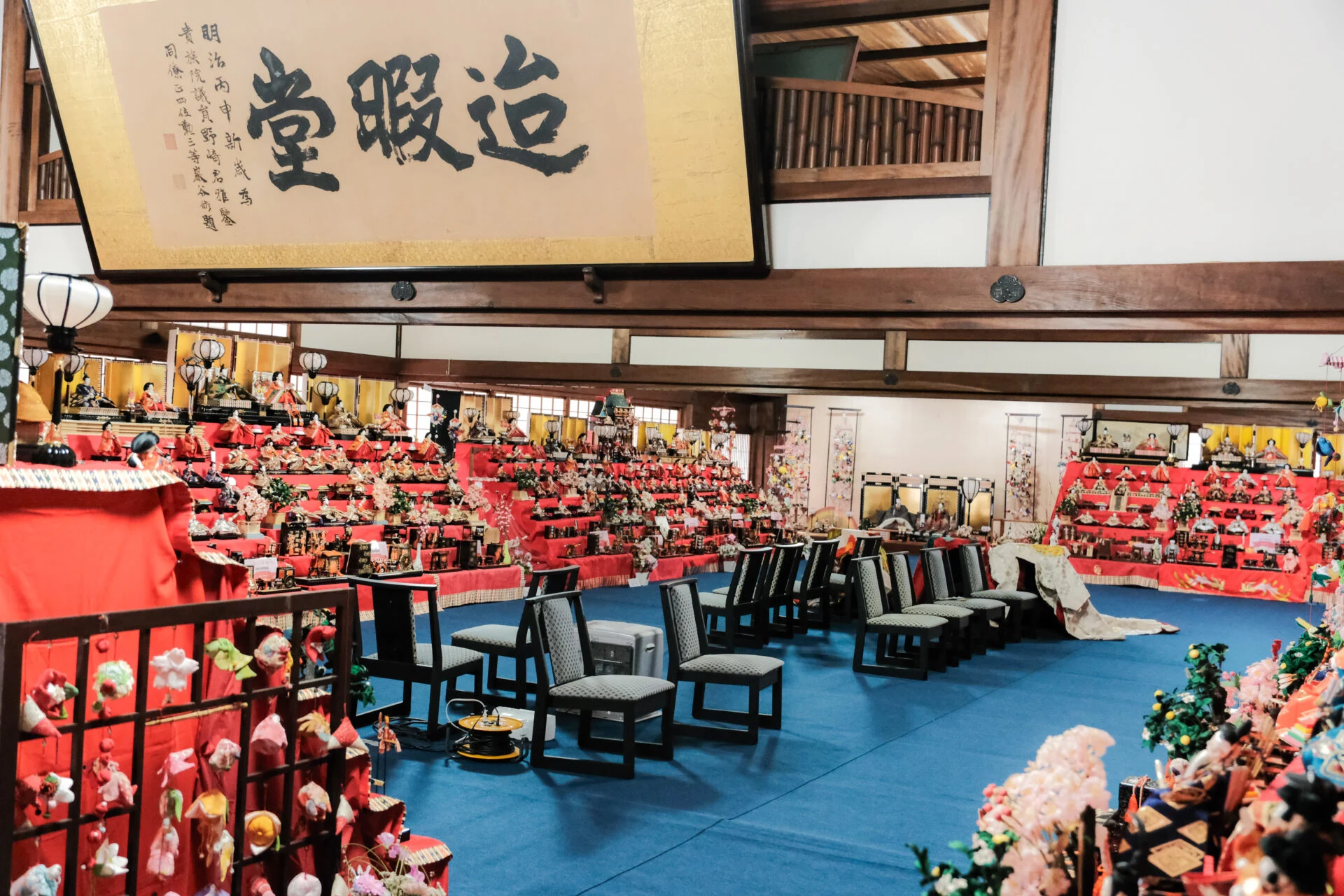
Upon entering Gaihodo, various sizes of hina dolls are displayed all around the spacious hall, which is about 100 tatami mats in size.
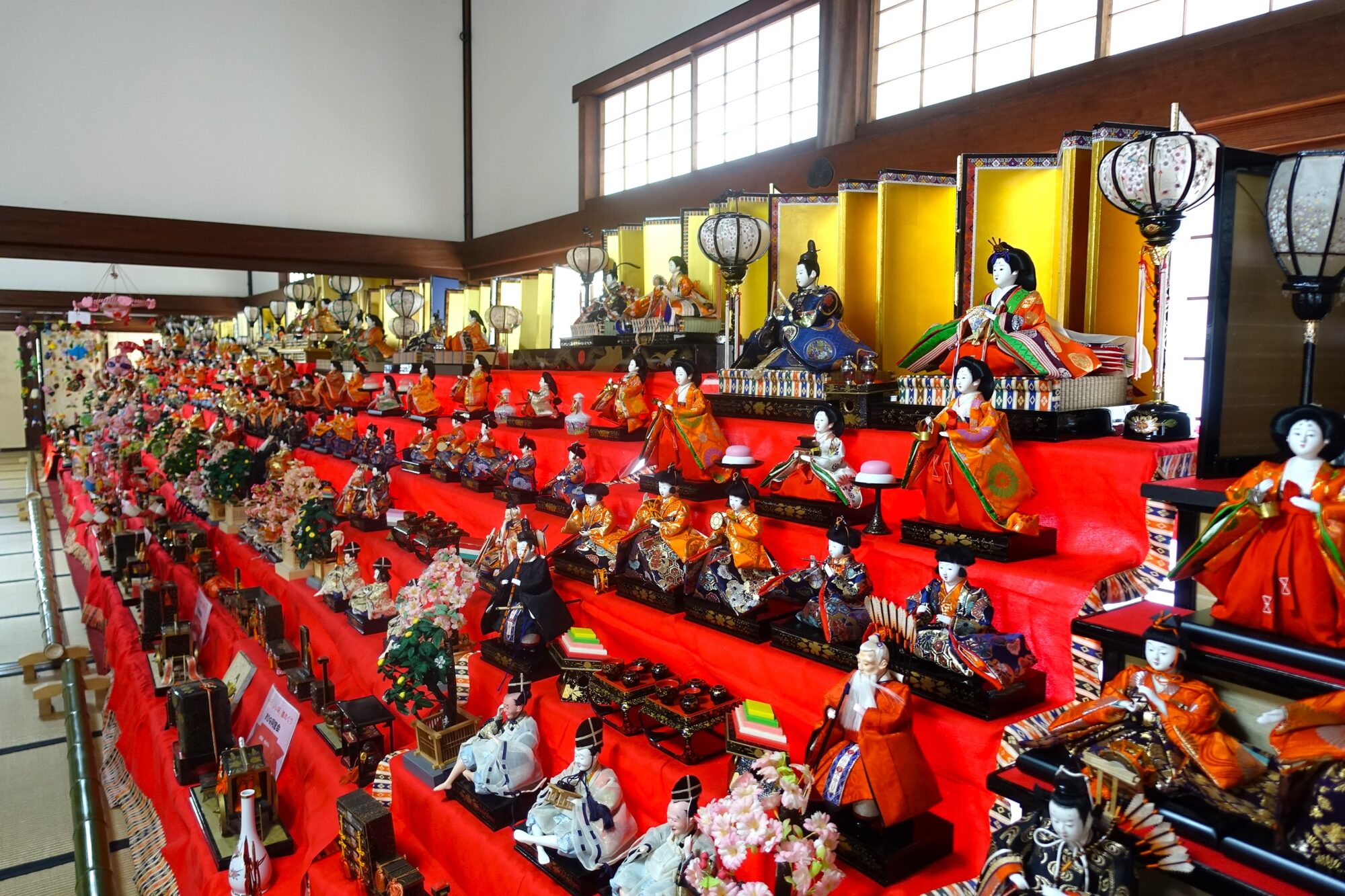
Indeed, the "Doll Festival Reunion" is taking place.
Visitors were continuously capturing photos.
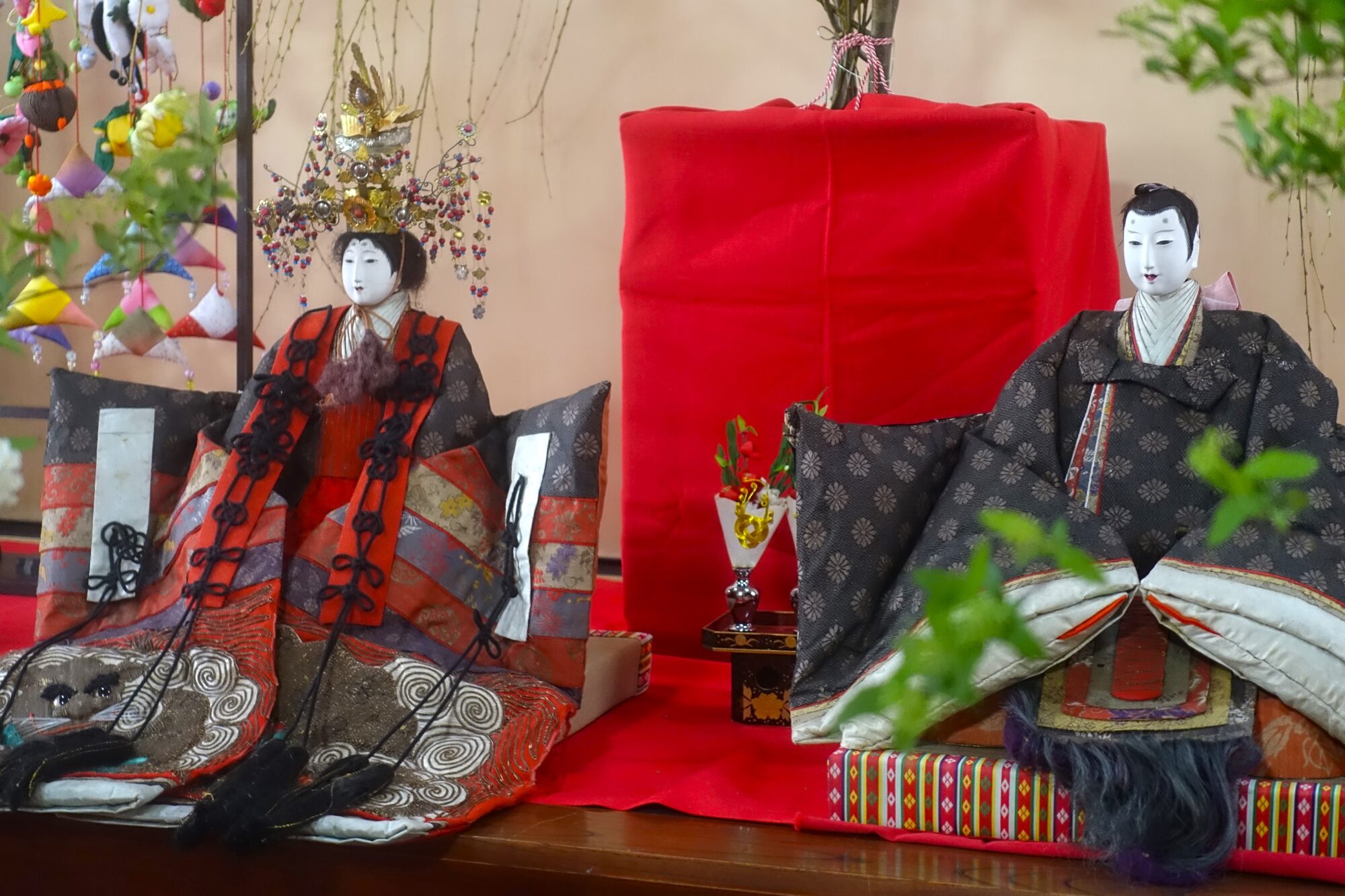
Timing my shot, I also took a picture.
Conclusion
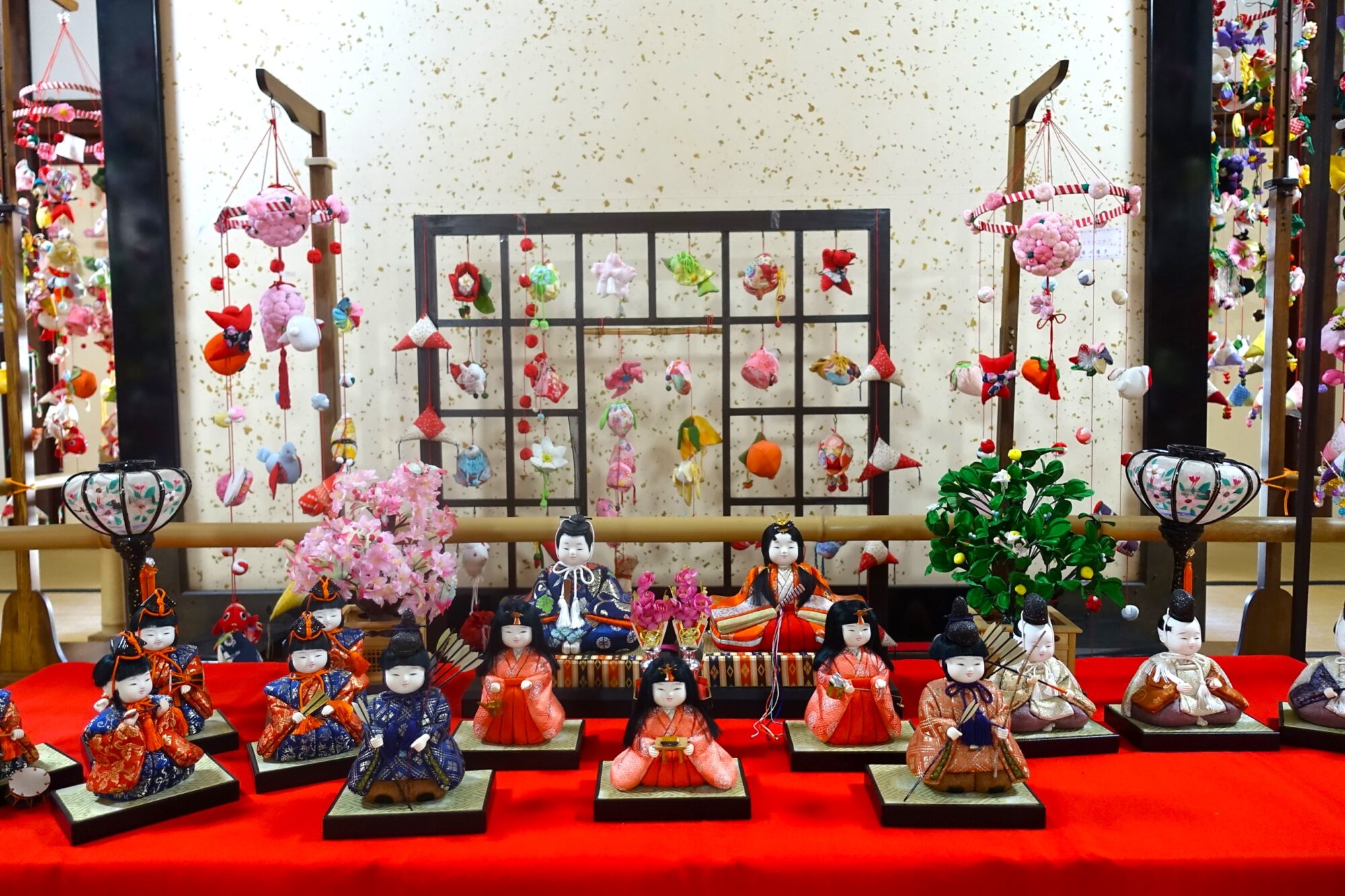
The Hina Matsuri is a special event held once a year to wish for the healthy growth and happiness of children.
During the Hina Meguri, I encountered many hina dolls.
Upon closer inspection, I noticed that each doll has different expressions and costumes, and no two are the same.
Each one was chosen by parents for their own children.
It suddenly makes me feel emotional.
Thinking about how my parents also raised me with care, I felt a renewed desire to express my gratitude.
Behind each hina doll lies a story of parent and child.
I hope you can feel the timeless stories of parent and child during the Hina Meguri.
I also want to visit with my children next year.
Data for the 24th Kojima Hina Meguri
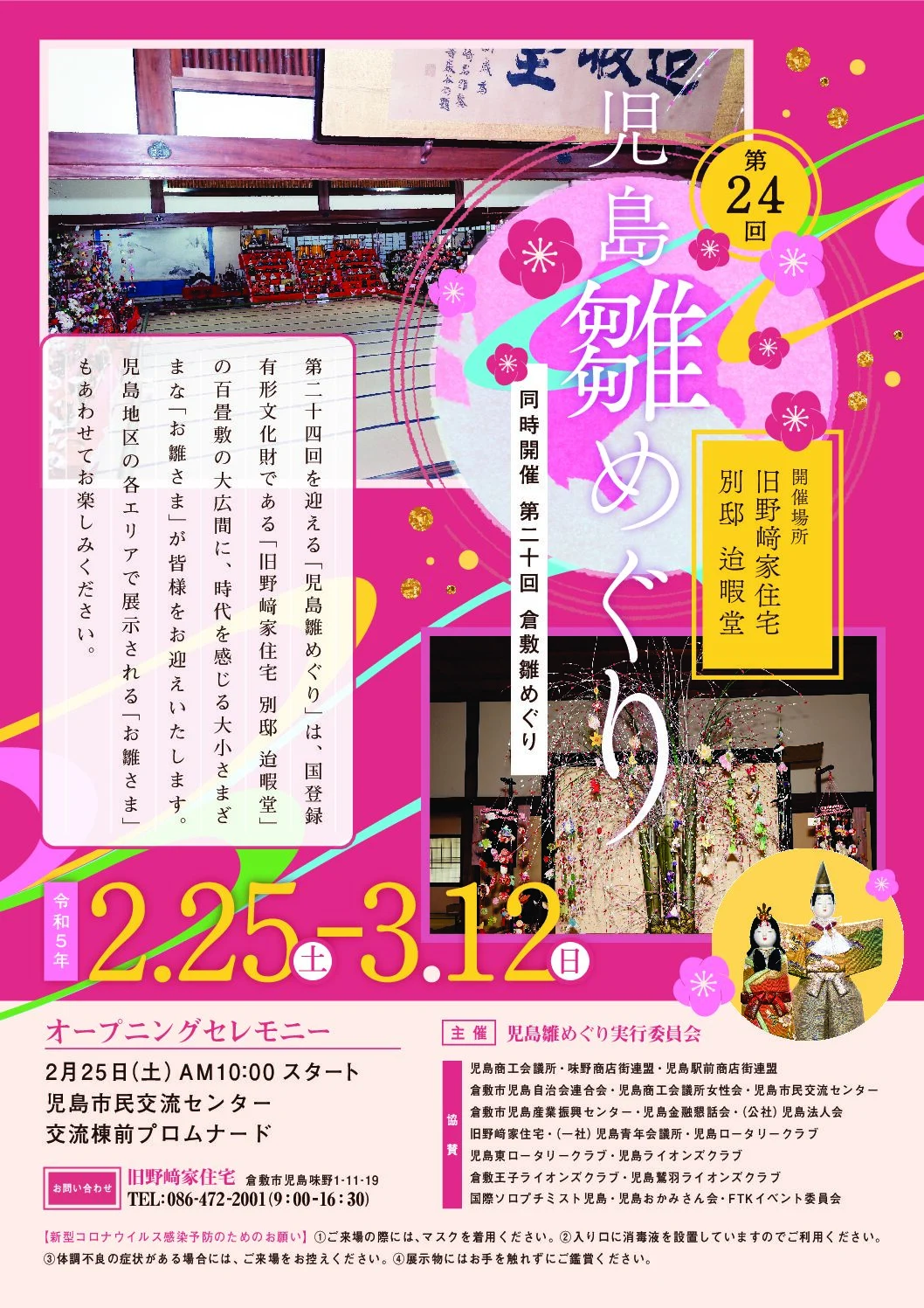
| Name | 24th Kojima Hina Meguri |
|---|---|
| Dates | February 25 - March 12 ・Kojima Community Exchange Center: 9:00 AM - 10:00 PM ・Nozaki's Historical Residence: 9:00 AM - 4:30 PM (last entry at 5:00 PM) |
| Location | Ajiro Shopping Street "Kojima Jeans Street" Kojima Station area, Jeans Museum area, Shimotsui and Washuzan Hill area, Karakoto and Tatami Edge area, Canvas area (Sohara, Kurashiki City) |
| Participation Fee (including tax) | Nozaki's Historical Residence Adults 500 yen, Elementary and Middle School Students 300 yen, Group discount of 20% for groups of 30 or more *Free for high school students on Saturdays, Sundays, and holidays *Those with a disability certificate receive a 20% discount on admission (for the individual and one accompanying person) |
| Website | Kurashiki Tourism WEB | Kurashiki Hina Meguri |