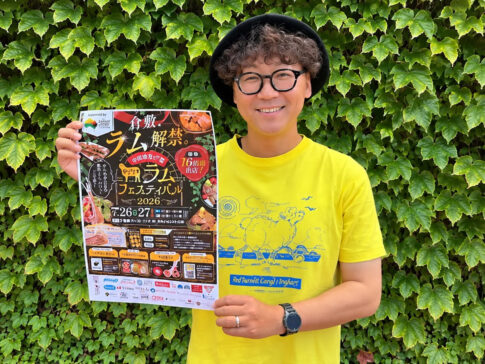
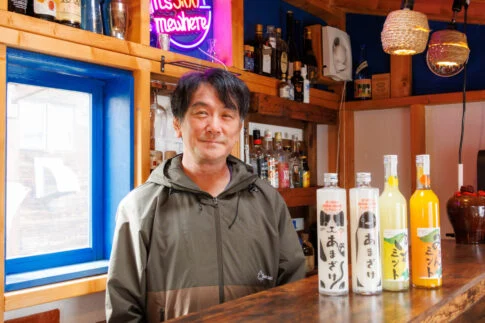
Interview with Representative Tetsuya Morikawa
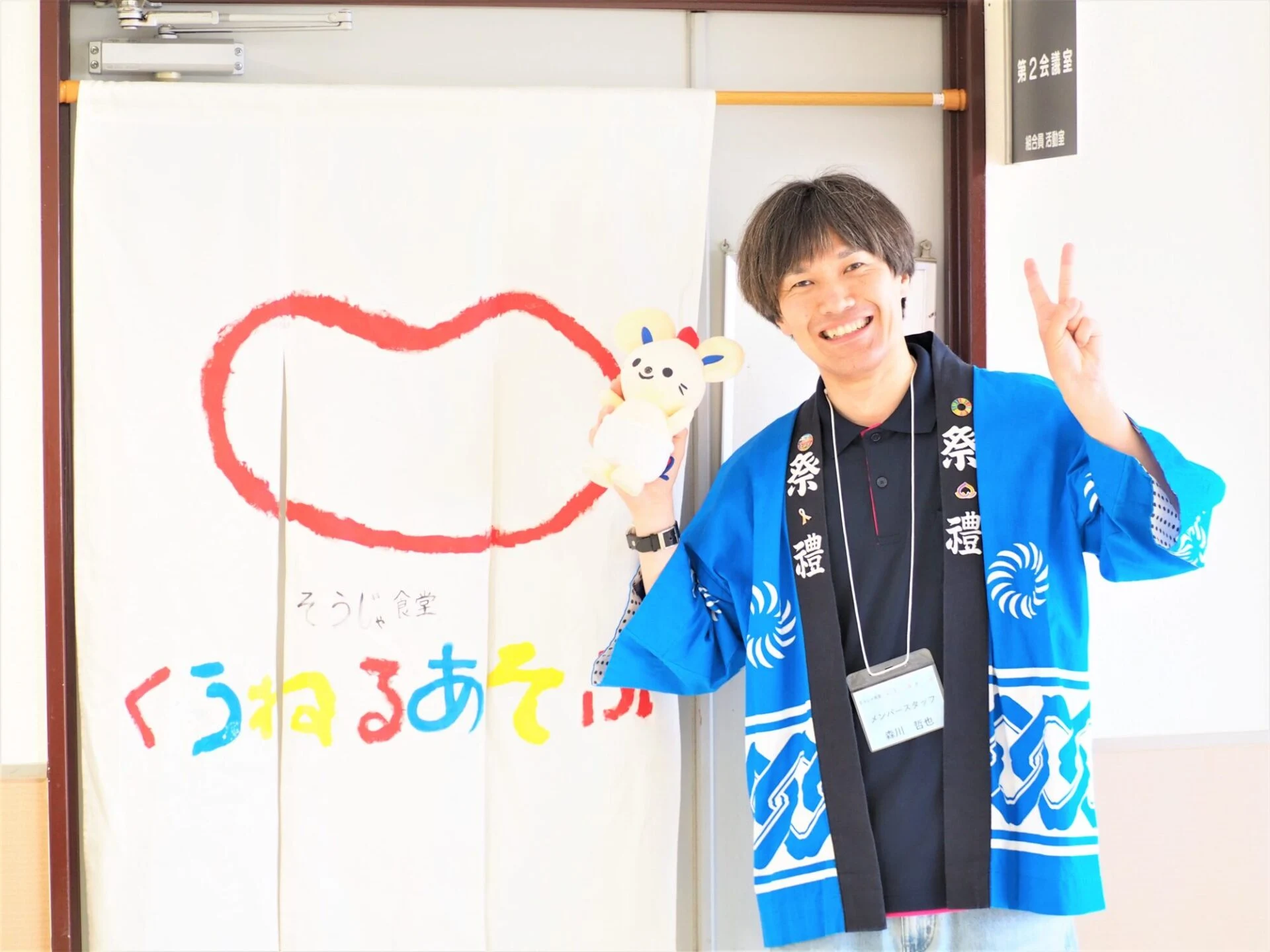
What prompted Mr. Morikawa to establish "Soja Shokudo Kuuneru Asobu"?
I asked about the background of the establishment of "Soja Shokudo Kuuneru Asobu" and Mr. Morikawa's thoughts.
The Background of the Establishment of Soja Shokudo Kuuneru Asobu
What was the trigger for starting "Soja Shokudo Kuuneru Asobu"?
Morikawa
One of the triggers was the birth of my two children.
I had never paid attention to it before, but I began to develop an awareness of the social environment surrounding children, such as poverty issues, as a person directly involved.
I started to think about creating a place where everyone in the community can live happily, not just my own children.
Another thought I had was that I wanted to give back to my hometown of Soja.
As I was looking into what I could do, the keyword "kodomo shokudo" (children's cafeteria) caught my eye.
With a children's cafeteria, no special qualifications or background are required.
As long as you have the spirit, you can do it, so I resolved to take action on my 40th birthday.
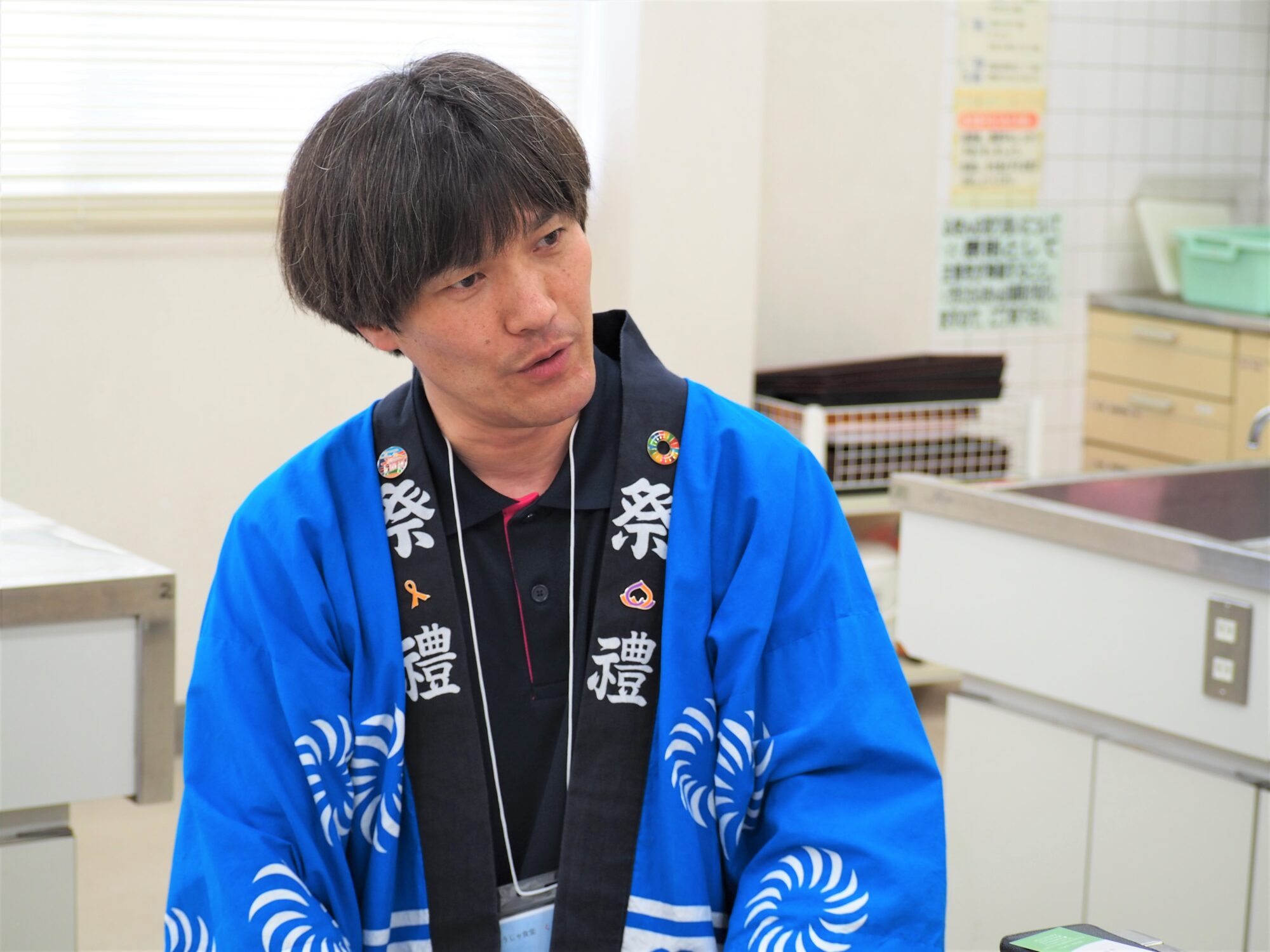
What actions did Mr. Morikawa, who had no connection to social welfare activities, take first?
Morikawa
The first thing I did was to conduct research on the internet, which anyone can do.
At that time, searching for "Soja kodomo shokudo" yielded no results.
This was because there were no children's cafeterias in Soja at that time.
Next, I searched for "Soja kosodate" (child-rearing).
I found an organization called NPO Hoiku Support "Ai Ai," which provides child-rearing support mainly in Soja City.
Thinking I might gain some hints, I immediately visited NPO Hoiku Support "Ai Ai."
When I told the staff that I wanted to establish a children's cafeteria, they introduced me to the Soja City Social Welfare Council.
How did Mr. Morikawa expand his connections in the community?
Morikawa
When I first visited the Soja City Social Welfare Council, the secretary general and the center director attended to me.
When I expressed my desire to create a children's cafeteria in Soja City, they suggested, "I think there are others who share the same desire, so why not gather them and have a discussion?"
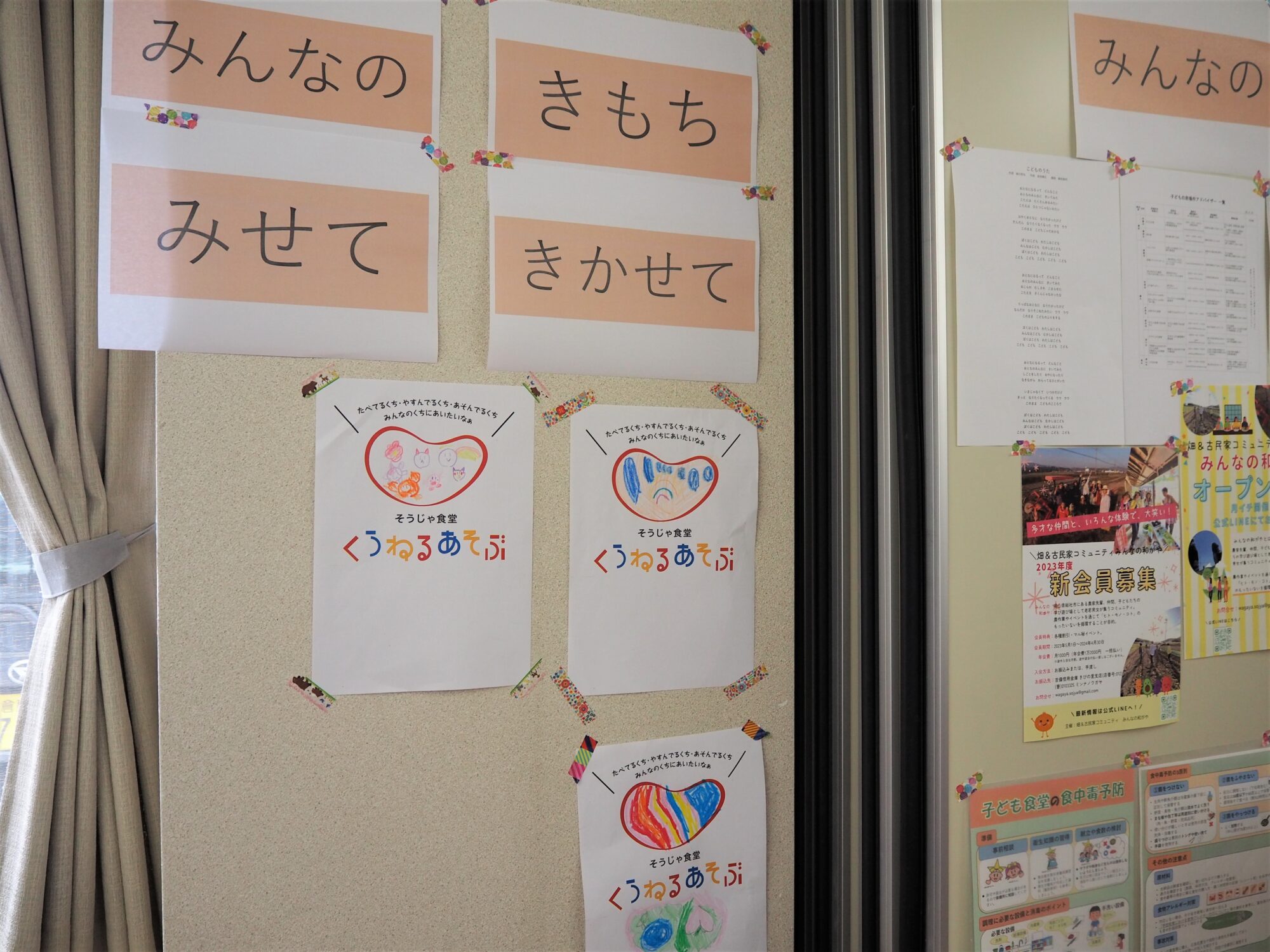
So, to gather people who would support the establishment of the children's cafeteria, I started creating flyers summarizing the structure of the children's cafeteria.
I also put into words my desire to support children and distributed them to people in Soja City who seemed interested.
While searching for people who would support the children's cafeteria, Co-op Soja East raised their hand and offered to provide a venue.
Additionally, it was necessary to deliver information not only to the operation of the children's cafeteria but also to children in need of support.
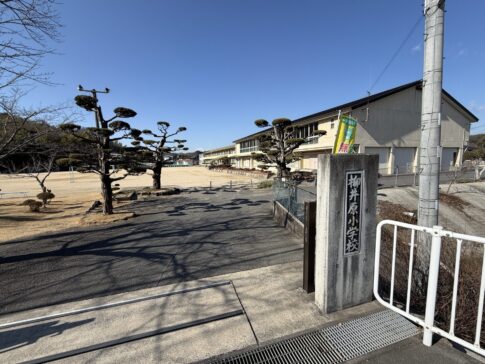
The place I visited for that was Soja Elementary School.
The vice principal of Soja Elementary School, who attended to me, was my homeroom teacher when I was in the upper grades of elementary school.
He remembered me and gladly accepted the opening of the children's cafeteria.
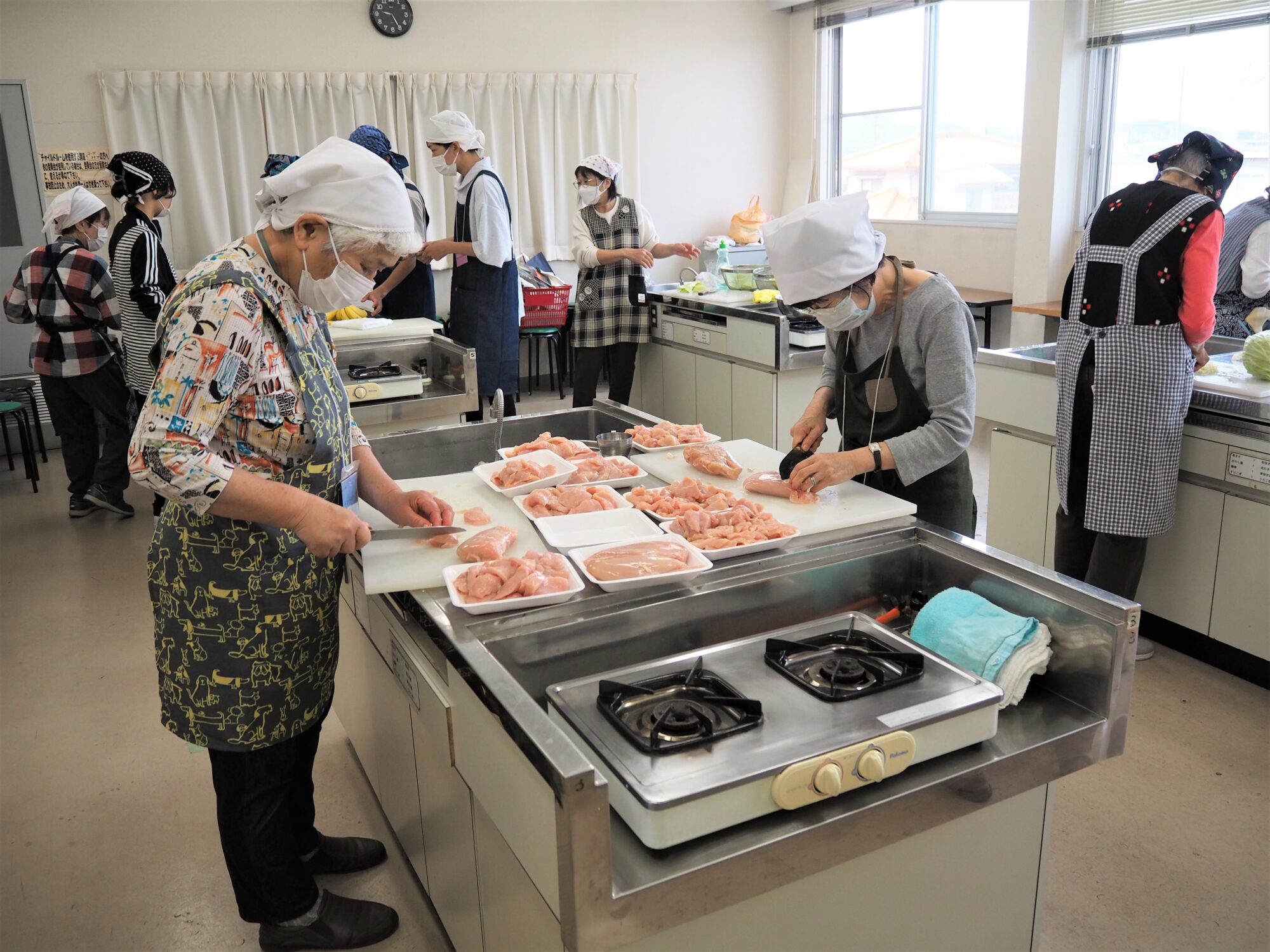
What is the origin of the name "Kuuneru Asobu"?
Morikawa
The catchphrase "Kuuneru Asobu" from a car commercial that became popular in the late 1980s had been lingering in my mind.
After my children were born and I started playing with them, I began to hum it as a catchphrase.
I believe that for children's growth, it is important to "eat well, sleep well, and play well," so I decided on the name "Kuuneru Asobu."
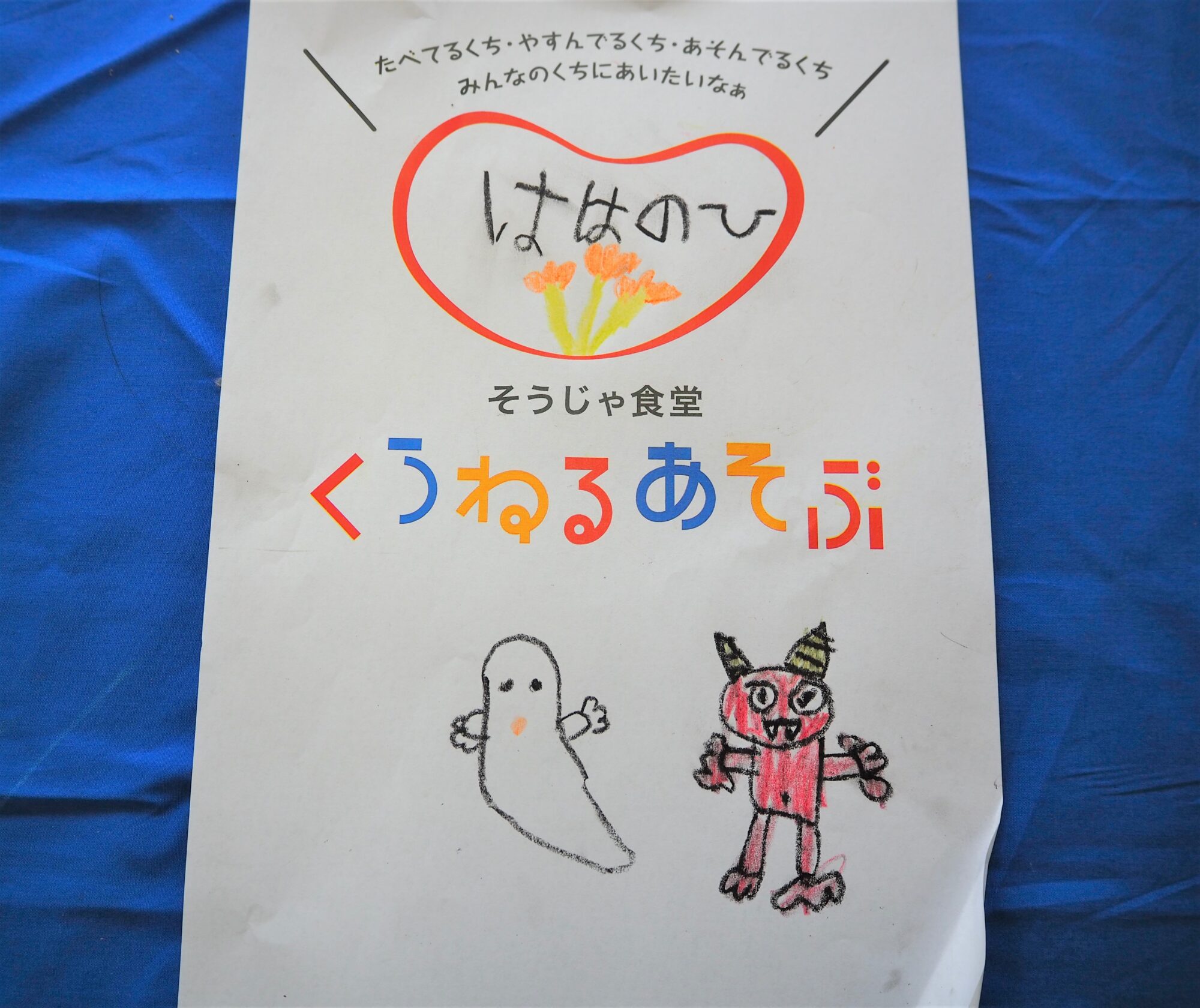
Soja Shokudo Kuuneru Asobu and Mr. Morikawa's Activities
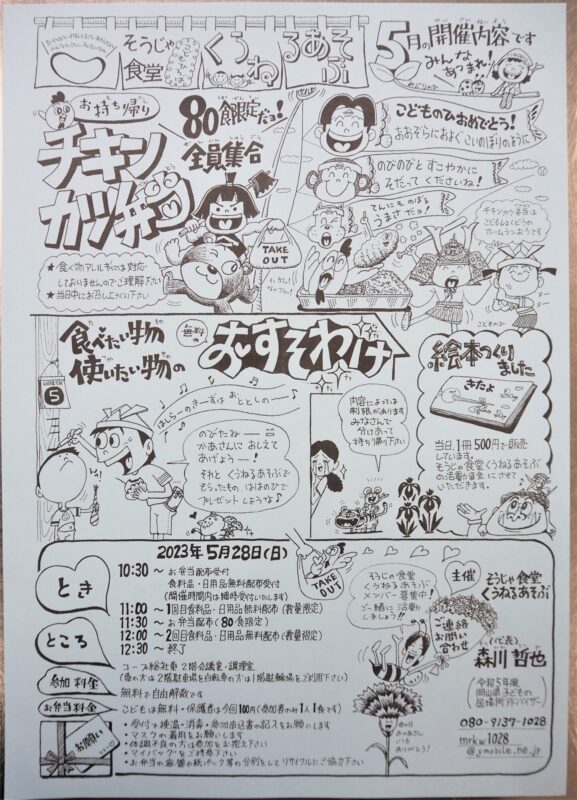
Who creates the flyers?
Morikawa
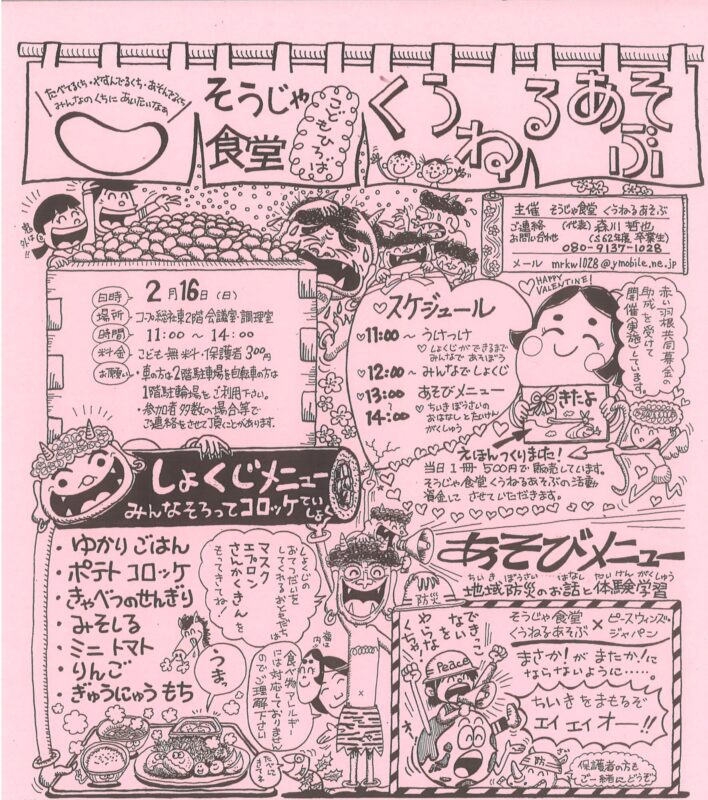
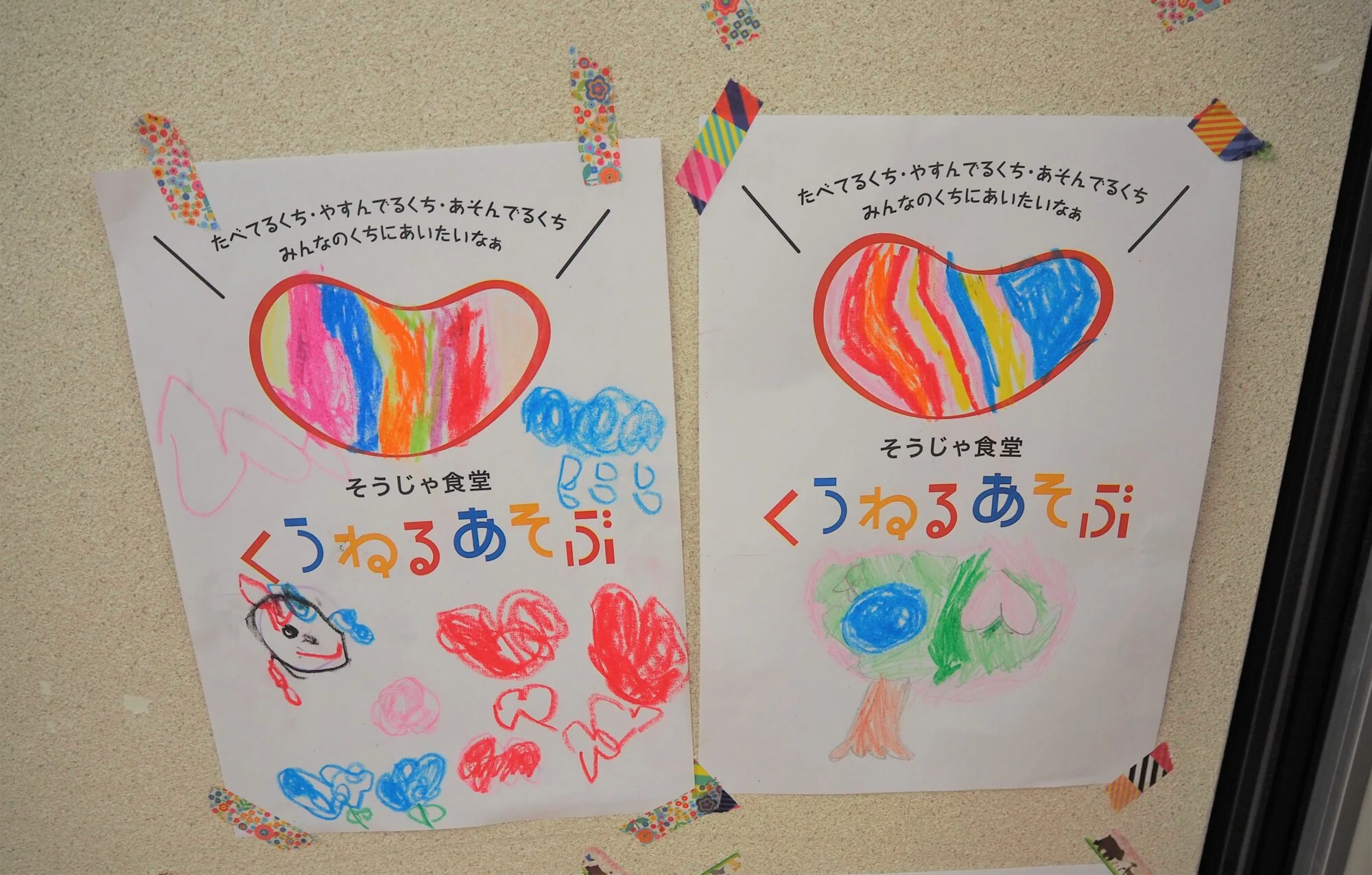
At "Soja Shokudo Kuuneru Asobu," we produce flyers for event announcements every month.
In the early days of establishment, we were making flyers with just text, so there was hardly any response from the children.
At that time, I was looking for someone who could draw illustrations for another project, and I was introduced to Hiroshi Tominaga, who had previously worked on four-panel comics for Soja City's public relations magazine, by the Soja Rotary Club.
Mr. Tominaga, who agreed with the concept of the children's cafeteria, decided to cooperate in the production of the flyers.
Flyers with illustrations have a tremendous effect.
Many adults and children began to visit the children's cafeteria.
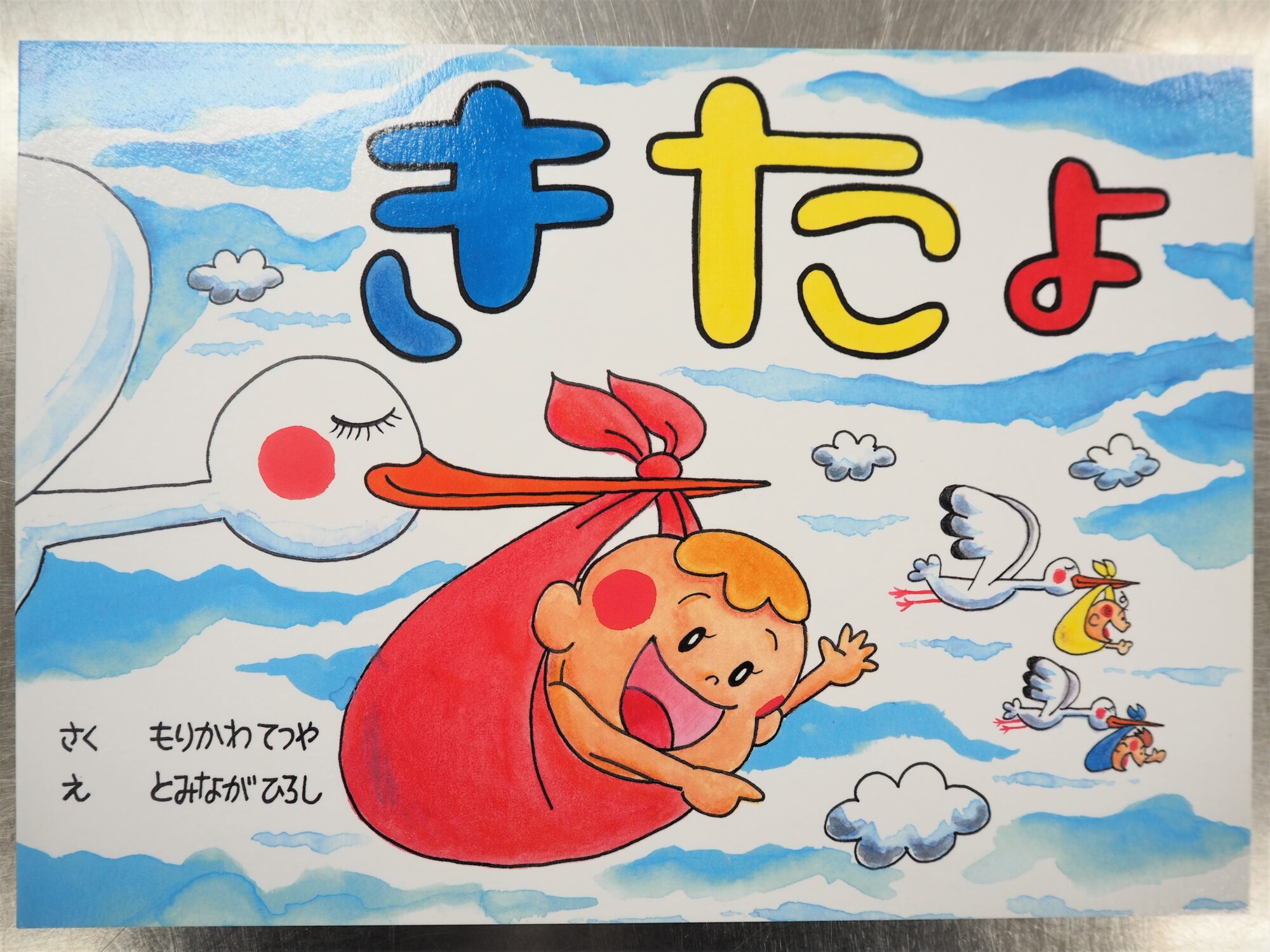
By the way, the other project I mentioned earlier was the production of a picture book and CD.
I am good at writing poems to accompany picture books and singing, but I am not good at drawing illustrations.
With the cooperation of Mr. Tominaga and the Soja Rotary Club, we produced 500 copies of the picture book.
When we hold the children's cafeteria, we sell each book for 500 yen, which goes towards funding the activities of the children's cafeteria.
Additionally, the self-produced CD is played as background music during the children's cafeteria events, enhancing the atmosphere.
Who distributes the flyers and where?
Morikawa
I use my days off to hand-deliver flyers to elementary schools and kindergartens in Soja City.
For the children's cafeteria held on May 28, 2023, I distributed flyers to 15 locations.
As I repeatedly visit facilities and schools, I start to be recognized.
Increasing interactions with people spreads understanding and awareness of the children's cafeteria, bringing about positive effects.
I sometimes receive unexpected and grateful offers, such as "I have food items nearing their expiration date" or sudden phone calls offering donations.
Also, if I only deliver to the same facilities, the recognition of the children's cafeteria will not spread, so I make an effort to visit new places.
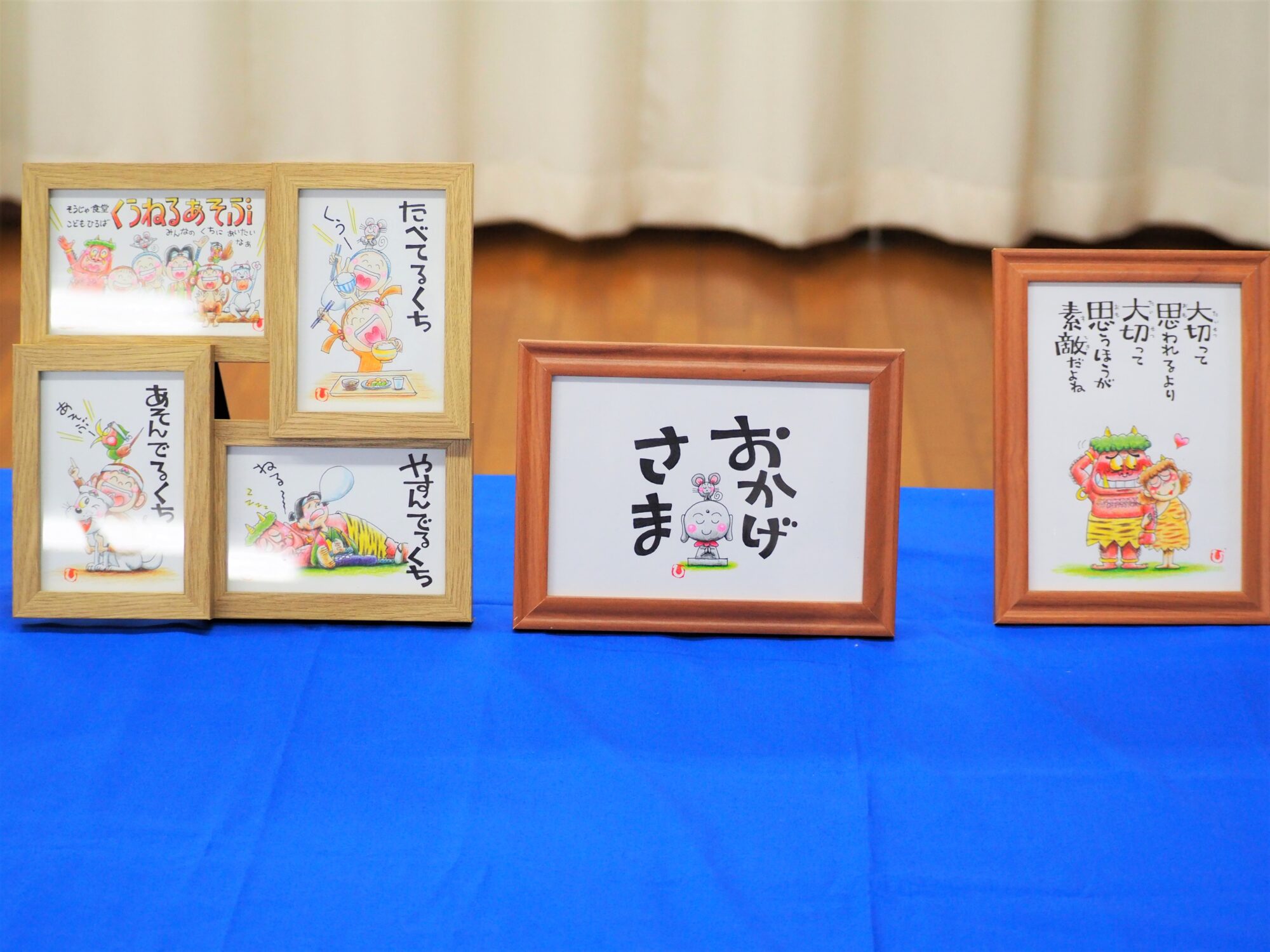
What kind of projects have been carried out so far?
Morikawa
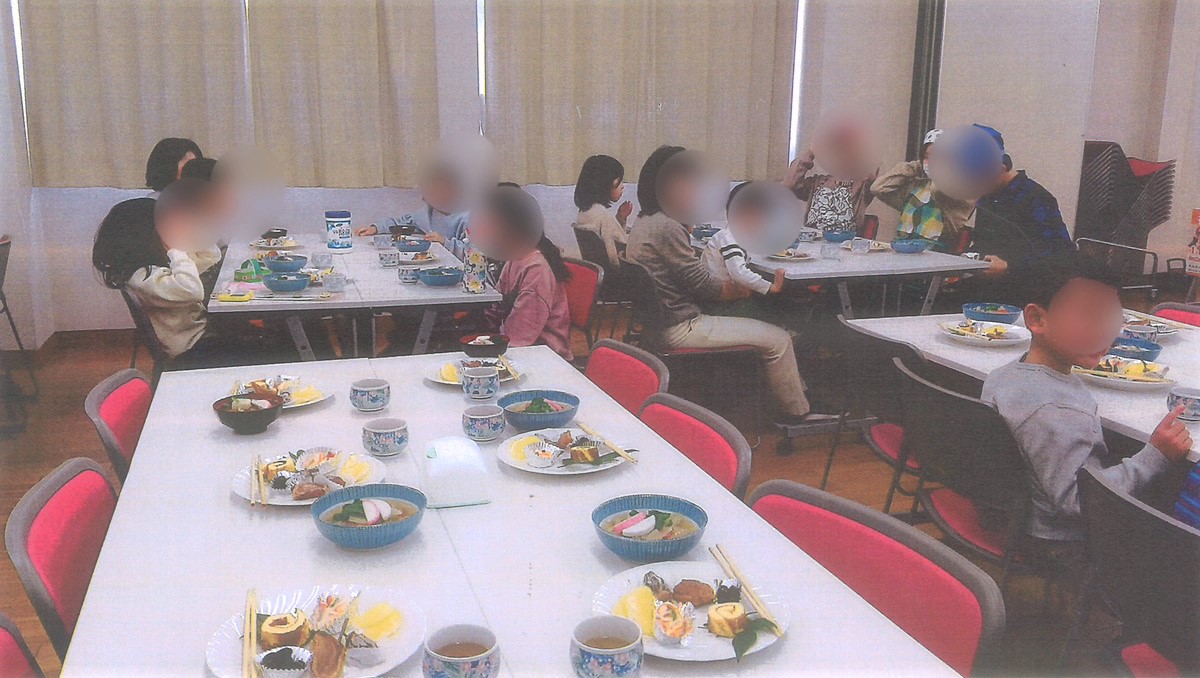
Before the spread of the COVID-19 pandemic, we operated with a dual approach of meal menus and play menus.
In the meal menu, we shared the joy of eating together, such as eating curry or making cakes during Christmas.
In the play menu, we invited guests, such as local magicians for magic shows and storytellers for reading picture books.
We also had a session with a braille instructor to create business cards, allowing children to learn while playing.
When we invited a sign language instructor, we even sang with original sign language.
Additionally, as part of disaster education, we actually assembled cardboard beds used in evacuation shelters.
However, when the COVID-19 pandemic prevention measures and emergency declarations were issued, we could no longer use the venue.
Even when we finally resumed, we could not return to the previous style.
Thinking that "opportunity is opportunity, and crisis is a great opportunity," we adapted by changing to a style of distributing bento boxes and free distribution of daily necessities and food, while referencing other children's cafeterias.
Moriwaka's Initiative and Passion
Is there anything you consider important when coming up with ideas?
Moriwaka
I gather information by utilizing internet searches and social networking services (SNS).
There are approximately 7,000 children's cafeterias across the country, with 9 located in Soja City.
There are many projects that serve as references, so I incorporate those that I find interesting.
However, the methods of operating children's cafeterias vary.
Some are held daily, while others, like ours, are held once a month.
Additionally, some are operated by companies or restaurants, while others, like ours, are run by local residents voluntarily.
Therefore, instead of implementing other children's cafeterias' projects as they are, I arrange them in a way that suits "Soja Shokudo Kuuneru Asobu."
When I am thinking of projects, I feel a sense of excitement, as if I am preparing for a festival.
What are your strategies for balancing family, work, and community activities?
Moriwaka
My family understands my passion for the children's cafeteria.
I do not have hobbies like golf or fishing; the children's cafeteria is my source of healing, and it feels like I am playing.
I also completely separate work from community activities.
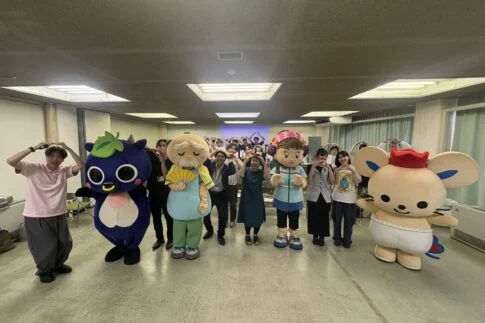
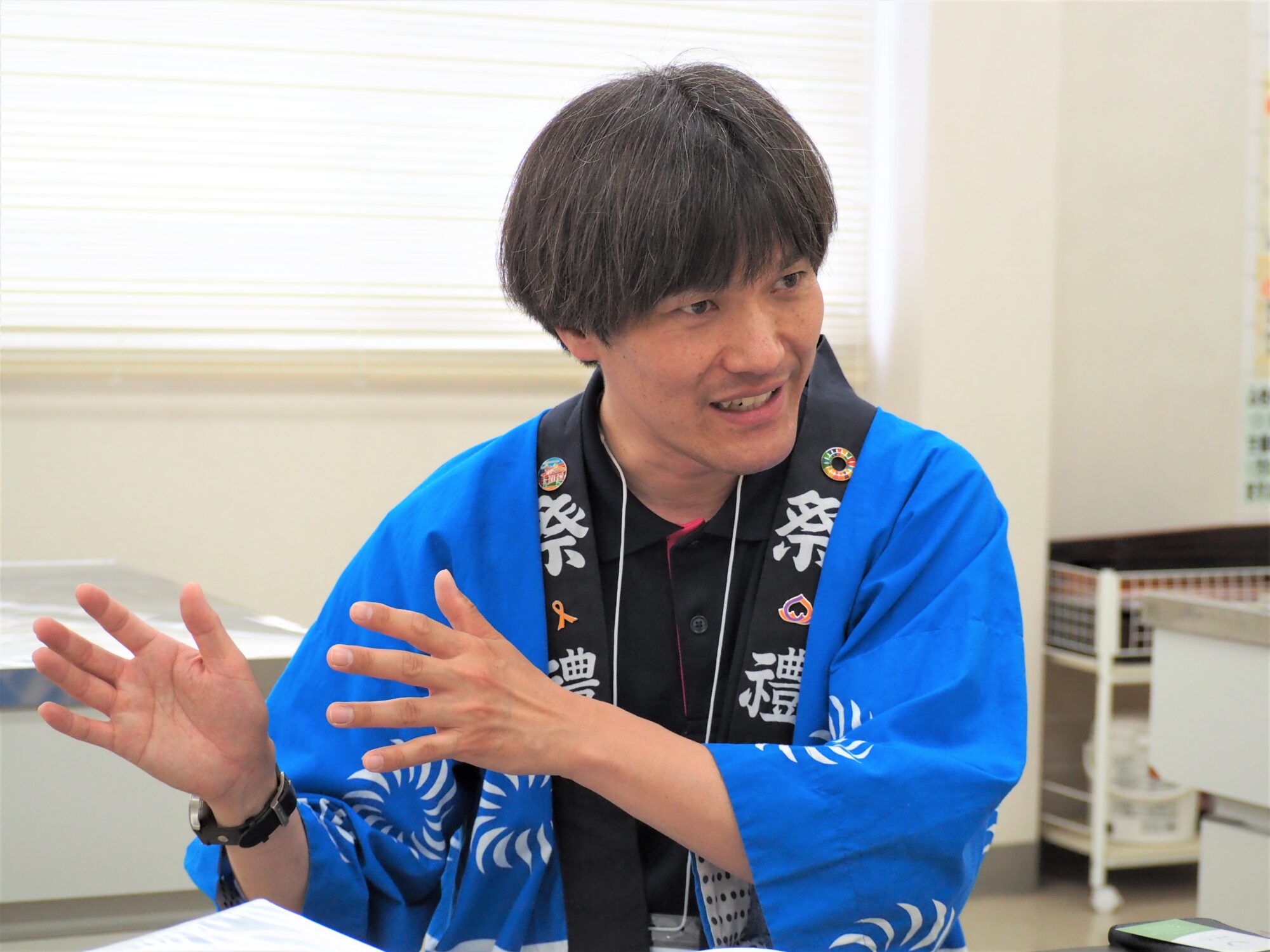
At the children's cafeteria, I wear a happi coat and become an entertainer holding the Soja City mascot character, Chuppy.
I rotate between my home in Okayama City, my workplace in Kurashiki City, the children's cafeteria, and my family home in Soja City every month.
I enjoy the fact that I am going around these three bases.
Seeing the children gather because of the rumors about my enjoyable activities makes me want to do even more fun things.
Is there anything you consider important in your activities?
Moriwaka
I value meeting people in person.
As COVID-19 spread, opportunities for people to meet decreased.
Even during the time when we were forced to refrain from going out, I think it was convenient to be able to have conversations with people over the internet, regardless of time or place.
However, communication through the internet is limited in information and cannot share experiences.
For example, when a large number of people gather at an event venue, unexpected things can happen.
Such coincidental events can only be enjoyed together because the participants are in the same space.
There are emotions that can only be shared by gathering in the same space.
Moreover, because we actually meet and talk, we develop familiarity and connections with each other.
In fact, when I was establishing the children's cafeteria, I talked to many people, and from there, I met those who would support me, leading to where I am now.
Therefore, I want many people to come to the children's cafeteria and create connections there.
Participating in Soja Shokudo Kuuneru Asobu
Before the children's cafeteria started, the high school students who participated as volunteers were quite busy making bento boxes and taking care of many children.
However, after the event ended, everyone's faces were bright and lively.
Surely, for the high school students, working for someone else was a valuable experience.
I also observed parents talking to each other while children were running around and playing happily at the children's cafeteria venue.
At "Soja Shokudo Kuuneru Asobu," it was not just the children who were smiling; the high school students, parents, and everyone present were as well.
A space was created where Moriwaka's wish to build human relationships through the children's cafeteria was realized.
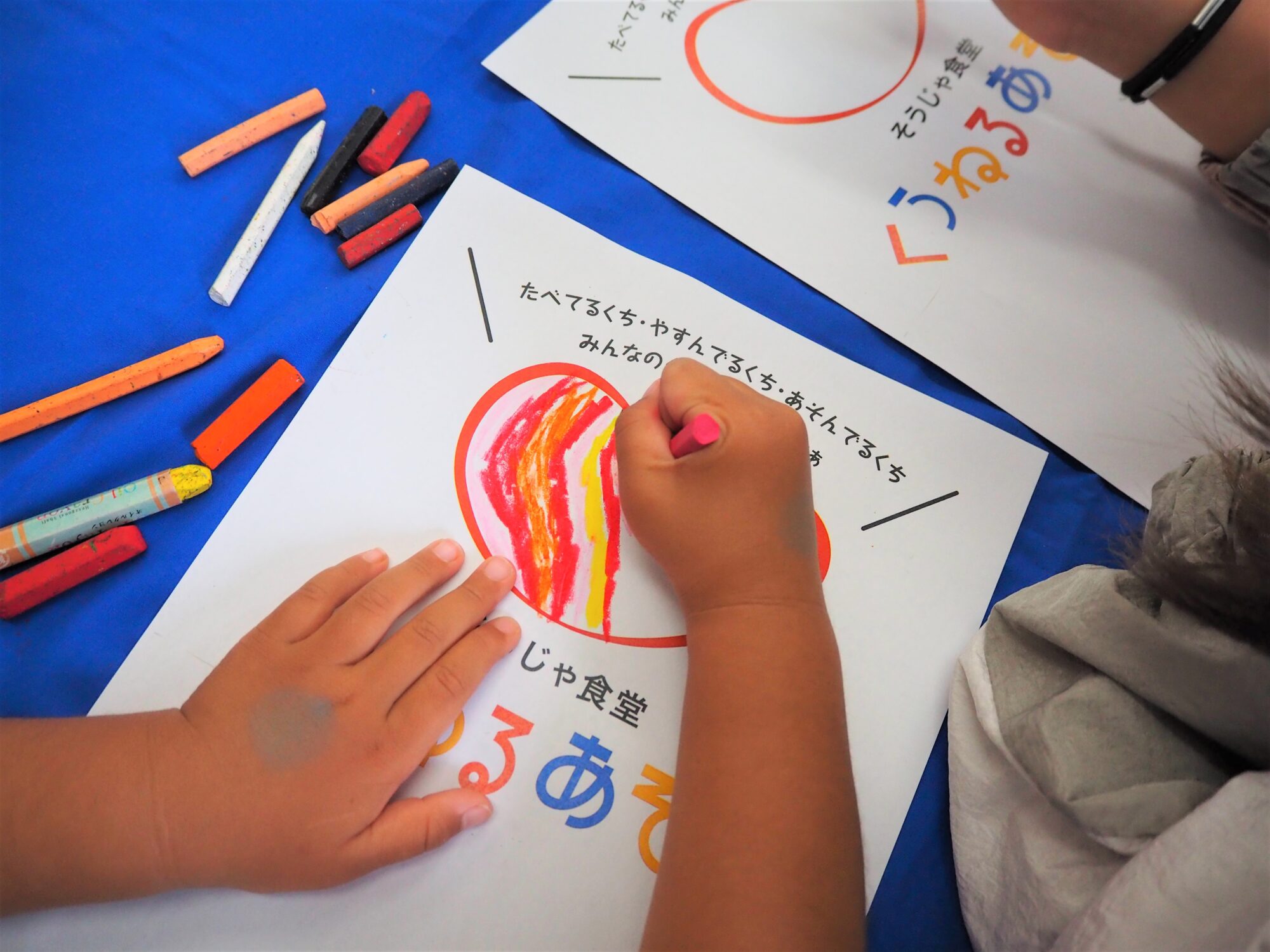
I also had a warm and enjoyable time conversing with high school students and talking to toddlers who were drawing, people I would not normally meet in everyday life.
Conclusion
In front of the children, Moriwaka is brainstorming ideas to entertain and make them laugh as an entertainer.
“The goal is for the happiness of Soja children.”
By being flexible with everyone and incorporating and respecting others' opinions, it seems that the local people empathize and support him.
I was deeply impressed by Moriwaka's beliefs and sincere attitude.
Data on Soja Shokudo Kuuneru Asobu
| Name | Soja Shokudo Kuuneru Asobu |
|---|---|
| Date of Event | Every month on an irregular Sunday From 11:30 AM |
| Location | 18-18 Soja 2-chome, Soja City, Okayama Prefecture, Soja Central Community Center, Soja Branch |
| Participation Fee (including tax) | Free |
| Homepage | Tetsuya Moriwaka |