Interview with Akemi Miyahara and Katsunori Miyahara
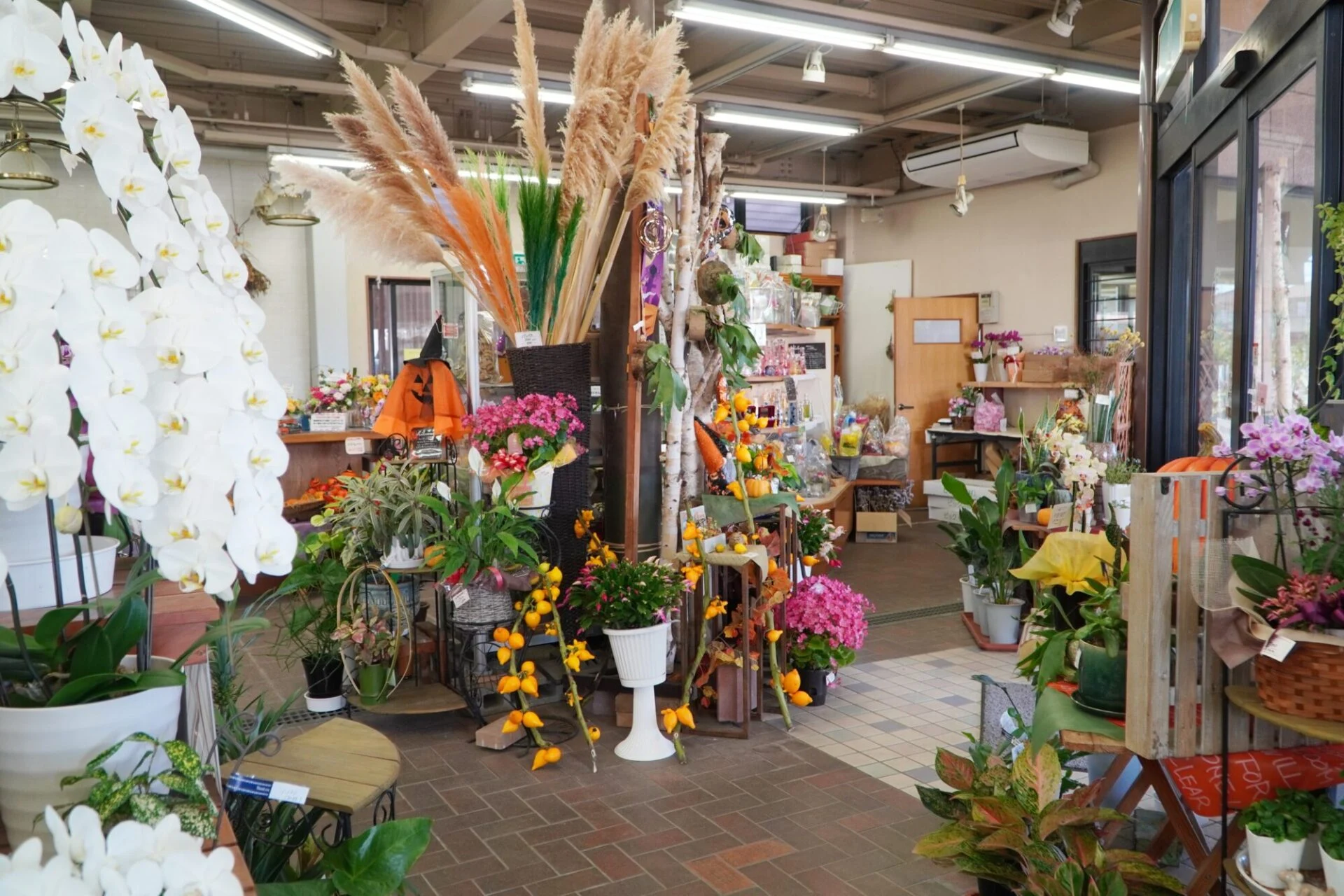
Miyahara Flower Shop began by selling flowers to ikebana teachers.
Over time, it added more flowers, plants, and services, and now operates a wide variety of businesses.
We interviewed Akemi Miyahara and Katsunori Miyahara, who run the shop.
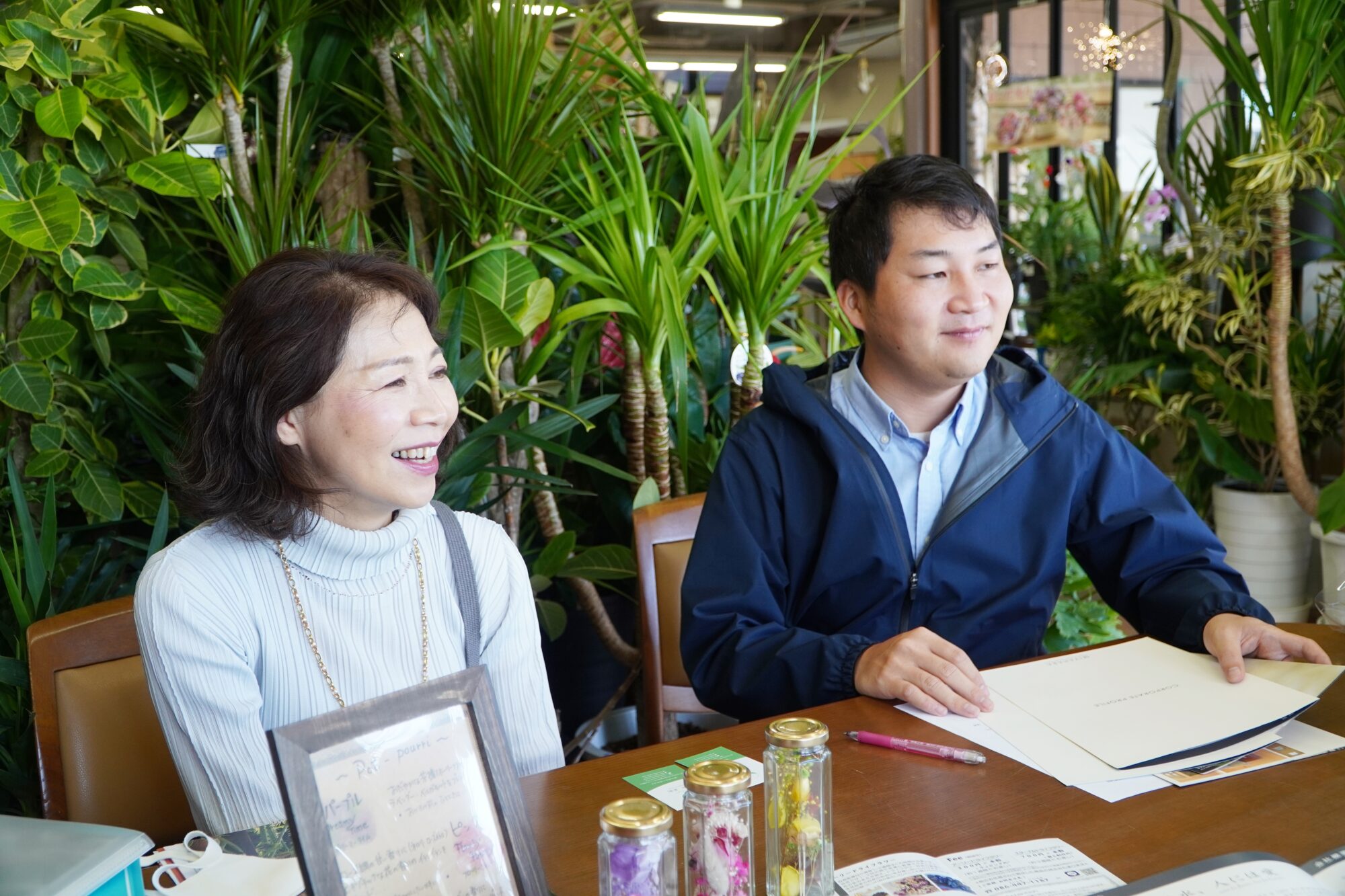
The flowers people want change with the times
Tell us how the business started and about the shop's history.
Akemi Miyahara (honorifics omitted)
The shop's predecessor began with my mother selling flowers, while my father, the first generation, taught ikebana.
Then, in 1989, it incorporated as Miyahara Flower Shop Co., Ltd., and later began supplying practice flowers to ikebana teachers.
The current shop opened in 1994, and in my generation we began selling flowers for gifts alongside retail flowers.
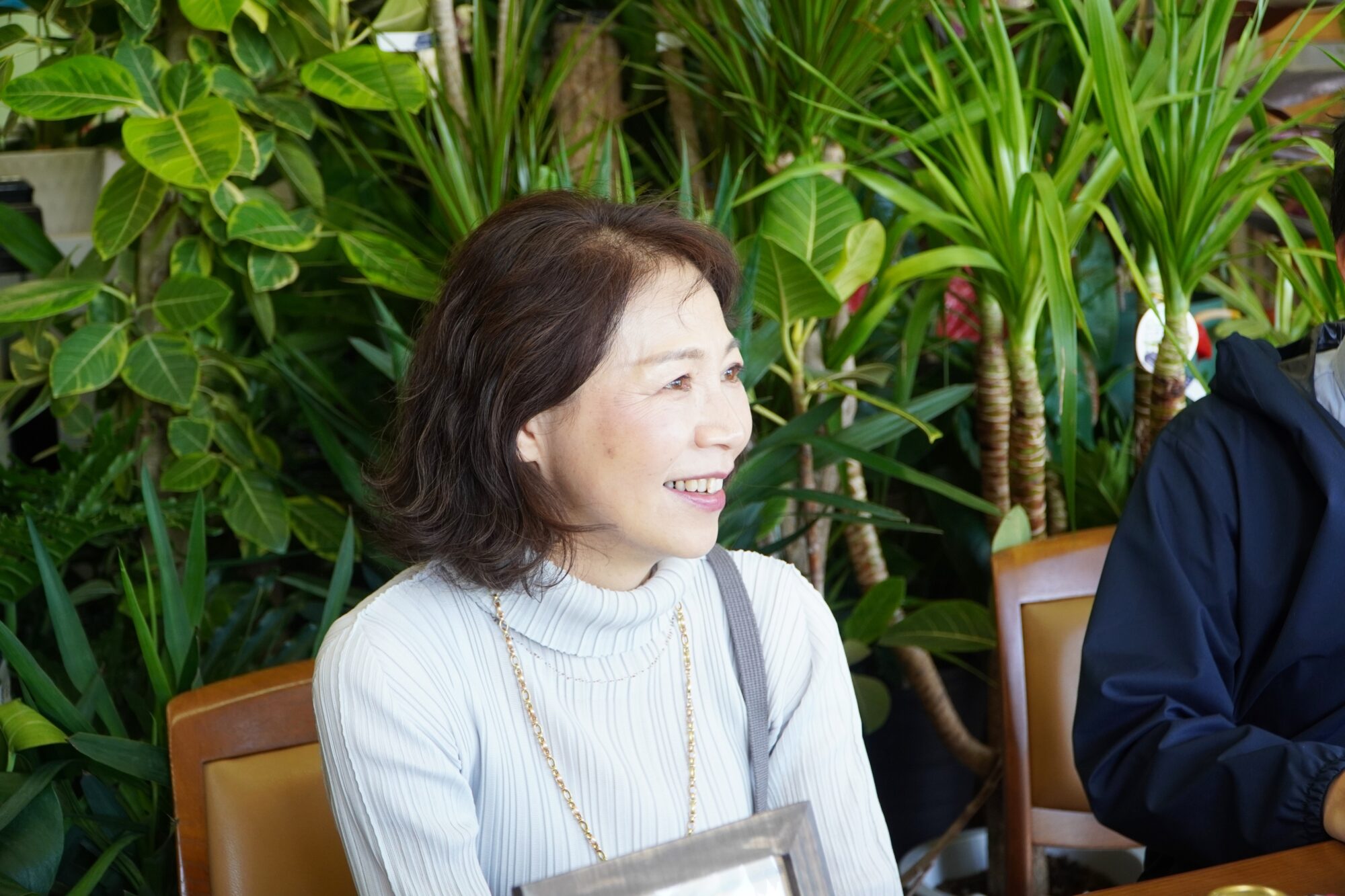
During the bubble era, weddings became more lavish, and demand grew for table arrangements.
As people gradually shifted from ikebana to flower arranging, we opened classes.
I think the spread of flower arranging suits the style of the times we live in.
Homes no longer have alcoves, and as they have become more Western in style, flower vessels have become glass, and people have less need to arrange flowers on a kenzan (flower frog).
Katsunori Miyahara (honorifics omitted)
People used to learn ikebana as part of their preparation for marriage, but that has disappeared too.
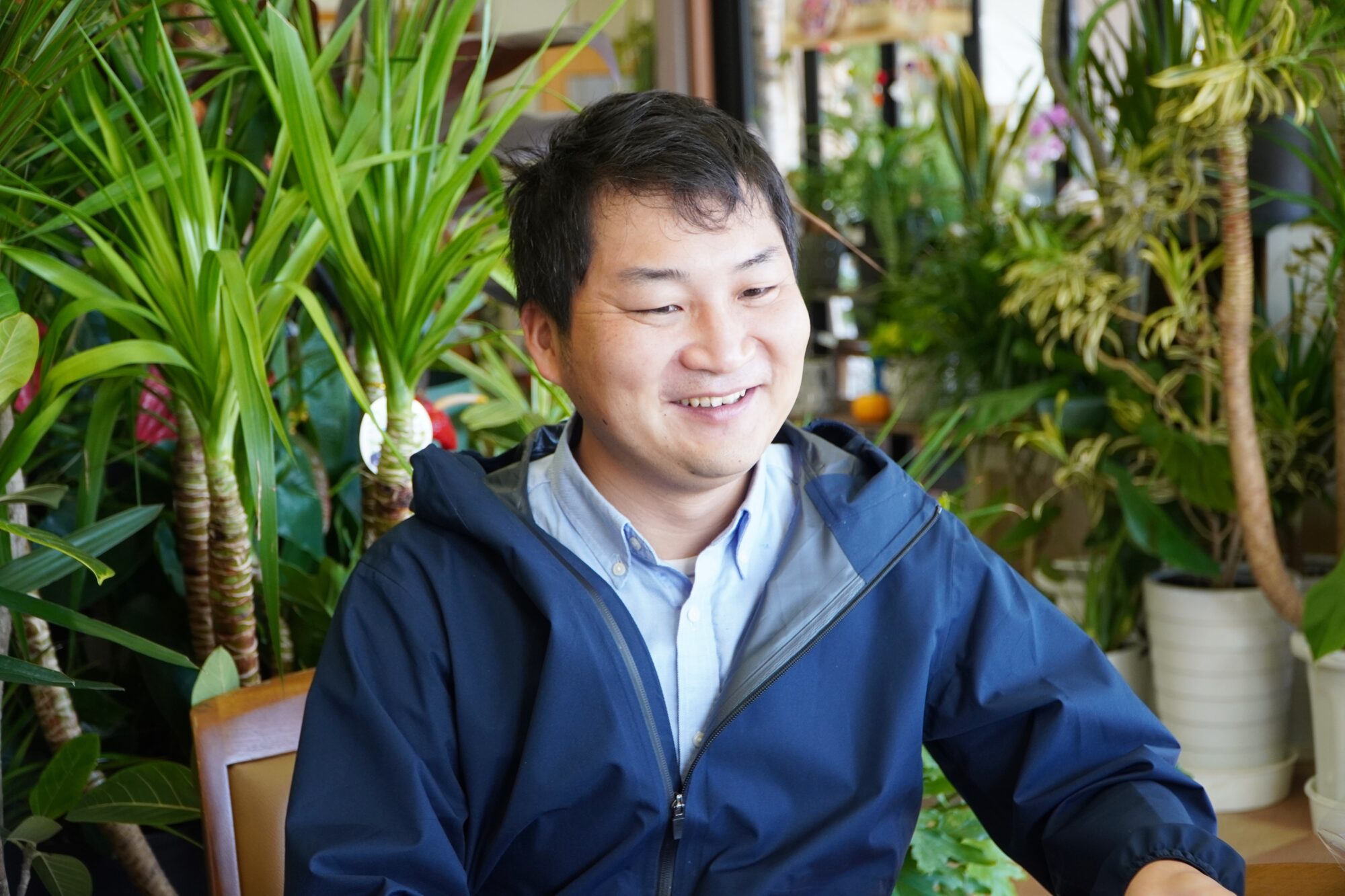
Akemi Miyahara
As people's needs change with the times, there are fewer flower shops where ikebana teachers can buy flowers.
Ikebana is a traditional culture, and we can't let it disappear, so we have stayed true to being a “flower shop where ikebana teachers come to buy flowers.”
It’s more a matter of adding services rather than cutting them.
We added flower arranging to our ikebana foundation.
Our customers’ needs have been changing in many ways.
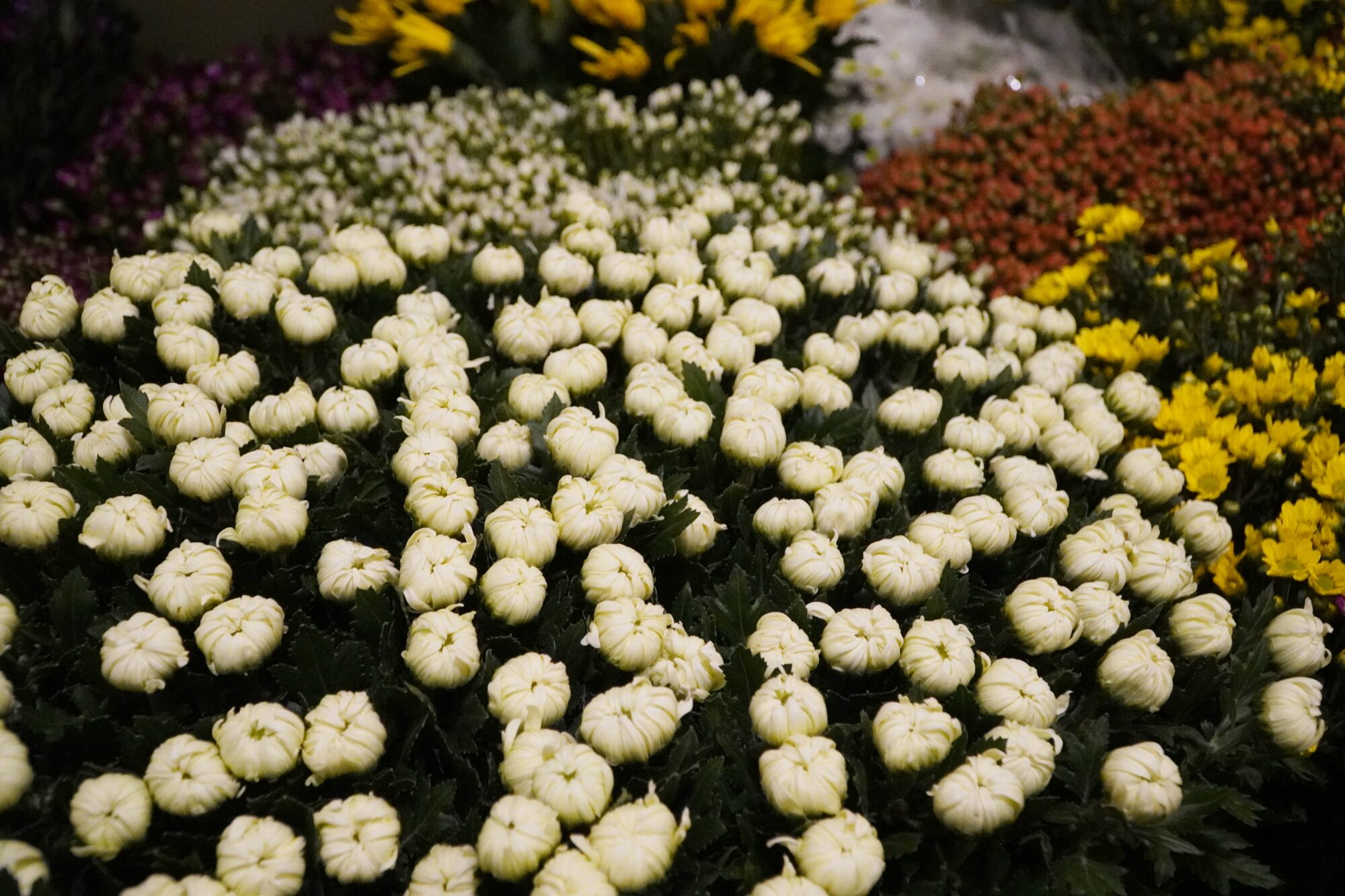
There was a time when gardening was all the rage.
Back then, we carried a lot of seedlings.
Baskets filled with potted seedlings were popular sellers.
As more people began working full-time and got busier, they stopped planting flowers in their gardens.
Gardening requires replanting with each season, and more people don't have the time to put in that much effort.
In the past, gardens overflowed with flowers, but now people have a specimen tree and just a few flowers.
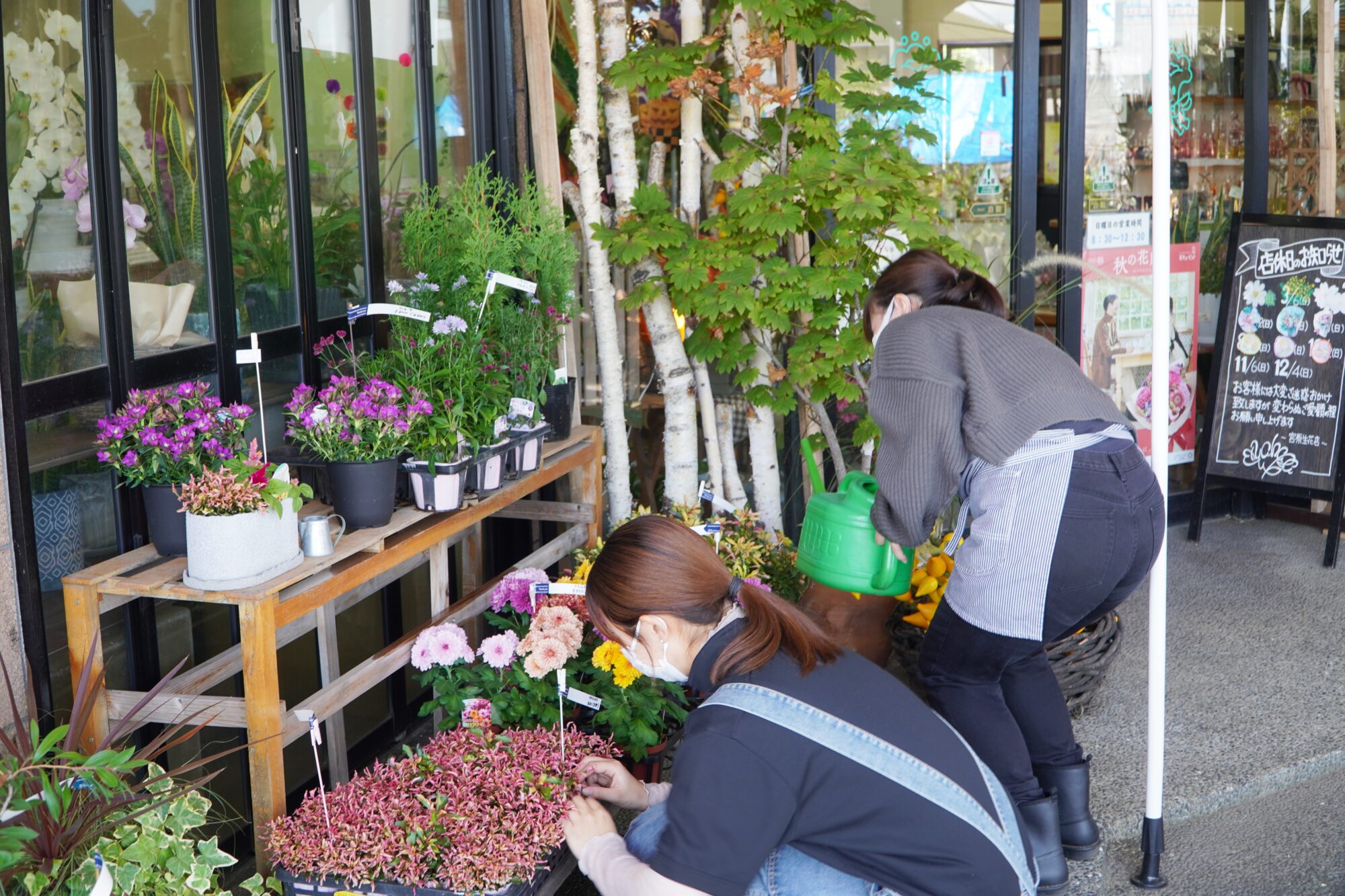
We need to understand what people want now and adapt.
Demand changed during the COVID-19 pandemic, too. As people stayed home, they began to feel that it would be nice to have flowers and greenery in their homes.
I feel that flowers have shifted from being gifts to being for the home or for oneself.
So we started a flower subscription service (a service that delivers flowers regularly).
The appeal of flowers
What do you find appealing about flowers, Ms. Miyahara?
Akemi Miyahara
I think flowers have tremendous power.
When you look at flowers, your heart feels very calm and peaceful.
Even having a single flower at home lets you notice changes, like a bud opening, and I think that brings a sense of calm.
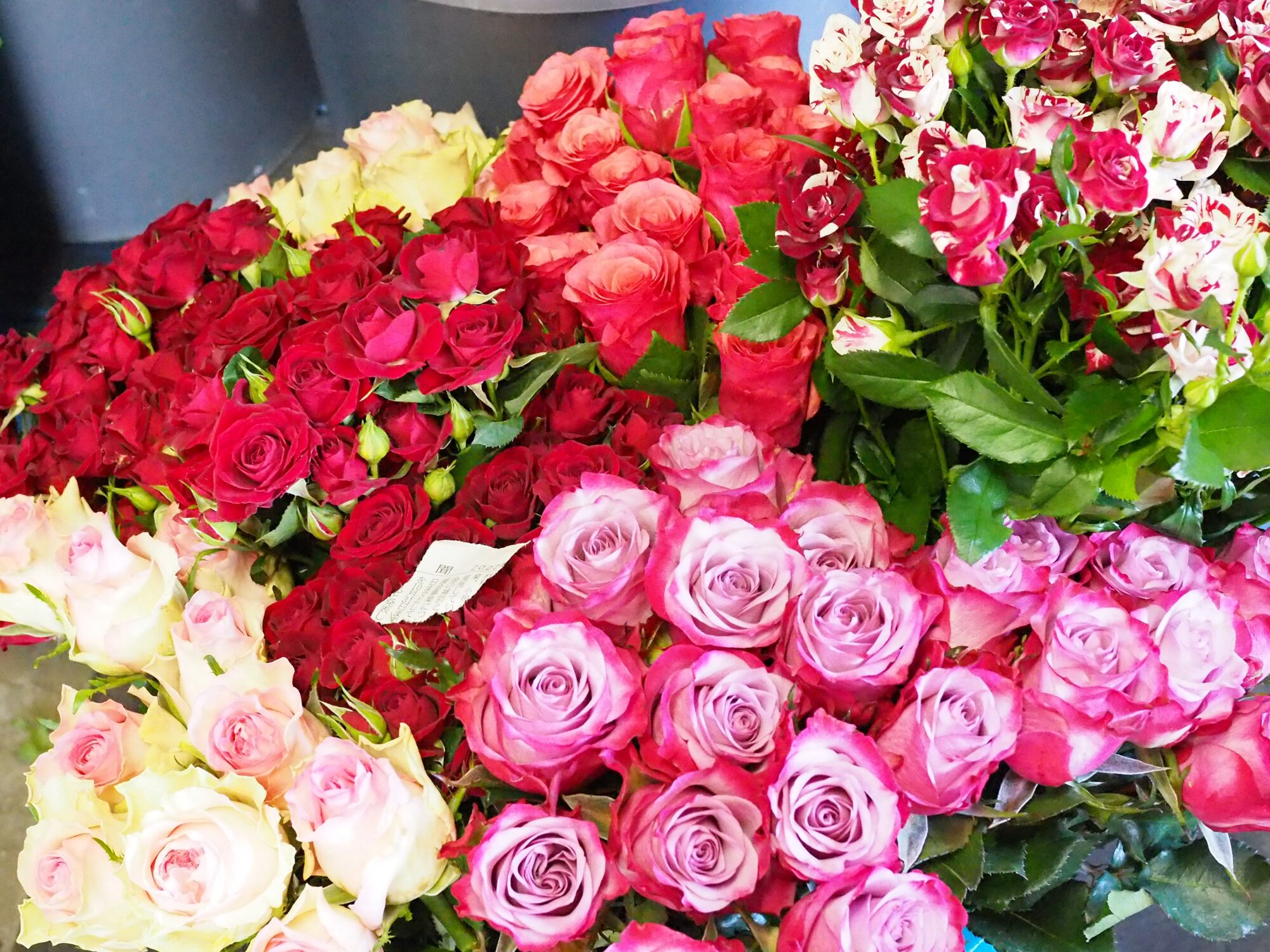
I think both the person who receives flowers and the person who gives them can feel happy.
I think the giver's feelings come through, too.
To help precious flowers last longer, we include a preservative called an “Omoiyari Card” (Thoughtfulness Card).
With the Omoiyari Card, flowers last for a week to 10 days without changing the water.
We want to create more opportunities to experience flowers
Akemi Miyahara
I believe that experiencing flowers as a child can change your life.
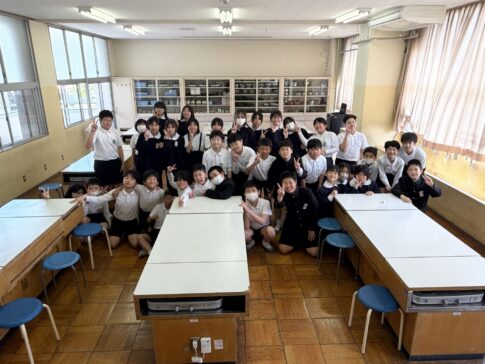
I focus on flower education, or hanaiku, teaching fifth-grade elementary school students about flowers.
Both boys and girls are very receptive, and they come away feeling that flowers are wonderful.
I think children who have never visited a flower shop will probably never have another opportunity to experience flowers.
Katsunori Miyahara
There are fewer homes with gardens and flowers than there used to be, so children have fewer opportunities to experience flowers.
Akemi Miyahara
I’d be happy if people could experience the beauty of flowers early in life.
I think experiencing flowers once can make it easier to visit a flower shop.
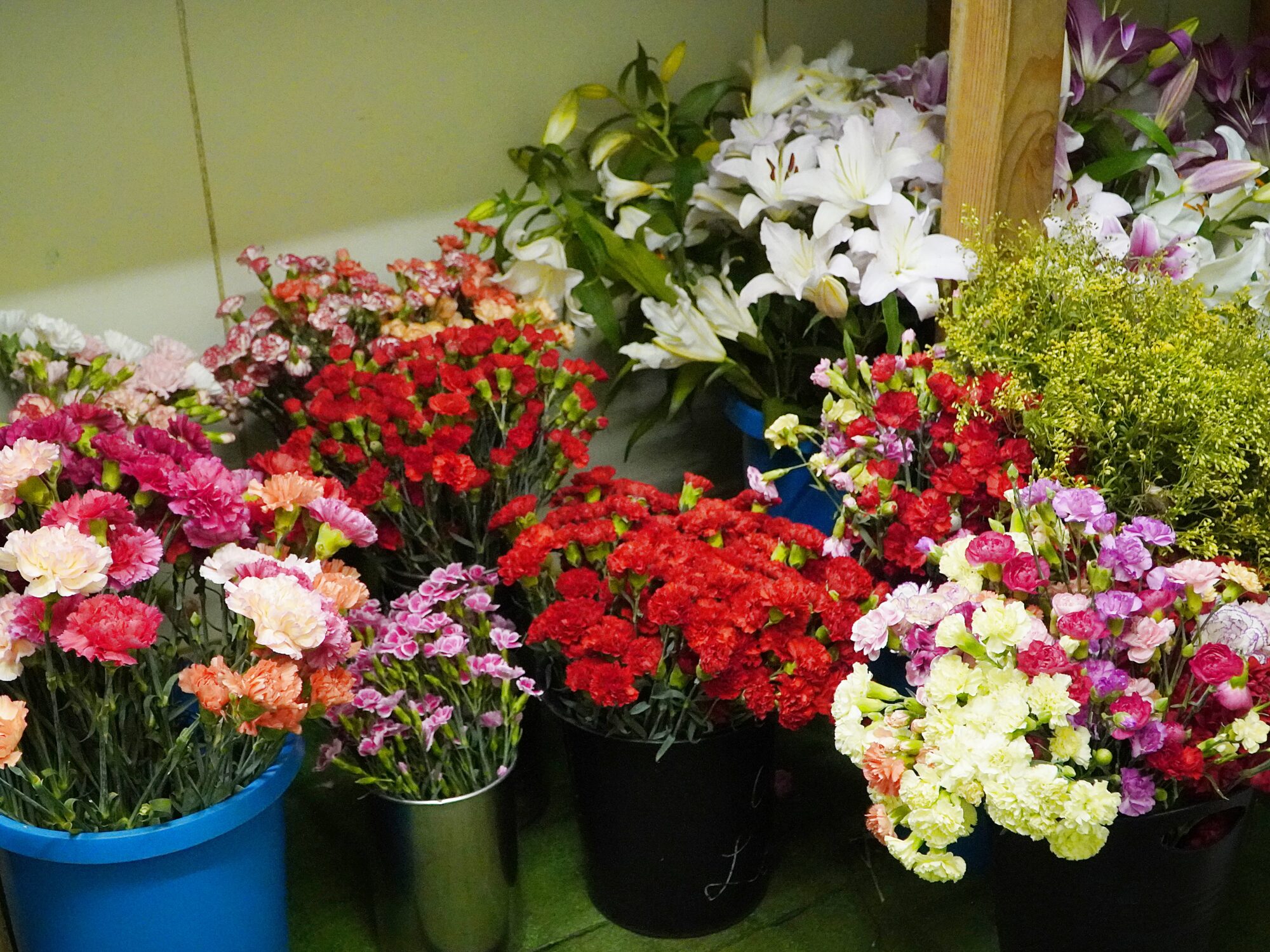
We want to bring flower-filled living to more people.
Sometimes students take flowers home after a flower education class, and we hear that “the whole family was delighted.”
We also hear comments like, “Now I understand what you meant when you said, ‘Experience the power of flowers. Flowers bring peace to everyone.’”
There’s a big difference between seeing flowers in a video and experiencing them in person.
I’d like people to start with one flower, touching it and observing it.
Katsunori Miyahara
I think there are many ways people can experience flowers, such as wanting to preserve a gift by turning it into dried flowers.
We want to make this a flower shop that can meet people’s needs in all kinds of ways.
From the Writer
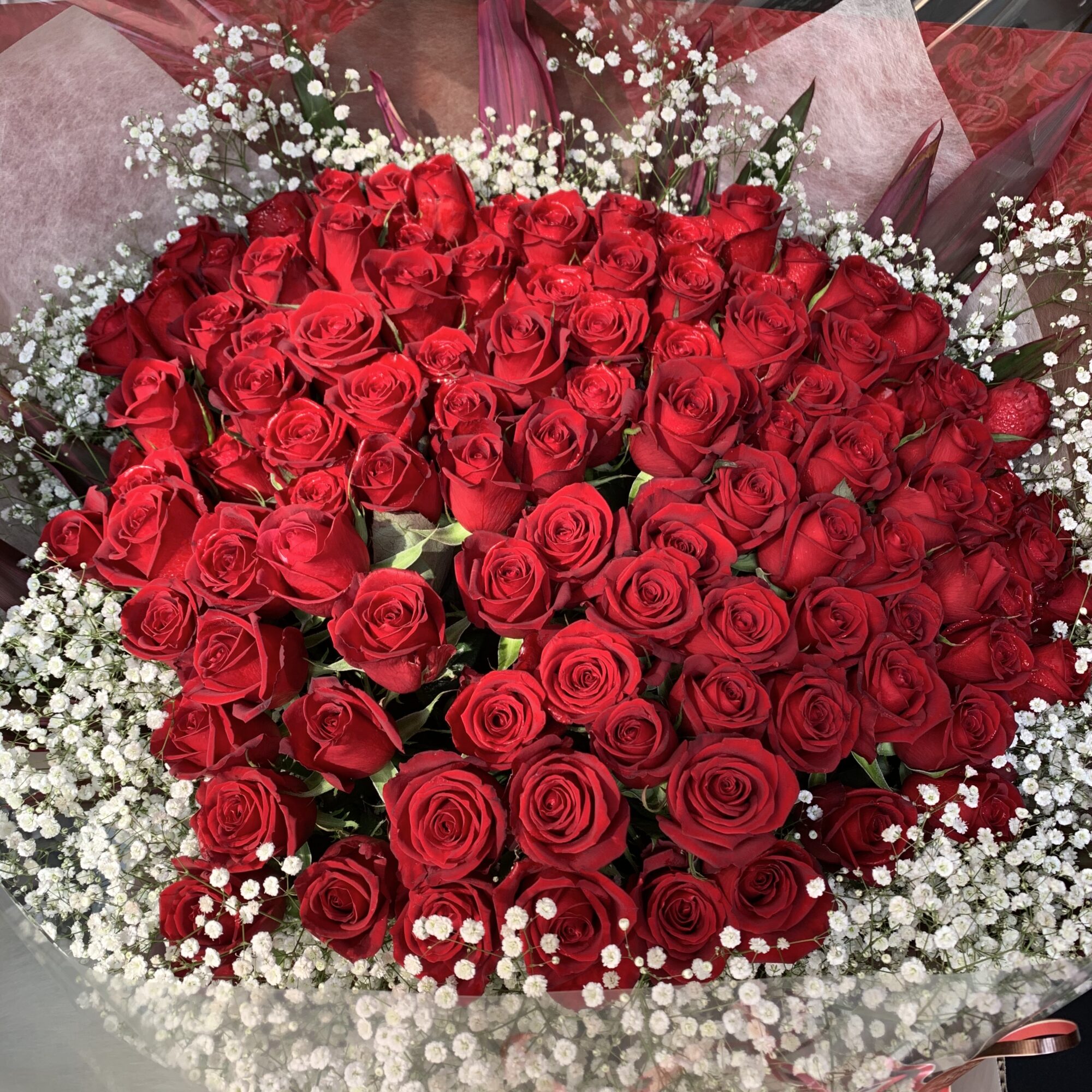
Miyahara Flower Shop continues to take on various challenges and provide what people want.
They have apparently had some failures, but have continued to develop their services while always thinking about what they could do next.
The ways flowers are provided change with the times, but perhaps what people want from flowers remains the same.
Giving or receiving flowers brings joy, and simply looking at them calms the heart.
The power of flowers will continue to bring happiness to people.
Through the interview, I realized that Miyahara Flower Shop, true to its corporate philosophy, “Water for flowers, love for people,” is a shop that cares deeply for flowers and wishes people well-being and happiness.
Miyahara Flower Shop details

| Name | Miyahara Flower Shop |
|---|---|
| Address | 2-7-22 Kameshima, Kurashiki City |
| Contact | 086-447-1187 |
| Parking | Available |
| Hours | 8:30 a.m.–7:00 p.m. (until 12:30 p.m. on Sundays) |
| Closed | Irregular holidays Usually closed on the first Sunday of the month |
| Payment methods |
|
| Website | MIYAHARA |


What would you like to know about Kurashiki?
Enter a search term to find articles on this site