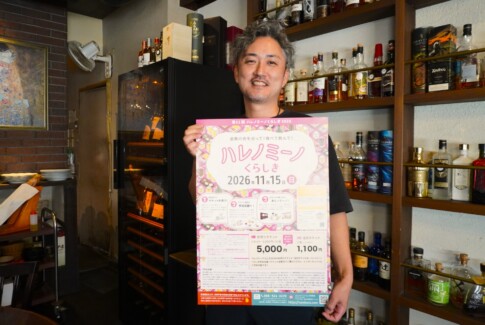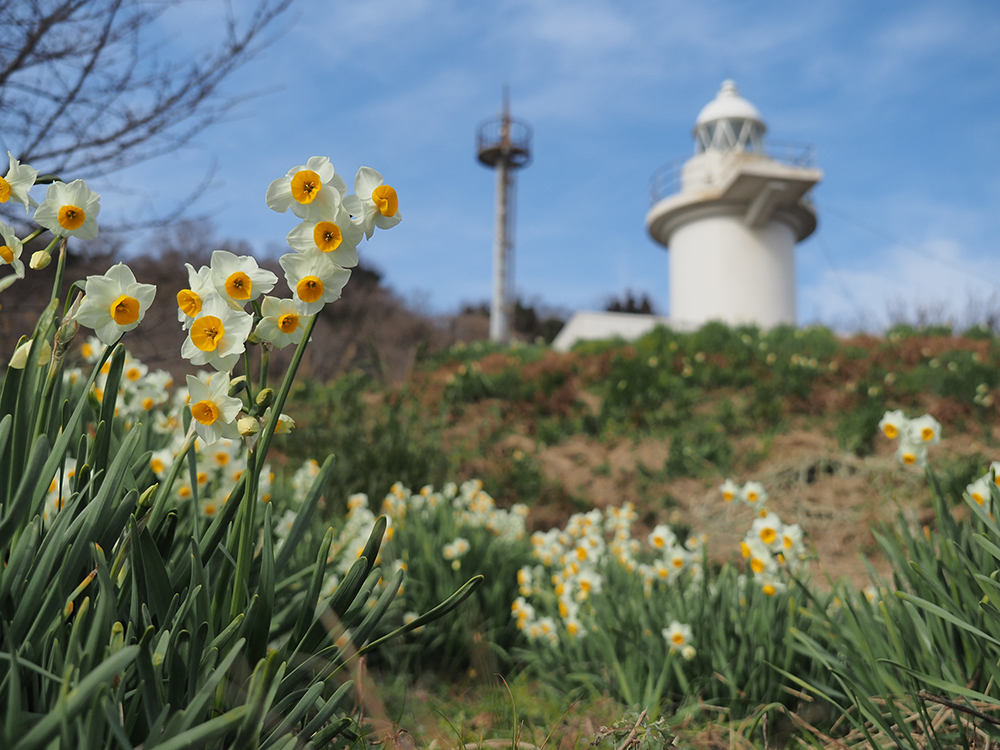
We spoke with an island resident: Ryuhei Iseki of Mutsushima Hama Brewery
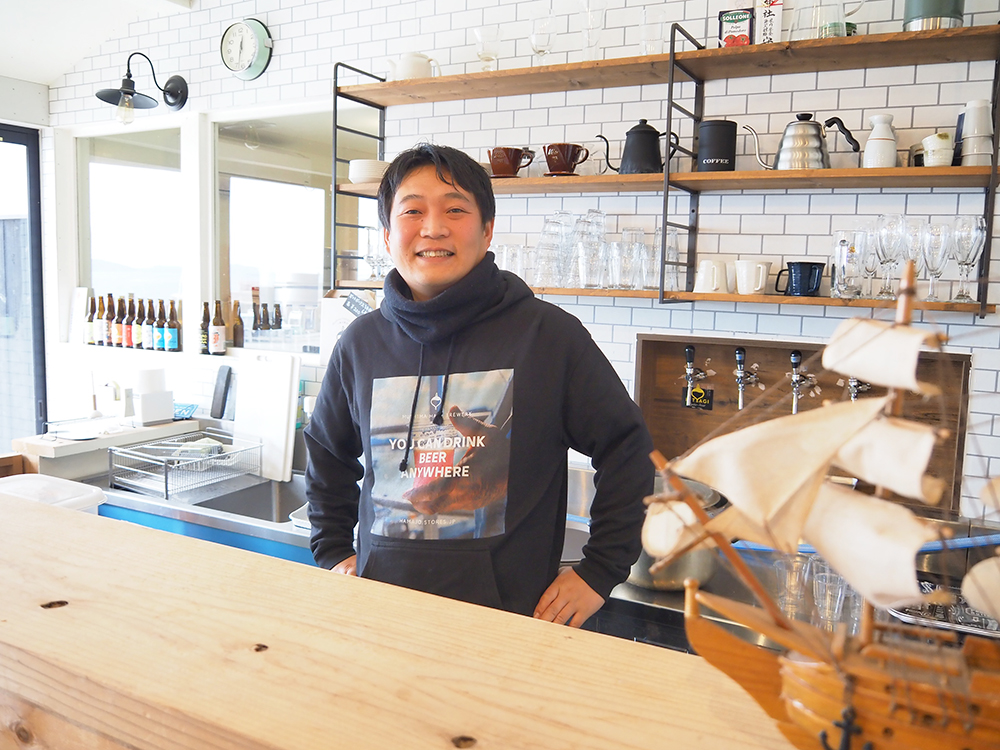
Could you tell us how you came to move to Mutsushima?
Iseki (surname only)
I was born and raised in Osaka, but my grandparents originally lived on Mutsushima. From when I was little, I came back to the island every year during the Obon holidays.
I’d play in the sea and visit relatives’ homes, exchanging “I’m home” and “Welcome back” with people all over the island.
You don’t have that kind of thing in Osaka, do you? So I looked forward to spending every summer on Mutsushima.
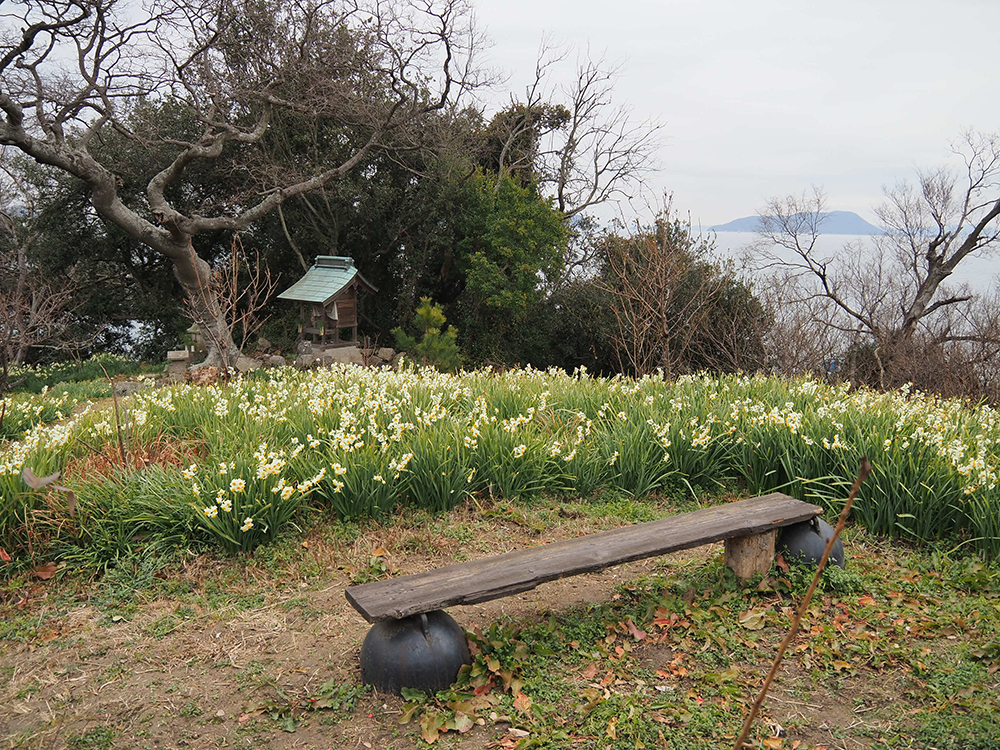
I stopped coming back after my second year of high school, but after I started working, I was invited to help because “there aren’t enough people to carry the portable shrine at the Otori Shrine festival.” From then on, I started coming to Mutsushima every Golden Week.
Until then, I’d only known Mutsushima in the lively summer season, so I was surprised: “Oh, there are so few people here outside summer.”
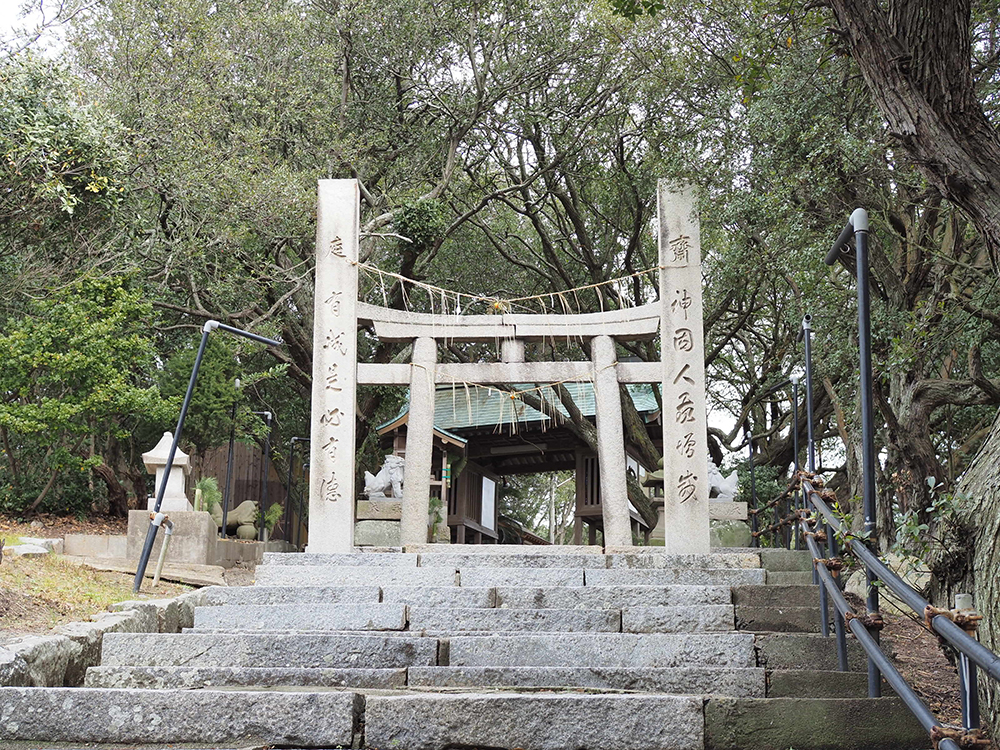
What left a strong impression on me was the first time I came back to help with the festival.
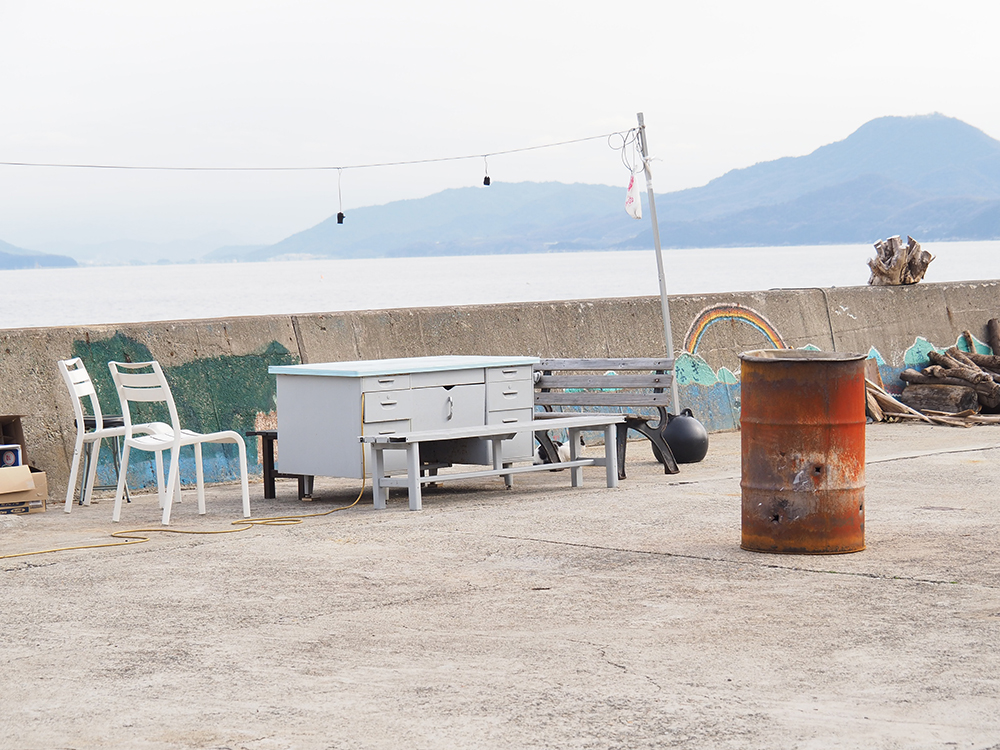
Some of the island’s older guys were drinking around a drum barrel just over there.
As I walked by, they asked, “Whose kid are you?” I told them my grandmother’s name and said, “I’m Ryuhei, Harue’s grandson,” and they said, “Welcome home!”
The humanity I’d almost forgotten came rushing back like a lightning strike. I thought, “Ah, this is so nice—Mutsushima!”
At the time, I was a sales rep working in Osaka. I talked to all kinds of people for work, but our exchanges didn’t feel heartfelt, and my days weren’t enjoyable.
Against that backdrop, chatting with the guys around the drum barrel was incredibly fun. It was a warm, human exchange that made me feel their warmth.
I still remember the taste of the canned beer I drank that day. It was cheap beer, but it tasted incredibly good.
When people ask what Mutsushima is like, they tend to talk only about problems, like “people are struggling” or “the population is aging and shrinking.” That never sat right with me.
It’s a wonderful place, and I love it.
I started wanting to find my own way to answer that question—or express what makes it special—while living on Mutsushima.
My dream of moving there didn’t come true right away, but I quit my office job and spent two years at a vocational school studying caregiving so I could find work in an aging society, all the while thinking that someday I’d live on Mutsushima.
While living in Osaka, I came back to Mutsushima from time to time. I also got involved in student internships and other activities.
Then, through a fortunate connection, I was appointed a Community Revitalization Cooperator and was able to move to Mutsushima when I was 32 (in 2016). That was about ten years after I first wanted to move there.
How did you get into brewing beer?
When I moved to Mutsushima, I hadn’t decided what I would do. I wanted to figure it out as I listened to people on the island and went about my daily life.
I wondered what kind of lives the people who said “Welcome home” had led in the past.
As I talked to different people, I heard that “a few decades ago, people on Mutsushima grew lots of barley, beans, and potatoes, and fields of barley stretched across the island.”
I imagined golden barley swaying against the blue Seto Inland Sea and thought, “It must have been beautiful. I want to bring it back.”
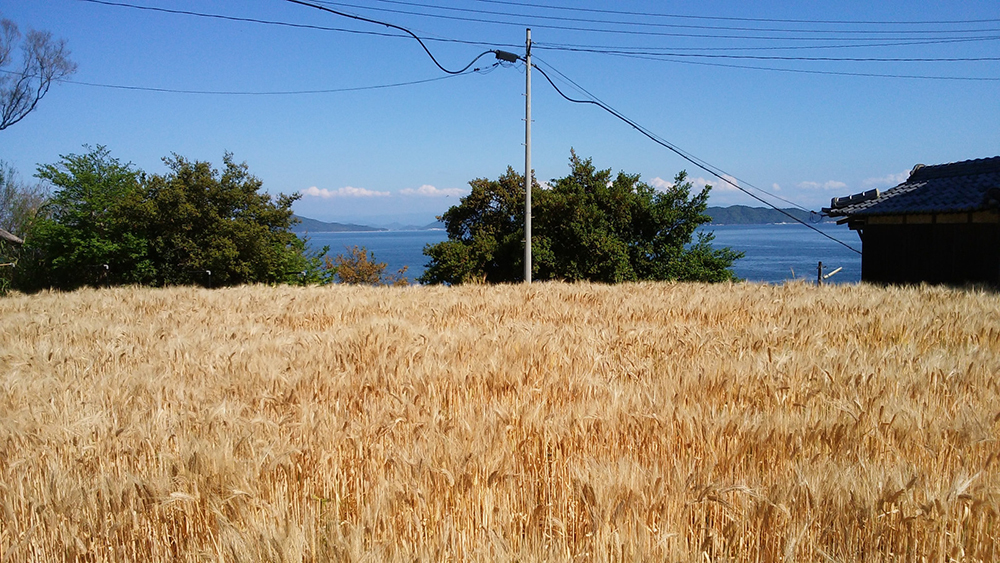
When I thought about what to do with the barley, the first thing that came to mind was beer, which I love.
I began brewing while learning at Kibidote Shimo Beer Brewery in Okayama Prefecture, which I was introduced to through a mutual acquaintance, and obtained a brewing license on Mutsushima in March 2019.
Starting a brewery from scratch was hard, but Chairman Nagahara of Kibidote Shimo Beer Brewery became my mentor and supported me all the way to opening.
My mentor taught me not only how to make beer, but also what lies at the heart of a product: “Who, fundamentally, is this product meant to delight?”
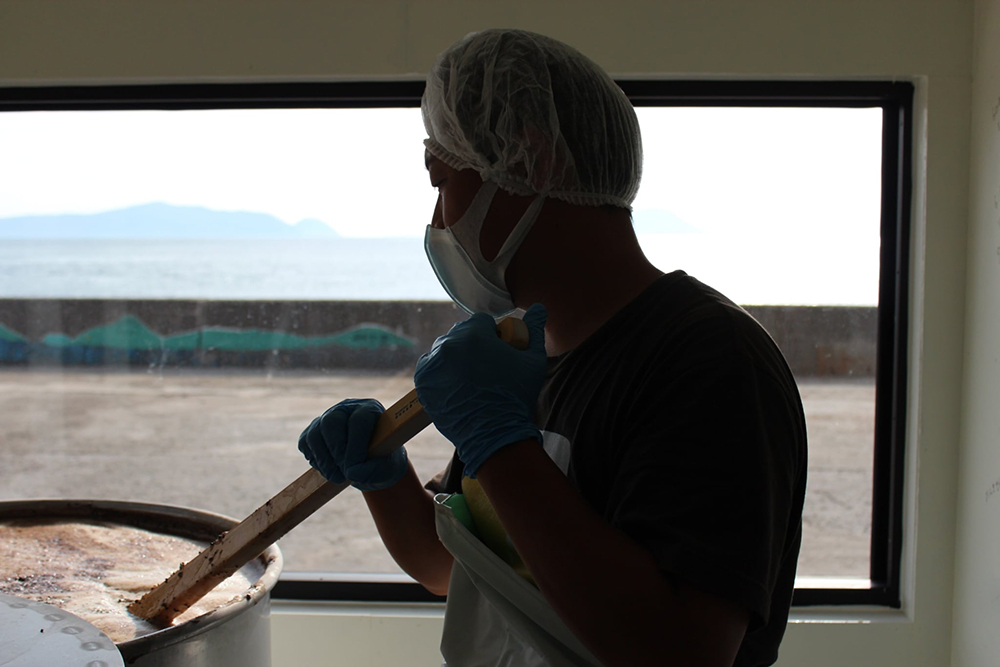
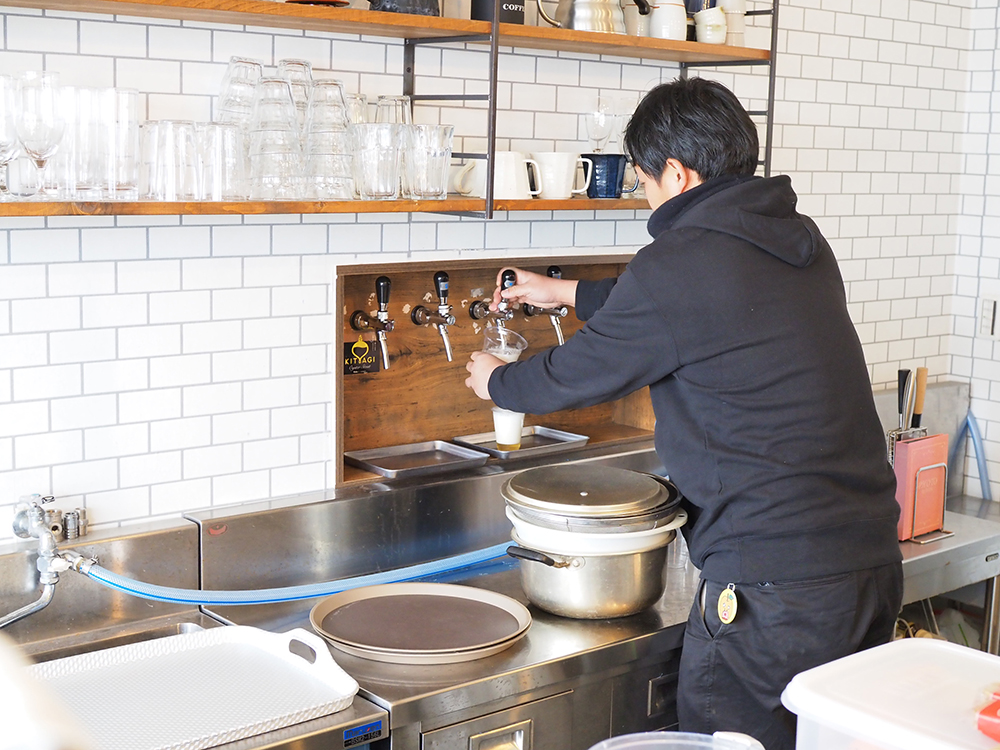
We opened this brewery and bar in August 2019. Travelers and people returning to visit their hometowns stop by.
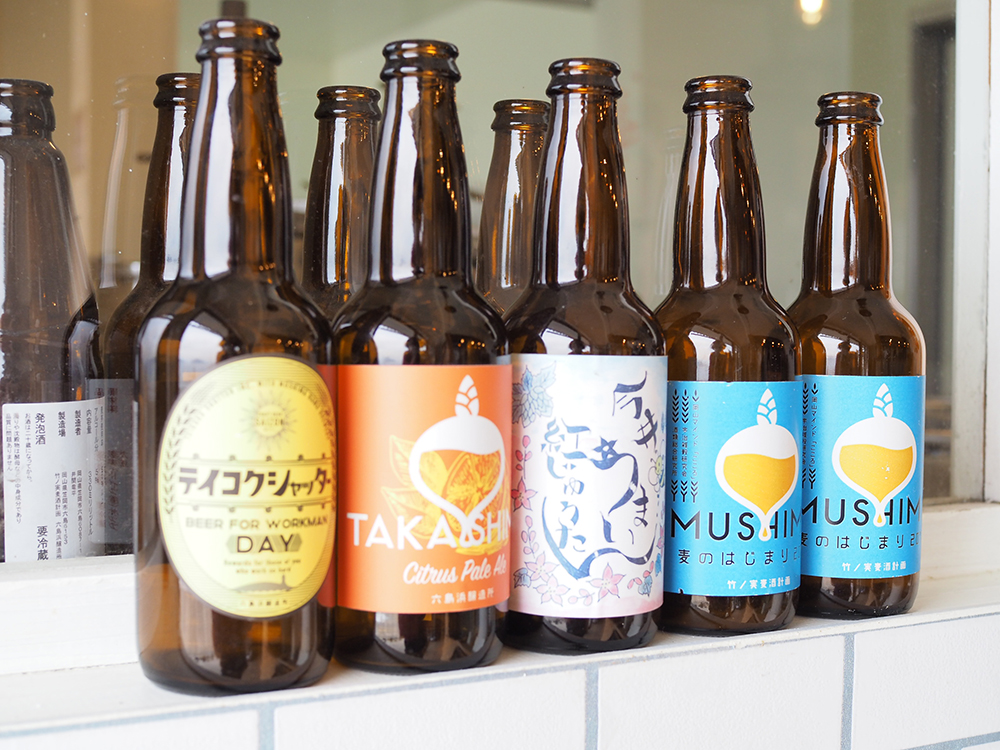
Alongside our regular beers, we also make original craft beers for local communities on request.
We’ve made our own glasses, featuring “Jamu,” a black cat that walks through the scenery right in front of us.
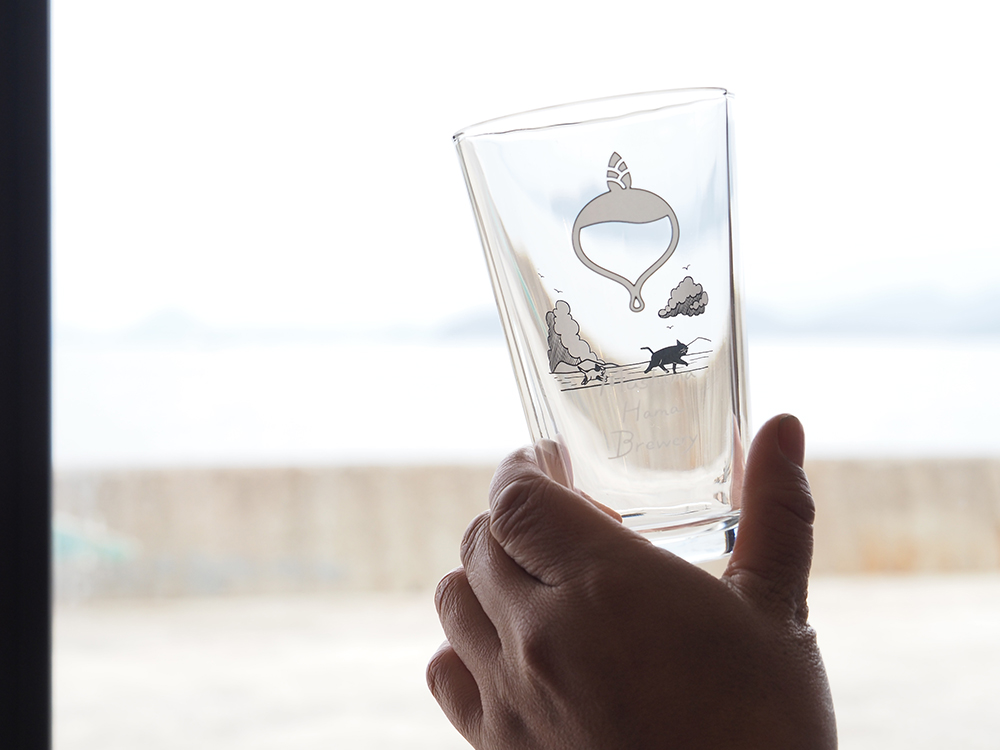
It looks just like the scenery, doesn’t it? If you’re lucky, you might actually see Jamu walk past here.
My dream is to make an “all-Kasaoka” beer using Mutsushima barley, hops from Imai in Kasaoka, and yeast taken from Mutsushima daffodils.
What do you think makes Mutsushima special?
Iseki
Even though the island has a small population, I feel like I have so many more real conversations here than I did in Osaka.
I really love how communication here has a human warmth to it.
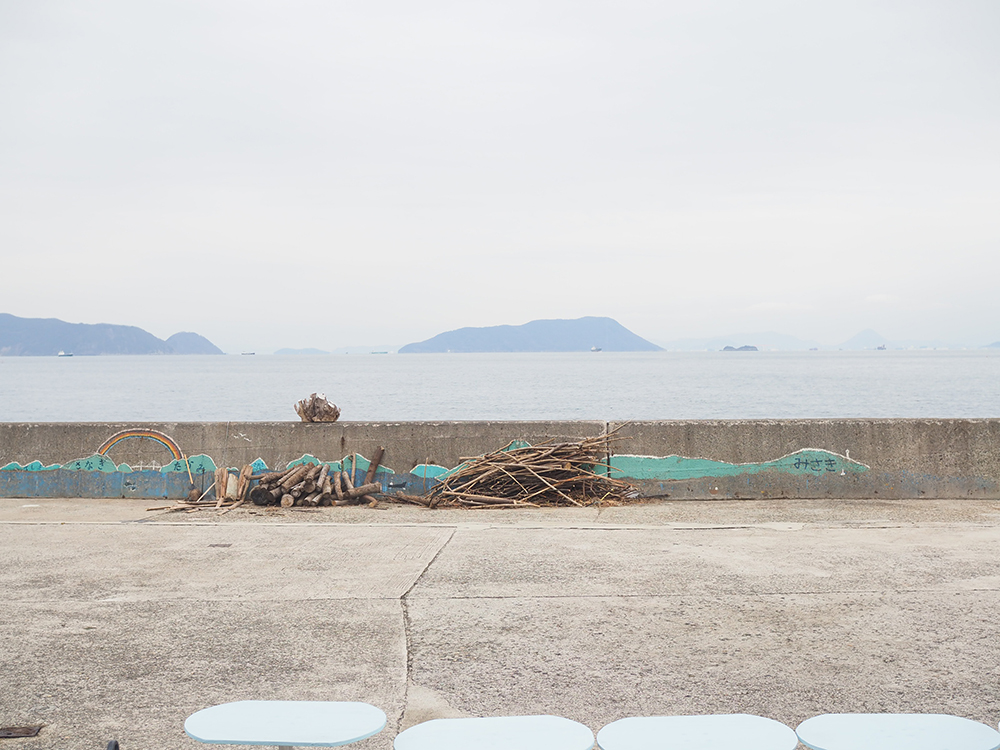
Even when I was living in Osaka, I thought of Mutsushima as a “mountain of treasures.”
Untouched nature, traditional ways of life, people helping one another, and communication.
Those things come with their share of hassles, but I was sure I wasn’t the only one who wanted them.
When I wanted to be alone, I’d go to the lighthouse and drink a canned beer I’d tucked into my backpack. When I came back, all kinds of people would talk to me. I love that contrast.
What kind of time would you like visitors to spend on Mutsushima?
Iseki
To me, Mutsushima is less a tourist destination than a place where people live.
Rather than coming in a big group to have a lively time, someone who’s thinking, “I’m bored right now,” might wander over alone, spend time in the quiet natural surroundings, or, if they’re lucky and a drum-barrel gathering is being held, have one of the island’s older guys strike up a conversation.
Through exchanges like that, I think you can spend time catching a glimpse of the true warmth of human connection.
I was like that myself once, but in your second or third year as a working adult, you start wondering, “Is it really okay to keep living like this?”
I think this is a place where people like that can talk with the older guys and have them push the “time to do something different” button when they’re feeling stuck. (laughs)
I think it’s an island where you can discover the “real value” of life.
From the Writer
I’d always wanted to see Mutsushima Lighthouse and the daffodil-covered landscape. I finally got to see them.
Led by an adorable guide—a ginger cat—it felt like something out of a fairy tale, and I was delighted.
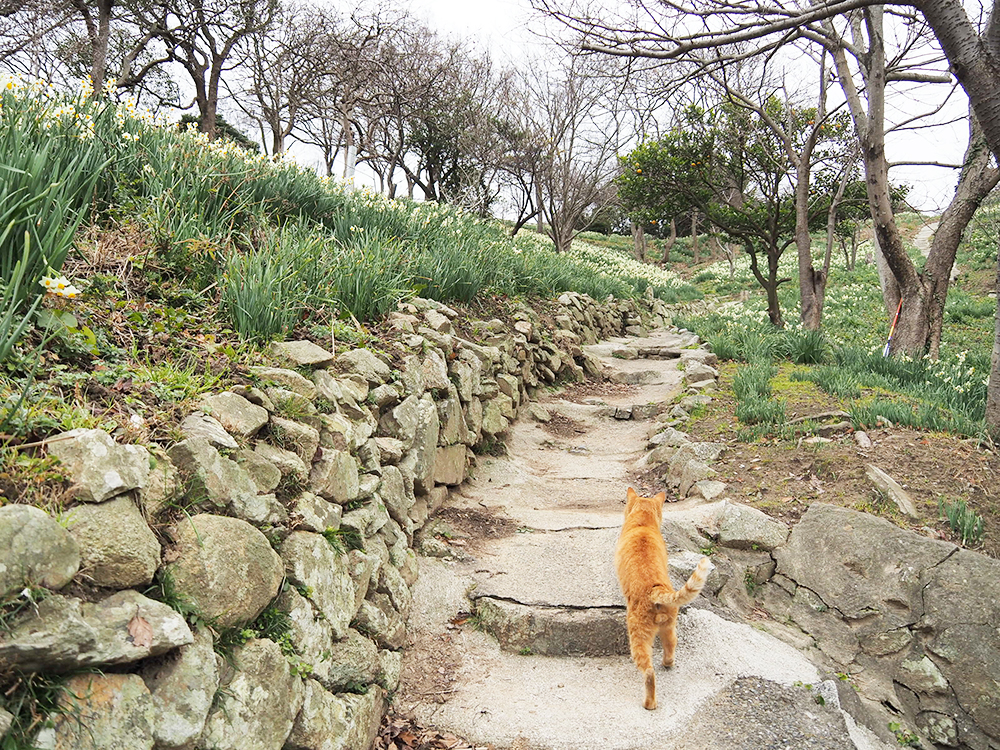
The daffodils are at their best until around mid-February, but after hearing Iseki’s story, I decided I’d like to visit regardless of the season.
I’m a little nervous, but I’d love to join one of the drum-barrel gatherings, too.


What would you like to know about Kurashiki?
Enter a keyword and we'll search the articles on this site