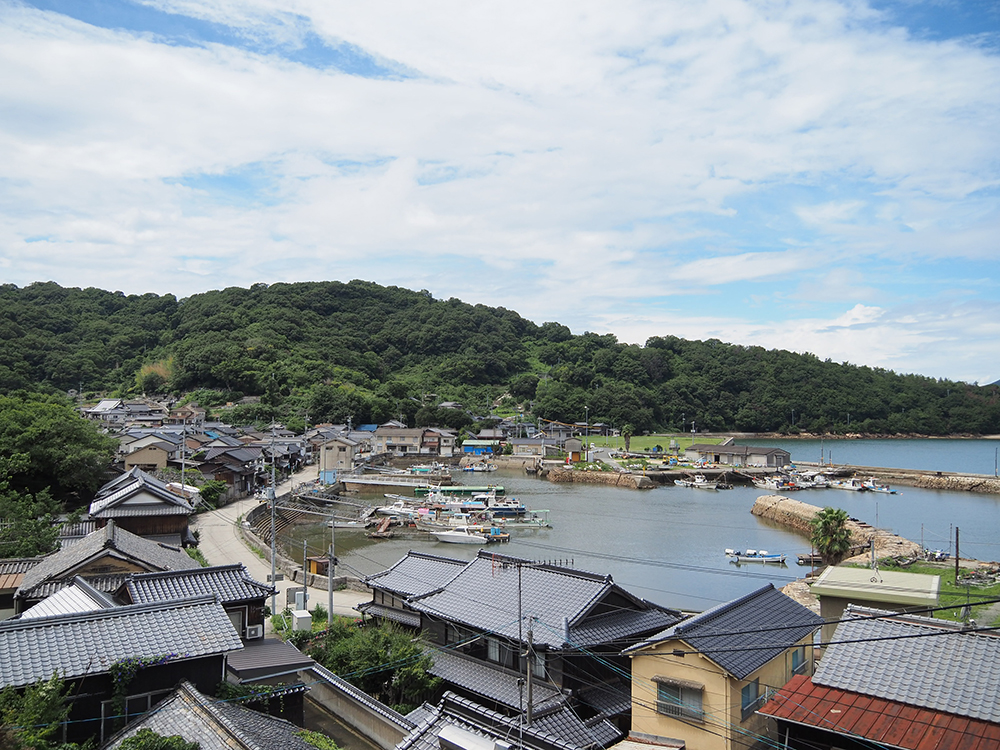
The Kasaoka Islands, specifically Manabe Island, are located approximately five ri (about 20 kilometers) from Sumiyoshi Port in Kasaoka City and also about five ri from Tadotsu Port in Kagawa Prefecture, which is why they have been referred to as "Gori Gori" as they are situated almost in the middle of the Seto Inland Sea shipping routes.
It retains the atmosphere of a peaceful fishing village and has been designated as a "Furusato Village" in Okayama Prefecture.
The wooden school building "Manabe Junior High School," which has been used as a filming location for movies, and the traditional spring event "Manabe Island Running Mikoshi (portable shrine)" are famous.
When you actually visit and stroll through the narrow alleys, it feels like an adventure. The cats that peek out when they spot tourists are also adorable.
Let's introduce an overview and highlights of Manabe Island.
The information provided is based on the article published in August 2021. Please note that it may differ from current information.
What are the Kasaoka Islands?
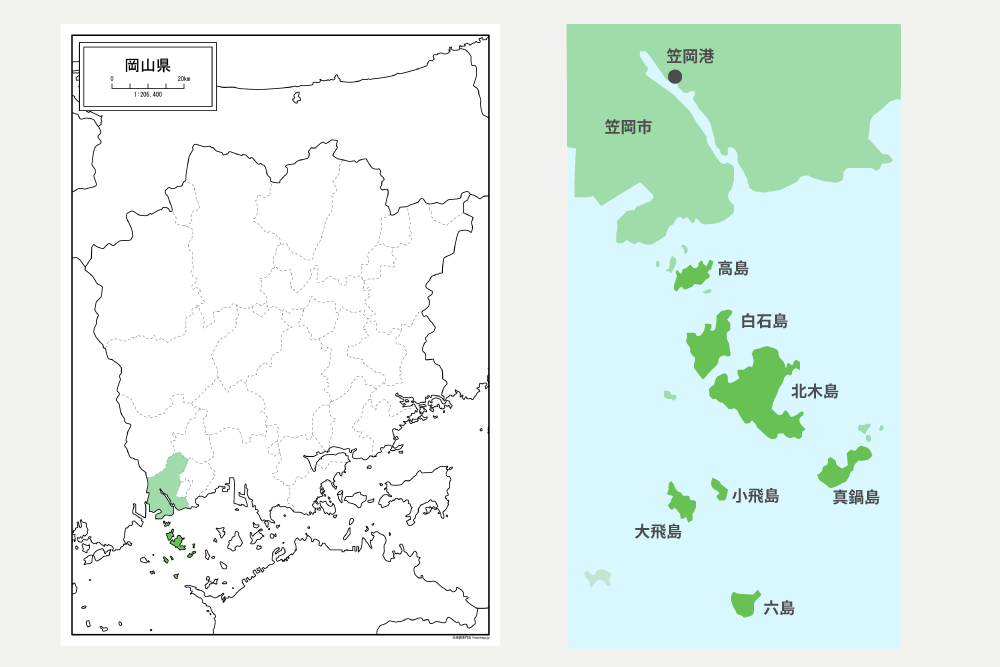
The Kasaoka Islands are a group of 31 islands, large and small, located off the southwestern tip of Okayama Prefecture, near Kasaoka City. Among them, there are 7 inhabited islands as follows:
- Takashima
- Shiraishi-jima
- Kitagi-shima
- Manabe Island
- Obishima
- Kobishima
- Mushima
Oobishima and Kobishima are collectively referred to as Hishima.
There are no bridges to the islands, and travel is done by boat from the port of Kasaoka City.
The islands have a tranquil and calm atmosphere.
Along with the islands of Marugame City, Shodoshima Town, and Tonosho Town in Kagawa Prefecture, it is designated as a Japan Heritage under the title "Do You Know!? The Stone Islands Where Eternal Time Flows - The Bisan Islands That Built the Foundation of Japan Across the Sea."
What is Manabe Island?
Manabe Island is the third largest island in the Kasaoka Islands, following Kitagi-shima and Shiraishi-jima.
In relation to Kasaoka City, the islands are positioned from north to south as Takashima, Shiraishi-jima, Kitagi-shima, and Manabe Island, making it the final destination of the Manabe Island route.
There are two settlements, Honura and Iwatsubo, and two ports.
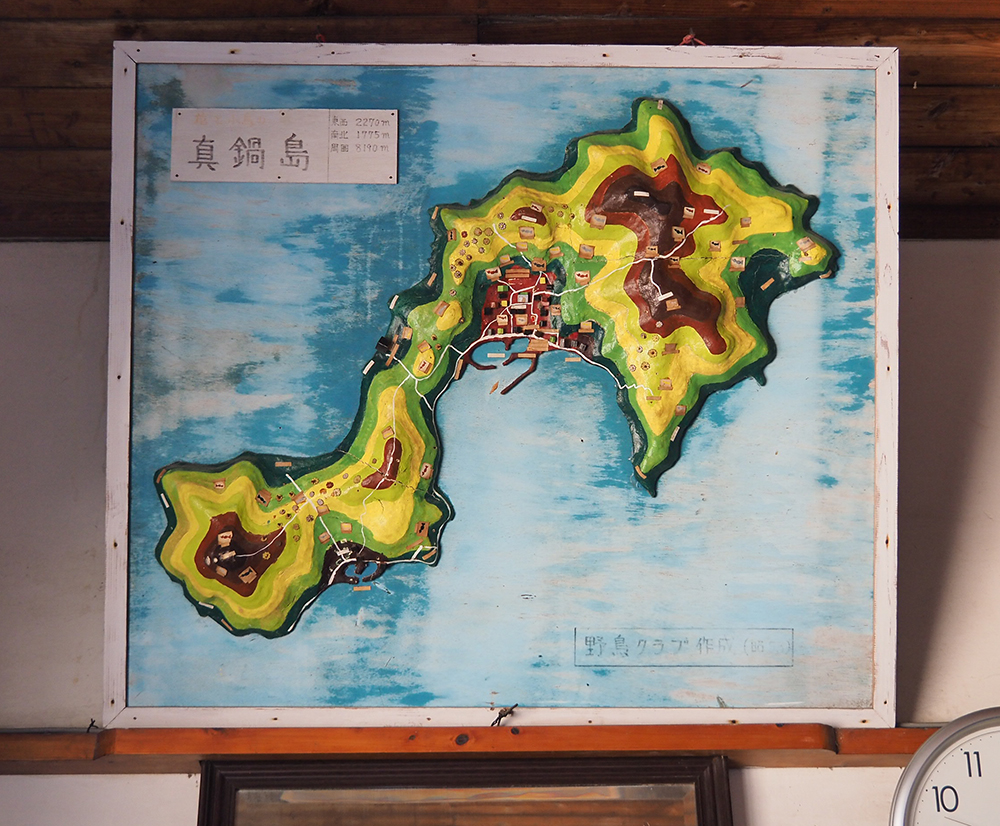
| Item | Content |
|---|---|
| Population (as of July 31, 2021) | About 170 people |
| Area | 1.49 square kilometers |
| Perimeter | 7.5 kilometers |
| Features | Manabe Navy, Running Mikoshi |
| Transportation on the Island | On foot / Private car |
There is only a 1.5-kilometer road connecting Honura Port and Iwatsubo Port. The rest is pedestrian paths. Walking is recommended for getting around.
Access to Manabe Island
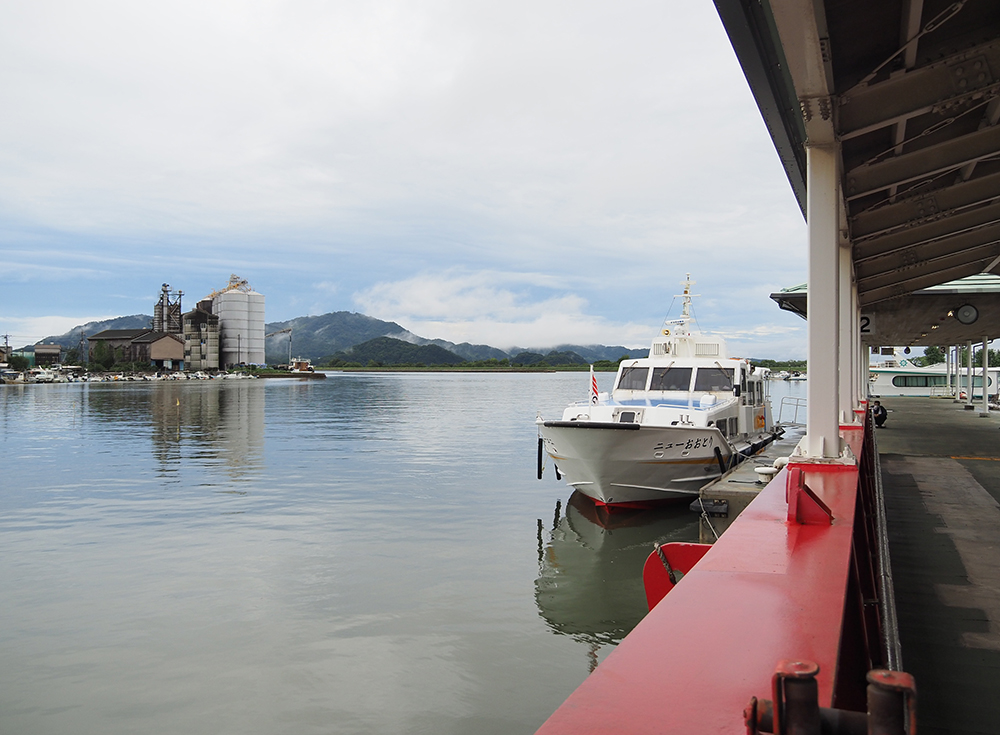
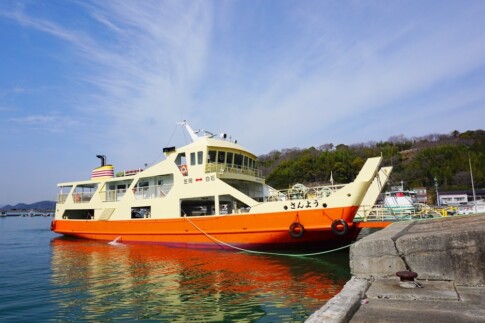
Boats depart from Sumiyoshi Port in Kasaoka City to Iwatsubo Port and Honura Port on Manabe Island.
The journey takes about 1 hour and 10 minutes by regular boat, allowing you to enjoy the boat trip thoroughly.
On the outbound route, the order of stops is Iwatsubo Port → Honura Port. On the return, it is Honura Port → Iwatsubo Port.
If you take a high-speed boat, it takes about 45 minutes from Sumiyoshi Port to Honura Port, but please note that it does not stop at Iwatsubo Port.
Be sure to check the departure times in advance and plan your visit accordingly.
▼ For more details, please see the article below.
Representative Spots and Activities on Manabe Island
Manabe Island is the only island designated as a "Furusato Village" in Okayama Prefecture.
A Furusato Village is a region designated for the purpose of preserving, restoring, and maintaining the unique historical streetscapes of Okayama Prefecture for future generations.
The "Fukiya Furusato Village" in Takahashi City, which prospered as a production area for bengara, and the "Hatto-ji Furusato Village" in Bizen City, where thatched houses are scattered and which is a center of mountain Buddhism, are among the seven designated regions.
- Hatto-ji Furusato Village (Bizen City, Yoshinaga-cho)
- Otakashita Furusato Village (Tsuyama City, Awa)
- Koshihata Furusato Village (Kagamino-cho)
- Ishikaya-cho Furusato Village (Takahashi City)
- Fukiya Furusato Village (Takahashi City, Nariwa-cho)
- Manabe Island Furusato Village (Kasaoka City)
- Enjo Furusato Village (Kibi Chuo Town)
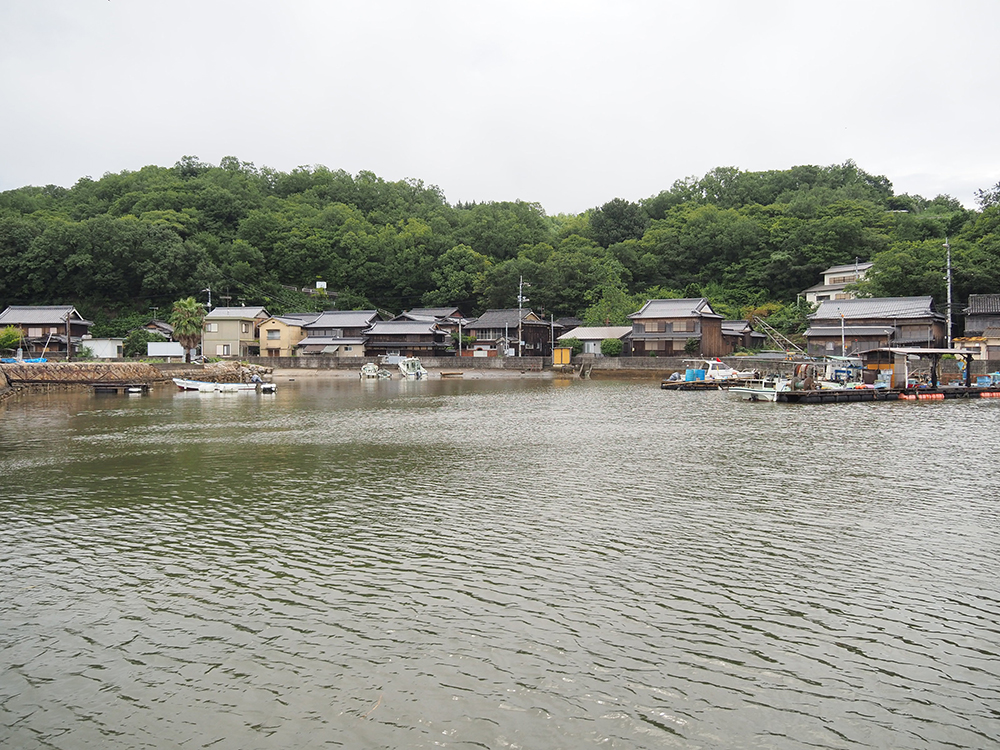
Manabe Island retains the landscape of a traditional fishing village, with stone breakwaters and houses lined along narrow alleys. Here are some representative spots.
Manabe Junior High School
Manabe Junior High School is a wooden school building constructed in 1949.
Its charming exterior has been used as a filming location for movies such as "Setouchi Shonen Yakyu-dan."
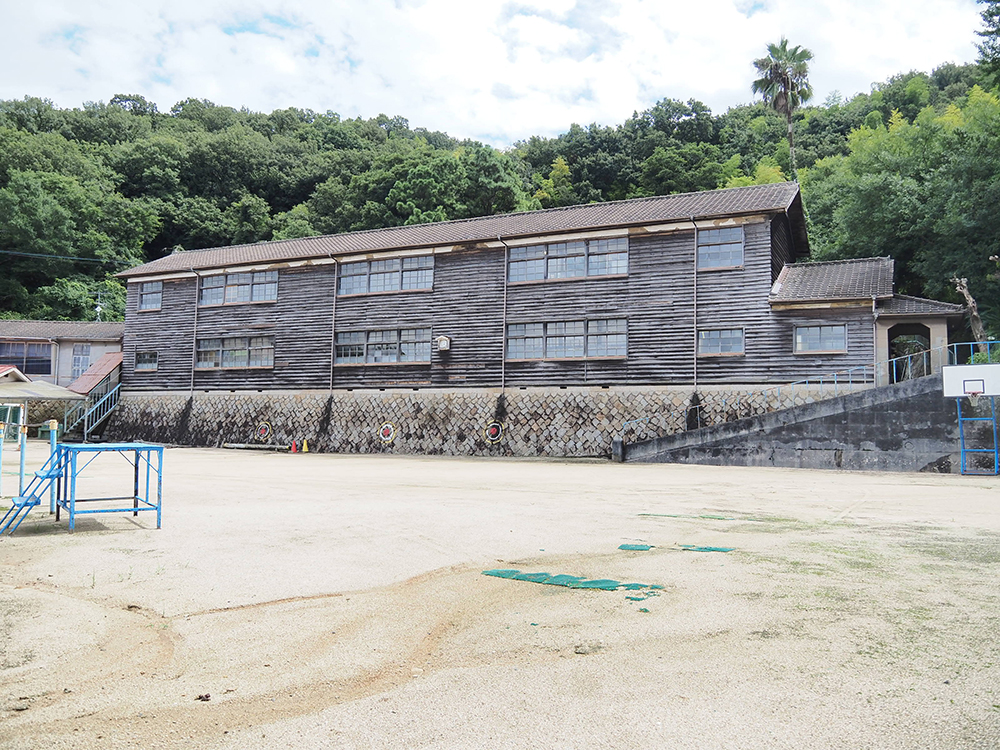
Due to the COVID-19 pandemic and the aging of the school building, it is currently (as of August 2021) difficult to tour inside. Special permission was granted for this interview.
Inside, a beautiful wooden corridor stretches straight ahead.
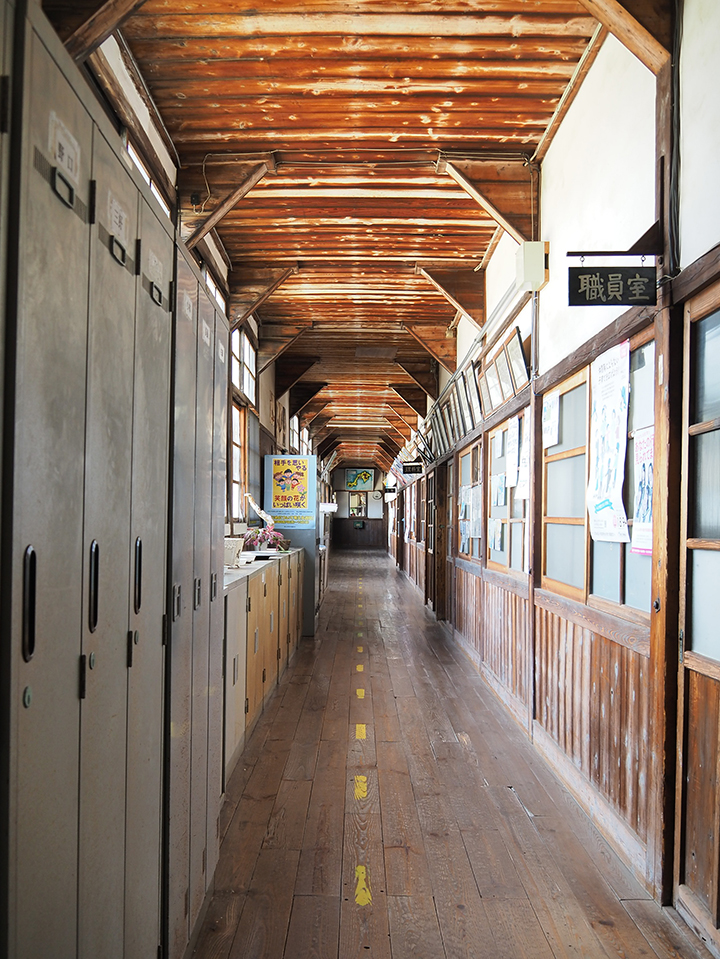
On the retro walls of the corridor, which show the passage of time, are displayed works by past students and photos of activities.
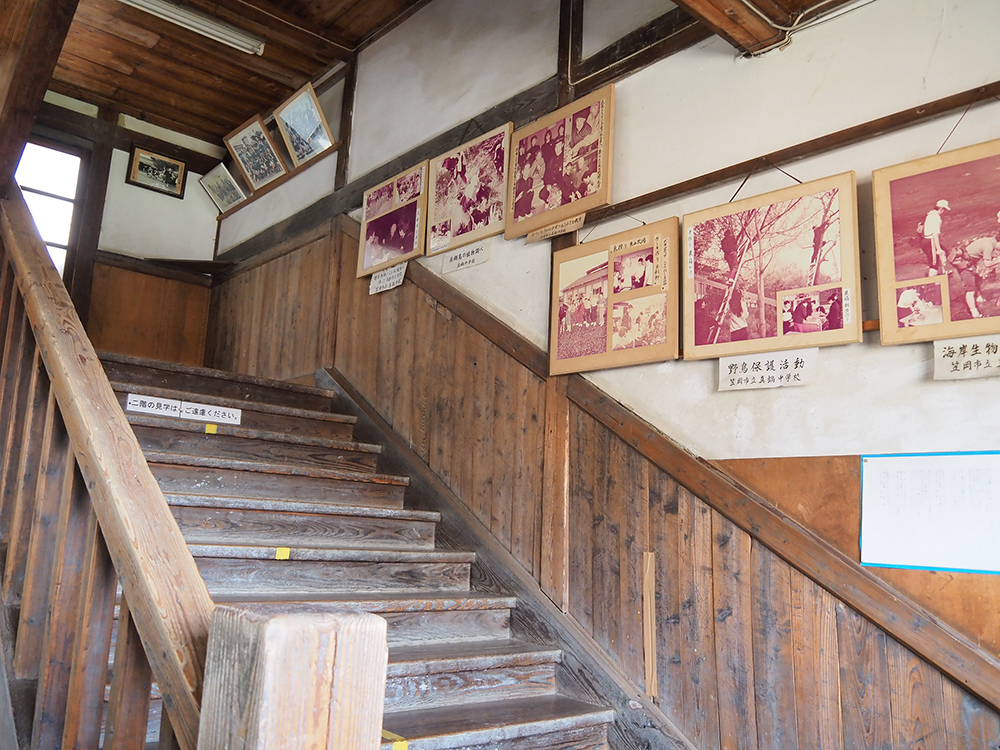
It conveys that not only the school building but also the memories are being preserved with care.
Classes were held here until December 2020, but it was found that the second floor was leaning, and as of the time of the interview (August 2021), the second-floor classrooms were not in use.
Only the staff room and science room on the first floor are in use, and classes are basically held in the elementary school building located across the playground.
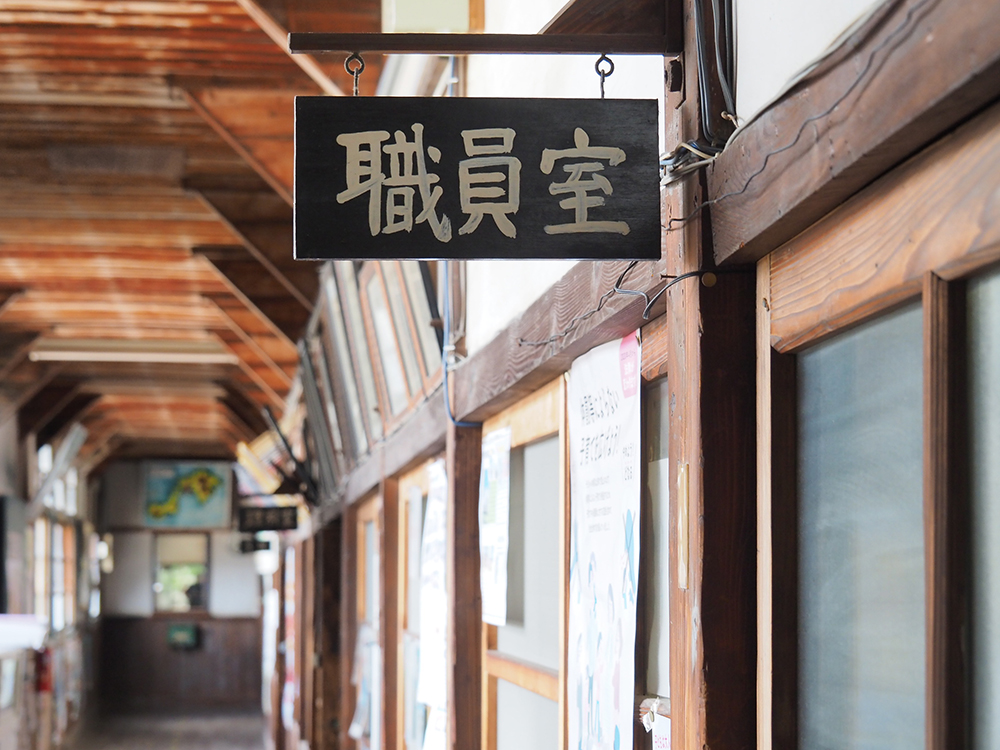
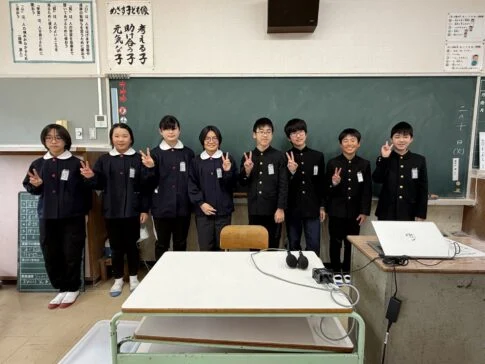
In the 2021 school year, it seems that there are 3 junior high school students and 2 elementary school students attending.
Manabe Family Residence and Holt Tree
The Manabe clan, which has prospered as a prominent family on the island since the late Heian period, is said to be the origin of the name Manabe Island.
It is also said that they fought on the side of the Heike in the Genpei War as the Manabe Navy. There are mentions of the "Manabe clan" in "The Tale of the Heike."
It is said that the Manabe surname, which is found throughout the country, originated from Manabe Island.
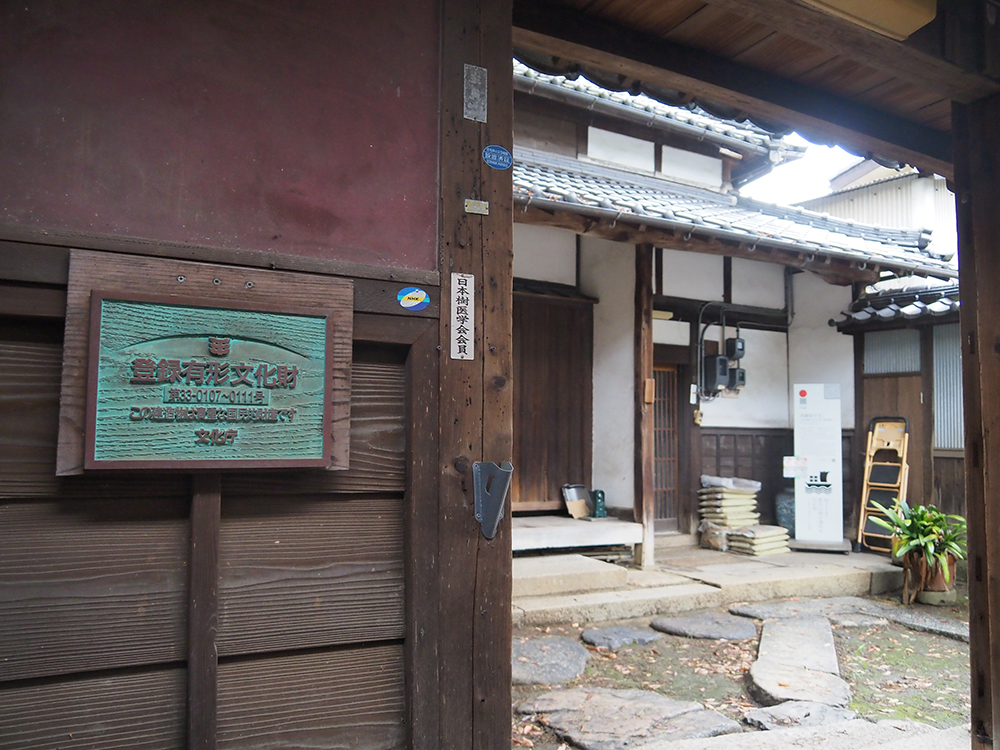
The Manabe Family Residence, located in the alleys of Honura settlement, is a wooden house built in the early Meiji period and is registered as a tangible cultural property of the country.
In the yard of the Manabe Family Residence, there is a Holt tree said to be 250 years old.
The garden of the Manabe Family Residence, located in a corner of the narrow alley, is not very large. I was surprised to see the thick trunk towering there.
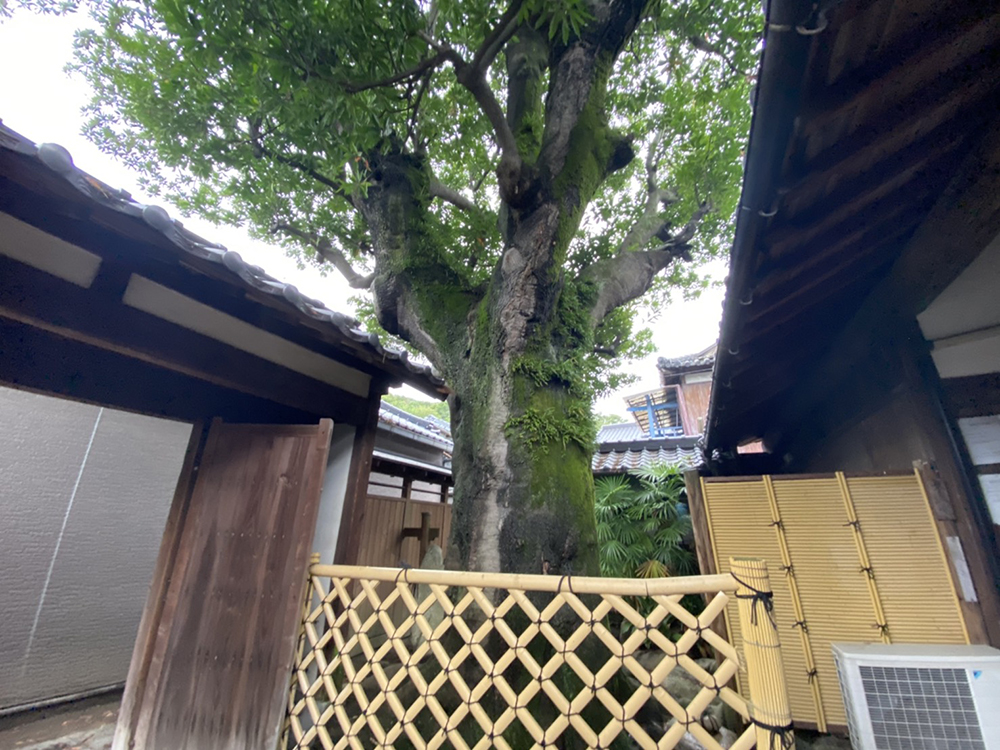
The term "Holt" means "Portugal."
There is a theory that Hiraga Gennai mistakenly thought, "This must be an olive tree from Portugal," and brought seedlings to Sanuki, which eventually passed down to the Manabe family.
It doesn't look like an olive tree at all, but it is said that the shape of the fruit resembles that of an olive.
Gorin Stone Pagoda Group
The Gorin Stone Pagoda Group is a site associated with the Manabe clan located in the Iwatsubo settlement.
In the cemetery overlooking the sea, there are rows of stone pagodas. They are said to be the graves of generations of the Manabe clan.
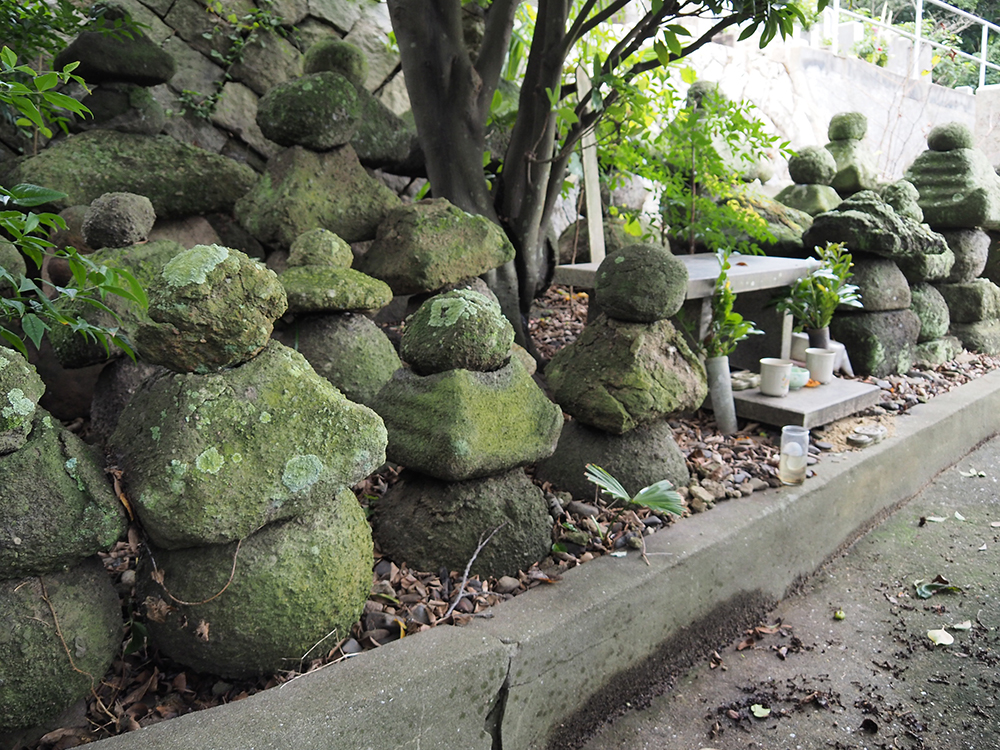
The term "Gorin" does not refer to the Olympics but is said to originate from the "Five Elements Theory."
The Five Elements Theory is a concept that classifies everything in the natural world into "wood," "fire," "earth," "metal," and "water."
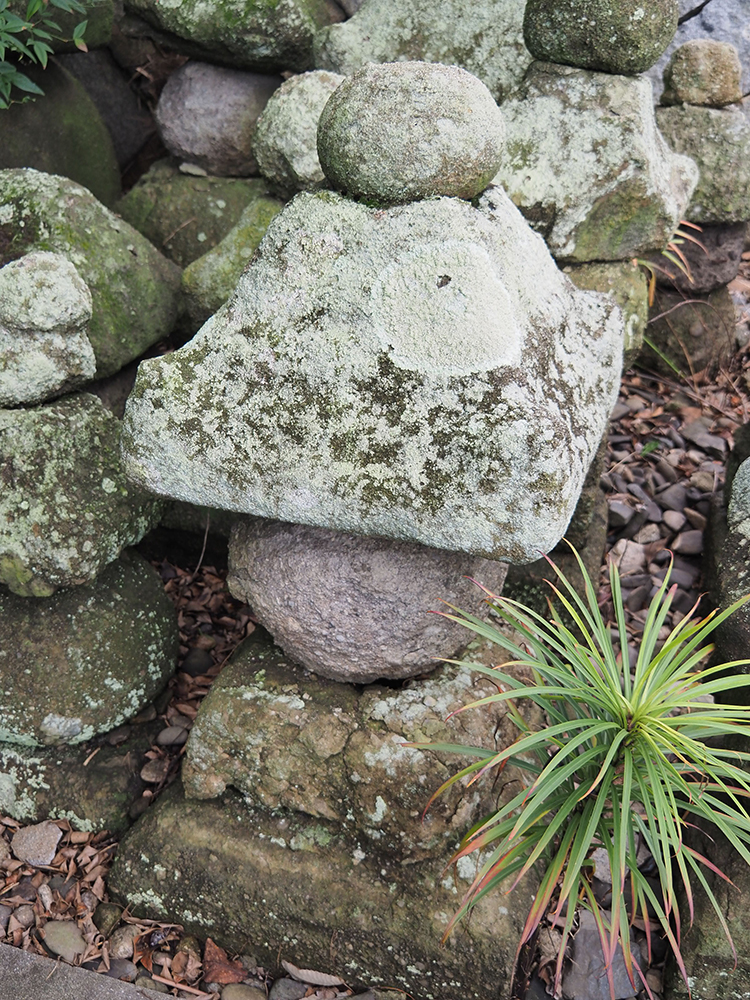
While some have collapsed or are buried, they are constructed of stones stacked in five tiers.
Enpuku-ji Temple
Enpuku-ji Temple, located on a small hill in the Honura settlement, is a Shingon temple founded by Kobo Daishi in 795.
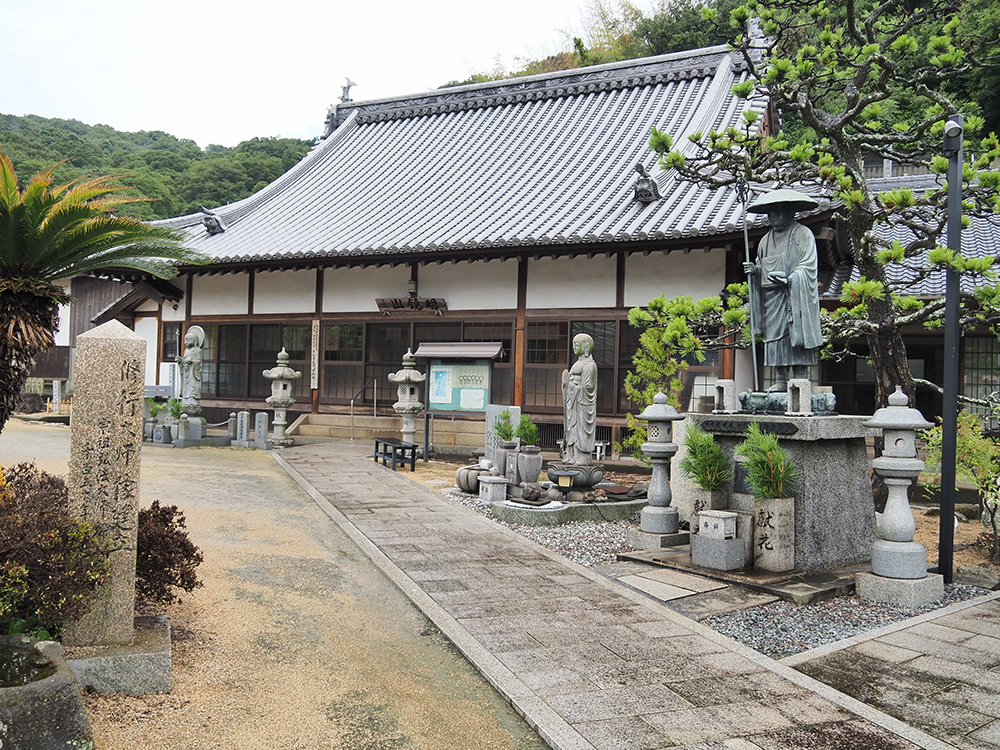
In 1776, the temple was completely destroyed by fire, and the resident priest traveled around the country to collect donations, leading to its reconstruction 17 years later in 1793.
The temple has been carefully preserved and maintained through repeated restorations.
Motoe Cafe and INN THE CAMP
Motoe Cafe is a cafe located in the alleys of the Honura settlement.
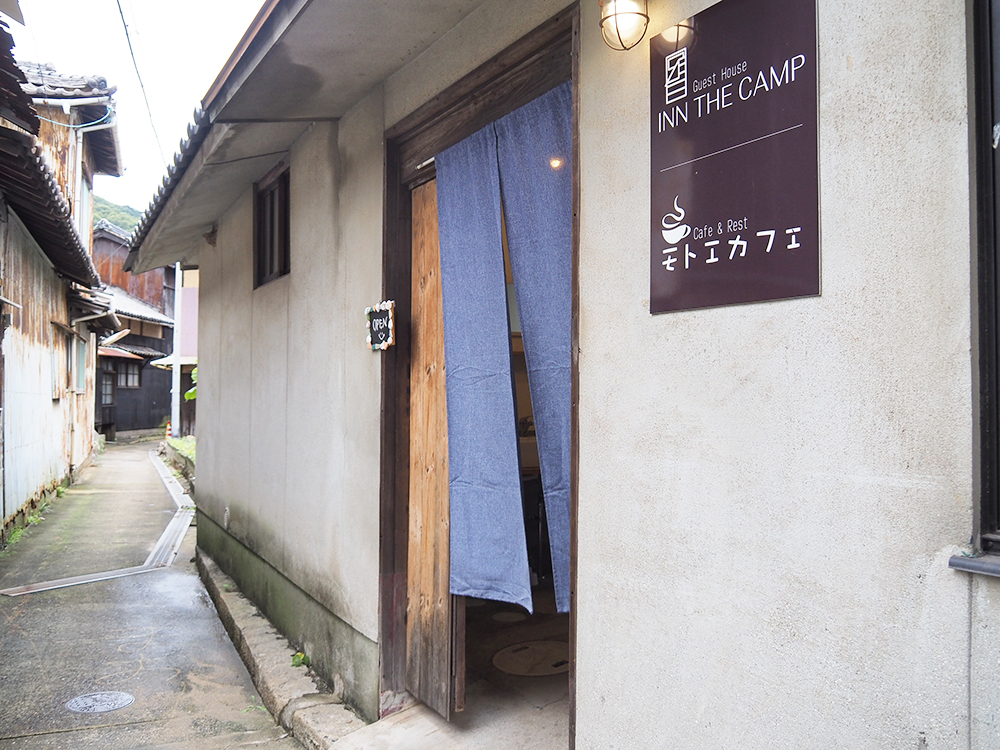
It was originally a store called "Motoe Shoten," which sold food and daily necessities, similar to a supermarket.
The building, which had been vacant for a long time, was renovated and has now become "Motoe Cafe," inheriting the store's name.
Shinichiro Kondo and Tamiko Kondo, who moved from Kobe City in Hyogo Prefecture to Manabe Island in 2007, run the cafe.
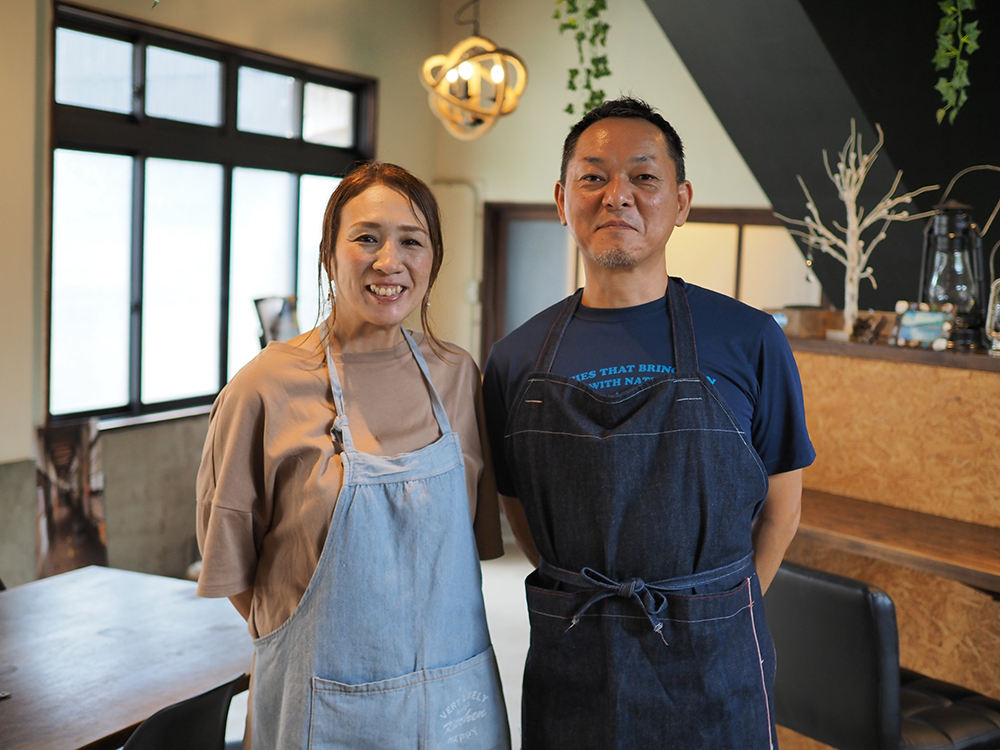
They opened in 2017 with the aim of being a place for the islanders to relax, a spot for tourists to casually drop by, and to enjoy exchanges with various people while living on the island.
The spacious and stylish interior is surprising, as Shinichiro reportedly handled most of the work himself.
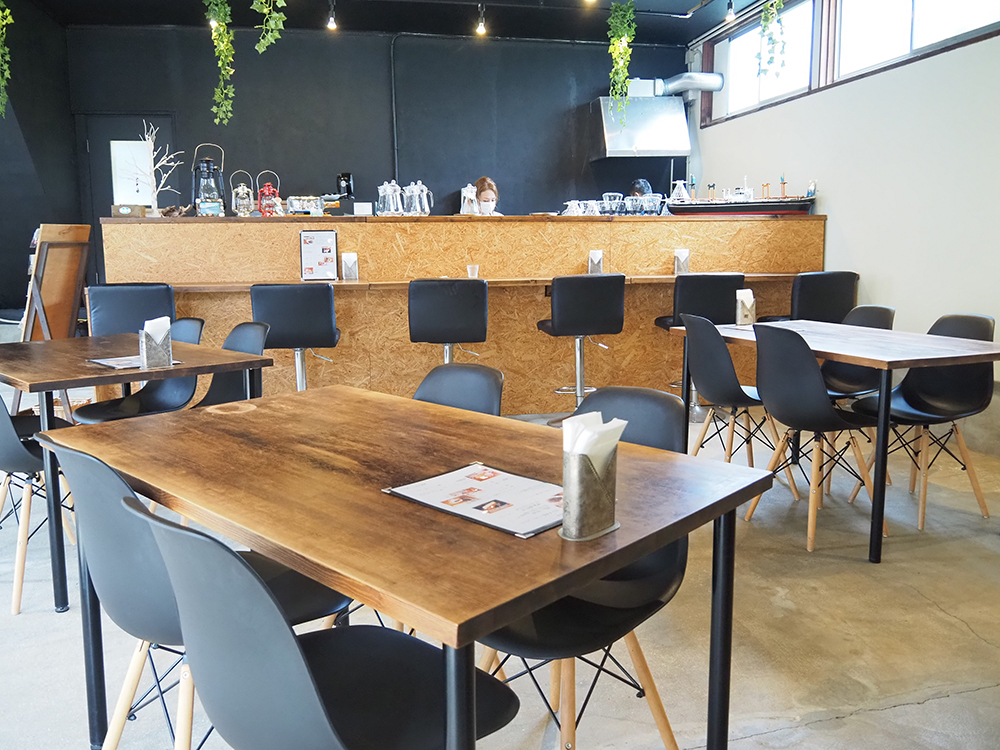
The Motoe Curry (860 yen, tax included), based on a beef tendon soup, is delicious and full of meat flavor!
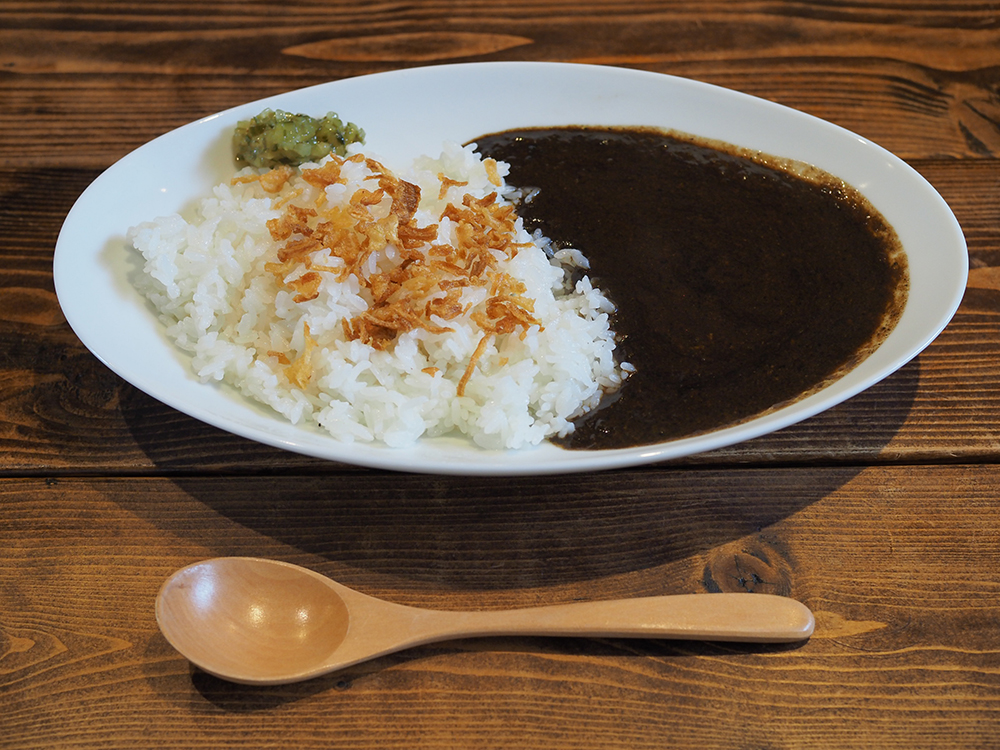
You can also enjoy freshly roasted coffee.
On the second floor of Motoe Cafe, there is a guest house called INN THE CAMP.
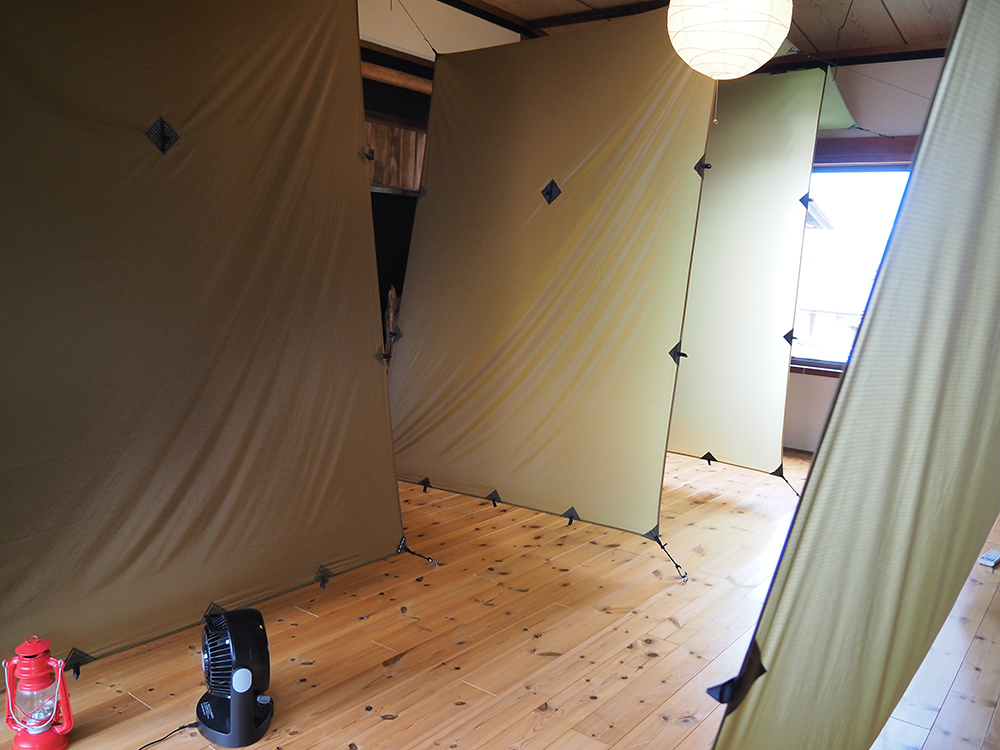
Using a tarp as a partition for camping gear, users can maintain a reasonable level of privacy and sleep in sleeping bags.
It seems that Mr. Shinichiro was inspired by his love for camping.
This is a guesthouse where both adults and children can enjoy an adventurous overnight stay.
The Kondo couple also operates a whole-house rental guesthouse called "ZENTA SUITE", which is great for families and groups.
I Actually Walked Around Manabe Island
In August 2021, I visited Manabe Island.
I took a regular ferry departing from Sumiyoshi Port in Kasaoka City, which took about 1 hour and 10 minutes.
The crew taught me the differences between the two ports on Manabe Island, Iwatubo Port and Honura Port, and we safely arrived at Honura Port.
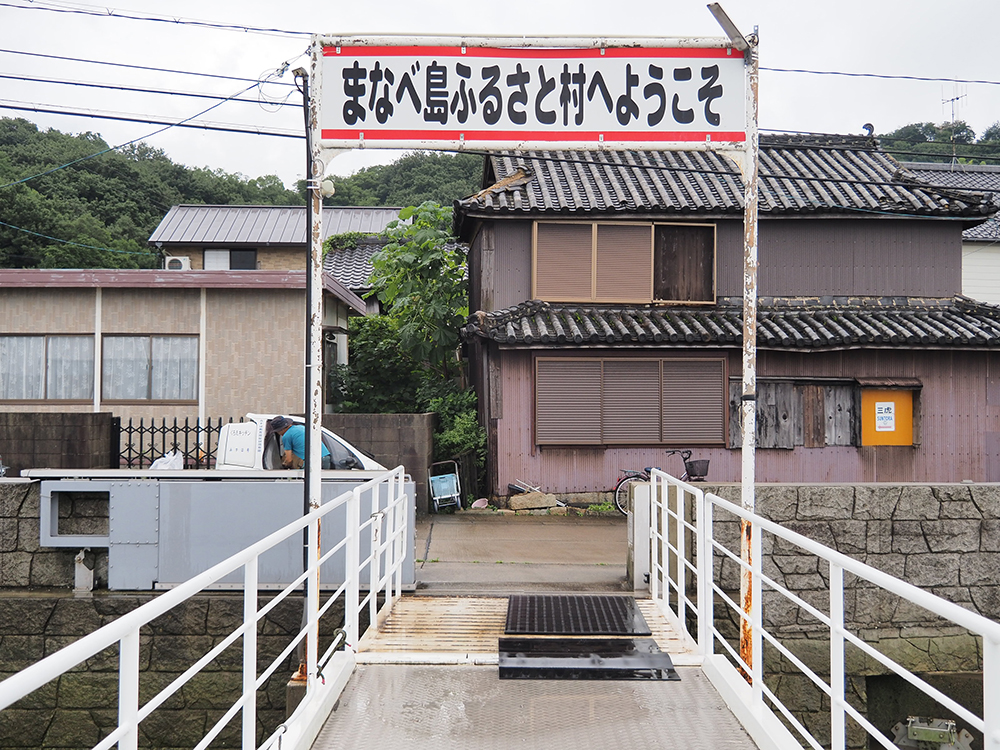
It had just stopped raining, so there was no welcome from the cats I was looking forward to, but I heard that on sunny days, the cats wait at the port.
As the day gradually cleared up, I was able to encounter the cats as they started to show their faces.
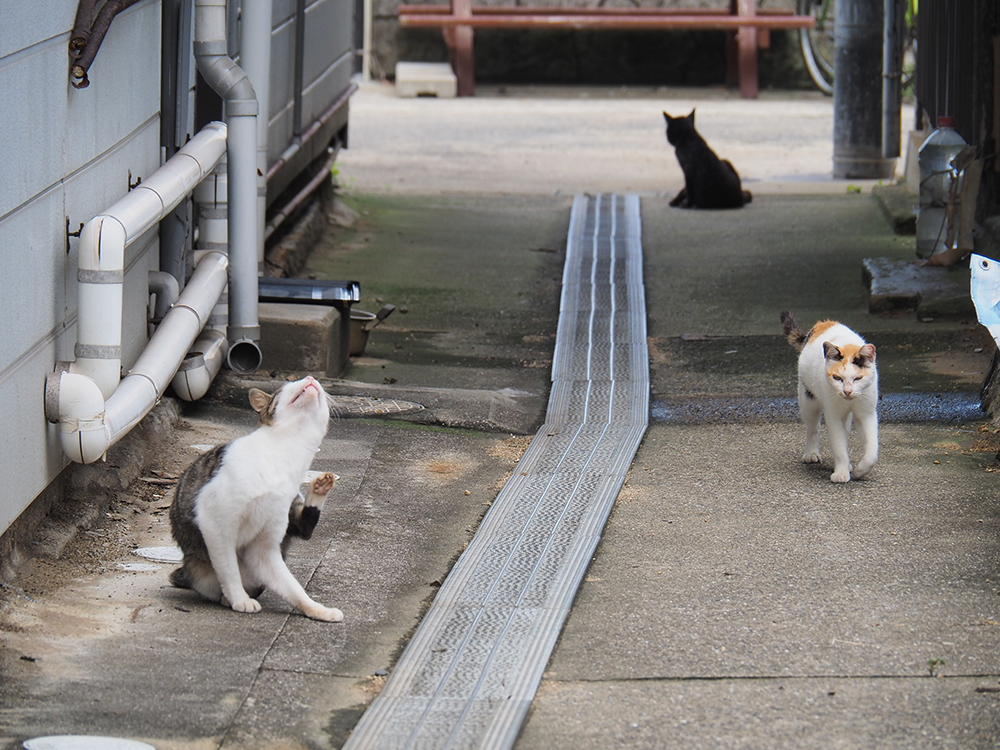
Let’s treat the cats kindly and not be mean to them.
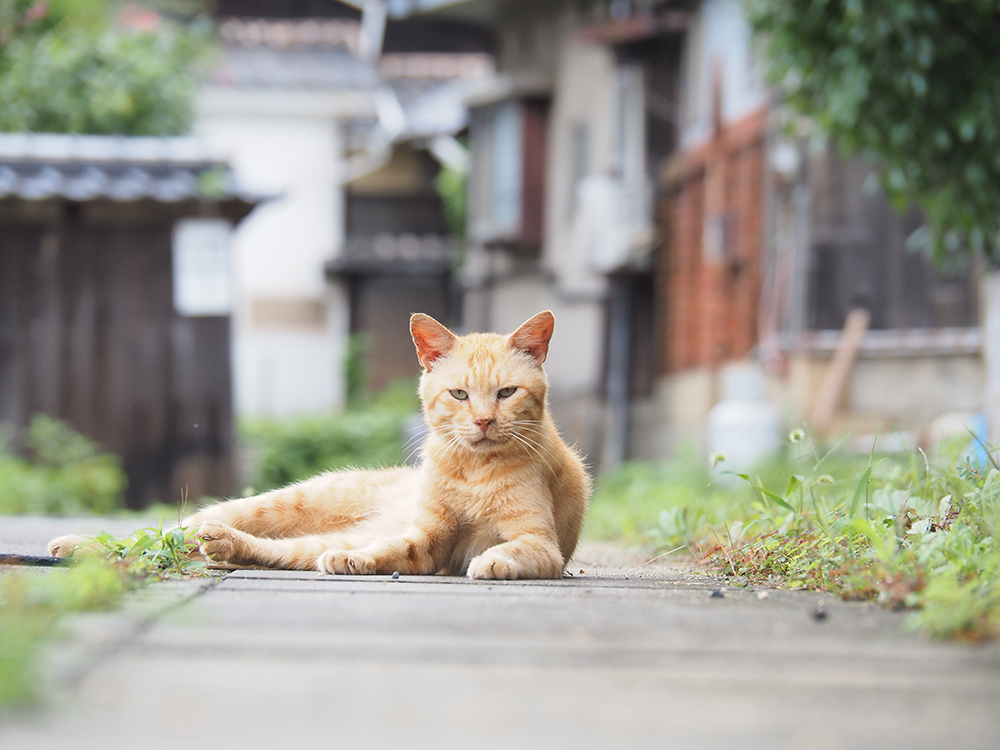
According to the locals living on the island, the number of cats has significantly decreased compared to a few years ago, possibly due to the decrease in tourists during the COVID-19 pandemic.
The person guiding us to the island's attractions is Takei Hirono, who was appointed as a Community Revitalization Cooperator for Manabe Island in June 2020.
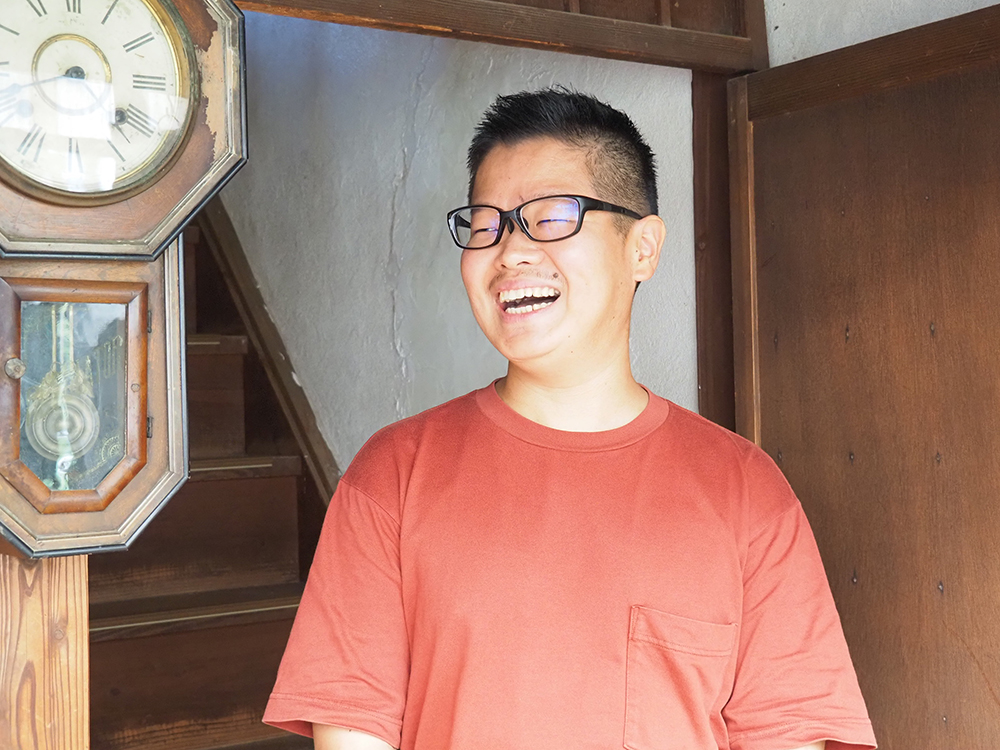
As a member of the Japan International Cooperation Agency (JICA), he spent two years in Panama working on initiatives to utilize the history and culture of indigenous villages as tourism resources.
Currently, he is promoting tourism development based on the history and culture of Manabe Island. He often collaborates with the Manabe Island Tourism Association to serve as a guide for tourists.
Mr. Takei, who loves alleys, says, "Even though it's the same island, the alleys in Honura and Iwatubo are completely different." My expectations are rising.
First, we head to the Manabe Family Residence and the Holt Tree located in the Honura settlement.
After turning off the main road from the port to the post office, I found a well-maintained stone pavement that retains a retro feel.
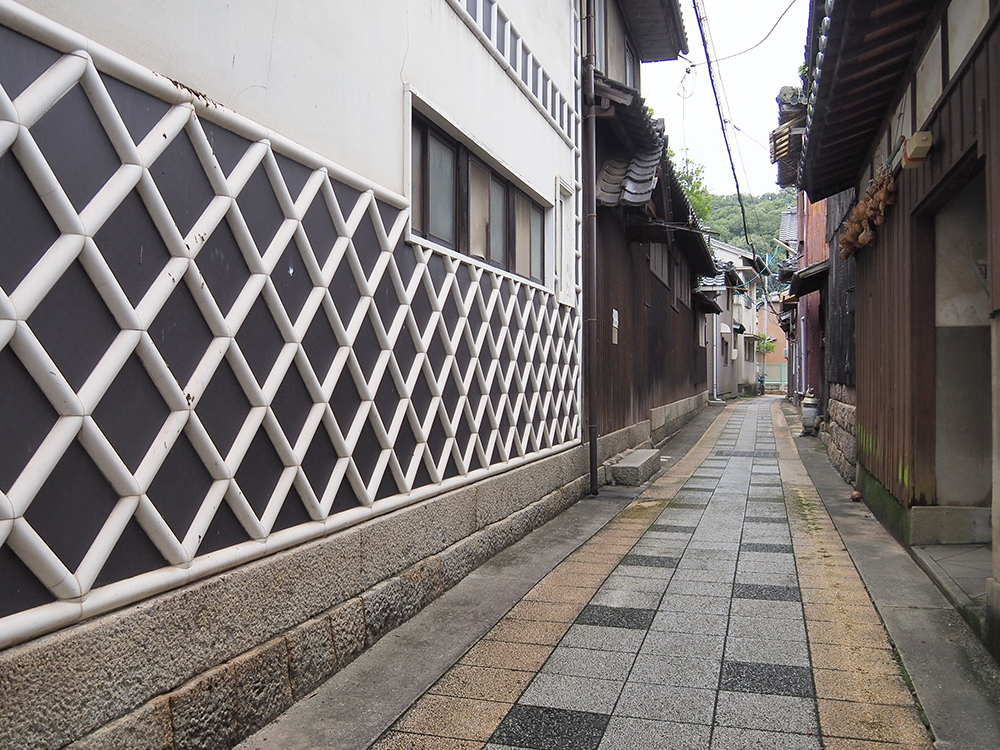
Facing the alley on the west side of the current post office, there is a part of a gabled roof.
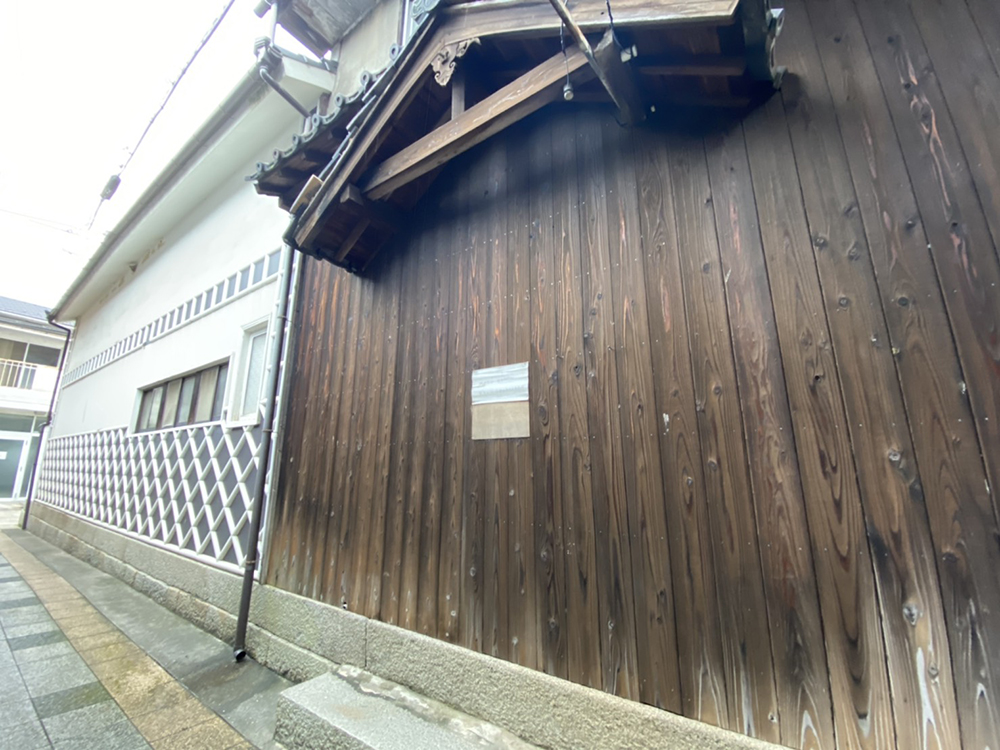
This is a remnant of the former post office entrance, which existed from 1918 to 1962.
Adjacent to the south side of the former post office is the main house of the Manabe Family Residence.
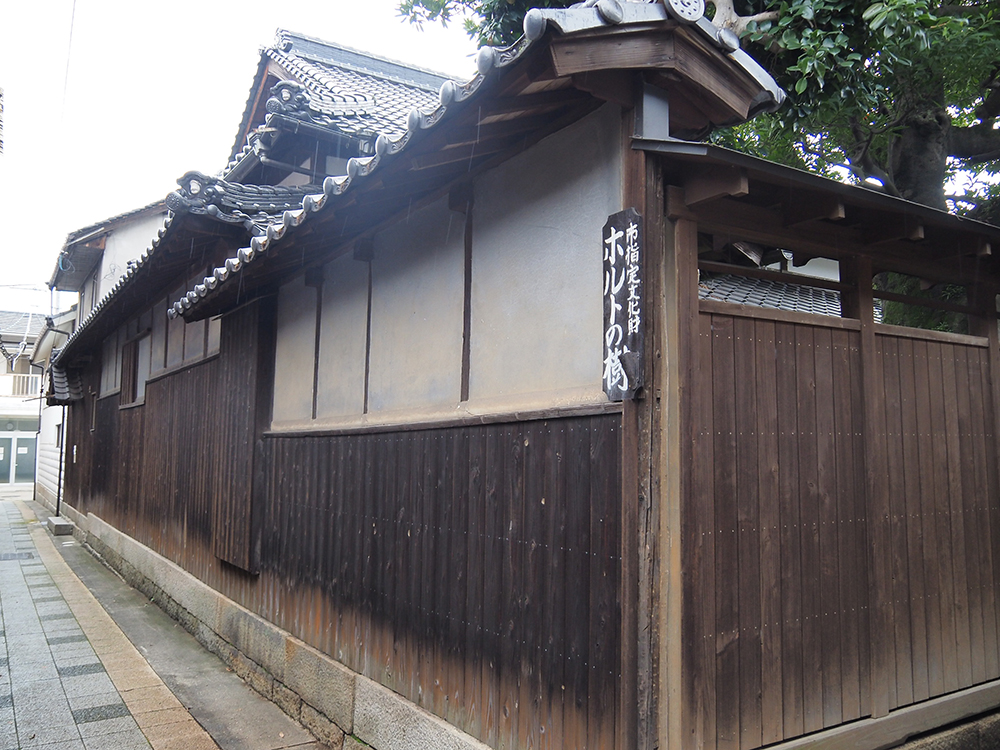
Mr. Manabe, who lived in the Manabe Family Residence, seems to have been the postmaster for a long time.
After being surprised by the towering Holt Tree at the Manabe Family Residence, I took a walk through the alleys. The alleys are easy to walk through with little elevation change.
The narrow paths are so thin that cars cannot pass. It seems that scooters and bicycles serve as the means of transportation for the islanders.
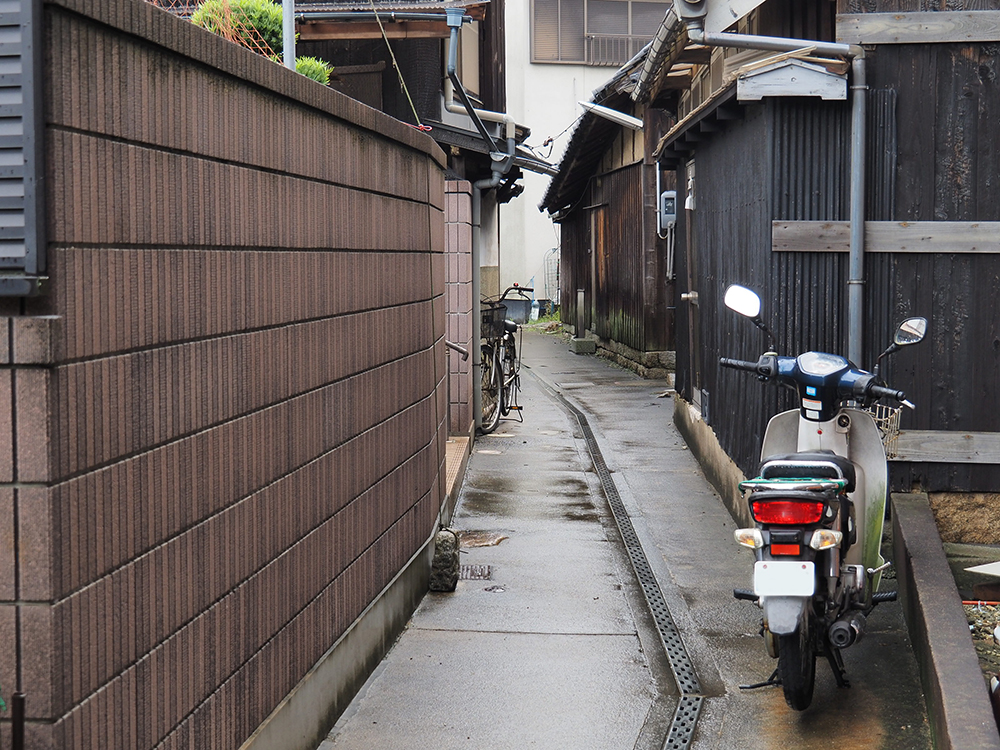
Walking through the alleys, I arrived at Manabe Junior High School.
When I heard "wooden school building on the island," I thought it would have a cute atmosphere, but in reality, it is a large and impressive building.
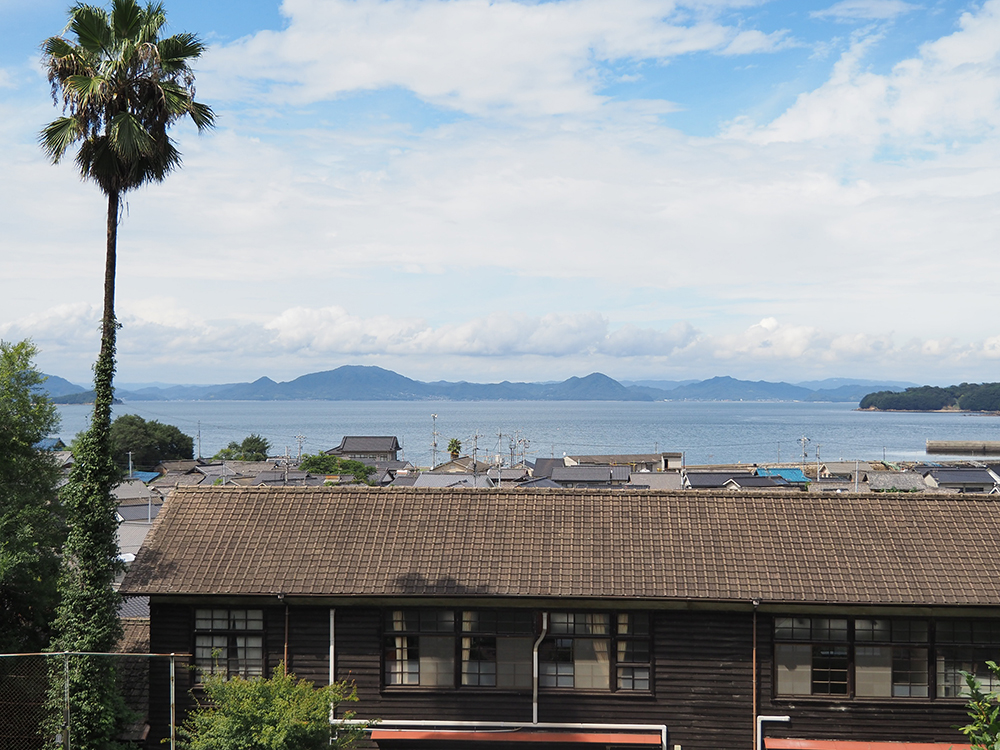
I was told about a spot called Chokai-dai, which is located behind (south side) of the school building.
When you climb the hill with flower beds, you can overlook the houses of the Honura settlement and the Seto Inland Sea through the wooden school building.
As I was blown by the pleasant breeze, I felt the reality of being right in the middle of the Seto Inland Sea.
Next, I walked towards the Iwatubo settlement. Along the coast, there was a park called Tokonohana Park where you could enjoy the view of the sea.
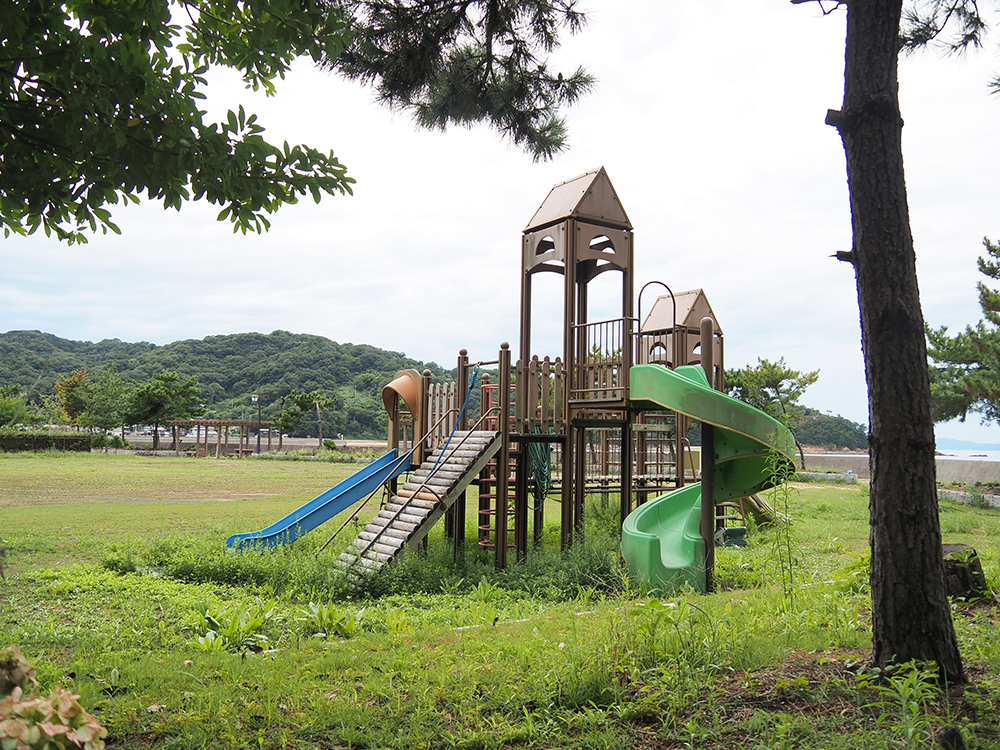
This is a place with a legend of a monster called "Yuki no Hama" (Snow Beach), where it is said that people avoided passing through at midnight and mooring boats due to fear of the monster.
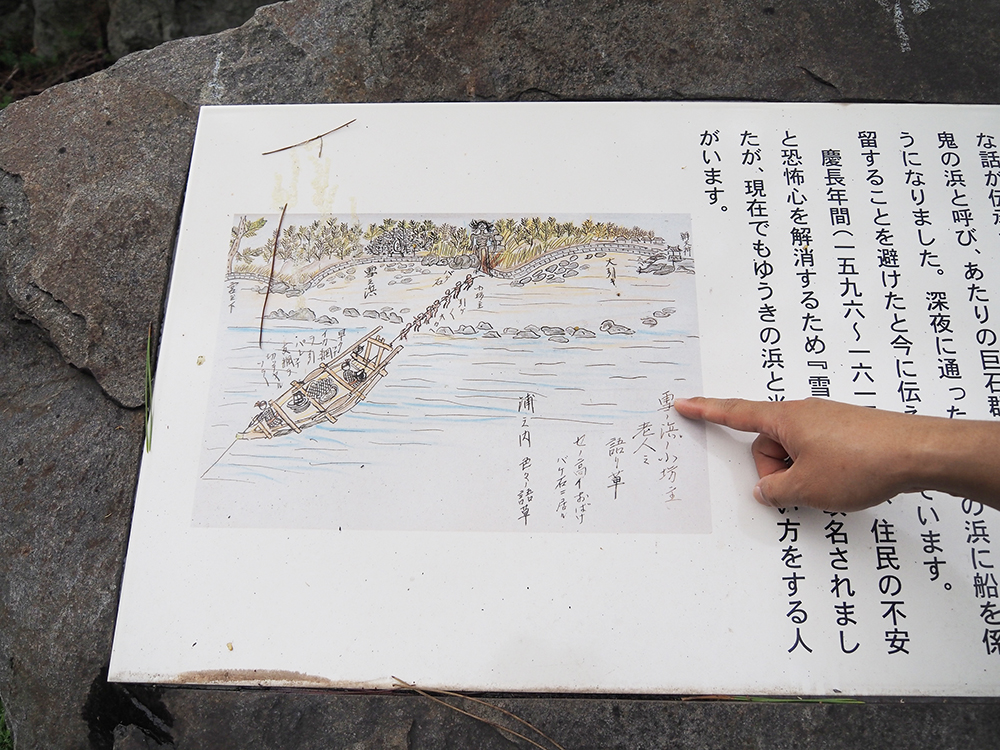
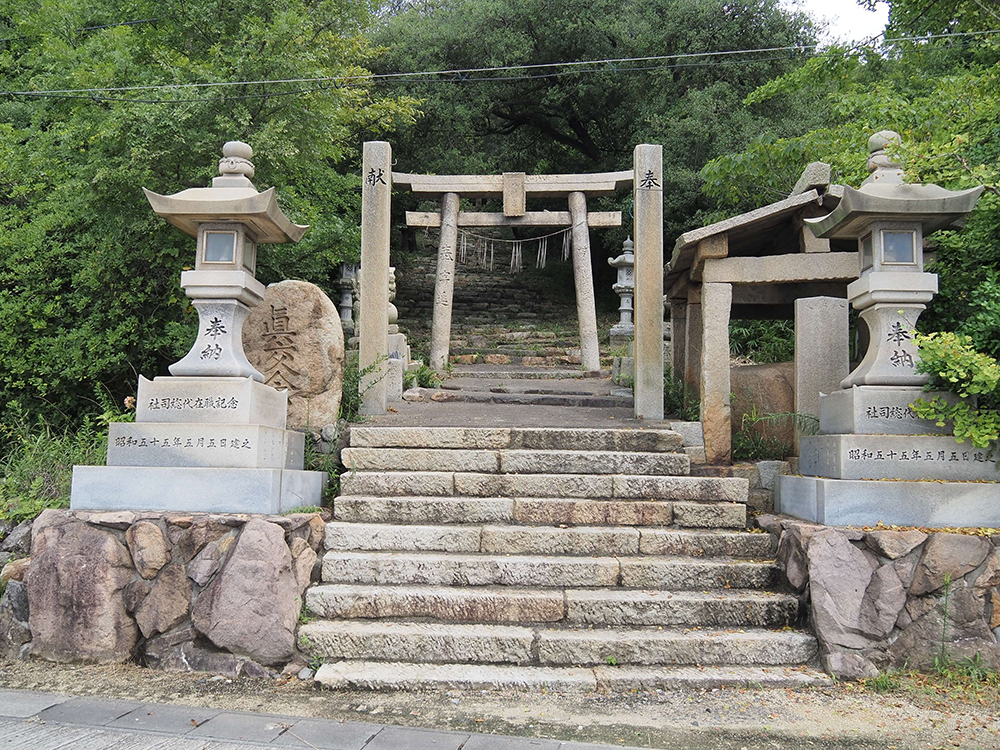
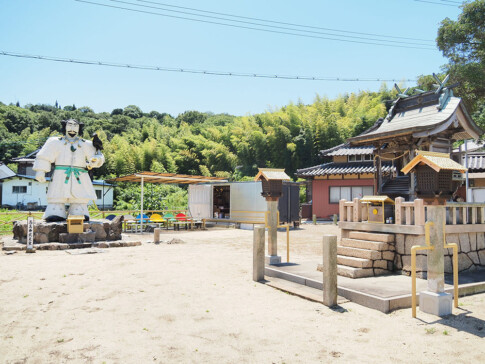
Between the Honura and Iwatubo settlements is the Hachiman Shrine, famous for the Manabe Island Running Mikoshi.
Inside the shrine grounds, there were numerous photos of past mikoshi bearers displayed.
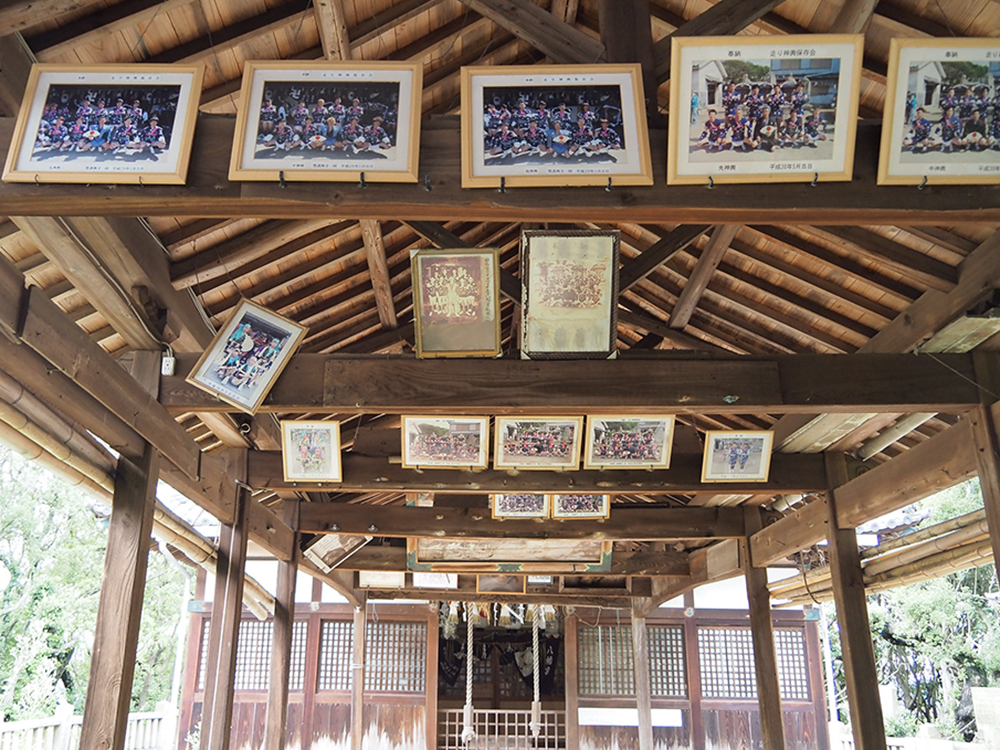
In modern times, the running mikoshi is held during the May holidays, but traditionally, it is not a spring event; it is a religious ceremony held during the Hachiman Festival from August 14 to 16 in the old lunar calendar.
In 2020, it was canceled due to the COVID-19 pandemic. This year (2021), it is being considered for August 14 to 16 in the old lunar calendar (mid-September), but there is a possibility of cancellation (as of August 2021).
Many tourists visit to see the festival where the mikoshi rushes through the island at a tremendous speed, filling the main road along the coast with people.
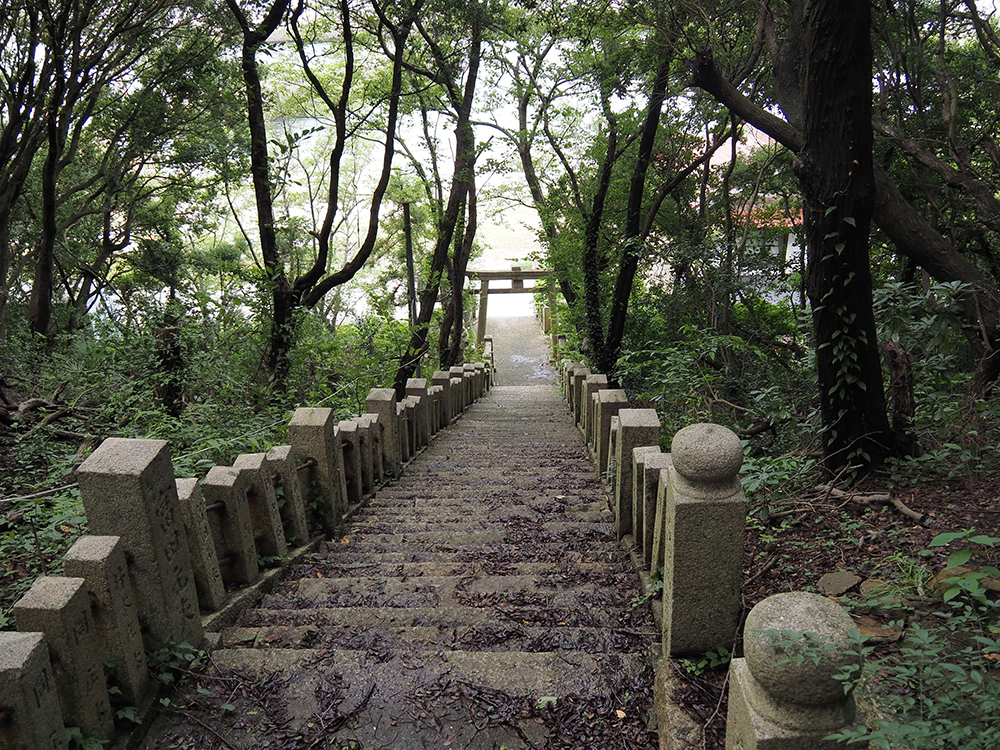
At Hachiman Shrine, there are two sets of stairs, one leading from Honura and the other from Iwatubo.
This makes it easy for people living in either settlement to visit the shrine.
The alleys in the Iwatubo settlement have elevation changes, which surprised me. They are indeed quite different from the Honura settlement.
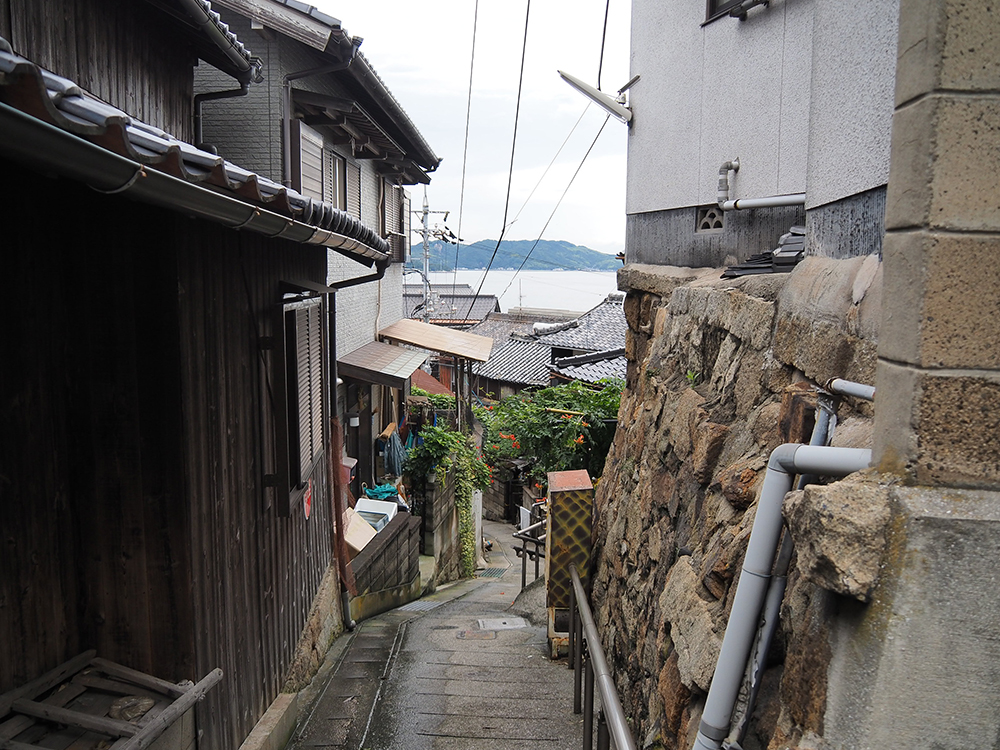
According to Mr. Takei, even though Honura and Iwatubo settlements are within walking distance on the same island, there are differences in dialect, bon odori (traditional dance), and funeral customs.
In the alleys of the Honura settlement, I saw scooters and bicycles, but I did not see them in the Iwatubo settlement.
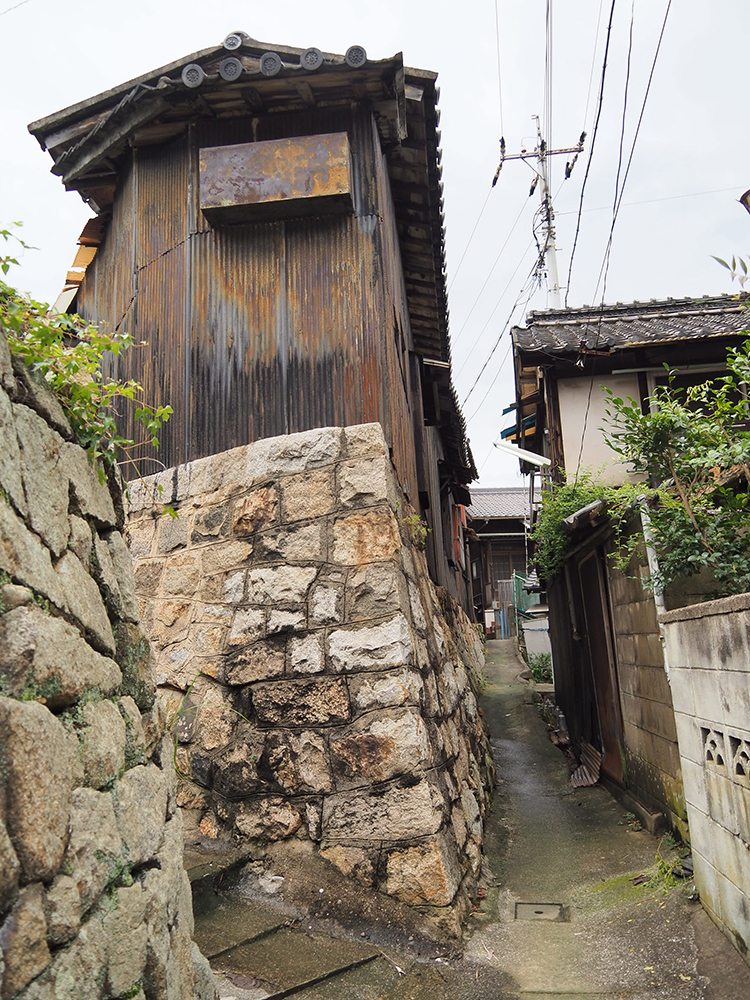
The steep and narrow paths twisted together like a maze. It was truly an adventure.
At the Andera Amida-do, nestled between private homes, there is a statue of Amida Nyorai created by the monk Gyoki. It is displayed once every 50 years, and the next display is said to be more than 20 years away.
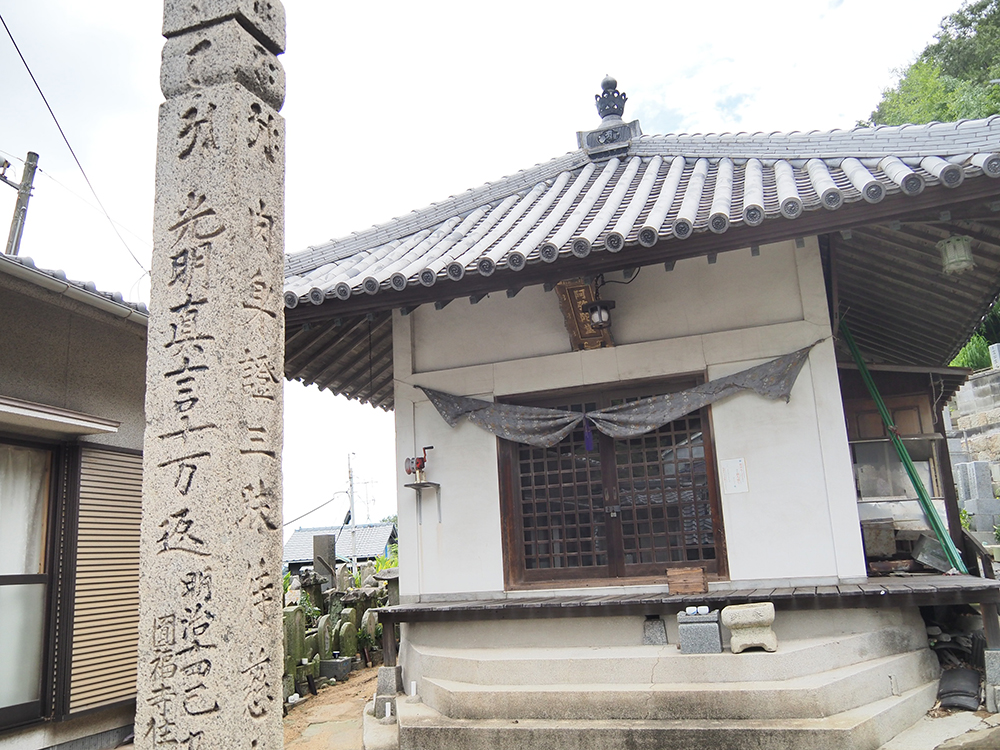
As I moved a little west, I arrived at the Gorin Stone Pagoda Group.
From within the cemetery, the stone pagodas quietly gaze out at the sea.
What can be seen from here is the uninhabited island of Oshima.
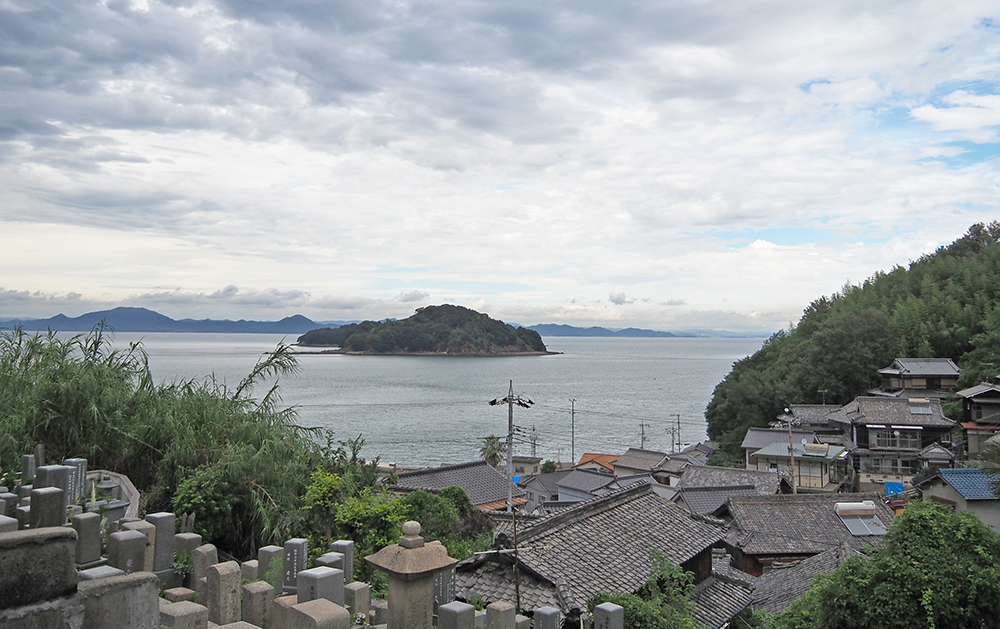
In the past, it was cultivated as fields for barley and sweet potatoes, and many people used to travel by boat from Manabe Island.
Moreover, Manabe Island itself was once covered in terraced fields.
Particularly abundant was the cultivation of chrysanthemums, taking advantage of the warm climate. During the Showa era, there were many electric light chrysanthemum fields, and it was called the "Island of Flowers."
Due to the aging of producers and a lack of successors, chrysanthemum cultivation has almost disappeared. The areas that used to be chrysanthemum fields are now overgrown with shrubs, making it hard to imagine the previous landscape.
I spoke with Maeda Chiben, the priest of Enpukuji Temple, who knows about the old days of Manabe Island, and Takei Hirono, a Community Revitalization Cooperator who has lived on Manabe Island for a year, and Shiori, about life on Manabe Island.

What do you want to know about Kurashiki?
Enter a word, and we will search articles from this site