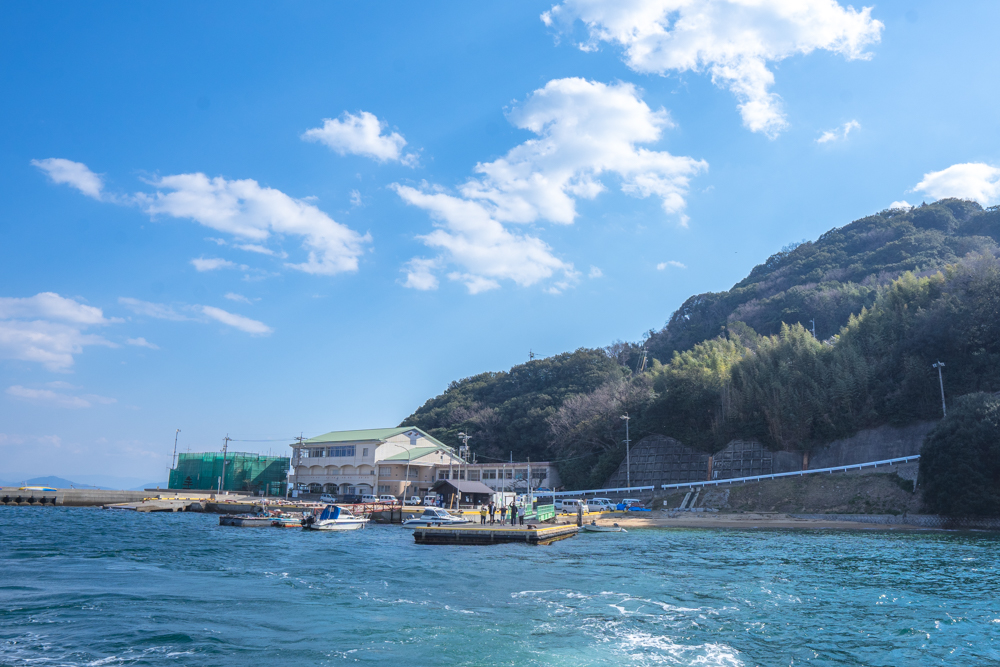
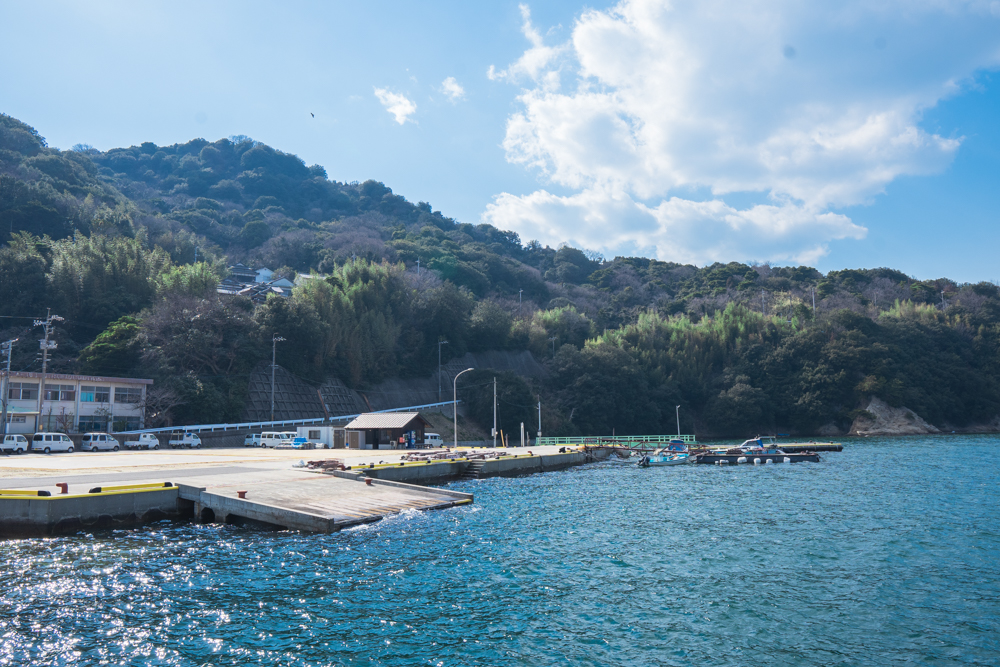
Hishima is the collective name for two islands, Oobishima and Kobishima, which belong to the Kasaoka Islands.
The distance between Oobishima and Kobishima is about 1 kilometer, allowing for a close view of each island across the sea.
Every year from early February to early March, camellia flowers can be seen everywhere, and it is also called Camellia Island.
During the transition from winter to spring, I visited Oobishima and Kobishima in early March and explored them thoroughly.
I would like to introduce the scenery that caught my eye while walking on Hishima.
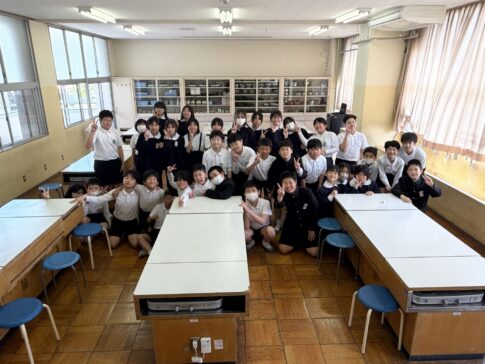
I also visited Free School Hagukumi, where children can spend peaceful time freely on Hishima.
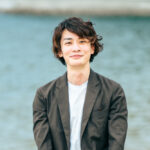
I interviewed the representatives of Free School Hagukumi, Do no Hiroyuki and Hioki Yuki, about their activities on Hishima.
I will also introduce the free school located on a remote island in the Seto Inland Sea.
The information provided is based on data from April 2022. Please note that it may differ from current information.
What are the Kasaoka Islands?
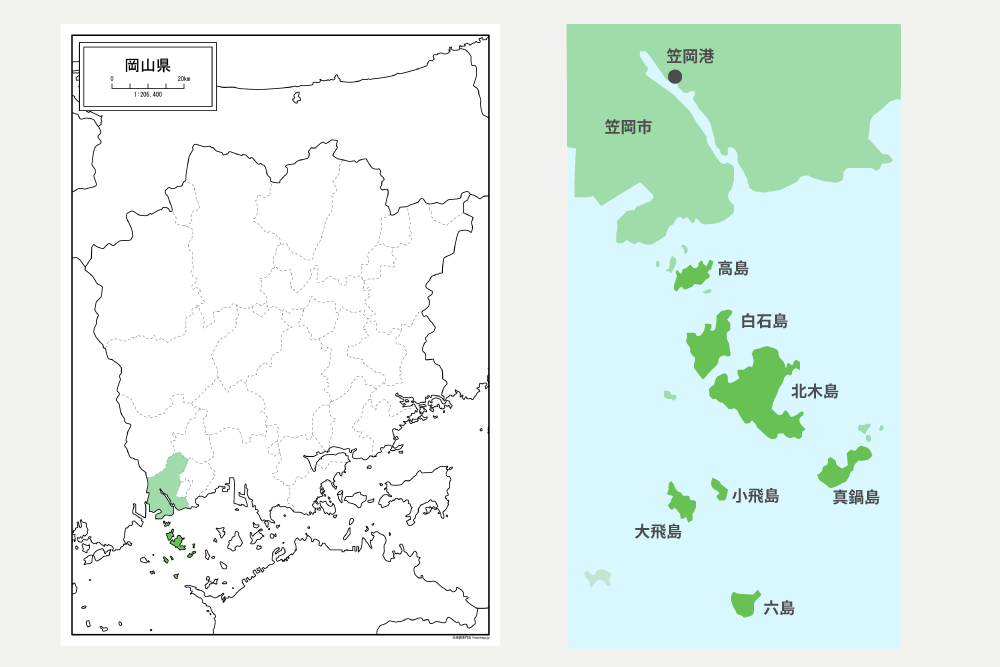
The Kasaoka Islands are a group of 31 islands, large and small, located off the southwestern tip of Okayama Prefecture, near Kasaoka City. Among them, there are 7 inhabited islands as follows:
- Takashima
- Shiraishi-jima Island
- Kitagi-shima Island
- Manabe-shima Island
- Oobishima
- Kobishima
- Mushima
There are no bridges to the islands, and travel is done by boat from the port of Kasaoka City.
The islands have a tranquil and calm atmosphere.
Along with the islands of Marugame City, Shodoshima Town, and Tonosho Town in Kagawa Prefecture, it is designated as a Japan Heritage under the title "Do You Know!? The Stone Islands Where Eternal Time Flows - The Bisan Islands That Built the Foundation of Japan Across the Sea."
What is Hishima?
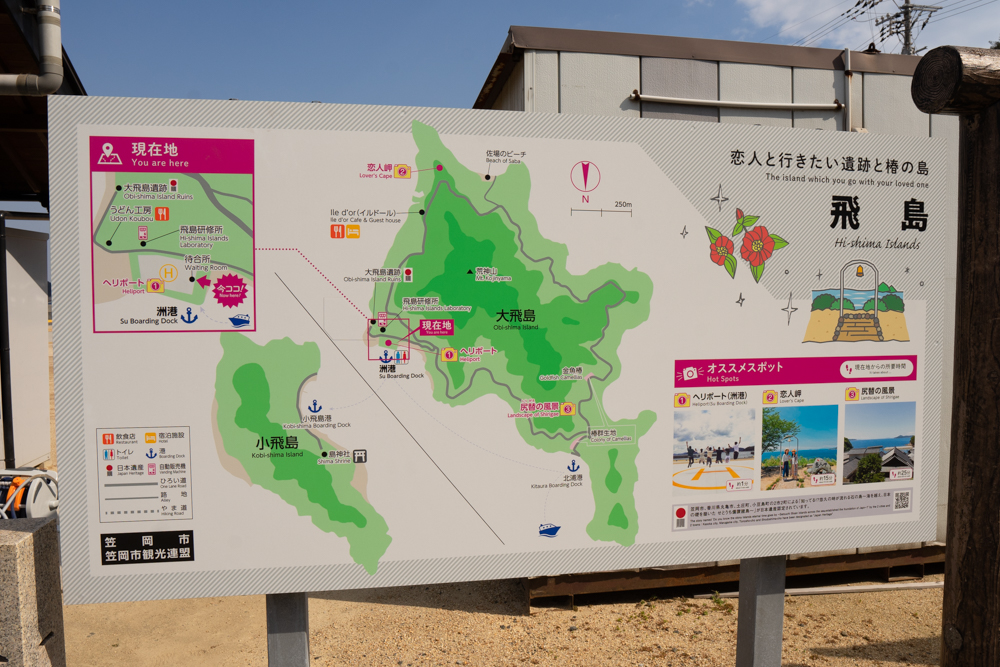
Hishima refers to Oobishima and Kobishima, located about 18 kilometers from Sumiyoshi Port in Kasaoka City.
The distance between Oobishima and Kobishima is about 1 kilometer, allowing for a close view of each island across the sea from their respective coastlines.
As the names suggest, Oobishima is larger in area than Kobishima, and more people live on Oobishima.
Kobishima is the smallest inhabited island in the Kasaoka Islands.
| Item | Content |
|---|---|
| Population (as of March 31, 2022) | About 80 people |
| Area | 0.96 square kilometers (Oobishima) 0.33 square kilometers (Kobishima) |
| Perimeter | 6.4 kilometers (Oobishima) 3.7 kilometers (Kobishima) |
| Features | Camellias |
| Transportation on the island | On foot / by private car |
Oobishima has a perimeter of 6.4 kilometers, so exploring the entire island on foot may be difficult.
However, the main facilities are located around Sukou, so if you visit for sightseeing, walking is sufficient.
Kobishima has no buildings except around Kobishima Port, so you can explore the island on foot.
Access to Hishima
Boats depart from Sumiyoshi Port in Kasaoka City to Hishima.
Oobishima has two ports, Kitauura Port and Sukou, while Kobishima has one port, Kobishima Port.
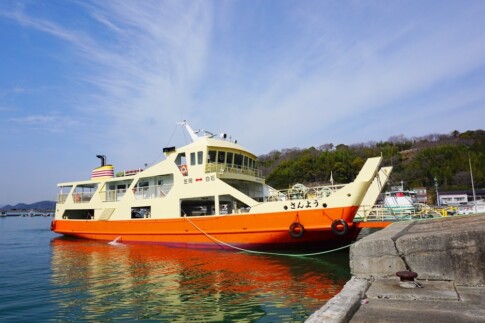
The passenger boat departing from Sumiyoshi Port arrives at Kitauura Port in about 35 minutes.
It takes about 5 minutes from Kitauura Port to Sukou and about 5 minutes from Sukou to Kobishima Port.
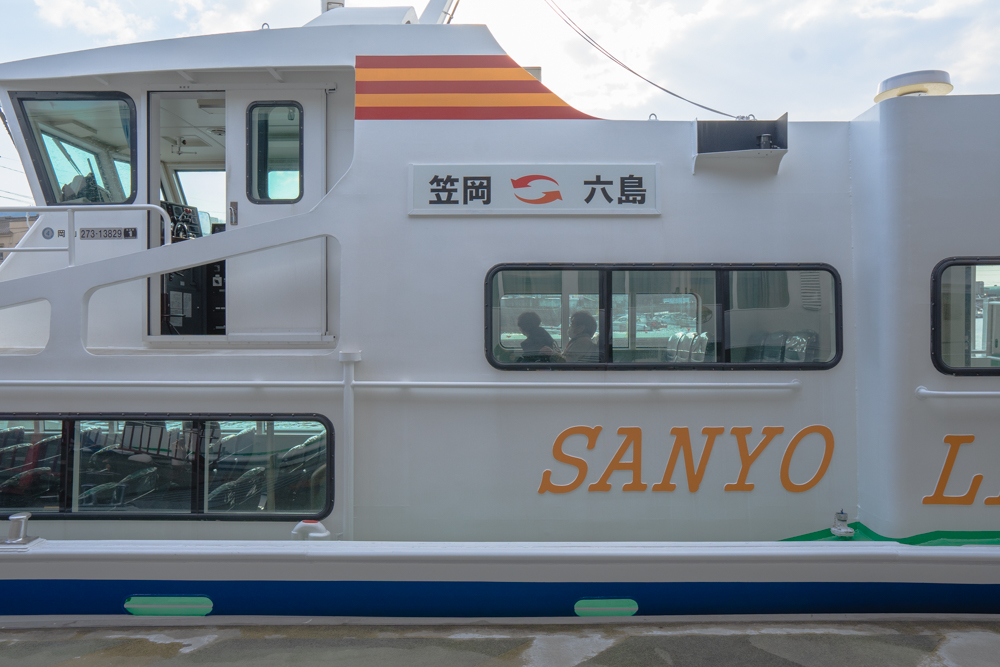
There are two routes departing from Sumiyoshi Port: the Rokushima Route and the Manabe-shima Route, but the route that follows Kitauura Port, Sukou, and Kobishima Port is the Rokushima Route.
When going to Hishima, make sure to take the Rokushima Route boat.
▼ For more details, please see the article below.
Representative spots and activities on Hishima
Kobishima, the smallest inhabited island in the Kasaoka Islands, and Oobishima, which floats right next to it.
Here are some representative spots and features on the two islands.
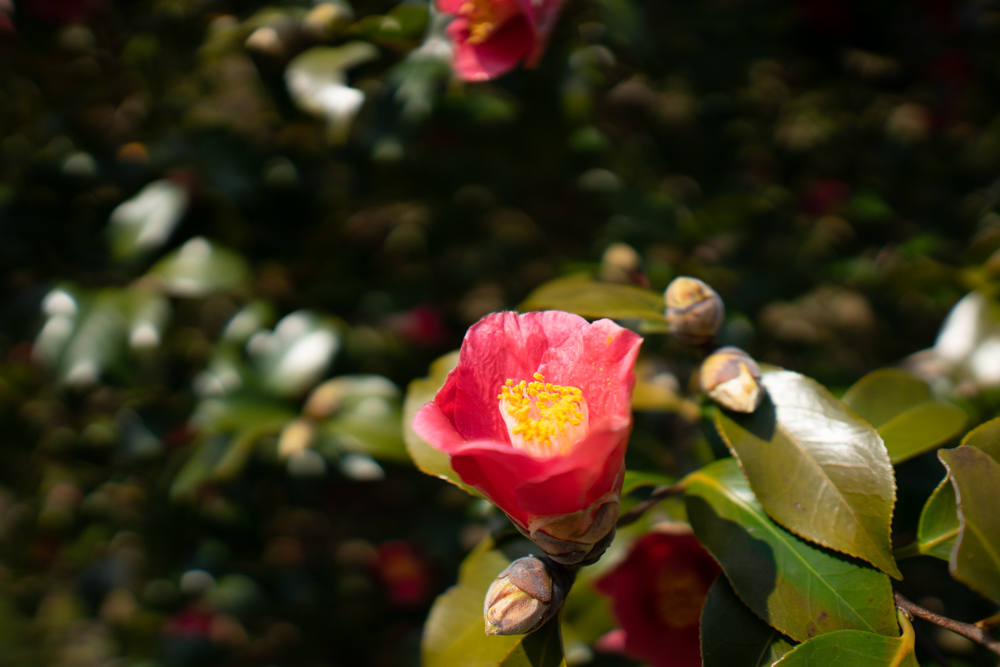
Camellias of Hishima
Hishima is home to many wild camellias.
When I visited in early March, camellia flowers were blooming all over the island.
The camellia oil extracted from the camellia seeds is a specialty of Hishima.
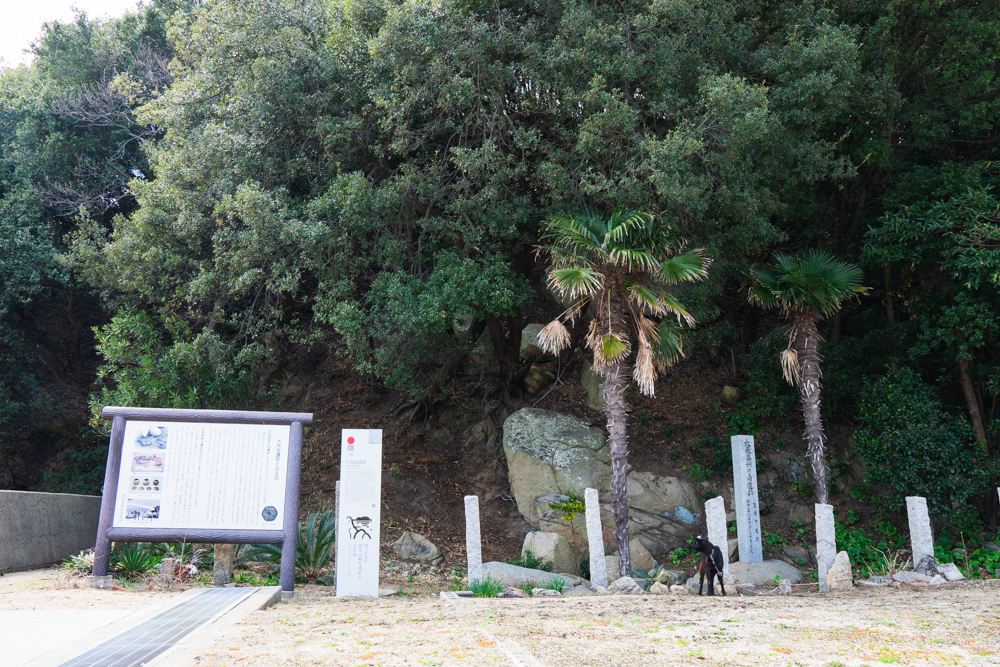
Oobishima Ruins
The Oobishima Ruins are located a few minutes' walk from Sukou, in the grounds of the former Hishima Elementary School.
They are ritual ruins dating from the Nara to Heian periods.
Many offerings have been discovered, suggesting that Hishima was an important location for transportation in the Seto Inland Sea.
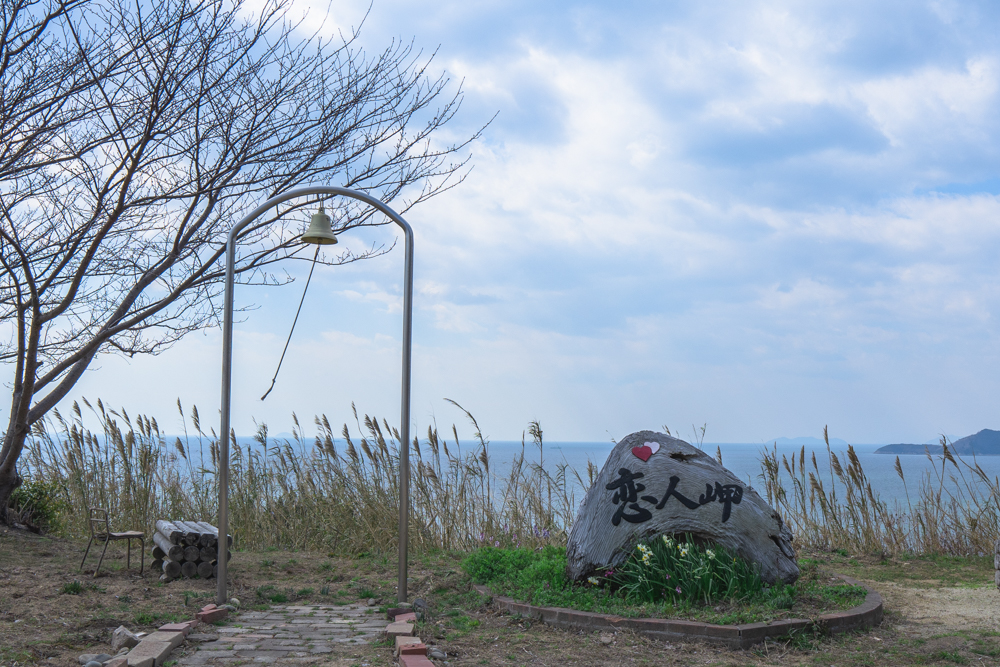
Lover's Cape
On the way around Oobishima, there is a place called Lover's Cape on a high point.
From Lover's Cape, which overlooks the sea, you can see the islands floating in the Seto Inland Sea.
The bell at Lover's Cape is called Bell of Ties.
It carries a wish to connect not only couples but various people.
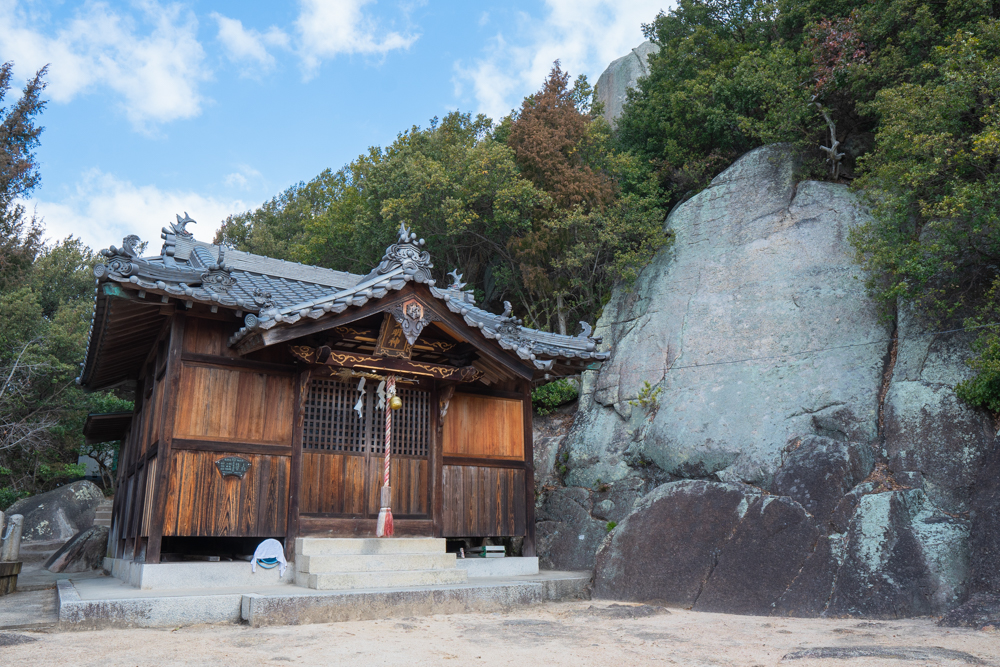
Shima Shrine
Shima Shrine enshrines the guardian deities of Oobishima and Kobishima.
It is located at the top of the stairs on the approach north of Kobishima Port.
During the summer festival held on Hishima every July, a portable shrine that has crossed the sea from Oobishima is brought to Shima Shrine.
The portable shrine moving across the sea is a unique custom of Hishima.
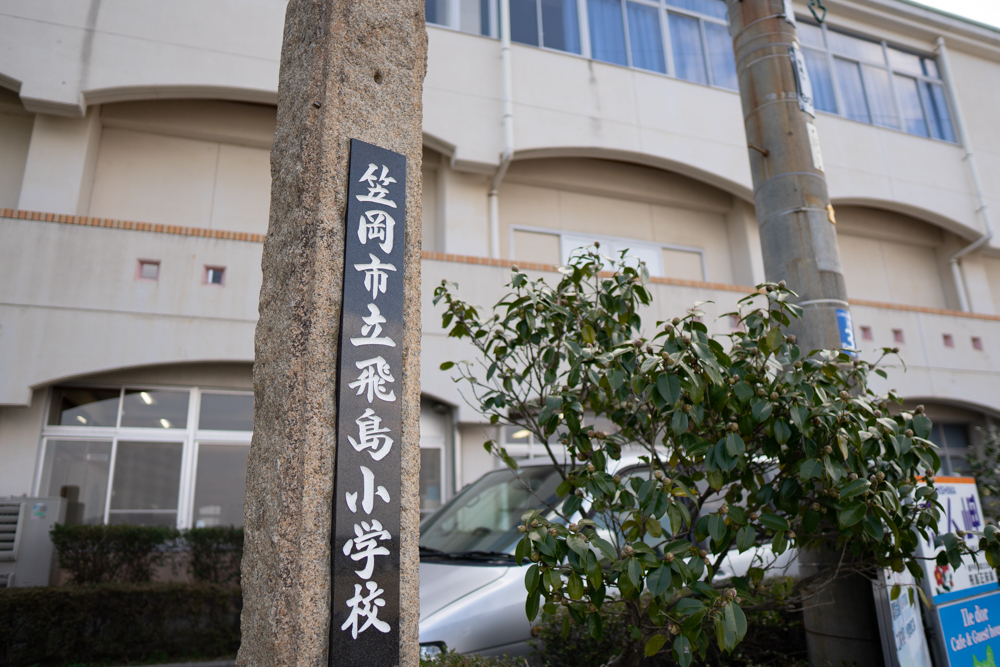
Free School Hagukumi
Located near Sukou on Oobishima, the school Free School Hagukumi is based in the former Hishima Elementary School.
There is no set curriculum, allowing children to freely engage in what they want to do.
In the slowly flowing time of the island, it aims to be a place where children who cannot find a place in public education can rest their minds and bodies while experiencing the nature of Hishima.
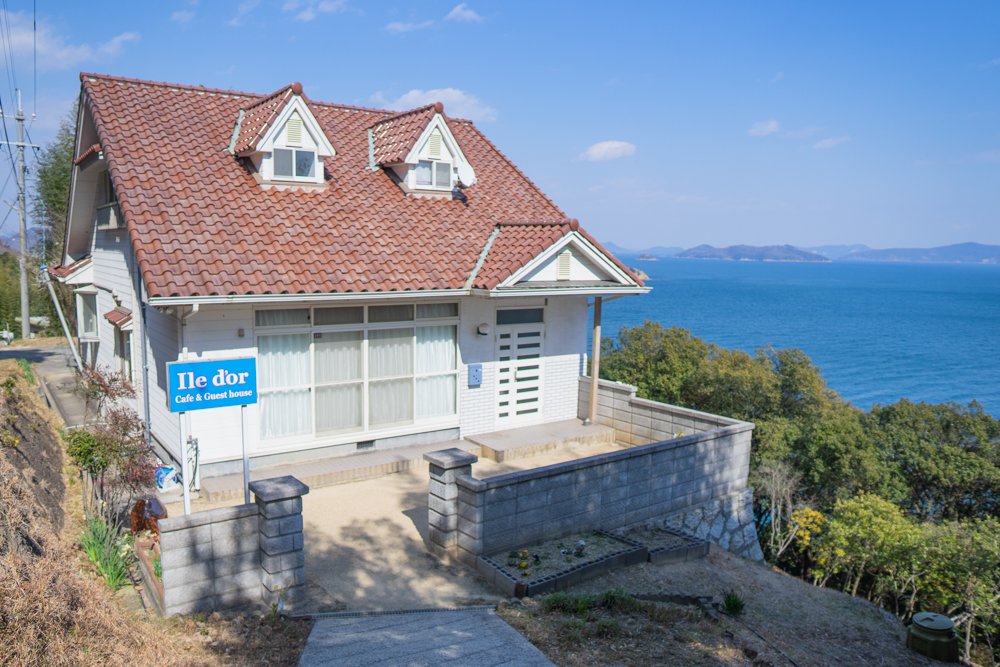
Ile d’or Cafe & Guest house
Located on the southern side of Oobishima, the guest house Ile d’or Cafe & Guest house is situated along the circular road.
It is the only accommodation facility on Hishima.
From the building on the hillside, you can enjoy a view of the calm sea that represents the Seto Inland Sea.
My experience walking on Hishima
I visited Hishima in early March 2022.
The colors of the trees hinted at the arrival of spring, but the wind blowing over the sea was still cold, reflecting the transition from winter to spring.
The gateway to the Kasaoka Islands is Sumiyoshi Port in Kasaoka City.
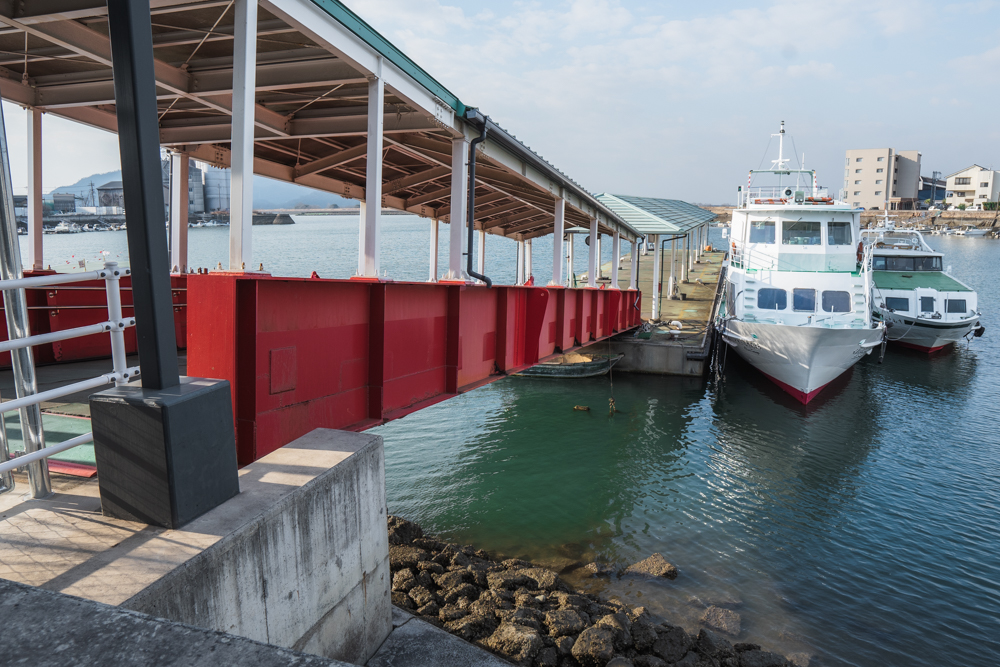
At the pier, there is the Kasaoka Islands Exchange Center, Minato Kobanashi, with the first floor of the building serving as a waiting area.
There was a ticket vending machine in the waiting area, so I purchased my ticket before boarding.
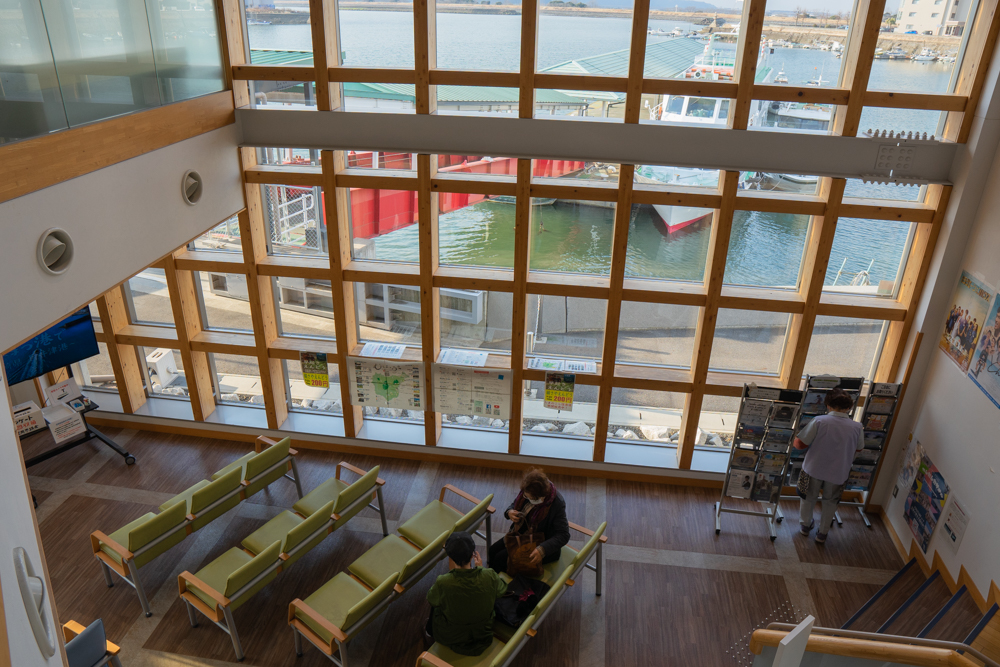
There are two routes departing from Sumiyoshi Port: the Rokushima Route and the Manabe-shima Route.
The route that follows Kitauura Port, Sukou, and Kobishima Port is the Rokushima Route.
I made sure to confirm the route to my destination before boarding.
For someone like me who doesn't usually take boats in daily life, the scenery viewed from the sea is one of the joys of visiting the islands!
For a while after departure, I enjoyed watching the flowing scenery from the deck.
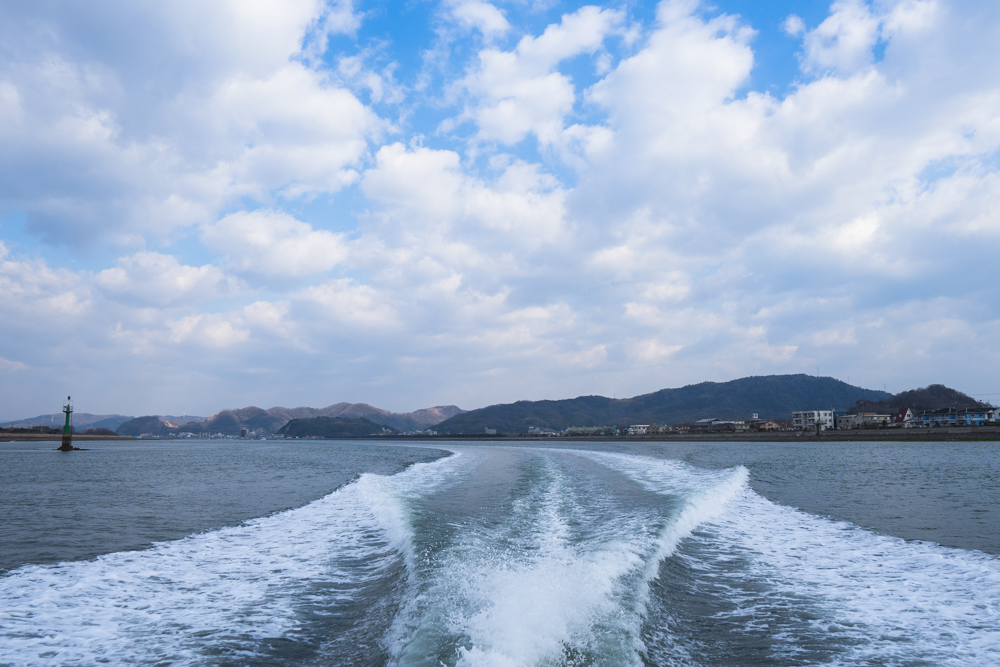
It takes about 35 minutes from Sumiyoshi Port to the first port on Hishima, Kitauura Port.
After that, we arrive at Sukou on Oobishima and then Kobishima Port.
The first destination is Shima Shrine on Kobishima.
I did not disembark at Kitauura Port or Sukou and continued on to Kobishima Port.
From Kobishima Port, I could see buildings on the hillside.
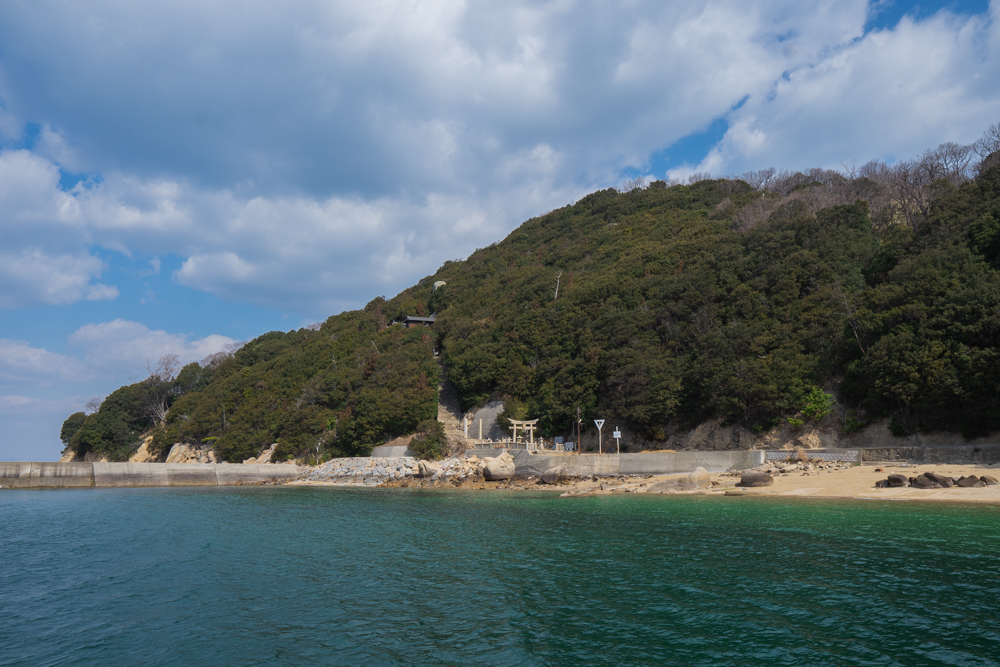
I spotted the torii gate of Shima Shrine, so I walked along the coast to get there.
As I got closer, I realized it was a magnificent torii gate.
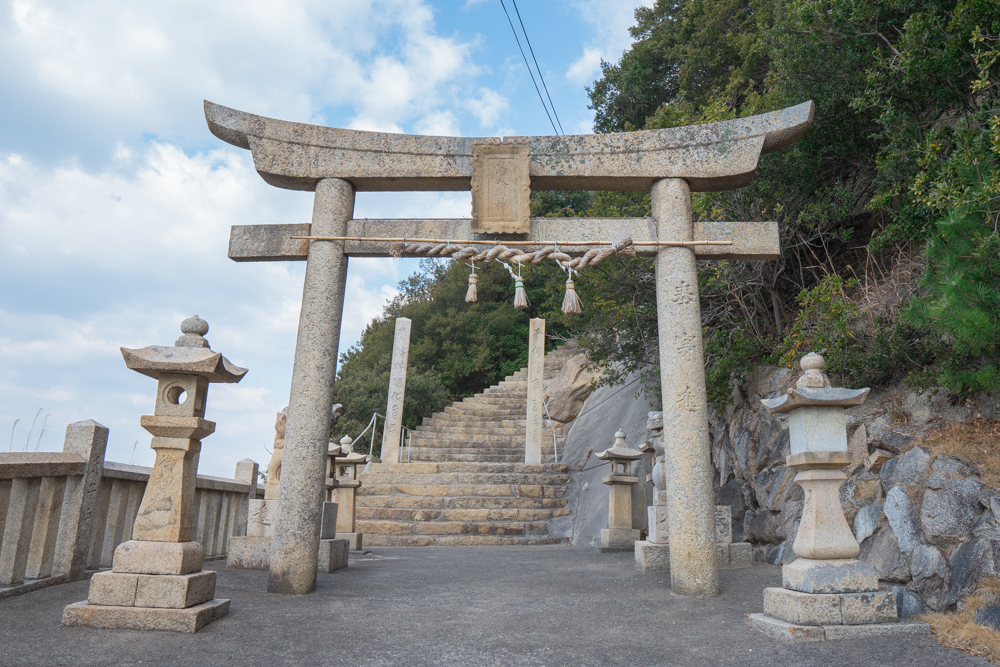
Shima Shrine is located up the stairs.
Feeling like an explorer, I climbed the stone steps one by one.
When I reached the position of the main hall, I turned around and was captivated by the scenery!
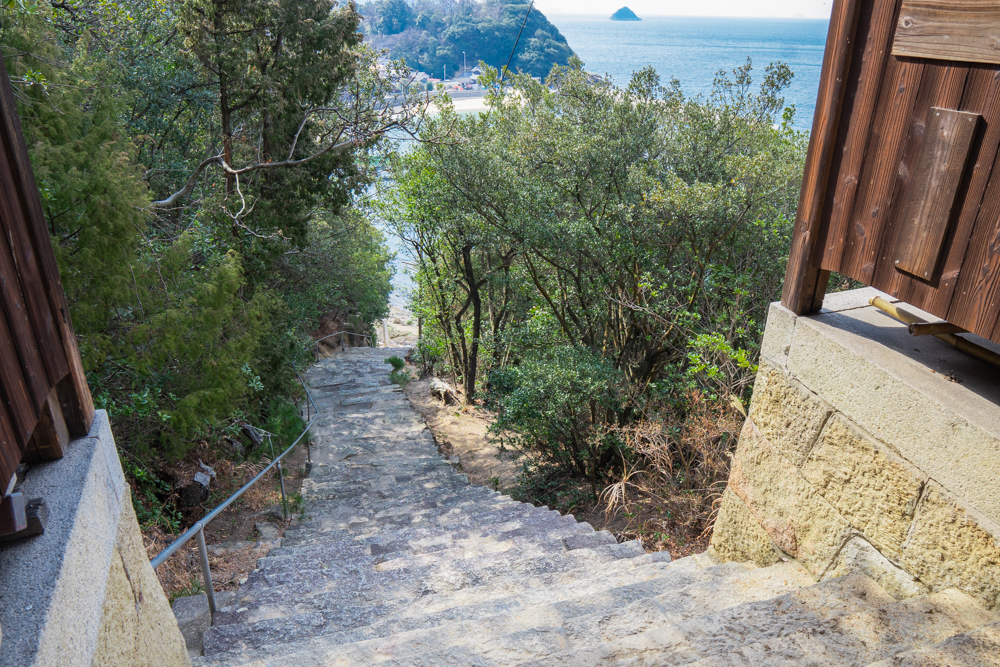
The main hall is located at the top of the stone steps.
A mystical atmosphere created by the island's tranquility and the massive rocks surrounded the main hall.
Peeking to the left of the main hall, I noticed that a narrow path continues.
As I proceeded further, I found a small shrine (hokora) in the rock face.
It is said that the guardian deity of Hishima is enshrined in this small shrine.
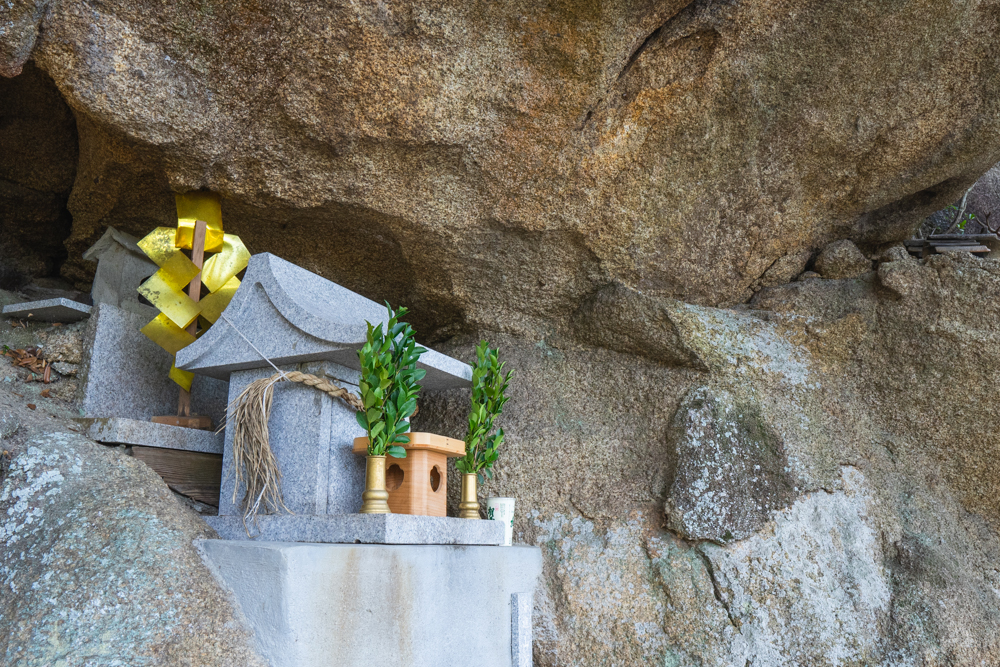
Having finished exploring Shima Shrine, I returned to Kobishima Port.
When I got back to the coast, an elderly woman living on Kobishima called out to me, inviting me to stop by her home for udon.
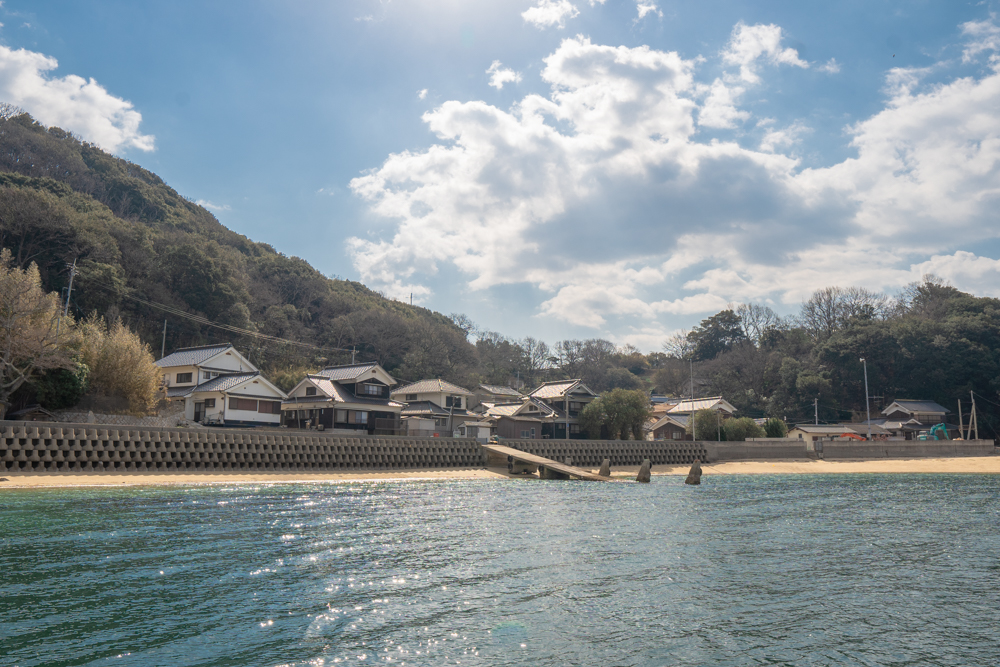
I visited the only settlement on Kobishima, and a sudden lunch gathering began with the neighbors.
After waiting for a few minutes in the living room.
They made a special udon with oysters harvested from the island.
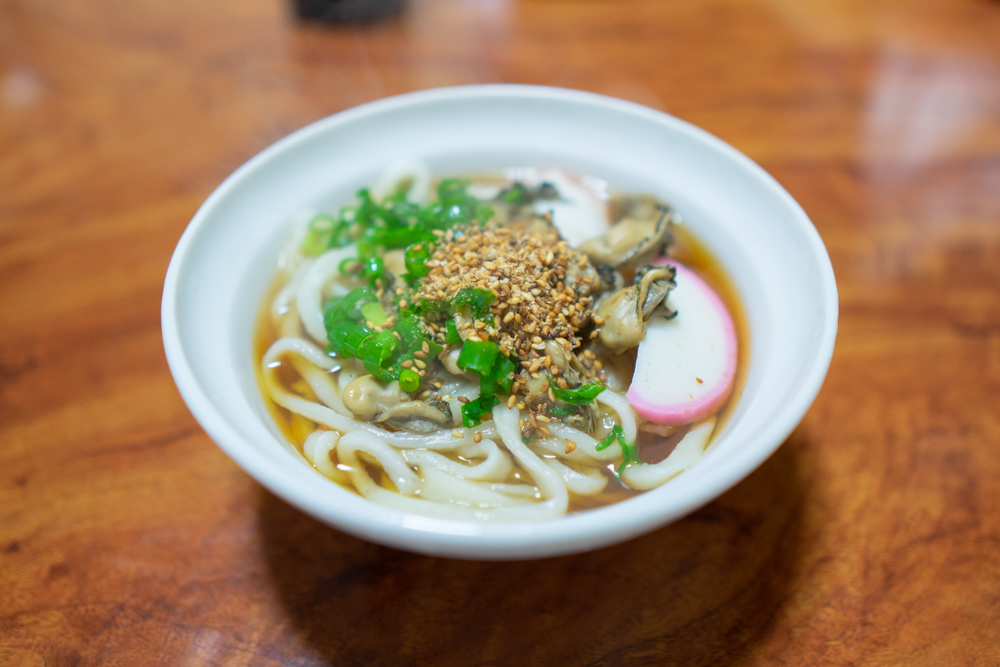
The chewy udon was coated in broth, spreading a sweet and savory flavor in my mouth!
While enjoying the udon, I listened to the elderly woman’s stories.
She told me that she has been living on Kobishima for decades since she married from Oobishima.
Since moving to Kobishima, she has been getting up at 2 AM every day to visit Shima Shrine.
I was surprised to hear that it is a custom on Kobishima to wake up at 2 AM!
While enjoying the udon and chatting with the islanders, it was time for the boat heading to Oobishima to arrive.
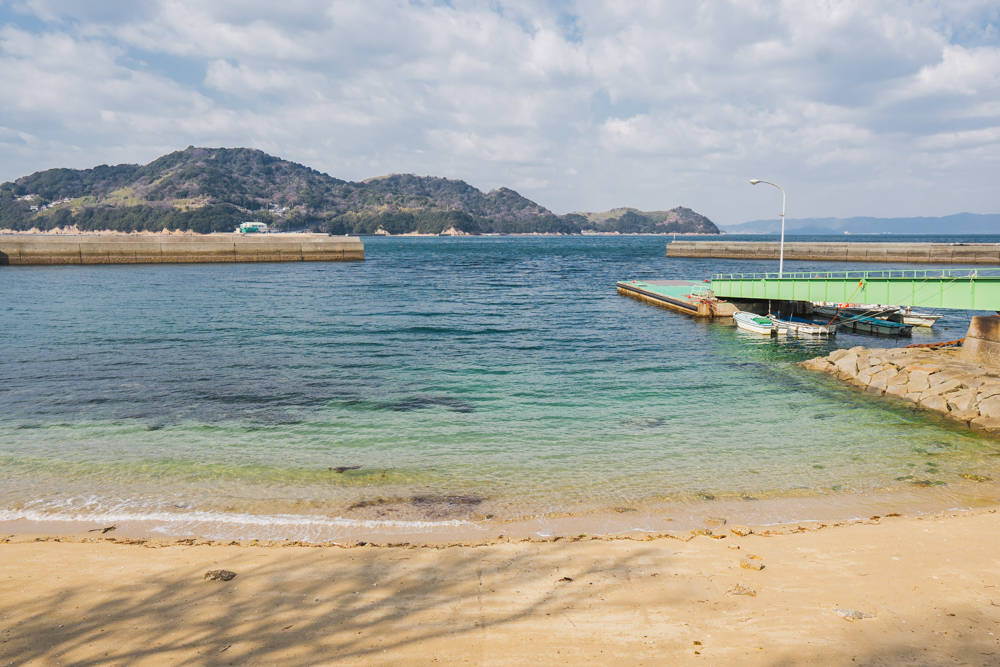
The island visible across the sea is Oobishima.
The distance is about 1 kilometer, and it takes a few minutes by boat from Kobishima Port to Sukou on Oobishima.
Oobishima has Sukou and Kitauura Port, but the main facilities are located at Sukou.
I disembarked at Sukou and began exploring Oobishima.
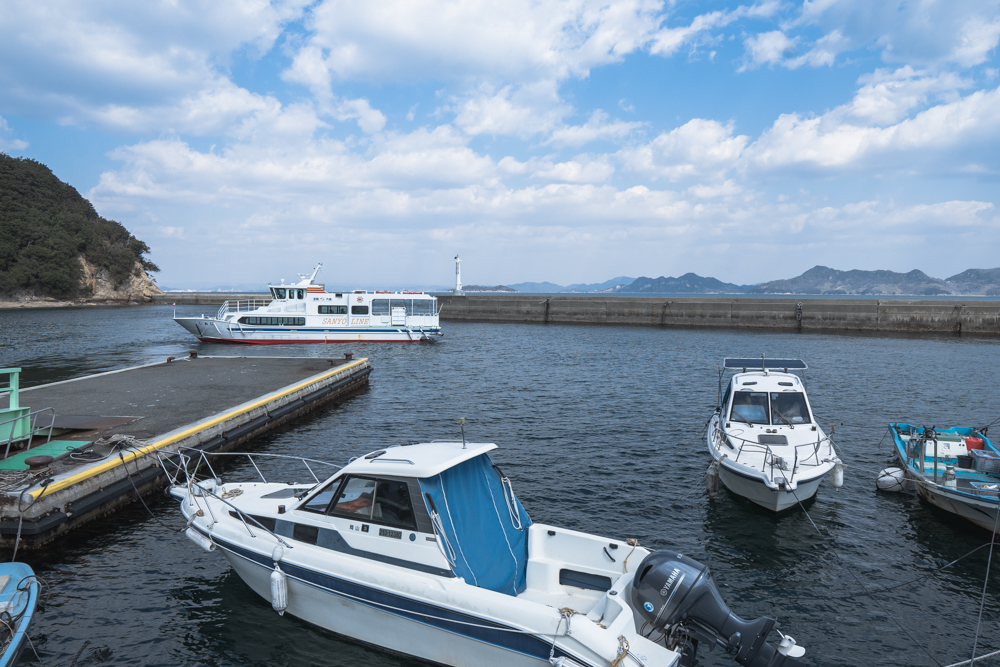
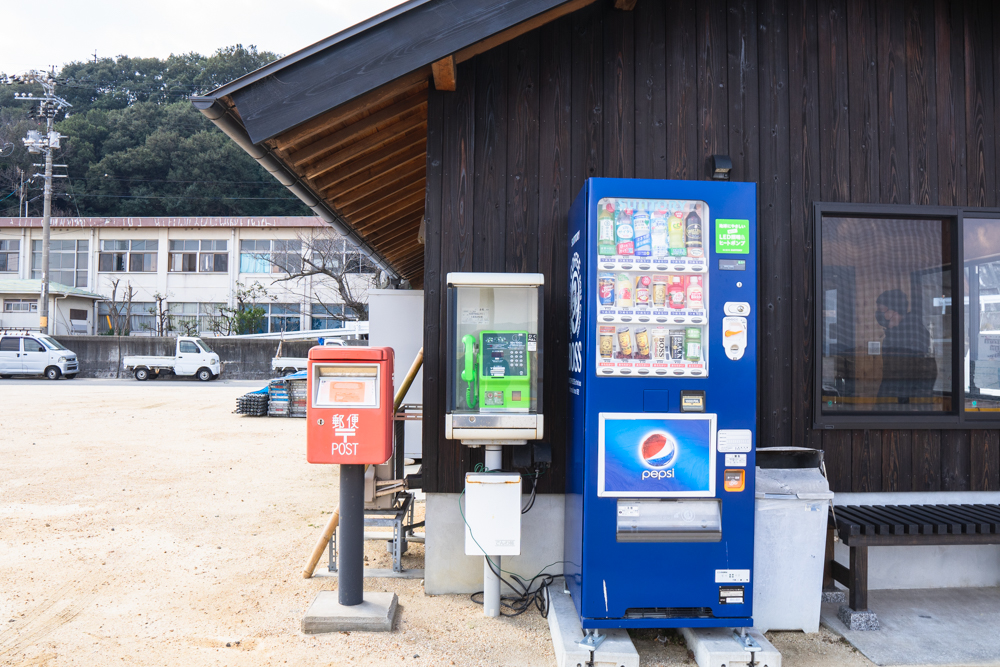
Surprisingly, there are no shops on Hishima.
The only place to buy drinks is the vending machine installed at Sukou!
Visiting the island made me realize that having access to groceries and daily necessities is not a given.
Departing from Sukou, I set off to explore Oobishima!
Oobishima has a road that circles the island, connecting the port with several settlements.
I traveled around Oobishima along the road.
About 1 kilometer south along the road from Sukou, there is the only accommodation facility on the island, Ile d’or Cafe & Guest house.
From the building on the hillside, you can spend the day enjoying the view of the beautiful islands of the Seto Inland Sea.
I felt it was the perfect environment to forget the hustle and bustle of the city.
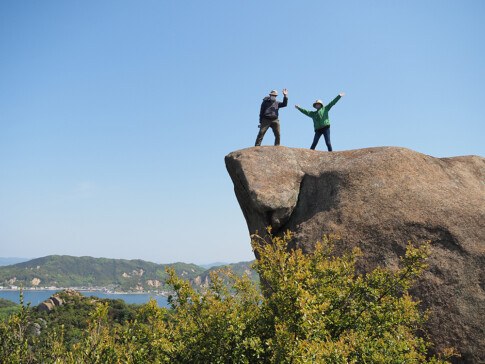
About 100 meters south of Ile d’or Cafe & Guest house, I found Lover's Cape.
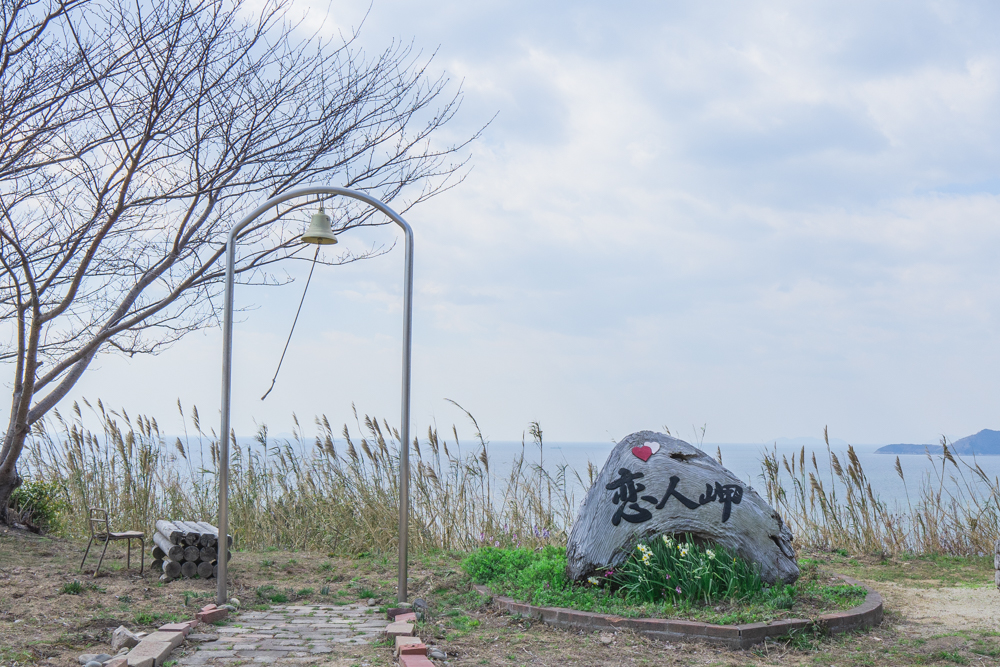
From Lover's Cape, located on the mountainside, you can see the islands floating in the Seto Inland Sea.
In the quiet air of the island, I reflected on my busy daily life while gazing at the sea and the scenery.
It might be good to take a trip to distance yourself from daily life and organize your thoughts.
Leaving Lover's Cape, located at the southernmost point of Oobishima, I headed west along the island.
After a short distance, I came across a sandy beach called Sabano Beach.
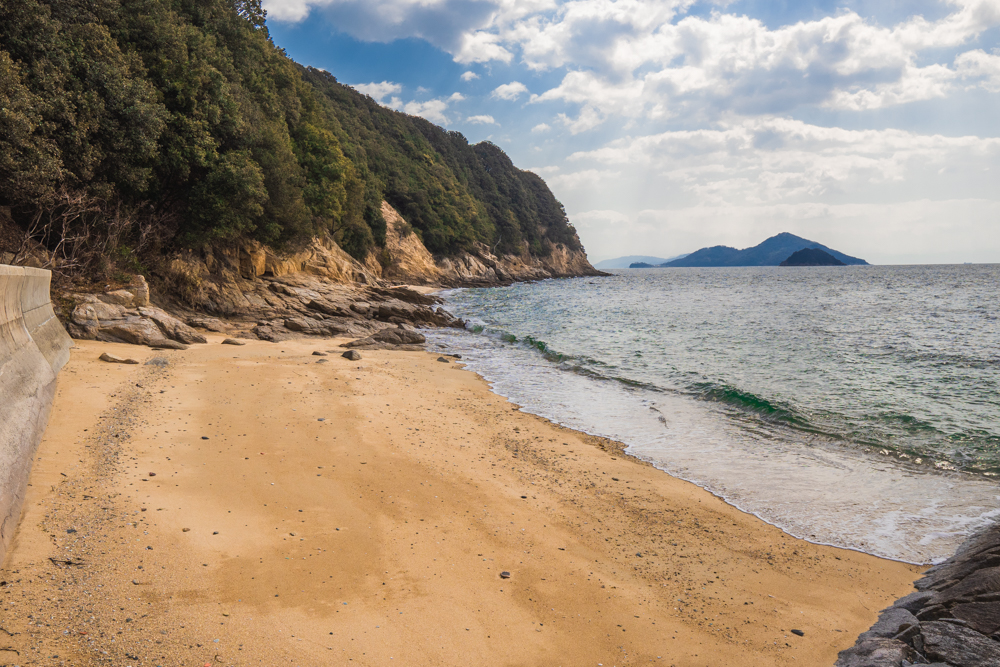
Since the road is on the mountainside, you need to descend a steep slope to reach the sandy beach.
As I stepped onto the sandy beach nestled among the foothills, I could only hear the sound of the waves.
While walking on Oobishima, I noticed red flowers.
They are the camellias, the symbol of Hishima.
In early March, when I visited, the camellia flowers were in full bloom, with red flowers blooming all over the island.
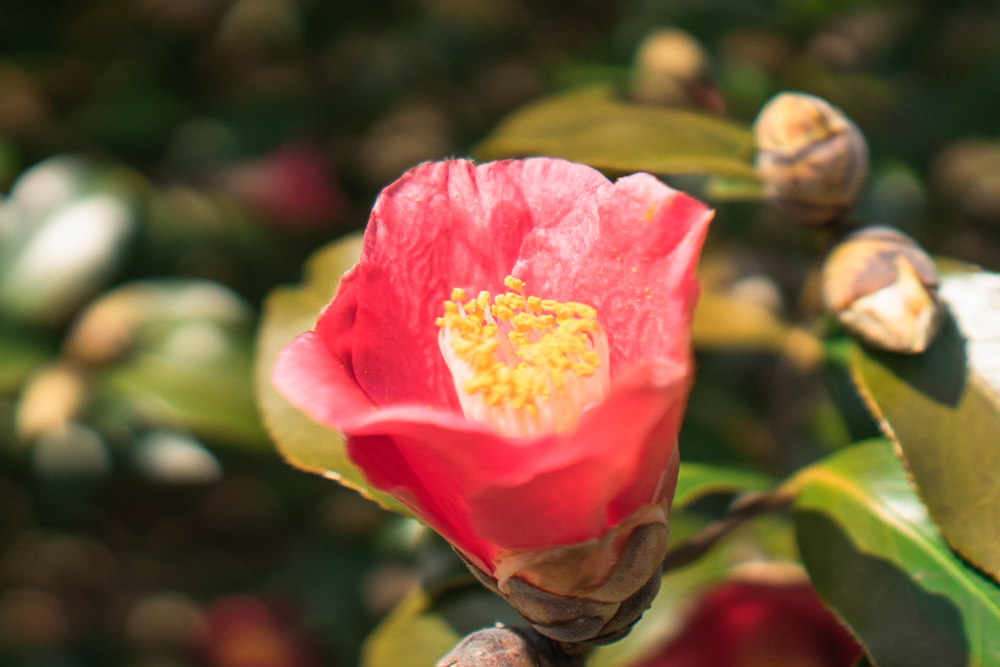
Odotai Island has several settlements, and a circular road connects them.
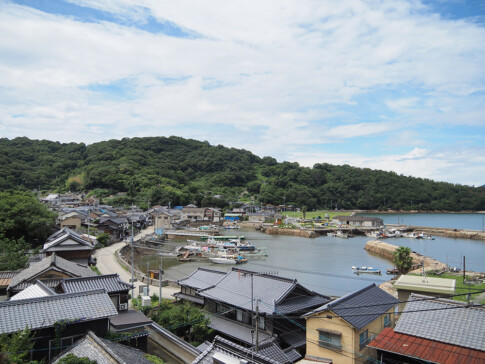
Houses line the slopes of the mountains surrounding the bay, which is a characteristic feature.
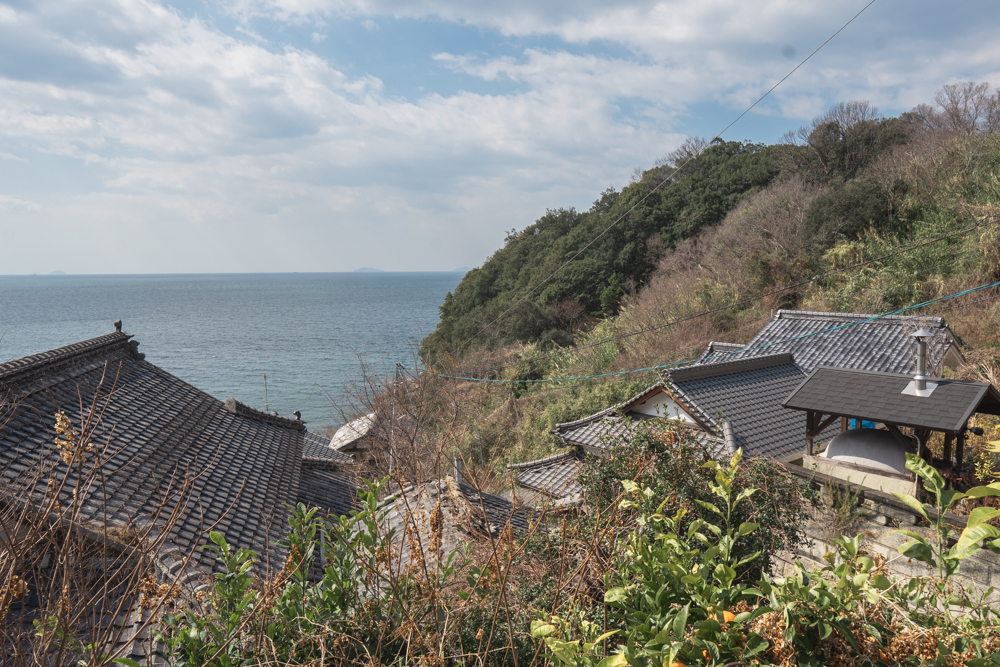
The paths between the houses are narrow and winding, and travel is done on foot.
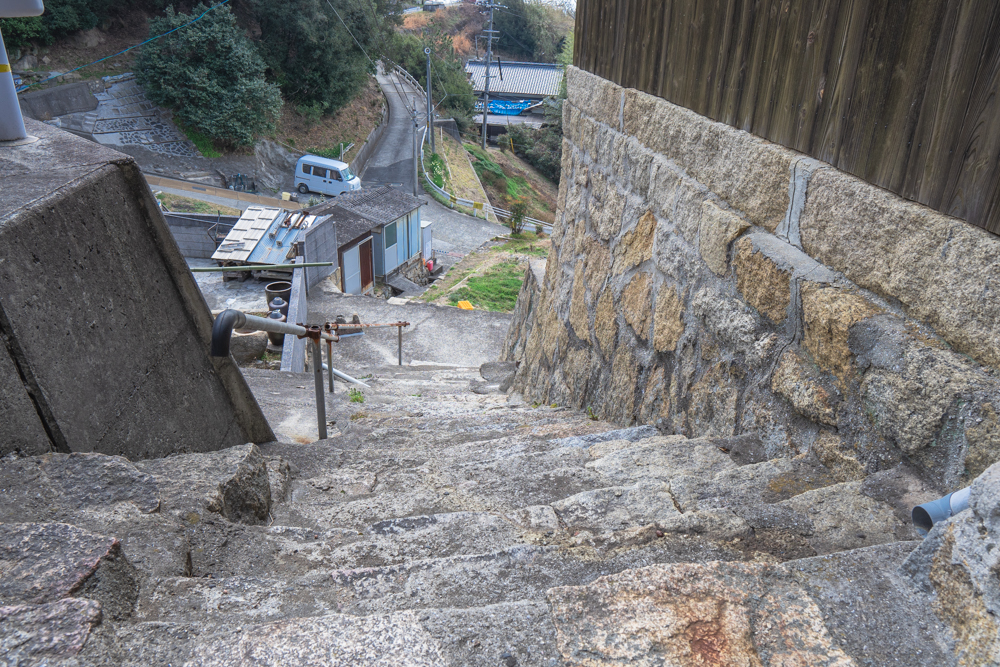
The sea in front of the settlement was calm and clear.
Wherever you visit on the island, a quiet time flows.
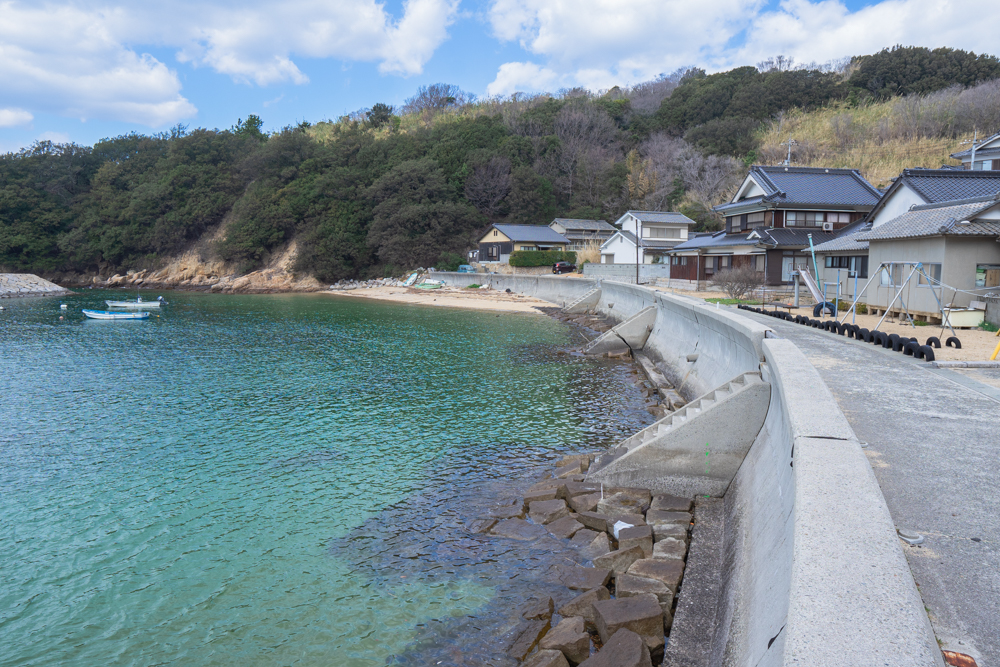
Most of the roads that circle the island are steep and hilly.
The road continues back up to the high ground, revealing different landscapes each time the view opens up.
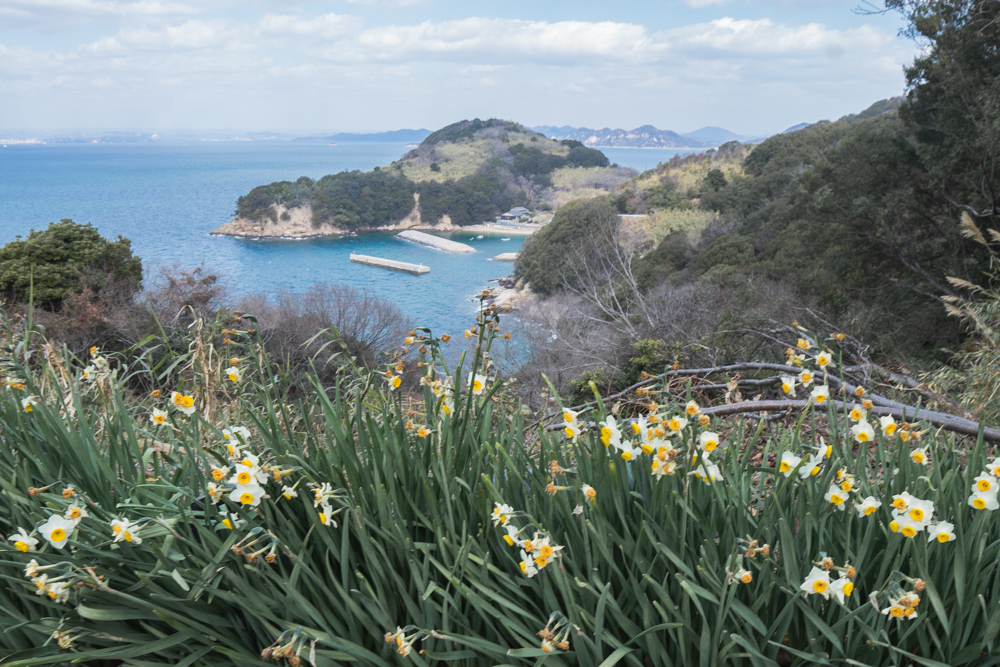
After circling the road, I returned to Suhama Port.
The last stop is the Odotai Ruins, located near Suhama Port.
It is situated in the former Odotai Elementary School yard, which is used as a base for the free school Hagukumi.
From the stone monument standing hidden among the bushes, a heavy atmosphere emanated.
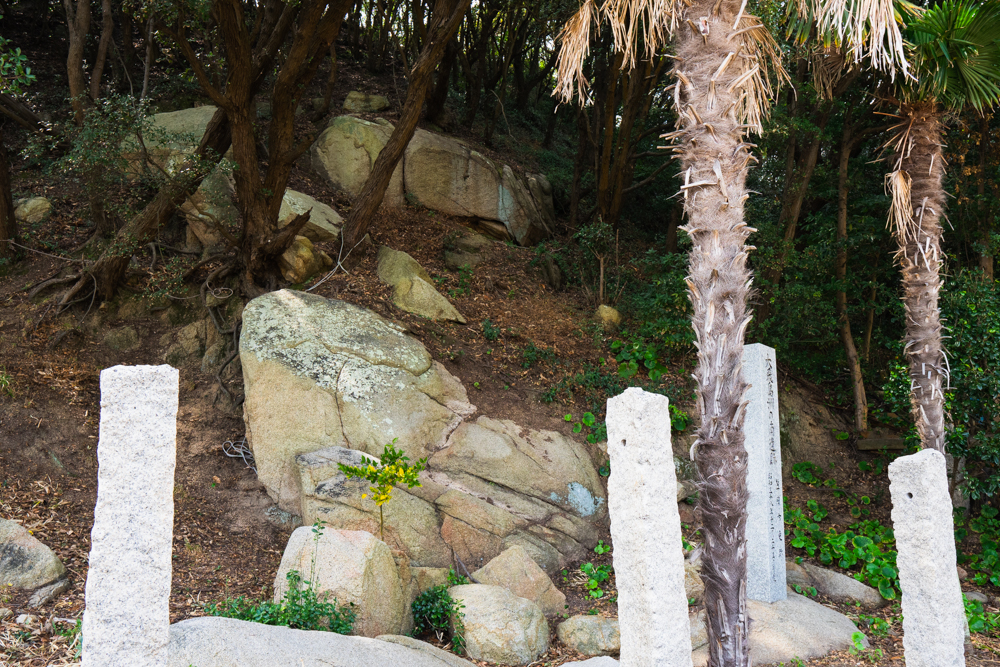
This concludes the exploration of Odotai and Odotai Islands.
Wherever you visit on the island, there is little sound, and you can hear the sound of waves lapping and leaves rustling in the wind.
While gazing at the tranquil scenery, I reflected on my busy daily life and was able to reconsider my way of living.
I felt as if I had released the stagnation accumulated in my mind into the quiet space.
There are no shops, and the transportation is not particularly convenient, but I felt it was the perfect place to calm my mind away from daily life.
In the tranquil time flowing on the island, there is a free school called Hagukumi, where children can calm their minds and spend time safely.
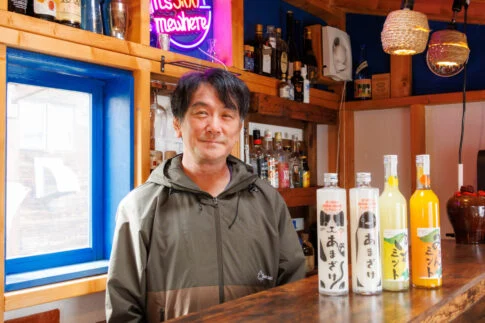
I spoke with Hiroyuki Dono and Yukki Hioki, who run Hagukumi, about their activities on the island.


What do you want to know about Kurashiki?
Enter words to search articles from this site