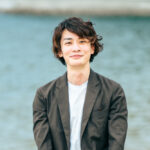
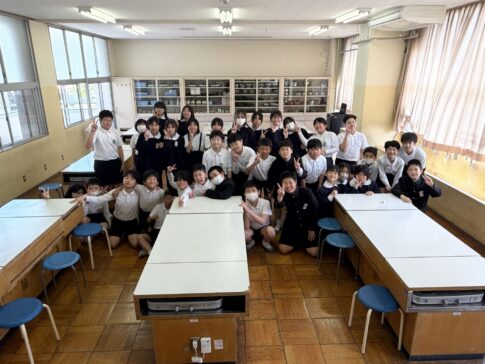
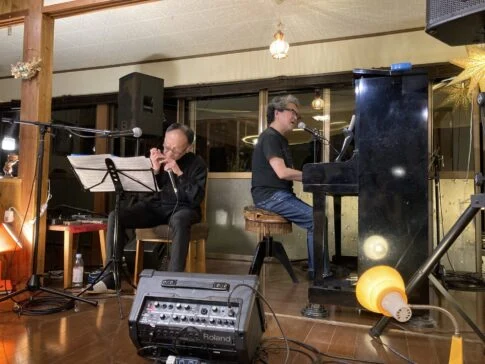
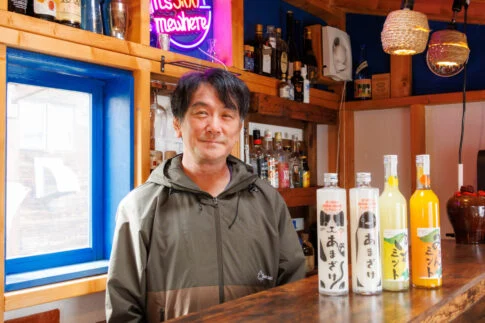
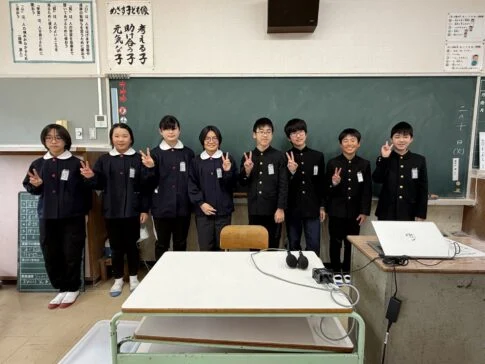
I spoke with the islanders: Hiroyuki Douno and Yukki Hioki from the Free School Ikumi
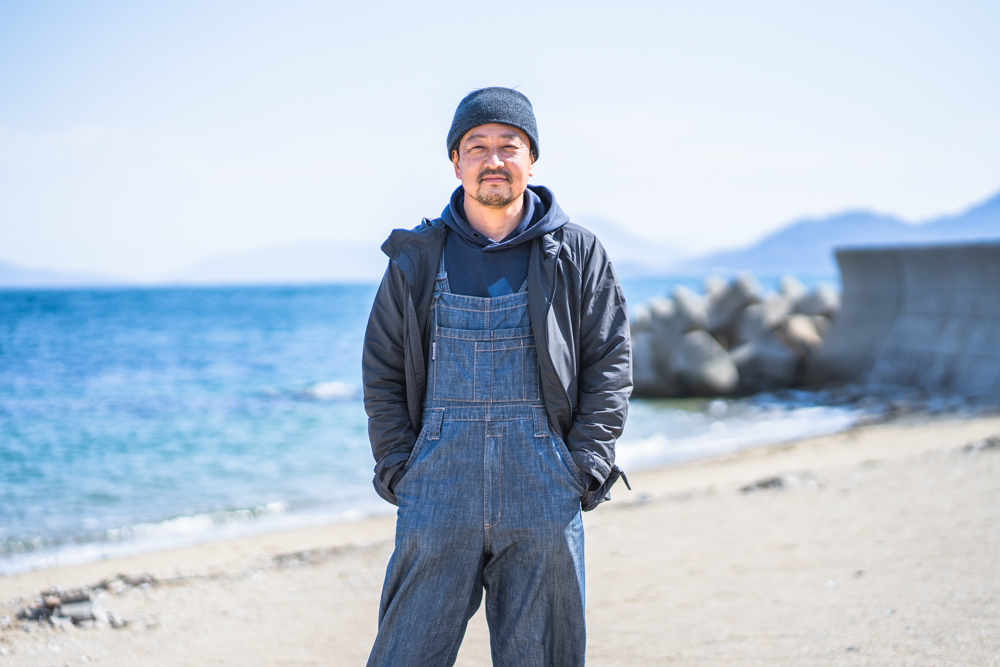
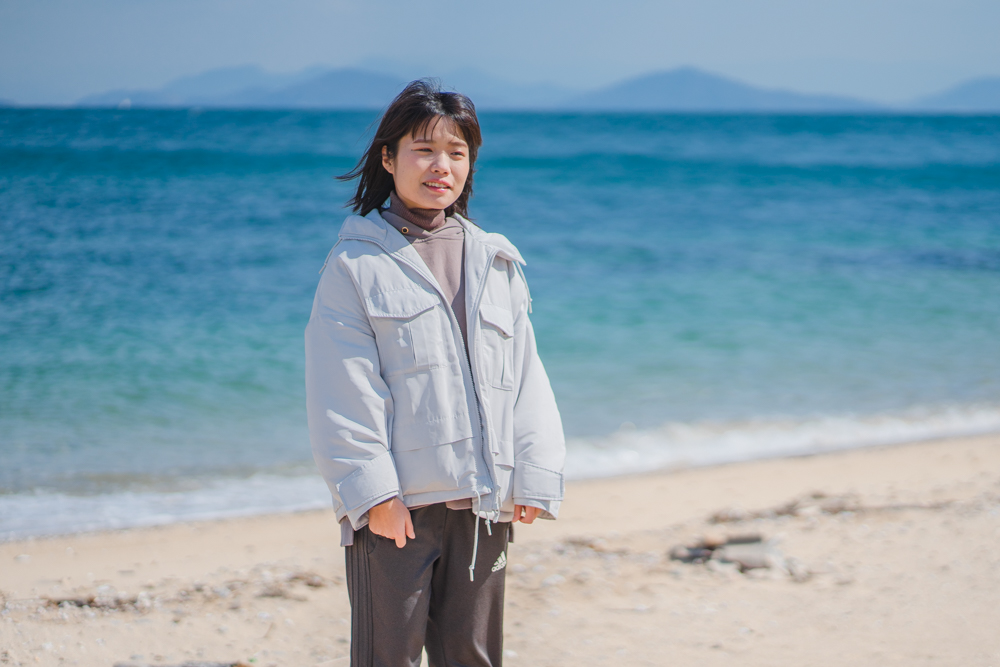
Can you tell us how you came to the island?
Douno
I was looking for a place where we could conduct fieldwork as part of the curriculum for a correspondence high school.
I heard there was an abandoned elementary school and came to see if it could be used as a base for fieldwork, which led to my encounter with the island.
Since then, I have been visiting the island twice a year, in summer and winter, to engage in volunteer activities such as weeding with the children.
As we continued our activities on the island, our relationship with the islanders deepened, and we began to participate in events such as sports days and festivals held on the island.
Hioki
My encounter with the island came through my involvement in fieldwork.
As I continued my activities on the island, I started to be remembered by the islanders, and I began to enjoy spending time with them.
Before I knew it, I was also going to the island with the children.
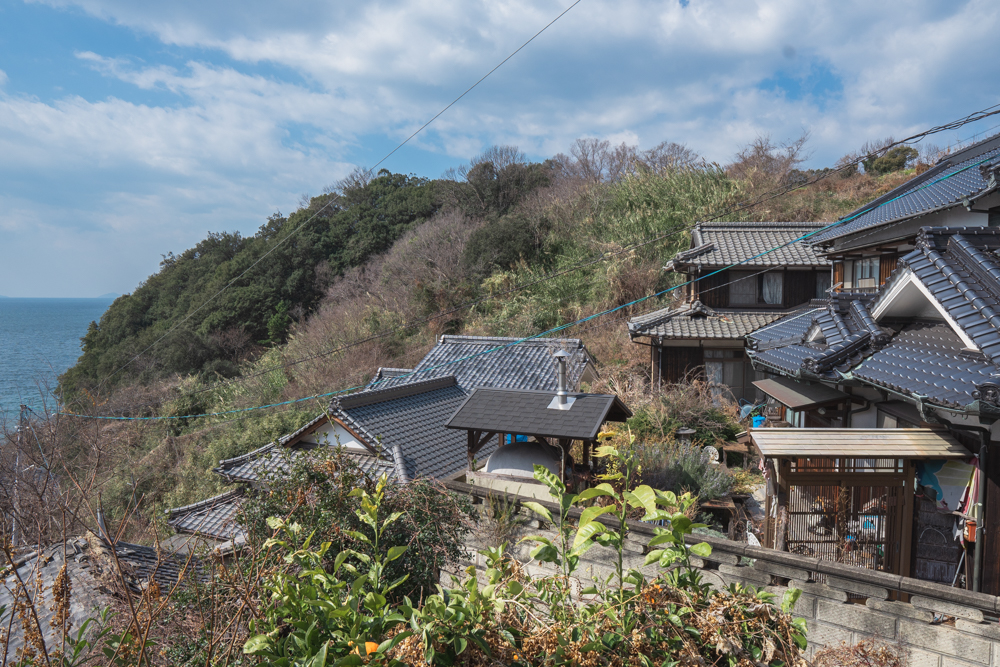
There are many elderly people on the island, and the population is decreasing, creating a situation typical of rural areas.
However, perhaps because of the island environment, the connections among the islanders feel stronger and kinder than in other rural areas.
There is no complicated reason; I simply enjoyed the interactions with people on the island, which is why I fell in love with the island and continue to visit it.
What led you to create the free school?
Douno
I did not have a strong desire to create my own school.
As I continued my activities on the island, children began to actively participate, and I started visiting the island with them once a month.
This became the foundation of Free School Ikumi.
Through interactions with the islanders and experiences like fishing in the sea, the children began to take initiative.
Watching the changes in the children, I felt that the environment of the island allowed their innate abilities to blossom.
As if drawn to it, I encountered the island, and as I continued my activities, a learning environment that fosters children's autonomy was created.
Before I knew it, I had the sense that I wanted to create a free school on the island.
What is the curriculum that utilizes the blessings of the island?
Hioki
Ikumi does not have a pre-prepared curriculum.
Rather than guiding children through a provided educational curriculum, we aim to create a place where children can grow on their own.
It is our role to prepare the environment of the island, such as interactions with the islanders and experiences in nature.
Having observed the children spending time on the island, I realized that the natural environment of the island helps children grow.
I believe that simply preparing the environment will allow children to grow on their own like plants.
From the Writer
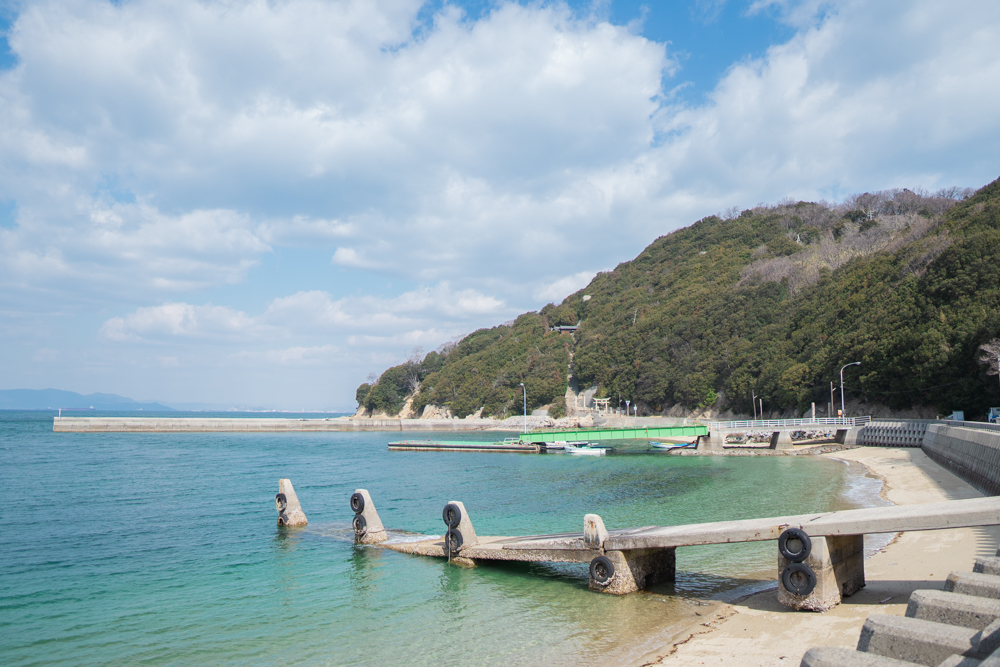
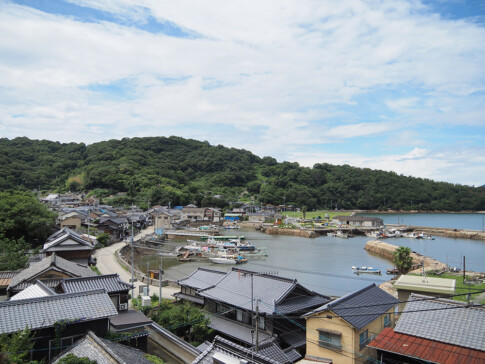
This is a personal impression from the author, but I felt that Hijima has a calm atmosphere that is not found on other islands in the Kasaoka Islands.
As I walked around Hijima, I noticed the lack of sound.
What I could hear were the sounds of waves crashing and the wind rustling through the trees.
While climbing the stone steps to Shimajinja Shrine and gazing at the sea from the beach, I found myself listening to the sounds of nature that I usually do not pay attention to.
When daily life becomes overwhelming and suffocating, it might be nice to visit Hijima to forget about convenience and efficiency and to rest the mind and body.
When I looked up the flower language of camellias, it was modest magnificence and unpretentious elegance.
These words perfectly describe the calm atmosphere of Hijima.
The unadorned, natural state of the island heals the children's fatigue and promotes their growth.


What do you want to know about Kurashiki?
Enter words to search articles from this site