We spoke with an island resident
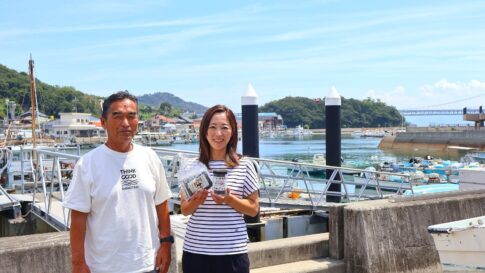
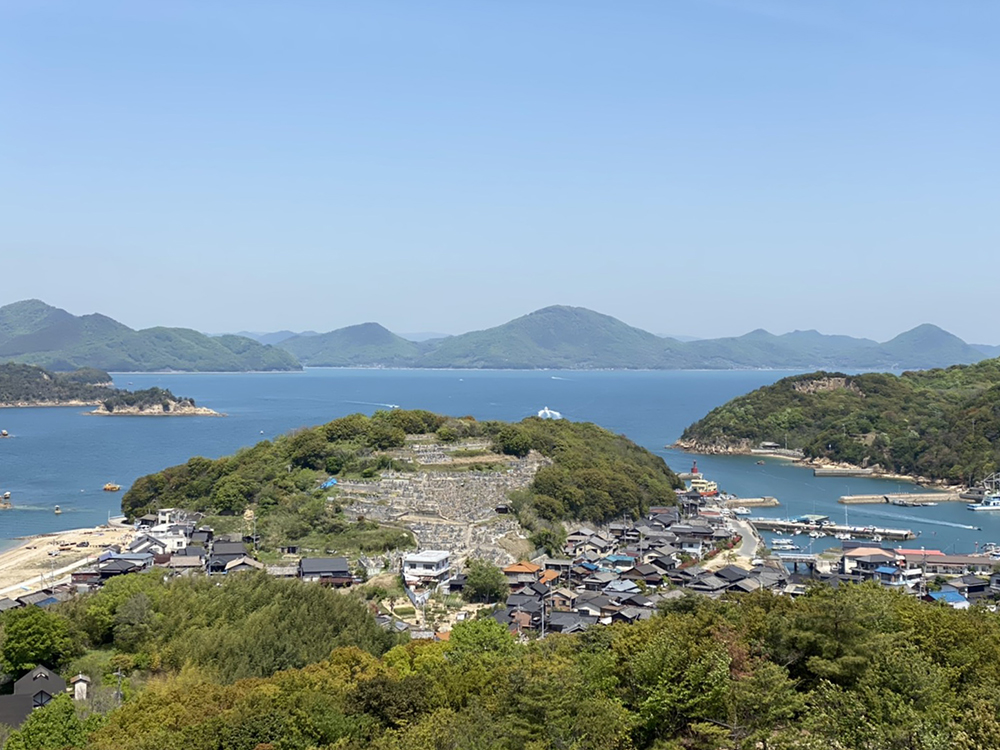
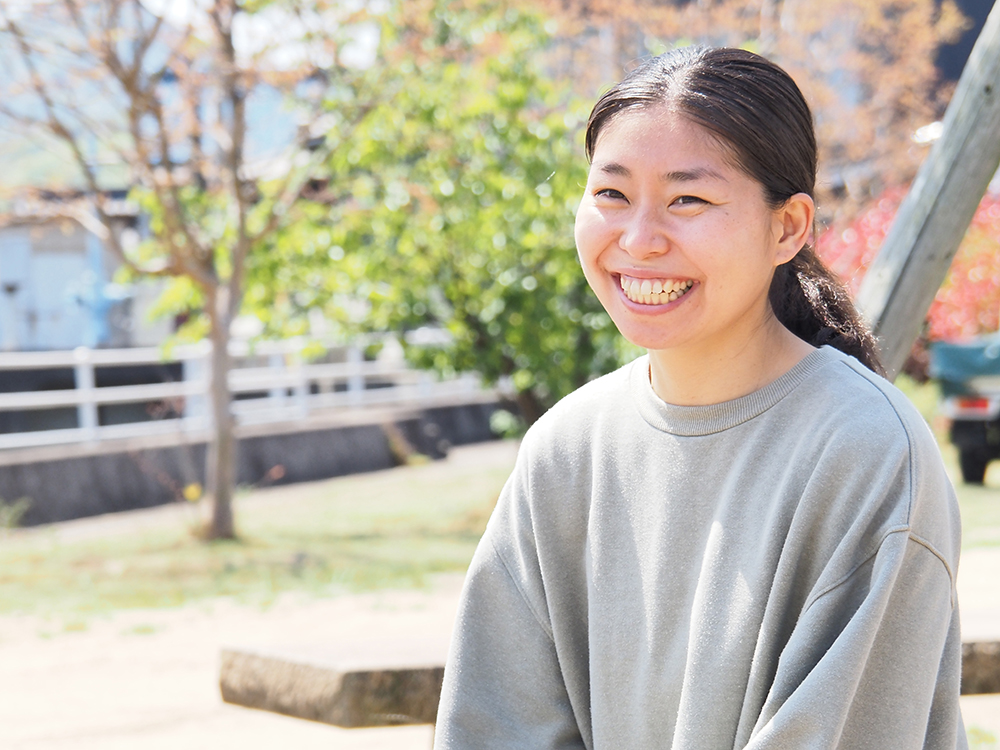
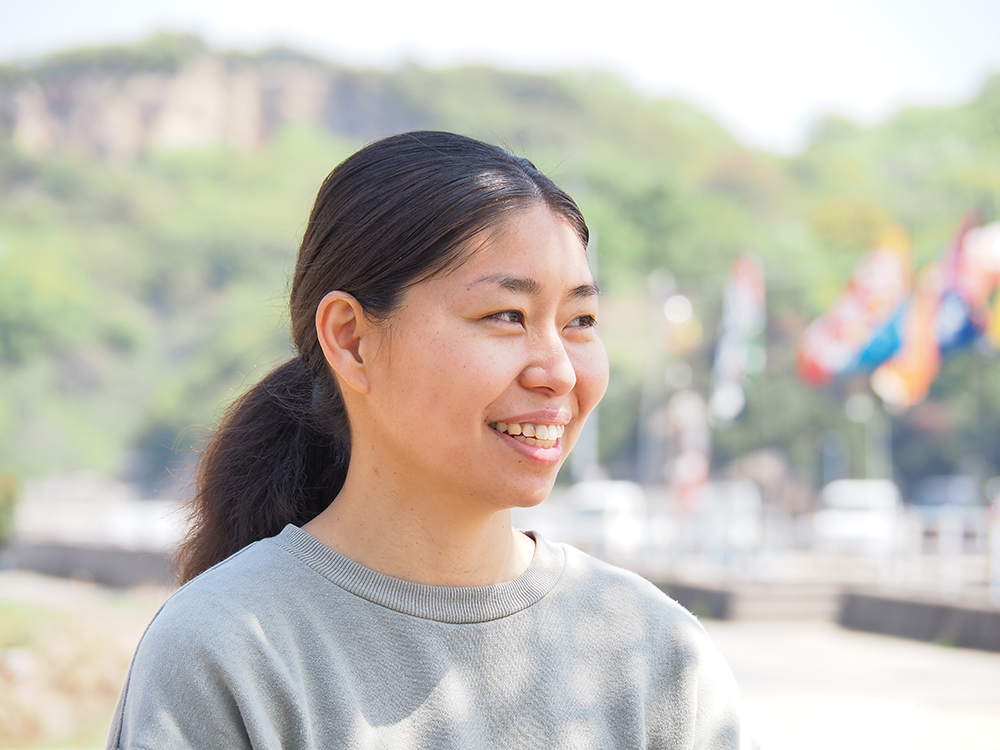
We spoke with Ayumi Muya, who moved to Shiraishi-jima Island with her family because they wanted to live there. As of 2021, they had been there for three years.
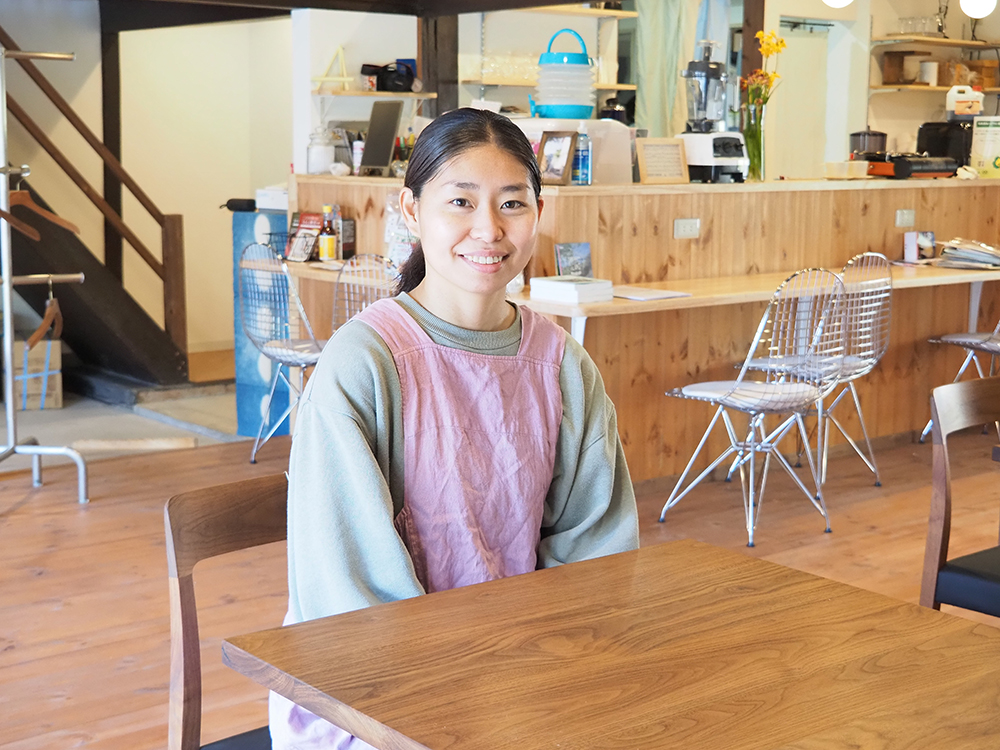
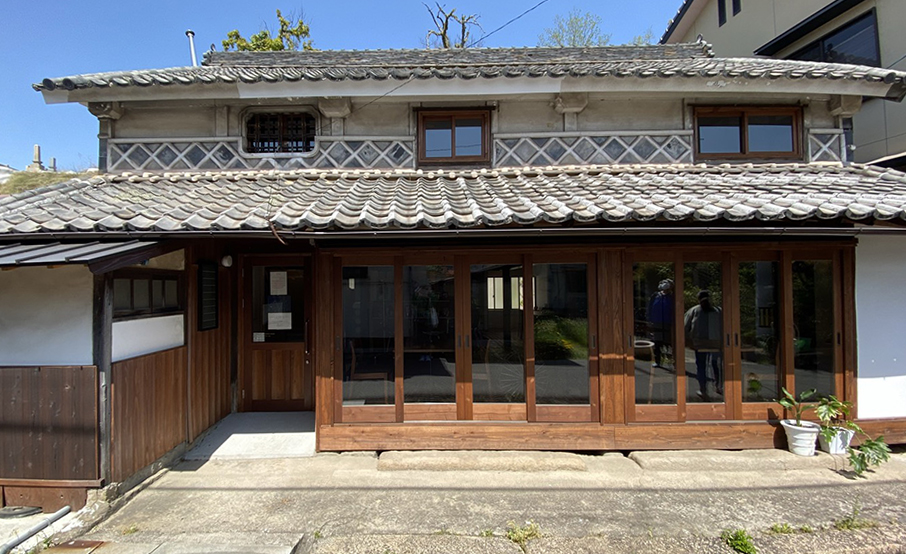
In July 2020, Muya renovated a traditional house in an alley about a two-minute walk from Shiraishi-jima Port and held a soft opening for Vegetarian Tea Shop KUa.
Tell us how you came to live on Shiraishi-jima Island.
Muya (surname omitted)
In April 2017, I joined the Kasaoka City Community Revitalization Cooperator program with the goal of becoming a farmer, and moved here from Osaka.
I was interested in the question, “How can we create a safe and secure way of life for ourselves?” I thought that being a farmer would let me make that kind of life possible through food.
We lived in central Kasaoka City for about a year, then moved to Shiraishi-jima Island in 2018.
I live here with my husband, who is from Tanzania, and our daughters, aged two and five, while cultivating a field.
My husband once made a living by catching fish and gathering coconuts on the coast of Tanzania, and he also enjoys living close to nature.
Tell us about Vegetarian Tea Shop KUa.
Muya
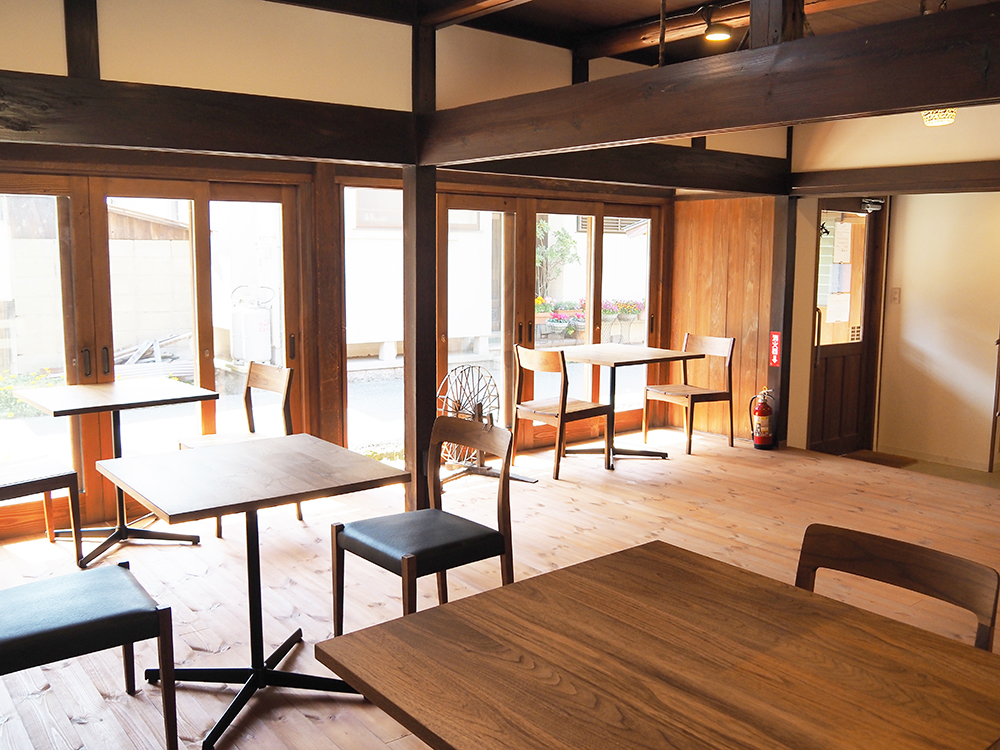
As its name suggests, Vegetarian Tea Shop serves vegan food.
Veganism is a lifestyle that avoids using animal products, including meat, fish, eggs, dairy products, and furniture made with genuine leather.
We serve mulberry juice made from berries picked on Shiraishi-jima Island, organic brown rice coffee, and a daily vegan lunch, among other things.
We sometimes use vegetables that we grow ourselves without fertilizer or pesticides.
I began thinking about a safe and secure way of life after the 2011 Great East Japan Earthquake and the accident at the Fukushima Daiichi Nuclear Power Plant.
I have also traveled to Tanzania and Rwanda in Africa because I wanted to experience “a life with only the essentials, using as few resources as possible.” That’s where I met my husband.
I also became interested in veganism through my thoughts about food.
“KUa,” the name of the shop, means “to grow” or “to nurture” in Swahili. It expresses our hope that the shop will be nurtured by everyone in the community.
It also sounds similar to “kuwa,” the Japanese word for mulberry, which grows on Shiraishi-jima Island.
What has it been like living on Shiraishi-jima Island?
Muya
Many people on Shiraishi-jima Island have experience coming from elsewhere, including those who moved here after getting married, those who left the island in their working years and later returned, and people who have relocated here.
Perhaps because of that, many people understood the difficulties we faced as a family moving here with no connections to the island, and we were grateful for that.
People would help us when we were carrying a lot of luggage, and say things like, “Let me know if you have any trouble,” or “I understand—I worked while raising a family, too.”
It’s also lovely how fond people are of our children.
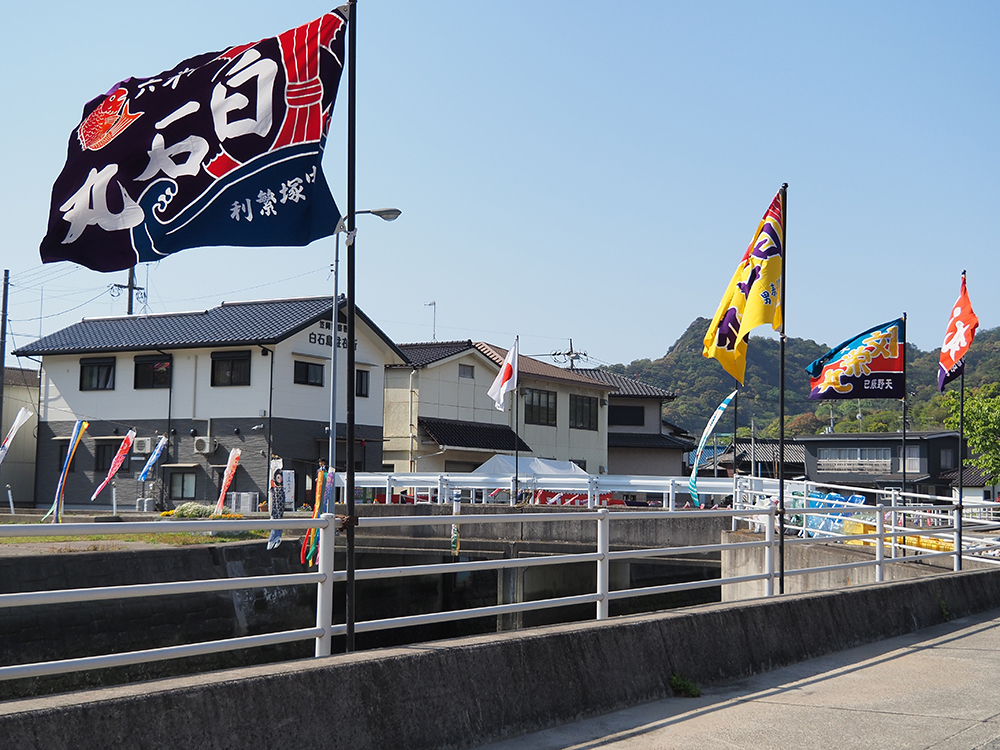
There is an international exchange villa, and perhaps because many foreign tourists visit, I have always felt that the island has a spirit of hospitality. At the same time, I also feel that it has a culture of helping one another. We have received so much help.
Is farming going well?
With the natural farming without fertilizer or pesticides that I wanted to practice, I am taking on the challenge of collecting seeds from heirloom and native varieties.
These are seeds suited to the local land and climate that can carry life forward for many generations, rather than F1 seeds, which last for only one generation.
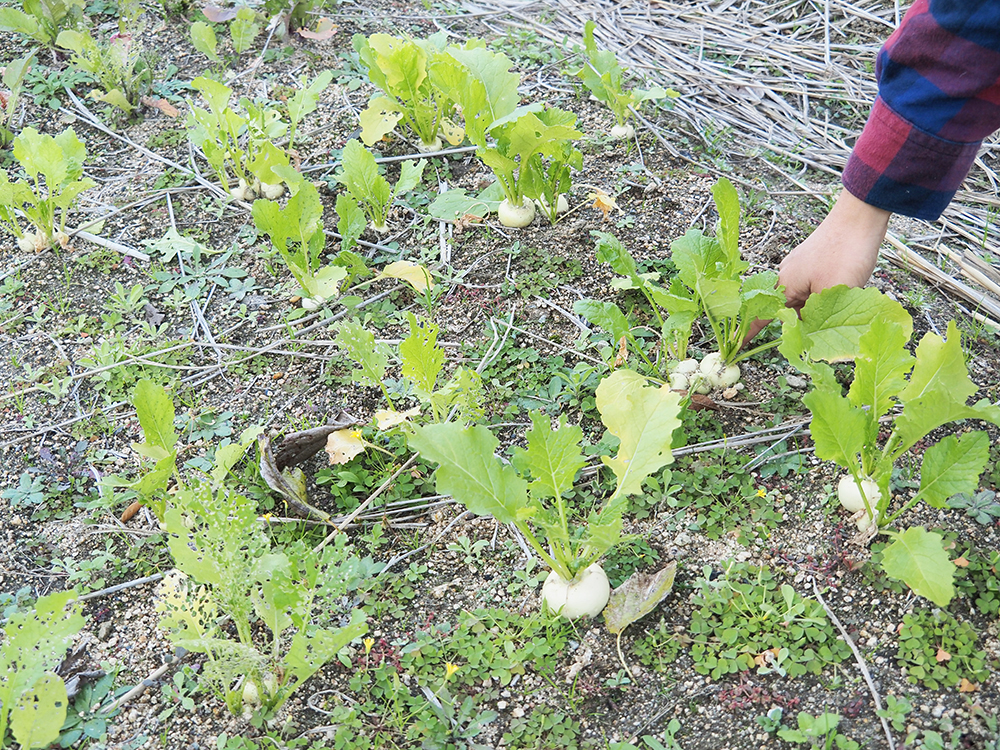
I am committed to sustainable natural farming because, for example, if distribution were to stop, we would have to give up farming if we had no fertilizer or seeds.
It would be sad if outside factors left us without food or took away our opportunity to be physically active.
If we can produce food locally for local consumption without fertilizer or pesticides, there is a greater chance we can continue farming without being affected by outside factors.
It is also kinder to the land and, in the long run, to our wallets.
Living on nature-rich Shiraishi-jima Island has made me even more aware that resources are limited.
I used to focus on whether something was safe and secure for our own bodies. Now, in addition to that, I want to create a cycle that is kind to the soil, air, and global environment that sustain the vegetables we grow.
What do you recommend visitors do while on Shiraishi-jima Island?
Muya
Swimming, of course, in summer. But I’d like people to visit outside the summer season, too, so I’d say trekking.
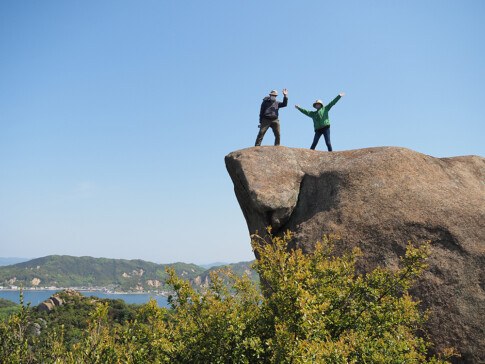
One of the highlights is that there are large rocks you can climb.
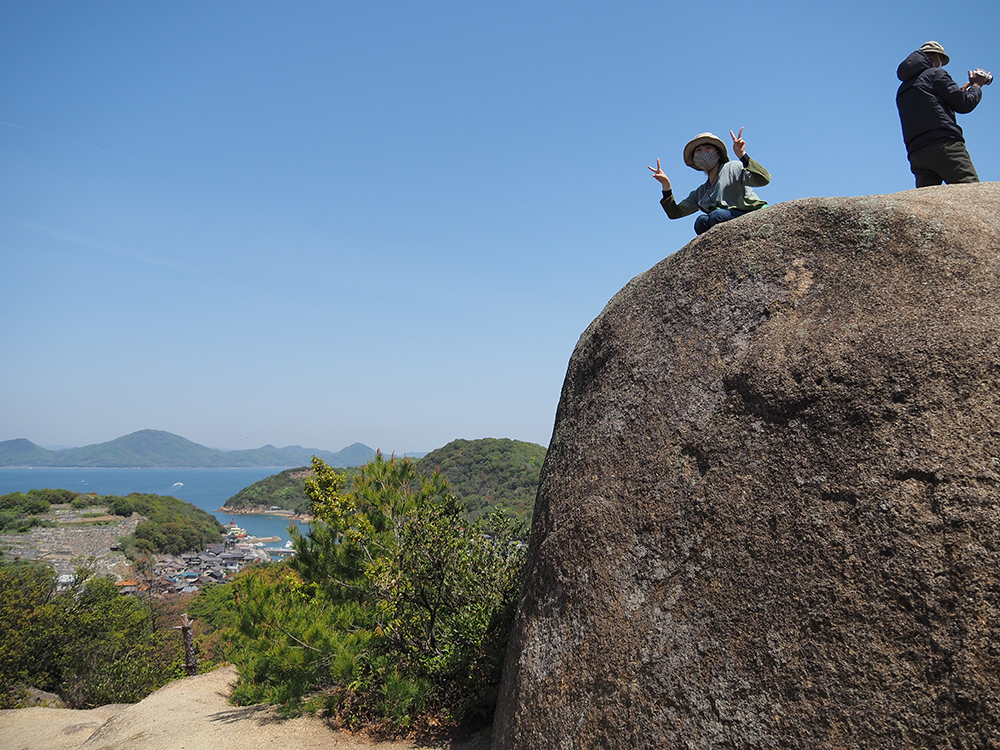
Shiraishi-jima Island once had a major wildfire, so there are still many young, short trees, and the views are another distinctive feature.
Many young foreign tourists say, “I went running in the mountains this morning.”
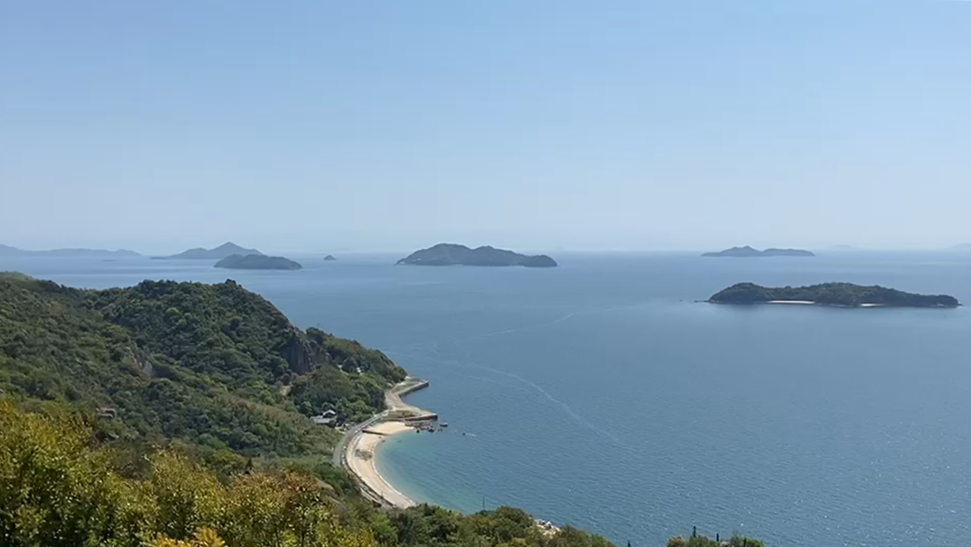
Also, hardly any cars drive around, so it’s very quiet.
I think it’s perfect for getting away from everyday life, reflecting on yourself, and relaxing your mind and body.
Some people stay here to read or write.
Some also come for yoga, detoxing, or fasting, as they can feel the energy of nature.
Visitors say that walking around the island is refreshing.
From the Writer
Shiraishi-jima Island lets you feel nature firsthand. You can enjoy swimming or go trekking.
After hearing Muya’s story, I felt that simply spending time on Shiraishi-jima Island can itself be a pleasure of traveling.
Taking in the beautiful view of the many islands and traveling as if you lived here may lead to all kinds of discoveries.
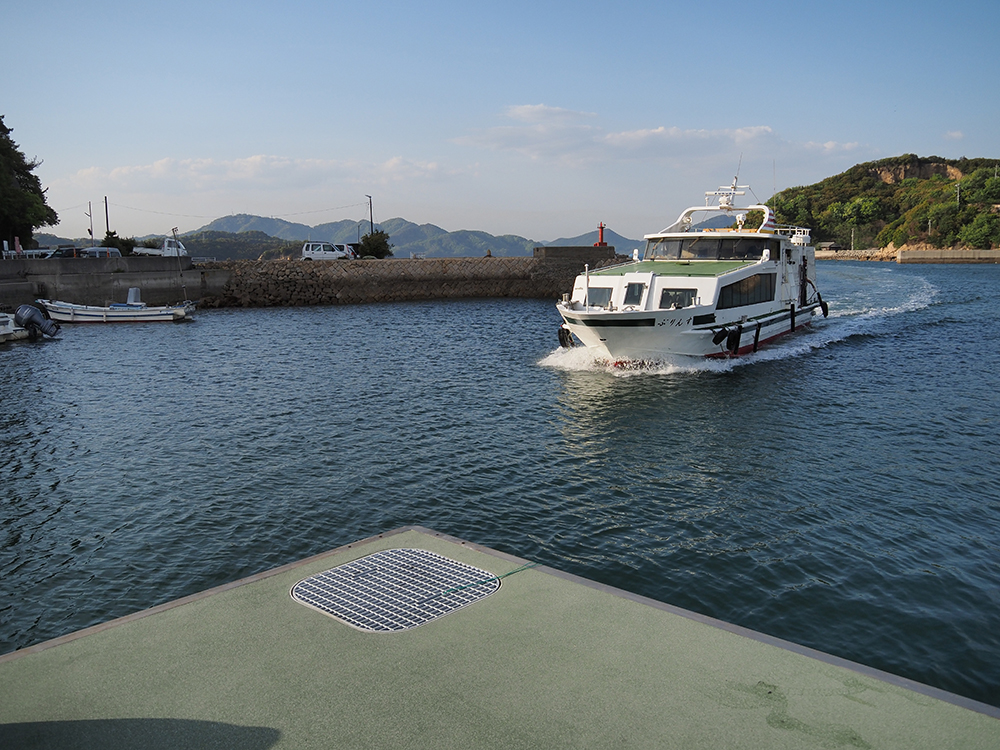
This was my fourth visit to Shiraishi-jima Island. Every time, the island reveals a new charm.
I usually visit for the day, so next time I’d like to stay overnight and take it easy.

What would you like to know about Kurashiki?
Enter a word to search articles on this site