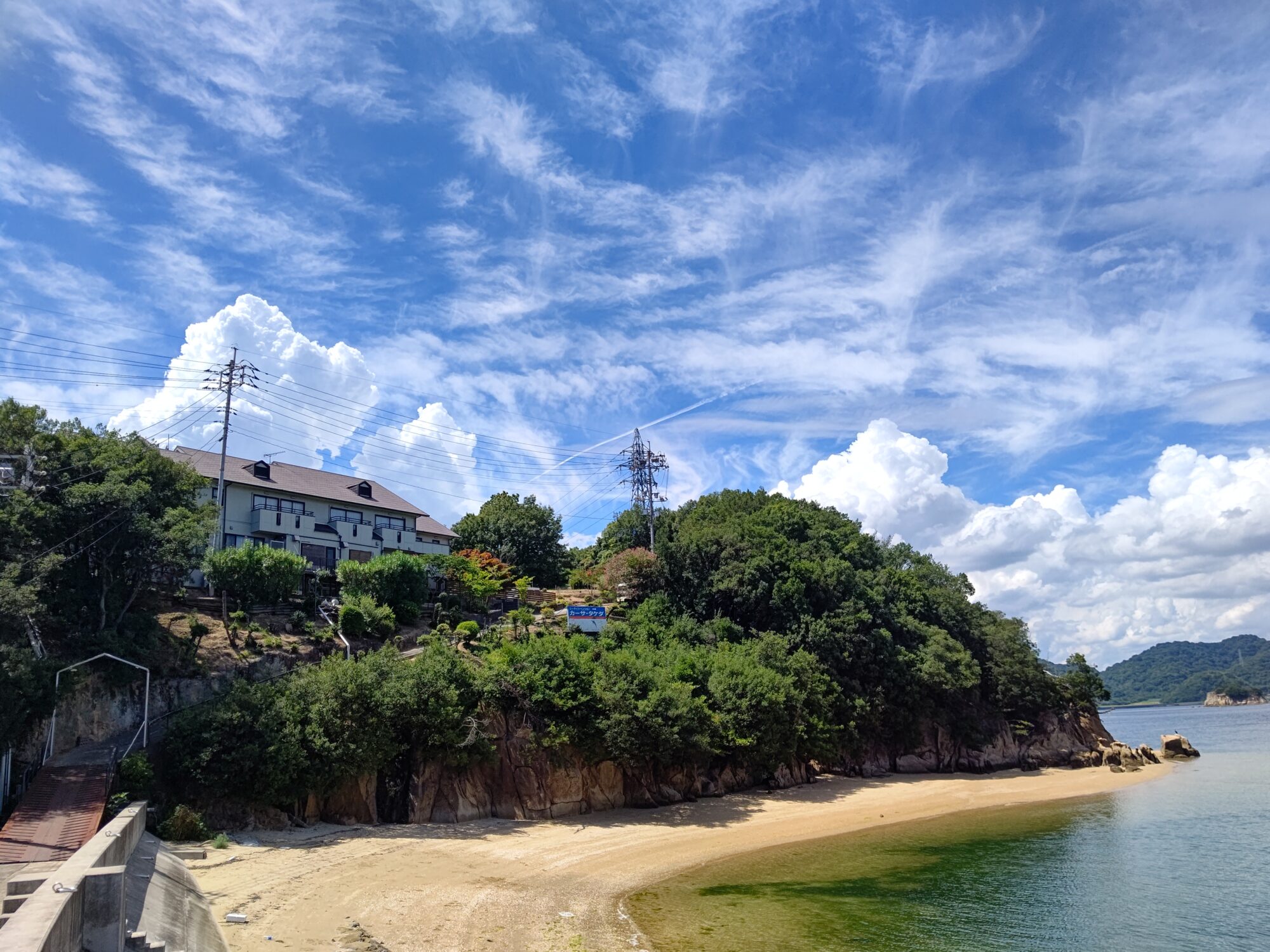
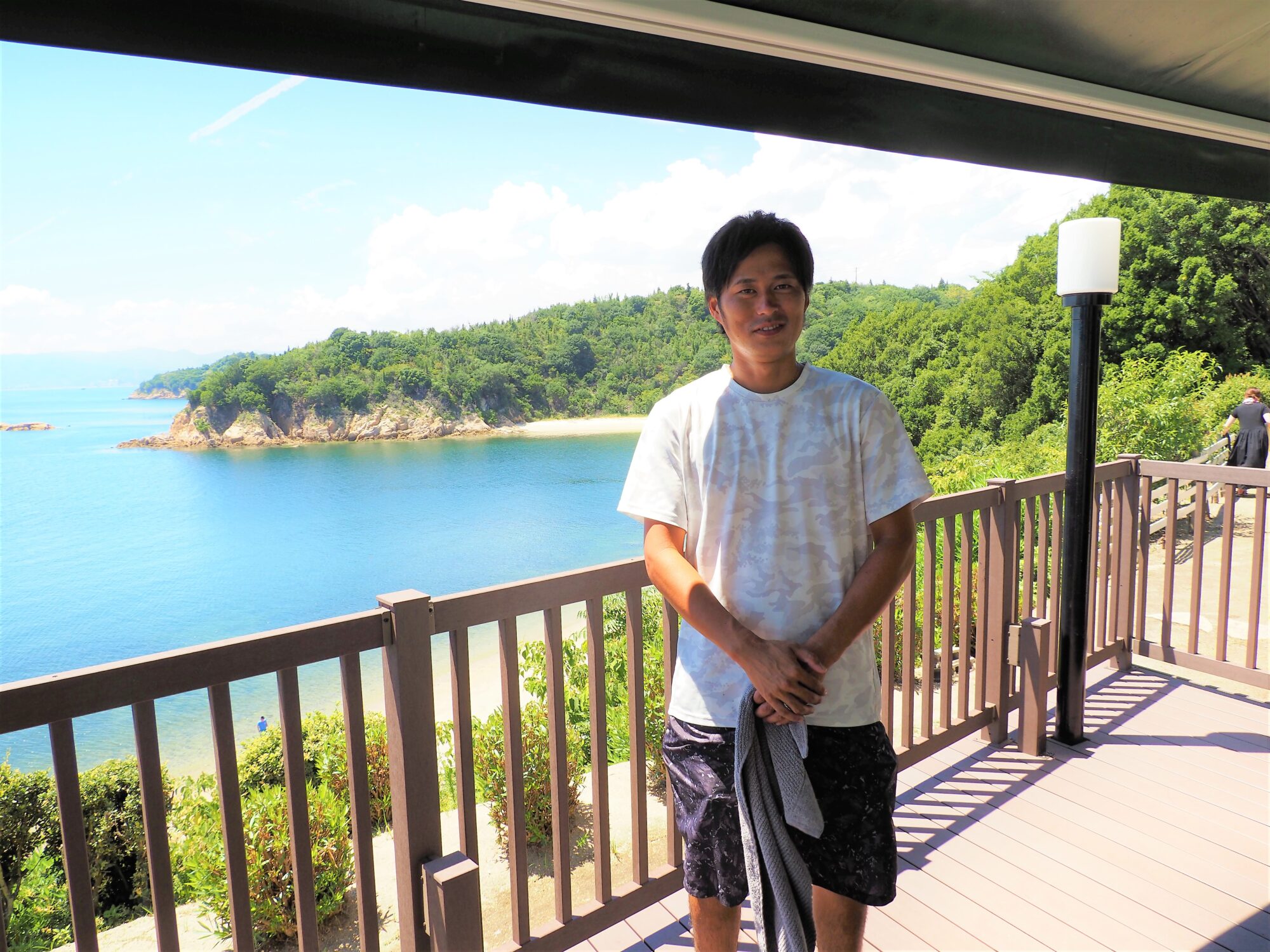
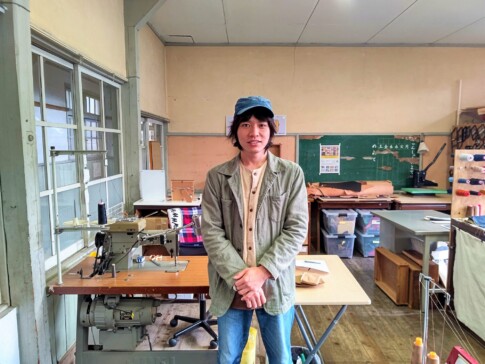
We spoke with Kohei Takeda
Mr. Takeda keeps his passion close to his heart.
He spoke candidly about the current state and future of the fishing industry and Takashima.
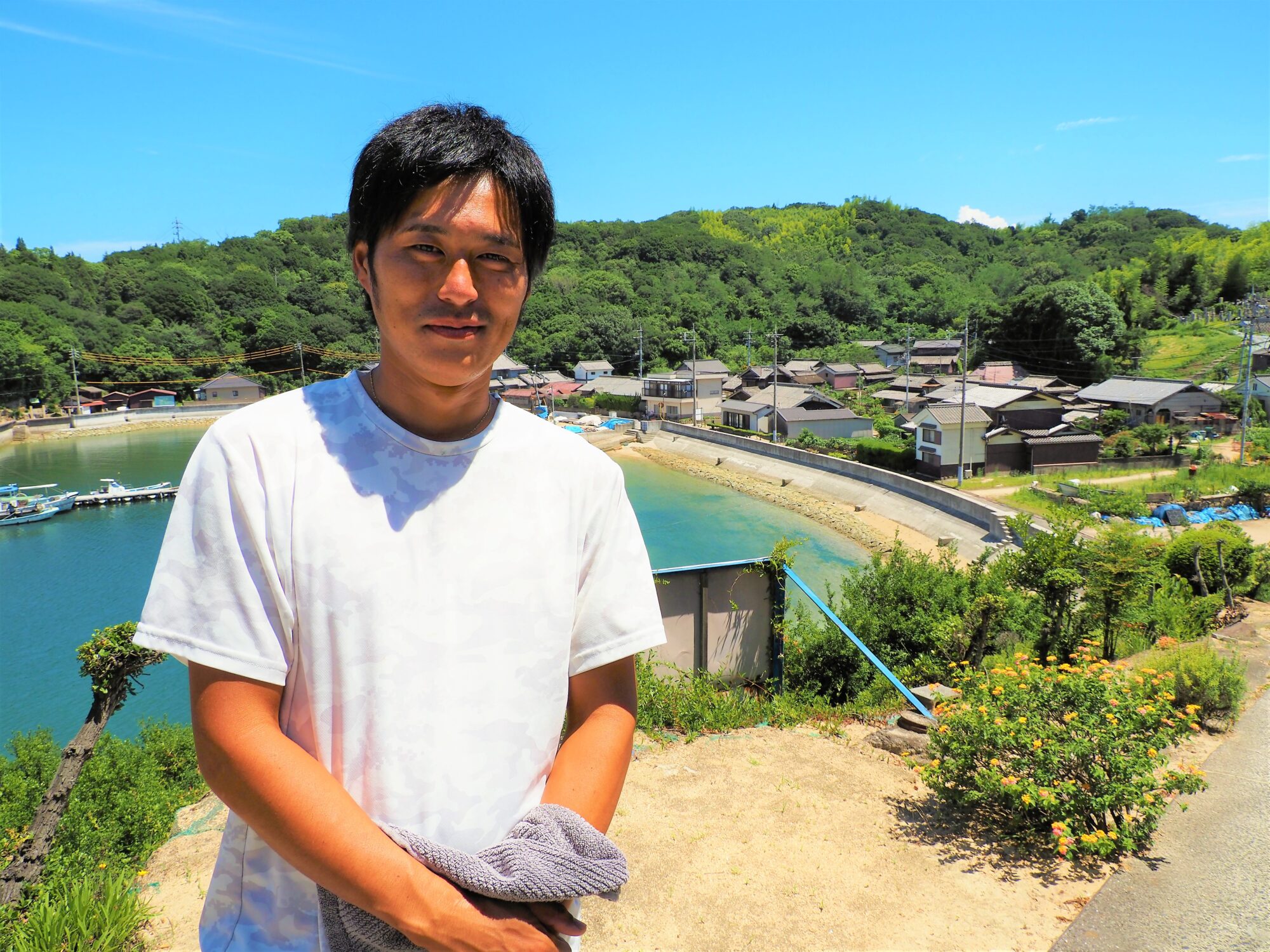
Tell us about life on Takashima.
Takeda (honorific omitted)
I commute to the island by boat from the mainland every day.
Takashima is the closest of the Kasaoka Islands to the mainland, so most islanders also have homes on the mainland.
My home is on the mainland too, so my children’s nursery school and elementary school, as well as our everyday shopping, are basically all over there.
The island is, so to speak, my “workplace.”
In the morning, I “go to work” and head out fishing.
After returning from fishing, I take care of work at the inn (Casa Takeda), then take the boat back to the mainland in the evening.
When things are busy, I often stay overnight on the island, but that’s basically my lifestyle.
Commuting to an island! It’s hard to imagine in the city. What do you think makes Takashima distinctive, Mr. Takeda?
Takeda
I suppose it’s that it’s close to the mainland.
It’s about 25 minutes by regular ferry from Sumiyoshi Port, and less than 5–6 minutes from Konoshima Soto-ura Port, so it’s easy to travel back and forth.
Also, it’s a very small island, so time passes at a leisurely pace.
Guests at the inn tell us, “It feels like an escape from everyday life, even though it’s so close,” and “It’s relaxing,” which makes me happy.
And, hmm, what else?
Actually, I’m not that confident about Takashima (laughs).
What! You’re not confident about it?
Takeda
That’s right (laughs).
For example, Shiraishi-jima Island has swimming, Kitagi-shima Island has its stone-quarrying culture, and Manabe-jima has its old streetscape—each has a catchy selling point, doesn’t it?
Personally, I feel Takashima is a little lacking in that regard.
It’s hard to come up with a clear image of “this” when you hear “Takashima.”
But maybe that’s because I’m a local.
As I mentioned earlier, guests and people who come to the island from elsewhere see value in Takashima as an “affordable escape from everyday life.”
So, through Casa Takeda, I’d like to promote Takashima’s value more.
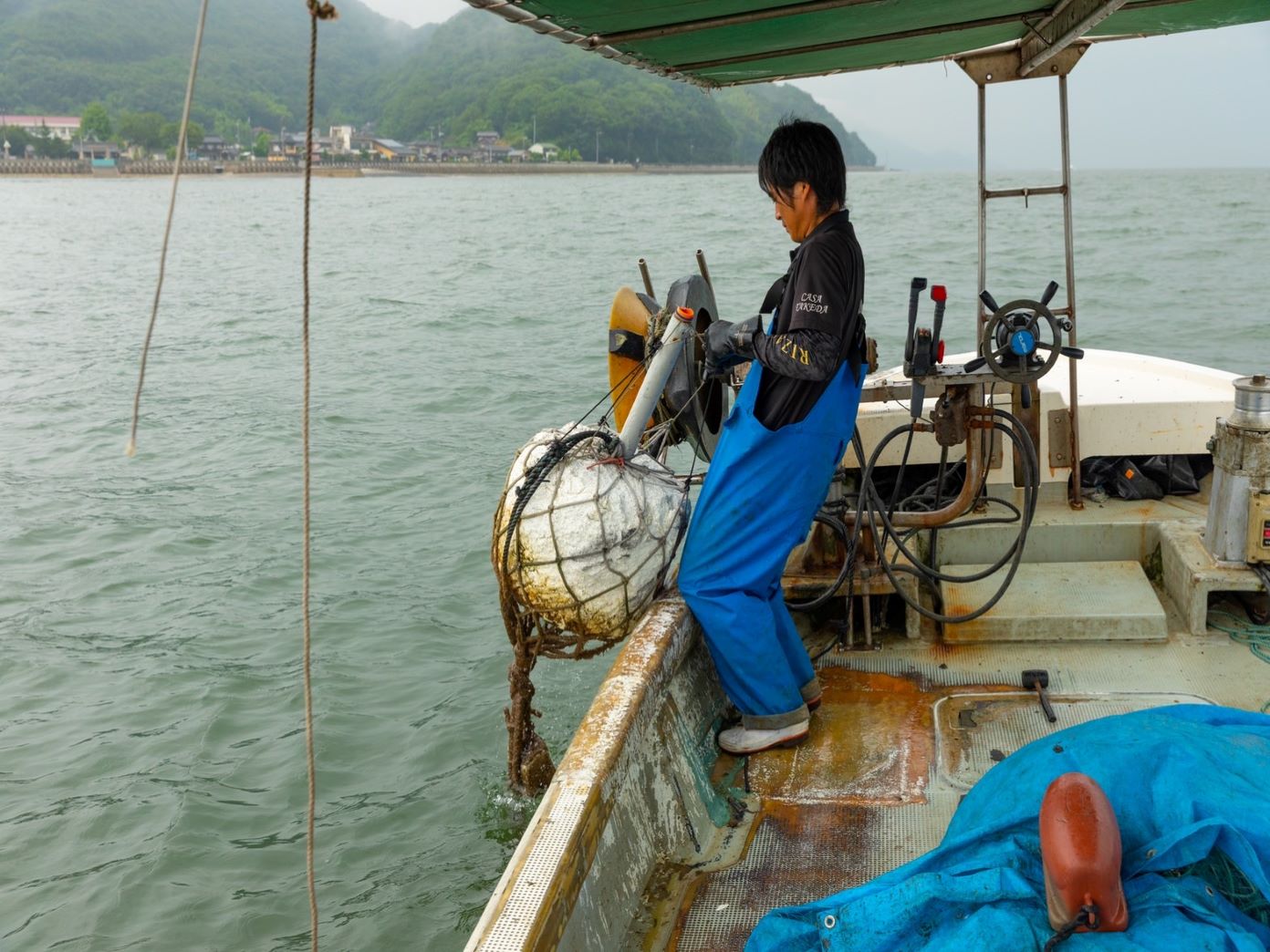
Tell us about the fishing industry on Takashima and in Kasaoka City.
Takeda
This isn’t limited to Takashima or Kasaoka City, but the fishing industry is facing difficult circumstances across the Seto Inland Sea and throughout Japan.
The marine environment changes year by year, and fish numbers are declining.
As countermeasures, fishers and fisheries cooperatives are actively cleaning up marine litter and planting seaweed seeds, but the reality is that these efforts have yet to make enough of a difference.
Things will get even tougher in the future if this continues.
On top of fish becoming scarce, Japanese people are also eating less fish.
It’s an era when fish aren’t selling for two reasons at once.
So what should we fishers do?
I think we should compete on “quality, not quantity.”
Since there are fewer fish, we need to add value to each one.
For example, when Casa Takeda processes fish into dried fish, instead of splitting them open as is usually done, we fillet them into three pieces before drying them.
That makes them easy to eat without much preparation, even for ordinary households.
We’re always looking for ways to provide “something better for our customers.”
It’s important to put yourself in the customer’s shoes.
Takeda
That’s right.
As for fishers in Kasaoka City, the proportion of younger fishers aged 30 and under is actually higher than elsewhere.
So I think that if we all come together, with the younger fishers at the center, we can do something big.
For example, we could build a brand and increase the value of seafood from Kasaoka.
We need to share a common vision for promoting Kasaoka’s fishing industry.
Another area is public relations.
Casa Takeda is good at catching, cooking, and processing fish, but we feel we have challenges when it comes to attracting customers and advertising strategy.
One option is to ask an outside third party to handle it.
You mentioned public relations and sharing information. Please tell us your thoughts on events and tourism.
Takeda
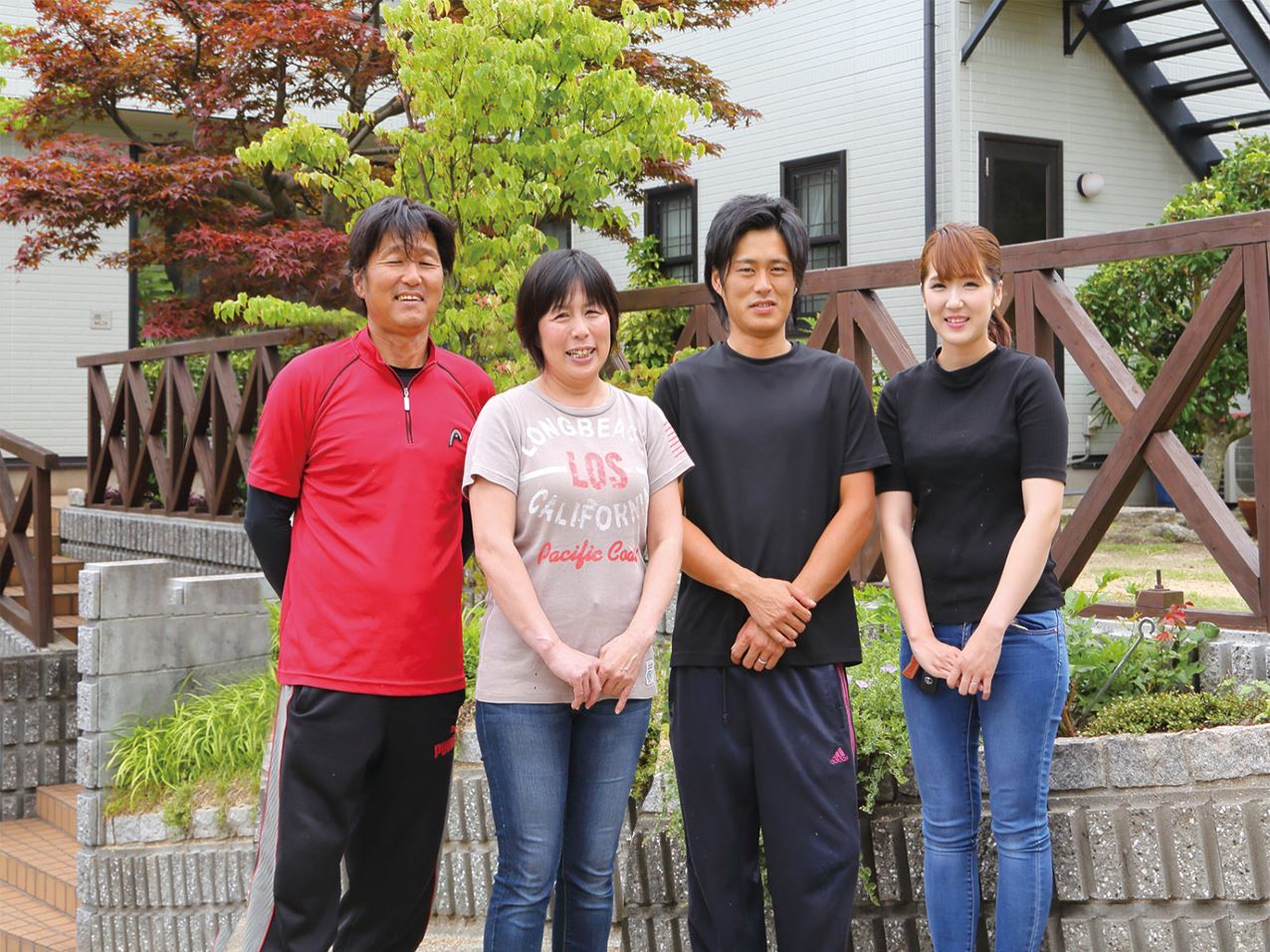
It’s actually only been about two or three years since Casa Takeda started actively planning events.
As demand for fish declined and catches fell, the COVID-19 pandemic began, dealing us another blow, and fewer customers came to visit.
Around that time, our current head chef joined Casa Takeda.
We felt we had to do something, so we exchanged all kinds of ideas.
Our fish delivery service and the “Thrilling Live Octopus-Pot Haul” also came about in this way.
We’ve started holding events more actively, but our approach hasn’t changed.
That is, everything is centered on the “sea” and on “fish.”
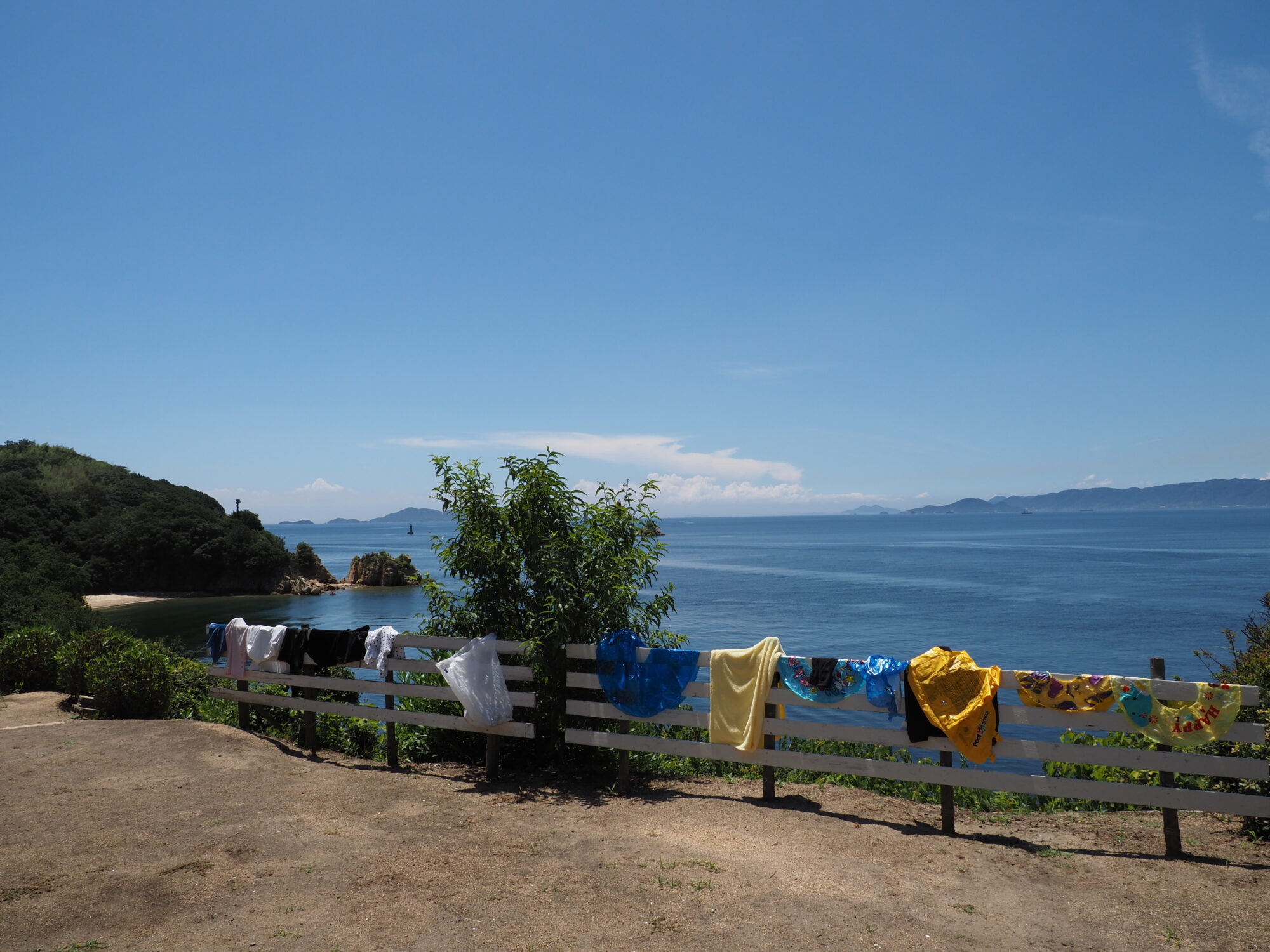
Our work would not be possible without Takashima’s sea and fish.
That’s what we prioritize most in our events and information sharing, and ultimately, everything comes back to it.
We feel the same way about tourism.
Since we run an inn, of course we think about tourism.
But it’s not about turning Takashima into a major tourist destination or making a fortune.
It’s a small island, so it doesn’t have the capacity to accommodate large numbers of tourists, and many people want to live quietly.
Besides, even if Casa Takeda alone made a lot of money, the other islanders wouldn’t benefit.
That’s why we value our connections with the community.
We actively take part in helping with festivals and local events.
Also, rather than building new facilities, we want to cherish what the island already has.
In other words, these are things that “only Takashima has.”
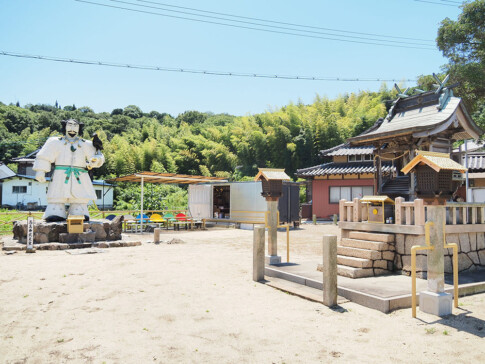
That includes historic sites related to Emperor Jimmu; we want to preserve Takashima’s resources.
And, in the end, the most important thing is to “help people learn about Takashima.”
Nothing will happen if we do nothing, so I’d like all the islanders to work together and keep sharing information to raise Takashima’s profile.
It would be wonderful if Casa Takeda could be the catalyst for that!
From the Writer
During the interview, we were treated to a special lunch at Casa Takeda.
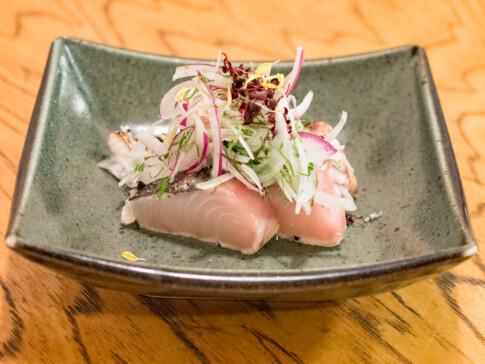
It was a signature dish made with seafood from Takashima caught by Mr. Takeda and prepared with care by the head chef.
“I recommend the smoked octopus,” said Mr. Takeda.
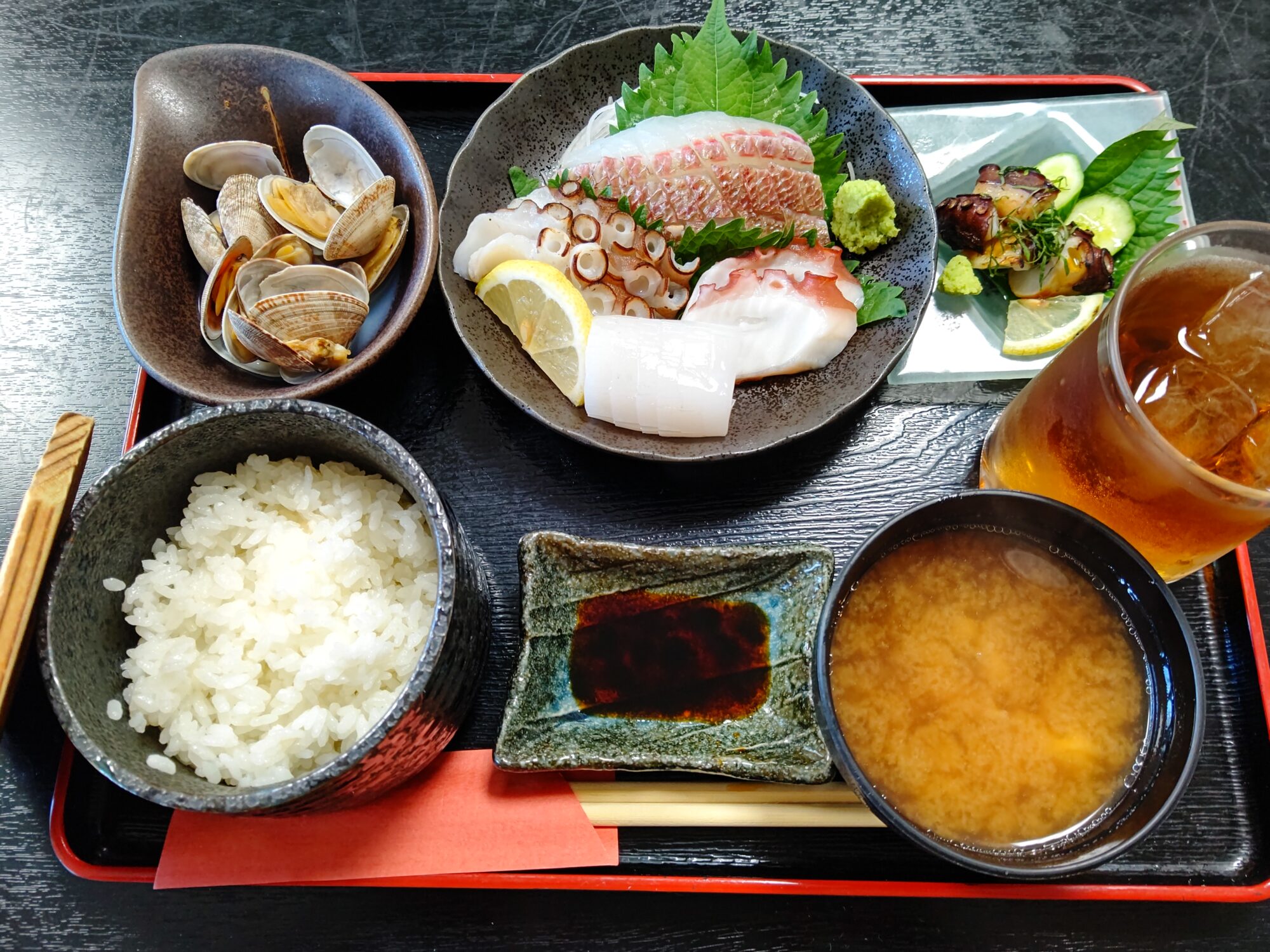
With the first bite, the octopus’s sweetness, the scent of the sea, and its smoky flavor filled my mouth.
Ah, so this is Takashima’s “sea.”
It was a moment when Mr. Takeda’s passion went straight to my heart.
Japan’s fishing industry is now at a crossroads.
Even looking at primary industries as a whole, the news is certainly not all positive.
However, it is also true that “professionals” like Mr. Takeda, with a vision for the future, are firmly on the front lines.
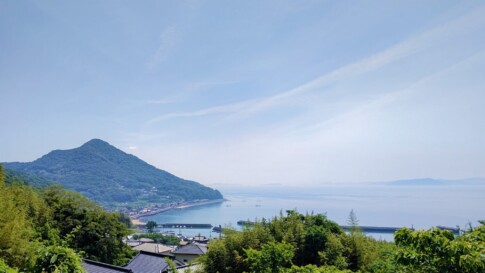
The Seto sea viewed from the boat on the way back seemed to have a slightly different look than usual.
Takeda Fisheries Co., Ltd. (Casa Takeda) Information
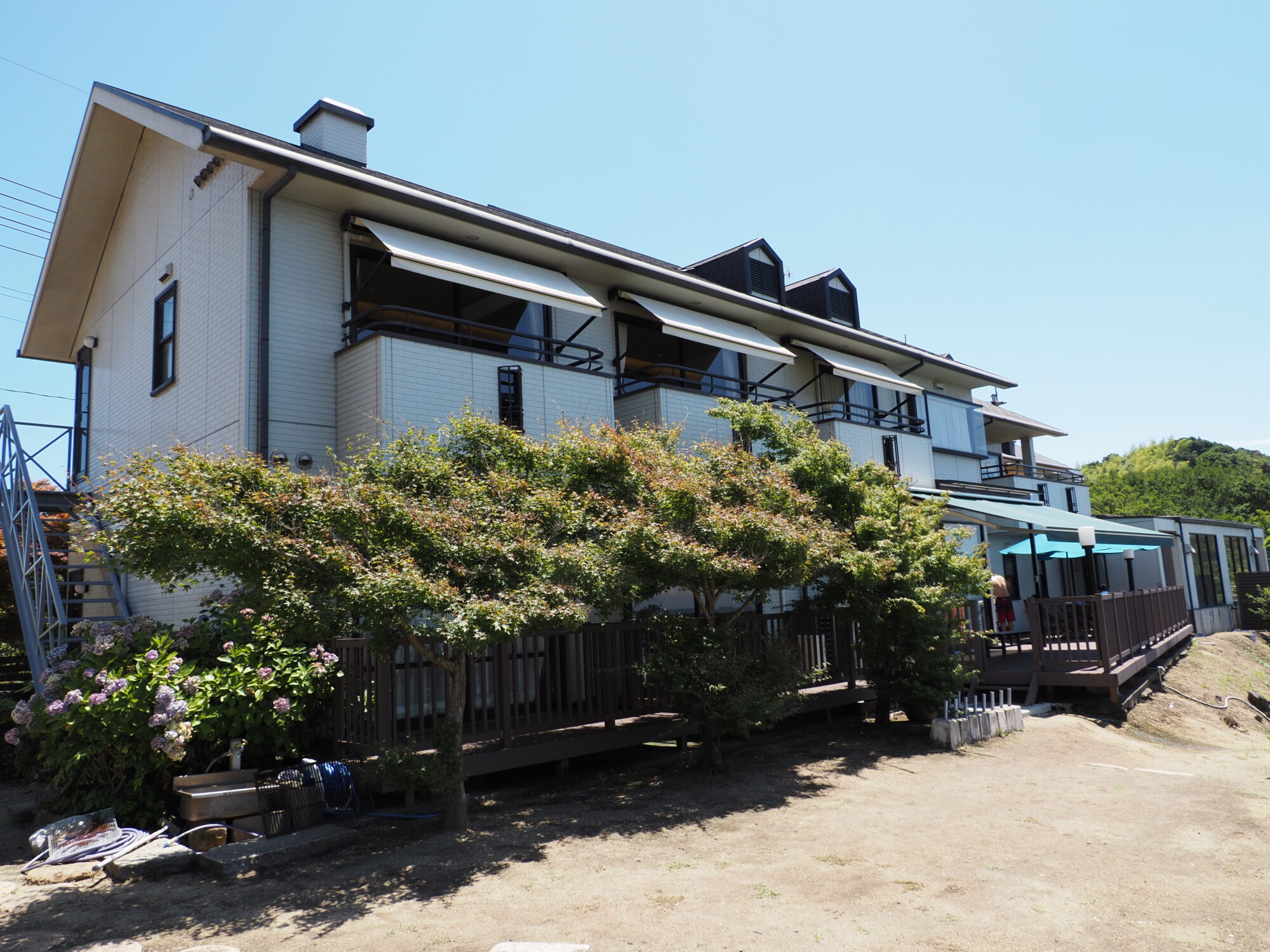
| Name | Takeda Fisheries Co., Ltd. (Casa Takeda) |
|---|---|
| Location | 5208 Takashima, Kasaoka City, Okayama Prefecture |
| Contact | 0865-67-6188 |
| Parking | None |
| Opening hours | 8:00 a.m.–6:00 p.m. (until 5:00 p.m. on Sundays and public holidays) (inquiries) |
| Closed | None |
| Admission (tax included) | ・Accommodation (per person, per night, including two meals and tax) Adults (junior high school age and older): ¥12,000 and up; children (elementary school age and under): ¥9,000 and up; preschoolers (under elementary school age): ¥7,000 and up ・Meals (per person, tax included) Lunch: Course A ¥3,300, Course B ¥5,500 Seafood barbecue: Course A ¥2,200, Course B ¥3,300 ・Activities (total for 10 people, tax included) Set-net fishing experience: ¥110,000 (up to 10 people, lunch and souvenirs included) Drinks are charged separately. Accommodation during Obon and Golden Week costs an additional ¥2,000. For preschoolers staying without meals, a facility use fee of ¥1,100 applies. Cancellation fees apply. |
| Payment methods |
|
| Reservations | Available Reservations required (book at least 3 days before use); available for groups of 2 or more. Set-net fishing experience is available only in spring (the specific season varies by year). |
| Smoking | Non-smoking (smoking permitted only in designated areas) |
| Website | Casa Takeda |

What would you like to know about Kurashiki?
Enter a word to search articles on this site