

A passionate event brought a burst of sunshine to the damp, gloomy rainy season.
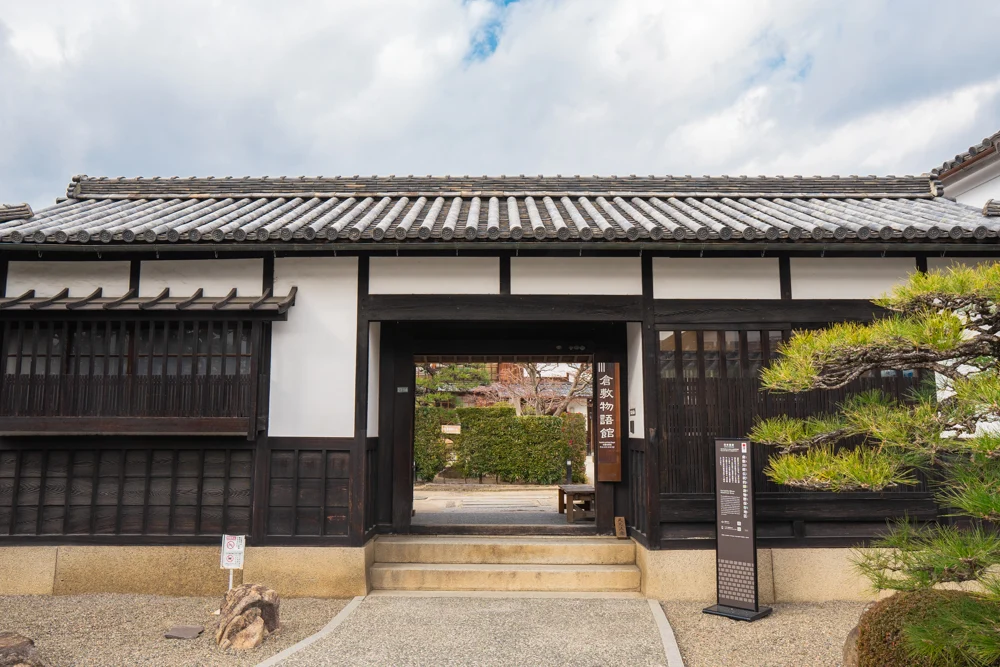
On Saturday, June 20, 2026, the flamenco stage performance “Scent of the Soil” was presented in the multipurpose hall at Kurashiki City Kurashiki Monogatari-kan. Flamenco is an art form comprising dance, singing, and guitar.
It was an unusual combination: flamenco in the Bikan Historical Area.
Having studied dance myself in the past, I decided to go and experience a new genre.
Here’s a look at the event.
The information presented here was accurate when this article was published in July 2026. Please note that it may differ from current information.
About the flamenco stage performance “Scent of the Soil”
The flamenco stage performance “Scent of the Soil,” organized by the Kurashiki Spain Association, is an original production that interprets the history of Kurashiki through flamenco.
The performance consisted of the following six parts:
- Things of the Earth
- Cotton Fields
- Workers’ Song
- Joy
- Solea — Solo
- Epilogue
The dancer was Imai Mio, representative of the Kurashiki Spain Association.
Imai is from Kurashiki City. She moved to Spain in 2020 and is a flamenco dancer who has trained under professionals. Guitar and vocals were performed by Imai’s husband, Joti de Jerez, who is from Spain.
The flamenco stage performance “Scent of the Soil” was also selected for support under the FY2026 Kurashiki City Cultural Promotion Fund Grant Program.
The day of the performance

Despite the rain, audience members began arriving one after another at the multipurpose hall in Kurashiki Monogatari-kan. Some reportedly saw the poster at the entrance and decided on the spot to come in and watch.
The multipurpose hall was originally a rice storehouse.
It is characterized by small windows and two large pillars. Two chairs had been placed at the front, with a guitar and cotton arranged beside them.
About 40 people attended that day, and the performance began at 5 p.m.
Passion shapes the city of Kurashiki — Performance report, Part 1
The performance began with Joti’s resonant voice.
Since it was themed around the history of Kurashiki, cotton had been placed on the chairs.
In the first part, “Things of the Earth,” dance and song intersected as Imai faced Joti.
Their performance conveyed the intensity of two souls colliding.

Next, in “Cotton Fields,” Joti also performed a solo. His beautiful guitar fingering and crisp, sharp notes were breathtaking.

Imai appeared in a different costume.
A basket filled with cotton evoked the beginnings of Kurashiki’s textile industry, while passionate handclaps (palmas), smiles, and lively music came together.

The third part, “Workers’ Song,” followed.
Imai showed off her graceful footwork, seemingly expressing the dedication of the people who work in Kurashiki. The sounds reverberating across the floor could be felt throughout the audience.

When the music stopped, Imai left, saying in the Okayama dialect, “Ain’t there still work to do?”
This brought the first half of the program to a close.
The quiet space was suddenly enveloped in passion.
The joy of a city’s growth — Performance report, Part 2
The second half began with the upbeat “Joy.”
Imai was dressed in red. Her flowing costume and fabric, along with every movement of her fingers, once again filled the venue with the atmosphere of Spain.

In Joti’s following piece, “Solea — Solo,” the gentle tones of the guitar filled the quiet venue. It was as if a peaceful townscape were taking shape.
Footsteps echoed from the wings, and Imai appeared in a white costume. Her quick steps intertwined with the sound of the guitar.
Imai’s expressions ranged from powerful to smiling. You could feel the joy of Kurashiki’s growth.

The two clapped and stamped their feet in perfect unison. The sound of Joti’s guitar grew louder, too.
The audience cheered, “Olé!”
Imai’s vigorous footwork once again captivated the audience. When silence fell, a loud round of applause broke out.
With expressions that seemed to overflow with emotion, the two embraced at the end.
Their flamenco performance conveyed their love for Kurashiki.

After the performance — Words from Imai
At the end, Imai gave a few words of greeting.
She said she had realized that the histories of Kurashiki and flamenco were similar, and that this realization had inspired the production. She felt that the work might come to mean something to Kurashiki.
The waist of the white costume she wore at the end was trimmed with tatami edging from Takata Orimono, bringing the spirit of Kurashiki’s craftsmanship to life in the details.
After the performance, we were also able to take a photo of Imai and Joti.
We look forward to their work bringing new passion to Kurashiki.

From the Writer
It was my first time seeing flamenco performed live, and every movement and expression stirred my imagination, making me wonder what emotions they conveyed.
Flamenco is a dance that expresses the full range of human emotions.
It seems to express life itself.
The Kurashiki Spain Association plans to continue activities connecting Kurashiki and Spain. I look forward to seeing the city of Kurashiki encounter Spain’s passion and develop even more appeal.
flamenco stage performance “Scent of the Soil” Information

| Name | Flamenco stage performance “Scent of the Soil” |
|---|---|
| Date | Saturday, June 20, 2026 5:00–6:20 p.m. |
| Location | Kurashiki Monogatari-kan Multipurpose Hall |
| Admission (tax included) | 3,500 yen (advance sale and at the door) |
| Website | Kurashiki Spain Association Instagram |


What would you like to know about Kurashiki?
Enter a search term to find articles on this site




































