The birthplace of domestically produced jeans, Kojima.
In this city, which Japan takes pride in for its jeans, there are numerous jeans manufacturers.
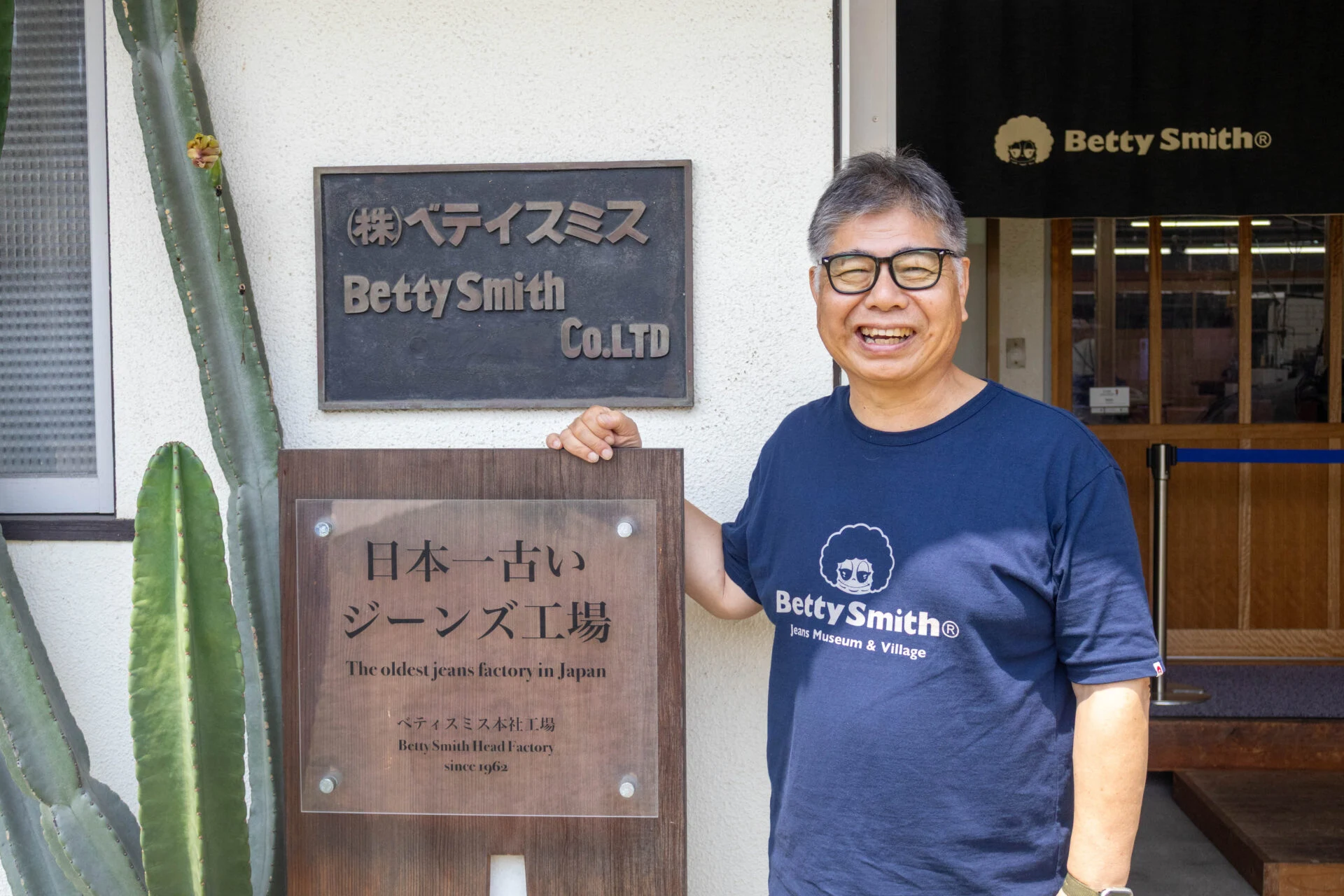
Among them, Betty Smith Co., Ltd. (hereinafter referred to as "Betty Smith") is the first manufacturer in Japan specializing in ladies' jeans. You may have seen the character with red curls and freckles, which is also the trademark of Betty Smith (Betty-chan).
Betty Smith's efforts are not limited to the manufacturing and sales of jeans.
We will introduce Betty Smith's initiatives that create new value in jeans.
About Betty Smith Co., Ltd.
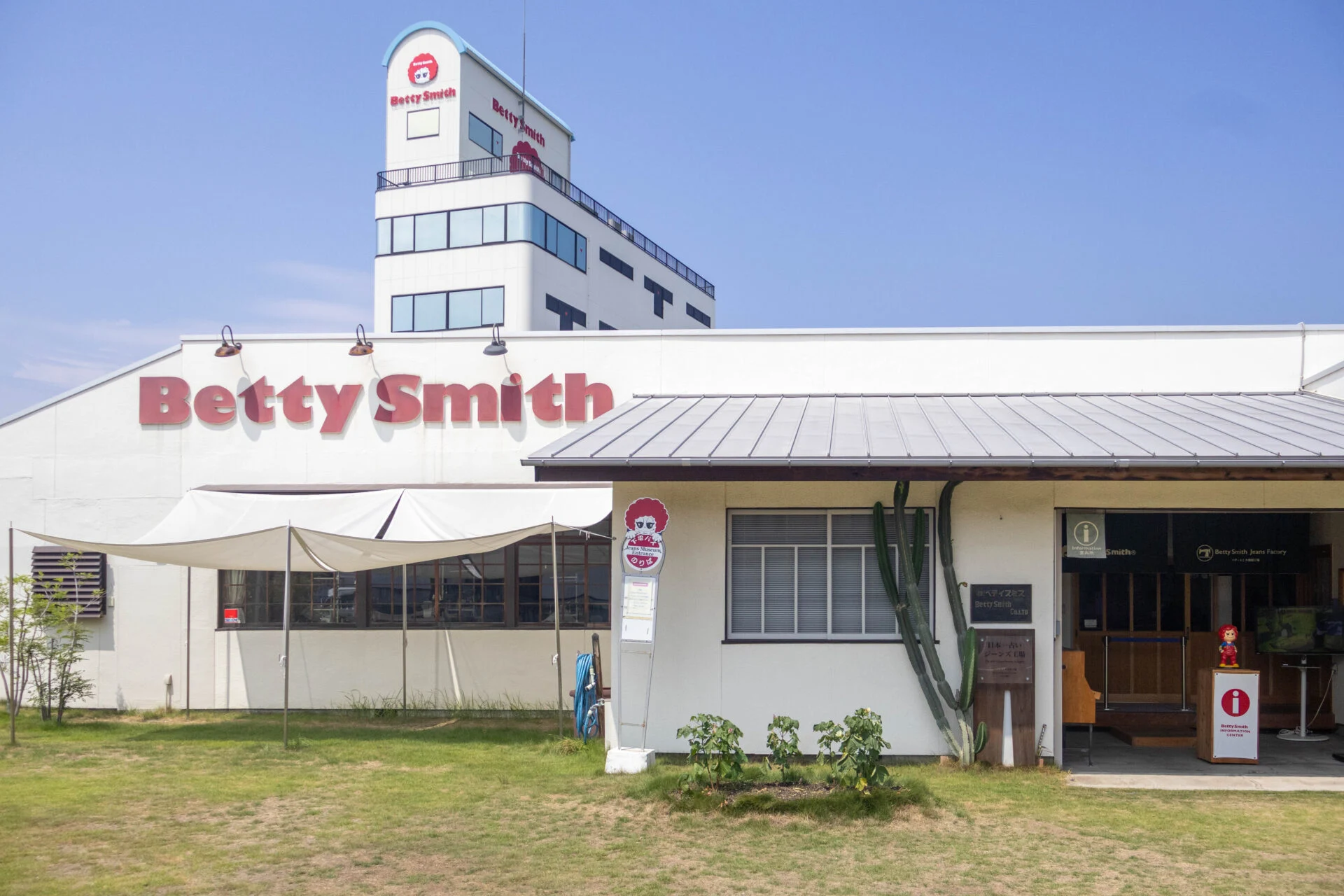
Betty Smith Co., Ltd. is a long-established jeans manufacturer in Kojima, established in 1962. It mainly engages in the planning, manufacturing, and sales of jeans.
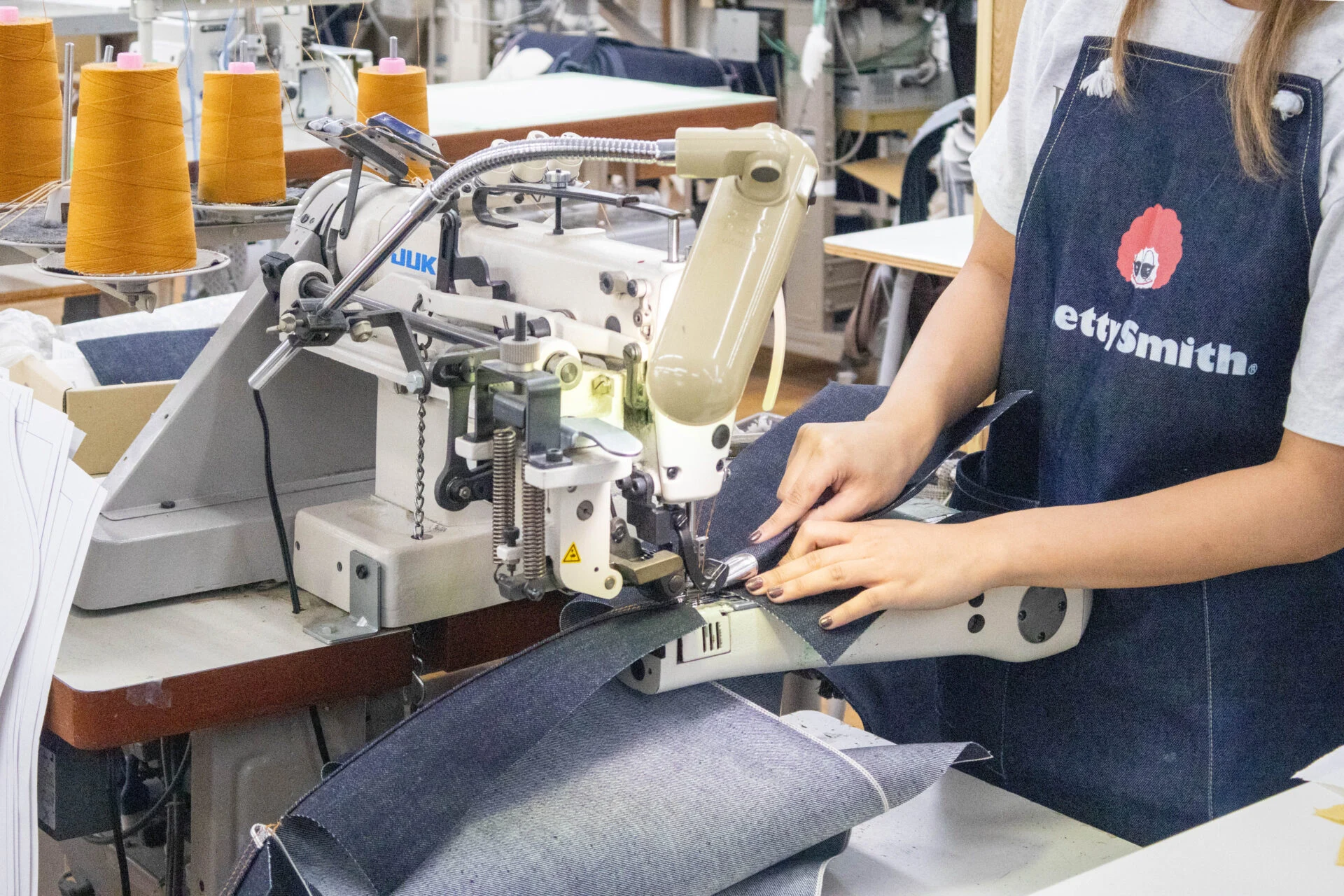
The predecessor of Betty Smith, Oshima Clothing Co., Ltd., was founded in 1927 and manufactured school uniforms and work clothes. After World War II, they started making jeans utilizing the sewing techniques they had cultivated over many years.
In 1970, the "Betty Smith" brand was born as part of the girls' division of Big John Co., Ltd., which was related by family ties. Betty Smith is the first ladies' jeans specialist manufacturer in Japan and continues to lead the jeans industry today.
Diverse Brand Development
Here are the four brands developed by Betty Smith.
Betty Smith
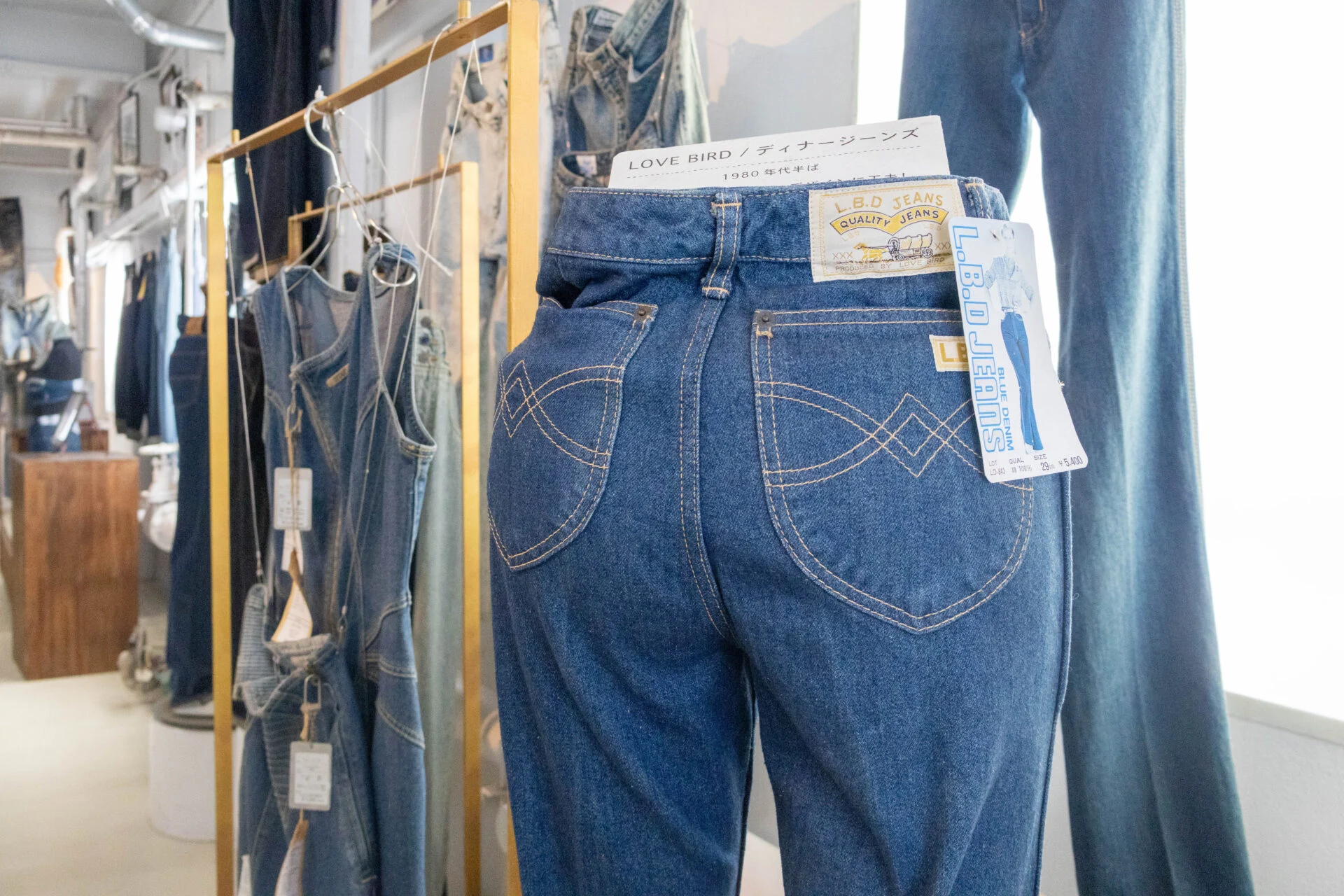
"Betty Smith" is a jeans brand for women that has been continuously produced since its founding.
It is meticulously crafted with a focus on the curve lines around the waist, ensuring comfort for women. As a pioneering brand in ladies' jeans, it continues to enjoy strong popularity today.
DENIM WORKS
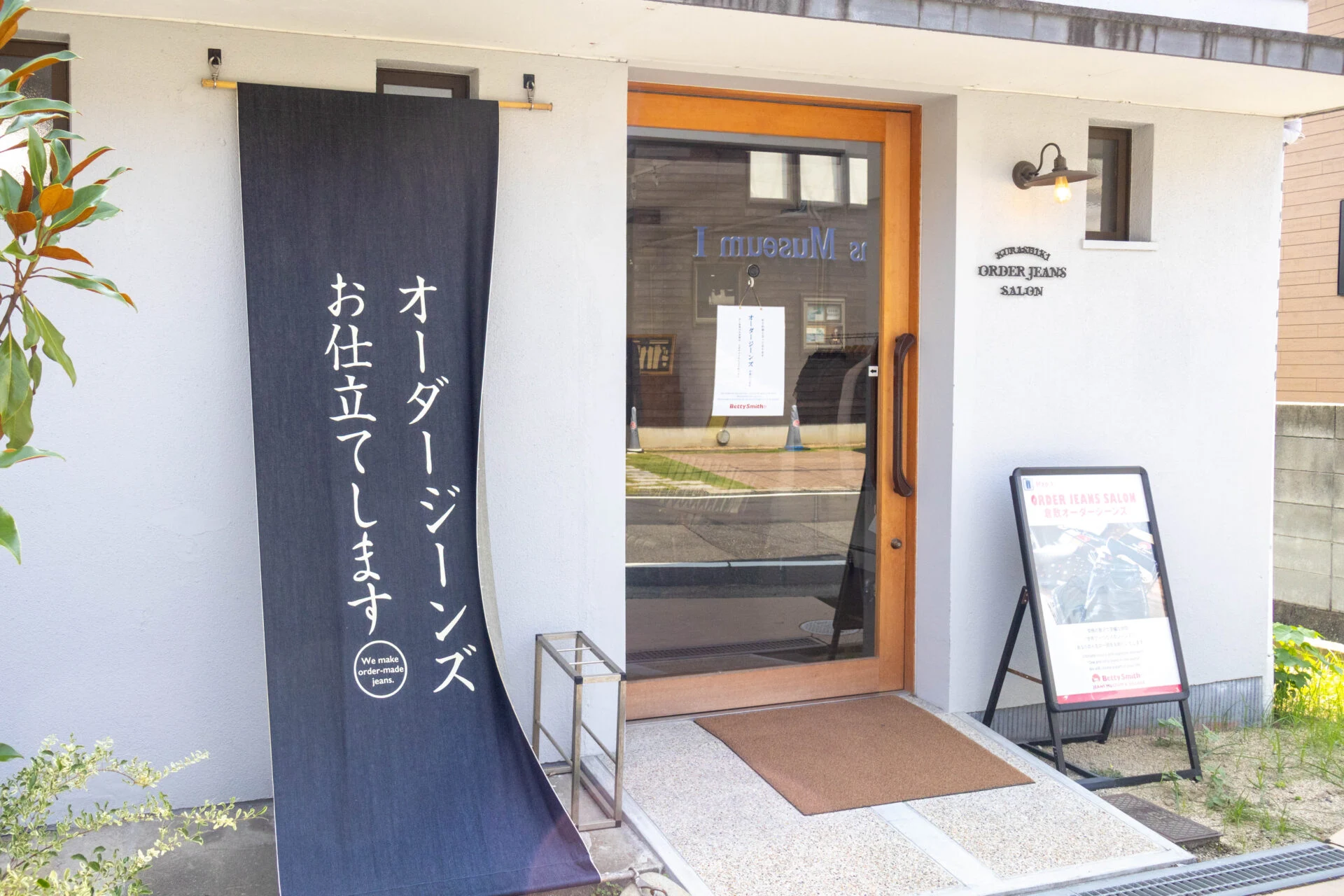
"DENIM WORKS" was born in 2003, inspired by the service "Kurashiki Order Jeans."
Based on numerous custom-made achievements, it is a brand that creates "adult jeans" that fit various body types.
BIG SMITH
"BIG SMITH" is a brand for men.
With the motto "Rough and good-looking items," it engages in high-quality manufacturing unique to Betty Smith.
Eco Betty
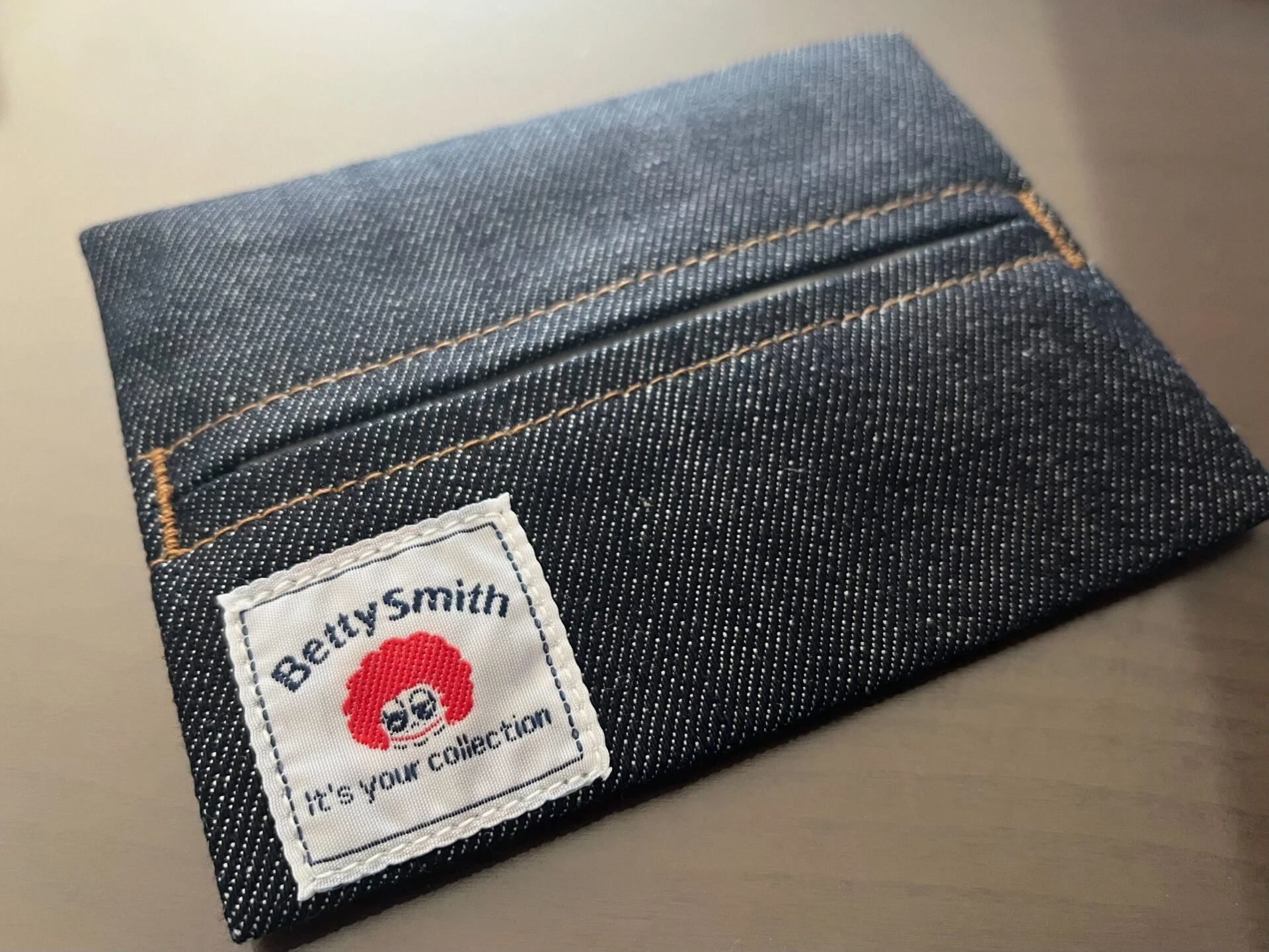
"Eco Betty" started as a project to create souvenirs for elementary school students' social studies field trips. The pencil cases and tote bags made from leftover denim materials are also very popular as souvenirs for tourists.
"Textile Meister" Nurtured at Japan's Oldest Jeans Factory
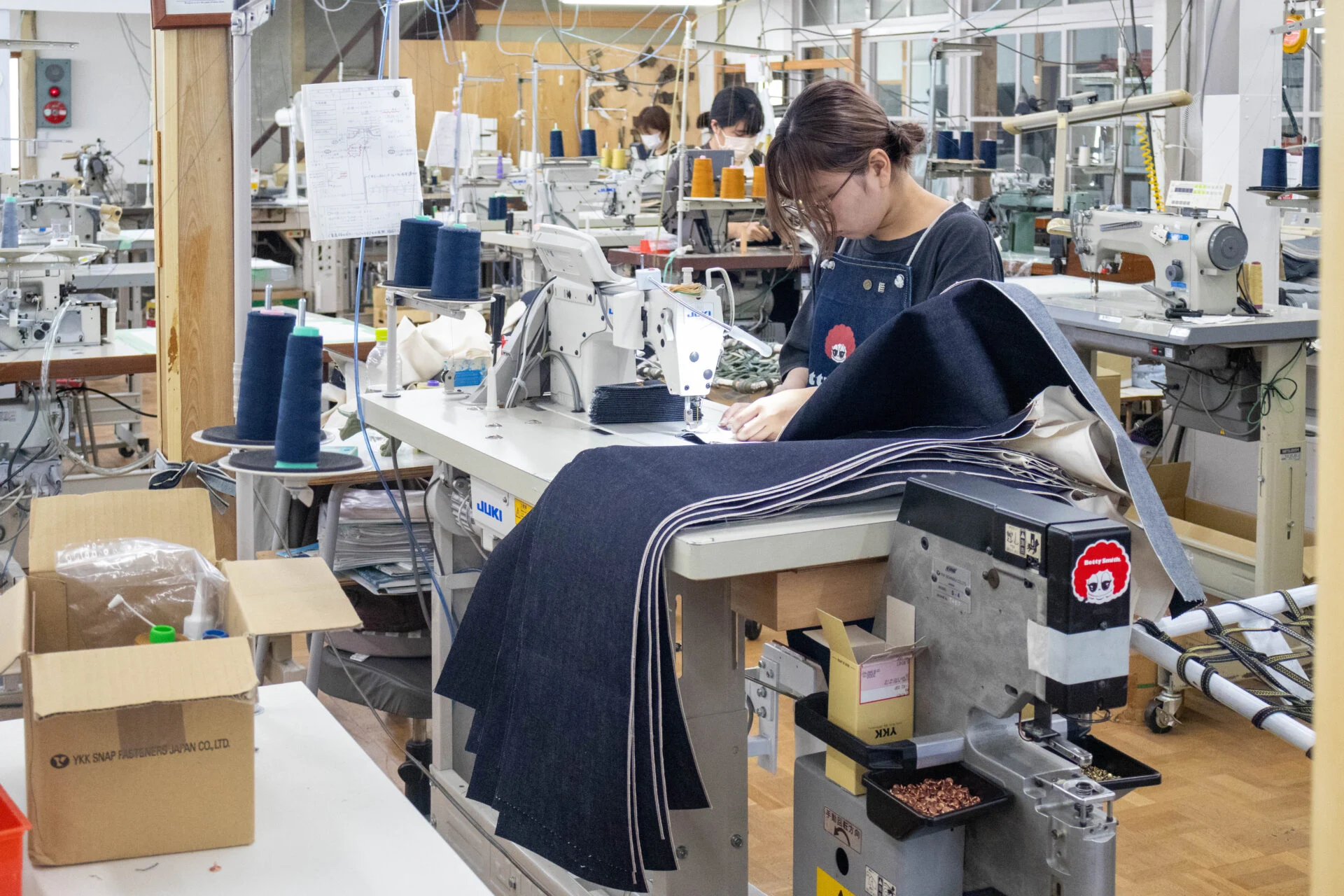
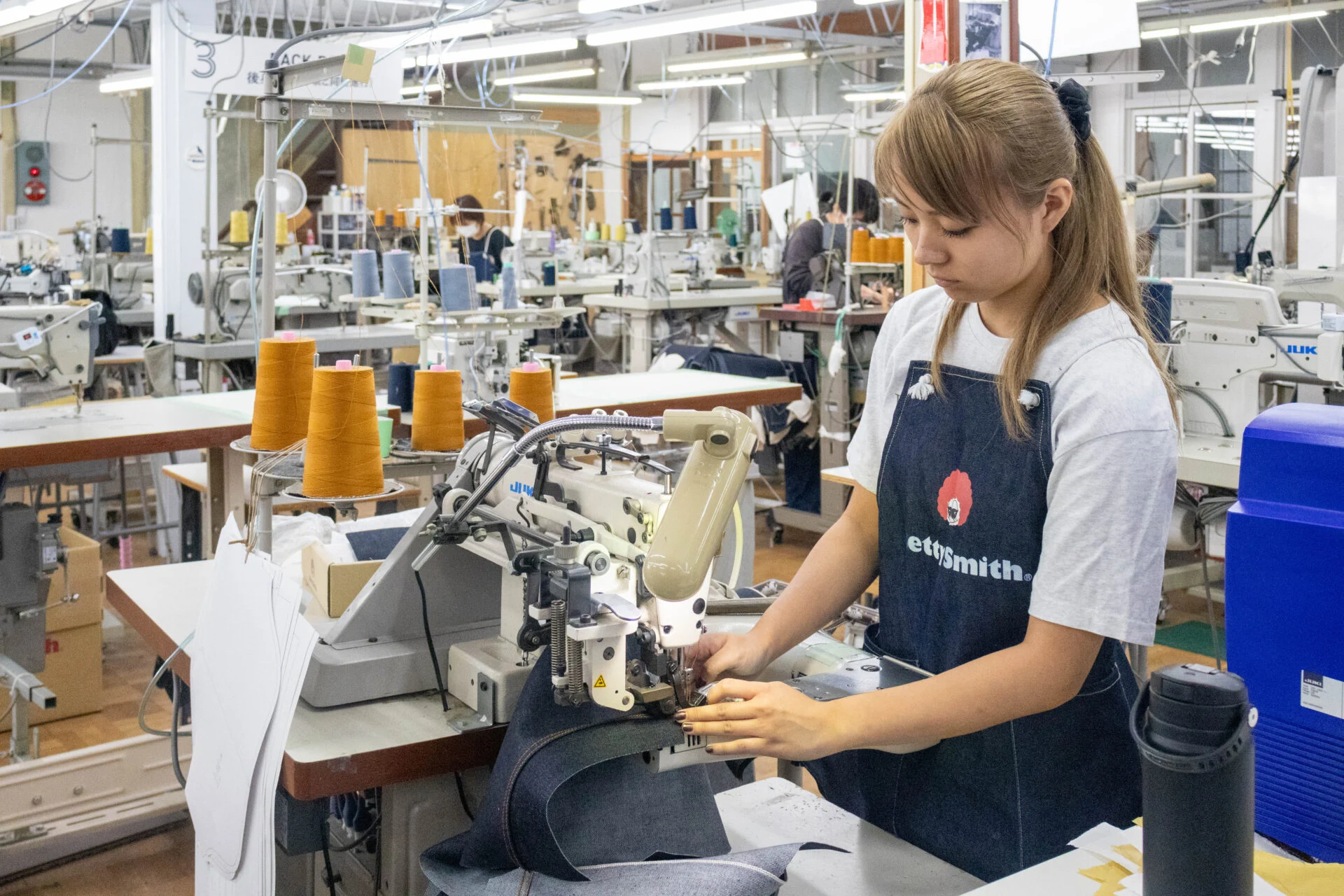
Betty Smith has many craftsmen who hold the qualification of Textile Meister.
The Textile Meister is a certification system implemented by the Kurashiki Fashion Center. It requires high skills to create high-quality textile products, and passing the exam leads to personal skill enhancement, skill inheritance, and improved image both inside and outside the company.
Each craftsman aims to improve their skills, and the environment that encourages better manufacturing is what produces the high-quality products of Betty Smith.
Various Initiatives Using Jeans
Betty Smith has set the corporate mission of "Creating Japan's Jeans Culture".
Not only do they manufacture and sell jeans, but they also convey the charm of jeans through the perspectives of "seeing and learning" and "planning and creating".
- Jeans Museum 1
- Jeans Museum 2
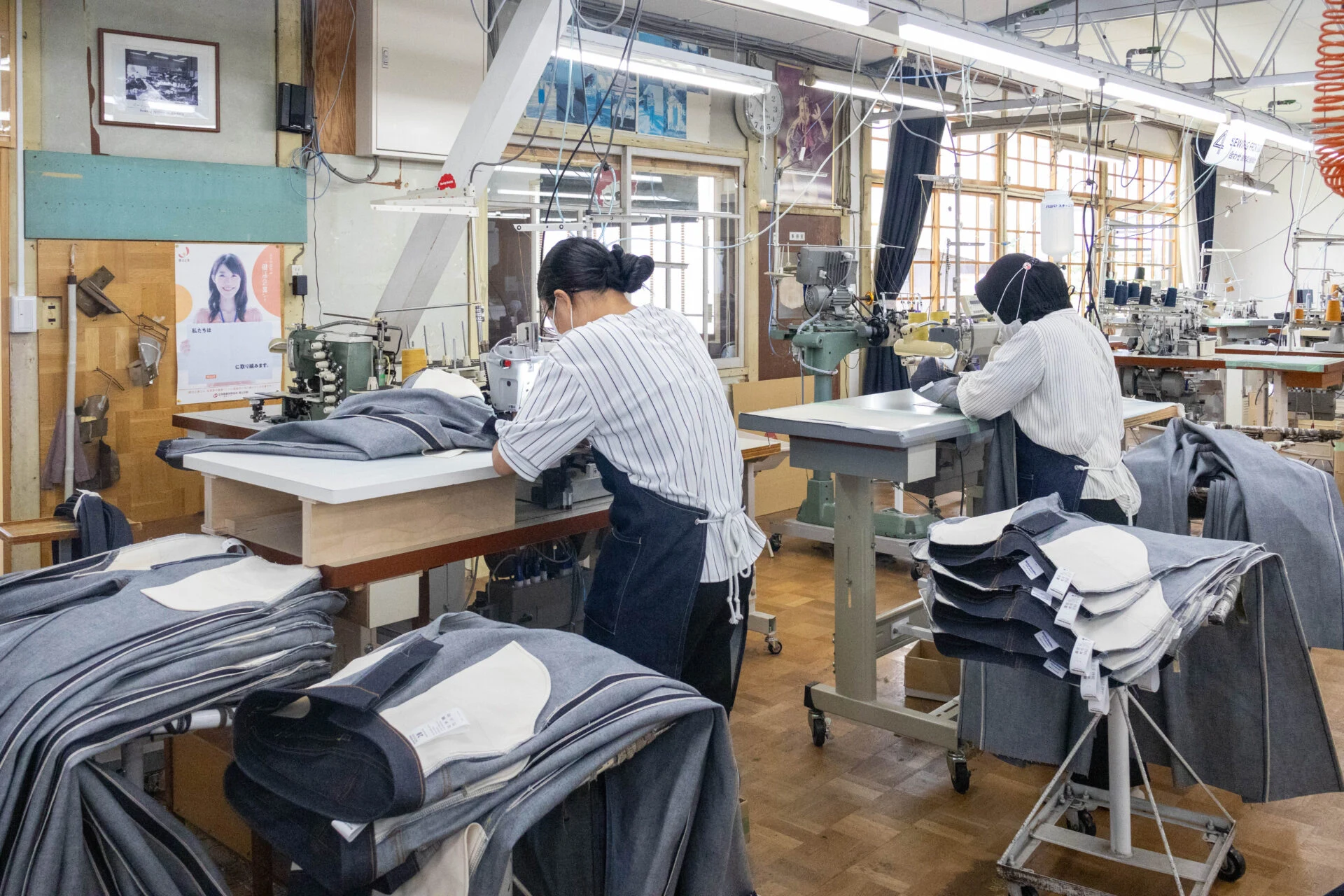
- Japan's Oldest Jeans Factory
- Jeans Making Experience
- Kurashiki Order Jeans
- Small Item Making Experience
It is said that about 2,000 to 3,000 children visit the Jeans Museum each year as part of their elementary school social studies field trips.
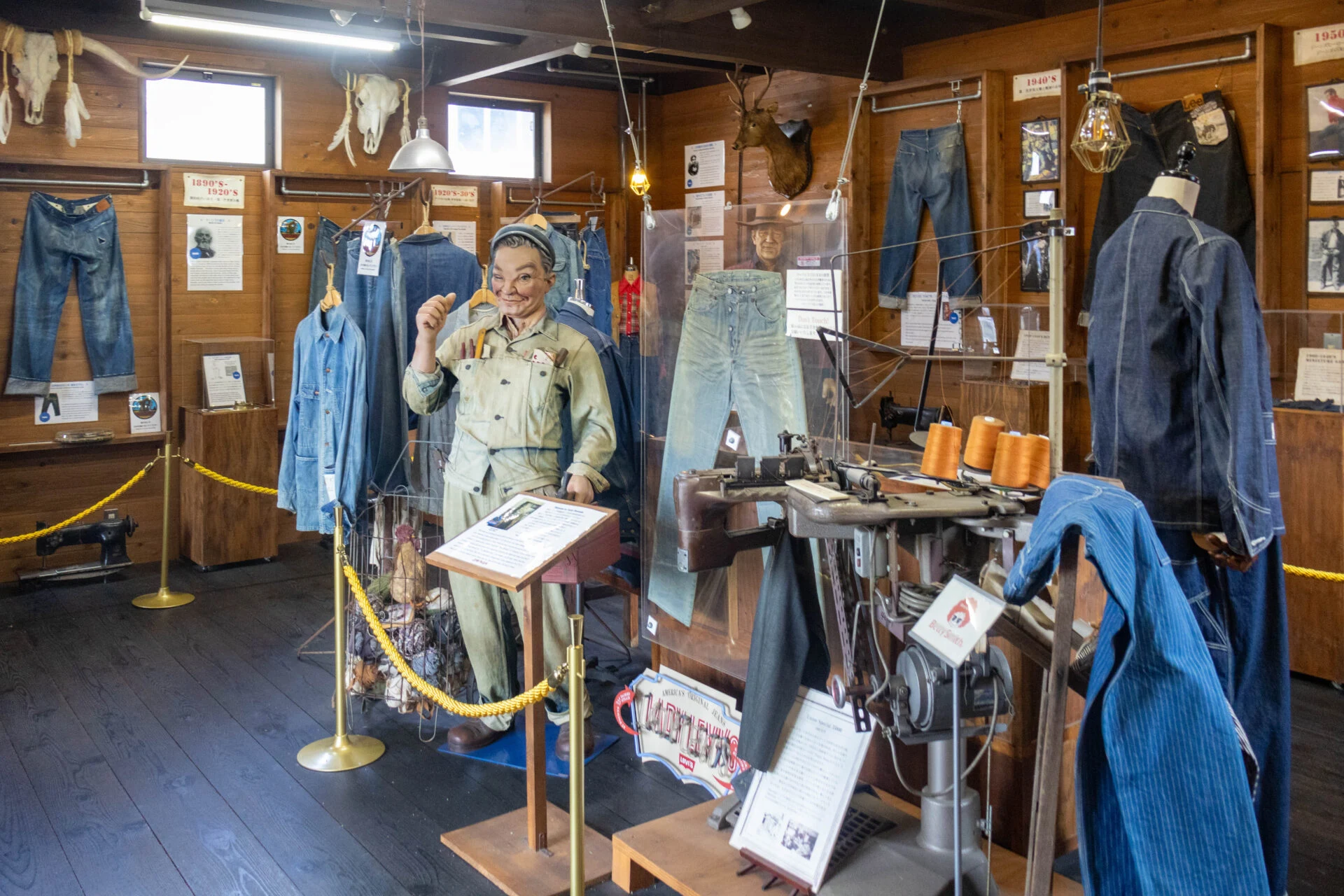
I have also visited the Jeans Museum several times. There are many valuable materials on display, and it was so impressive that it didn't feel like it was free, so if you're interested, please make sure to visit.

Additionally, on the premises of Betty Smith, there are dog runs that utilize nature, a farm, a directly managed store where you can enjoy shopping, and a café where you can relax.
By providing a place for play and learning, they are conveying a new charm of jeans that goes beyond just wearing and enjoying them.


The Appeal of Japanese Made Jeans
When you hear "Made in Japan," a high-quality image comes to mind, but what exactly is it that is evaluated as high quality?
We spoke with Yasuhiro Oshima, the President of Betty Smith, about the appeal of domestically produced jeans.
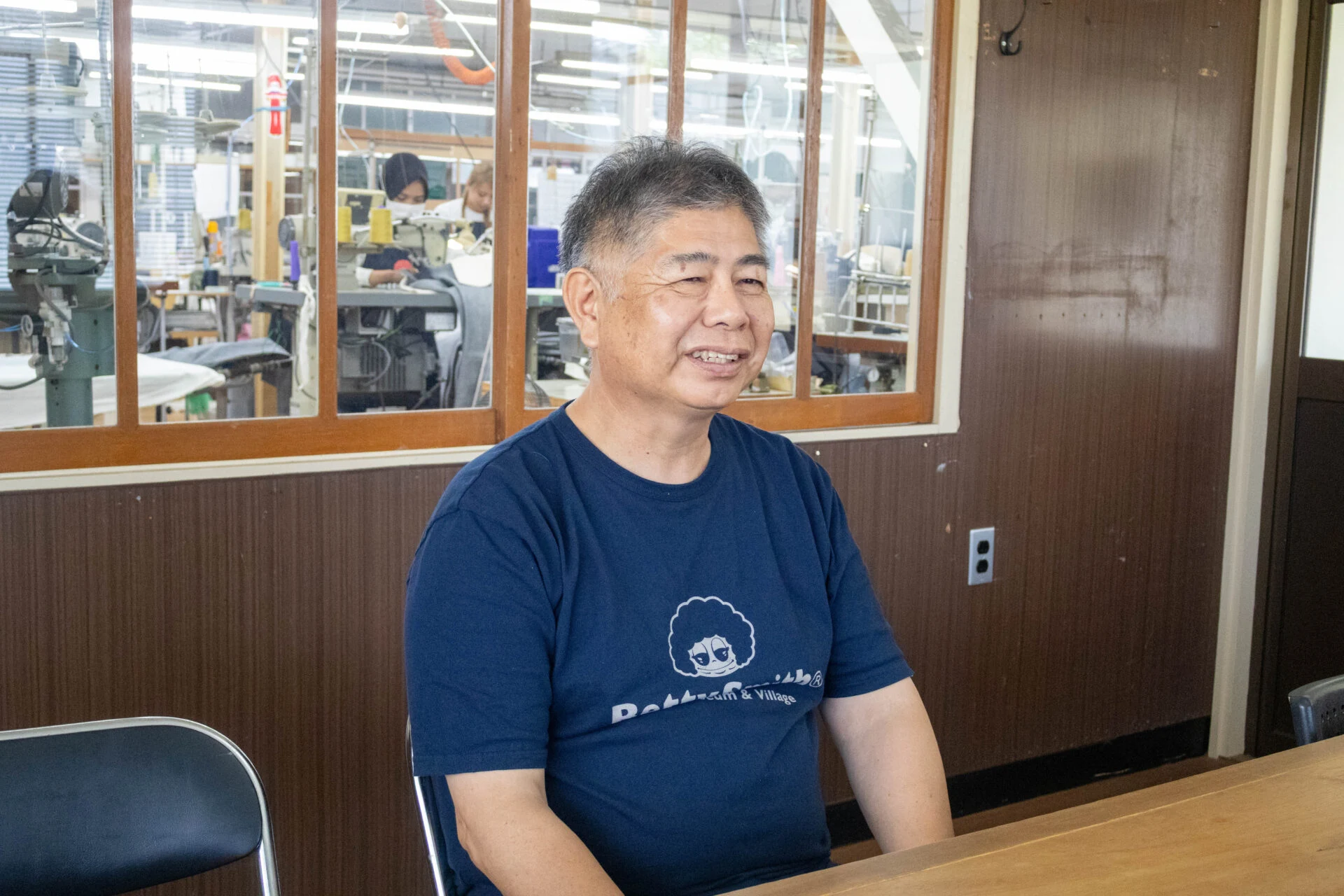
Japan's Processing Technology Captivating the World
The biggest feature of Japanese jeans is their high-quality and diverse processing techniques.
In 1965, when jeans began to be made in Kojima, the world's first "washing process" was conducted in Kojima.
For Japanese people who were used to wearing second-hand jeans, new jeans were hard and uncomfortable to wear. Therefore, by softening the fabric through the washing process and intentionally applying a second-hand style treatment, they made them easier to wear.
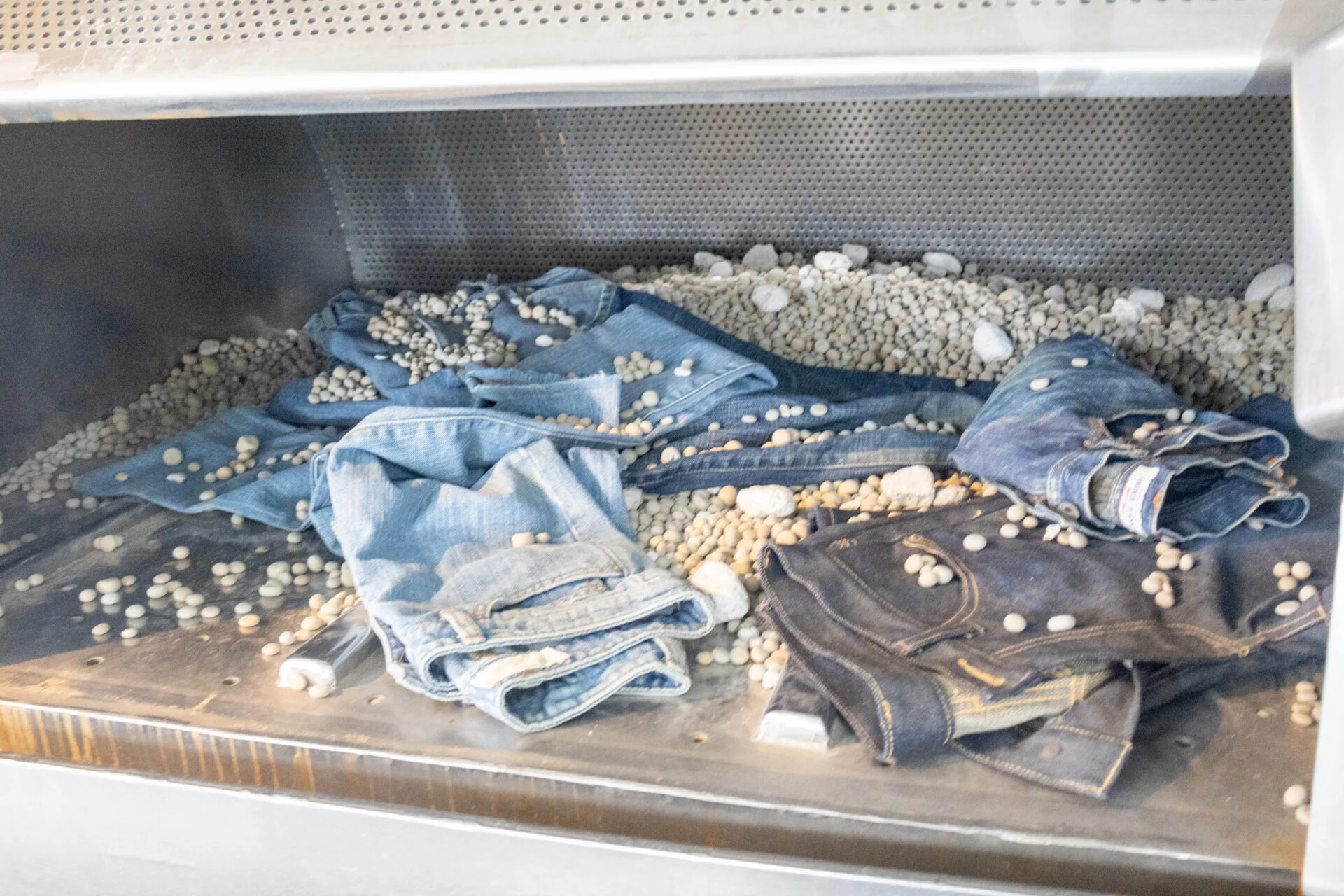
Furthermore, to keep people from getting bored with jeans, various processing techniques were developed in Japan from the 1970s to the 2000s.
In the 1970s, jeans began to express shades of color through "bleach processing" and "stone wash processing", giving individuality to jeans that were previously only available in dark colors.
Entering the 1980s, jeans featuring a unique mottled pattern known as "chemical wash" became explosively popular.
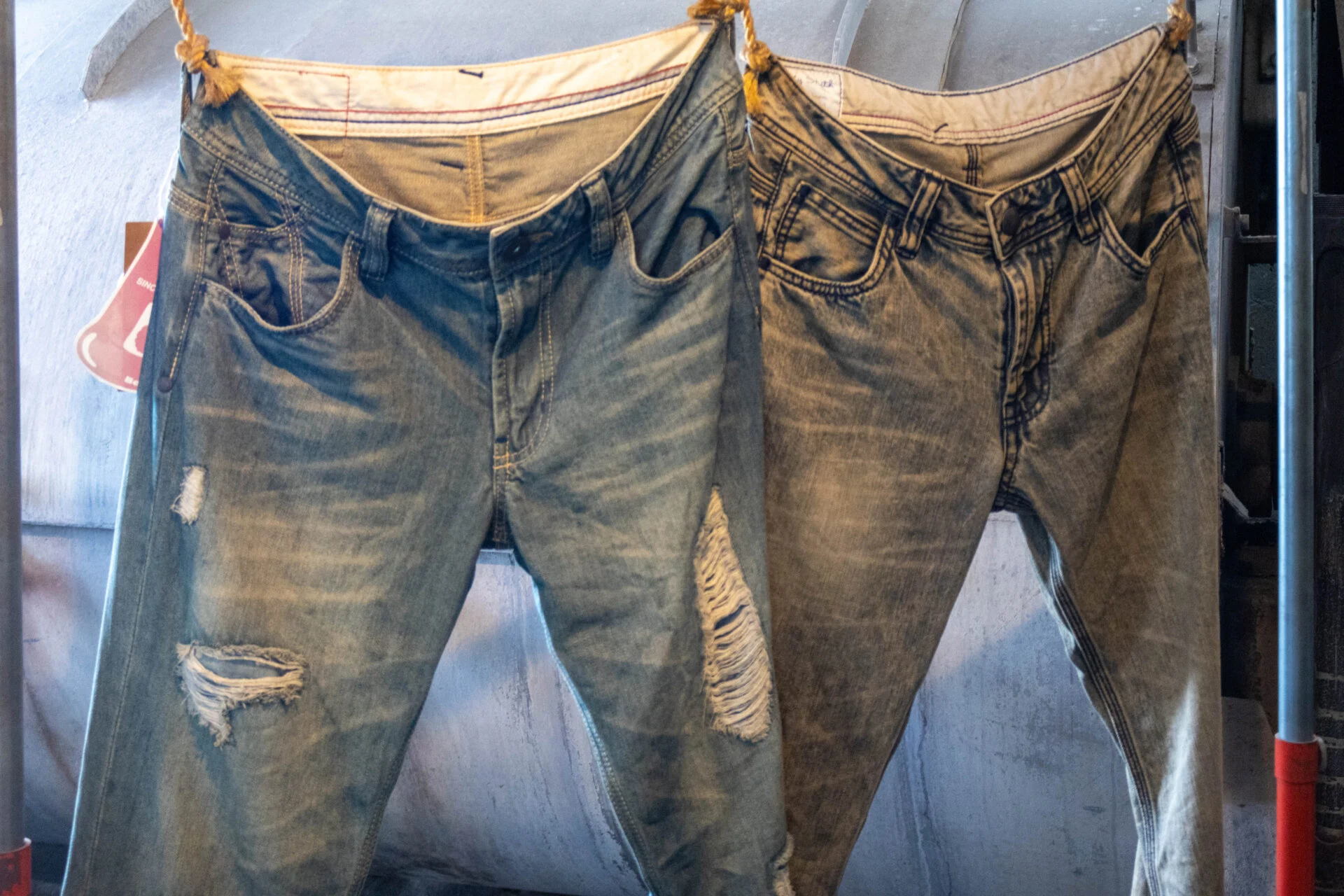
In the 1990s, second-hand style processing became popular, and jeans with "retro wash processing" were in vogue. Additionally, not only processing but also materials began to be developed, leading to a diversification of materials such as stretchy fabrics and soft fabrics containing rayon.
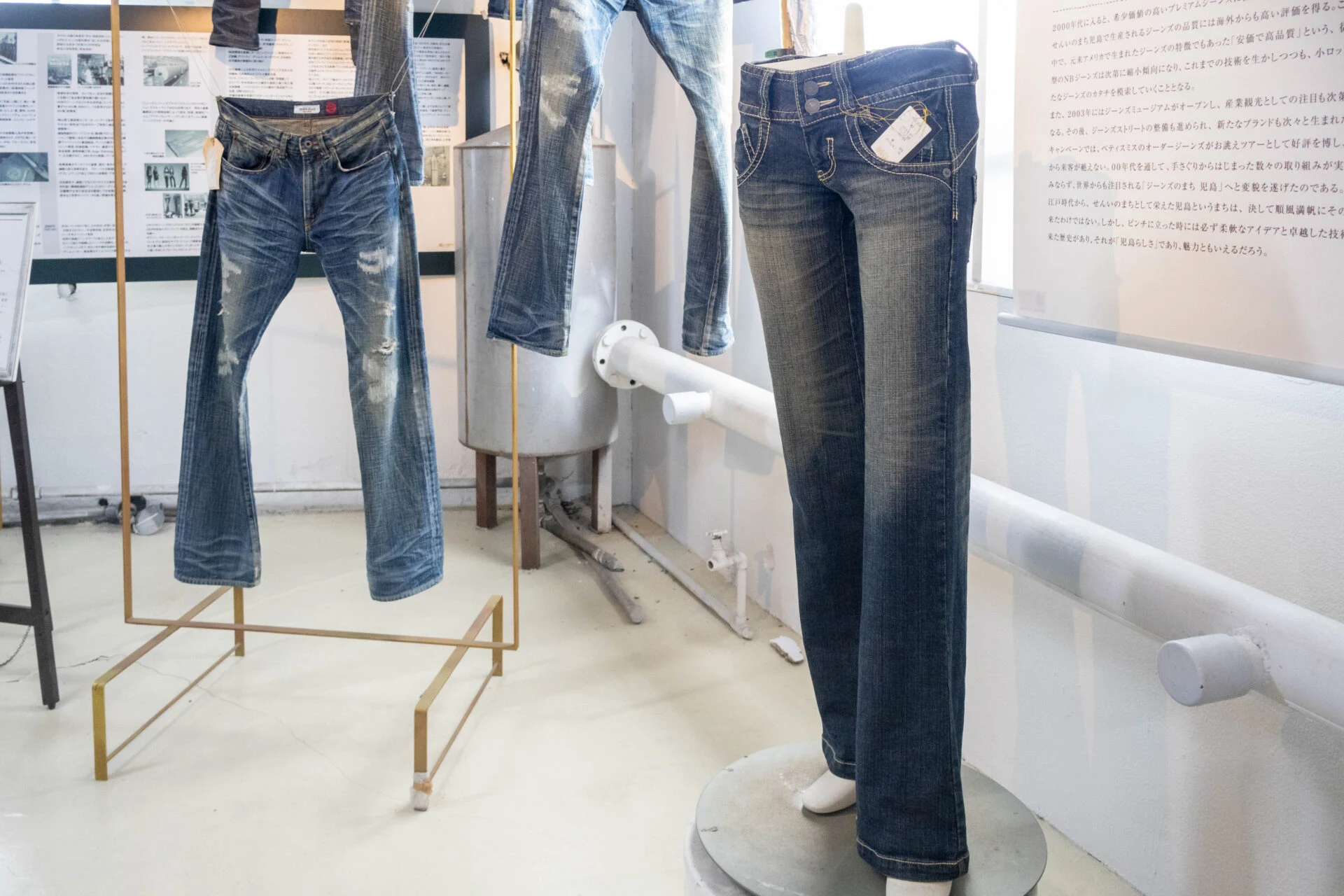
In the 2000s, "damage processing" became popular, leading to the creation of jeans with tears and damage. The processing techniques were further refined, achieving a quality indistinguishable from real second-hand items, which has garnered high praise from around the world.
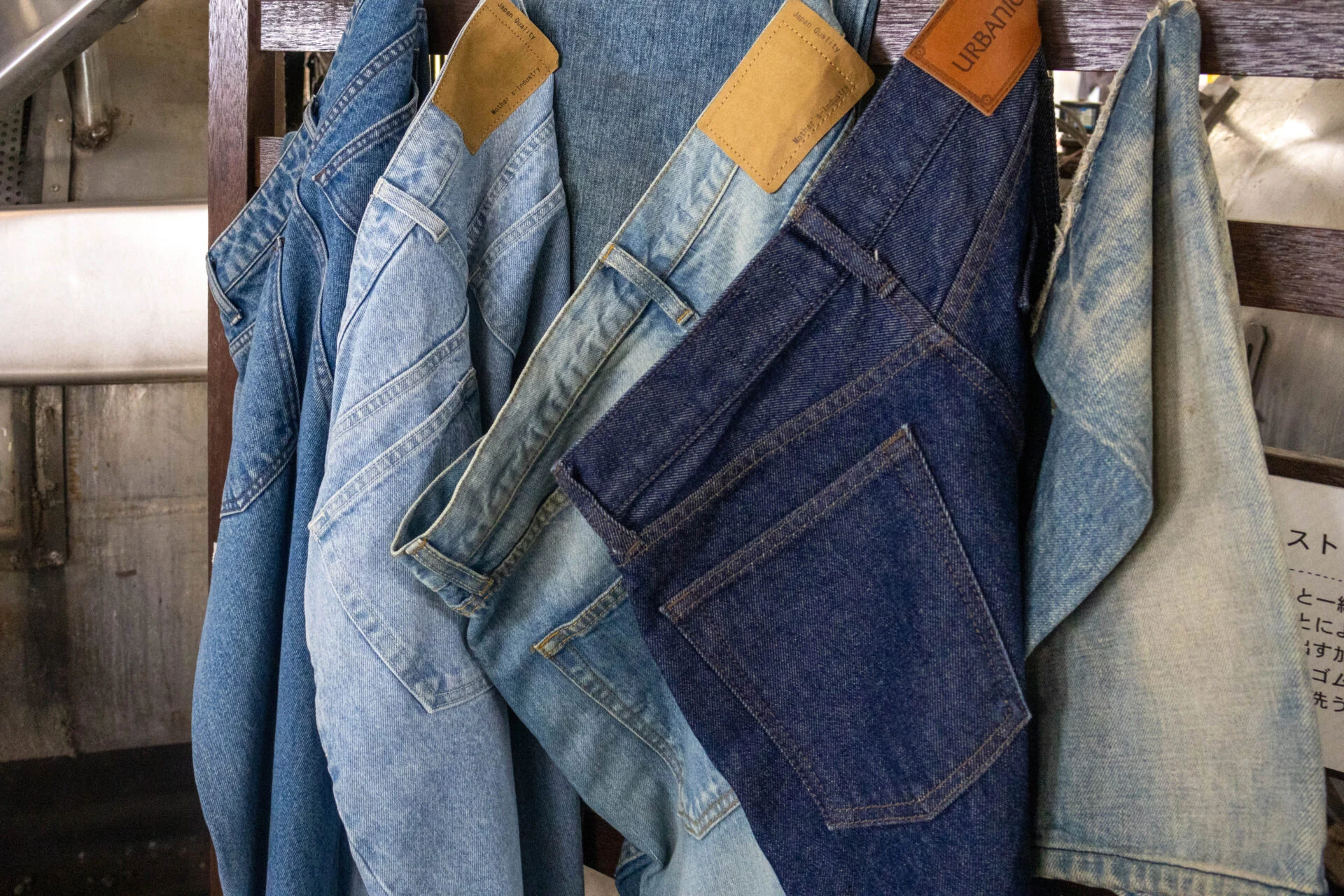
While jeans produced overseas are often mass-produced, in Japan, the focus has been on quality over quantity. It is precisely because of the history of challenges towards new jeans that Japanese jeans are recognized for their high quality and have attracted attention from abroad.
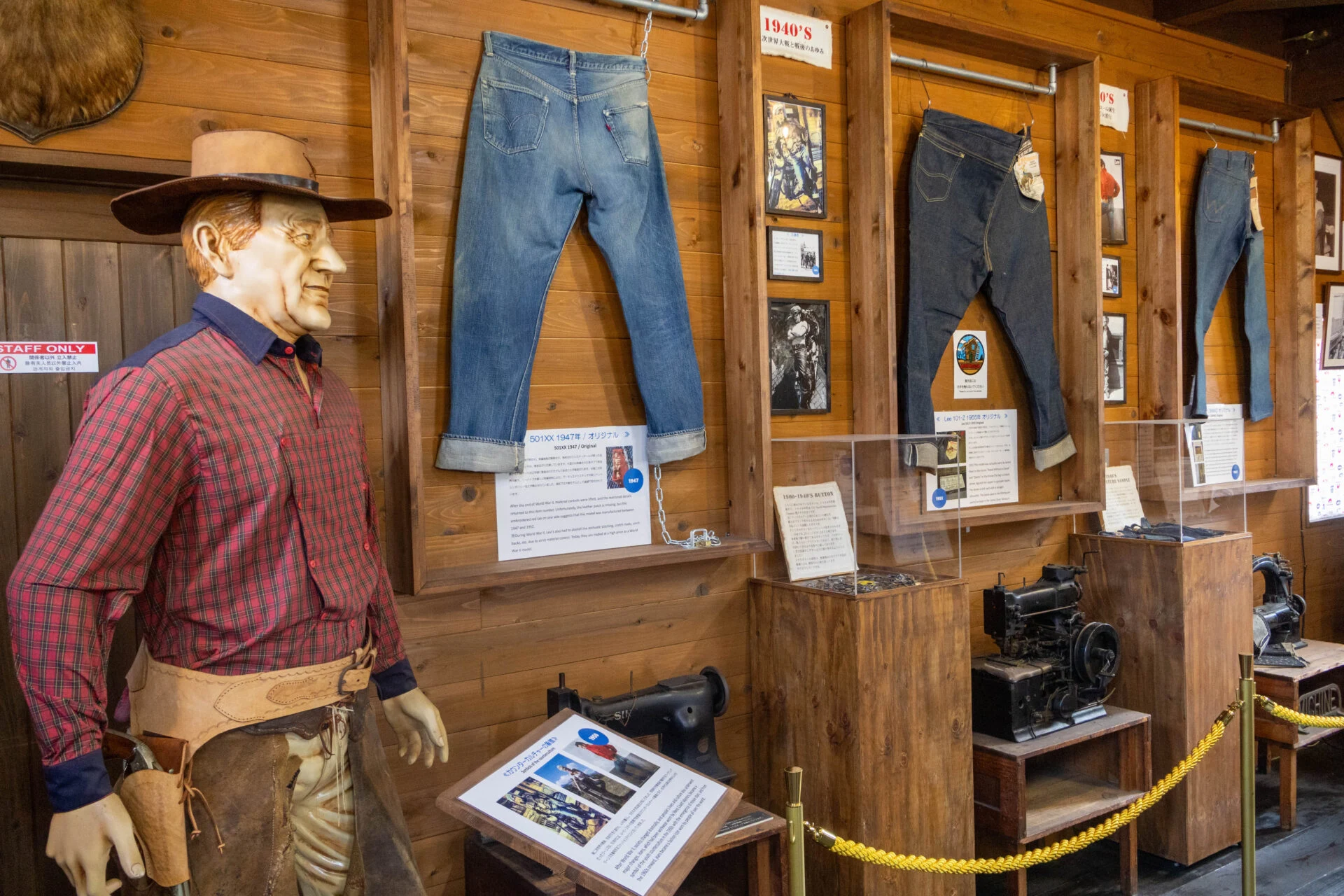
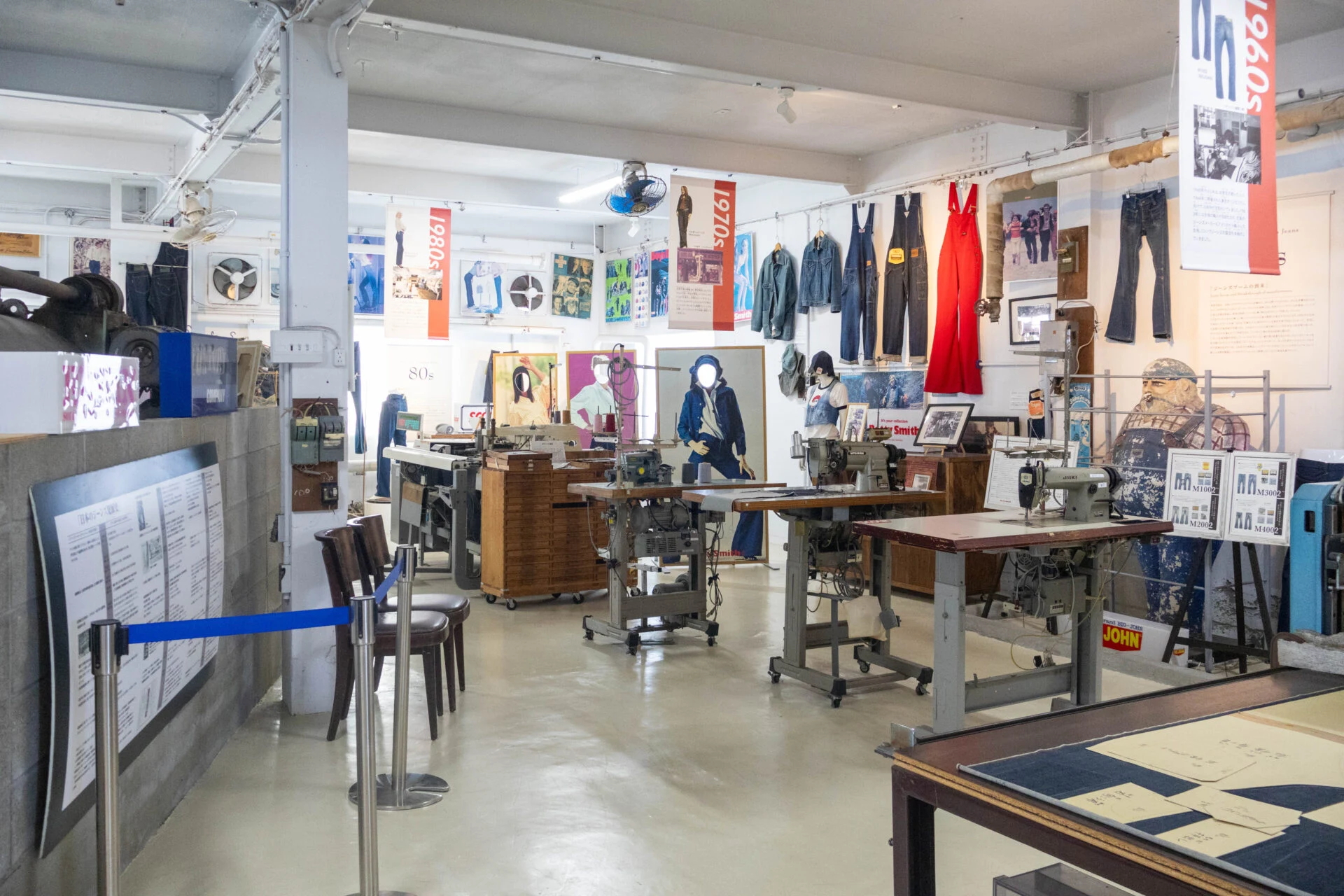
At Jeans Museum 2, you can see jeans that were popular in different eras.
Additionally, Mr. Oshima states that "Japanese jeans have beautiful colors."
Japanese people have a keen eye for color due to their exposure to the rich nature of the four seasons. The indigo produced in Japan can be said to be the Japan Blue that the world can be proud of.
Since its establishment in 1962, Betty Smith has been at the forefront of the development of domestic jeans. We spoke with Mr. Oshima about their past efforts and future prospects.
Data on Betty Smith Co., Ltd.
| Organization Name | Betty Smith Co., Ltd. |
|---|---|
| Industry | Planning, manufacturing, and sales of casual jeans |
| Representative Name | Yasuhiro Oshima |
| Year Established | 1962 |
| Address | 5-2-70 Shimonochō, Kojima, Kurashiki City, Okayama Prefecture |
| Contact | 086-473-4460 |
| Website | Betty Smith Co., Ltd. Website |