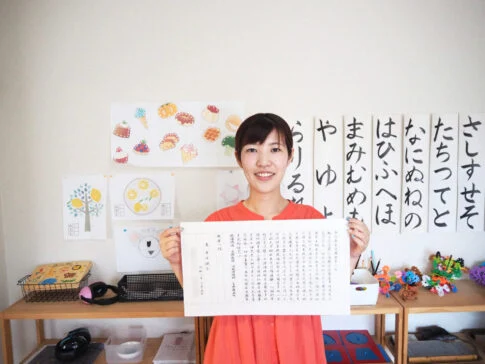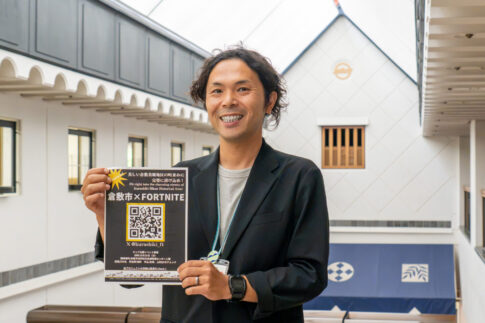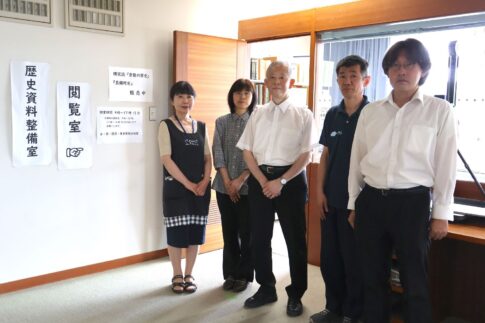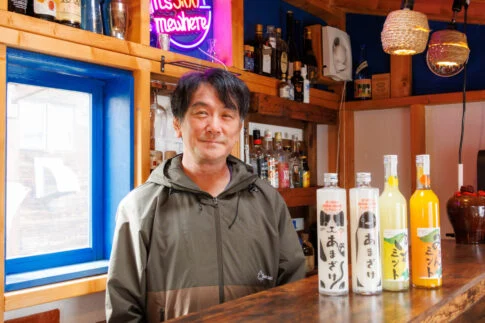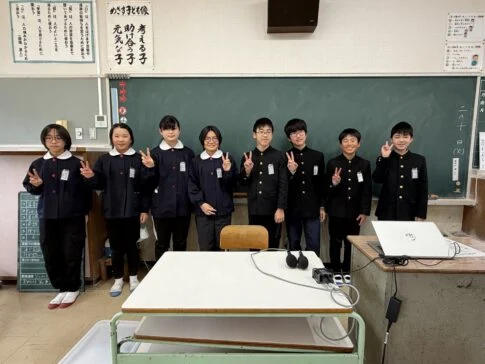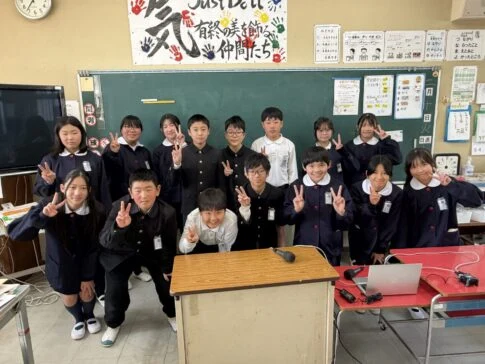
Interview with Gakumabi Representative Matsumoto Tatsumi
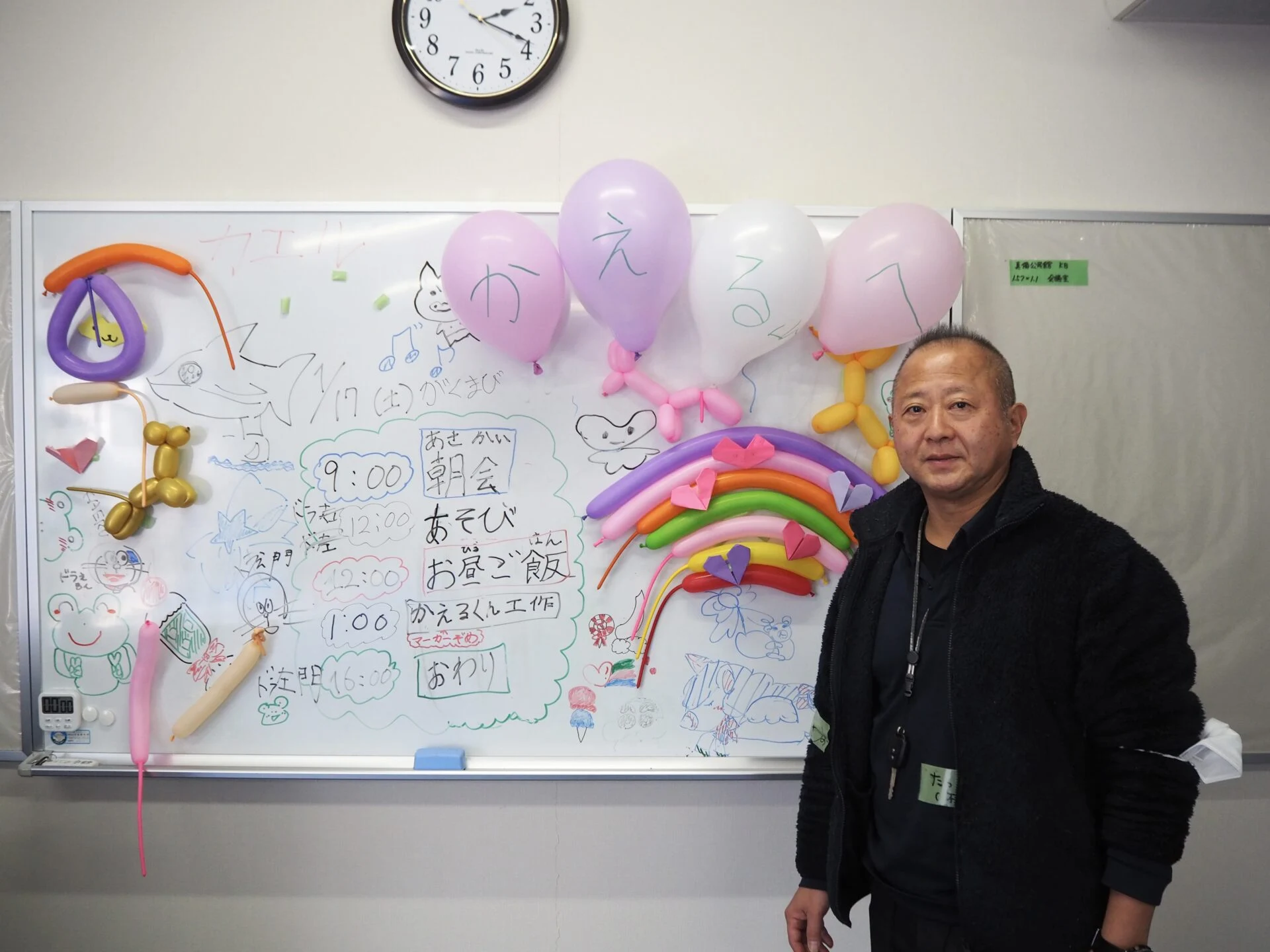
We spoke with Matsumoto Tatsumi, who has been involved since the launch in 2019.
A place for respectful communication
Seven years have passed since the heavy rain disaster in July 2018. Has there been any change in activities since the launch?
Matsumoto (no honorifics)
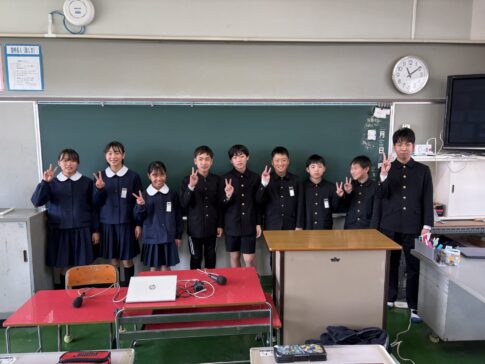
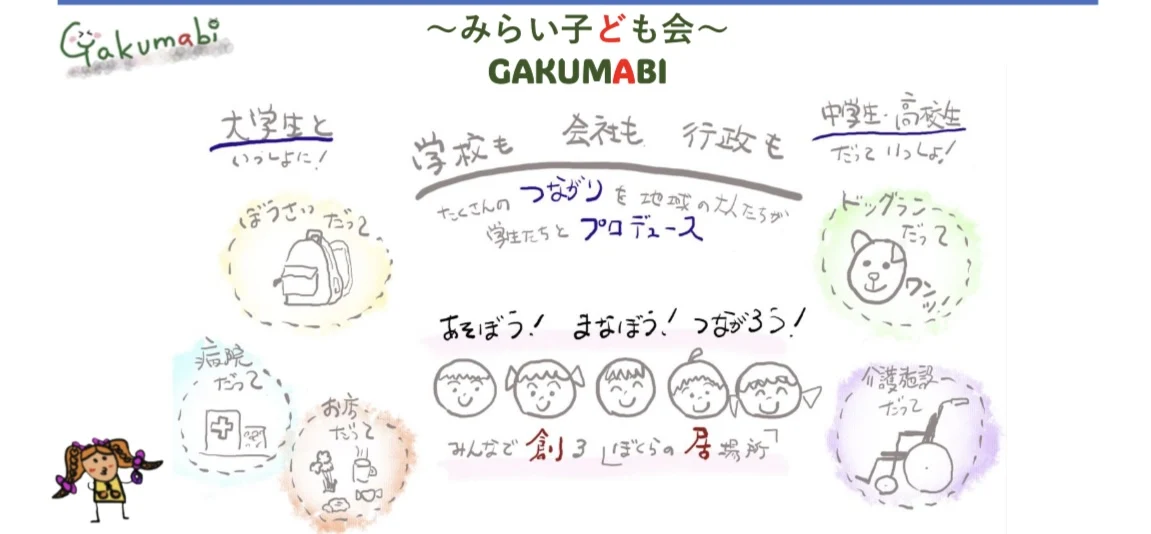
The initial need was simply for a physical space because there was nowhere to go, so people wanted "a place to spend time."
Now that life has settled down, the meaning has shifted more towards being a place where communication is learned naturally through trying out interesting things and interacting with local people.
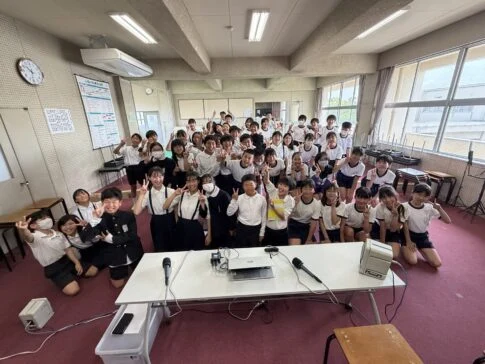
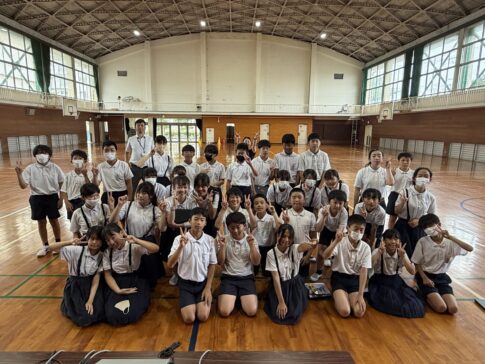
Even when children gather, some play alone while others spend time in groups. In the past, I thought, "Wouldn't it be better if everyone played together?" but now I think, "It's good to spend time in a way that feels comfortable for oneself, but it's also important to be aware of each other's presence." I believe it’s a good place where connections can be made even if they are from different schools or grades when interest arises or needs arise.
Without forcing it, we are creating a space while respecting each other. That is the way Gakumabi communicates.
I want university students to try boldly
How is the operation conducted?
Matsumoto
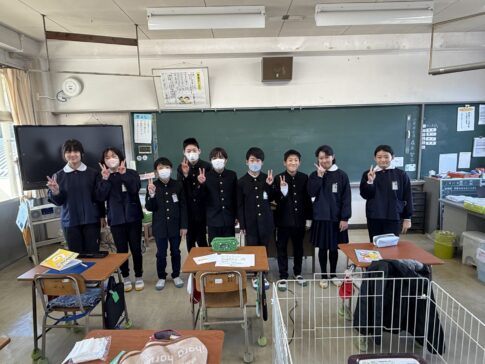
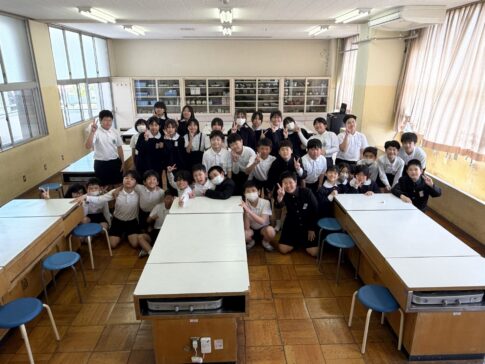
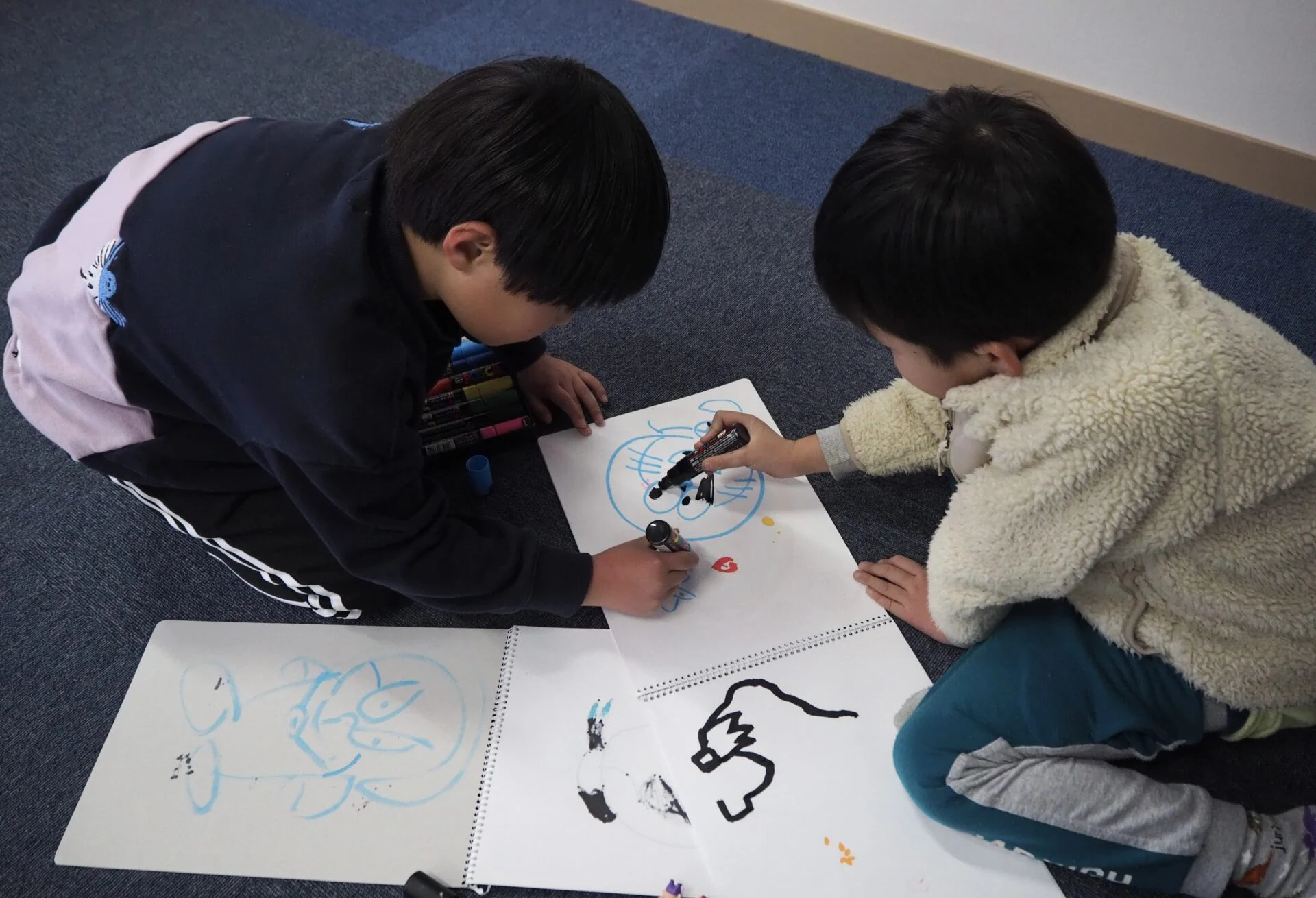
University students take the lead in planning and operations.
For university students, Gakumabi is not a place to learn professionally like a cram school or school, but rather a place where they can try various things little by little and gain experiences that are fun even if they fail or are seen as fun.
The experiences gained at Gakumabi will serve as "fertilizer" for thinking about what they want to do in the future. Providing opportunities for students to try out projects they want to do and engage with children is what I can do.
So I tell the university students, "Try what you find interesting." They need to be aware of dangerous situations together with adults, but if we can avoid risks while keeping that in mind, it’s okay if the project fails. If the elementary school students say, "This is boring," then we can say, "Let's change the format."
I want it to be a place where they can try what they want to do rather than just showing success. I think that is also important for university students.
Thoughts on disaster prevention
I heard that Gakumabi's activities are also related to disaster prevention.
Matsumoto
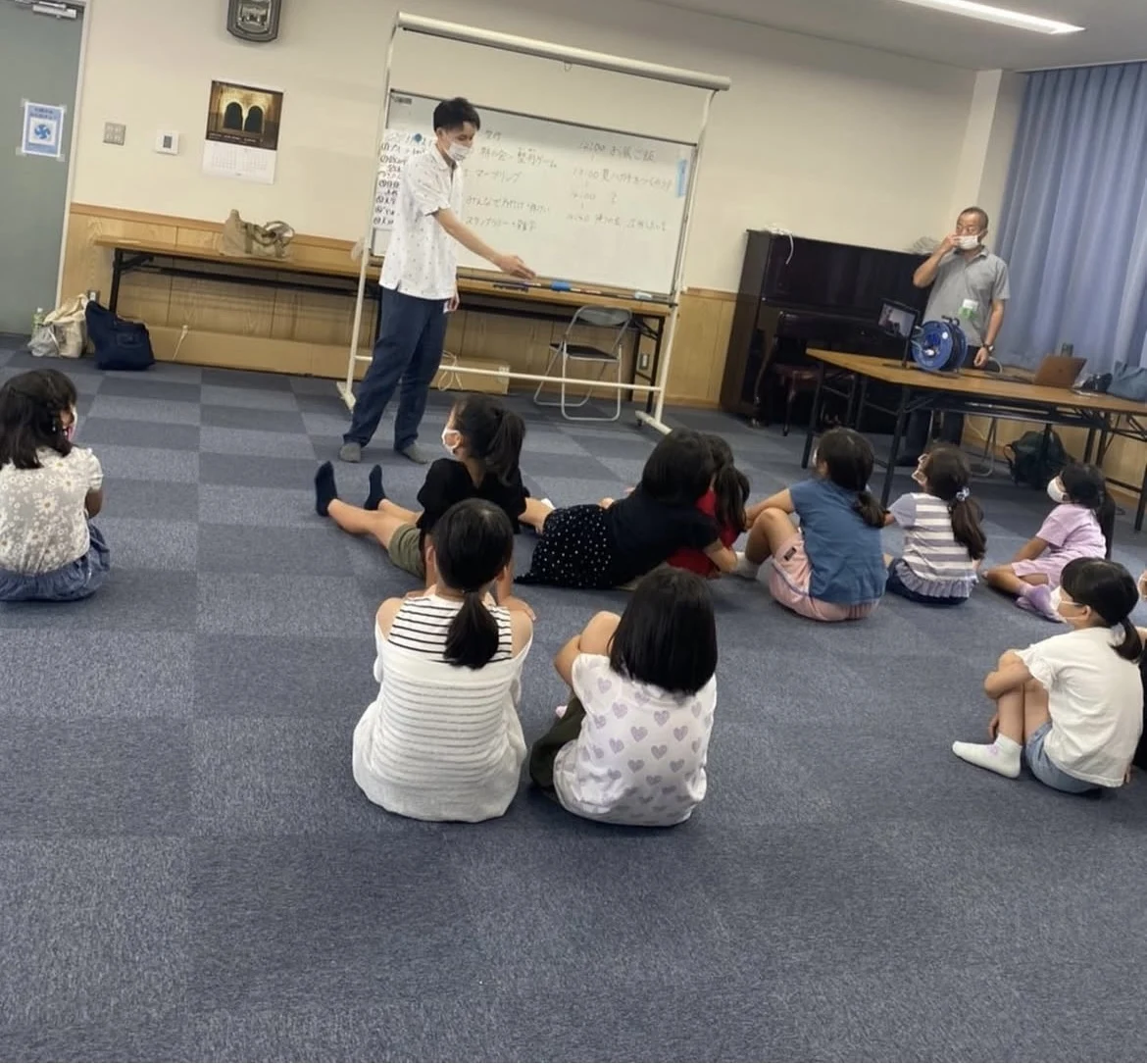
I don't intend to talk openly to elementary school students about it, but I want them to come into contact with disaster prevention information through our activities. Because in both child-rearing and disaster prevention, ultimately, human connections are important.
Even for adults, it is difficult to connect actions to personal matters just by teaching the theory.
By knowing through activities that connections can help protect us, I am convinced that it will empower them to survive when disasters occur.
I feel that there are currently few places for parents and children to create connections.
Through Gakumabi's activities, I would be happy if parents and children could gradually build connections.
I heard that Gakumabi went to support the Noto region.
Matsumoto
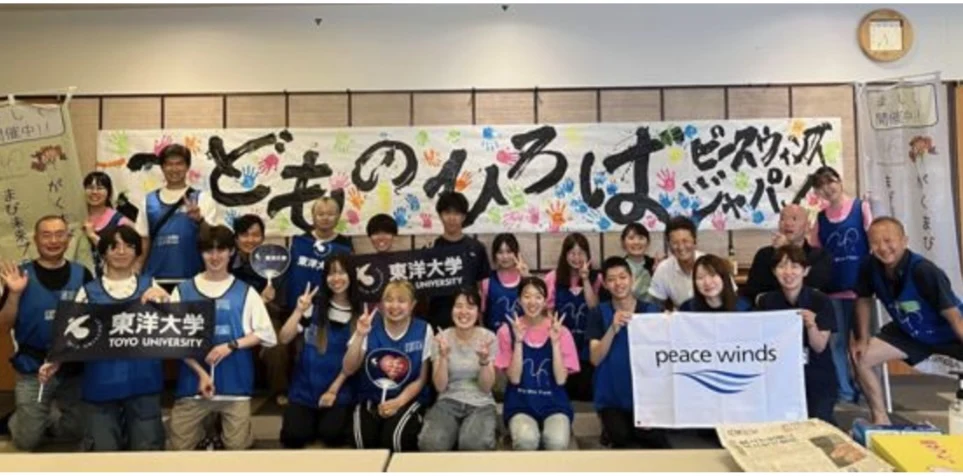
In August 2025, I went to the Noto region (Suzu City) with a group of university students.
Based in Suzu City, we worked with local volunteer organizations to create play spaces for children living in Noto.
A student who accompanied me asked, "Why go that far?"
For them, disaster prevention may still be something that doesn't resonate, but that's okay. I hope that opportunities arise from casual conversations during activities.
I want to convey that the experience of being affected by a disaster should not just end with "That was tough," but rather, "What can I do now to prevent that from happening to me?"
Securing operational members for self-sustainability
Are there any challenges in your activities?
Matsumoto
The biggest challenge for continuing activities is securing members, including university students who are at the core of operations. Member recruitment relies on word of mouth and flyers to a limited number of nearby universities and high schools, and every year it feels like a tightrope walk to find successors as leaders graduate.
I also want to gather adult members from the community.
There were times when I considered ending activities due to a decrease in members, but I shifted my mindset around 2022. Instead of just leaving it to the students' autonomy, I began to carefully ask each one, "Is there something you want to do at Gakumabi?" and started to create an environment where they can reflect their own learning and interests in the activities. As a result, some students began to secure their schedules.
I tell students, "If you want to continue, that's fine; if it's tough, you can stop." Volunteering is not an obligation. However, if we believe that such activities are necessary for children, then I think it is the responsibility of adults to create an environment for continuity in whatever form.
I am exploring ways to create a space that fosters autonomy so that students naturally think, "I have to get involved."
Creating a "cycle of connections" over 10 years
What are your future prospects?
Matsumoto
It doesn't have to be under the name "Gakumabi," but I want to connect to the next generation so that we can continue creating spaces for gathering.
I would be happy if the elementary school students participating now become adults and get involved with Gakumabi, and I believe that only then will the meaning of Gakumabi's activities deepen, so I want to shape that in about 10 years.
I hope that the connections made through gathering will serve as a foundation that can be effective when disasters occur.
Also, I want the middle school students participating in the Mabi Future Project to be able to think and act on their own. They are gathered with the desire to work for the future of Mabi, so if they can acquire the ability to think freely and act, I expect they will become people who can thrive in Mabi and other regions.
Conclusion
Matsumoto says that the most important thing in disaster prevention is human connections, more than knowledge or preparedness with disaster goods.
Once, a student came from afar with the desire to help the children of Mabi.
That baton is now being passed on by Matsumoto and the students to the next generation.
The accumulation of small daily interactions transforms into disaster resilience that can help each other in times of crisis.
I hope that Gakumabi's activities, which expand connections from children to children and from children to adults, will reach many people.
Gakumabi Data
| Organization Name | Gakumabi |
|---|---|
| Representative Name | Matsumoto Tatsumi |
| Year Established | 2019 |
| Address | Mabi-cho, Kurashiki City, Okayama Prefecture |
| Website | Gakumabi |