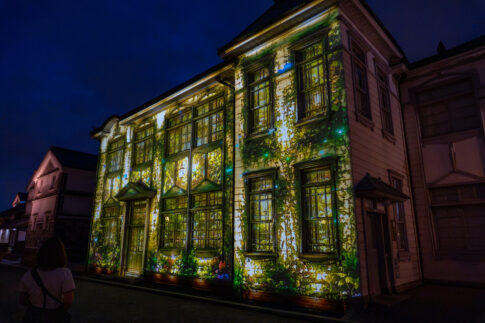
Kurashiki City is a town with a former Kitamaebune (Northbound cargo ship) port that has been certified as a Japan Heritage site, titled "A different world entwined with the dreams of men who overcame the stormy seas."
As a result, merchants gathered around the port town, and tea culture has been cherished as a refinement.
Even now, Kurashiki City is known for its active school tea ceremony programs, with many people enjoying tea ceremony activities in junior high and high schools.
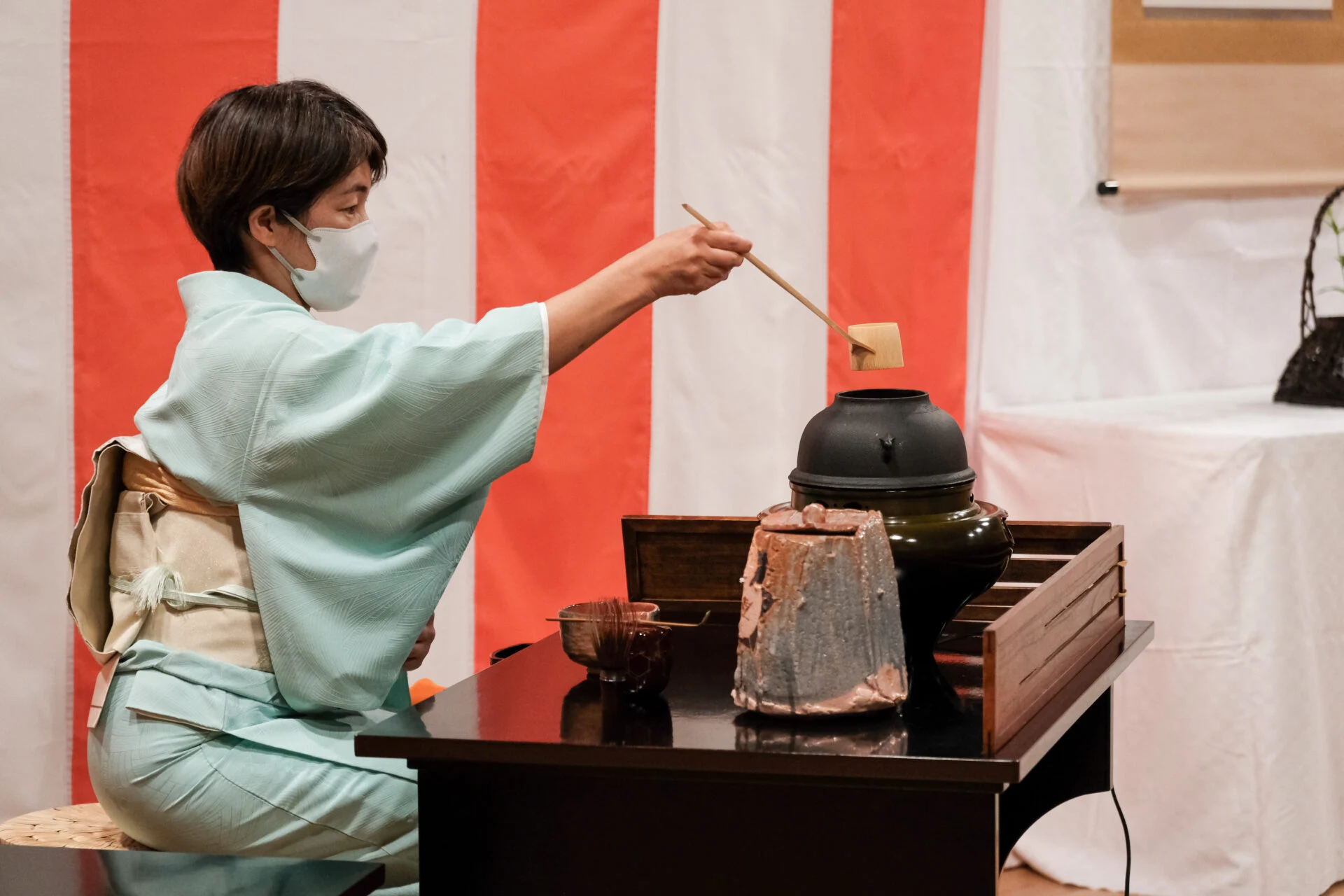
Every year, around 1,000 citizens gather for the Kurashiki Citizen Tea Ceremony, a place where those who say, "I can't make tea, but I want to drink authentic matcha," can casually experience the tea ceremony.
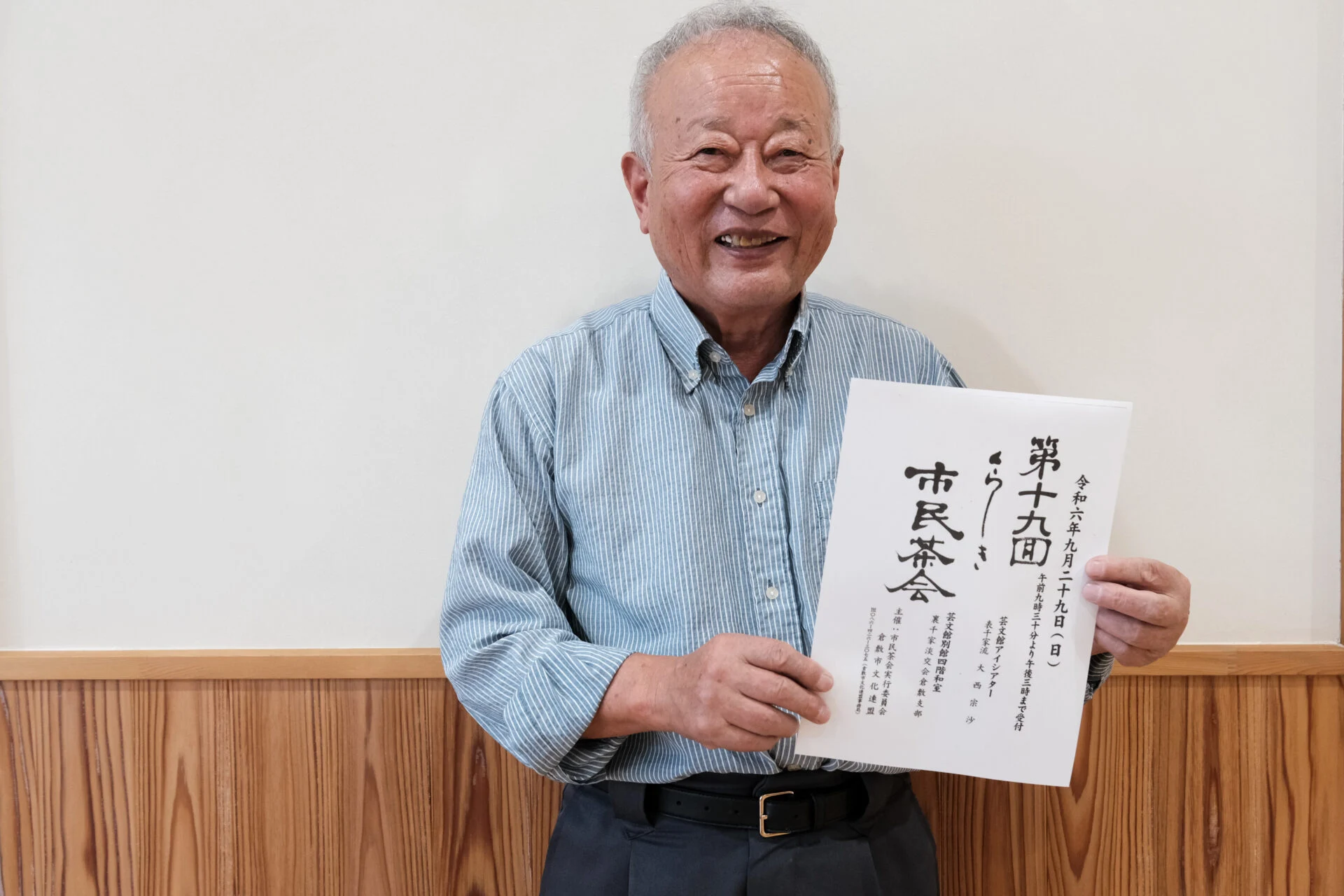
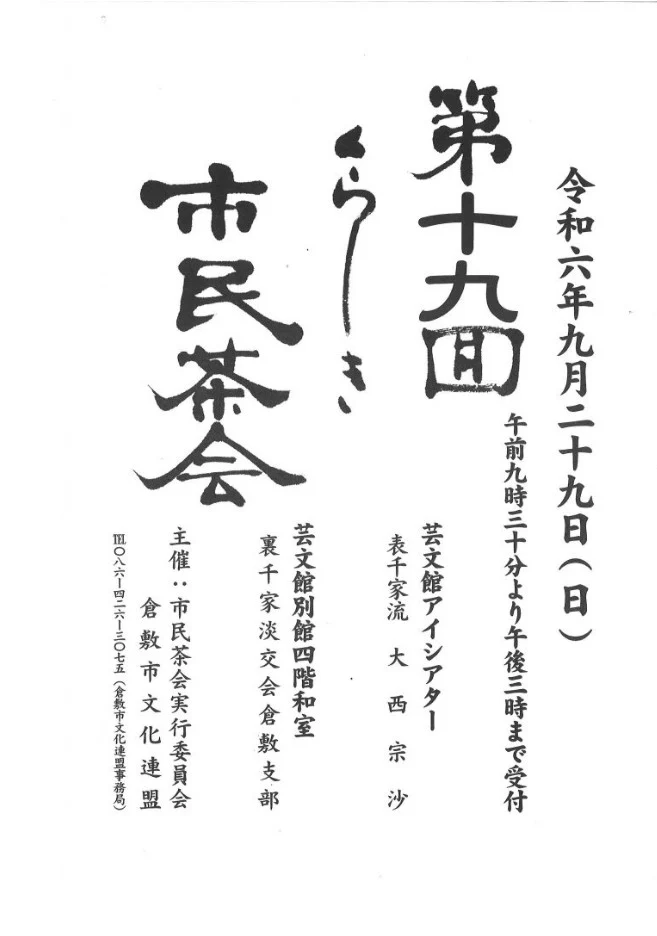
I spoke with the organizing committee about how to enjoy the 19th Kurashiki Citizen Tea Ceremony, scheduled for September 29, 2024 (Sunday).
What is the 19th Kurashiki Citizen Tea Ceremony?
The 19th Kurashiki Citizen Tea Ceremony will be held on September 29, 2024 (Sunday) at Geibunkan Hall's Ais Theater and the fourth-floor Japanese-style room of the Geibunkan Hall.
There have been years when it was canceled due to the spread of COVID-19, but it is held every year with the hope that citizens can enjoy tea, regardless of whether they usually practice tea ceremony.
In 2024, both Omotesenke and Urasenke will each host one session, allowing participants to enjoy a total of two sessions.
Differences between Omotesenke and Urasenke
Omotesenke is a school of tea ceremony founded by Sen Sosa, the great-grandson of Sen no Rikyū.
Omotesenke, which is active in Kyoto and Kishu (present-day Wakayama Prefecture), is characterized by not whisking the matcha too much, resulting in a foam shape resembling a crescent moon.
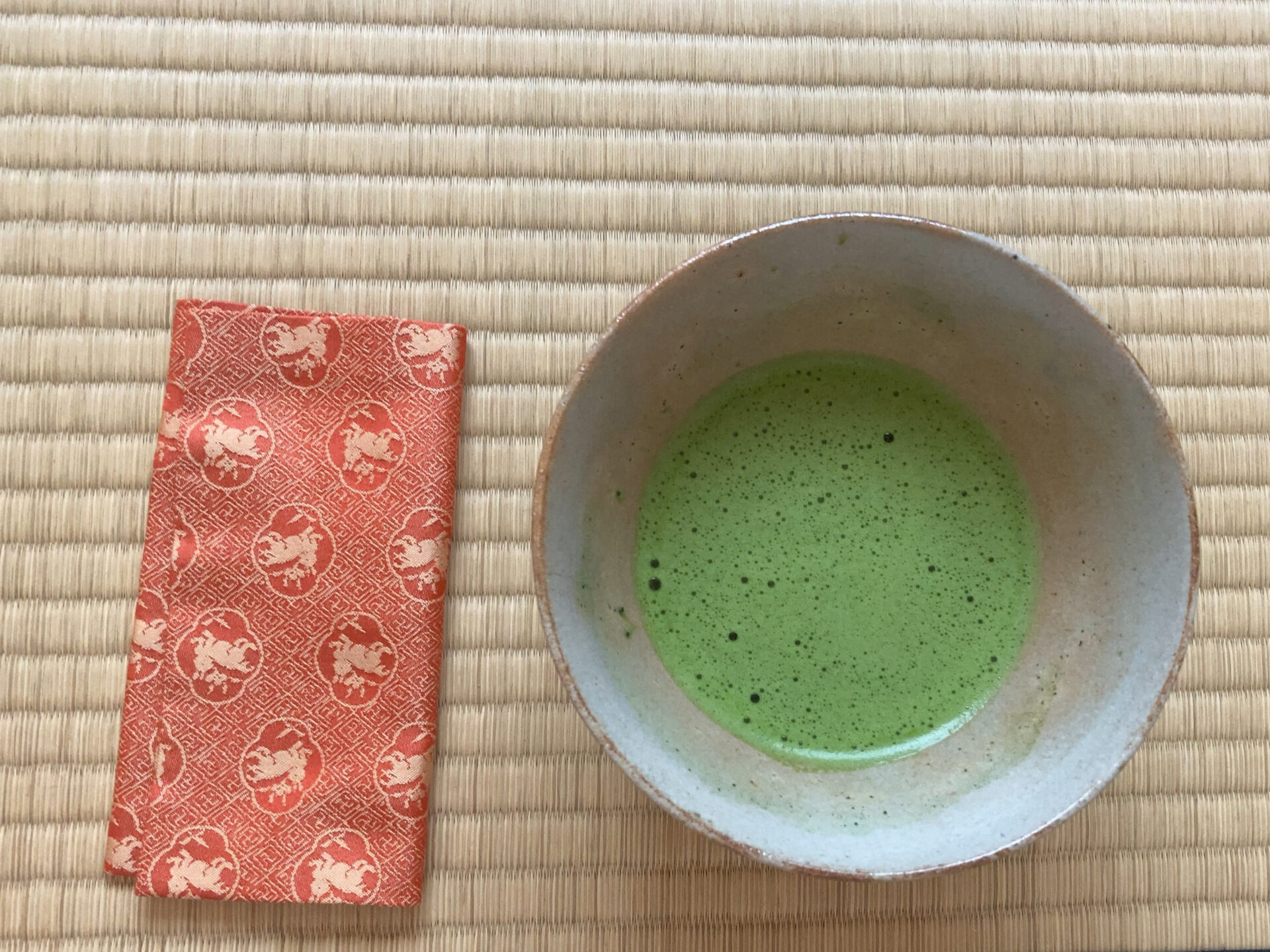
On the other hand, Urasenke is a school of tea ceremony founded by Sen Soshitsu, the great-grandson of Sen no Rikyū.
It is said that half of the 3 million tea practitioners in Japan belong to Urasenke, which is a major school, and the matcha is whisked to a fluffy foam.
Attire and items to bring on the day
When it comes to tea ceremonies, you might imagine participating in a kimono, but at the Kurashiki Citizen Tea Ceremony, casual clothing is permitted.
Especially at the end of September, it can still be quite hot, and it can be a dilemma whether to wear summer or winter kimono. Therefore, even those who usually practice tea can participate in casual clothing at the Kurashiki Citizen Tea Ceremony.
Additionally, you do not need to bring necessary items like kaishi (paper for sweets) or a wagashi cutter. Since it is a casual tea ceremony, preparations will be made at the tea venue.
Thus, on the day, you can participate casually as long as you have your tea seat ticket.
- Kaishi: Washi paper used to place wagashi at the tea seat
- Wagashi cutter: A tool used to cut sweets. Toothpicks, small forks, and black letters may also be used
Interview with the organizer
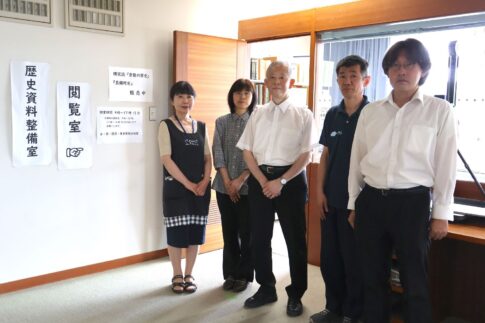
I spoke with Kazutoyo Ōguma, a member of the Kurashiki Citizen Tea Ceremony organizing committee, about how to enjoy the "19th Kurashiki Citizen Tea Ceremony."
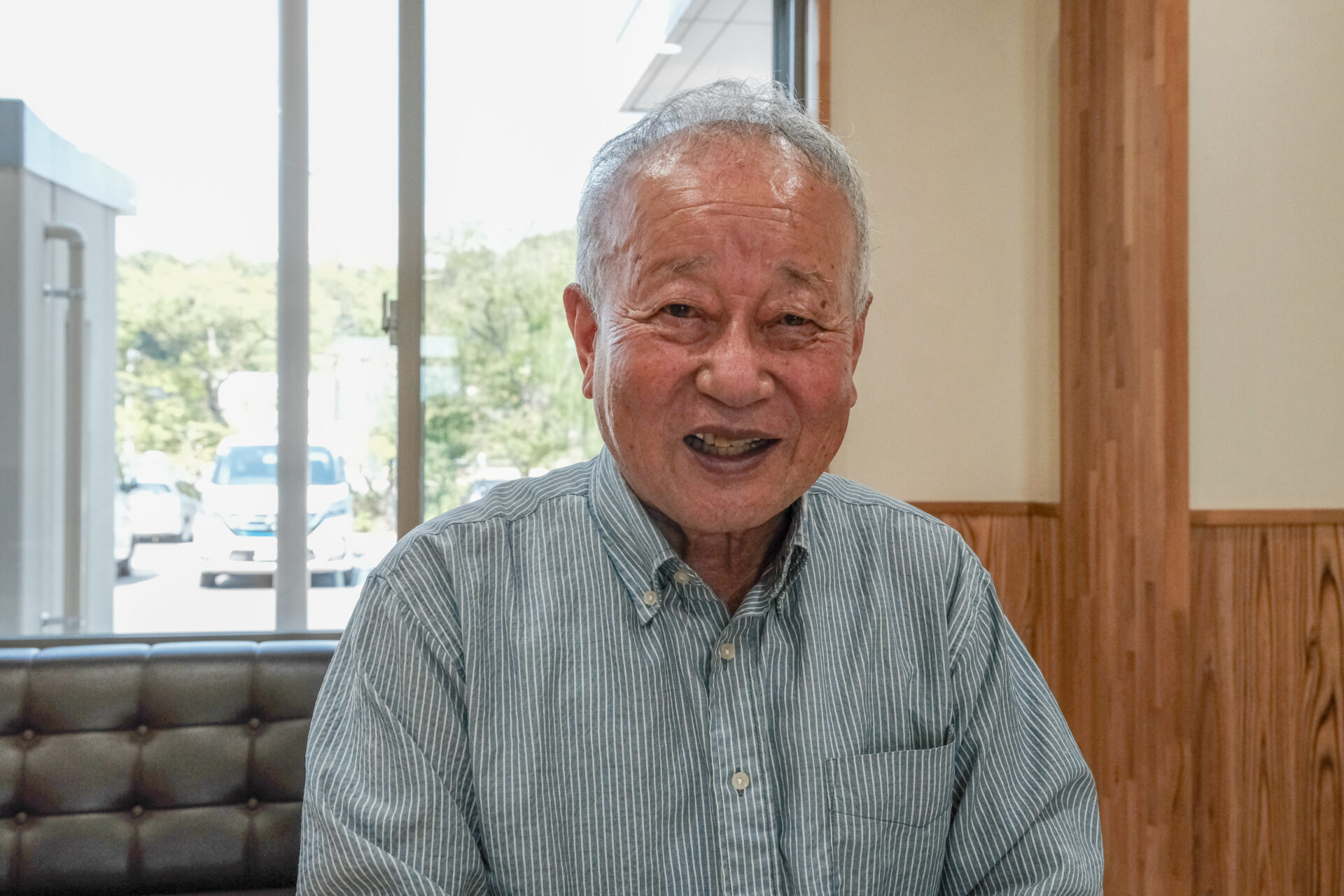
The Kurashiki Citizen Tea Ceremony is now in its 19th year this year (2024).
Ōguma (no honorifics)
The Kurashiki Citizen Tea Ceremony was started with the hope of allowing citizens to enjoy tea widely.
There have been years when it was canceled due to the spread of COVID-19, but this year marks the 19th time.
Regardless of whether people are learning tea or not, it is held with the aim of allowing citizens to casually enjoy tea, so the price of the tea ticket is also affordable at 1,000 yen. Of course, you can come in casual clothing.
How many visitors do you usually have?
Ōguma
Each school has its own tea seat, and about 1,000 people attend in total.
Recently, it seems that there is an increasing number of young people who want to try authentic matcha. Therefore, the attendees of the tea ceremony include many young people as well as older participants like us. On the other hand, there are fewer people in their 40s and 50s.
This is the same for those serving tea. Young people are still in training, so they are not often entrusted with the tea seats. As a result, the ones serving tea tend to be older. Since young people are showing interest, I would be happy if the Kurashiki Citizen Tea Ceremony could further increase the number of tea practitioners.
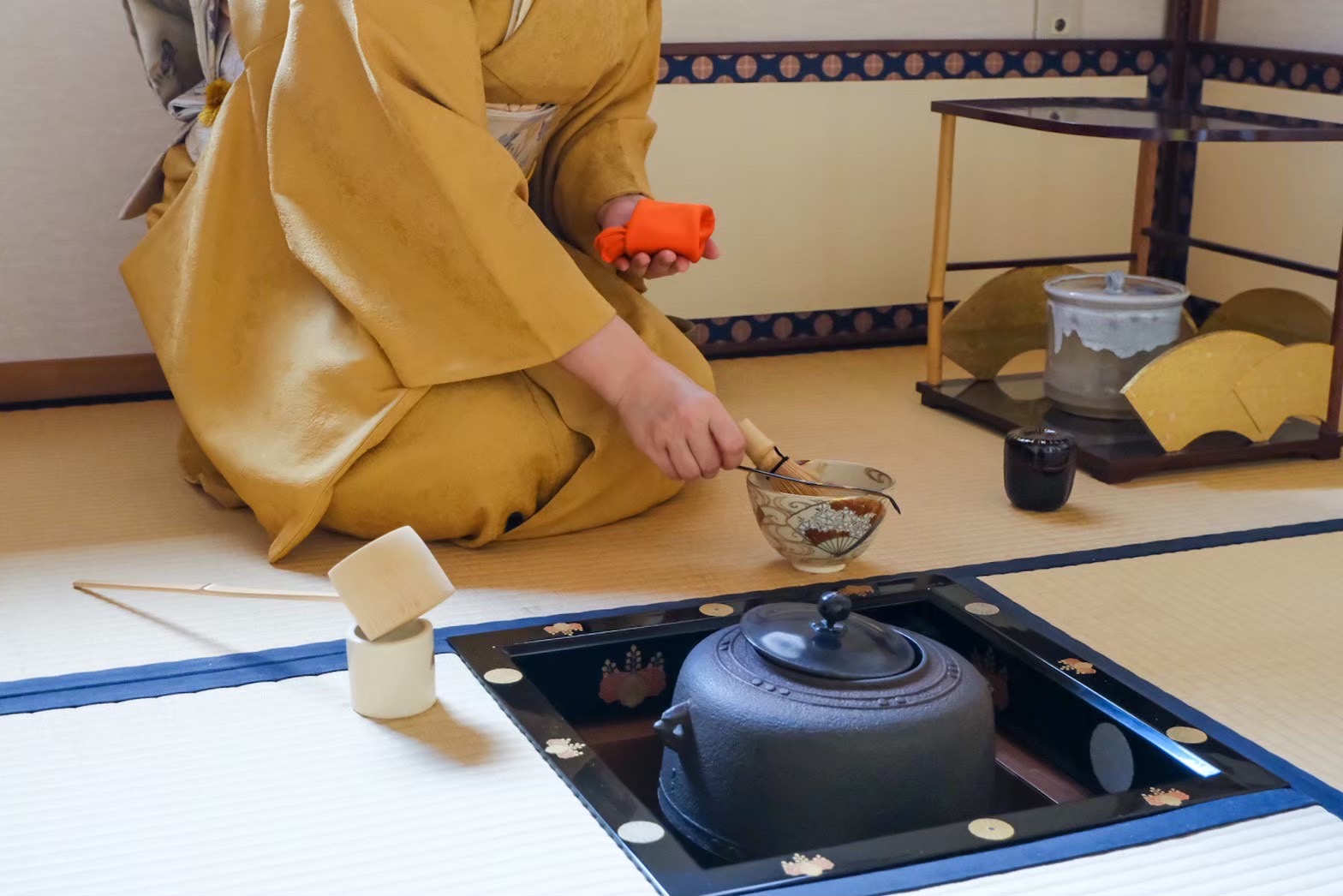
Can you tell us about the tea and sweets that will be served at this Kurashiki Citizen Tea Ceremony?
Ōguma
At this Kurashiki Citizen Tea Ceremony, both Omotesenke and Urasenke will only serve thin tea (usucha). Thin tea is often served in cafes, so it should be a tea that even first-timers can enjoy without resistance.
The tea used differs between Omotesenke and Urasenke. The way it is whisked also varies: Omotesenke does not create much foam, while Urasenke produces a creamy foam, so I believe they choose tea that suits that. You can enjoy two sessions with one tea ticket, so please think of it as a tea tasting experience.
The sweets will be provided by Kikkoudou. For both tea seats, the host (the person serving tea) collaborates with Kikkoudou to create a design suitable for the Kurashiki Citizen Tea Ceremony. The sweets served on the day will be original items that can only be eaten at the Kurashiki Citizen Tea Ceremony, so I hope you enjoy both their appearance and taste.
I heard that tea can be enjoyed not only for its taste but also visually.
Ōguma
That's right.
In the world of tea, we anticipate the seasons. At the end of September, it may still be a bit early for autumn leaves, but you should be able to see autumn-themed patterns in kimono, sweets, and flowers.
Although the hot days continue, I hope everyone can enjoy autumn a little early.
Can beginners participate alone?
Ōguma
Of course, that's perfectly fine.
In the morning's first time slot, there are many experienced tea practitioners who participate in the Kurashiki Citizen Tea Ceremony, so it may feel quite formal. Especially the first three people to enter the tea seat will have roles as guests, interacting with the host and each other in front of other guests. Therefore, I recommend entering from the middle to the end of the session. You can learn how to drink from experienced participants around you or join in by observing.
If you come in a group, we will adjust so that you can sit at the same tea seat, so please feel free to let us know.
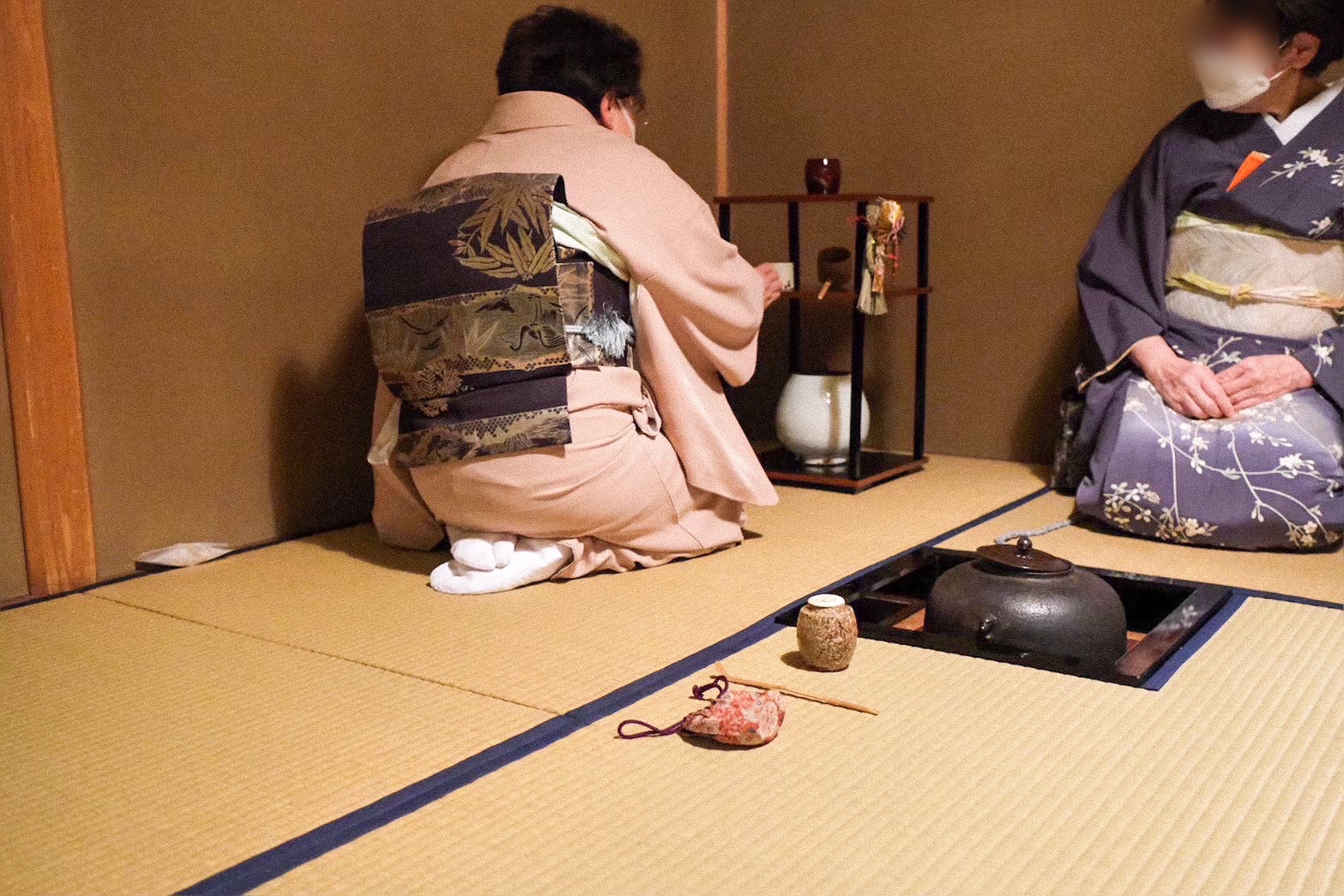
Please give a message to the readers.
Ōguma
I just want everyone to casually enjoy tea while feeling the autumn. Let's drink delicious tea, eat autumn-themed sweets, and spend a pleasant time together.
Conclusion
I myself started learning tea through school tea ceremony and continue to practice tea. Before moving to Kurashiki in December 2023, I lived in the Kanto region, where I had the impression that tea ceremonies were special occasions only for people introduced by teachers.
However, after moving to Kurashiki, I feel that there are many opportunities to enjoy authentic tea ceremonies casually, even for beginners.
Recently, "matcha sweets" have also become popular, so I share the same hope as Ōguma that through events like the Kurashiki Citizen Tea Ceremony, the number of tea practitioners will increase.
On September 29 (Sunday), why not enjoy a comparison of delicious teas and autumn-themed sweets at Geibunkan Hall?
Data on the 19th Kurashiki Citizen Tea Ceremony
| Name | 19th Kurashiki Citizen Tea Ceremony |
|---|---|
| Date | September 29, 2024 (Sunday) 9:30 AM - 3:00 PM *Reception time |
| Location | 1-18-1 Chuo, Kurashiki City |
| Participation fee (tax included) | 1,000 yen |
| Homepage | Kurashiki City Cultural Promotion Division |