
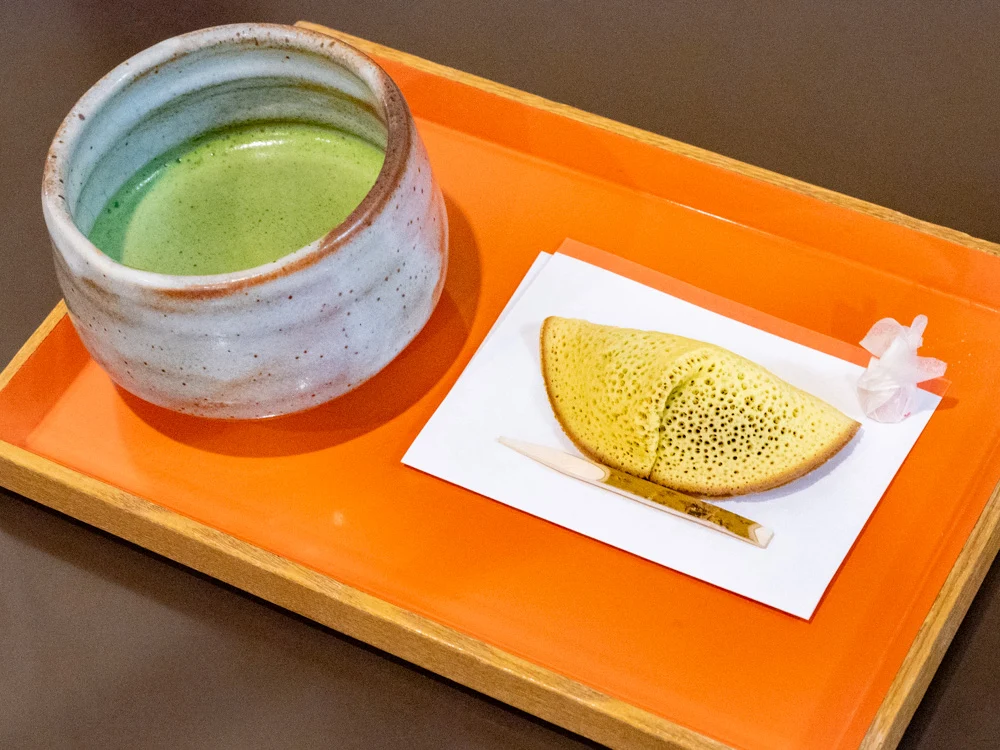
When you go sightseeing, one of the joys is deciding what souvenirs to bring back.
Ideally, it would be nice to have something rooted in the area you visited or something loved by the local people.
And when it comes to souvenirs you want to buy while visiting the Bikan Historical Area, the classic choice is “Murasuzume.”
It is a Kurashiki specialty loved by the local people.
The traditional Japanese sweet, Murasuzume, which represents Kurashiki, is manufactured and sold by Kikkodo. Founded in 1877, it is a long-established confectionery store representing Kurashiki.
Murasuzume was devised by Kikkodo and has been made since its founding.
There was a passionate desire from the founder to “create and nurture a local specialty in Kurashiki.”
In addition to traditional Japanese sweets, Kikkodo also makes Western sweets. Moreover, it was the first store in Kurashiki to make Baumkuchen.
We will introduce Kikkodo, a long-established confectionery store born in Kurashiki, which manufactures not only Murasuzume but also many other attractive products.
Kikkodo is a long-established confectionery store founded in 1877
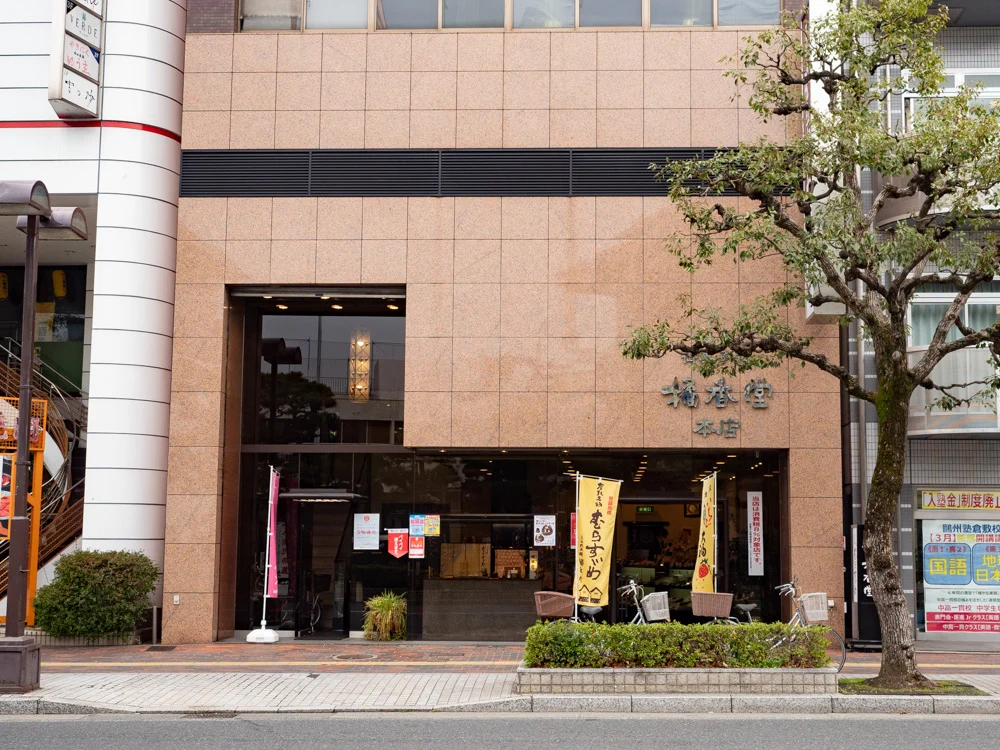
Kikkodo is a long-established confectionery store that was founded in 1877.
The Kurashiki specialty, the classic souvenir of Kurashiki, Murasuzume was born at Kikkodo.
Murasuzume was created by the first generation, Yoshimoto Daikichi, and has been made since the founding in 1877.
For over 140 years, it has been loved by many people, from local residents to tourists.
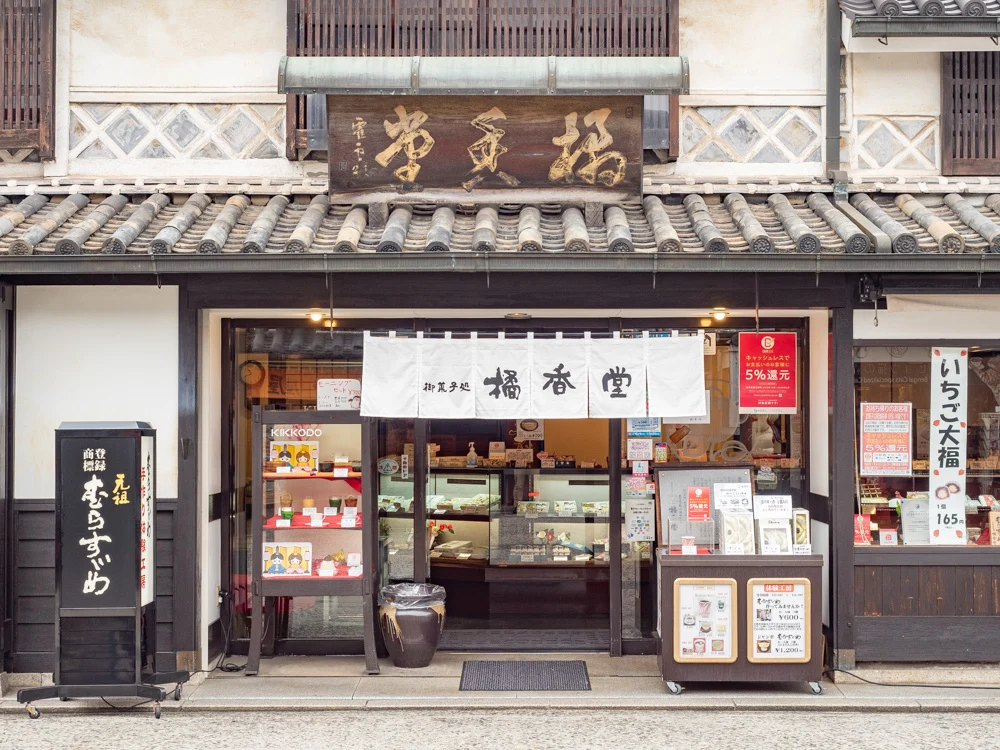
Kikkodo also produces many other sweets in addition to Murasuzume.
They offer a wide range of products, from traditional Japanese sweets to Western sweets.
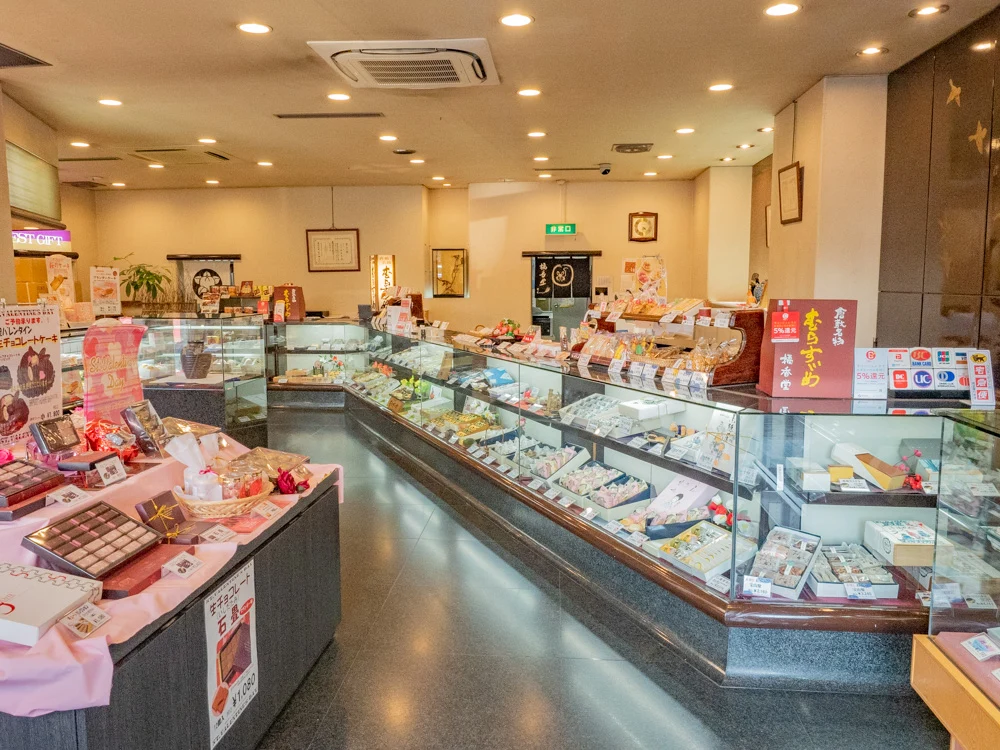
In particular, Kikkodo was the first to manufacture Baumkuchen in Kurashiki.
Kikkodo operates five stores mainly in Kurashiki City.
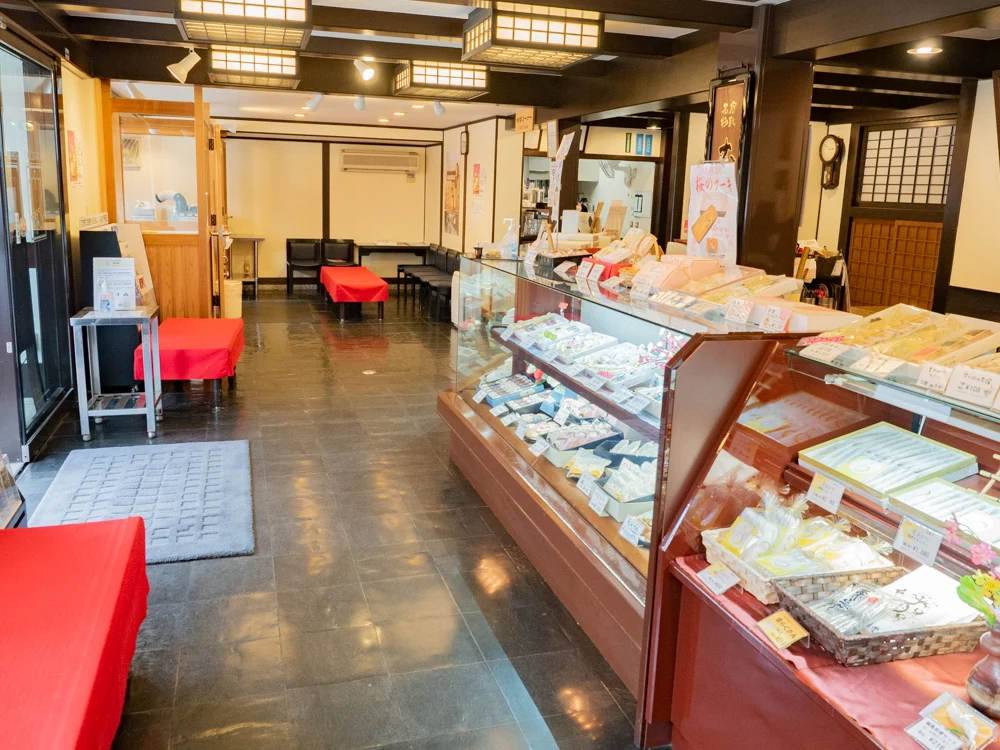
Kikkodo has several stores centered in Kurashiki City, with the stores located in the city center being the Main Store and the Bikan Historical Area Store.
Inside the stores, many Japanese and Western sweets, including Murasuzume, are available for sale.
The history of the Kurashiki specialty “Murasuzume” devised by Kikkodo
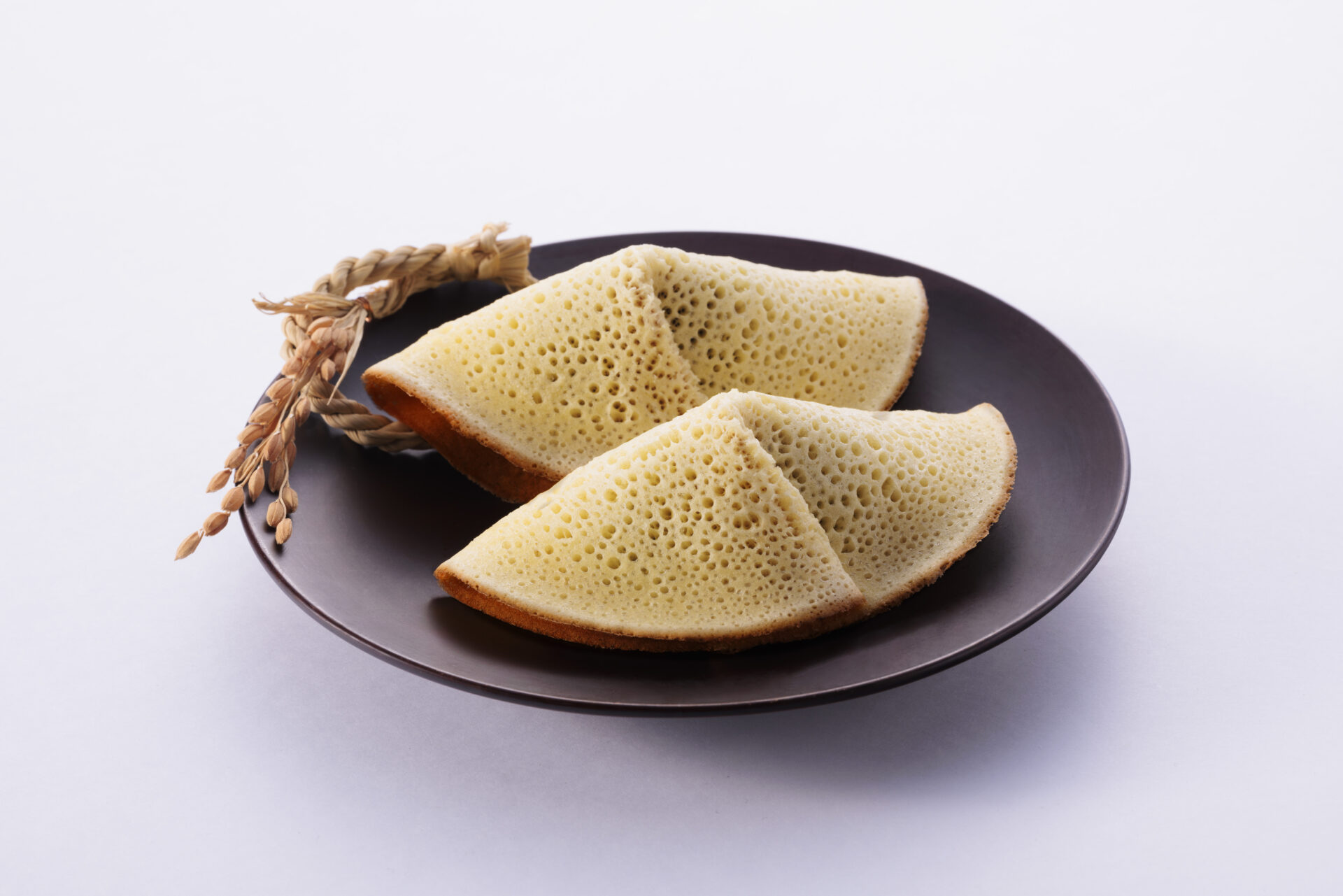
“Murasuzume” is derived from the traditional culture of Kurashiki.
During the Edo period, Kurashiki prospered as a distribution center for goods and as a river port. Various items, including cotton, were transported, but among them, rice from Bichu Province, known as “Bichu rice,” was also transported in large quantities.
The quality of the rice greatly affected the lives of the residents of Kurashiki. Therefore, around the time of the Obon festival every year, the residents would wear straw hats woven from rush grass and dance to pray for a good harvest.
Inspired by these woven hats for praying for a good harvest and ears of rice, the first generation, Daikichi, came up with the shape of Murasuzume.
The woven hats worn by the dancers praying for a good harvest looked like sparrows spreading their wings around the ears of rice, which is why the sweet was named “Murasuzume” (meaning “flock of sparrows”).
Recommended products from Kikkodo
Kikkodo offers a wide variety of products.
Here, we will pick up and introduce representative and recommended products.
Additionally, there are assorted sets of multiple products, including “Murasuzume” and “Kuriman.”
Products and prices are as of May 2024. Prices include tax.
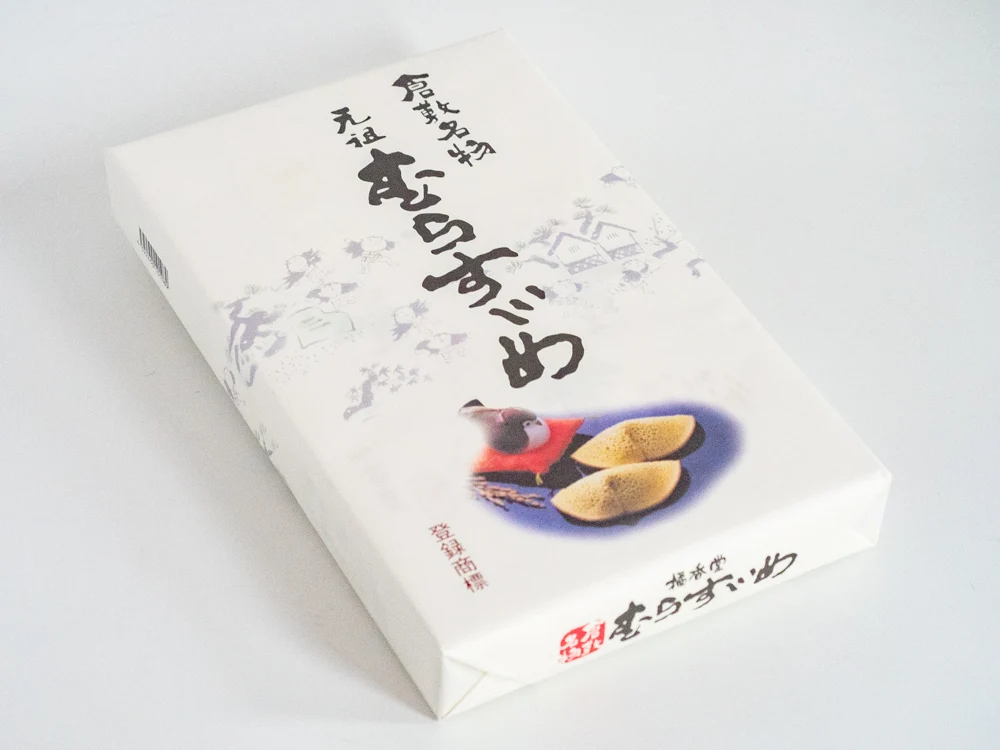
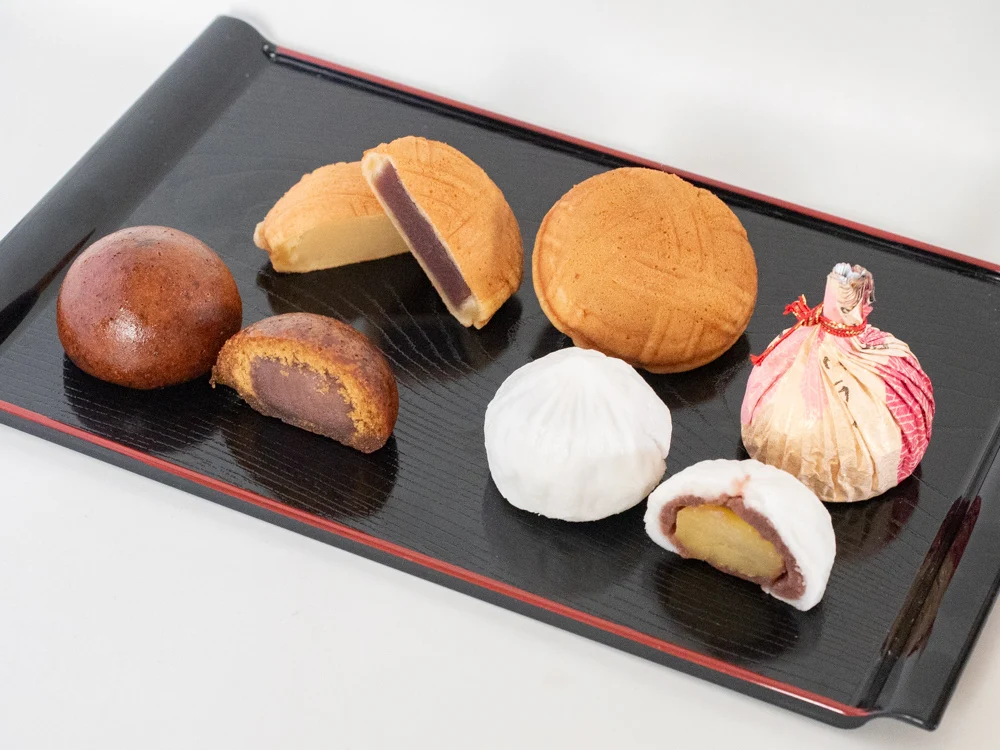
“Murasuzume” is a traditional Japanese sweet representing Kurashiki
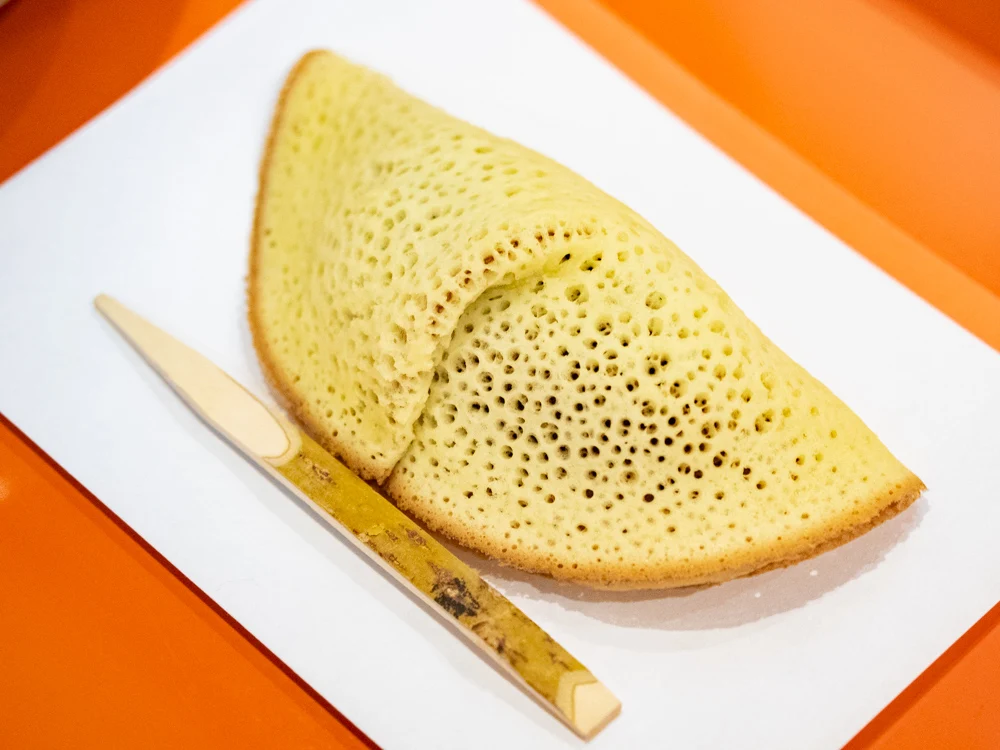
Kikkodo's signature product is “Murasuzume (150 yen each).”
When you think of souvenirs from Kurashiki or food from Kurashiki, Murasuzume is likely the first thing that comes to mind.
Murasuzume is a sweet made by spreading a thin round dough on a hot plate, placing sweet red bean paste on top, and folding the dough in half to wrap the paste.
The dough is made using fresh eggs from Okayama Prefecture, specially blended flour, and other carefully selected ingredients. When the dough is baked, many small bubbles form on the surface, which is a characteristic and highlight of Murasuzume.
Additionally, the sweet red bean paste uses azuki beans from Hokkaido.
Furthermore, Kikkodo's Murasuzume has won the following awards at the National Confectionery Expo:
- Honorary President's Award
- Prime Minister's Award
- Minister of Agriculture, Forestry and Fisheries Award
- Tea Ceremony Master Award
- Special Honor Award
Moreover, Murasuzume is designated as the October sweet for various schools of tea ceremony.
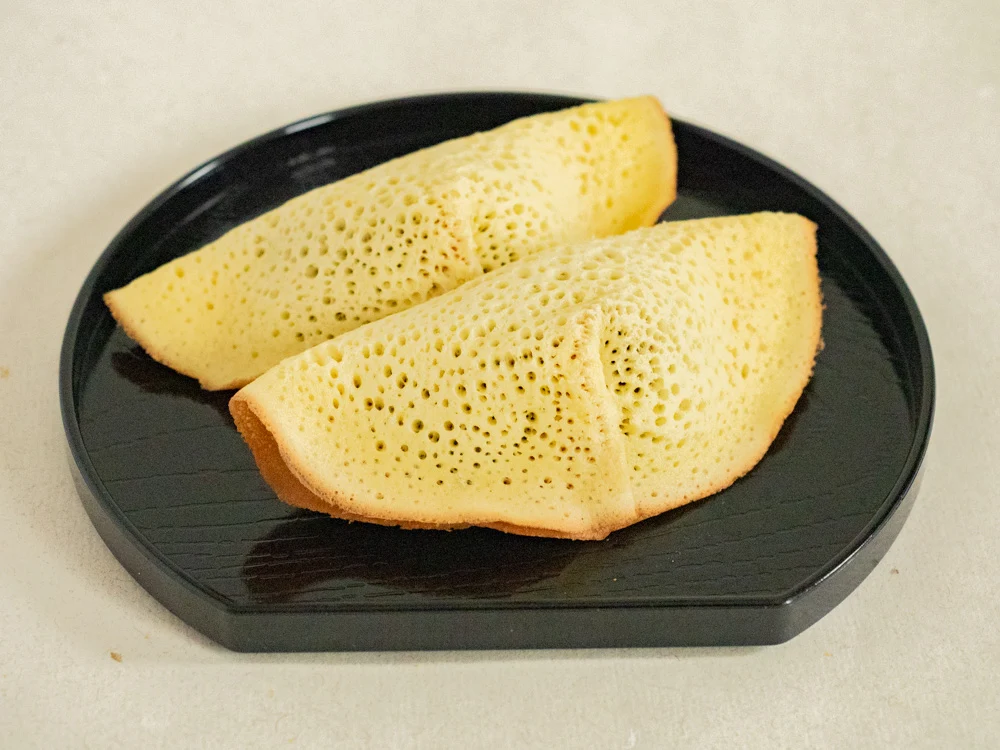
The bubbles on the surface of the dough are also a highlight
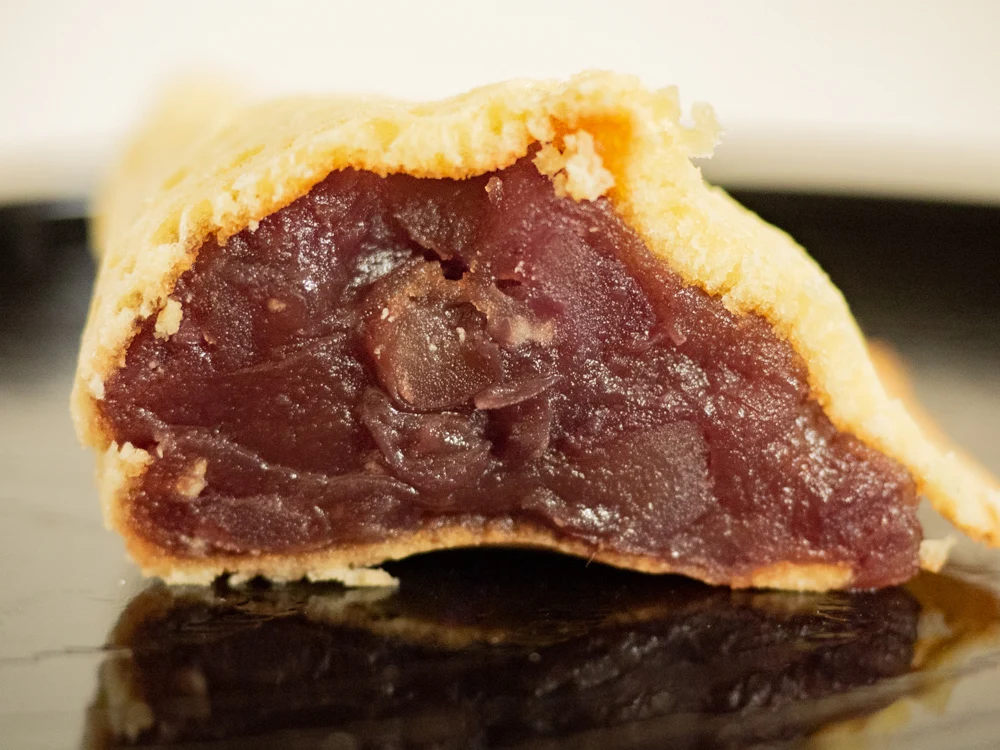
When you eat Murasuzume, the thin dough has a fluffier texture than you might expect.
At the same time, it is moderately moist, allowing you to enjoy a subtle sweetness and the flavor of eggs.
The red bean paste inside has a smooth texture, with the soft texture of the azuki beans providing a nice accent.
It has a rich, refined sweetness typical of bean paste, which pairs perfectly with the dough.
It is irresistible for those with a sweet tooth.
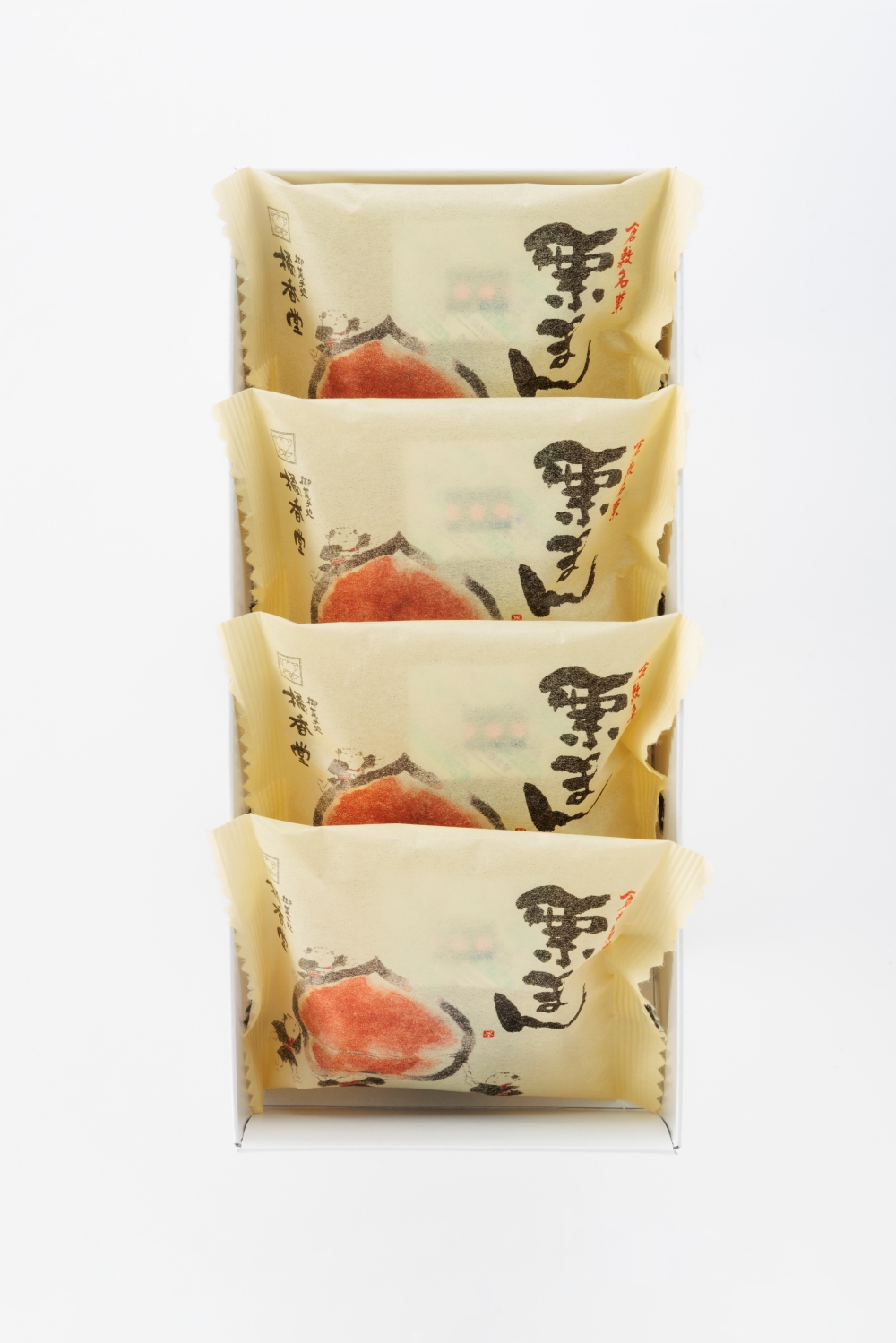
“Kuriman” is a bun with a whole large chestnut inside
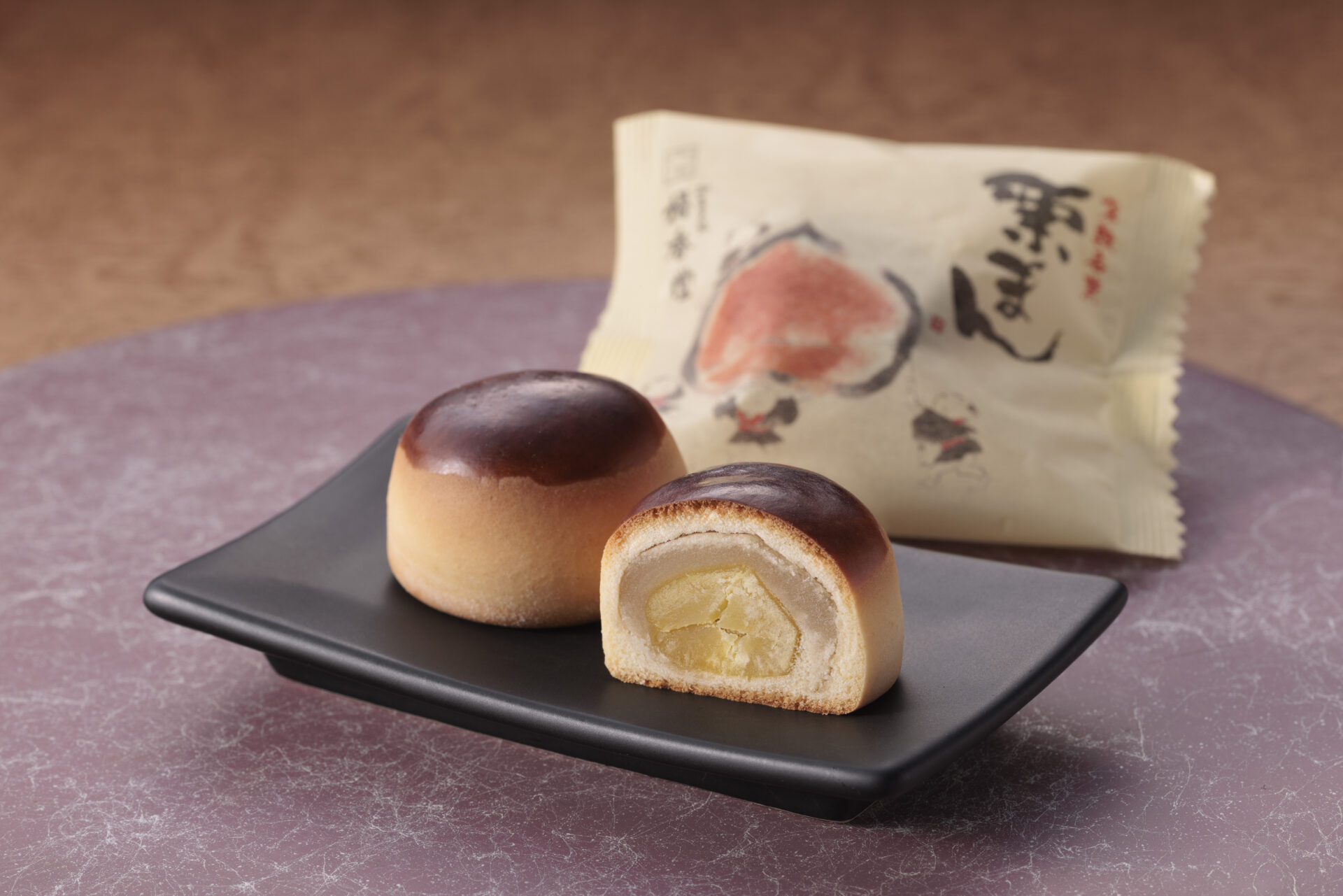
Among the Japanese sweets, the second most popular product after Murasuzume is “Kuriman (200 yen each).”
Kuriman is a bun made with chestnuts.
Moreover, it is a satisfying sweet that contains a whole chestnut inside the bun.
Kuriman uses ripe, flavorful, and soft-textured chestnuts that are carefully selected.
They are also large chestnuts.
The chestnuts are wrapped in white bean paste to prevent them from hardening, and then wrapped in the bun's skin and baked.
The harmony of the flavor of the bun's skin, the sweetness of the white bean paste, and the texture and taste of the chestnut is the charm of Kuriman.
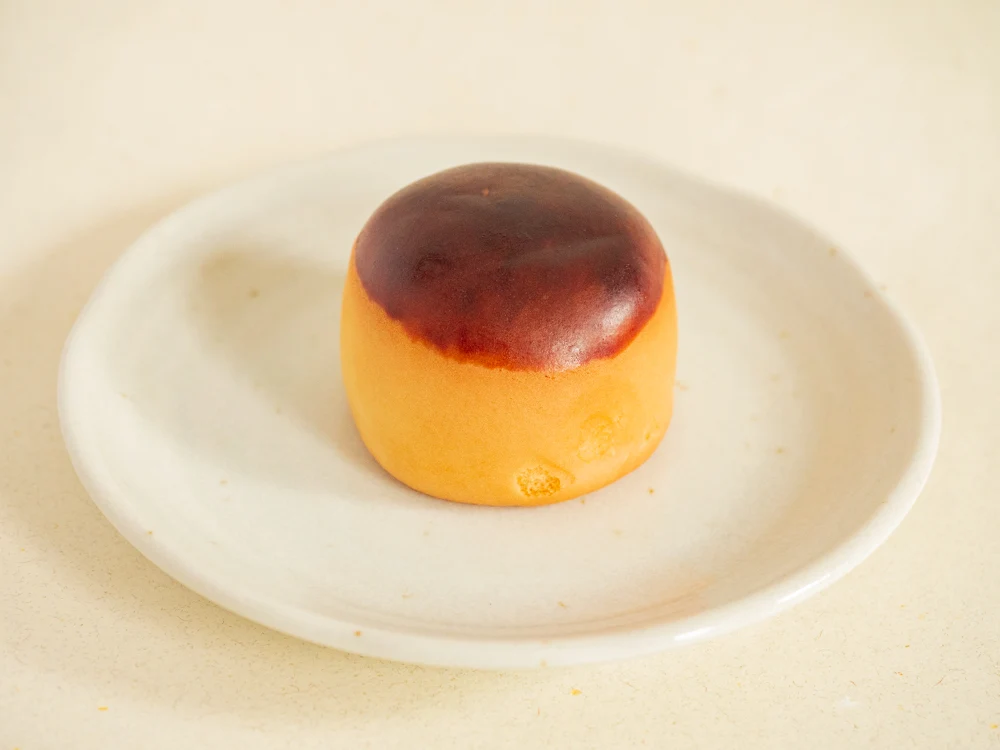
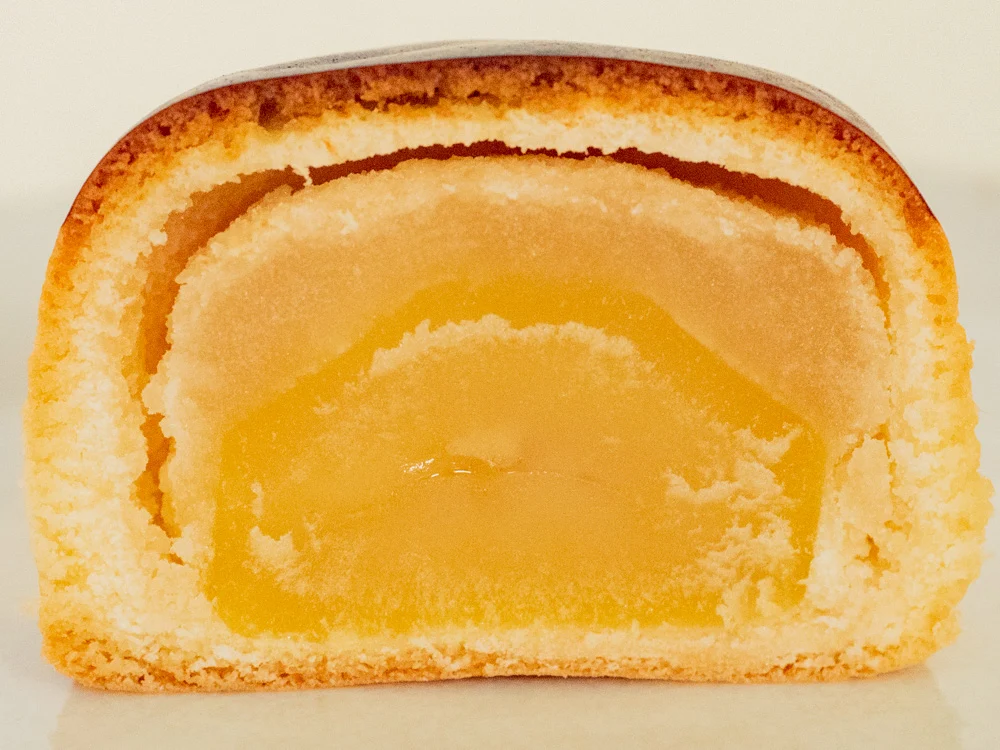
The skin of the bun is moist, with a roasted flavor and a hint of sweetness.
The white bean paste inside is moist and has a refined sweetness.
And the large chestnut inside is fluffy and has a moderate firmness.
The sweet and rich flavor of the chestnut pairs well with the taste of the white bean paste and the skin.
Chestnut buns are very popular among local customers.
They are especially often used as gifts.
Indeed, when there was a memorial service at my house, there were relatives who often brought chestnut buns.
Additionally, tourists and business customers sometimes buy them along with murasuzume and become fans, even purchasing chestnut buns through mail order.
"Nakayoshi" is popular as a tea snack for guests due to its elegance and long shelf life
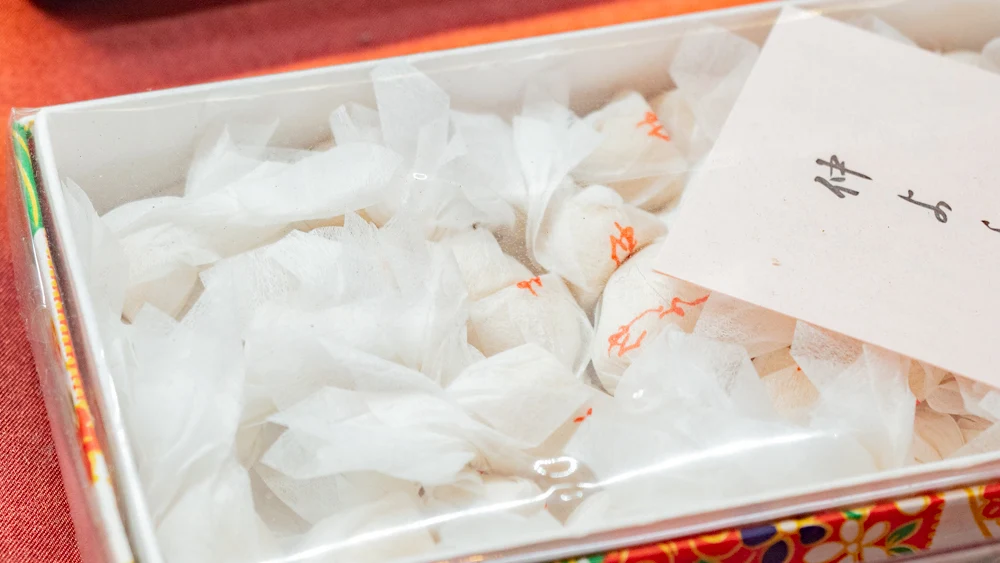
Kikkodo also handles dry sweets (higashi).
One of the products named "Nakayoshi" (18 pieces for 530 yen and up) has been loved by local customers for many years.
Nakayoshi uses Awa Wasanbon, and while it has a firm texture when eaten, it gradually melts in the mouth.
You can enjoy its smooth melting texture and elegant, refined sweetness.
It is a bite-sized small sweet, available in two colors: pale pink and white, giving it a refined and cute appearance.
▼ The container is also stylish and elegant.
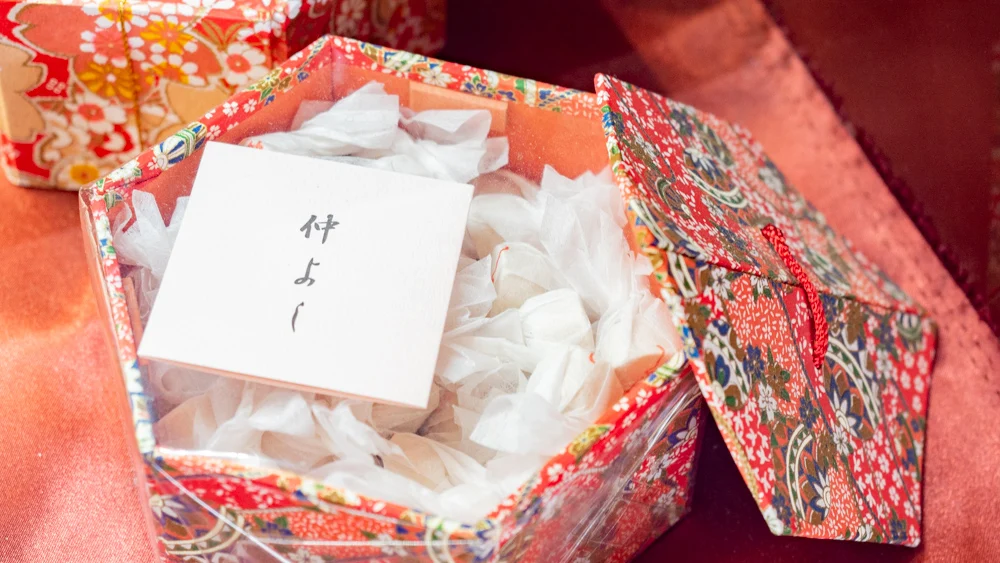
It seems that the container can also be reused after eating.
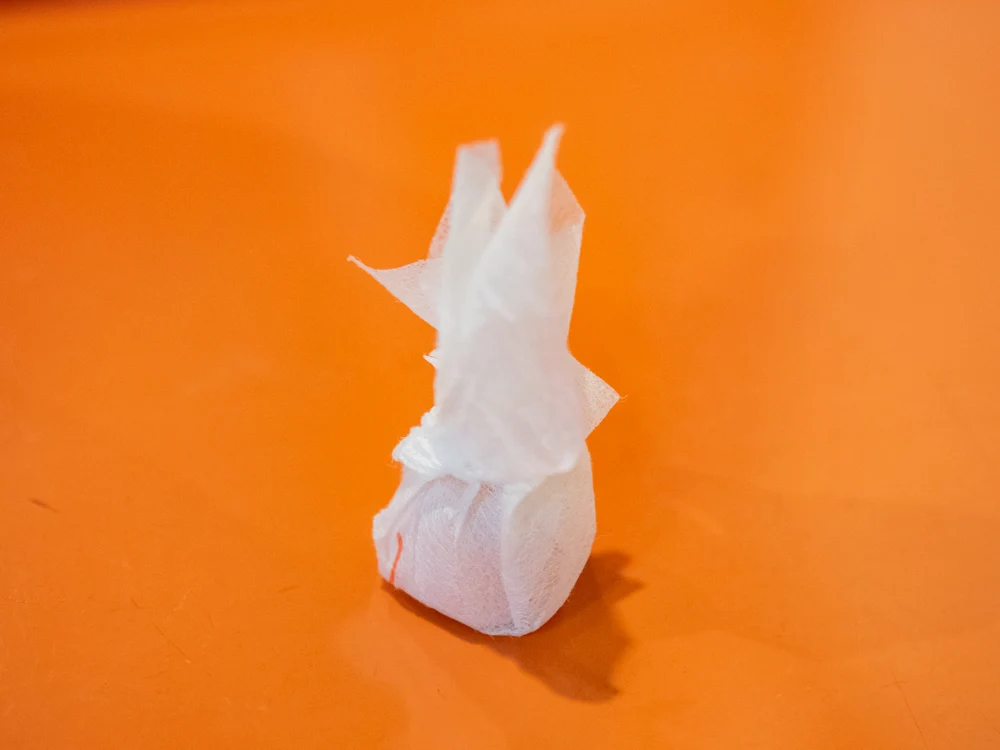
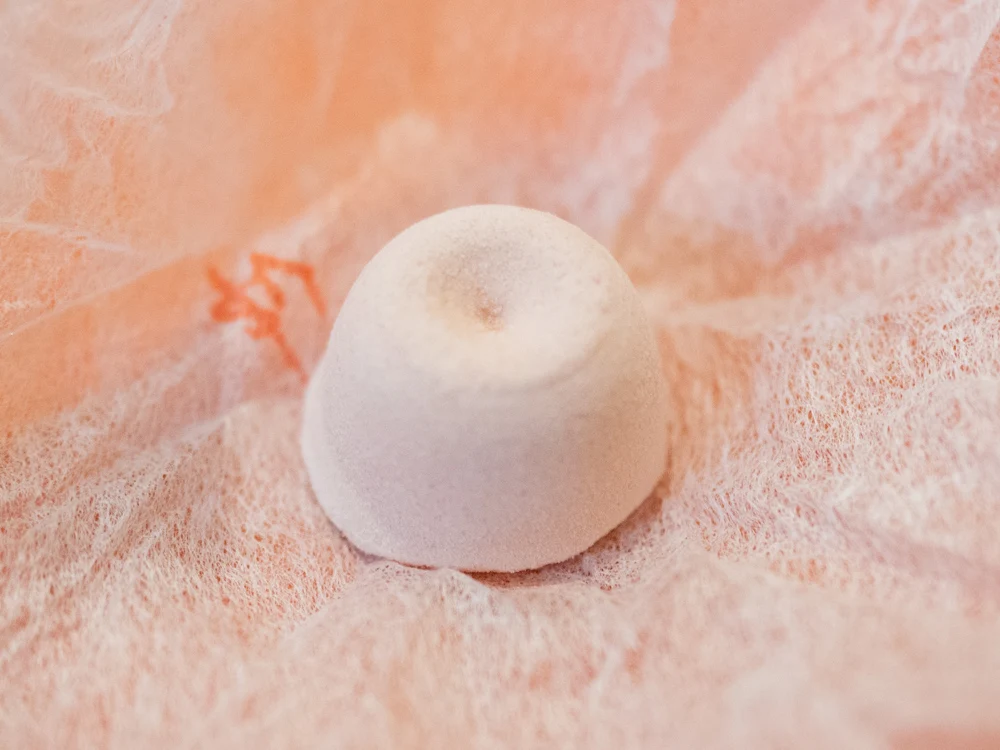
Kikkodo describes this indentation as "ekubo" (dimples).
I thought it truly has a cute appearance like a dimple.
Nakayoshi has a shelf life of 120 days from the date of manufacture. It is also cute and elegant in appearance.
Therefore, many local customers keep it at home for serving as a tea snack for unexpected guests.
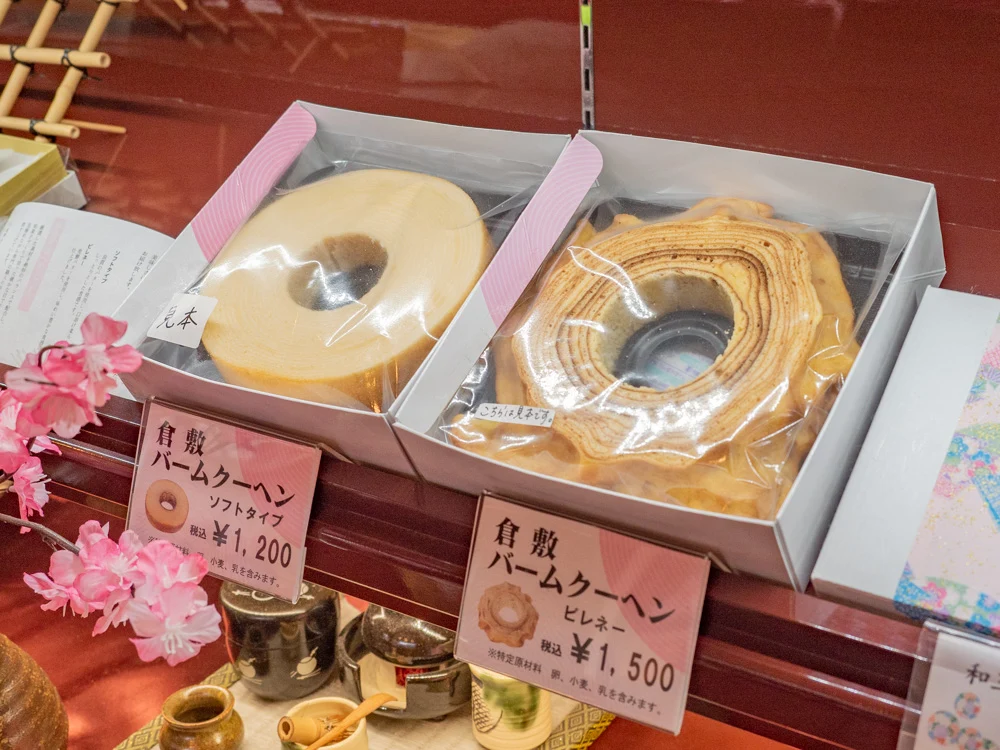
"Kurashiki Baumkuchen" is the first Baumkuchen in Kurashiki and comes in two varieties
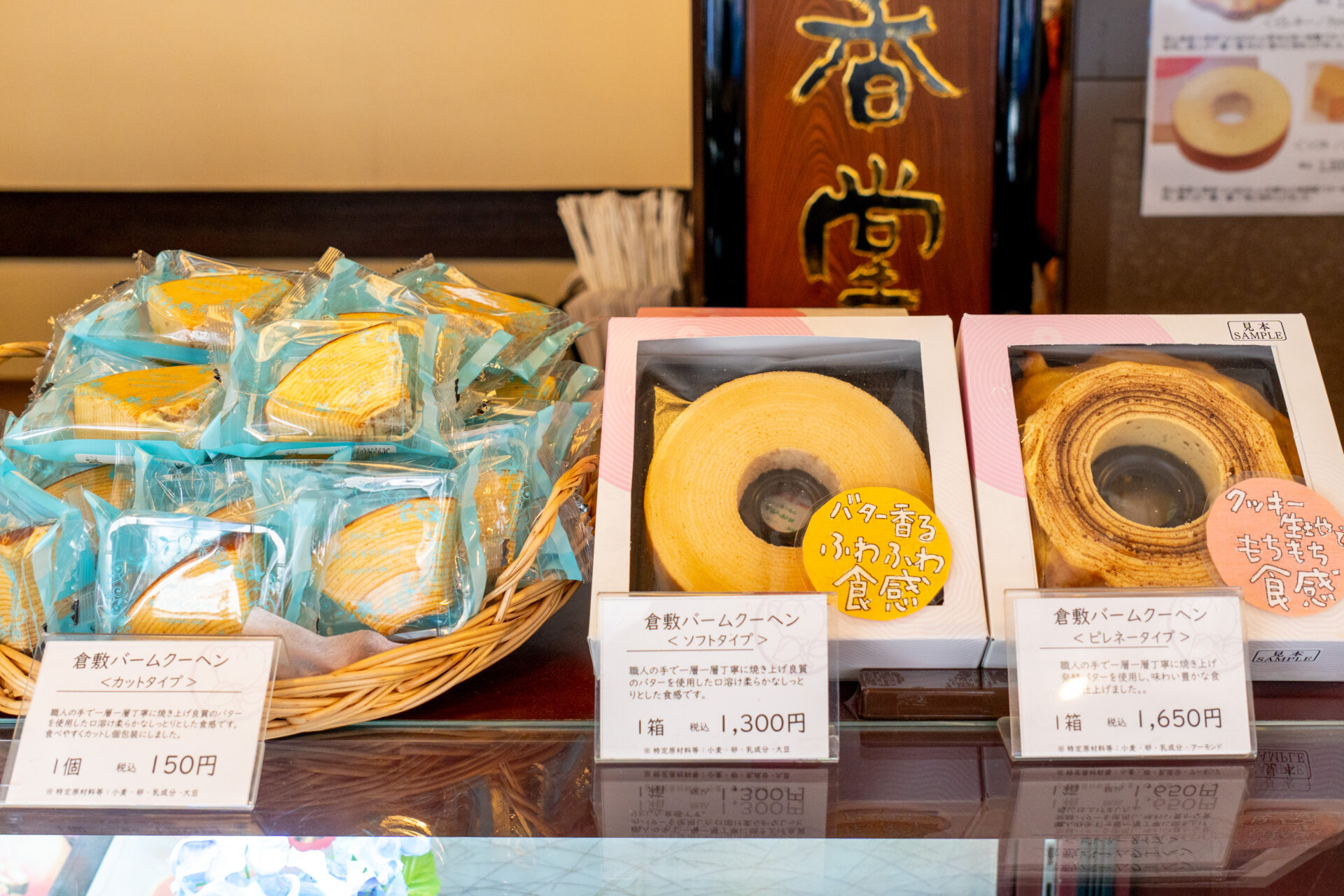
Although Kikkodo has a strong image of traditional Japanese sweets, it actually also makes Western sweets.
Among them, the highlight is the "Kurashiki Baumkuchen." Kikkodo is the first store in Kurashiki to sell Baumkuchen.
Kikkodo's Baumkuchen comes in two varieties: "Soft" and "Pyrénées."
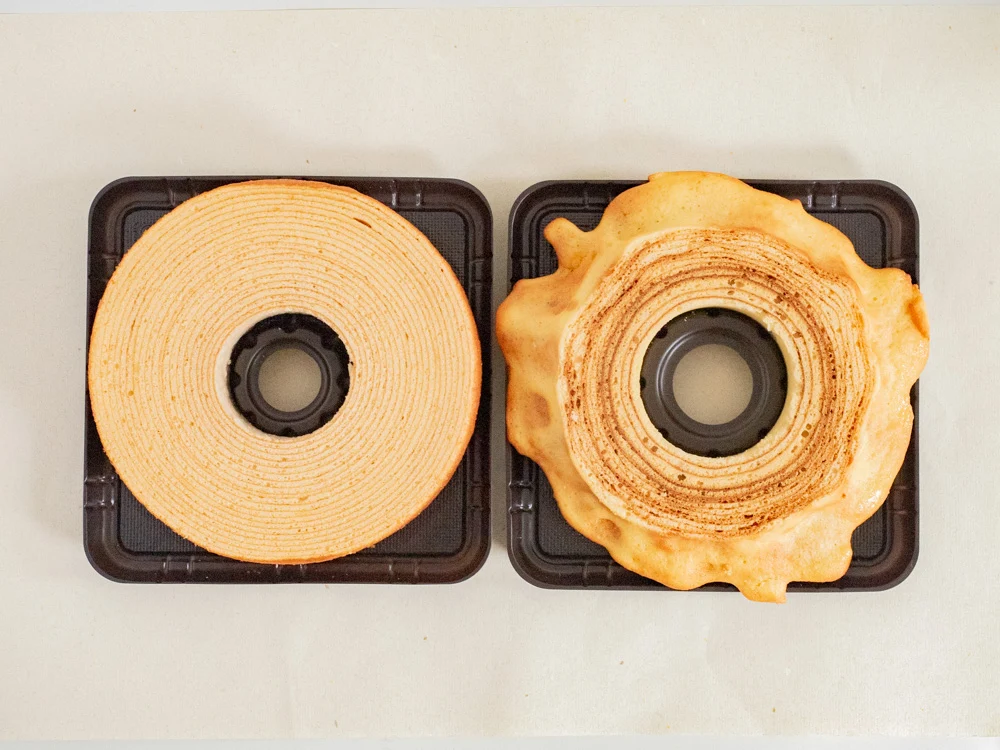
Both use Okayama Prefecture-produced flour, Okayama Prefecture-produced eggs, and high-quality butter, making them carefully crafted products.
It is also recommended to buy both and compare them.
The Soft variety is of the same type as general Baumkuchen.
On the other hand, Pyrénées is said to be a reproduction of the method and taste that has been passed down from the foothills of the Pyrénées Mountains, the birthplace of the "Gâteau Pyrénées," which is said to be the origin of Baumkuchen.
It is a kind of sweet that resembles the prototype of Baumkuchen.
The product name Pyrénées is also derived from the Pyrénées Mountains.
Kurashiki Baumkuchen Soft
This is the packaging for the Baumkuchen.
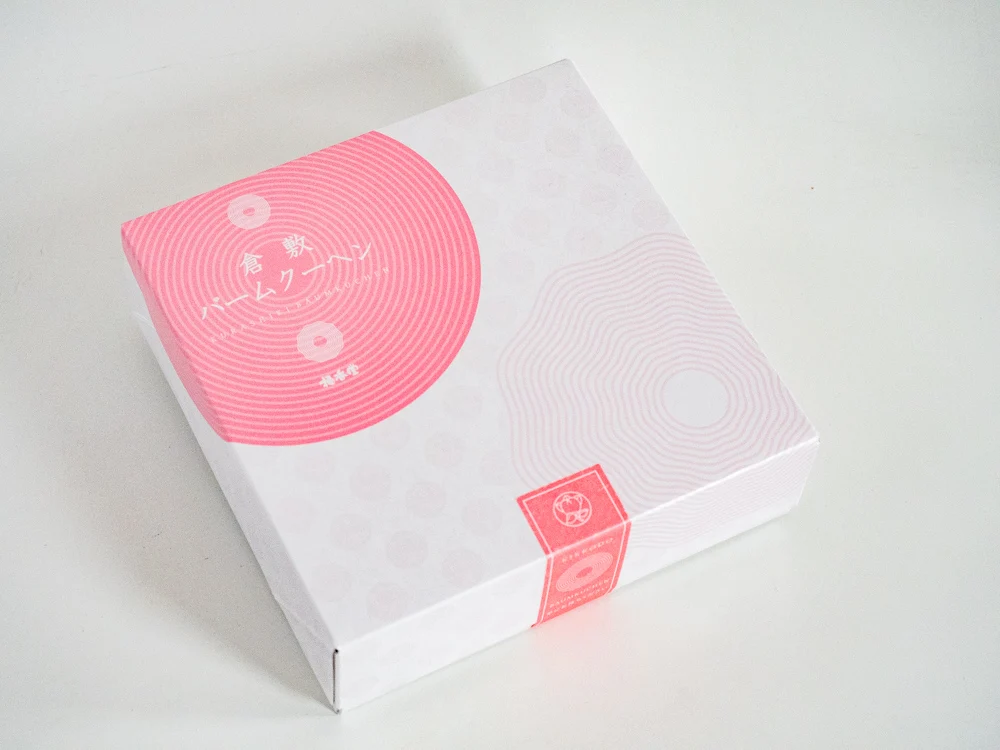
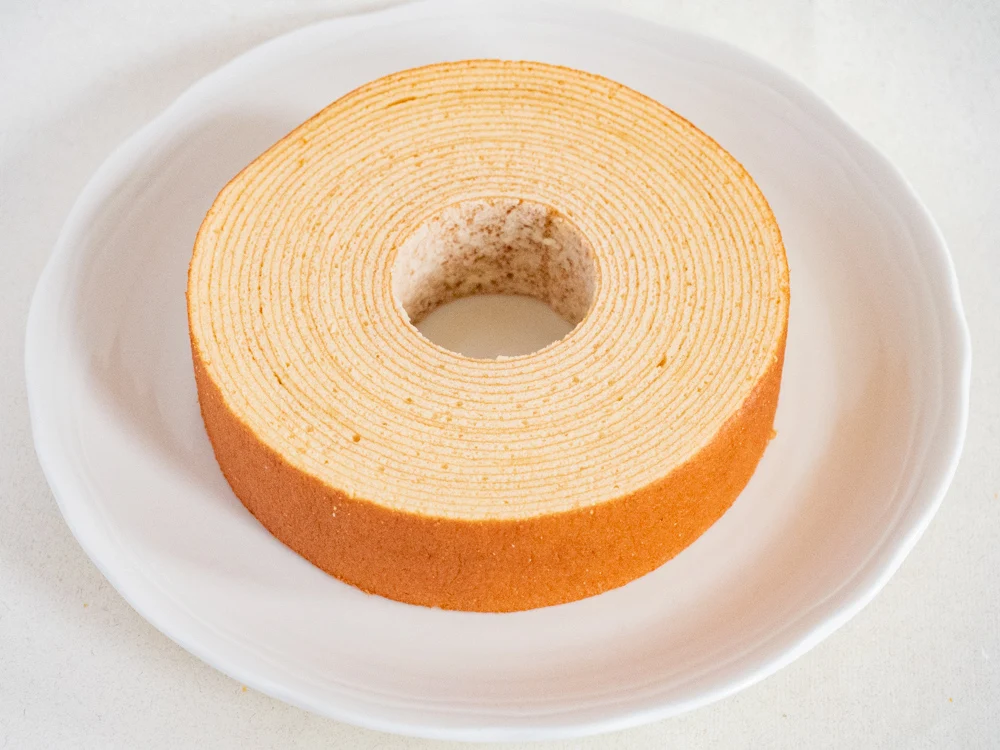
The Soft variety has a fluffy and light texture. The sweet flavor and aroma spread throughout the mouth.
Kurashiki Baumkuchen Pyrénées
Pyrénées also has the same packaging as the Soft variety.

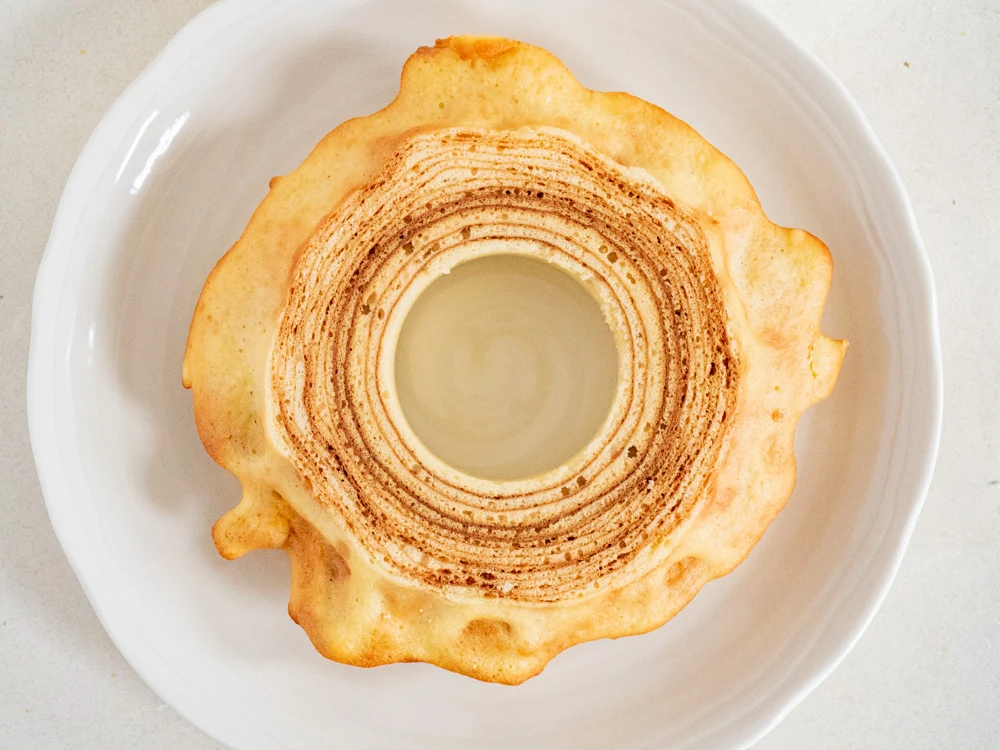
The appearance and color are so unique that they remind one of wood.
Pyrénées has a brownish color, with thicker and uneven dark brown lines compared to the Soft variety.
Additionally, it uses fermented butter, providing a very rich sweetness and buttery flavor.
The texture is slightly more elastic than the Soft variety.
It has a chewy texture, and with each bite, you can feel the aroma of butter.
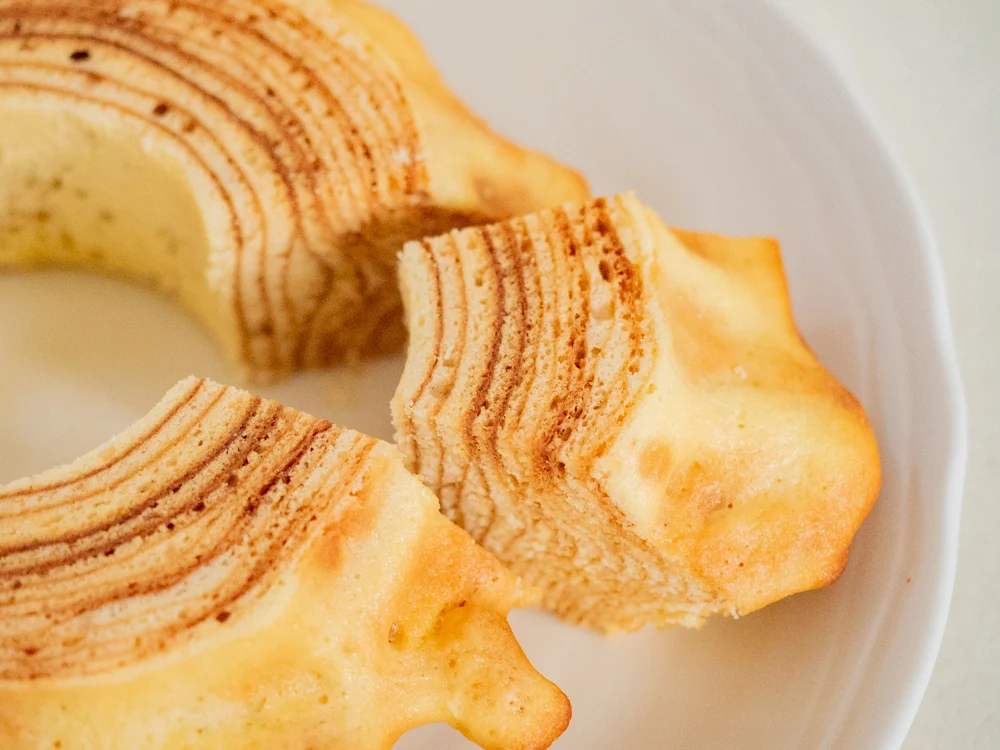
It is hard to choose between Soft and Pyrénées.
In my case, I prefer Pyrénées, which has a sweeter and buttery aroma.
The Bikan Historical Area store also has a café corner
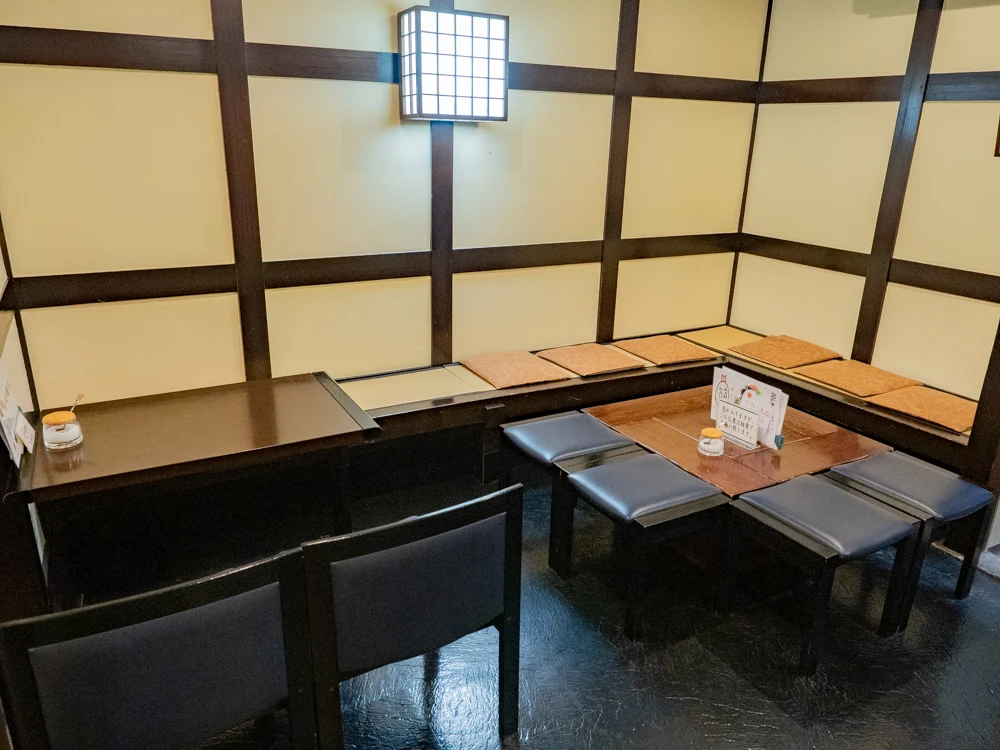
The Bikan Historical Area store has a café corner as well.
The café corner has three tables for four people and one table for ten people.
The ten-person table may be shared when it is crowded.
There were single drinks like hot coffee (450 yen) and set menus with murasuzume (starting from 550 yen).
Prices are as of May 2024. Prices include tax.
The Bikan Historical Area Limited "Murazume Hand-Baking Experience" is very popular with children!
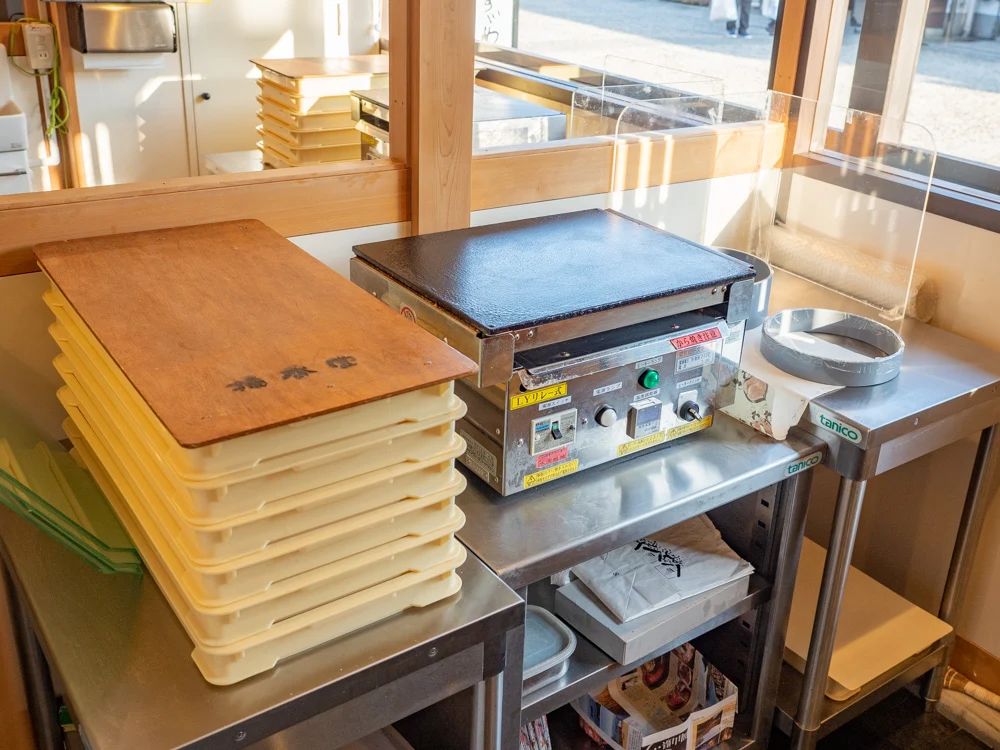
At the Bikan Historical Area store, there is a workshop for experiences, where you can enjoy the Murazume hand-baking experience.
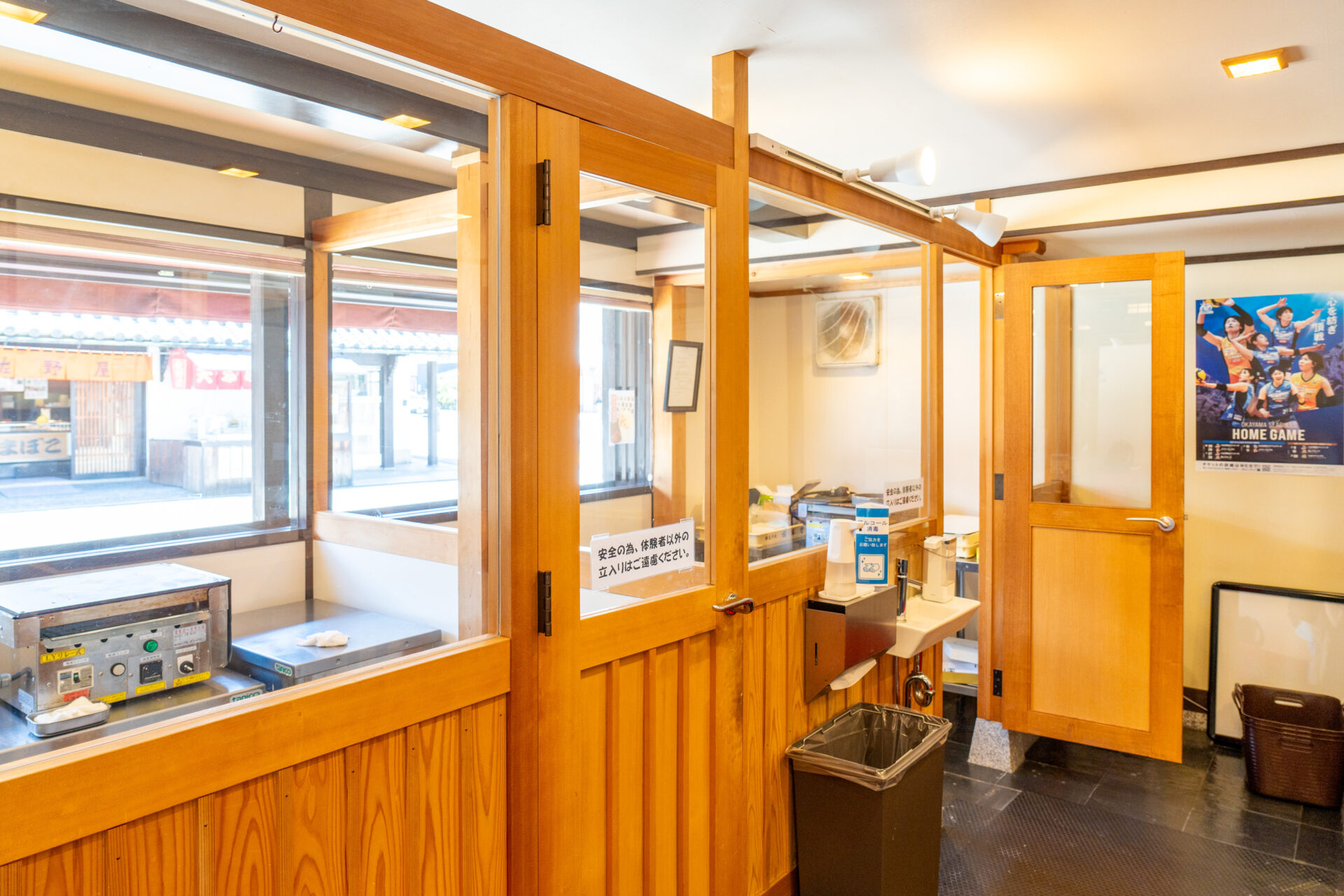
The hand-baking experience offers two courses: three regular-sized Murazume and one jumbo-sized Murazume.
▼ The hand-baking experience is especially popular with children.
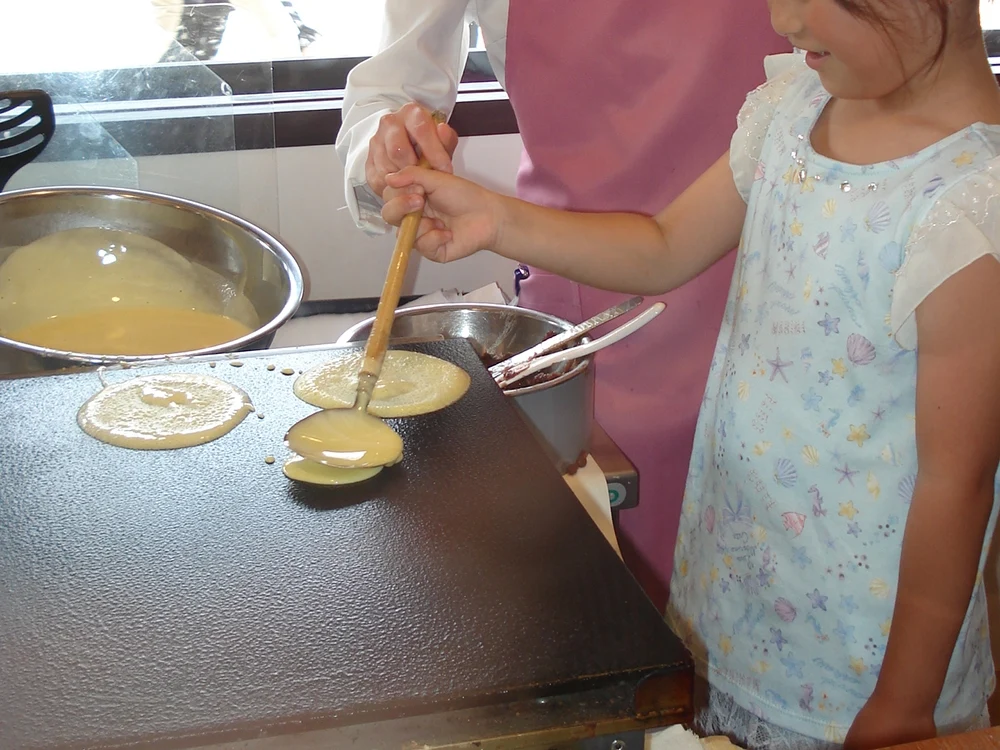
During spring break, summer vacation, and holiday periods, there are often many children waiting in line!
When making them, staff members demonstrate and teach you, so you can feel at ease.
▼ When you roll it up, it's a chance to show off your skills!
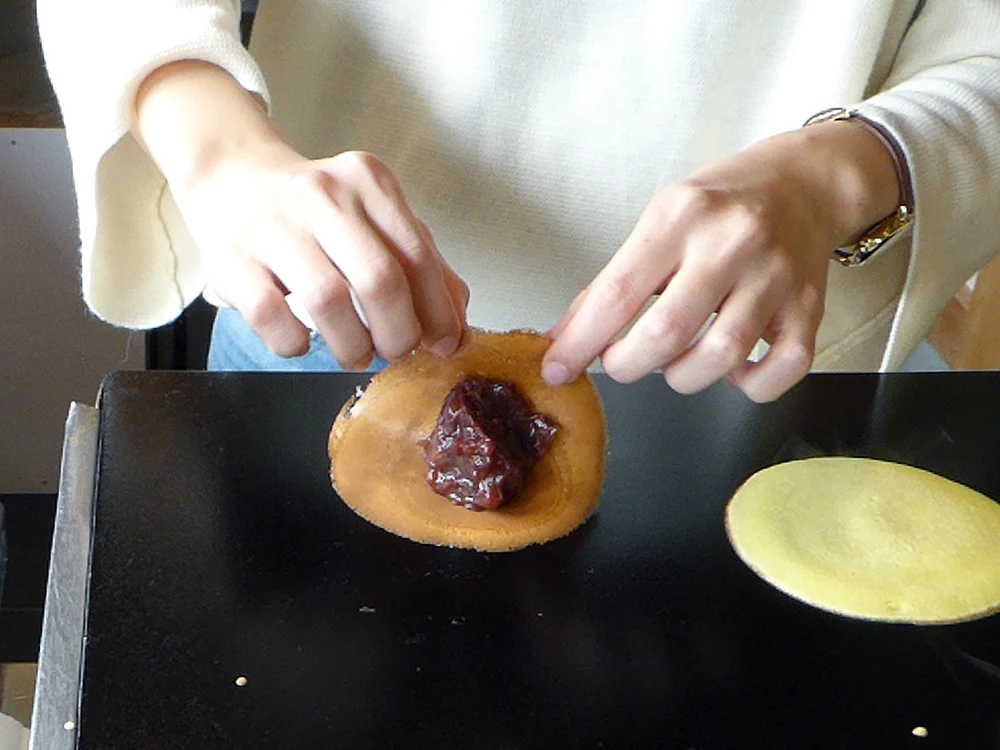
▼ The "jumbo Murazume" is not sold at the store. It is exclusive to the hand-baking experience.
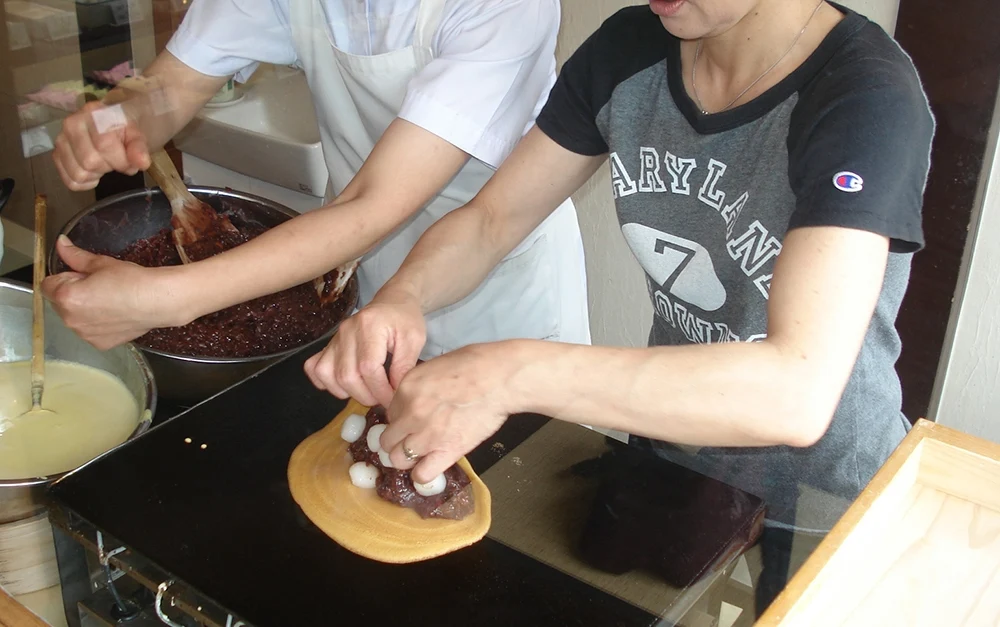
The jumbo Murazume is about seven times the size of a regular Murazume.
Additionally, it features shiratama dumplings inside.
▼ Given its size, it seems like it would be more challenging to make.
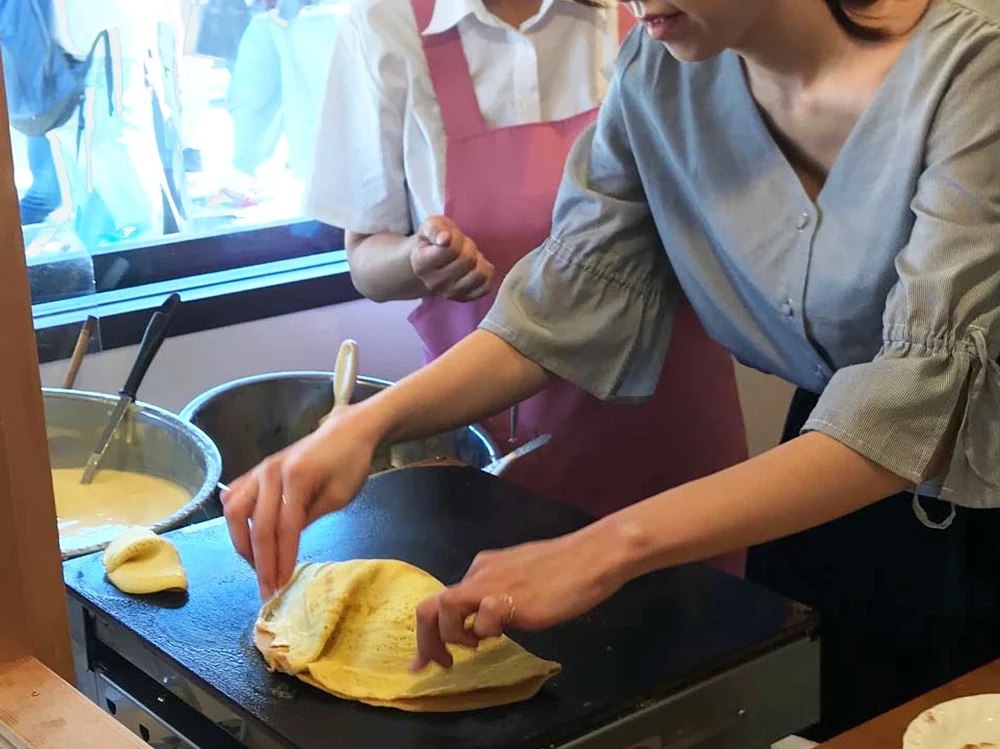
Adults were also working hard to make them. The Murazume you bake yourself might just taste better.
During the interview, I witnessed a group of adults, presumably on a business trip, participating in the hand-baking experience.
Even adults seemed to be having fun, taking photos and videos with their smartphones while hand-baking. There were also people who appeared to be from overseas, showing great interest in the hand-baking experience.
I think the charm of the Murazume hand-baking experience is that it can be enjoyed regardless of age or nationality.
How to Apply for the Murazume Hand-Baking Experience
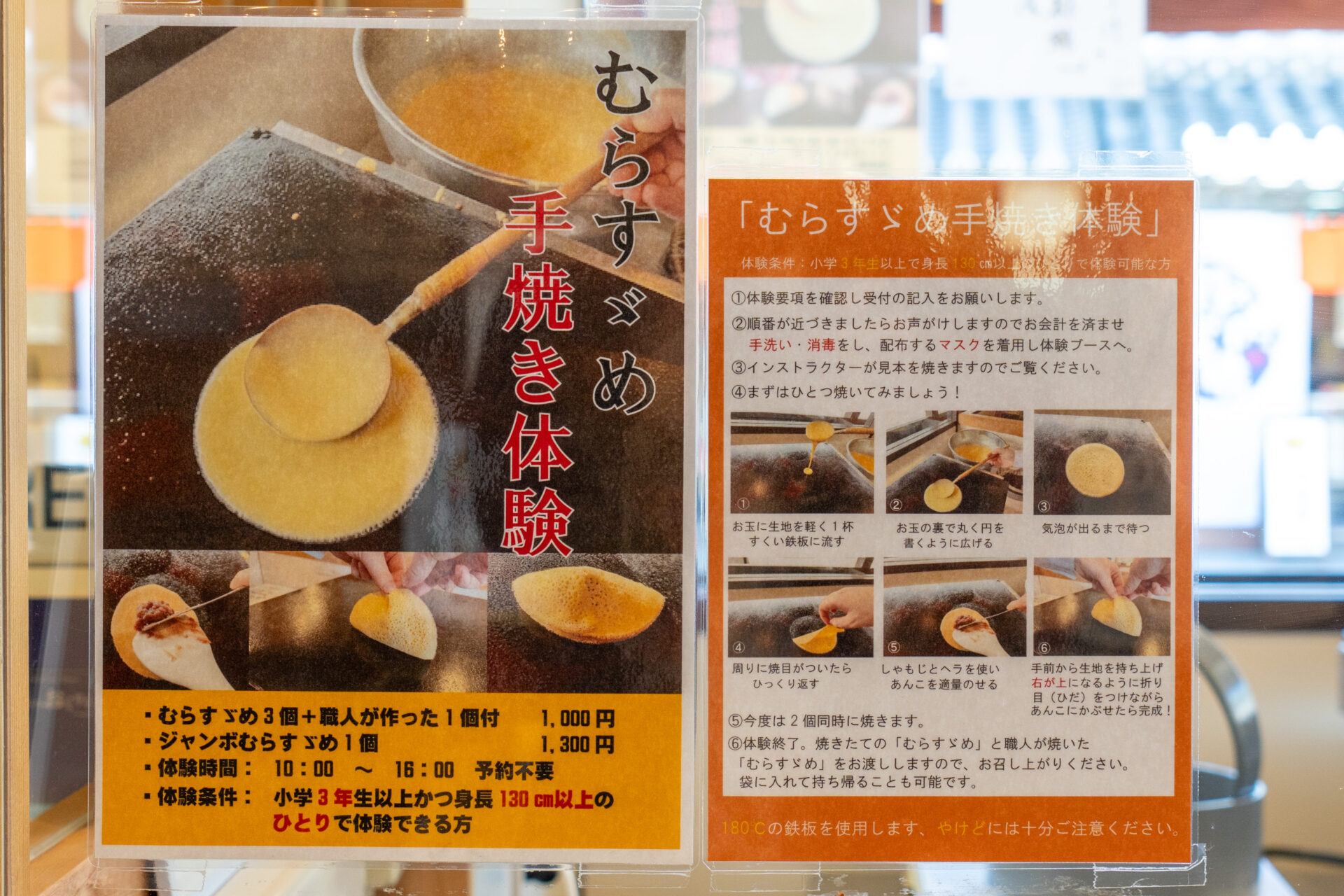
▼ The fee for one person for the hand-baking experience is as follows.
| Content | Price (including tax) |
|---|---|
| Three Murazume + one made by a craftsman | 1,000 yen |
| One jumbo Murazume | 1,300 yen |
Prices are as of May 2024. Prices include tax.
The hand-baking experience is available for registration from 10:00 AM to 4:00 PM.
Those who are in 3rd grade of elementary school or older and are 130 cm or taller can apply for the experience alone.
If you want to participate in the hand-baking experience, please inform the staff at the confectionery sales counter that you would like to do the hand-baking experience and pay the fee. After payment, you will receive a ticket.
The hand-baking experience is conducted in the order of payment.
During busy times, please wait in front of the workshop until your turn comes.
When your turn comes, please hand your ticket to the staff at the workshop and start the experience.
The Main Store Nearby is Also Recommended
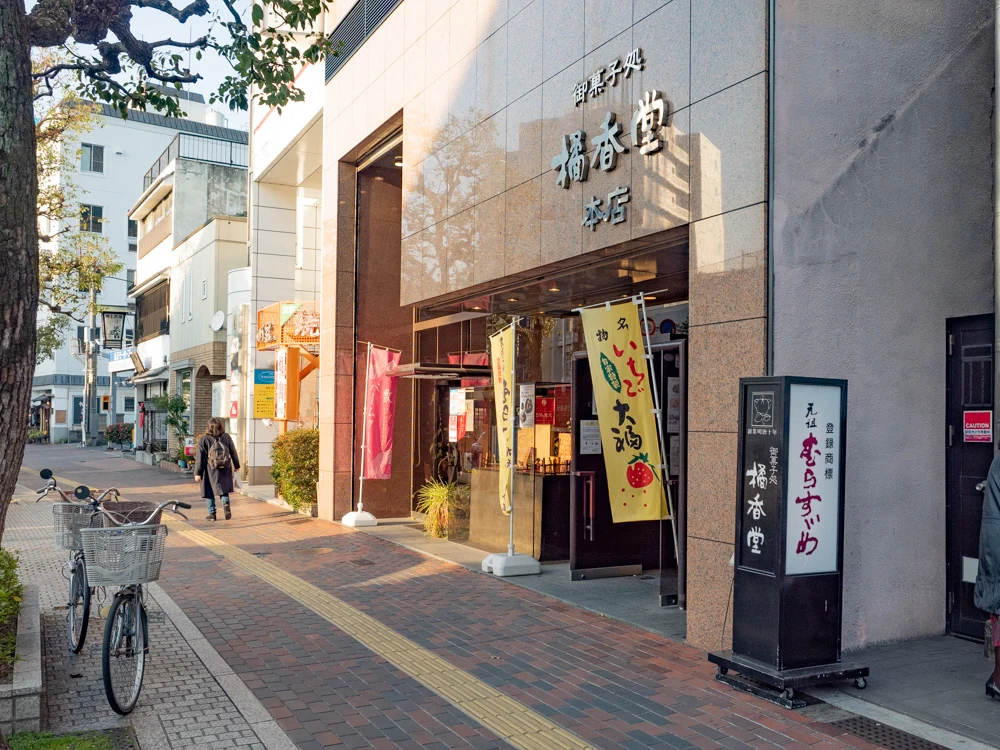
Right near the Bikan Historical Area store, there is also Kikkodo's main store.
The main store is located about 150 meters north (towards JR Kurashiki Station) from the Bikan Historical Area store.
It is along Kurashiki Chuo-dori (Motomachi-dori).
The main store is characterized by having a larger variety of products than the Bikan Historical Area store.
Since it is also close to the Bikan Historical Area store, be sure to stop by the main store as well.
Kikkodo Products are Also Available for Purchase at the Online Shop
Kikkodo also operates an online shop.
Most of Kikkodo's products, except for some, can be purchased at the online shop.
If there are no Kikkodo stores or retailers carrying Kikkodo products nearby, please consider using it.
Kikkodo manufactures the historically renowned Kurashiki confection "Murazume," as well as various attractive Japanese and Western sweets.
I conducted an interview with Tano Hideki, the director and head of the sales department at Kikkodo.
Kikkodo Co., Ltd. (Bikan Historical Area Store) Data
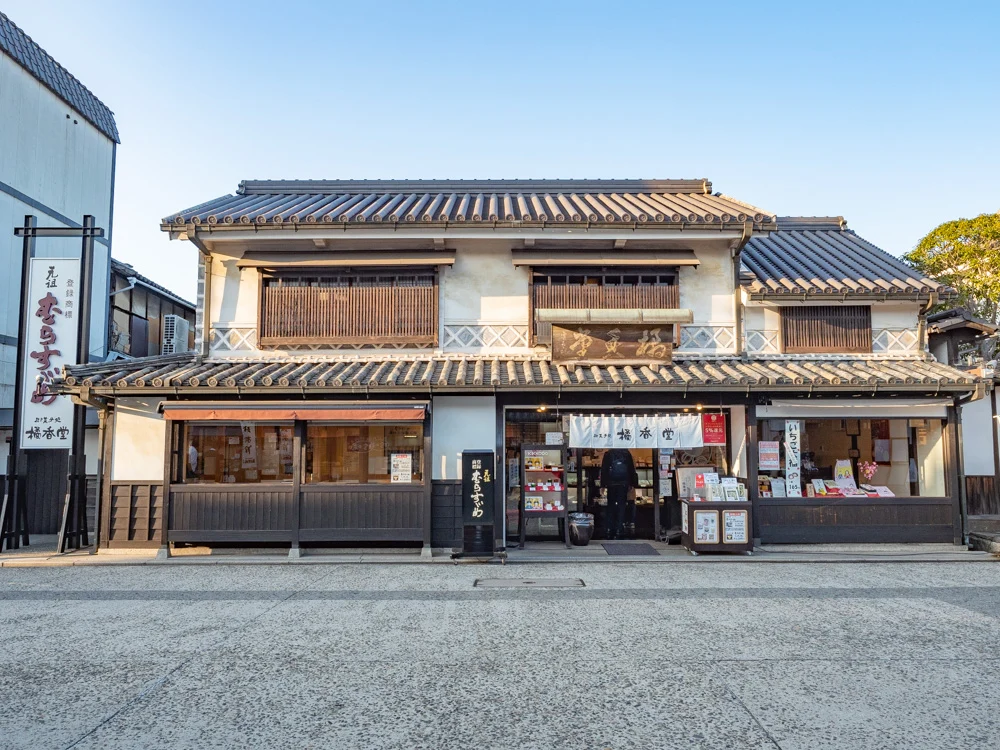
| Name | Kikkodo Co., Ltd. (Bikan Historical Area Store) |
|---|---|
| Address | 22-13 Achi 2-chome, Kurashiki City, Okayama Prefecture |
| Contact | 086-424-5725 |
| Parking | None |
| Business Hours | 9:30 AM to 6:00 PM ・Cafe Corner: 10:00 AM to 5:30 PM, last order at 5:00 PM ・Hand-Baking Experience: 10:00 AM to 4:00 PM |
| Regular Holidays | New Year's Day |
| Payment Methods |
|
| Website | Kikkodo |



Murasuzume boasts overwhelming popularity and sales among Kikkodo's products!