Did you know there is a beautiful bamboo grove in the heart of Kurashiki Bikan Historical Area?
Kurashiki Yoimachi GARDEN is a multi-purpose complex featuring a bamboo grove strolling garden, an outdoor event venue, a museum, a fruit parlor, and an Italian restaurant.
It is a welcoming place that hopes to delight visitors to Kurashiki through art and food culture.
Here we introduce Kurashiki Yoimachi GARDEN, where you can experience the charms of Okayama from ancient times to the present day.
The information presented here was current when this article was published in July 2022. Please note that it may differ from current information.
Overview of Kurashiki Yoimachi GARDEN
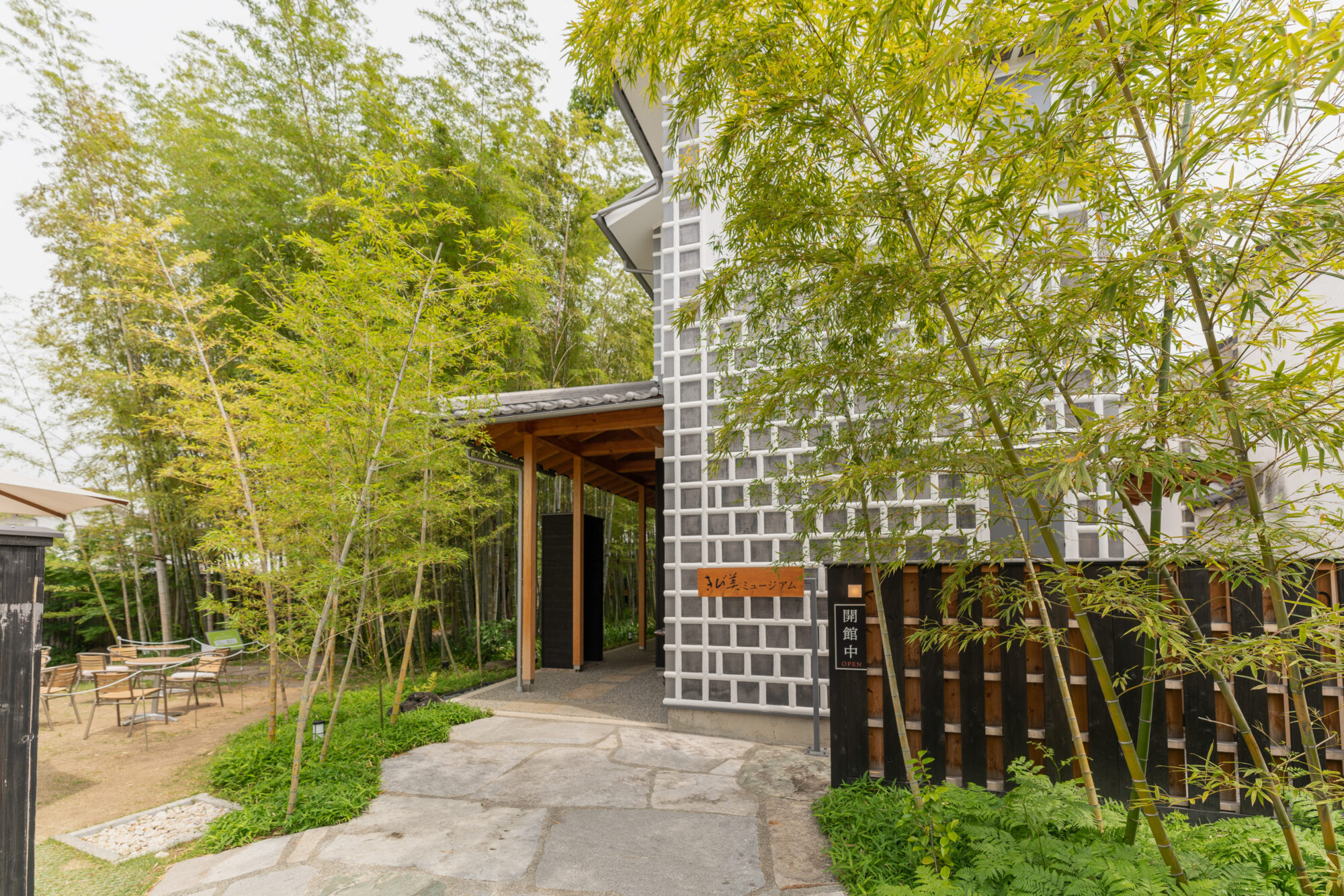
Kurashiki Yoimachi GARDEN is a multi-purpose complex where you can enjoy Okayama specialties and art.
It is home to the following facilities and businesses:
- Bamboo Grove Strolling Garden and Outdoor Event Venue
- Kibibi Museum
- Parlor Kudamono Komachi
- Italian Restaurant Hoshi no Hikari
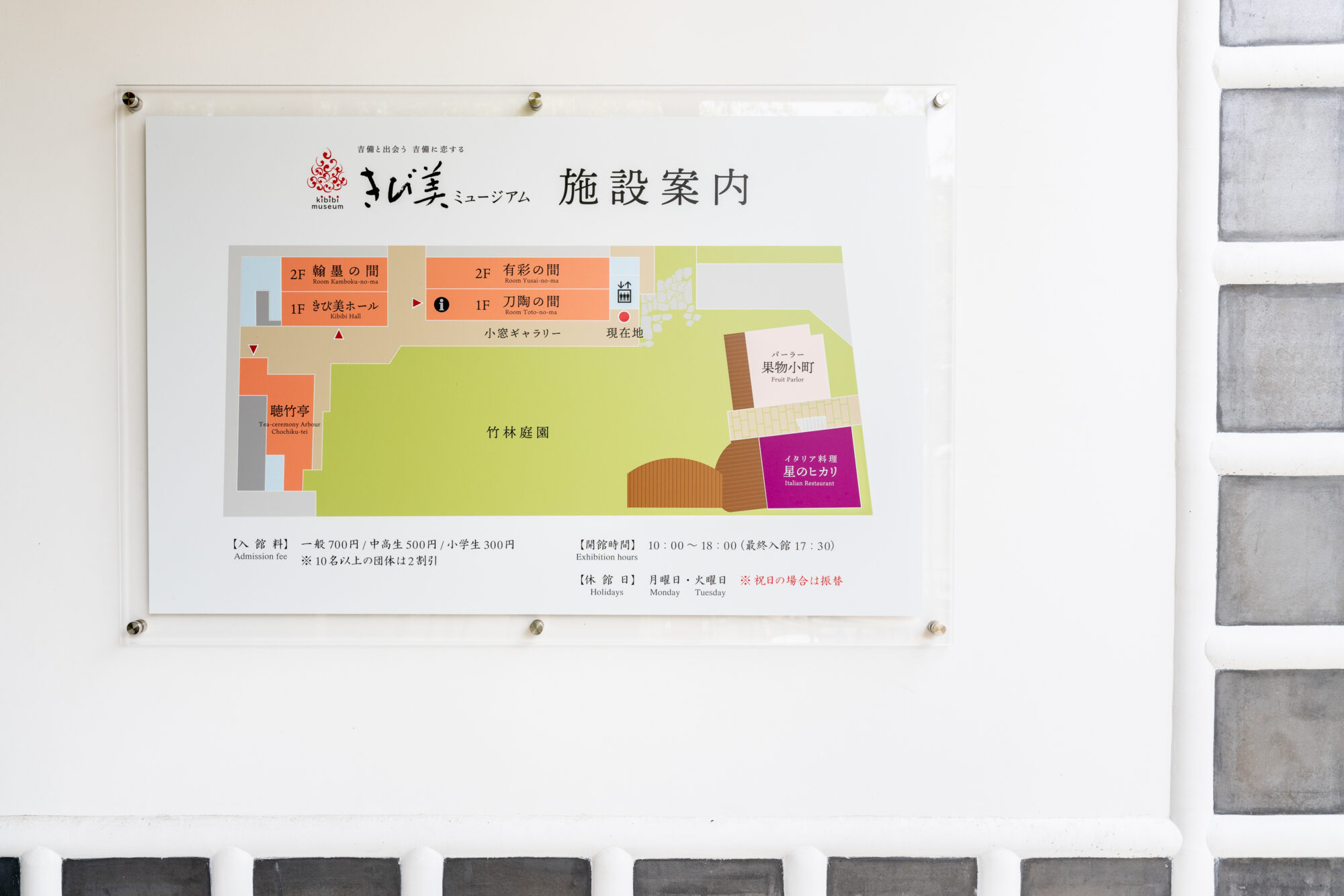
True to its name, “Yoimachi” (“waiting for evening”), the garden is a place you can enjoy from evening into the night.
For some time, it faced only a narrow back alley, so many people said, “I’ve passed nearby many times, but never knew it was here.”
In April 2022, the multi-purpose complex Kurashiki SOLA opened on the neighboring site.
You can now also reach Kurashiki Yoimachi GARDEN from the road along Kurashiki River by passing through Kurashiki SOLA Mingei Plaza.
Opening Hours and Closing Days of Kurashiki Yoimachi GARDEN
The opening hours and closing days of the facilities at Kurashiki Yoimachi GARDEN are as follows.
| Facility | Opening hours | Closing days |
|---|---|---|
| Bamboo Grove Strolling Garden and Outdoor Event Venue | 10:00 a.m.–10:30 p.m. | Irregular |
| Kibibi Museum | 10:00 a.m.–6:00 p.m. (Last admission: 5:30 p.m.) | Monday and Tuesday *Open on public holidays; substitute closing days may apply |
| Parlor Kudamono Komachi | 11:00 a.m.–5:00 p.m. | Monday *Open on public holidays; closed the following Tuesday instead |
| Italian Restaurant Hoshi no Hikari | 11:00 a.m.–3:00 p.m. (last order: 2:00 p.m.) 5:30 p.m.–10:00 p.m. (last order: 9:00 p.m.) | Tuesday |
Fees
The following require payment:
- Admission to Kibibi Museum
- Commercial or group use of the bamboo garden (including photography using professional models)
- Use of the hall or tea room
| Adults | ¥700 |
|---|---|
| Junior high and high school students | ¥500 |
| Elementary school students | ¥300 |
Photography, including pre-wedding shoots, is also permitted in the tea room and museum.
Please check with the facility for prices and detailed conditions.
Pets are allowed in the garden and garden seating area.
However, pets are not allowed inside the shops or for everyday walks, so please take note.
Assistance dogs are allowed inside.
Next, here is a brief introduction to the facilities and businesses at Kurashiki Yoimachi GARDEN.
Bamboo Grove Strolling Garden
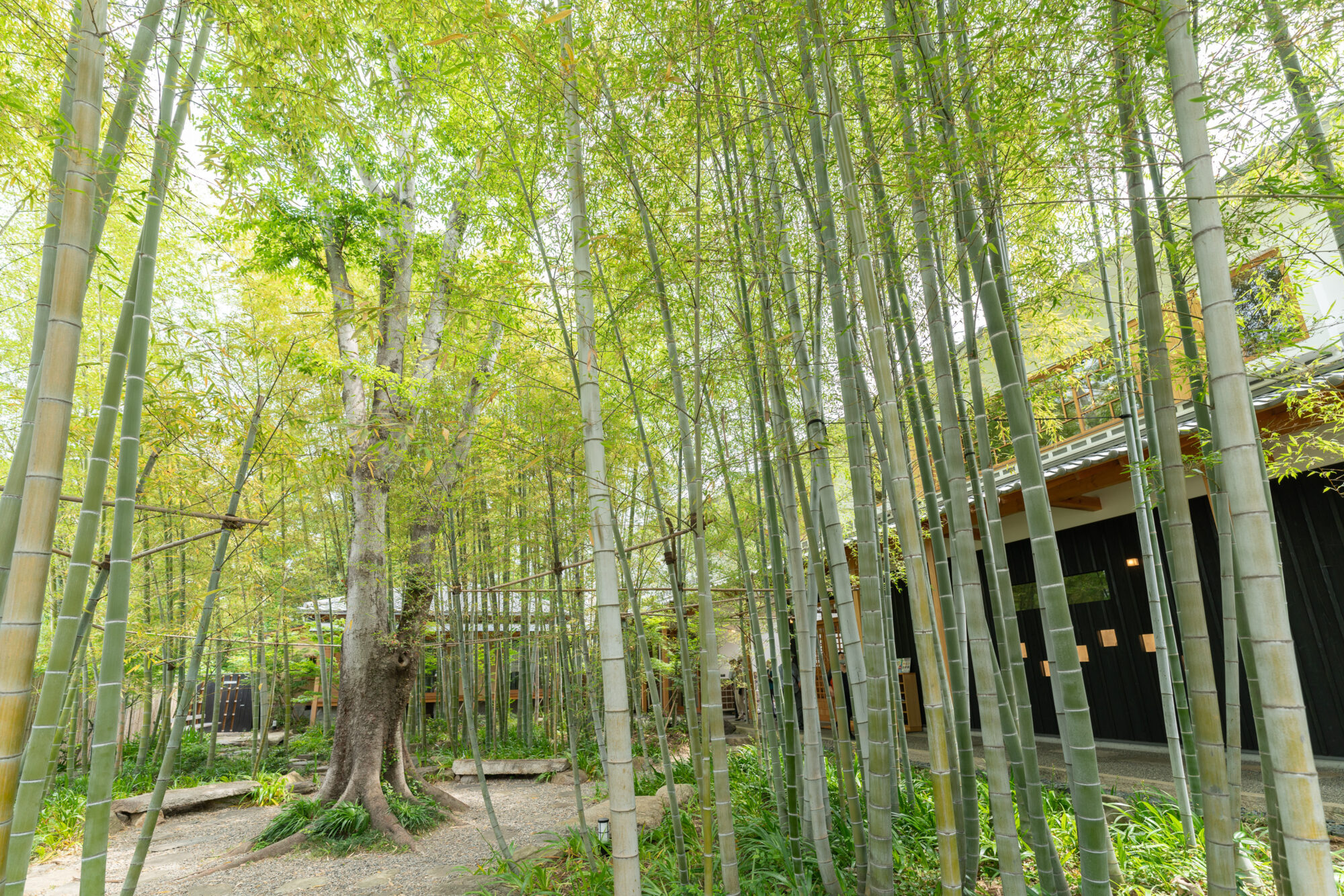
Though located in the heart of Kurashiki Bikan Historical Area, this tranquil bamboo garden lets you experience the beauty of traditional Japan.
You could hear water flowing from a stream fed by a well, and goldfish swam in it.
Shaga, an evergreen perennial, is planted at the base of the bamboo, and white flowers are said to bloom around May and June.
Simply walking here is sure to make you feel elegant.
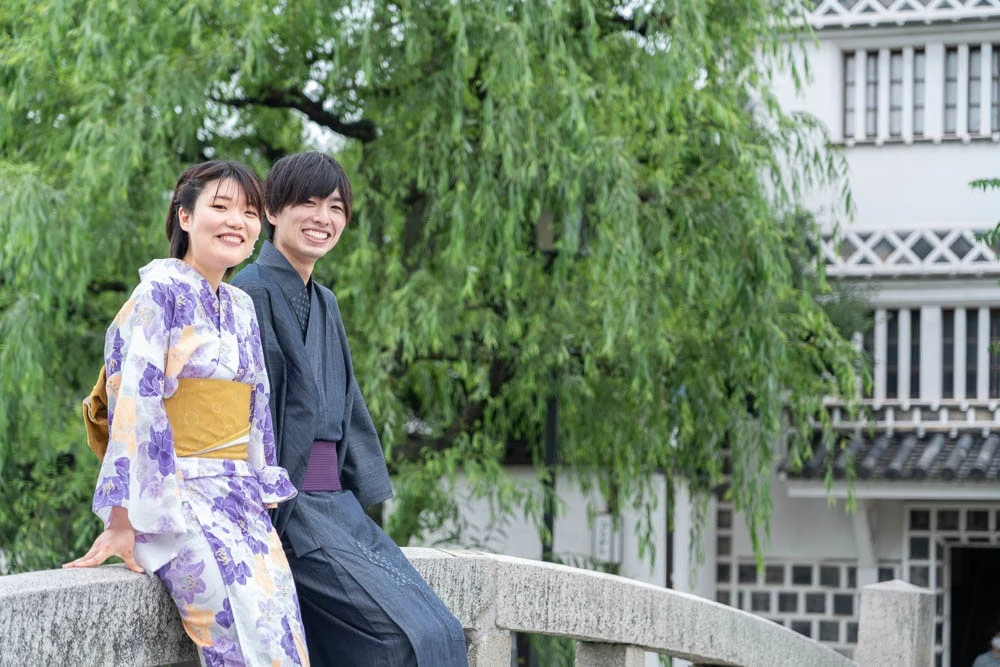
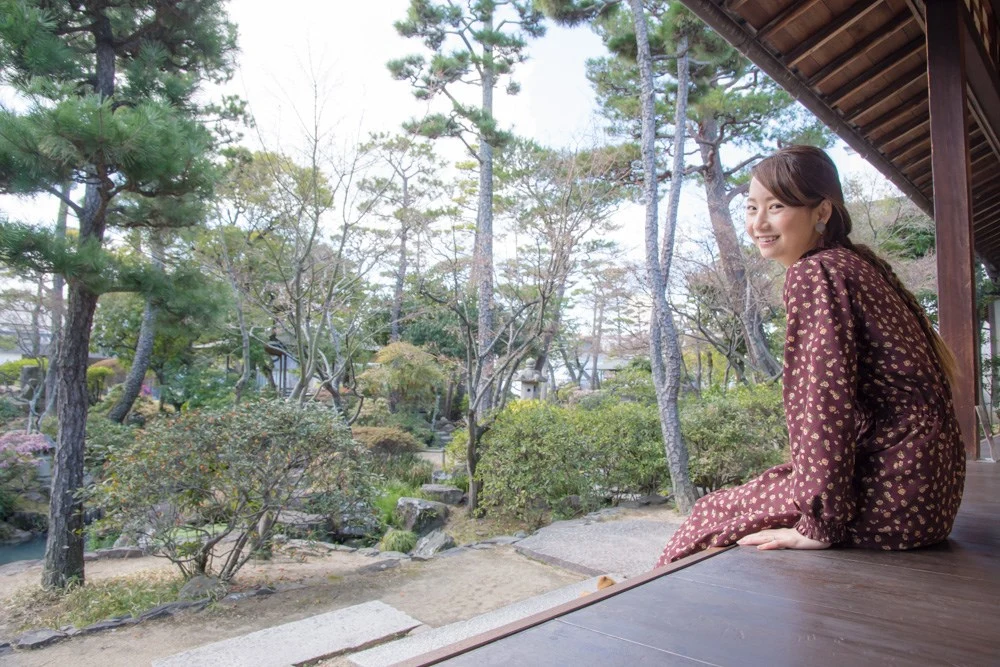
Walking around in a kimono is also recommended!
There are many kimono rental shops around Kurashiki Bikan Historical Area, so you can easily enjoy a stroll in a kimono.
The wall separating the garden from the neighboring property was made using bamboo cut down during the landscaping.
It blends in without disturbing the atmosphere.
The garden is illuminated from sunset until 10:30 p.m., so enjoy the hours from dusk into the night.
The entrance on the Kurashiki SOLA side is closed at night.
Please use the entrance on the alley side, where Parlor Kudamono Komachi is located. (*At the time of reporting, it was temporarily closed at night; please check.)
Outdoor Event Venue
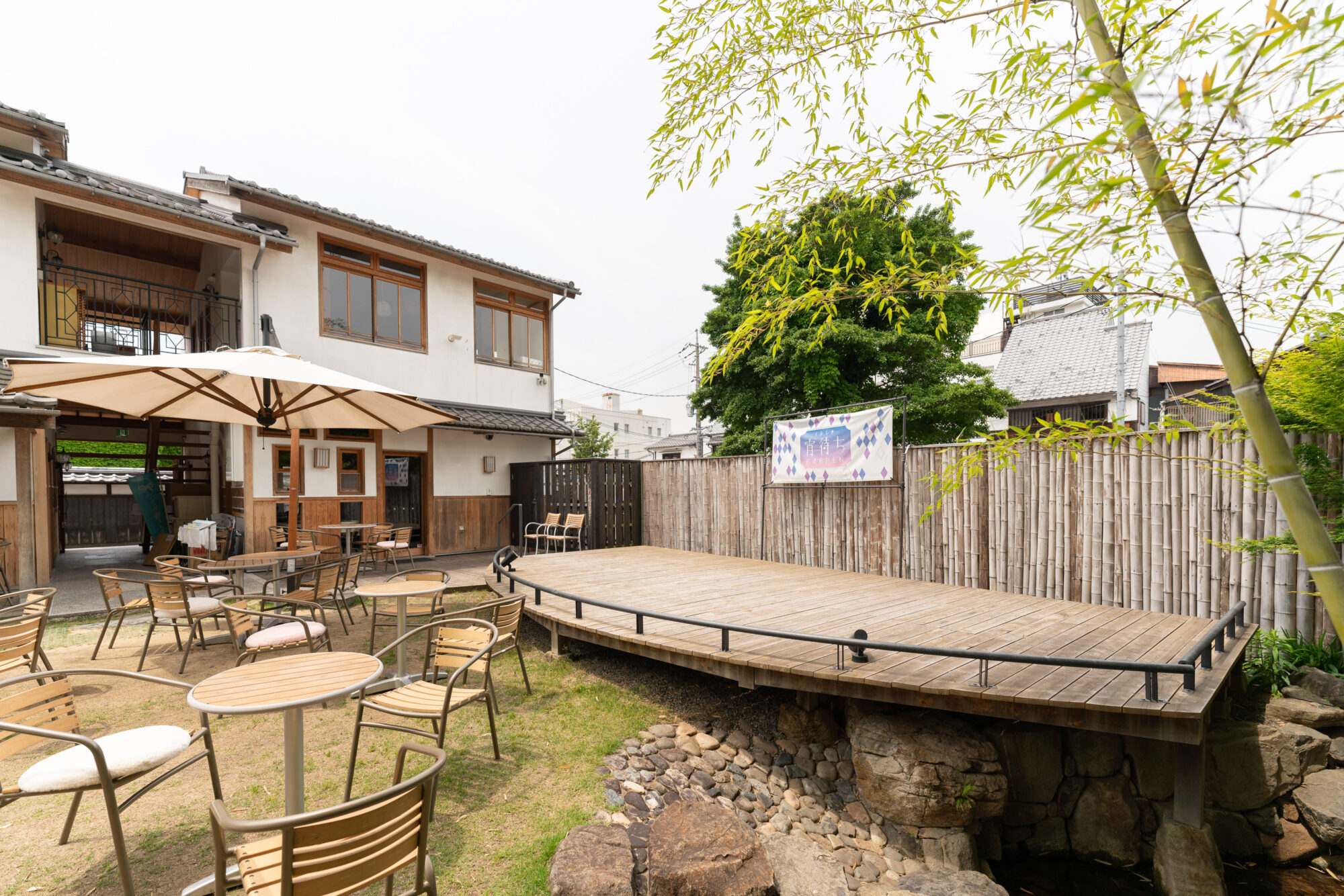
Music events and other performances have been held at the outdoor venue overlooking the bamboo grove.
At the 2015 opening commemorative concert, Kotaro Oshio, a leading acoustic guitarist, performed!
Flutist Tomoko Yamano and opera tenor Kazuyoshi Masaki also filled the venue with beautiful music.
The stage has hosted performances of instruments including the erhu, jazz guitar, koto, and shakuhachi.
The bamboo tubes reflect the live sound in multiple directions like a pipe organ, creating a soft, dispersed sound.
Kotaro Oshio also reportedly played while walking into the bamboo grove, saying, “It really does sound good.”
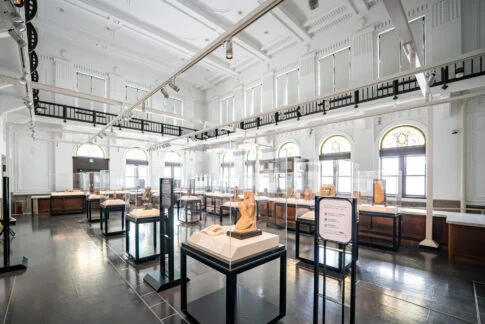
Kibibi Museum
Kibi was one of the four great kingdoms of ancient Japan.
Even today, the area from Okayama Prefecture to eastern Hiroshima Prefecture is sometimes called “Kibi.”
Kibibi Museum is a museum where you can encounter the beauty of Kibi.
With the concept “Encounter Kibi, Fall in Love with Kibi,” the museum conveys to the present day the outstanding skills, wisdom, aesthetic sensibilities, and worldviews of the region through the many cultural properties left by its notable figures.
Opened in spring 2021, the museum holds special exhibitions focusing on Kibi’s “swords, ceramics, calligraphy, and paintings.”
There is also an entrance for wheelchair users.
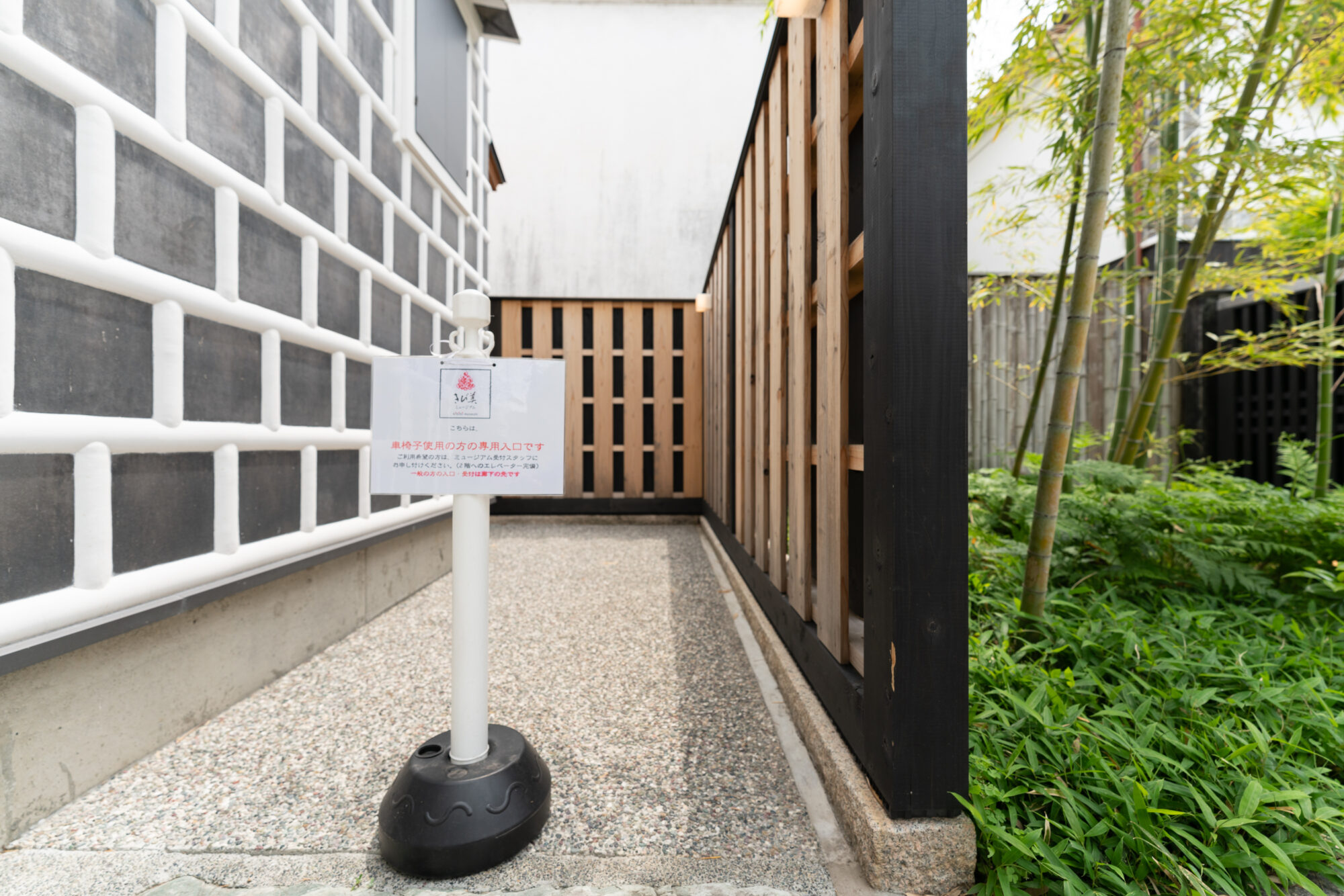
Exhibits vary depending on the exhibition.
At the time of reporting, “Ryokan: The Supreme Art of the Brush” was on display.
Toto Room
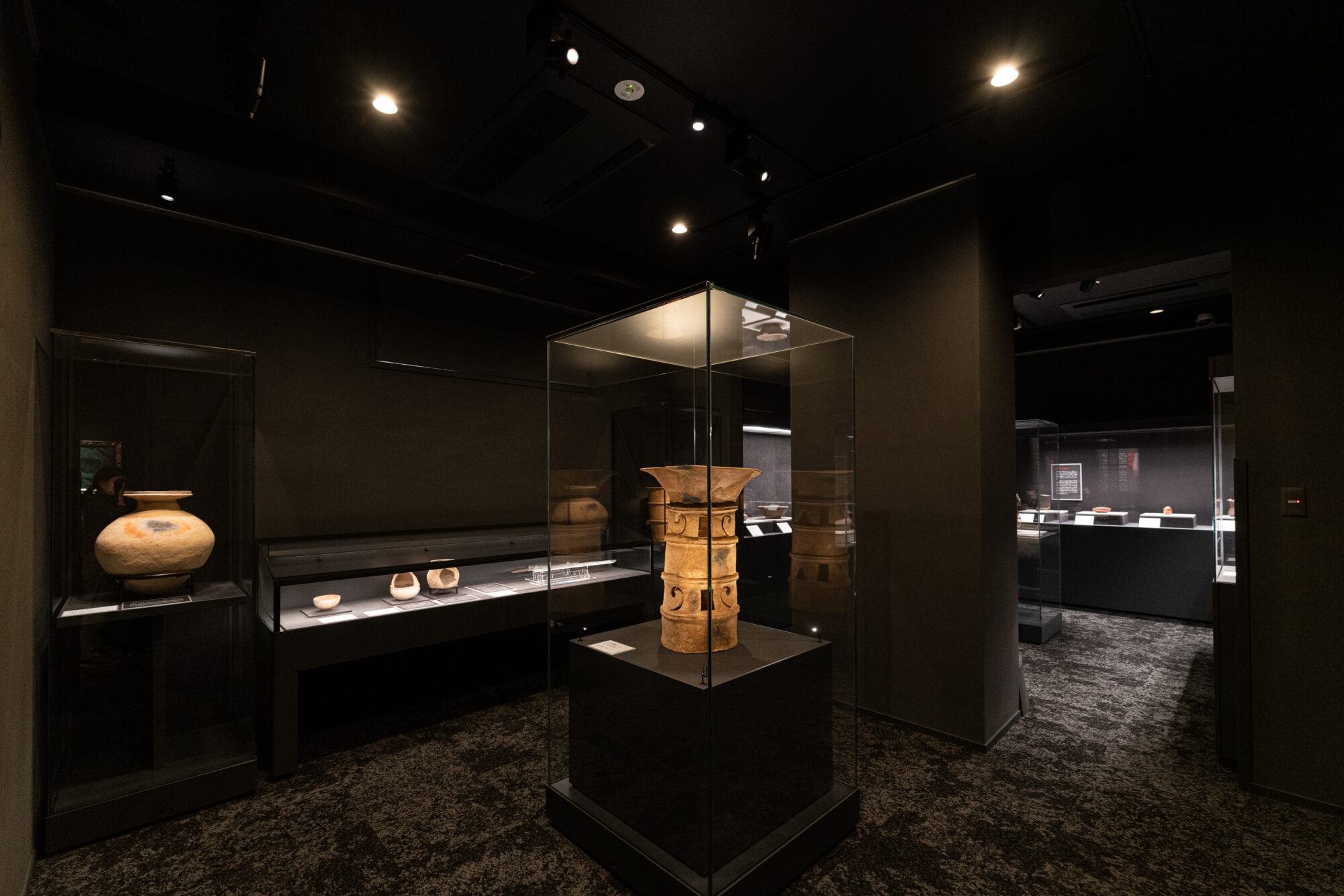
The Toto Room displays precious ancient artifacts, including haniwa clay figures and Yayoi pottery.
Special stands, a distinctive artifact of ancient Kibi, were used for funerals and other purposes. You can see cylindrical haniwa that clearly display the distinctive features of these stands.
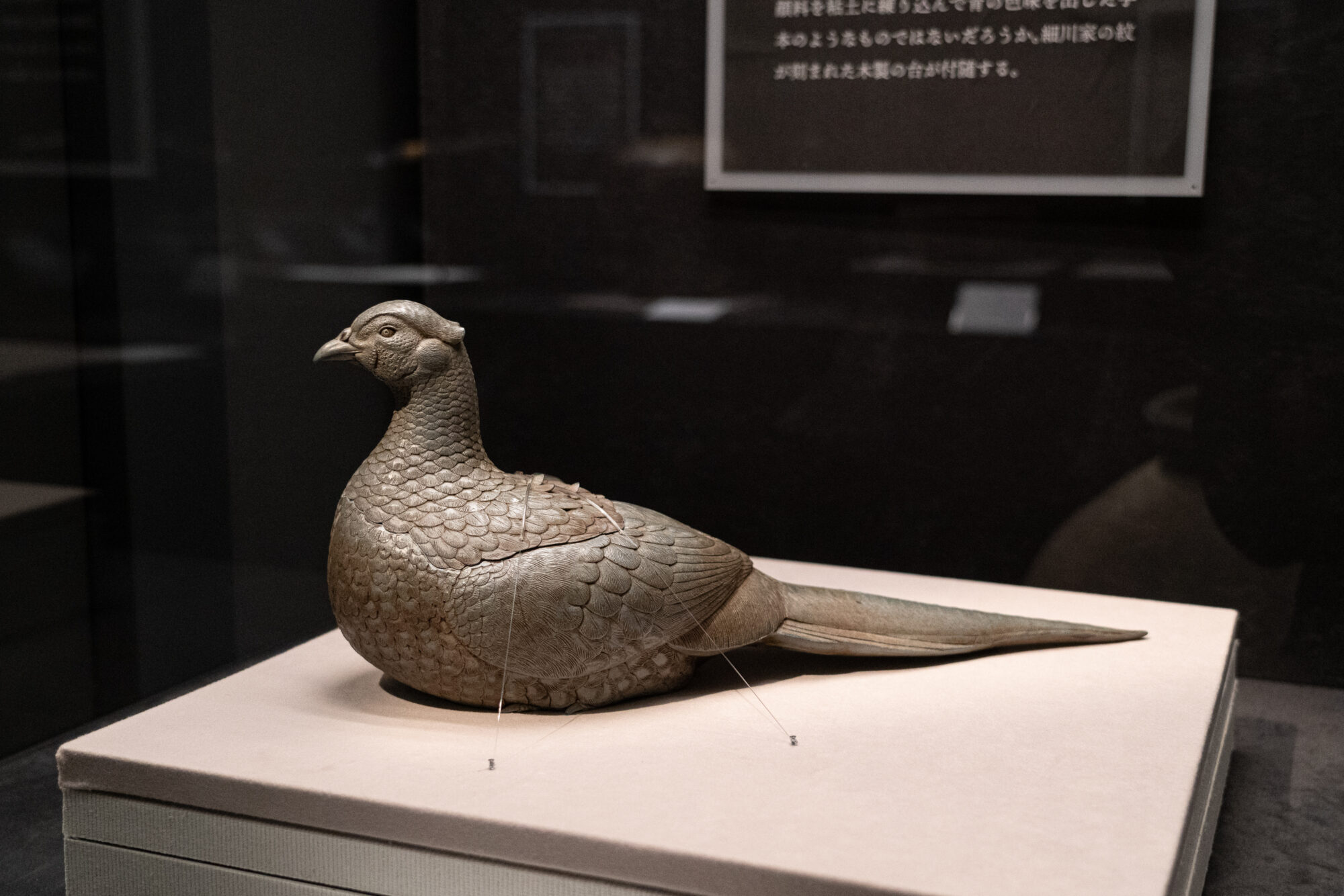
The exquisite beauty of the pheasant incense burner is particularly impressive.
Kanboku Room
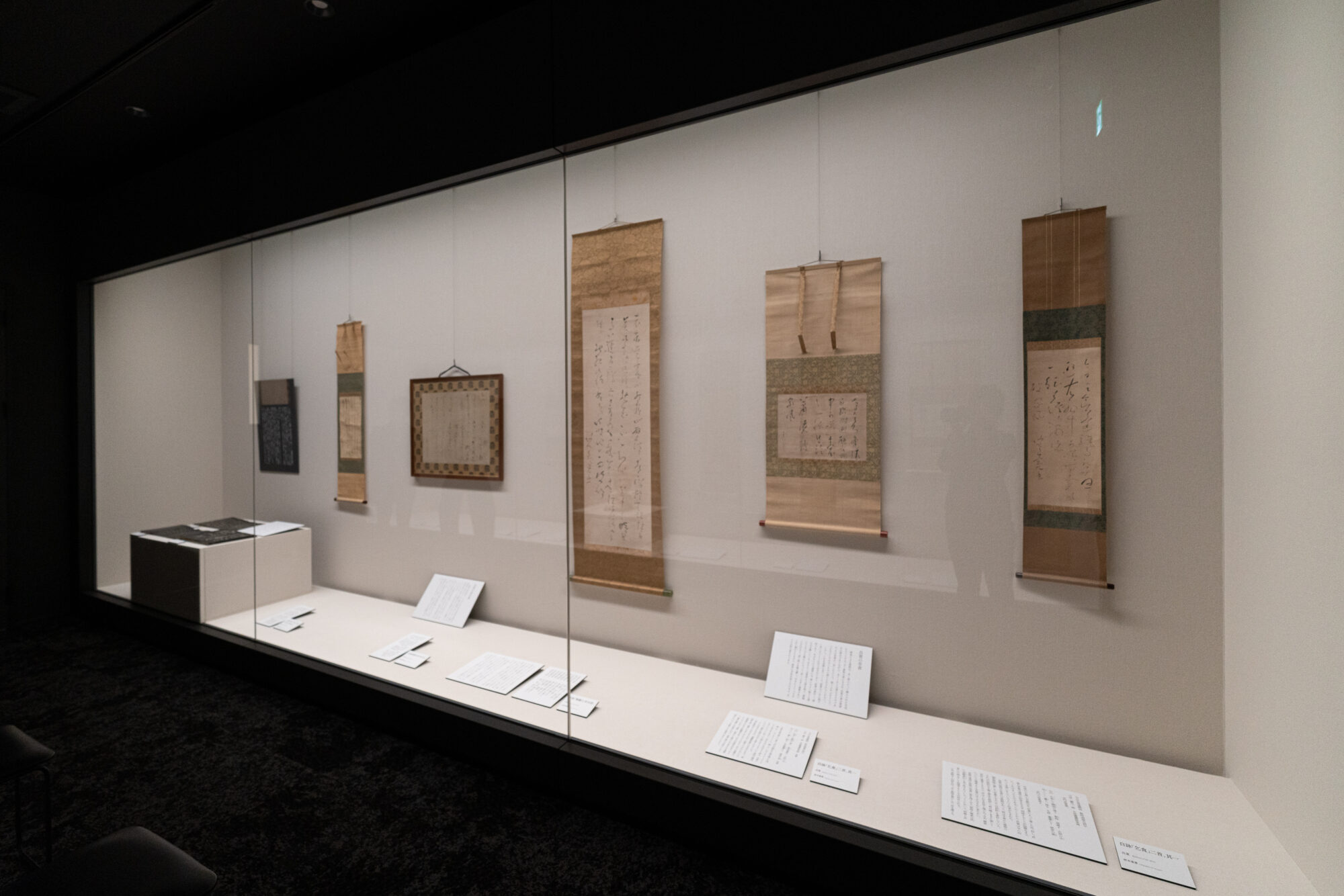
The museum displays calligraphy and Japanese paintings, mainly works from the Edo period.
Kibibi Museum also holds many works of calligraphy by Ryokan, who trained in Kurashiki.
Ryokan’s calligraphy, admired even by Natsume Soseki, is beloved for its simplicity.
The explanations were also comprehensive.
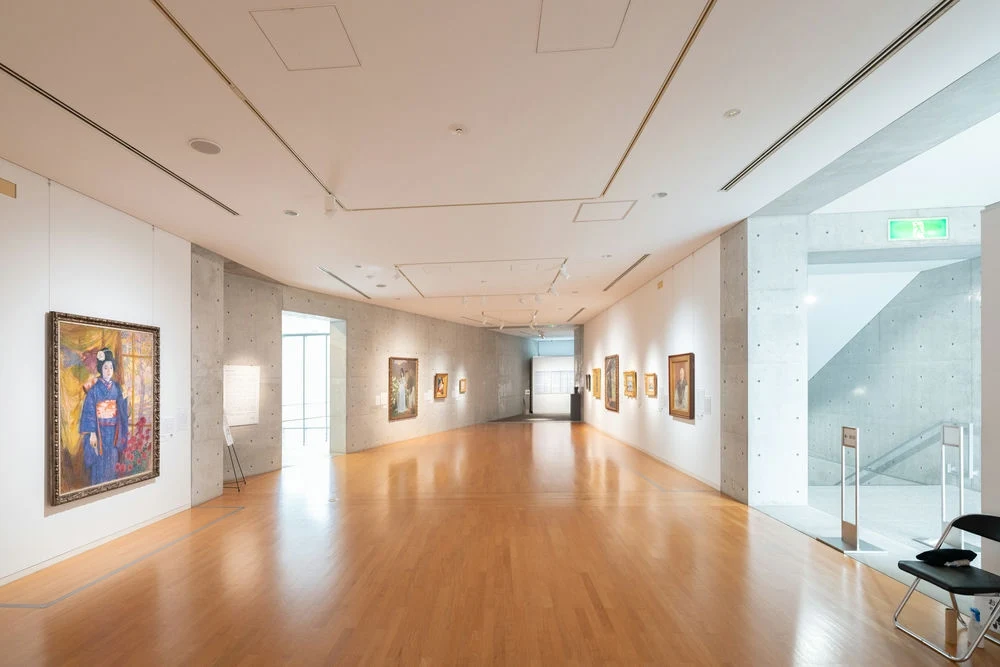
Yusai Room
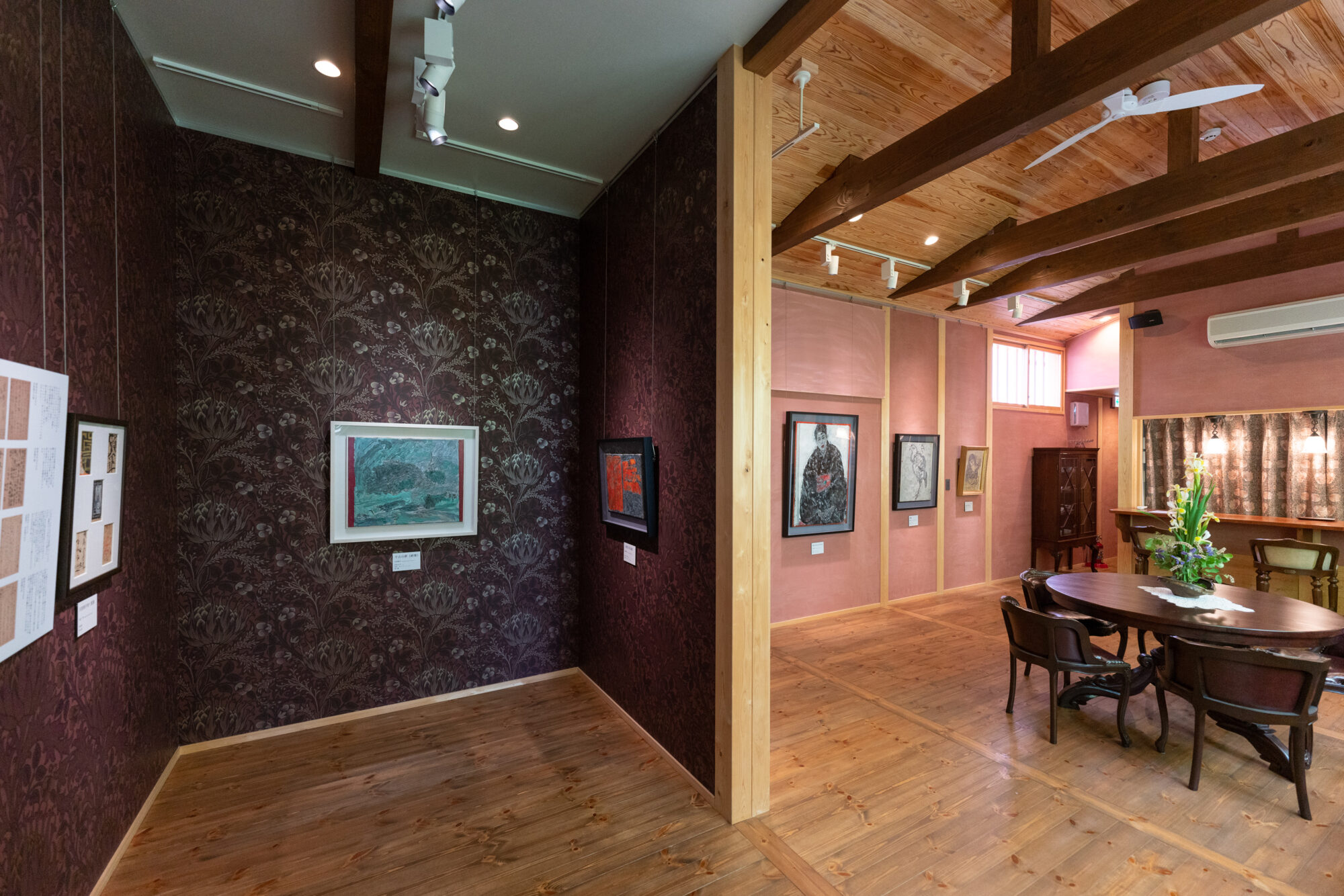
The room displays modern and contemporary Western-style paintings connected to Kibi.
The walls near the room’s entrance are covered in William Morris wallpaper, while the cafe walls are hand-finished plaster mixed with bengara.
The atmosphere was charming and made me feel elegant.
There is also a cafe where you can take a break while looking out over the bamboo garden.
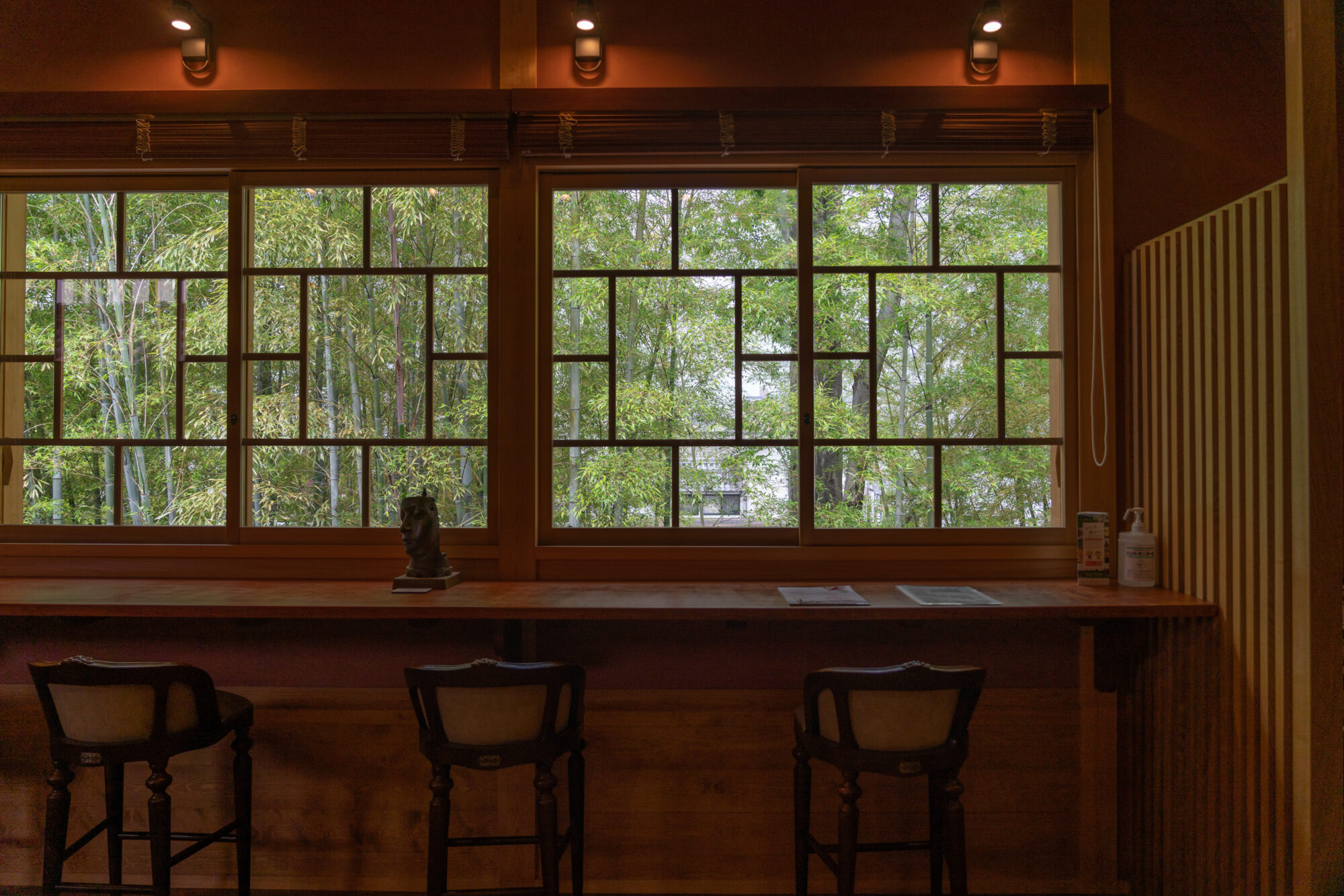
The café menu features coffee roasted at a long-established coffee shop in Kurashiki and Takahashi tea from Okayama Prefecture.
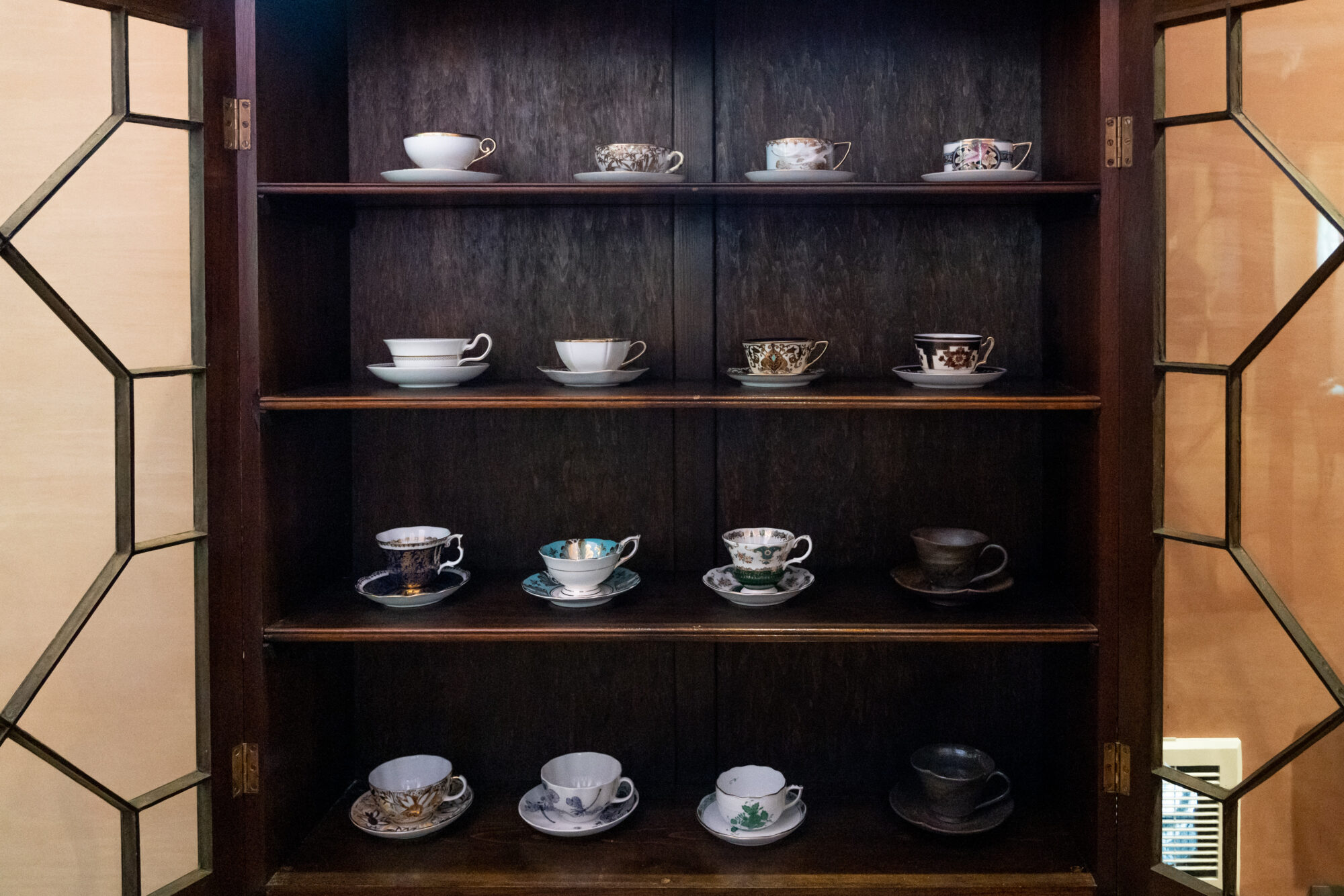
Another nice touch is that you can choose and use your favorite cup from a selection of precious antique cups, including Wedgwood and Old Noritake.
Small-Window Gallery and Museum Shop
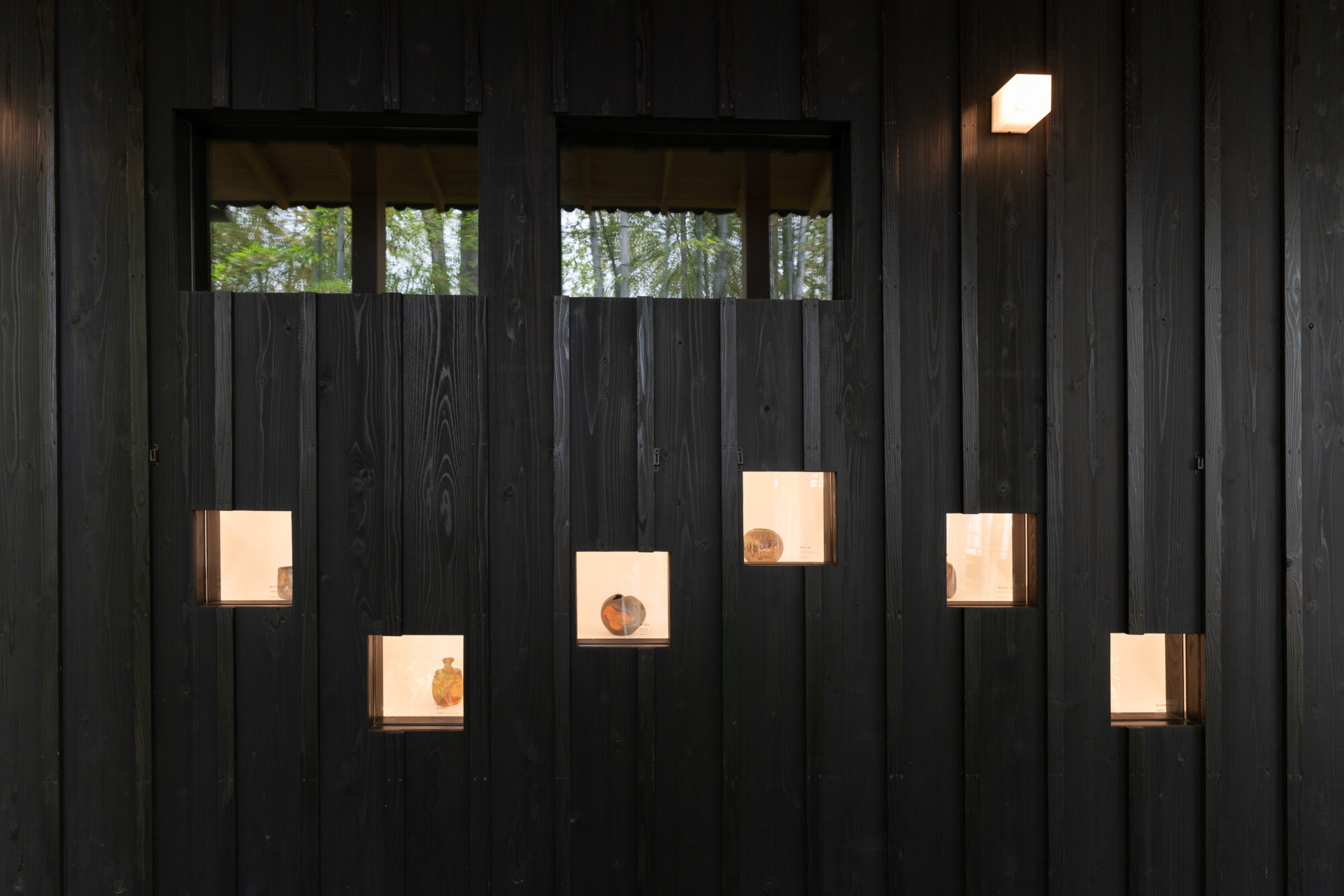
The building’s exterior walls feature a small-window gallery displaying small works of art.
There are works that evoke Kibi culture, including a collection themed around Momotaro, so be sure to take a look.
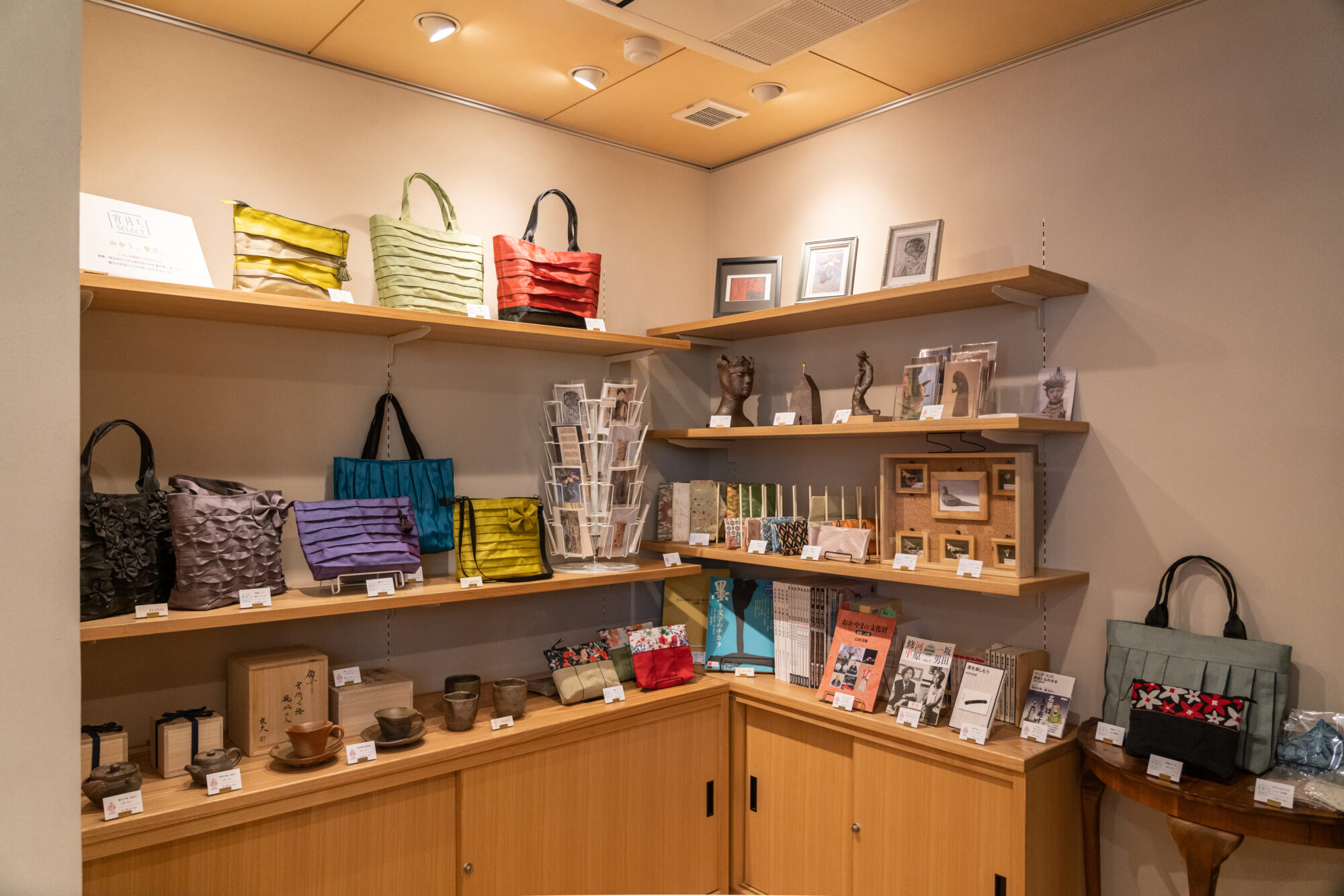
At the museum shop, you can buy items such as Bizen ware cups, bags made from tatami edging, and postcards.
Kibibi Hall
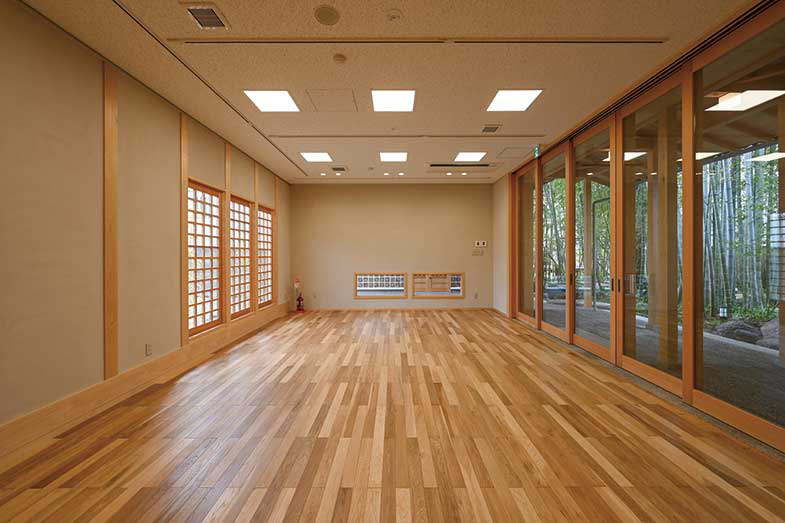
This hall can be used for a variety of purposes, including exhibitions, lectures, and workshops.
Cultural lectures by the director and deputy director are also held.
Tea Room Chochikutei
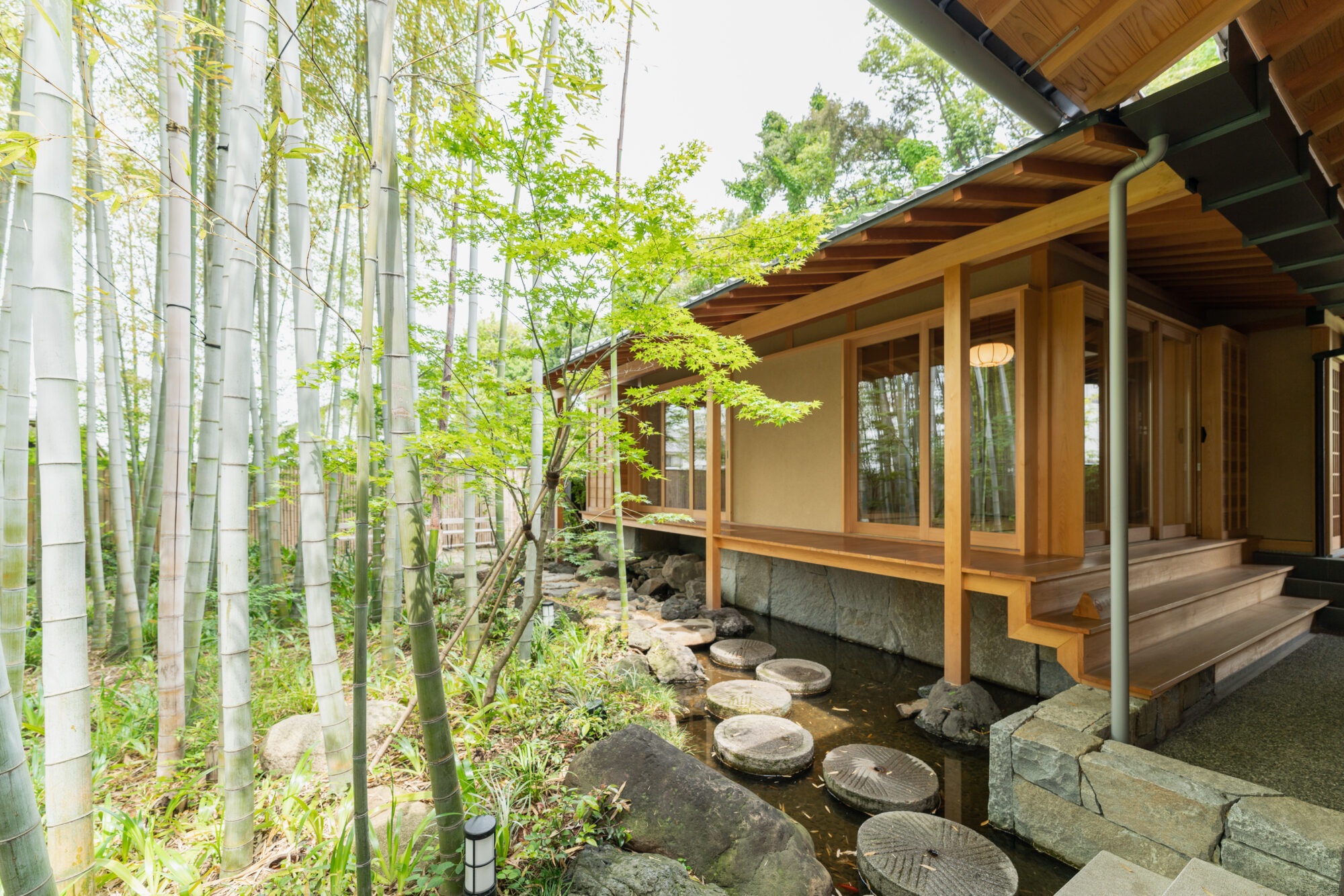
This tea room is built in a style known as “Shofuro,” featuring a biwa alcove.
With an eight-tatami-mat tea room overlooking a bamboo grove and an adjoining waiting room, it is a place where you can spend some peaceful time.
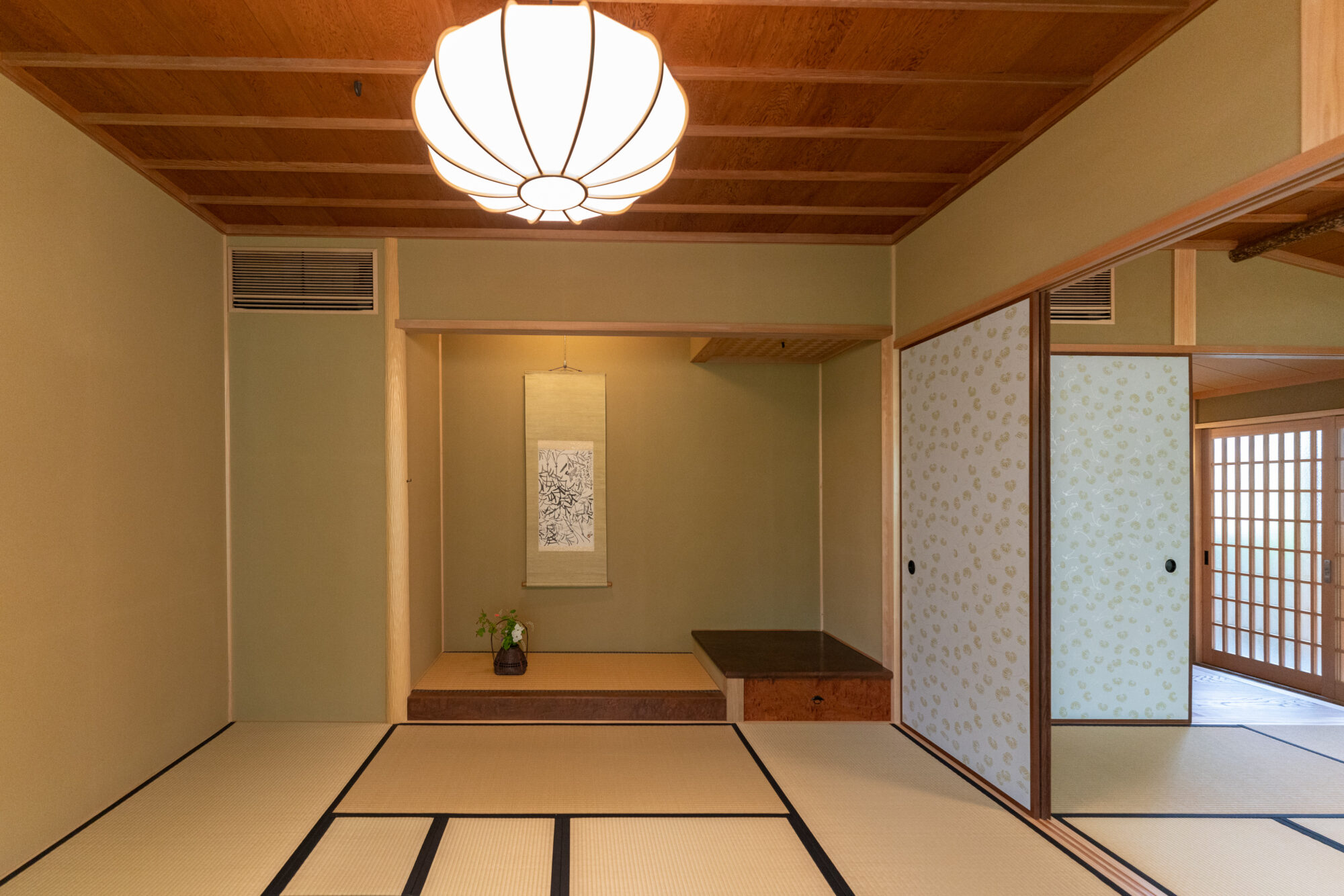
Tea gatherings are also held here.
Past events have included gatherings where calligraphy by Jakugon, one of the four great Buddhist calligraphers of the Edo period, was displayed and admired.
The tea room is also available for rent.
Parlor Kudamono Komachi
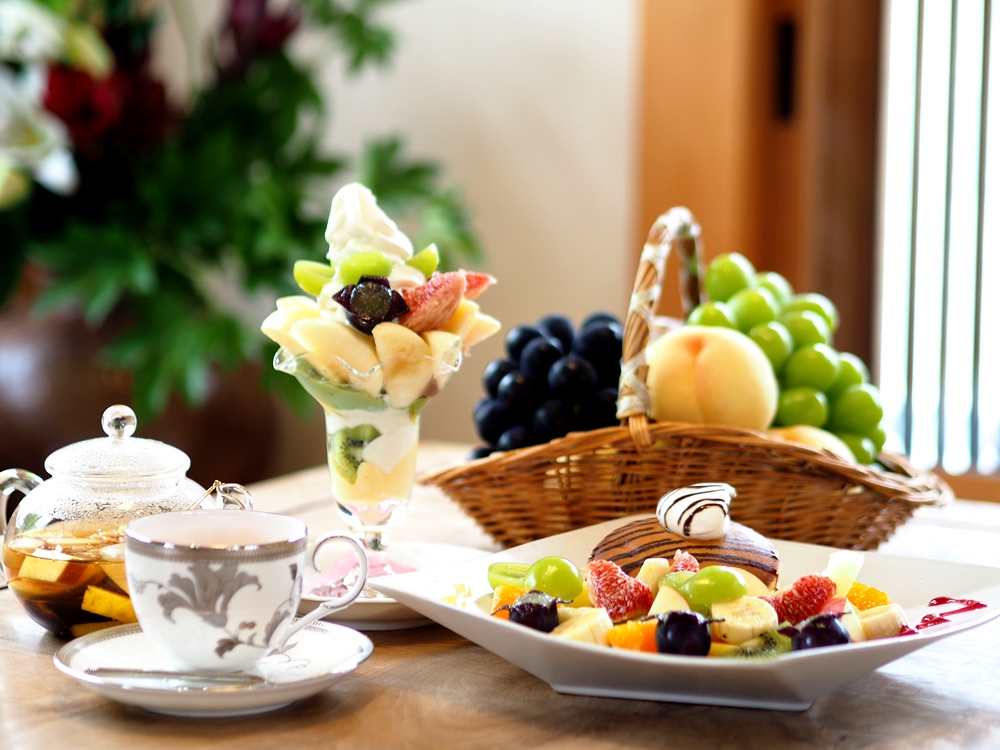
It is a fruit parlor where you can enjoy fresh fruit from Okayama Prefecture.
Spending time in the garden seating is pure bliss!
You can enjoy seasonal fruit that is unique to Okayama, the fruit kingdom.
The top recommendation is the original soft-serve ice cream, made with plenty of fruit juice.
The soft-serve ice cream at Parlor Kudamono Komachi was developed over more than two years so that customers could “enjoy seasonal fruit from Okayama Prefecture.”
It contains at least 45 percent juice from seasonal fruit, with no added coloring or flavoring.
It is a superb treat that lets you fully savor the deliciousness of Okayama fruit.

The “Kudamono Komachi Soft-Serve Parlor” at the entrance to the Bikan Historical Area is a sister shop.
Italian Restaurant Hoshi no Hikari
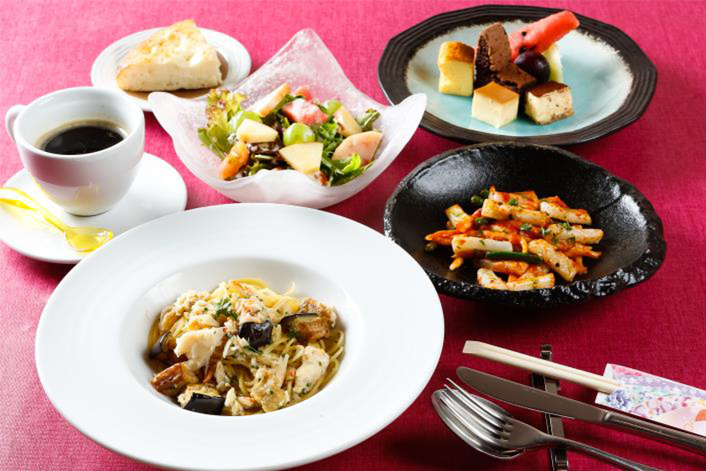
This is a sister restaurant of Ristorante Sterina, a renowned Italian restaurant in the castle town of Okayama.
From casual lunches to authentic Italian dinners.
They prepare dishes that combine seafood and fresh vegetables from the Seto Inland Sea with Japanese flavors.
The chef’s cooking won over the owner, who thought, “This is the one.”
The stylish interior makes it a wonderful place to enjoy a colorful meal.
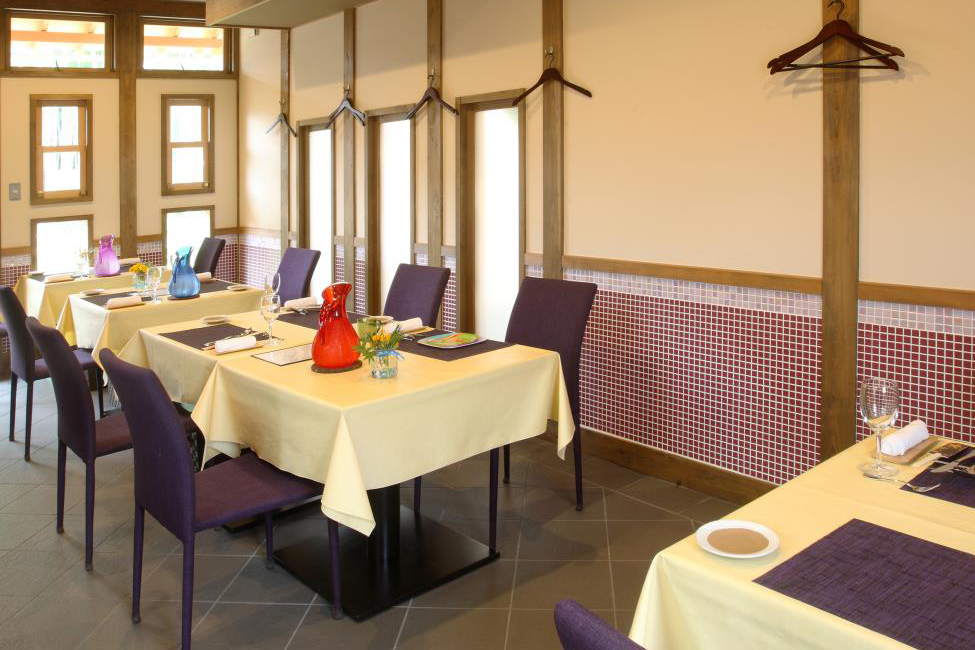
When I visited for lunch with some foodie friends, they too praised it, saying, “Great value, beautiful to look at, and delicately flavored!”
Enjoy the abundance of local ingredients.
It’s a popular restaurant, so reservations are recommended.
What inspired the creation of this place?
We spoke with the public relations representative of Kurashiki Koshiro Culture Salon Co., Ltd., which operates Kurashiki Yoimachi GARDEN.
Kurashiki Yoimachi GARDEN Information

| Name | Kurashiki Yoimachi GARDEN |
|---|---|
| Address | 1-4-22 Chuo, Kurashiki City, Okayama Prefecture |
| Contact | 086-425-7733 |
| Parking | None |
| Opening hours | Varies by establishment |
| Closing days | Varies by establishment |
| Smoking | Entirely non-smoking |
| Restrooms | Western-style toilet |
| Website | Kurashiki Yoimachi GARDEN |

What would you like to know about Kurashiki?
Enter a word to search articles on this site