When it comes to disaster prevention, I honestly feel that while I think I need to do something, I don't know where to start.
Until now, I had been preparing in my own way based on information I had heard, but I found an event that seemed just right, so I participated.
I will introduce the overall atmosphere of the event and knowledge about disaster prevention.
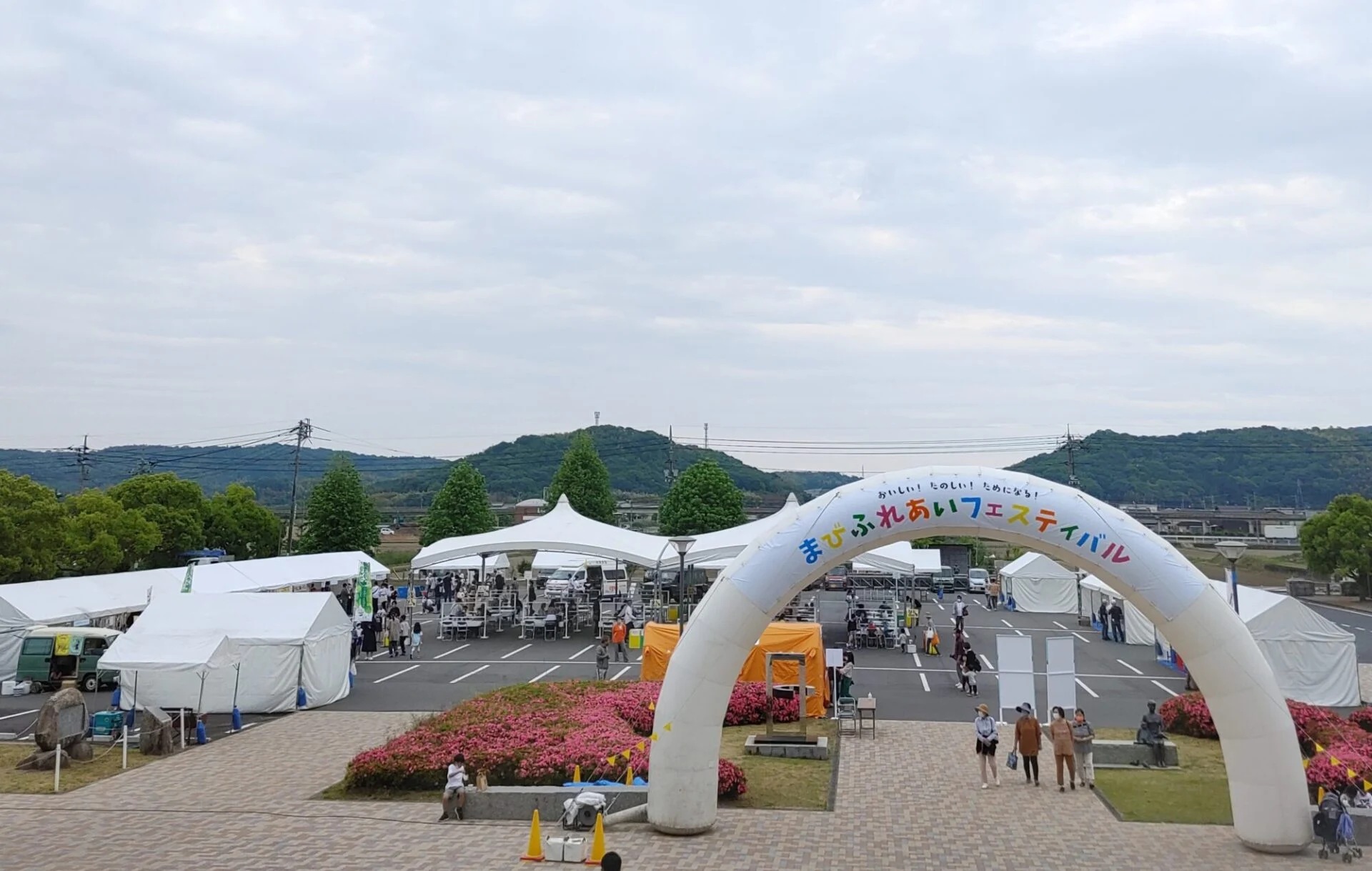
What is the Mabi Fureai Festival?
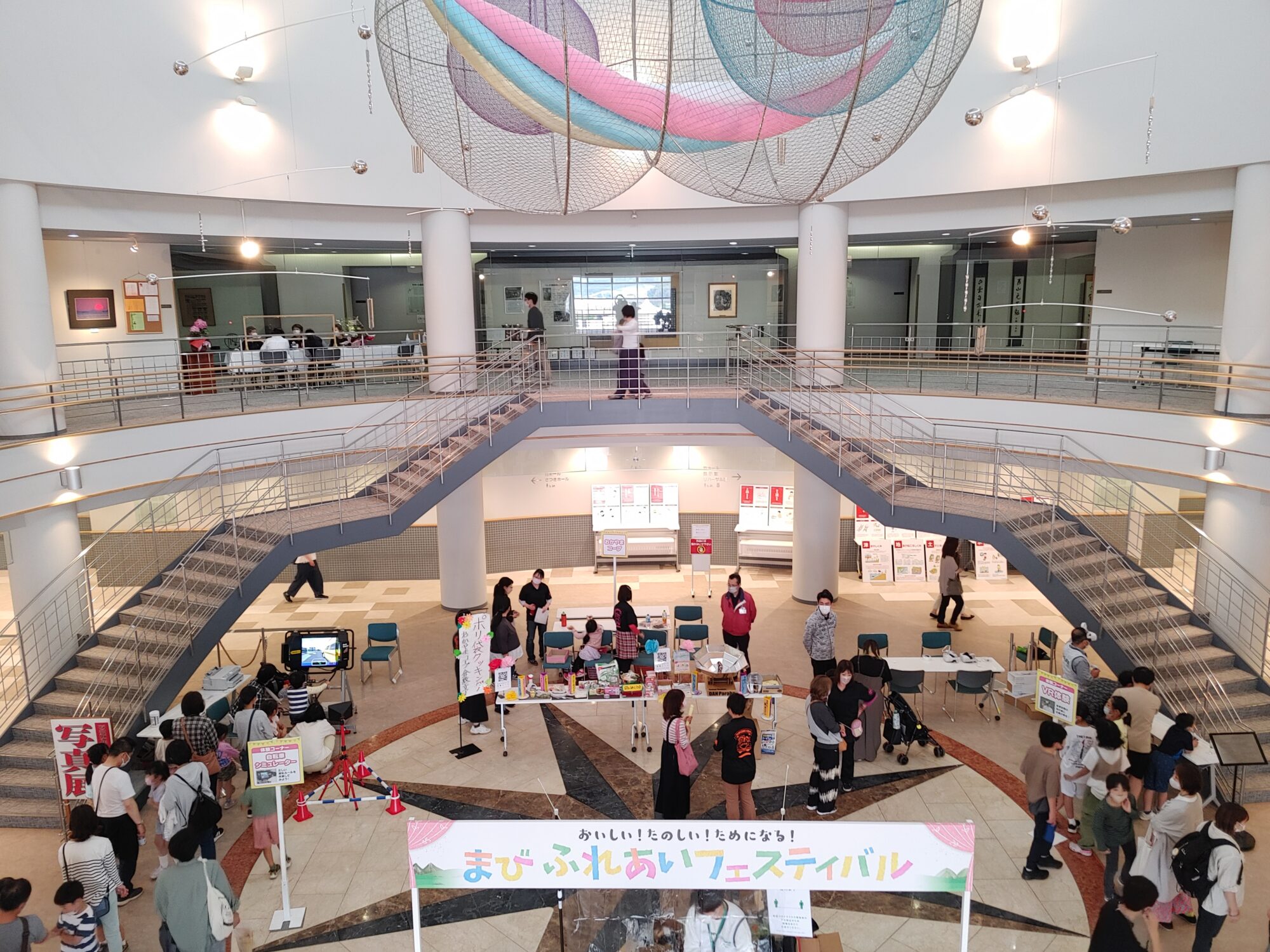
The Mabi Fureai Festival is organized by the Kokumin Kyosai Coop Okayama Promotion Headquarters and the Okayama Prefectural Workers' Cooperative Association to enhance knowledge about disaster prevention while having fun.
The venue is the Mabi Fureai Center located in Ayata, Mabi-cho, Kurashiki City.
In the outdoor parking space, local restaurants lined up, while various experience corners, exhibits, and stage events were held in the remaining parking space, indoor lobby, and Take Hall.
Fun Space!
Take Hall, located on the first floor of the Mabi Fureai Center, is a spacious hall with nearly 1,000 seats.
Throughout the day, performances related to disaster prevention were prepared on the stage, and in the hall area where movable seats were removed, many experience booths and exhibits were lined up.
Stage: Bousai Petit! Dance
When I arrived at the festival, the Bousai Petit! Dance had already started.
The mascot character Pit-kun from Okayama Coop and the members of the Okayama University Dance Club were dancing.
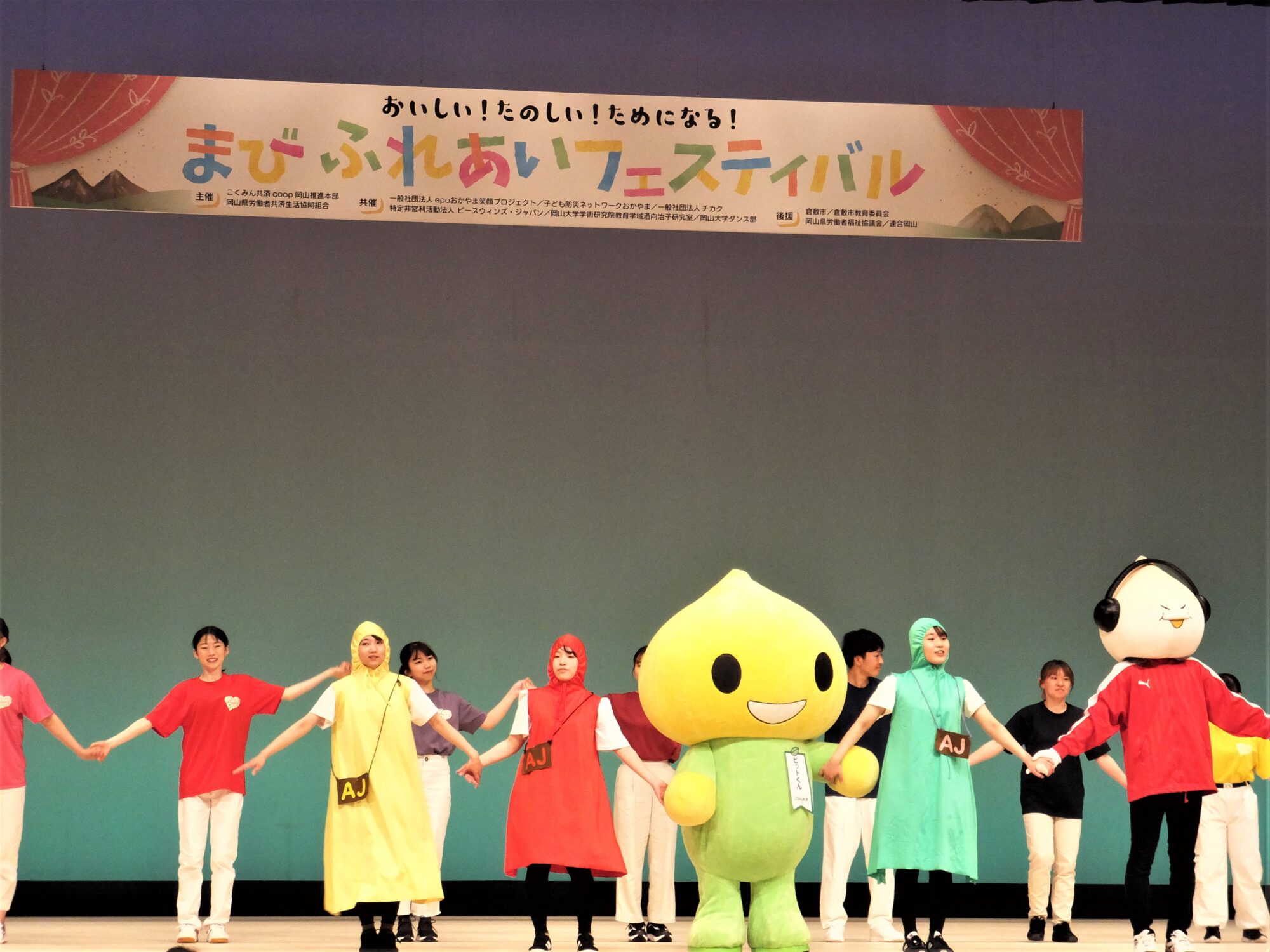
The Bousai Petit! Dance is a dance created through the collaboration of the private sector, represented by Kokumin Kyosai Coop Chugoku Shikoku Headquarters (Industry), the government, represented by Okayama City (Government), and the educational institution, represented by Okayama University (Academia).
This dance was created to enable immediate protective actions during an earthquake, incorporating movements such as first crouching, protecting the head, and not moving, ShakeOut.
ShakeOut means "blow away the earthquake!" and is a disaster prevention training developed in the United States.
Additionally, it symbolizes helping each other by holding hands with neighboring people, and it was impressive how it allowed participants to learn the ShakeOut through slow and deliberate movements.
Making Emergency Toilets with Cardboard
To the right of the stage, at a booth just inside the entrance of Take Hall, making emergency toilets with cardboard was taking place.
Every time I peeked in to try it out, elementary school children were enthusiastically listening to explanations while making them.
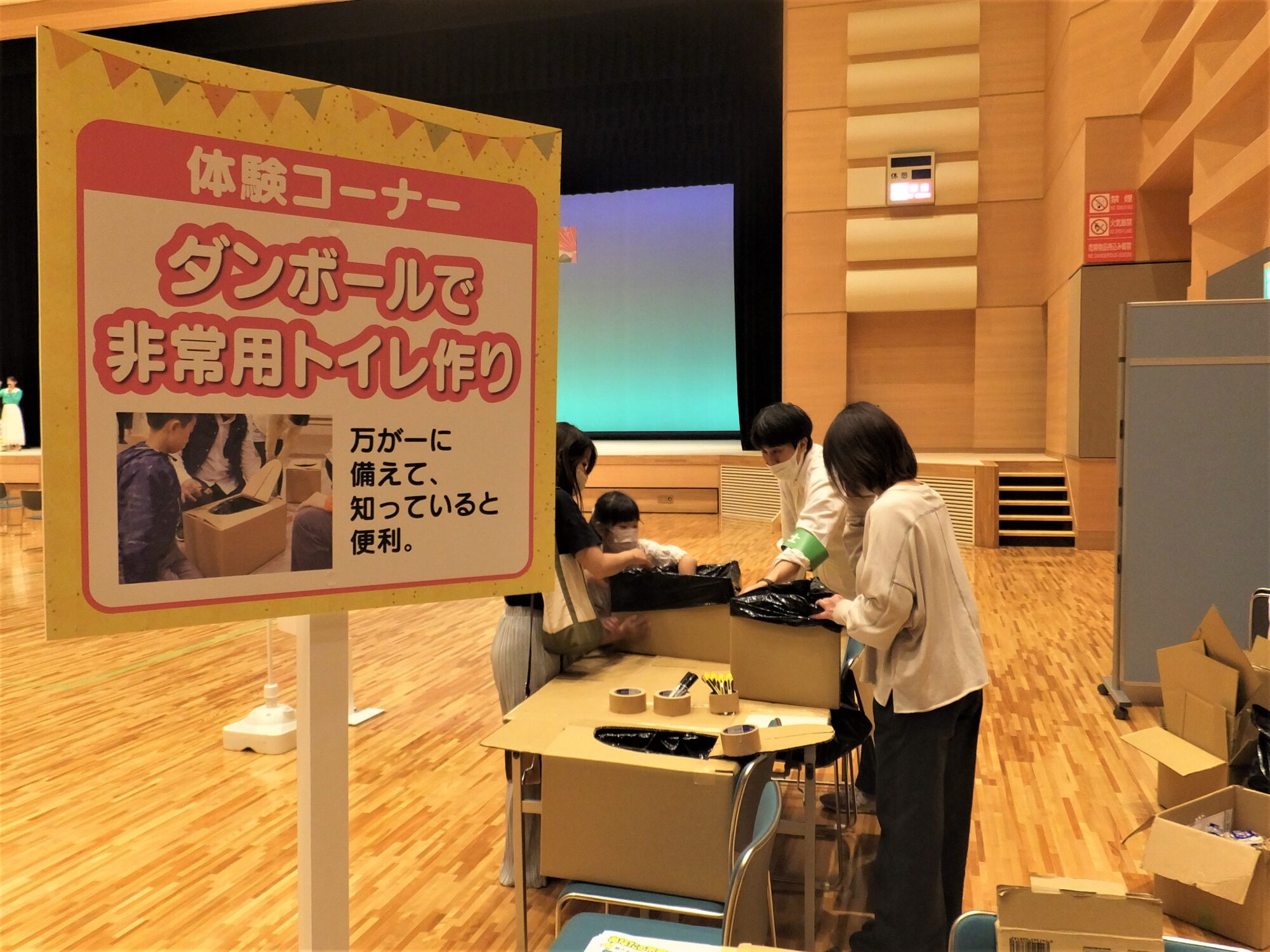
As I peeked in without disturbing the children's experience, I began to see the basic structure.
The main parts of the emergency toilet are two.
One is the part where the garbage bag is placed, and the other is the outer part for sitting.
While there is a part that requires a utility knife, the children were able to create it sufficiently on their own.
When a disaster occurs, having the knowledge to create even a simple toilet makes a difference in terms of mental preparedness.
After this, as I observed various knowledge related to disaster prevention, I thought that rather than acting like an adult and letting them experience it, it might have been better for me to properly experience it myself.
Exhibits
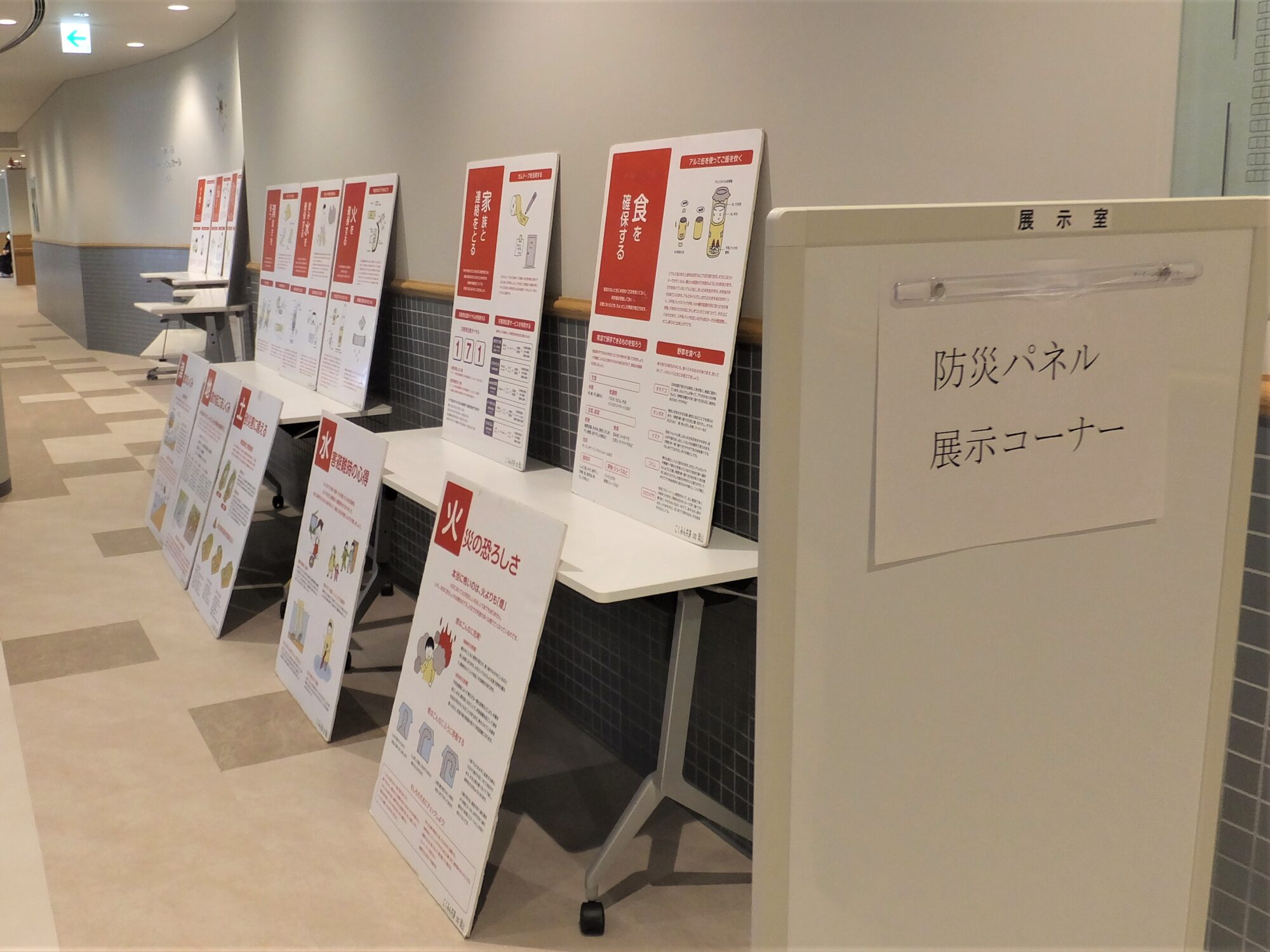
In Take Hall, in addition to the experience booths, there were also exhibits.
In addition to displays of emergency supplies and emergency food, I was particularly interested in the Earthquake Schedule exhibit.
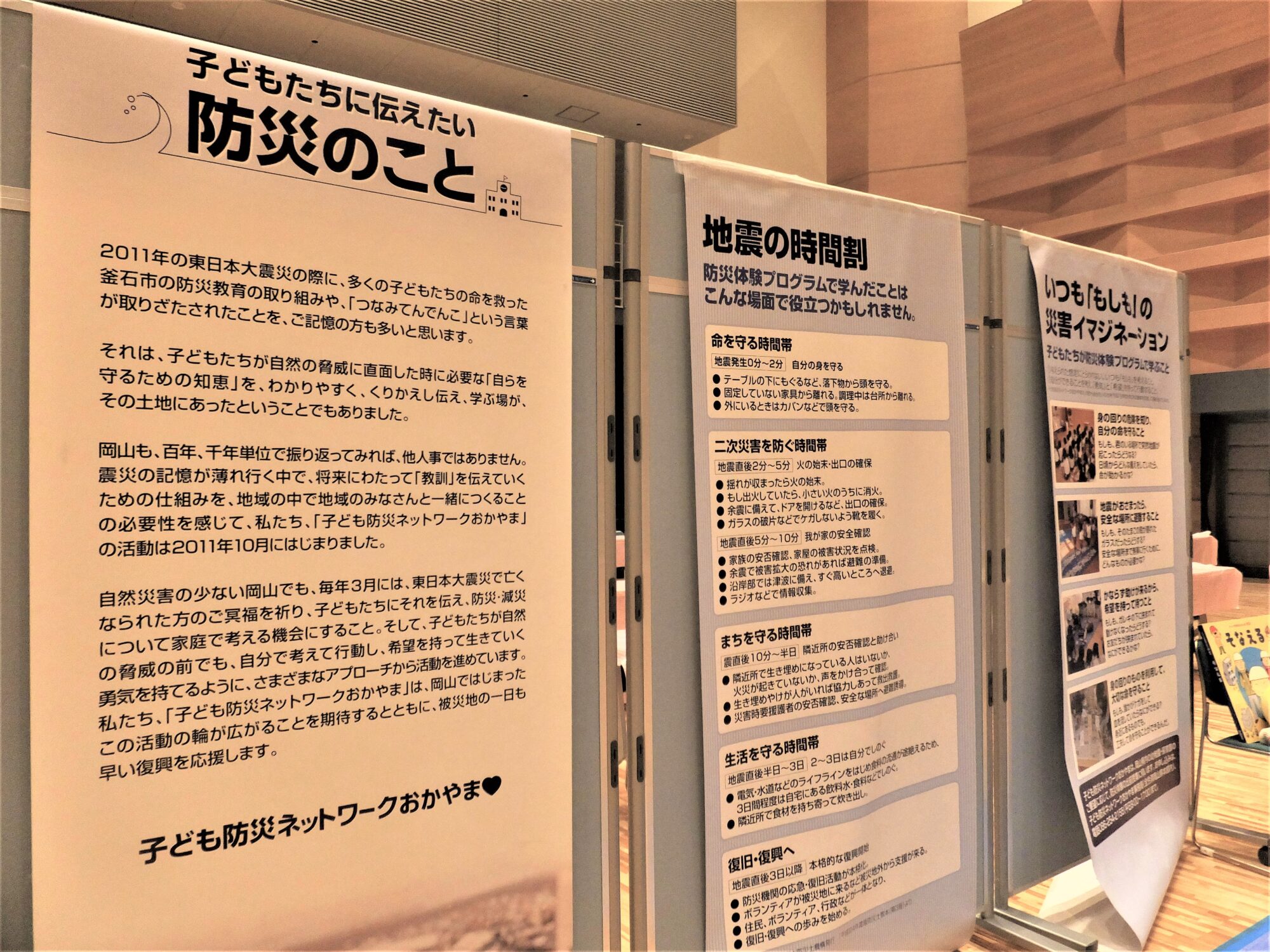
Okayama Children's Disaster Prevention Network exhibited a display that divided the time from the moment of an earthquake occurrence to the third day into five schedules.
Each time period outlines the actions to be taken in bullet points, summarized concisely and clearly.
The exhibit titled Always "What If" Disaster Imagination presented the content that children learn in disaster experience programs in a question format prefixed with "What if."
Both exhibits addressed disaster prevention knowledge that children actually learn.
As I looked at the exhibit content, I reflected that while children might know, there may be things that adults do not know.
Especially in terms of actions, I was reminded of whether I am consciously living in a way that connects to actions in real situations.
In addition to the hall, there were exhibits placed in various locations, and every time I glanced at them, I was surprised with "Wow!"
The structure of my eldest daughter, a middle school student, explaining further was enough to make me realize my own level of knowledge.
Delicious Space!
In the parking lot, a dining area was set up in the center, surrounded by shops.
Most of them are businesses operating in the local Mabi and Funao areas.
Among many, I will introduce Wohl Warren, COFFEE HOUSE Gojitoma, and Patisserie Le Vert.
Wohl Warren
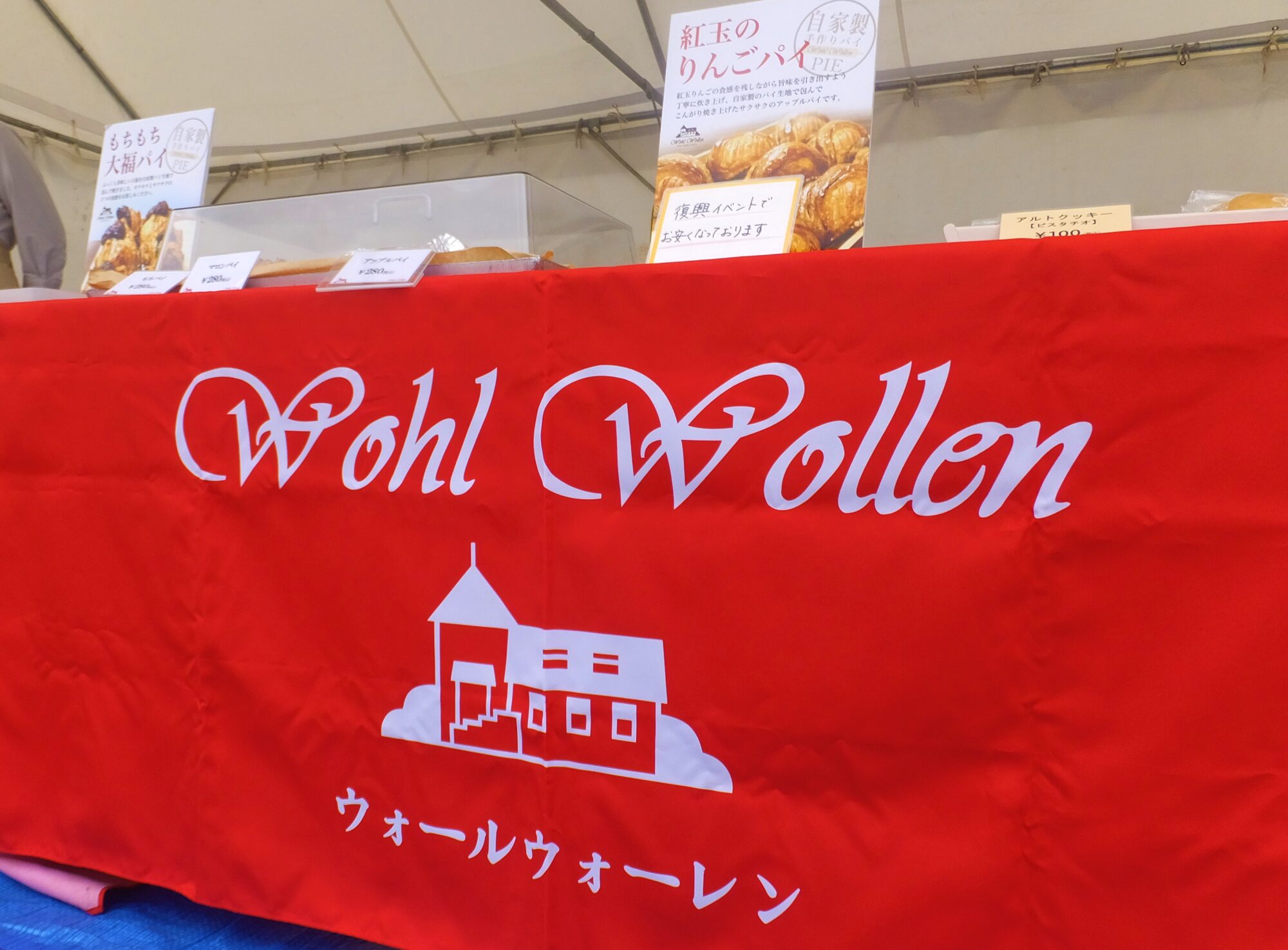
Wohl Warren, a Western confectionery shop in Mabi-cho, is characterized by its pointed roof as illustrated.
Two types of pies and cookies were prominently displayed on the table.
The one that immediately captured my heart was the Mochi Mochi Daifuku Pie.
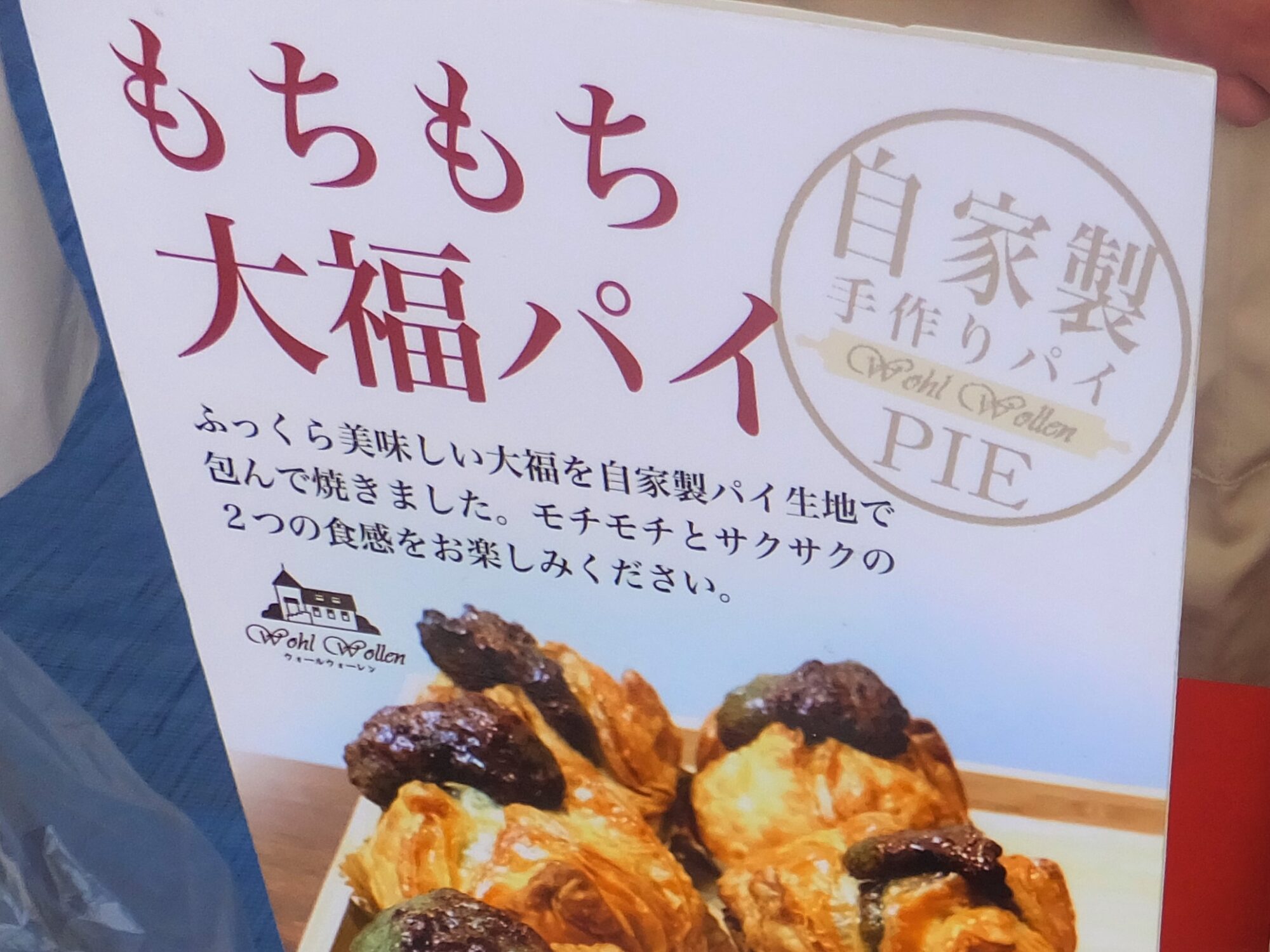
This pie combines representative sweets from both Western and Japanese confectionery.
When I involuntarily muttered "How unusual," the shop staff nodded and explained.
Surprisingly, the red bean paste sticking out from the top of the pie is indeed the case!
As someone who loves both Western and Japanese sweets, I had no hesitation in purchasing it.
The pie crust has a crispy texture that does not betray the aroma wafting from the surface, followed by the chewy texture of the mochi daifuku that comes later.
The red bean paste that spills out connects the crispy and chewy textures.
The balance of the three elements is exquisite, and my anticipation for other sweets grew.
I definitely wanted to visit the shop.

COFFEE HOUSE Gojitoma
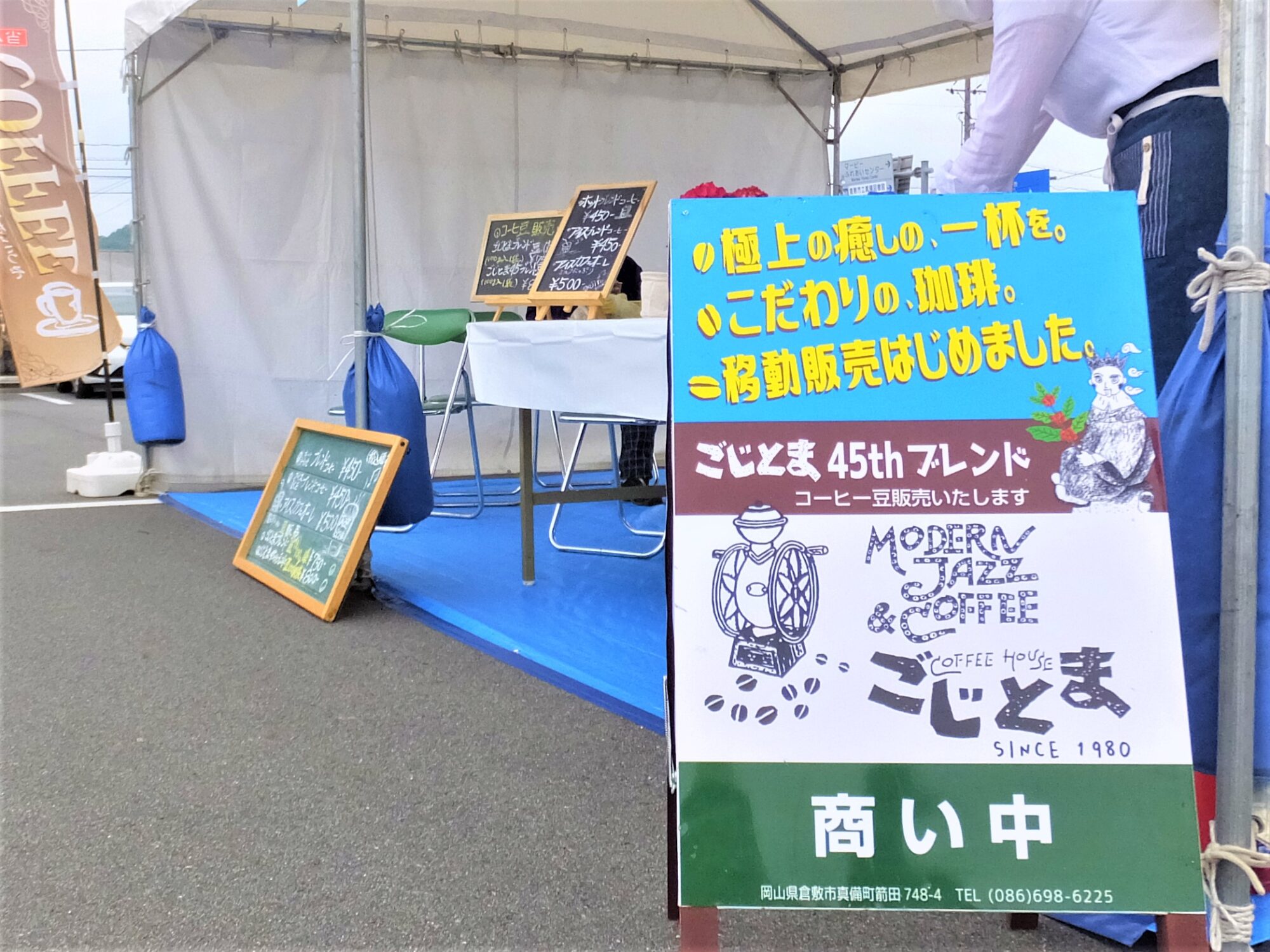
Before going to the festival, I was eager to try the hot coffee from COFFEE HOUSE Gojitoma.
When I requested the 45th blend, I was informed that only iced café au lait was available that day.
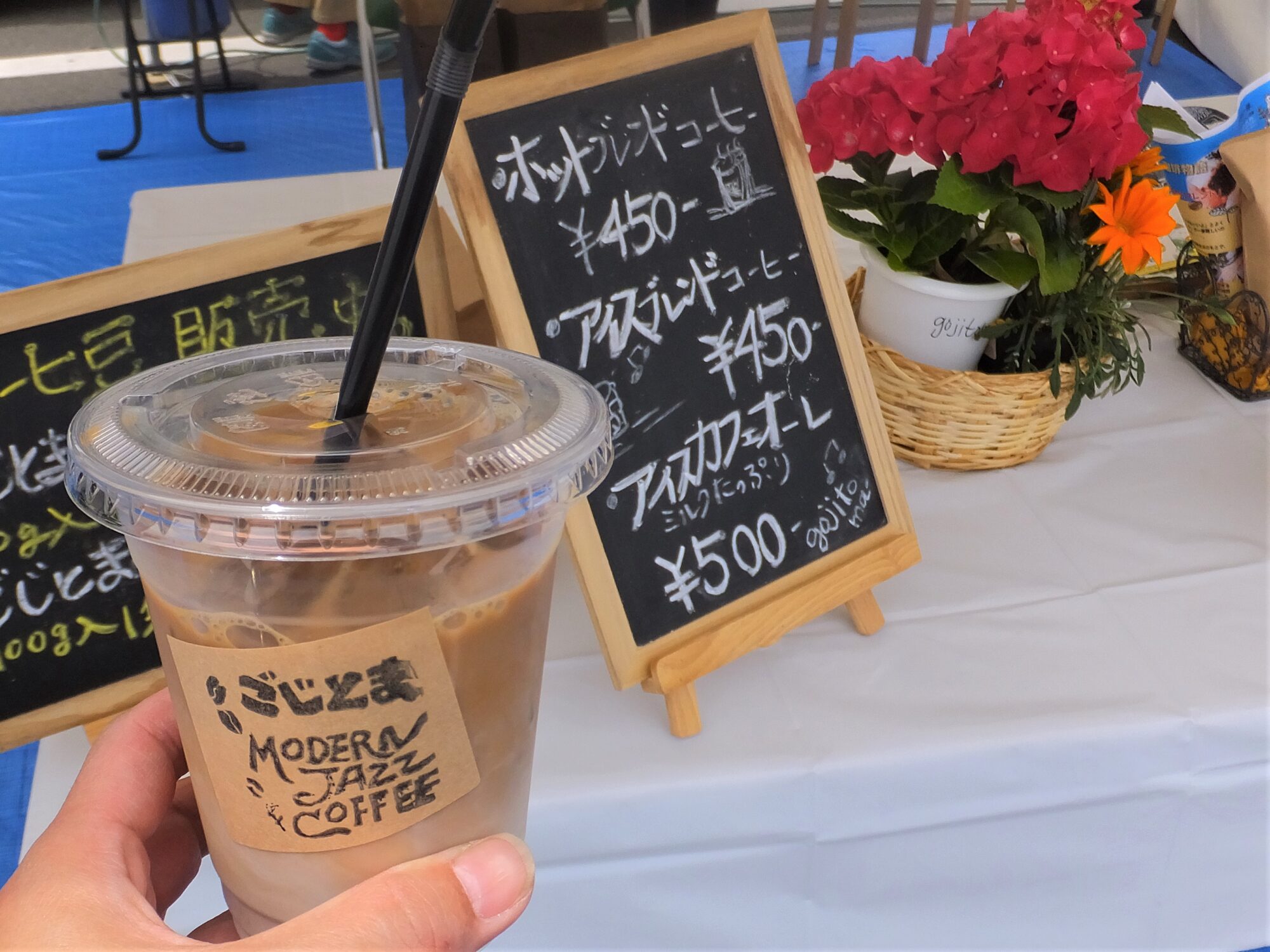
I hesitated a bit, but decided to savor the 45th blend beans.
The deep flavor of the beans does not get overwhelmed by the taste of milk. After drinking, the flavor and aroma of the beans linger in my nose.
It was during a moment when the sun peeked through the slightly cloudy sky.
With the sunlight almost making me sweat, I wanted to savor it slowly, but before I knew it, I had finished it in no time.
The aftertaste of the coffee beans remained strong, further heightening my anticipation for hot blended coffee.
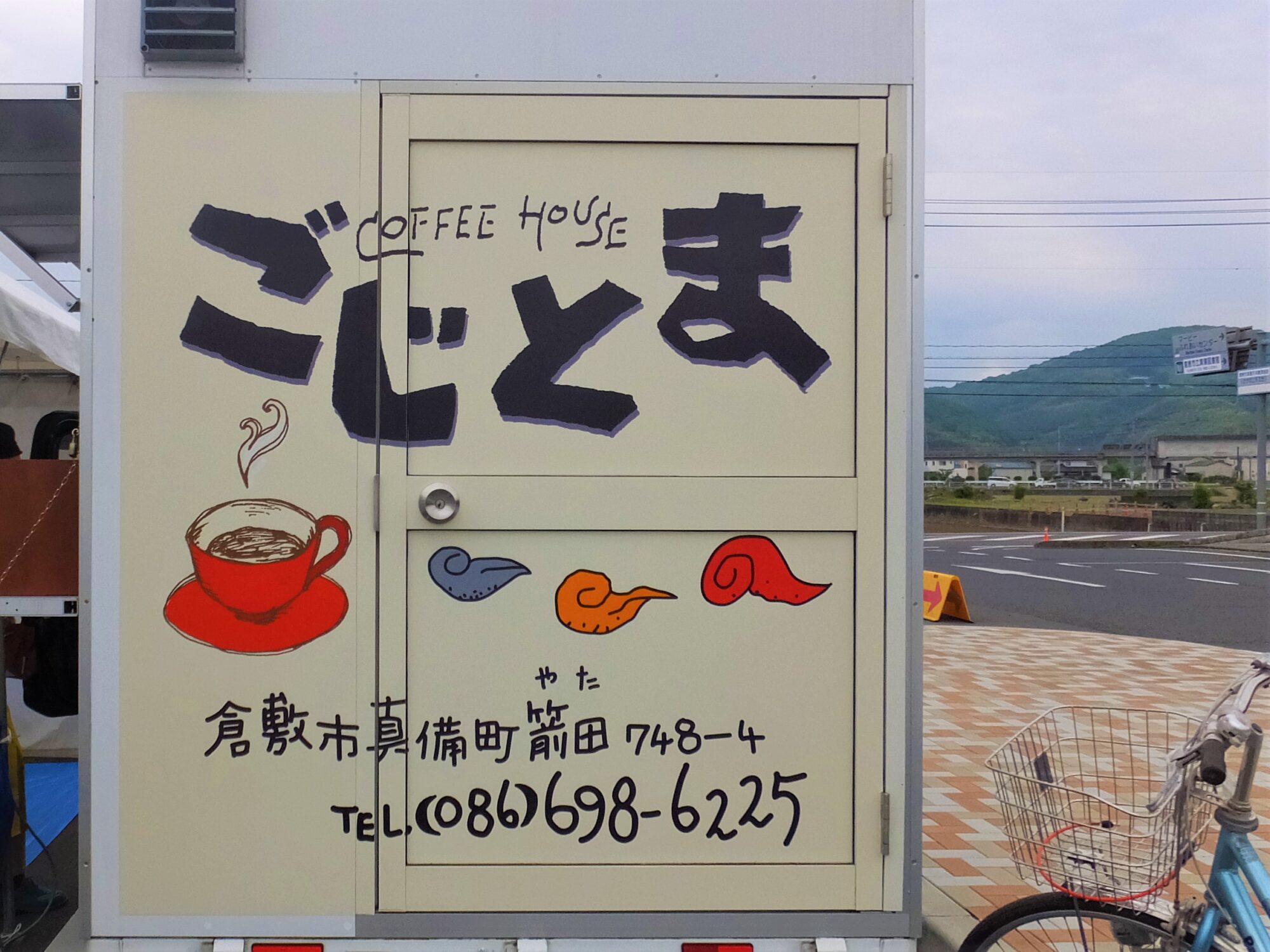
That day, coffee was served from a kitchen car bearing the shop's logo.
This kitchen car was introduced after the disaster and has been active since, and now it mainly operates at events.
Having tasted iced café au lait from the kitchen car, I thought I would like to enjoy hot blended coffee leisurely at the shop next time.
Patisserie Le Vert
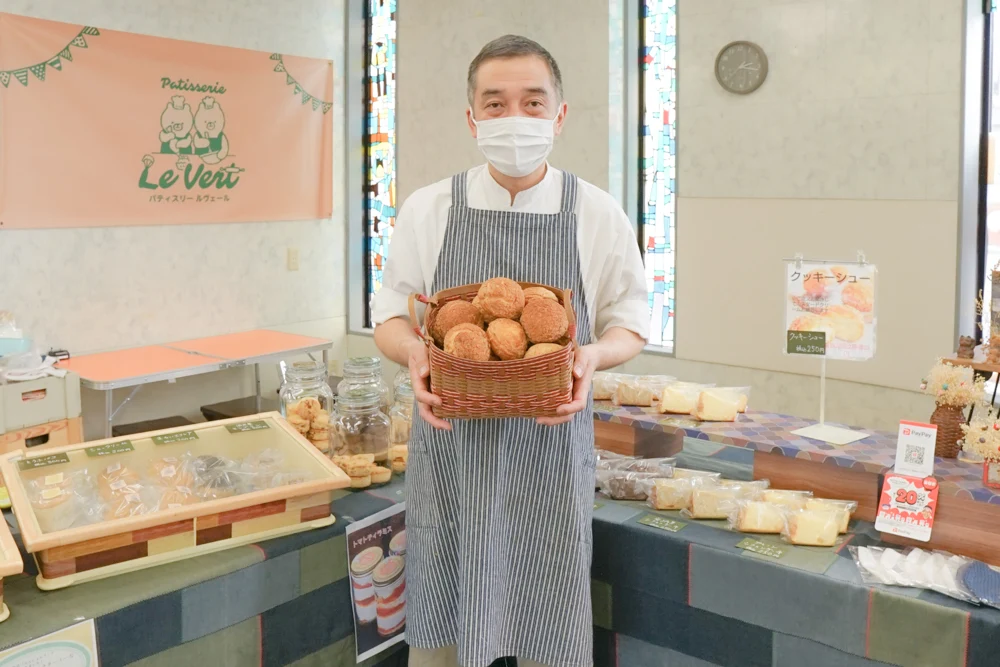
The illustration of a bear making sweets together is from Patisserie Le Vert.
Next to the sign that covers half of the booth, various Western sweets that seem to have come straight out of the shop were lined up.
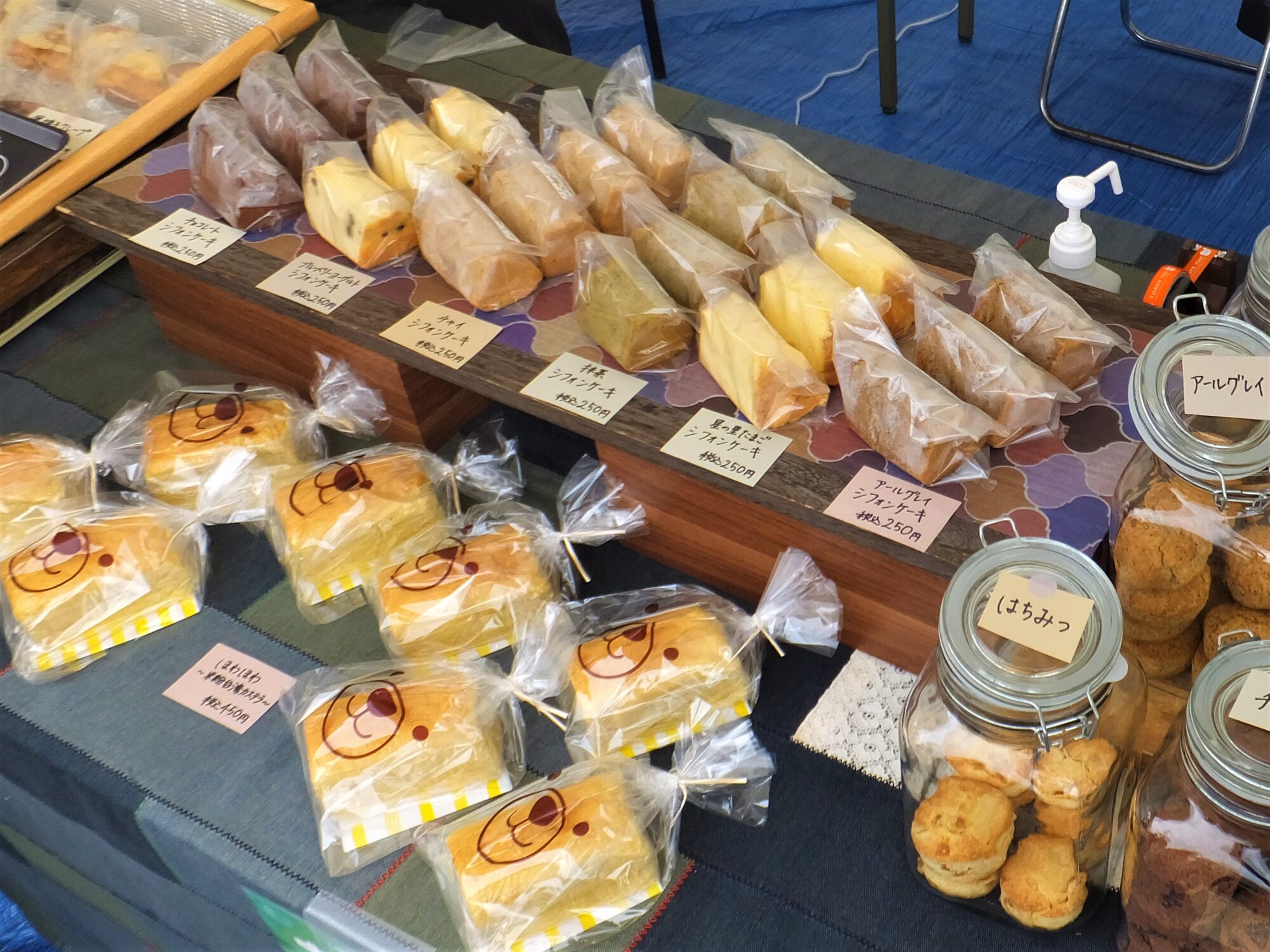
In fact, there was also a refrigerator on the left side of the photo, which was filled with several types of cakes.
Giving up on choosing quickly, I decided to ask the staff for their recommended sweets.
The top recommendation was rice flour Taiwanese castella, and the chiffon cake was also popular, the staff told me.
I felt a sense of familiarity when I noticed the staff seemed to ponder for a moment before answering. It’s a tough choice, isn’t it?
The rice flour Taiwanese castella is moist, fluffy, and soft!
As I took a bite of the fluffy cake, the moderate sweetness expanded and melted in my mouth.
The gentle texture made me want to pop the next piece into my mouth immediately, yet it was satisfying enough.
It was quite a luxurious experience to want more but be too full to eat.
I realized that the bear packaging, just like the sign, was indeed a mark of the shop's signature sweet.
Useful Space!
The Useful Space! was well-equipped both outdoors and indoors.
Private Ambulance / General Incorporated Association Epo Okayama Smile Project
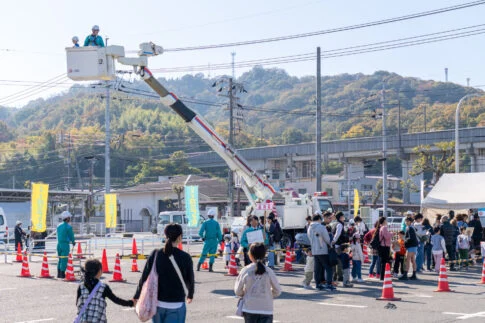
In one section of the parking lot, vehicles that are active during disasters were lined up.
Fire trucks, a Self-Defense Forces Mitsubishi Pajero, and an ambulance.
As I was capturing each vehicle with my camera, I noticed the words private ambulance.
As I pondered whether I had ever heard the term private ambulance before, a representative from the organization noticed my expression and explained.
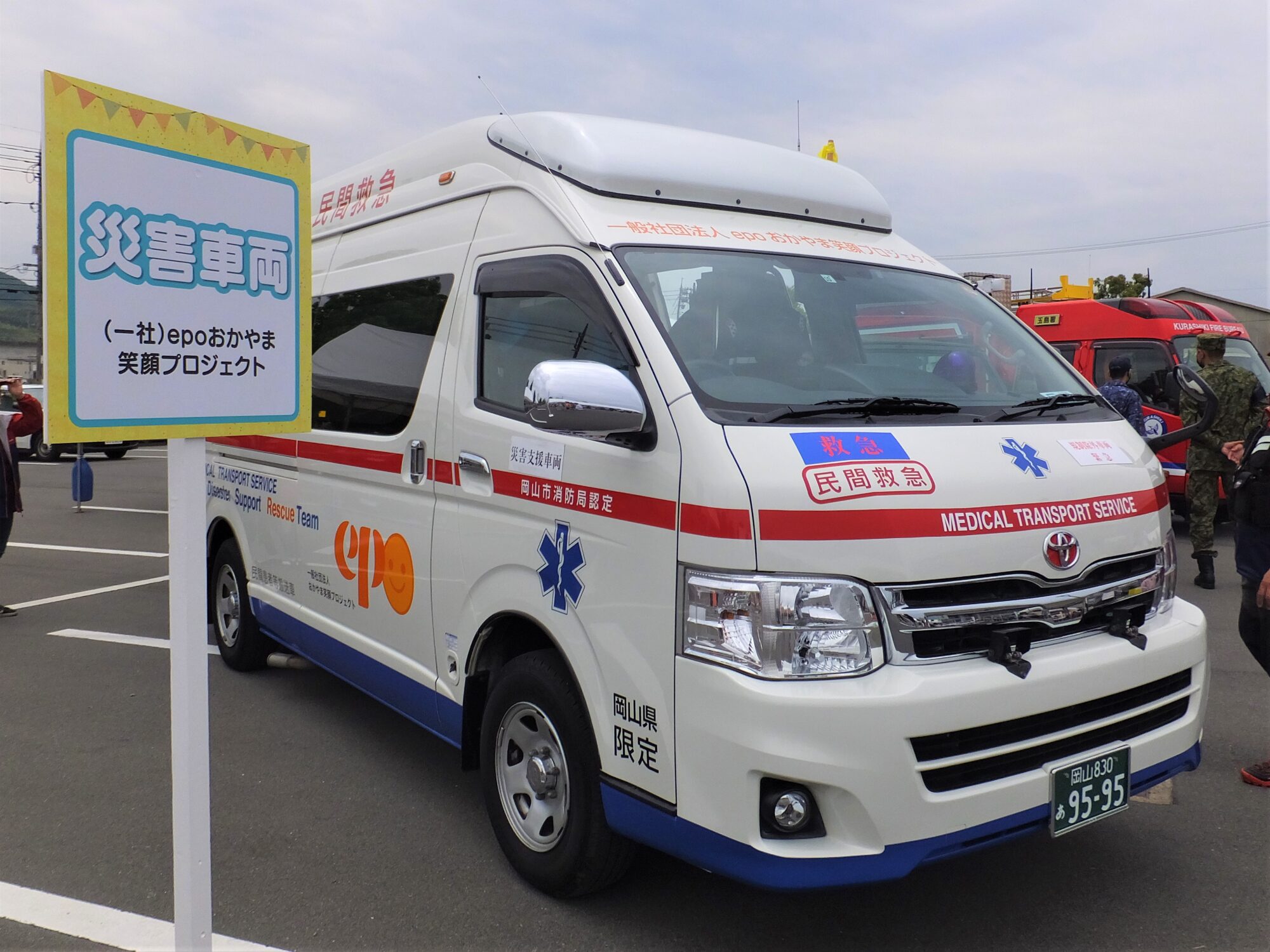
According to the representative, they introduced private ambulances with the aim of providing prompt rescue and medical services during disasters.
They will respond anywhere in the disaster area without any cost burden, not only within the prefecture.
I was surprised to hear that such activities are supported solely by donations from people who support their work.
Equipped with medical facilities that are comparable to public ambulances, this is Okayama's first private ambulance.
Although awareness is still low, they are also active during normal times (with usage fees depending on the content).
For example, they respond to the transportation of medically needy individuals living at home or participate as mobile medical facility vehicles during events.
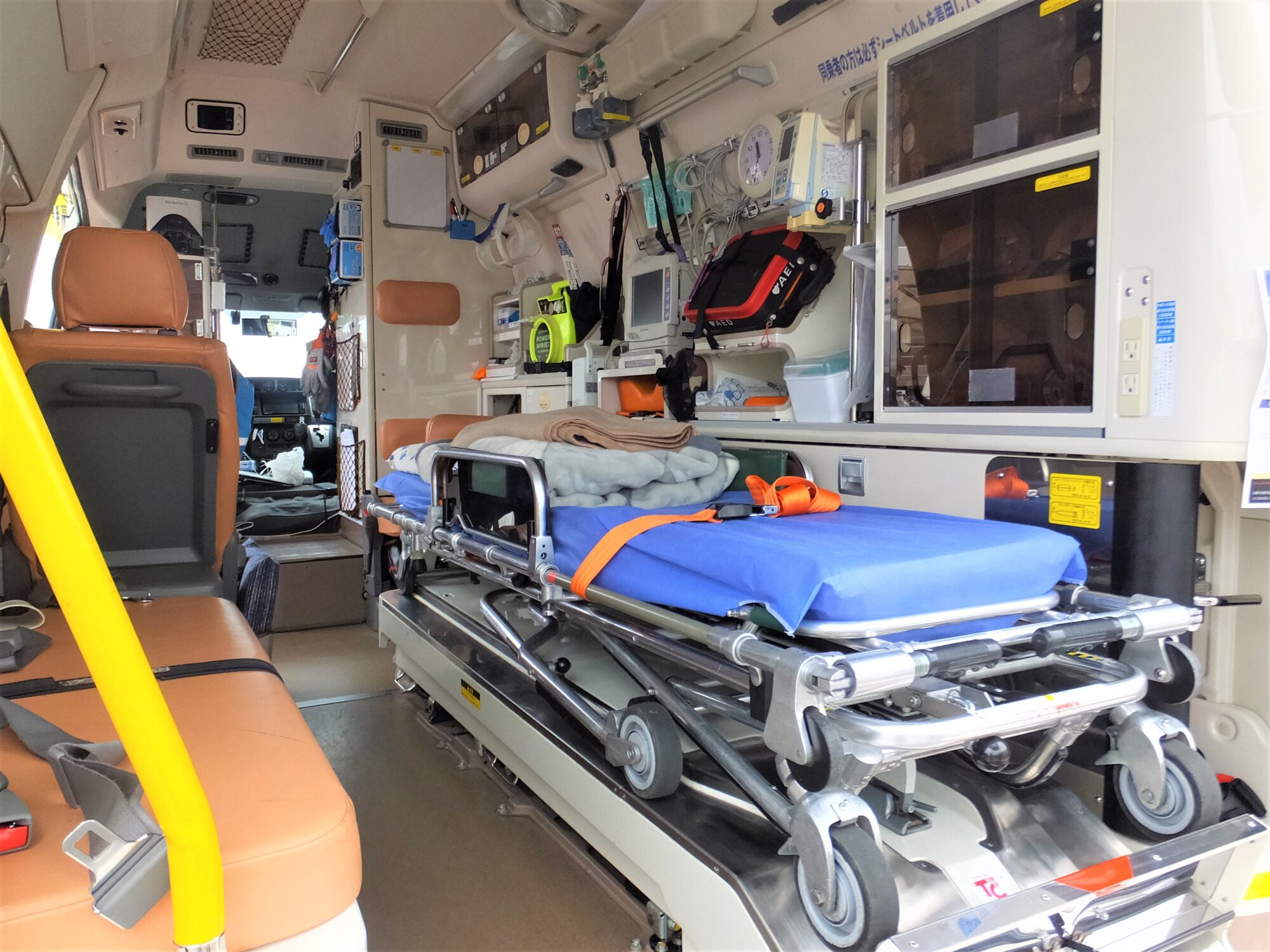
The pamphlet I received stated that General Incorporated Association Epo Okayama Smile Project is an organization that engages in activities for disasters that occur nationwide, specializing in disaster support.
They provide not only direct support during disasters but also physical and mental support to victims after disasters, as well as conducting study sessions and consultations for supporters.
Disaster Rescue Dog Show / Non-Profit Organization Peace Winds Japan
In a space a little deeper from the vehicle display area, there was a lively retriever with shiny black fur.
While the handler was explaining, the dog sat neatly beside them, exuding a cheerful and friendly atmosphere.
His name is Ruto-kun.
While Ruto-kun radiated charm, his expression changed completely when the show began, simulating a disaster scene to search for a lost person.
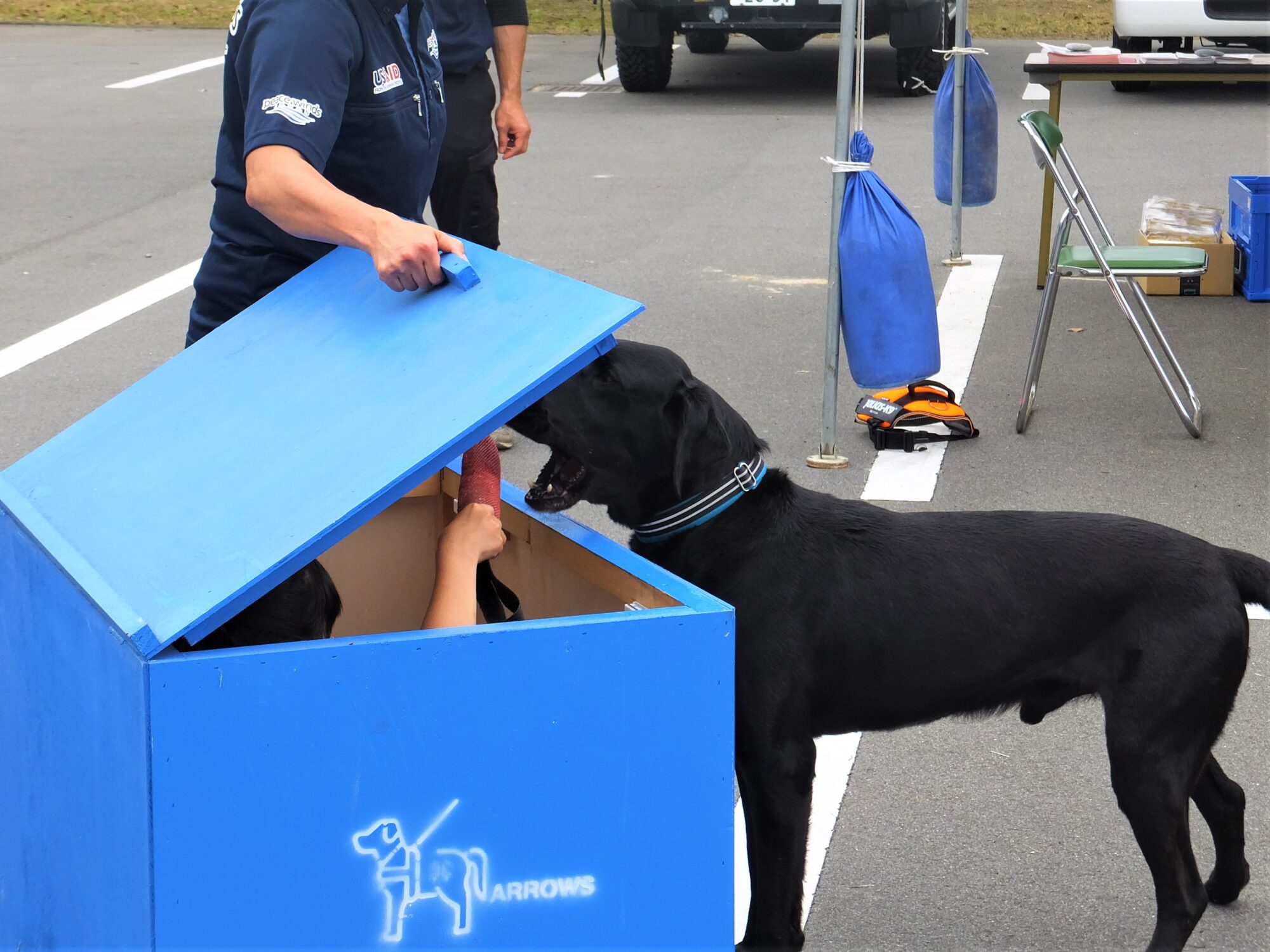
While Ruto-kun was not looking, a child hid inside a blue box.
Later, Ruto-kun came and found the box where the hidden child was, relying on the scent bag the child was holding.
Ruto-kun vividly found the child.
On the second attempt, while the handler explained, “It’s difficult because the previous person’s scent remains...,” Ruto-kun seemed to find the children anyway.
Almost simultaneously with the handler's signal, Ruto-kun quickly indicated the box where the children were hiding.
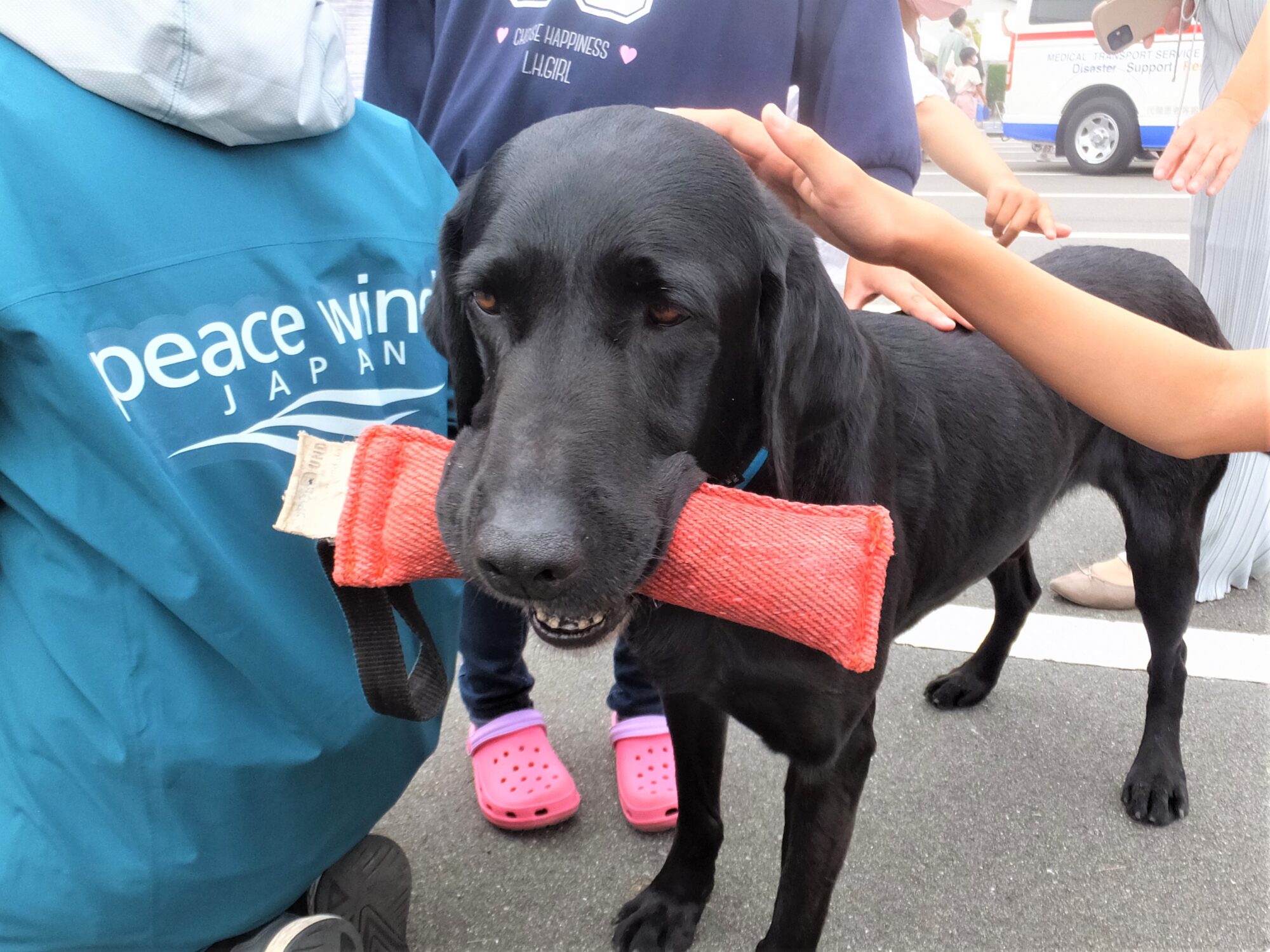
Non-Profit Organization Peace Winds Japan operates under the motto of providing necessary support to those in need, engaging in activities that span disaster support as well as international humanitarian assistance worldwide.
During the July 2018 heavy rain disaster, they began supporting the disaster area of Mabi-cho immediately after the disaster occurred.
To this day, they continue to provide ongoing and comprehensive support.
Smoke Experience House / Kokumin Kyosai Coop
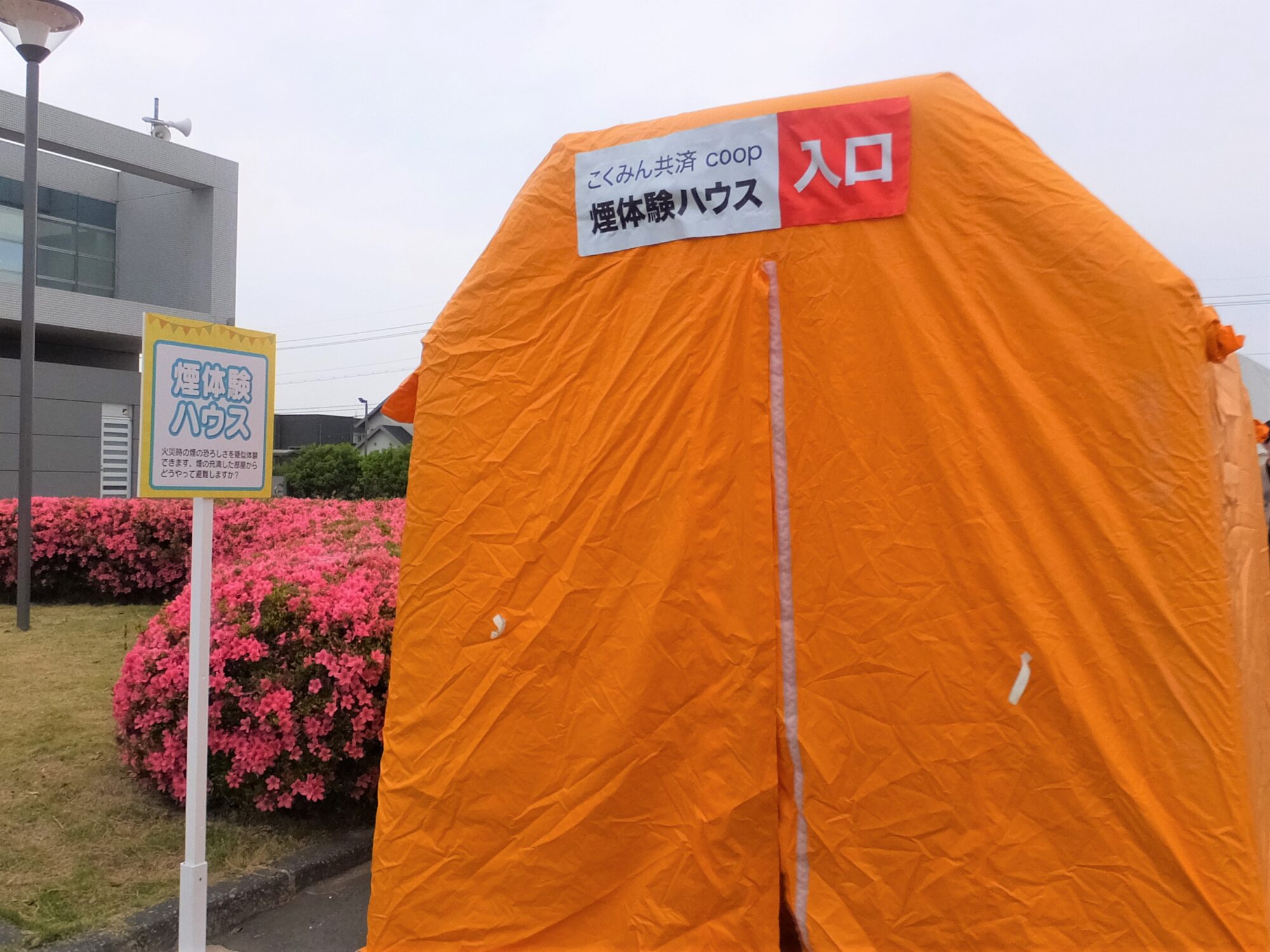
In an outdoor space, the Smoke Experience House stood out.
Inside the tent, I heard it was filled with smoke recreated with water vapor, and I felt a bit relieved thinking it would be okay for children to enter since it was just vapor.
The path from the entrance to the exit was straight.
It was only about 2 to 3 meters long.
I thought it would be easy to get out, but as soon as I stepped in, I was startled to find everything in front of me turned completely white.
Even though I knew the exit was straight ahead, the loss of visibility made me lose confidence in my sense of balance, wondering if I was moving straight.
I couldn't even gauge the distance of a single step.
Just as I began to feel anxious about how long I was staying inside the tent, I finally managed to get out, feeling relieved.
In the next moment, I couldn't help but shiver at the thought, what if this were real smoke...
Conclusion
Mabi-cho, Kurashiki City, was affected by the heavy rain disaster in July 2018.
The Mabi Community Center was flooded up to 3.9 meters at that time, as evidenced by the marks left on the building.
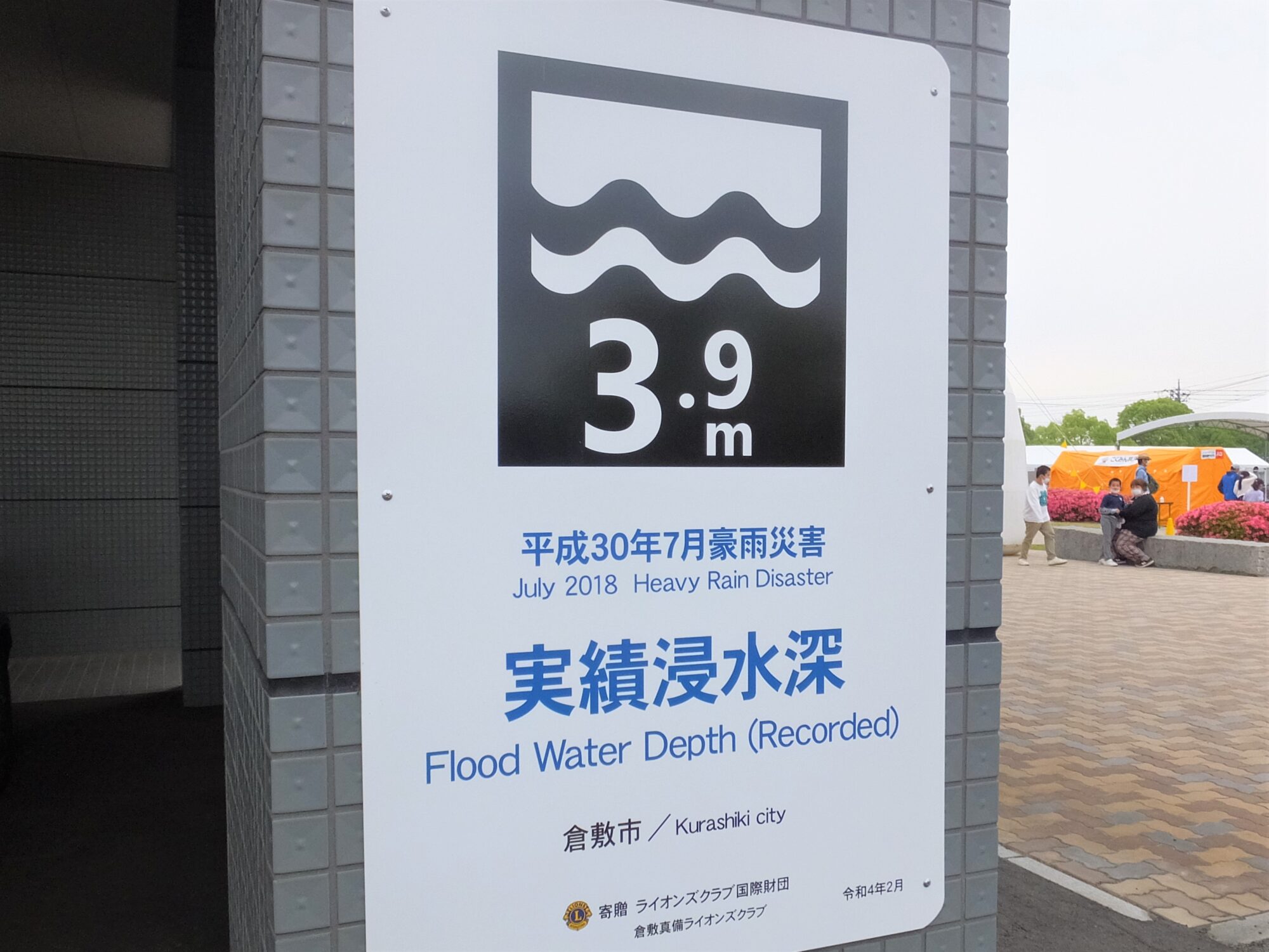
In June 2021, about three years after the flooding damage, the center reopened, hosting its first disaster prevention event at this festival.
They introduced cooking methods using special plastic bags for disaster situations and provided VR (Virtual Reality) experiences to make it easy and fun for people to learn and experience disaster preparedness.
There was so much disaster knowledge that I couldn't cover it all.
At the same time, I felt that the thoughts of many people regarding disaster prevention were also packed into this event.
In particular, the booklets, pamphlets, and flyers I received at each booth felt like a culmination of the thoughts of those who experienced disasters.
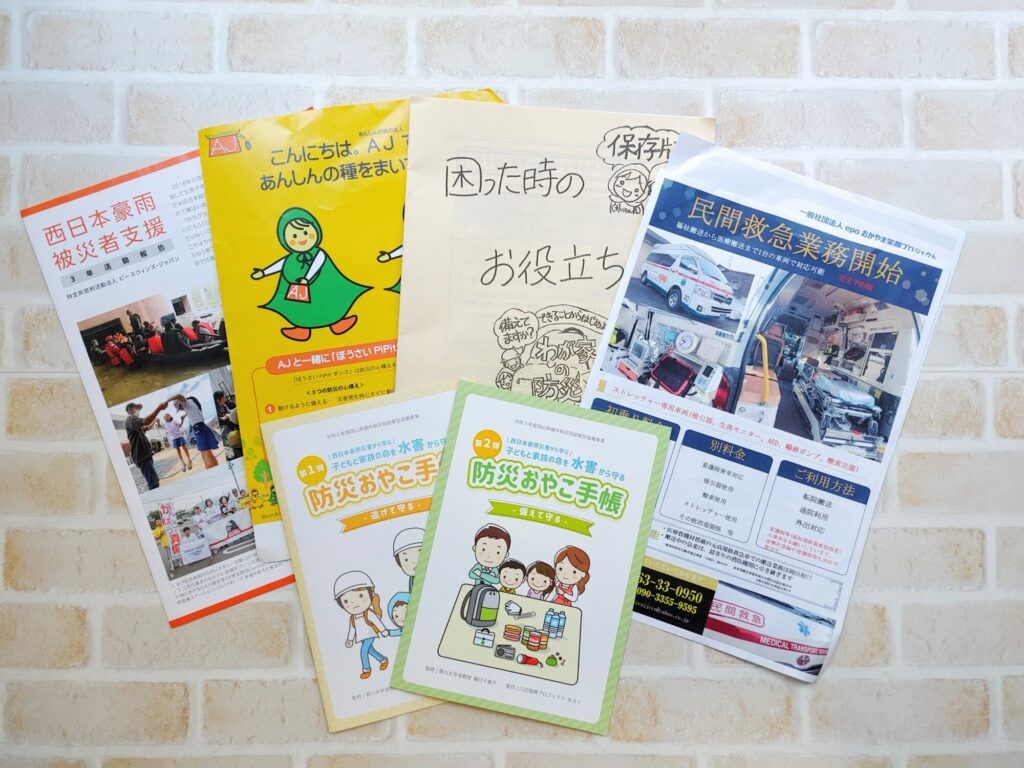
The knowledge and experiences are compiled so that they do not end with just the event.
I had been unsure about my own disaster preparedness, but I felt like I had received a reassuring manual that made me think, “This will be fine!”
That said, disasters can happen at any time.
That’s why it’s important to incorporate disaster simulations into daily life and remember actions to protect oneself as a familiar movement.
I want to learn dances with children in a relaxed manner and gradually become more aware of these things.
In addition to this festival, there are lectures and events themed around disaster prevention and reduction.
As a chance to reflect on daily life, why not participate if there’s something nearby?
Mabi Fureai Festival Data
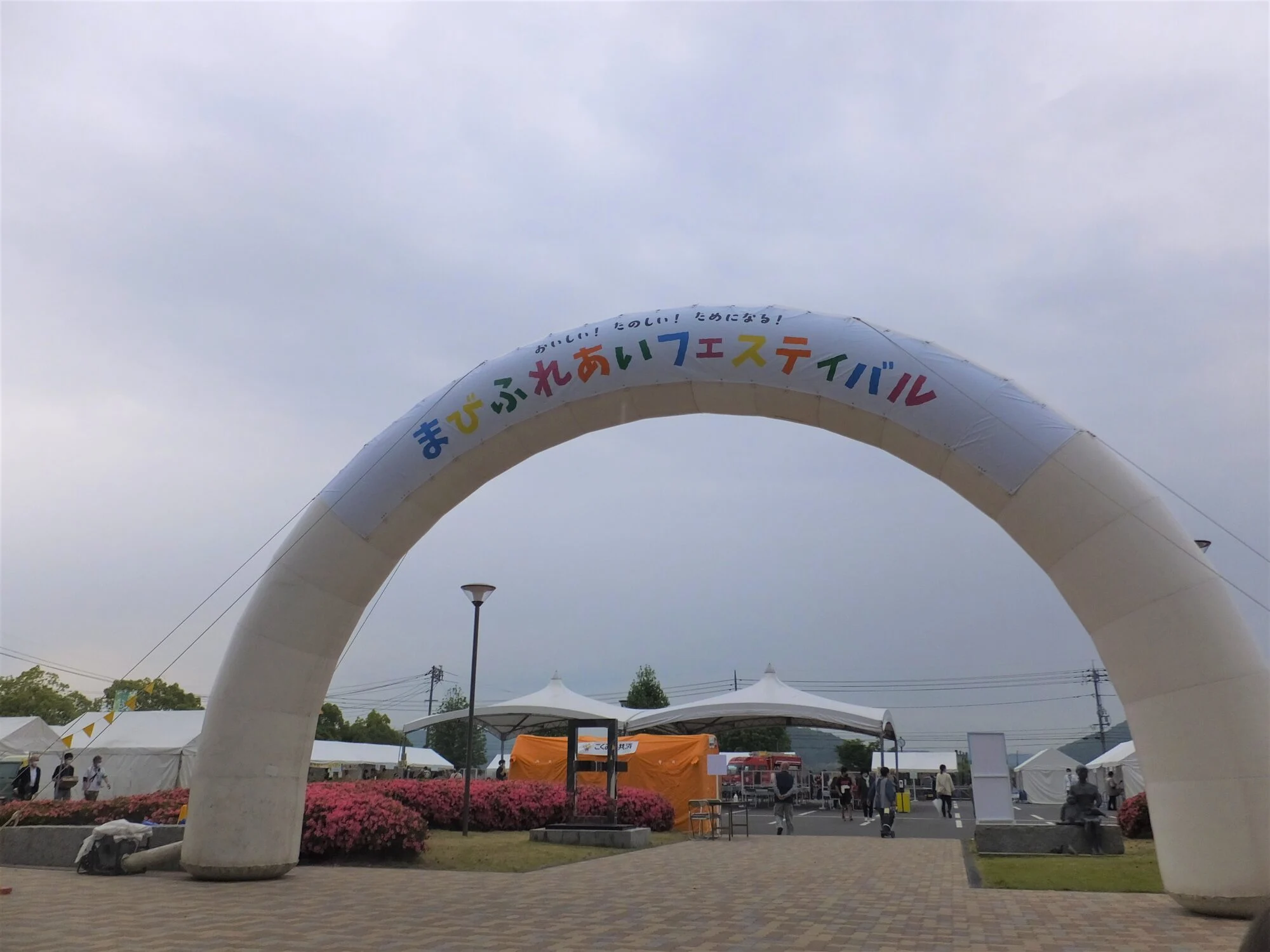
| Name | Mabi Fureai Festival |
|---|---|
| Date | May 21, 2022, from 10:00 AM to 3:40 PM |
| Location | 40-1 Ayata, Mabi-cho, Kurashiki City |
| Website | Mabi Fureai Center Arus Kurashiki |