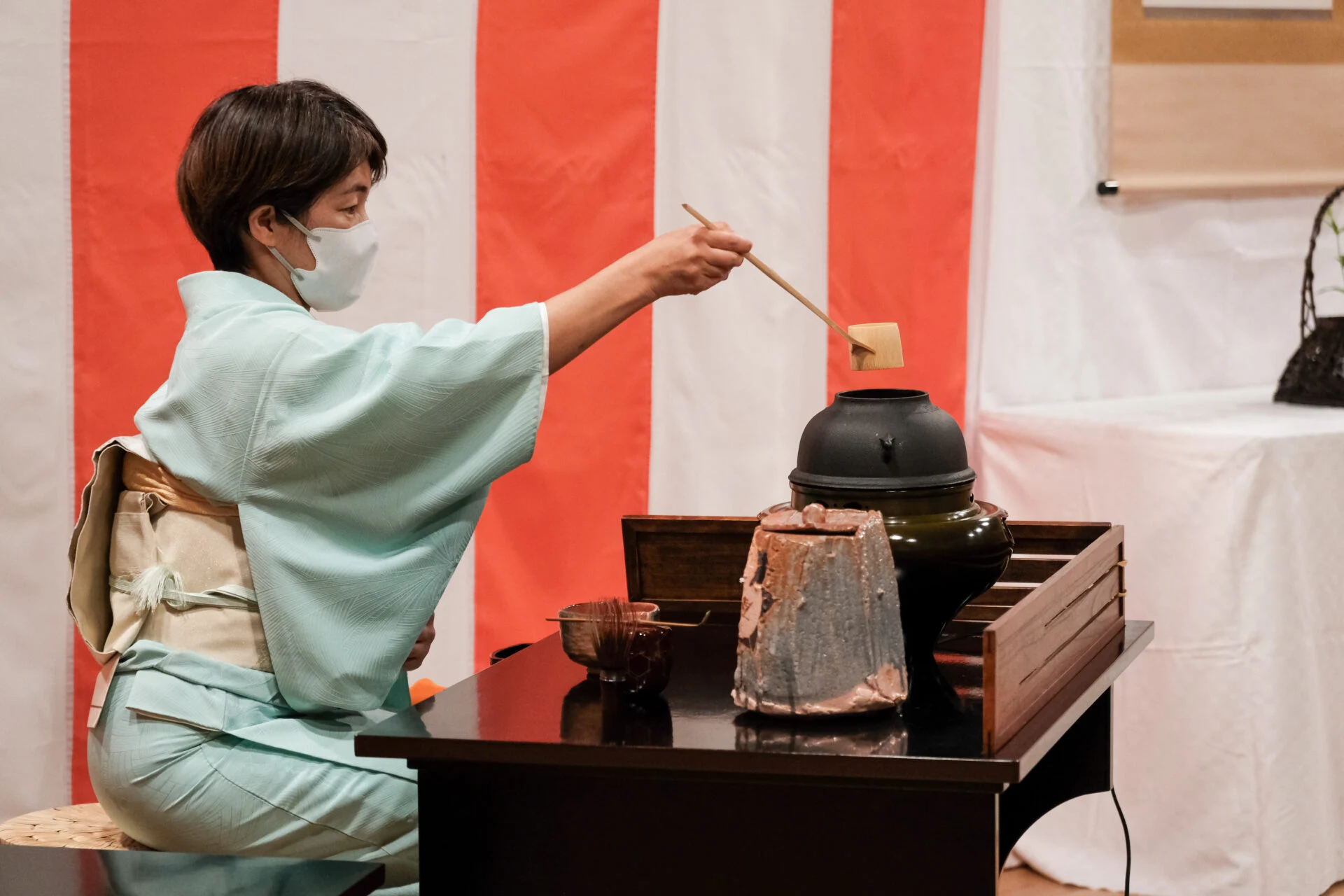
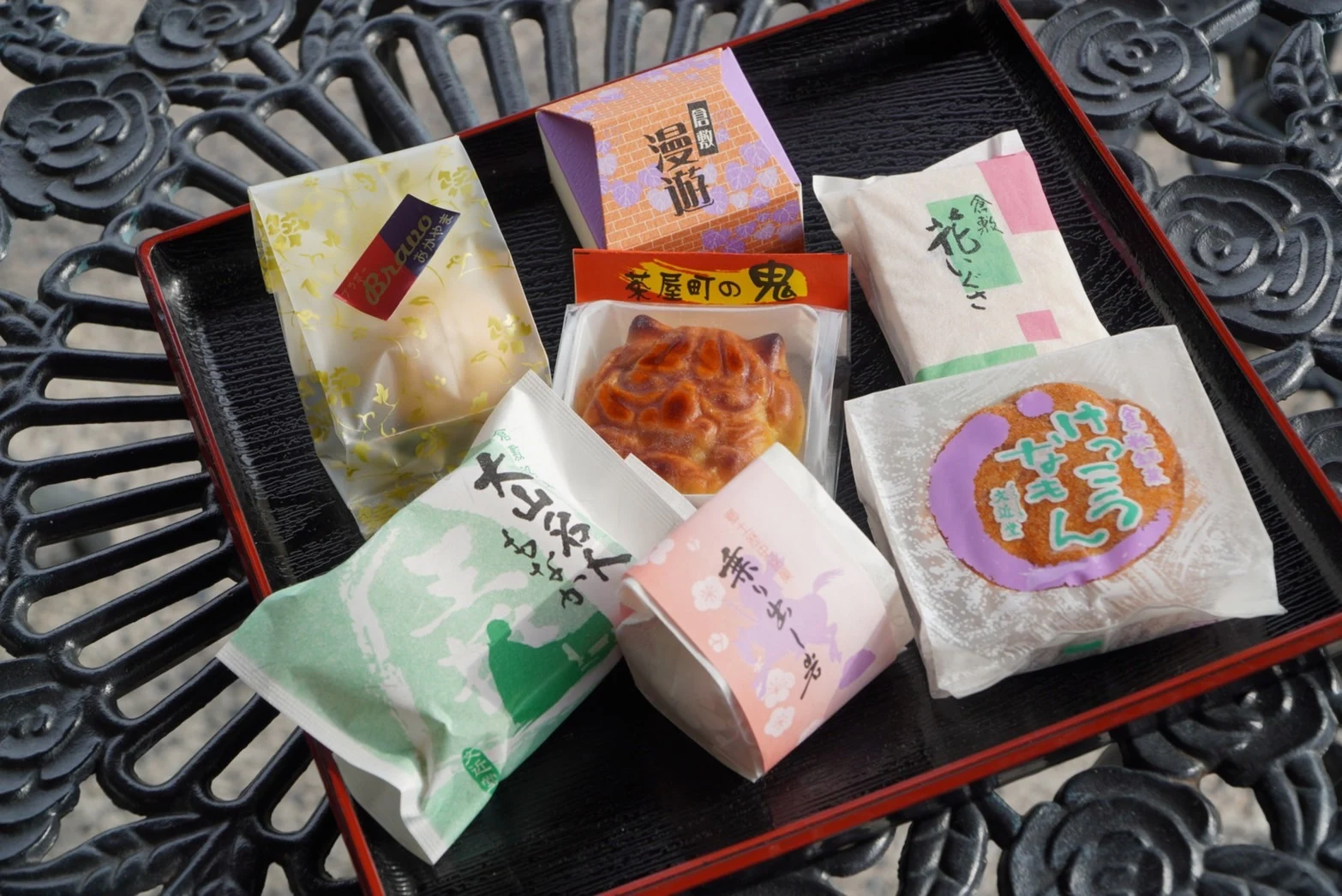
One of the things that allows us to feel the changing seasons is wagashi (Japanese sweets).
Kurashiki has been a city where tea and wagashi have been close at hand since the Edo period, when the port of Tamashima flourished. It seems that the making of wagashi has been cherished by the citizens since that time.
I learned that elderly people with hearing impairments gathered at the Kurashiki City Association of the Hearing Impaired to challenge themselves to make sakura mochi (cherry blossom rice cakes), and I went to cover the event.
In this article, I will report on the gathering conducted in sign language as a person with a hearing impairment, using written Japanese.
Written Japanese: Refers to the Japanese used in reading and writing, primarily a term used in the education of children with hearing impairments.
The 57th Kurashiki Gathering for the Elderly with Hearing Impairments
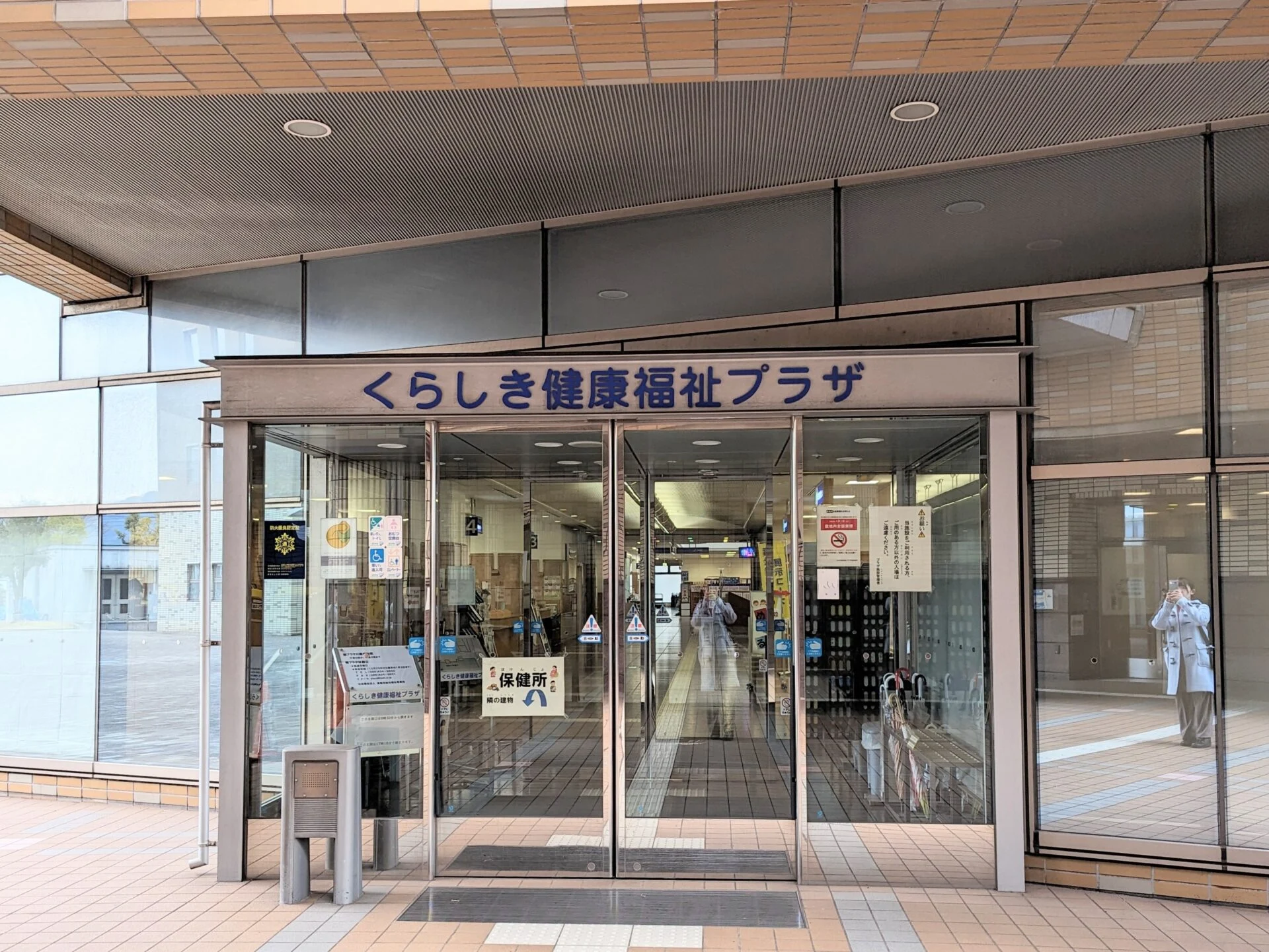
The 57th Kurashiki Gathering for the Elderly with Hearing Impairments was organized by the Welfare Measures Department of the Kurashiki City Association of the Hearing Impaired and was held on April 7, 2024 (Sunday) at the Kurashiki Health and Welfare Plaza in Sasao, Kurashiki City.
This time, participants worked together to make sakura mochi and enjoyed chatting while eating the completed sakura mochi.
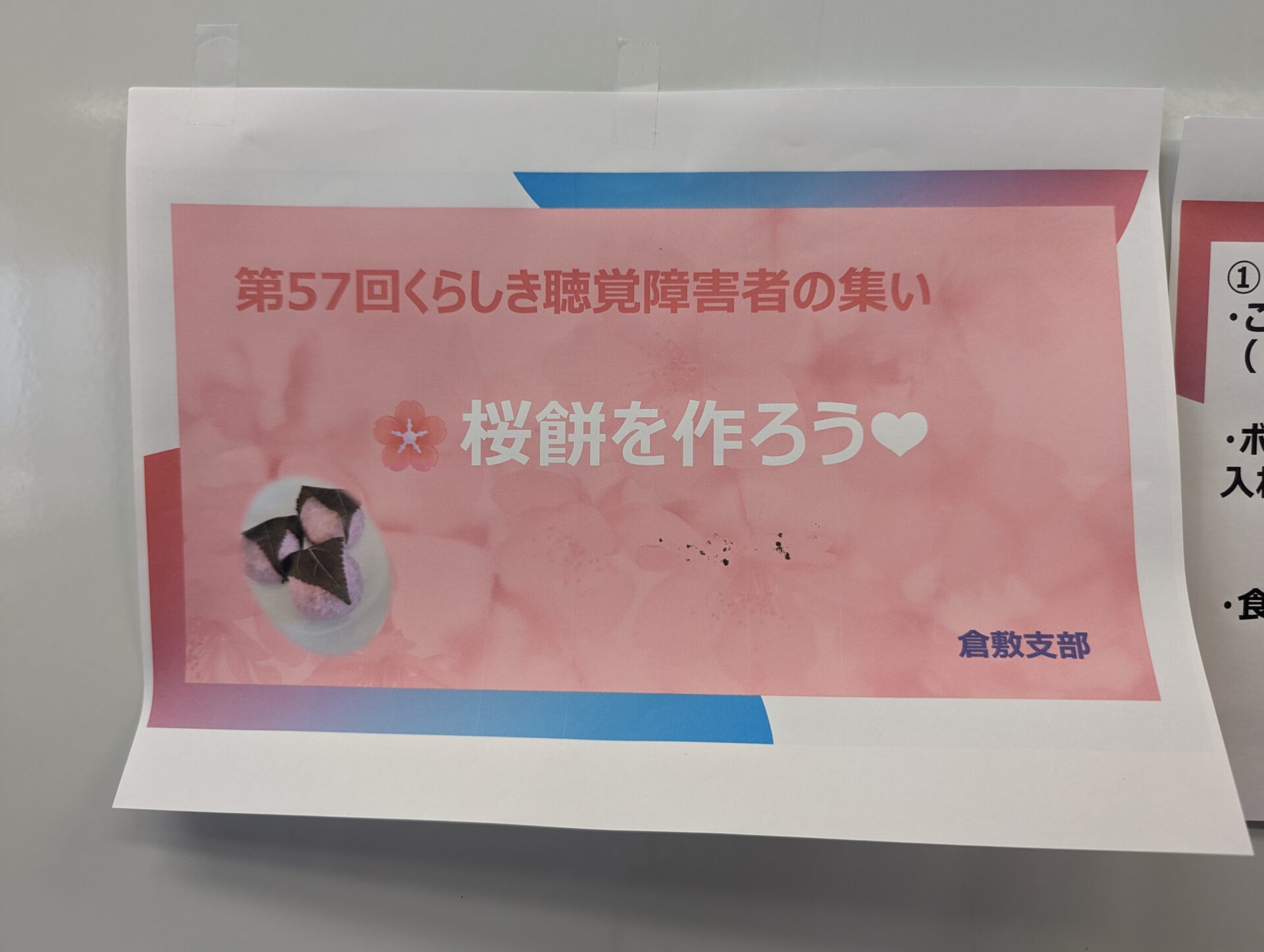
Let's Make Sakura Mochi
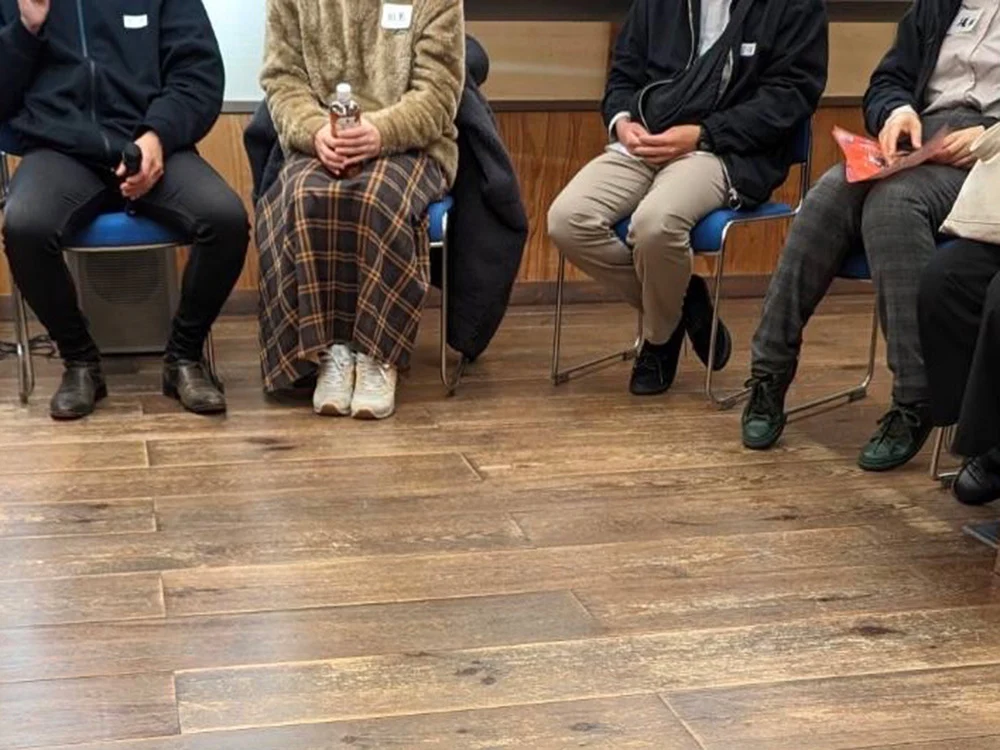
On the day of the event, individuals with hearing impairments living in the Takahashi River Basin area, along with registered sign language interpreters from Kurashiki City and 23 members of a sign language circle from Kurashiki City, gathered together.
As soon as the participants entered the venue, they looked around and began to smile and move their hands when they found someone they recognized.
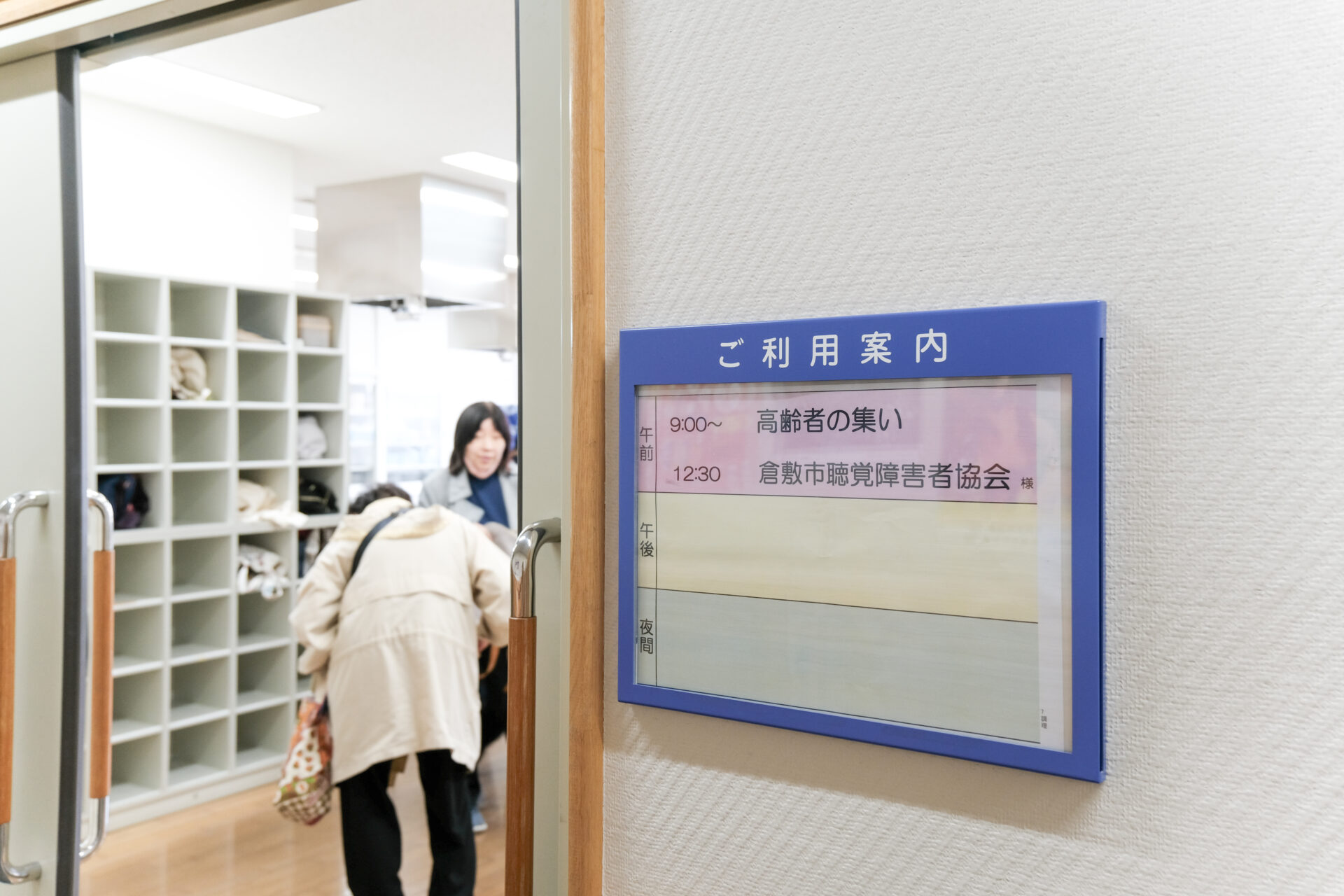
Many participants usually communicate through oral speech (reading lip movements) or written notes among hearing people, so the time to talk freely in their own language, sign language, is precious.
The Hands Don't Stop Making
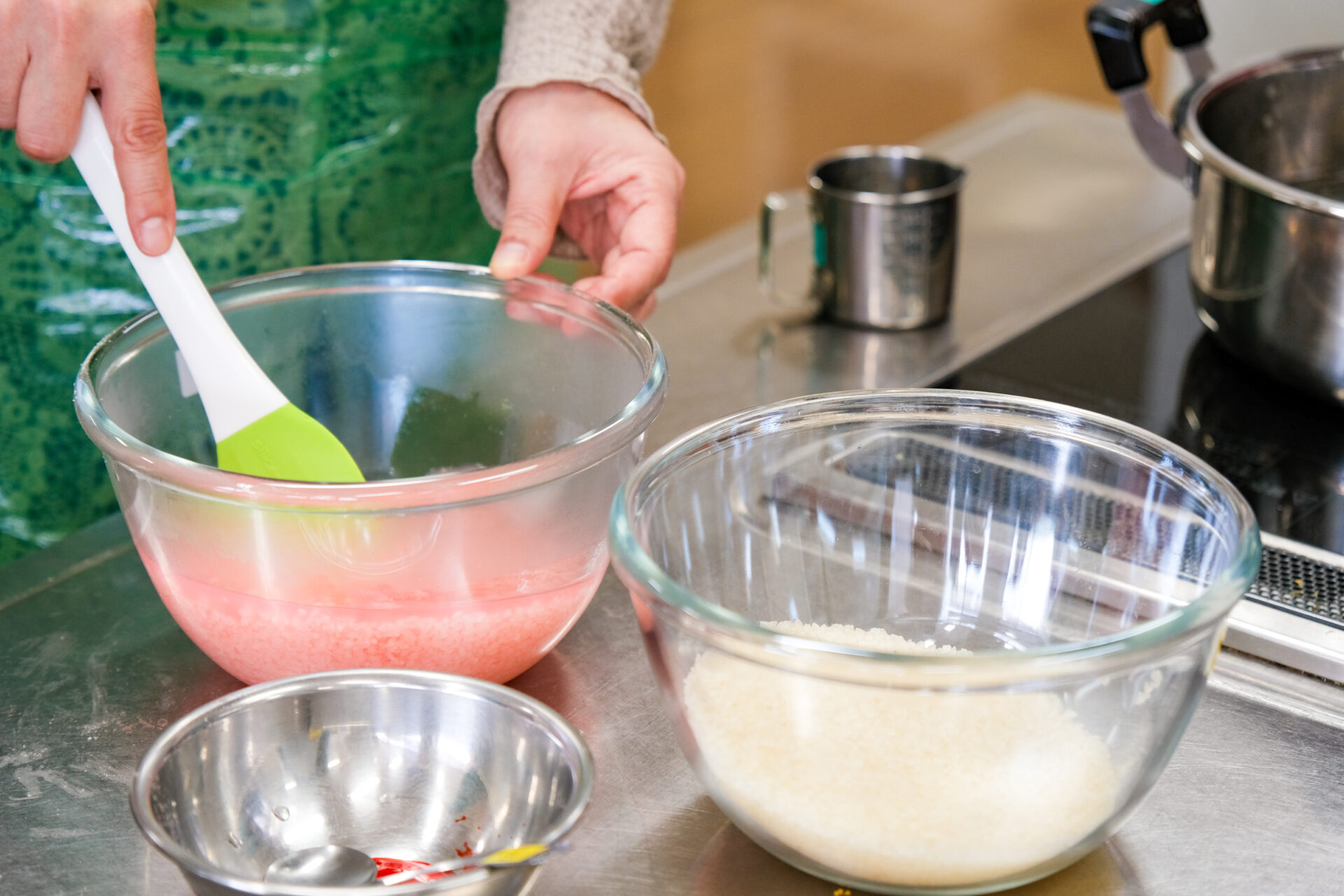
Once everyone gathered, they were divided into four groups, received instructions on how to make sakura mochi, and immediately began the process.
In each group, there were experienced individuals in making sakura mochi, so they took the lead while everyone worked together to progress with the tasks.
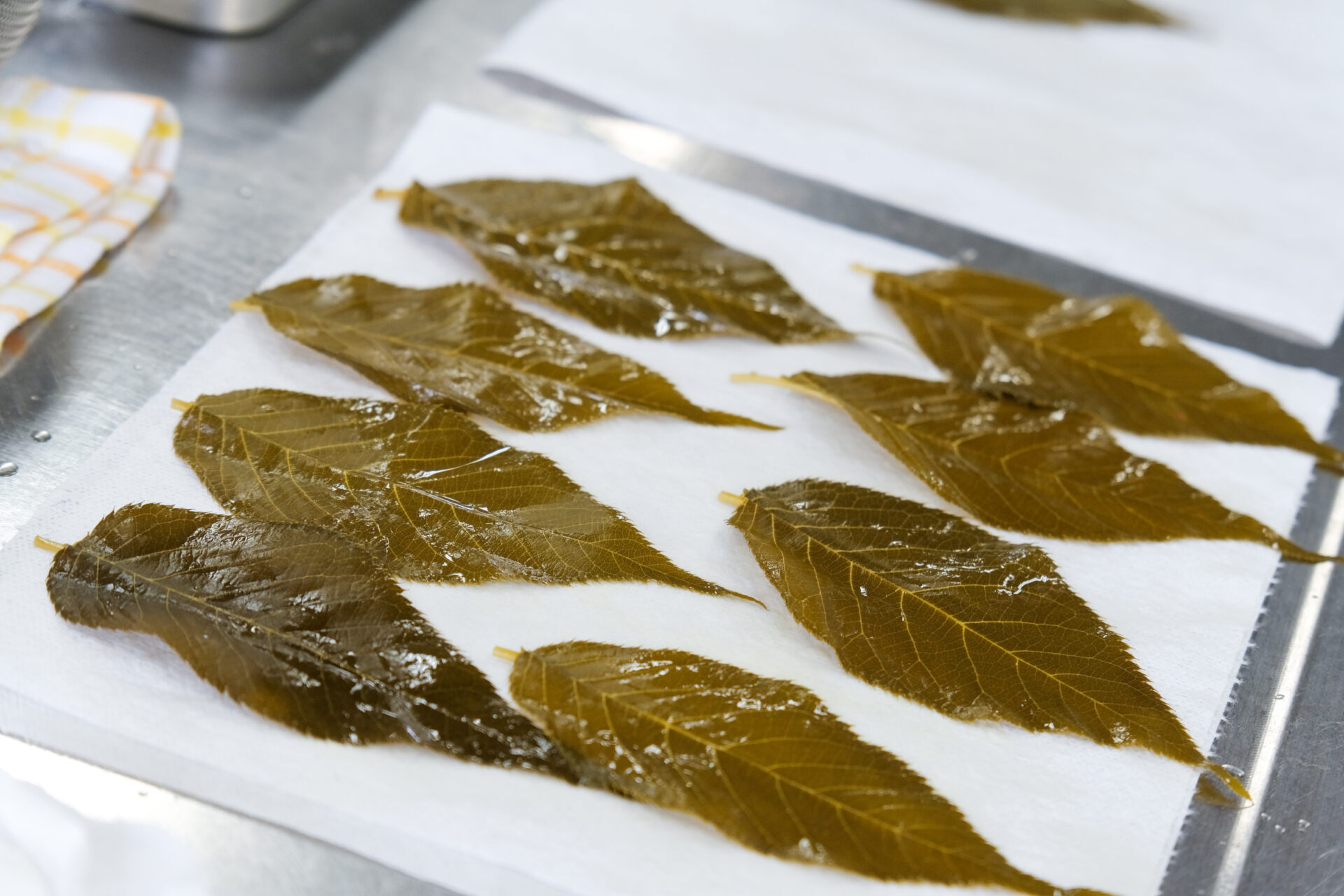
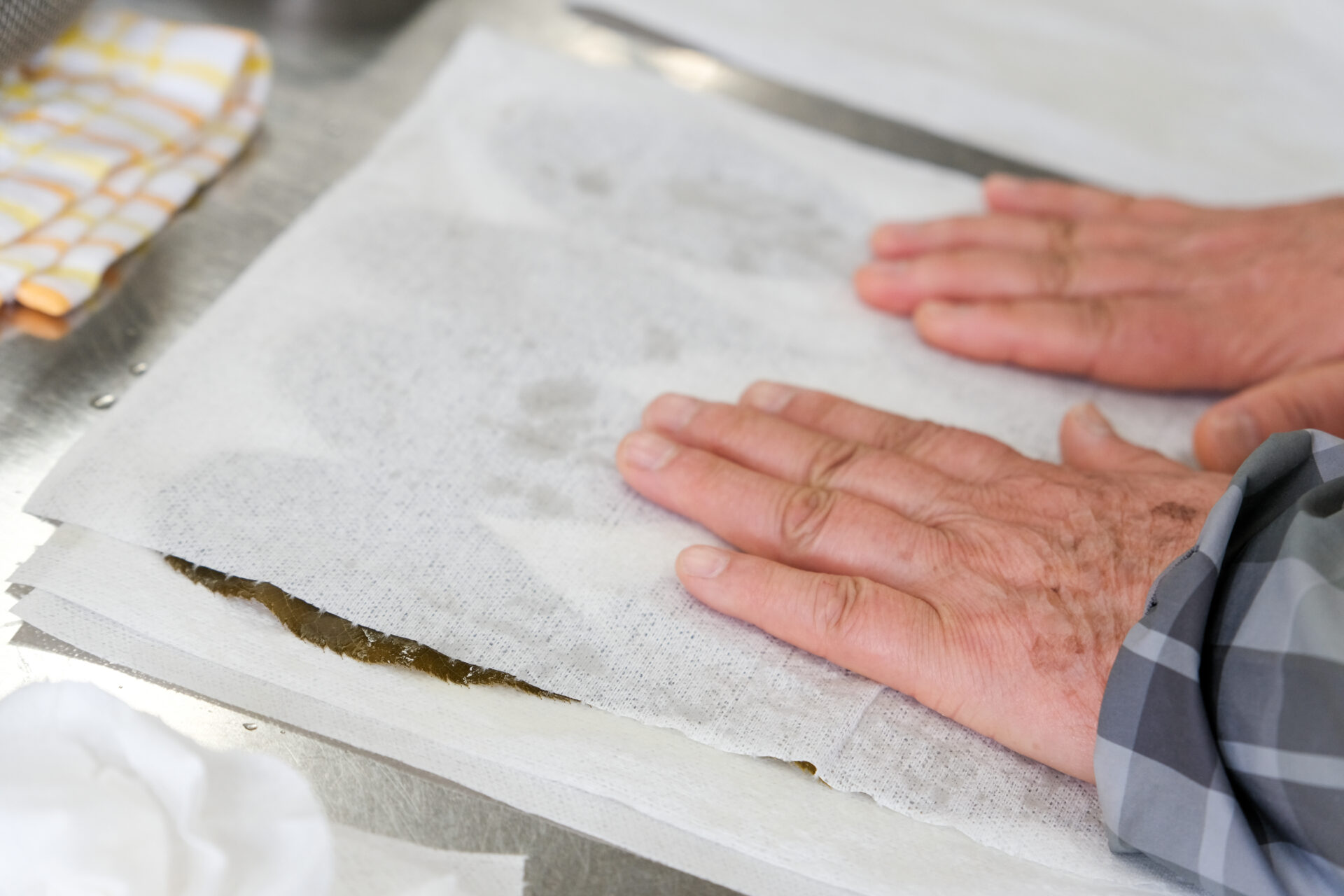
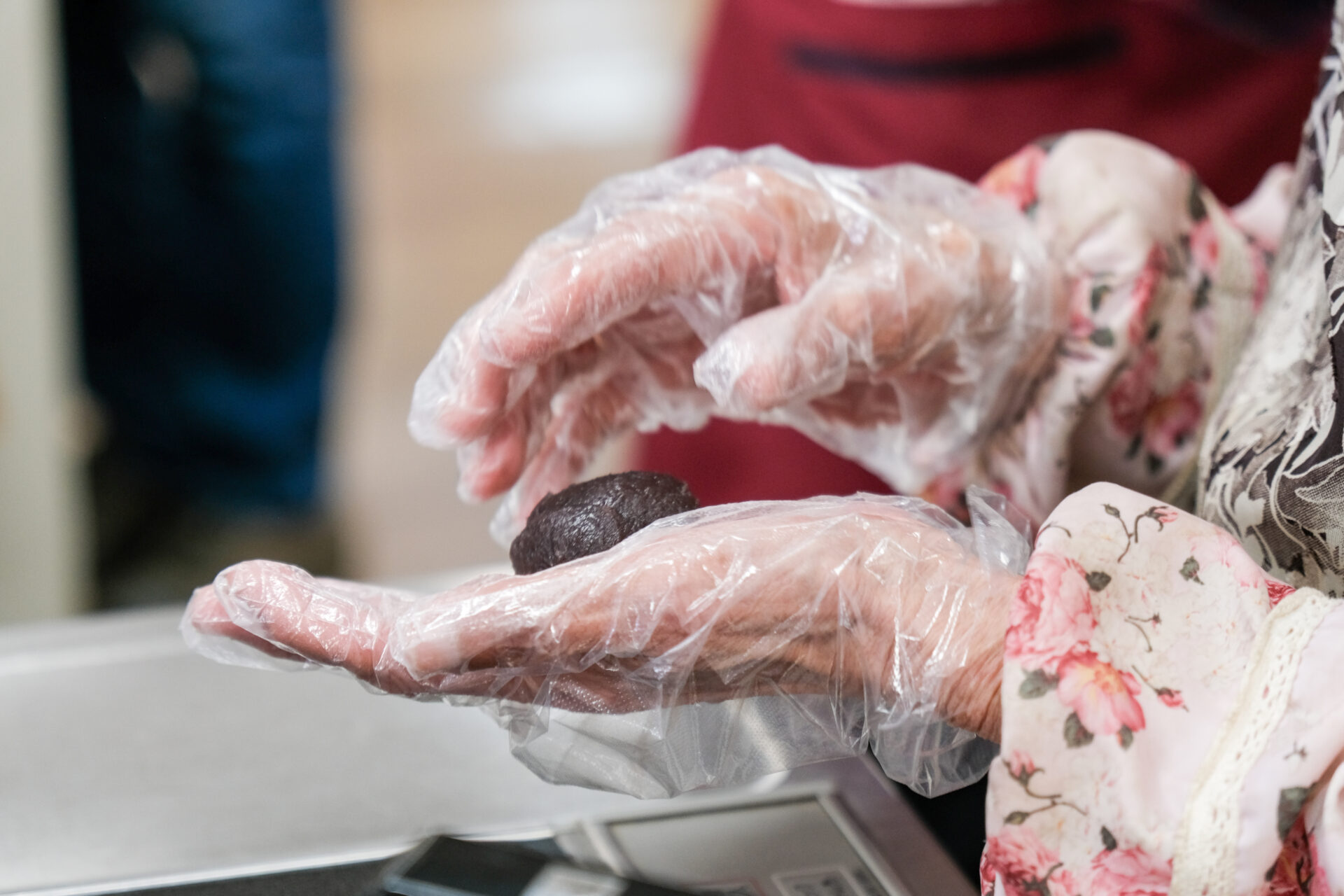
The most challenging part was layering the sakura-colored food coloring onto the glutinous rice. I also make wagashi as a hobby, but achieving a delicious color with food coloring is a difficult task, even with a small amount.
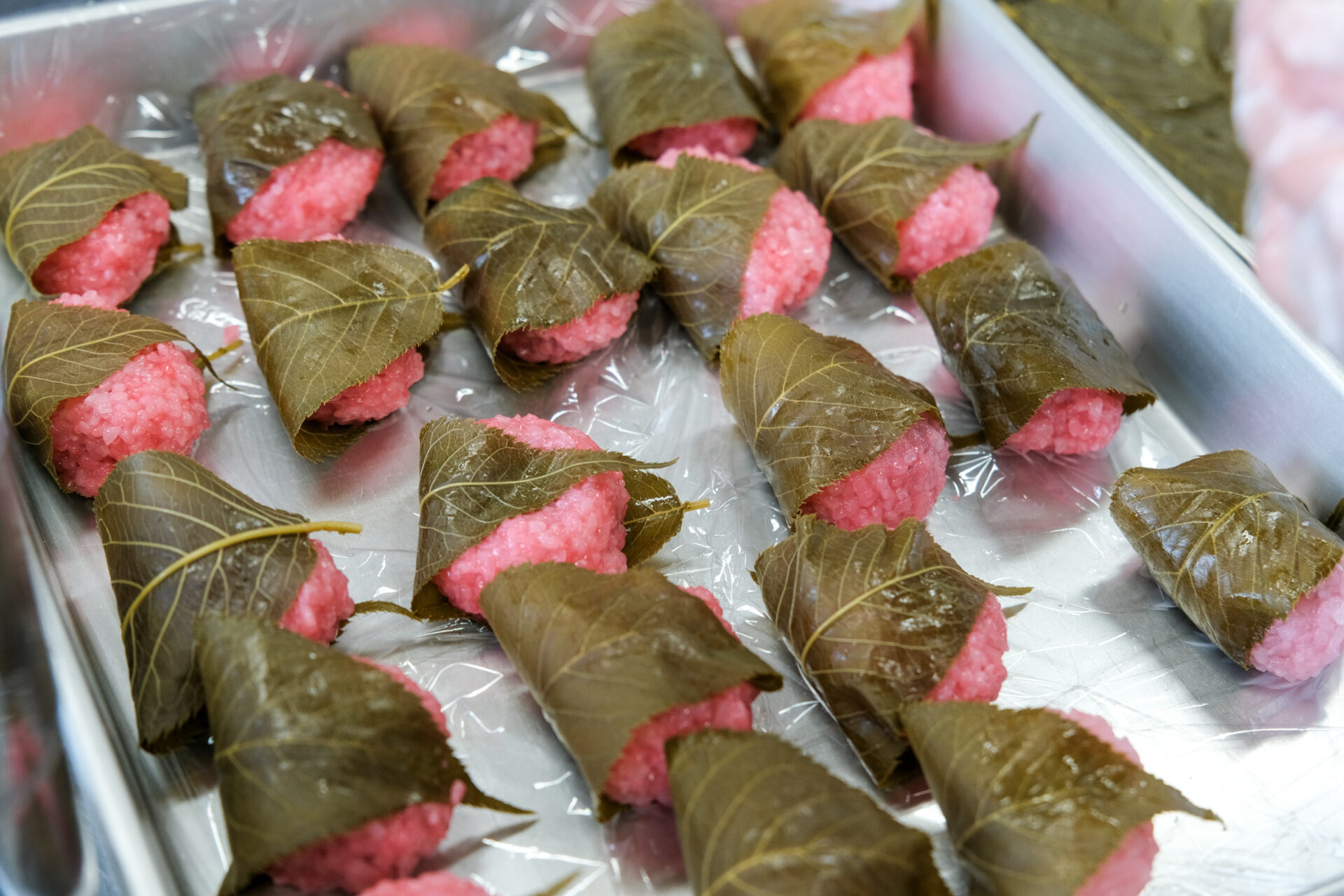
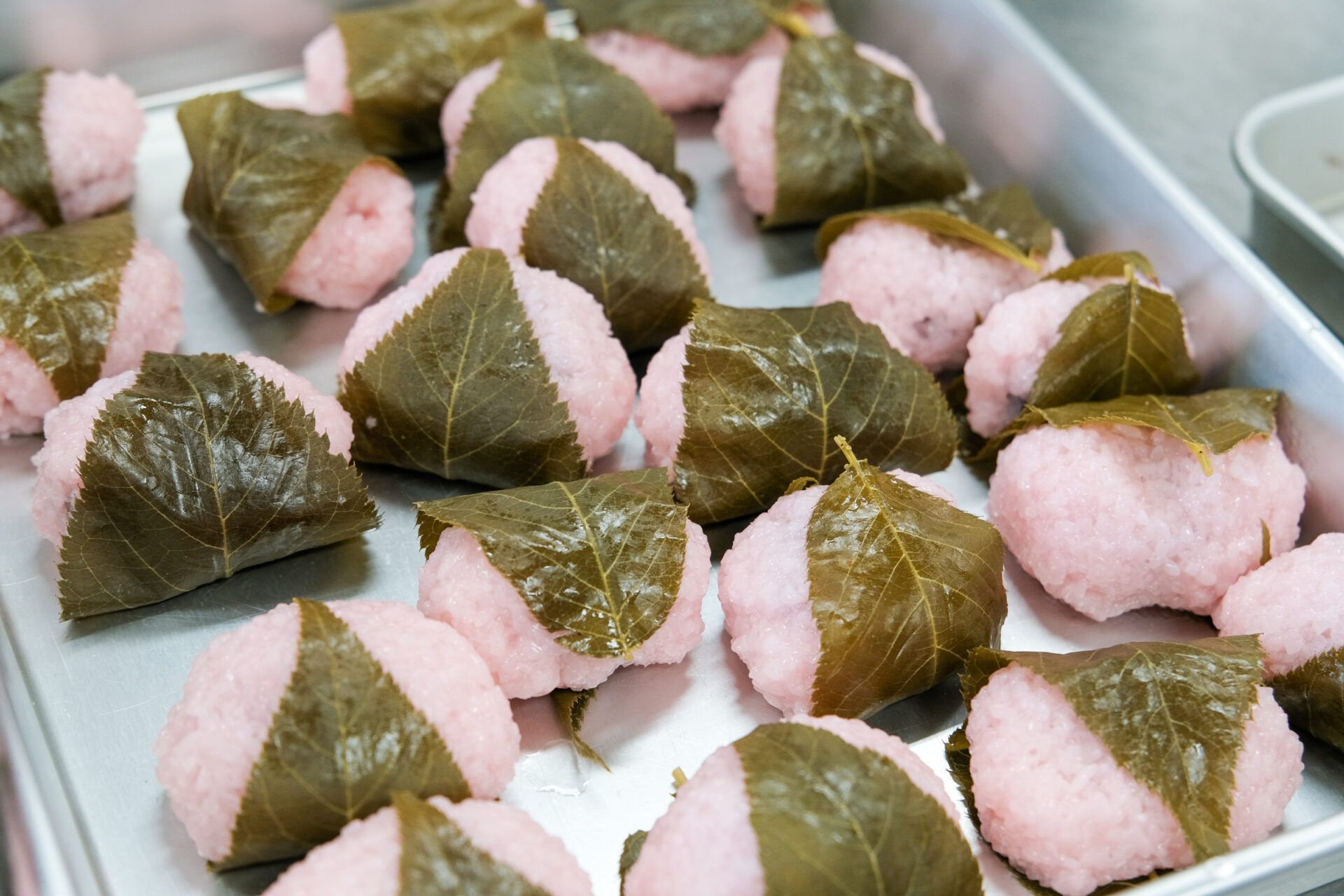
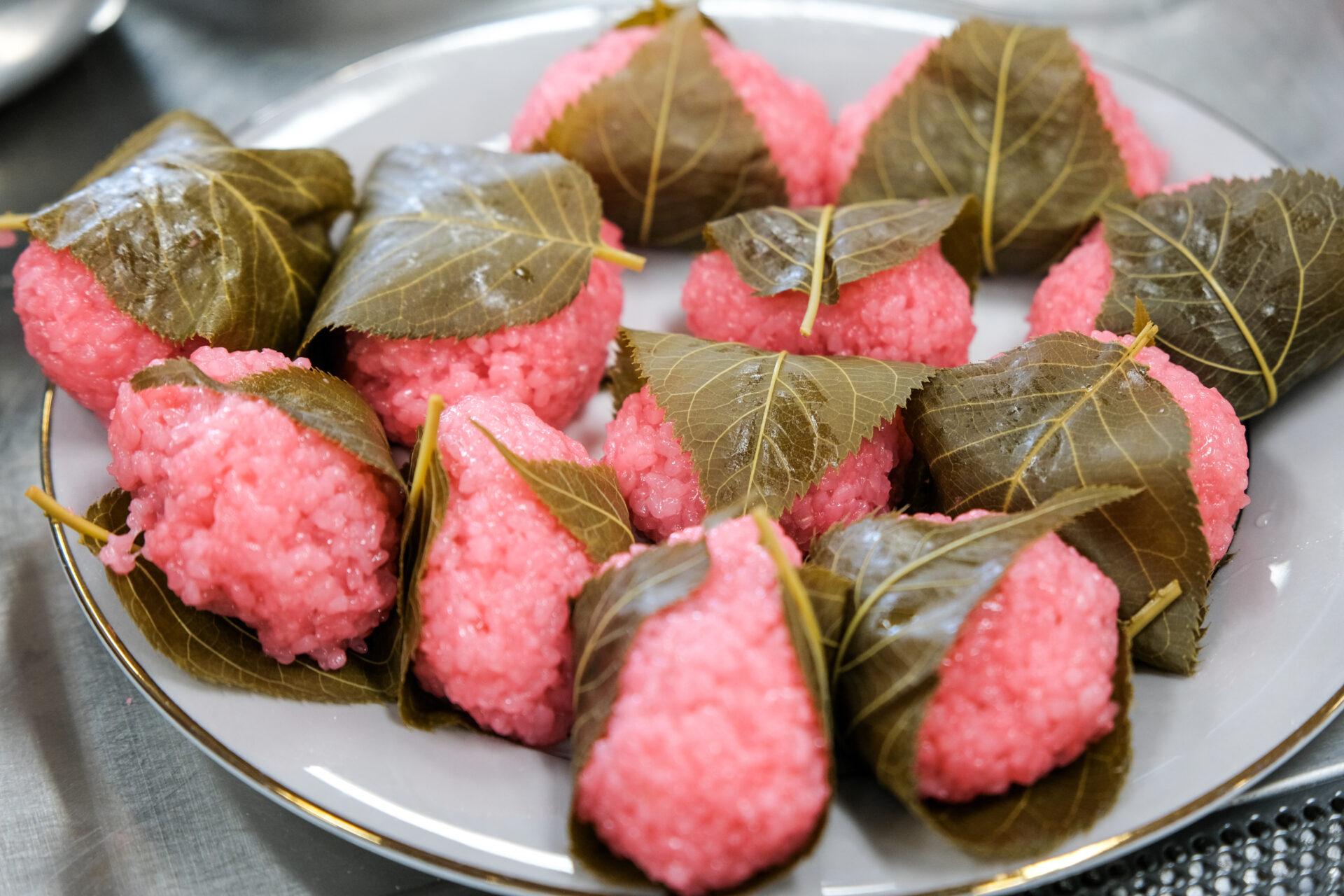
Each group produced sakura mochi with their own unique characteristics.
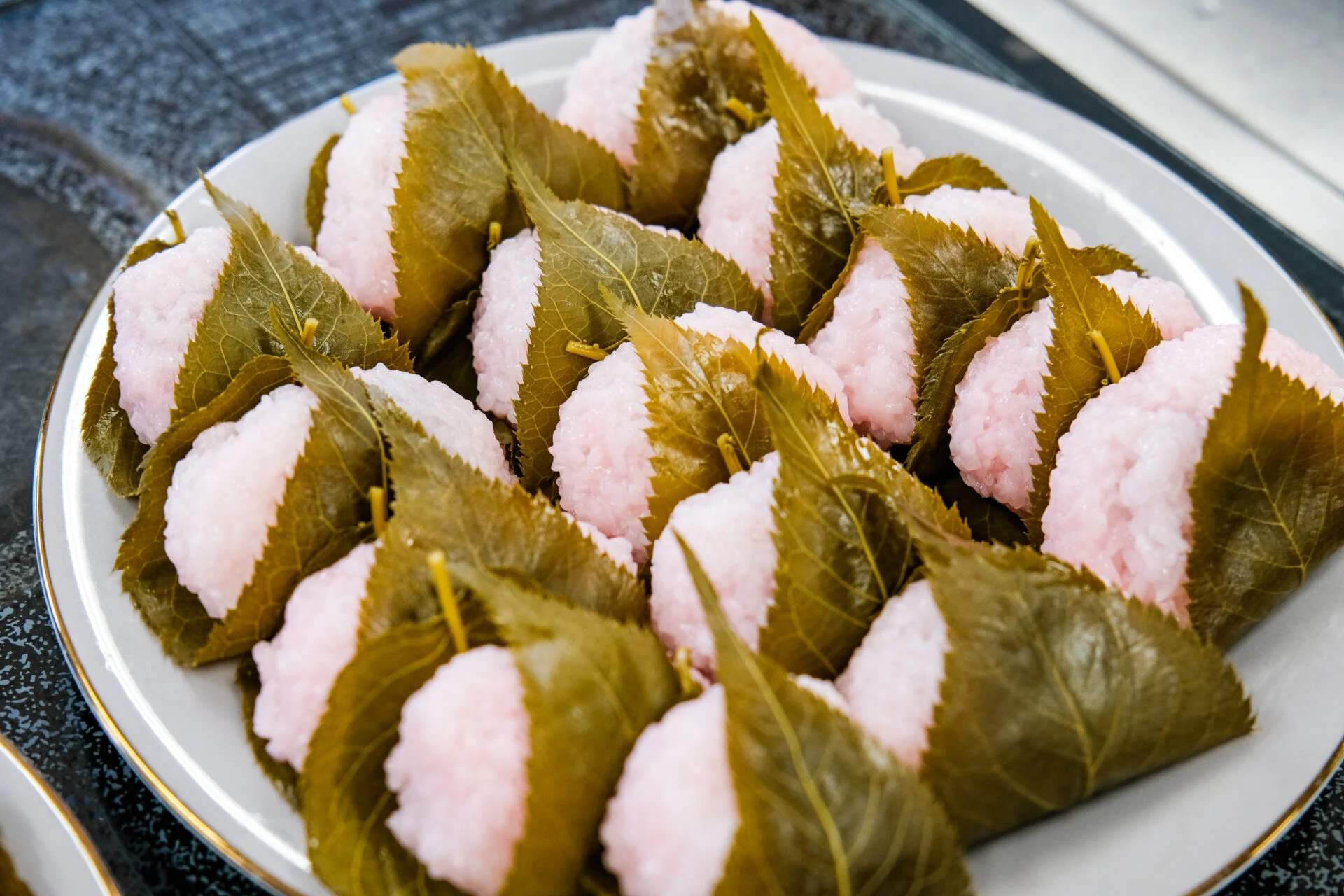
The Hands Don't Stop Eating
The freshly made sakura mochi is enjoyed on the spot.
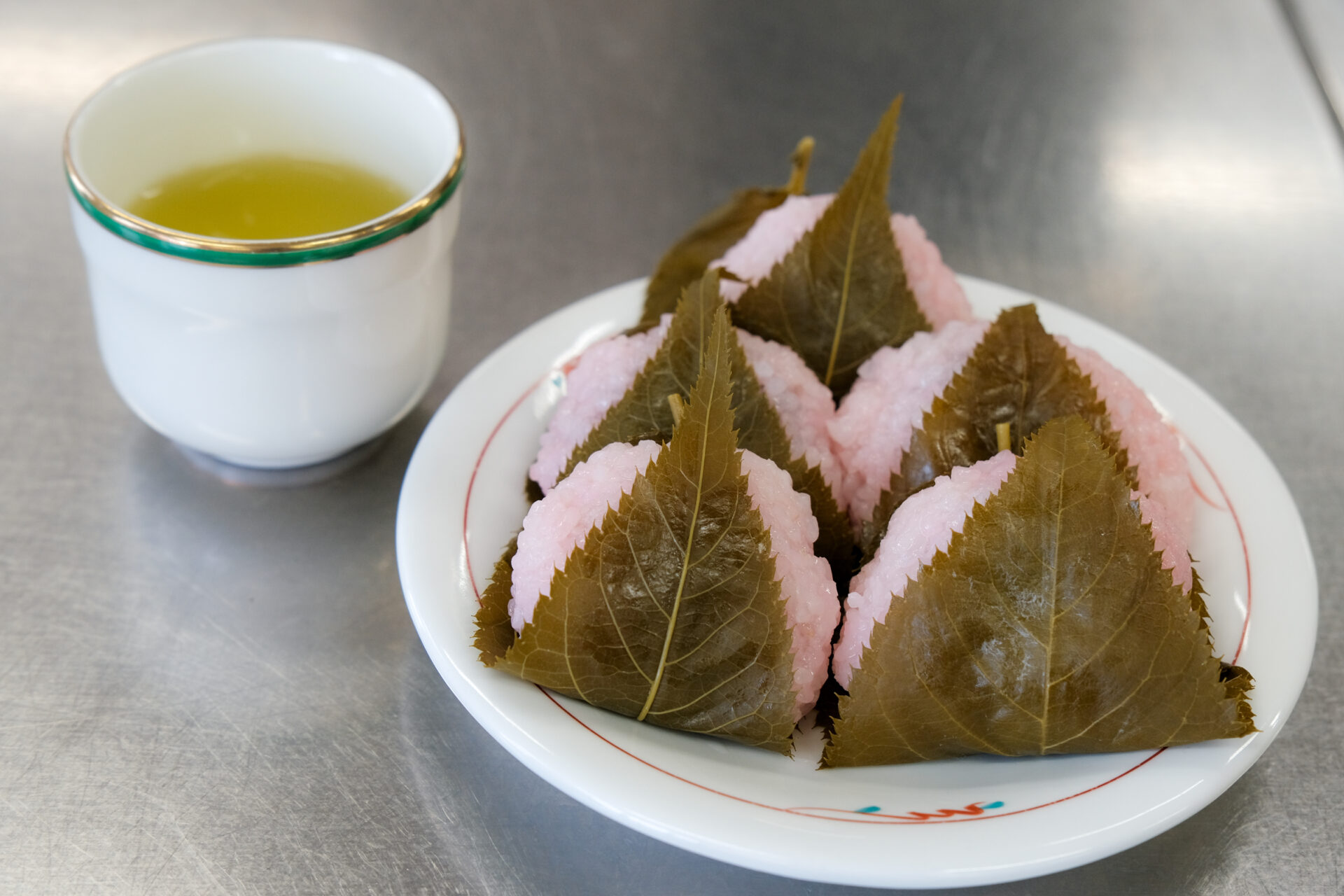
Sakura mochi can be purchased at wagashi shops and supermarkets, but the freshly made sakura mochi is slightly warm and soft, making it hard to resist reaching for a second one.
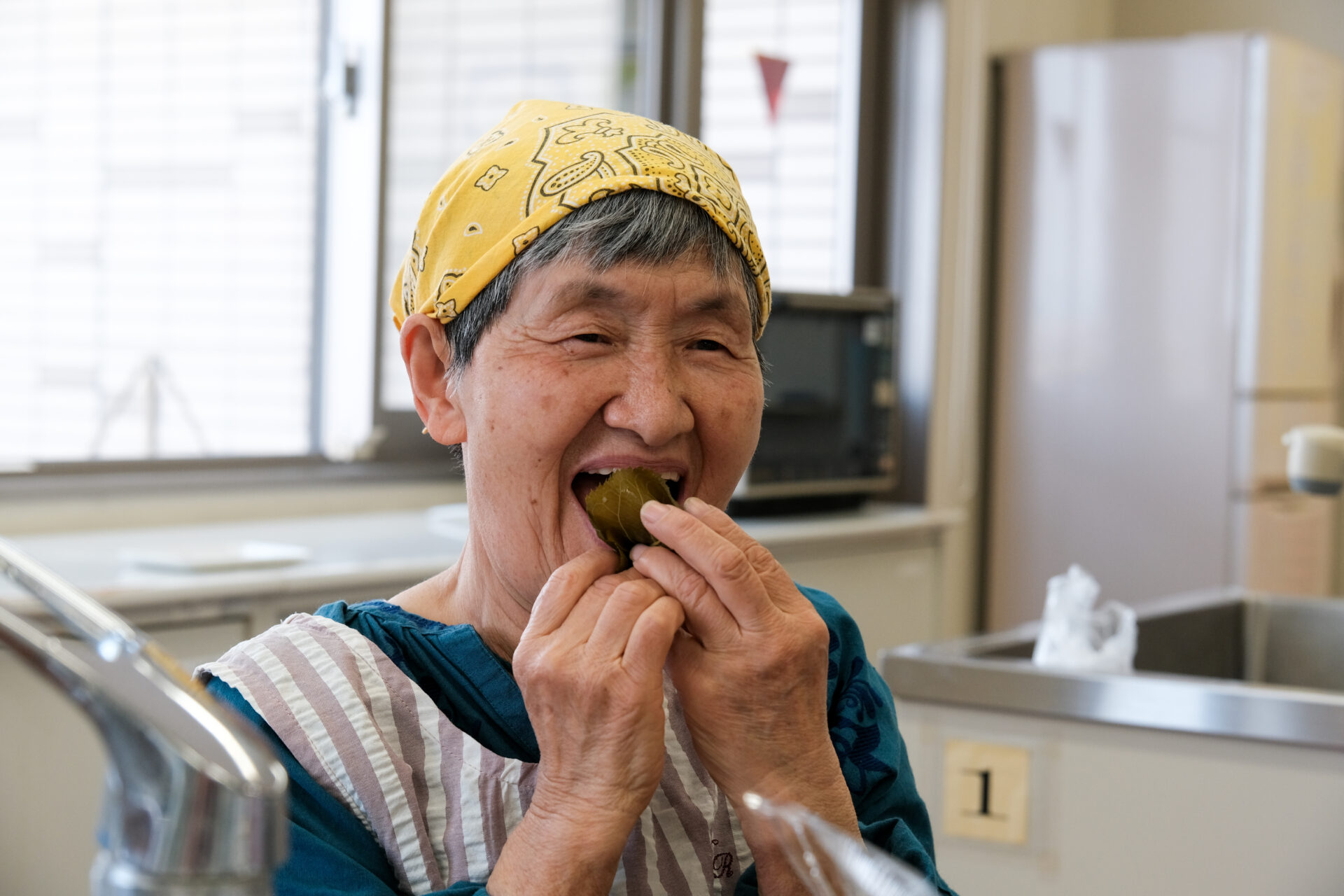
Each group made about 5 to 6 sakura mochi per person, so most people ate half on the spot and took the other half home as souvenirs for their families.
On this day, the cherry blossoms outside were also in full bloom, so some participants happily mentioned, "I think I'll take this sakura mochi to hanami (flower viewing)."
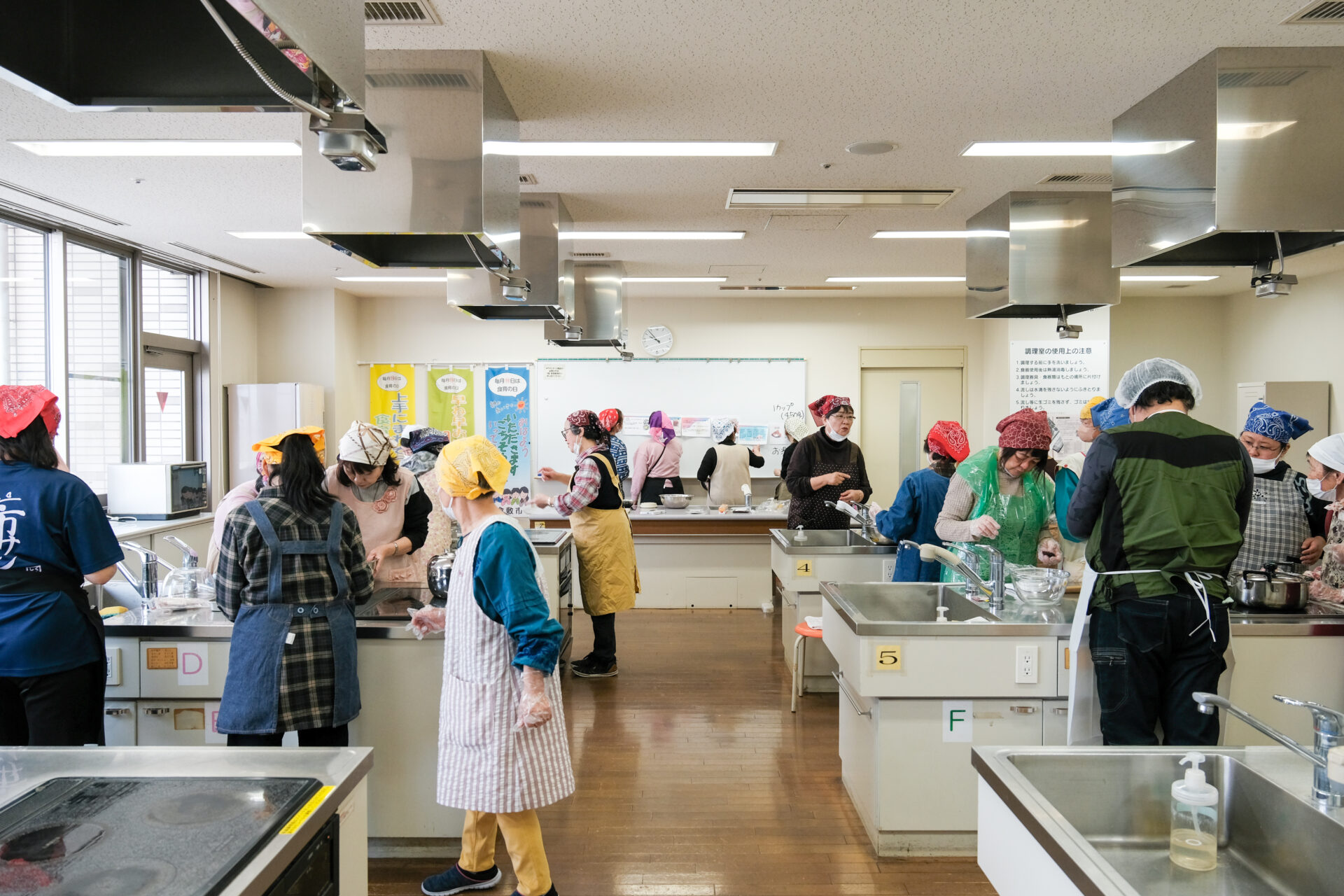
The Hands Don't Stop Talking
The "Kurashiki Gathering for the Elderly with Hearing Impairments" consists of participants who are individuals with hearing impairments and hearing people who can use sign language.
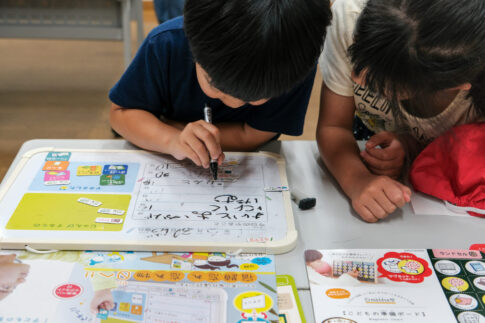
The event was conducted primarily in sign language, with a procedure sheet displayed using text and photos.
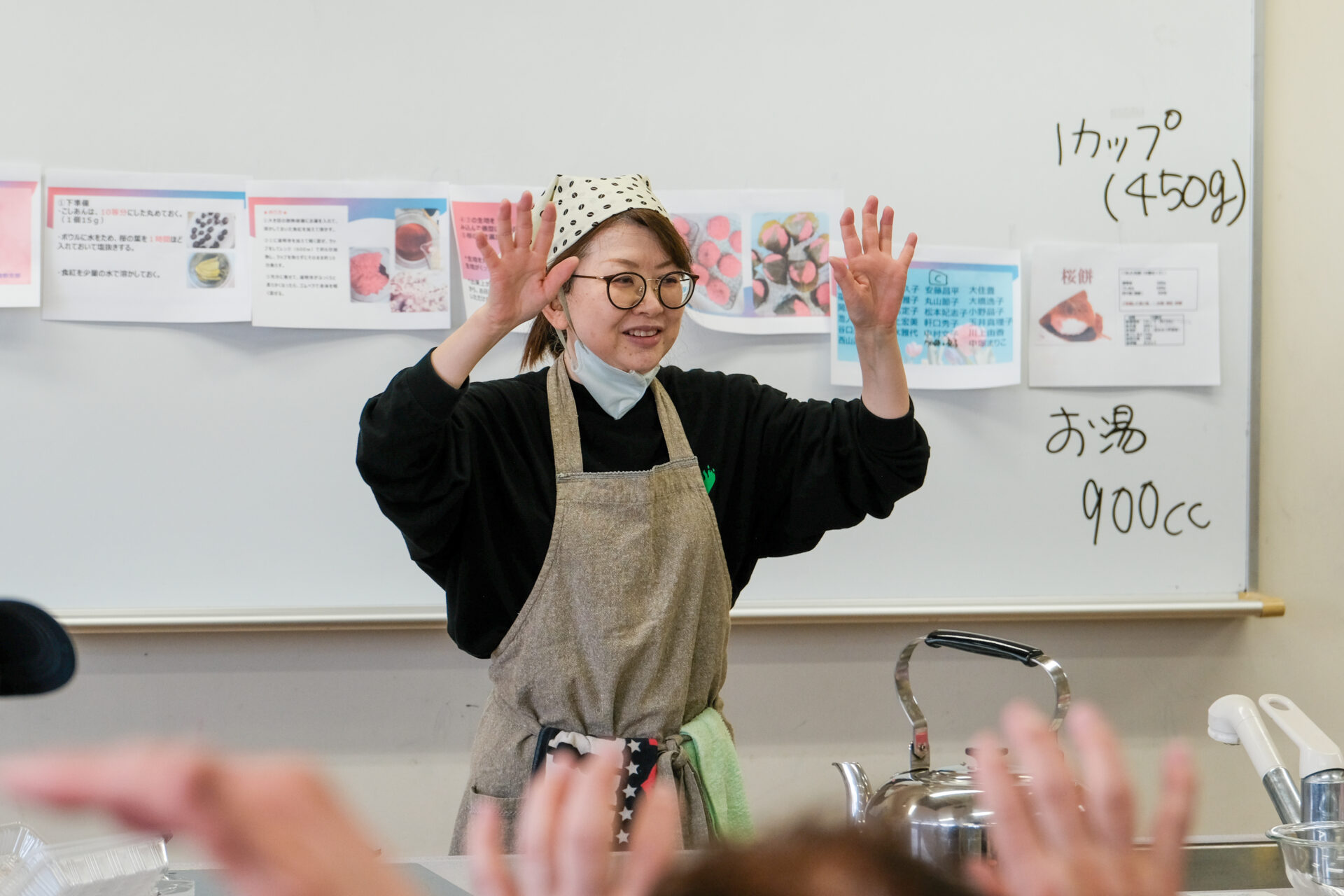
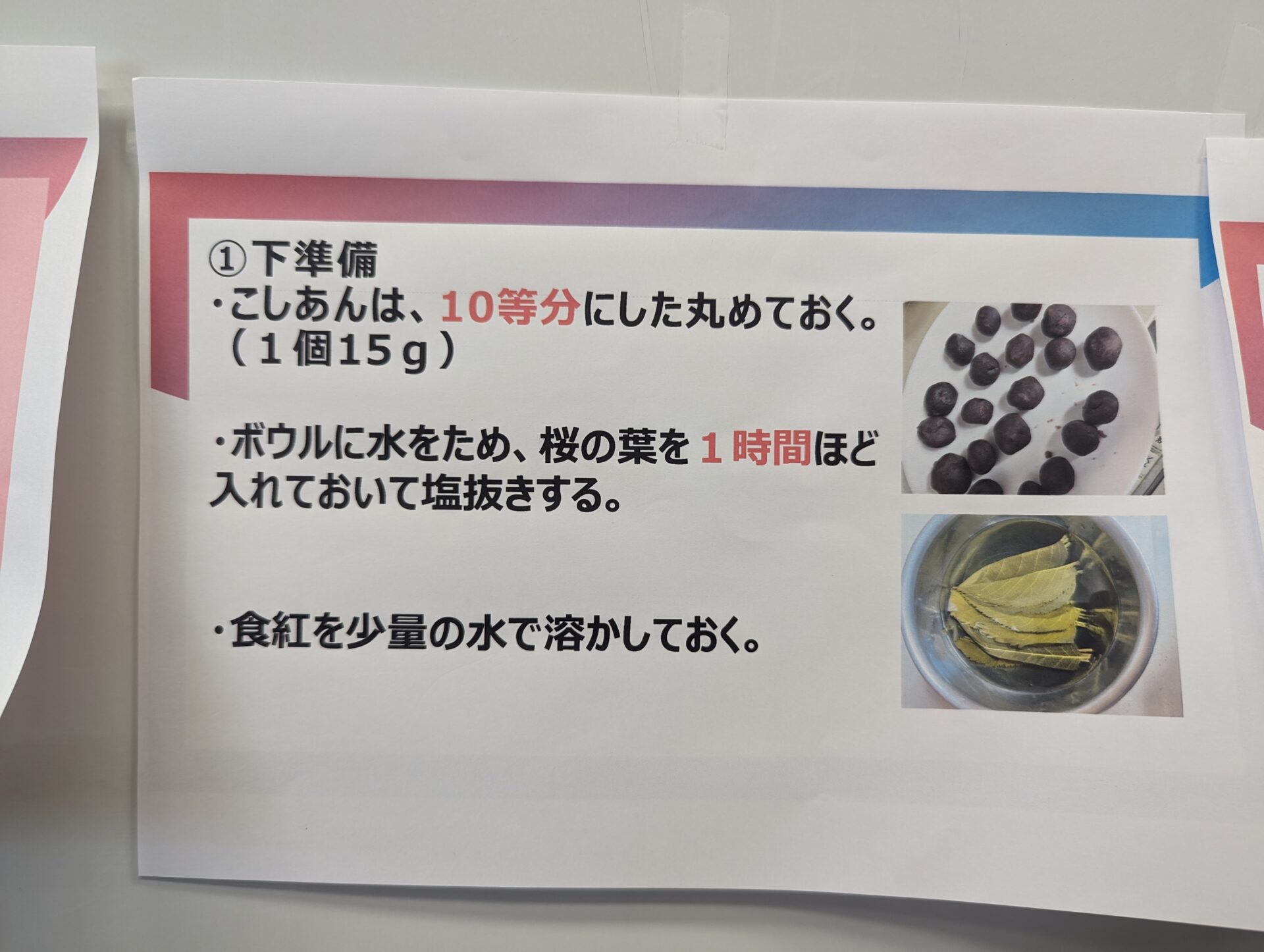
While making sakura mochi, the hands doing sign language do not stop.
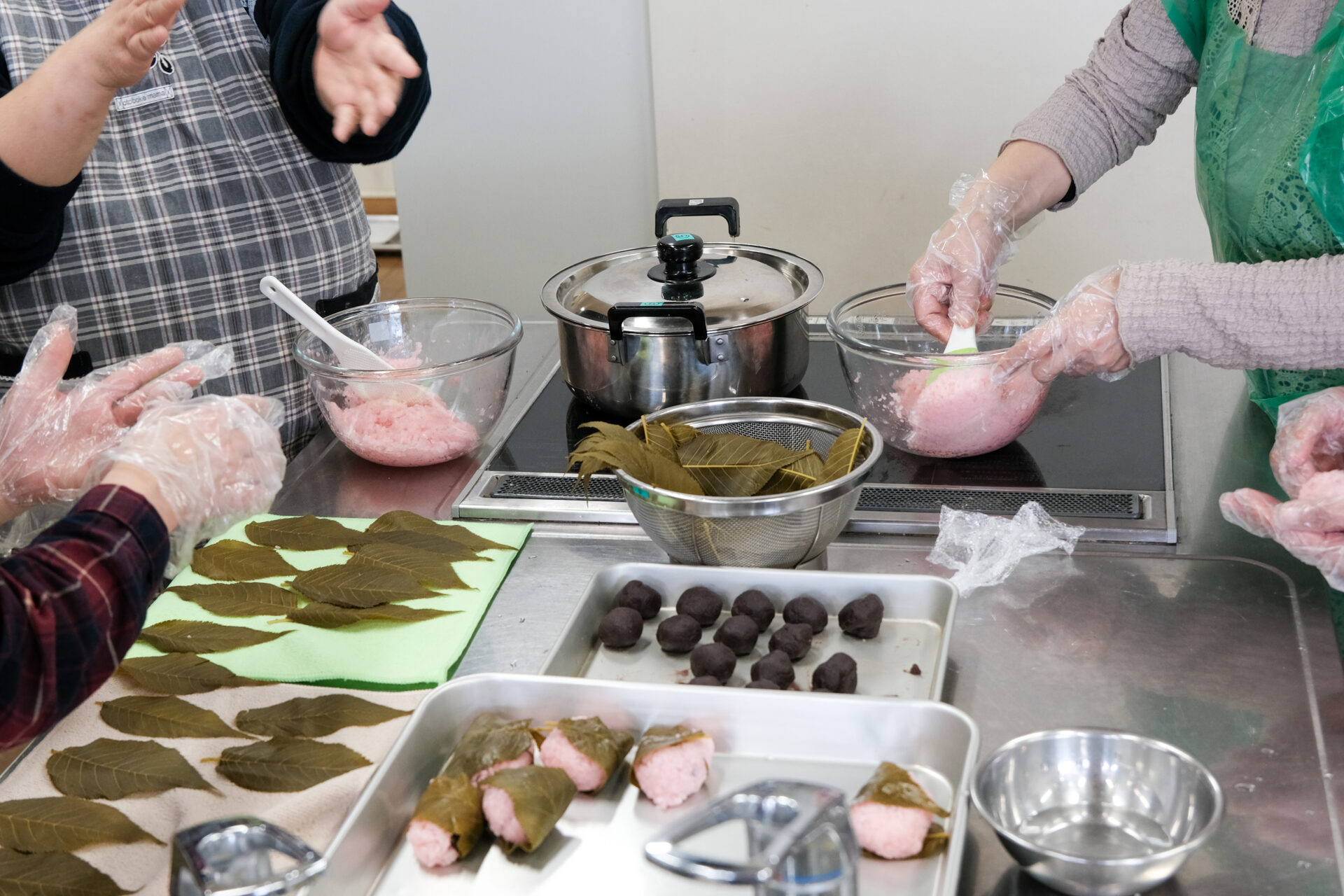
When adding food coloring, everyone in the group was checking whether they were paying attention to the task, expressing their adjustments with their fingers.
At the end of the event, those experienced in making sakura mochi shared other methods of making it and exchanged stories about their experiences making sakura mochi in their childhood.
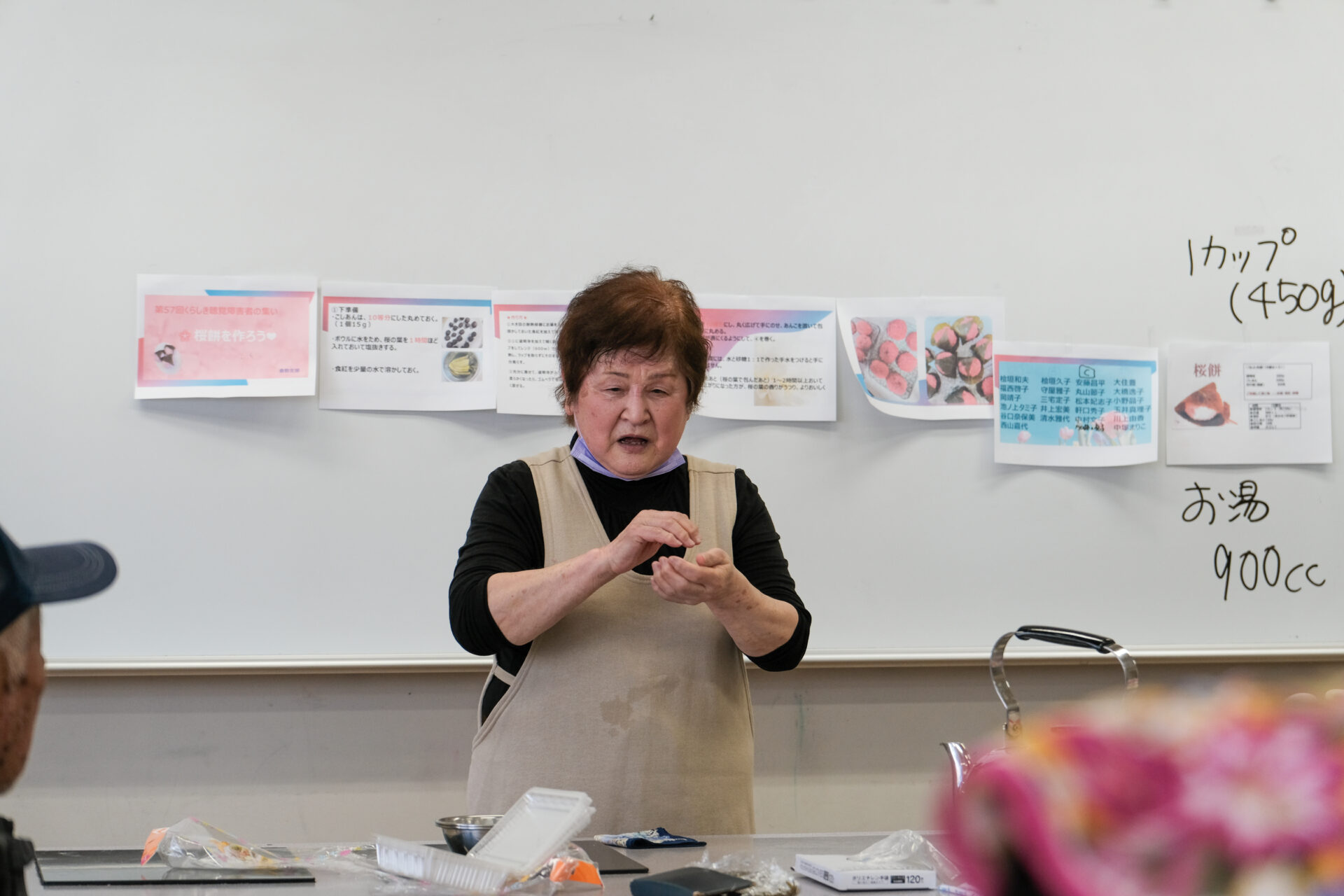
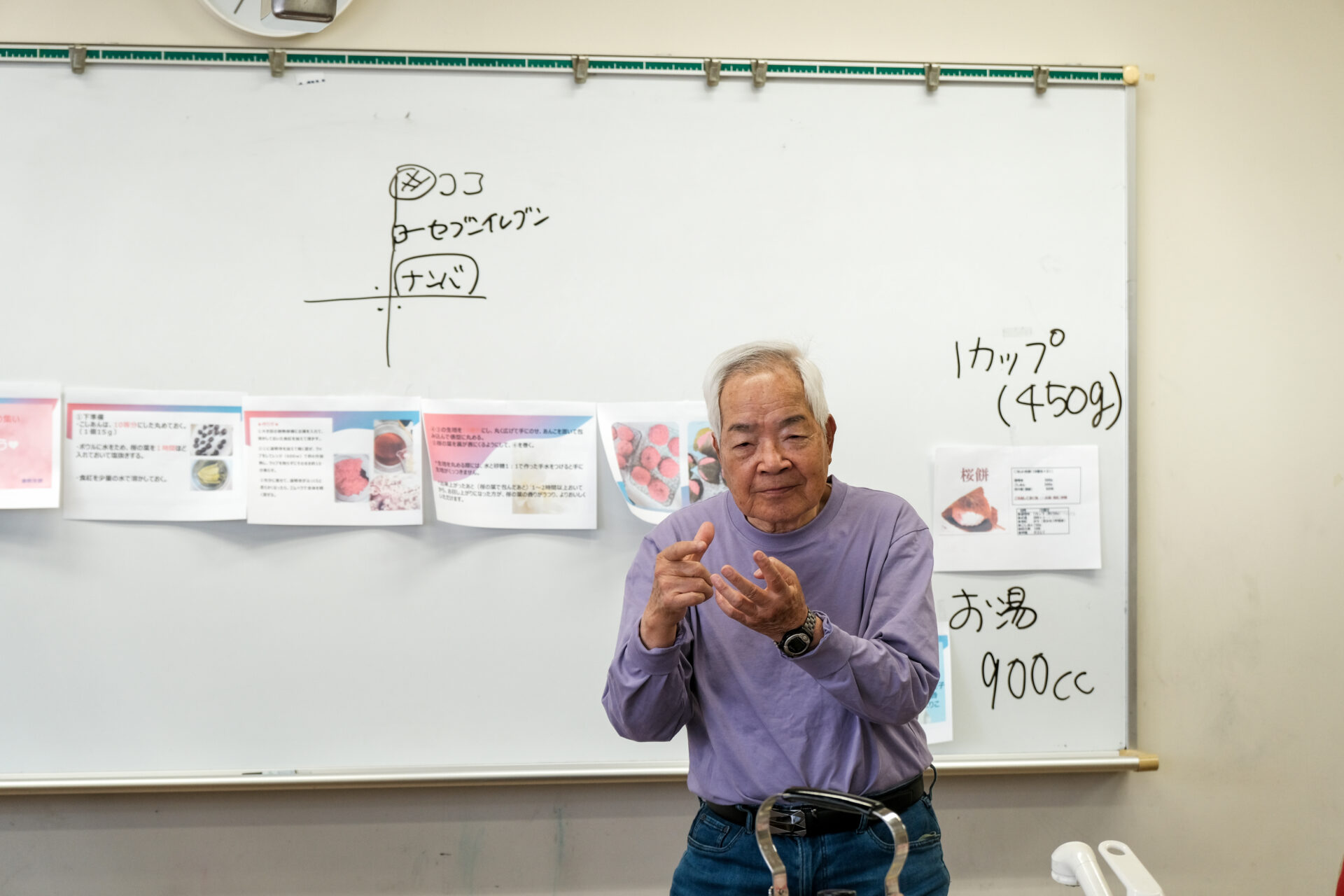
Since sign language is a visual language, when speaking, everyone steps forward to make it easier for others to see the sign language.
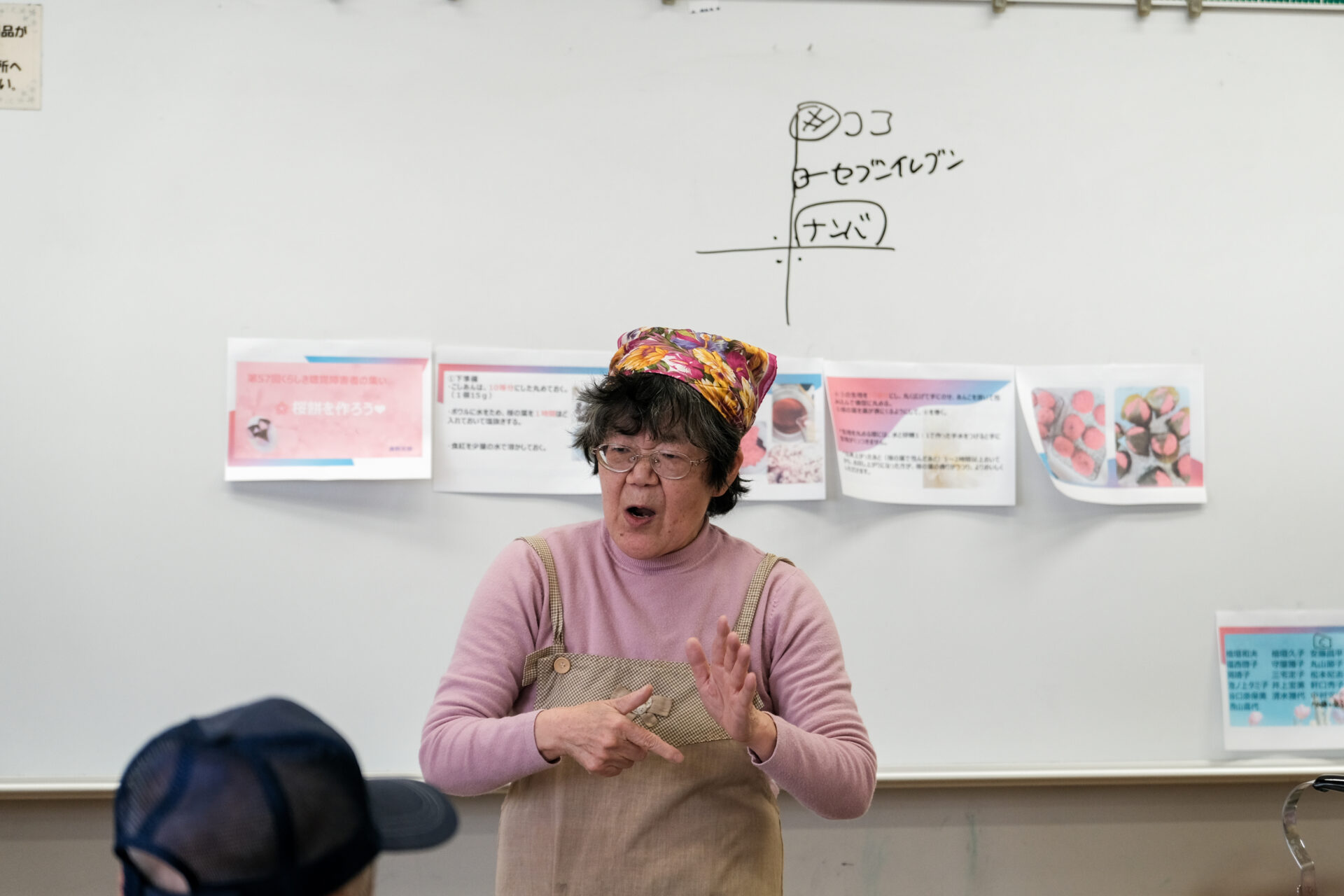
For those whose first language is sign language and whose second language is Japanese, oral communication and written communication can sometimes cause anxiety about whether their intended message is being conveyed or whether they understand what the other person is trying to say.
Signing in front of everyone can be a bit nerve-wracking, but the speaker seemed to be lively sharing their stories, perhaps due to the reassurance of knowing their message was understood.
Conclusion
The Kurashiki gathering for elderly individuals with hearing impairments provided a valuable time for those with hearing disabilities to communicate in sign language, attracting many participants not only from Kurashiki City but also from outside the city, such as Takahashi City in the Takahashi River basin.
From the fact that this was the 57th meeting, it is evident that it is an important place for people who use sign language, including those with hearing disabilities.
All participants left with light steps, savoring the joy of communication and delicious souvenirs.
Data of the 57th Kurashiki Gathering for Elderly Individuals with Hearing Impairments
| Name | 57th Kurashiki Gathering for Elderly Individuals with Hearing Impairments |
|---|---|
| Date | April 7, 2024 (Sunday) 10:00 AM - 12:00 PM |
| Location | 180 Sasao, Kurashiki City, Okayama Prefecture |
| Participation Fee (including tax) | 500 yen |