Interview with third-generation shop owner Bessho Yoshiharu
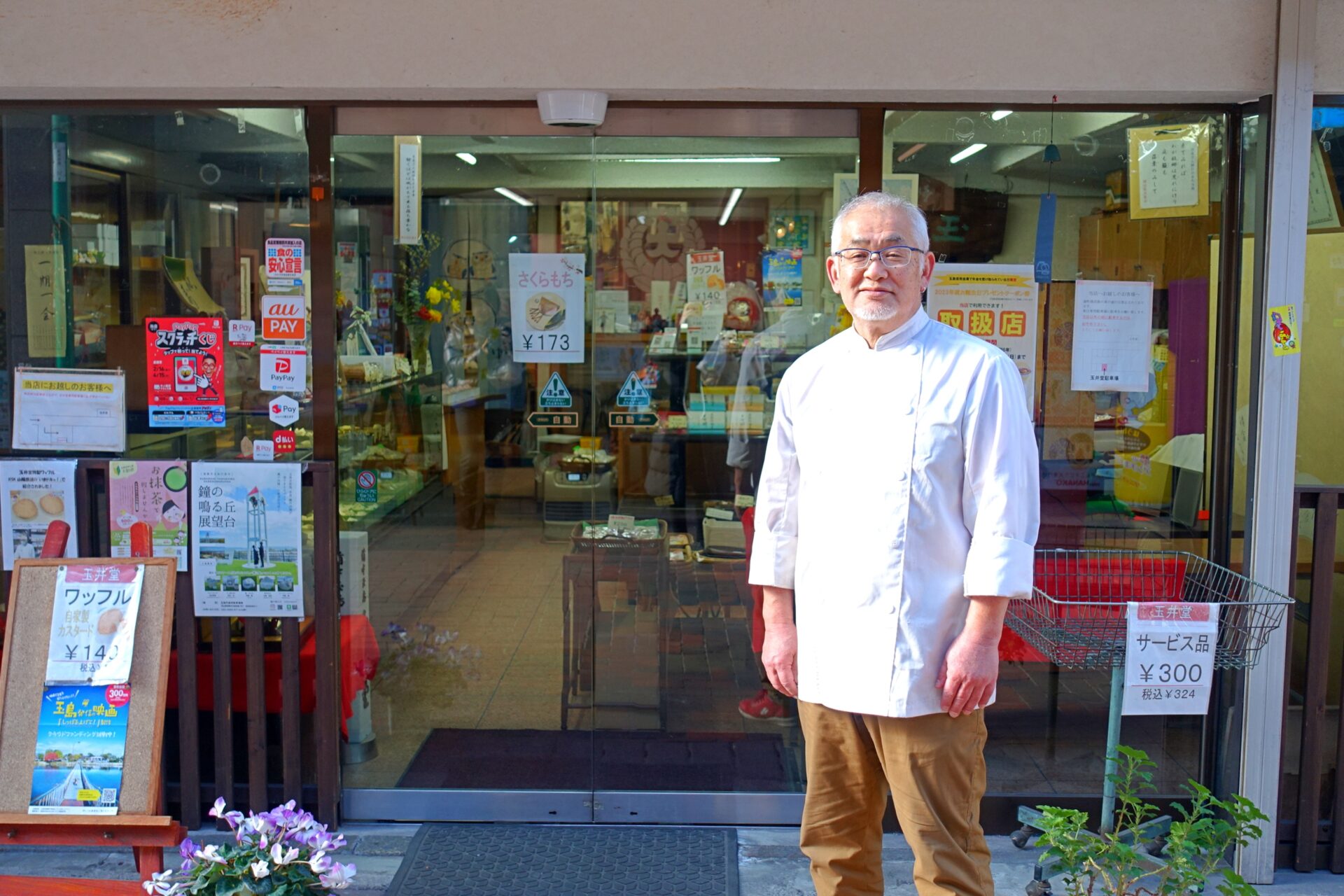
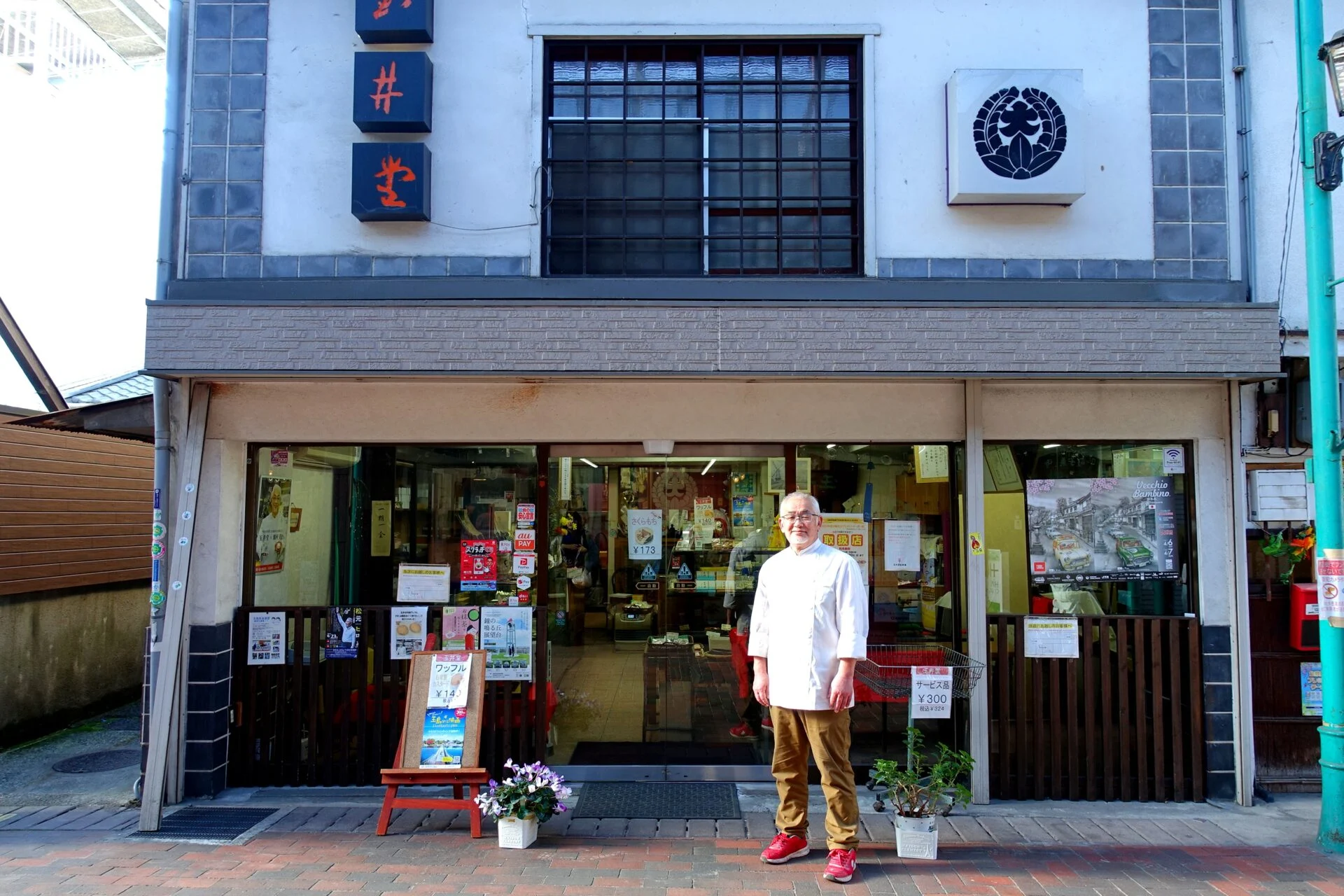
We spoke with Bessho Yoshiharu, third-generation owner of Tamaido Honpo.
The path to taking over a long-established Japanese confectionery shop
Did you have any reservations or particular feelings about taking over the business?
Bessho (honorific omitted)
I had no hesitation about pursuing a career in confectionery making.
From a young age, my family and those around me would tell me, “You’re the heir who will take over the family business.” Growing up in that environment, I think I naturally accepted it as my role.
I never even considered another path.
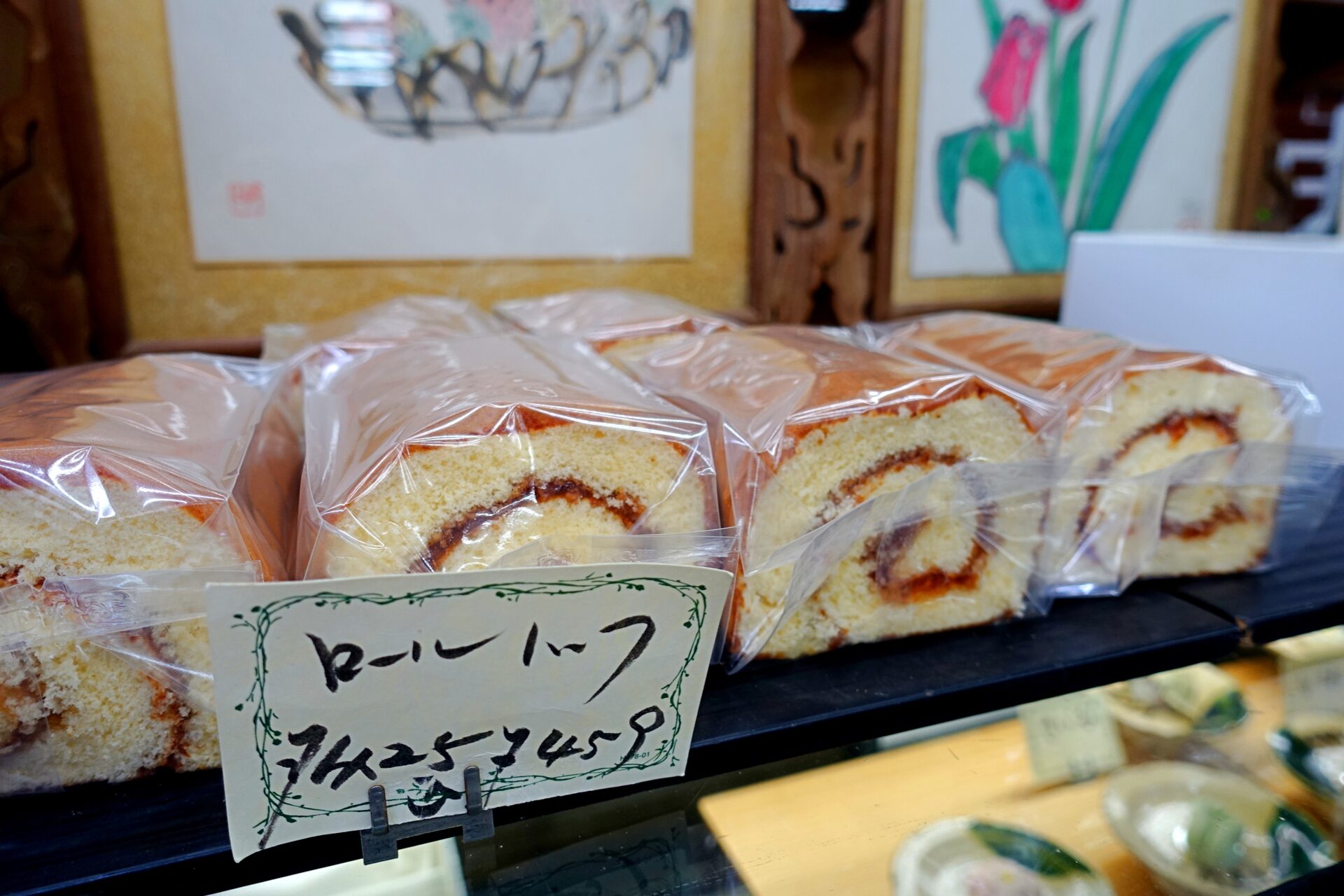
Tamaido is a long-established Japanese confectionery shop, but I hear that after graduating from university, you went to confectionery school to study Western-style sweets.
Bessho
Yes. Since my father was a Japanese confectioner, I deliberately chose the path of becoming a Western-style pastry chef. After graduating, I went to Tokyo to train. I worked as a pastry chef at Western-style pastry shops and Italian restaurants.
I also went to France and Italy because I wanted to experience the authentic flavors. I returned to Okayama when I was 29.
All I feel is gratitude; I stand on the path built by my ancestors
Taking over a historic Japanese confectionery shop founded in 1868 must have required a lot of resolve and brought pressure, wouldn't it?
Bessho
Yes… though rather than feeling pressure, I felt a greater sense of gratitude.
Many people know the name Tamaido, and it is loved by local residents, too. In addition to making sweets, I take part in town revitalization activities, and I’m grateful that so many people always offer their support and cooperation.
Each time, I feel that I’m standing on the path my ancestors built.
You’re the third generation. Did you have any concerns or find it difficult to take over?
Bessho
When I took over the shop from my father, I worried whether customers would accept me.
“The taste has changed.”
“It was better before.”
I didn’t want people to think that.
I always wanted to make sweets that could measure up to my father’s.
Working each day to earn the tea master's approval
Bessho
My father made sweets to serve at tea gatherings, and after he passed away, I began making them. I was very anxious, wondering, “Would the tea masters accept my work?”
I have opportunities to meet with the tea masters almost every month, to discuss the sweets and bring them prototypes.
They never say anything particularly harsh or act coldly, but our conversations are limited to business.
I repeatedly worried, “What do they think of me?”
When did that anxiety go away?
Bessho
It was about a year later. One day, the tea master casually started chatting with me. It wasn’t anything special, but that ordinary conversation made me very happy.
I felt, “At last, the tea master has accepted me.”
Is there anything you consider important when making sweets?
Bessho
Actually, I have books on Japanese confectionery at home that were published before the Showa era. They explain the basic ingredients and methods.
After my father passed away, there was no one I could ask when I didn’t understand something. I opened and read these books many times. I made the sweets over and over to check their flavor and texture.
Only after thoroughly learning the basics can I change the ingredients and proportions based on my own instincts. The basics are very important.
I also often visit other shops and try their sweets.
There’s a difference between having tried 100 sweets and having tried 1,000.
Each time you try something, there’s something to notice and learn.
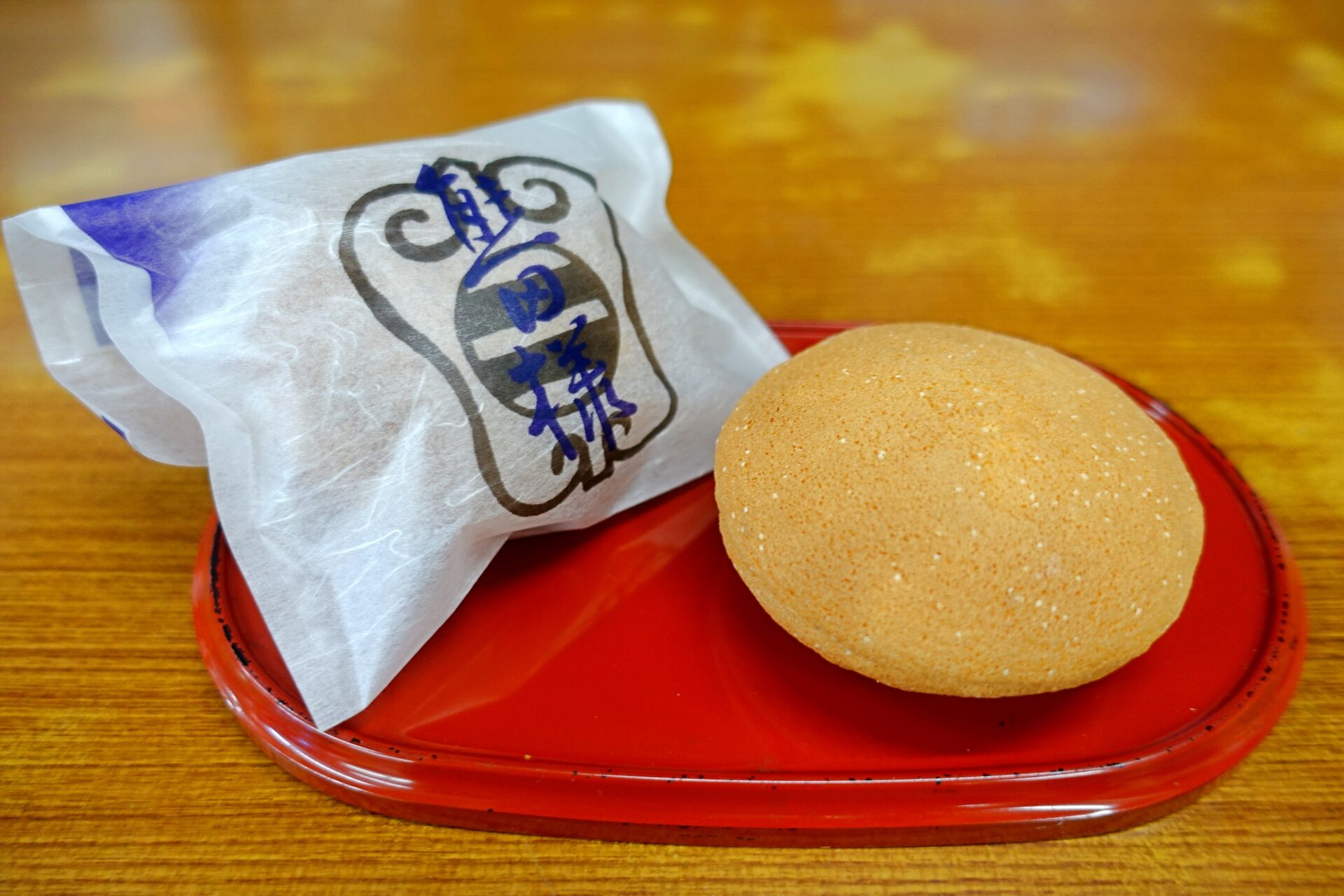
What do you find challenging about making sweets?
Bessho
Continuing to make delicious things.
If you always make the same thing, there’s no progress, and the standard of “delicious” changes with the times. We have recipes passed down through generations, but for some sweets, we reduce the amount of sugar to adjust the sweetness.
It’s also difficult to create a hit product. Being delicious is a given.
I think hit products come about through a combination of many factors, but it’s not easy… It’s a challenge.
The power of sweets to bring happiness
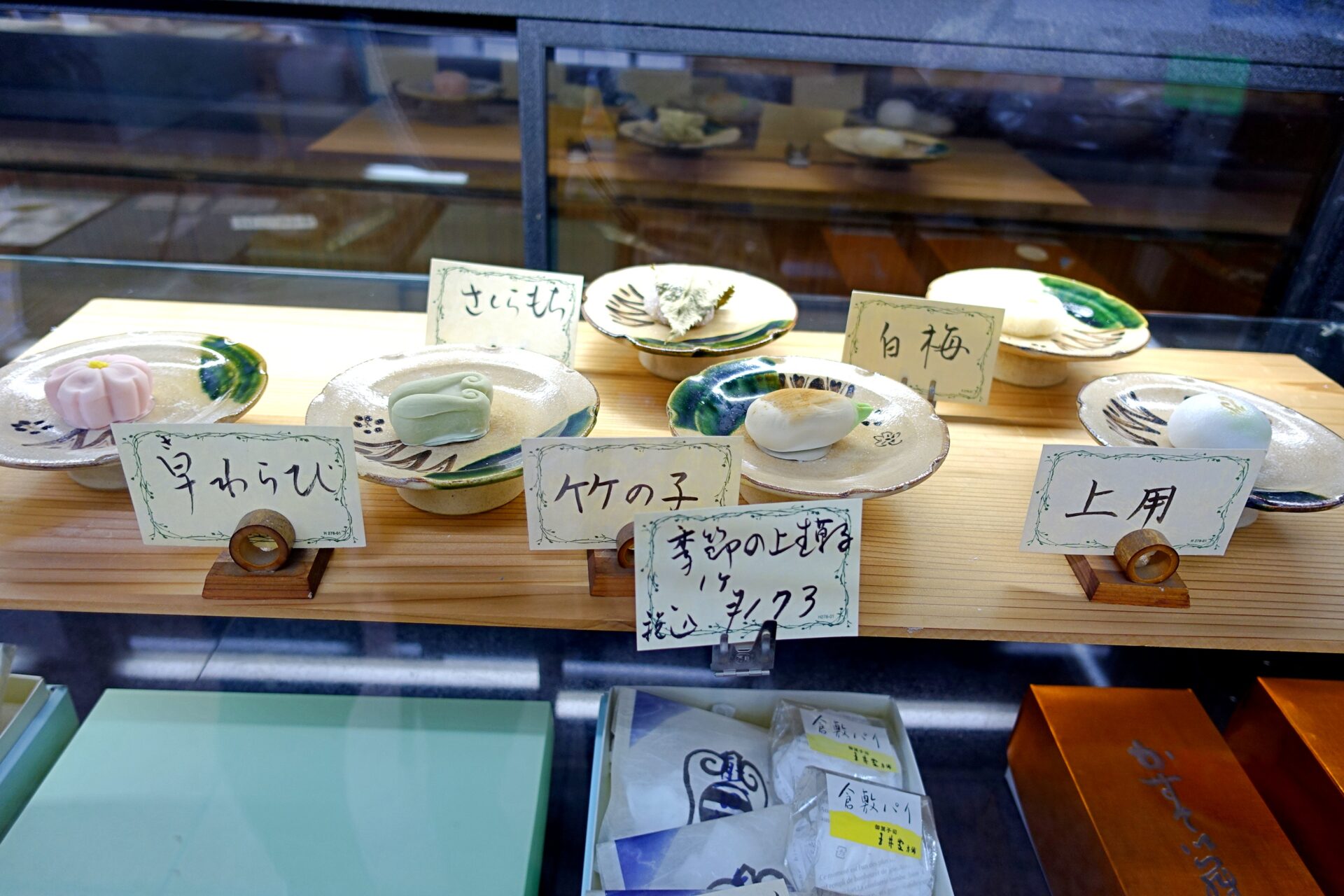
What makes making sweets interesting, and what makes it such a deep craft?
Bessho
Being able to try making sweets I’ve never made before.
It’s so rewarding to become able to make things you couldn’t make before, or have never made before.
For example, the fresh sweets served at tea gatherings change each time to suit the season and the occasion. A tea room is a special space. Guests look forward to enjoying their time there.
When making sweets, I first keep in mind how to harmonize them with the tea room’s decor and the utensils, such as tea bowls and flower vases.
I pay attention not only to the colors for each season, but also to the sweetness and texture, and make them with the hope that everyone will enjoy them with all five senses.
Sweets have the power to make people happy.
When people hear a sweet’s name, see it, or taste it, they naturally picture scenes in their minds. The scenery may differ for each person, but a sweet can bring back precious memories.
Of course, I want people to savor the sweets, but I also hope they savor the time spent enjoying them. That is the feeling with which I make sweets.
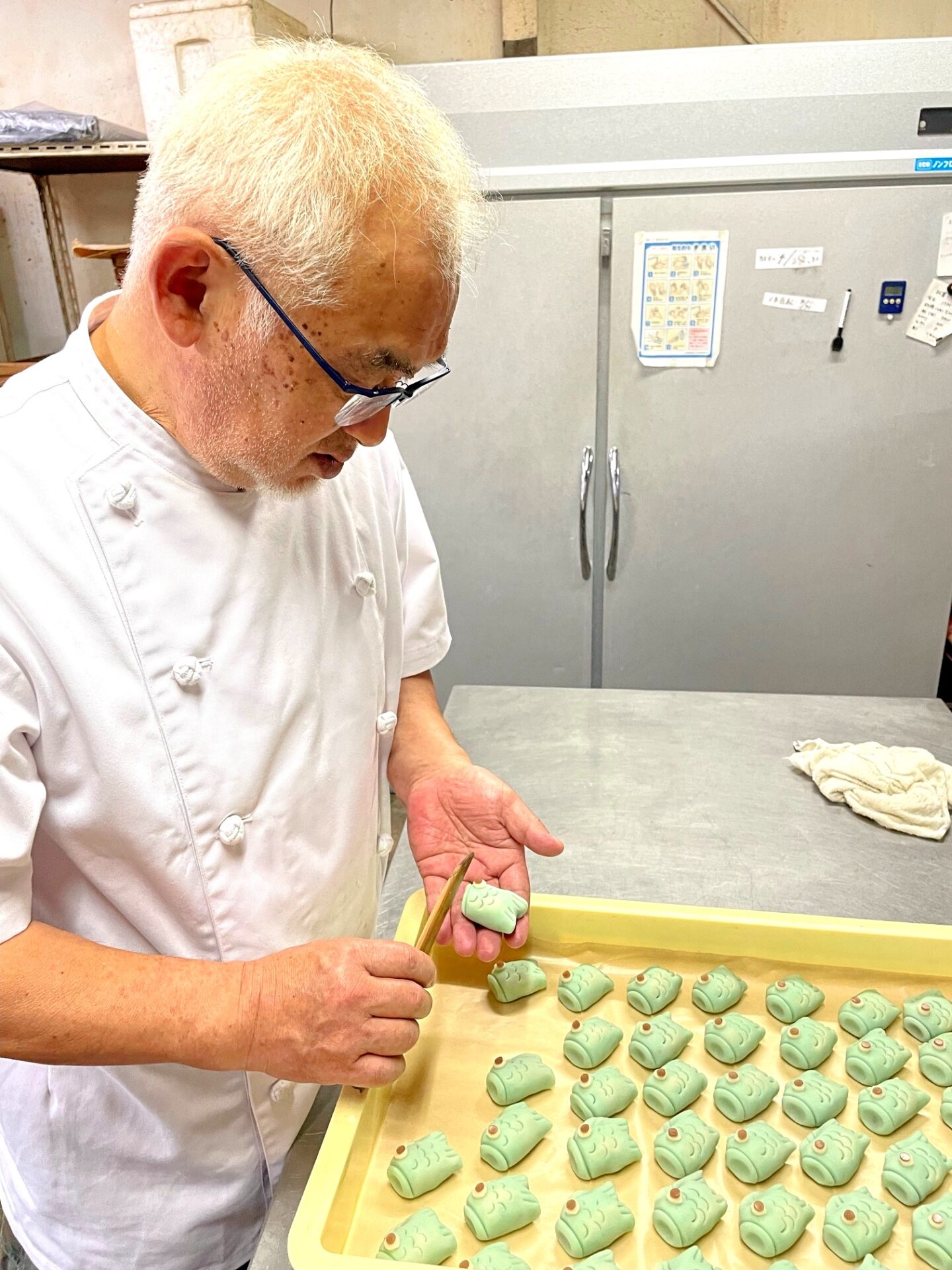
What do you keep in mind while making sweets?
Bessho
I keep the “24 solar terms” in mind.
They are seasonal markers that divide the year into finer periods in addition to the four seasons of spring, summer, autumn, and winter.
By carefully selecting ingredients that come into season during each solar term, we can bring out the ingredients’ natural taste and aroma, and help people feel the season not only through the flavor but also through the appearance.
It’s about getting a little ahead of the season.
The year is divided into four seasons—spring, summer, autumn, and winter—and each is further divided into six parts.
The 24 Solar Terms (Nijushi-sekki) | The Japanese Calendar – National Diet Library
For example, what image comes to mind for March?
Bessho
Well, March is already spring. The colors that come to mind are pink, white, and yellow. Not vivid primary colors, but soft shades. Cherry blossoms range from deep pink to whitish pink, depending on the variety.
It’s up to the maker to decide how to express the feeling of the season at that time.
What I make also depends on the setting in which the sweets will be eaten, so I let my imagination run as I create them.
About “town revitalization activities”

Finally, could you tell us about the town revitalization activities you mentioned earlier?
I heard you’re working on a film. How did you come to start making the film “Raise Your Tail!”?
Bessho
I appeared in the Kurashiki City community musical “Sakigake.” I stayed in touch afterward with Akihiro Takatani, an actor with Okayama Theatre Company SKAT! who performed with me, and Satsuki Suzuki, a member of the Japanese Society for Theatre Research.
When we met again, we talked about how it might be interesting to make a film set in the streets of Tamashima.
Tamashima had been used as a film location before. But no film had been made by the people of Tamashima themselves. So we decided to make one ourselves.
Making a film requires many things, including funding, materials, and experts, and the cooperation of many people is essential. When I told people around me about the film project, many warmly offered their support and cooperation, saying, “We’ll support you!”
Through the film, I want to show many people what makes Tamashima special.
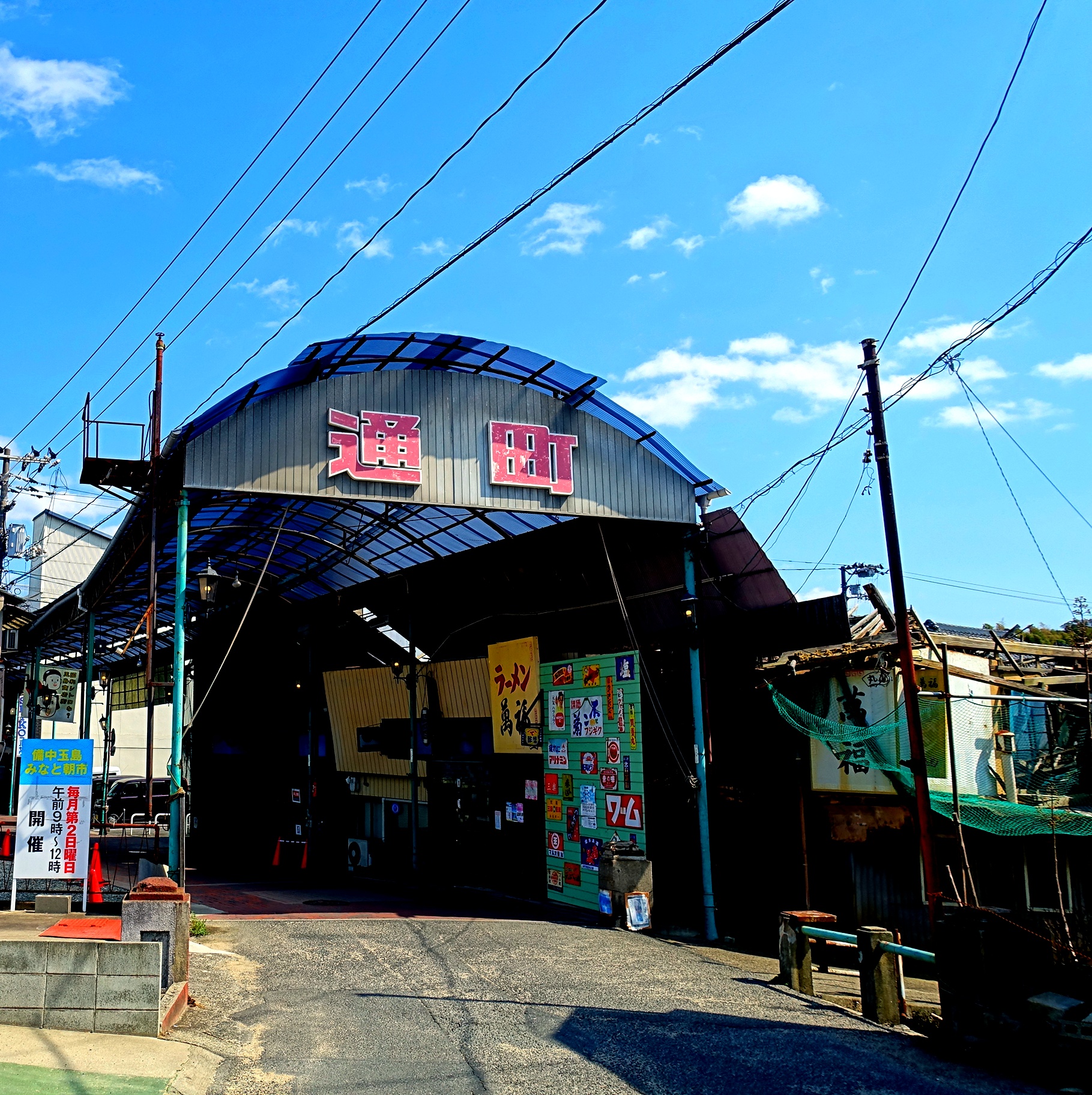
What specifically makes Tamashima appealing?
Bessho
Tamashima has many things, including its shopping streets, beautiful scenery and streetscapes that retain the atmosphere of the Showa era.
The film will be set in historic locations, and many people from the shopping streets are also scheduled to appear.
Of course, I want people across the country to know, but first and foremost, I want local residents to realize that “our town has such wonderful people and places.”
Could you share a final message?
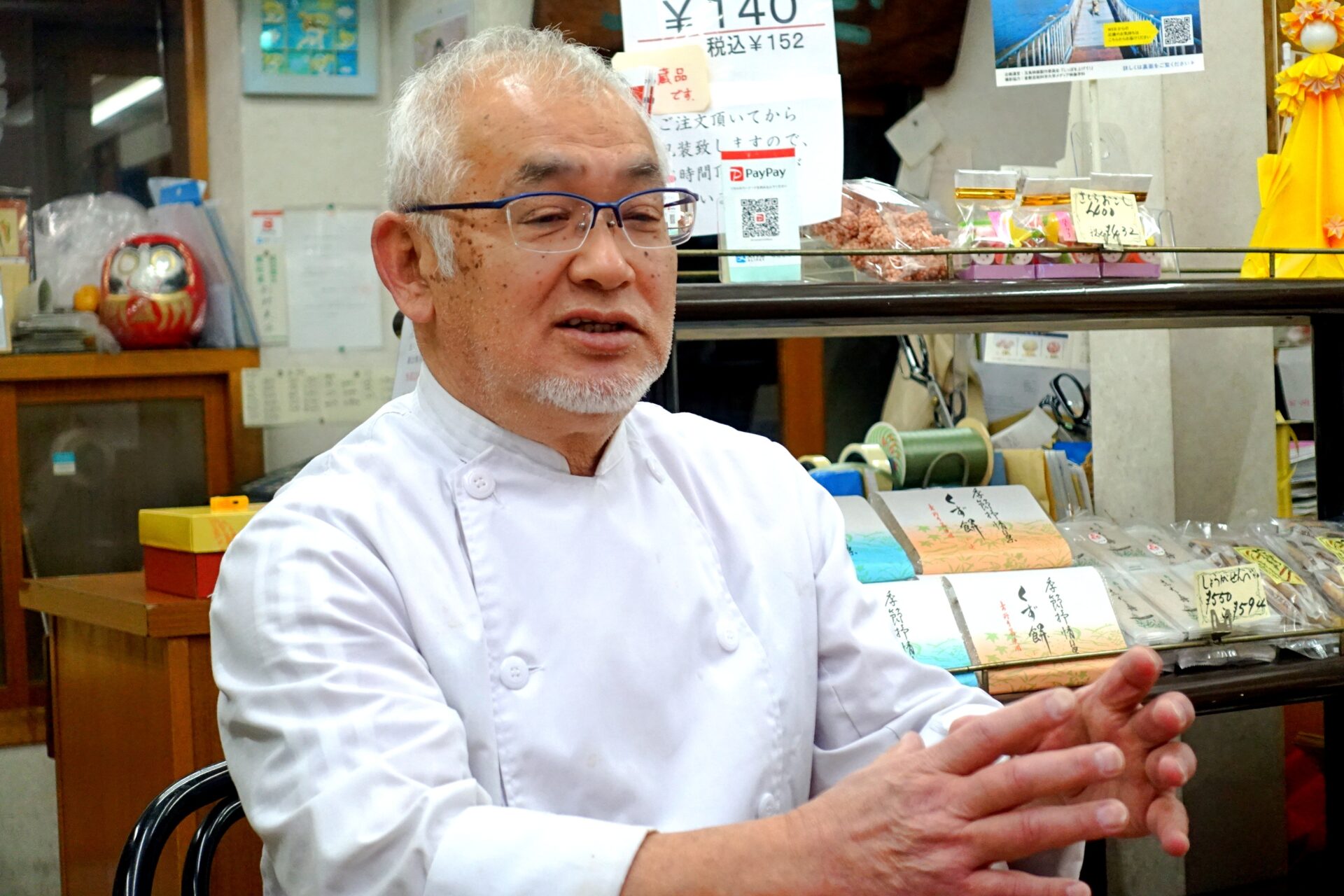
Bessho
I believe I’ve been able to keep going all this time thanks to the support of local people.
I want to do something to bring smiles to many people and make Tamashima a lively town. I want to do things both inside and outside the shop. That includes events and morning markets that everyone can enjoy, as well as making this film.
Of course, I’ll also work hard to keep making delicious sweets.
From the Writer
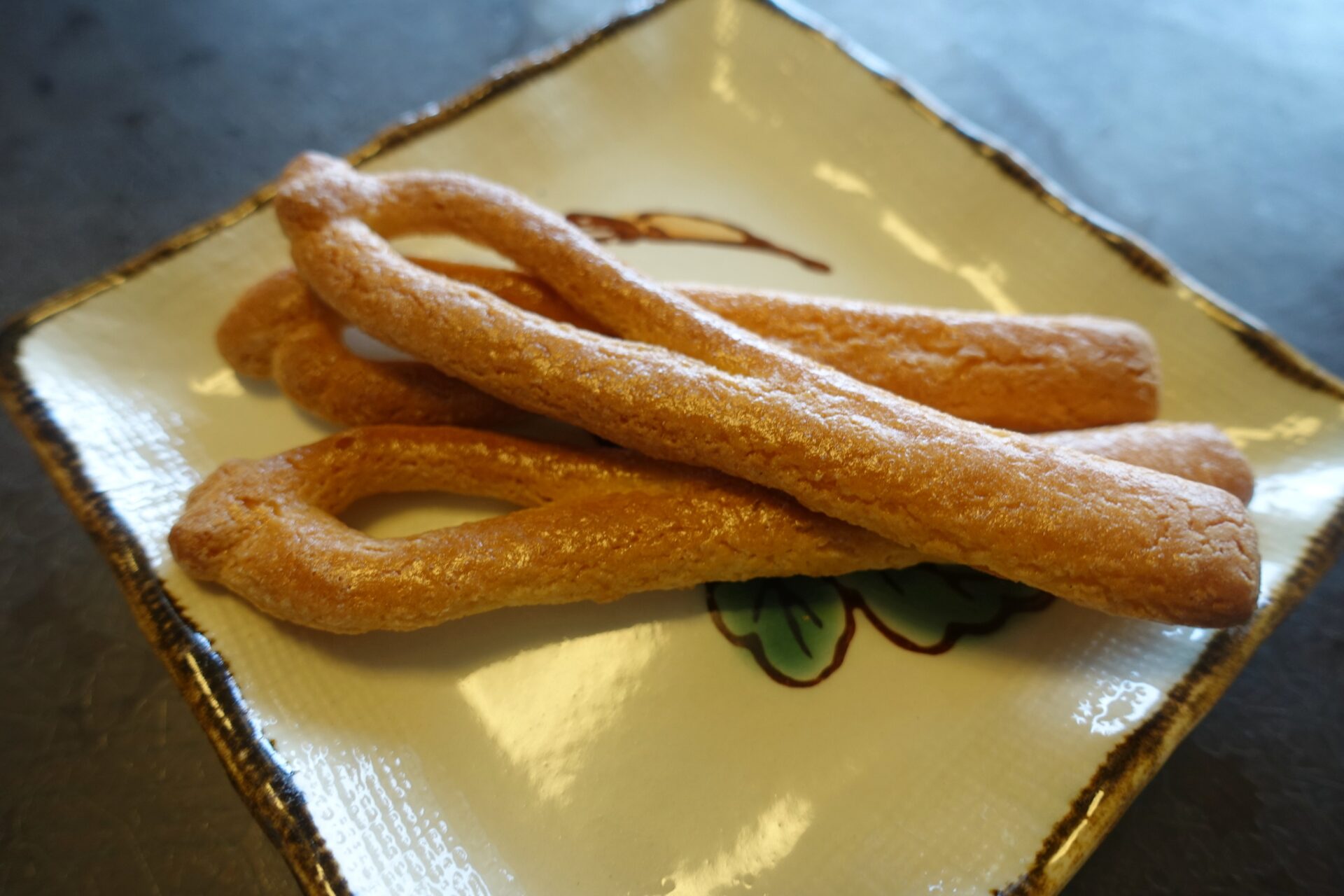
“I thought that taking over a long-established Japanese confectionery shop must come with tremendous pressure and require a great deal of resolve.” But what Bessho told me was something I hadn’t expected.
What Bessho felt was not pressure, but gratitude—deep gratitude toward their ancestors and the local community.
“Because I want to bring smiles to the people of Tamashima.”
Bessho remains active today, making sweets and working to revitalize the town.
The film is scheduled for release in November 2024. I’m looking forward to it.
Tamaido Honpo Information

| Name | Tamaido Honpo |
|---|---|
| Address | 2-6-14 Tamashima, Kurashiki City |
| Contact | 086-522-2251 |
| Parking | Available There are two parking areas. ・There is a parking lot for shopping district customers just before the shopping district. ・There is one parking space for Tamaido Honpo on the right just inside the shopping district. Vehicles are prohibited from entering the shopping district, so please do not drive beyond the parking areas. |
| Business hours | 8:30 a.m.–6:00 p.m. |
| Closed | Open daily |
| Payment methods |
|
| Website | Tamaido Honpo Official Instagram |

What would you like to know about Kurashiki?
Enter a word to search articles on this site