Did you know that Okayama Prefecture is one of Japan’s leading regions for irrigation canals?
Irrigation canals connect to rivers, and eventually their water flows into the sea.
Trash also follows this route into the sea, and this is one of the causes of the marine litter problem in the Seto Inland Sea.
The Umibozu Project believes that “collecting trash from irrigation canals is an effective way to reduce marine litter.” It invites residents of Kurashiki City, Okayama Prefecture, to take part in litter-picking activities in and around irrigation canals, and regularly organizes cleanup activities.
We joined the activity on Saturday, August 19, 2023.
The information presented was current when this article was published in October 2023. Please note that it may differ from current information.
What is the Umibozu Project?
This project is named after the sea monster Umibozu. What kind of activities does it carry out?
Overview of the Umibozu Project
“There’s everything you can find on land at the bottom of the sea.”
These words from a fisherman who helped with a marine litter survey inspired the project.
The Mizushima Regional Environmental Regeneration Foundation (Mizushima Foundation), the organization behind the Umibozu Project, has conducted various surveys and research on trash.
Based on the results, it concluded that reducing trash around irrigation canals, which are a source of litter entering the sea, was necessary to solve the marine litter problem, and launched this project.
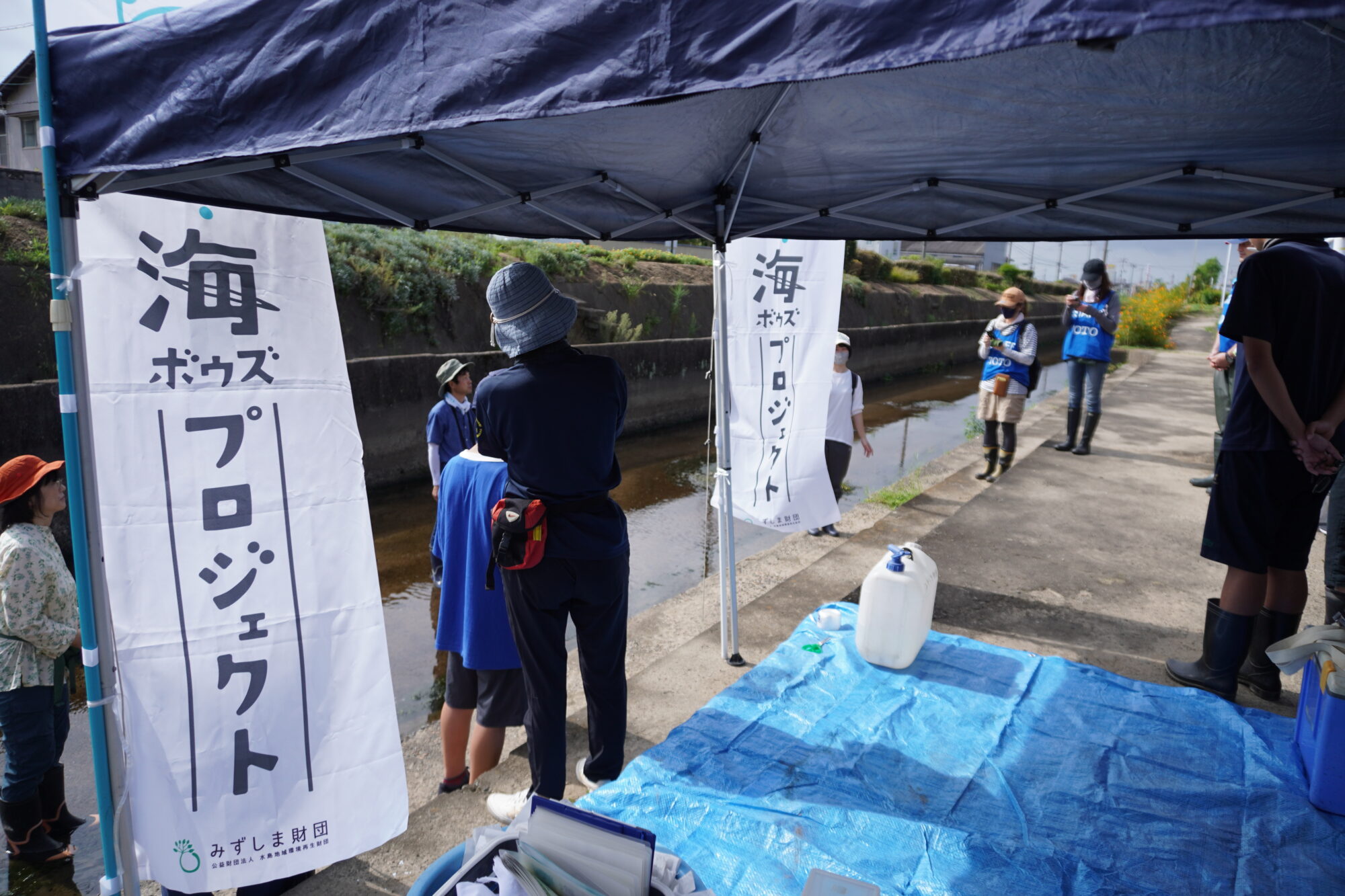
The Umibozu Project invites residents to pick up trash around nearby irrigation canals within easy reach, and carries out these activities regularly.
By making these efforts visible and sharing their results with society, the project aims to reduce the amount of trash flowing into the Seto Inland Sea.
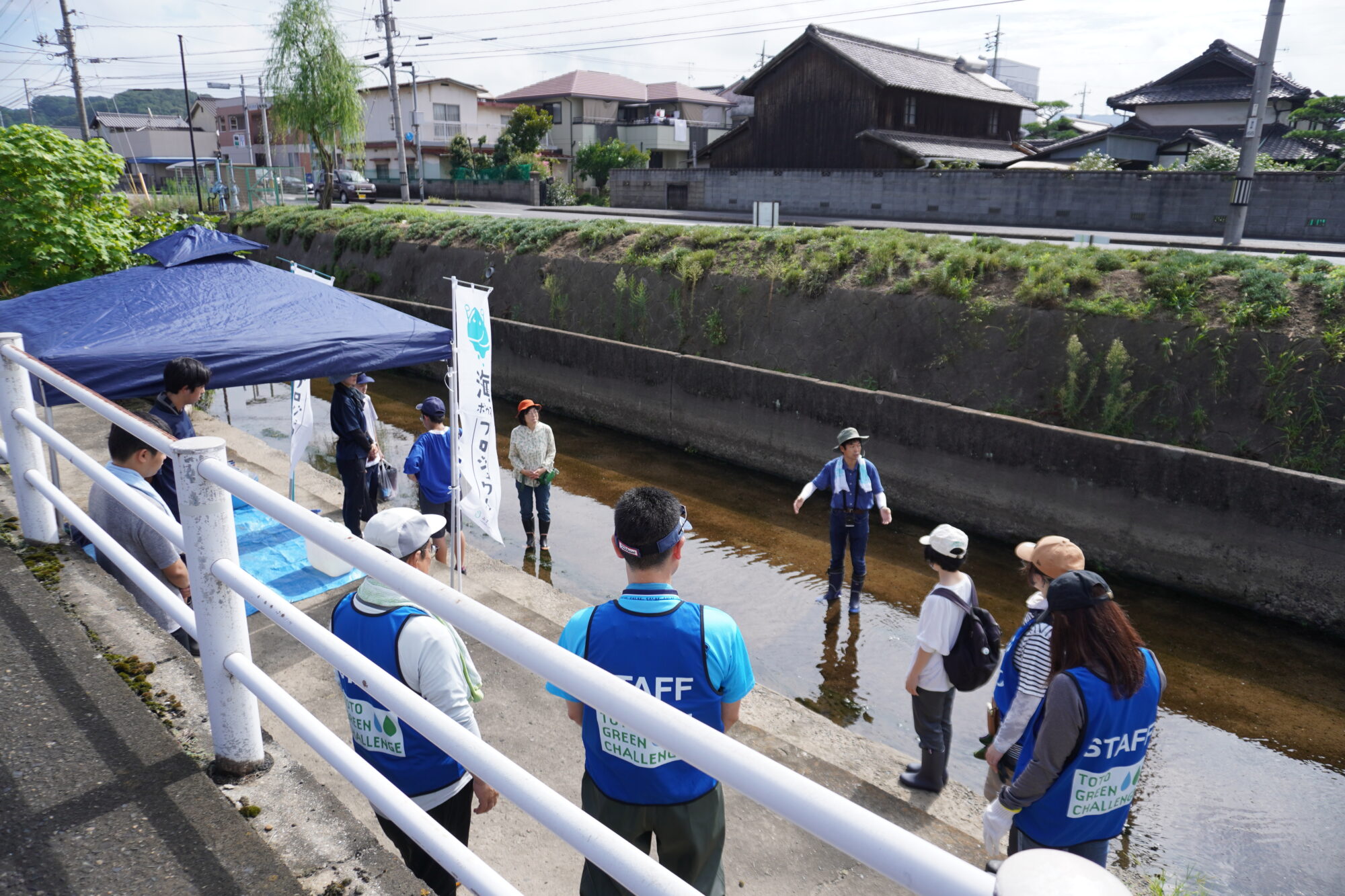
Since May 2023, the project has been collecting trash once a month by walking around irrigation canals in Kurashiki City, scooping up litter with nets and sometimes even entering the canals.
Companies also support community activities
TOTO Ltd. established the TOTO Water Environment Fund as a project in fiscal 2005, providing grants to organizations that involve local residents in environmental activities related to water.
The Umibozu Project was selected as one of the organizations receiving a grant in fiscal 2023.
TOTO employees have taken part every time since the first cleanup, and they worked up a sweat collecting trash together on this day as well.
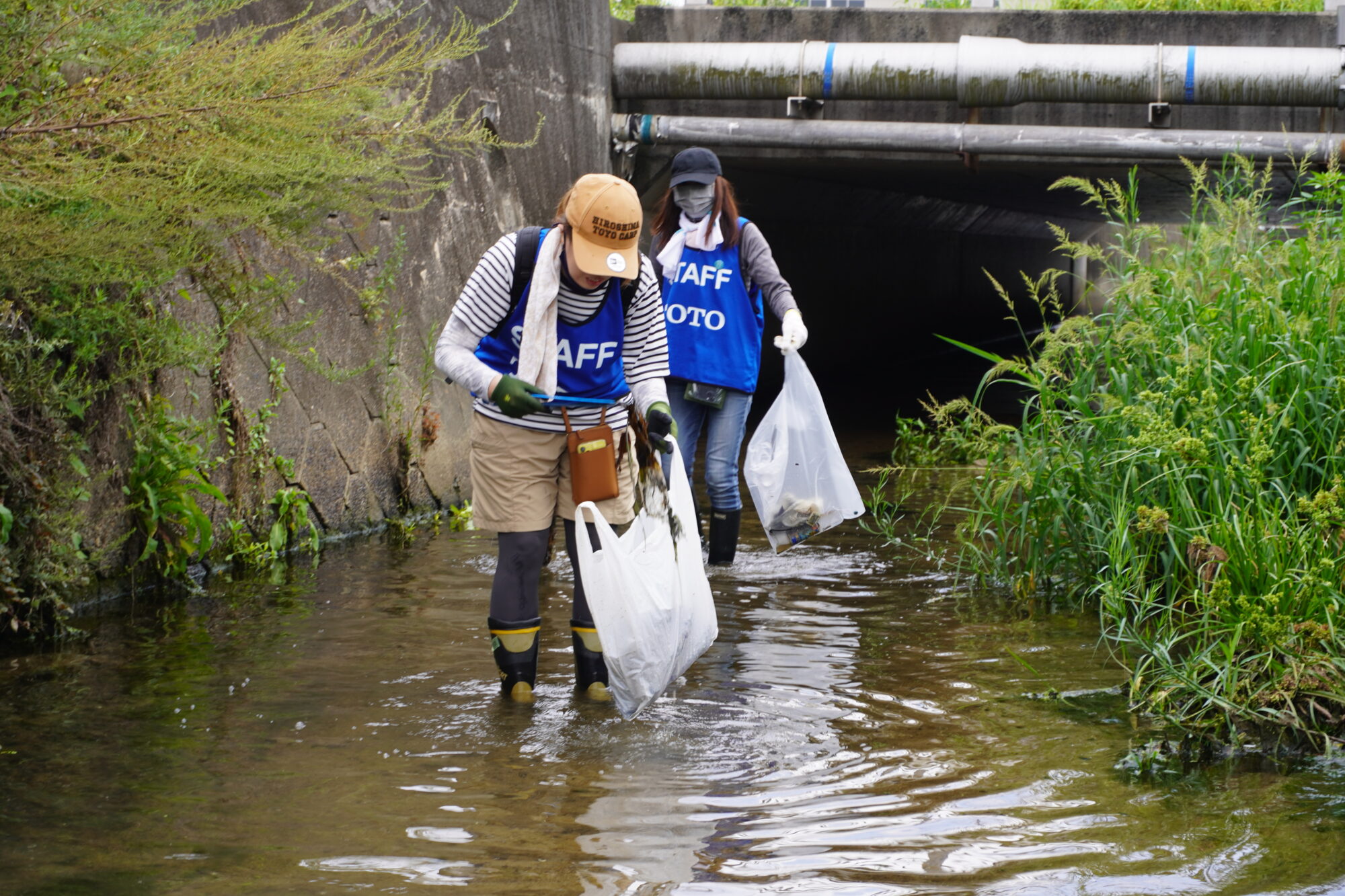
Activities on the Hachiken River in Mizushima, Kurashiki City
Here we report on the fourth project activity, held on Saturday, August 19, 2023.
The fourth cleanup site
For the fourth cleanup, participants started at the Daikon Washing Area (Higashikawacho, Mizushima, Kurashiki City) in the Hachiken River basin and cleaned a stretch of about 500 meters upstream and downstream.
Although it is called the Hachiken River, it is apparently a “special urban sewer” that serves as both an agricultural drainage canal and an industrial drainage canal.
Residential areas extend along both banks, suggesting that a lot of household wastewater once flowed into the river. However, environmental improvements have been made, and the river now has a sandy bed that can be seen through the water.
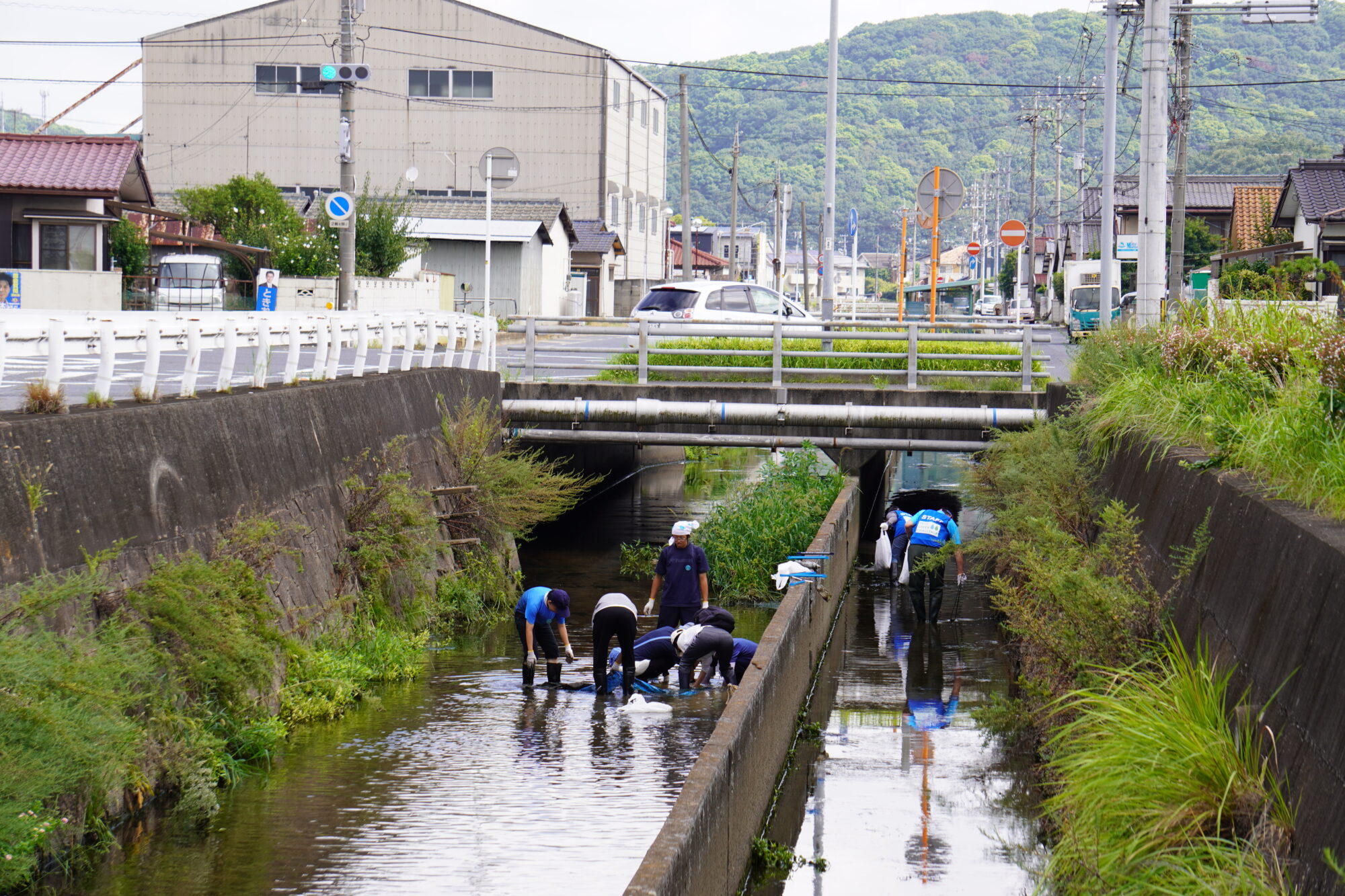
Who takes part?
The 14 participants included students from Okayama Prefectural Kurashiki Kojoike High School, the project logo designer, TOTO employees, and staff.
The high school students who took part are apparently studying the environment as part of a class called “Inquiry-Based Learning,” and participants from the previous cleanup brought along new friends.
It’s heartening to see such energy from young people!
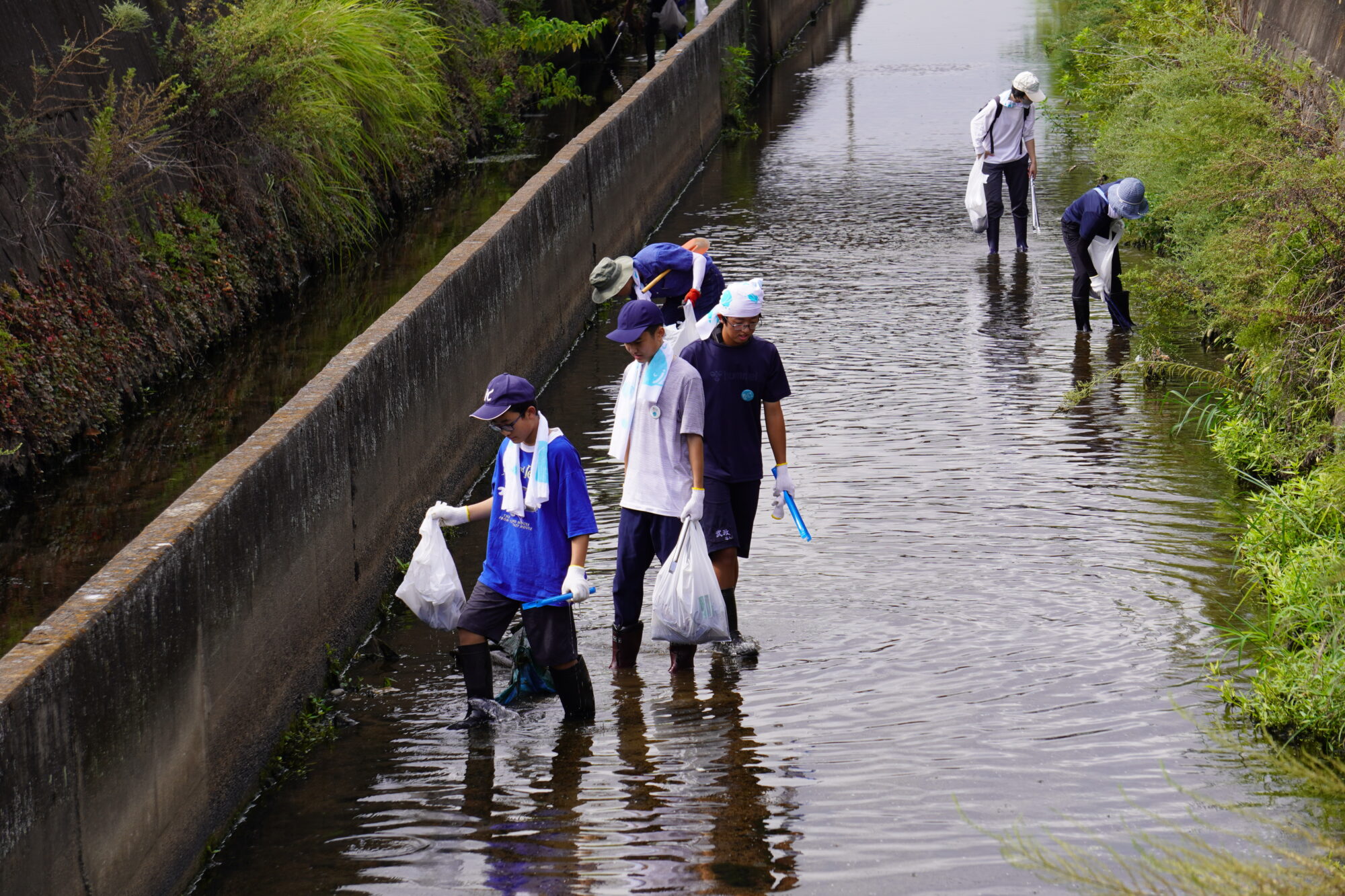
Into the river
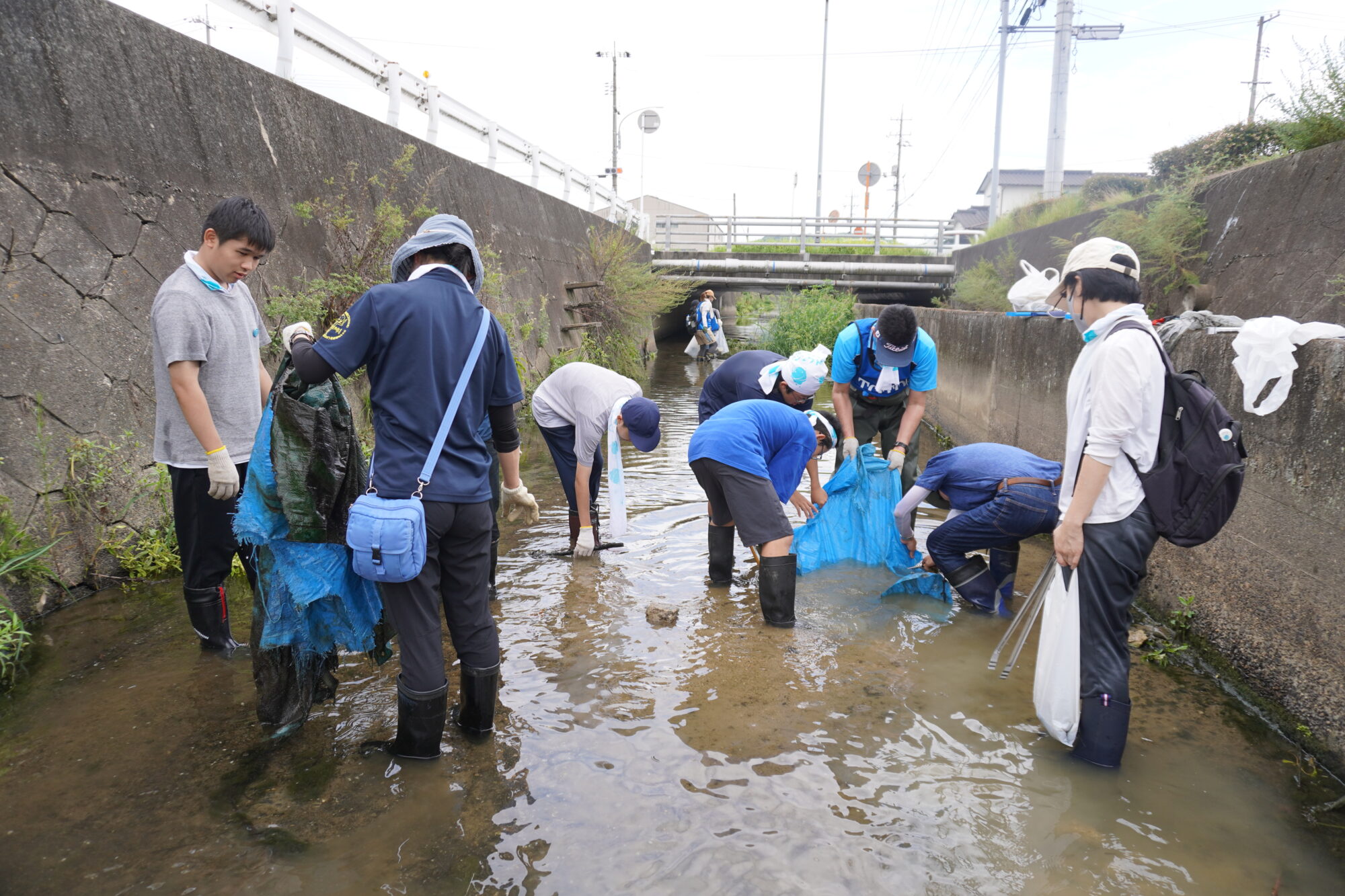
The water where the trash was collected was about ankle-deep on an adult.
The current was gentle, and the water was clear.
At first glance, it didn’t seem like there was much trash…
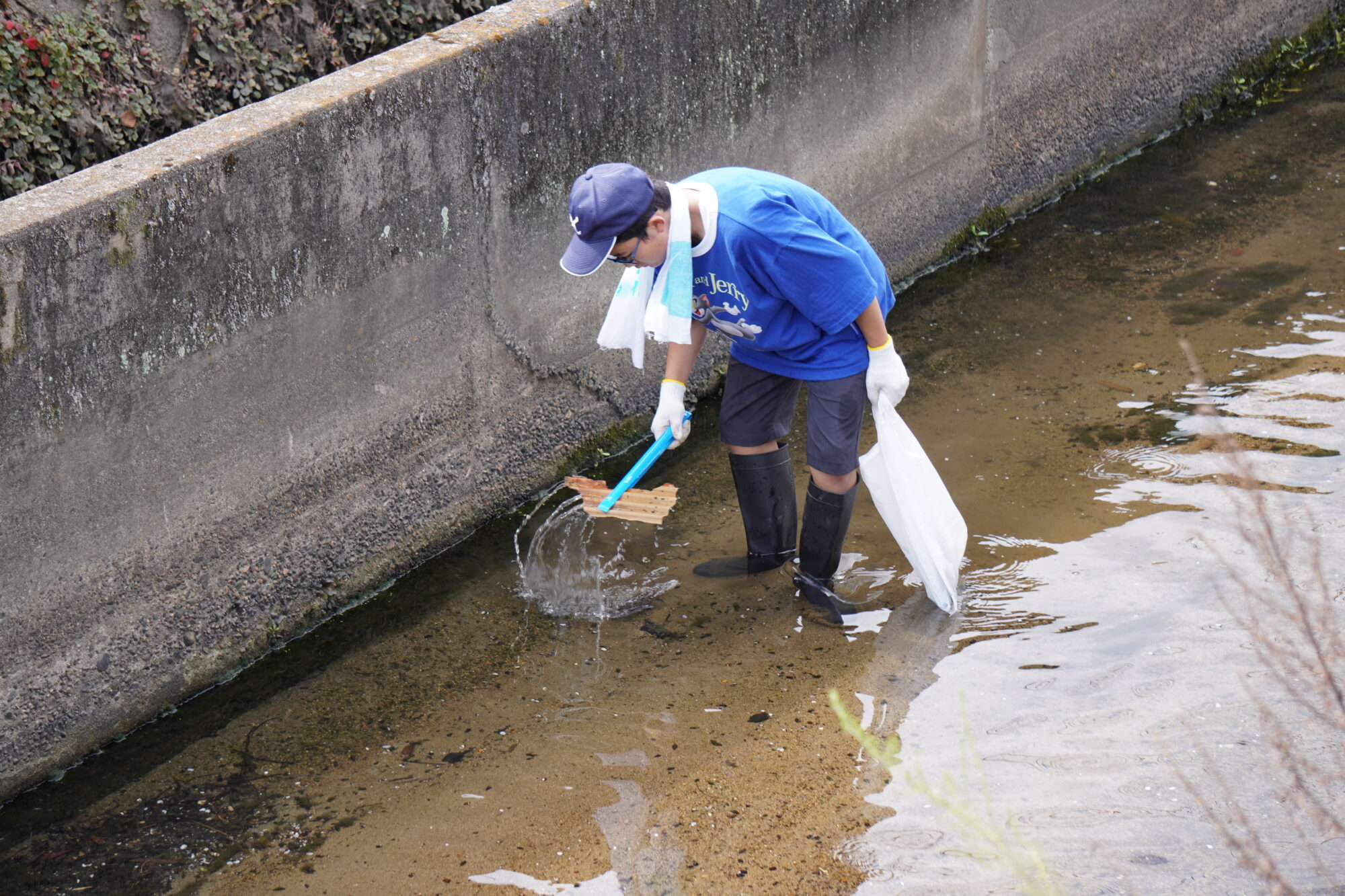
Results
The Hachiken River didn’t look particularly dirty from the road, but what did the team accomplish after cleaning the river for about an hour?
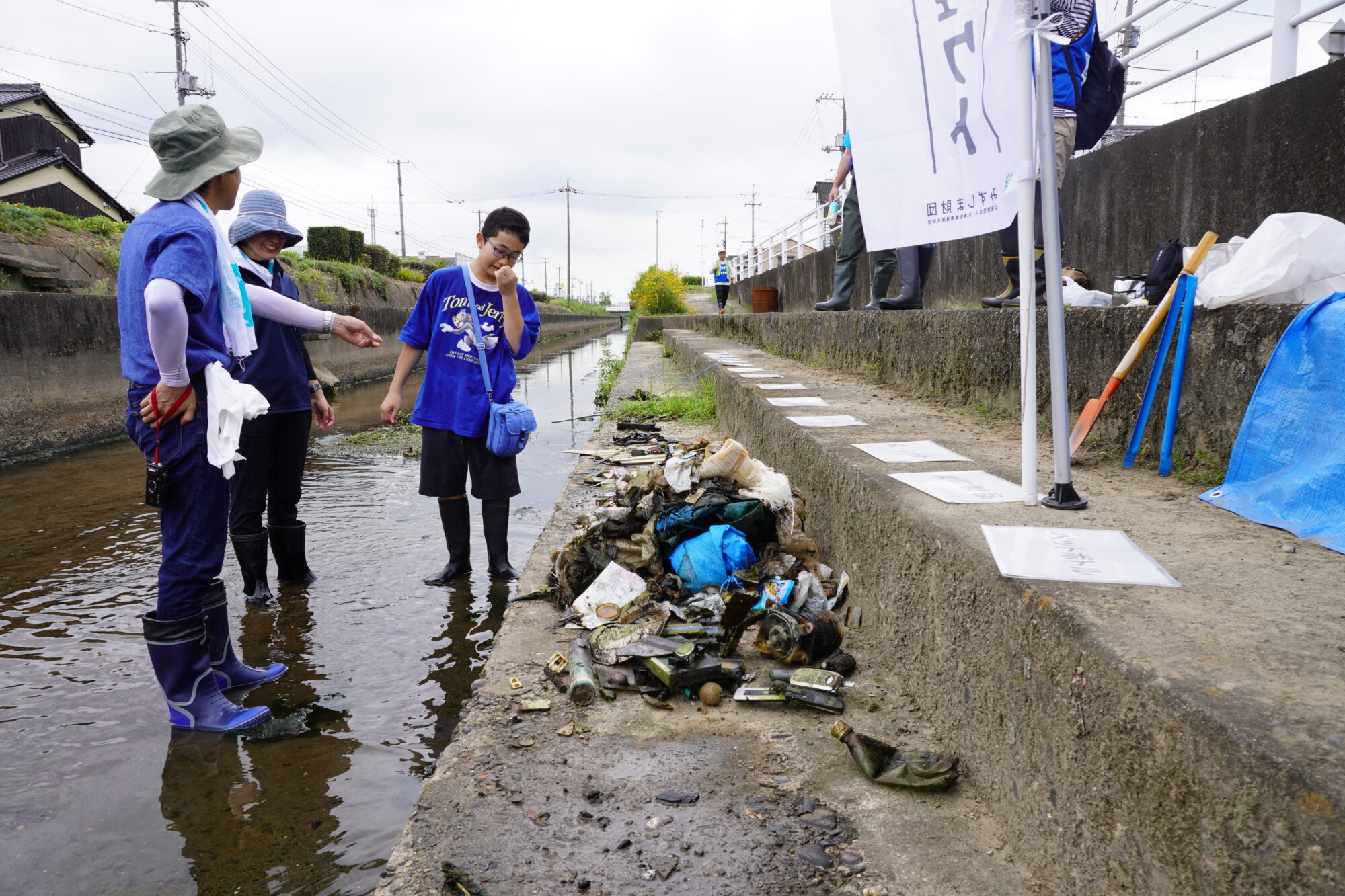
How much trash was collected…
Although it was overcast, sweat dripped as everyone moved. The trash collected during about an hour of cleanup was sorted and weighed.
The trash was sorted into 13 categories: “plastic bottles,” “electrical appliances,” “bags and sheets,” “cans,” “bottles and ceramics,” “rigid plastics,” “rubber products,” “natural materials,” “metal,” “Styrofoam,” “fabric,” “paper and cardboard,” and “other.” The amount collected in each category was recorded.
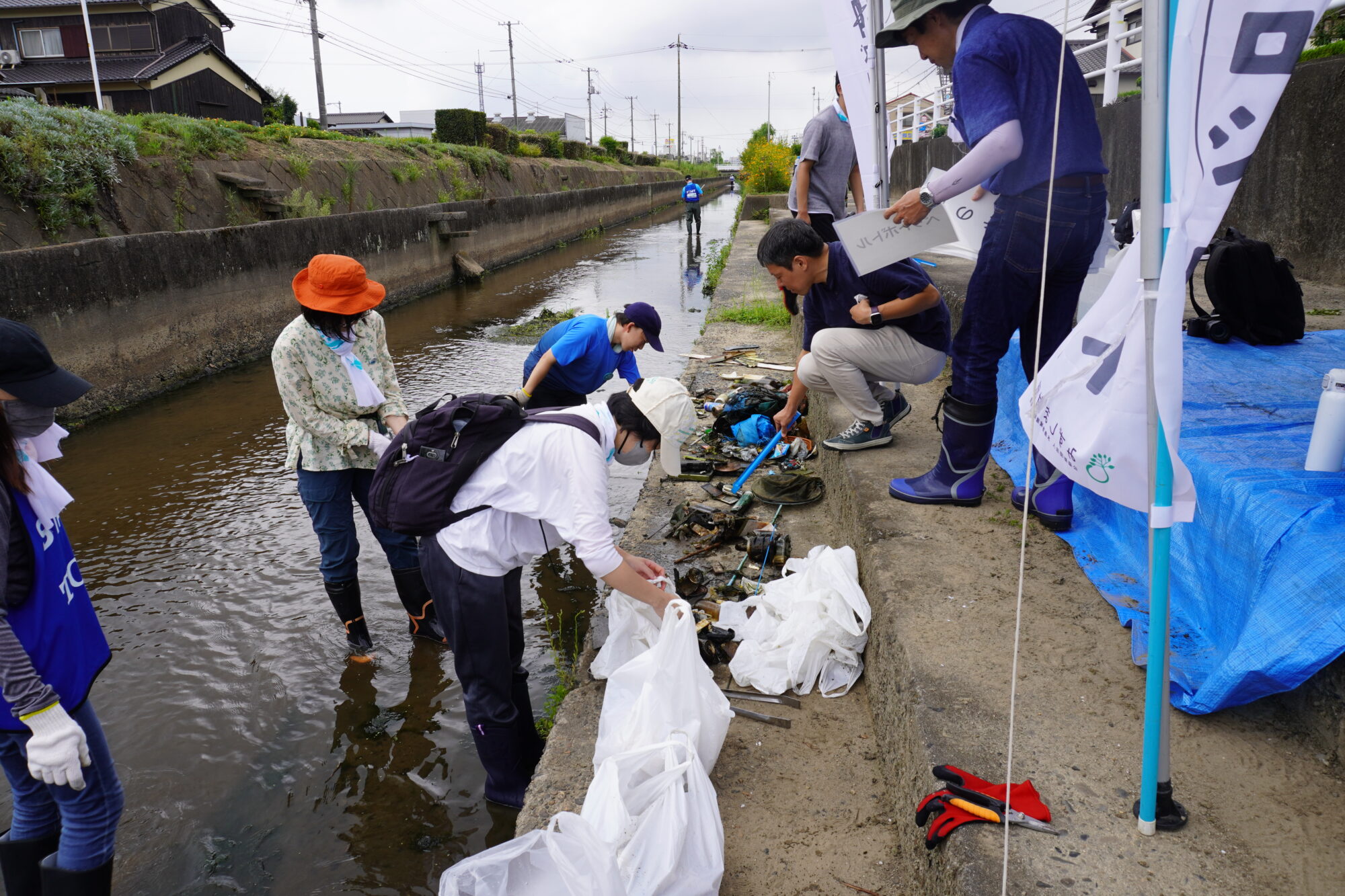
The previous cleanup of the Hachiken River was about two months earlier.
Apparently, 37.65 kg of trash was collected then.
This time, about 10 kg less was collected, for a total of 26.45 kg.
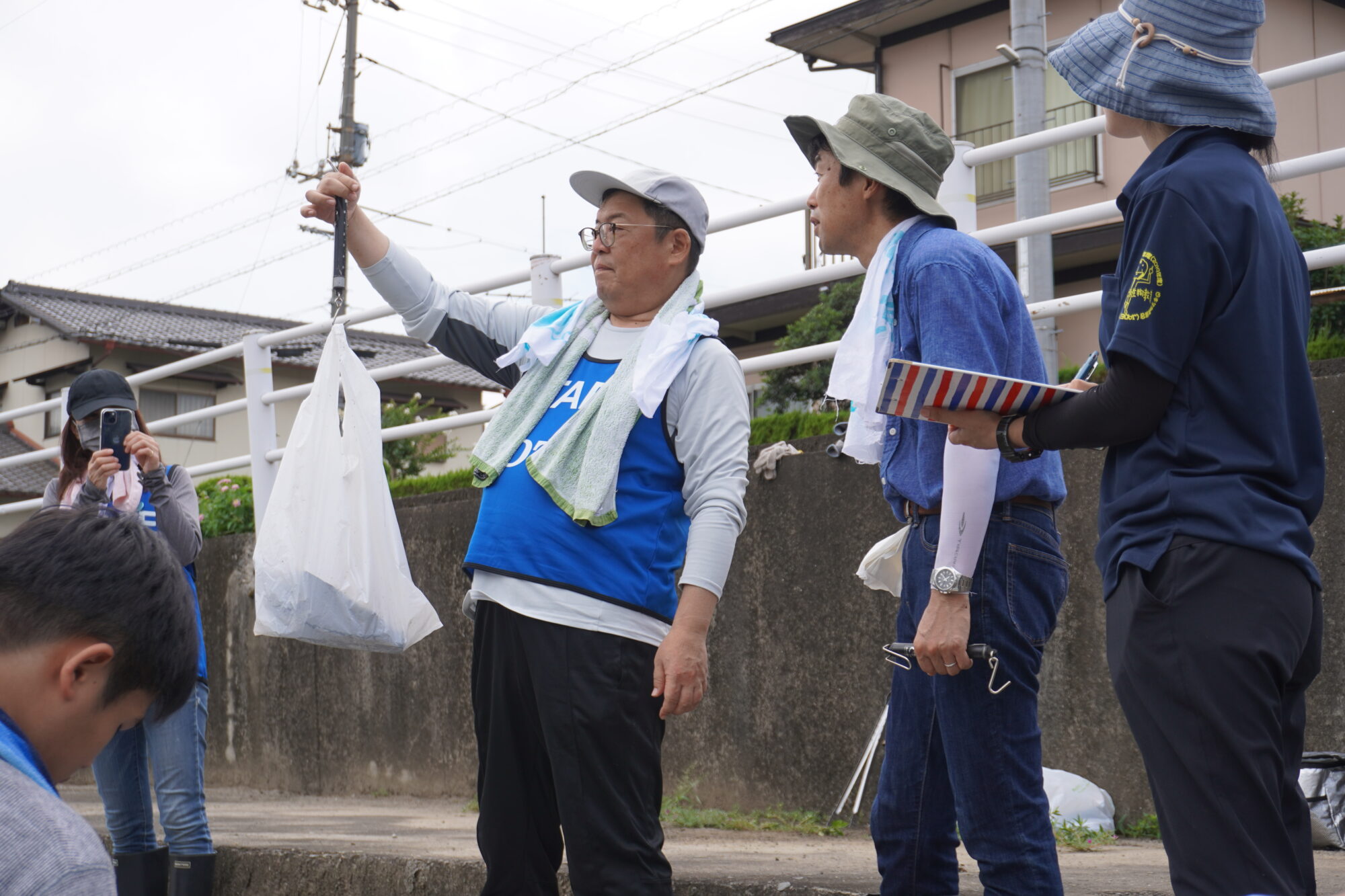
Project representative Shiwaku Toshifumi said that the results of the previous cleanup were showing, and
“Ultimately, unless we eliminate the source of the problem, there will still be trash. But since there was less than last time, it shows that clean-up activities do reduce the amount of trash.”
They spoke to the participants about the importance of continuing these efforts.
It was a relief to see results. Perseverance pays off.
Why would something like this be here? Surprising finds
In general, when collected trash is sorted, bags and sheets make up the largest share, and plastic waste accounts for about 80%.
As you can see, a large blue tarp was found on the riverbed that day, too.
How did a blue tarp end up in a place like this?
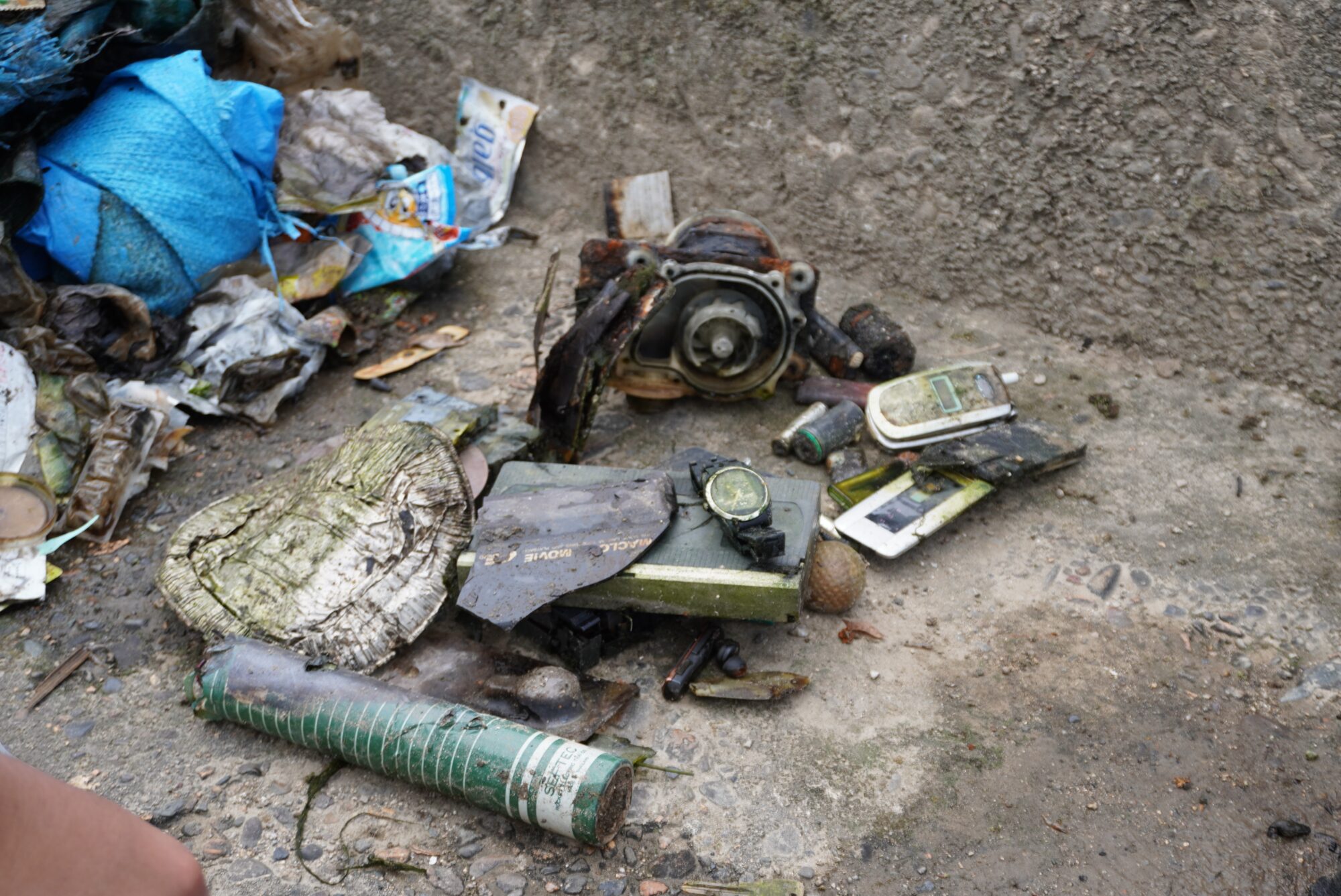
They also collected items that made people wonder, “Why is this in the river?” These included mobile phones, videotapes, cassette tapes, what looked like motor parts, and wristwatches.
In the past, they have also collected items that are not normally thrown away or discarded after use, such as video players, large quantities of cassette tapes, hair dryers, electric kettles, and computers.
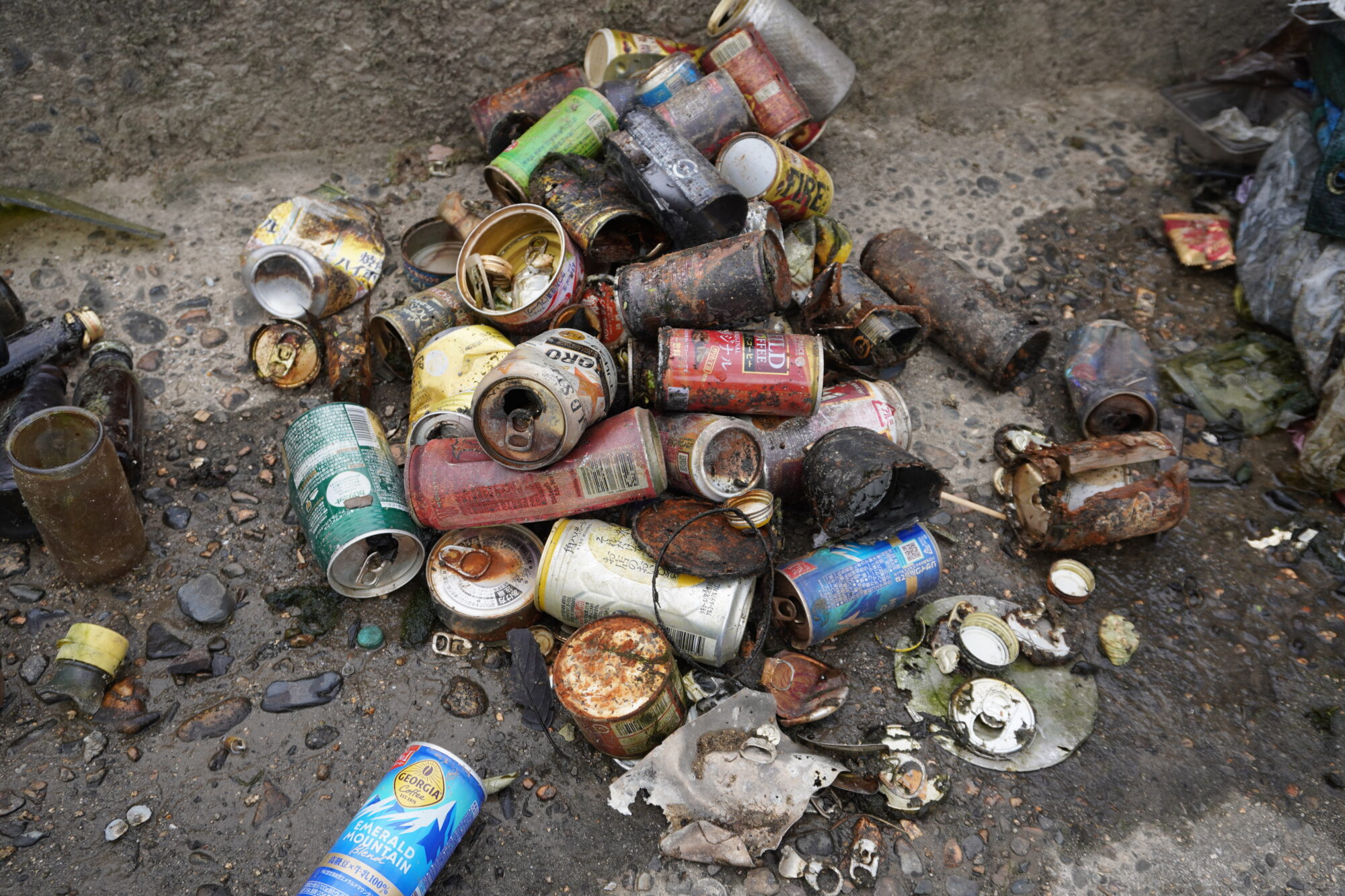
Among the collected items, some of the most troublesome are empty cans and plastic bottles that have been discarded with cigarette butts inside.
Apparently, these can no longer be recycled.
Smokers, littering cigarette butts is absolutely unacceptable, isn’t it?
Please don’t do this: when cigarette butts are put in beverage cans or plastic bottles and thrown away, the cans and bottles can no longer be reused.
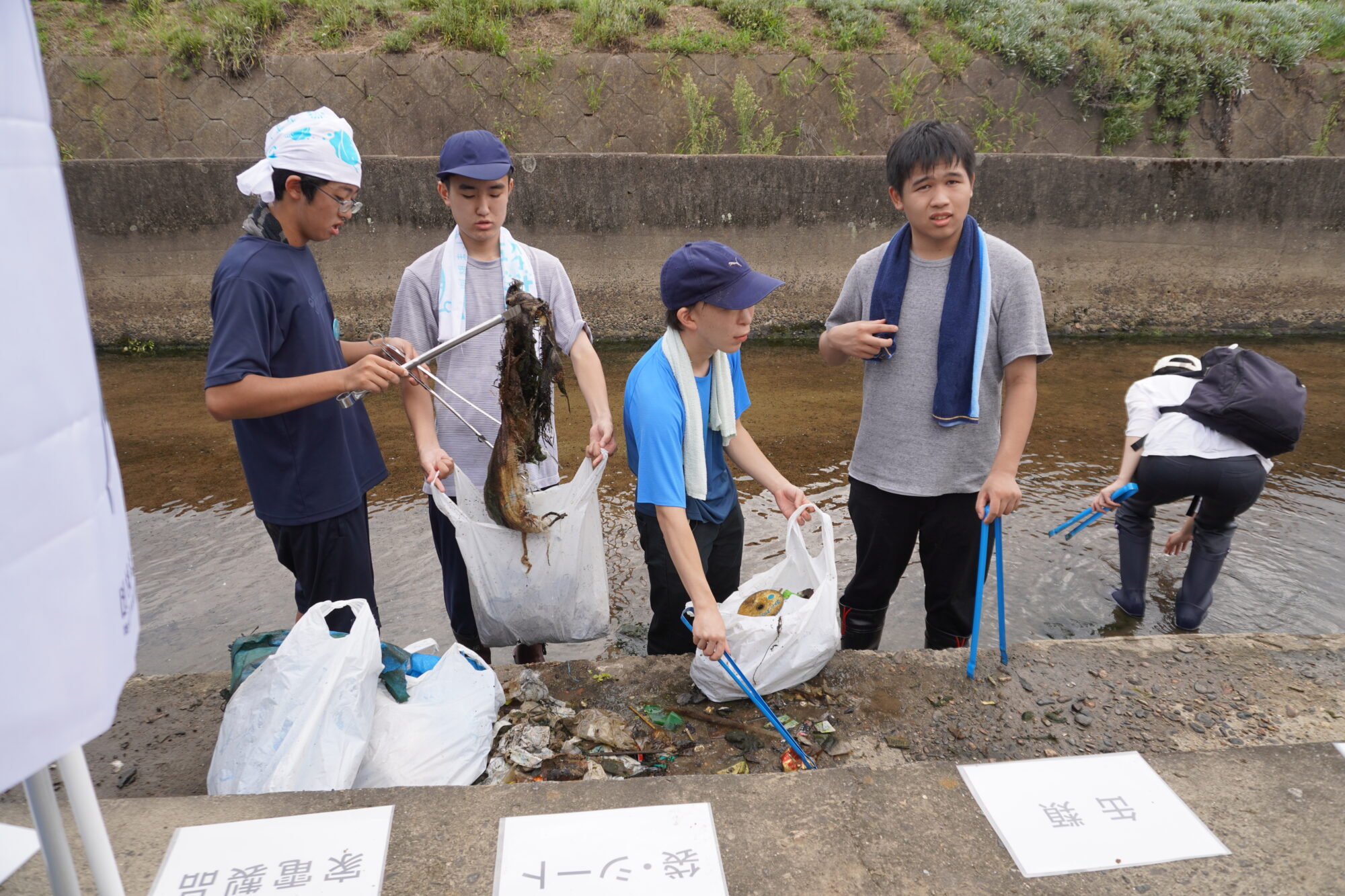
Participants shared comments such as these:
- “I was surprised by how much trash there was.”
- “We need to ask local people to dispose of their trash properly, and it would be great if new plastics that break down more easily in nature could be developed.”
- “I learned again how trash flows from rivers into the sea and pollutes the Seto Inland Sea.”
From the Writer
Sea monsters are often depicted in legends as yokai that live in the sea and attack ships.
Kurashiki City’s Sea Bouzu turned out to be a kind-hearted yokai (project) known as the “guardians of the Seto Inland Sea.” To protect the marine environment, they regularly pick up trash in irrigation channels and the surrounding areas, aiming to reduce the amount of trash flowing into the Seto Inland Sea.
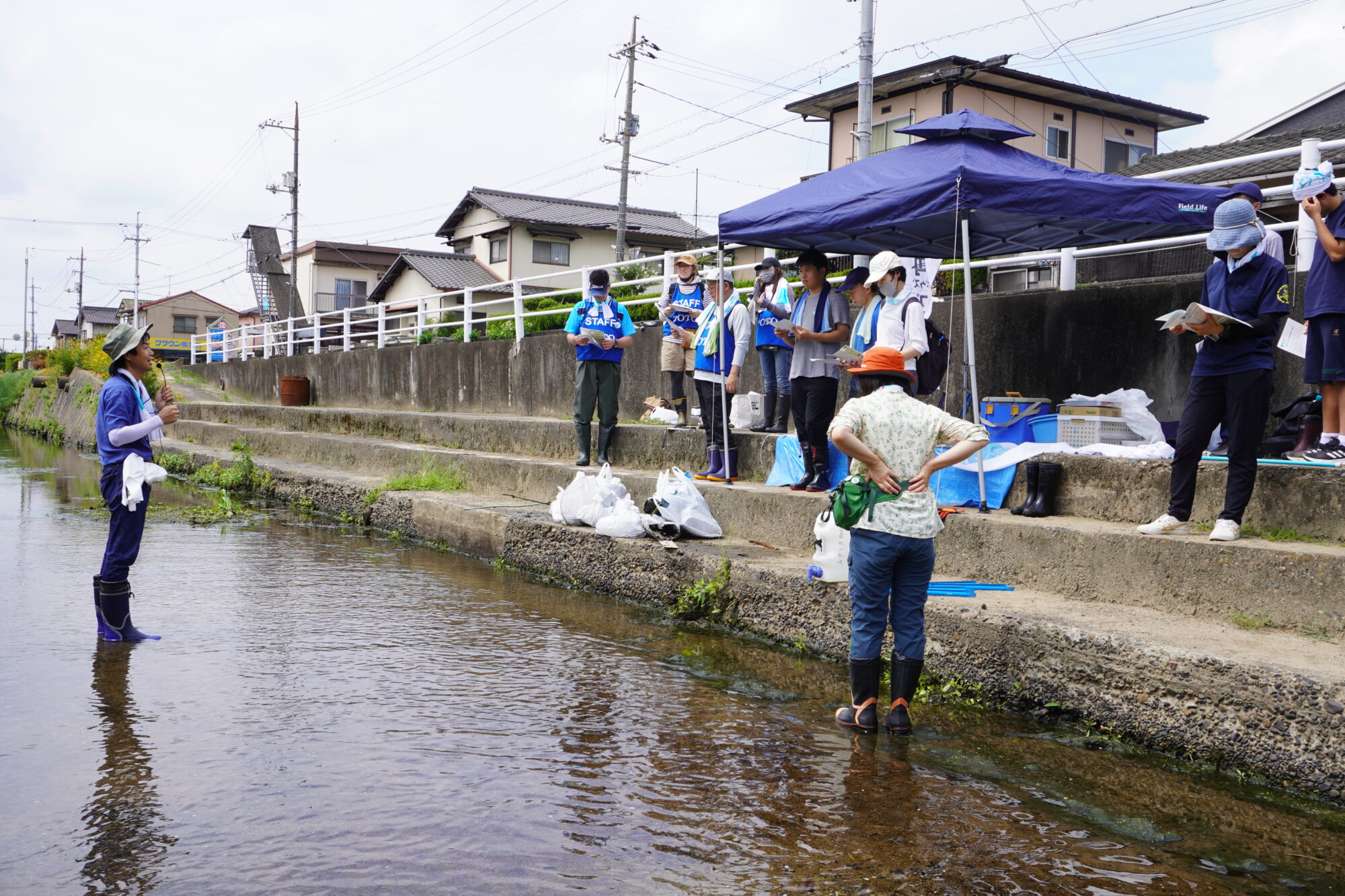
Project representative Shiwaku Toshifumi (director and researcher at the Mizushima Regional Environmental Regeneration Foundation) told us:
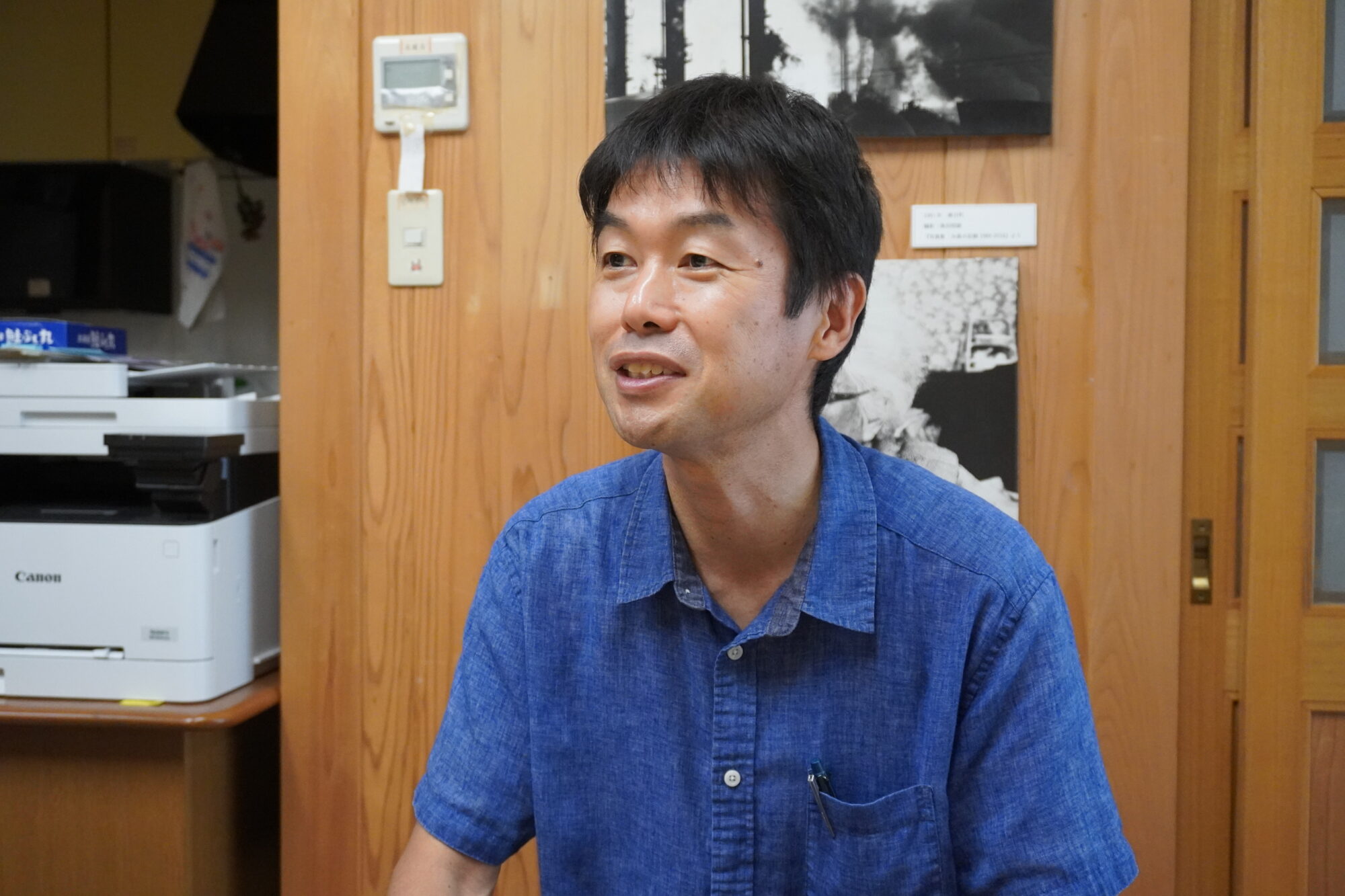
“It’s difficult to collect trash once it has flowed into the sea.
That’s why we need to stop it before it gets there.
The Sea Bouzu Project aims to increase the number of people involved and make this a regular activity, even if the amount collected each time is small, so that we can eventually collect a large amount.
To achieve this, the challenge is to create a system that allows local people to easily walk along waterways and their surroundings, scoop up trash they spot with a net, and collect it.
Many of the cans for alcoholic drinks and cigarette butts were thrown away by adults, but the high school students who joined us this time and children taking part in local activities are picking them up.
I think we need to change society so that adults don’t carelessly throw away trash.”
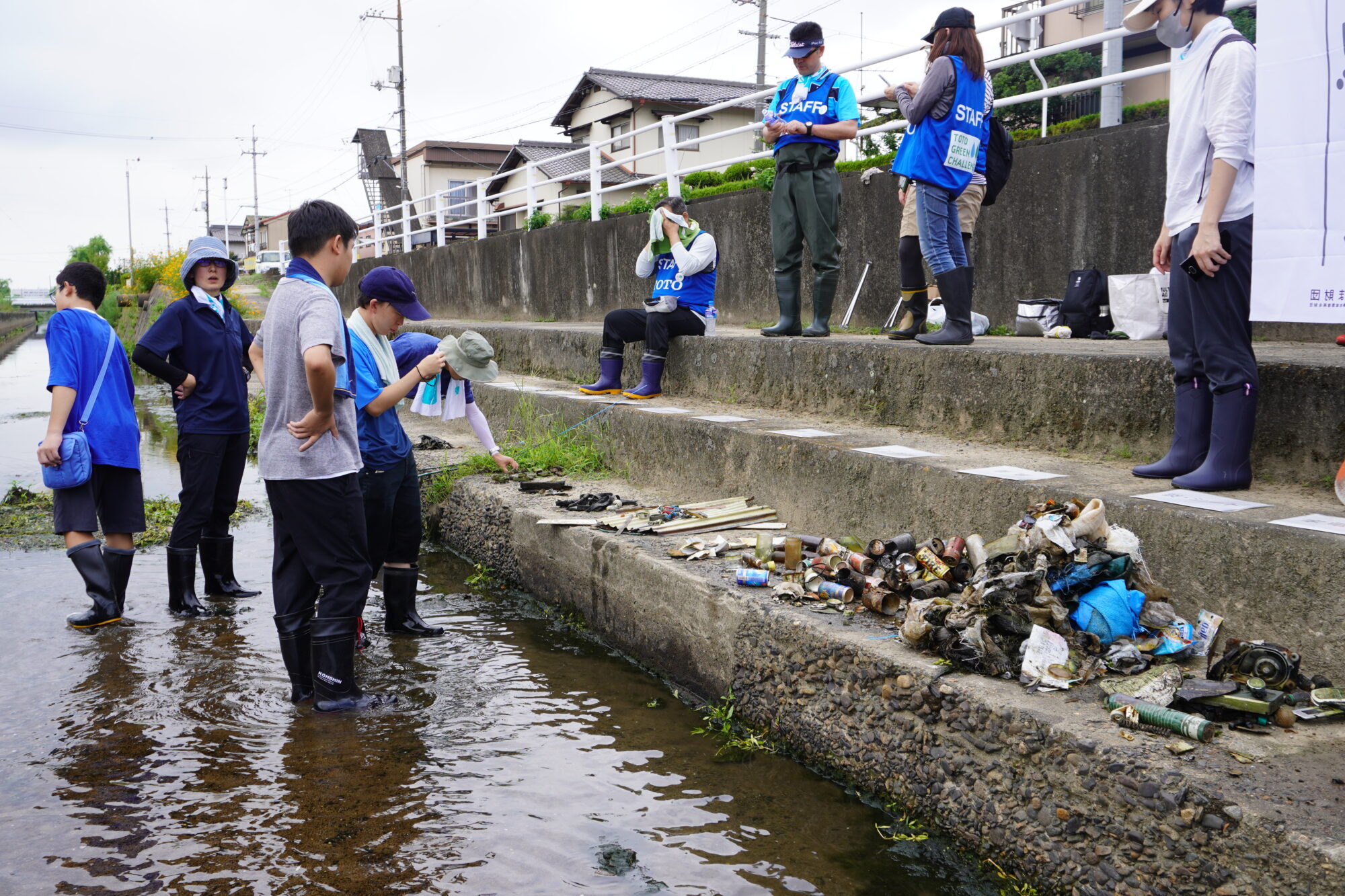
When you spot cigarette butts, plastic bottles, or empty cans by the roadside, do you just walk past them?
The things lying right in front of you—could they be trash?
Trash can flow from irrigation channels into rivers, and then, over a long period of time, into the sea without us noticing. Let’s make sure the rich waters of the Seto Inland Sea, where we live, don’t disappear one day.
First, let’s take a moment to check before throwing something away.
Is it okay to throw that trash there? Is that the right way to dispose of it?
Held once a month (third Saturday)
The Sea Bouzu Project is generally held once a month, on the third Saturday.
Walk-ins are welcome. For the location and meeting point, please check the “Mizushima Foundation website.”
4th Sea Bouzu Project Information

| Name | 4th Sea Bouzu Project |
|---|---|
| Date | August 19, 2023, 9:00 a.m. |
| Location | Hachiken River (near the Daikon Washing Area), 4-chome Mizushima Higashikawacho, Kurashiki City, Okayama Prefecture |
| Admission (tax included) | Free |
| Website | Mizushima Regional Environmental Regeneration Foundation (Mizushima Foundation) |


What would you like to know about Kurashiki?
Enter a word to search articles on this site