In March 2024, the Seto Inland Sea celebrated its 90th anniversary of being designated as Japan's first national park.
To connect the beautiful scenery and rich nature to the next 100 years, a walking event called Seto Inland Sea National Park Walking is planned to be held annually in the future.
The venue for 2026 will be Washuzan Hill and Shimotsui. It will not only be a walking event but also a route where participants can enjoy photography.
The "Take Photos and Enjoy Walking" event allowed participants to fully appreciate the beauty of the Seto Inland Sea. Here’s a look at the day’s events.
What is the Seto Inland Sea National Park Washuzan and Shimotsui "Take Photos and Enjoy Walking"?
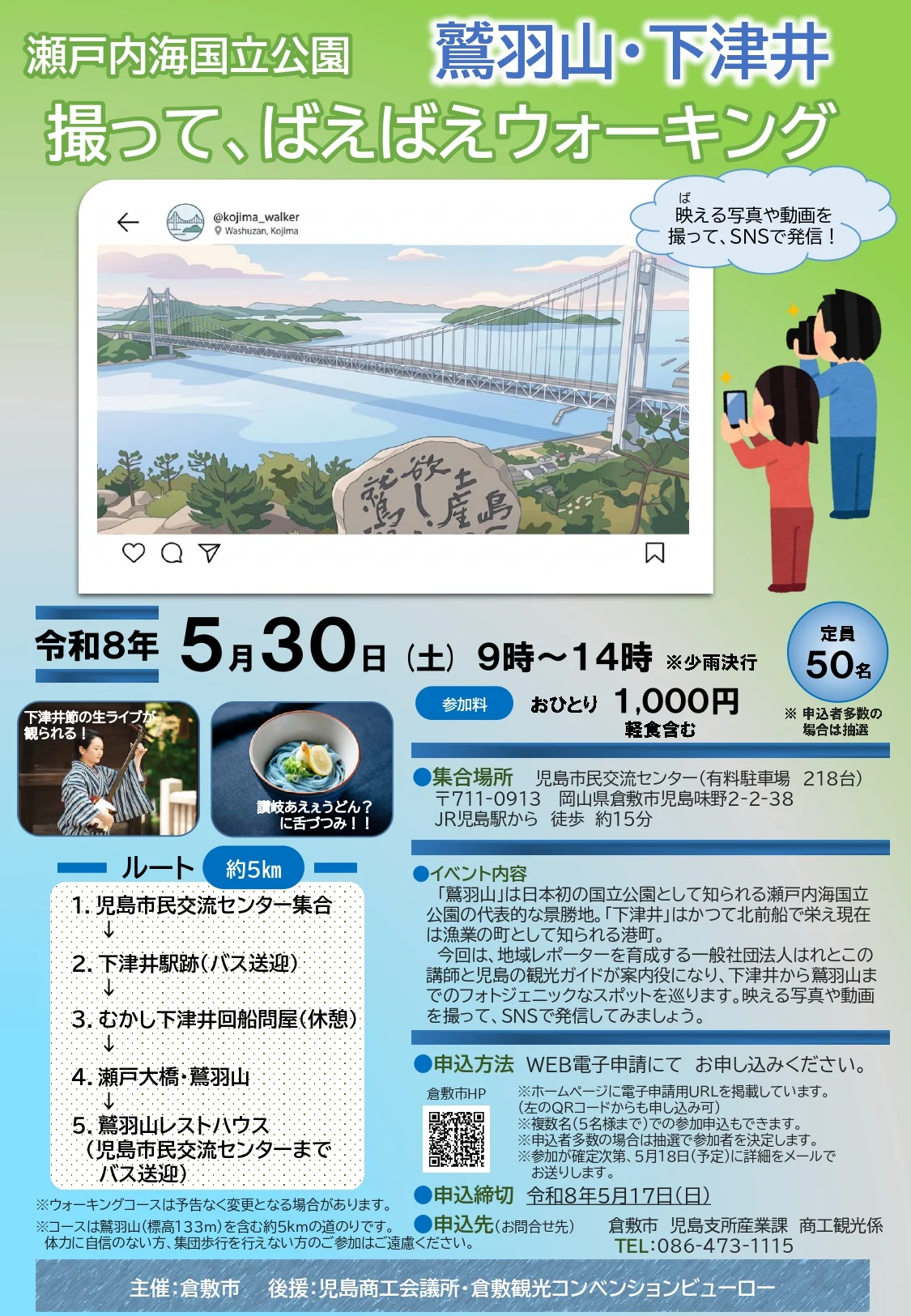
The Seto Inland Sea National Park Washuzan and Shimotsui "Take Photos and Enjoy Walking" was a walking event hosted by Kurashiki City, held on May 30, 2026.
It was planned as part of the 90th Anniversary Commemorative Project for the Designation of Seto Inland Sea National Park, with the aim of spreading the charm of Seto Inland Sea National Park.
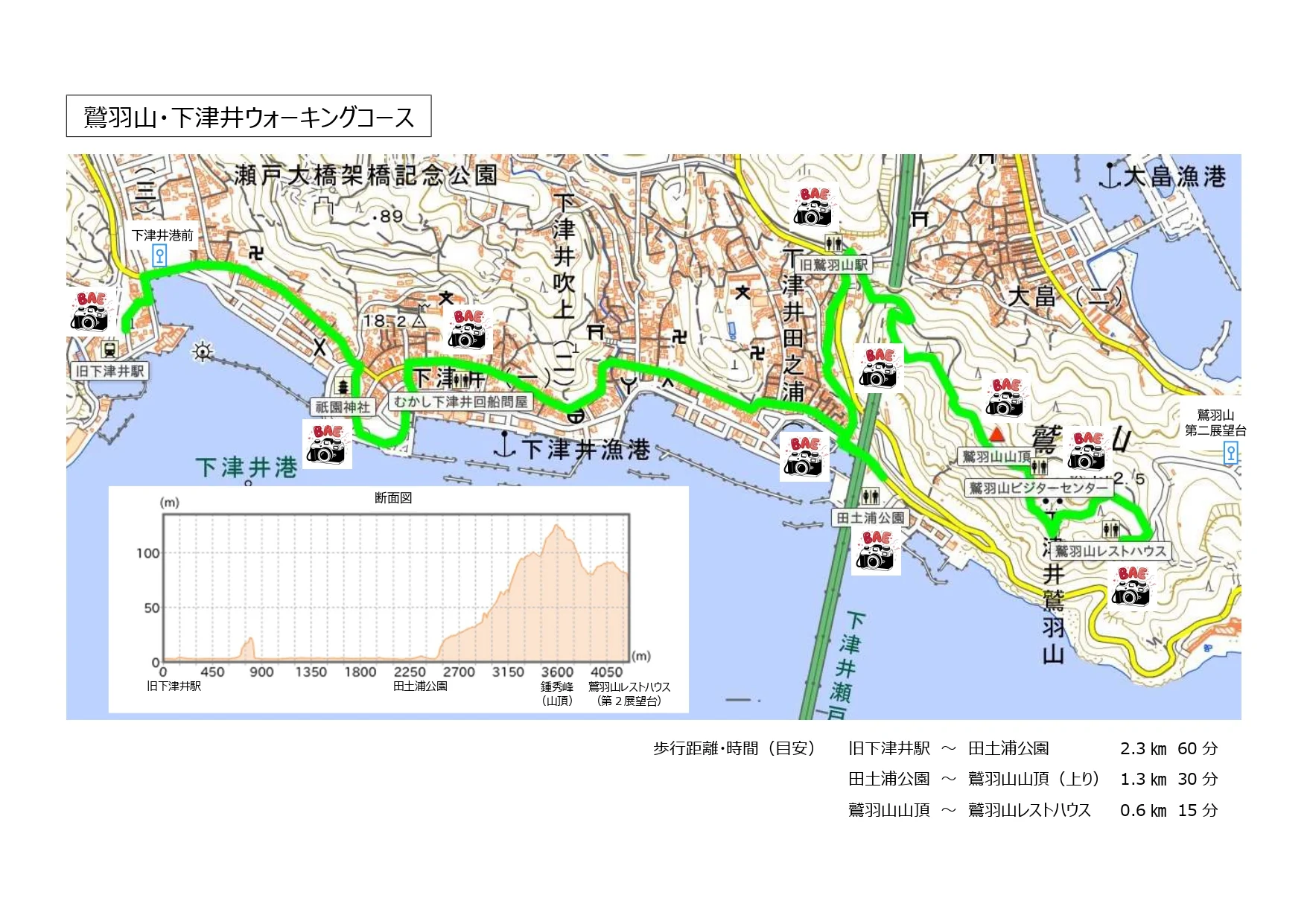
Participants walked approximately 5 km while taking photos, enjoying the stunning views of the unique island beauty of the Seto Inland Sea at "Washuzan" and the bustling port town of "Shimotsui," which was a stop for the Kitamaebune ships. The course was designed to make you want to grab your camera with beautiful ocean views and deep townscapes.
Photos taken by participants can be viewed on Instagram by searching for #SetoInlandSeaNationalParkWalking, so be sure to check it out. The memorable scenes captured by participants also contribute to promoting the charm of Seto Inland Sea National Park.
On the day of the event, veteran tour guides familiar with Kojima and staff supporting social media outreach accompanied the participants.
In the future, events are planned to tour special areas of Seto Inland Sea National Park located within Kurashiki City, such as Washuzan, Ojigadake Hill, Yuka Mountain, Ryuo Mountain, and Tsusen-en.
The Day's Events
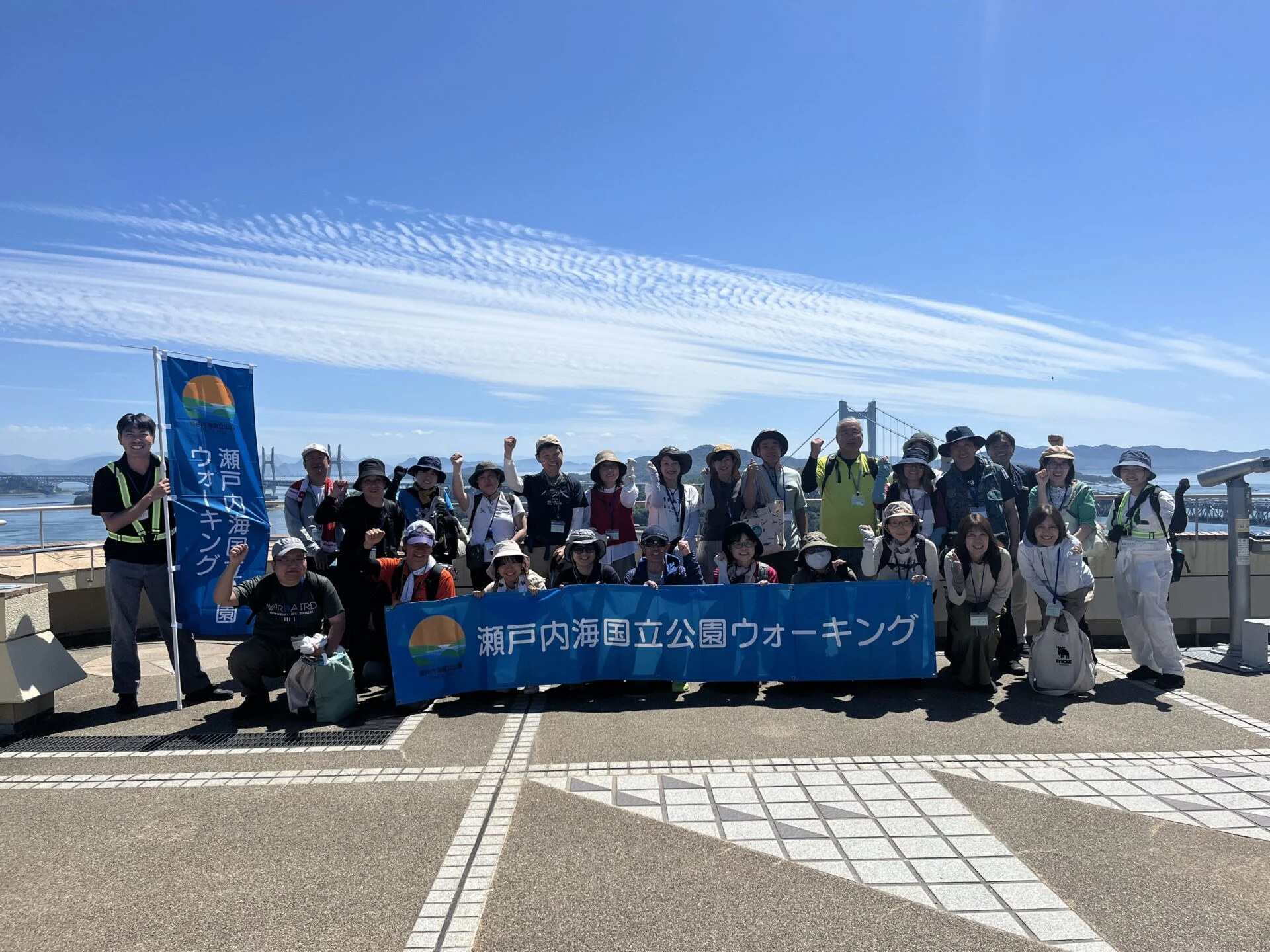
On the day of the event, we were blessed with clear skies without a cloud in sight. There were 50 participants. They were divided into two groups of 25 and set off towards the goal, the Washuzan Rest House.
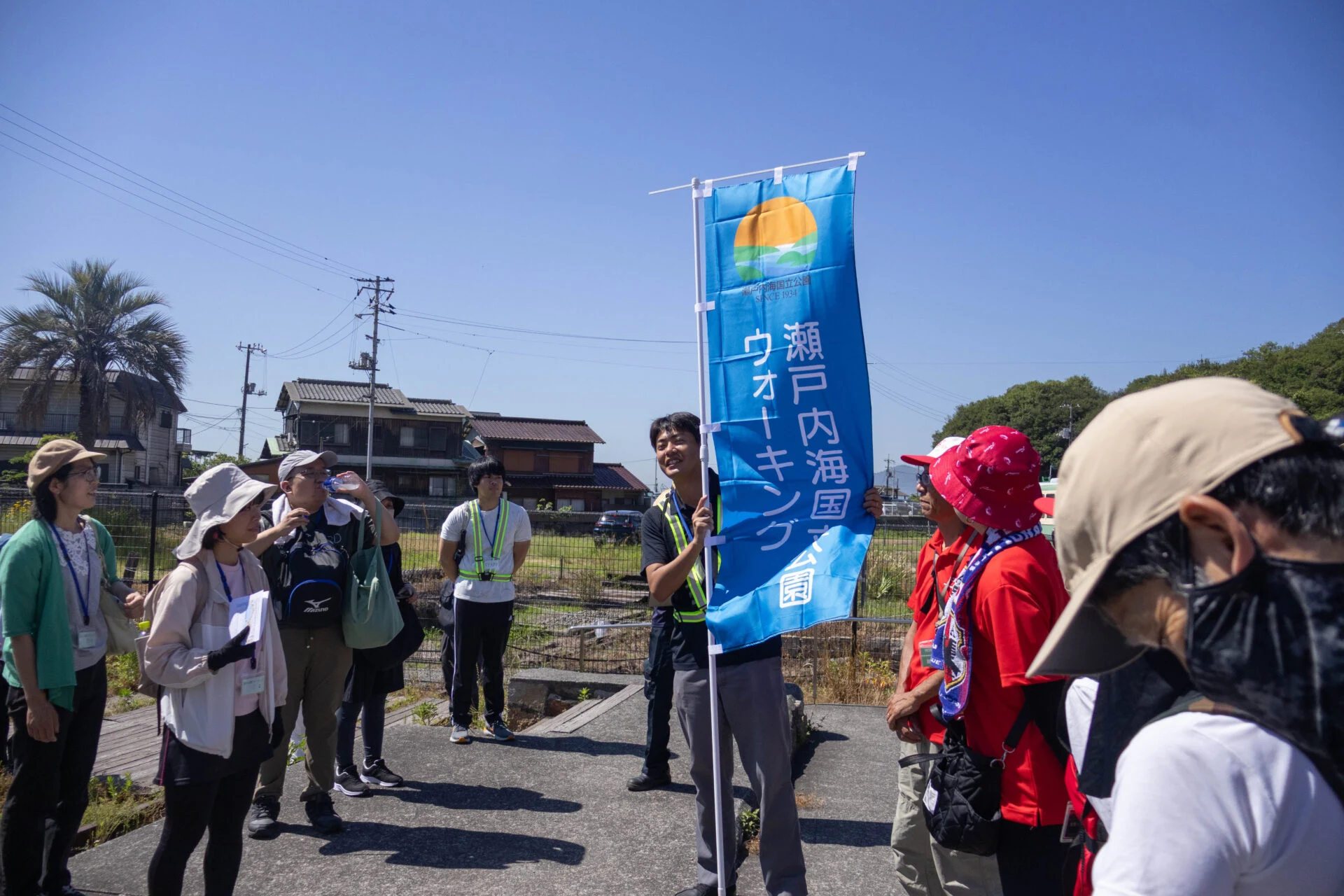
The Starting Point is the Former Shimotsui Station
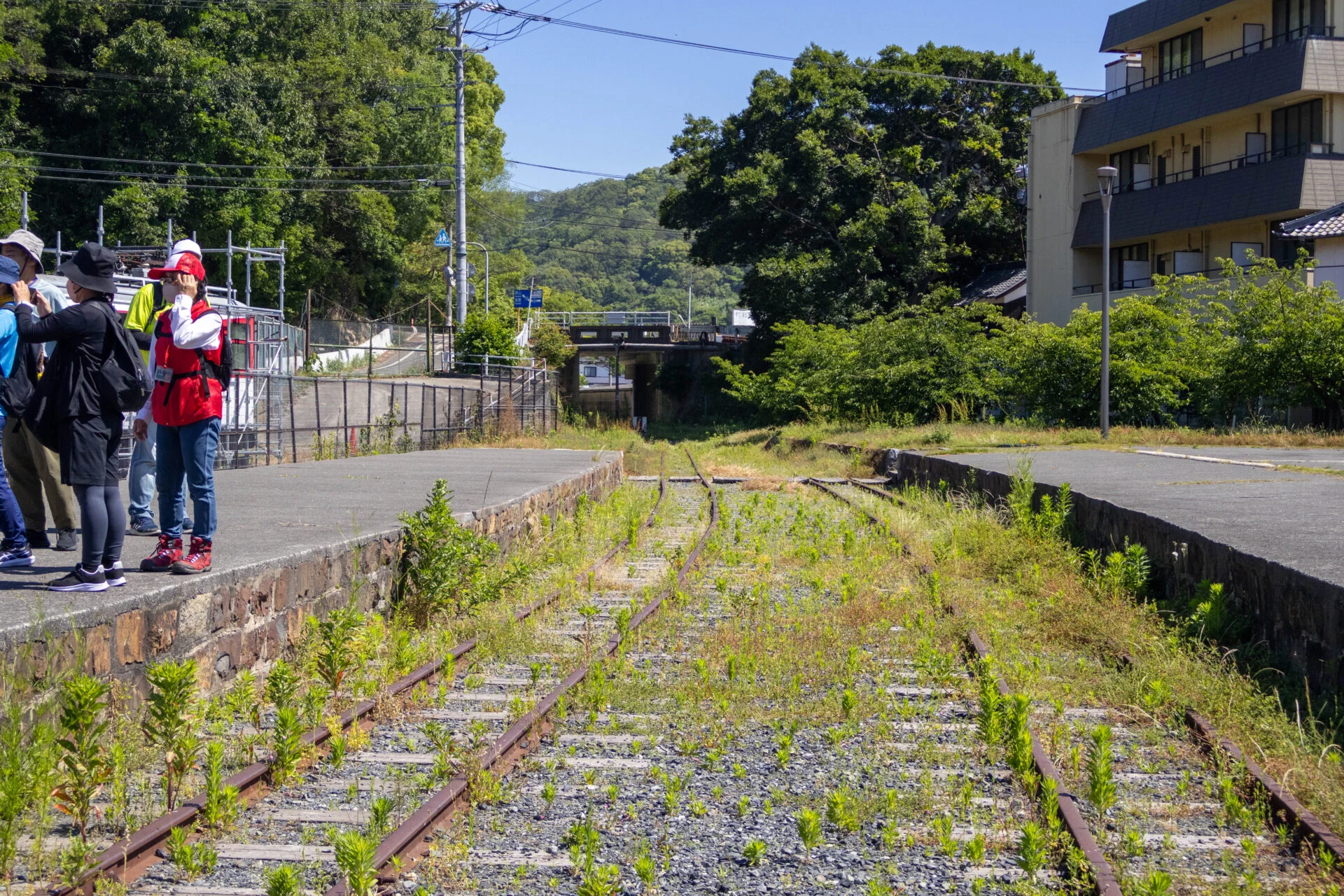
The starting point was the site of the former Shimotsui Electric Railway, known as the Former Shimotsui Station.
It was once used as a line connecting Chayamachi and Shimotsui, but the section between Kojima and Shimotsui was closed in 1990, and now the Shimotsui Minato Electric Train Preservation Society preserves the railway vehicles from that time.
For this event, participants were allowed to enter areas that are usually off-limits. As we approached the vehicles, the dirt and scratches from years of operation were clearly visible.
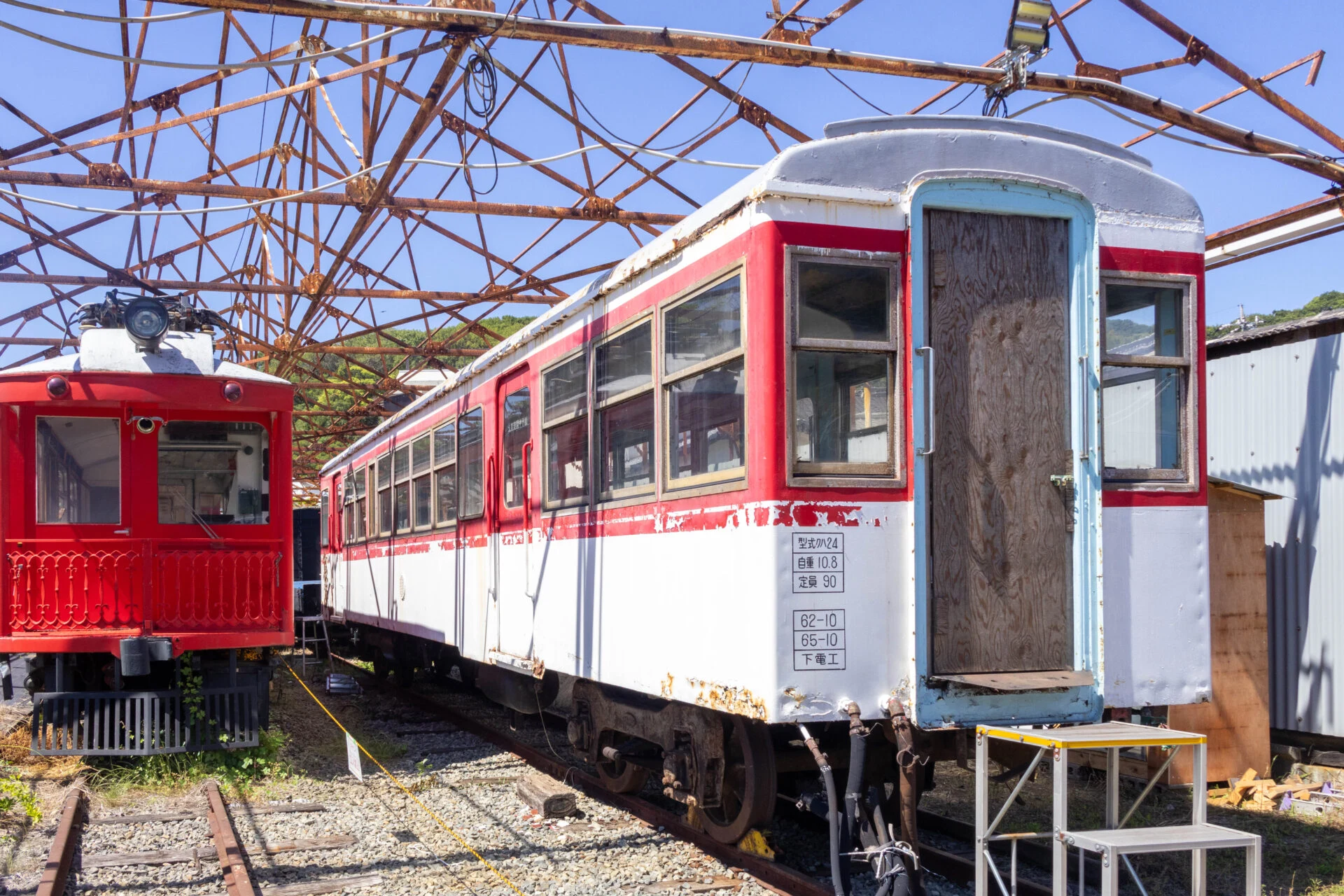
There are 11 vehicles preserved on the site, which is a rare number for private railways other than JR.
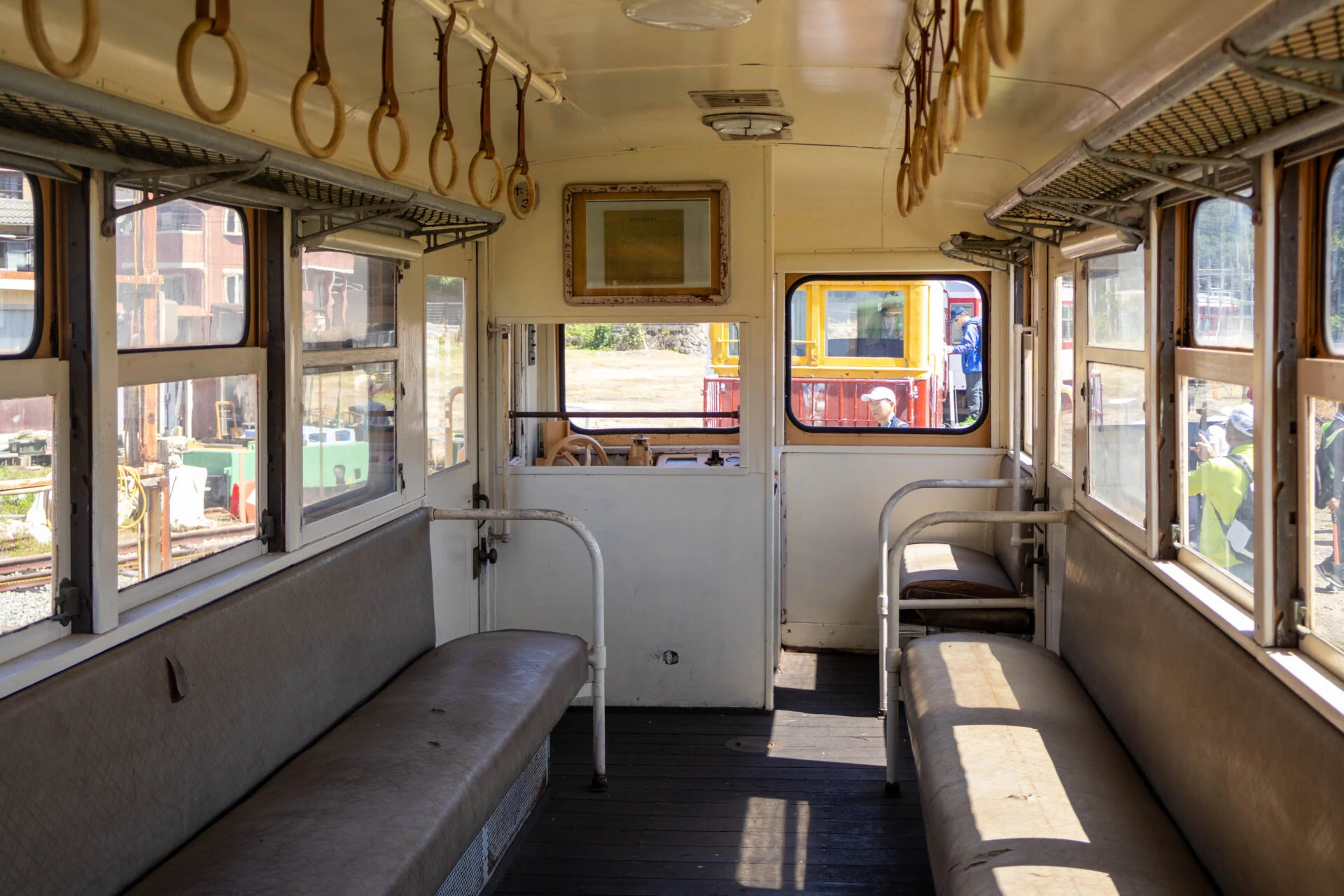
It was also allowed to go inside. The nostalgia was overwhelming, making one imagine the passengers from that time.
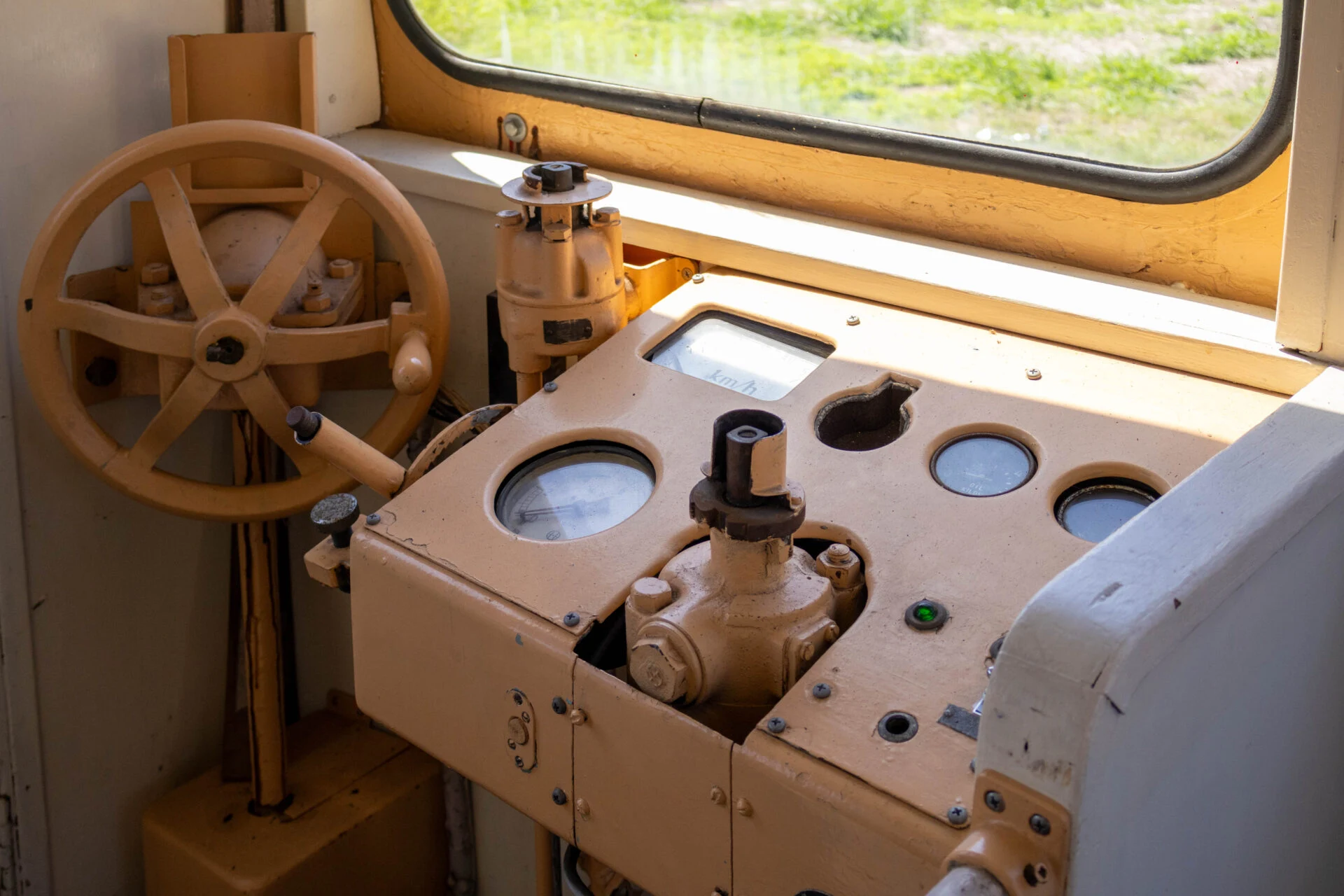
Normally, it would not be possible to stop on the tracks, but we took a snapshot there. The nostalgia felt from the tracks covered in weeds was palpable.
Shimotsui Port and Shimotsui Gion Shrine
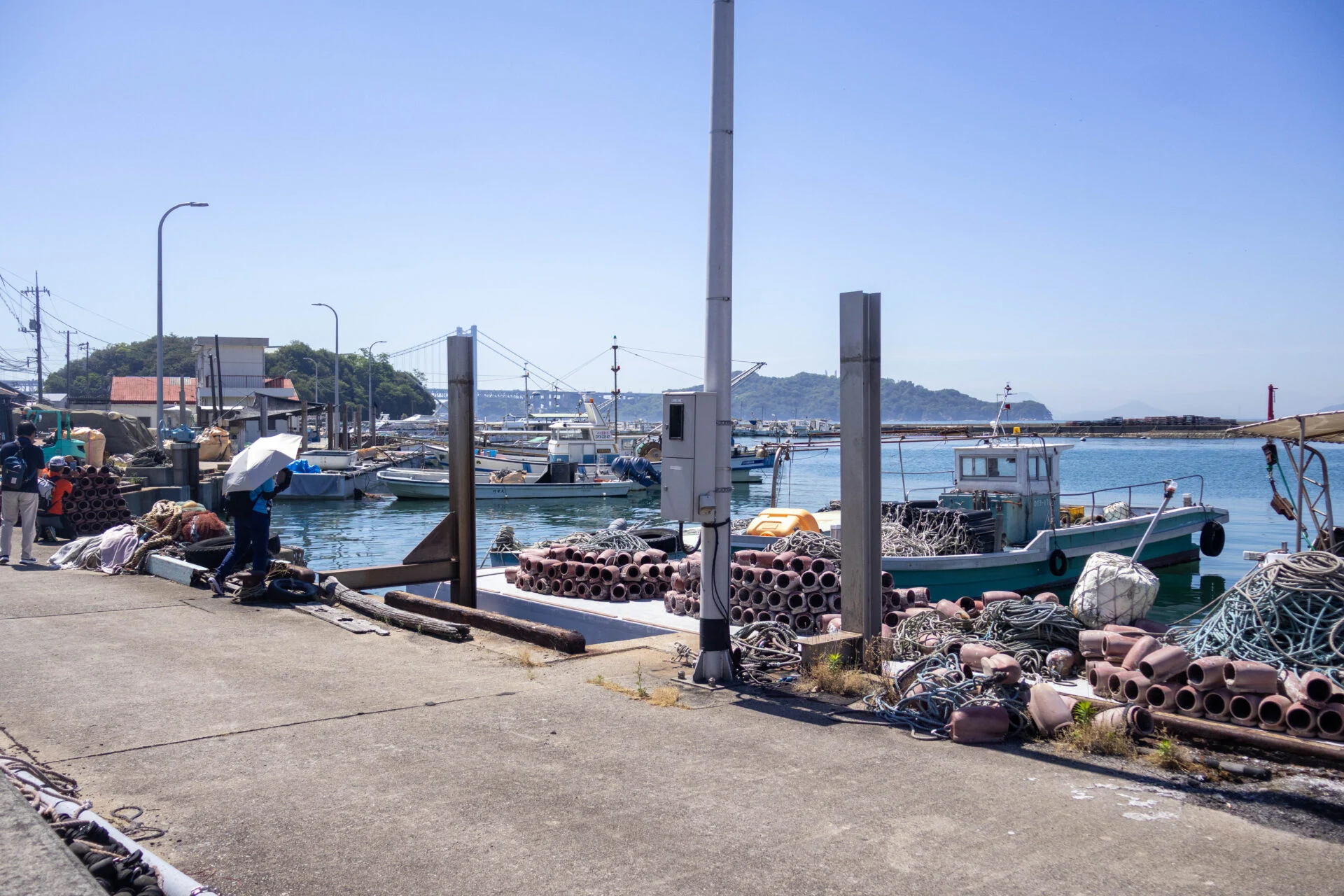
After leaving the former Shimotsui Station, we walked along the coast while enjoying the view of Shimotsui Port.
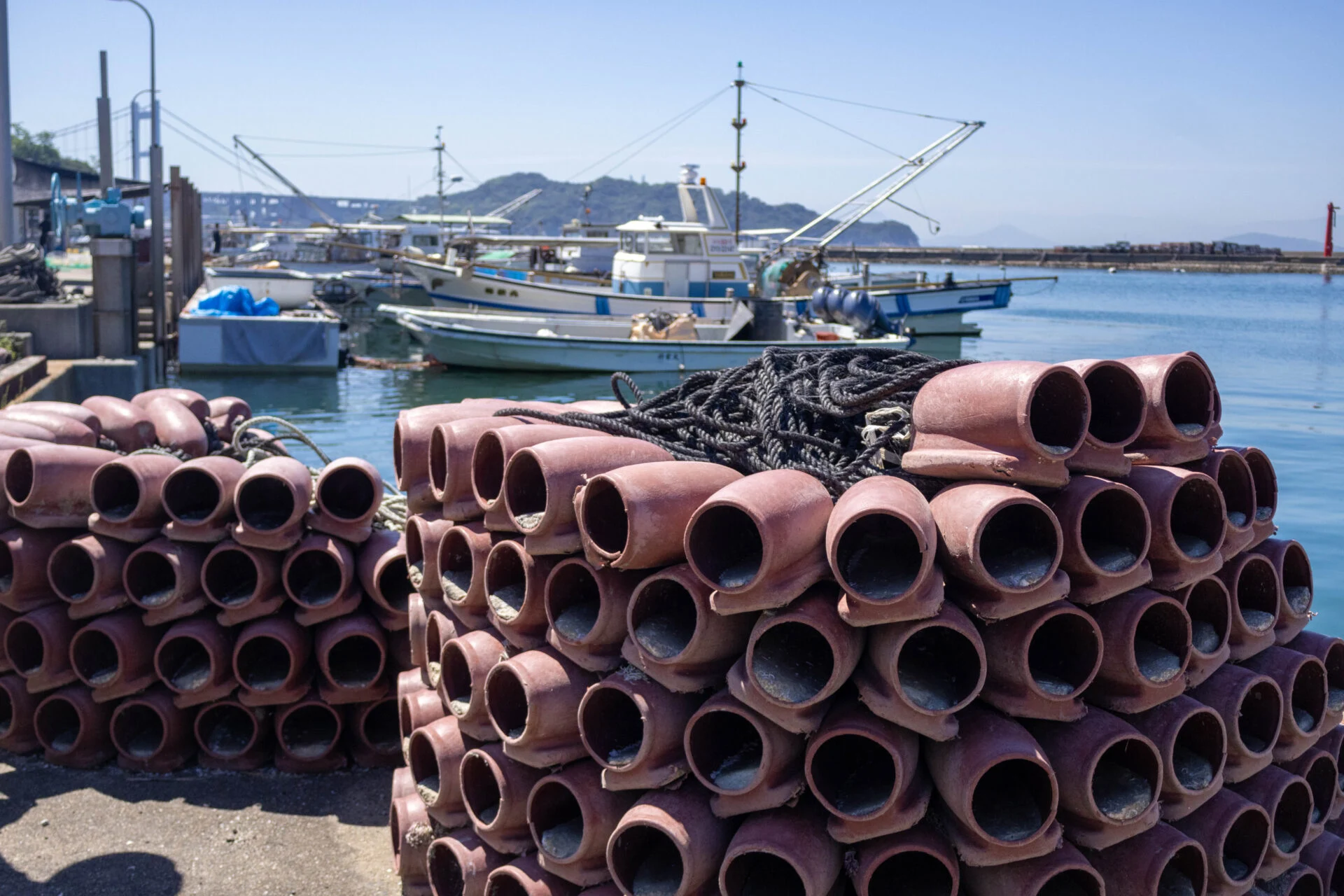
The specialty of Shimotsui is octopus. The sight of octopus pots piled high by the sea is truly characteristic of the Seto Inland Sea.
After walking for a while and climbing some stairs, we arrived at the Shimotsui Gion Shrine, which offers a panoramic view of the Seto Inland Sea. It is a rare shrine with two main halls.
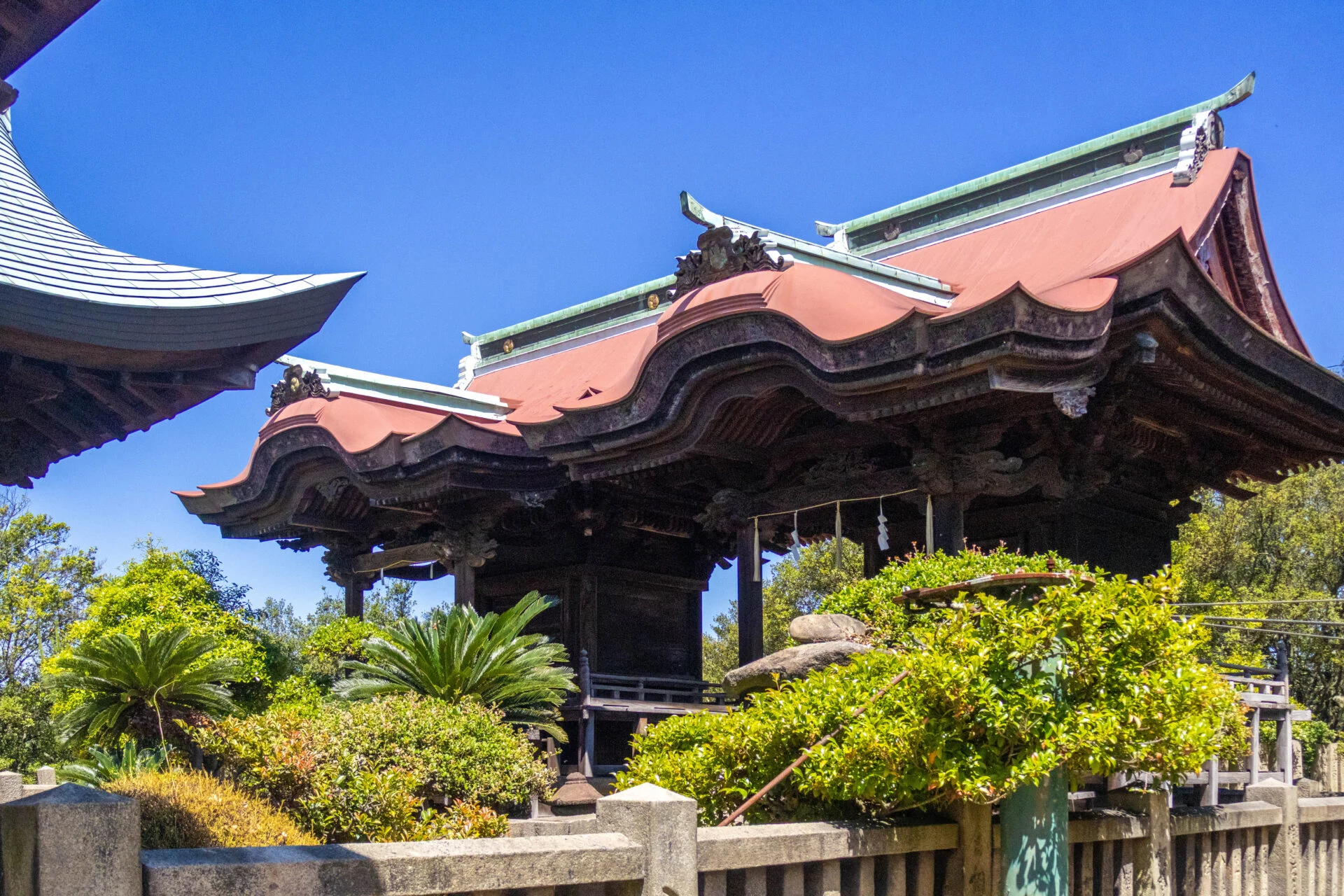
According to the Kojima tourist guide, there used to be a red-light district right next to the shrine, where offerings were made by the women working there.
After the visit, all participants enjoyed the view of the Seto Inland Sea from the shrine grounds. It was a perfect spot for capturing breathtaking scenery.
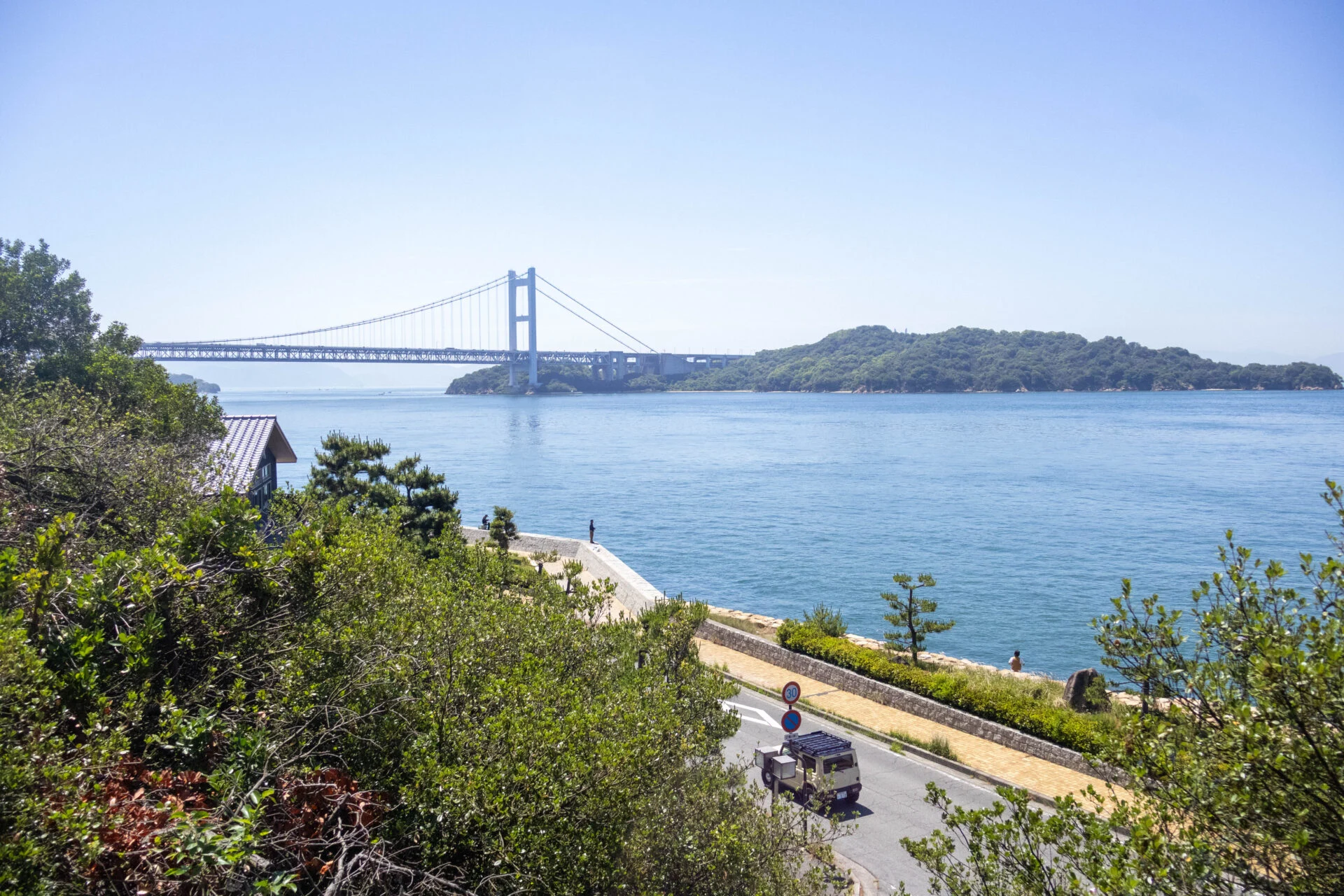
As we walked along the coast again, we saw something long and white floating in the blue sky. It looked like a white dragon.
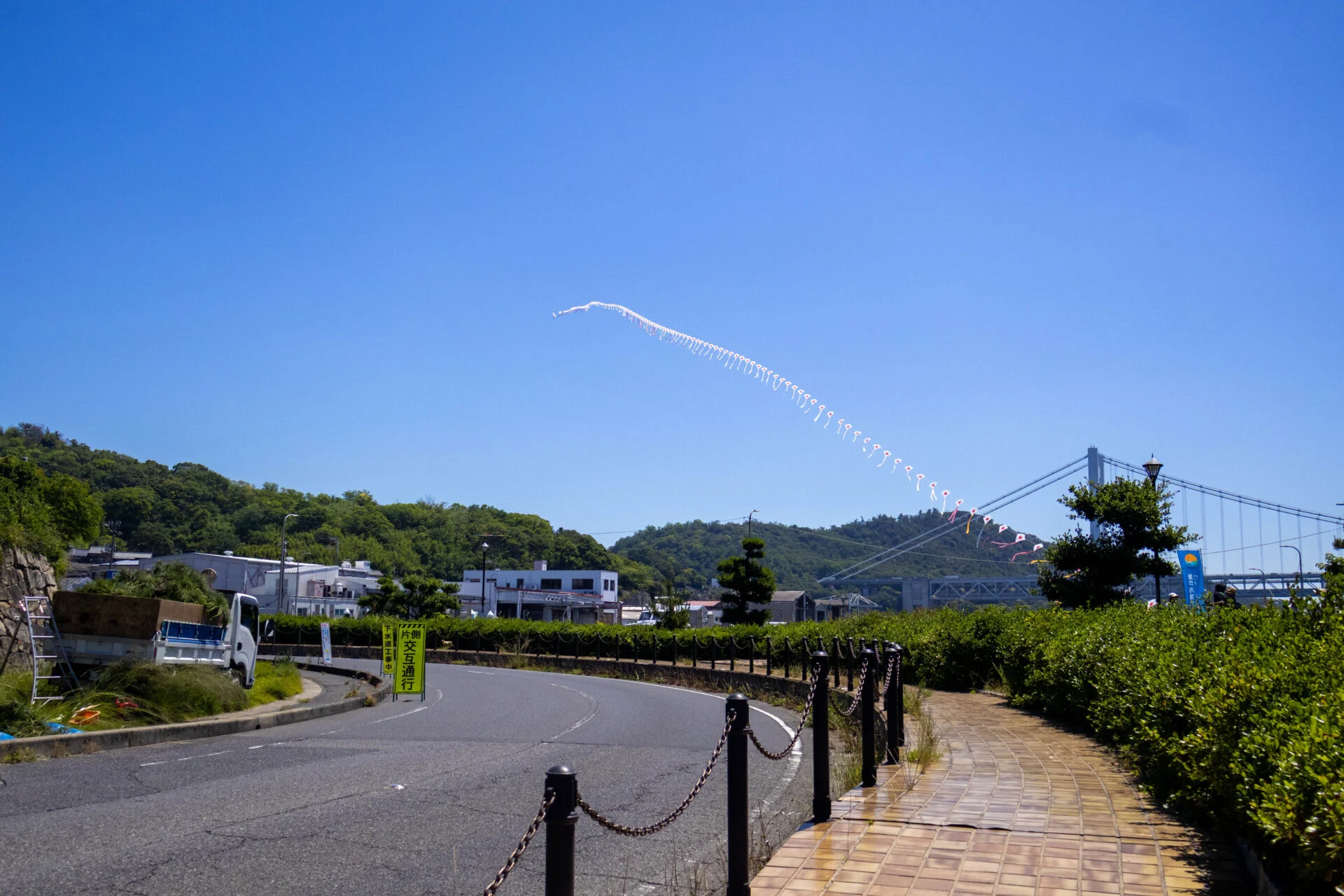
The true identity was a string kite that the locals had raised. The kite made from a plastic bag also featured a character of an octopus, typical of Shimotsui.
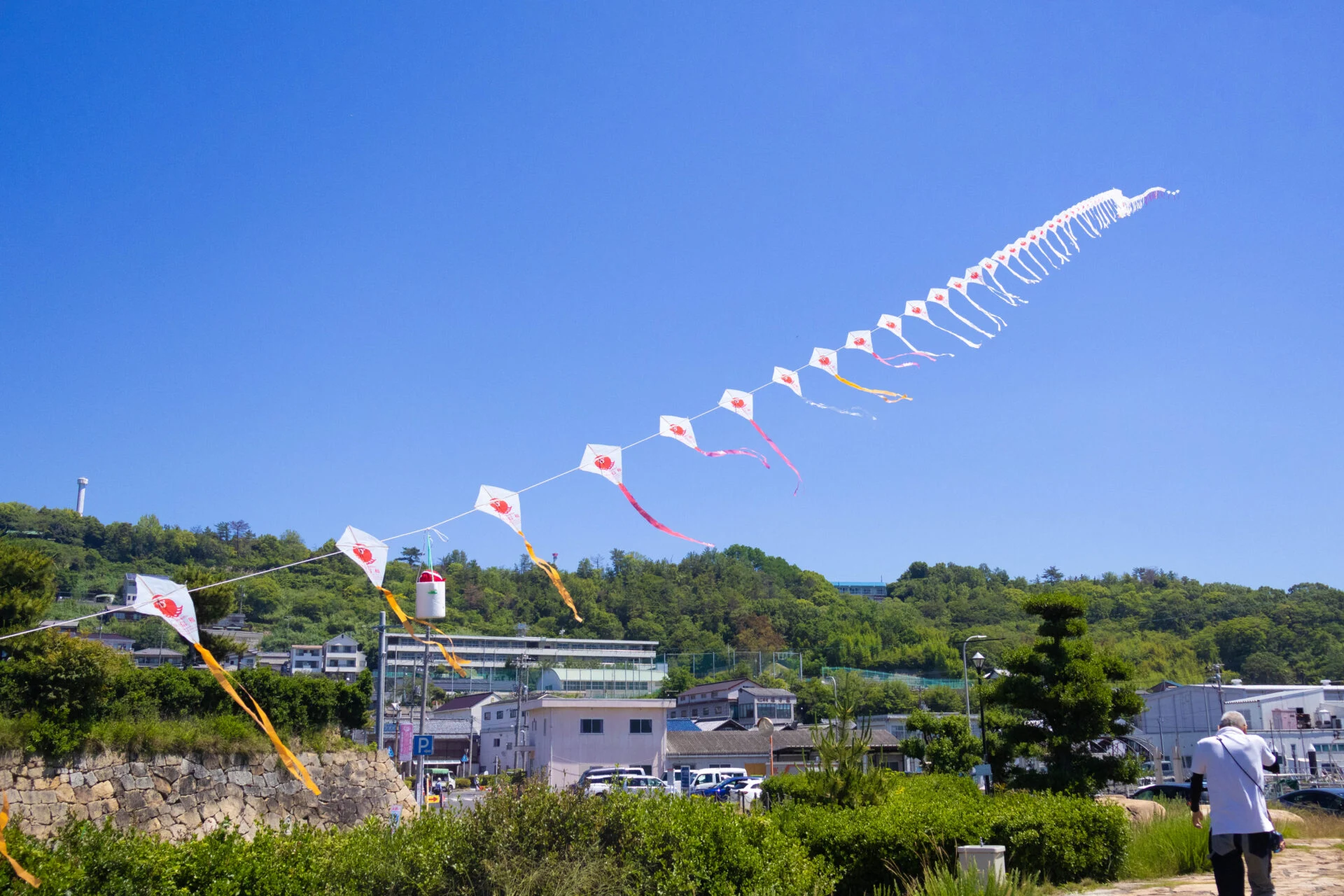
It seems that flying string kites is quite rare, and I was excited to encounter this rare sight by chance.
Townscape Preservation District - Shimotsui Shipping Agent Museum
While regularly hydrating, I walked through the Shimotsui Townscape Preservation District. Traditional houses with white walls and namako walls were lined up impressively.
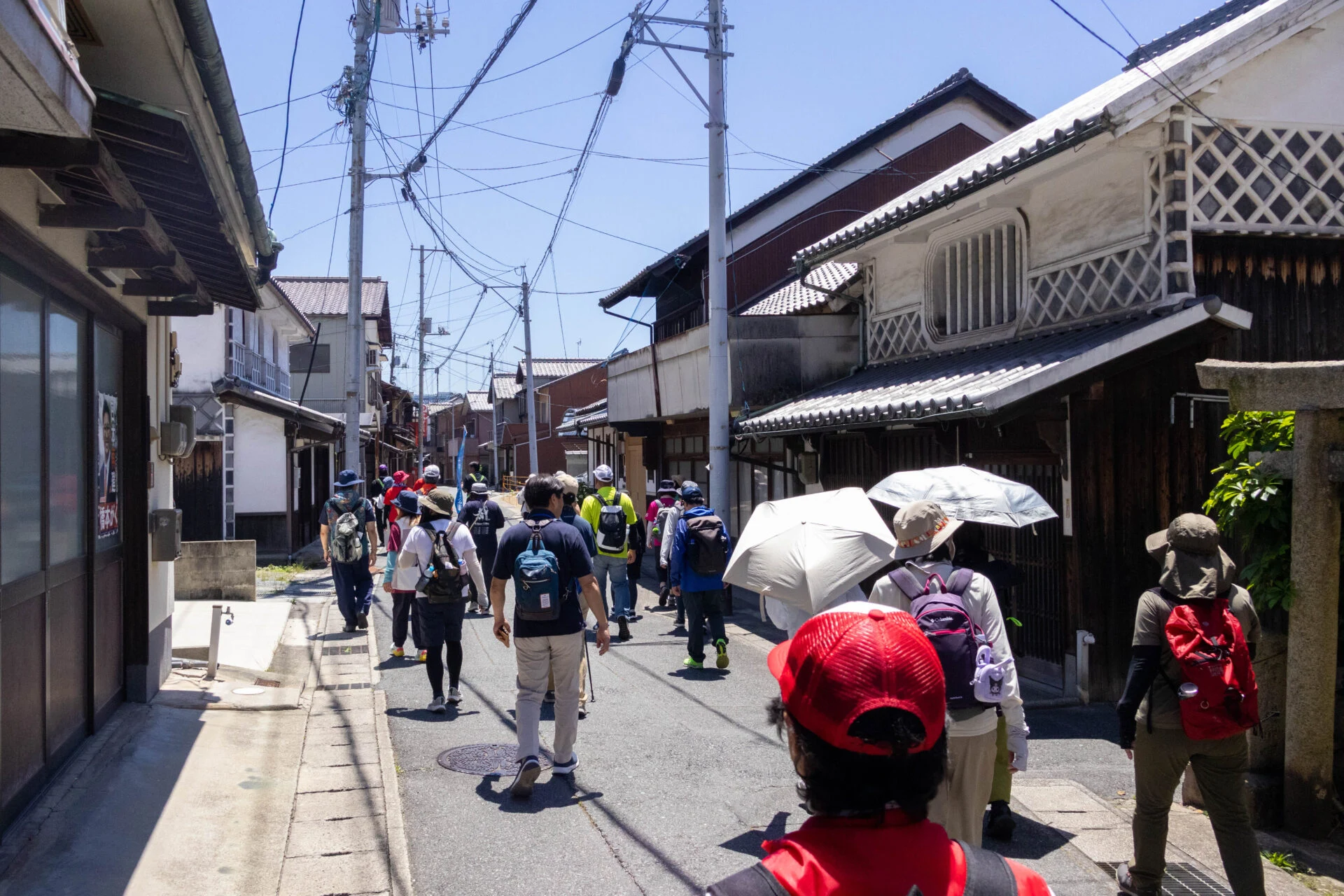
I encountered various items that are not often seen in modern times, such as a cigarette vending machine and a cylindrical post. The retro feel is irresistible.
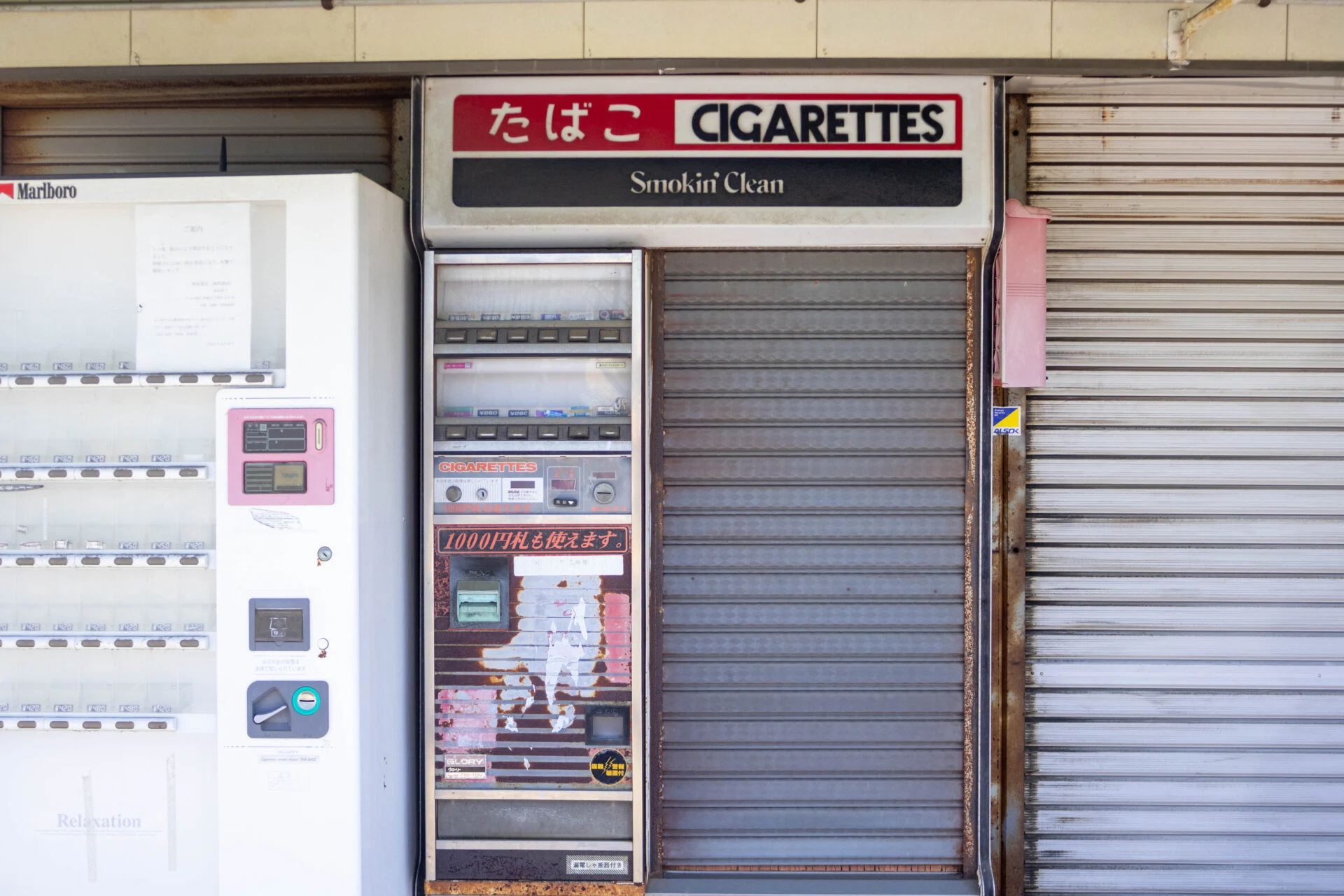
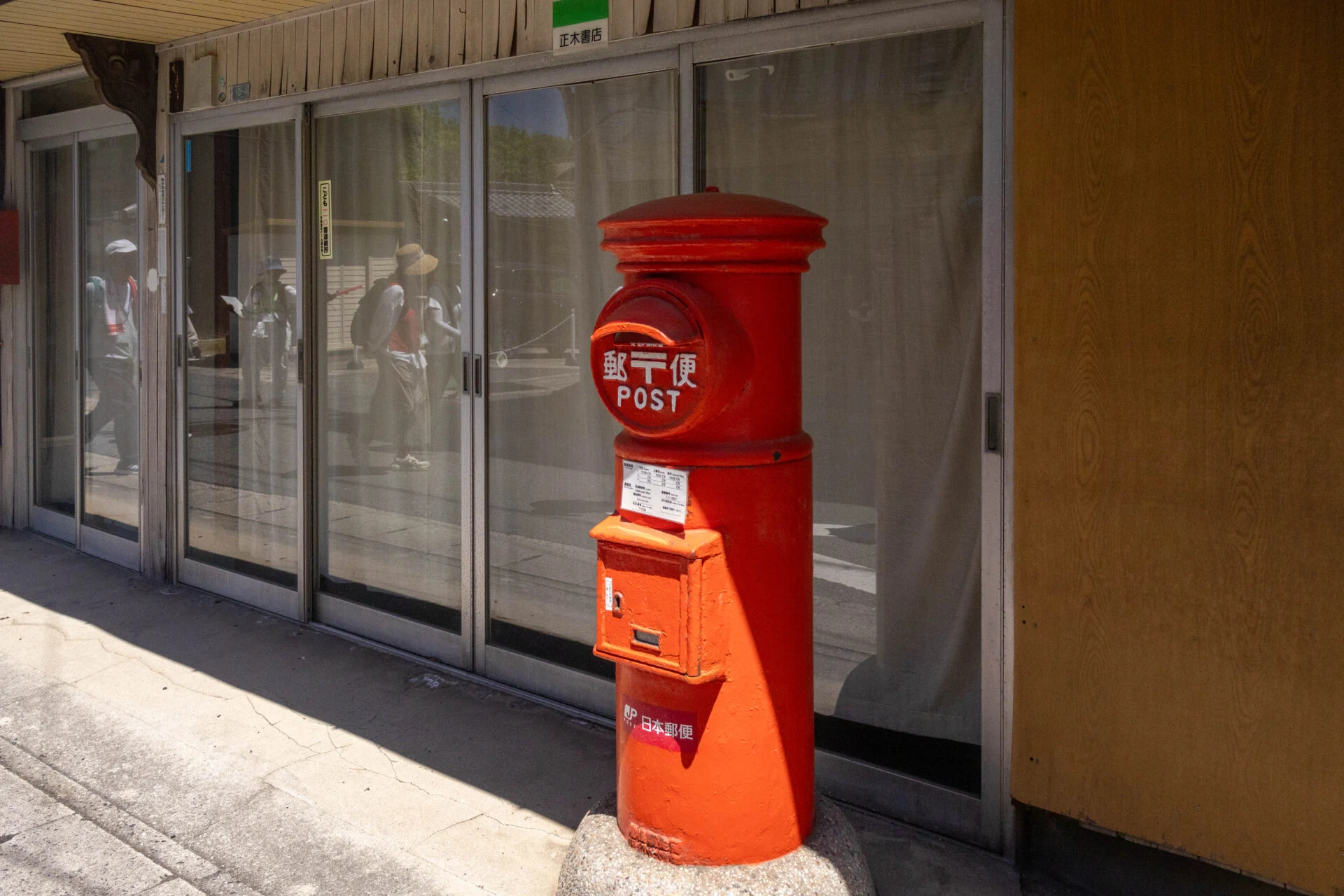
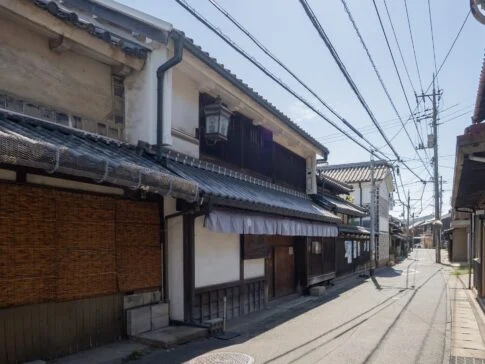
I stopped by the Shimotsui Shipping Agent Museum. The staff at the facility kindly explained the history of the Kitamaebune and what Shimotsui was like when it was bustling as a port of call.
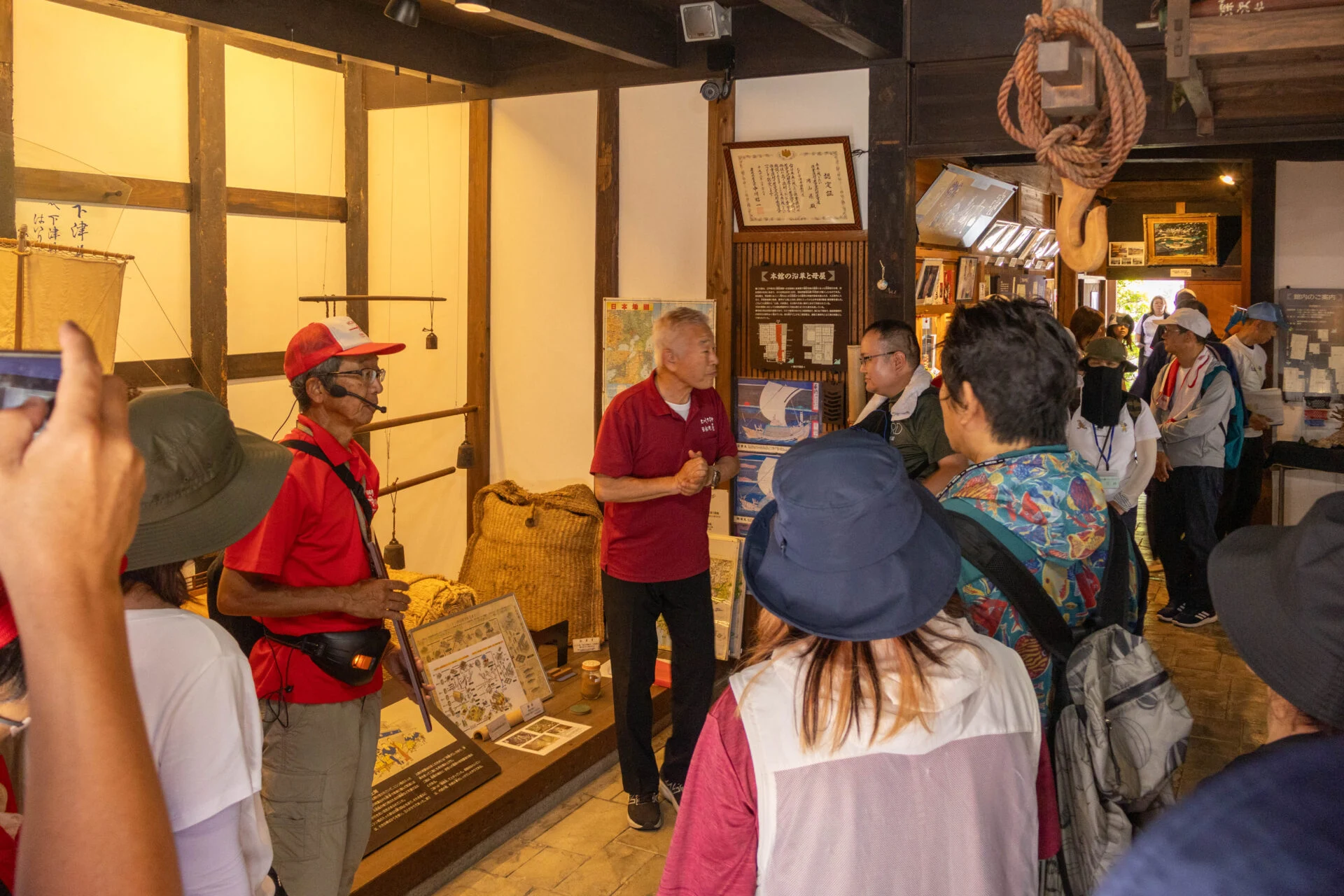
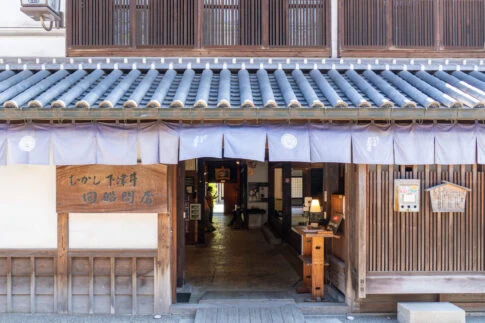
The staff at the facility said, "What the Kitamaebune brought was not only goods but also culture." A representative example of this is the Shimotsui-bushi, a folk song that has been passed down in Shimotsui for over 400 years. The Shimotsui-bushi was created to entertain the crew of the Kitamaebune.
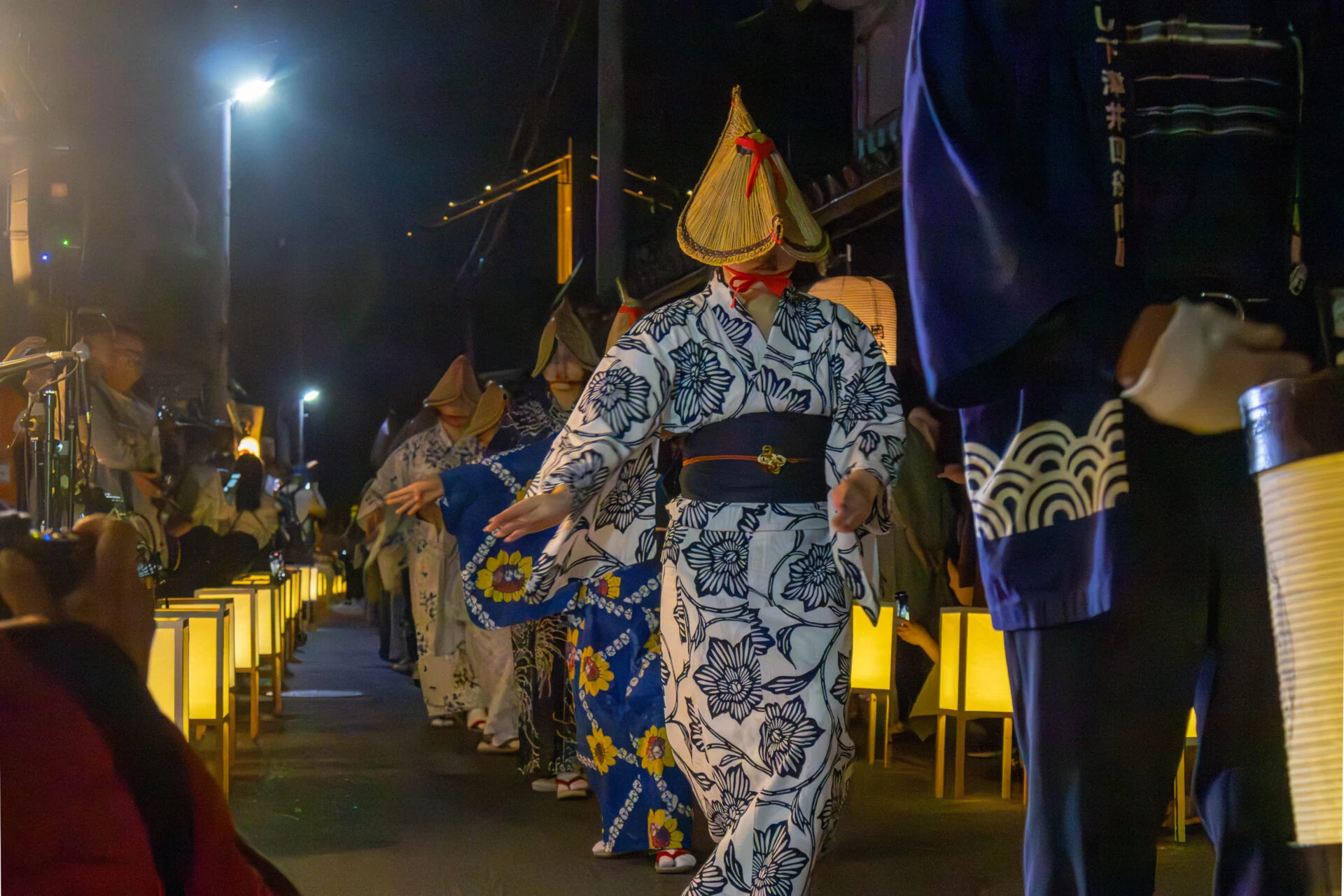
On this day, I was able to see the singing and dancing of the Shimotsui-bushi up close.
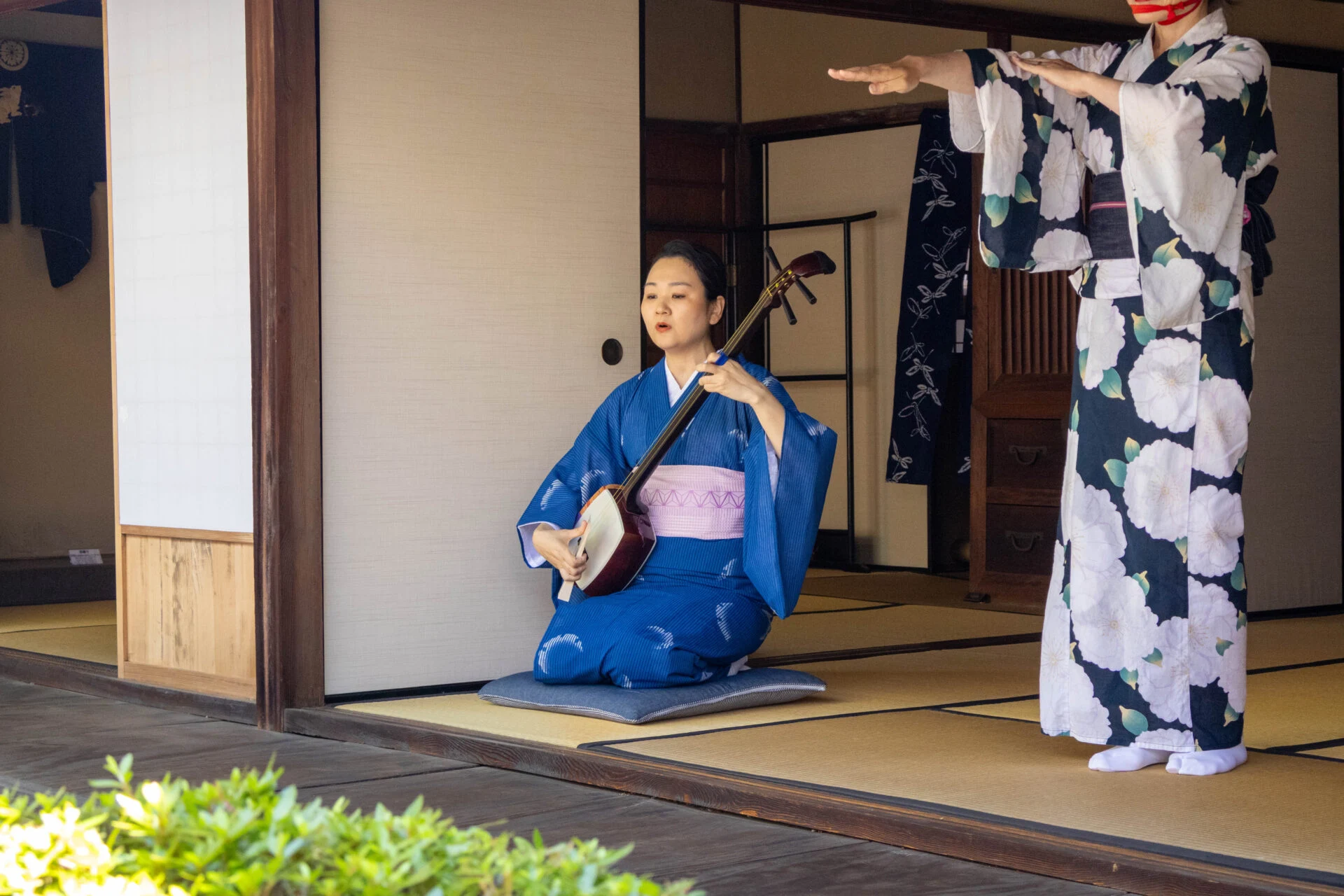
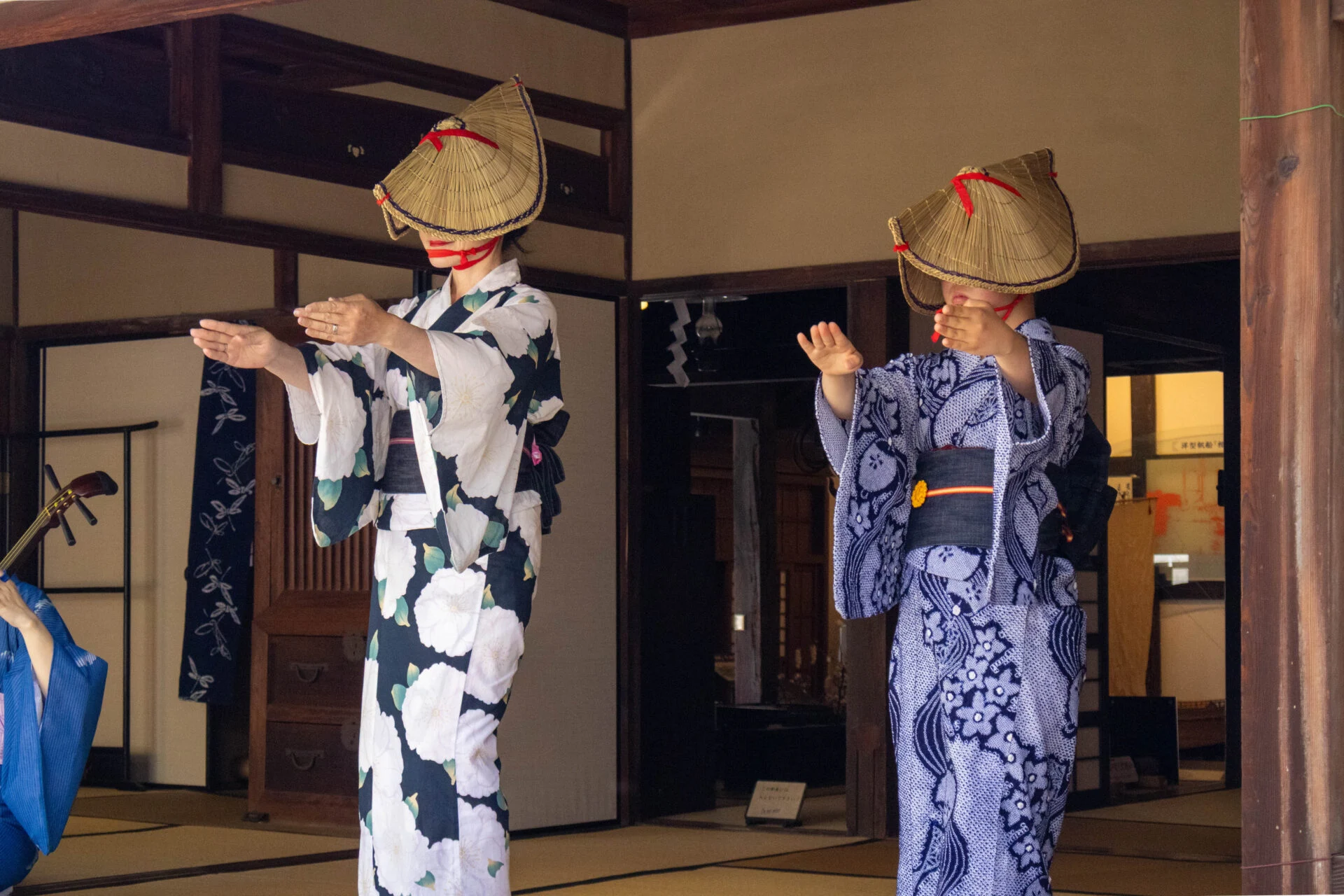
The gentle singing voice and relaxed dance performed in a charming old house provided a moment to experience the high-quality hospitality of Shimotsui.
Tadotsuura Park, viewed from directly beneath the Seto-Ohashi Bridge
Next, I headed to Tadotsuura Park, located directly beneath the Seto-Ohashi Bridge.
It is also popular as a fishing spot, and I could see some fishermen. A calm atmosphere flowed, making it easy to linger.
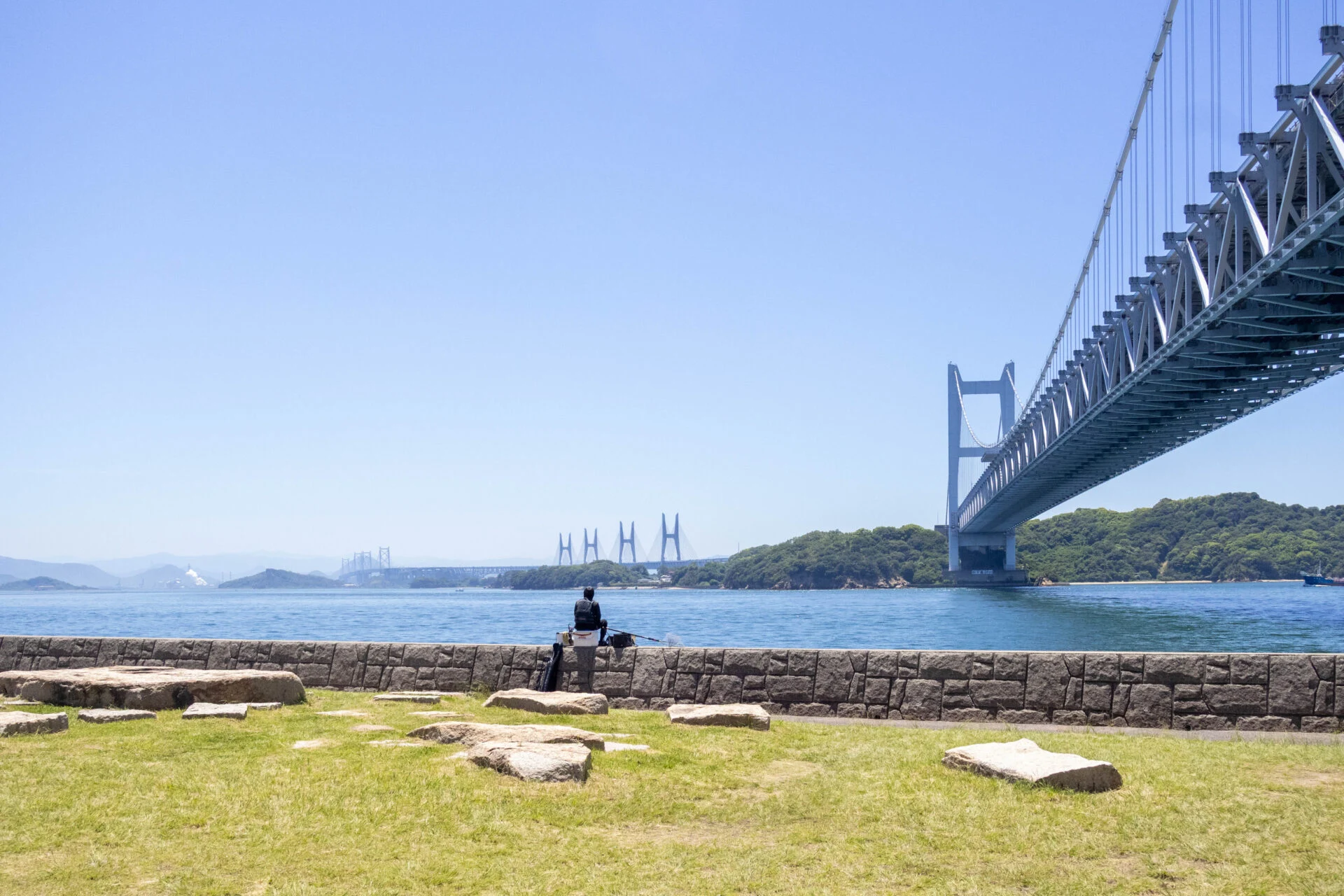
Looking up from below, the Seto-Ohashi Bridge is impressive, and occasionally, when a train from the JR Seto-Ohashi Line passes, a loud sound resonates.
The Seto-Ohashi Bridge, used for commuting and schooling, has become a part of people's lives. I was once again deeply moved by the fact that such a magnificent iron bridge was built by human hands.
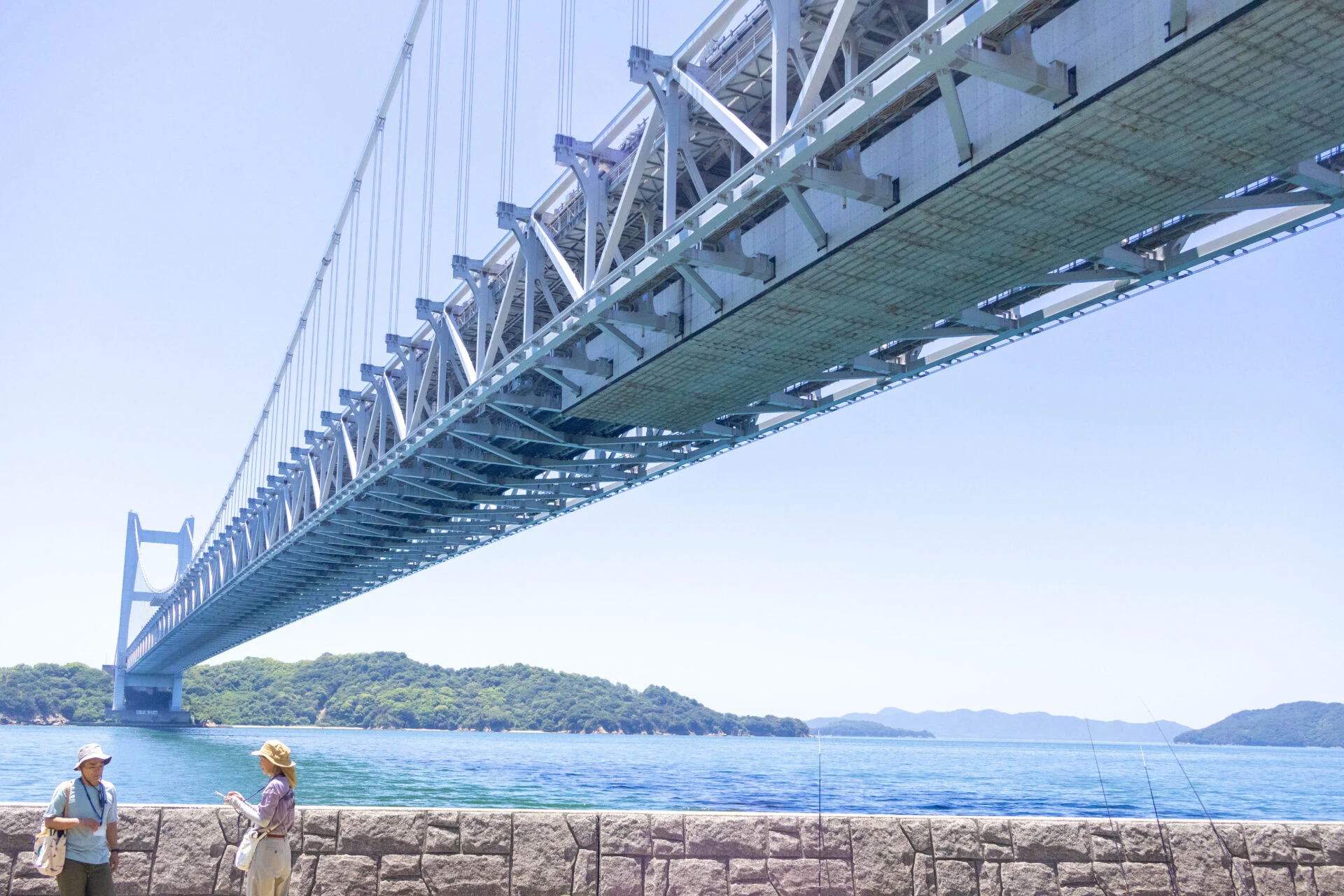
Now, the climb to Washuzan Hill is about to begin.
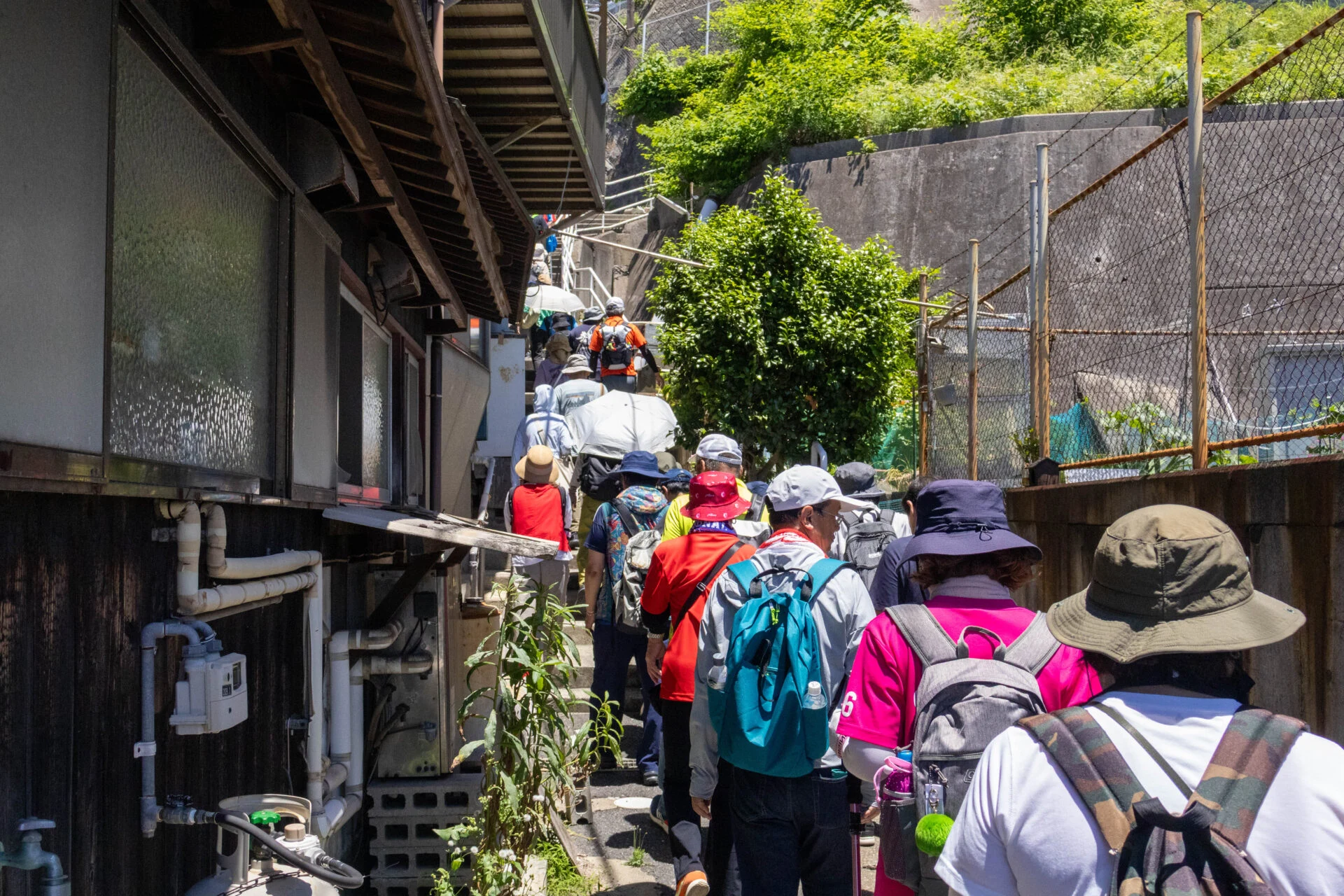
The final push is the climb to Washuzan Hill
Former Washuzan Station of the Shimotsui Electric Railway is where I took a short break before aiming for the summit of Washuzan.
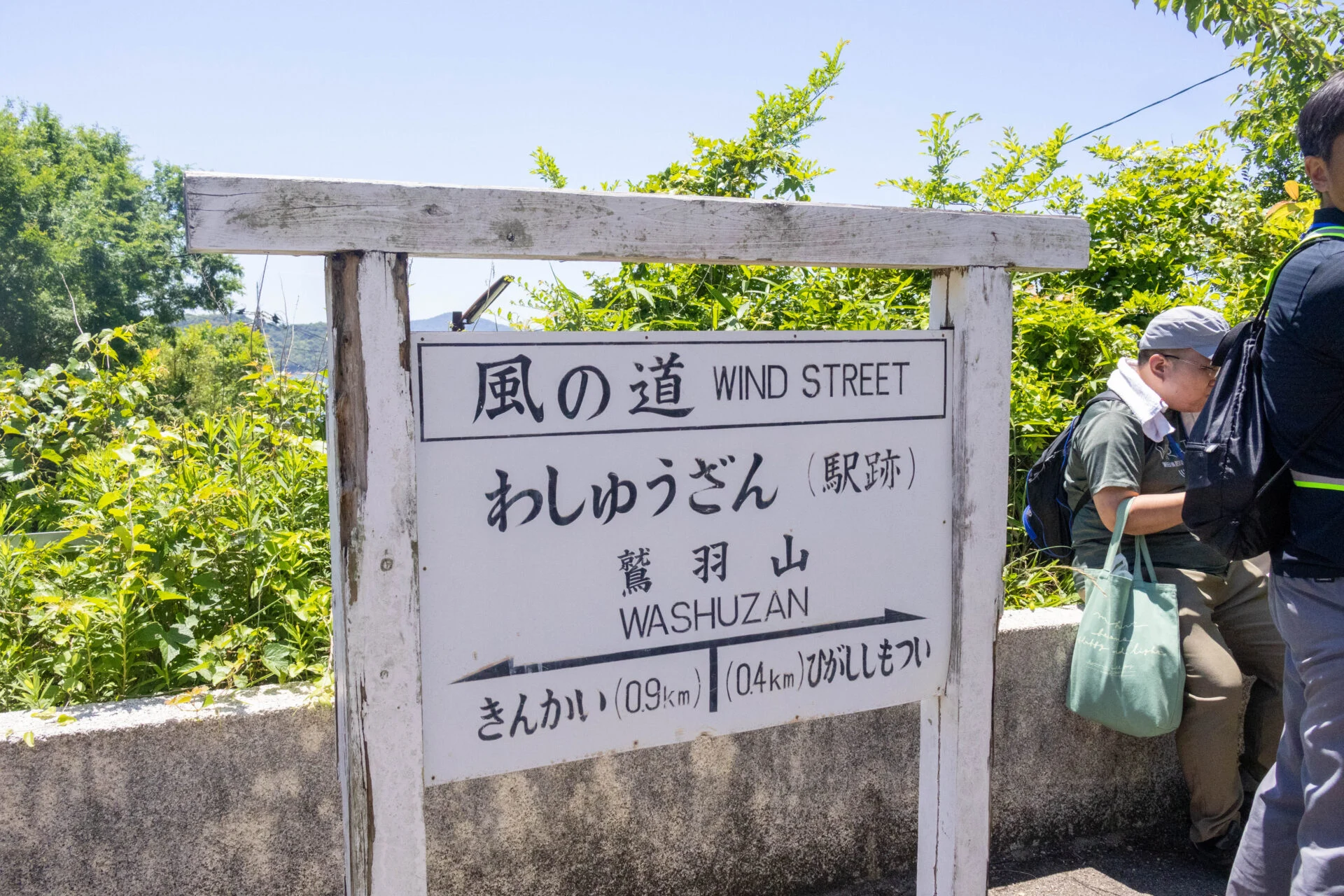
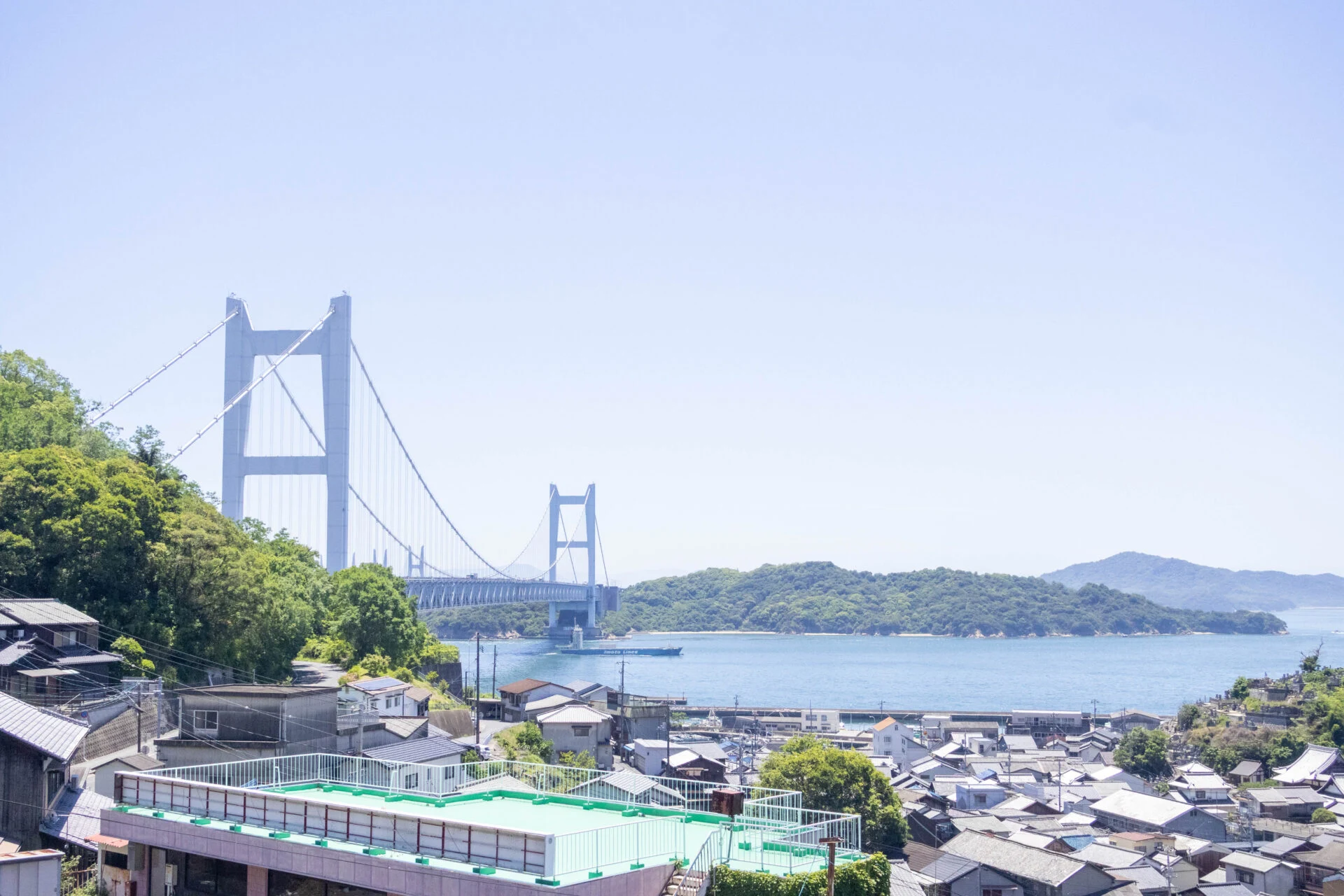
By the time I was sweating profusely and fatigue was building up, a beautiful view spread out as I turned around. Walking while being healed by the scenery is indeed enjoyable.
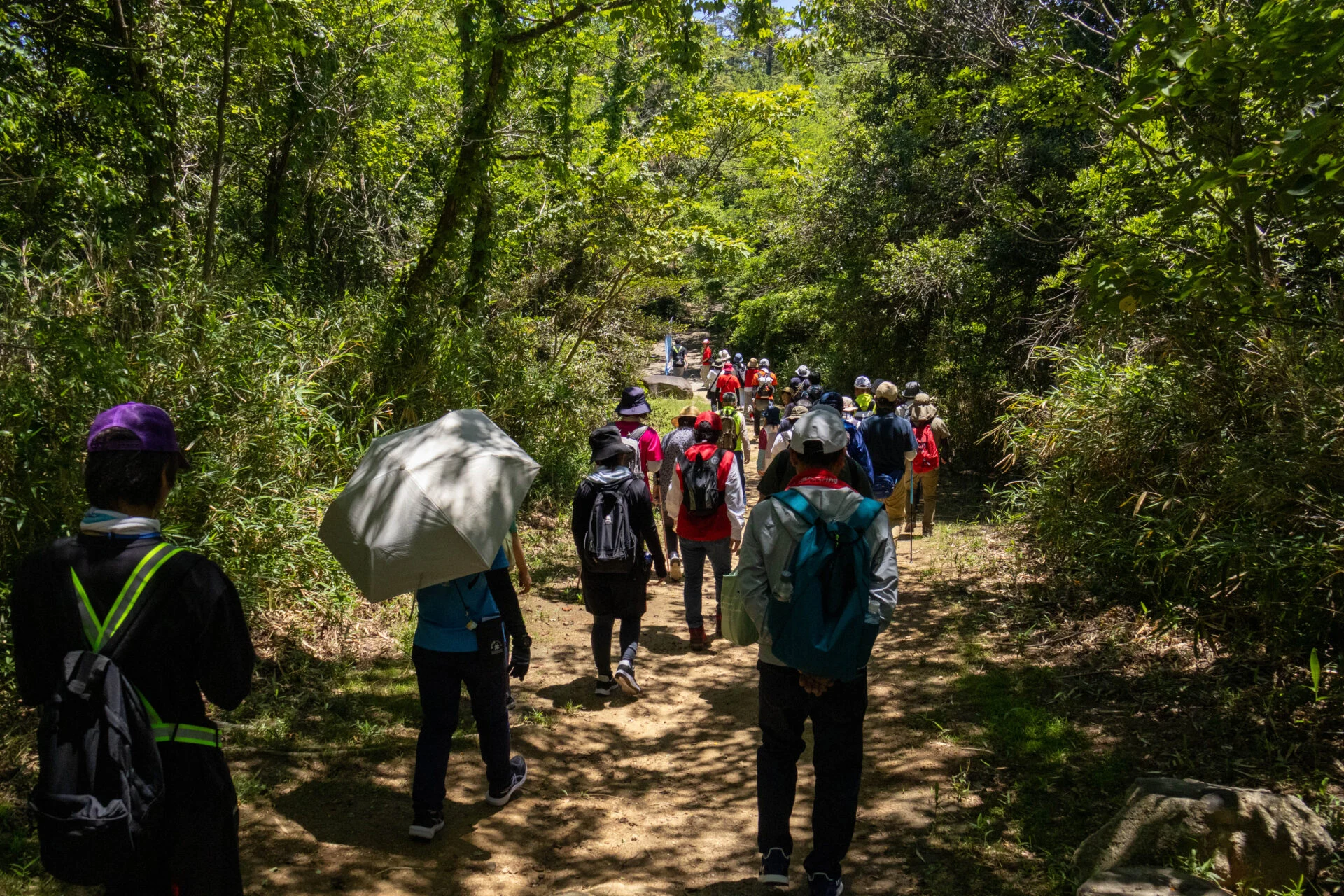
"Now that we've come this far, let's see the breathtaking view from the summit!" With that motivation, the hike began. We walked along a path bathed in fresh greenery and dappled sunlight.
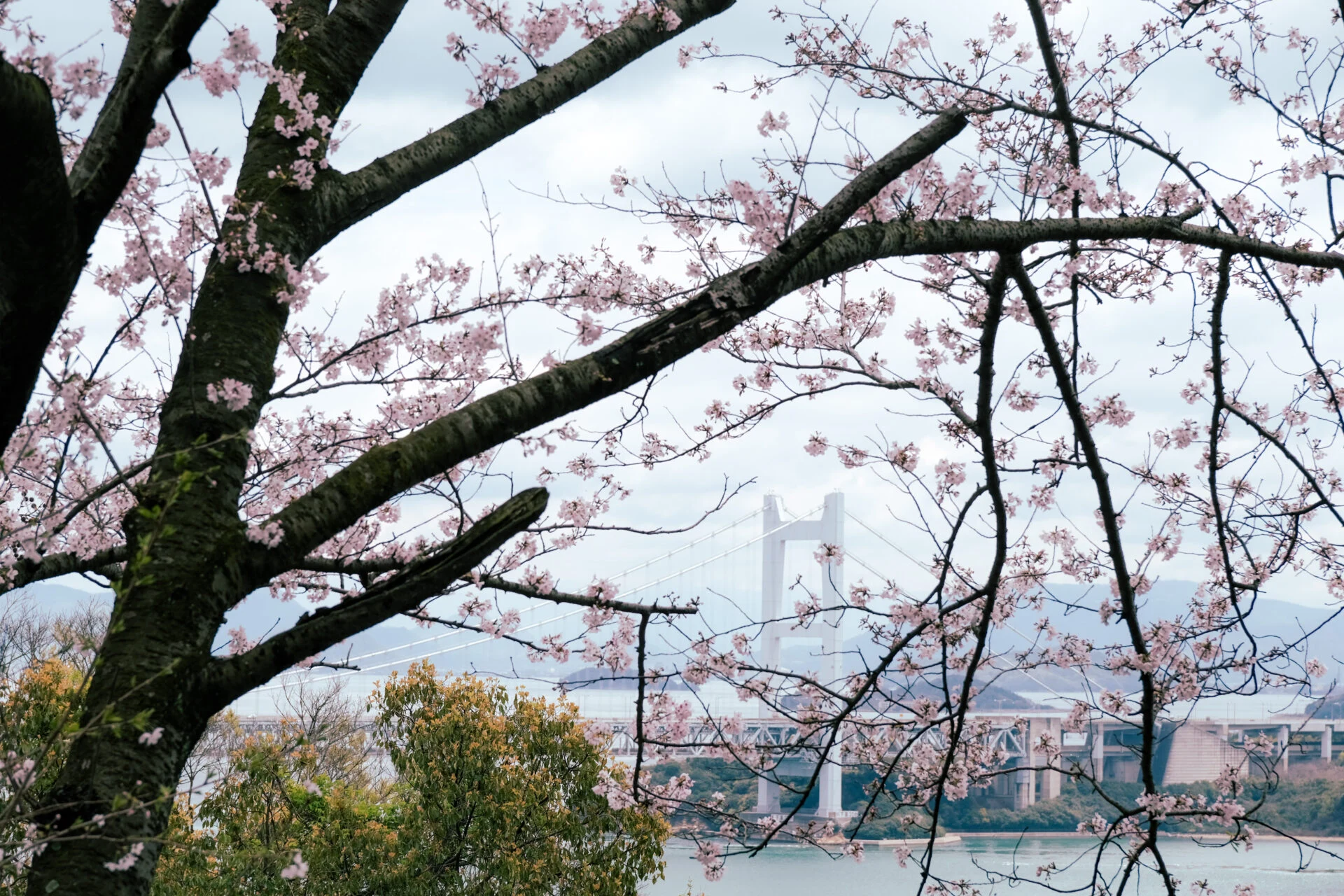
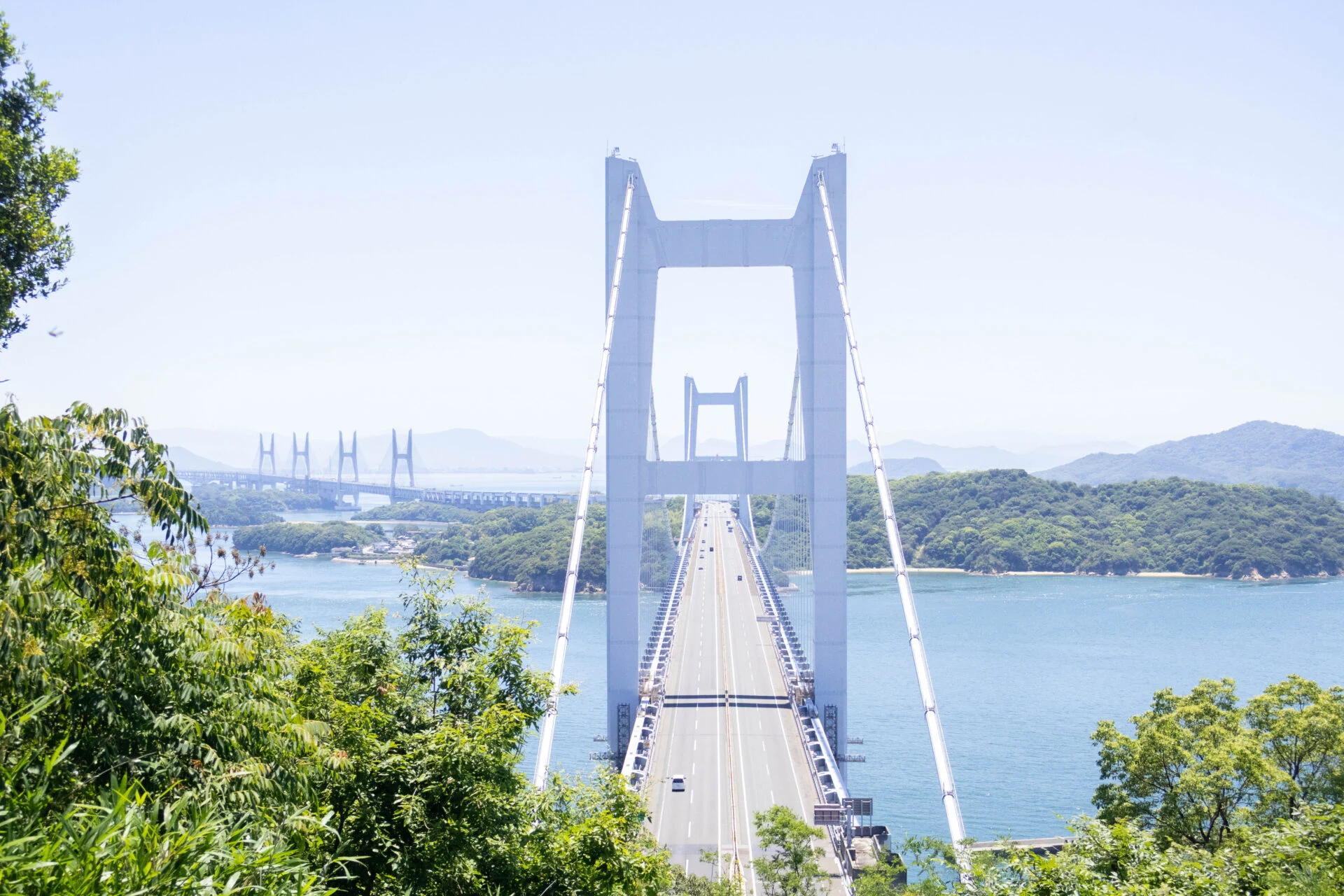
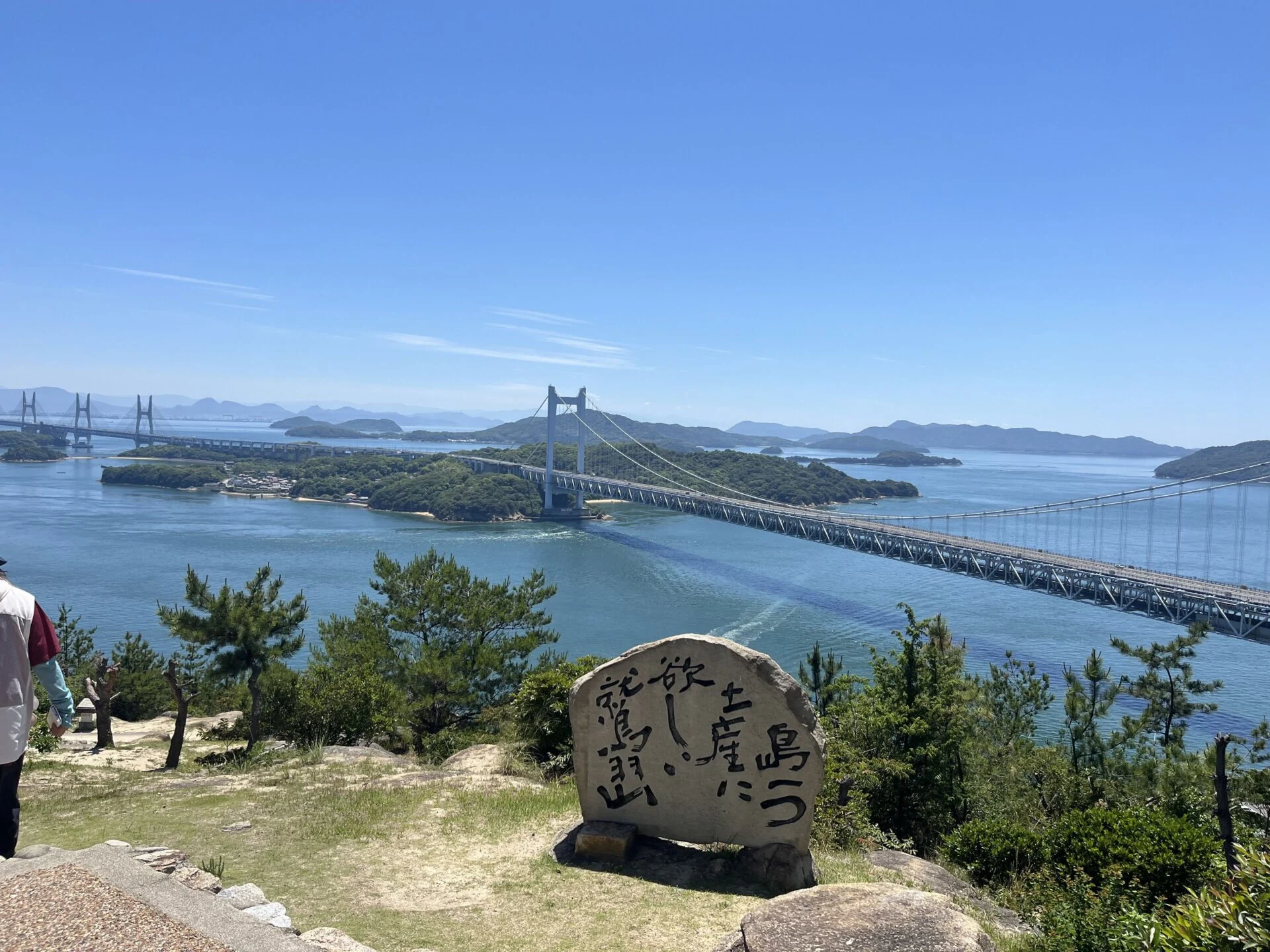
The Azumaya (pavilion) viewpoint along the way is an interesting spot where you can look down directly at the Seto-Ohashi Bridge. Having just been right underneath the Seto-Ohashi Bridge, it feels strangely surreal to think, "I've climbed all the way up here."
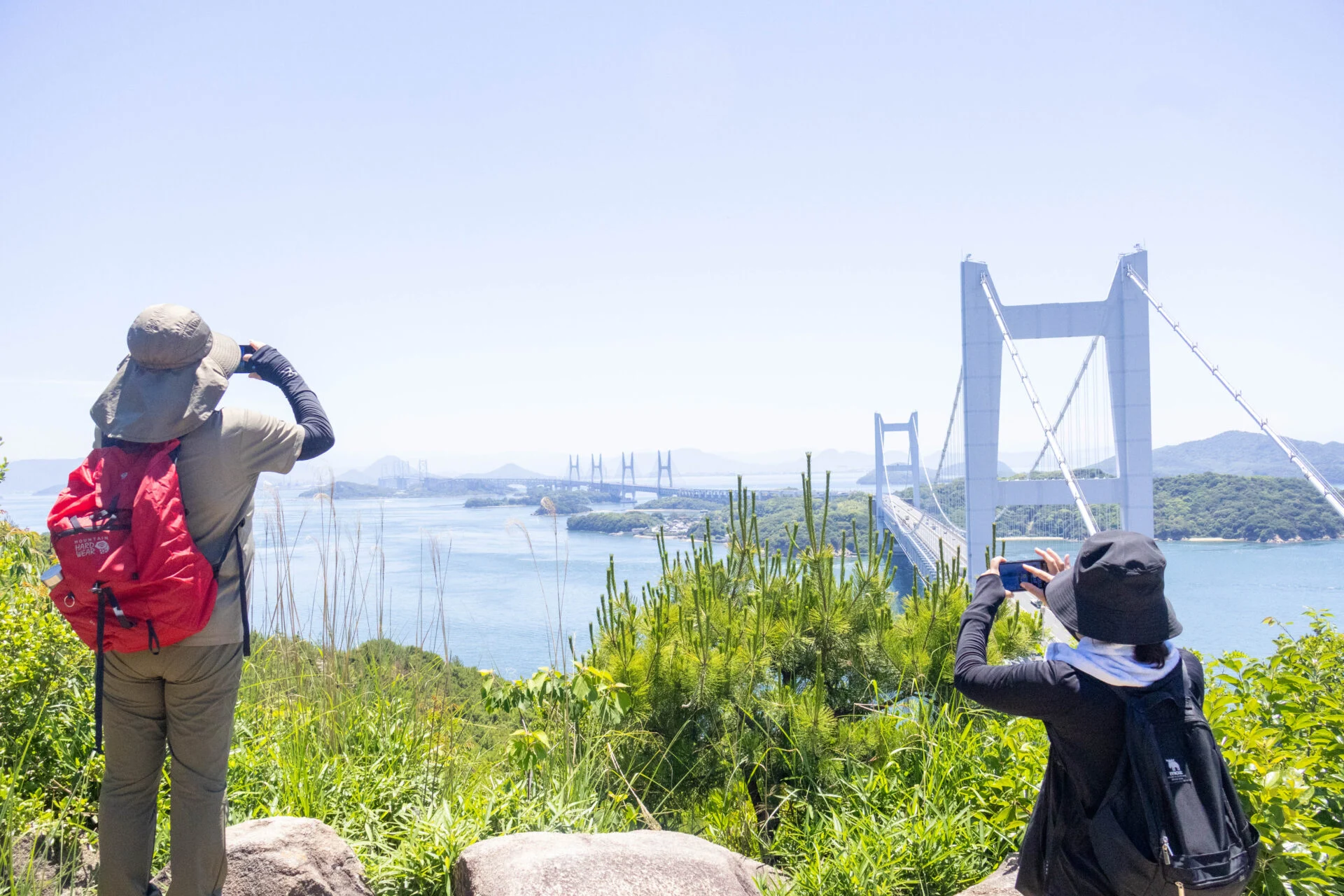
There are scenic spots all along the hike, so many participants stopped to take photos. I think the views are captivating no matter how many pictures you take.
While taking photos and walking, I quickly arrived at the summit.
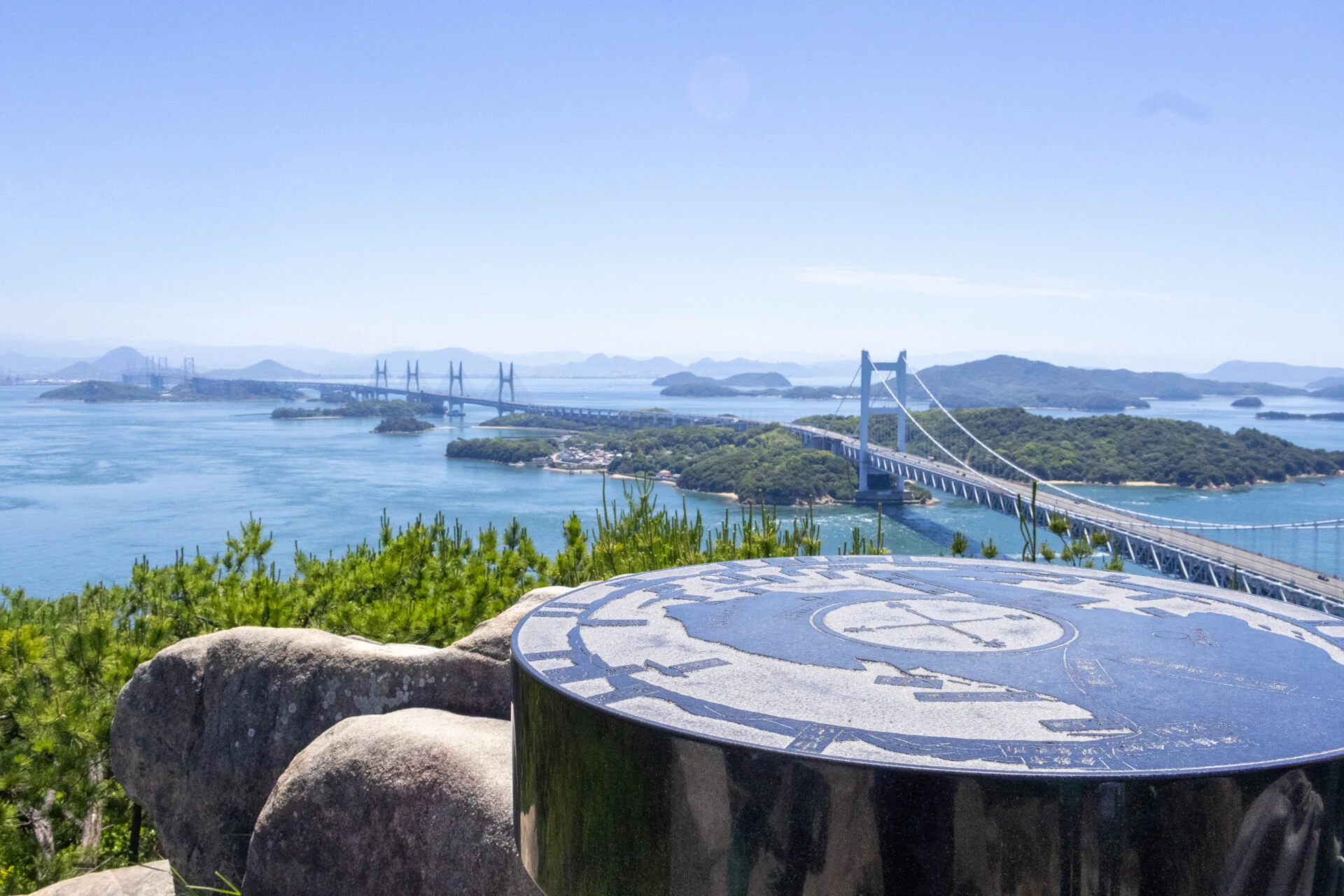
Surrounded by a 360-degree panoramic view, I savored the beauty of the Seto Inland Sea for a while. The expansive beauty of the islands is truly a breathtaking sight unique to the Seto Inland Sea. The weather was good, so I could see all the way to Kagawa.
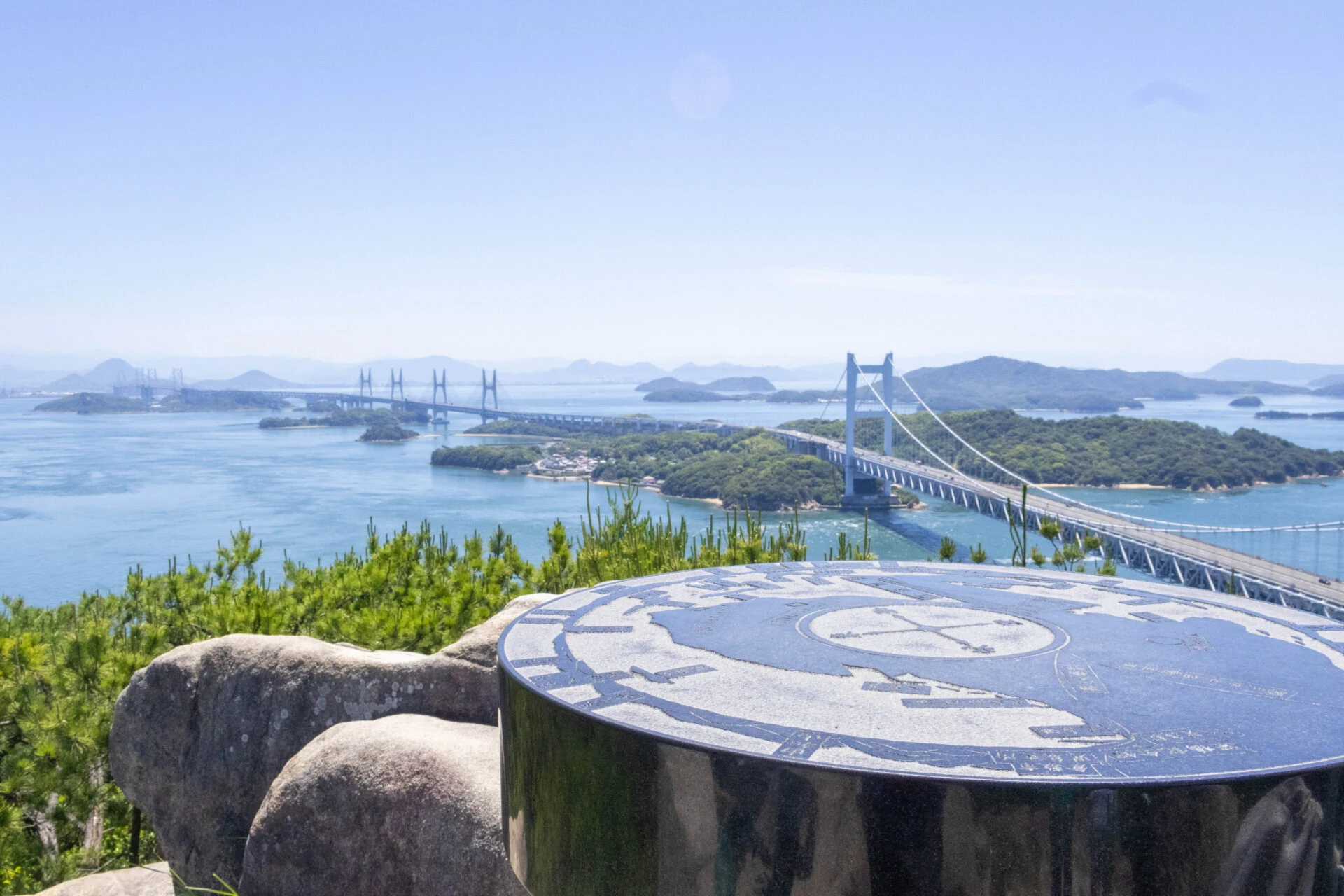
We spent our time as we liked, taking commemorative photos and resting on large rocks.
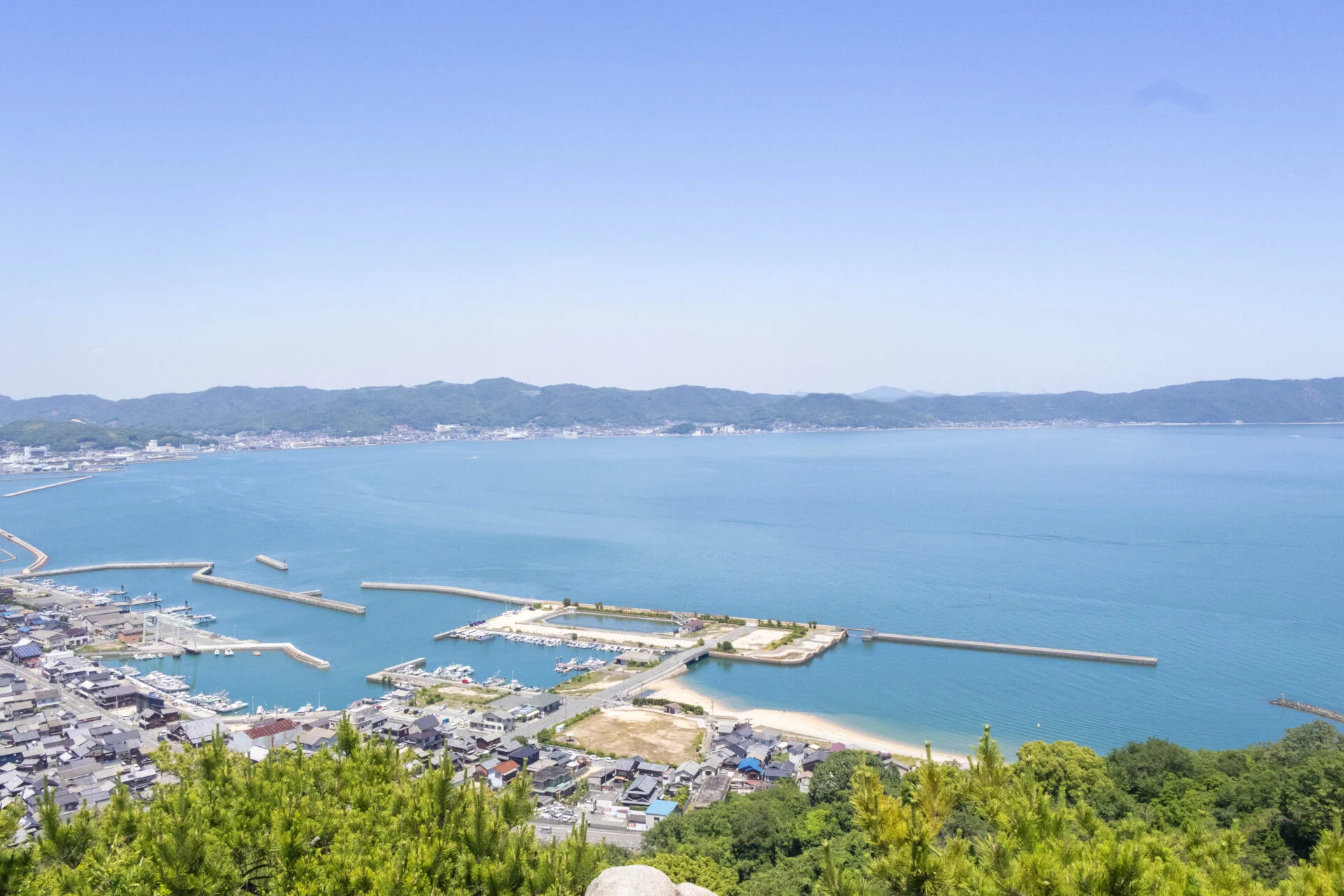
Washuzan Visitor Center and Washuzan Rest House
We moved to the Washuzan Visitor Center, located a little below the summit.
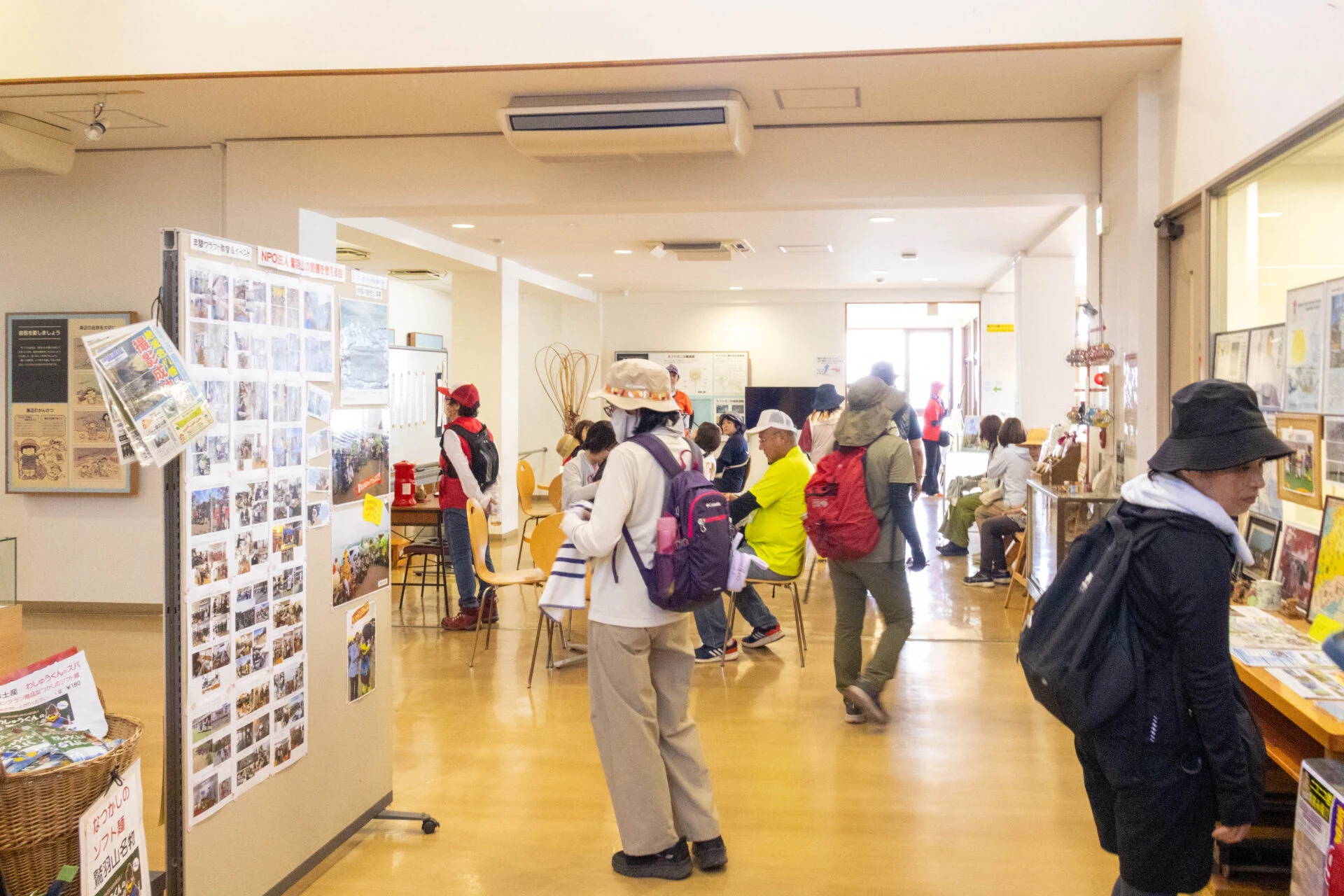
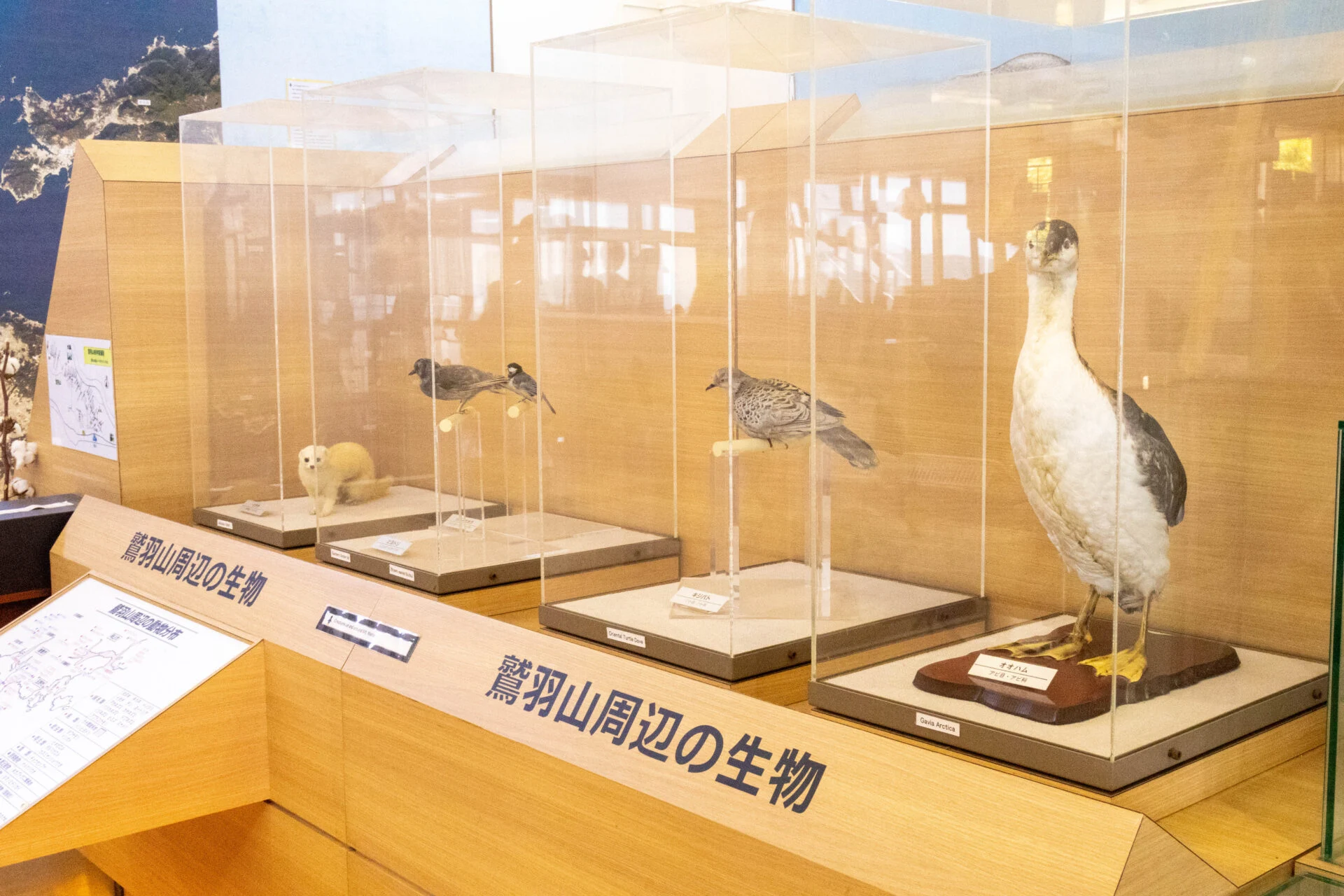
The Washuzan Visitor Center is a facility where you can learn about the history and nature of Washuzan, as well as knowledge about the Seto-Ohashi Bridge. There were many exhibits, and it was full of highlights.
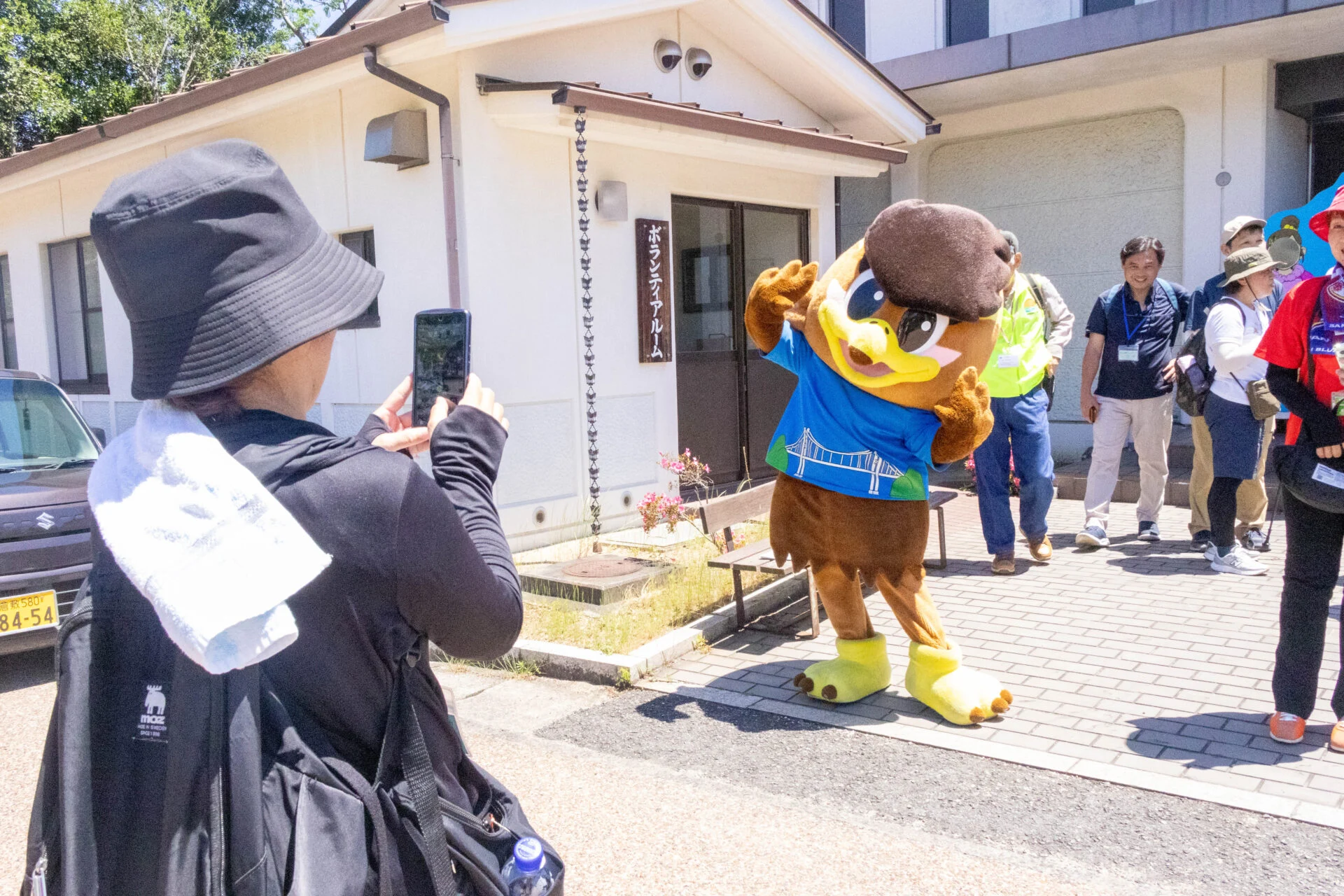
Here, the mascot character of Washuzan, "Washu-kun," made a surprise appearance. His cuteness is truly heartwarming.
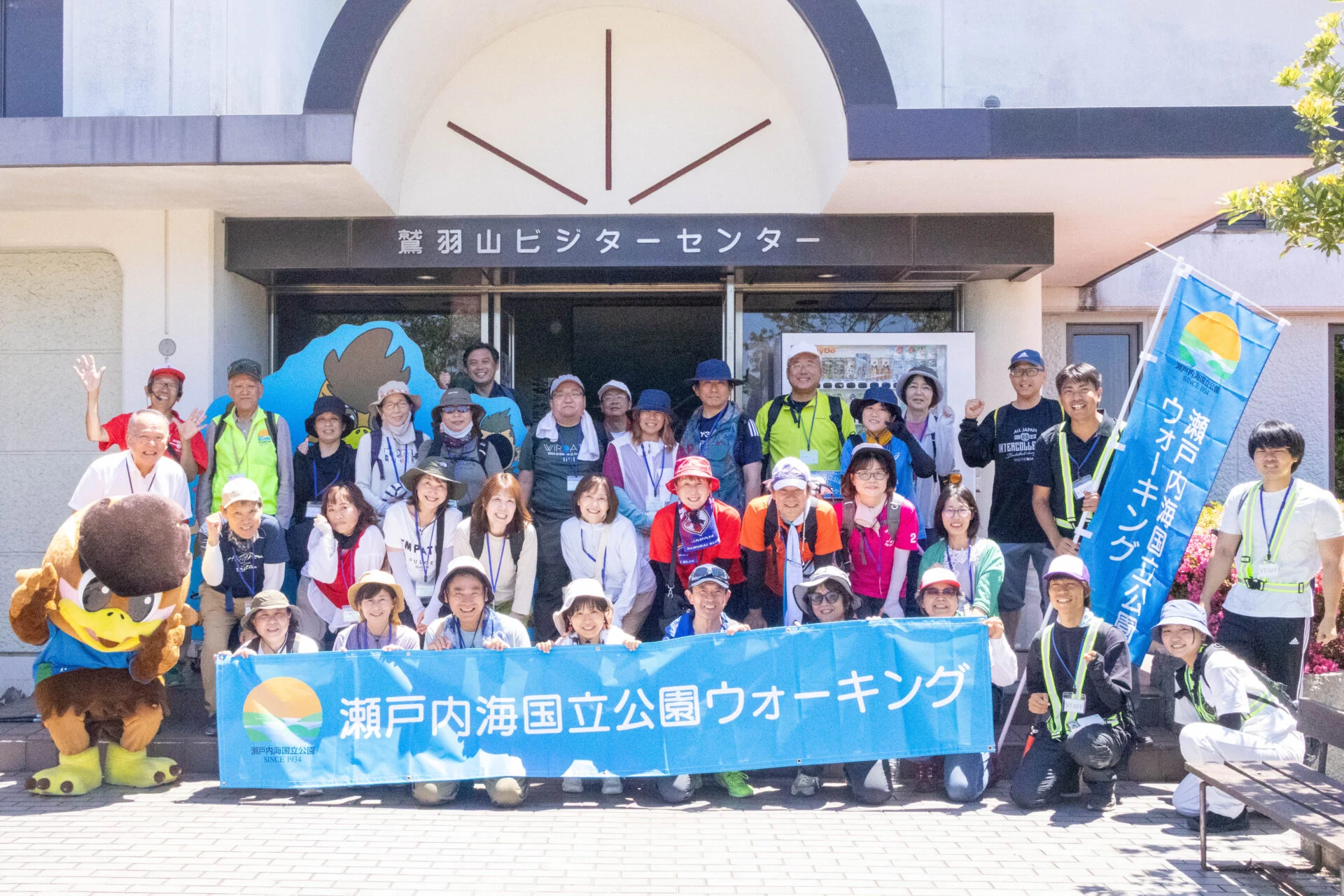
We also took a group photo with Washu-kun.
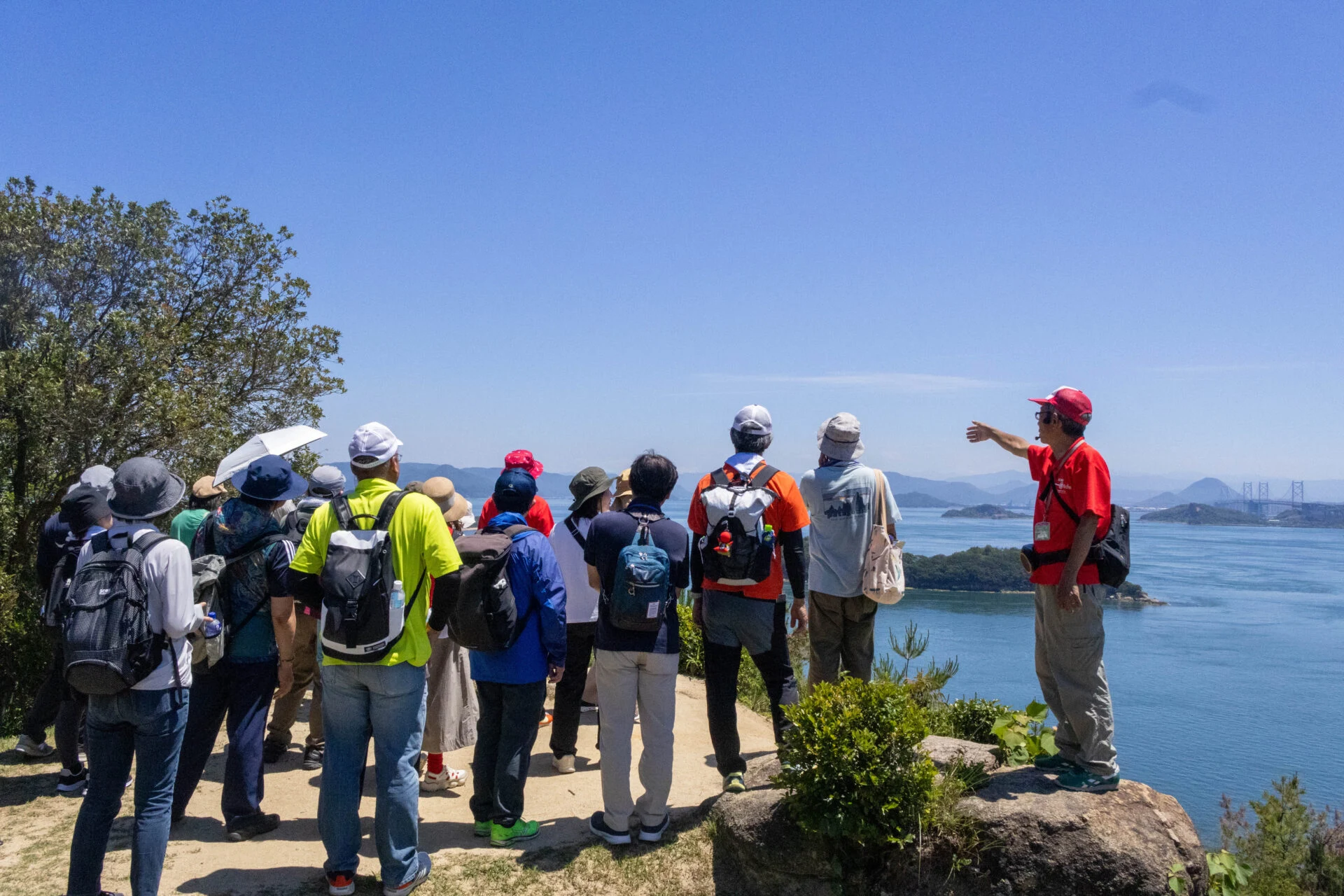
The staff from the Kojima Tourist Guide said cheerfully, "Now, from here, it's the rewarding downhill path!" and guided us down the final stretch. We descended the mountain while enjoying the scenery.
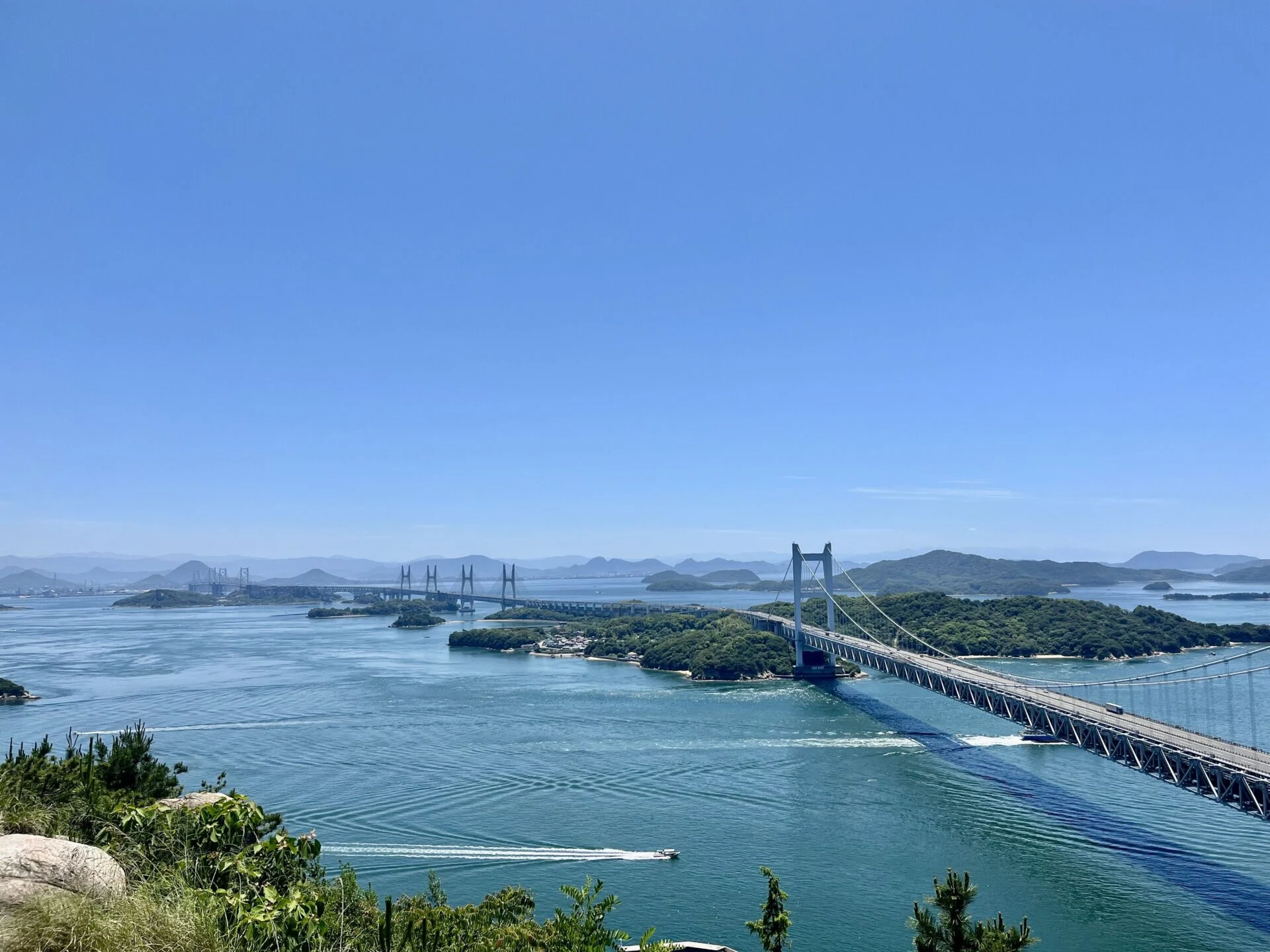
Three and a half hours after starting, we arrived at the goal point, the Washuzan Rest House. While it's easy to get here by car or bus, the sense of achievement from climbing up from the foot of the mountain is immense.
I was able to take photos of the Seto Inland Sea and the Seto-Ohashi Bridge from various angles, and I thought it would be nice to walk up Washuzan once in a while.
At the Washuzan Rest House, we were served Sanuki Aee Udon. The beautiful blue color represents the sea and sky of the Seto Inland Sea, as well as the blue of jeans, a local industry of Kojima. It is colored with gardenia.
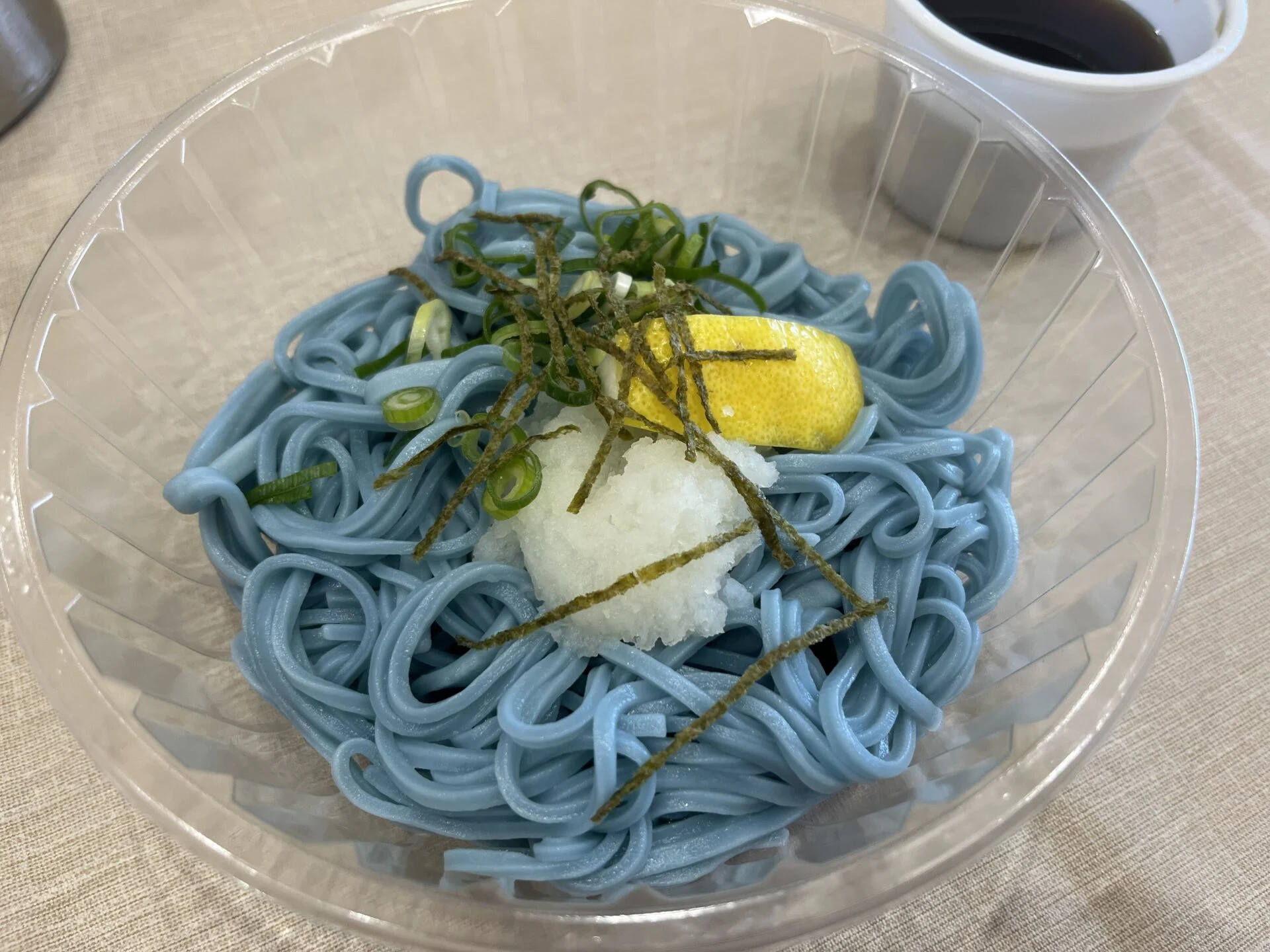
It is refreshing and can be easily eaten even by a body still feeling the heat. I thought it looked cool and would be perfect as a summer souvenir.
Conclusion
I walked for a long time, but I was able to stop here and there to take photos and learn interesting trivia from the tour guide staff, making it an enjoyable walking event without any dull moments.
Thanks to the good weather, I was able to take many beautiful photos that I wanted to show to others.
If you search for “#Seto Inland Sea National Park Walking” on Instagram, you can view photos posted by event participants. I also posted some of my favorite photos, so please check them out.
The breathtaking views of the Seto Inland Sea that Kurashiki is proud of. I hope it continues unchanged in the future.
Seto Inland Sea National Park Washuzan Hill and Shimotsui "Take Photos, Have Fun Walking" Data
| Name | Seto Inland Sea National Park Washuzan Hill and Shimotsui "Take Photos, Have Fun Walking" |
|---|---|
| Date | May 30, 2026 (Saturday) From 9 AM to 2 PM |
| Location | Washuzan Hill and Shimotsui |