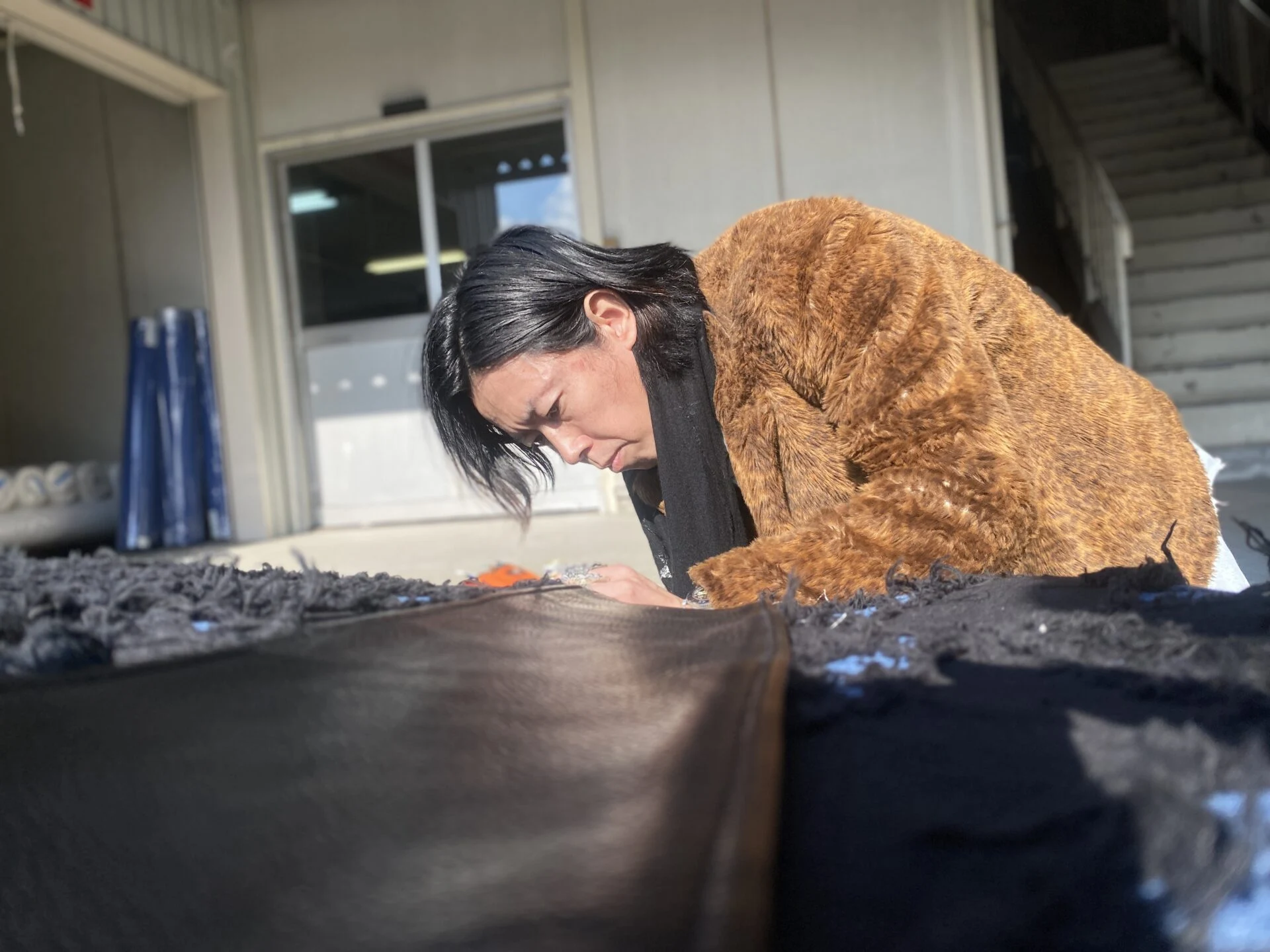
Interview with Aoki Toshiki
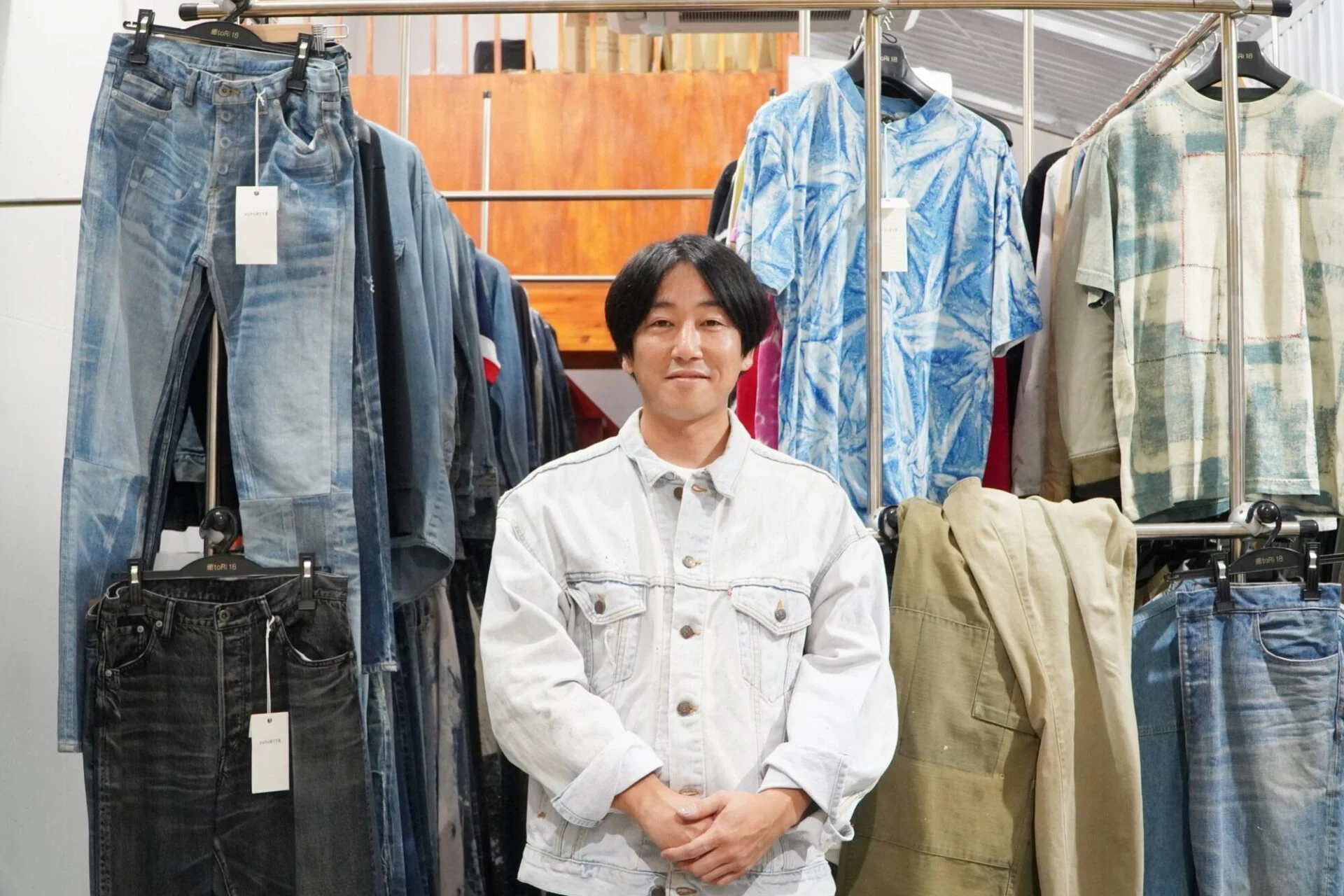
Aoki Toshiki, the executive director of Aoki Hifuku and the designer of the company's brand, has turned 40 in 2023, and his future as a denim creator is attracting even more attention.
In recent years, he has been focusing on collaborations with companies in the prefecture, utilizing the knowledge he has accumulated over the years.
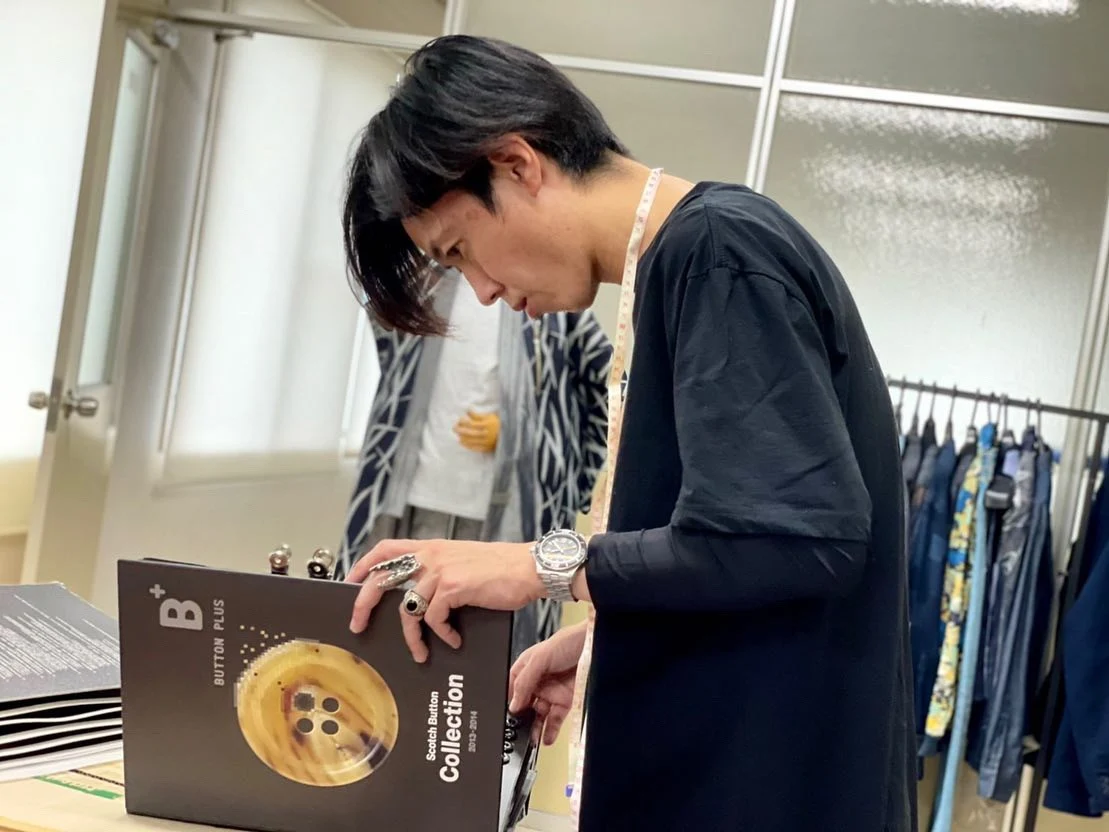
Through the interview with Aoki, we reflected on his early life, his motivations for new activities, and his vision for the future of denim.
"XX Denim" is not the essence of the product
I hear you write press releases yourself, but why do you say that it's fine to promote "Okayama Denim," the most well-known place name, instead of loudly proclaiming "Ibara Denim"?
Aoki (no honorifics)
I recognize that such labeling is secondary information that is not very important, and I personally do not have a strong attachment to saying, "This is Ibara denim's white ear selvedge..."
I leave such details to manufacturers who are particular about them, and we (Aoki Hifuku) have been creating things more from the perspective of brand communication within our own worldview.
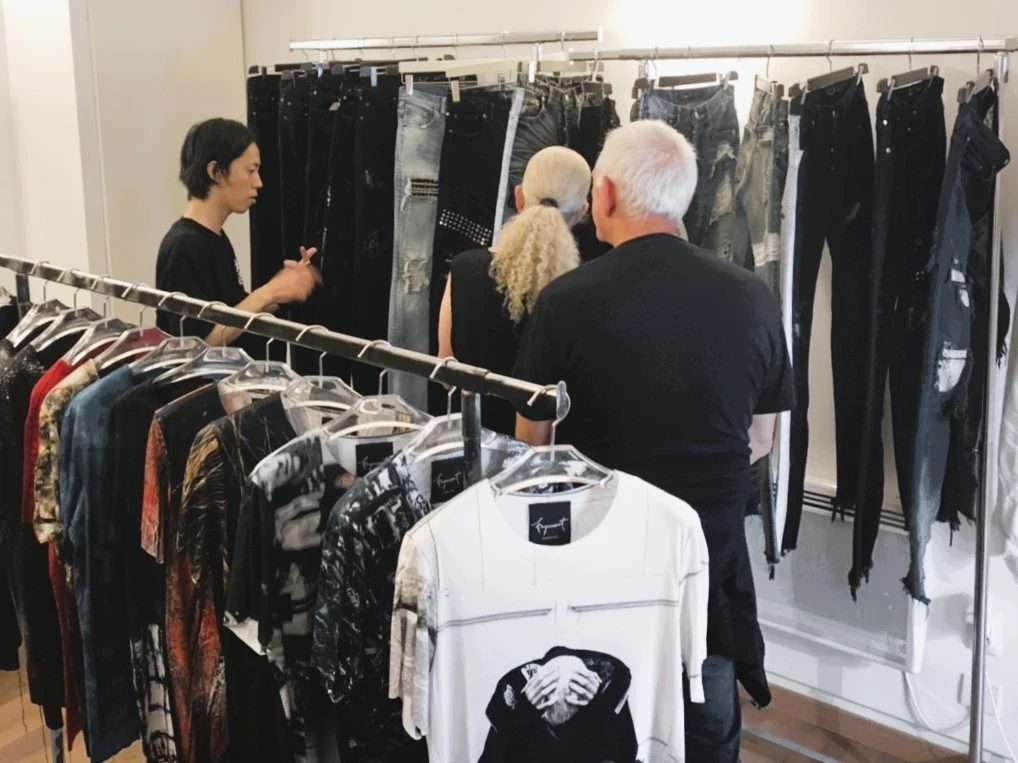
For example, if a customer tries on denim products in a store, I think that if they are domestic customers, saying "Okayama denim," and for overseas customers, saying "Made in Japan," can increase their purchasing motivation by 10% or 20%.
However, what raises purchasing motivation before that are the visual color tones, the feel of the fabric when touched, and of course, the unique design of the product, which I believe determines the essential aspects.
Of course, I announce "Ibara denim" properly when the situation requires it.
Conveying a sustainable local environment through products
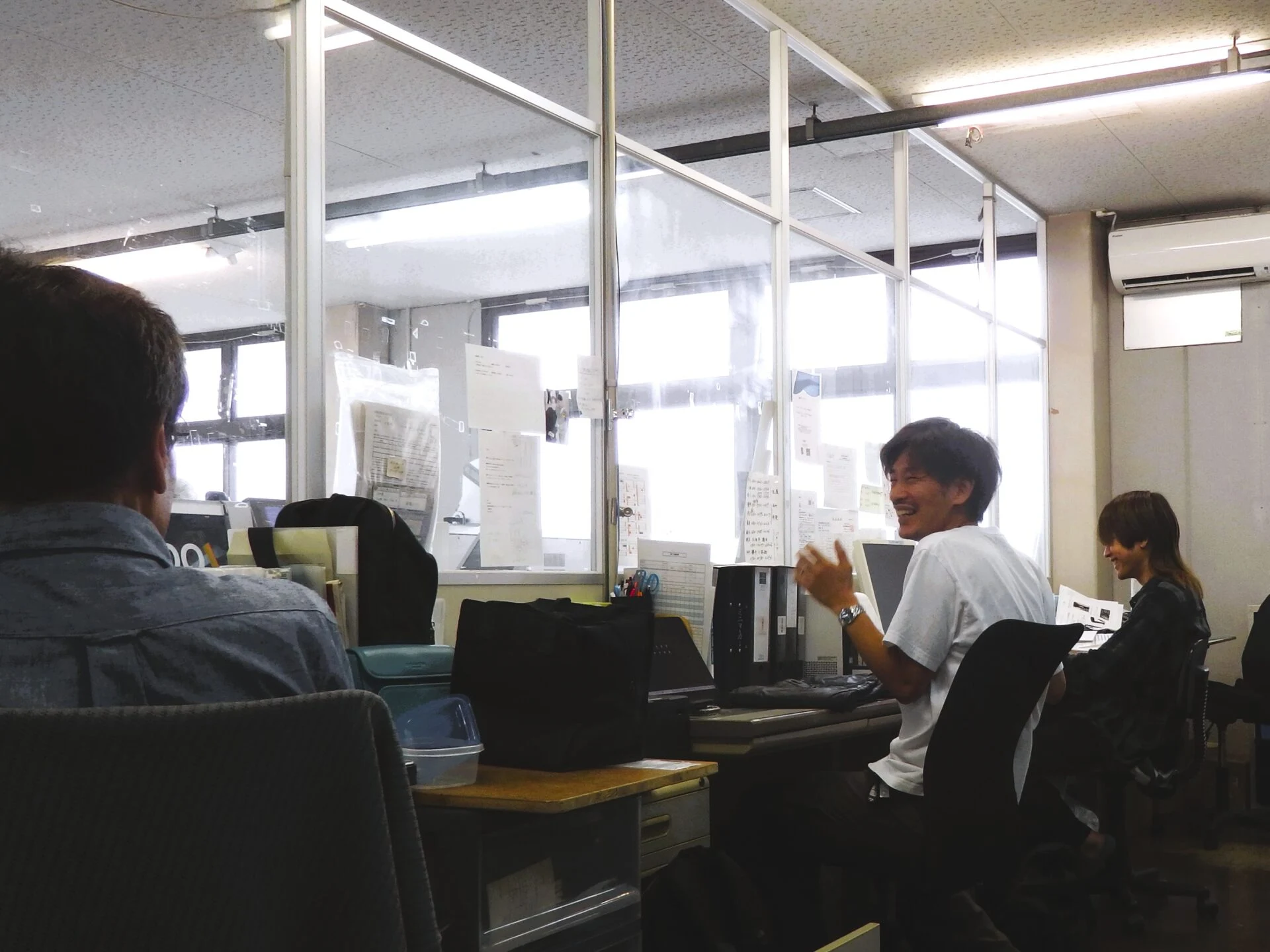
I heard that you are also working on community contributions in Ibara.
Aoki
We have trademarked "Bisei Denim," which we developed from scratch.
Bisei Denim is based on the concept of "carrying the starry sky," and it expresses the meteor shower that colors the night sky of Bisei through hand bleaching. This technique is called "Hoshizome," a special dyeing method.
The influence of Ibara's natural environment on denim is that the soft water quality of the Oda River allows for uniform dyeing, beautiful coloring, and enhances the depth of aging. In other words, the more you wear it, the more flavor it gains, which relates to the three-dimensional expression of denim.
Additionally, the local denim manufacturer Kuroki Co., Ltd. has established a system to purify the water from the Oda River used in dyeing through a circulation system.
I believe this is a sustainable initiative that lives up to the evaluation of first-class denim.
Is close communication with fabric manufacturers important?
Aoki
The presence of materials is important for products, and we start working on it from the development of original denim.
If we can create a fabric with a story, the ideas can expand from there, allowing us to develop the same line for parkas or pants.
The path to fashion opened by studying abroad
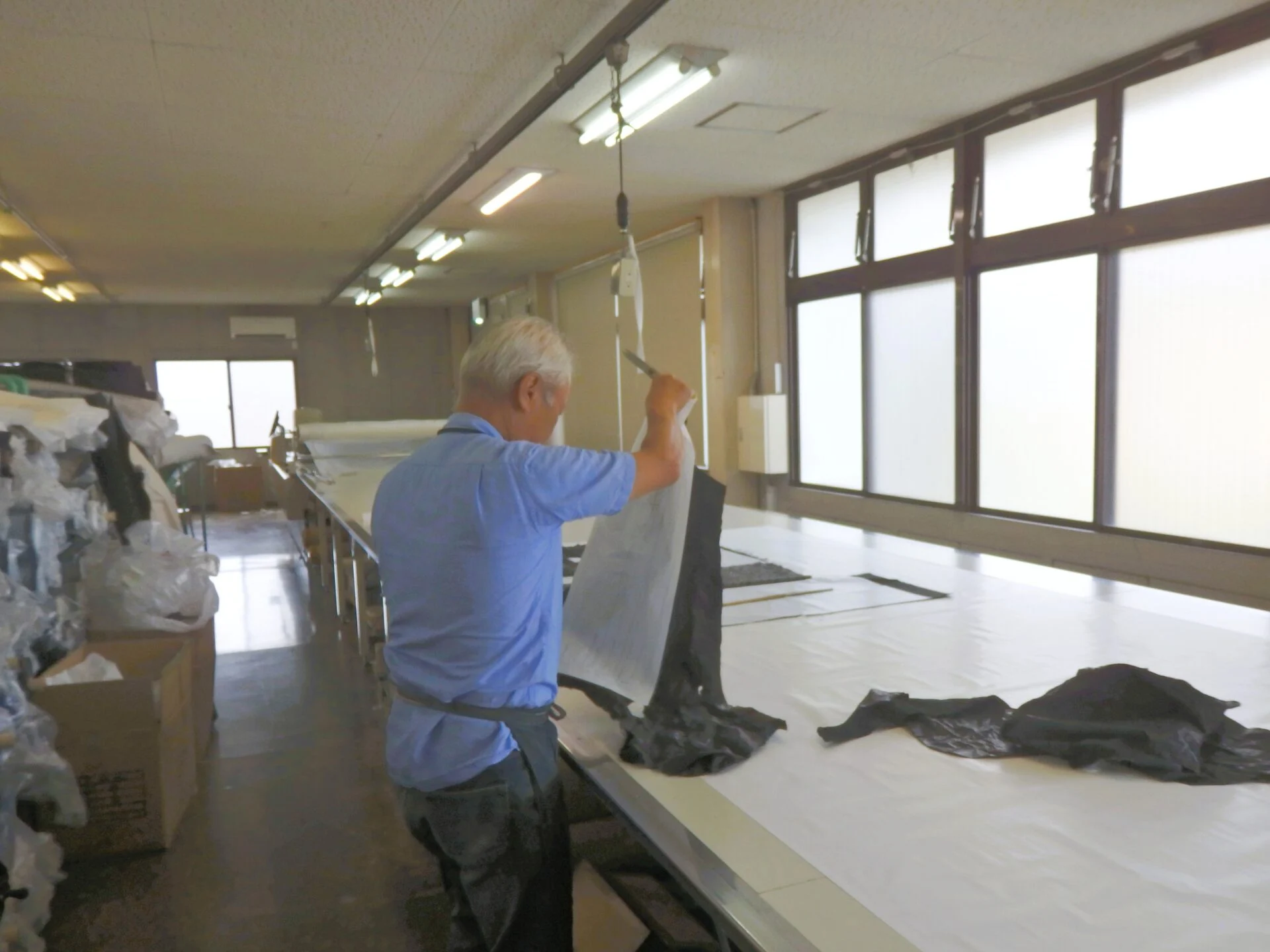
I felt that your broad perspective on denim is somewhat related to your experiences of working in the city and studying abroad. Could you tell us about your roots?
Aoki
I have been surrounded by this environment (sewing factory) since childhood, but at that time, my interest in manufacturing was still uncertain. In my mid-teens, I also had dreams of being involved in band activities.
When I entered university and studied language in Perth, Australia, my career path began to take on a bit more specificity, and I started to think that I wanted to work in music overseas.
At that time, I really enjoyed watching music videos of overseas musicians, and I naturally became interested in fashion, which is closely related to music.
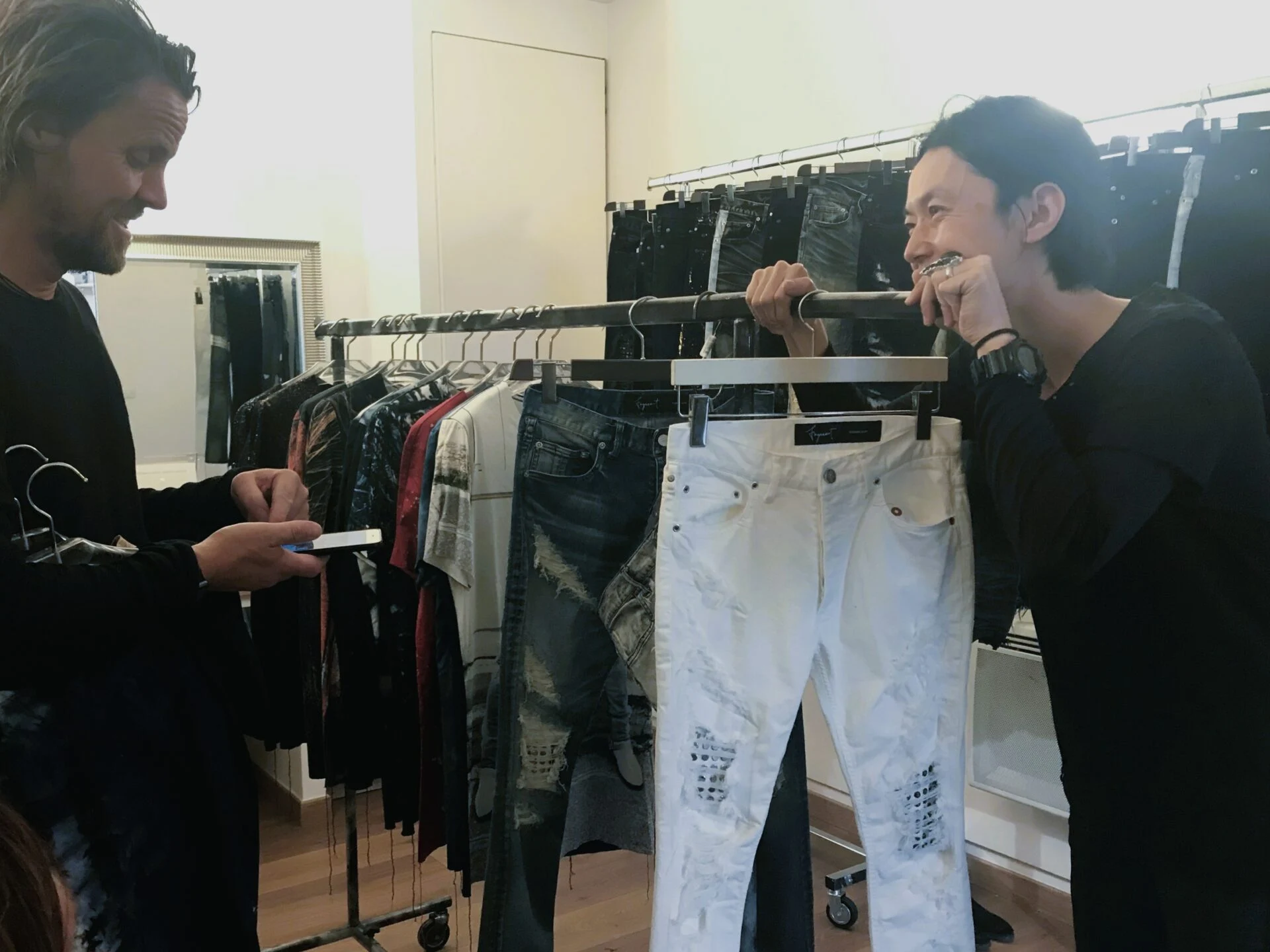
The fashion show that left a strong impression
The company that develops the "TAKEO KIKUCHI" brand, which is also related to Aoki Hifuku, is your entry point into the fashion business, right?
Aoki
After graduating from university, I joined World Co., Ltd., which develops the fashion brand "TAKEO KIKUCHI." I was assigned to production management, where my main tasks were cost and delivery calculations.
The turning point was seeing the fashion show of Takeo Kikuchi in 2006. Since I was involved in it as part of the backstage crew, the glamour of the runway left a significant impression on me.
The collection presented at that show was filled with clothes that seemed to echo rock music, using punkish colors boldly and sharply.
I was captivated by the aggressive fashion created by Nobukuni Taishi, who was serving as the creative director.
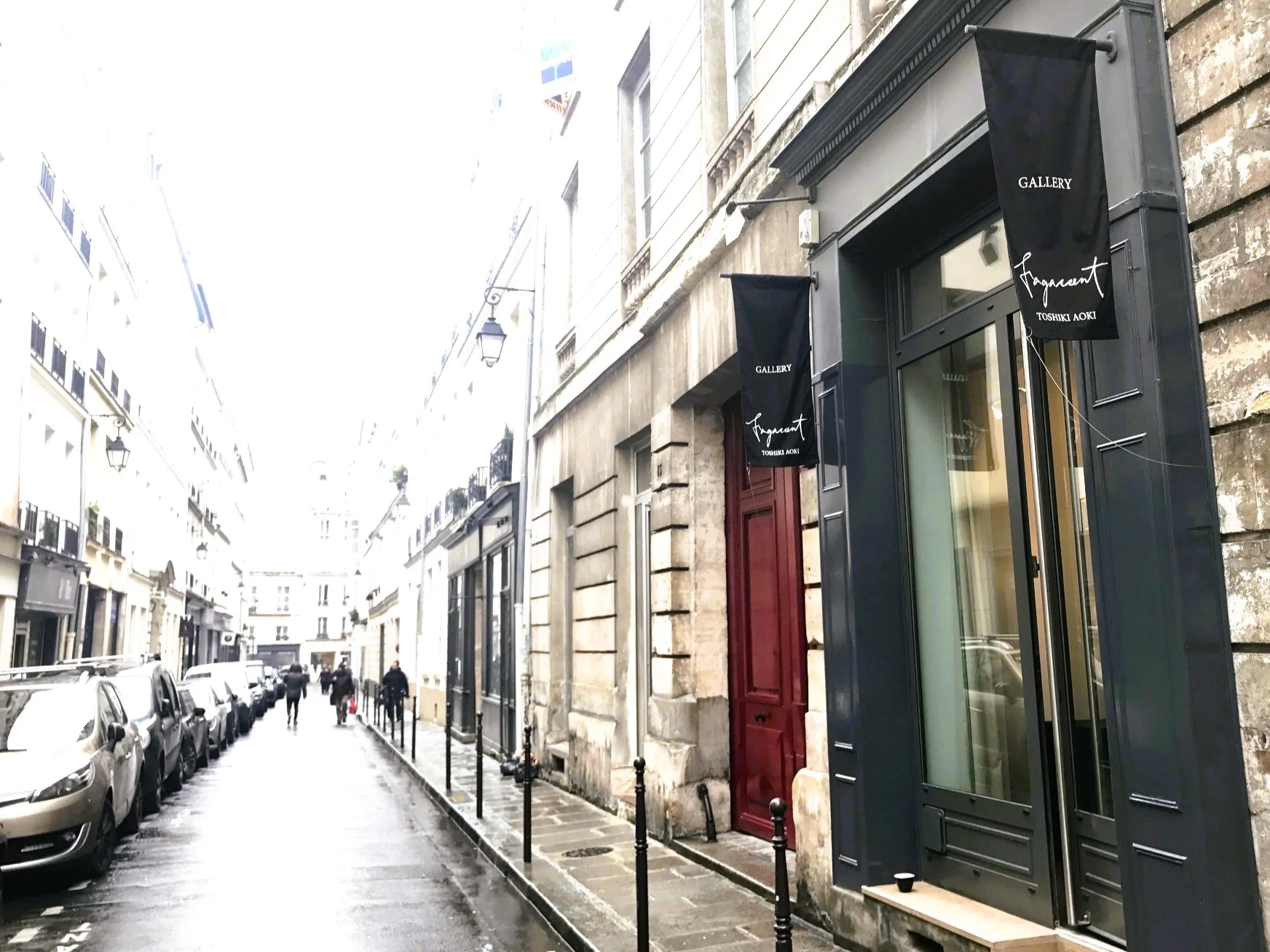
The exceptional quality of Ibara denim learned in London
Was the trigger for studying abroad seeing the fashion show?
Aoki
Yes.
That (the impact of the fashion show) led to my study abroad in London, and I began to see the creative work of design as incredibly attractive, which is clearly different from the production management job of facing documents filled with numbers.
I then decided to consult with the pattern maker of the TAKEO KIKUCHI brand, to understand the fashion situation in the UK while also learning ways to enhance my creativity.
I was also fortunate to accompany Nobukuni Taishi, which greatly changed my fashion values, and I had the opportunity to touch on the essence of material selection.
In the late 1990s, Nobukuni gained attention for showcasing his graduation project at Central Saint Martins College of Art and Design in the UK, and after starting his own brand, he served as the creative director of TAKEO KIKUCHI from 2004.
Gradually, the existence of Central Saint Martins became a goal that opened doors to the future, prompting me to decide to leave my job and study abroad.
While studying at a university in London for about two years, I also participated in internships. What surprised me locally was that the terms "Okayama denim" and "Ibara denim" were frequently mentioned along with adjectives like premium and luxury.
Hearing the name of my hometown (Ibara) in a distant European city was a significant surprise.
Tips for combining different factors
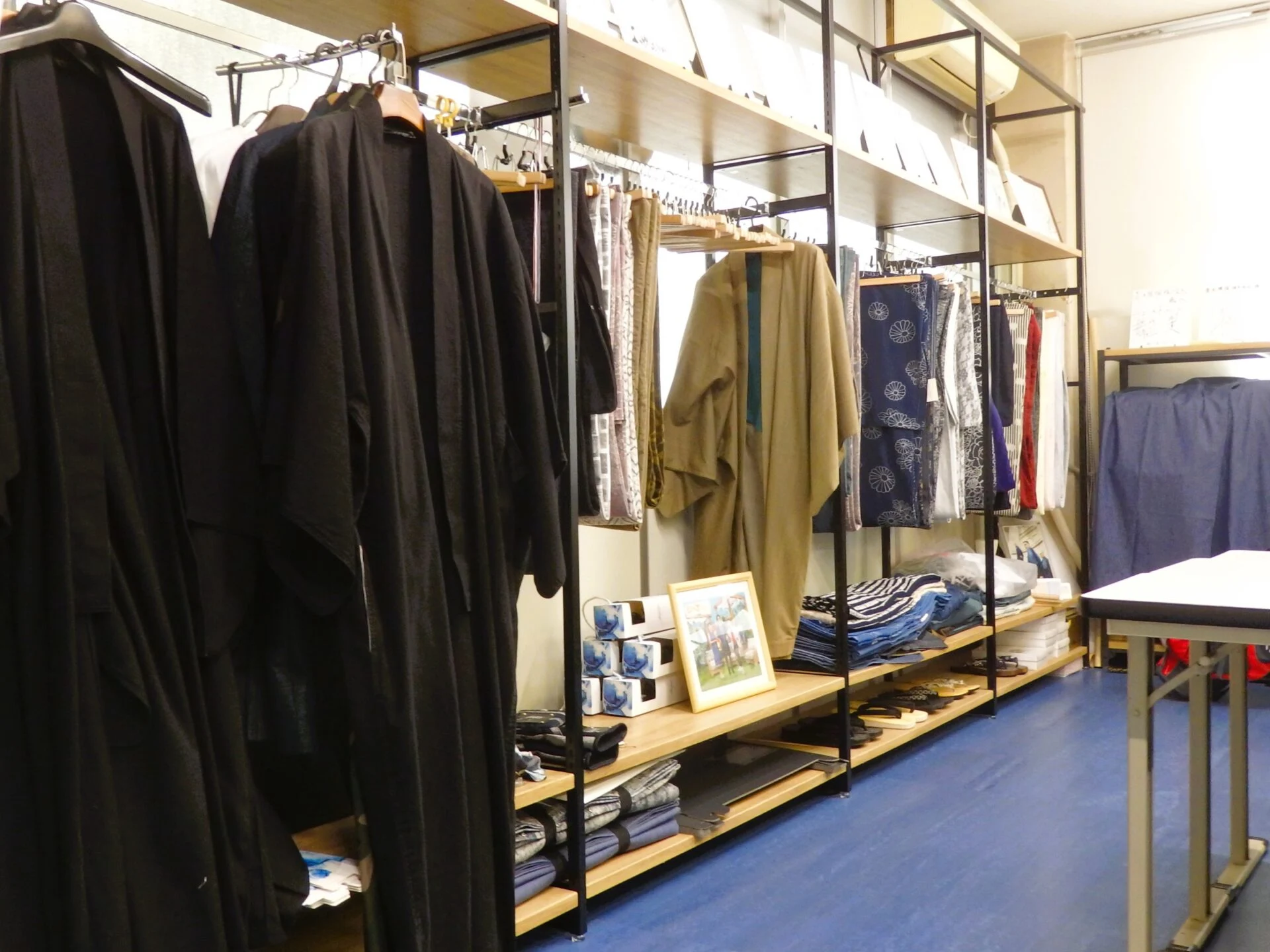
After that, you established your own brand. Was there a trigger for that?
Aoki
Top brands and their designers say that the quality of Ibara denim is the highest level by world standards.
Feeling that this was not being promoted enough became a trigger for me to establish my own brand.
On the other hand, at the time of my internship at the brand Snake & Dagger, my designs were already being adopted.
It was a small, elite avant-garde brand, and there was always an atmosphere of enjoying experimental things.
Denim has potential expressiveness
Where does the inspiration for the special processing characteristic of the "FAGASSENT" brand come from?
Aoki
First, I think about "wanting to get closer to a certain atmosphere."
Sometimes I attach photos of minerals or scales of organisms that are not typical of apparel materials to the order sheet and instruct them to express this image.
Conversely, there are rarely mistakes in this. I actively utilize accidental ideas that I find unexpectedly interesting, even if they differ from the original intention after making samples.
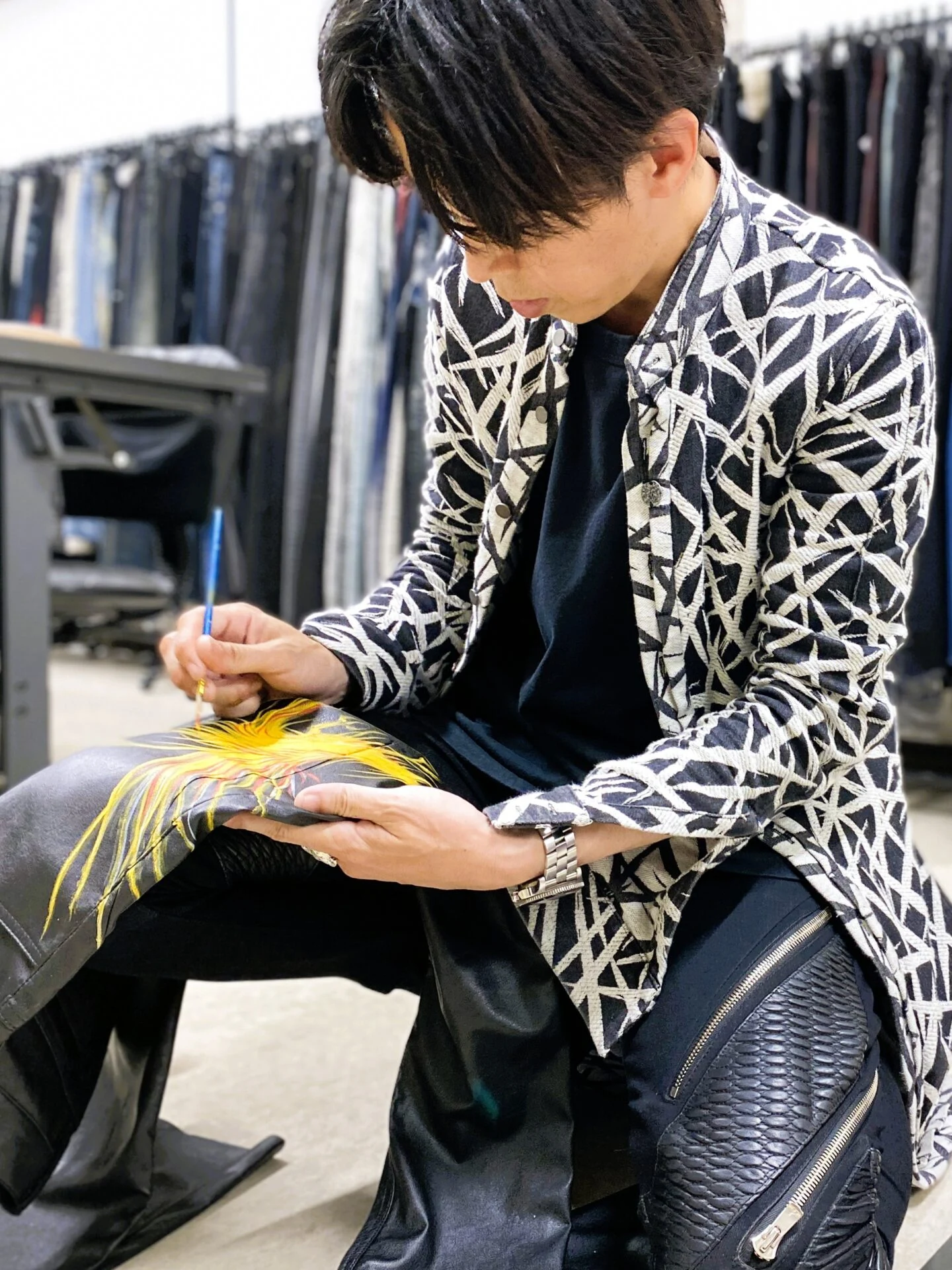
Therefore, I take a stance of approaching creation with flexibility as a basic principle without making overly strict orders. Even if processing or damage is applied, everything will not have the same expression as if it were printed—this is where the value of denim lies.
On the other hand, I am quite particular about the silhouette of the products. For pants, for example, the dimensions are designed down to the millimeter, such as "it should narrow from this point, and the length below the calves should be quite long."
It is a posture that combines boldness and meticulousness, but above all, Aoki's humility in listening to the voice of denim comes through.
Revisiting the company's direction due to the COVID-19 pandemic
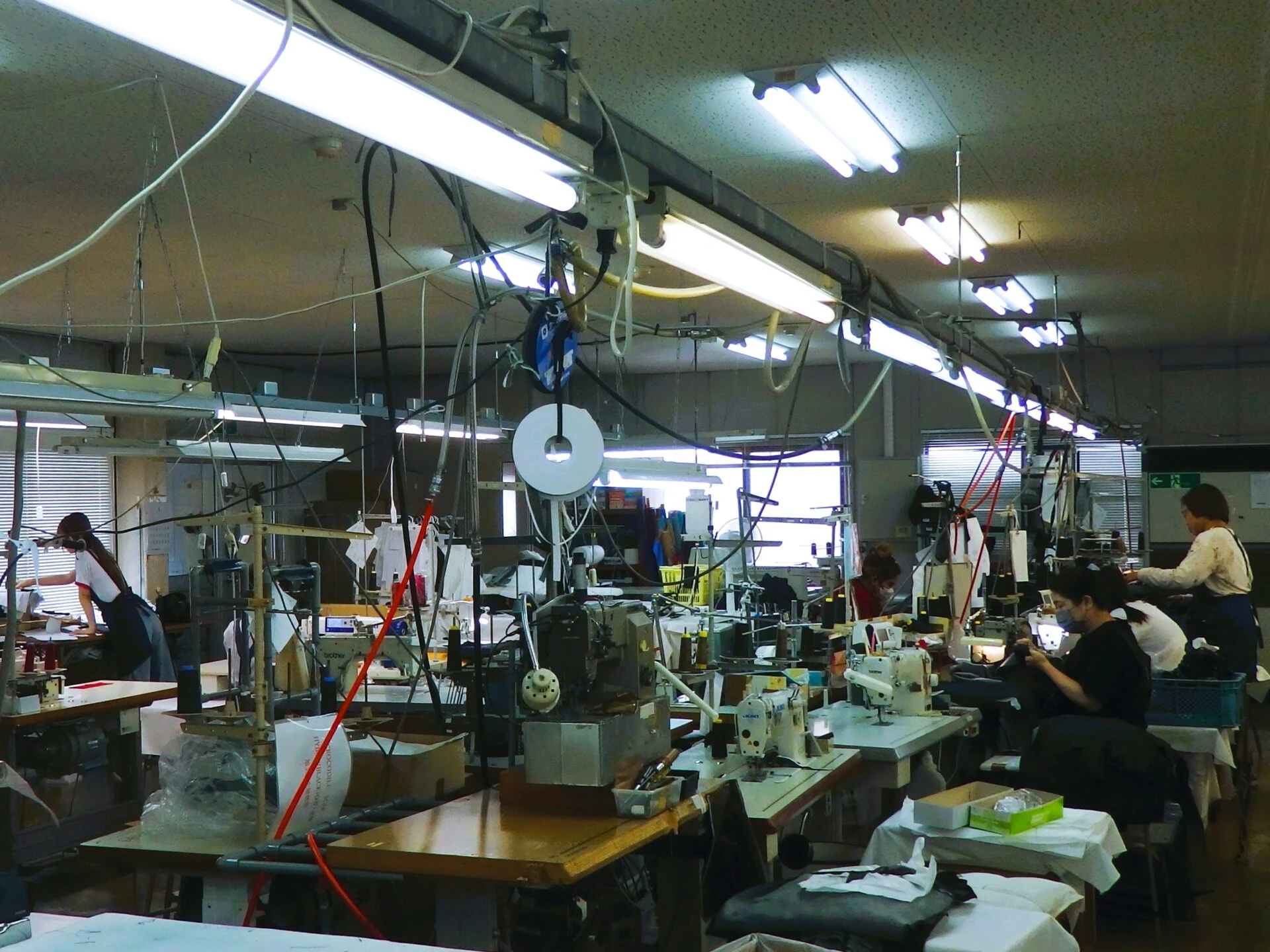
In recent years, what intentions are behind the active collaborations with local companies?
Aoki
Due to the COVID-19 pandemic, there have been changes in the fashion industry. Until then, I was presenting my collection in Paris four times a year at exhibitions, but it became physically impossible.
Originally, FAGASSENT was a brand that was particular about its unique worldview, so there was a time when I thought it would be difficult to have connections with the local community.
However, I began to think that it would be interesting to create denim items that can resonate more widely with various people.
Just at the height of the pandemic, there was a discussion about opening a physical store in Kurashiki, and we decided to take a proactive approach to launch products and apparel rooted in the community.
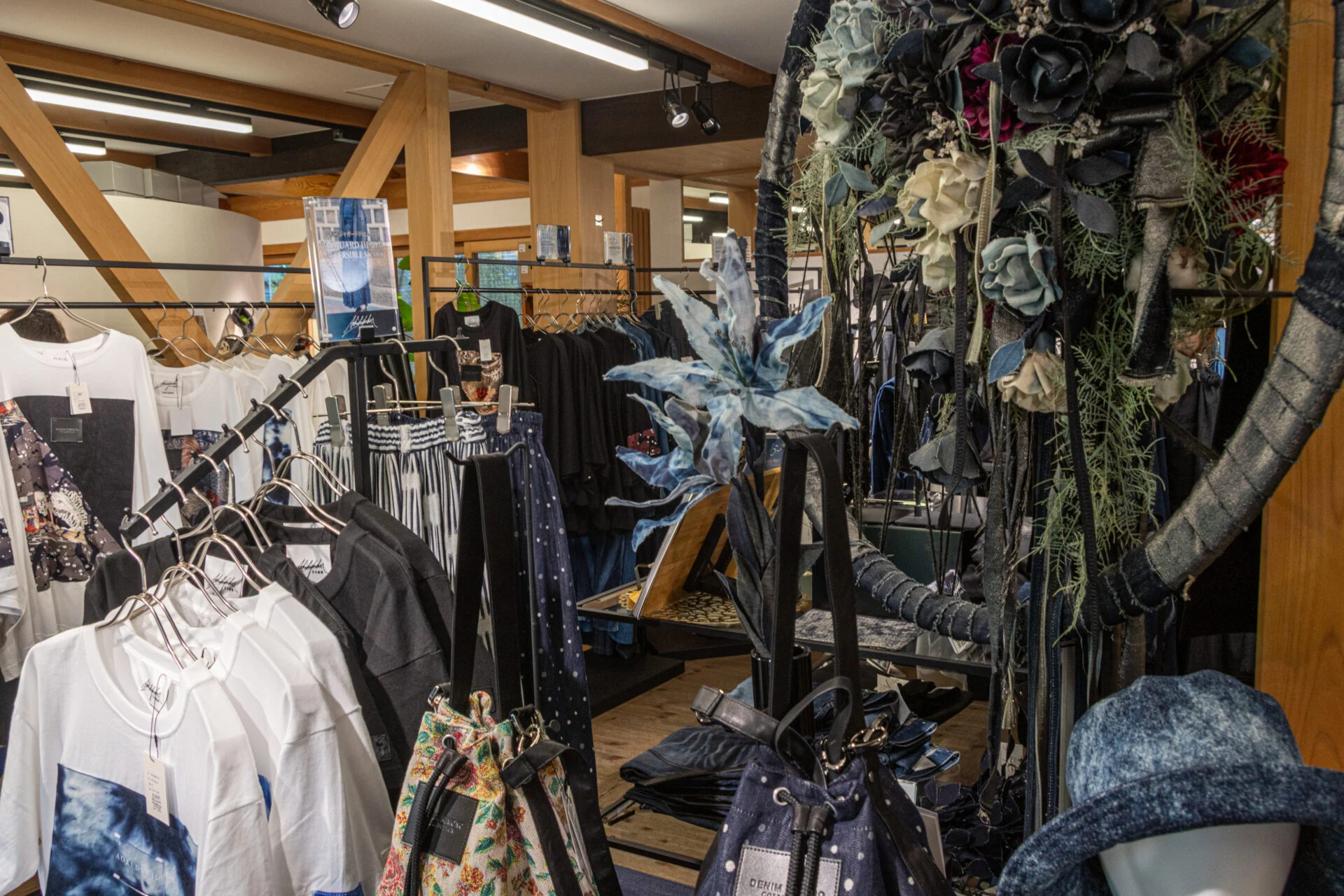
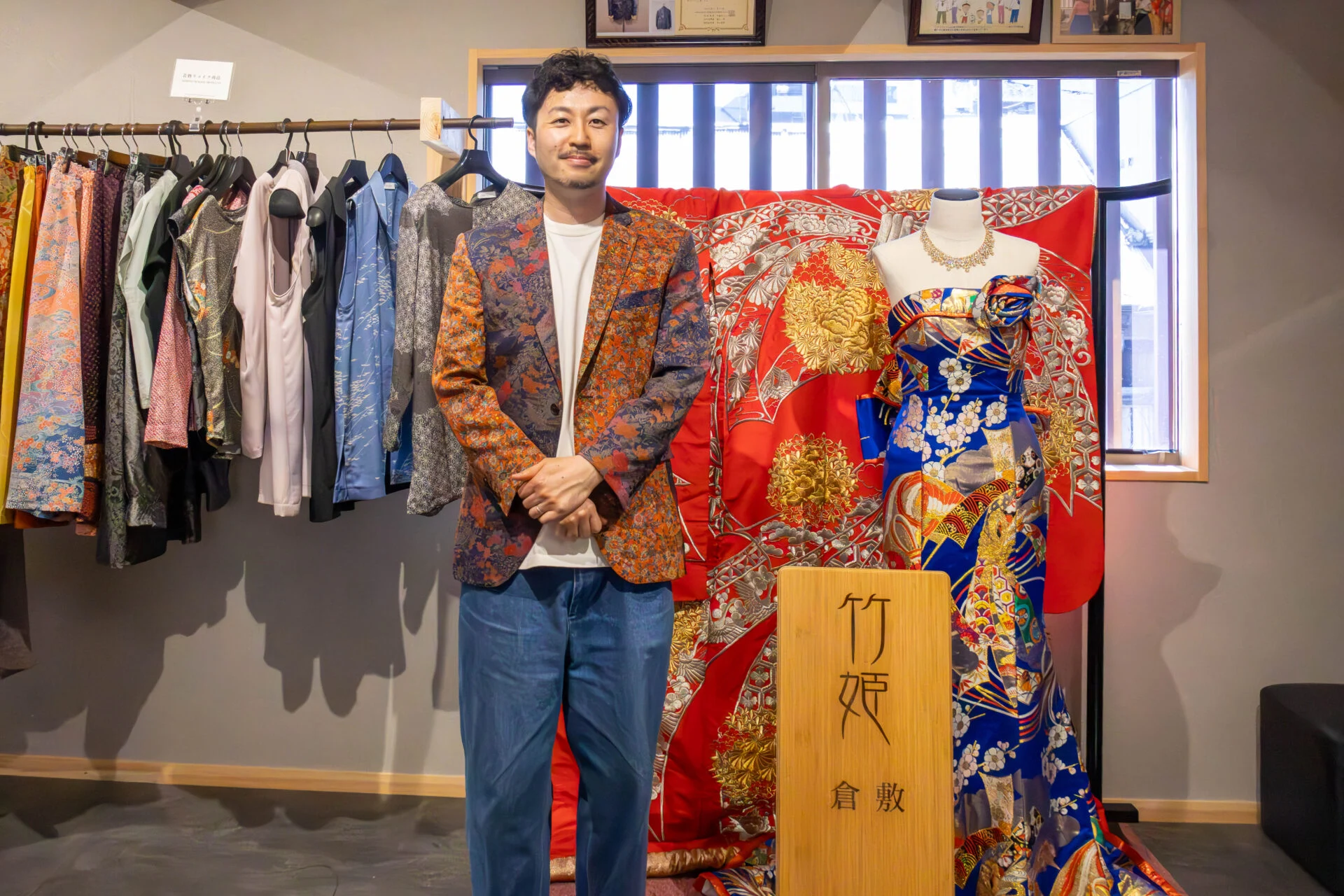
Once the store was established, the connections with the community increased, allowing us to participate in car manufacturing and take on projects for glamping facilities.
I believe these expand the possibilities of "Okayama denim." At the same time, to make it less susceptible to price fluctuations, it is essential to further enhance the value of Okayama denim.
If we finish it as a high-value premium product, customers will likely accept a higher price, and if the quality is felt, consumer awareness will naturally improve.
As consumer awareness rises, the environment for accessing Okayama denim will expand, which may lead to a departure from the strong preconception that "denim is casual and inexpensive."
Conclusion
Aoki's vision for the future of denim seems to be shifting from differentiation through cutting-edge design to the very presence that denim exudes in daily life and society.
Currently, he is also working on the filming of a second movie themed around denim, and the expansion of his expressive activities itself seems to reflect the potential of the material.
How will he reconnect denim rooted in the climate of Okayama as an experiential experience? I intend to keep an eye on what his journey reveals in the future.
Data of Aoki Clothing Co., Ltd.
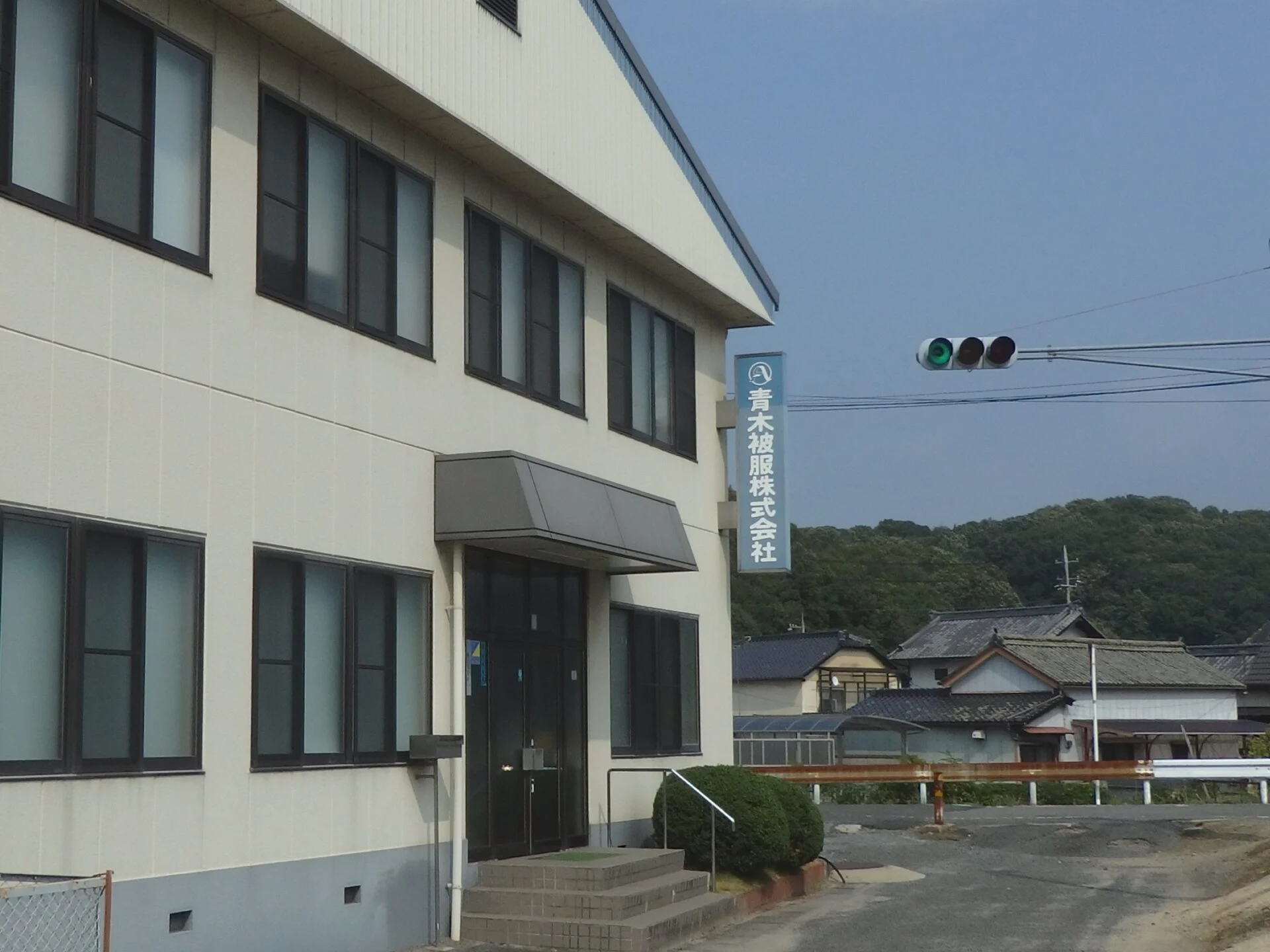
| Organization Name | Aoki Clothing Co., Ltd. |
|---|---|
| Industry | Apparel manufacturing and sales focusing on denim products |
| Representative Name | Representative Director Aoki Shigeru |
| Year Established | 1961 |
| Address | 501 Nishi-Ebara-cho, Ibara City, Okayama Prefecture |
| Contact | 0866-62-1105 |