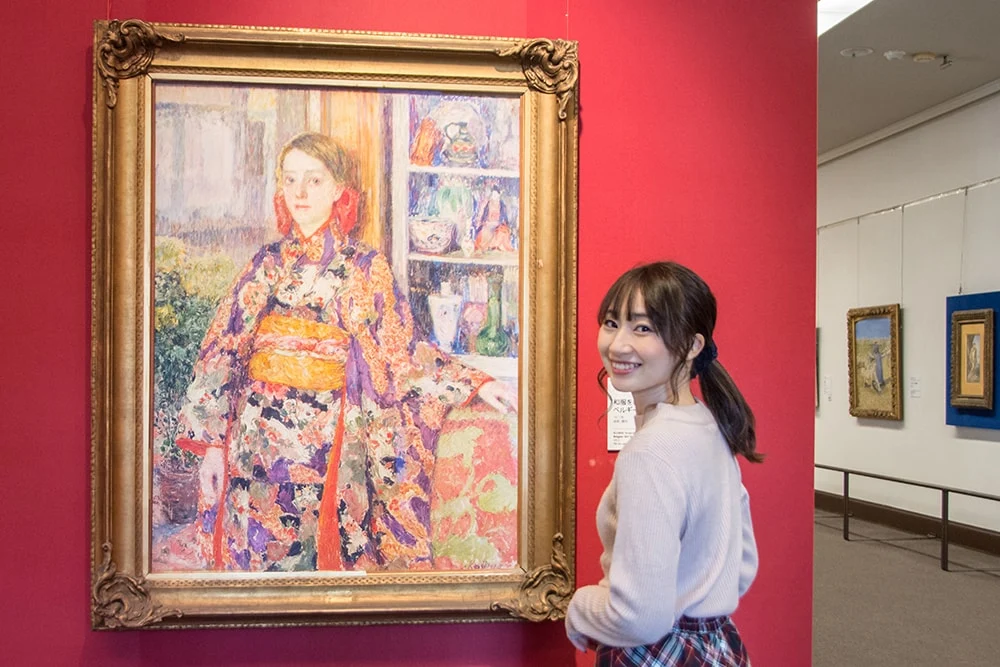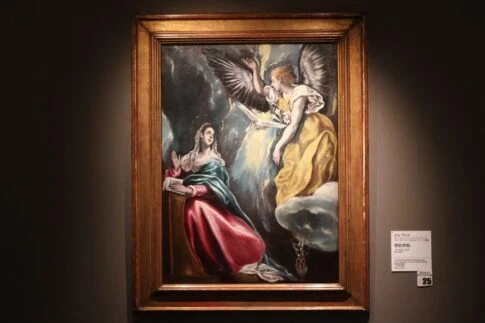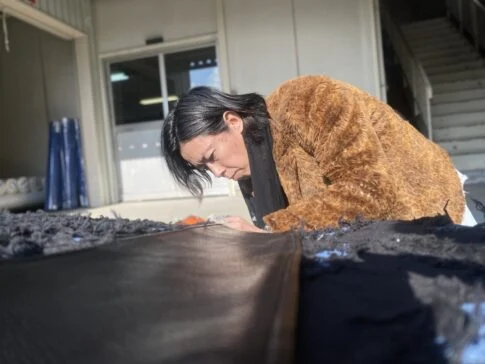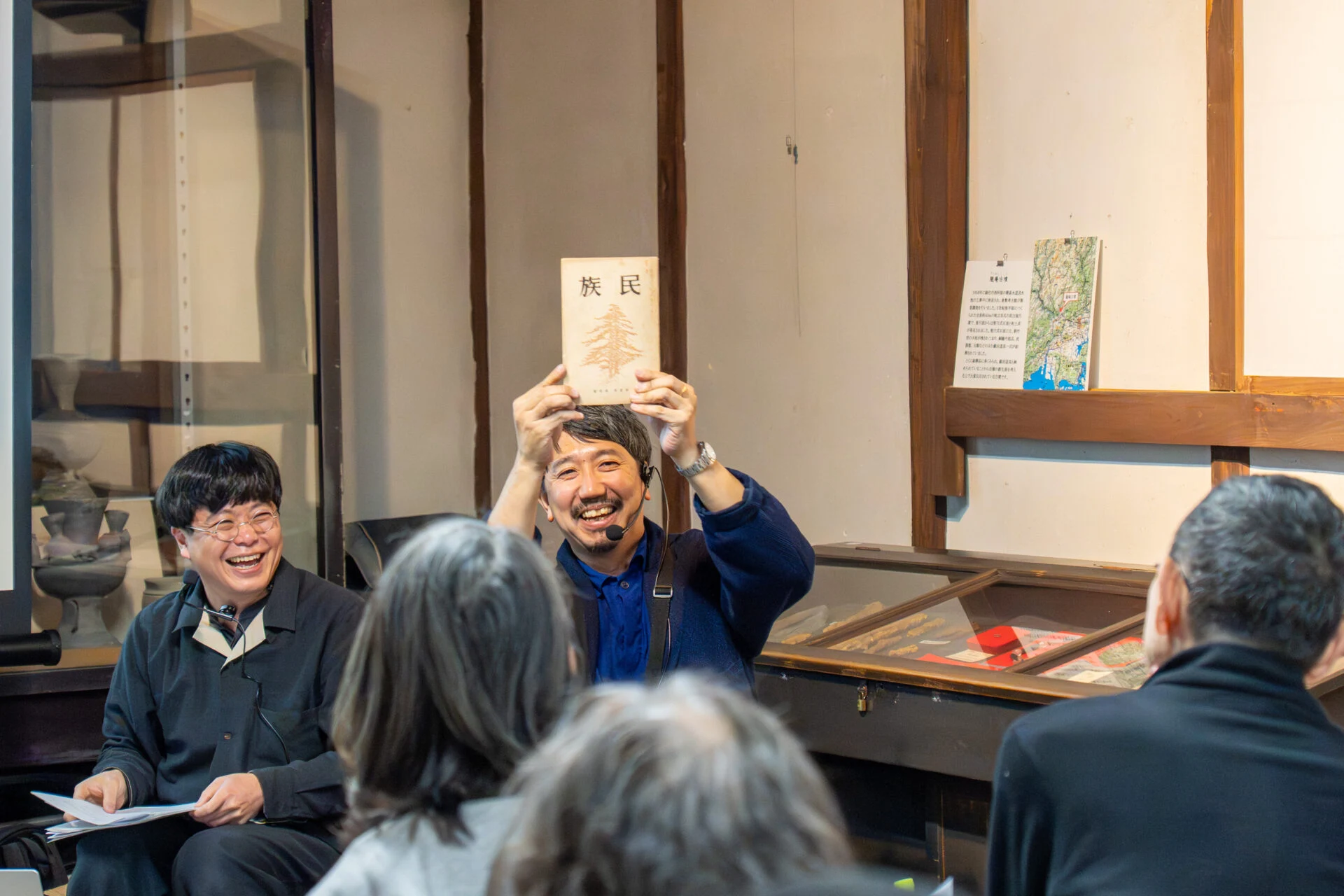
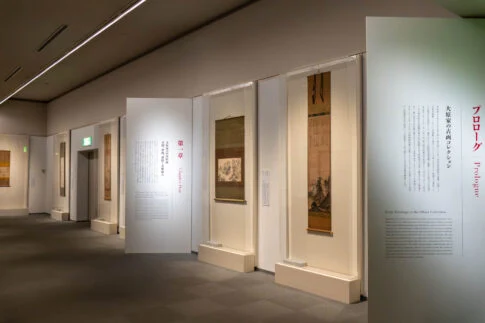
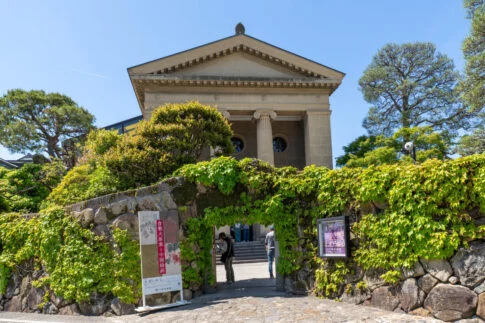
Ohara Museum of Art and Kurashiki Archaeological Museum have teamed up for the first time to present the special exhibition "1925" which will be held until December 21, 2025 (Sunday).
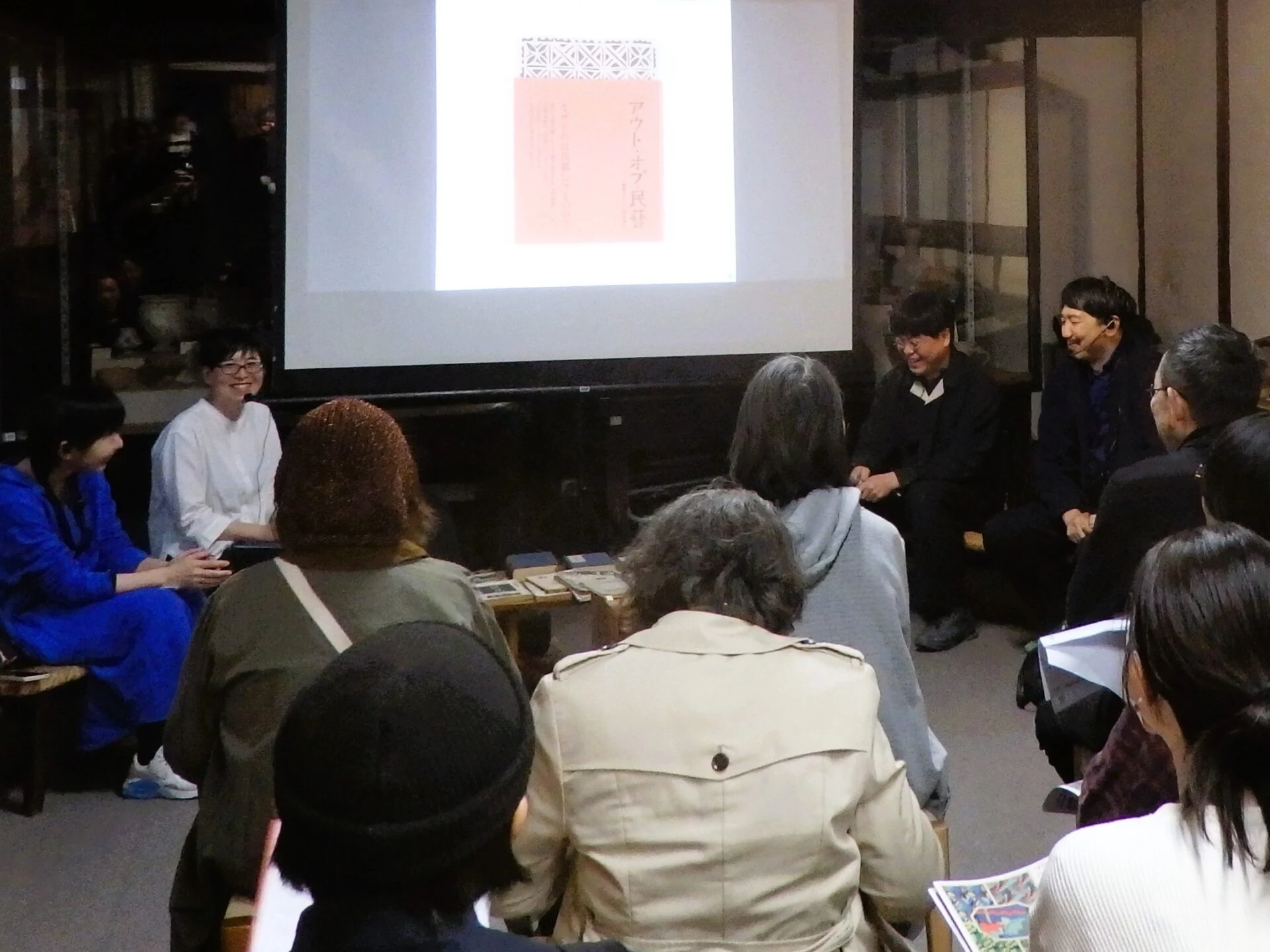
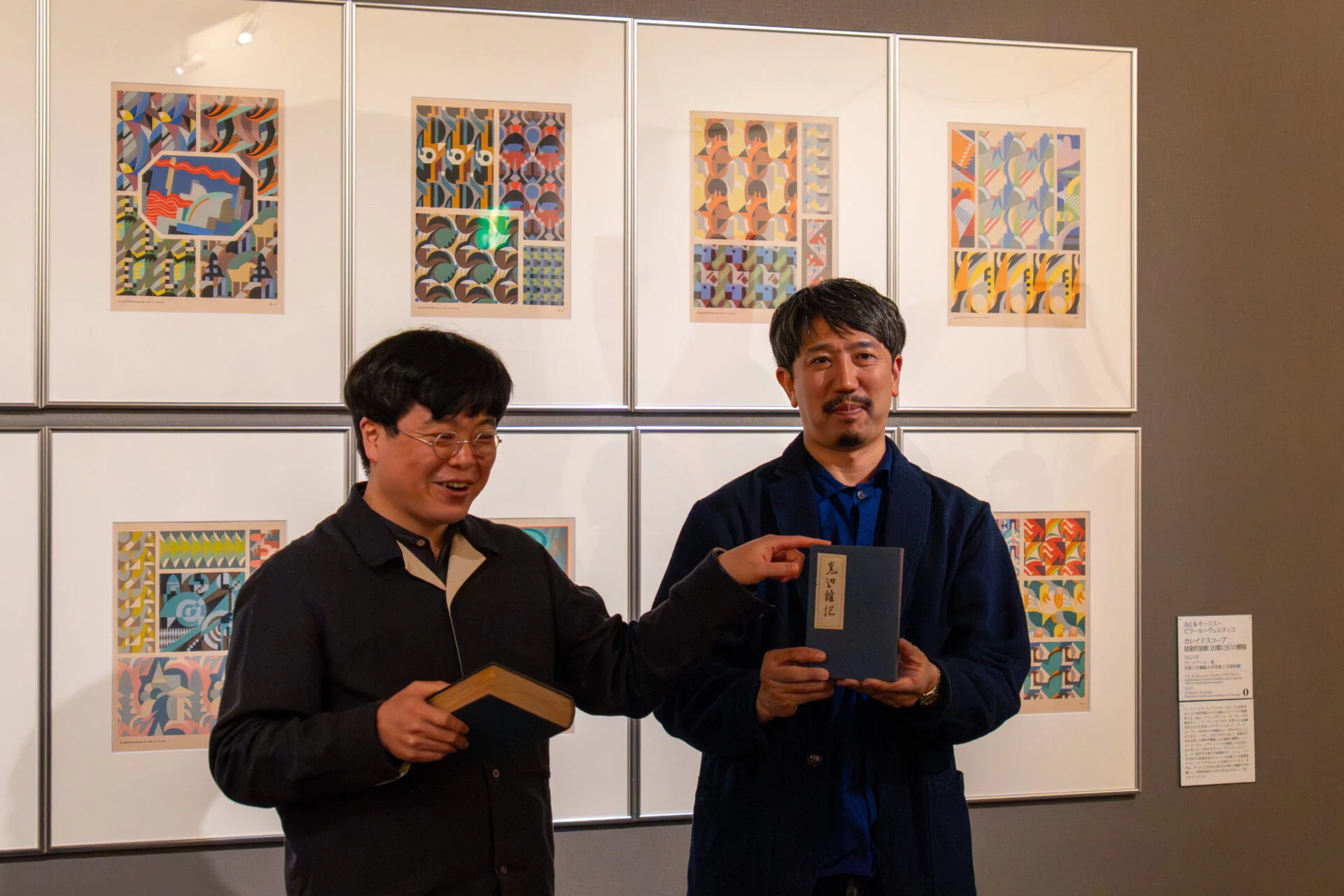
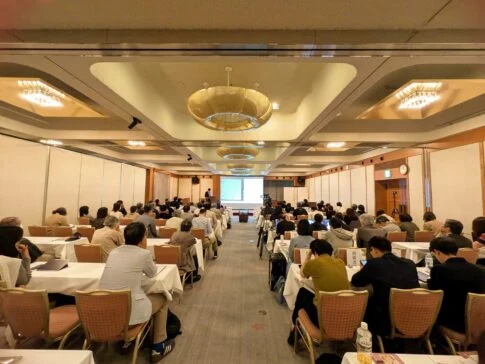
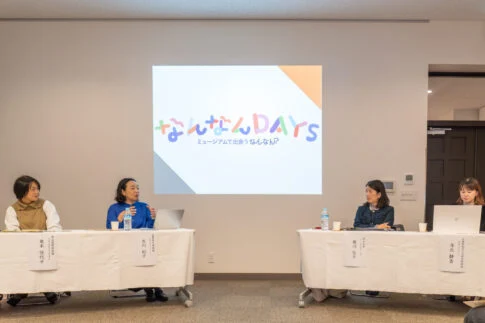
As a related event, the 1925 Roundtable Discussion "Out of Mingei and Imoduru 1925" was held.
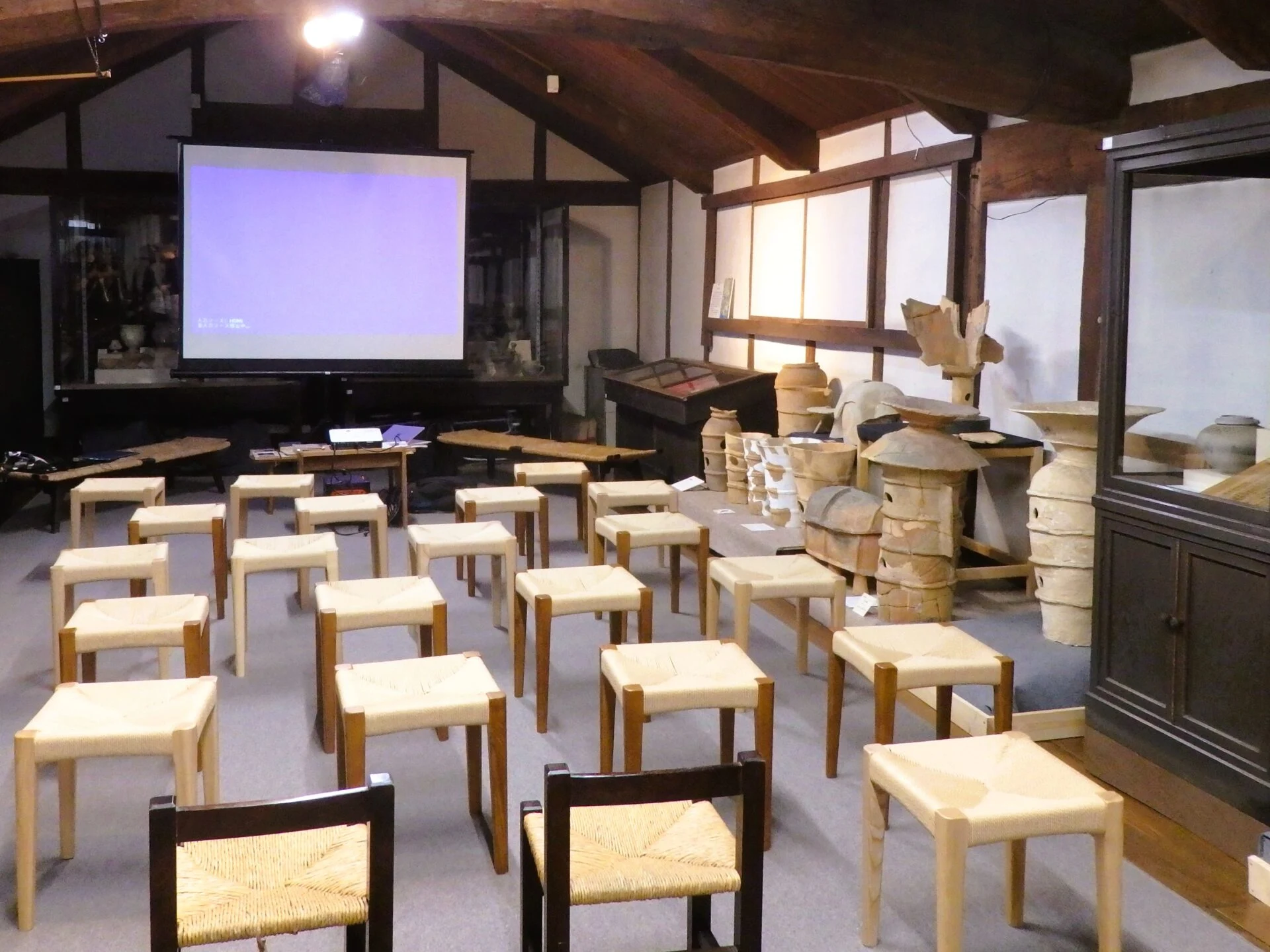
This is an educational event that explores the connections of culture from 100 years ago, combining a gallery talk around two representative museums of Kurashiki and a roundtable discussion, while moving between art and mingei (folk crafts), as well as archaeology and antiquities.
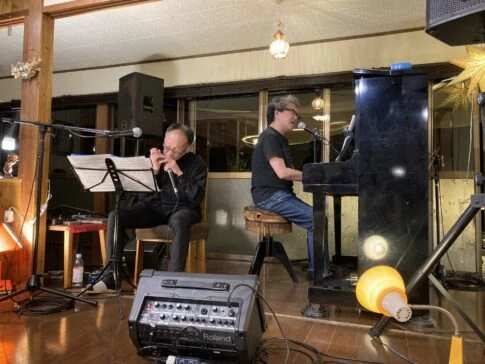
The sounds of the "Kurashiki Jazz Street" flowed in from outside, mingling with laughter, creating a moment that guided the exploration of modern and contemporary history.
We will introduce some of the discussions from the 1925 Roundtable in a chain-like manner.
1925 Roundtable Discussion "Out of Mingei and Imoduru 1925"
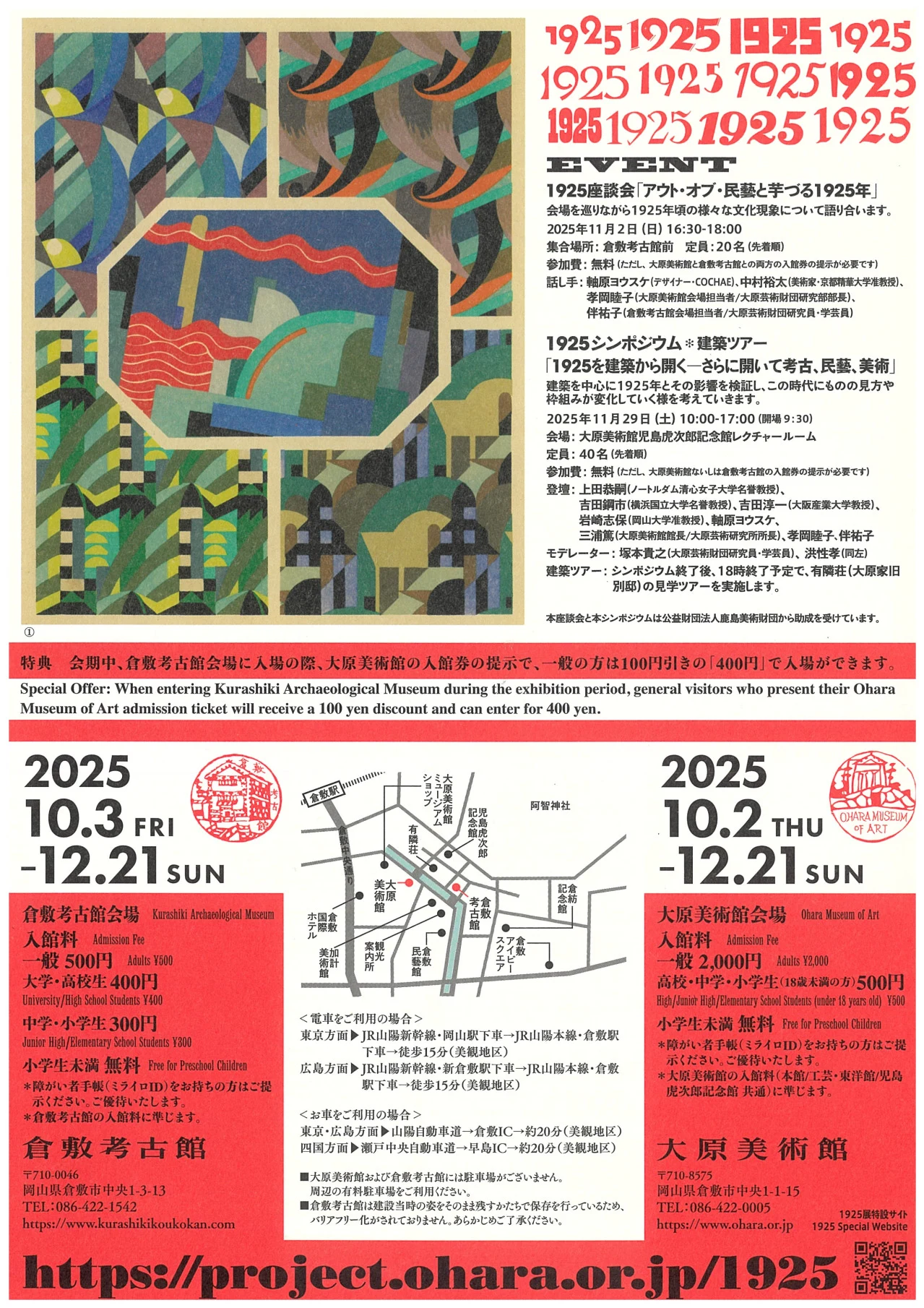
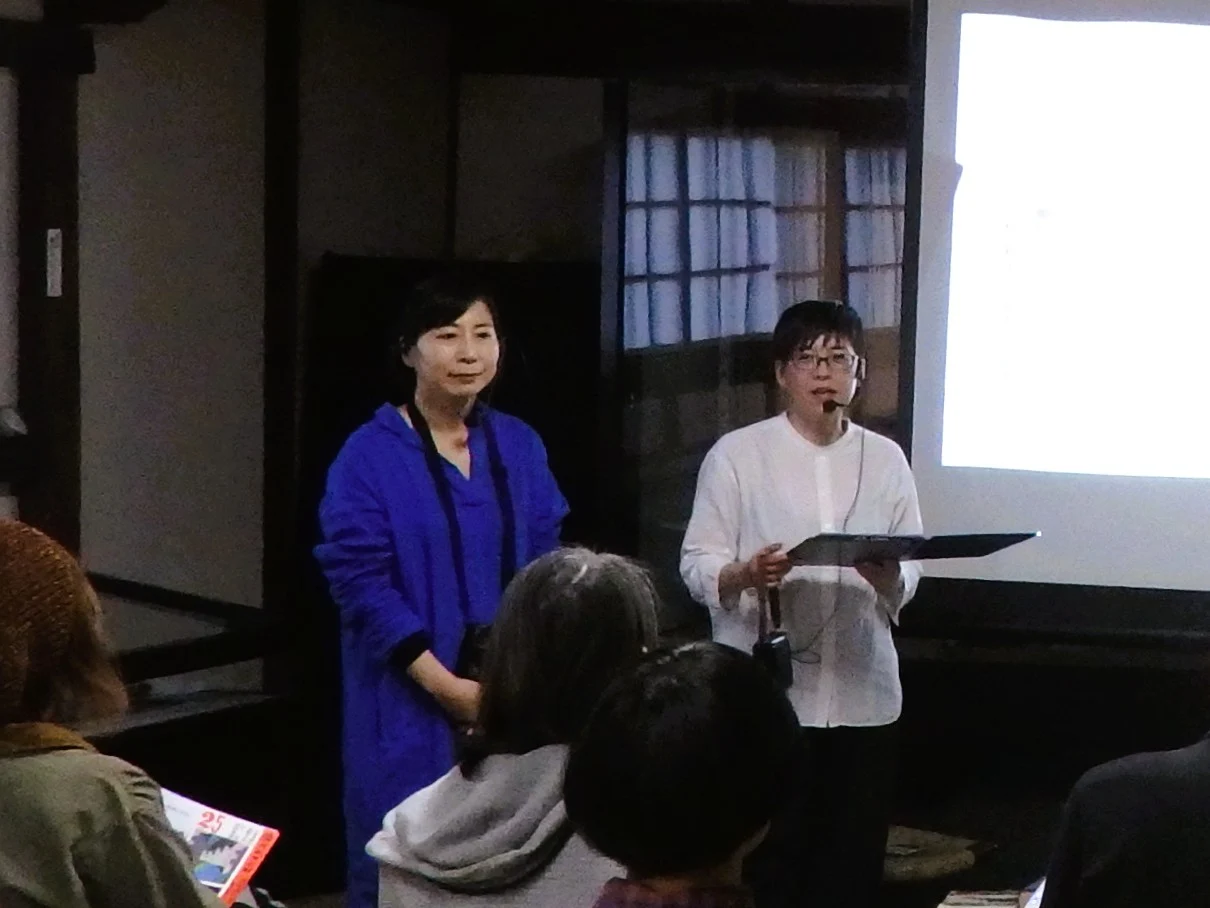
On November 2, 2025 (Sunday), as a related project of the "1925 Exhibition," the 1925 Roundtable Discussion "Out of Mingei and Imoduru 1925" was held.
The speakers were as follows.
- Jikuhara Yosuke
Designer who handled the promotional materials for the 1925 Exhibition, member of the design unit "COCHAE" - Nakamura Yuta
Artist, Associate Professor at Kyoto Seika University Faculty of Art - Takaoka Chikako
Person in charge of the Ohara Museum of Art venue for the 1925 Exhibition, Head of the Research Department of the Ohara Art Foundation - Ban Yuko
Person in charge of the Kurashiki Archaeological Museum venue for the 1925 Exhibition, Researcher and Curator at the Ohara Art Foundation
What is "Out of Mingei"?
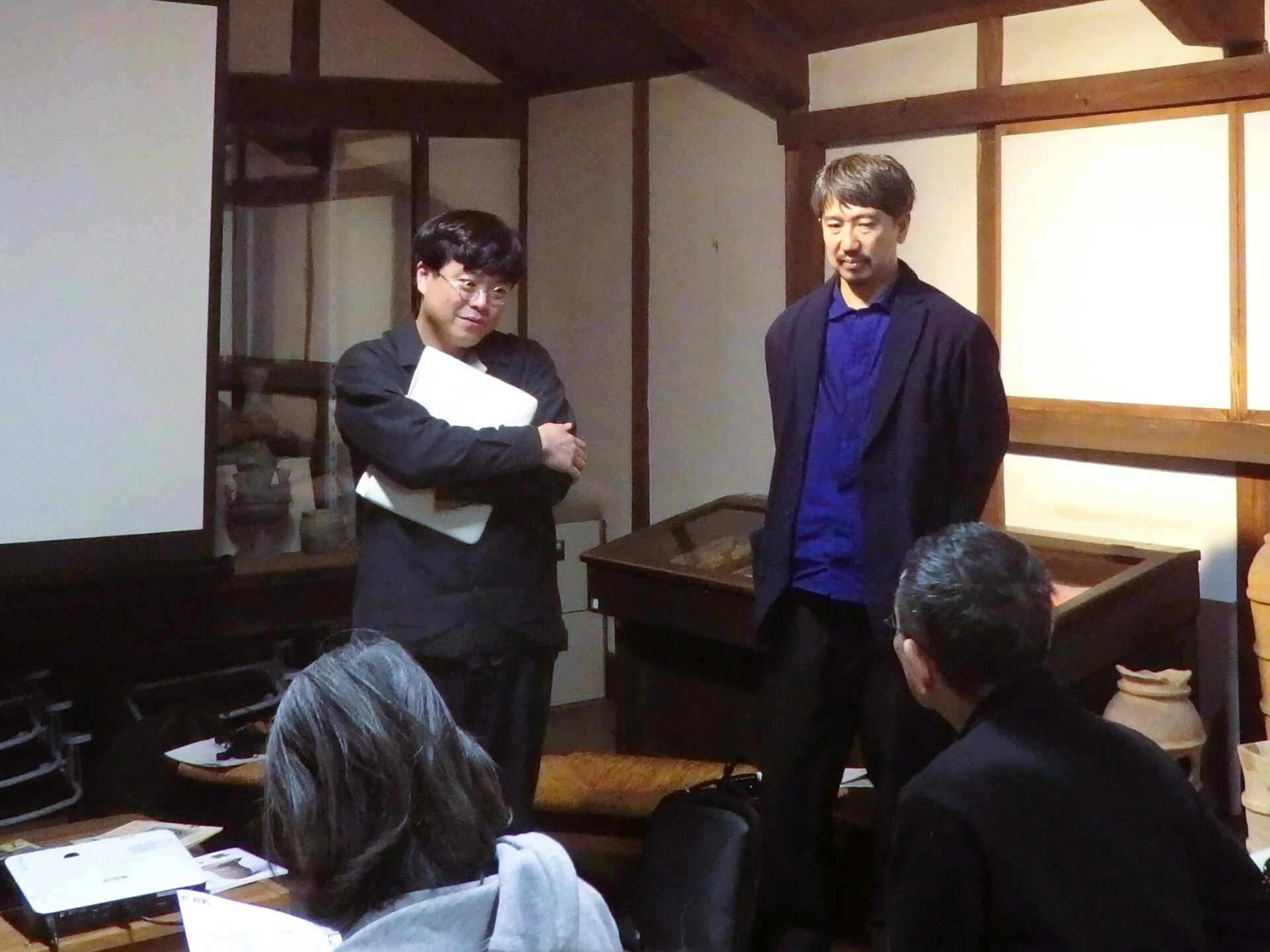
There are people trying to draw another map outside the term "mingei."
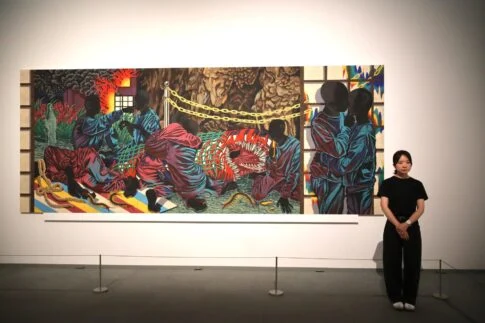
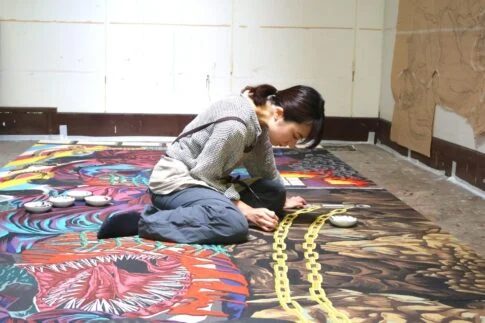
The collaborative project "Out of Mingei" by designer Jikuhara Yosuke and artist Nakamura Yuta is such an attempt by the two.
What they are focusing on are the various craft movements that simultaneously sprouted around the 1920s and 30s when the mingei movement was born. Their research encompasses the people and objects involved, as well as the networks of publishing and distribution.
By carefully reading materials (mainly old books and magazines from that time), they visualize the relationships as a correlation chart. This work feels like reconstructing "another history of mingei."
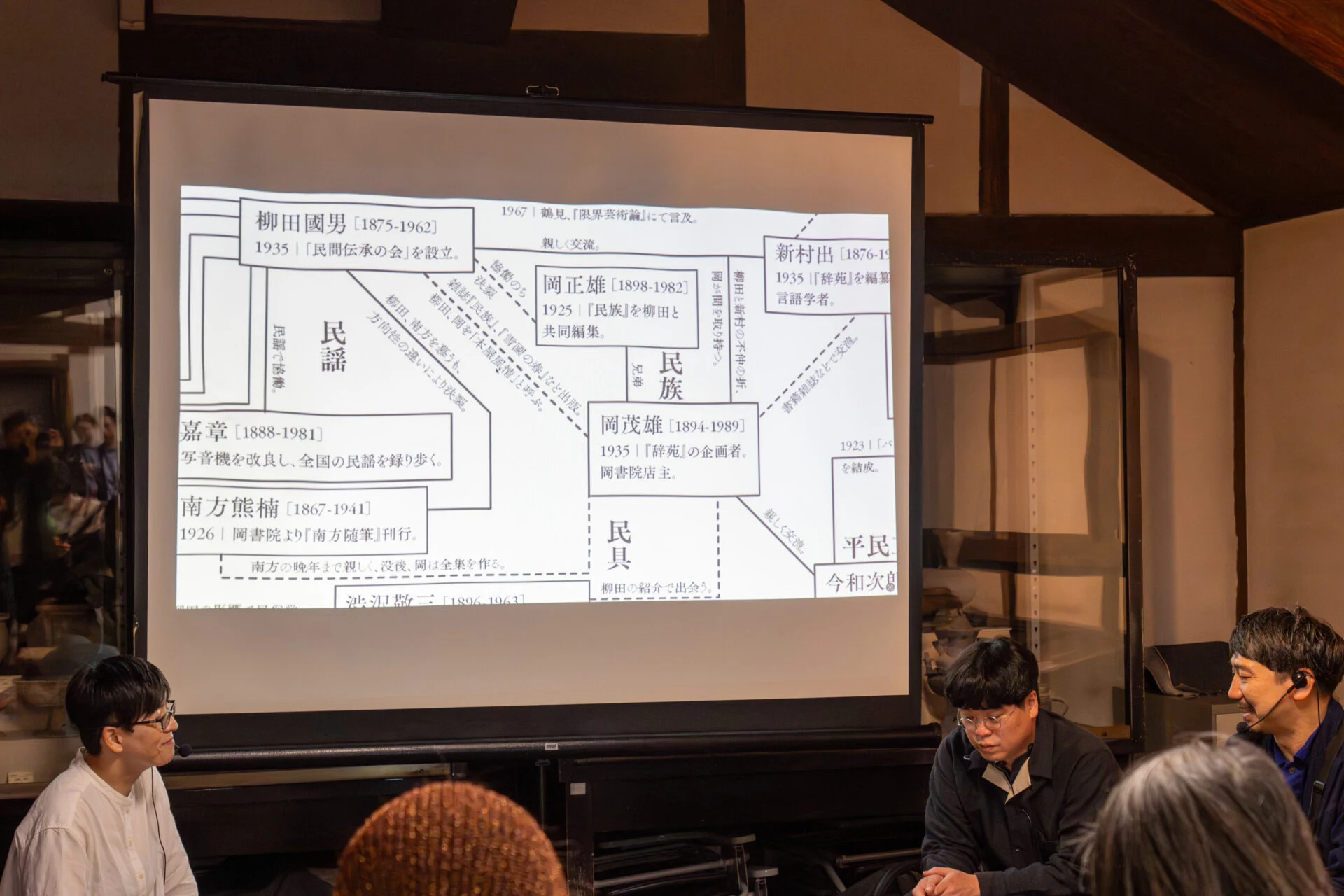
What has been called mingei, and what has been placed outside that framework. This activity digs up the creative power residing in the gap, quietly updating our perspective on mingei.
Mingei 1925 - What is beauty in modern society?
Exactly 100 years ago from now (2025), in 1925.
Casual conversations exchanged in a machiya (townhouse) in Kyoto would greatly change Japan's "way of seeing things."
Philosopher Yanagi Muneyoshi, ceramic artist Kawai Kanjiro, and Hamada Shoji. The three, from different fields, met and discussed the beauty hidden in craftsmanship while traveling to investigate mokujikibutsu (wooden Buddhist statues).
The words born from their thoughts were "popular crafts," that is, mingei.
After the Great Kanto Earthquake in 1923, Yanagi moved to Kyoto, where he, along with Kawai and Hamada, found beauty rooted in life among nameless vessels and tools while visiting morning markets and antique shops.
This was also an attempt to re-examine "what is beauty" in a modern society where mechanization and mass production were advancing.
From the Meiji to Taisho, and then to Showa.
The philosophy of mingei updated the sense of clothing, food, and housing in an era of changing lifestyles, and eventually spread beyond Japan to the world.
And in 2025, it marks 100 years since the term mingei was born.
This question seems to be posed to us in the present day as well.
Mingei x Kurashiki 1950 Ohara Museum of Art 20th Anniversary Event
Mingei and Kurashiki
A symbolic episode connecting these two occurred in 1950.
In commemoration of the 20th anniversary of the Ohara Museum of Art, an unprecedented scale cultural event was held. It was proposed by the second director, Ohara Soichiro.
Just five years after the end of the war. In an era still marked by chaos, Soichiro planned this event with the thought of "illuminating the future with the power of art."
Gathered in Kurashiki was a dream team that symbolized the cultural scene of post-war Japan. Leading figures of the mingei movement, such as Hamada Shoji and Kawai Kanjiro, along with literary figures from the Shirakaba-ha, like Shiga Naoya and Musha Koji Saneatsu, and masters of Western painting like Yasui Sotaro and Umehara Ryuzaburo.
Starting with these six, about 40 cultural figures from various fields such as art, literature, and architecture gathered in Kurashiki, enveloped in an atmosphere signaling the restart of post-war culture.
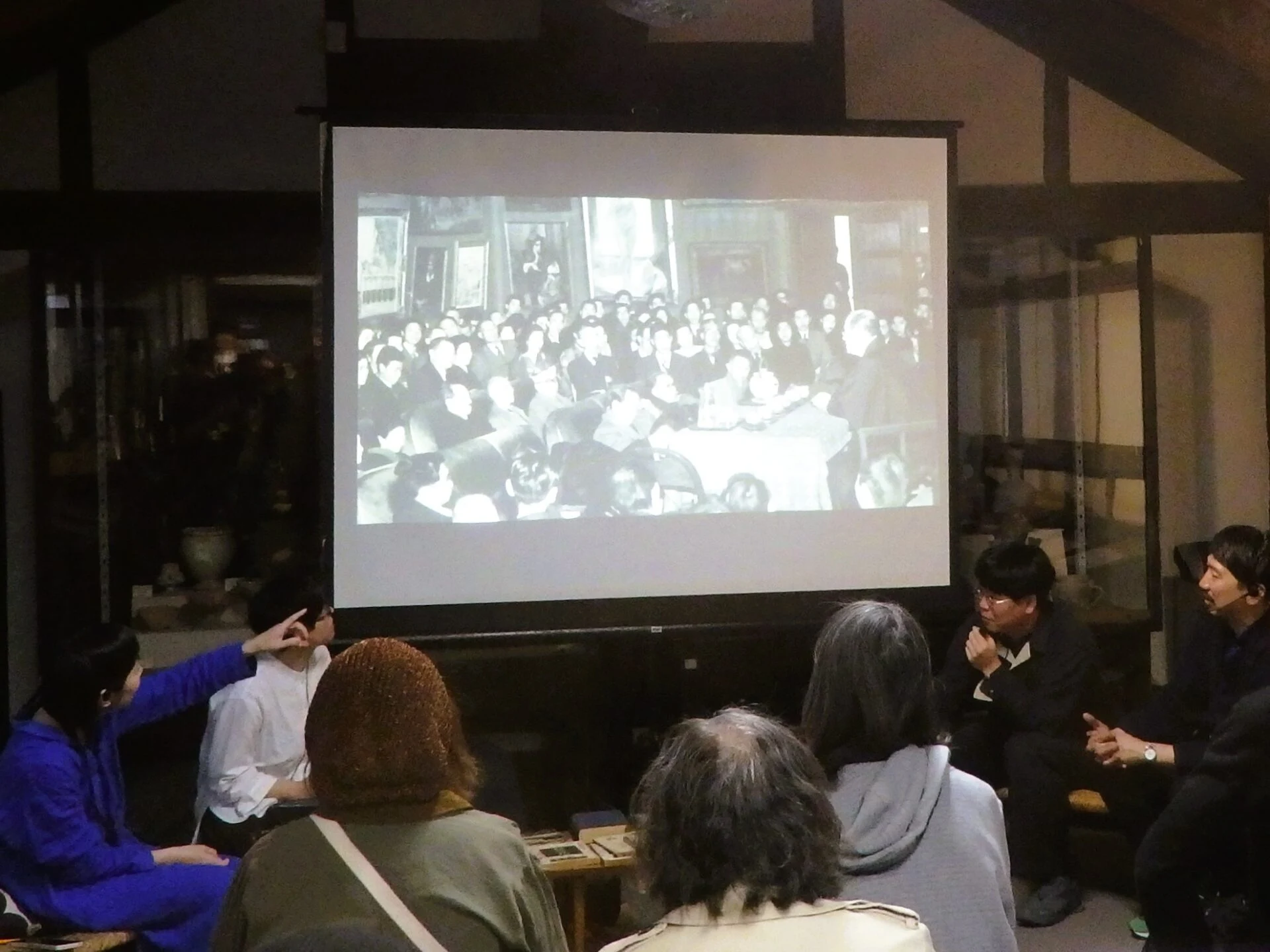
The highlight was the public roundtable discussion "Art and People" held in the second-floor exhibition room of the main building.
The moderator was Yanagi Muneyoshi, the director of the Japan Folk Crafts Museum.
This was not only a demonstration of the breadth of his connections but also a reaffirmation of the strong bond with the Ohara family, who continued to support the mingei movement.
The program structured at Yanagi's suggestion was not merely a celebration but also a time for philosophical dialogue looking toward the future of the Ohara Museum of Art.
With piano performances by invited musicians from Paris and songs by related parties, a European salon-like splendor spread through the quiet town of Kurashiki.
The reputation of this day quickly reached Tokyo, and it was said that "culture is alive in Kurashiki."
Notably, there is a story that a special first-class sleeper car was added to the night train to pick up and drop off guests who came from afar. In an era before the Shinkansen, such elegant hospitality was a unique episode of the Ohara family, which connects art and people.
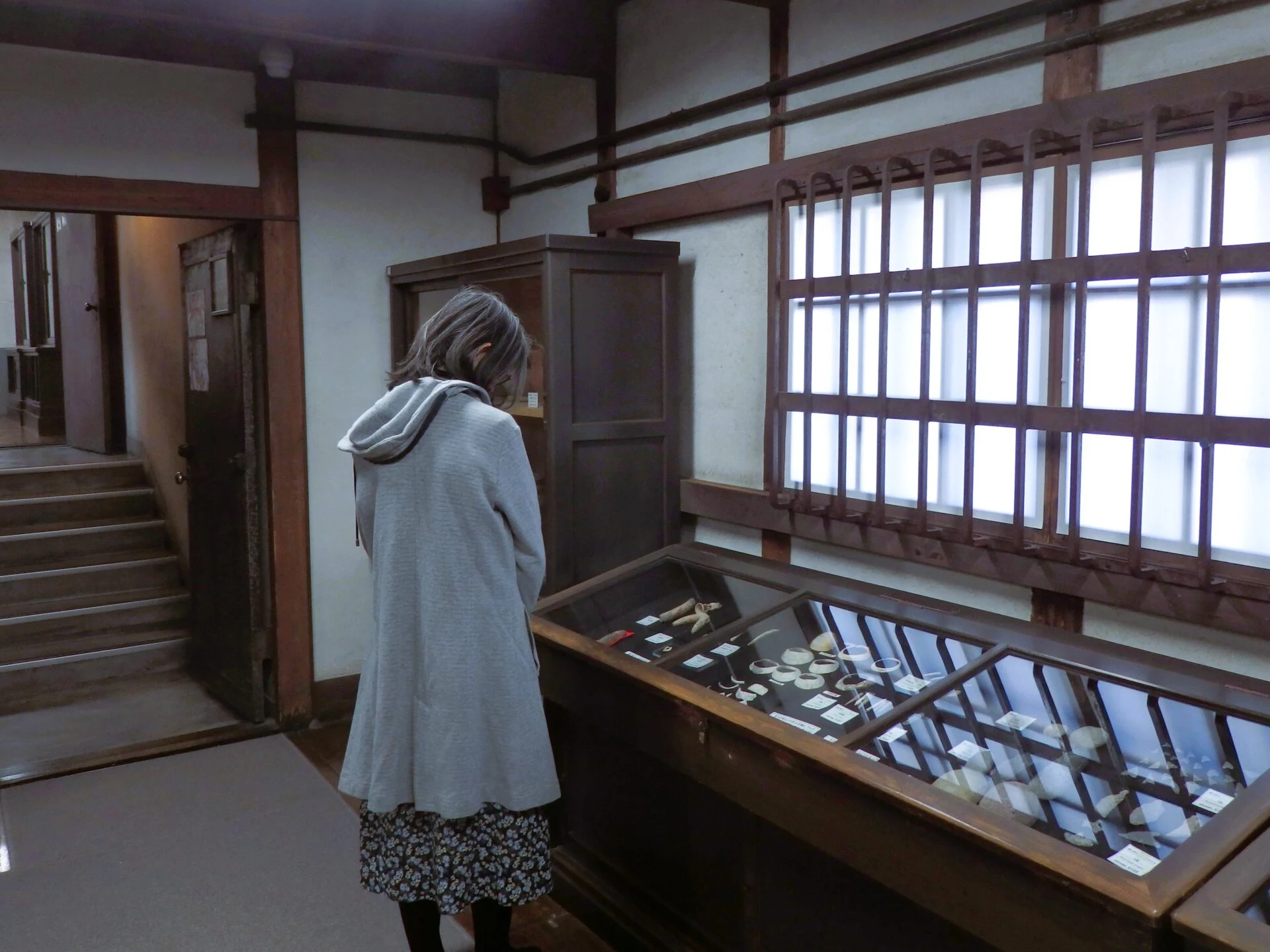
The gaze of Mingei residing in Jomon
At the Kurashiki Archaeological Museum, a Jomon period deep bowl-shaped pottery discovered in Kojima Bay is on display.
This intact Jomon pottery is extremely rare in western Japan and is the only example in Okayama Prefecture.
During the Edo period, it was accidentally caught in a fisherman's net and presented to the Bizen feudal lord Ikeda family, later discovered in a storehouse during the Meiji period, and became part of the collection of the Kurashiki Archaeological Museum.
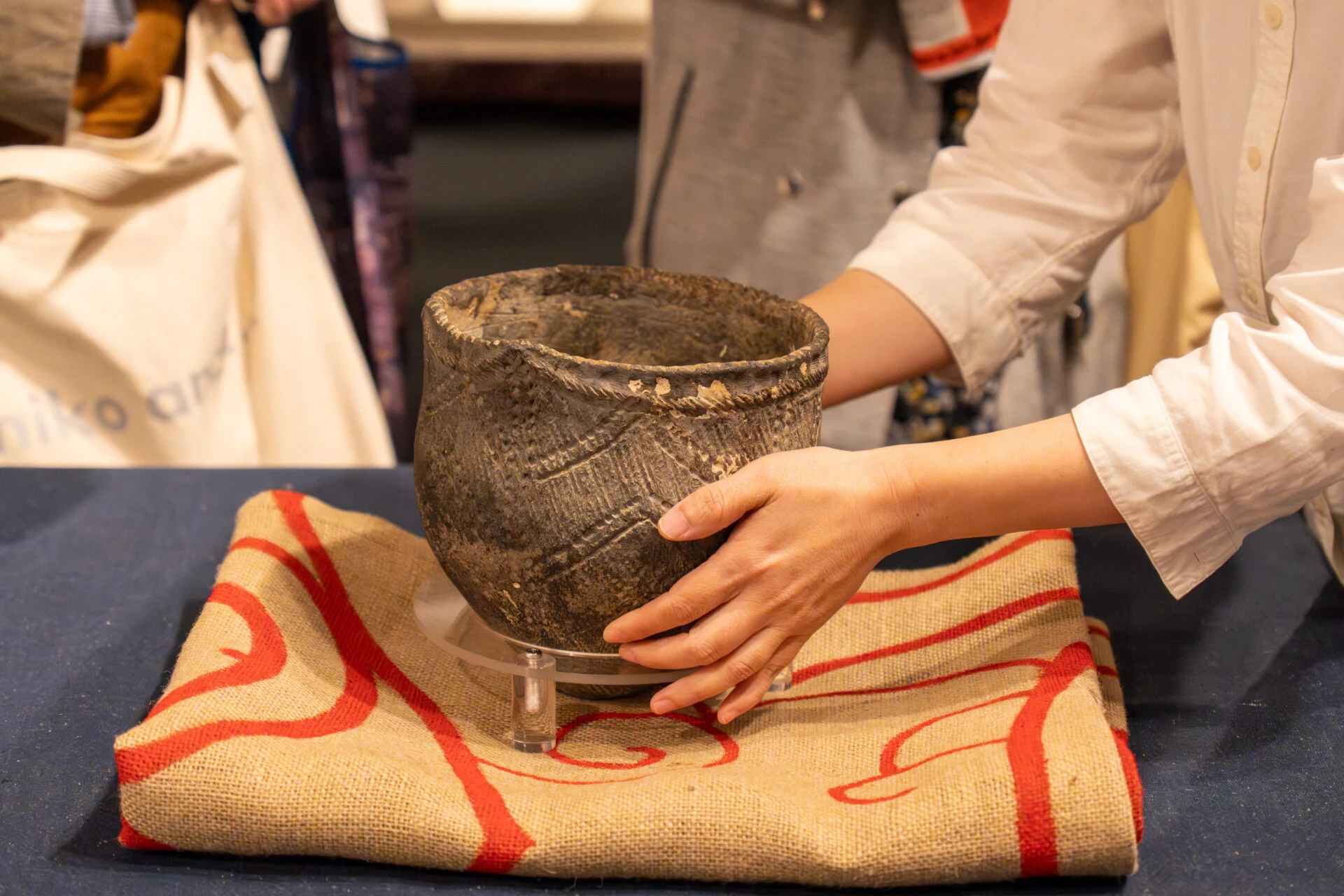
The ceramic artist and central figure of the mingei movement, Hamada Shoji, saw this pottery when he visited the Kurashiki Archaeological Museum, which had just opened in November 1950.
This was during his visit to Kurashiki for the 20th anniversary event of the Ohara Museum of Art, and there are records of him sketching this Jomon pottery. Hamada's interest extended beyond his own creative activities to Jomon pottery and clay figurines.
It is said that he found the origin of the "unintentional beauty" advocated by mingei in those forms. Hamada regarded Jomon pottery as the roots of Japanese creativity and is said to have referred to it as "the ancestor of Japanese mingei."
After the war, he was also involved in a plan to produce replicas of Jomon pottery as educational materials.
This was an endeavor to pass on the ancient aesthetic beauty to the future in a time of devastation.
Imagining Hamada Shoji gazing at the intact Jomon bowl in the exhibition room of the Kurashiki Archaeological Museum, one can feel how deeply the aesthetic consciousness of mingei is connected to layers of time.
Kojima Torajiro standing between art and archaeology
When you hear the name Kojima Torajiro, you might first think of him as a Western-style painter.
However, his gaze was not only directed at the West but also more broadly and deeply towards ancient Orient and Japanese archaeology.
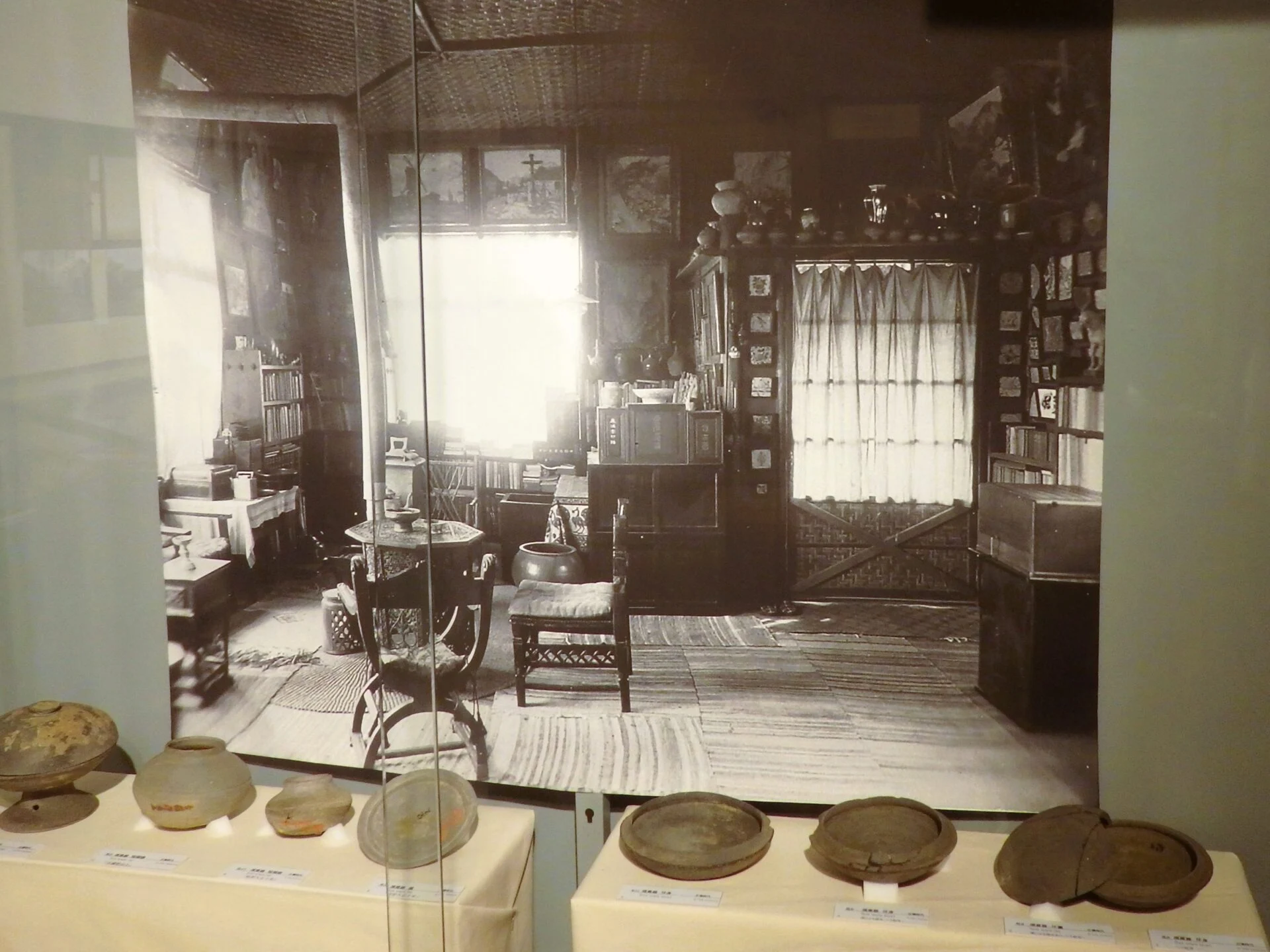
The photograph taken of the studio and residence in Sakatsu, Kurashiki, features his cherished possessions.
In 1923, he visited Egypt, indicating that his interest in archaeology was not merely a passing phase. Upon closer inspection of the photograph, one can see the presence of Sue ware arranged above the curtain.
Among the Sue ware preserved at the Kurashiki Archaeological Museum, there are pieces marked with the character "兒," indicating they were part of Kojima's collection, and it is believed to be the same as the pottery in this photograph.
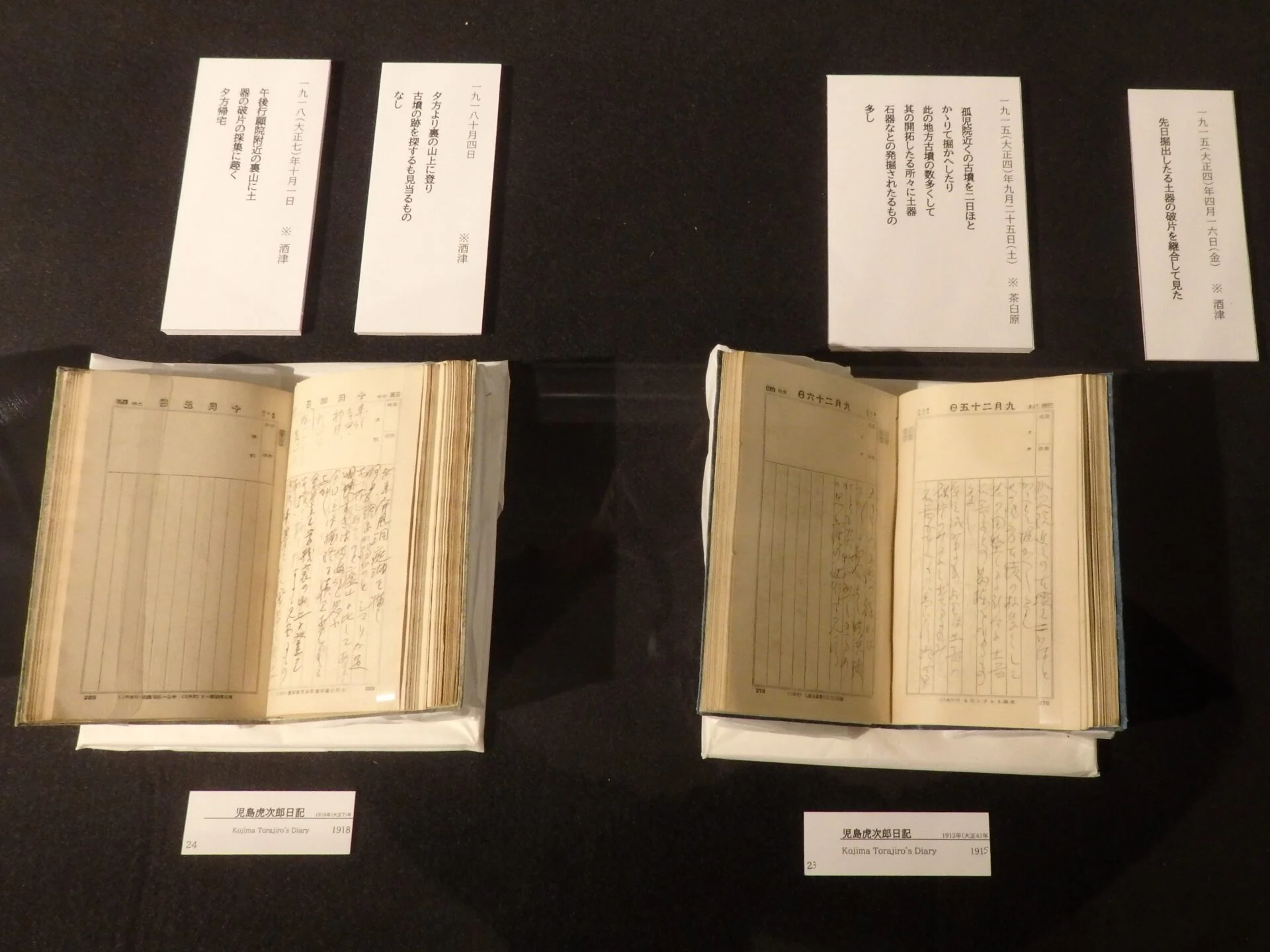
Furthermore, the "Kojima Torajiro Diary," which the Ohara Art Foundation is transcribing and researching, contains records of excavations conducted in Sakatsu and Chausubara, Miyazaki Prefecture from 1915 to 1921, confirming that Kojima himself was attempting an archaeological approach.
A century ago, during the development period of archaeology in Okayama, Kojima Torajiro was involved in it. In this 1925 exhibition, we can focus on another aspect of Kojima Torajiro, his existence standing between art and archaeology.
The Ripple Effect of "Out of Mingei" in Kurashiki
The perspective of "Out of Mingei" delves even deeper from here.
Kojima's best friend during his time at the Japan School of Fine Arts, who is referred to as "the only friend" in his diary, is Yamamoto Kanae.
The "Farmers' Art Movement" he launched in 1919 aimed to have farmers create handicrafts during the off-season to enhance their quality of life.
Starting with wooden "Koppa dolls," this movement expanded into textiles, plant dyeing, and embroidery, spreading nationwide and still thriving as a traditional craft in the Ueda region of Nagano Prefecture.
Interestingly, there were movements in Kurashiki that responded to this.
Under the direction of Ohara Magosaburo, Kojima was involved in the production of local specialty products at "Kirakudo." In 1925, records show that a prototype exhibition was held at the Nisankai Hall, where Kojima was deeply involved in design guidance and pattern provision.
Many of the completed crafts bear a striking resemblance to the works of the Farmers' Art Movement, suggesting that Kojima was influenced by Yamamoto Kanae.
Even after graduating from university, their exchange continued, and when Kojima passed away in 1929, Yamamoto contributed a memorial piece.
On the other hand, Yanagi Soetsu, who later led the Mingei movement, criticized this Farmers' Art as "Westernized crafts." In his work "Mingei and Farmers' Art" (1935), he explicitly stated, "It is not beauty born from the natural life of the region."
In other words, the Farmers' Art Movement is an existence worthy of being called 'Out of Mingei'.
While it strays from Yanagi's ideals, its spirit spread to Kurashiki and shaped the craft thought of the 1920s.
Mingei and Cubism—Around the Atmosphere of 1925
On the first floor of the new exhibition building of the Ohara Museum of Art, three forms from different eras and contexts are lined up in the center.
- Wooden Jikyu "Eleven-faced Kannon Bodhisattva seated statue" from the Edo period
- Hamada Shoji "White Glazed Indigo Sugarcane Pattern Vase"
- Alberto Giacometti "Cubist Composition—Man"
The arrangement of these three pieces quietly brings forth the multifaceted nature of art in the year 1925.
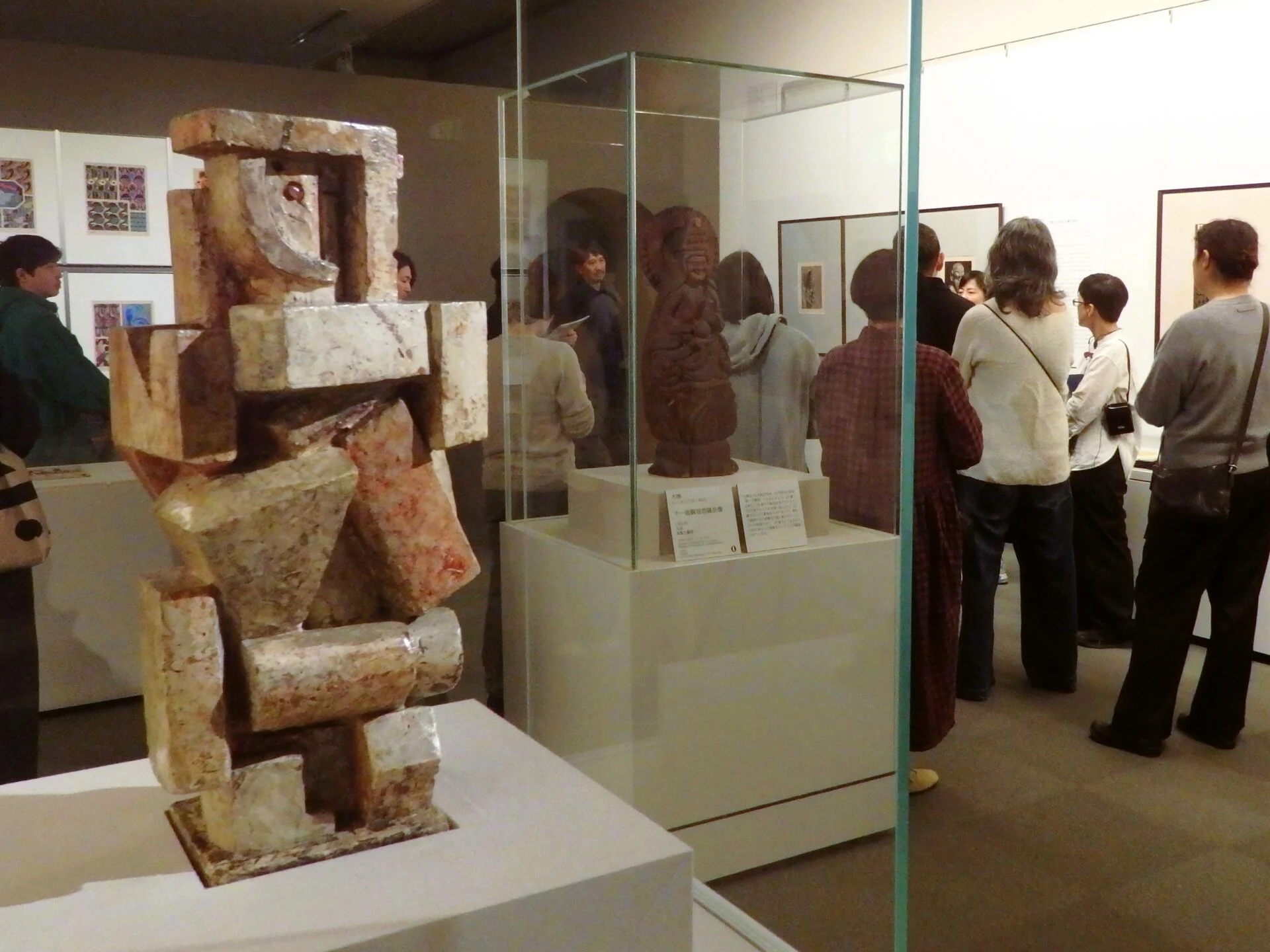
Giacometti's work is a Cubist form constructed by layering multiple perspectives onto a single surface. He sought to embody the pictorial experiments pioneered by Picasso and Braque in three-dimensional sculpture.
There is also a hint of Surrealism, and the influence of the aesthetic arts from Africa and Oceania can be seen. In the chaos of the 1920s, the visual arts began to move away from the center, broadening their gaze towards the forms of the people around the world.

On the other hand, the Jikyu Buddha and Hamada's vase are also expressions born outside the mainstream.
The statues by Mokujiki Shonin possess a simplicity yet radiate a sense of life that seems to glow from within. Hamada's vase features an organic and flowing form created by the texture of the clay and the serendipity of the glaze.
Despite being from different eras, there is a sense of shared prayer and freedom of form that resonates between them.
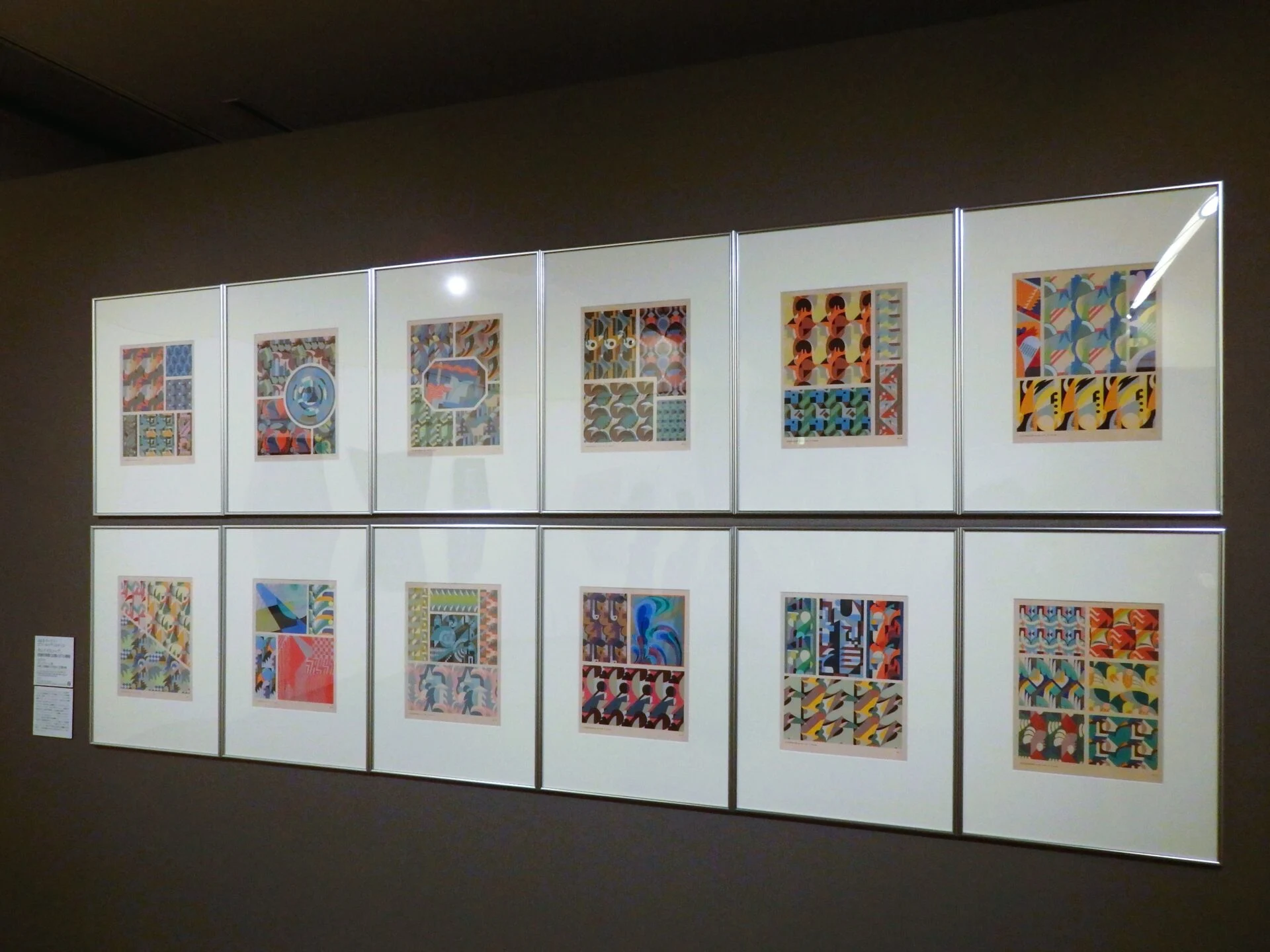
Yanagi Soetsu, in his writings, describes the Mokujiki Buddha as Cubist.
It can be speculated that upon witnessing the works of Picasso and others, Yanagi became more convinced of his own views on Mingei...
In other words, the year 1925 was a time when Mingei and modernism, the East and the West, earth and abstraction reflected each other.
The three forms quietly lined up convey the intersecting gazes from a century ago to today.
A Soft Perspective That Does Not Insist on "Mingei"

As I observe the correlation chart drawn by the activities of "Out of Mingei," I am struck by the simultaneous emergence of movements across various regions of Japan in the 1920s and 30s, where people sought to design their lives through craftsmanship.
However, looking back from the present perspective, it is also true that Yanagi Soetsu's Mingei movement has been positioned at the center of the narrative. Due to its strong magnetic field, it cannot be denied that other creative flows have been treated as peripheral.
Their activities are by no means a declaration against Mingei.
By picking up old books and tracing intriguing names in a chain-like manner, the overlooked individuals and forgotten contexts naturally come to the surface.
Like an extension of a club activity, they joyfully expand the correlation chart. What emerges beyond that lightness is a new map that shakes the monolith of Mingei.
"Out of Mingei" does not deny Mingei; rather, it may be excavating the layers of creativity in Japan during the interwar period from the outside.
Articles Related to the Ohara Museum of Art
1925 Exhibition Data
| Name | 1925 Exhibition |
|---|---|
| Dates | Ohara Museum of Art Venue 9:00 AM - 5:00 PM (Last entry at 4:30 PM) Period: October 2, 2025 (Thursday) - December 21, 2025 (Sunday) Kurashiki Archaeological Museum Venue 10:00 AM - 4:00 PM (Last entry at 3:30 PM) Period: October 3, 2025 (Friday) - December 21, 2025 (Sunday) |
| Location | 1-3-18 Chuo, Kurashiki City, Okayama Prefecture |
| Participation Fee (Tax Included) | ■ Ohara Museum of Art Venue (Admission fees for Ohara Museum of Art Main Building / Crafts and Oriental Gallery / Kojima Torajiro Memorial Gallery apply) General: 2,000 yen High School, Middle School, and Elementary School Students (under 18): 500 yen ■ Kurashiki Archaeological Museum Venue (Admission fees for Kurashiki Archaeological Museum apply) General: 500 yen University and High School Students: 400 yen Middle and Elementary School Students: 300 yen * Free for children under elementary school age * Those with a disability certificate (Mirairo ID) will receive a discount upon presentation. 【Benefits】 During the exhibition period, general visitors can enter the Kurashiki Archaeological Museum venue for 400 yen with the presentation of an admission ticket from the Ohara Museum of Art. |
| Website | 1925 Exhibition Special Site |