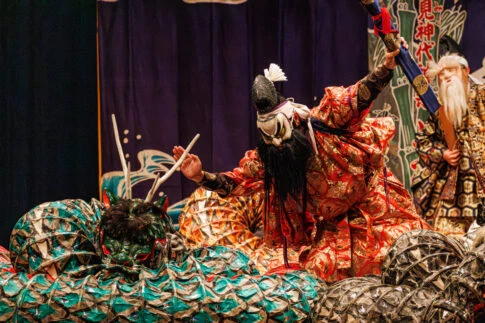
In 2025, which marks the 100th year of the Showa era, events featuring the culture from 100 years ago were held in various locations.
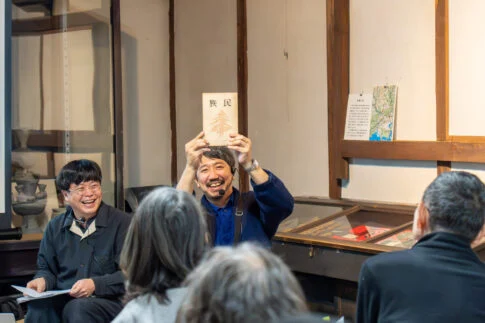
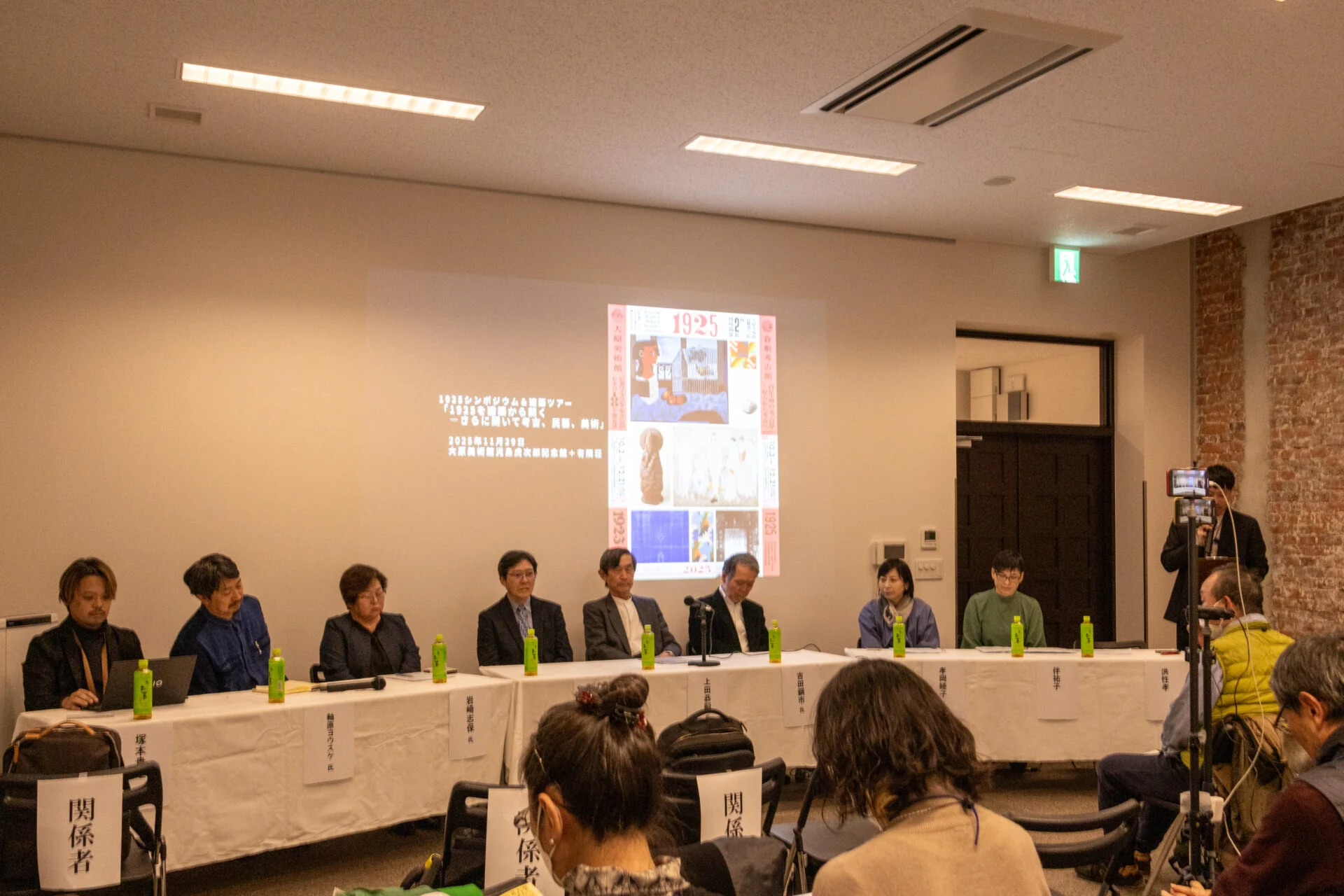
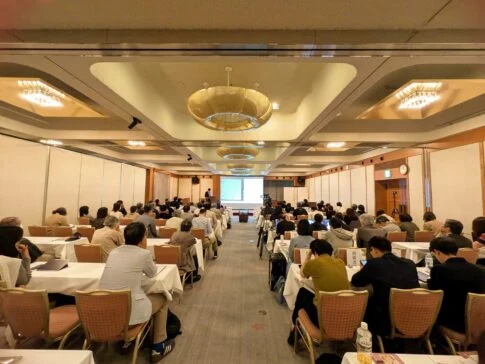
On November 29, 2025, the "1925 Symposium & Architecture Tour" was held in the lecture room of the Ohara Museum of Art Kojima Torajiro Memorial Gallery.
Focusing on the decorative style that flourished 100 years ago, known as "Art Deco", this symposium explored the connections with archaeology, folk crafts, and art from multiple perspectives.
Overview of the "1925 Symposium & Architecture Tour"
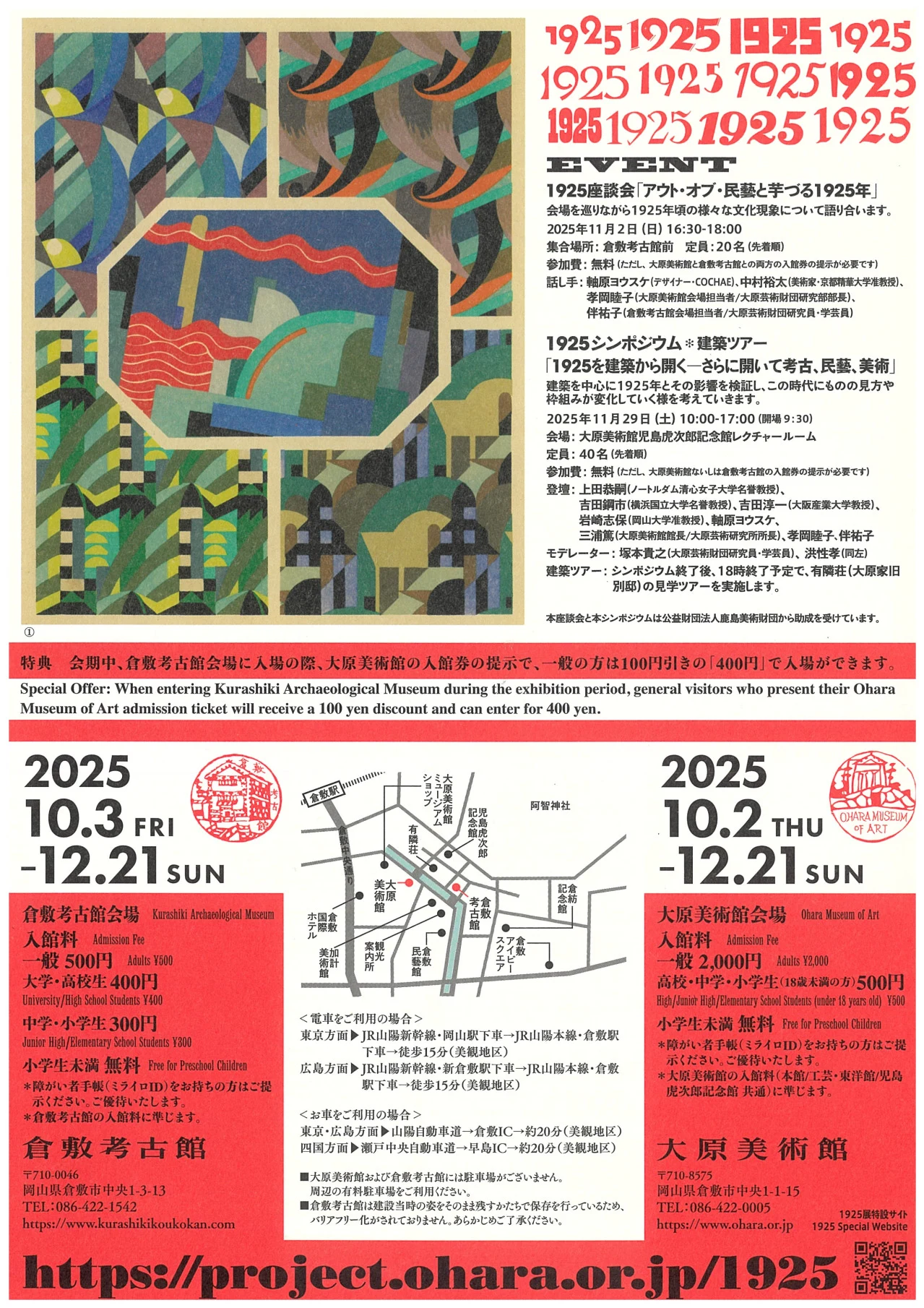
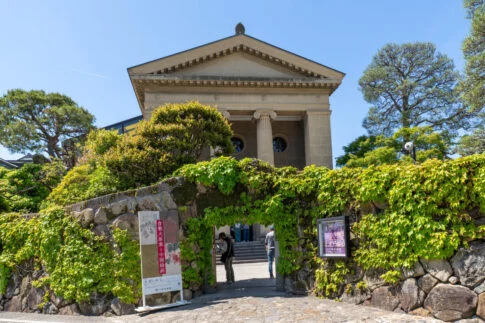
The "1925 Symposium & Architecture Tour" was held as a related event of the special exhibition "1925" at the Ohara Museum of Art and Kurashiki Archaeological Museum from October 2 (Thursday) to December 21 (Sunday), 2025.
In 1925, about 100 years ago, the International Exhibition of Modern Industrial Decorative Arts (Art Deco Exhibition) was held in Paris, France, and the "Art Deco" style began to flourish in the fields of architecture and design.
This time, three speakers gave lectures focusing on the architecture of 1925, followed by a discussion involving experts in archaeology, folk crafts, and art.
Explanation of the Special Exhibition "1925"
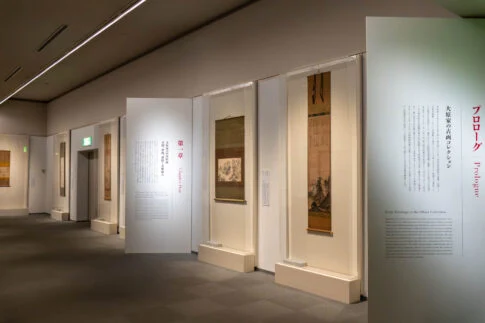
After the opening remarks by Atsushi Miura, Director of the Ohara Museum of Art and the Ohara Institute of Art, staff from the Ohara Museum of Art and Kurashiki Archaeological Museum provided explanations about the exhibition content of the special exhibition "1925" held at both venues.
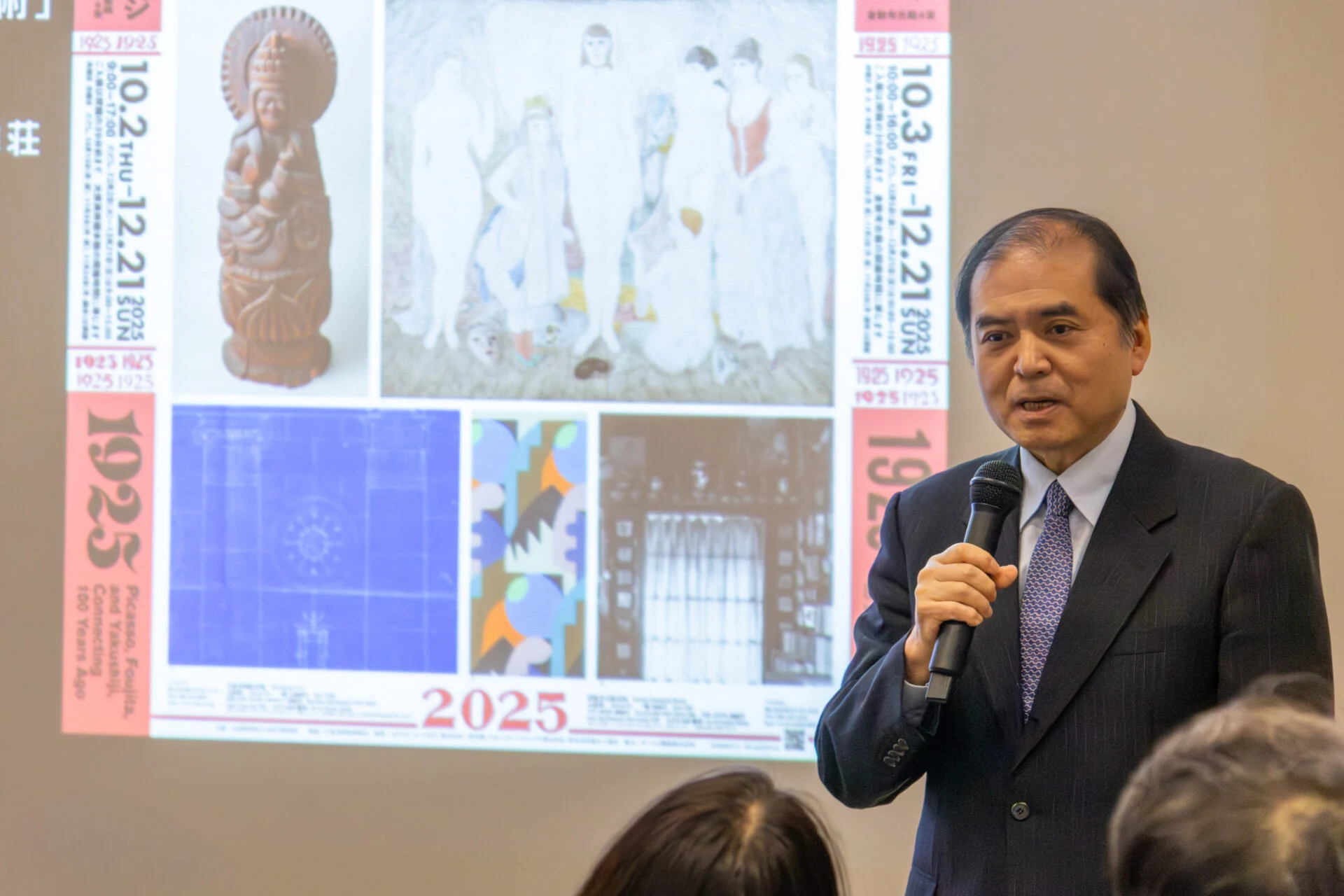
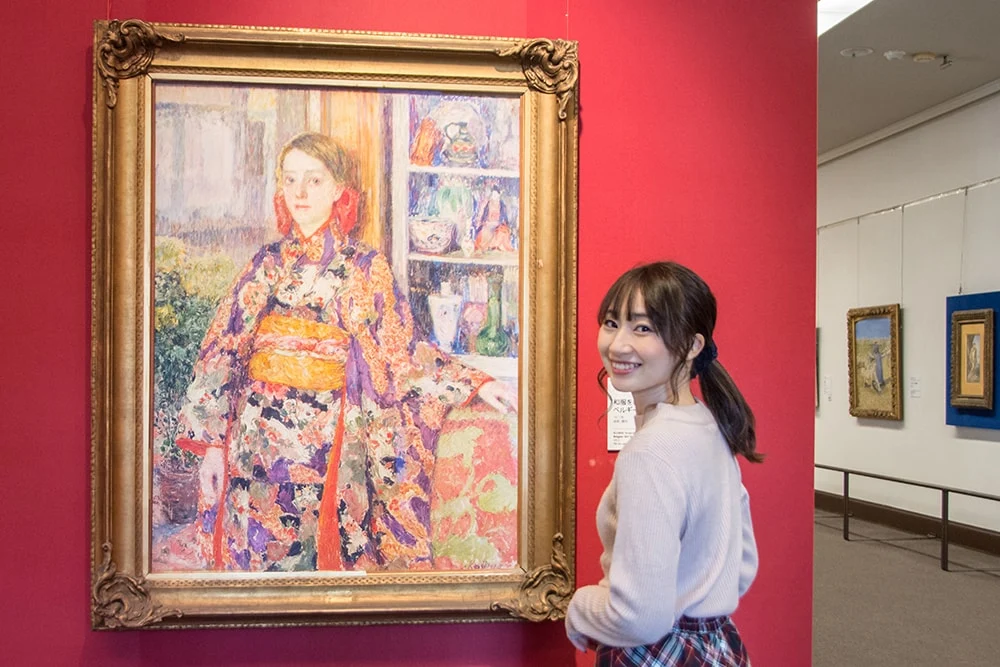
At the Ohara Museum of Art, an exhibition titled "1925: Picasso, Fujita, Yakushiji - Connecting 100 Years Ago" was held.

- Tsuguharu Fujita, who was active in Paris during the same era
- Works by Pablo Picasso
- Yakushiji Kazue, known as the designer of the main building of the Ohara Museum of Art, who extensively used the Art Deco style
The above three individuals were key figures in tracing the connections of art and culture of the time.
The introduction of the connections between Fujita and Picasso's interactions in Paris, and Yakushiji, who worked on architecture incorporating the "Art Deco" style, which has its origins in the Cubism led by Picasso, was very refreshing.
Cubism
An art movement founded in the early 20th century by Pablo Picasso and Georges Braque. It is an innovative technique that captures subjects from multiple perspectives and breaks them down into geometric shapes (such as cubes) to express them on a single canvas.

Additionally, with the cooperation of companies in Okayama Prefecture, the phantom entrance lamp designed by Yakushiji was also reproduced and displayed using a 3D printer.
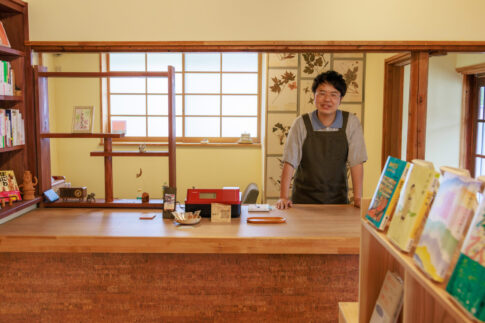
At the Kurashiki Archaeological Museum, an exhibition titled "1925: Archaeology 100 Years Ago - From Folk Studies to Archaeology" was held.
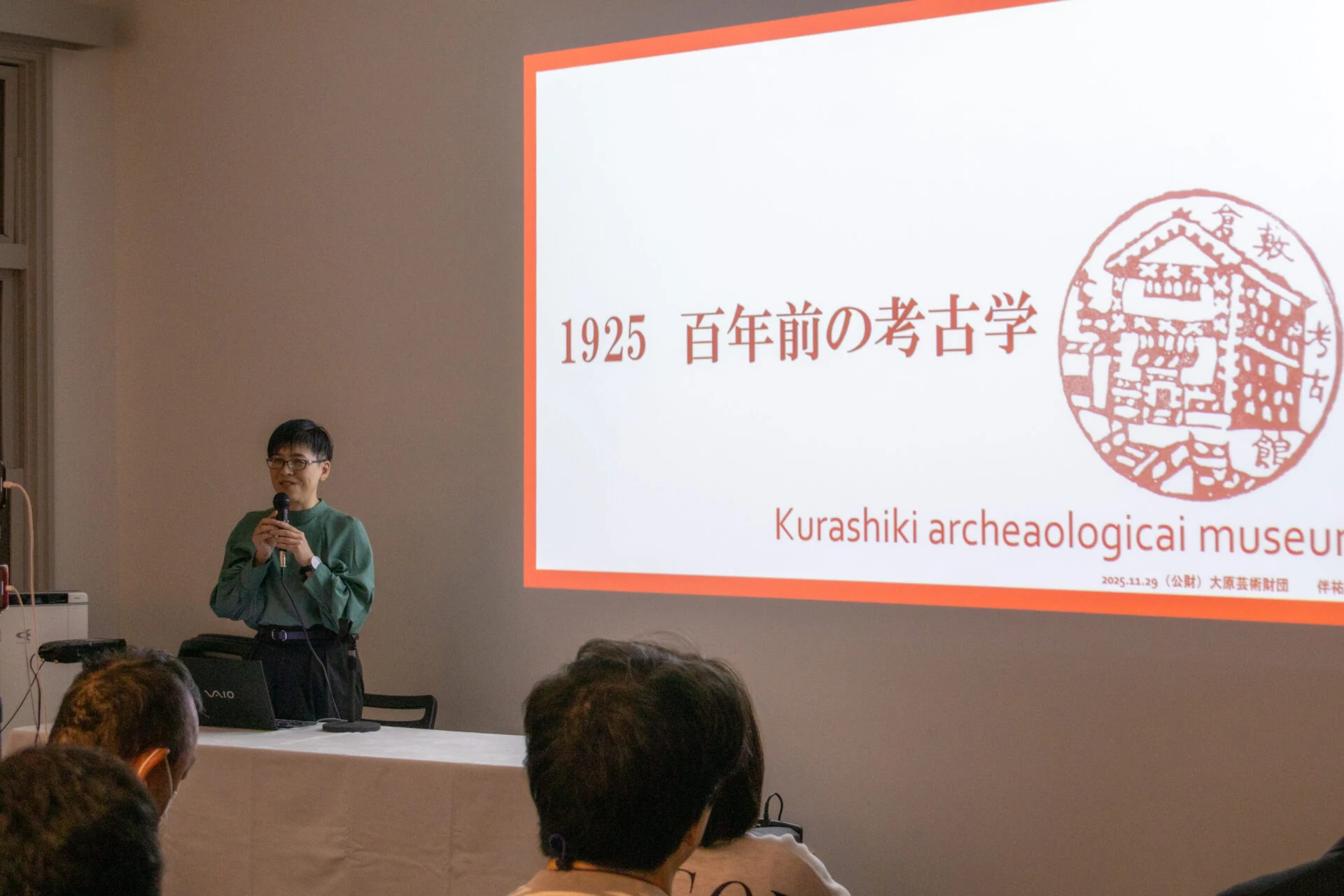
Around 1925, a time when amateur researchers, known as "folk historians," began to form organized study groups.
In Okayama Prefecture, the Kibi Archaeological Society was established in 1928, laying the foundation for archaeology as a discipline that "thinks about the old."
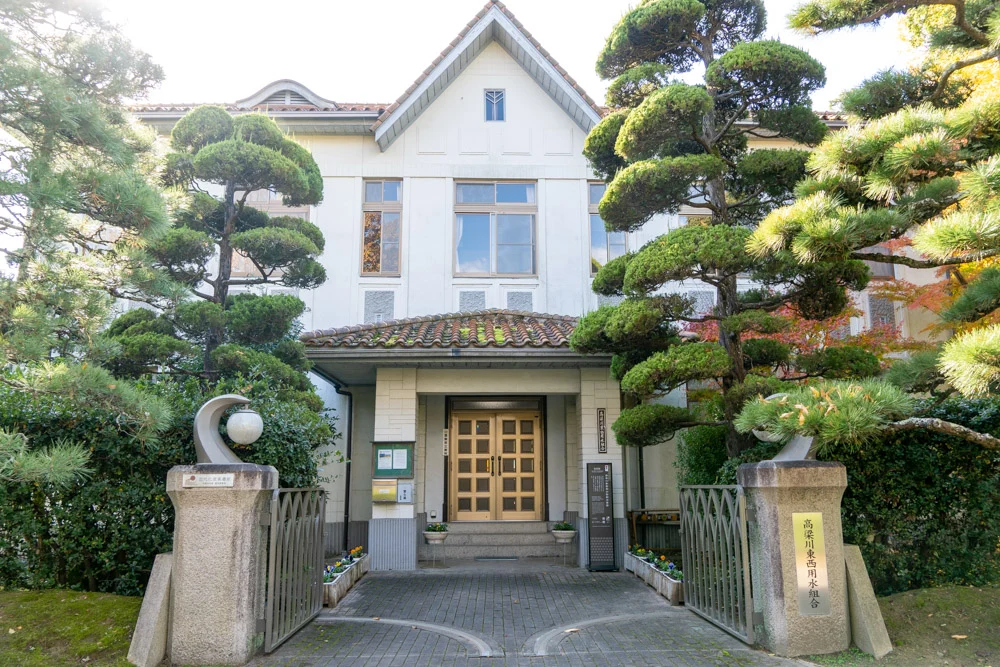
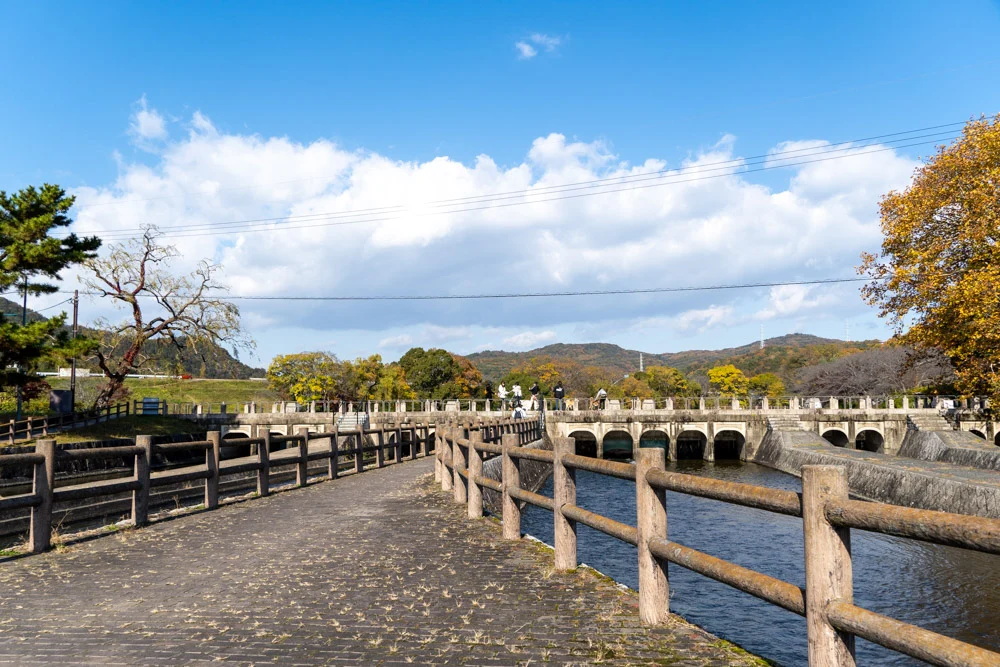
During this period, construction of the Takahashi River East-West Water Supply Facility was underway in Kurashiki, making it easier to discover surrounding archaeological sites.
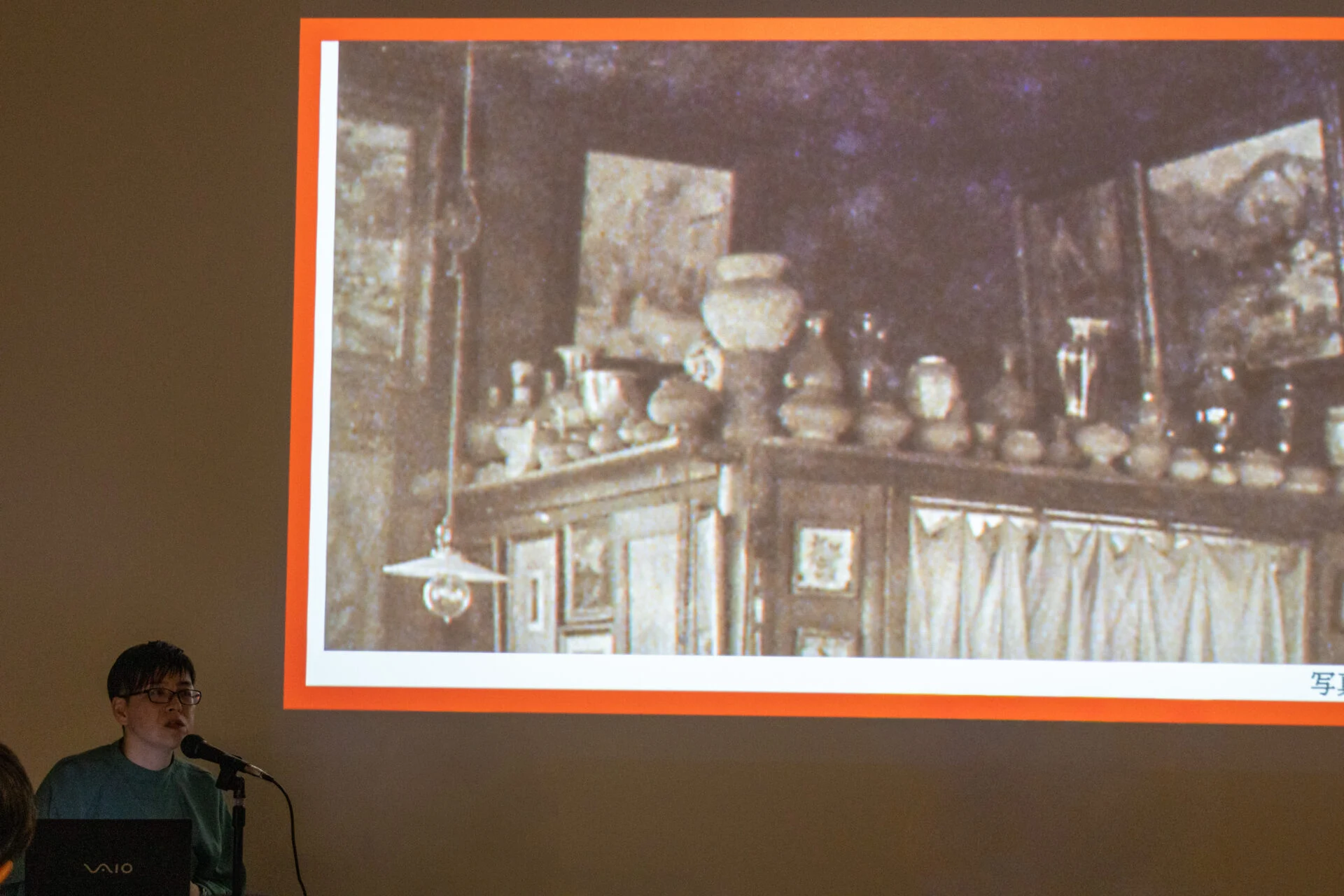
Kojima Torajiro, a Western painter who established his atelier "Mui Mura-so" near the construction site in Sakatsu, collected pottery excavated in the area, confirming his interest in Japanese archaeology.
About Each Lecture
Regarding the theme of this symposium, "Opening 1925 from Architecture", lectures were given by the following three professors.
- Ueda Yasutugu
Emeritus Professor, Notre Dame Seishin University - Yoshida Koichi
Emeritus Professor, Yokohama National University - Yoshida Junichi
Professor, Osaka Sangyo University
Lecture 1: "The 1925 Style Expressed by Yakushiji Kazue"
The first speaker was Professor Yasutugu Ueda, Emeritus Professor at Notre Dame Seishin University.
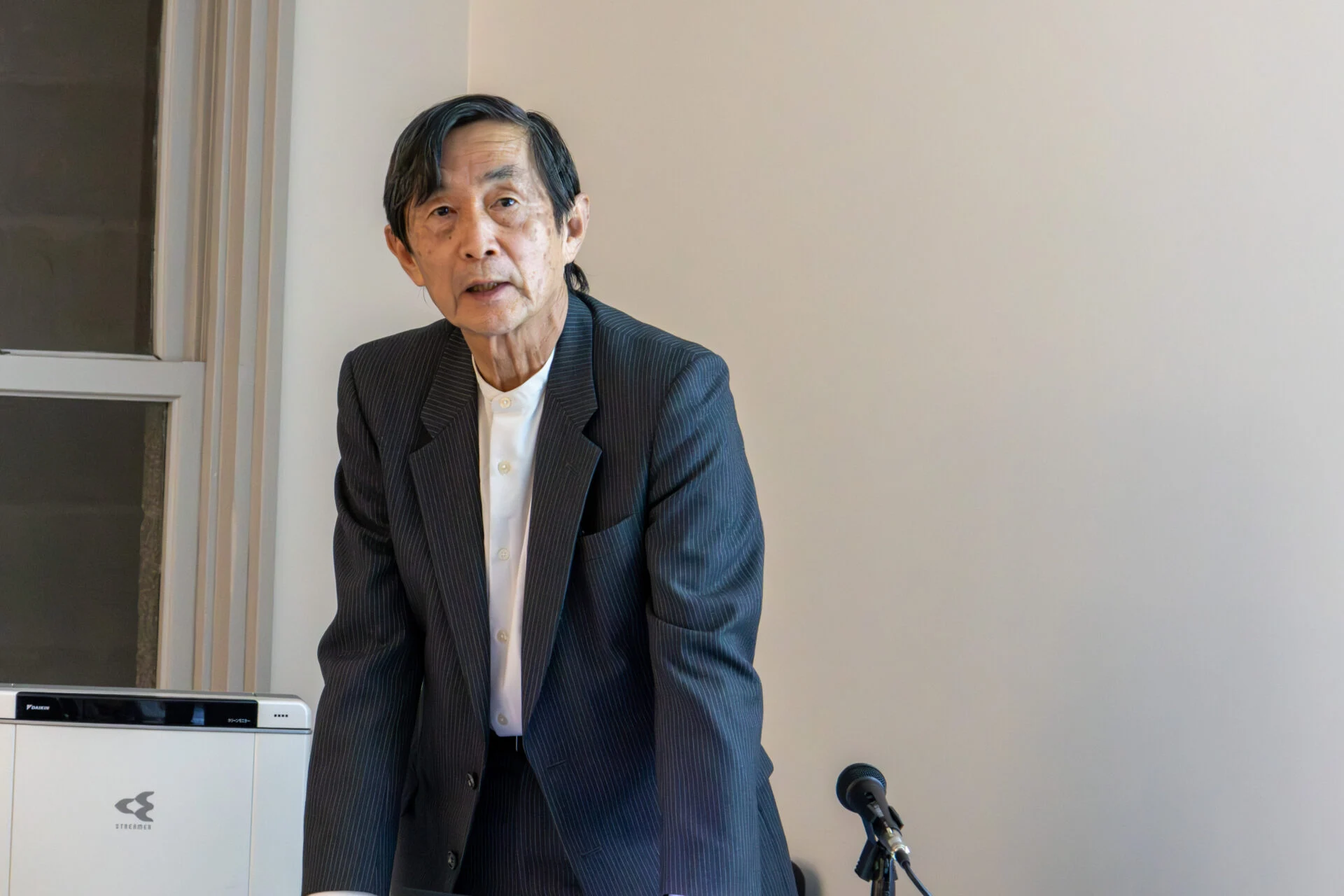
Professor Ueda is a leading authority on Yakushiji research and also served as a lecturer at the lecture "Looking at Modern Kurashiki from Bank Architecture" held at the Ohara Museum of Art in November 2025.
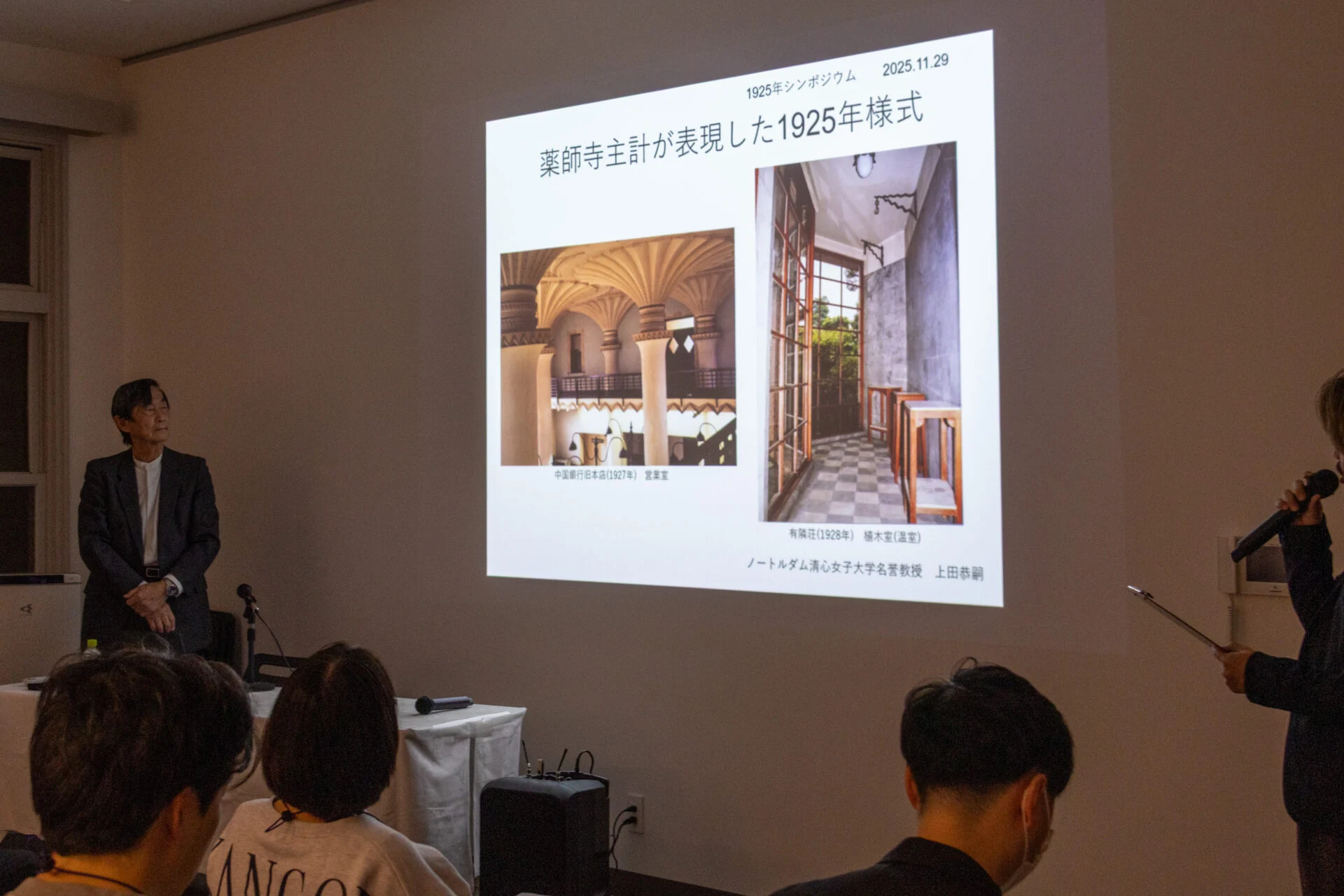
This time, the lecture focused on the architecture of the 1925 style (Art Deco style) that Yakushiji worked on around 1925 and the world situation at that time.
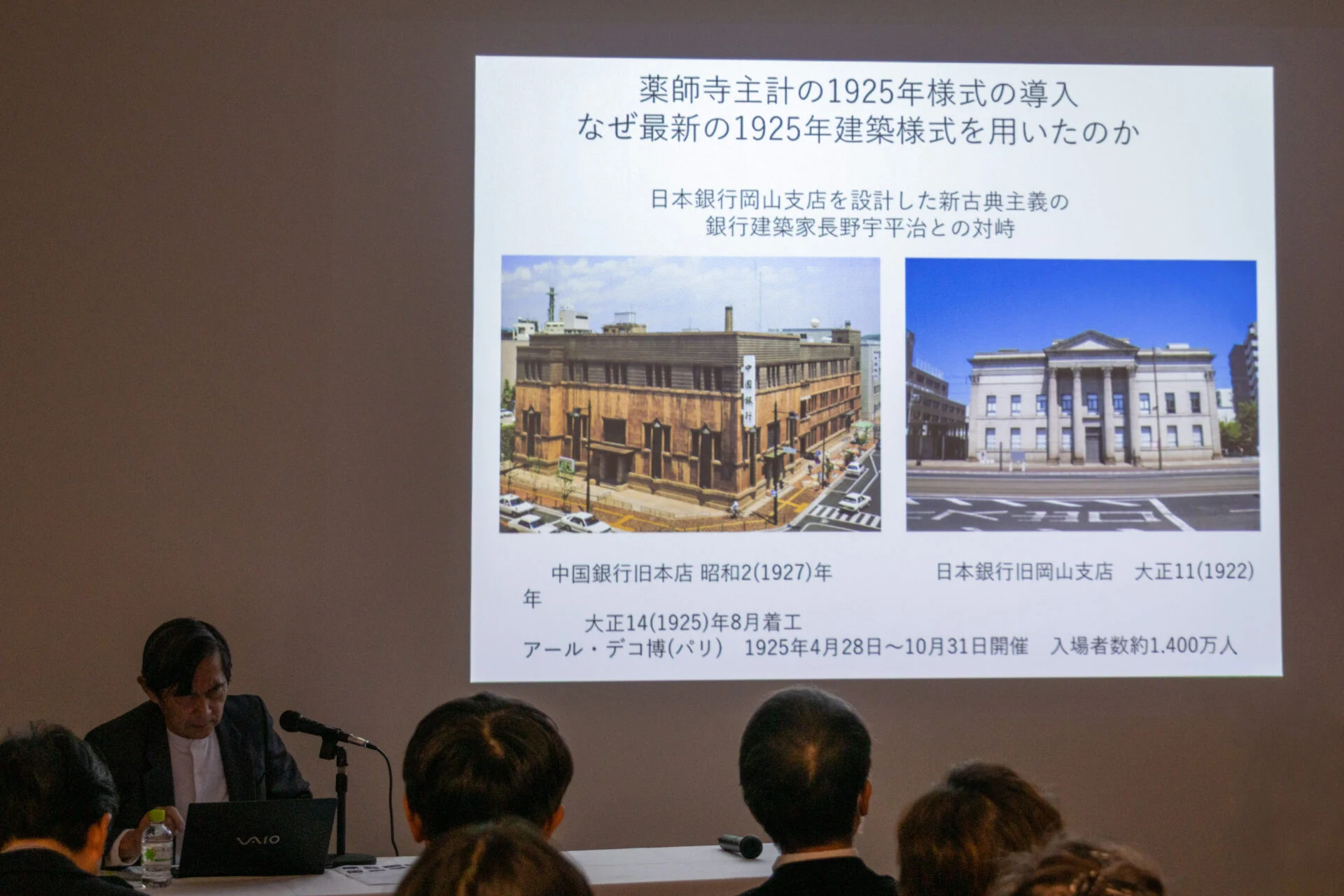
The "former main building of Chugoku Bank," which started construction in 1925 and was completed in 1927, is one of Yakushiji's representative works and is characterized by its extensive use of the Art Deco style.

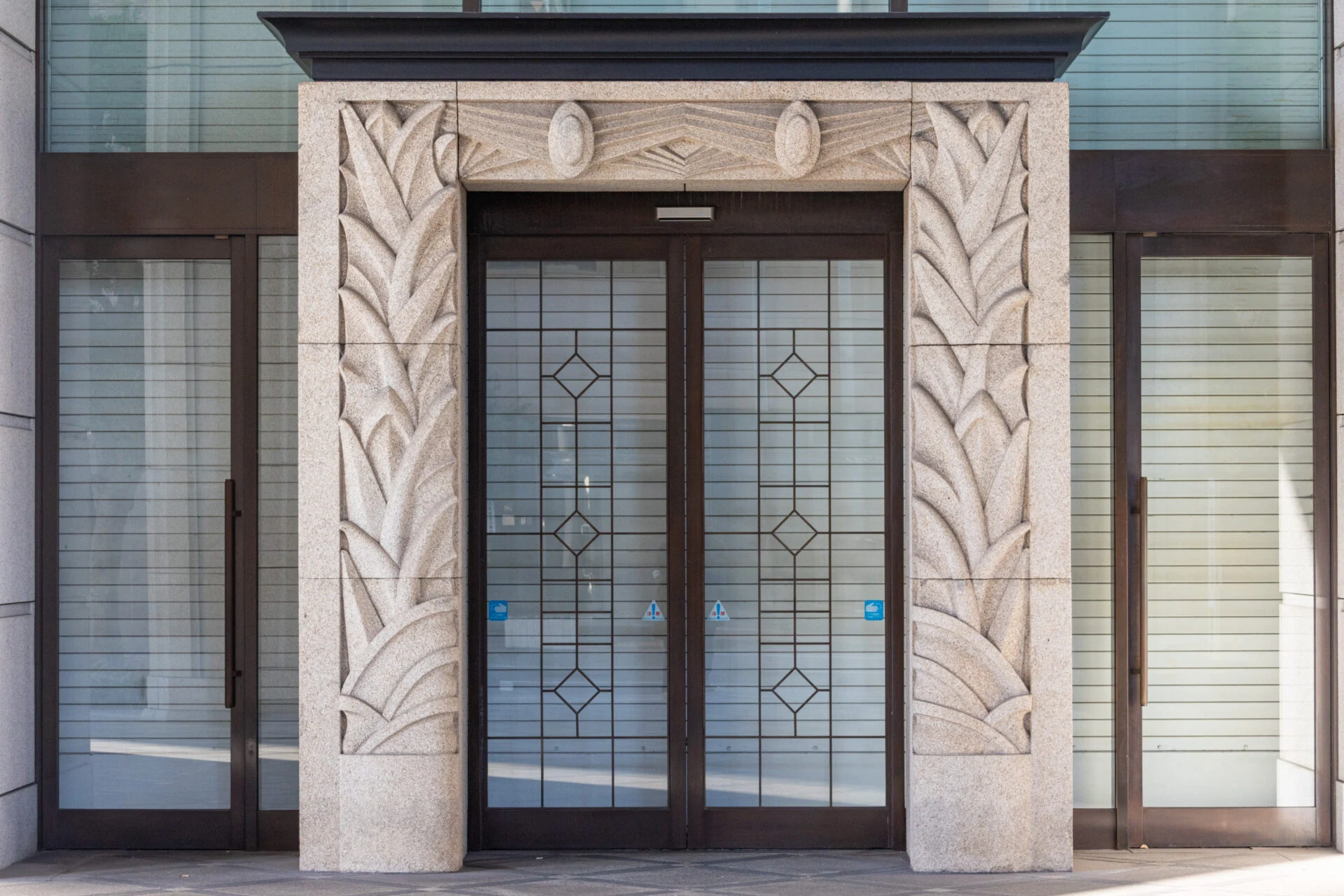
The entrance area features a distinctive Art Deco design inspired by curves and plants (aloe). This has now been relocated to the main branch entrance and continues to welcome many visitors.
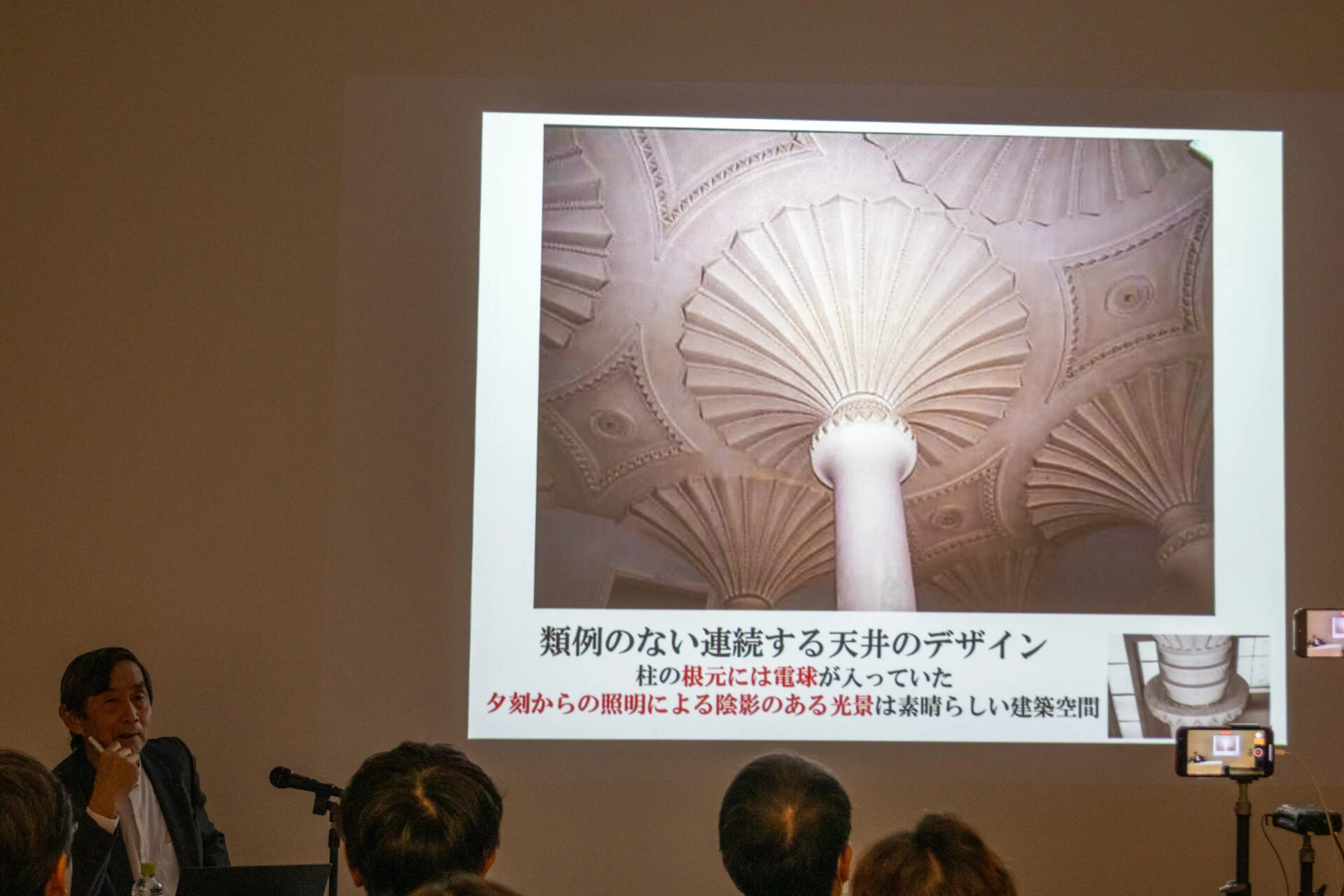
The design of the columns and ceiling inside the business room is modeled after the phoenix (a type of palm), which well represents the characteristics of the Art Deco style, as explained by Professor Ueda.

At the base of the columns, light bulbs were embedded, which at the time of completion cast beautiful shadows on the curved ceiling as indirect lighting.
Later, it was mentioned that the Yurin-so Villa also extensively employs the Art Deco style during the architectural tour.

During the architectural tour, Professor Ueda personally explained those details.
Lecture 2 "Japanese Art Deco Architecture"
Next to speak was Professor Koichi Yoshida, Emeritus Professor at Yokohama National University.
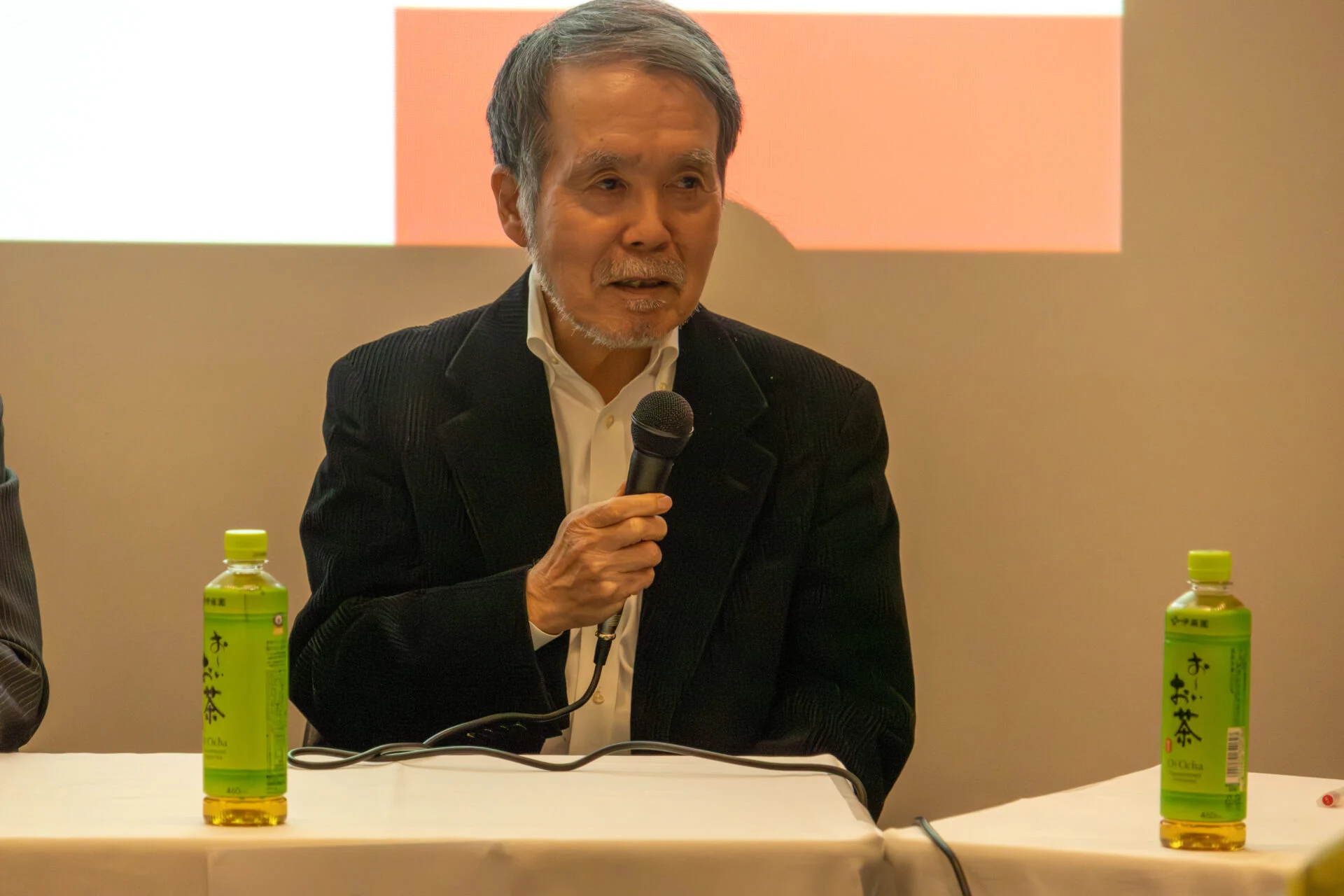
Professor Yoshida is a leading authority on Japanese Art Deco architecture and has authored numerous related publications.
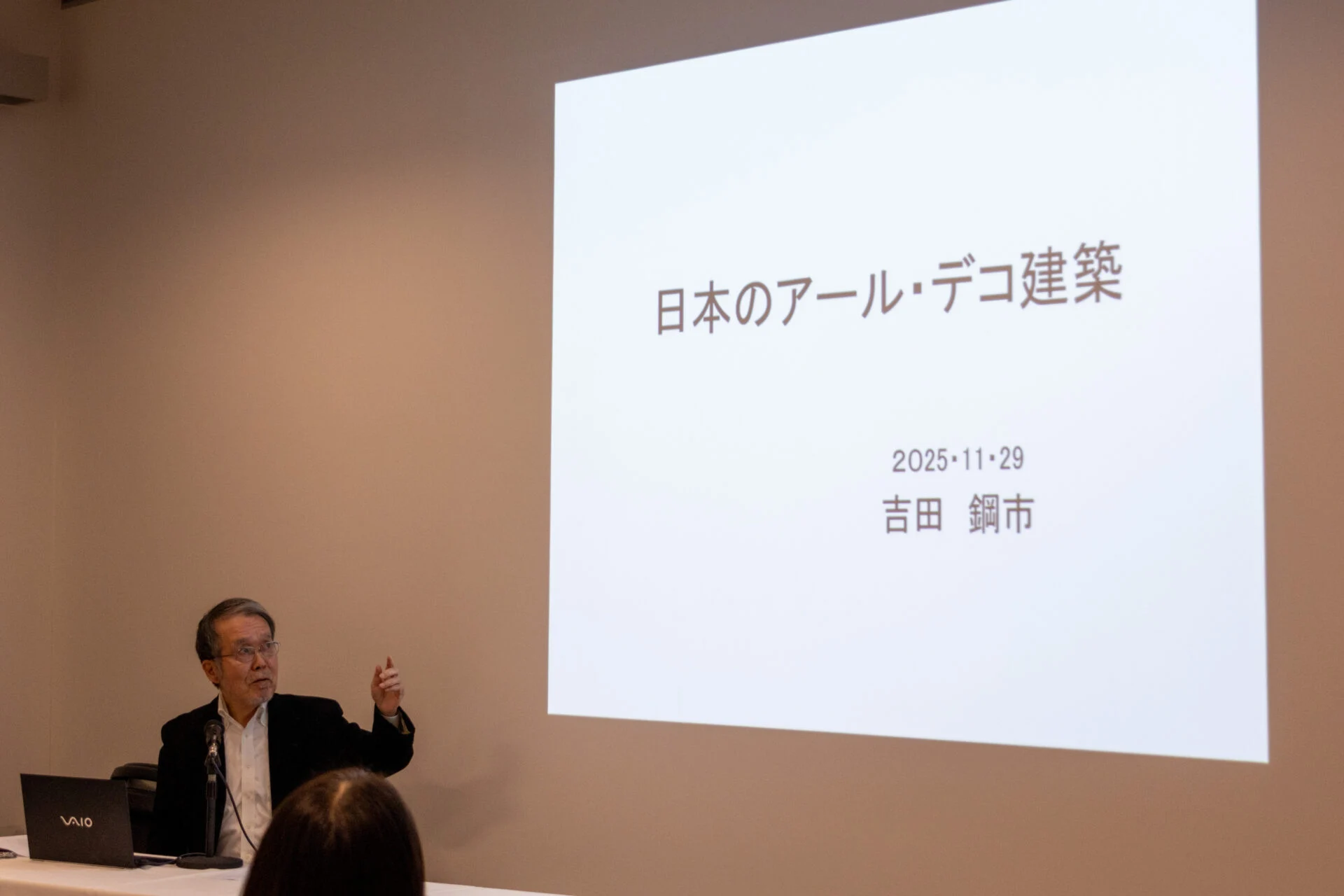
In 1925, after World War I, as the decline of European countries became evident and the rise of America became prominent, Art Deco architecture began to flourish. The characteristic geometric patterns and extensive use of curves in decorations were meant to enhance the finishing of buildings, Professor Yoshida explained.

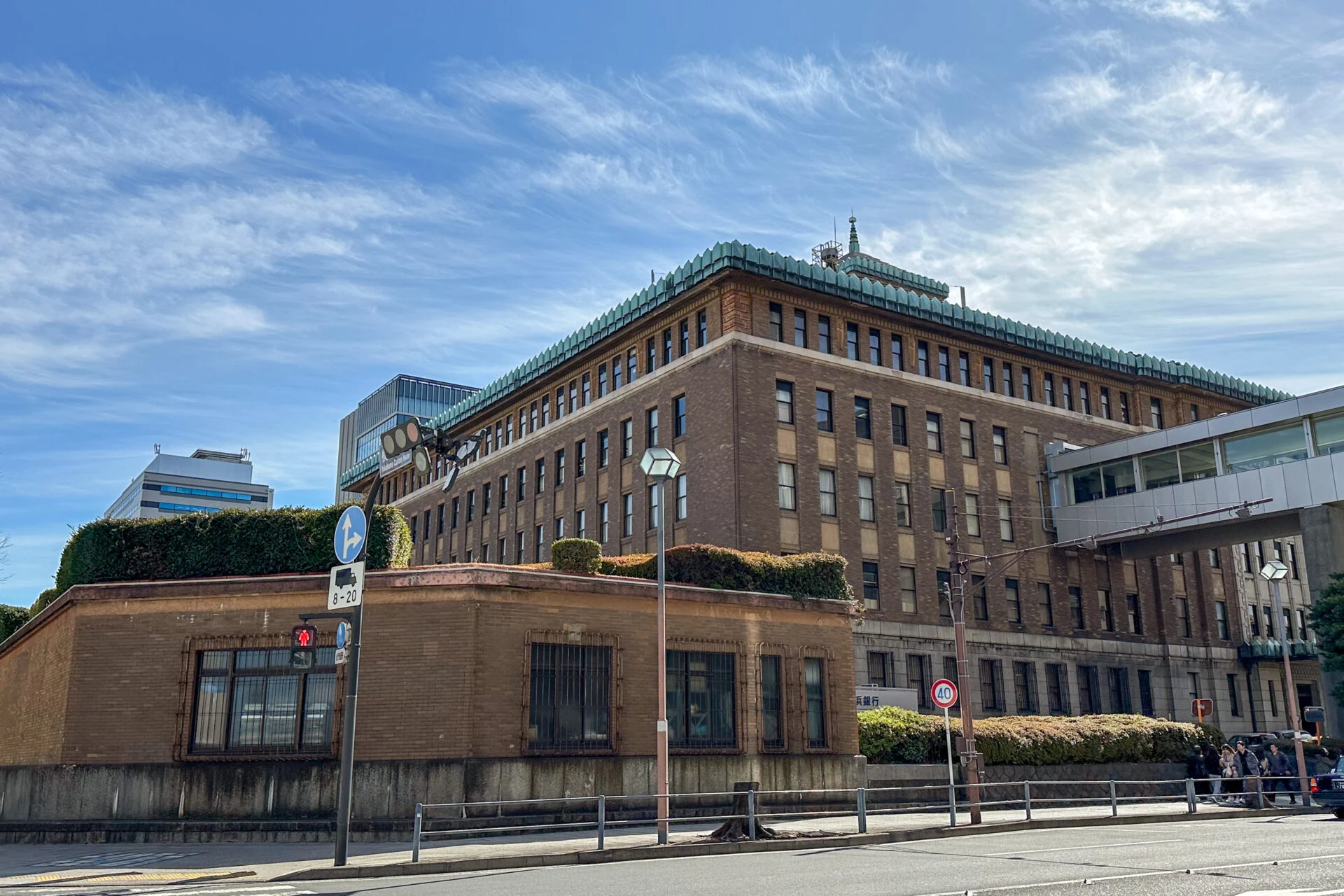
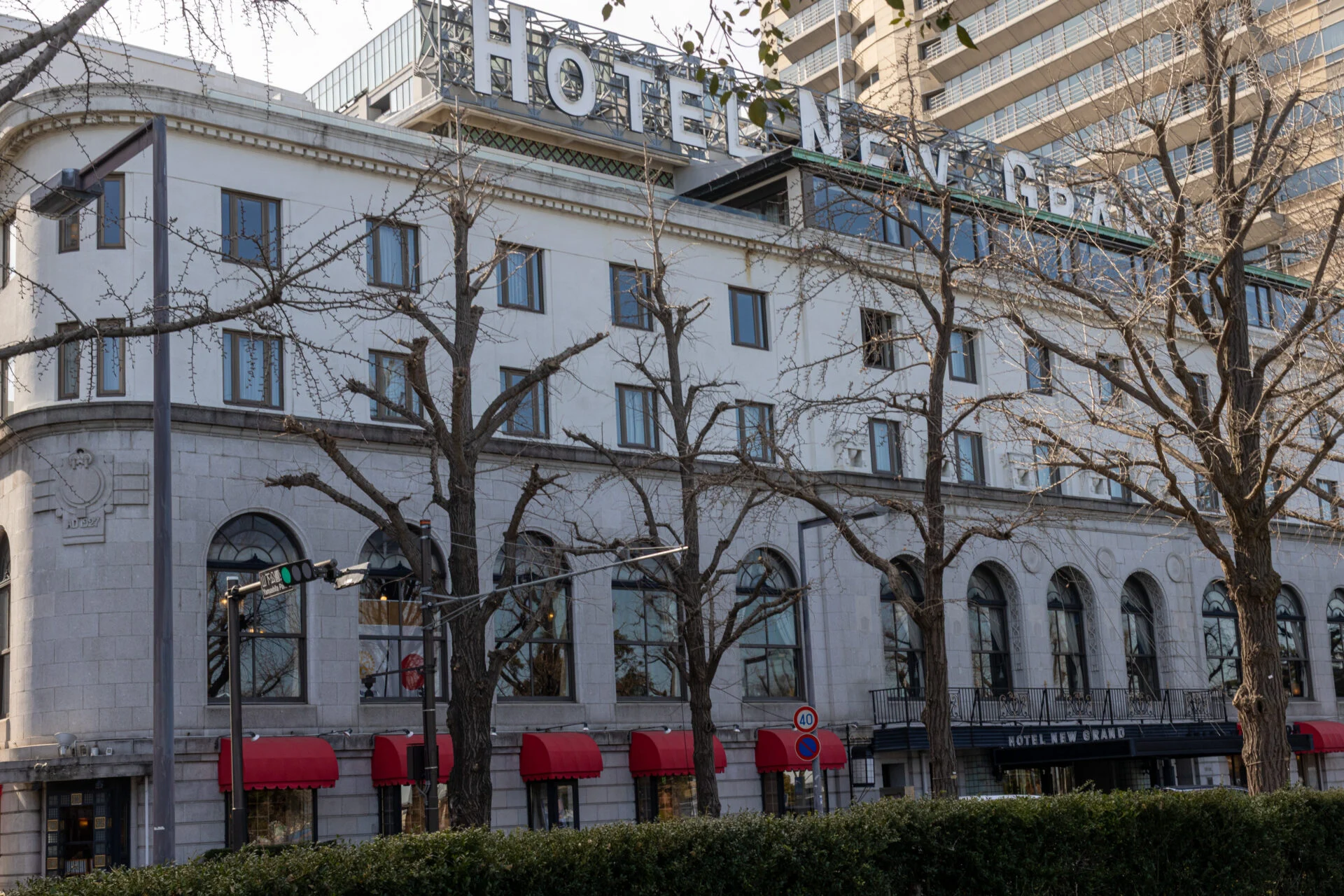
In this lecture, numerous examples of Art Deco architecture from all over the country, both famous and obscure, were introduced as existing examples.
Among the Art Deco buildings introduced by Professor Yoshida during the lecture, I will pick out those that I can present with my available photos.

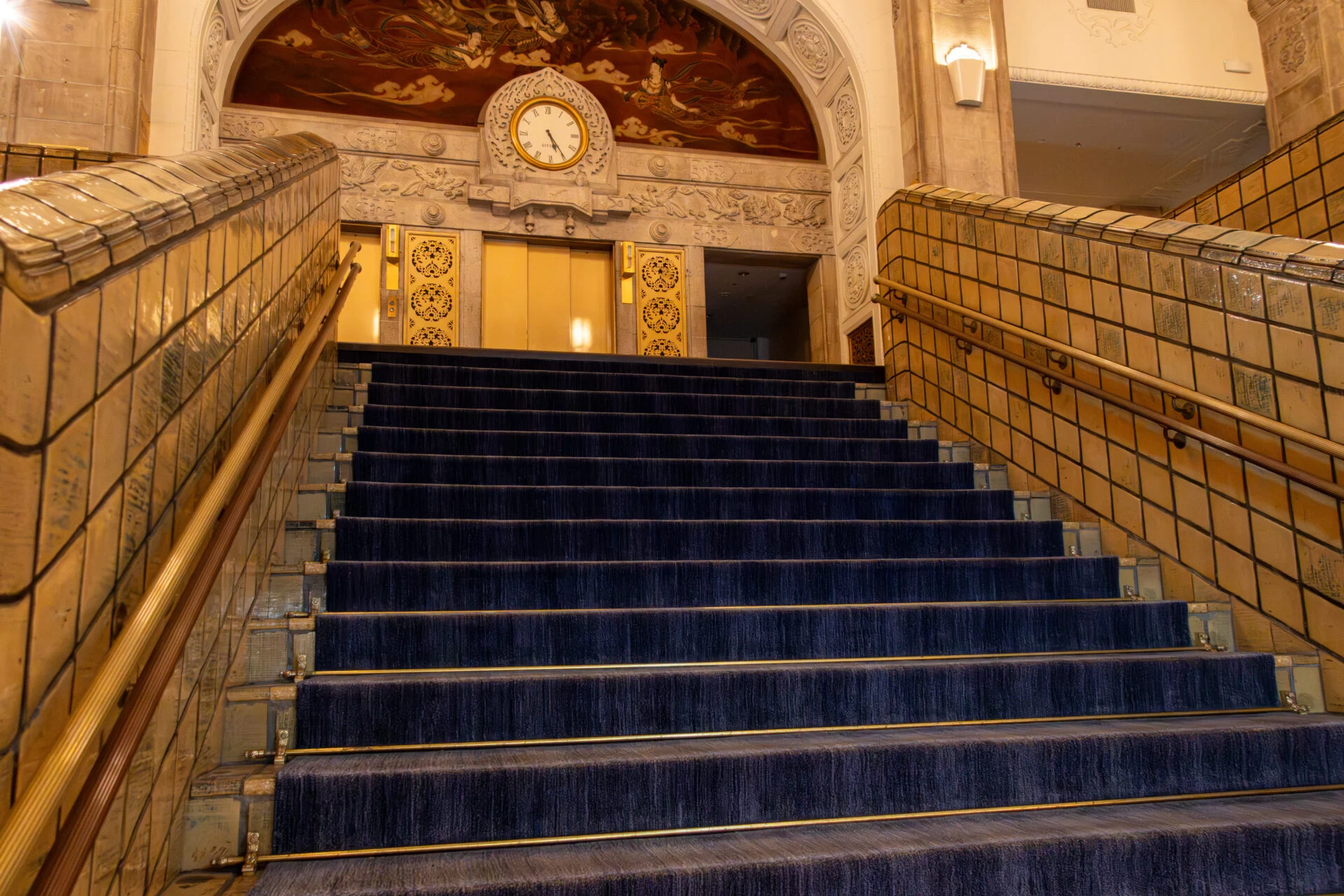
Lecture 3 "Shintaro Kiuchi and Art Deco Stained Glass"
Finally, Professor Junichi Yoshida from Osaka Sangyo University took the stage.
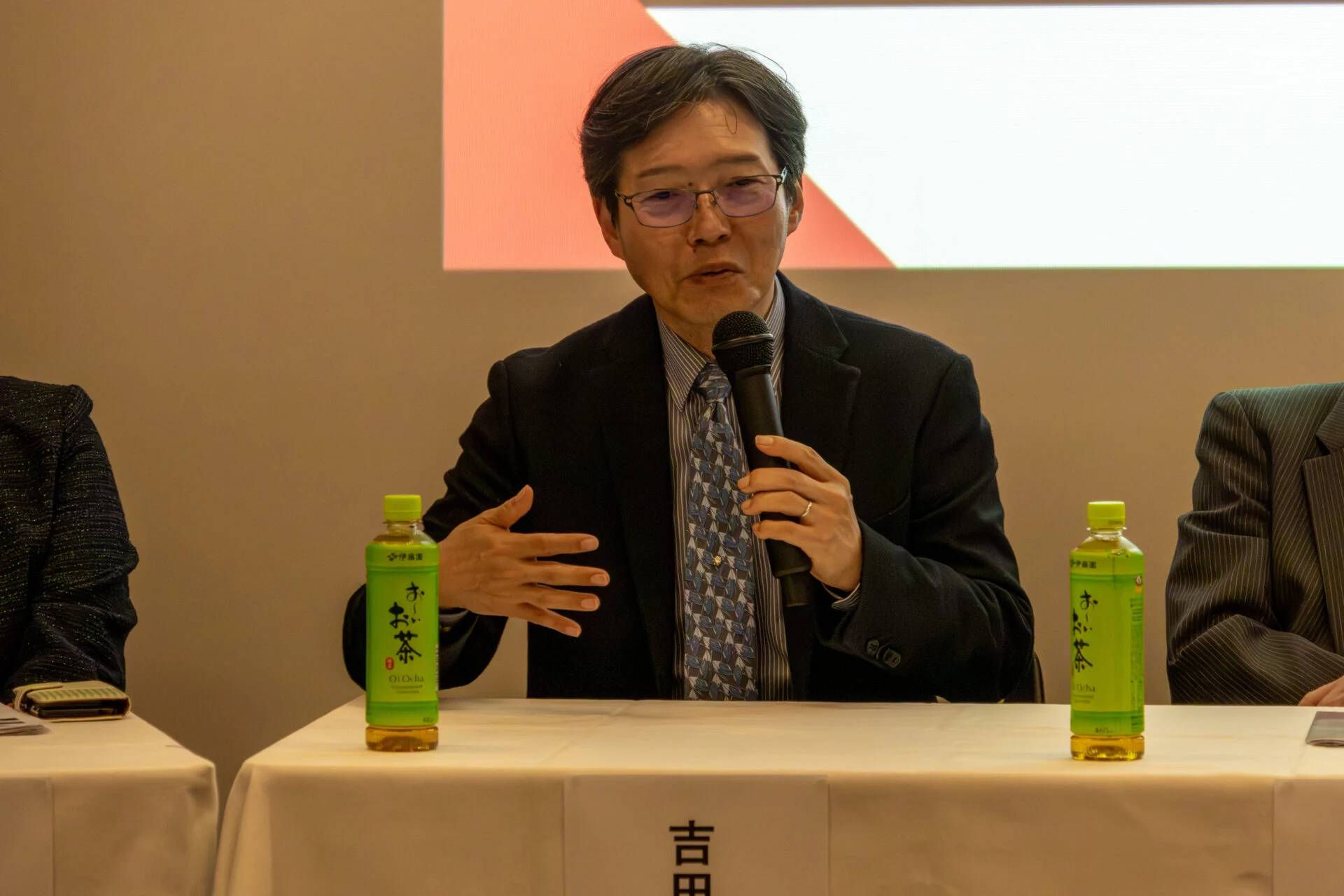
Professor Yoshida is researching modern Japanese architecture and stained glass.
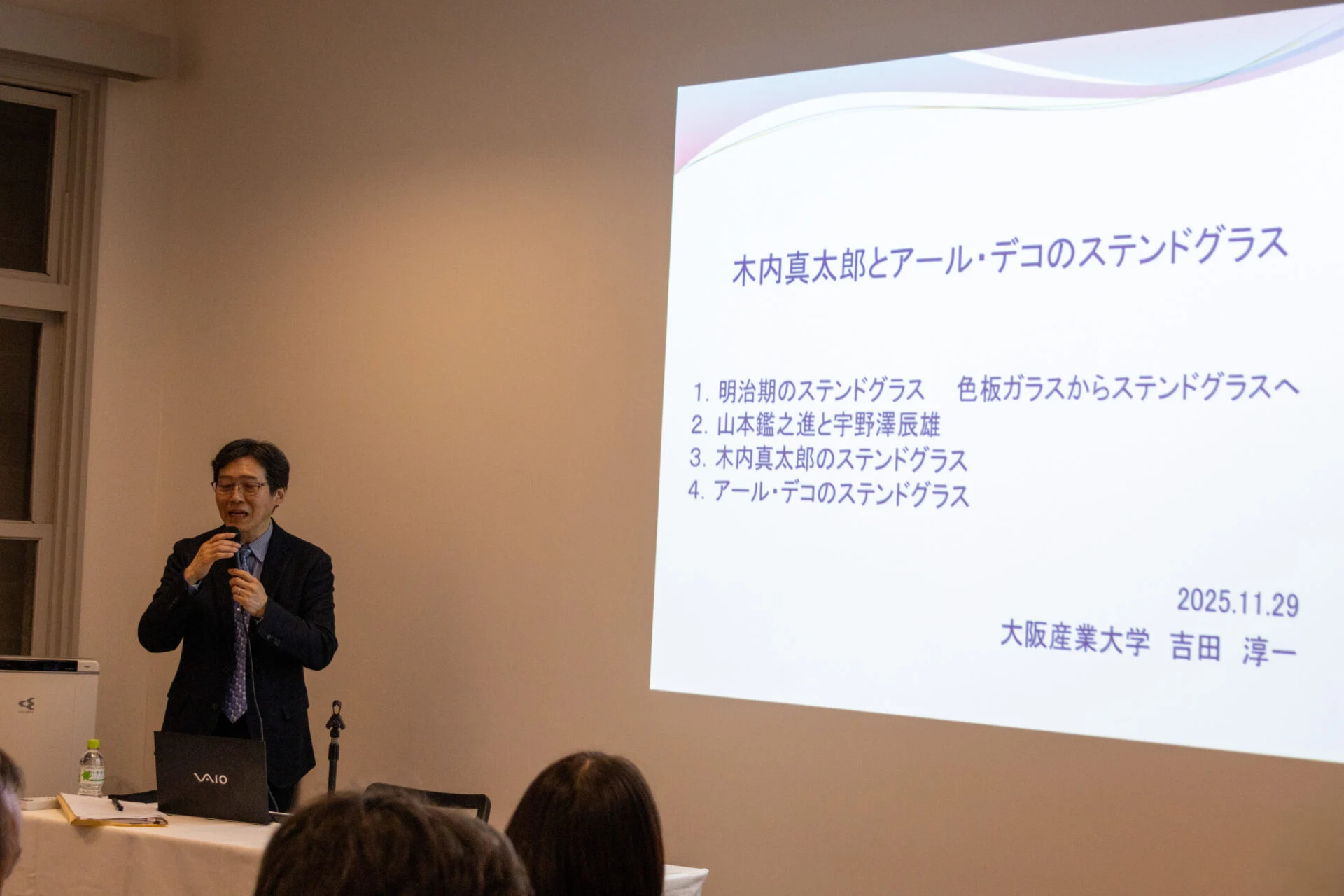
In this lecture, we discussed Kiuichi Shintaro, who left a mark on the history of stained glass in Japan, and his connection to Art Deco architecture.
Kiuichi emerged as a prominent figure as an apprentice of Unosawa Tatsuou, a pioneer of stained glass in Japan, at the "Unosawa Group Stained Glass Manufacturing Company" established by Unosawa.
Unosawa's brother, Yamamoto Kannoshin, established the "Yamamoto Kannoshin Construction Company," which later became the predecessor of the present-day Fujiki Construction Company.
After Unosawa's death, Kiuichi became independent in 1916 as the "Unosawa Group Stained Glass Factory Osaka Branch." Later, it was renamed "Reikosha," and he left behind many stained glass works.
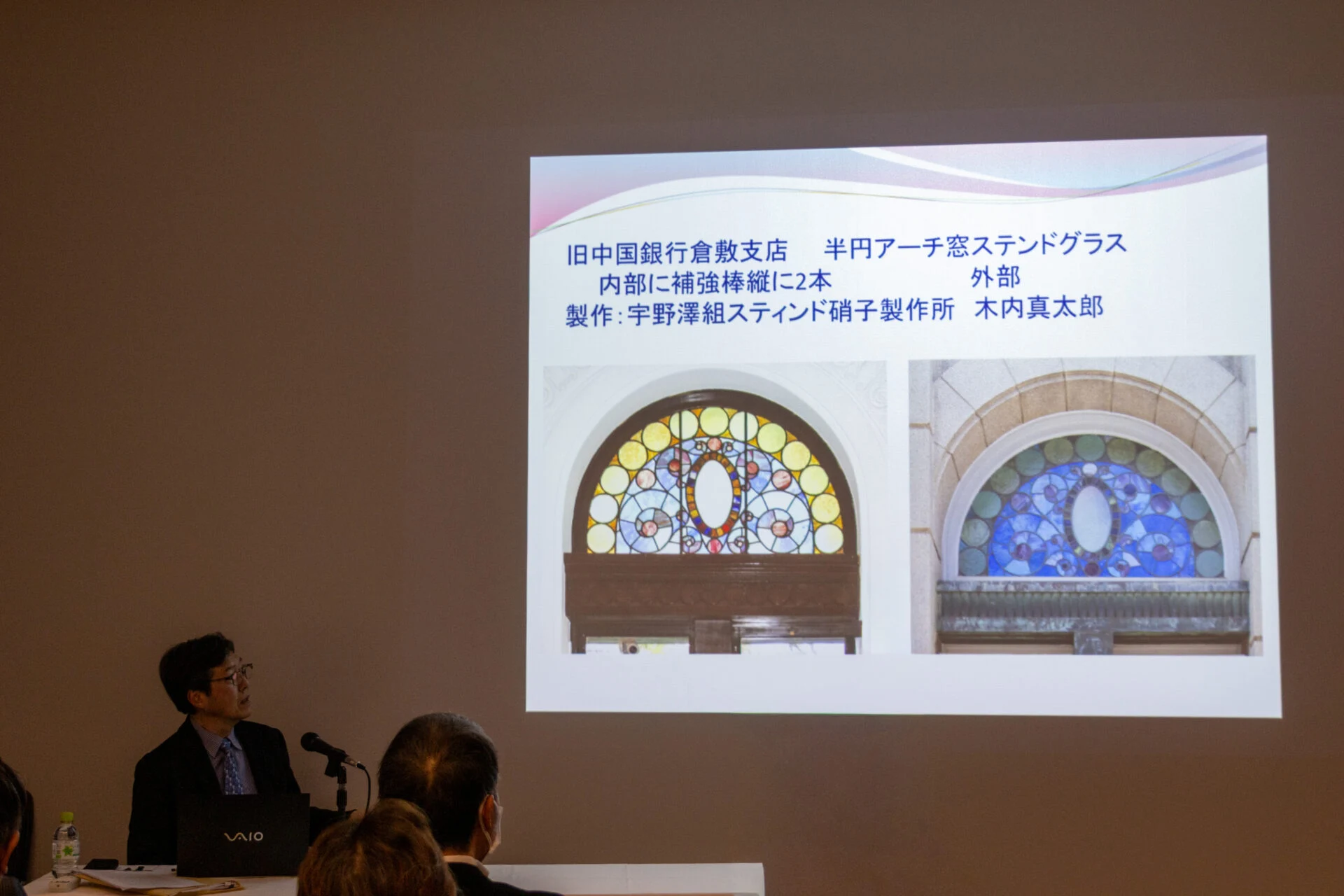
The stained glass used in the Kojima Torajiro Memorial Gallery, the venue, was also crafted by Kiuichi.
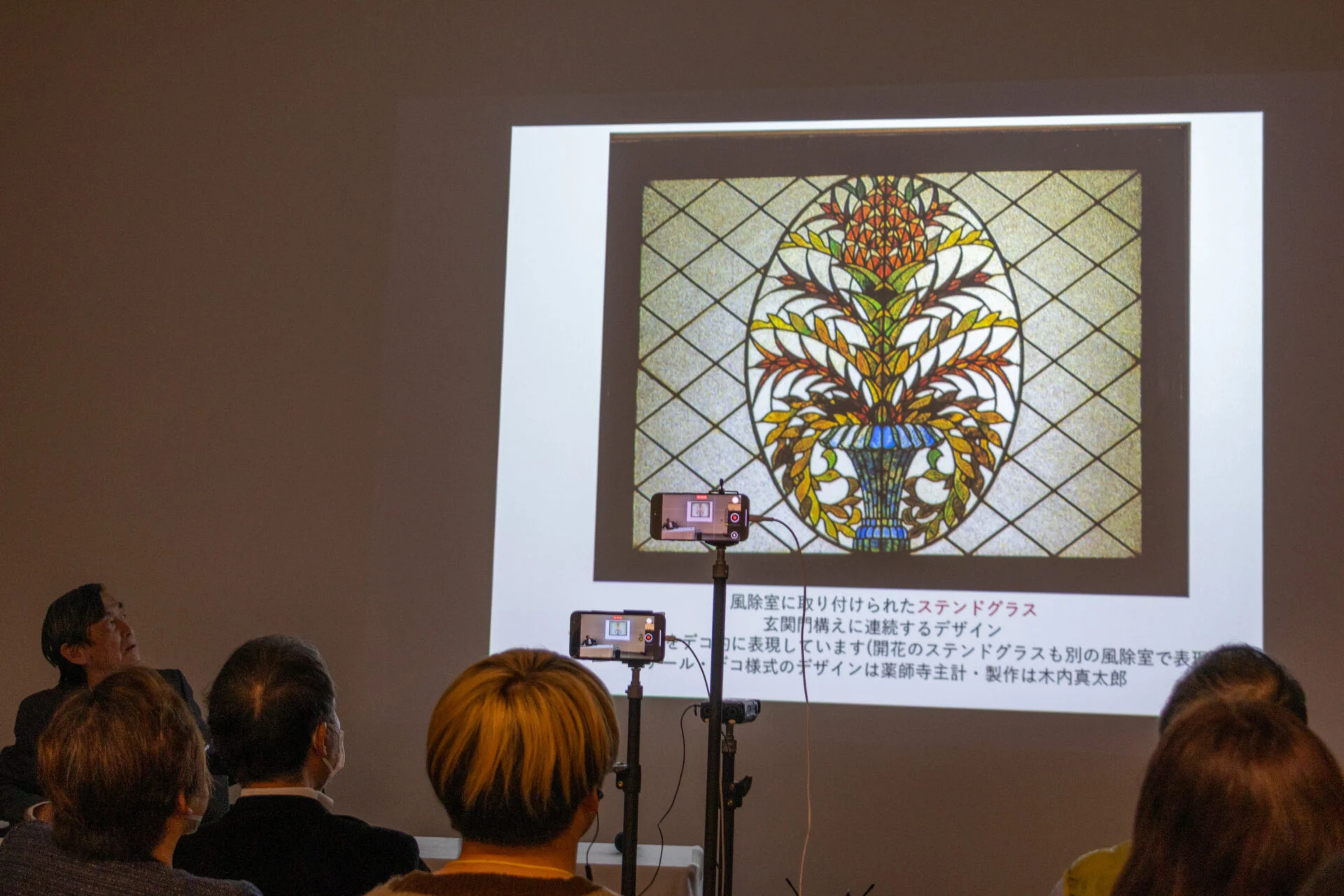
Additionally, the stained glass introduced in Professor Ueda's lecture, which was installed in the entrance hall of the former head office of Chugoku Bank, was designed by Yakushiji and produced by Kiuichi.
Similar to the entrance area, the design features aloe as a motif and incorporates characteristics of the Art Deco style.
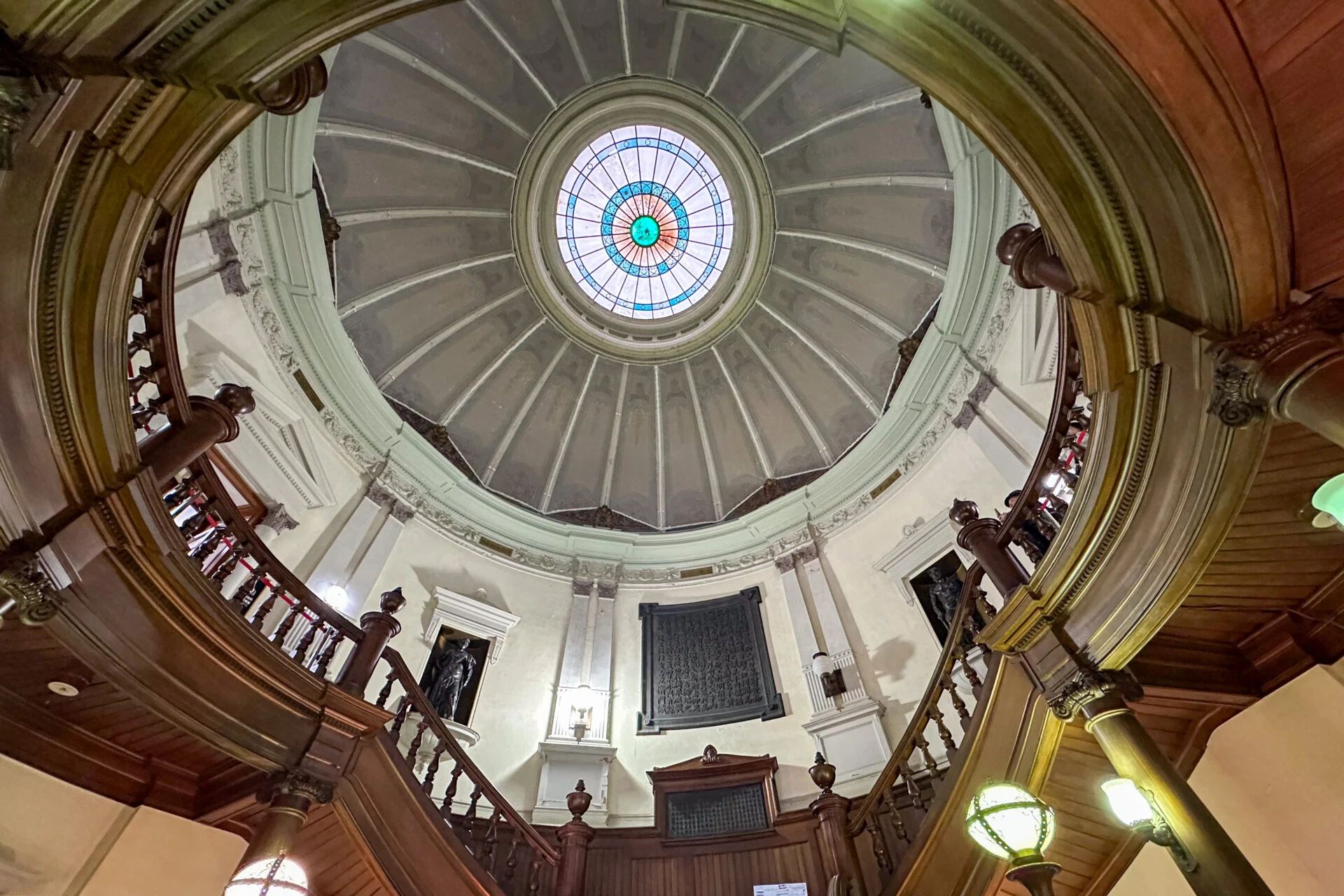
Furthermore, the lecture included introductions to many buildings and stained glass primarily in the Hanshin area. Among the stained glass introduced by Professor Yoshida during the lecture, I will highlight the "Sumitomo Mitsui Banking Corporation Osaka Head Office," which I can present with the photos I have.
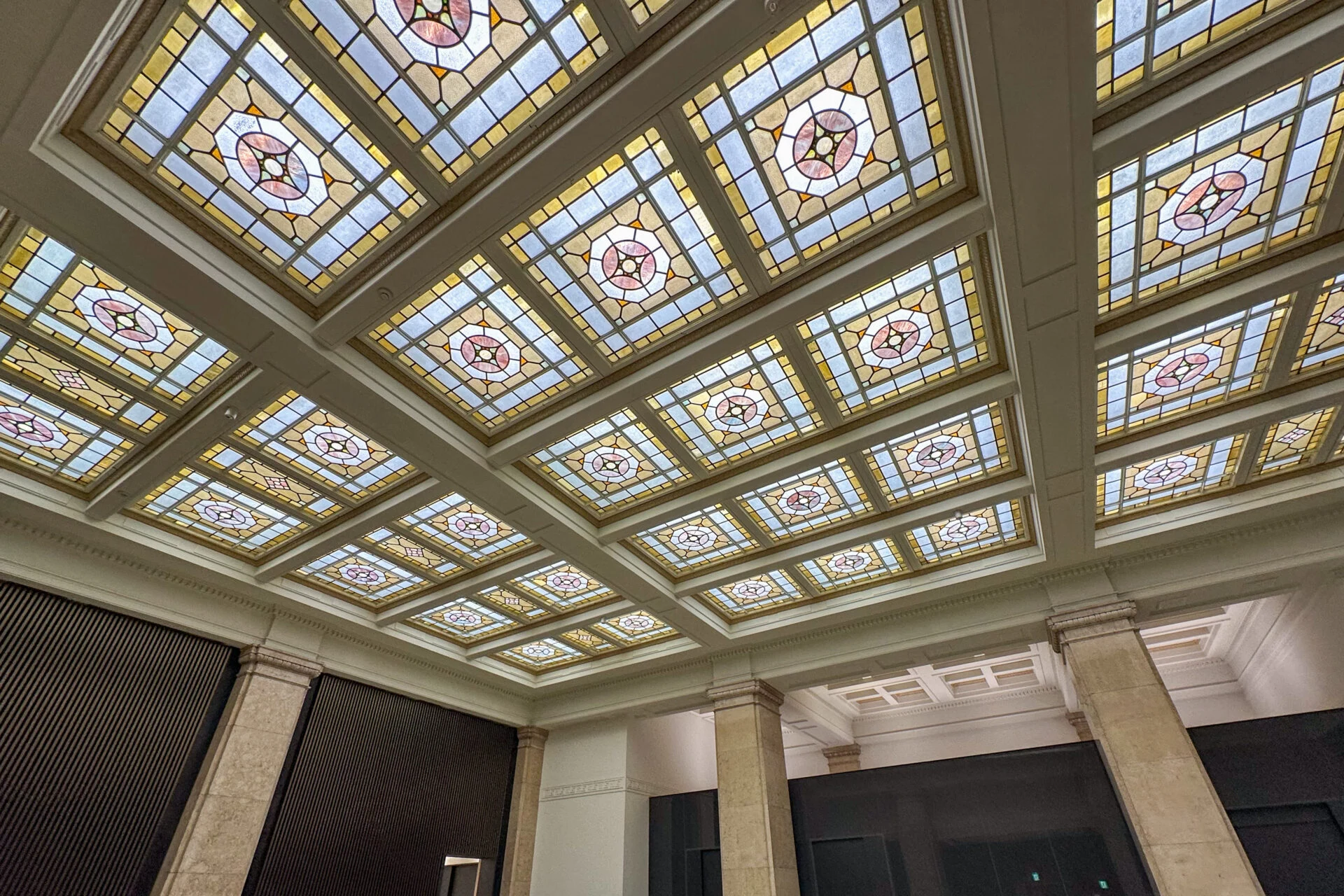
The "Stained Glass Common Reception Room" located at the entrance of the Sumitomo Mitsui Banking Corporation Osaka Head Office features a magnificent stained glass ceiling, created by Kiuichi.
The year 1925 is referred to as the "Great Osaka Era", and it was one of the most vibrant periods in Osaka's history, coinciding with the rise of Art Deco architecture.
After listening to the lecture, I felt that Art Deco architecture, which is compatible with mass production due to industrialization, seems to align with the rationality valued by the people of Osaka.
Discussion
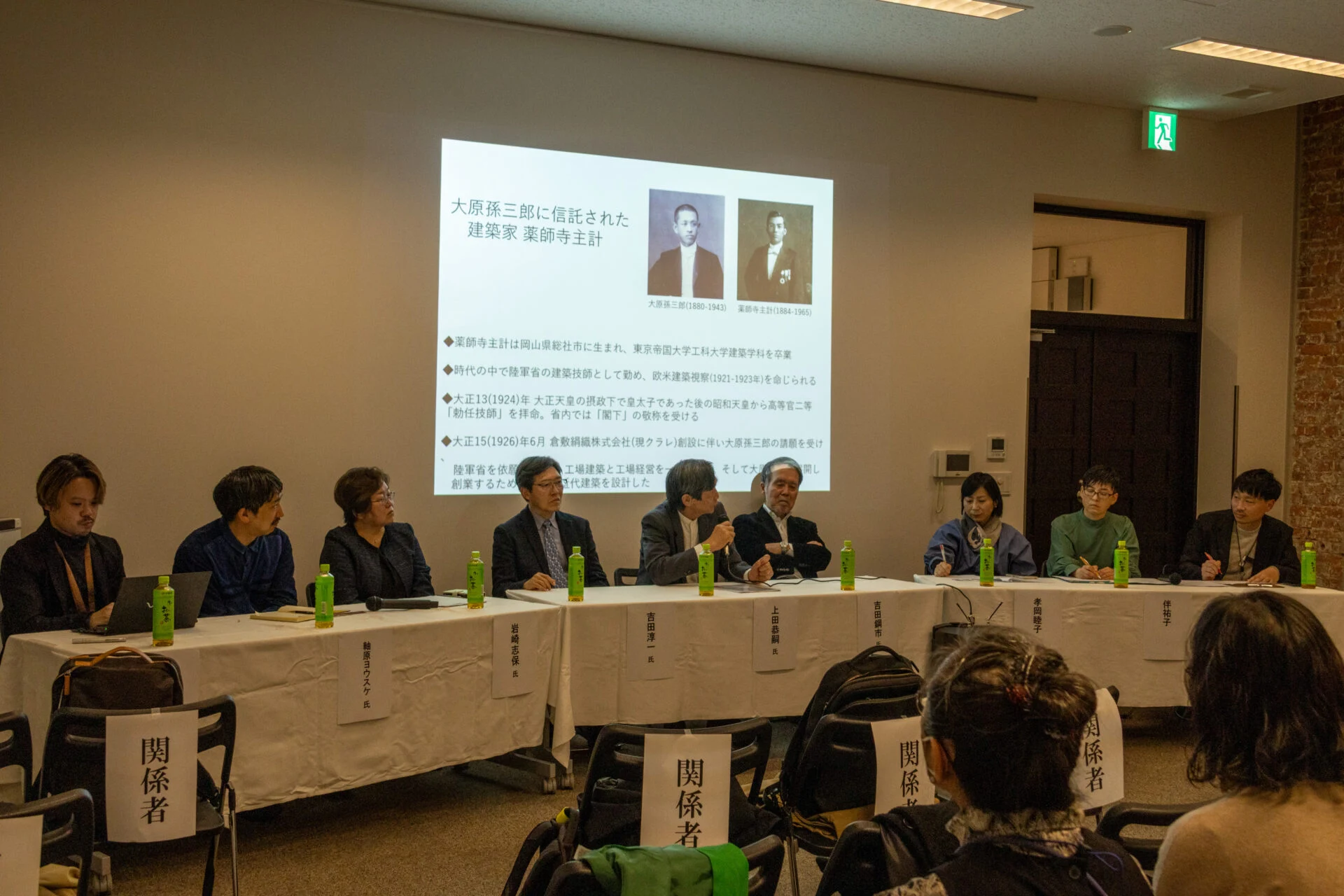
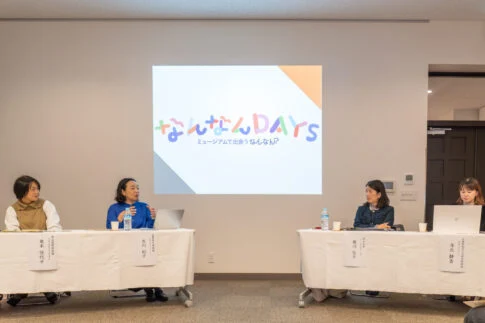
After the lecture, a discussion was held with the three professors who presented, along with the following individuals specializing in archaeology, folk crafts, and art.
- Iwasaki Shiho
Associate Professor, Okayama University Institute of Civilizational Dynamics - Jikuhara Yosuke
Designer involved in the promotional materials for the 1925 exhibition, member of the design unit "COCHAE" - Takaoka Chikako
Person in charge of the Ohara Museum of Art venue for the 1925 exhibition, Director of the Research Department of the Ohara Art Foundation - Ban Yuko
Person in charge of the Kurashiki Archaeological Museum venue for the 1925 exhibition, Researcher and Curator of the Ohara Art Foundation
During the discussion, lively debates were exchanged regarding the relationship between the Art Deco style and archaeology, folk crafts, and art, as indicated by the symposium's subtitle "Further Opening Up Archaeology, Folk Crafts, and Art".
In this context, Professor Iwasaki raised an interesting topic regarding the relationship between archaeology and the Art Deco style.
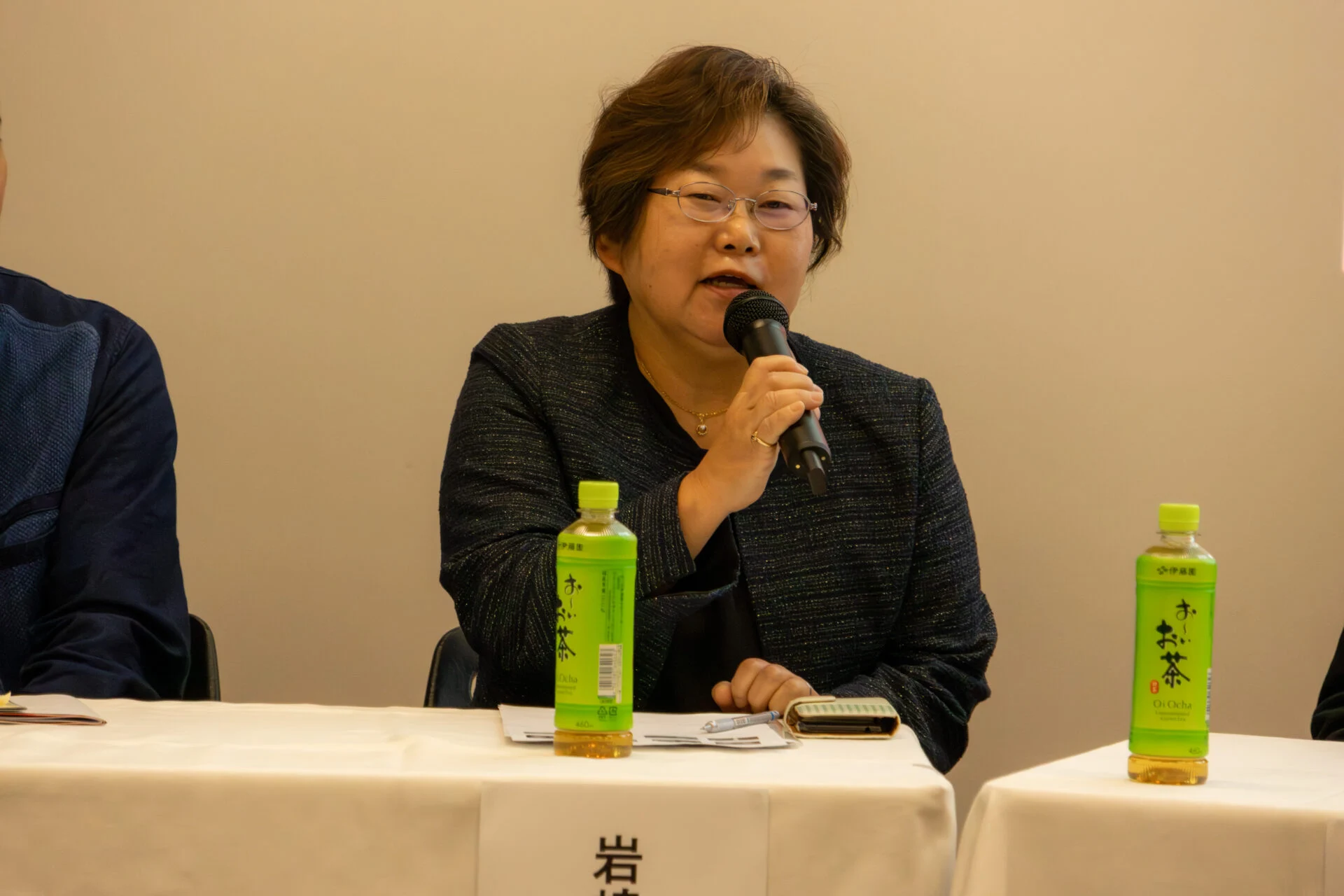
Professor Iwasaki mentioned that patterns such as curves and lightning lines, which are frequently used in the Art Deco style, as well as continuous patterns of circles, triangles, and squares, can be seen in pottery used in rituals from the Yayoi and Kofun periods.
In response, Professor Yoshida, an expert in Art Deco architecture, stated the following.
"Arabesque patterns are also used in Art Deco architecture, and it seems that the fundamental designs conceived by humanity have not changed much since ancient times."
Regarding the patterns of the Art Deco style, Professor Ueda also mentioned the following.
"Traditional Japanese patterns such as checkered patterns and seigaiha (blue ocean waves) were also transmitted to Europe."
It seems that there are examples of traditional patterns that have been used in the Art Deco style since ancient times in Japan.
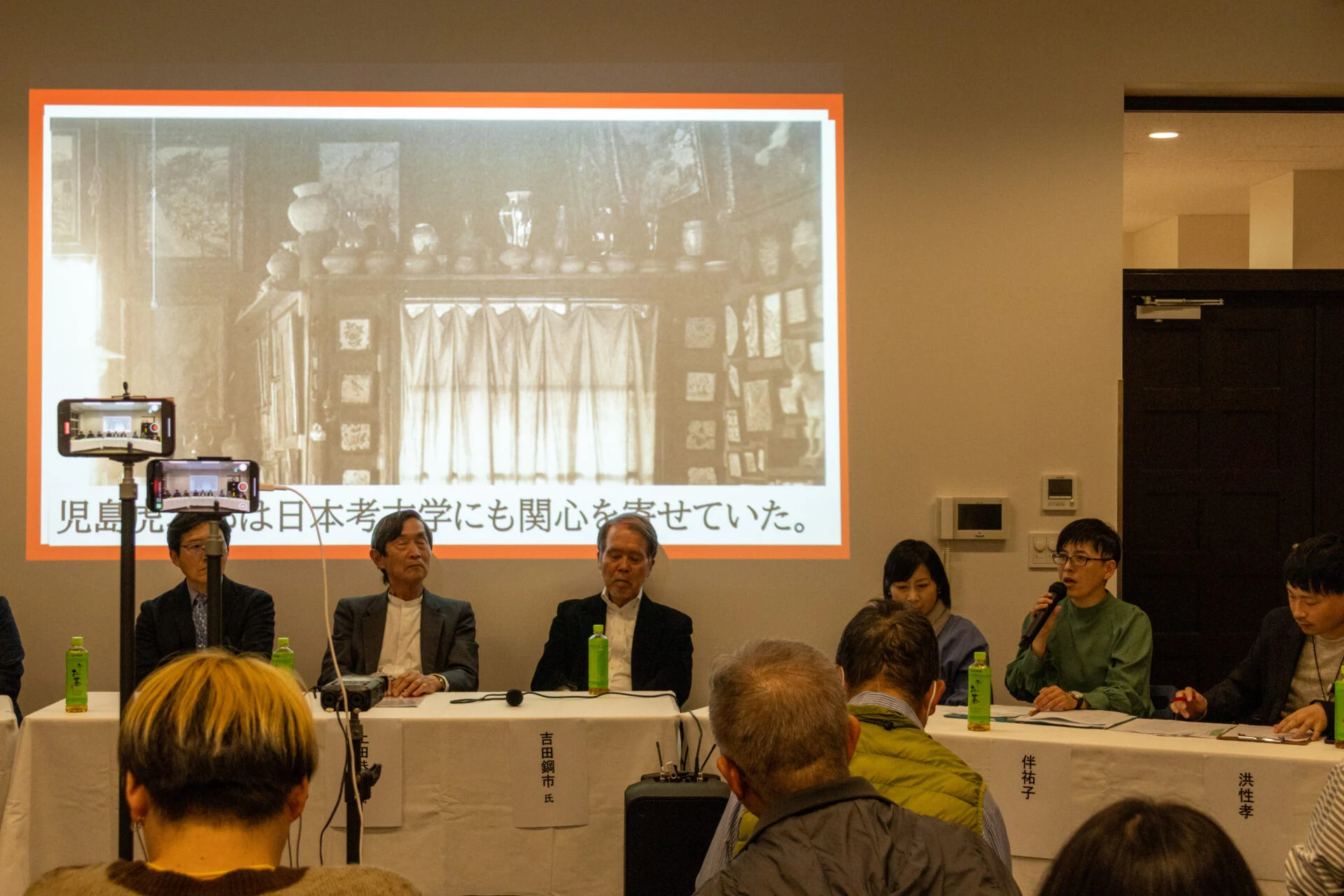
It was a discussion that piqued intellectual curiosity about the connections between modern architecture, archaeology, folk crafts, and art from multiple perspectives.
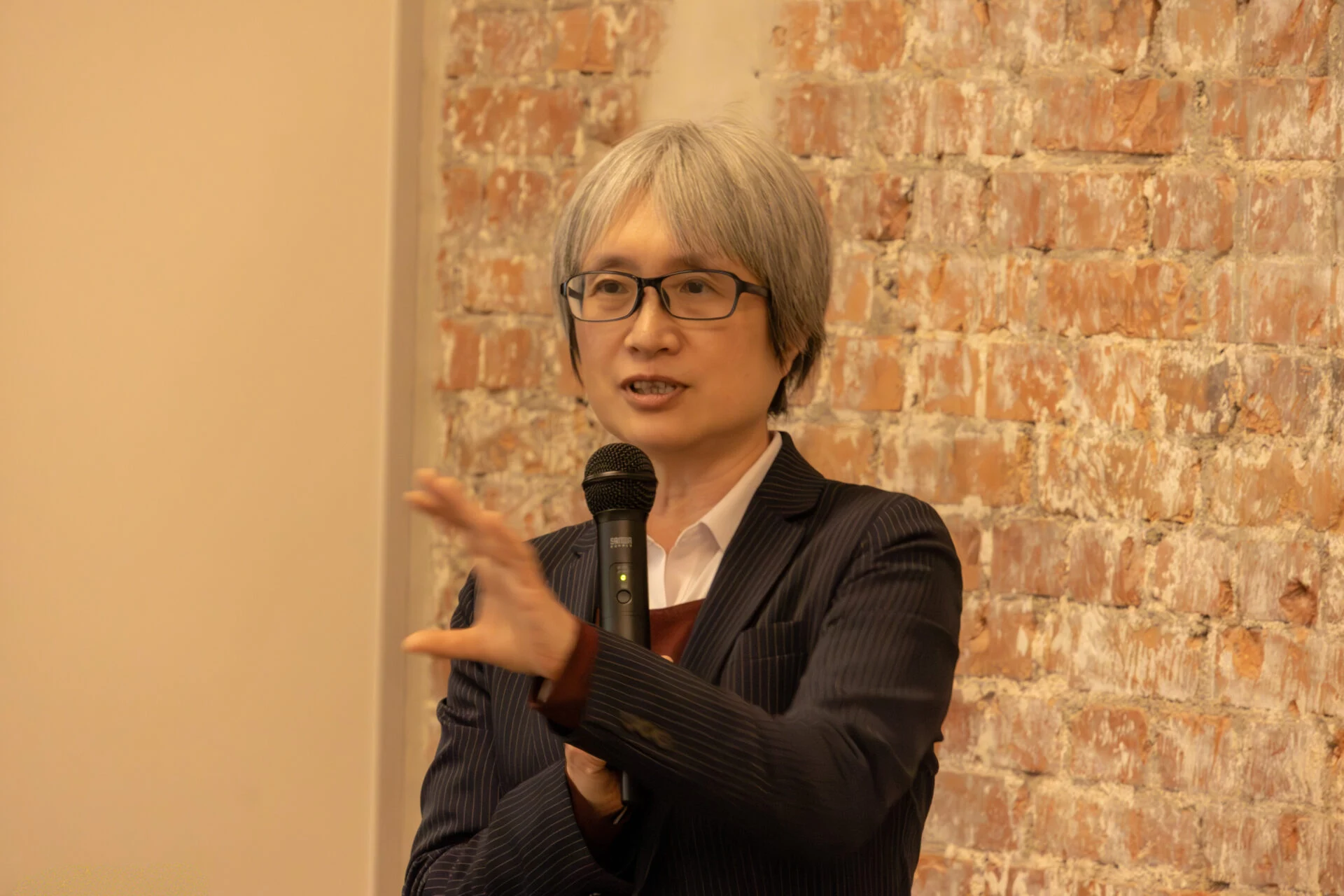
Finally, there were closing remarks by Akane Ohara, Executive Director of the Ohara Art Foundation, and the symposium concluded.
Architectural Tour
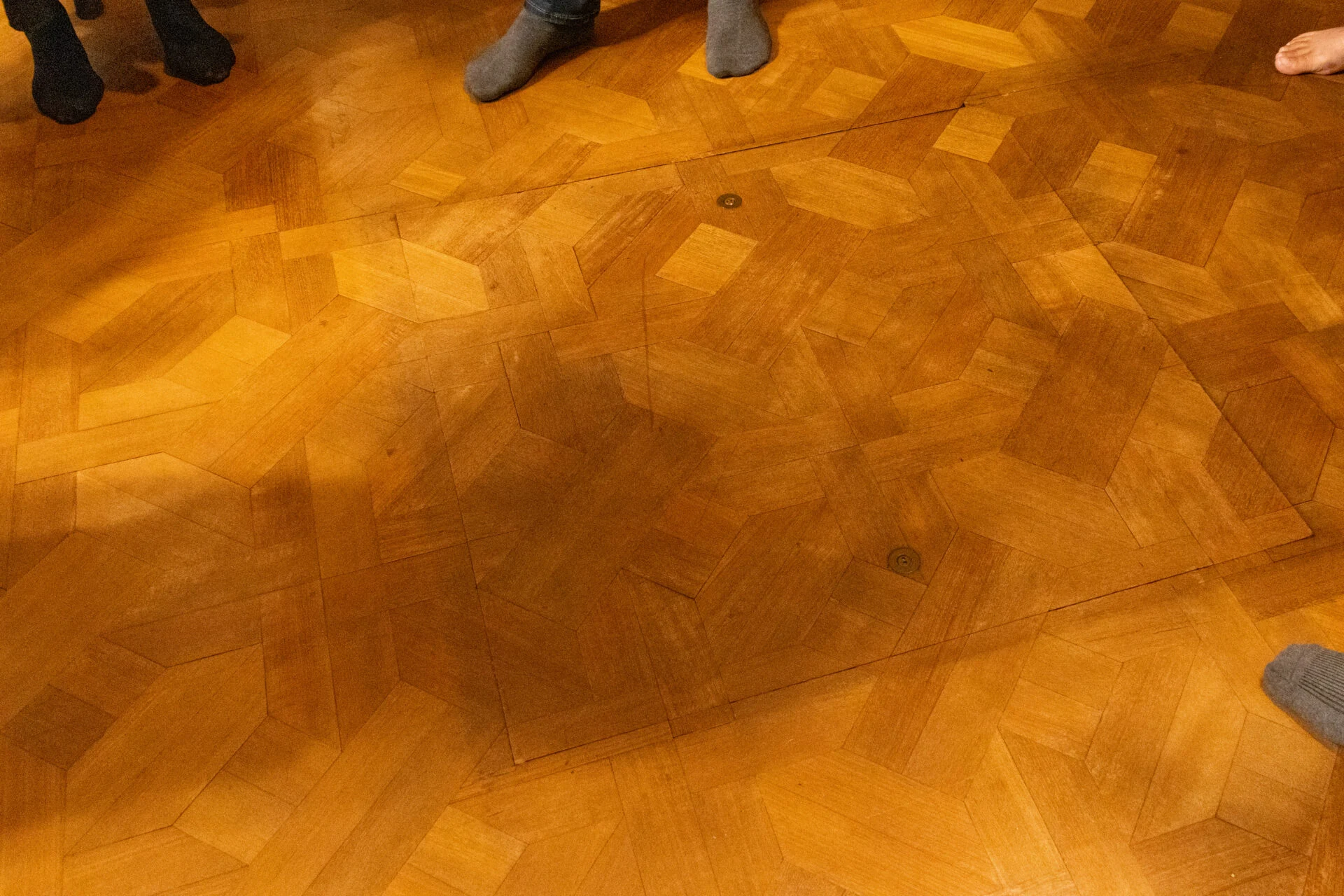
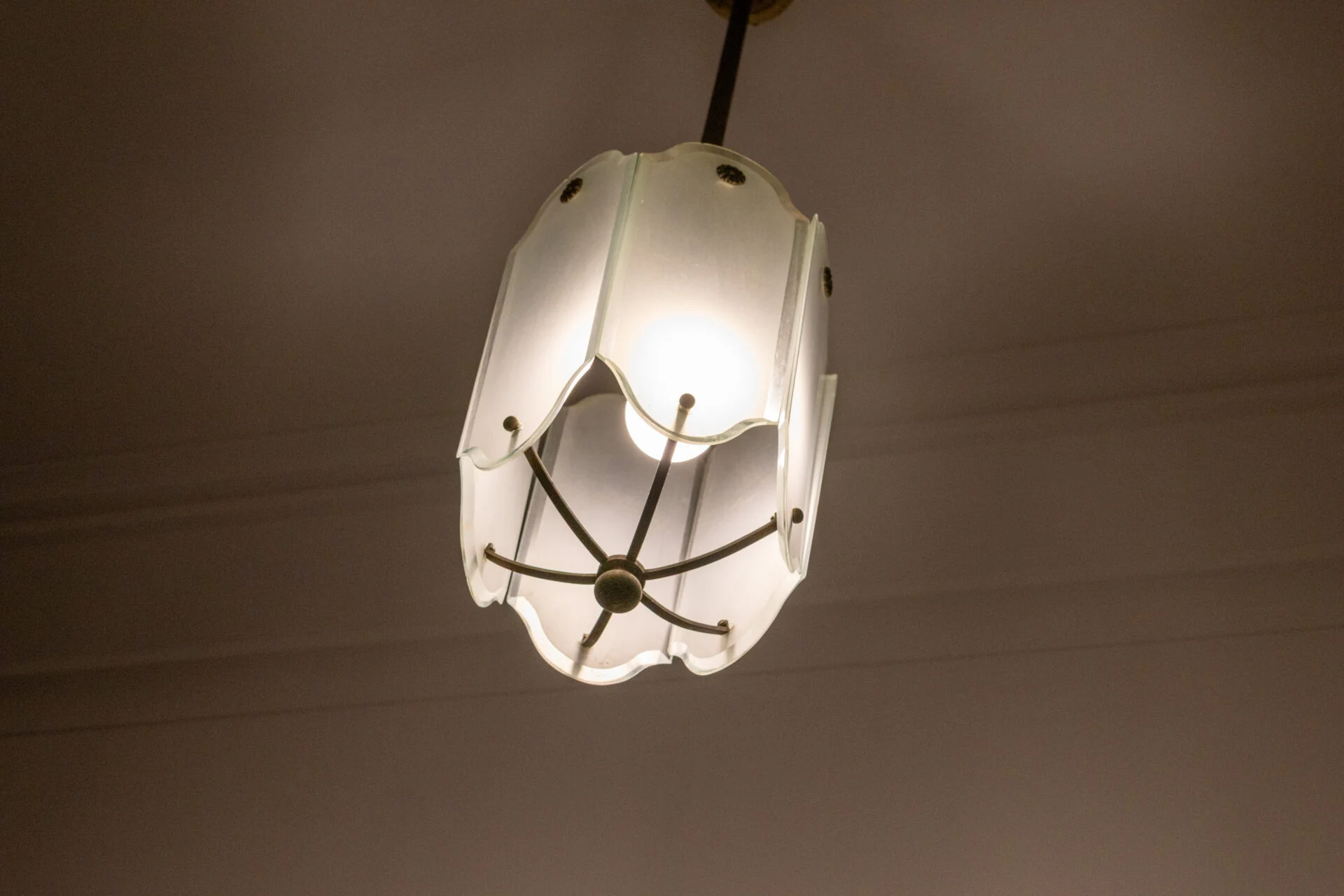
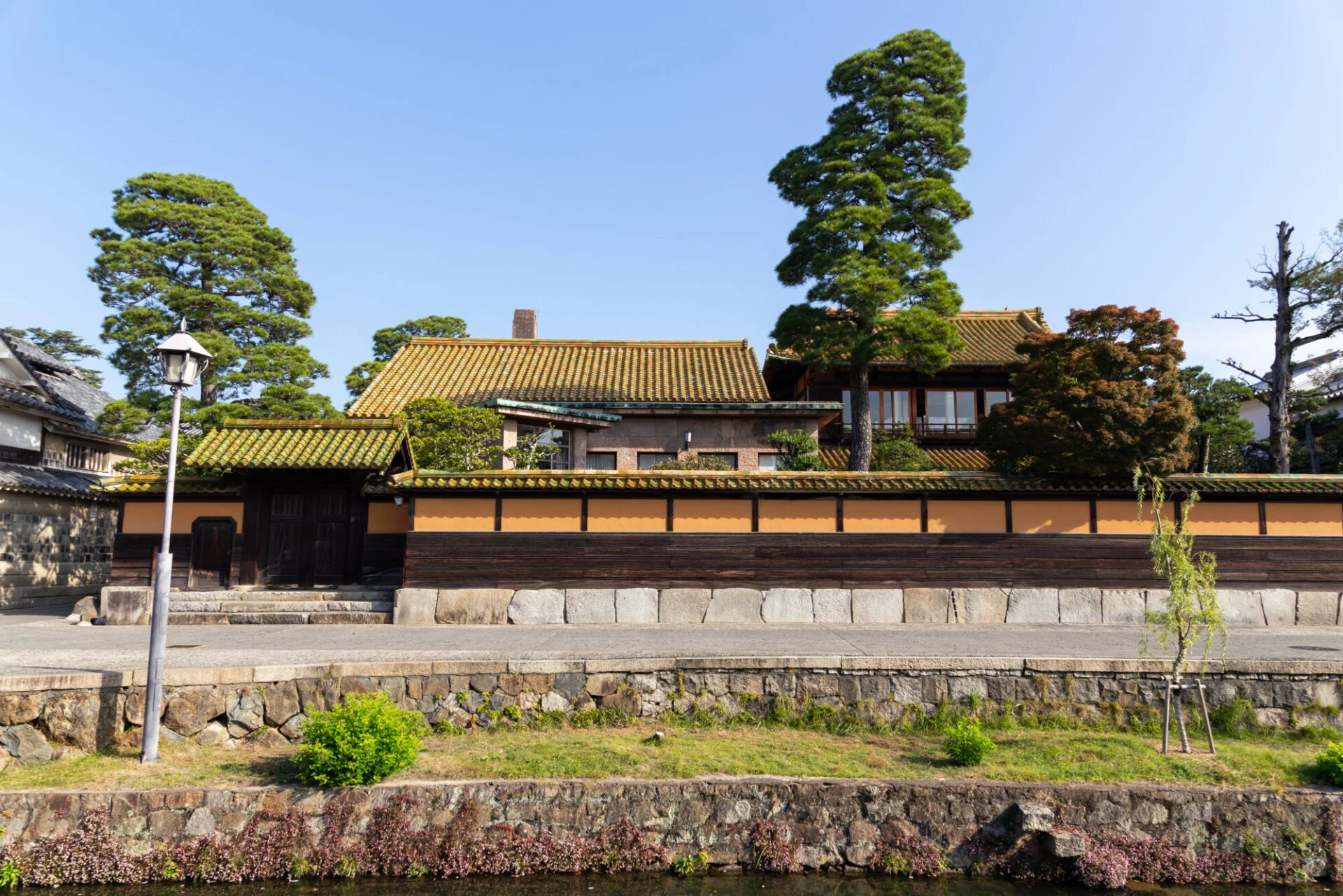
After the symposium, a architectural tour was conducted to visit Yurin-so Villa. Although I have entered Yurin-so several times during special openings, this was my first visit at night.
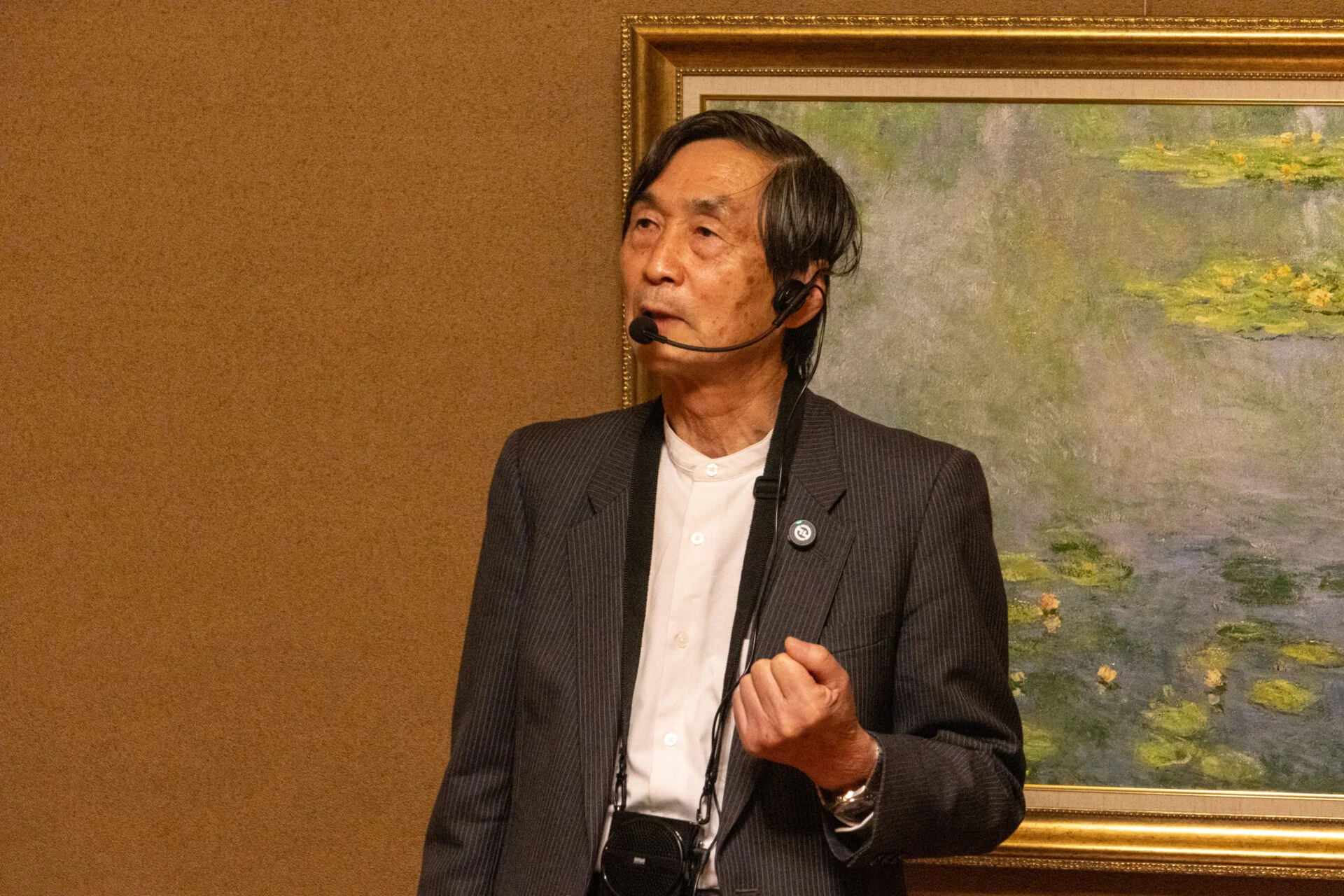
While touring the interior, I listened to Professor Ueda's explanations, focusing on the expression of the 1925 style (Art Deco style) by the designer, Yakushiji Kazue.


Conclusion
This symposium, held with the gathering of experts from various fields, was not limited to architecture.
The multifaceted interpretations of the architectural style of 1925 (Art Deco style) and its connections to archaeology, folk crafts, and art confirmed that what may seem unrelated at first glance is connected by the threads of history.
Additionally, the talk by Professor Yoshida Junichi about the stained glass that adorns Art Deco architecture was very interesting, as I had not known about the creators of the stained glass.
Articles about Ohara Museum of Art
1925 Symposium & Architecture Tour 'Opening 1925 from Architecture - Further Opening to Archaeology, Folk Crafts, and Art' Data

| Name | 1925 Symposium & Architecture Tour 'Opening 1925 from Architecture - Further Opening to Archaeology, Folk Crafts, and Art' |
|---|---|
| Date | November 29, 2025 (Saturday) 10:00 AM - 6:00 PM |
| Location | Ohara Museum of Art, Kojima Torajiro Memorial Gallery Lecture Room, Yurin-so Villa |
| Participation Fee (including tax) | Free (however, a ticket for entry to either Ohara Museum of Art or Kurashiki Archaeological Museum is required) |